


 Скачать презентацию Learning The ways of knowing and learning should
2c814502b73fbbc9ae402c491bbe5ca4.ppt
- Количество слайдов: 69
 Learning The ways of knowing and learning should be deeply connected with a practitioner’s work. Assessment and improvement must reflect that field, that work, those ways of learning and knowing. --Donald Schon (paraphrased)
 Staying Focused on Student Learning No Ifs, Ands or Ides of Assessment
 What’s been your institution’s response to … ASSESSMENT?


 Overview What We’re Learning Trends & Issues 2009 -10 Research Fundamental Questions New Questions
 What learning matters most for your students to learn? Where is there a critical gap?
 Your Values, Priorities Your Mission, Culture, Program, Discipline, and…
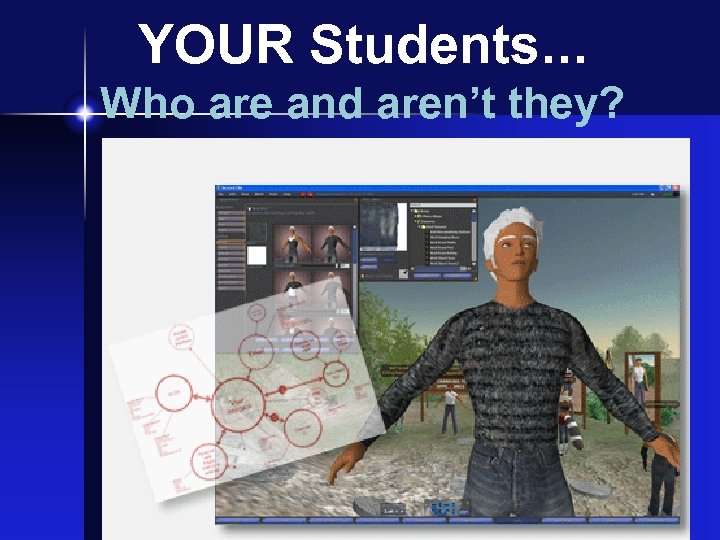 YOUR Students… Who are and aren’t they?
 What Difference Do You Want to Make? What do you most want your students to learn? Is it the relevant, appropriate, “right” learning? Are they learning it? Are you doing for students what you claim you do?
 Assessing & Improving Student Learning Outcomes n Iterative n Participatory n Action Research Process (not project)
 As a Strategy of Inquiry… n Focuses the institution on student learning and educational quality. n Defines learning in alignment with mission, vision, values, goals, degrees, and students. n Implements curricula and instruction in pursuit of defined learning. n Assesses to gather data/information on what and how well students learn.
 As a Strategy of Inquiry… n Engages many in analyzing and interpreting data/information. n Leads to shared responsibility for action on multiple levels across the institution. n Drives decisions within larger planning, evaluation, resource allocation systems. n Builds capacity to fulfill mission and thus, sustains integrity of institution.
 Fundamental Questions as Prompts for Conversation
 Clear Learning Outcomes How are your stated student learning outcomes appropriate to your mission, programs, students, and degrees?
 Info on What’s Learned What evidence do you have that students achieve your stated learning outcomes?
 Analysis and Use In what ways do you analyze and use evidence of student learning?
 Shared Responsibility How do you ensure shared responsibility for student learning & assessment of student learning?
 Realistic, Intentional, Practical How do you evaluate and improve the effectiveness of your efforts to assess and improve student learning?
 Conceptualize Meaningful Useful Workable Reasonable Puts students, their learning, & your learning CENTRAL to quality.
 Assessment is… n Discovering what students are learning n Determining if actual learning meets expectations n Improving future learning by: v Affirming what works v Changing curricula, teaching, environment v Changing delivery v Influencing actions and decisions v Changing access to resources
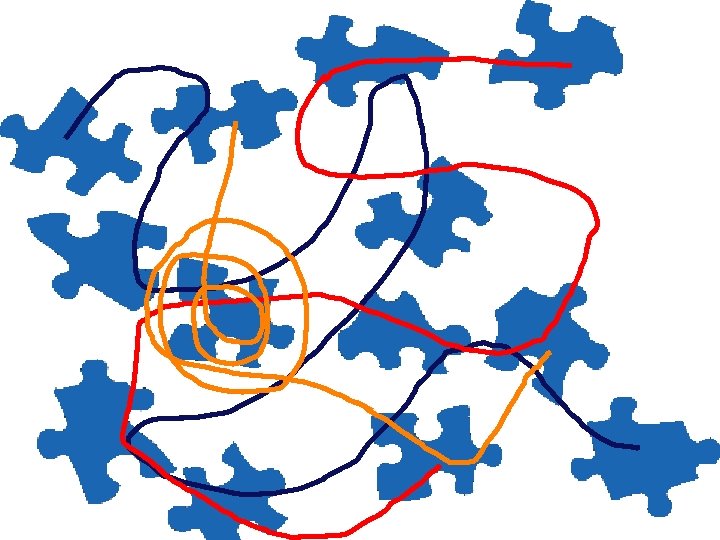
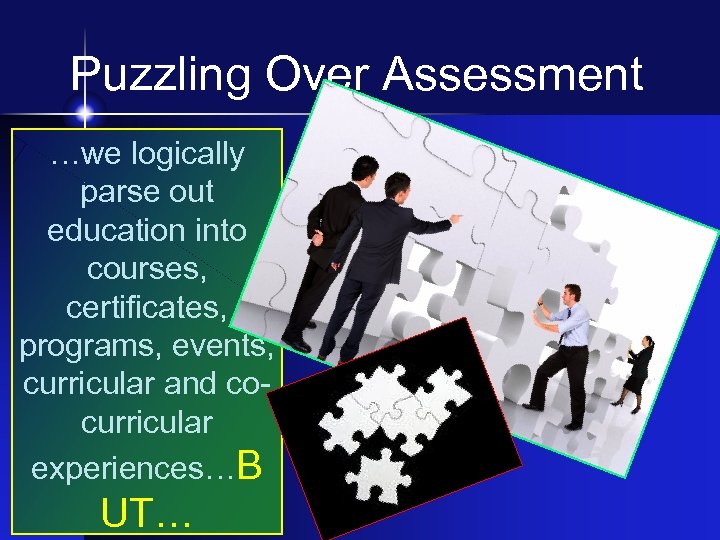 Puzzling Over Assessment …we logically parse out education into courses, certificates, programs, events, curricular and cocurricular experiences…B UT…
 Consider this Outcome RESPONSIBLE CITIZENSHIP: Become an informed, involved, and responsible citizen of a diverse yet interconnected national and global community.
 What We’ve Learned Eight Patterns of Success
 One: Focus on the Learning FIRST…. then Assessing, Researching It, Changing Everything Else Start reasonably—what makes sense to you and your institution and students.
 Two: Build Commitment to & Engagement in Learning Look for where it’s already happening, where there’s the positive, where there’s already success…start there.

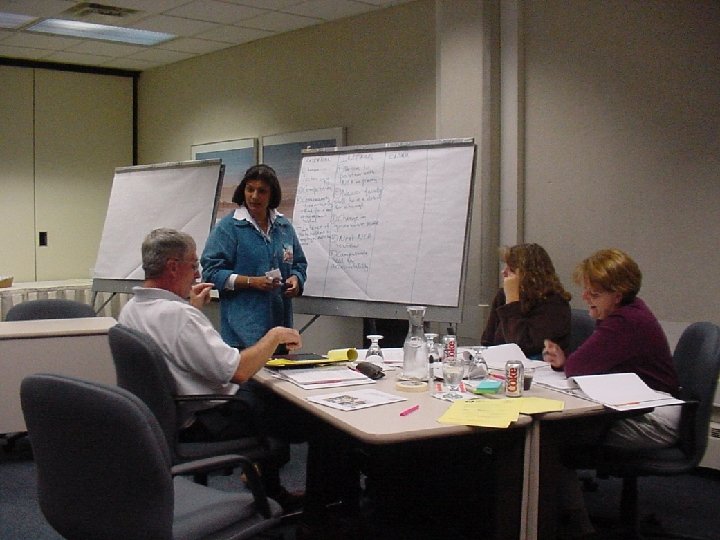
 Three: Develop Leadership & Leaders that Support, Trust, Respect, Follow Through
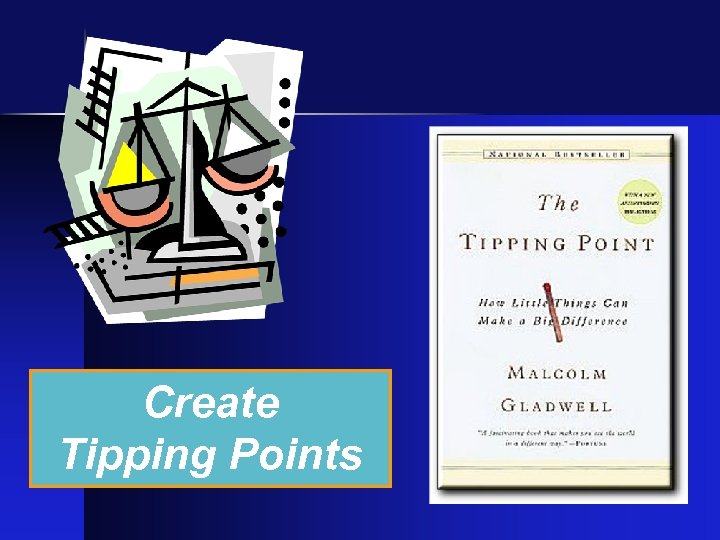 Create Tipping Points
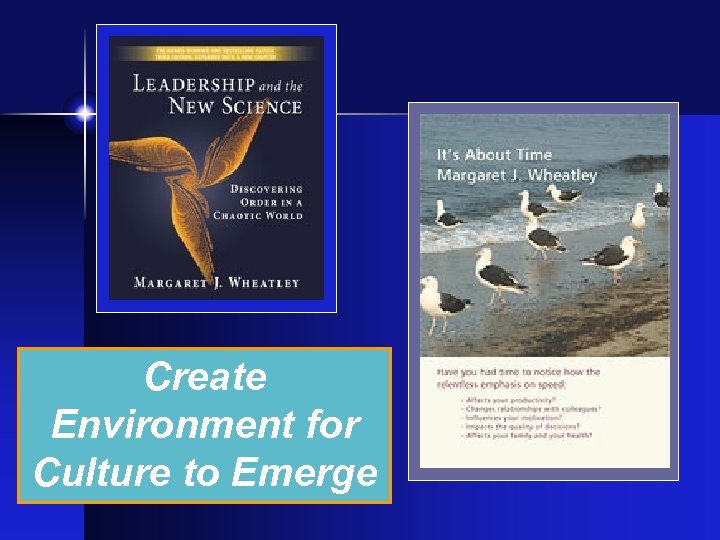 Create Environment for Culture to Emerge
 How do you bring people together to create the space for a new culture… Do you build from where you are…take the time to let things emerge (early adopters, early majority)…believe your people will get there?
 Four: Find and Use Intact Systems, Particularly Program Review…and Leverage Systems for Resources
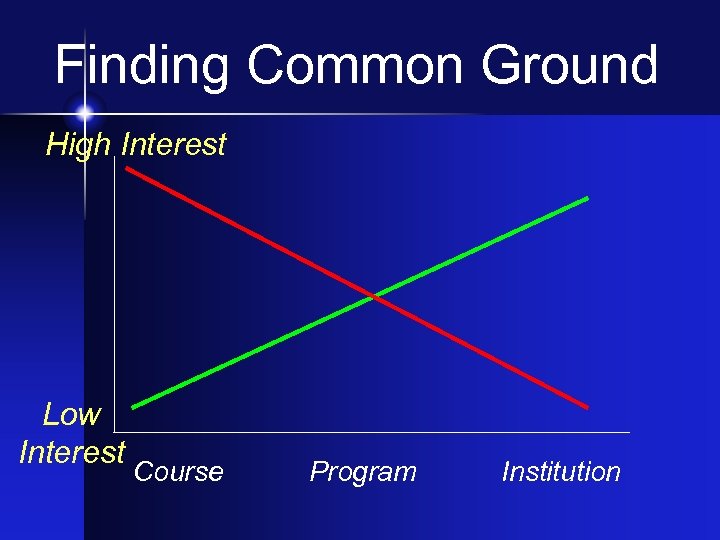 Finding Common Ground High Interest Low Interest Course Program Institution
 Five: Gather & Disseminate & Talk about Data, Information, Evidence…. Technology…. TAKE ACTION
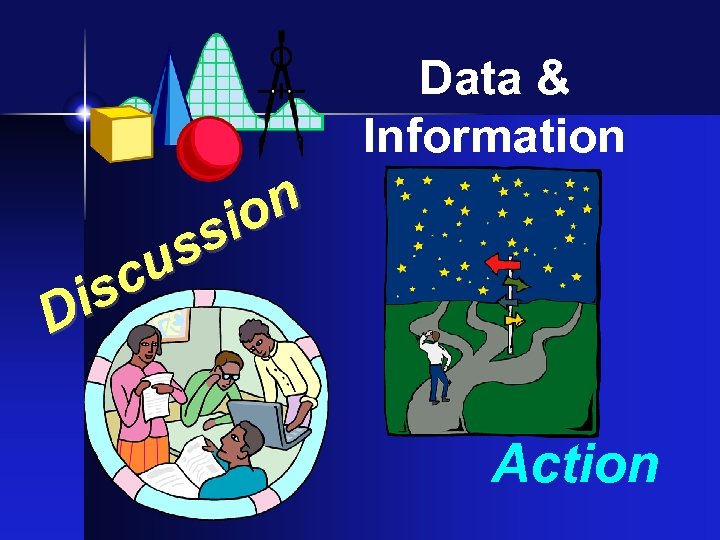 Data & Information n io s us sc i D Action
 Six: Build Knowledge, Expertise
 Seven: Listen to, Discuss, & Address the Real Issues, Challenges, & Pitfalls …assessment as straitjacket …assessment as mandate
 Institutions Thriving…. Eight: Begin in many places, proceed in diverse ways, but cover the same ground and expect everyone’s involvement. Collective Ownership of Student Learning

 Institutions Thriving…. Begin Where it Makes Sense Navigate to What’s Meaningful & Useful Persevere
 Current practices: Tools, Methods, Technology
 Current Practice: Trends n Redefining outcomes and strategies BASED ON learning data n Fine-tuning assessing to learning n Expanding to co-curricular learning --Learning Reconsidered 2 n Targeting specific learning and assessment strategies, gradually building whole system
 Current Practice: Trends Revamping—based on experience in assessing—to better get at the learning (tossing out what doesn’t work; figuring out what works) n Gathering & analyzing baseline data on learning n Expanding into graduate programs; differentiated learning per degree n
 Current Practice: Trends Figuring out shared responsibility, engagement n Documenting changes in learning n Redefining general education, the baccalaureate n Restructuring institutional processes, systems, structures n
 Future Practice: Trends Broadening definitions & boundaries-where learning occurs, via what means, & with whom n Creating “deep” assessment that gets at the complexities of what we most hope is learned n Inventorying, aligning, revamping systems, structures to focus on learning & assessing n
 Future Practice: Trends Creating consortia, partnerships, “My Space’s” for learning--making work & learning visible n Collaborating, benchmarking, and comparing learning results related to the broad, general, complex learning n Integration of technology to shift from static to live data, data generated, created, and used--analytics n
 Future Practice: Trends Communicating what and how well students learn more widely (“Learning Impact Report”) Public Disclosure of what & how well students learn n Evidence of student learning used to demonstrate effectiveness and accountability n Quality, credibility, and integrity of institution tied to student learning n
 Enduring Issues Most common barriers identified: n Time lags, fits & starts, turnover of leaders n Work load expansion and competing priorities n Lack of resources and reduced budgets or inability to depend on resources
 Enduring Issues Most common barriers identified: n Conflicts with established culture and processes like tenure, union contracts, program review n Few rewards or reward systems for teaching & learning n Documentation of learning beyond course level and grades
 Enduring Issues Most common barriers identified: n General education, defining it (curricula mapping), assessing it, owning it n Vague outcomes and standards for what will be learned n Lack of coherence of processes for TALKING--gathering, analyzing, and acting on evidence
 Heated Issues Conversation continues: Reducing to “boxed” outcomes…versus reaching for desired student learning n Assessment as ends…a straitjacket n Divorcing teaching from learning, faculty from student, learning from development n Accountability/Transparency websites-disclosing and explaining what and how well students learn—assessing the assessments and what they communicate n
 Changing Contexts Fewer Resources
 Demand for access Public accountability & higher education Changing contexts, few boundaries Reauthorization of Higher Education International pressure… professional mobility
 Calls for… n Access n Affordability n Transparency & Accountability n Quality n Innovation
 Context… n Comparability, Consistency n Clear “Minimum Level” Performance Standards n Global Competition, Productivity n Nation-building, National Goals n Efficiency…. Price
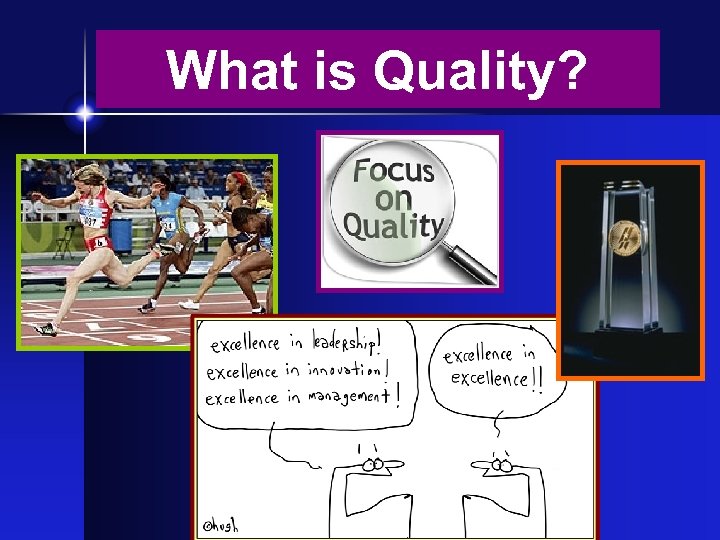 What is Quality?
 Who Will Define Quality?
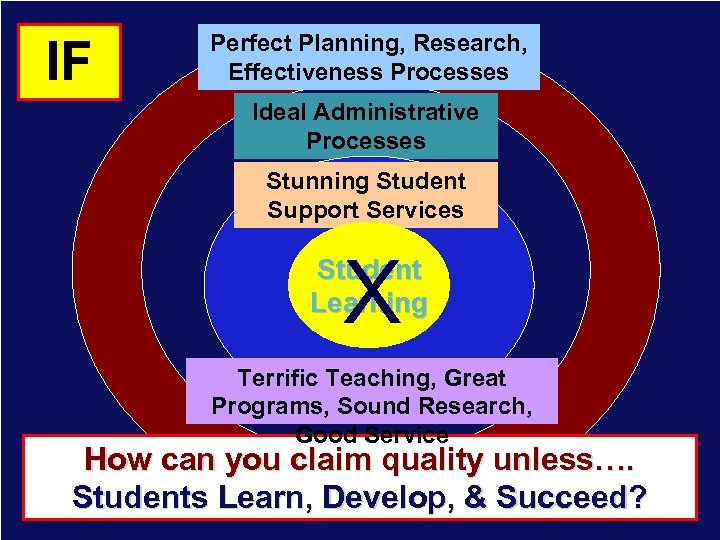 IF Perfect Planning, Research, Effectiveness Processes Ideal Administrative Processes Stunning Student Support Services X Student Learning Terrific Teaching, Great Programs, Sound Research, Good Service How can you claim quality unless…. Students Learn, Develop, & Succeed?
 New Question In what ways do you inform the public about what students learn and how well?
 Conceptualize Meaningful Useful Workable Reasonable Puts students, their learning, & your learning CENTRAL to quality.
 Assessment intended as positive resource of research on student learning, for student’s own deeper learning, & for educational & institutional improvement.
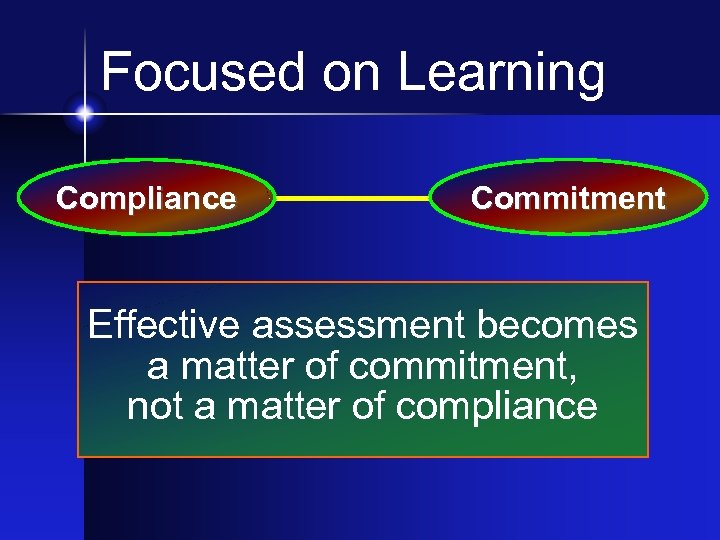 Focused on Learning Compliance Commitment Effective assessment becomes a matter of commitment, not a matter of compliance
 What commitments to student learning will you make and keep? It is a matter of mission, your profession, shared responsibility, and institutional integrity.
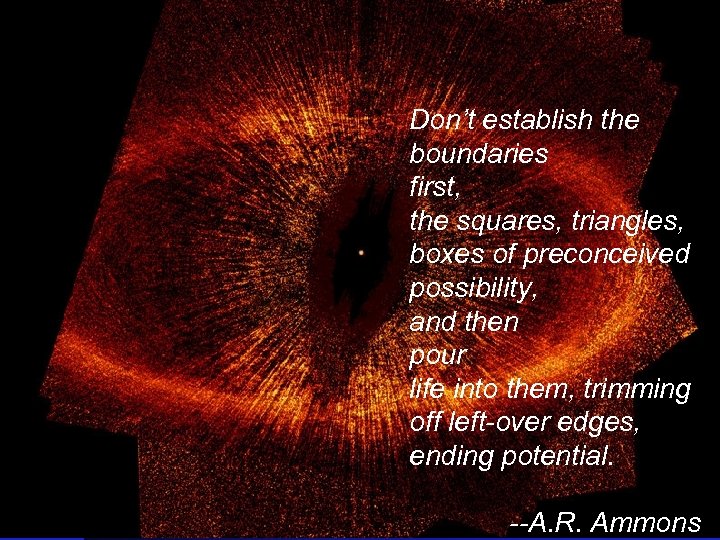 Don’t establish the boundaries first, the squares, triangles, boxes of preconceived possibility, and then pour life into them, trimming off left-over edges, ending potential. --A. R. Ammons
 A small group of thoughtful people could change the world. Indeed, it's the only thing that ever has. --Margaret Mead