 Скачать презентацию Learning from Civilians about Medicall Medical Unexplained Syndromes
d97daeabac231cdb449756b0a58de3bc.ppt
- Количество слайдов: 52



Learning from Civilians about Medicall Medical Unexplained Syndromes Benjamin H. Natelson, MD Director, Pain & Fatigue Study Center, Department of Pain Medicine, Beth Israel Medical Center and Professor of Neurology, Albert Einstein Medical Center, New York
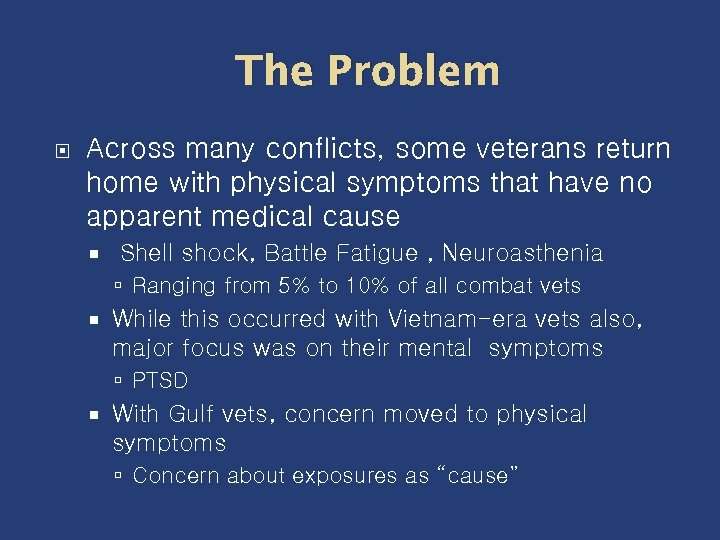
The Problem Across many conflicts, some veterans return home with physical symptoms that have no apparent medical cause Shell shock, Battle Fatigue , Neuroasthenia Ranging from 5% to 10% of all combat vets While this occurred with Vietnam-era vets also, major focus was on their mental symptoms PTSD With Gulf vets, concern moved to physical symptoms Concern about exposures as “cause”
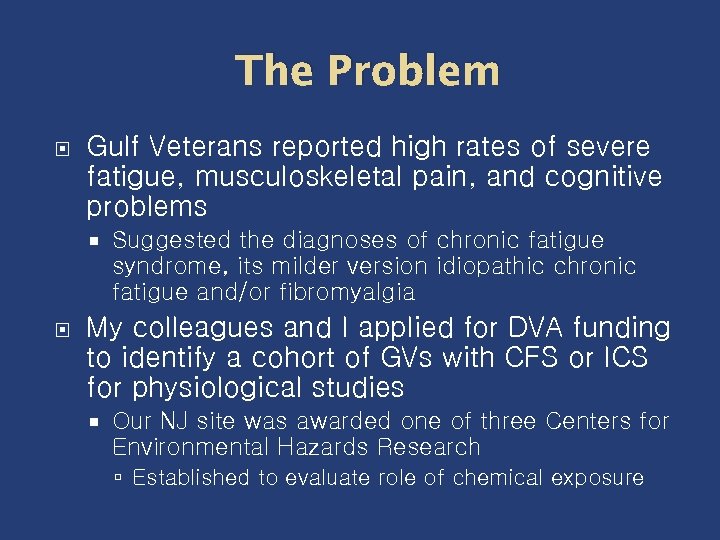
The Problem Gulf Veterans reported high rates of severe fatigue, musculoskeletal pain, and cognitive problems Suggested the diagnoses of chronic fatigue syndrome, its milder version idiopathic chronic fatigue and/or fibromyalgia My colleagues and I applied for DVA funding to identify a cohort of GVs with CFS or ICS for physiological studies Our NJ site was awarded one of three Centers for Environmental Hazards Research Established to evaluate role of chemical exposure
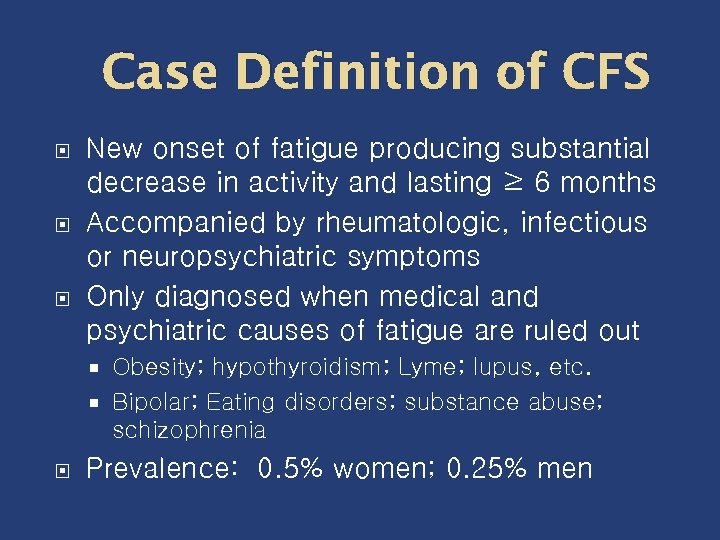
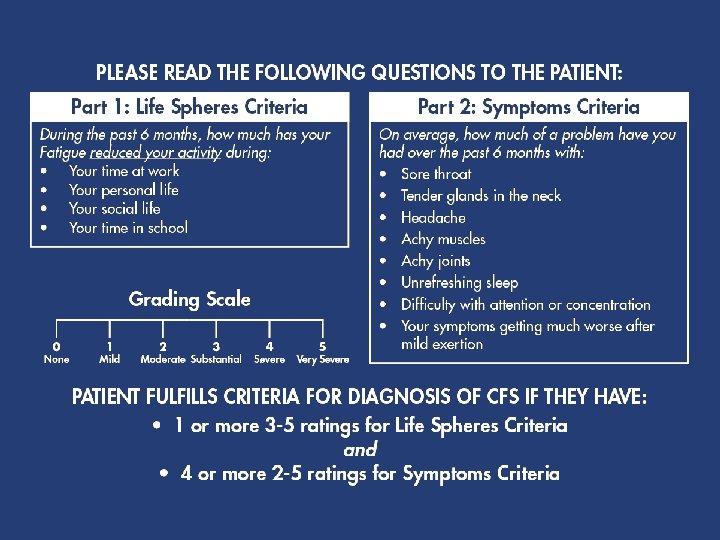
Case Definition of CFS New onset of fatigue producing substantial decrease in activity and lasting ≥ 6 months Accompanied by rheumatologic, infectious or neuropsychiatric symptoms Only diagnosed when medical and psychiatric causes of fatigue are ruled out Obesity; hypothyroidism; Lyme; lupus, etc. Bipolar; Eating disorders; substance abuse; schizophrenia Prevalence: 0. 5% women; 0. 25% men
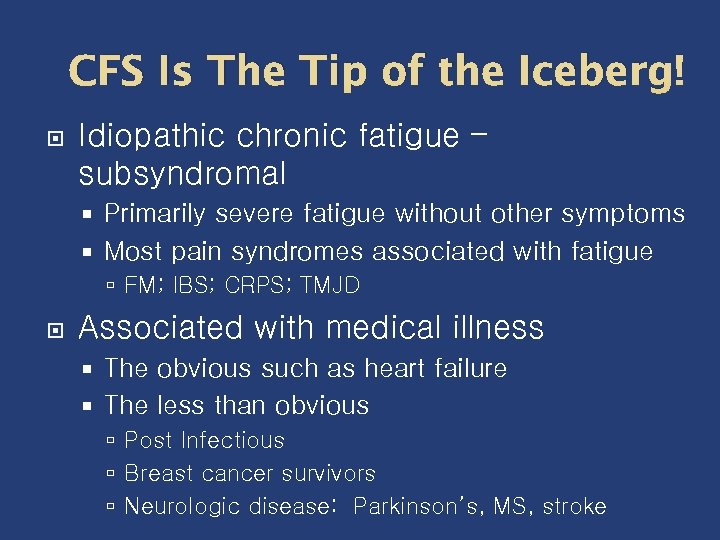
CFS Is The Tip of the Iceberg! Idiopathic chronic fatigue – subsyndromal Primarily severe fatigue without other symptoms Most pain syndromes associated with fatigue FM; IBS; CRPS; TMJD Associated with medical illness The obvious such as heart failure The less than obvious Post Infectious Breast cancer survivors Neurologic disease: Parkinson’s, MS, stroke
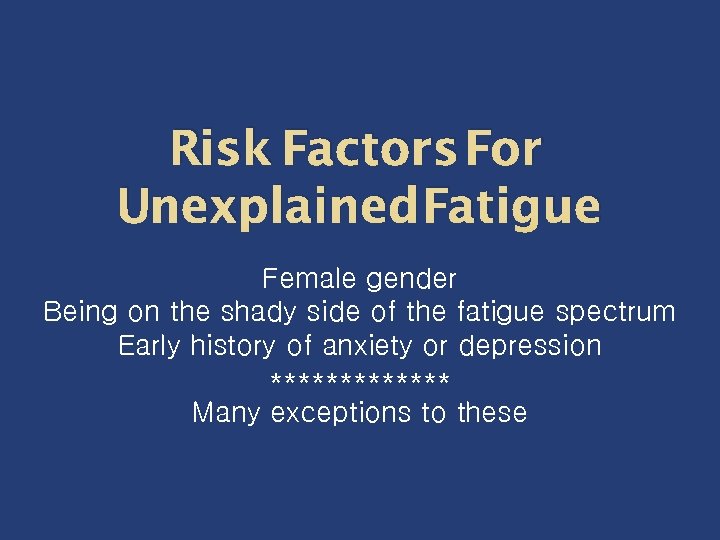
Risk Factors For Unexplained Fatigue Female gender Being on the shady side of the fatigue spectrum Early history of anxiety or depression ******* Many exceptions to these
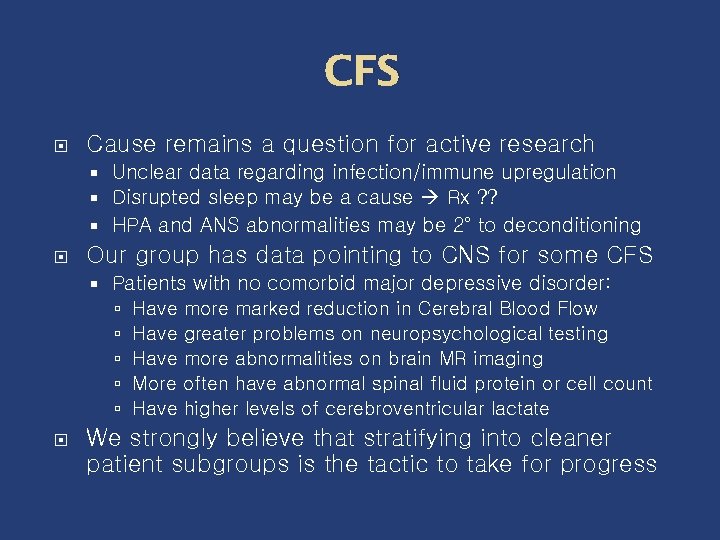
CFS Cause remains a question for active research Unclear data regarding infection/immune upregulation Disrupted sleep may be a cause Rx ? ? HPA and ANS abnormalities may be 2° to deconditioning Our group has data pointing to CNS for some CFS Patients with no comorbid major depressive disorder: Have more marked reduction in Cerebral Blood Flow Have greater problems on neuropsychological testing Have more abnormalities on brain MR imaging More often have abnormal spinal fluid protein or cell count Have higher levels of cerebroventricular lactate We strongly believe that stratifying into cleaner patient subgroups is the tactic to take for progress
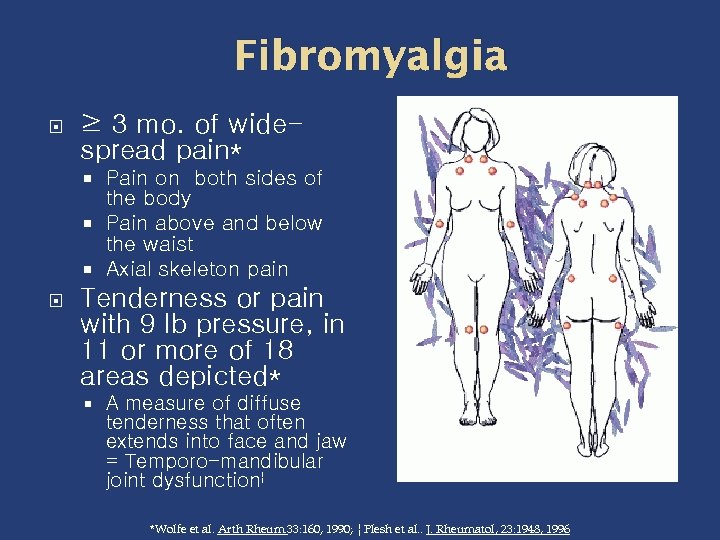
Fibromyalgia ≥ 3 mo. of widespread pain* Pain on both sides of the body Pain above and below the waist Axial skeleton pain Tenderness or pain with 9 lb pressure, in 11 or more of 18 areas depicted* A measure of diffuse tenderness that often extends into face and jaw = Temporo-mandibular joint dysfunction¦ *Wolfe et al. Arth Rheum. 33: 160, 1990; ¦Plesh et al. . J. Rheumatol, 23: 1948, 1996
Epidemiology of FM Problem in women’s health (W: M = 2 -3: 1) Widespread pain in the absence of rheumatological disease ~15% of population with more even gender split 1 With multiple tender points requirement, rates fall to 2 -4%2 = Primary FM Rates are the same in population of Amish women with limited secondary gain 3 Not hypochondriasis or classical somatizing In the presence of rheumatological disease, FM rates increase five-fold (secondary FM)2 1) Gran, Best Pract Res Clin Rheumatol, 2003 2) Wolfe, Arthitis Rhem. 1995; 3) White, J. Rheumatol. 2003
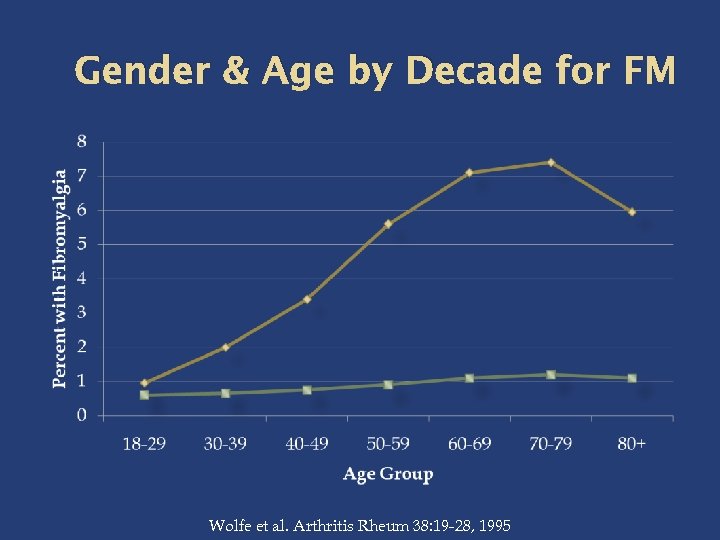
Gender & Age by Decade for FM Wolfe et al. Arthritis Rheum 38: 19 -28, 1995
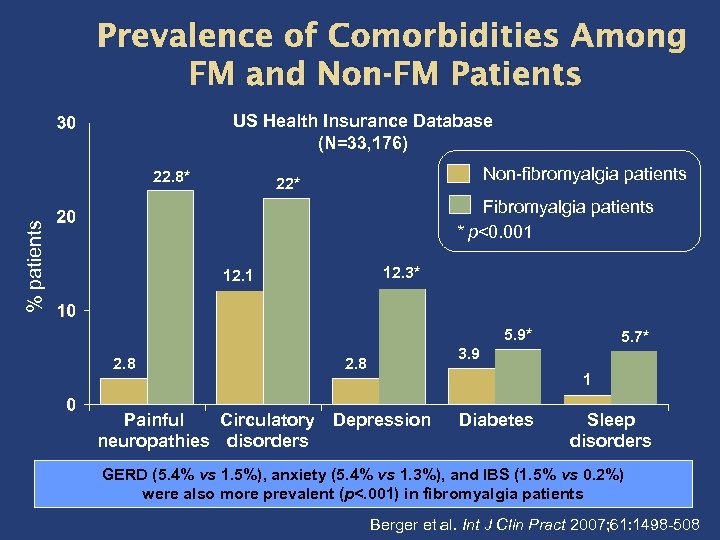
Prevalence of Comorbidities Among FM and Non-FM Patients US Health Insurance Database (N=33, 176) 22. 8* Non-fibromyalgia patients 22* % patients Fibromyalgia patients * p<0. 001 12. 3* 12. 1 5. 9* 2. 8 5. 7* 3. 9 2. 8 1 Painful Circulatory Depression neuropathies disorders Diabetes Sleep disorders GERD (5. 4% vs 1. 5%), anxiety (5. 4% vs 1. 3%), and IBS (1. 5% vs 0. 2%) were also more prevalent (p<. 001) in fibromyalgia patients Berger et al. Int J Clin Pract 2007; 61: 1498 -508
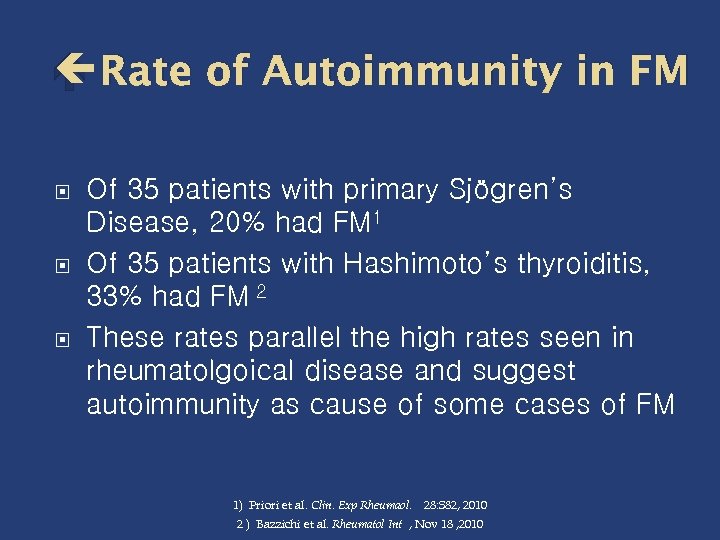
Rate of Autoimmunity in FM Of 35 patients with primary Sjögren’s Disease, 20% had FM 1 Of 35 patients with Hashimoto’s thyroiditis, 33% had FM 2 These rates parallel the high rates seen in rheumatolgoical disease and suggest autoimmunity as cause of some cases of FM 1) Priori et al. Clin. Exp Rheumaol. 28: S 82, 2010 2 ) Bazzichi et al. Rheumatol Int , Nov 18 , 2010
Sleep and Fatigue/Pain
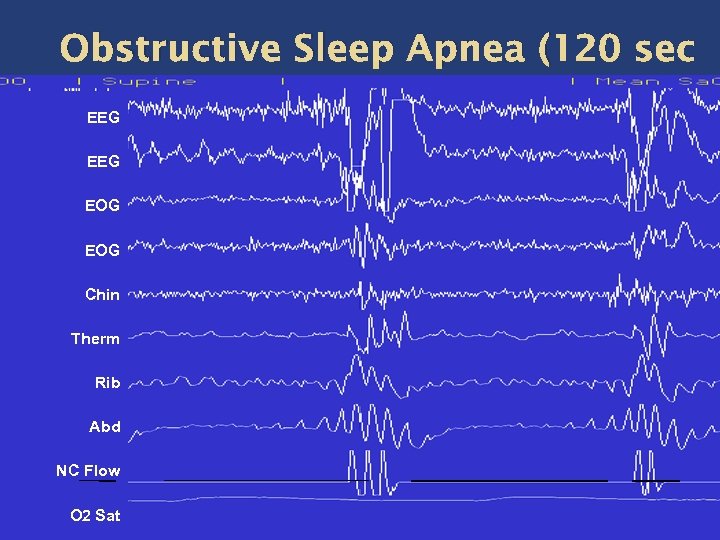
Obstructive Sleep Apnea (120 sec window) EEG EOG Chin Therm Rib Abd NC Flow O 2 Sat
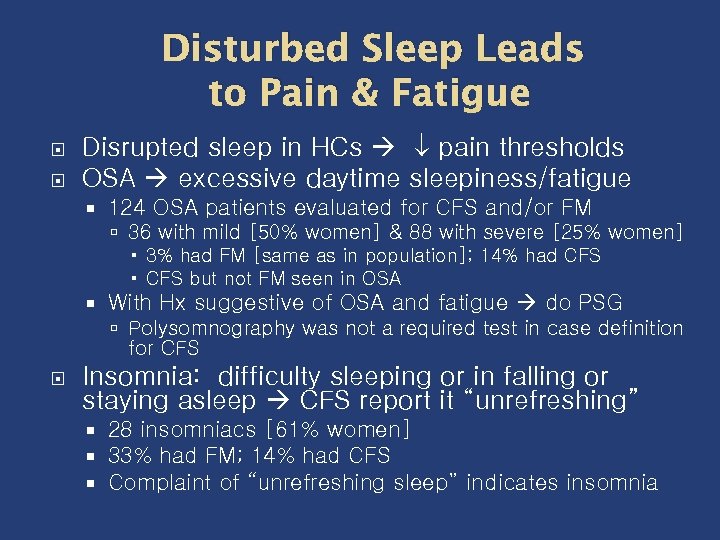
Disturbed Sleep Leads to Pain & Fatigue Disrupted sleep in HCs pain thresholds OSA excessive daytime sleepiness/fatigue 124 OSA patients evaluated for CFS and/or FM 36 with mild [50% women] & 88 with severe [25% women] 3% had FM [same as in population]; 14% had CFS but not FM seen in OSA With Hx suggestive of OSA and fatigue do PSG Polysomnography was not a required test in case definition for CFS Insomnia: difficulty sleeping or in falling or staying asleep CFS report it “unrefreshing” 28 insomniacs [61% women] 33% had FM; 14% had CFS Complaint of “unrefreshing sleep” indicates insomnia
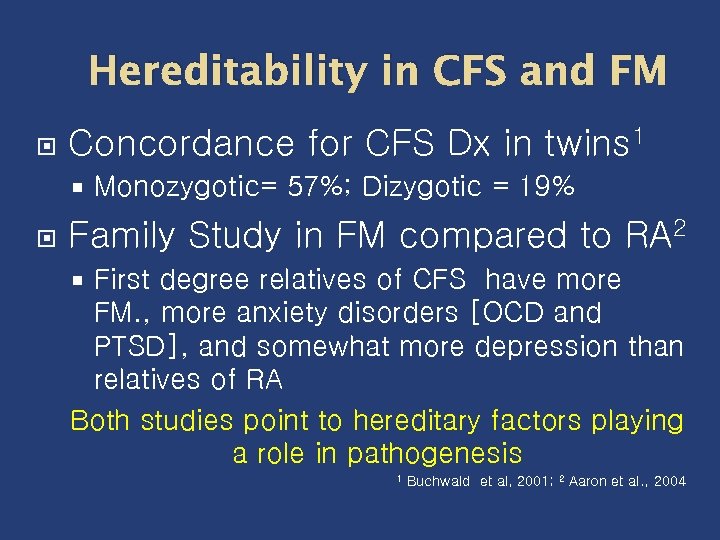
Hereditability in CFS and FM Concordance for CFS Dx in twins 1 Monozygotic= 57%; Dizygotic = 19% Family Study in FM compared to RA 2 First degree relatives of CFS have more FM. , more anxiety disorders [OCD and PTSD], and somewhat more depression than relatives of RA Both studies point to hereditary factors playing a role in pathogenesis 1 Buchwald et al, 2001; 2 Aaron et al. , 2004
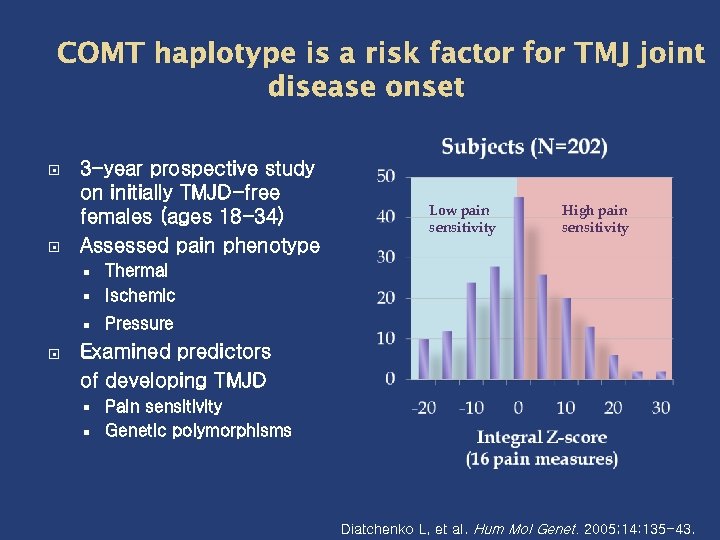
COMT haplotype is a risk factor for TMJ joint disease onset 3 -year prospective study on initially TMJD-free females (ages 18 -34) Assessed pain phenotype Low pain sensitivity High pain sensitivity Thermal Ischemic Pressure Examined predictors of developing TMJD Pain sensitivity Genetic polymorphisms Diatchenko L, et al. Hum Mol Genet. 2005; 14: 135 -43.
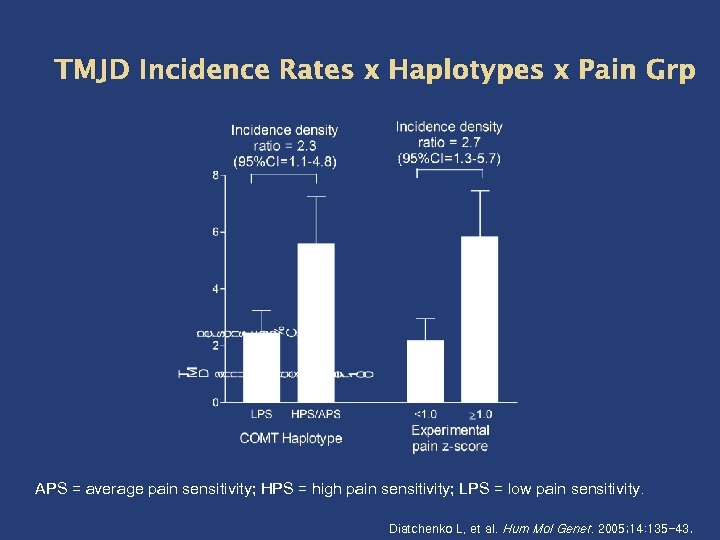
TMJD Incidence Rates x Haplotypes x Pain Grp APS = average pain sensitivity; HPS = high pain sensitivity; LPS = low pain sensitivity. Diatchenko L, et al. Hum Mol Genet. 2005; 14: 135 -43.
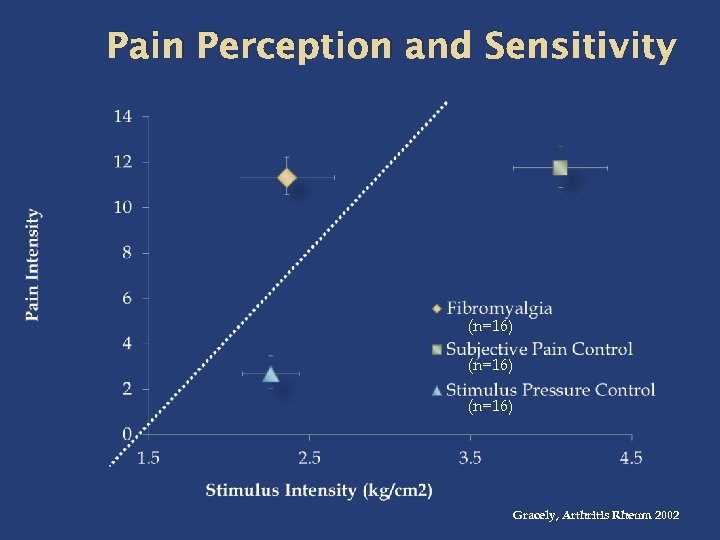
Pain Perception and Sensitivity (n=16) Gracely, Arthritis Rheum 2002
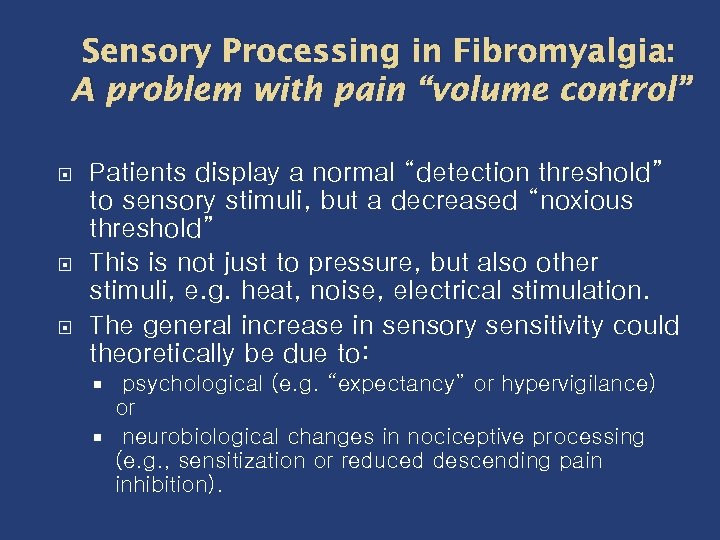
Sensory Processing in Fibromyalgia: A problem with pain “volume control” Patients display a normal “detection threshold” to sensory stimuli, but a decreased “noxious threshold” This is not just to pressure, but also other stimuli, e. g. heat, noise, electrical stimulation. The general increase in sensory sensitivity could theoretically be due to: psychological (e. g. “expectancy” or hypervigilance) or neurobiological changes in nociceptive processing (e. g. , sensitization or reduced descending pain inhibition).
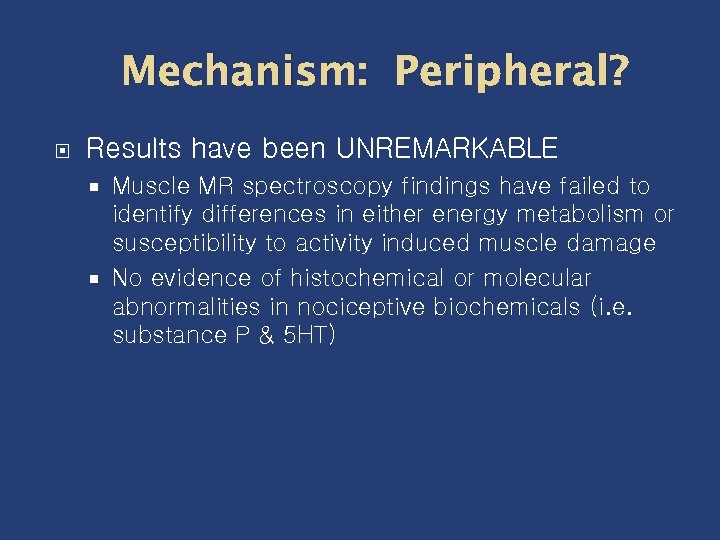
Mechanism: Peripheral? Results have been UNREMARKABLE Muscle MR spectroscopy findings have failed to identify differences in either energy metabolism or susceptibility to activity induced muscle damage No evidence of histochemical or molecular abnormalities in nociceptive biochemicals (i. e. substance P & 5 HT)
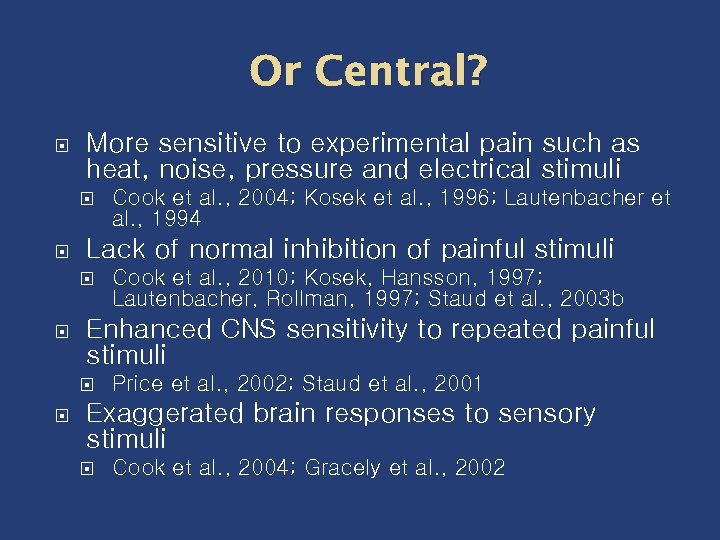
Or Central? More sensitive to experimental pain such as heat, noise, pressure and electrical stimuli Lack of normal inhibition of painful stimuli Cook et al. , 2010; Kosek, Hansson, 1997; Lautenbacher, Rollman, 1997; Staud et al. , 2003 b Enhanced CNS sensitivity to repeated painful stimuli Cook et al. , 2004; Kosek et al. , 1996; Lautenbacher et al. , 1994 Price et al. , 2002; Staud et al. , 2001 Exaggerated brain responses to sensory stimuli Cook et al. , 2004; Gracely et al. , 2002
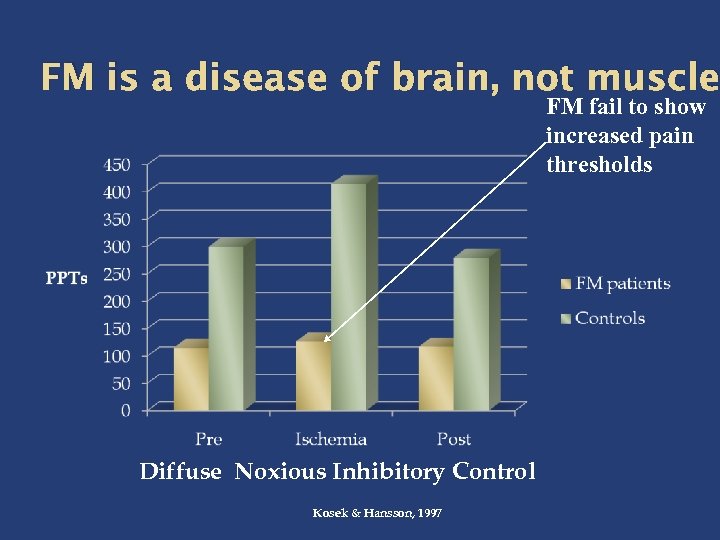
FM is a disease of brain, not muscle FM fail to show increased pain thresholds Diffuse Noxious Inhibitory Control Kosek & Hansson, 1997
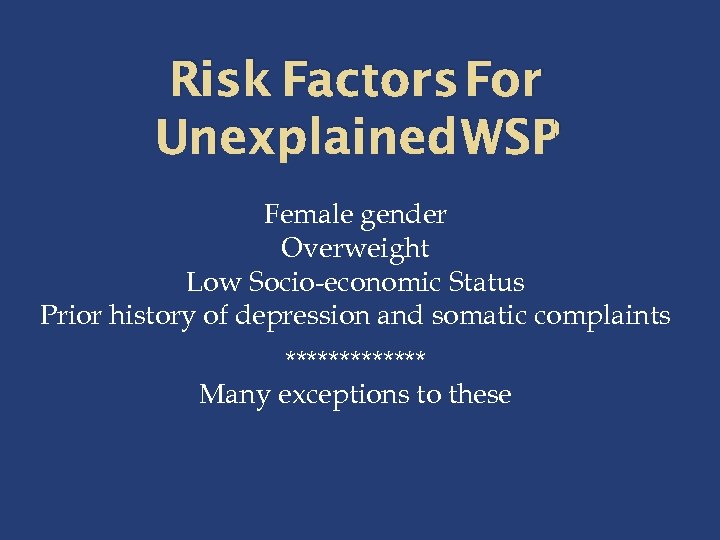
Risk Factors For Unexplained WSP Female gender Overweight Low Socio-economic Status Prior history of depression and somatic complaints ******* Many exceptions to these
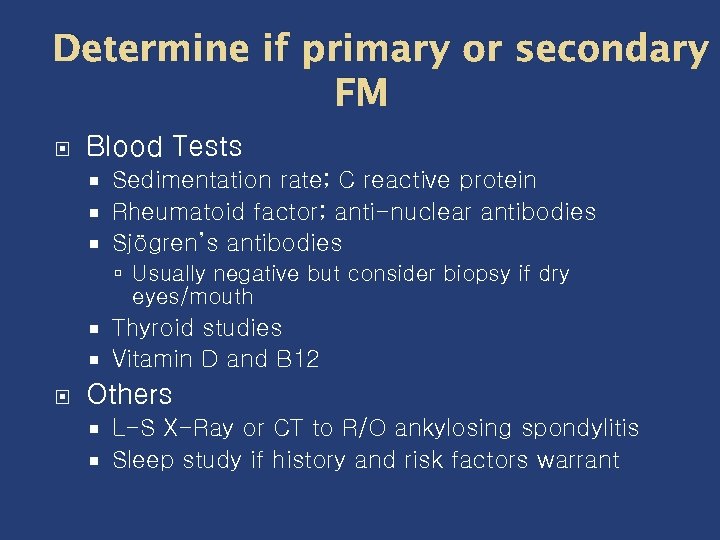
Determine if primary or secondary FM Blood Tests Sedimentation rate; C reactive protein Rheumatoid factor; anti-nuclear antibodies Sjögren’s antibodies Usually negative but consider biopsy if dry eyes/mouth Thyroid studies Vitamin D and B 12 Others L-S X-Ray or CT to R/O ankylosing spondylitis Sleep study if history and risk factors warrant
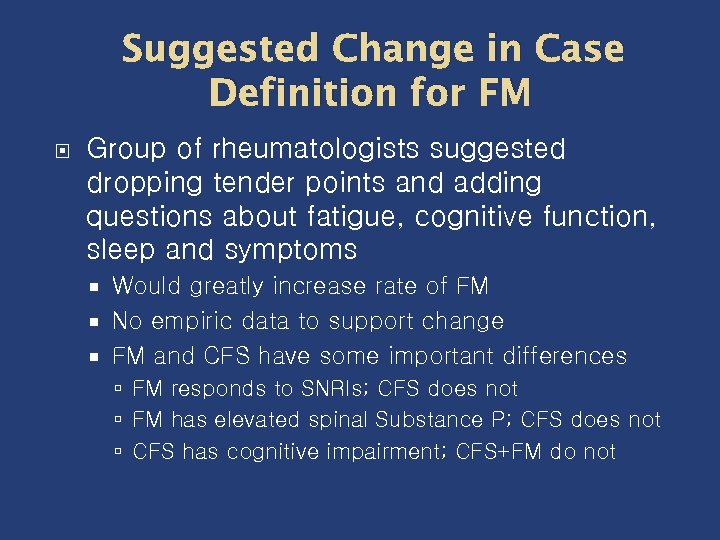
Suggested Change in Case Definition for FM Group of rheumatologists suggested dropping tender points and adding questions about fatigue, cognitive function, sleep and symptoms Would greatly increase rate of FM No empiric data to support change FM and CFS have some important differences FM responds to SNRIs; CFS does not FM has elevated spinal Substance P; CFS does not CFS has cognitive impairment; CFS+FM do not
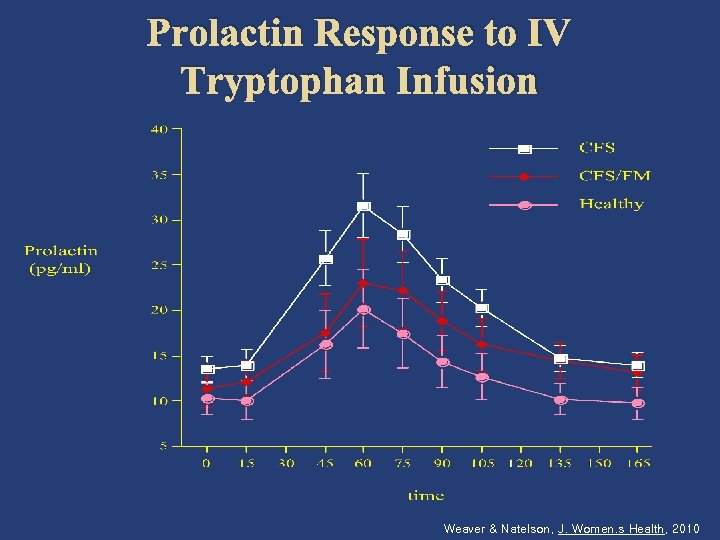
Prolactin Response to IV Tryptophan Infusion Weaver & Natelson, J. Women. s Health, 2010
Suggested Change in Case Definition for FM Group of rheumatologists suggested dropping tender points and adding questions about fatigue, cognitive function, sleep and symptoms Would greatly increase rate of FM No empiric data to support change FM and CFS have some important differences FM responds to SNRIs; CFS does not FM has elevated spinal Substance P; CFS does not CFS has cognitive impairment; CFS+FM do not I think this will confuse rather than help our understanding of these syndromes stick with separate diagnoses pending new evidence
Medically Unexplained Sx in GVs CFS is more common in GVs than controls While widespread pain is acknowledged to be higher in GVs than era, rates of FM less clear 2. 2% in GVs vs 0. 3% in community controls 1 1. 6% in GVs vs 0. 1% in era vets 2 Disabled GVs have higher rates of CFS than disabled era vets or disabled Bosnian vets 3 FM in 2% of GVs vs 1. 2% era vets >> significant 2 but these rates approach those seen in the community We compared 30 GVs to 84 non-vets – all Caucasian males and all fulfilling the 1994 case definition for CFS 4 1 Mc. Cauley et al. , 2002; 2 Eisen et al, 2005; 3 Ismail et al. , 2008; 4 Ciccone & Natelson, 2010
![Multiple Chemical Sensitivity [MCS] Exposure to more than one odor or chemical produces symptoms](https://present5.com/presentation/d97daeabac231cdb449756b0a58de3bc/image-31.jpg "Multiple Chemical Sensitivity [MCS] Exposure to more than one odor or chemical produces symptoms")
Multiple Chemical Sensitivity [MCS] Exposure to more than one odor or chemical produces symptoms in more than one organ system Detergent and perfume HAs, gastric distress Can be sudden in onset related to some exposure Patients avoids exposure to odorants Since GVs were exposed to multiple chemicals including diesel, burning garbage, ACh. Es, hypothesis is GVs with CFS should have more MCS than civilians with CFS
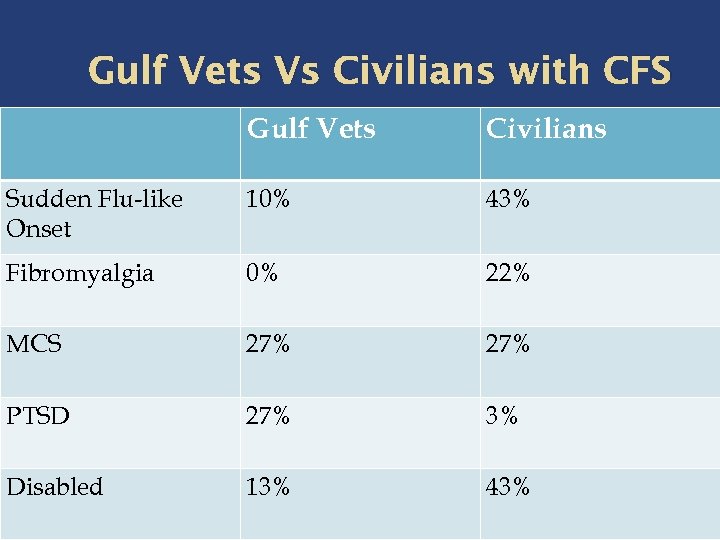
Gulf Vets Vs Civilians with CFS Gulf Vets Civilians Sudden Flu-like Onset 10% 43% Fibromyalgia 0% 22% MCS 27% PTSD 27% 3% Disabled 13% 43%
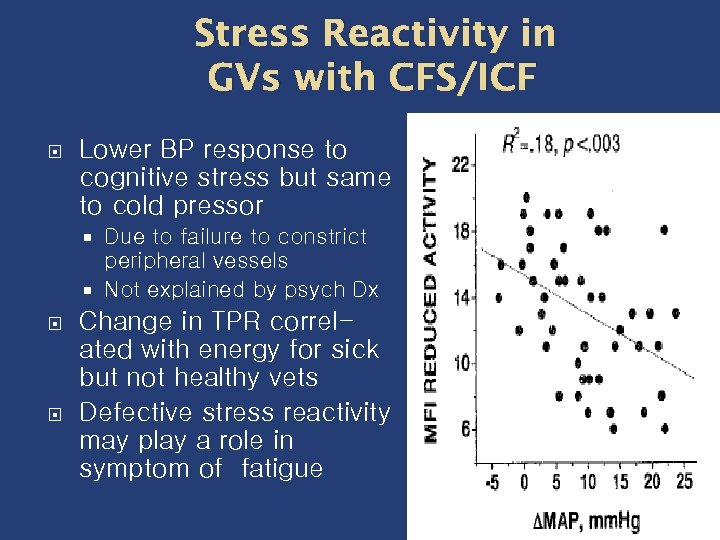
Stress Reactivity in GVs with CFS/ICF Lower BP response to cognitive stress but same to cold pressor Due to failure to constrict peripheral vessels Not explained by psych Dx Change in TPR correlated with energy for sick but not healthy vets Defective stress reactivity may play a role in symptom of fatigue
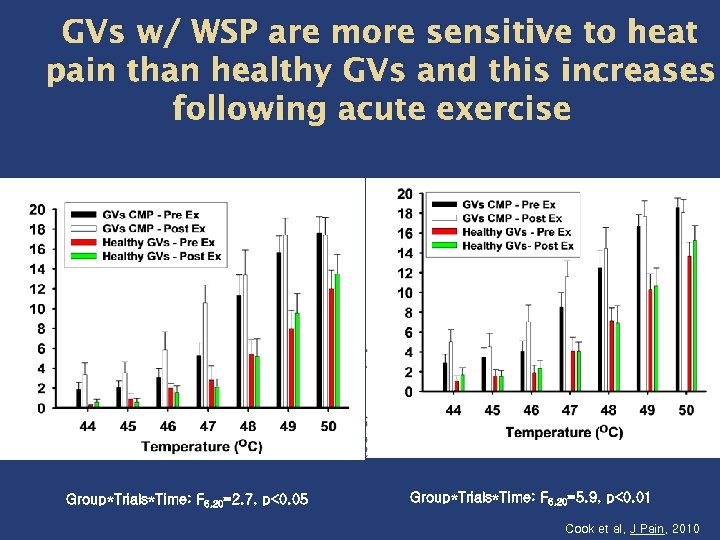
GVs w/ WSP are more sensitive to heat pain than healthy GVs and this increases following acute exercise Group*Trials*Time: F 6, 20=2. 7, p<0. 05 Group*Trials*Time: F 6, 20=5. 9, p<0. 01 Cook et al, J Pain, 2010
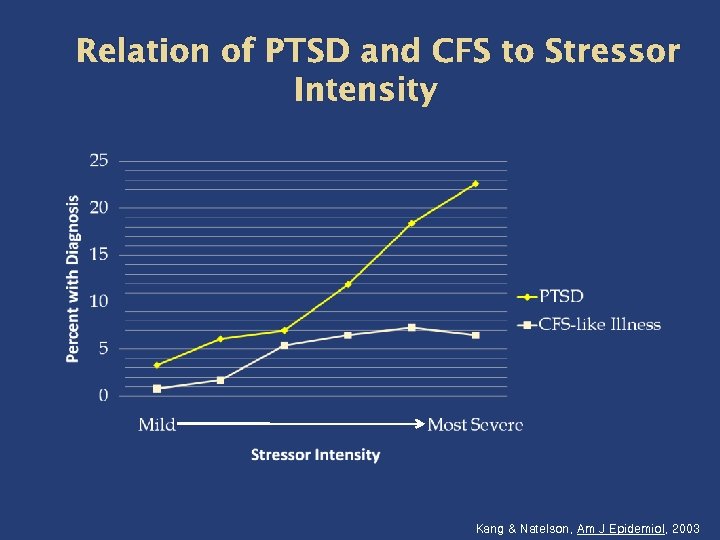
Relation of PTSD and CFS to Stressor Intensity Kang & Natelson, Am J Epidemiol, 2003
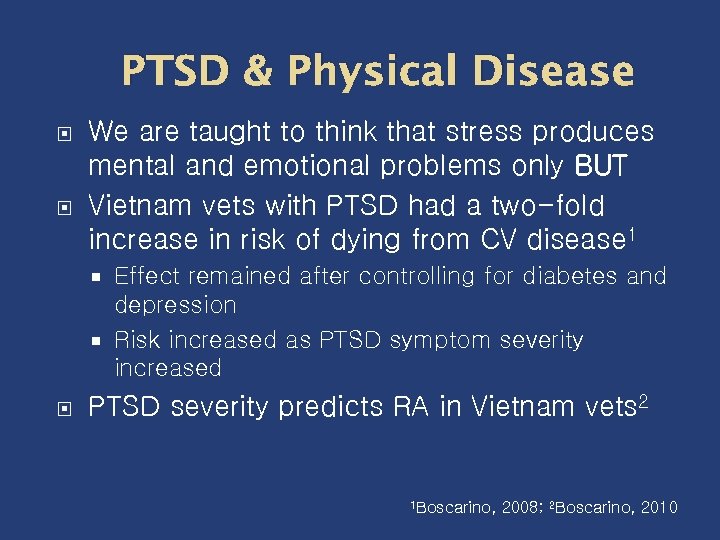
PTSD & Physical Disease We are taught to think that stress produces mental and emotional problems only BUT Vietnam vets with PTSD had a two-fold increase in risk of dying from CV disease 1 Effect remained after controlling for diabetes and depression Risk increased as PTSD symptom severity increased PTSD severity predicts RA in Vietnam vets 2 1 Boscarino, 2008; 2 Boscarino, 2010
This Holds for OEF-OIF Vets Too OEF/OIF vets with PTSD have more physical disease diagnoses than those without PTSD Andersen et al, 2010
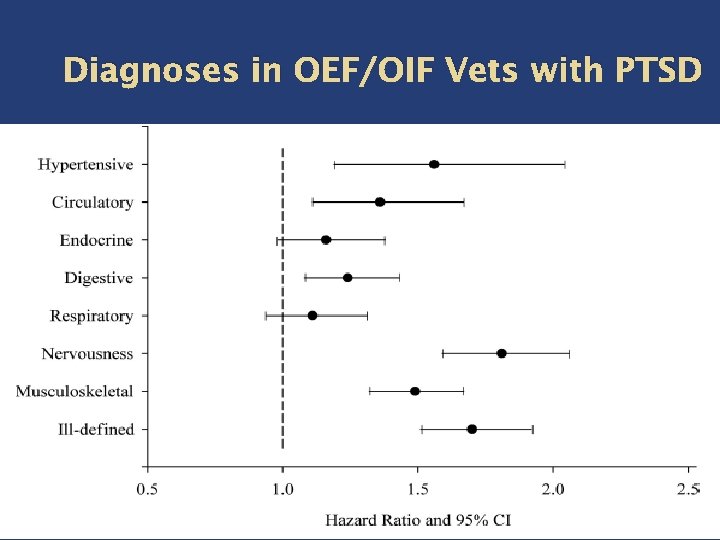
Diagnoses in OEF/OIF Vets with PTSD
What About OEF-OIF Vets? Current thinking is focused on mild traumatic brain injury but how about other possibilities? Of 675 OEF/OIF vets who came to the New Jersey WRIISC with health concerns, 17. 6% fulfilled criteria for CFS!!
This Result Leads to an Inference Although this study is based on health care seeking vets and is not a random sample, the high rate of CFS in OEF/OIF strongly suggests that the “epidemic” of CFS seen after the Gulf conflict was not a function of exposure to burning diesel fumes or ACh. Es including Sarin
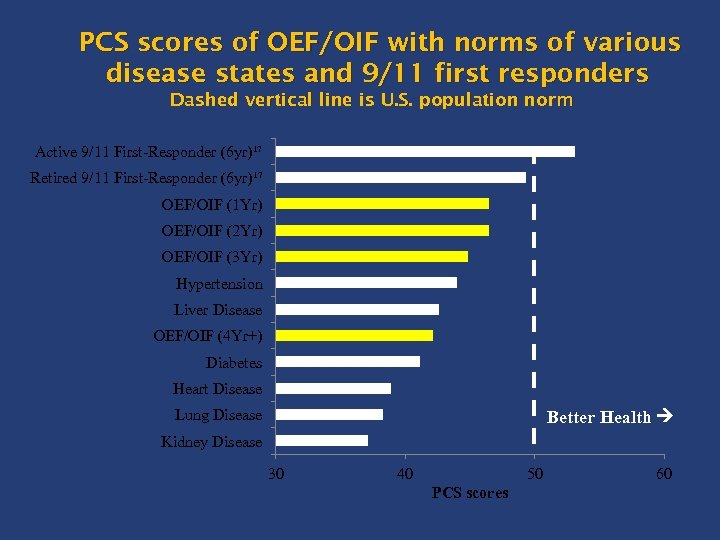
PCS scores of OEF/OIF with norms of various disease states and 9/11 first responders Dashed vertical line is U. S. population norm Active 9/11 First-Responder (6 yr)¹⁷ Retired 9/11 First-Responder (6 yr)¹⁷ OEF/OIF (1 Yr) OEF/OIF (2 Yr) OEF/OIF (3 Yr) Hypertension Liver Disease OEF/OIF (4 Yr+) Diabetes Heart Disease Lung Disease Better Health Kidney Disease 30 40 50 PCS scores 60
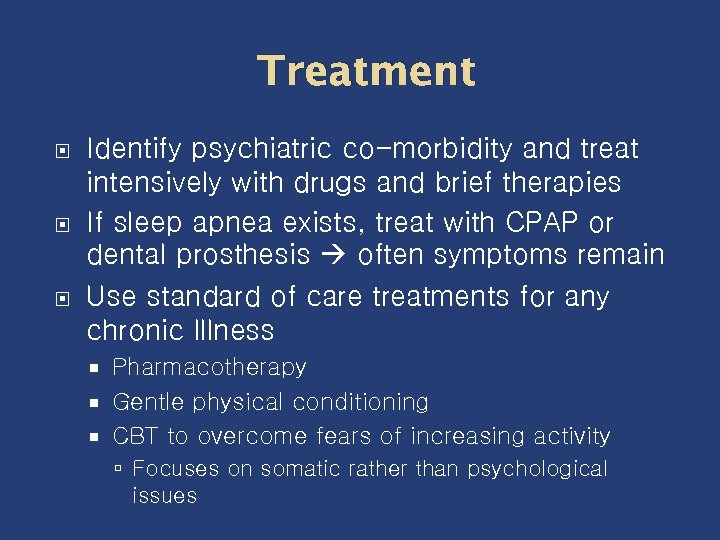
Treatment Identify psychiatric co-morbidity and treat intensively with drugs and brief therapies If sleep apnea exists, treat with CPAP or dental prosthesis often symptoms remain Use standard of care treatments for any chronic Illness Pharmacotherapy Gentle physical conditioning CBT to overcome fears of increasing activity Focuses on somatic rather than psychological issues
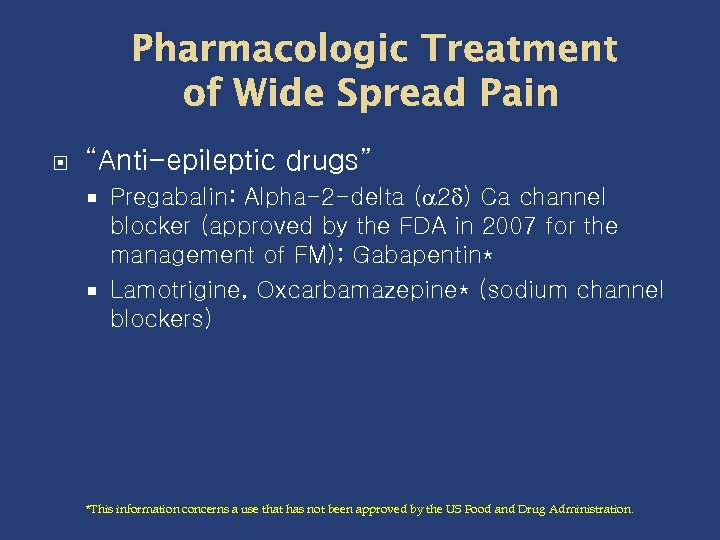
Pharmacologic Treatment of Wide Spread Pain “Anti-epileptic drugs” Pregabalin: Alpha-2 -delta ( 2 ) Ca channel blocker (approved by the FDA in 2007 for the management of FM); Gabapentin* Lamotrigine, Oxcarbamazepine* (sodium channel blockers) *This information concerns a use that has not been approved by the US Food and Drug Administration.
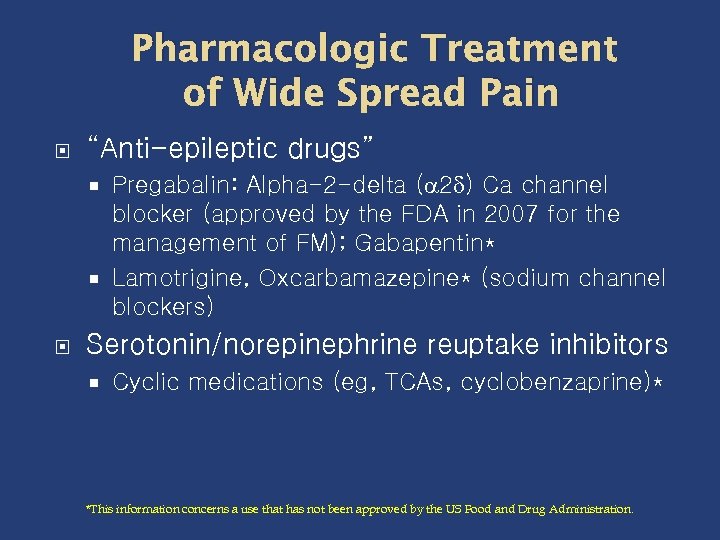
Pharmacologic Treatment of Wide Spread Pain “Anti-epileptic drugs” Pregabalin: Alpha-2 -delta ( 2 ) Ca channel blocker (approved by the FDA in 2007 for the management of FM); Gabapentin* Lamotrigine, Oxcarbamazepine* (sodium channel blockers) Serotonin/norepinephrine reuptake inhibitors Cyclic medications (eg, TCAs, cyclobenzaprine)* *This information concerns a use that has not been approved by the US Food and Drug Administration.
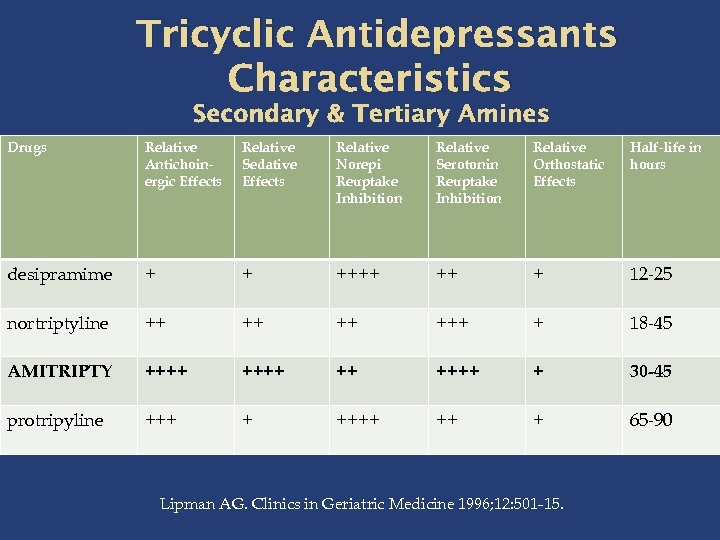
Tricyclic Antidepressants Characteristics Secondary & Tertiary Amines Drugs Relative Antichoinergic Effects Relative Sedative Effects Relative Norepi Reuptake Inhibition Relative Serotonin Reuptake Inhibition Relative Orthostatic Effects Half-life in hours desipramime + + ++++ ++ + 12 -25 nortriptyline ++ +++ + 18 -45 AMITRIPTY ++++ ++ ++++ + 30 -45 protripyline +++ + ++++ ++ + 65 -90 Lipman AG. Clinics in Geriatric Medicine 1996; 12: 501 -15.
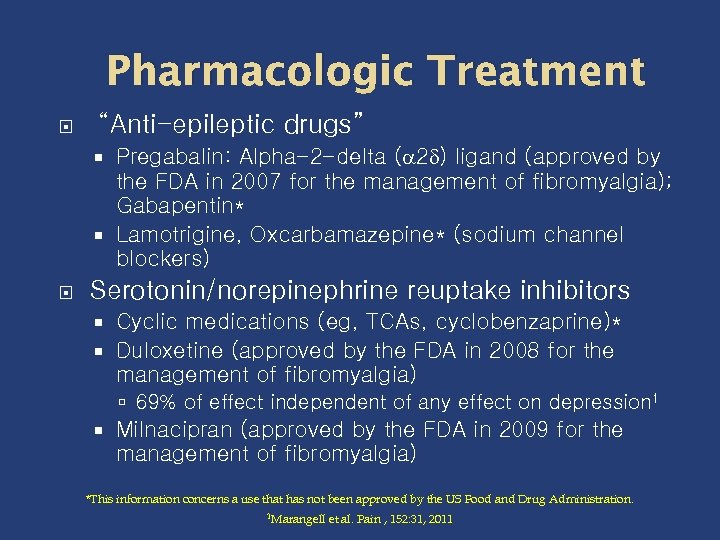
Pharmacologic Treatment “Anti-epileptic drugs” Pregabalin: Alpha-2 -delta ( 2 ) ligand (approved by the FDA in 2007 for the management of fibromyalgia); Gabapentin* Lamotrigine, Oxcarbamazepine* (sodium channel blockers) Serotonin/norepinephrine reuptake inhibitors Cyclic medications (eg, TCAs, cyclobenzaprine)* Duloxetine (approved by the FDA in 2008 for the management of fibromyalgia) 69% of effect independent of any effect on depression 1 Milnacipran (approved by the FDA in 2009 for the management of fibromyalgia) *This information concerns a use that has not been approved by the US Food and Drug Administration. 1 Marangell et al. Pain , 152: 31, 2011
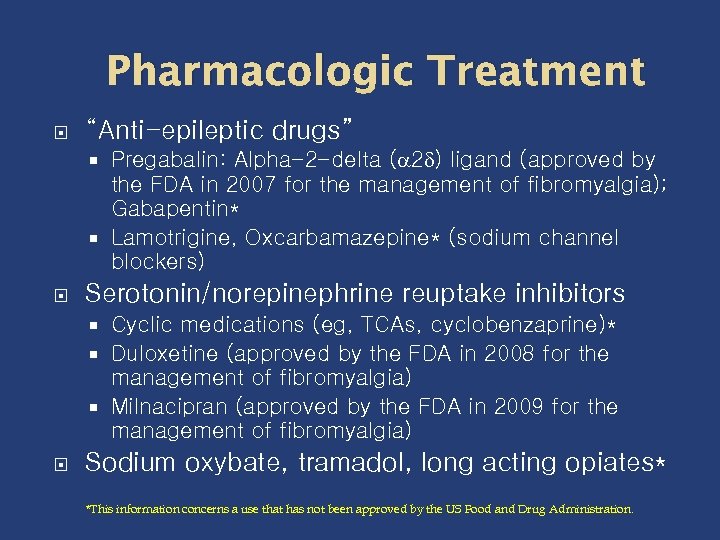
Pharmacologic Treatment “Anti-epileptic drugs” Pregabalin: Alpha-2 -delta ( 2 ) ligand (approved by the FDA in 2007 for the management of fibromyalgia); Gabapentin* Lamotrigine, Oxcarbamazepine* (sodium channel blockers) Serotonin/norepinephrine reuptake inhibitors Cyclic medications (eg, TCAs, cyclobenzaprine)* Duloxetine (approved by the FDA in 2008 for the management of fibromyalgia) Milnacipran (approved by the FDA in 2009 for the management of fibromyalgia) Sodium oxybate, tramadol, long acting opiates* *This information concerns a use that has not been approved by the US Food and Drug Administration.
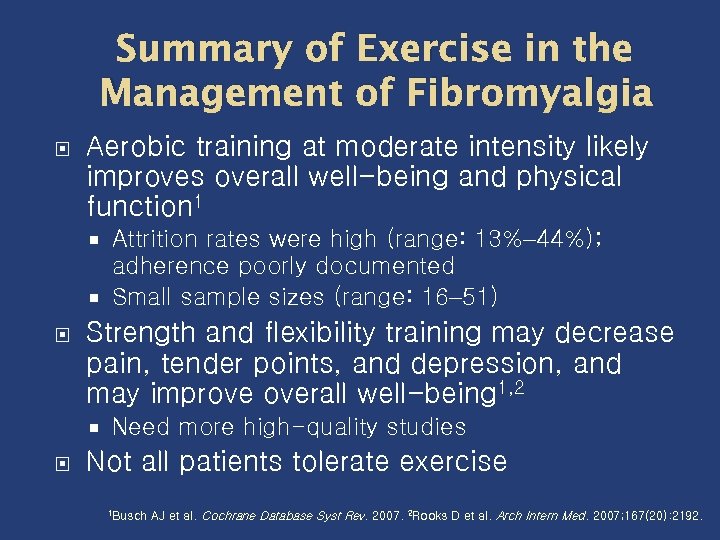
Summary of Exercise in the Management of Fibromyalgia Aerobic training at moderate intensity likely improves overall well-being and physical function 1 Attrition rates were high (range: 13% 44%); adherence poorly documented Small sample sizes (range: 16 51) Strength and flexibility training may decrease pain, tender points, and depression, and may improve overall well-being 1, 2 Need more high-quality studies Not all patients tolerate exercise 1 Busch AJ et al. Cochrane Database Syst Rev. 2007. 2 Rooks D et al. Arch Intern Med. 2007; 167(20): 2192.
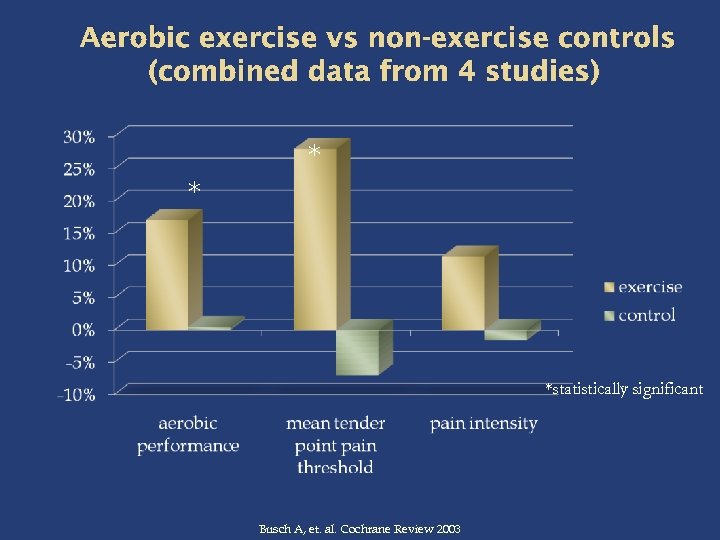
Aerobic exercise vs non-exercise controls (combined data from 4 studies) * * *statistically significant Busch A, et. al. Cochrane Review 2003
Cognitive Behavioral Therapy (CBT) A program designed to teach patients techniques to reduce their symptoms, to increase coping strategies, and to identify and eliminate maladaptive illness behaviors Shown to be effective for nearly any chronic medical illness 1 Not all CBT is created equal; very dependent on content, therapist, and program www. knowfibro. com 1 Williams DA et al. J Rheumatol. 2002; 29(6): 1280 -1286.
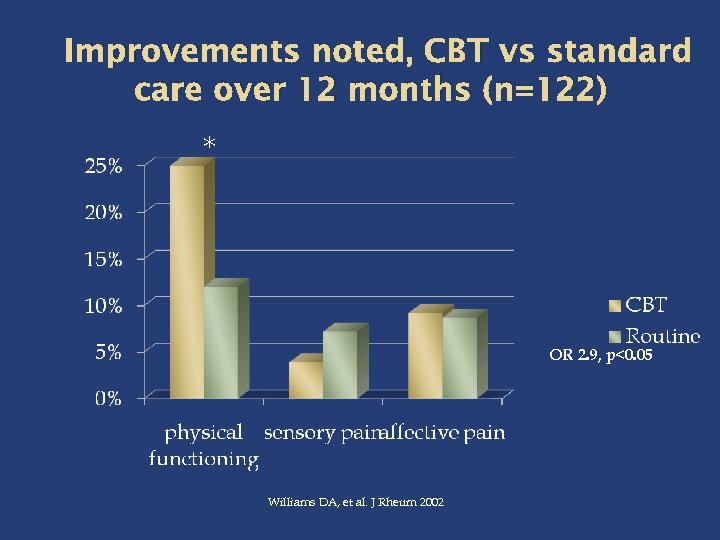
Improvements noted, CBT vs standard care over 12 months (n=122) * OR 2. 9, p<0. 05 Williams DA, et al. J Rheum 2002
Conclusions New approvals offer options for the treatment of fibromyalgia CNS targets have proven to be effective Treatment must be individualized Integration of various pharmacologic and nonpharmacologic treatments probably useful
Скачать презентацию Learning from Civilians about Medicall Medical Unexplained Syndromes
d97daeabac231cdb449756b0a58de3bc.ppt