


 Скачать презентацию LATE MIDDLE AGES The influence of Classical philosophy
Late middle ages _seminar.pptx
- Количество слайдов: 29
 LATE MIDDLE AGES The influence of Classical philosophy Two modes in the history of West European art.
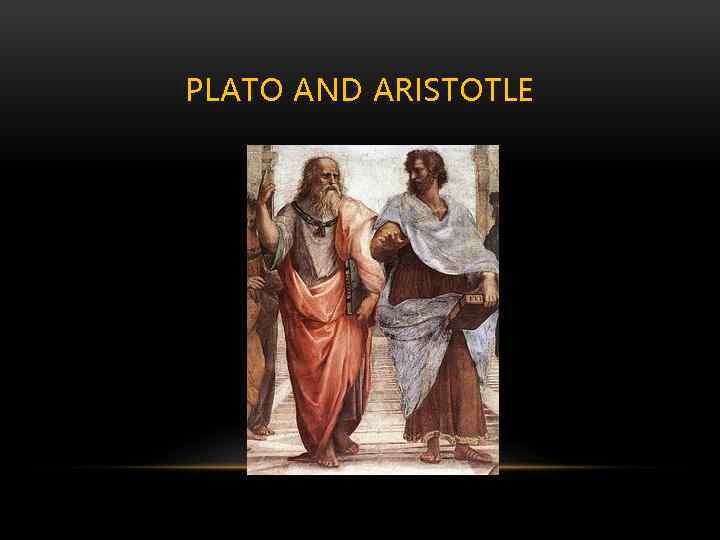 PLATO AND ARISTOTLE
 εἶδος (eidos) and ἰδέα (idea) from the Indo. European root *weid-, "see". Form, or idea – aspatial and atemporal.
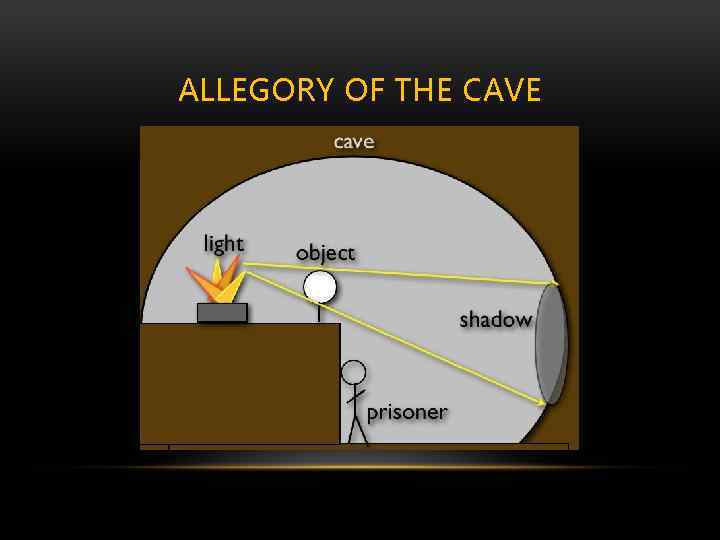 ALLEGORY OF THE CAVE
 EPISTEMOLOGY • Aristotle: particular phenomena → knowledge of essences • Plato: knowledge of universal Forms → knowledge of particular imitations of these
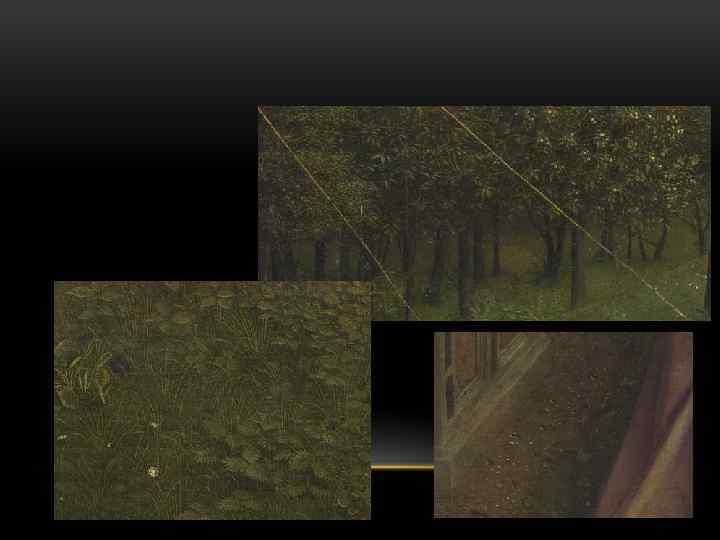
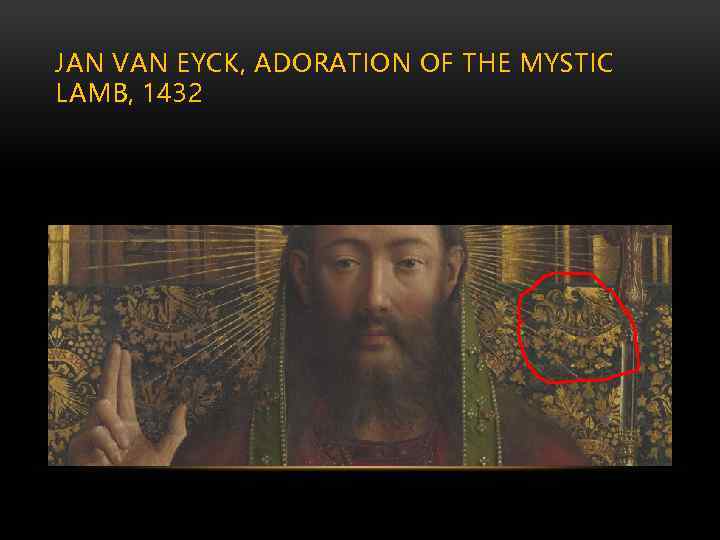 JAN VAN EYCK, ADORATION OF THE MYSTIC LAMB, 1432
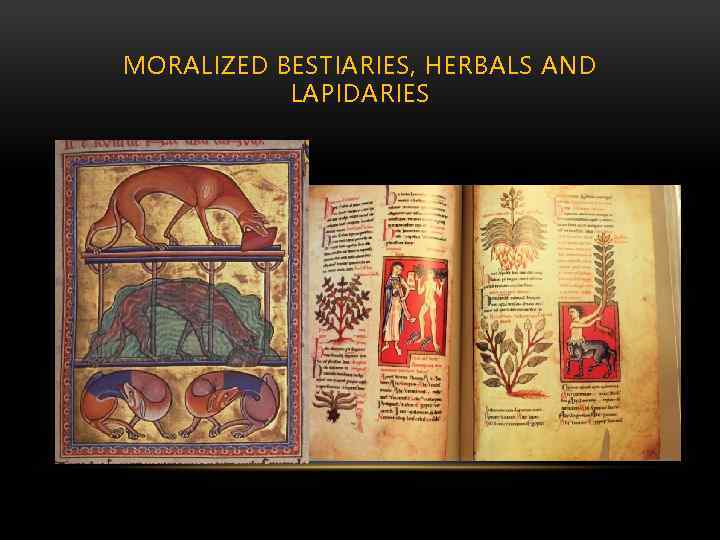 MORALIZED BESTIARIES, HERBALS AND LAPIDARIES
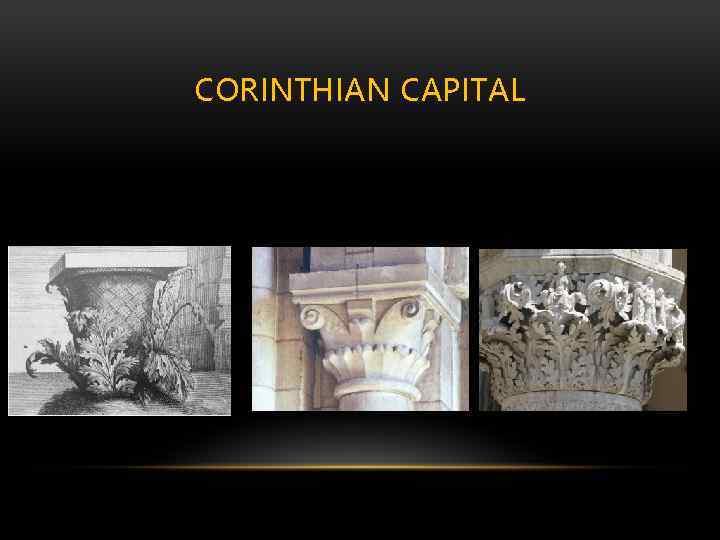 CORINTHIAN CAPITAL
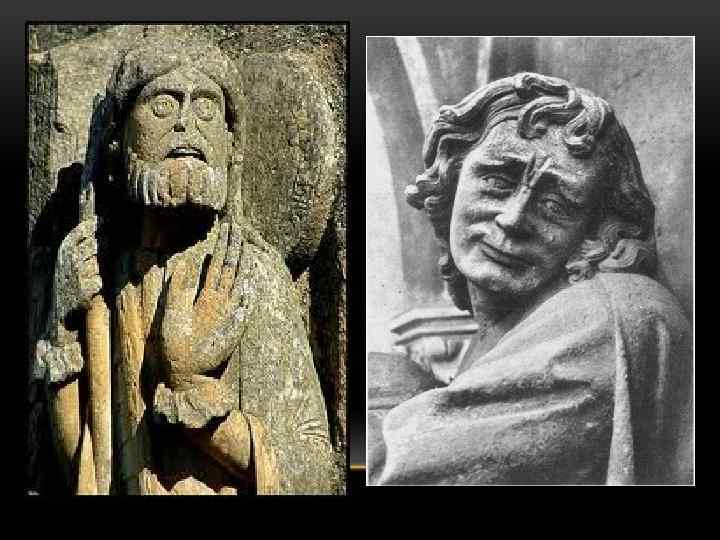
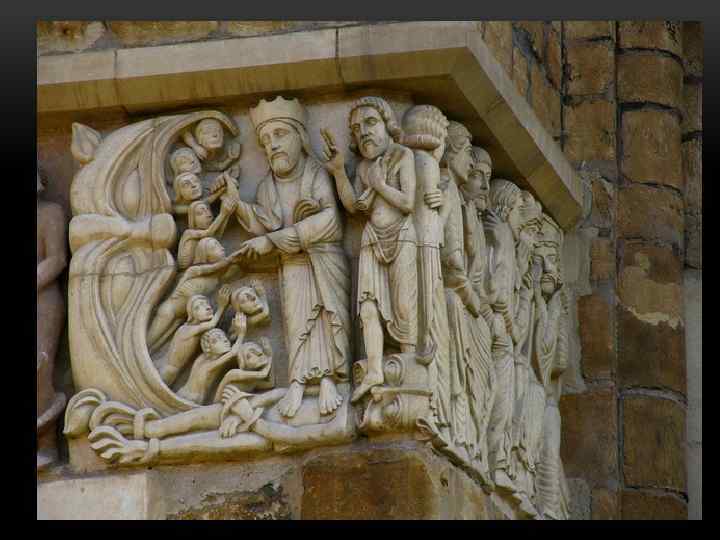
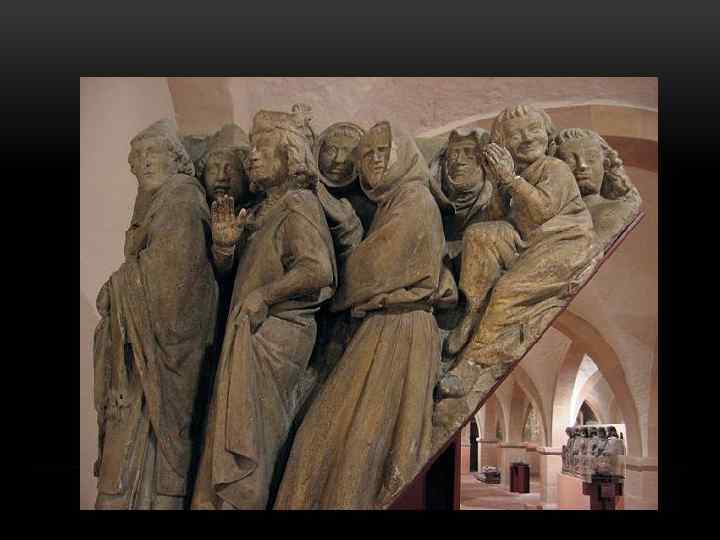
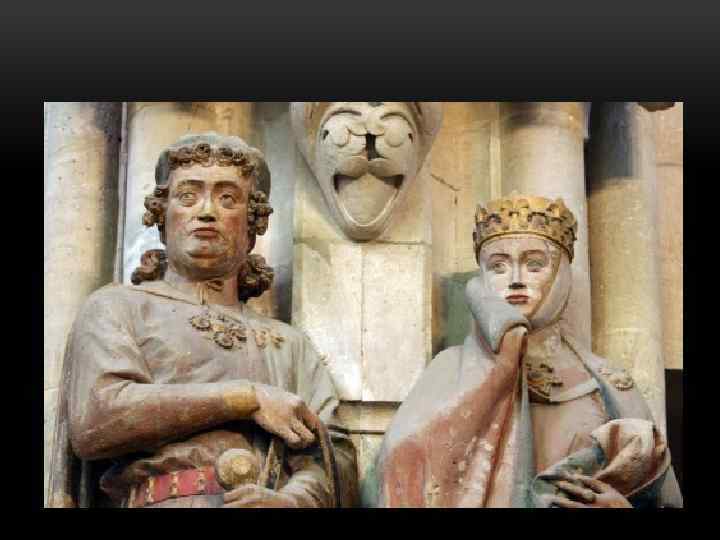
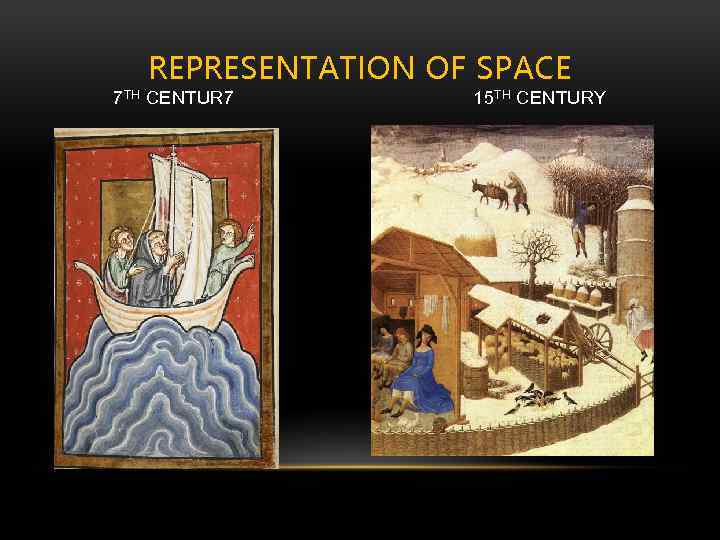 REPRESENTATION OF SPACE 7 TH CENTUR 7 15 TH CENTURY
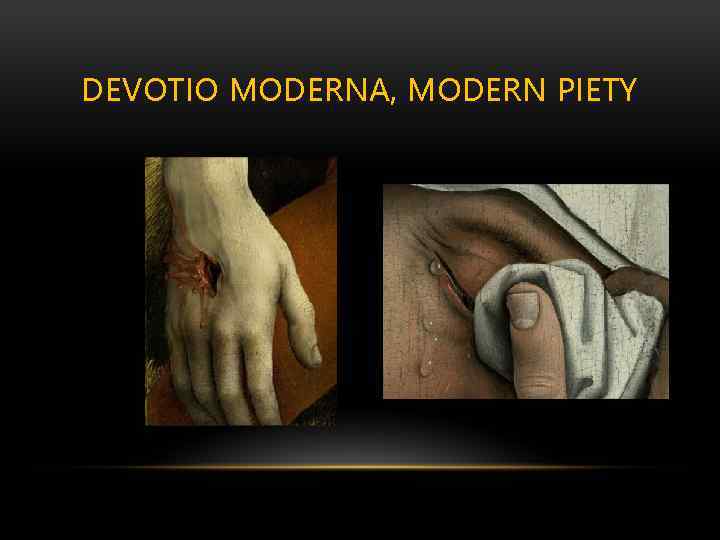 DEVOTIO MODERNA, MODERN PIETY
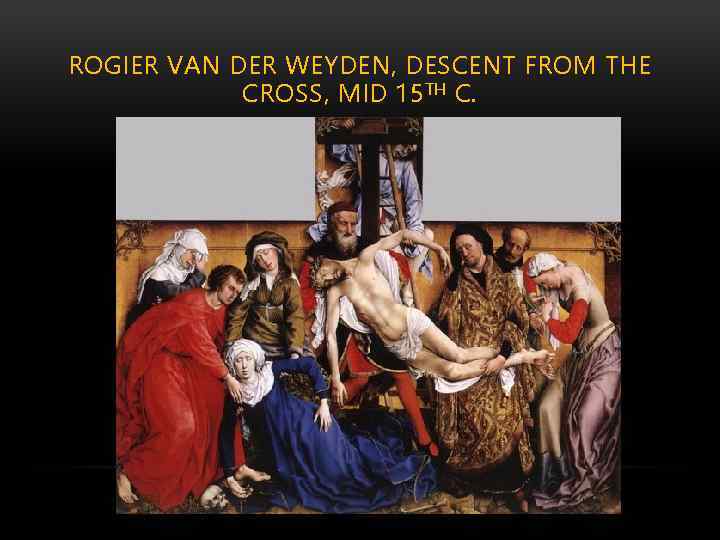 ROGIER VAN DER WEYDEN, DESCENT FROM THE CROSS, MID 15 TH C.
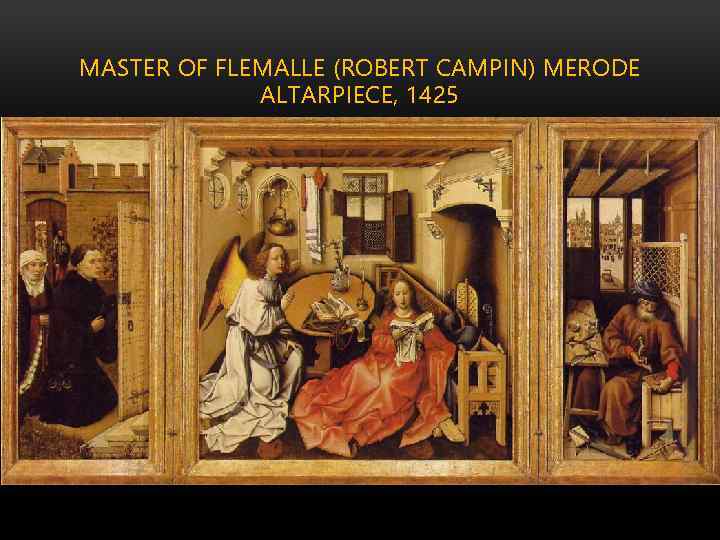 MASTER OF FLEMALLE (ROBERT CAMPIN) MERODE ALTARPIECE, 1425
 LIGHT PASSING THROUGH GLASS = IMMACULATE CONCEPTION • "As the sunbeam through the glass passeth but not staineth, Thus the Virgin as she was, Virgin still remaineth. " • (Fifteenth-century hymn, "Dies est Laetitiae“)
 • Scroll=Old Testament • Book = New Testament • Lilies = virginity
 • "The cross of the Lord was the devil's mousetrap; the bait by which he was caught was the Lord's death"[7] • Saint Augustine
 JAN VAN EYCK, THE ARNOLFINI DOUBLE PORTRAIT, 1434


 Erwin Panofsky, 1934: “disguised symbolism”

 JAN VAN EYCK, MADONNA OF CANON VAN DER PAELE
 • nagelbloem (the carnations), гвоздика • Cruciferae (the mustard flowers) • • the parrot - Ave

 • schild/schilder - the shield • and reflection of the artist