


 Скачать презентацию Last week XML-family XML-Encryption XML-Encryption
a84049c97078b21f3a7f92a91fd5d5c4.ppt
- Количество слайдов: 82
 Last week…
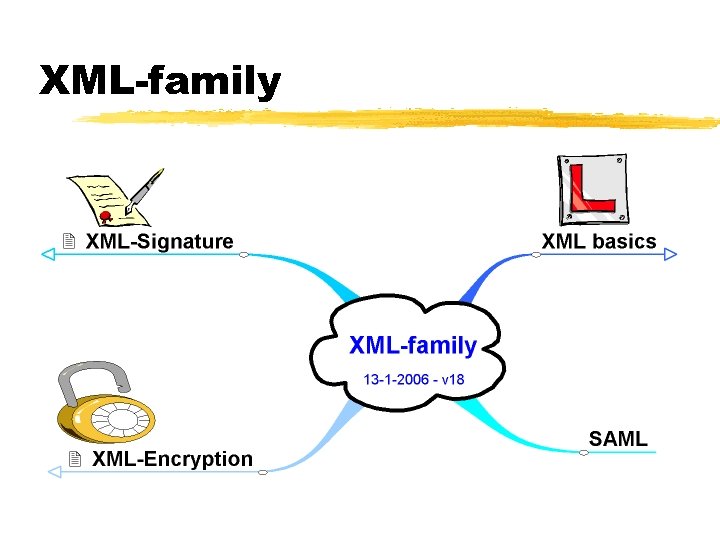 XML-family
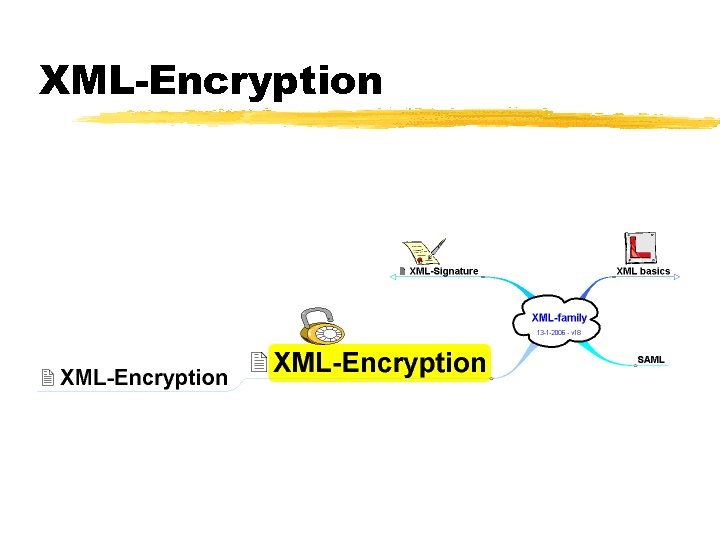 XML-Encryption
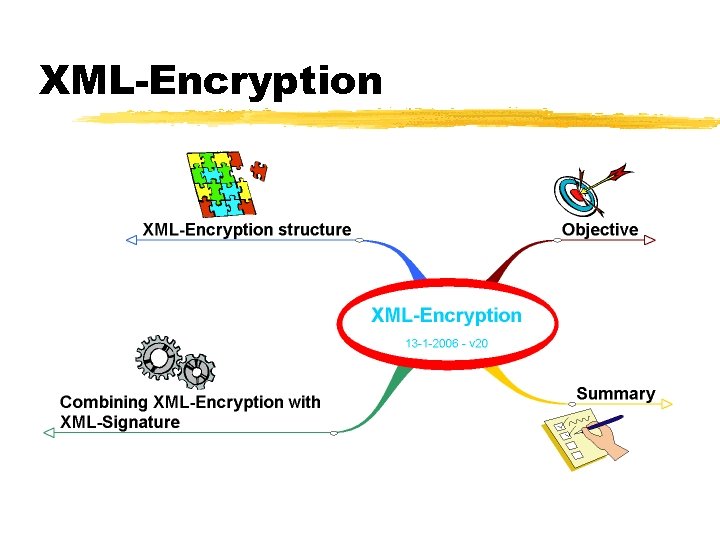 XML-Encryption
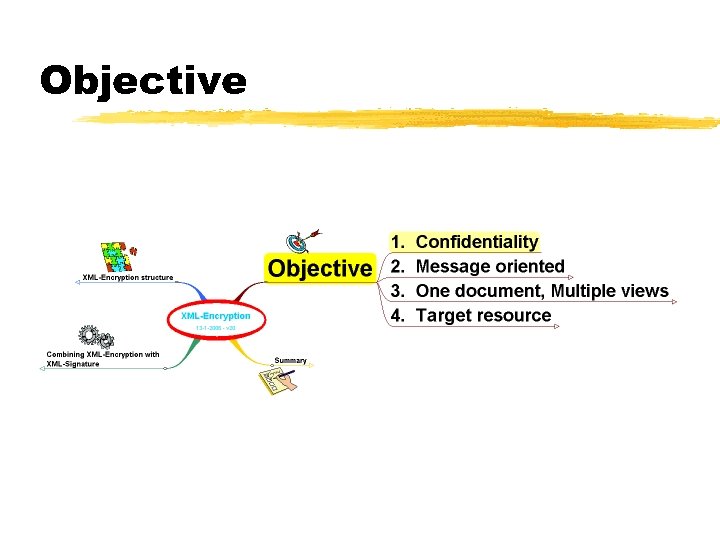 Objective
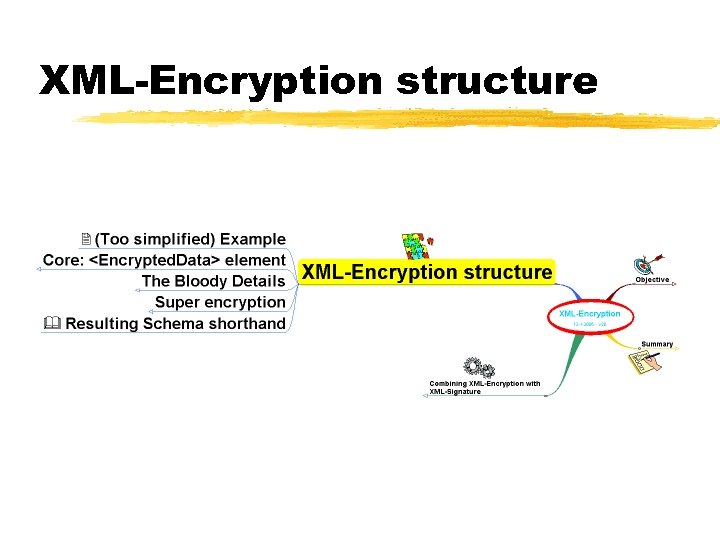 XML-Encryption structure
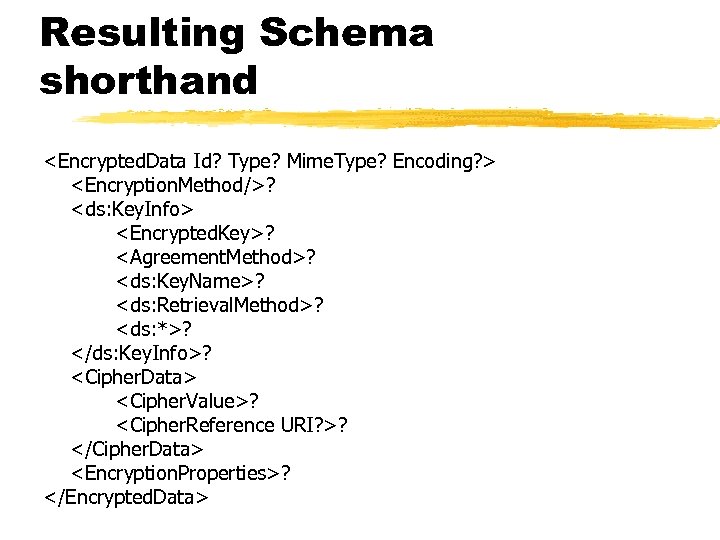 Resulting Schema shorthand
 Web service security: Part 2
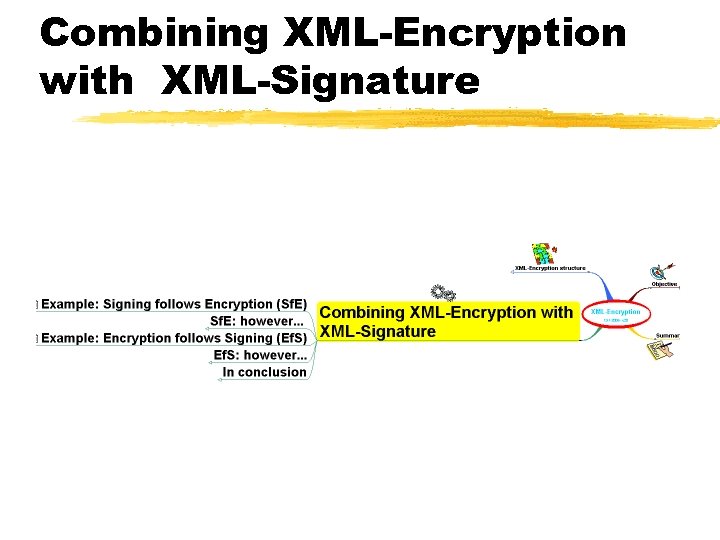 Combining XML-Encryption with XML-Signature
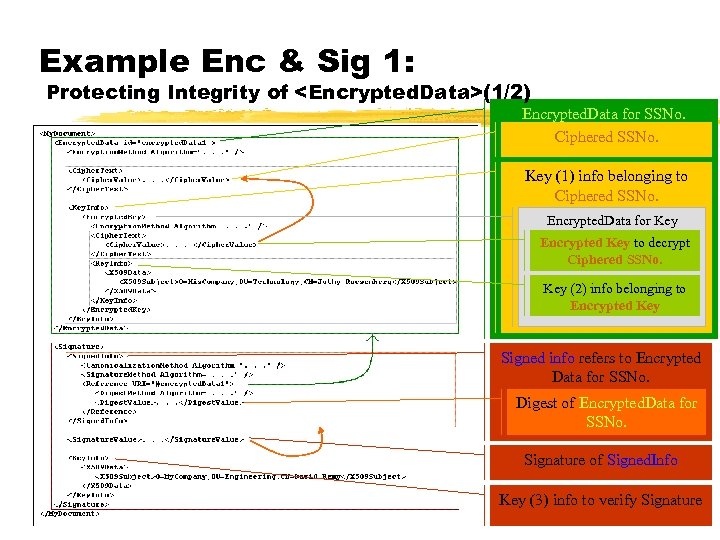 Example Enc & Sig 1: Protecting Integrity of
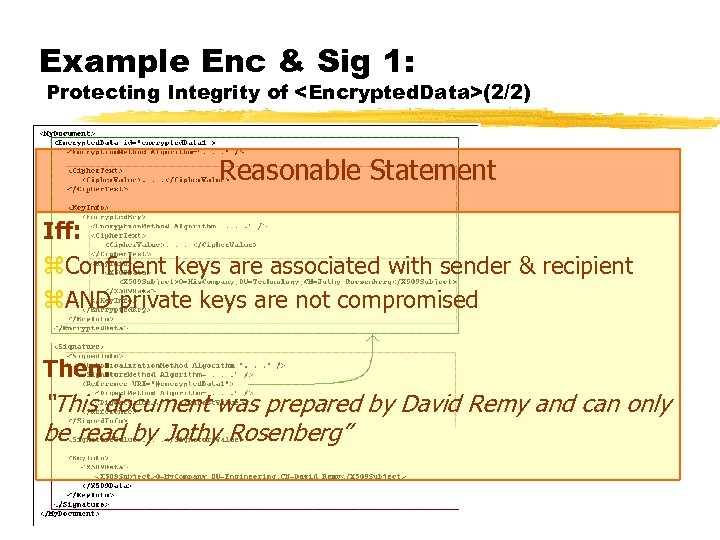 Example Enc & Sig 1: Protecting Integrity of
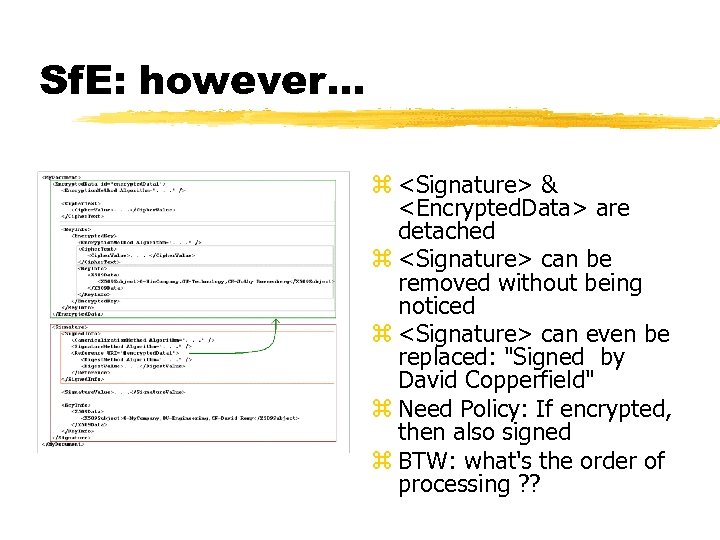 Sf. E: however. . . z
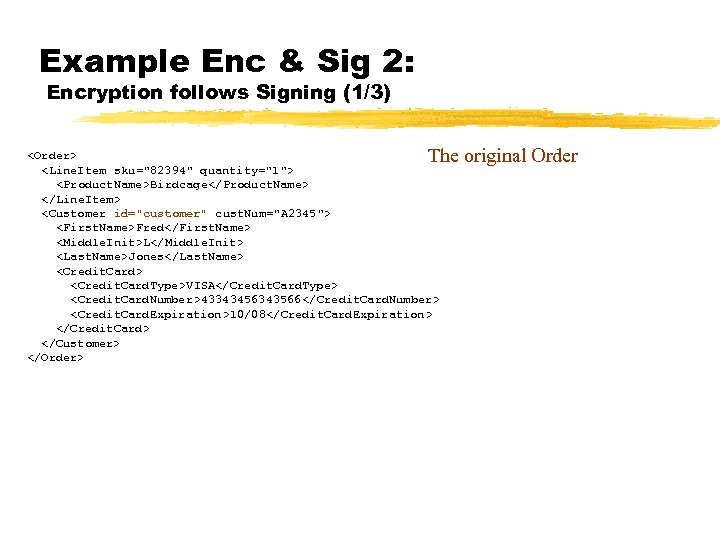 Example Enc & Sig 2: Encryption follows Signing (1/3) The original Order
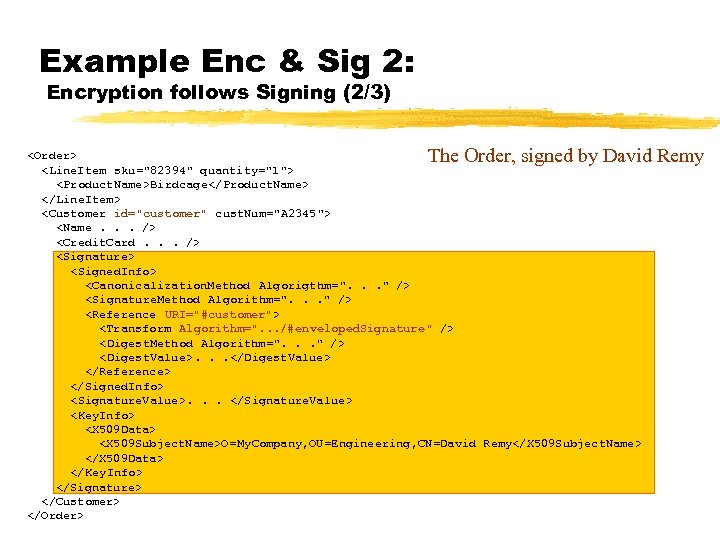 Example Enc & Sig 2: Encryption follows Signing (2/3) The Order, signed by David Remy
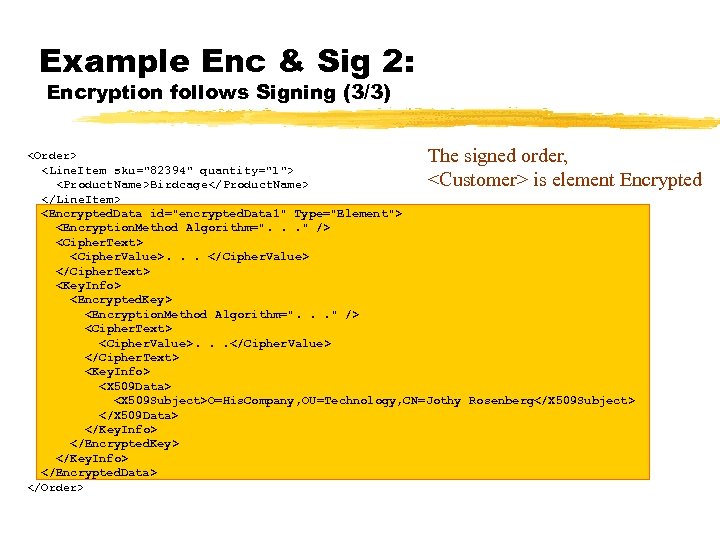 Example Enc & Sig 2: Encryption follows Signing (3/3) The signed order,
 Ef. S: however. . . z ++ Signature, w/t sensitive data, invisible z ++ Clear order of processing z -- Integrity of Encrypted. Data isn’t guaranteed
 In conclusion z. Order of processing Sf. E z. Security Model: Sf. E or Ef. S
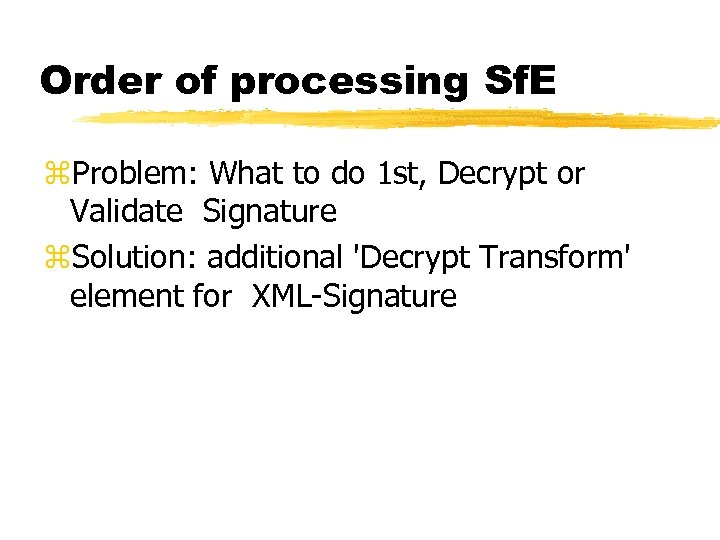 Order of processing Sf. E z. Problem: What to do 1 st, Decrypt or Validate Signature z. Solution: additional 'Decrypt Transform' element for XML-Signature
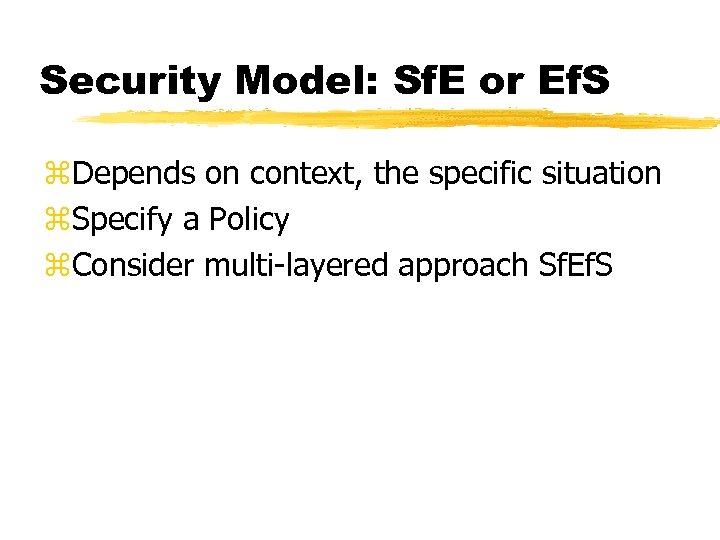 Security Model: Sf. E or Ef. S z. Depends on context, the specific situation z. Specify a Policy z. Consider multi-layered approach Sf. Ef. S
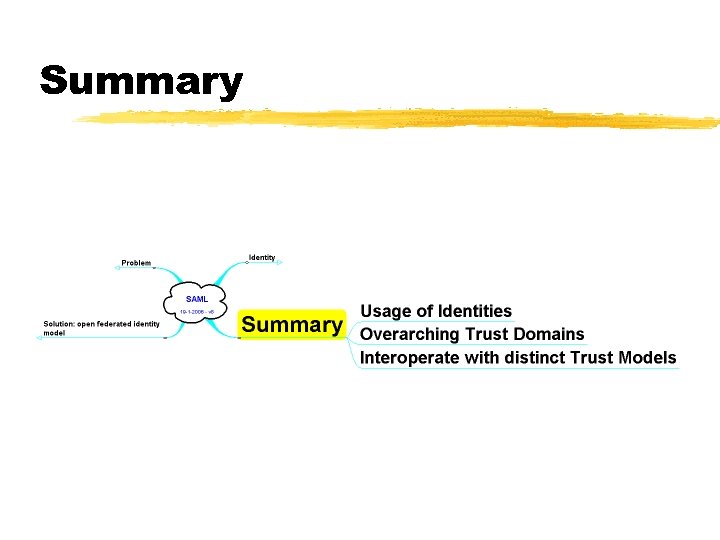
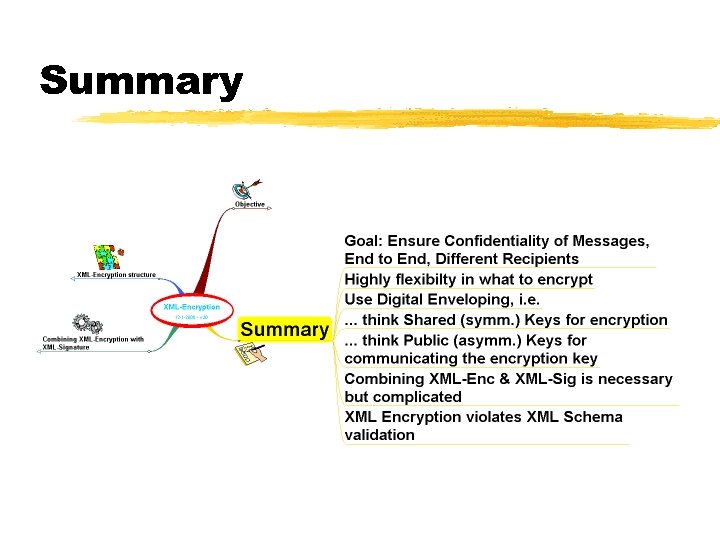 Summary
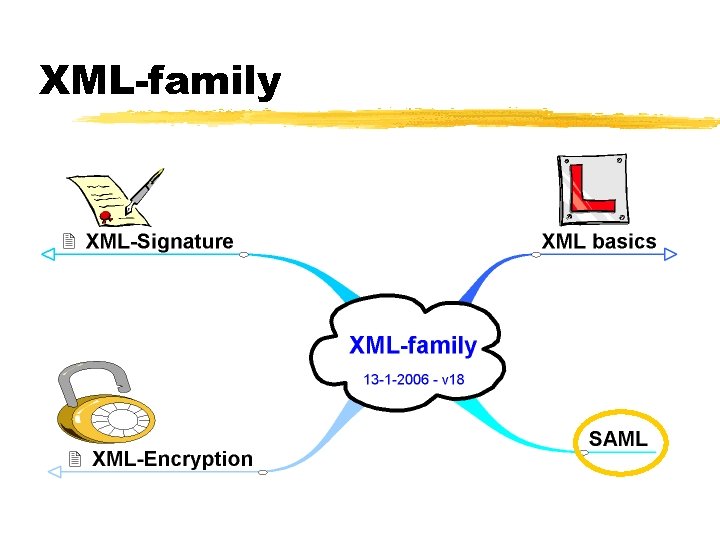 XML-family
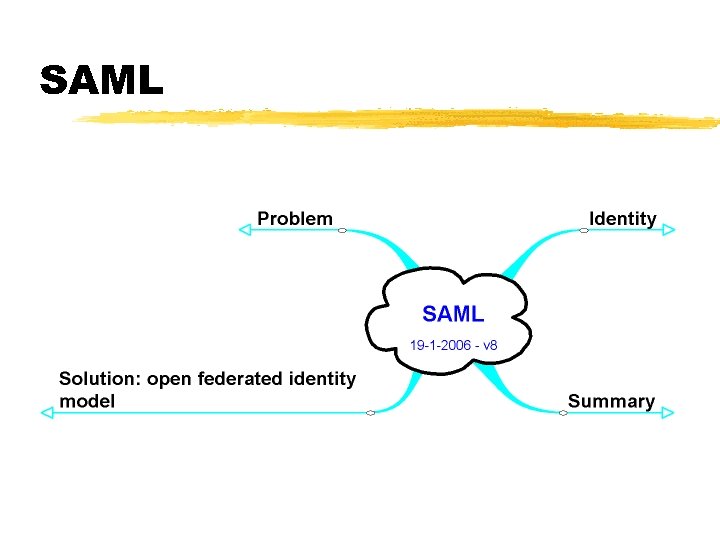 SAML
SAML
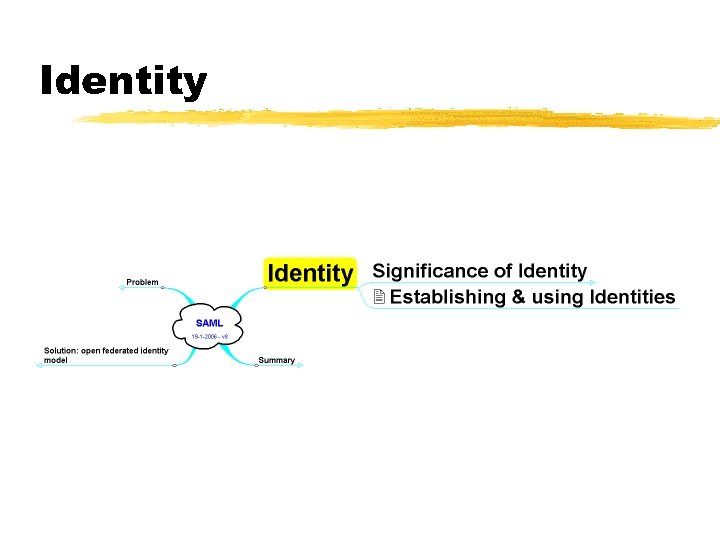 Identity
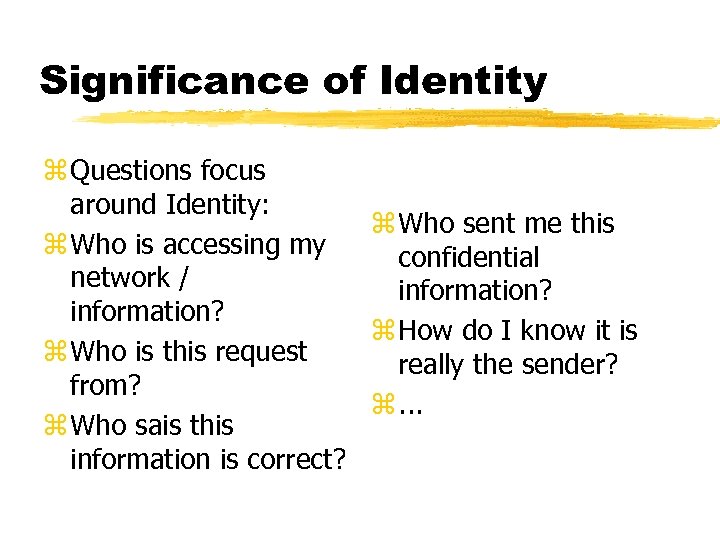 Significance of Identity z Questions focus around Identity: z Who sent me this z Who is accessing my confidential network / information? z How do I know it is z Who is this request really the sender? from? z. . . z Who sais this information is correct?
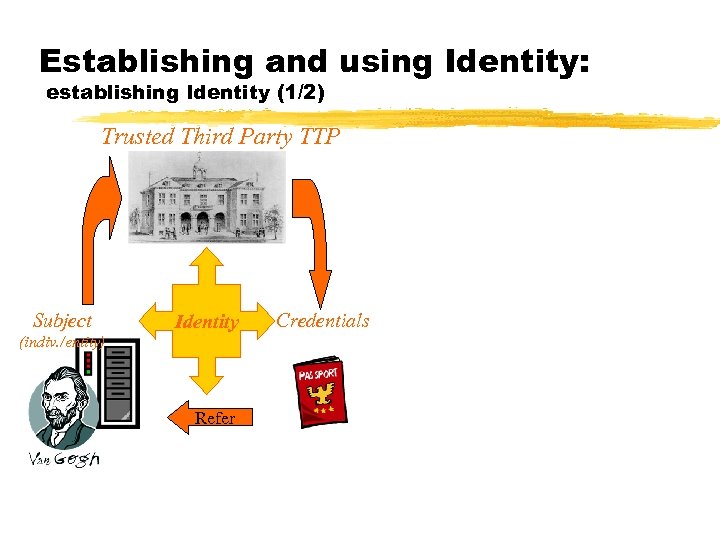 Establishing and using Identity: establishing Identity (1/2) Trusted Third Party TTP Subject Identity (indiv. /entity) Refer Credentials
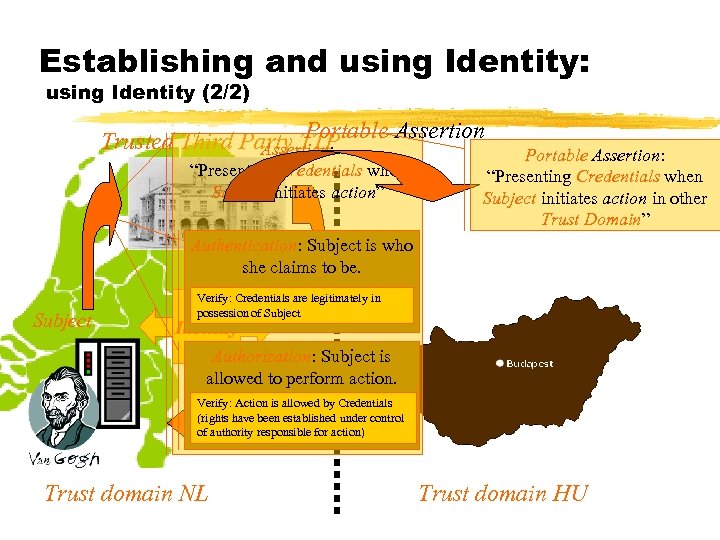 Establishing and using Identity: using Identity (2/2) Portable Assertion Trusted Third Party TTP Assertion: “Presenting Credentials when Subject initiates action” Portable Assertion: “Presenting Credentials when Subject initiates action in other Trust Domain” Authentication: Subject is who she claims to be. Subject Verify: Credentials are legitimately in possession of Subject Identity Credentials Authorization: Subject is allowed to perform action. Verify: Action is allowed by Credentials (rights been established under Referhave responsible for action) control of authority Trust domain NL Trust domain HU
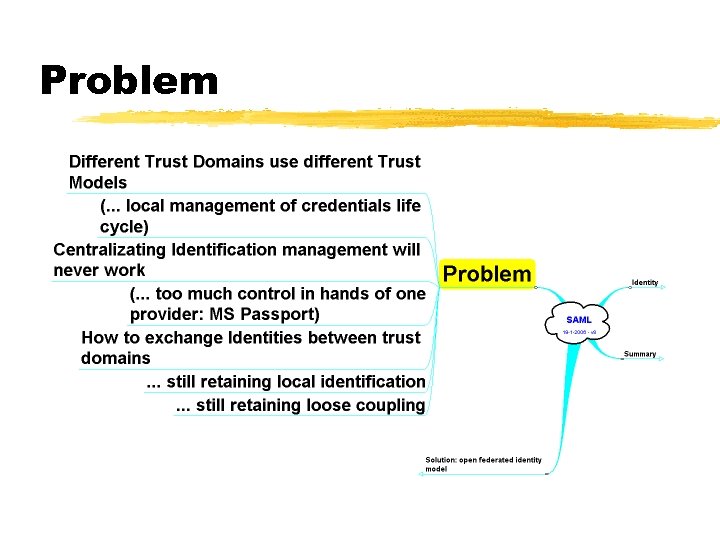 Problem
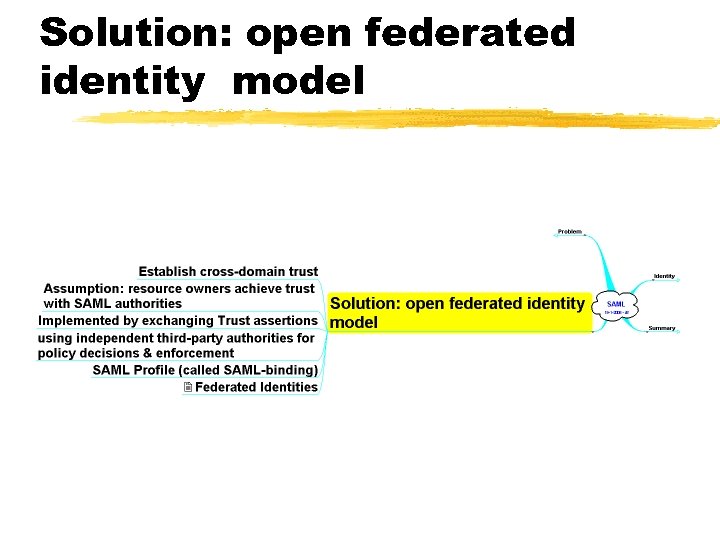 Solution: open federated identity model
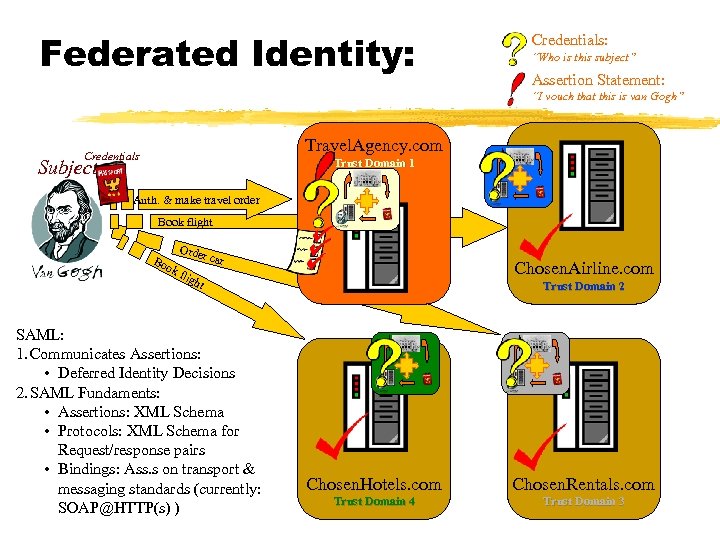 Federated Identity: Credentials: “Who is this subject” Assertion Statement: “I vouch that this is van Gogh” Travel. Agency. com Credentials Subject Trust Domain 1 Auth. & make travel order Book flight Bo ok Orde flig r car Chosen. Airline. com ht SAML: 1. Communicates Assertions: • Deferred Identity Decisions 2. SAML Fundaments: • Assertions: XML Schema • Protocols: XML Schema for Request/response pairs • Bindings: Ass. s on transport & messaging standards (currently: SOAP@HTTP(s) ) Trust Domain 2 Chosen. Hotels. com Chosen. Rentals. com Trust Domain 4 Trust Domain 3
 Summary
 Where are we?
 SOAP
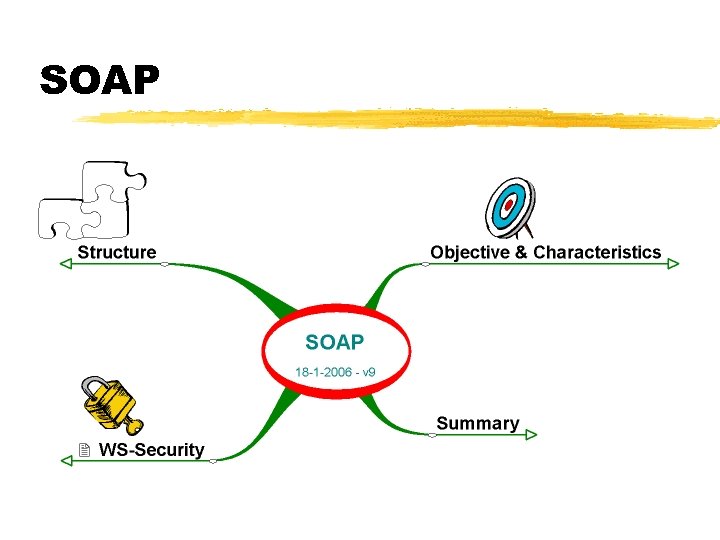
SOAP
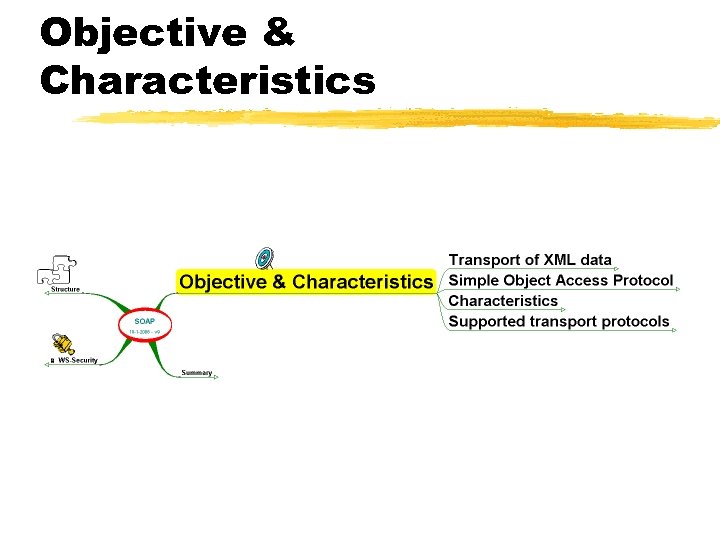 Objective & Characteristics
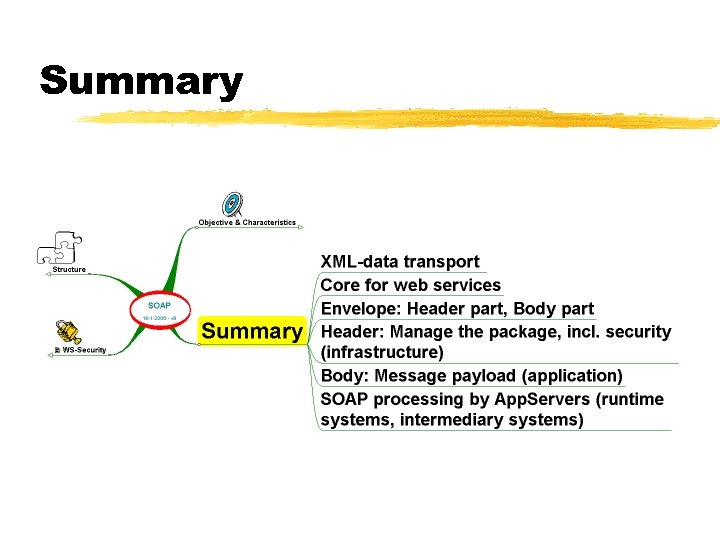
 Transport of XML data z Where XML defines the content of a message. . . z SOAP defines how that data moves from A to B z Via a number of standard transport protocols, but. . . z Extensible to future needs (protocols & standards, functionality) z SOAP is for web services. . . z. . what Internet Inter. ORB Protocol (IIOP) is for CORBA. . z. . . and RMI is for Java z Allows Sender & Receiver to support common transport protocol
 Simple Object Access Protocol z. It isn't Simple zit doesn't deal with Objects z. It's got more to do with transport than Access zfrom version 1. 1: SOAP is no longer an acronym zsometimes: Service-Oriented Architecture (or Application) Protocol
 Characteristics z. SOAP = XML derivative z. Hence character oriented z. Hence easier debugging (meta-data describing what is being passed) z. Hence firewall friendly z. Treat XML messages as service request z. Separation between infrastructure & application processing of messages
 Supported transport protocols z. Number of Transport protocols = 1 z. Technically, spec supports expansion to others (UDP, SMTP, JMS, etc. ) z. Spec Formal binding to HTTP
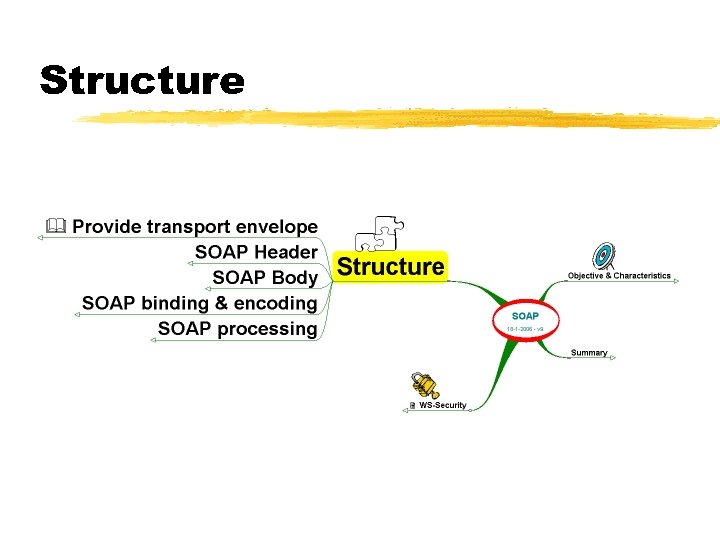 Structure
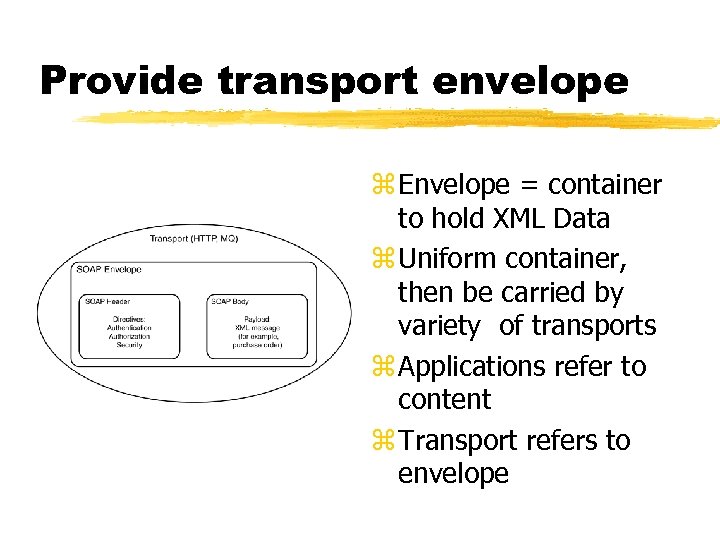 Provide transport envelope z Envelope = container to hold XML Data z Uniform container, then be carried by variety of transports z Applications refer to content z Transport refers to envelope
 SOAP Header z. Information about SOAP envelope z. Manage the package z. Extensibility is located here z. SOAP Security (extensions) lives here
 SOAP Body z. Information about SOAP Content z. Containts the message payload, i. e. XML Data z. Anything: full purchase order doc, RPC inc. method & parameters
 SOAP binding & encoding z Binding Style : : z How to bind XMLelements on physical remote methods & parameters z Binding style: RPC versus Document z RPC/Encoded: remote invocated procedures, synchronous, design-time binding z Encoding Type : : z How to encode original objects: Serialization of original object onto hierarchical XMLstructure z Encoding type: SOAP encoded versus Literal z Document/Literal: document processing, asynchronous, run-time binding
 SOAP processing z. SOAP Processors are part of application servers z. SOAP runtime system acts upon Headers & Bodies z. SOAP intermediaries act only upon Headers z. Security: authenticate identities, encrypt or decrypt, validate signatures & call-out TTP authorities, . . .
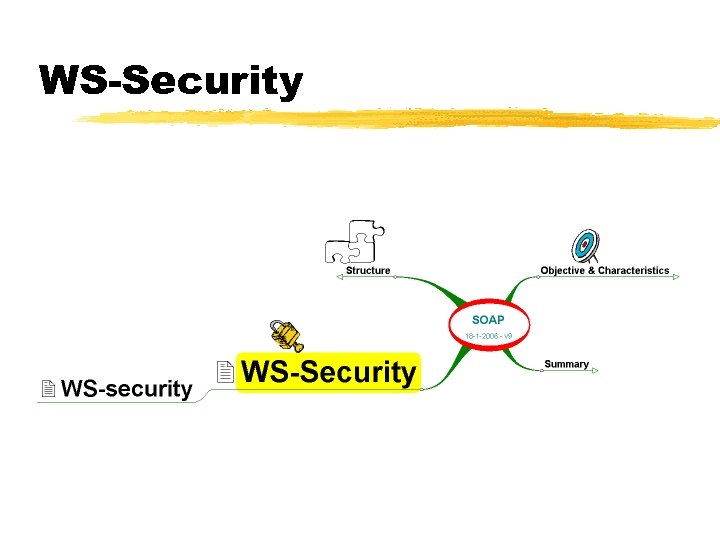 WS-Security
 WS-Security
 Objective
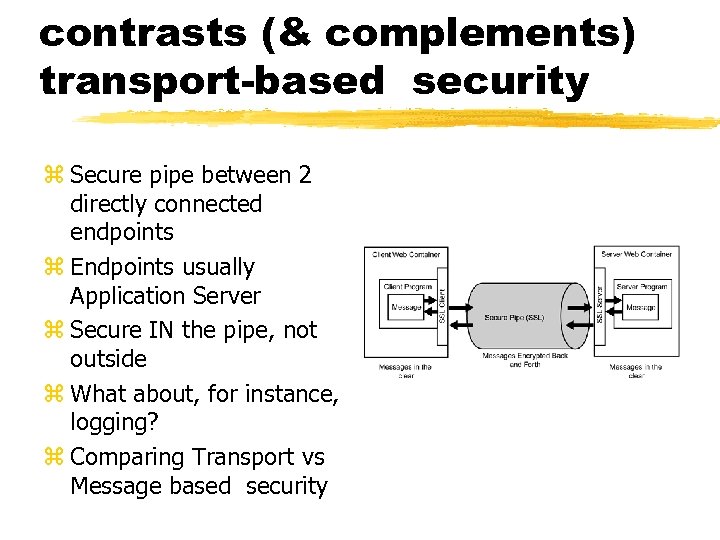 contrasts (& complements) transport-based security z Secure pipe between 2 directly connected endpoints z Endpoints usually Application Server z Secure IN the pipe, not outside z What about, for instance, logging? z Comparing Transport vs Message based security
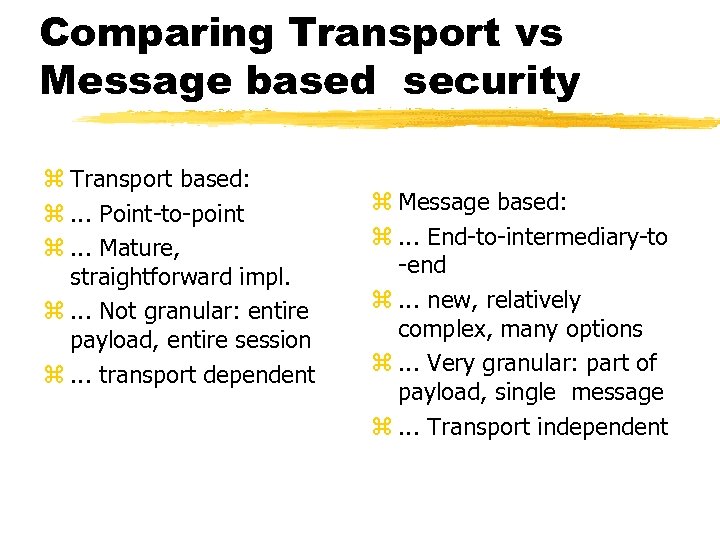 Comparing Transport vs Message based security z Transport based: z. . . Point-to-point z. . . Mature, straightforward impl. z. . . Not granular: entire payload, entire session z. . . transport dependent z Message based: z. . . End-to-intermediary-to -end z. . . new, relatively complex, many options z. . . Very granular: part of payload, single message z. . . Transport independent
 Characteristics z. As flexible as XML z. Each message carries own security strategy z. Flexibility is strength AND weakness z. WS-Security = SOAP security z. WS-Security = part of Web Service Security framework
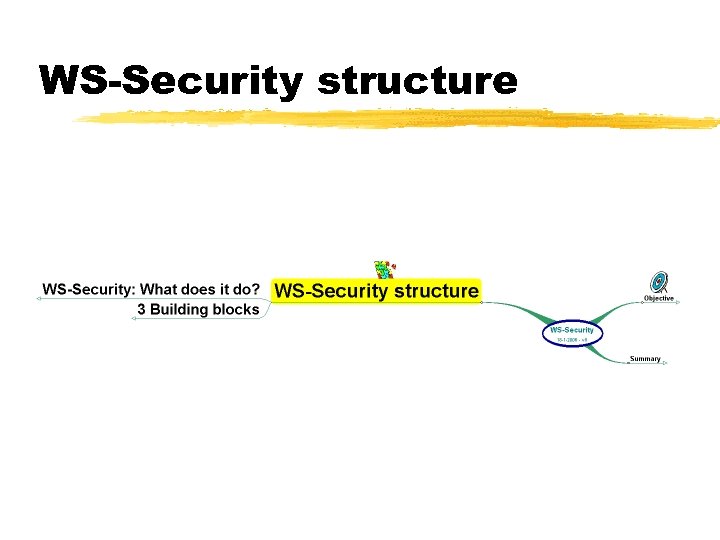 WS-Security structure
 WS-Security: What does it do? z. Takes XML Security (XML-Enc & XML-Sig) z. Links that with tokens (X 509, Kerberos, SAML) z. Binds that to SOAP z. Doing so, defines SOAP security header
 Doing so, defines SOAP security header z. Security Tokens z. XML-Encryption z. XML-Signature
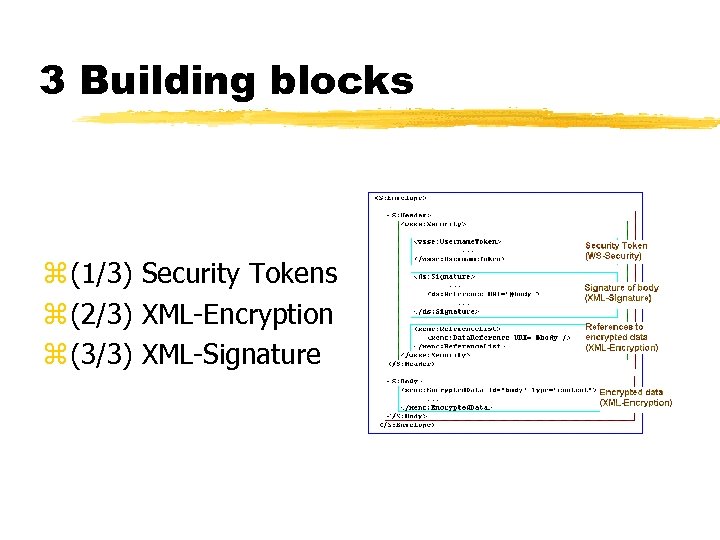 3 Building blocks z (1/3) Security Tokens z (2/3) XML-Encryption z (3/3) XML-Signature
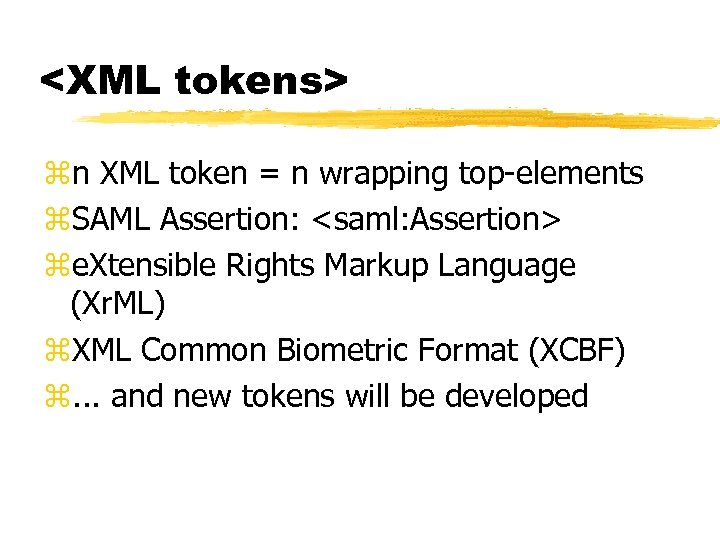
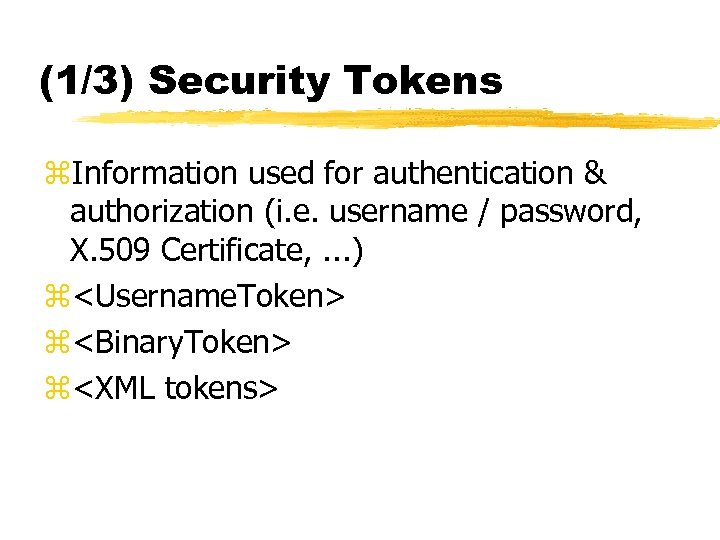 (1/3) Security Tokens z. Information used for authentication & authorization (i. e. username / password, X. 509 Certificate, . . . ) z
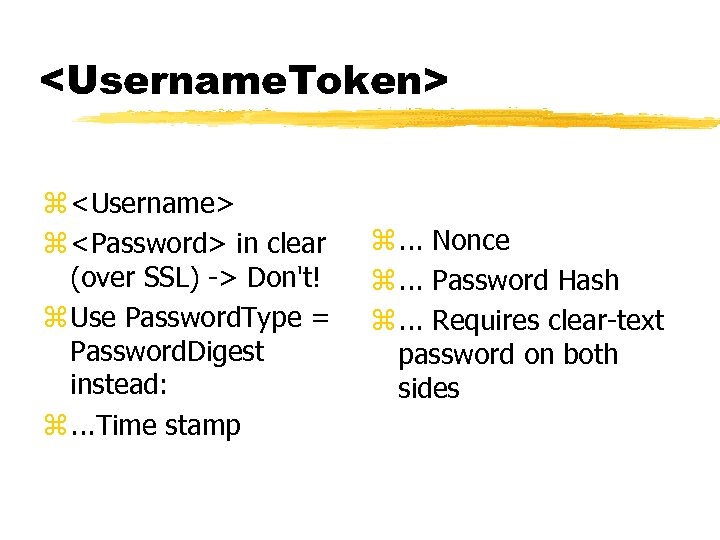
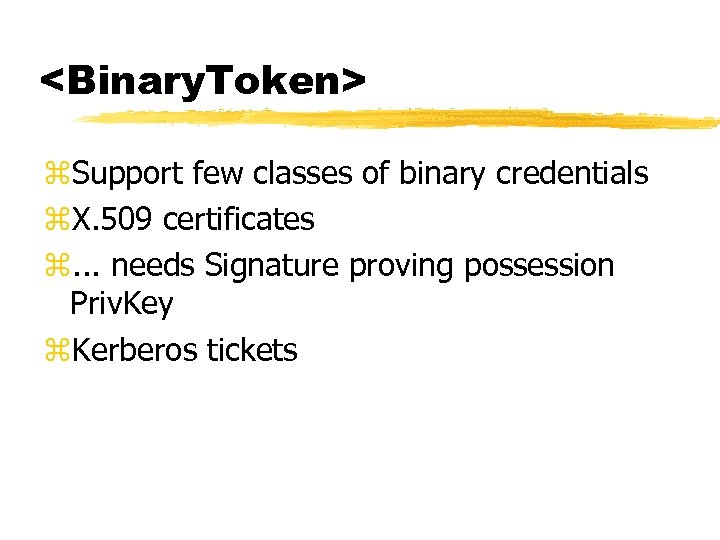
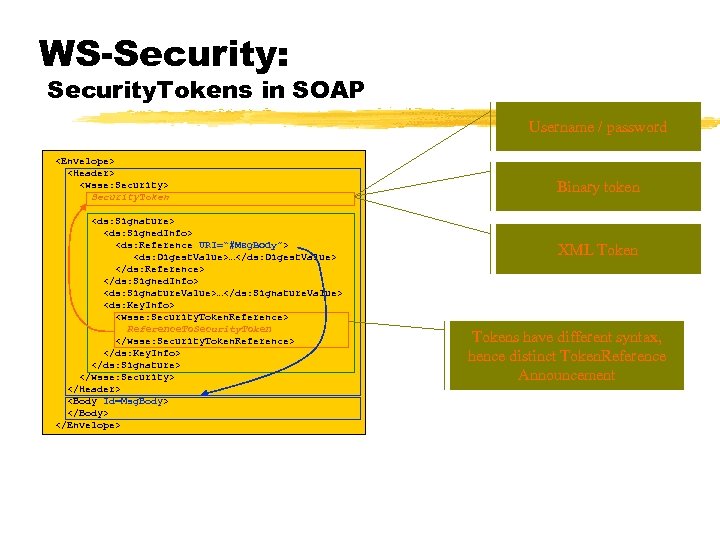 WS-Security: Security. Tokens in SOAP Username / password
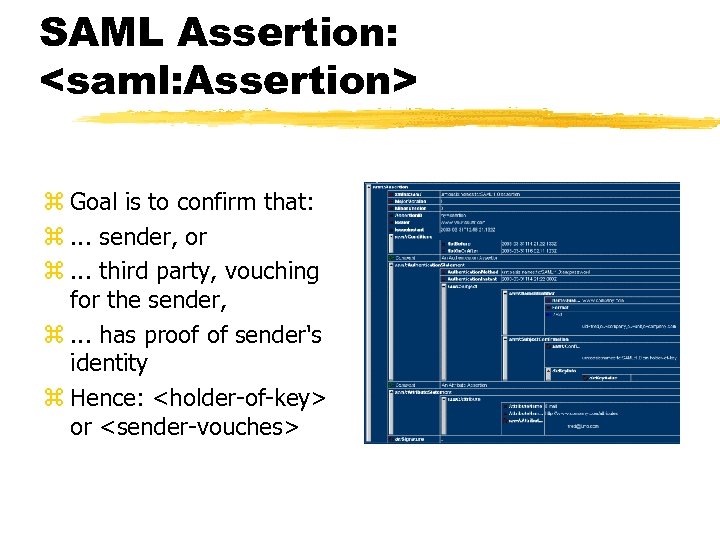 SAML Assertion:
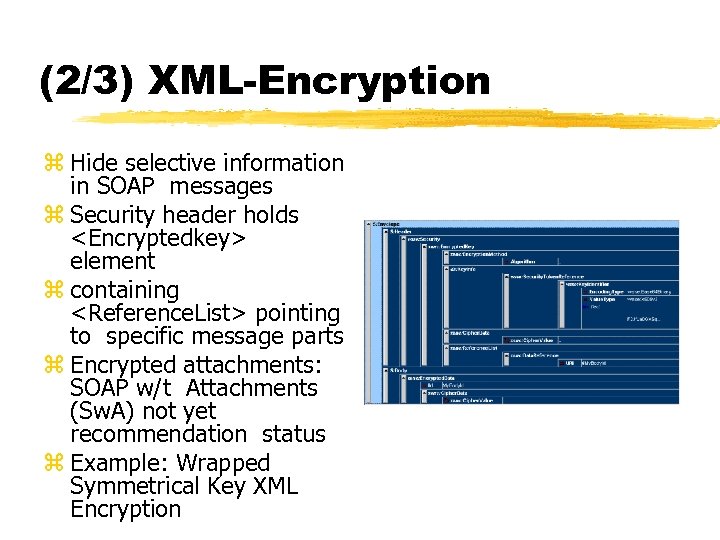 (2/3) XML-Encryption z Hide selective information in SOAP messages z Security header holds
 (3/3) XML-Signature z. Goal 1: To provide message integrity z. Goal 2: To verify a security token credential
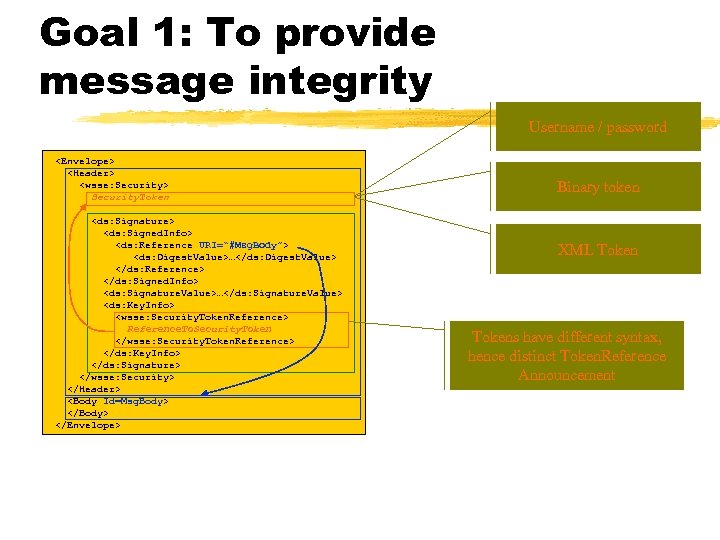 Goal 1: To provide message integrity Username / password
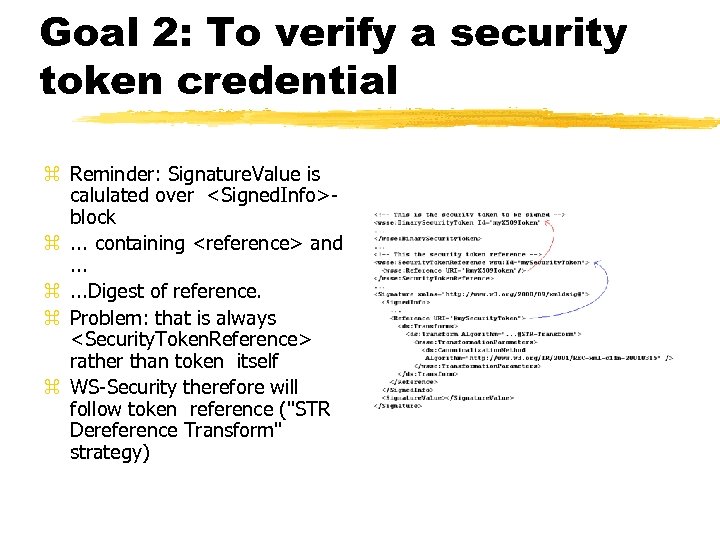 Goal 2: To verify a security token credential z Reminder: Signature. Value is calulated over
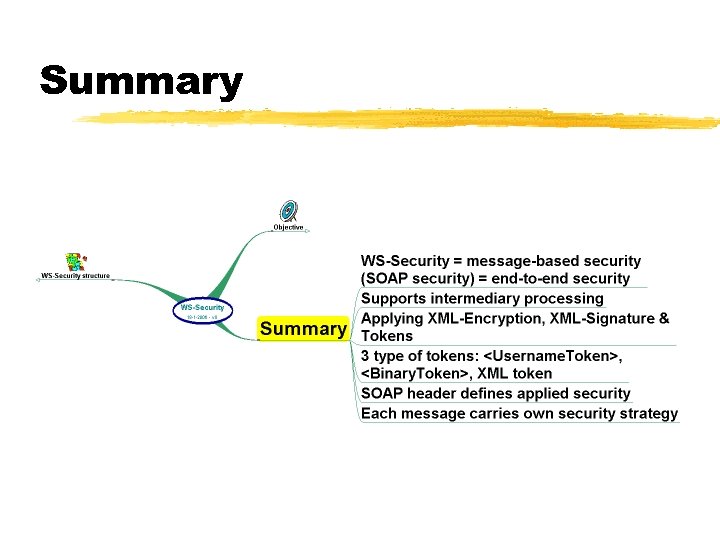 Summary
 Summary
 Where are we?
 Web Service Security framework
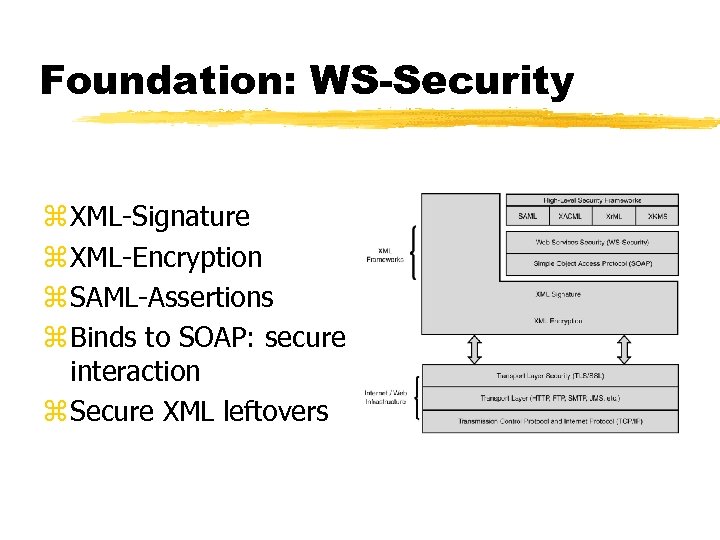 Foundation: WS-Security z XML-Signature z XML-Encryption z SAML-Assertions z Binds to SOAP: secure interaction z Secure XML leftovers
 Secure XML leftovers z. XKMS z. XACML z. Xr. ML
 XKMS Used for distributing and registering public keys: Support the registration of a key pair by a key pair holder; Delegates the processing of Key Information associated with an XML signature, XML encryption, or other public key. Can be used as alternate for SAML when participants don't have single trust agreement established.
 XACML The XACML (extensible access control markup language) specification consists of two related vocabularies: one for access control and one that defines a vocabulary for request and response exchanges. Through these languages, the creation of fine-grained security policies is made possible.
 Xr. ML Extensible Rights Markup Language is a grammar for expressing rights and conditions associated with digital content, services, or any digital resource. Can be used as WS-Security token.
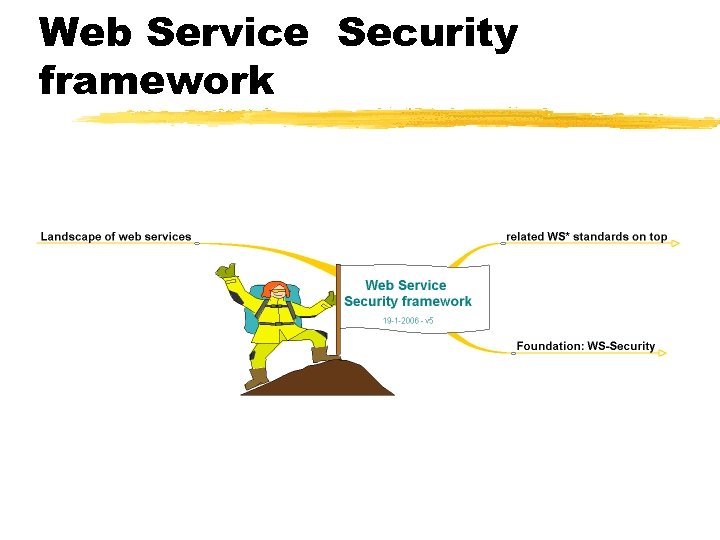
 Web Service Security framework
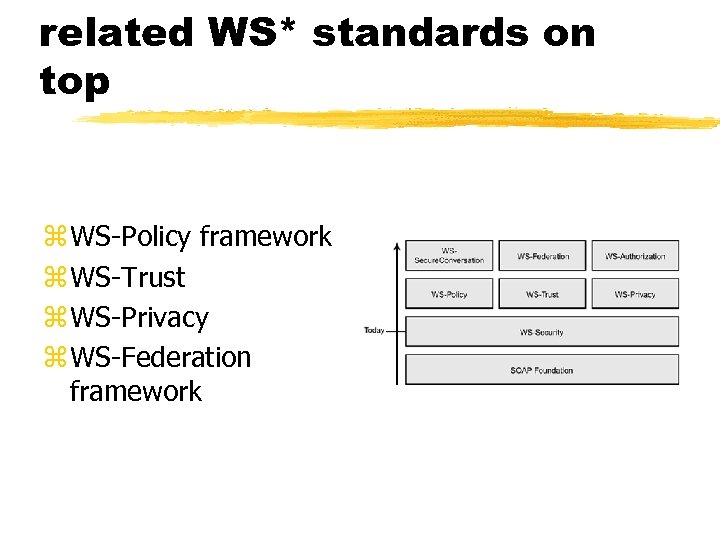 related WS* standards on top z WS-Policy framework z WS-Trust z WS-Privacy z WS-Federation framework
 WS-Policy framework z Where WS-Security implements security, z the WS-Policy framework is used to describe what has been implemented: z. . . What security token is required? z. . . Encryption is required. z. . . What part of the message must be encrypted? Signed? Whole body or a part? z. . . numerous options to agree upon z Both for server AND client (!)
 WS-Trust This specification establishes a standard trust model used to unite existing trust models, so that the validity of exchanged security tokens can be verified. WS-Trust provides a communications process for requesting the involvement of third-party trust authorities to assist with this verification.
 WS-Privacy Organizations can use WS-Privacy to communicate their privacy policies and check to see whether requestors intend to comply to these policies. WS-Privacy works in conjunction with WS-Policy and WS-Trust.
 WS-Federation framework (WS-Federation, WS-Authorization, WSSecure. Conversation) There are numerous ways of integrating different trust domains (or realms) when utilizing the WSSecurity, WS-Policy, and WS-Trust standards. The WS-Federation specification provides a series of standards and security models for achieving a federation — an environment where a level of trust has been established between disparate trust domains.
 Web Service Security framework
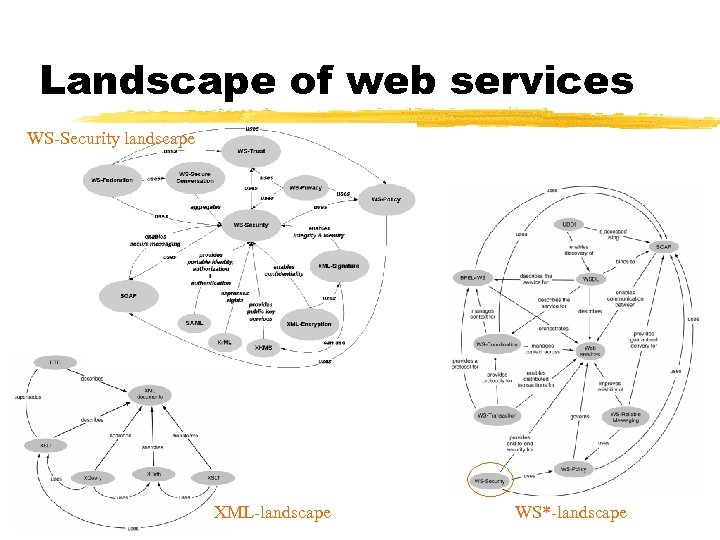 Landscape of web services WS-Security landscape XML-landscape WS*-landscape
 Cliff hanger
 Invitation Enjoyed Web services and/or Security? … doing your master’s thesis Consider applying with TNO …