Скачать презентацию Language Mind HU 2910 Summer 2011
5e0e996a7748ed023be72d124c6e71b5.ppt
- Количество слайдов: 80
 Language & Mind HU 2910 Summer 2011
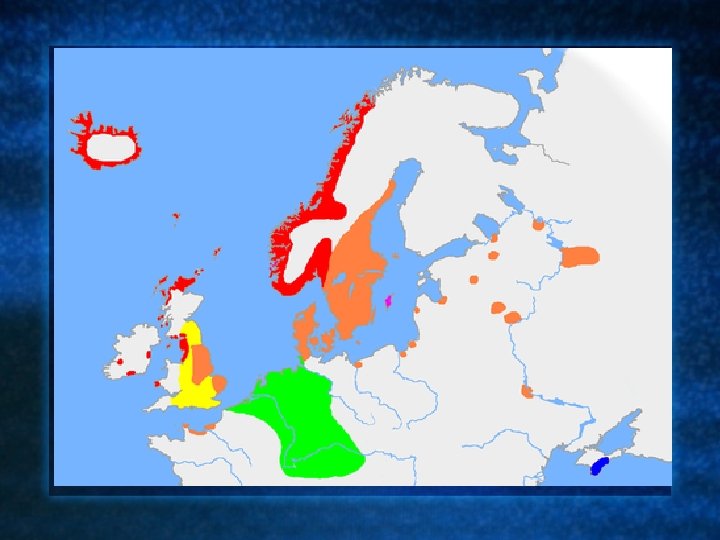
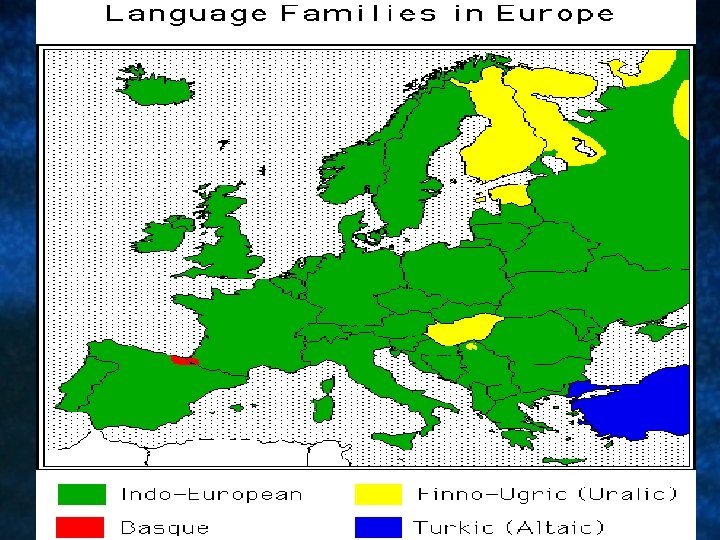
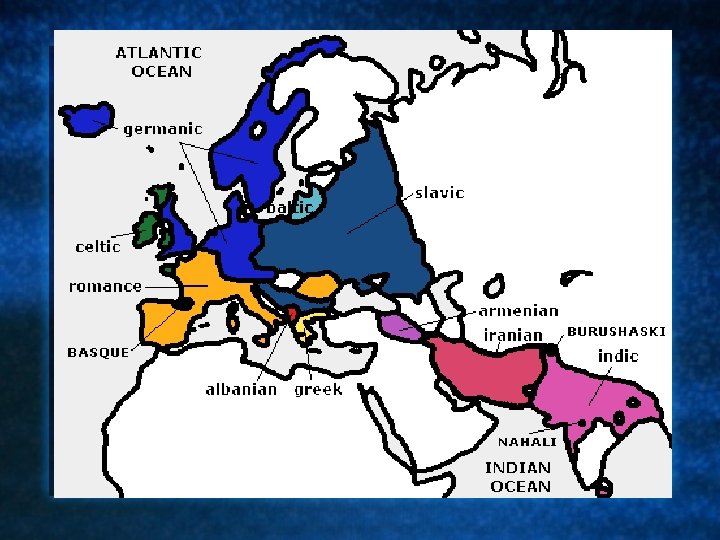
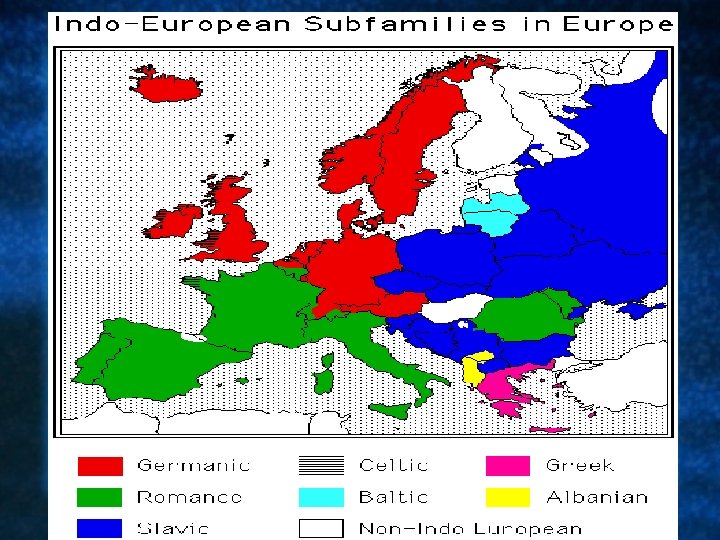
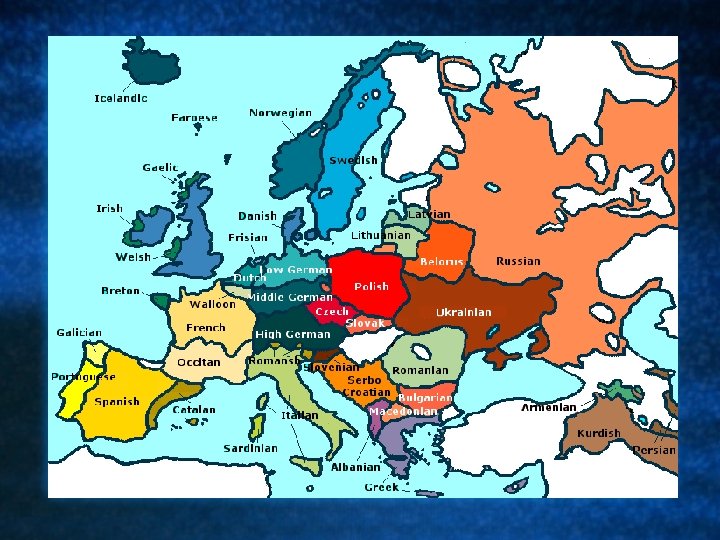
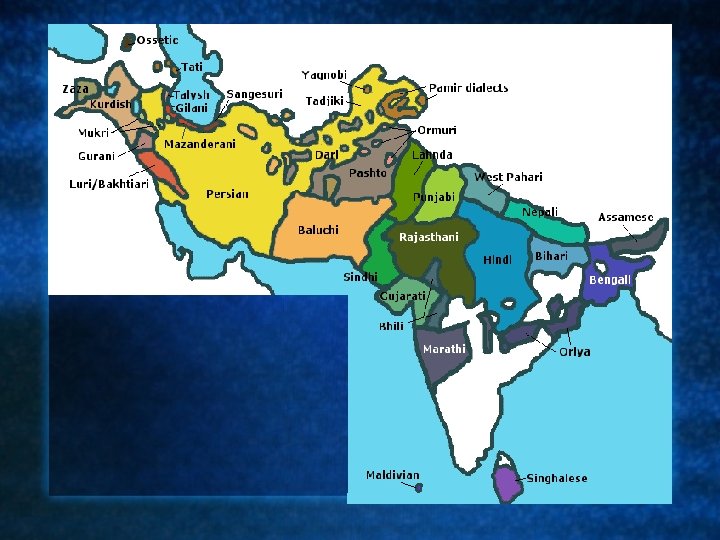
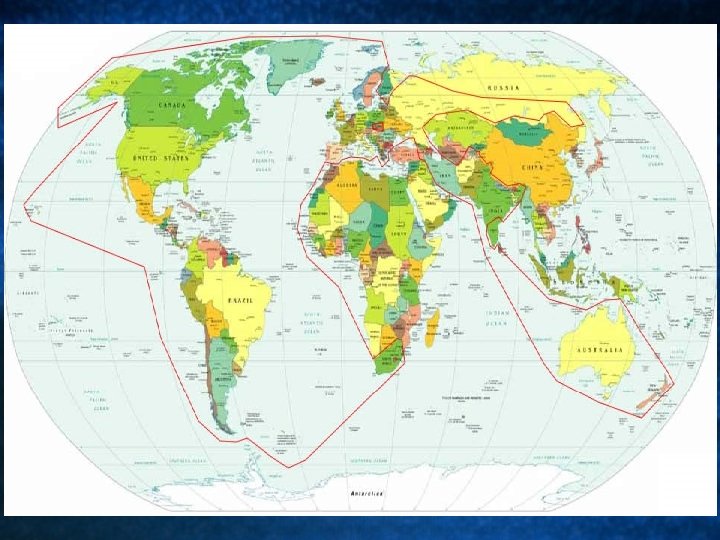
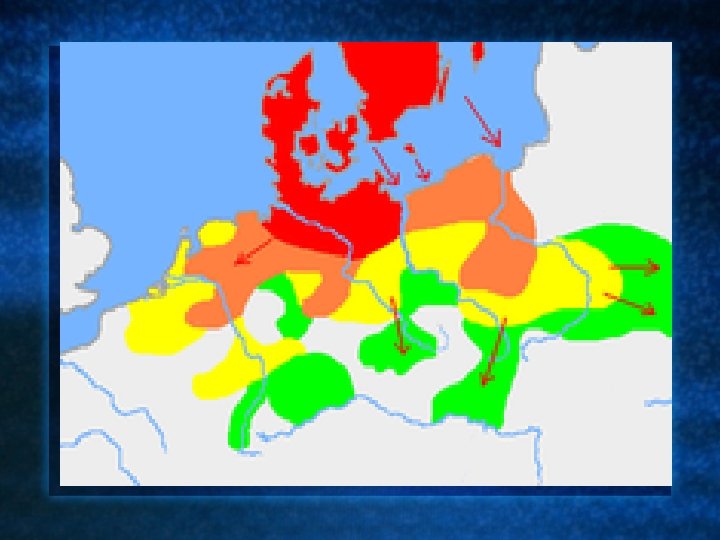
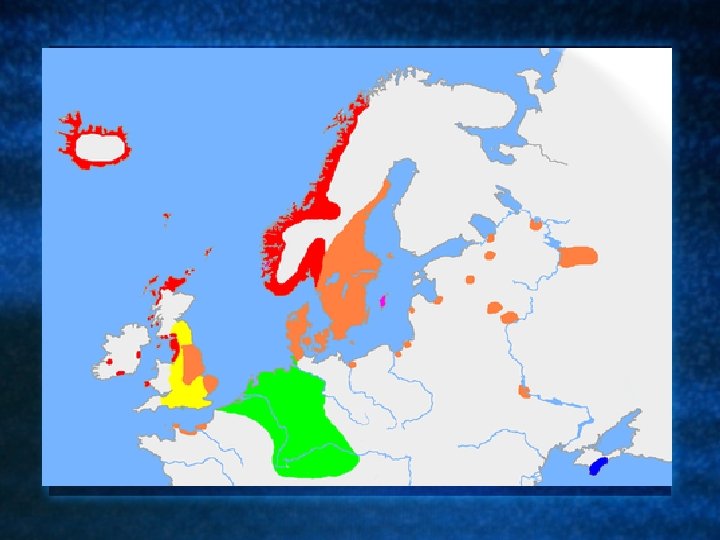
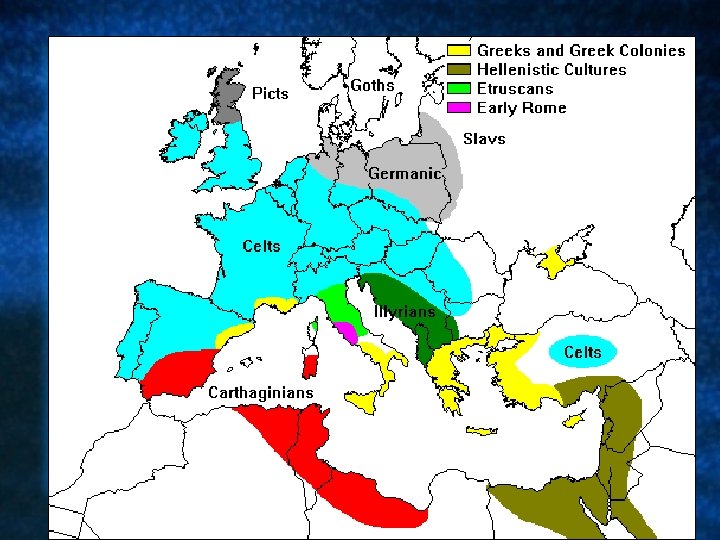
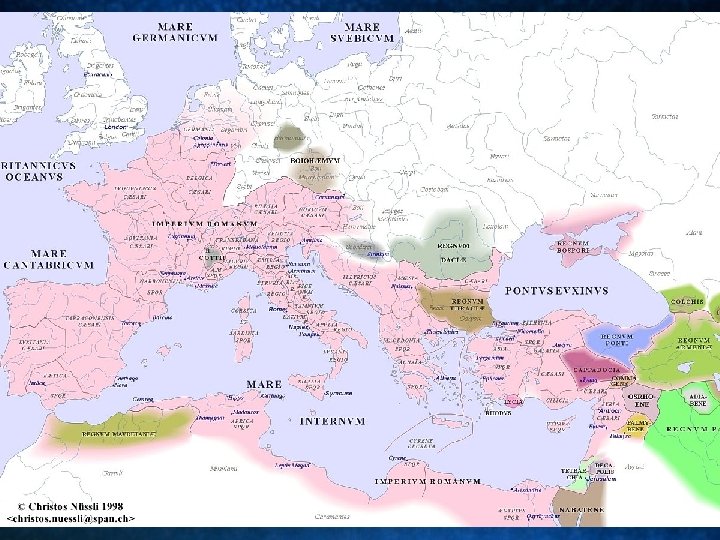
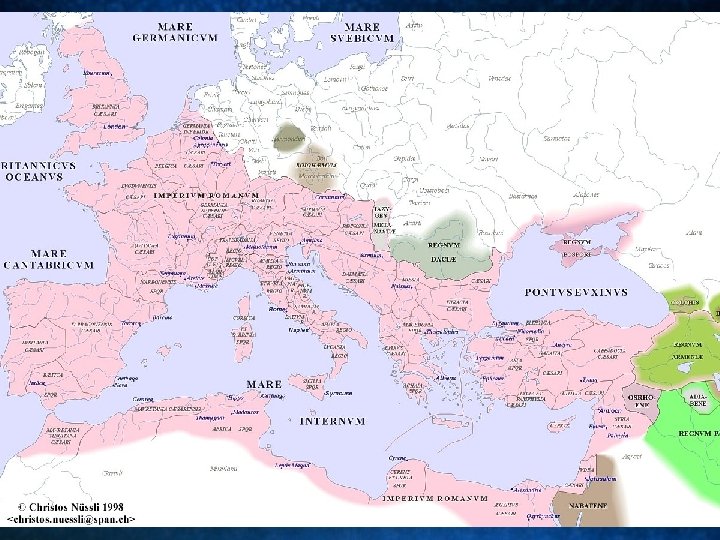
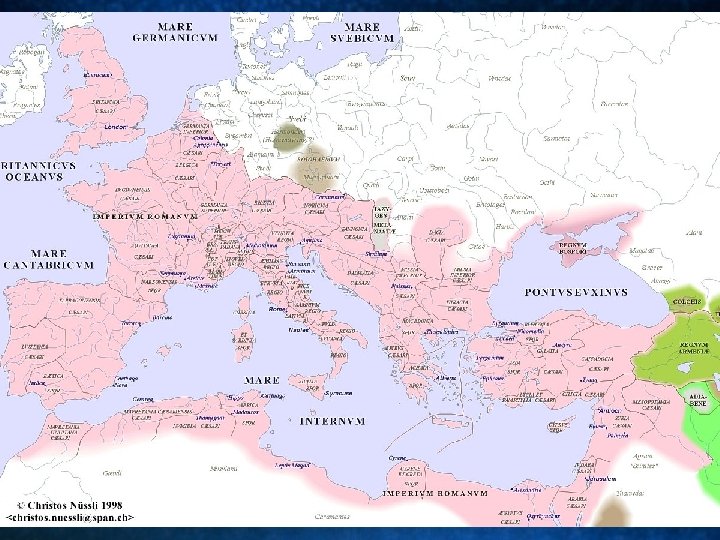
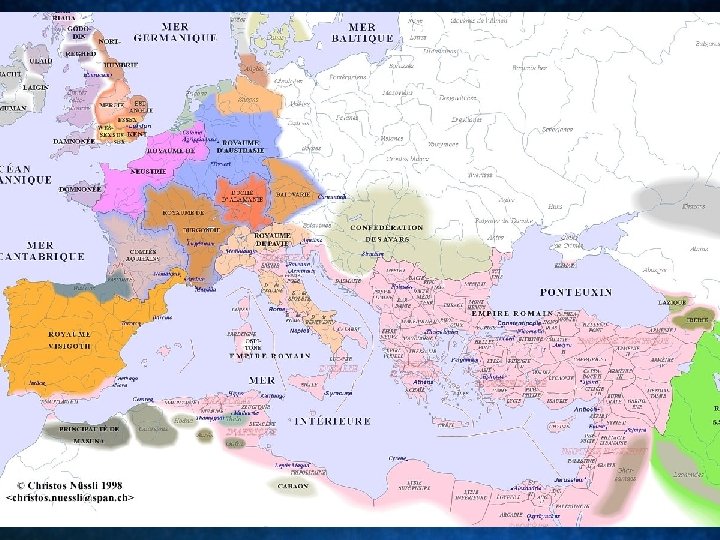
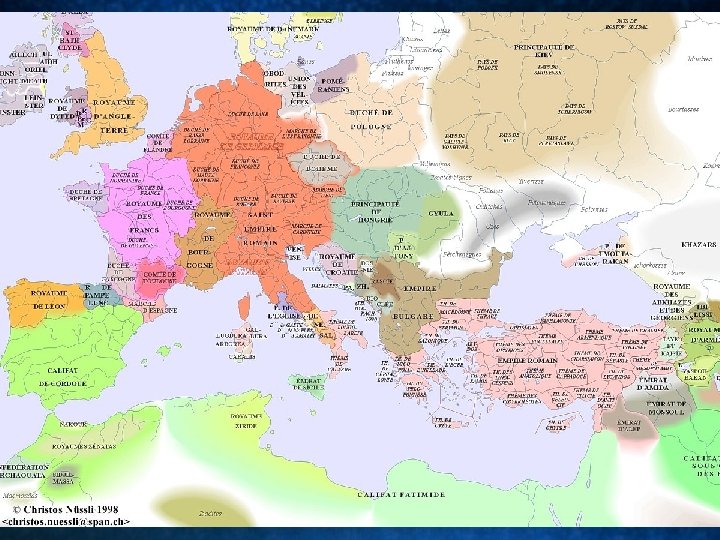
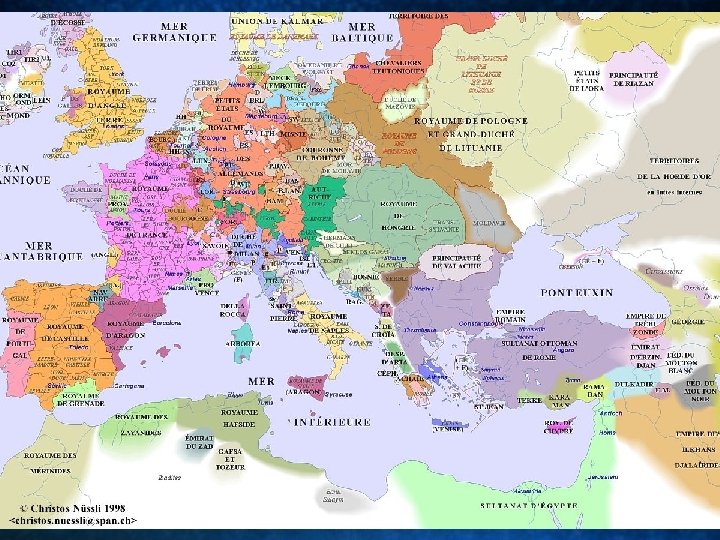
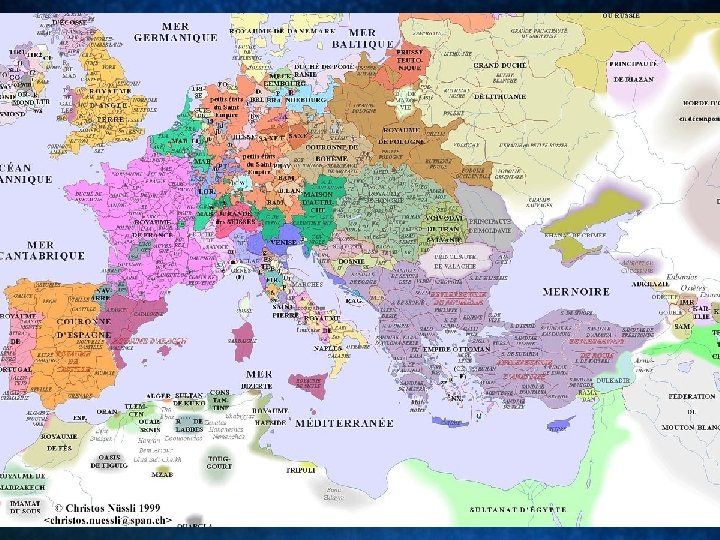
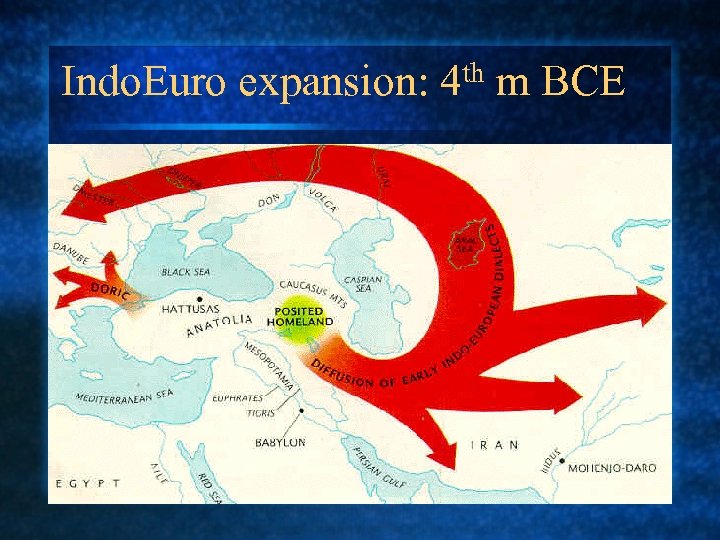 Indo. Euro expansion: 4 th m BCE
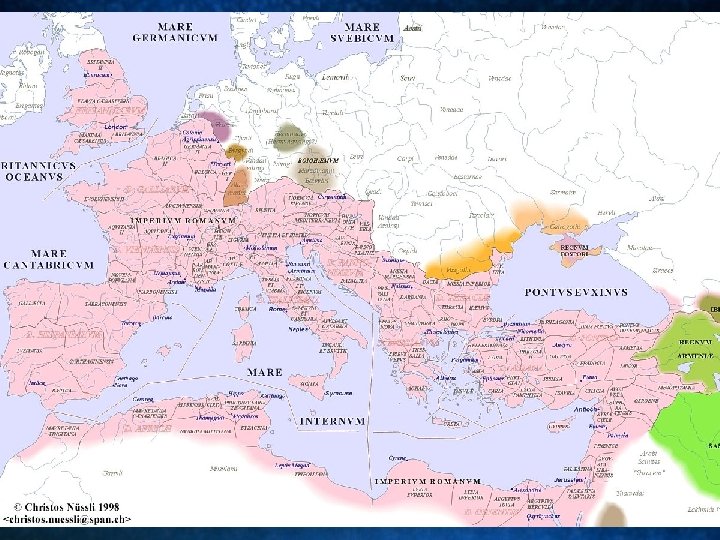
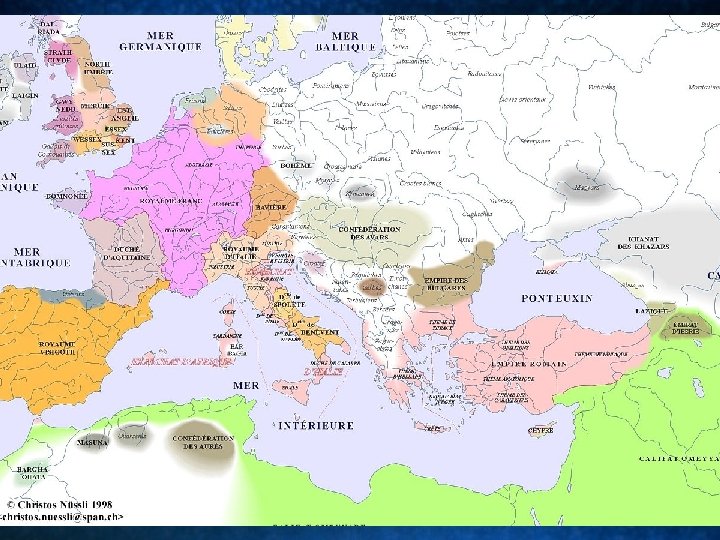
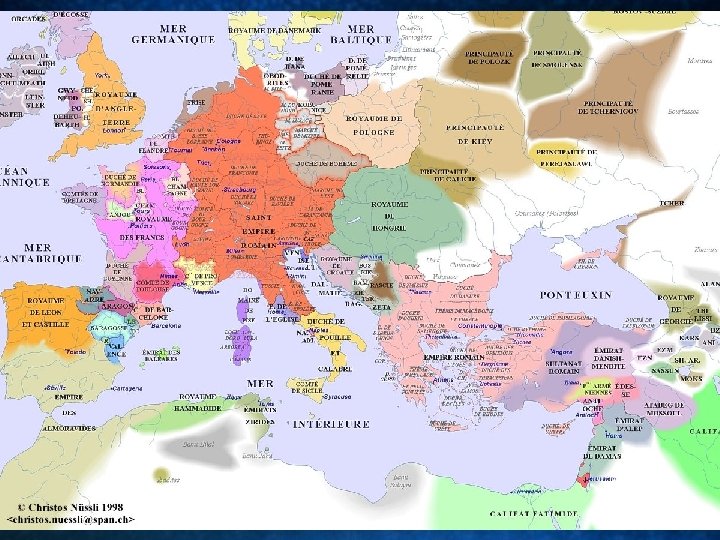
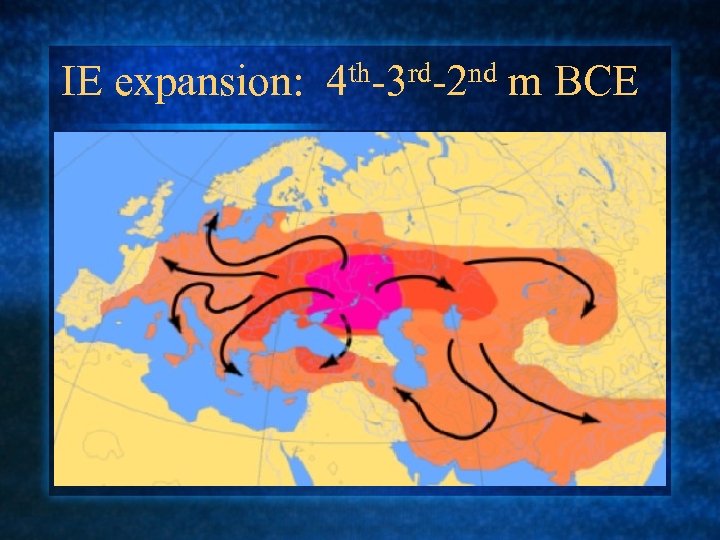 IE expansion: 4 th-3 rd-2 nd m BCE
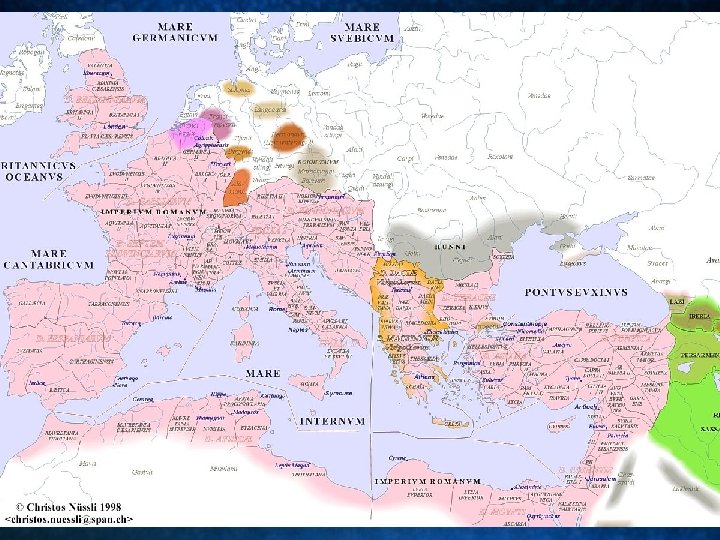
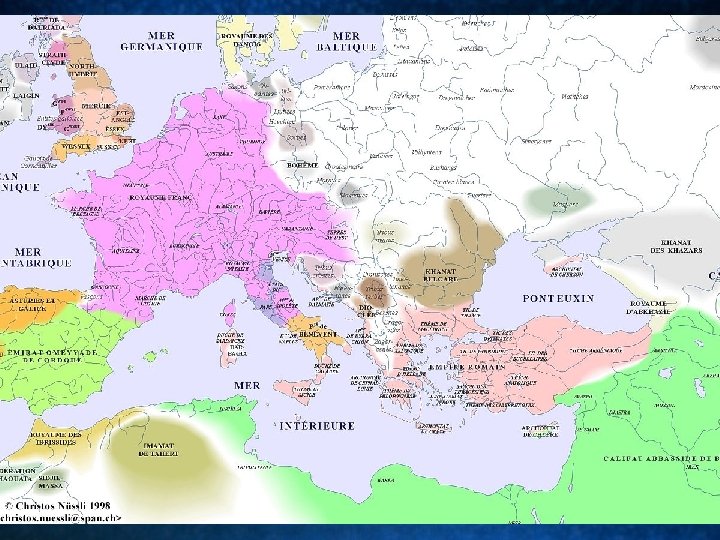
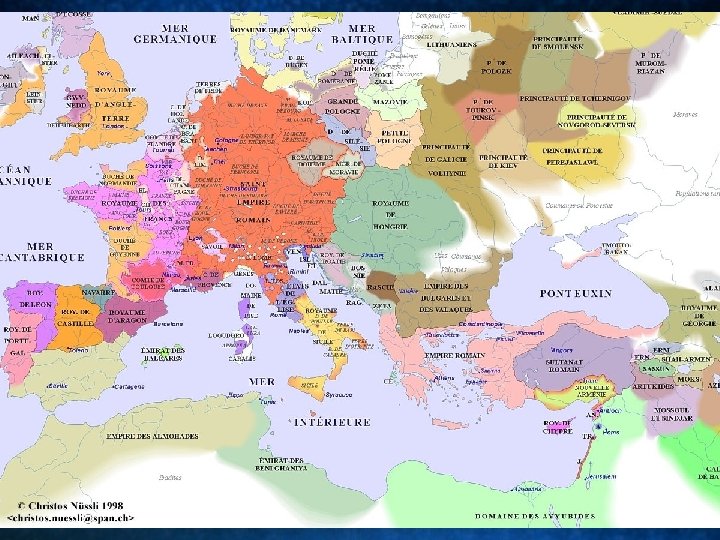
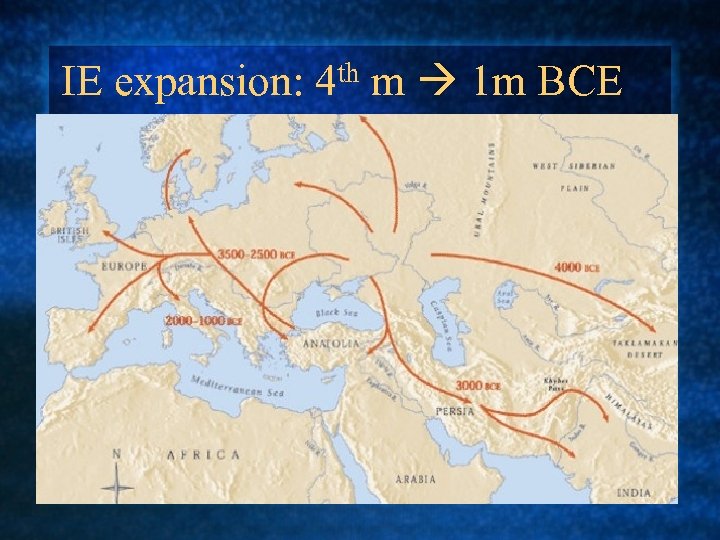 IE expansion: 4 th m 1 m BCE
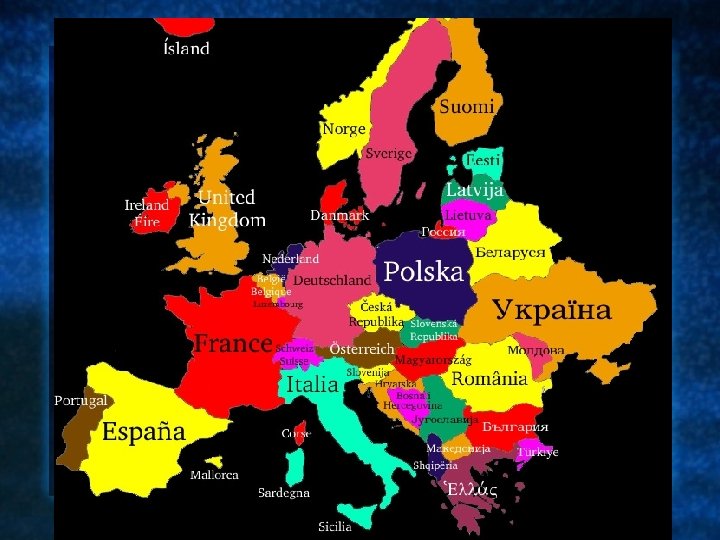
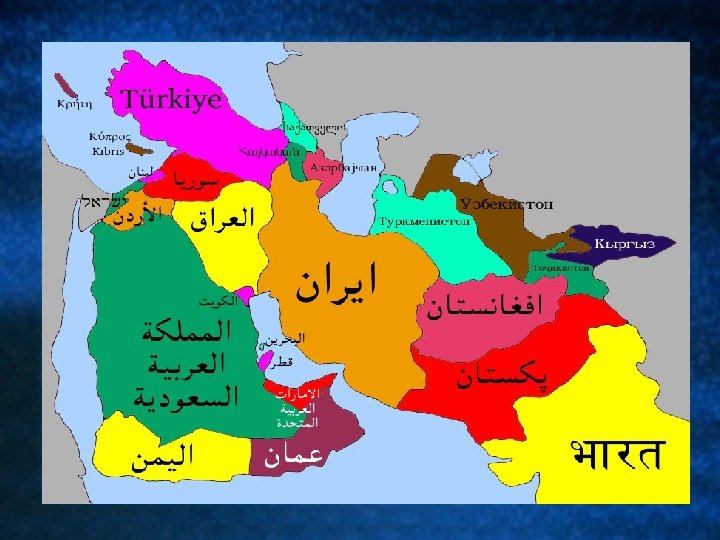
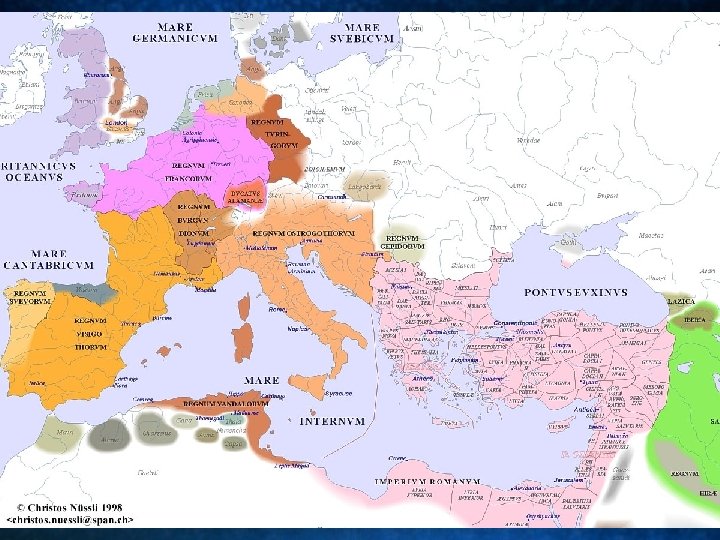
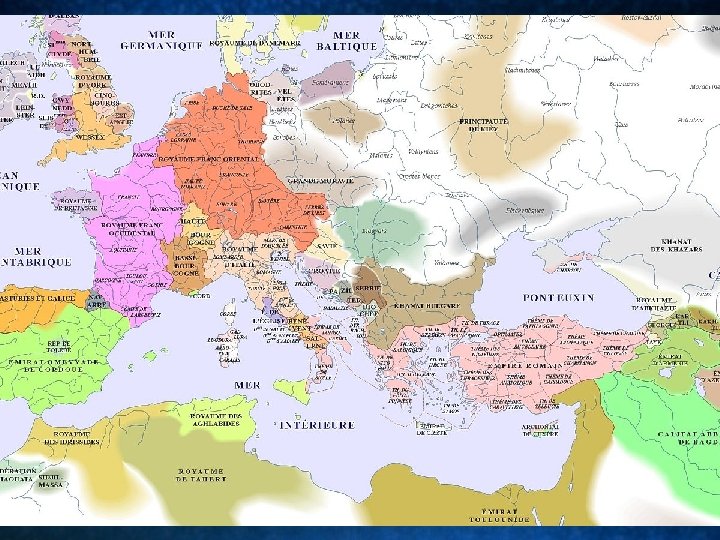
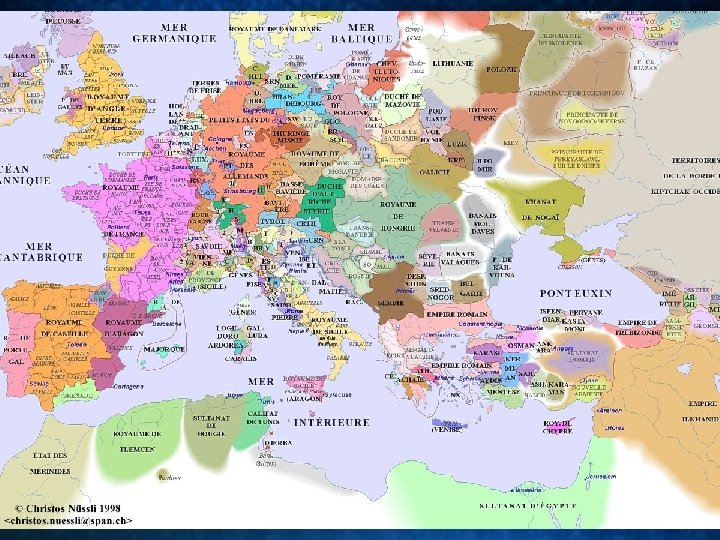
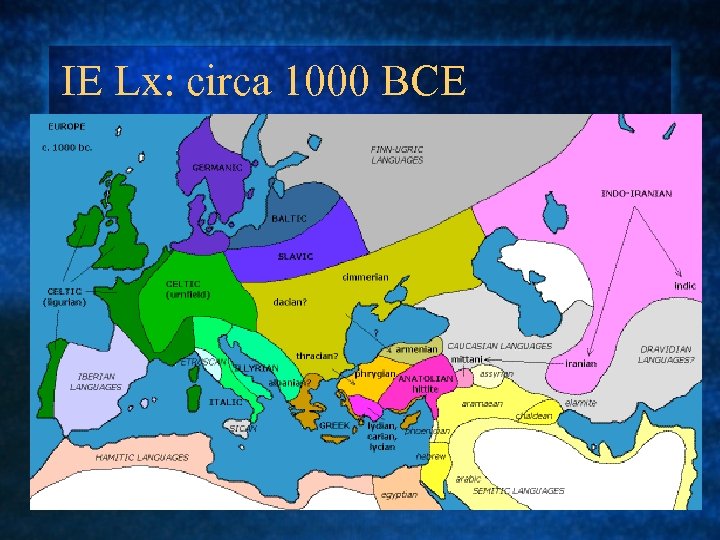 IE Lx: circa 1000 BCE
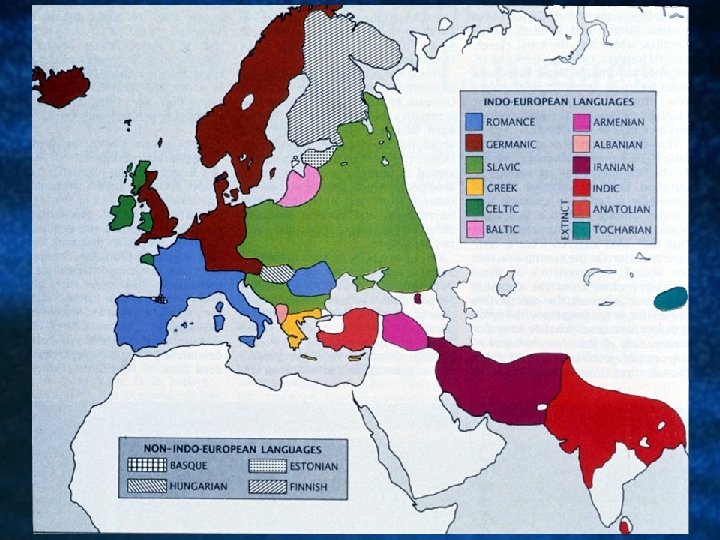
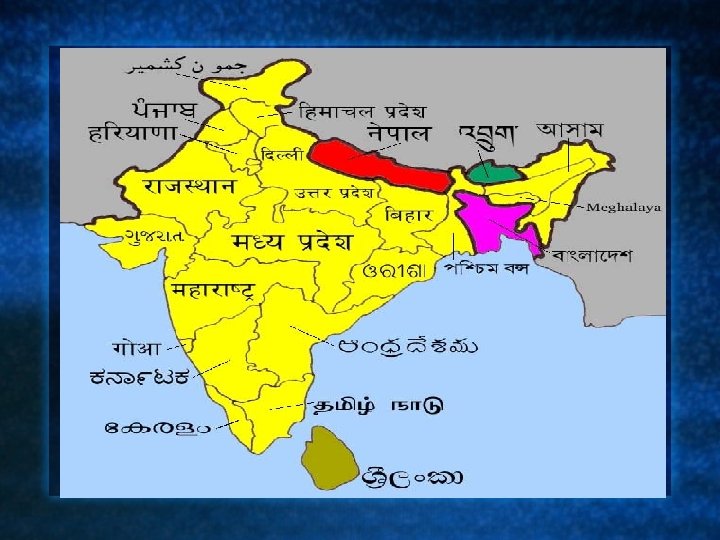
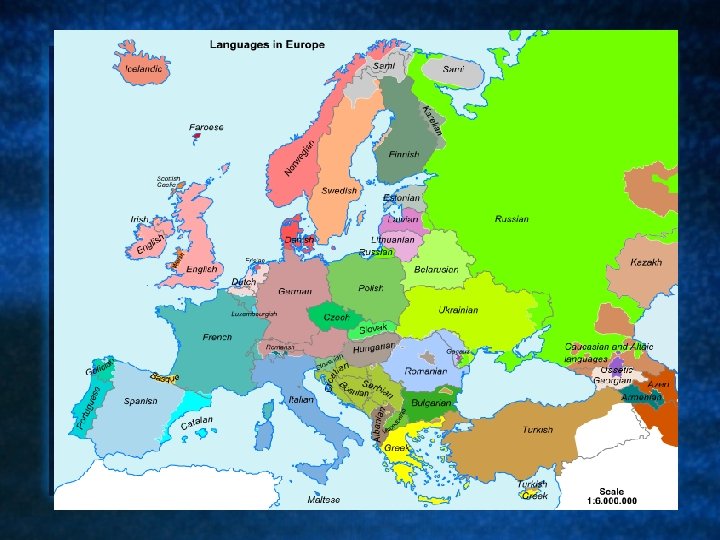
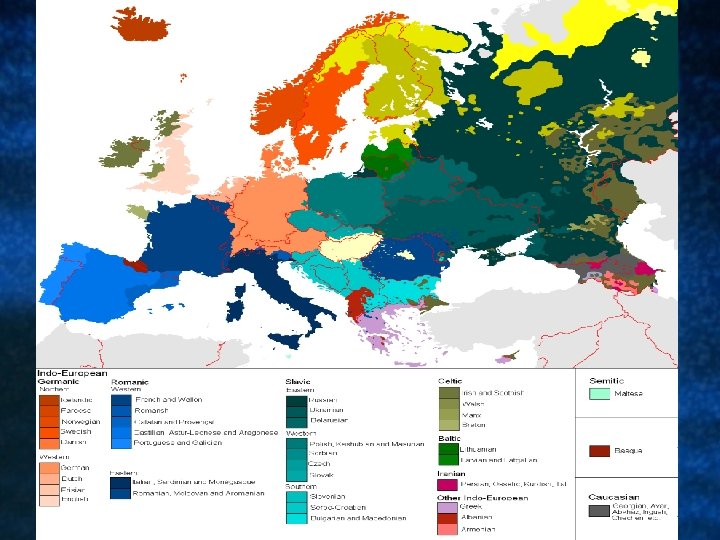
 Ch 1 Introduction l Linguistics: language. n Rooted The scientific study of in our everyday knowledge of, thinking about, and talking about Lx n Takes a descriptive approach (vs. prescriptivist school-based approaches) n Empirically based: describes and accounts for patterns in speech and language
 Linguistics-linked to many fields: l Humanities: philology & philosophy; language teaching l Social sciences: sociology, psychology, anthropology, & archaeology l Physical sciences: biology, physics, mathematics, & speech production/perception (cf. neurology)
 Branches of linguistics l Phonetics: how to make sounds, the physics of sound waves, & how they are perceived. l Phonology: how sounds pattern in a Lx l Morphology: how words are made up of smaller meaningful units.
 Branches of linguistics l Syntax: how words form sentences & how they relate to each other (with morphology, this is the core of grammar). l Semantics: involves the aspects of meaning in words and grammar. l Pragmatics: involves those aspects of meaning when put to use.
 Branches of linguistics l Psycholinguistics: mental processes underlying Lx processing. l Neurolinguistics: focuses on the brain’s language processing activities.
 Branches of linguistics l Typology l Historical linguistics l Sociolinguistics l Discourse analysis l Evolutionary linguistics
 Signs (= form/meaning) l E. g. # $ % & hand gestures, words n Like l Iconic a coin – both sides essential. signs l Symbolic signs
 Icons: la form resembling its meaning in some way: the form shows some characteristic of the corresponding concept. It shows salient features in stylized ways, ignoring other features. n Some manual gestures are iconic: using digits for numbers, tight fist for fighting
 Symbols l Form and meaning are related purely by convention, being established and acquired by repetition. N. B. Icons also always involve some degree of convention and arbitrariness.
 Lx as a sign system l Symbolic signs in Lx: n Phonetic or orthographic does not equal ‘meaning’ l Iconic signs in Lx: n Onomatopoeia – bowwow, wanwan n Word lengthening - loooong n Reduplication
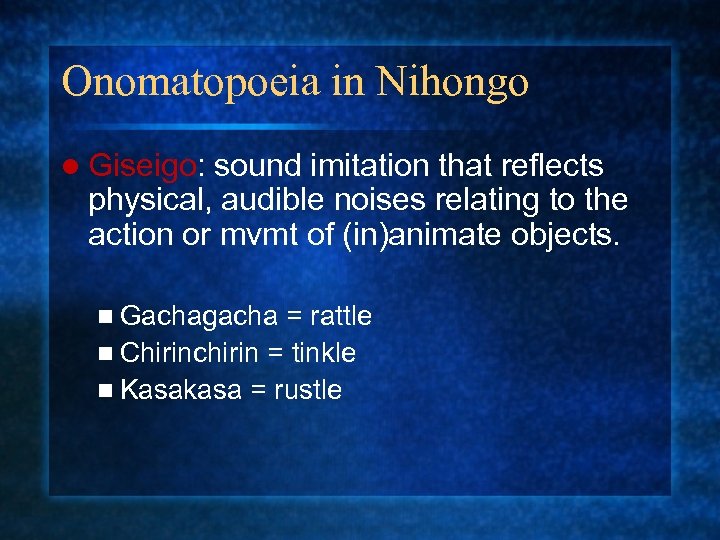 Onomatopoeia in Nihongo l Giseigo: sound imitation that reflects physical, audible noises relating to the action or mvmt of (in)animate objects. n Gachagacha = rattle n Chirinchirin = tinkle n Kasakasa = rustle
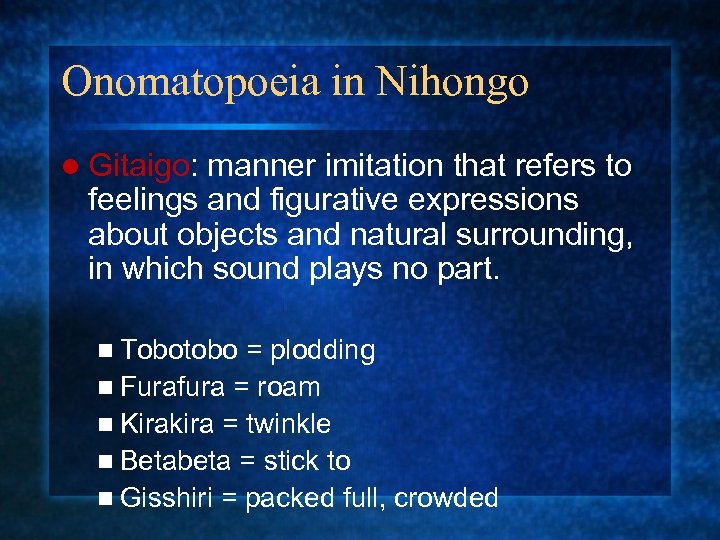 Onomatopoeia in Nihongo l Gitaigo: manner imitation that refers to feelings and figurative expressions about objects and natural surrounding, in which sound plays no part. n Tobotobo = plodding n Furafura = roam n Kirakira = twinkle n Betabeta = stick to n Gisshiri = packed full, crowded
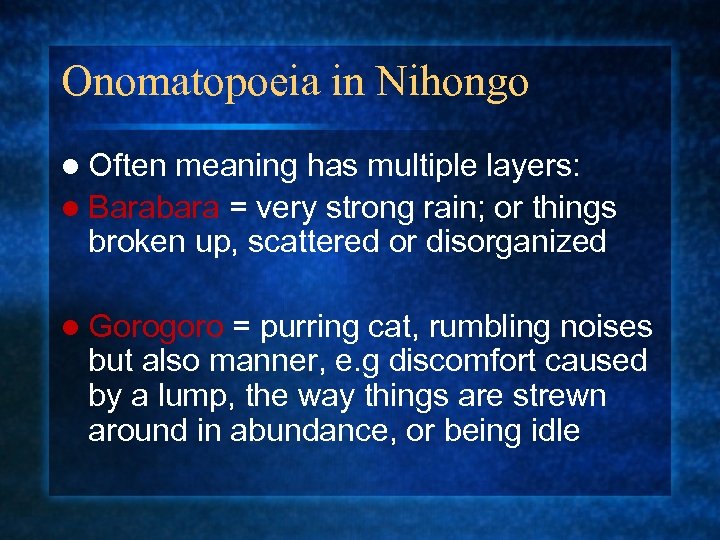 Onomatopoeia in Nihongo l Often meaning has multiple layers: l Barabara = very strong rain; or things broken up, scattered or disorganized l Gorogoro = purring cat, rumbling noises but also manner, e. g discomfort caused by a lump, the way things are strewn around in abundance, or being idle
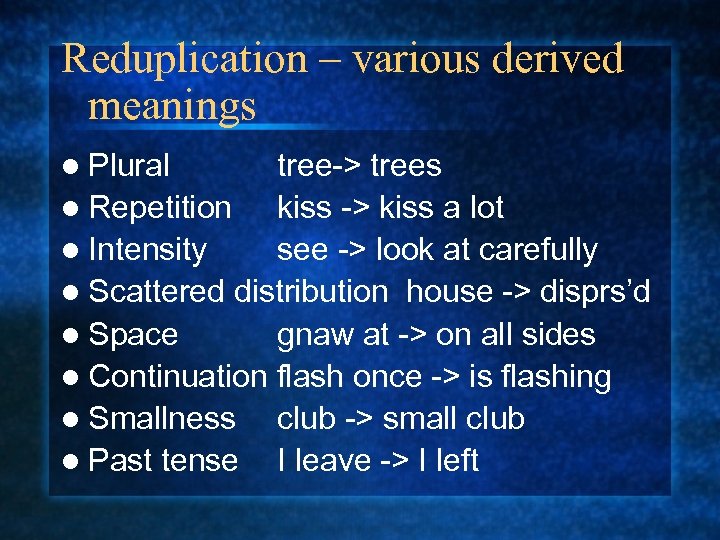 Reduplication – various derived meanings l Plural tree-> trees l Repetition kiss -> kiss a lot l Intensity see -> look at carefully l Scattered distribution house -> disprs’d l Space gnaw at -> on all sides l Continuation flash once -> is flashing l Smallness club -> small club l Past tense I leave -> I left
 Relation b/w Lc signs – signs interrelate to form a coherent whole l Syntagmatic: signs occur in combination with other signs l Paradigmatic: alternative signs could be used to replace any member of the syntagm n a word’s meaning is related to close alternates in the paradigm (cf. ‘we’)
 Design features – of all Lx l Arbitrariness l Displacement (imagination) l Cultural X-mission (genes aside) l Duality (patterned @ 2 levels) l Productivity (creativity) l Reflexivity (meta analysis permittable)



 Evolution of Writing Pre-Writing Cave paintings Proto-Writing Ideographs Early Writing Cuneiform
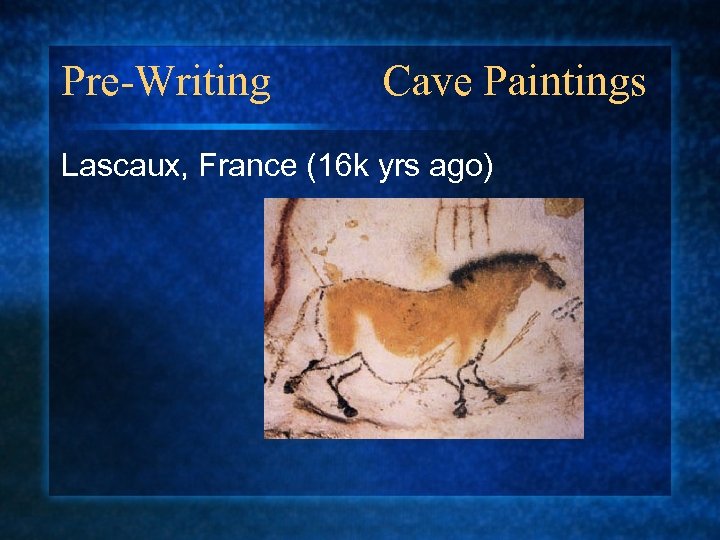 Pre-Writing Cave Paintings Lascaux, France (16 k yrs ago)
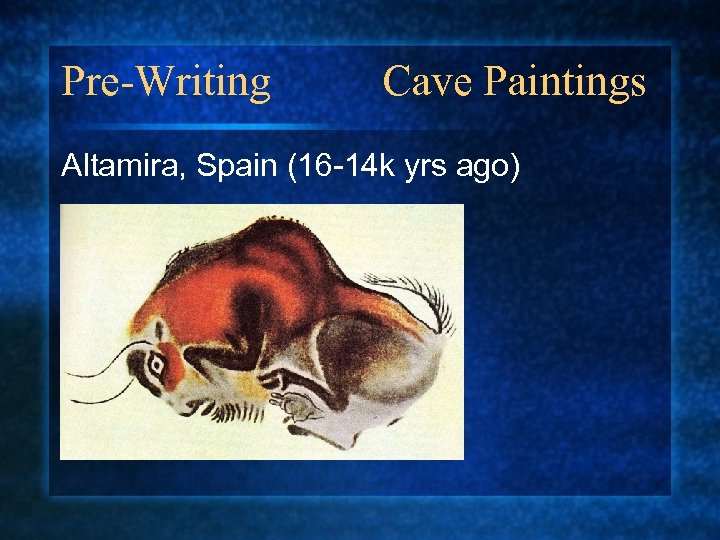 Pre-Writing Cave Paintings Altamira, Spain (16 -14 k yrs ago) a
 Proto-Writing (9 k yrs ago) Ideographs/mnemonic symbols: Wayfinding signs (airports/train stations) Arabic numerals Formal Languages (in math & logic) * used “worldwide” regardless of how they are pronounced in different languages. N. B. Iconicity
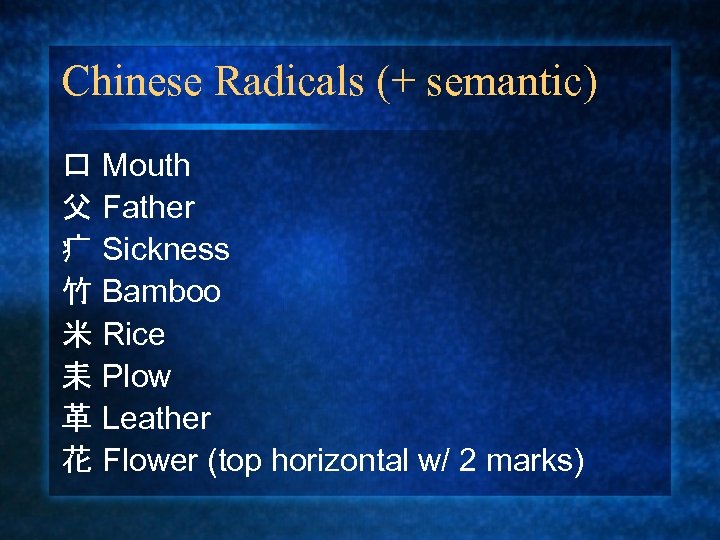 Chinese Radicals (+ semantic) 口 Mouth 父 Father 疒 Sickness 竹 Bamboo 米 Rice 耒 Plow 革 Leather 花 Flower (top horizontal w/ 2 marks)
 Early Writing Cuneiform script (2700 -2500 BCE) Begins in Sumerian civilization of southern Iraq. Originally pictographic. Derives from Mesopotamian accounting system (10 k yrs ago). Inventory becomes streamlined in number (approx 400 by 3 rd m BCE) & in form (pictographs become convention– alized linear drawings cf. e. g. ).
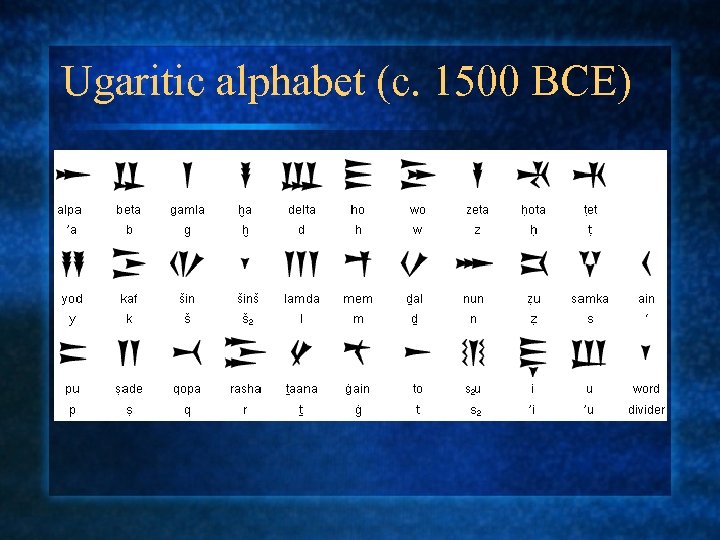 Ugaritic alphabet (c. 1500 BCE)
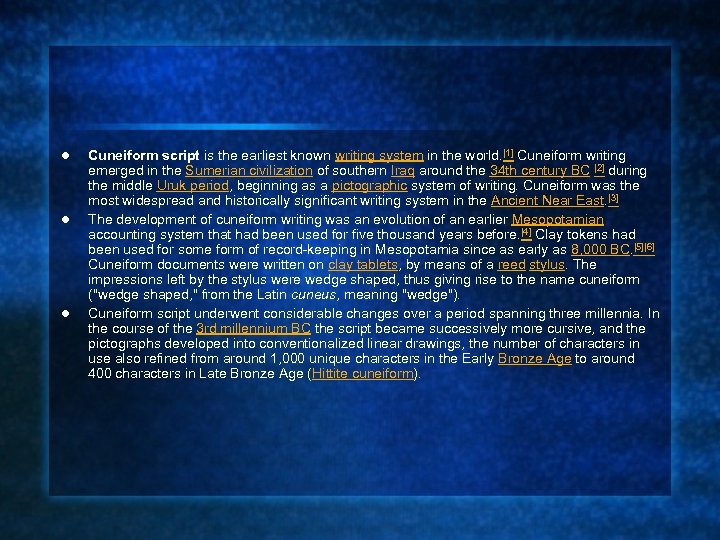 l l l Cuneiform script is the earliest known writing system in the world. [1] Cuneiform writing emerged in the Sumerian civilization of southern Iraq around the 34 th century BC [2] during the middle Uruk period, beginning as a pictographic system of writing. Cuneiform was the most widespread and historically significant writing system in the Ancient Near East. [3] The development of cuneiform writing was an evolution of an earlier Mesopotamian accounting system that had been used for five thousand years before. [4] Clay tokens had been used for some form of record-keeping in Mesopotamia since as early as 8, 000 BC. [5][6] Cuneiform documents were written on clay tablets, by means of a reed stylus. The impressions left by the stylus were wedge shaped, thus giving rise to the name cuneiform ("wedge shaped, " from the Latin cuneus, meaning "wedge"). Cuneiform script underwent considerable changes over a period spanning three millennia. In the course of the 3 rd millennium BC the script became successively more cursive, and the pictographs developed into conventionalized linear drawings, the number of characters in use also refined from around 1, 000 unique characters in the Early Bronze Age to around 400 characters in Late Bronze Age (Hittite cuneiform).
 l pajama, sandal
 Borrowed into English (later)
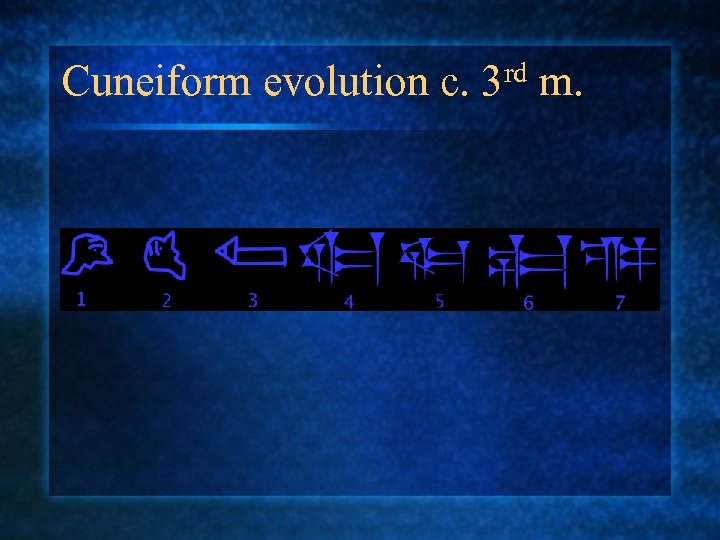 Cuneiform evolution c. 3 rd m.
 Cuneiform shift (in form) Stage 1 shows the pictogram as it was drawn around 3000 BC. Stage 2 shows the rotated pictogram as written around 2800 BC. Stage 3 shows the abstracted glyph in archaic monumental inscriptions, from ca. 2600 BC, & stage 4 is the sign as written in clay, contemporary to stage 3. Stage 5 represents the late 3 rd millennium, & stage 6 represents Old Assyrian ductus of the early 2 nd millennium, as adopted into Hittite. Stage 7 is the simplified sign as written by Assyrian scribes in the early 1 st millennium, and until the script's extinction.
 Semantic extension Pictograms originally referred to a concrete object, then activities and abstract concepts related to it (becoming morphograms – N, V, Adj…) Perennially productive (in language and throughout our sign systems)
 Phonological extension Morphographic characters originally symbolized entire words but came to be associated more with pronunciations. Hence we began to graph: the (much more limited number of) phonemes, instead of the (innumerable) morphemes.
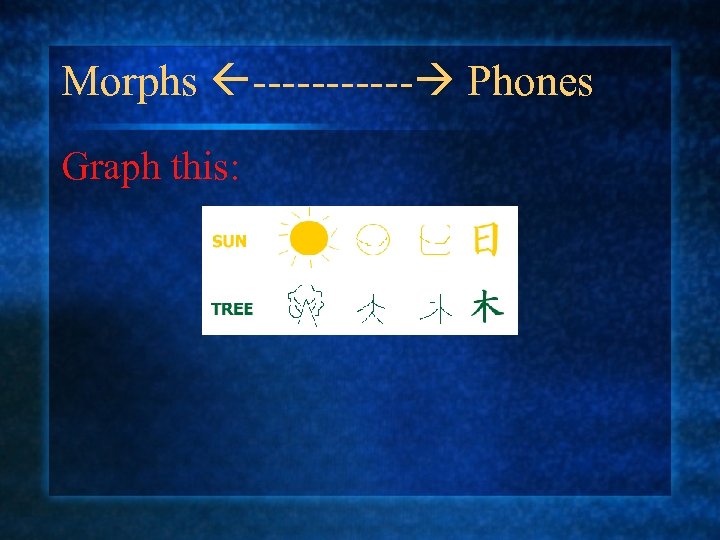 Morphs ------ Phones Graph this:
 Morphographic WS Best example: Chinese Due to massive challenge of graphing all the morphs in a language, only a small number of kanji are ‘all morph’ (approx 90% are mixed with phonetic part). Using the rebus principle allows us to use existing morphographic kanji as a spring board for their homophones (cf. ‘I see’)
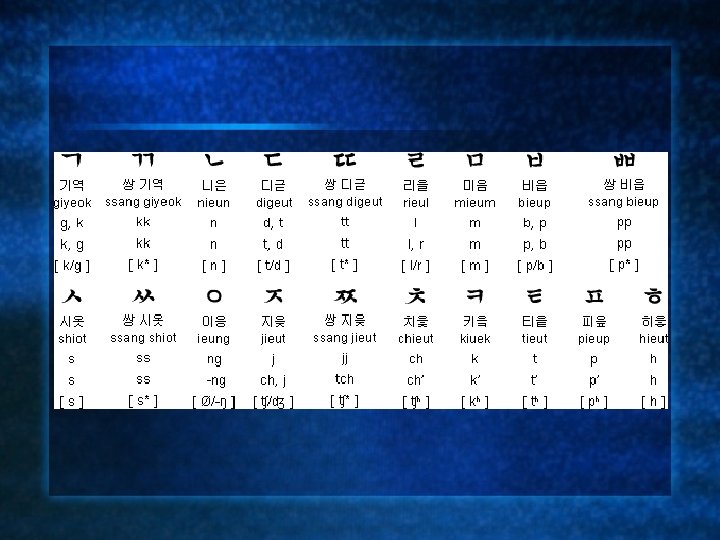
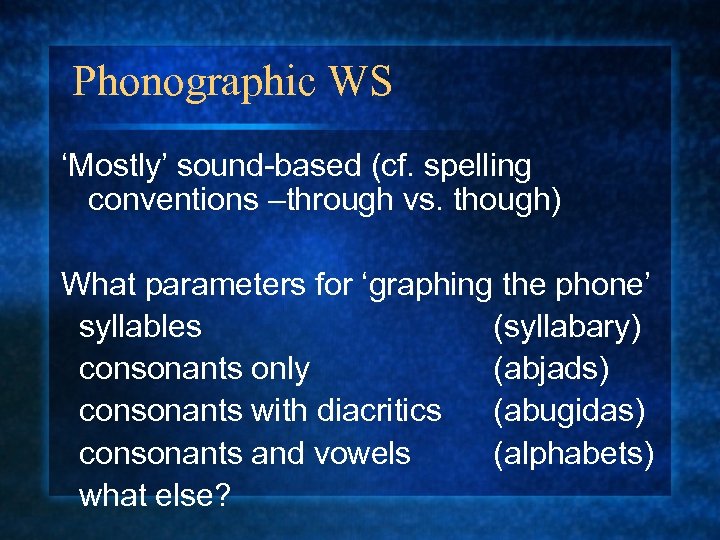 Phonographic WS ‘Mostly’ sound-based (cf. spelling conventions –through vs. though) What parameters for ‘graphing the phone’ syllables (syllabary) consonants only (abjads) consonants with diacritics (abugidas) consonants and vowels (alphabets) what else?