


 Скачать презентацию La gestione della conoscenza nella nuova economia
e515b72d1018312b9dc43aa50ec0d343.ppt
- Количество слайдов: 43
 La gestione della conoscenza nella nuova economia Genova 28 febbraio 2006 Ezio Andreta - Direttore Commissione Europea, DG Ricerca – EA – KB economy
 “The great turning points in human history are often triggered by changing conceptions of space and time” The European Dream Jeremy Rifkin, 2004 EA – KB economy
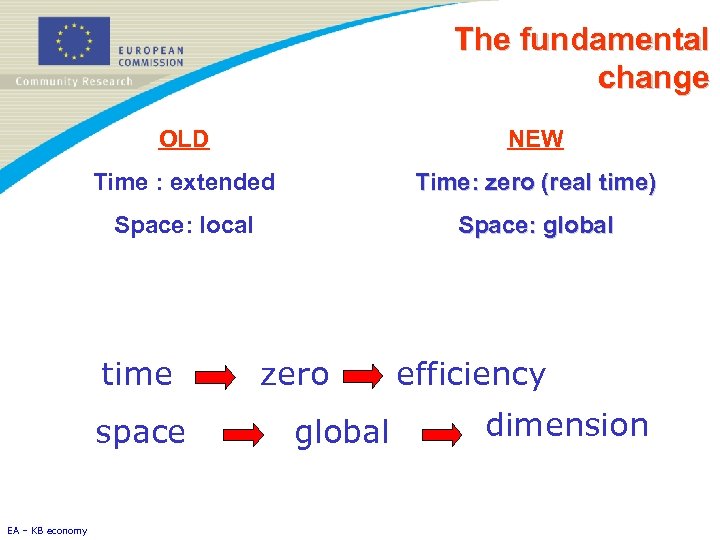 The fundamental change OLD NEW Time : extended Time: zero (real time) Space: local Space: global time space EA – KB economy zero global efficiency dimension
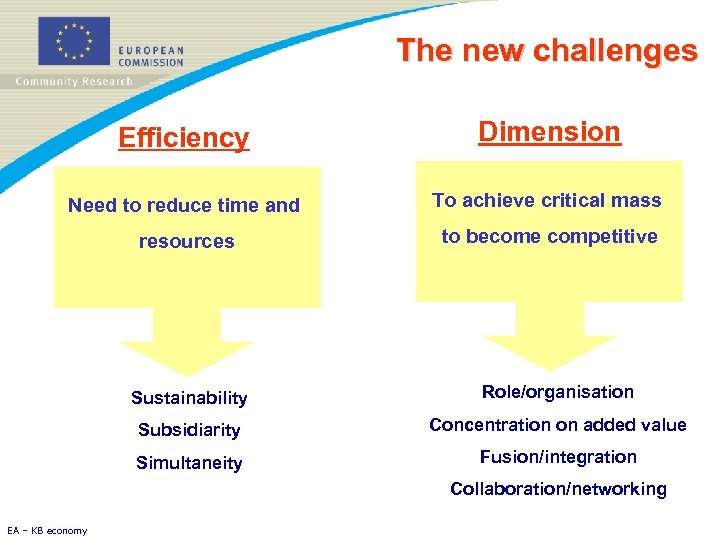 The new challenges Efficiency Dimension Need to reduce time and To achieve critical mass resources to become competitive Sustainability Role/organisation Subsidiarity Concentration on added value Simultaneity Fusion/integration Collaboration/networking EA – KB economy
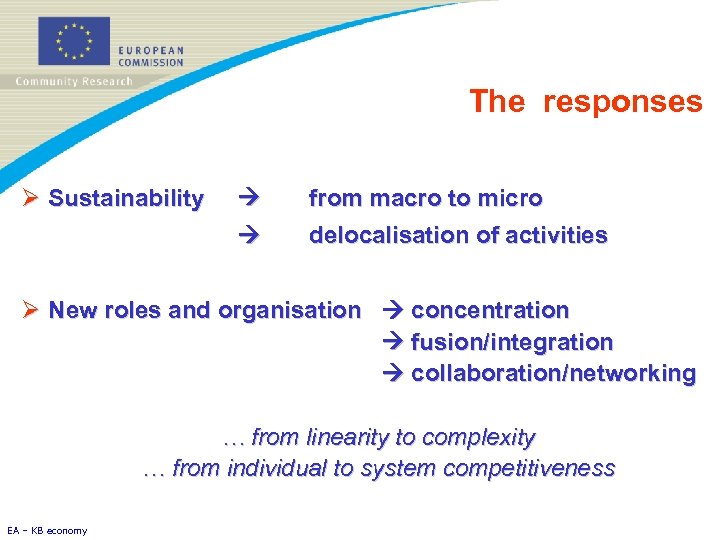 The responses Ø Sustainability from macro to micro delocalisation of activities Ø New roles and organisation concentration fusion/integration collaboration/networking … from linearity to complexity … from individual to system competitiveness EA – KB economy
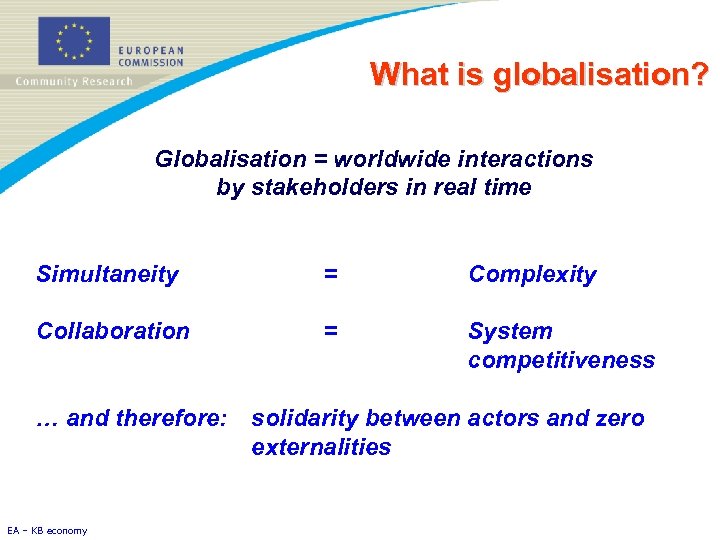 What is globalisation? Globalisation = worldwide interactions by stakeholders in real time Simultaneity = Complexity Collaboration = System competitiveness … and therefore: EA – KB economy solidarity between actors and zero externalities
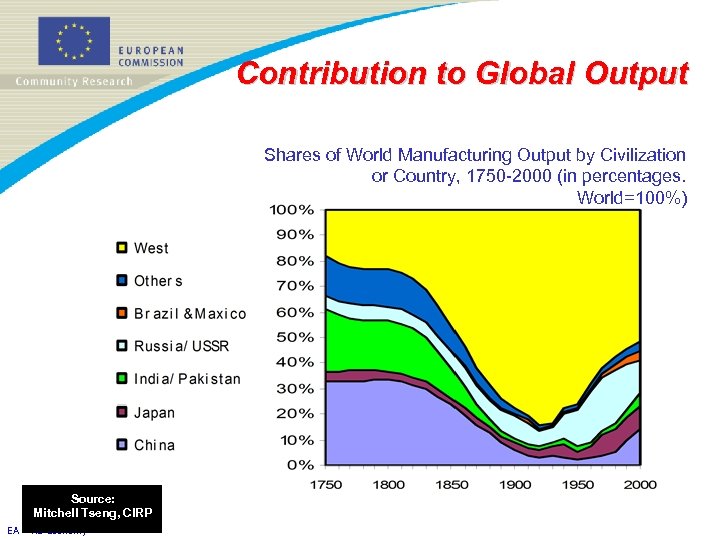 Contribution to Global Output Shares of World Manufacturing Output by Civilization or Country, 1750 -2000 (in percentages. World=100%) Source: Mitchell Tseng, CIRP EA – KB economy
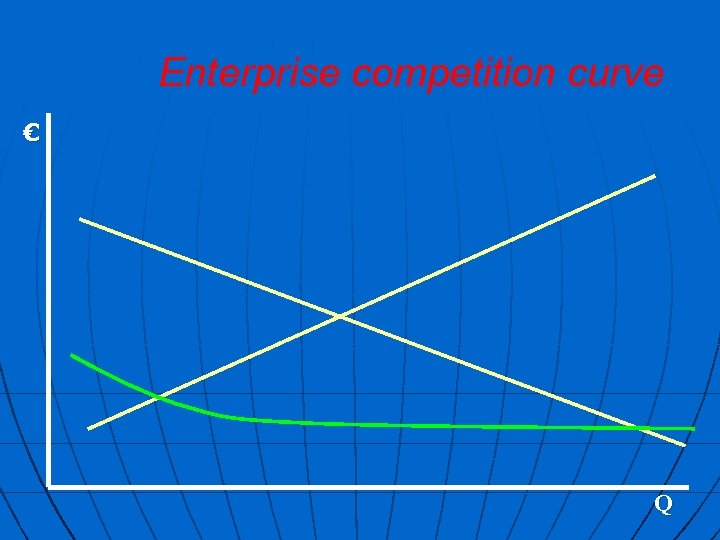 Enterprise competition curve € Q
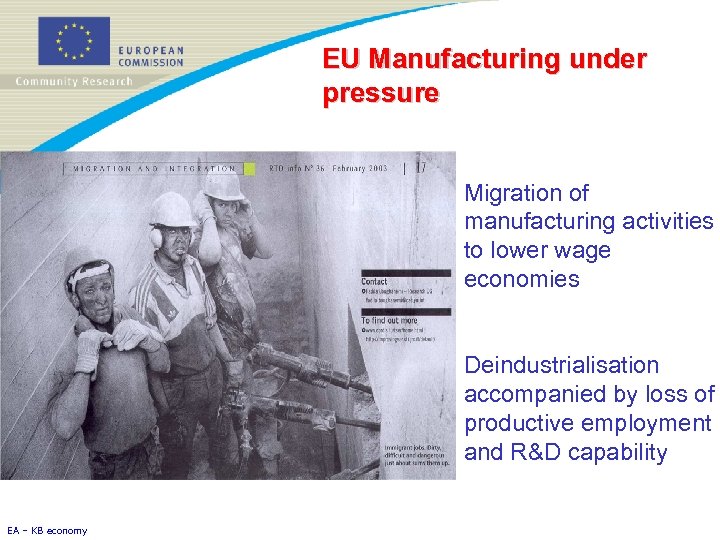 EU Manufacturing under pressure Migration of manufacturing activities to lower wage economies Deindustrialisation accompanied by loss of productive employment and R&D capability EA – KB economy
 Towards new paradigms: the industrial mutations Ø Cancellation of the ‘resource-based’ differences between competitors Ø Focus on Added Value products ≠ high-tech products Ø Role of knowledge: new factor of production EA – KB economy
 Implications… Transition from a «traditional economy» based on traditional resources (cost driven) to a new economy based on knowledge (value driven) The triplet « land – labour - capital » is replaced by knowledge – capital …this implies moving from an economy of ‘quantity’ to an economy of ‘quality’, from an economy of ‘use and waste’ to a sustainable economy EA – KB economy
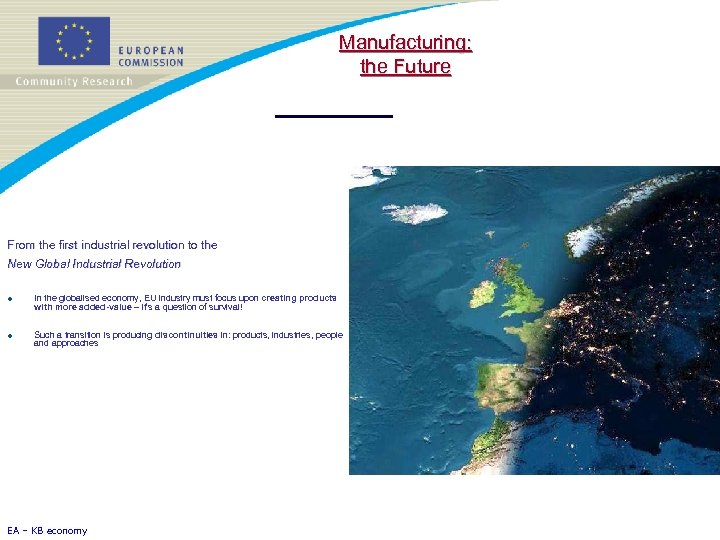 Manufacturing: the Future From the first industrial revolution to the New Global Industrial Revolution l In the globalised economy, EU industry must focus upon creating products with more added-value – it’s a question of survival! l Such a transition is producing discontinuities in: products, industries, people and approaches EA – KB economy
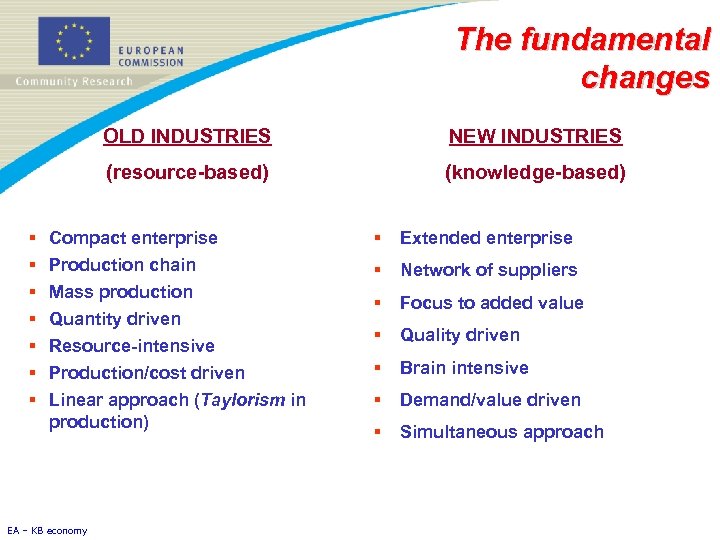 The fundamental changes OLD INDUSTRIES (resource-based) § § § § NEW INDUSTRIES (knowledge-based) Compact enterprise Production chain Mass production Quantity driven Resource-intensive Production/cost driven § Extended enterprise § Network of suppliers § Focus to added value § Quality driven § Brain intensive Linear approach (Taylorism in production) § Demand/value driven § Simultaneous approach EA – KB economy
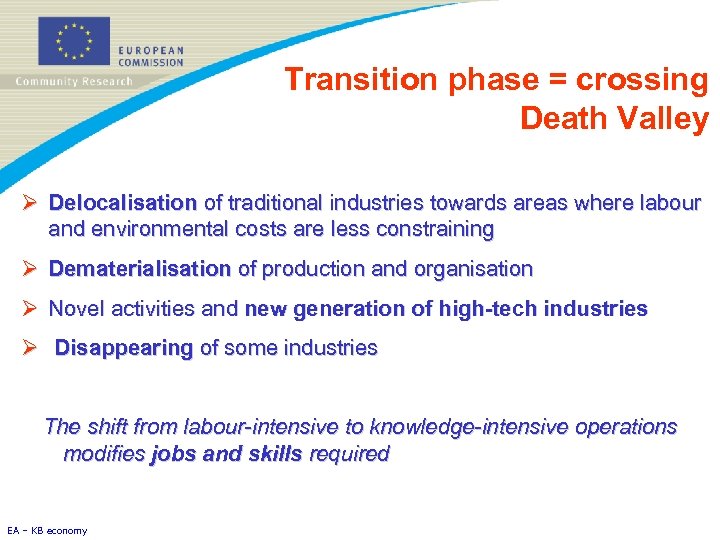 Transition phase = crossing Death Valley Ø Delocalisation of traditional industries towards areas where labour and environmental costs are less constraining Ø Dematerialisation of production and organisation Ø Novel activities and new generation of high-tech industries Ø Disappearing of some industries The shift from labour-intensive to knowledge-intensive operations modifies jobs and skills required EA – KB economy
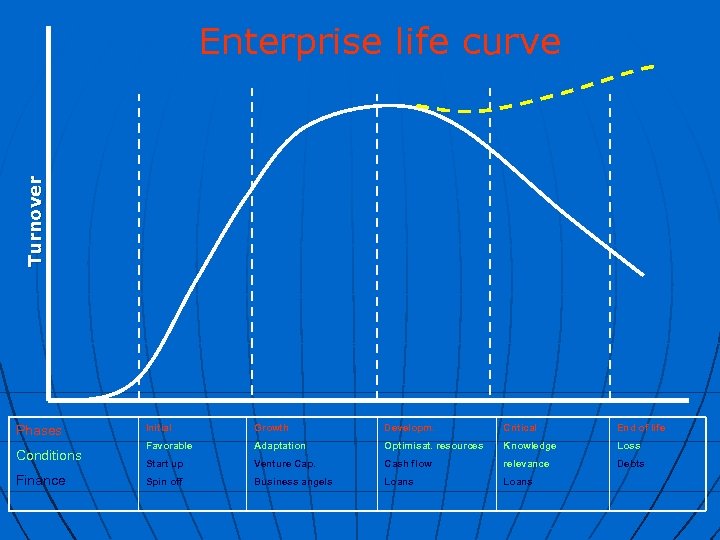 Turnover Enterprise life curve Phases Conditions Finance Initial Growth Developm. Critical End of life Favorable Adaptation Optimisat. resources Knowledge Loss Start up Venture Cap. Cash flow relevance Debts Spin off Business angels Loans
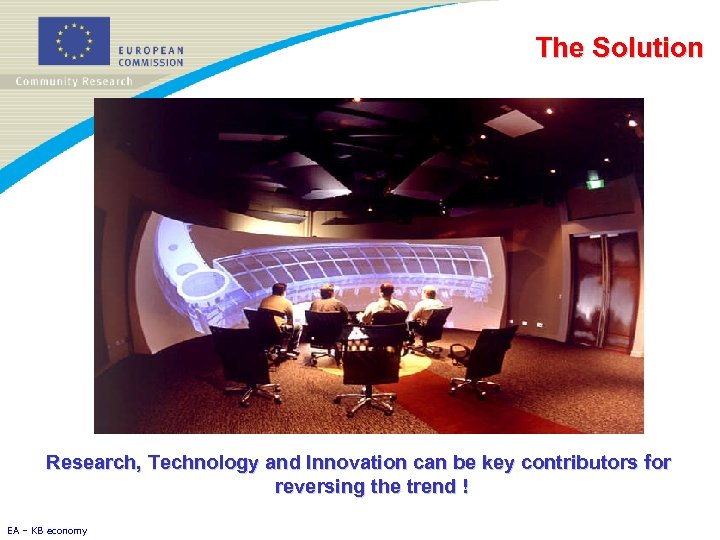 The Solution Research, Technology and Innovation can be key contributors for reversing the trend ! EA – KB economy
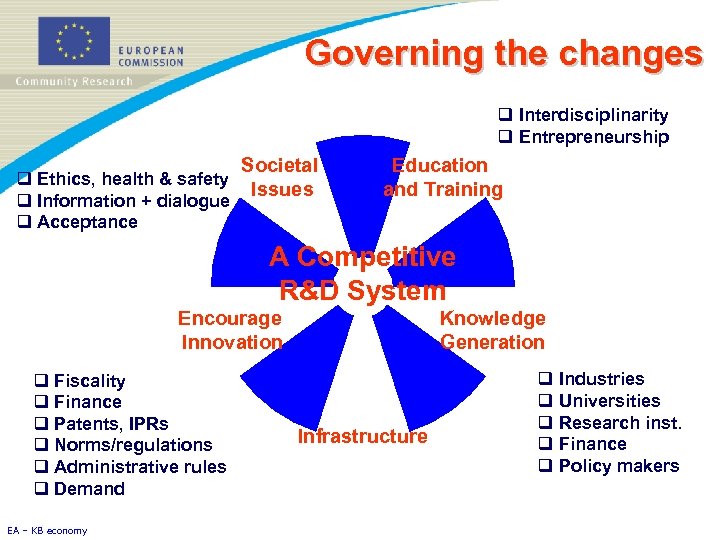 Governing the changes q Interdisciplinarity q Entrepreneurship Societal q Ethics, health & safety Issues q Information + dialogue q Acceptance Education and Training A Competitive R&D System Encourage Innovation q Fiscality q Finance q Patents, IPRs q Norms/regulations q Administrative rules q Demand EA – KB economy Knowledge Generation Infrastructure q Industries q Universities q Research inst. q Finance q Policy makers
 Landmarks are disappearing. New ones have to be found. EA – KB economy Governance of changes
 EA – KB economy
 EA – KB economy
 EU attractiveness 1. Quality of life 2. Research and innovation EA – KB economy
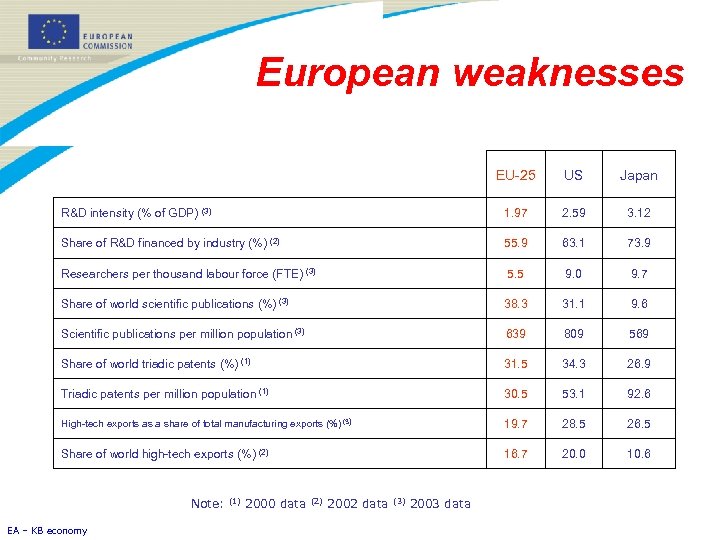 European weaknesses EU-25 US Japan R&D intensity (% of GDP) (3) 1. 97 2. 59 3. 12 Share of R&D financed by industry (%) (2) 55. 9 63. 1 73. 9 Researchers per thousand labour force (FTE) (3) 5. 5 9. 0 9. 7 Share of world scientific publications (%) (3) 38. 3 31. 1 9. 6 Scientific publications per million population (3) 639 809 569 Share of world triadic patents (%) (1) 31. 5 34. 3 26. 9 Triadic patents per million population (1) 30. 5 53. 1 92. 6 High-tech exports as a share of total manufacturing exports (%) (3) 19. 7 28. 5 26. 5 Share of world high-tech exports (%) (2) 16. 7 20. 0 10. 6 Note: EA – KB economy (1) 2000 data (2) 2002 data (3) 2003 data
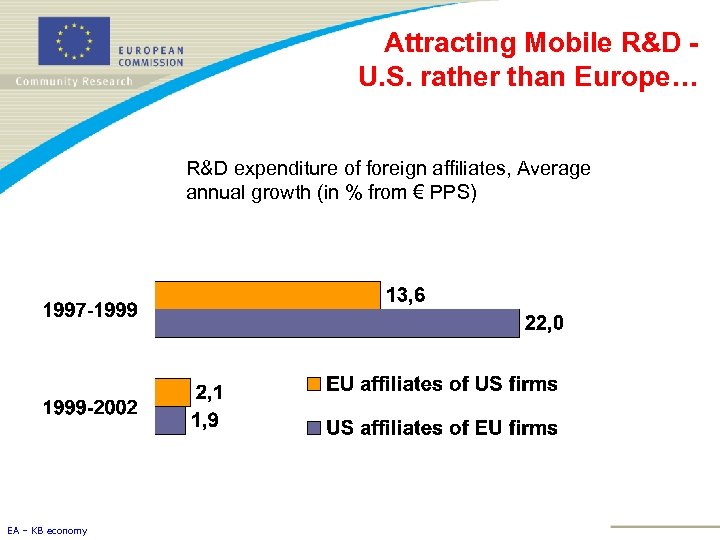 Attracting Mobile R&D U. S. rather than Europe… R&D expenditure of foreign affiliates, Average annual growth (in % from € PPS) EA – KB economy
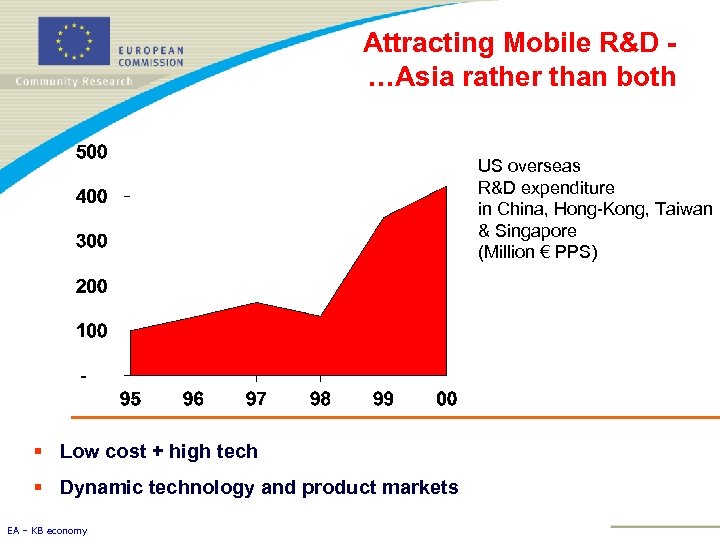 Attracting Mobile R&D …Asia rather than both US overseas R&D expenditure in China, Hong-Kong, Taiwan & Singapore (Million € PPS) § Low cost + high tech § Dynamic technology and product markets EA – KB economy
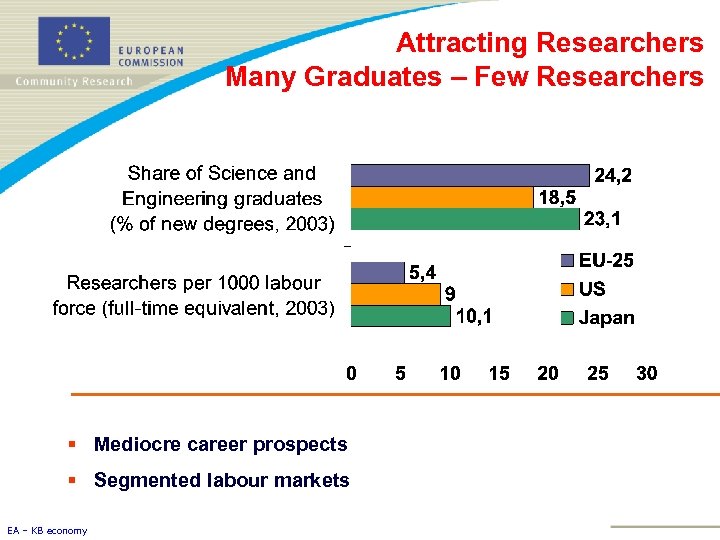 Attracting Researchers Many Graduates – Few Researchers § Mediocre career prospects § Segmented labour markets EA – KB economy
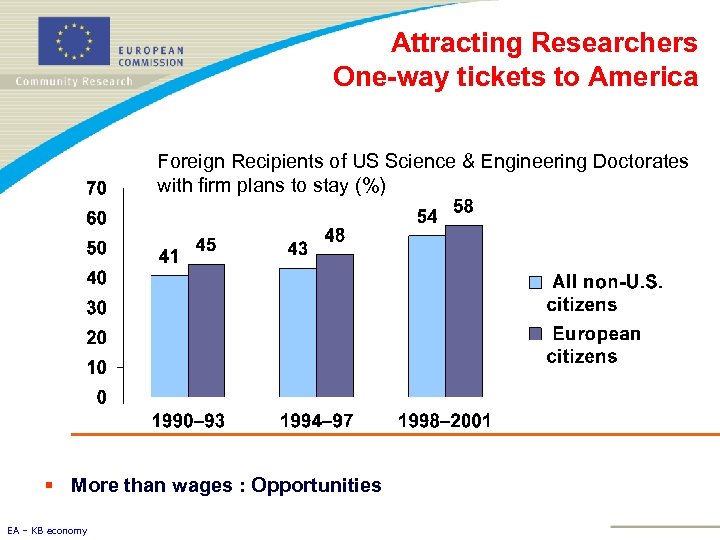 Attracting Researchers One-way tickets to America Foreign Recipients of US Science & Engineering Doctorates with firm plans to stay (%) § More than wages : Opportunities EA – KB economy
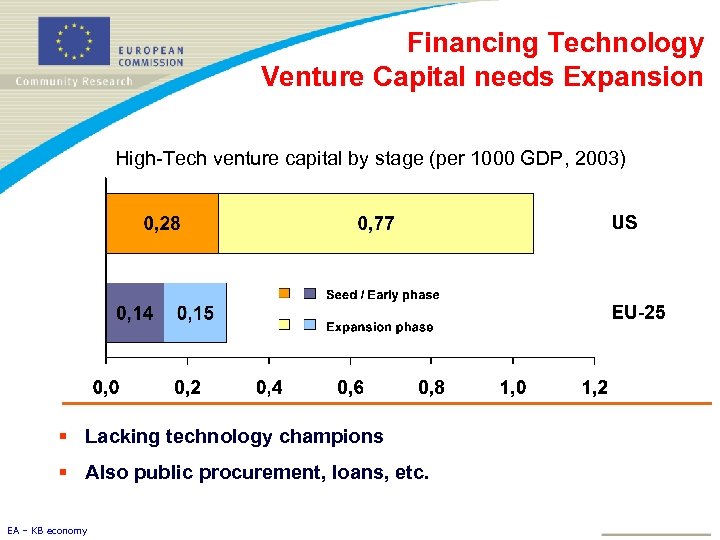 Financing Technology Venture Capital needs Expansion High-Tech venture capital by stage (per 1000 GDP, 2003) § Lacking technology champions § Also public procurement, loans, etc. EA – KB economy
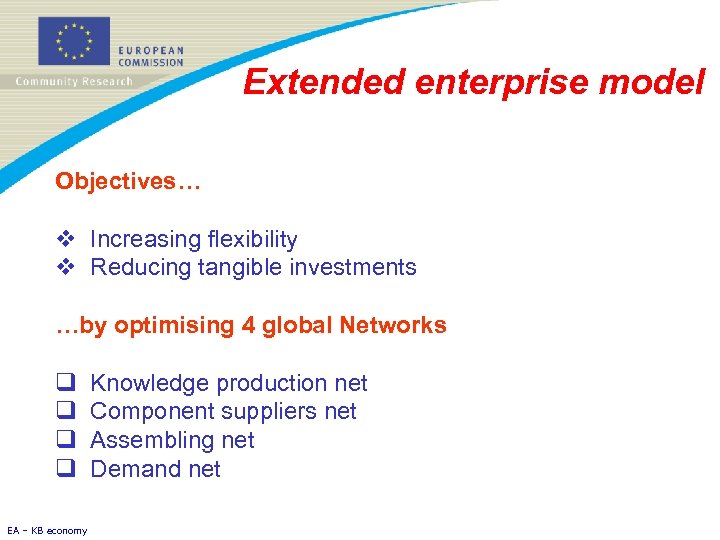 Extended enterprise model Objectives… v Increasing flexibility v Reducing tangible investments …by optimising 4 global Networks q q EA – KB economy Knowledge production net Component suppliers net Assembling net Demand net
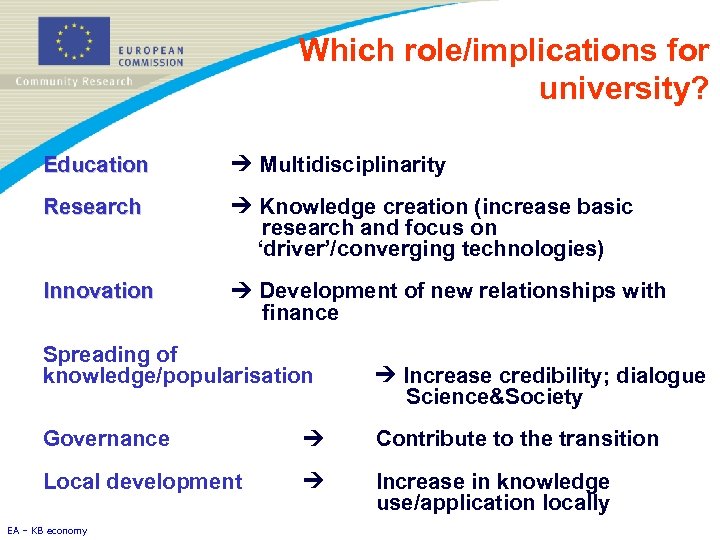 Which role/implications for university? Education Research Multidisciplinarity Knowledge creation (increase basic research and focus on ‘driver’/converging technologies) Innovation Development of new relationships with finance Spreading of knowledge/popularisation Governance Local development EA – KB economy Increase credibility; dialogue Science&Society Contribute to the transition Increase in knowledge use/application locally
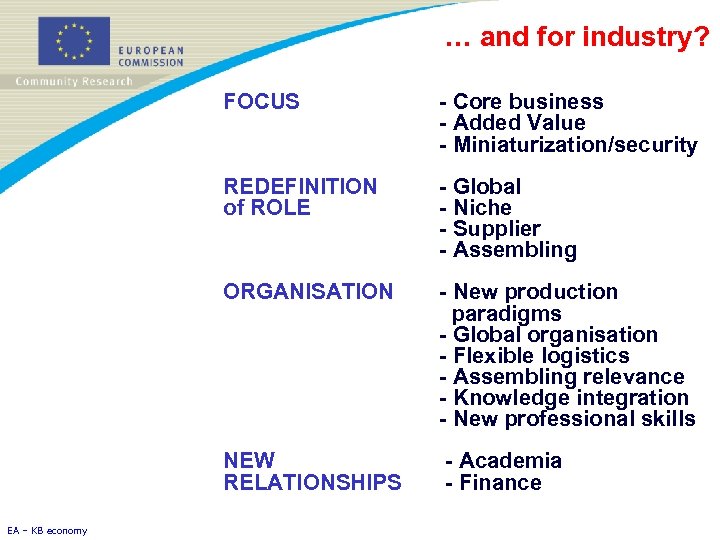 … and for industry? FOCUS REDEFINITION of ROLE - Global - Niche - Supplier - Assembling ORGANISATION - New production paradigms - Global organisation - Flexible logistics - Assembling relevance - Knowledge integration - New professional skills NEW RELATIONSHIPS EA – KB economy - Core business - Added Value - Miniaturization/security - Academia - Finance
 Rivisiting the Lisbon Declaration In order to maintain the present level of welfare, quality of life, sustainable development and social cohesion in EU, strong investments in knowledge are needed! Lines of actions: Ø More concentration (3 objectives) Ø More convergence of EU policies Ø More coordination with MSs EA – KB economy
 Sharing the vision of a new development pattern will lead to developing a strategic agenda and creating critical mass in the long-term EA – KB economy
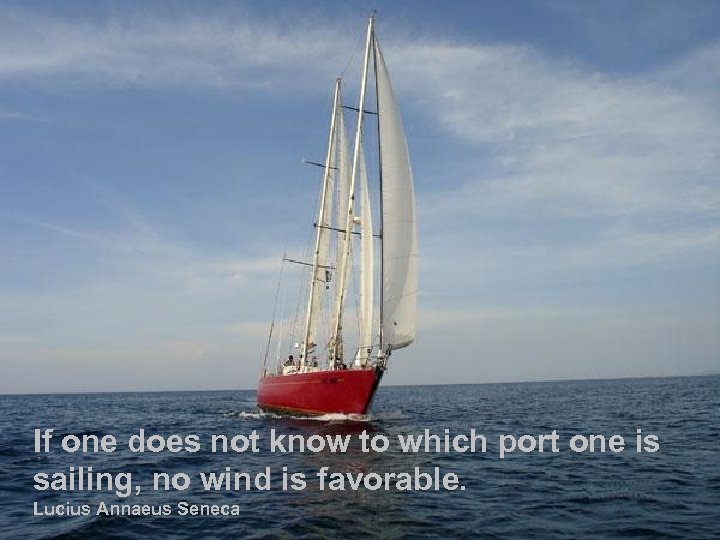 If one does not know to which port one is sailing, no wind is favorable. Lucius Annaeus Seneca EA – KB economy
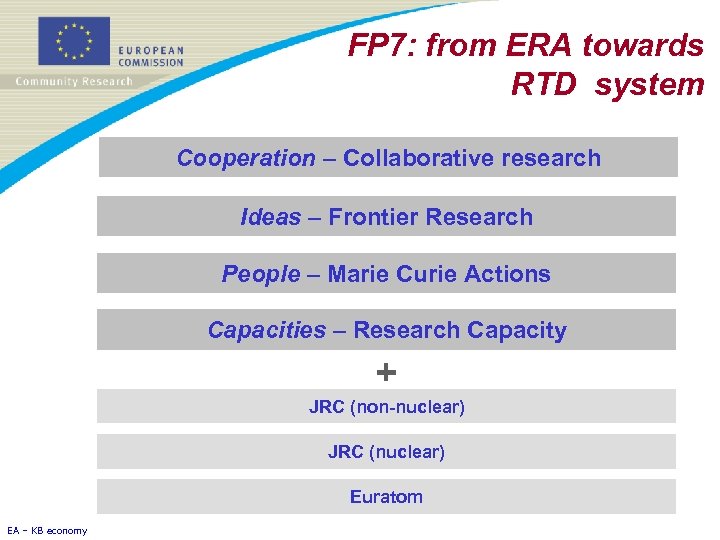 FP 7: from ERA towards RTD system Cooperation – Collaborative research Ideas – Frontier Research People – Marie Curie Actions Capacities – Research Capacity + JRC (non-nuclear) JRC (nuclear) Euratom EA – KB economy
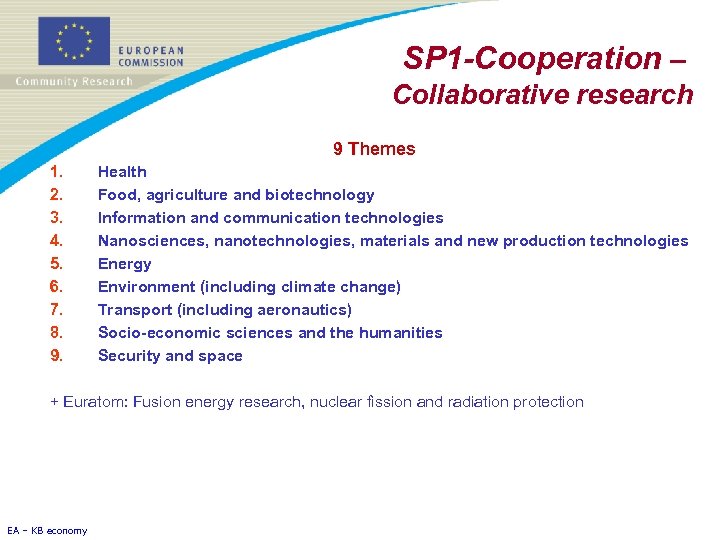 SP 1 -Cooperation – Collaborative research 9 Themes 1. 2. 3. 4. 5. 6. 7. 8. 9. Health Food, agriculture and biotechnology Information and communication technologies Nanosciences, nanotechnologies, materials and new production technologies Energy Environment (including climate change) Transport (including aeronautics) Socio-economic sciences and the humanities Security and space + Euratom: Fusion energy research, nuclear fission and radiation protection EA – KB economy
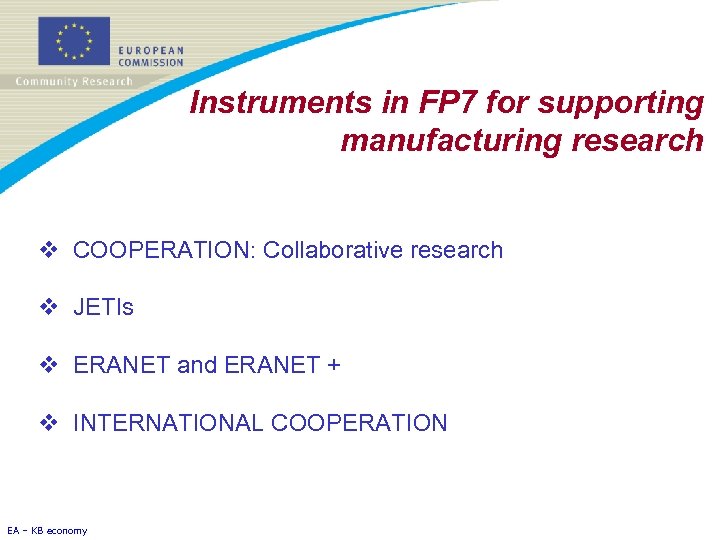 Instruments in FP 7 for supporting manufacturing research v COOPERATION: Collaborative research v JETIs v ERANET and ERANET + v INTERNATIONAL COOPERATION EA – KB economy
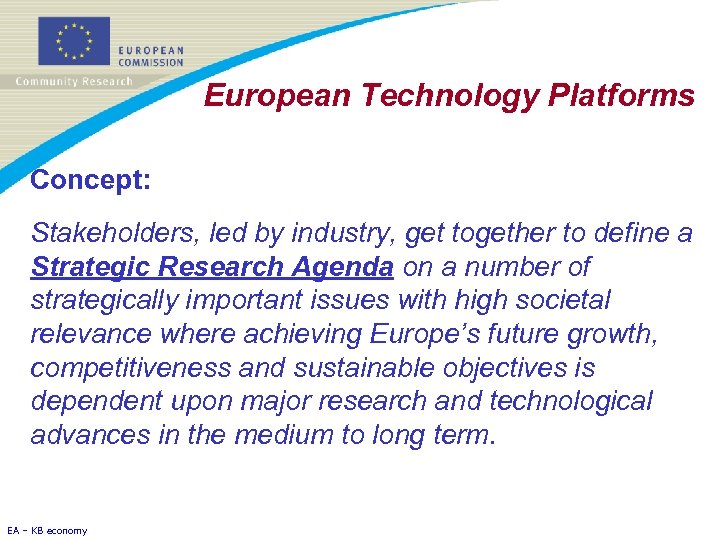 European Technology Platforms Concept: Stakeholders, led by industry, get together to define a Strategic Research Agenda on a number of strategically important issues with high societal relevance where achieving Europe’s future growth, competitiveness and sustainable objectives is dependent upon major research and technological advances in the medium to long term. EA – KB economy
 European Technology Platforms: follow-up § Majority of Strategic Research Agendas, where appropriate, taken into account in FP 7 Themes § Some Strategic Research Agenda elements identified through dialogue with industry could become potential “Joint Technology Initiatives” EA – KB economy
 Joint Technology Initiatives: setting-up § In fields of major European public interest § Industry driven and wide stakeholder involvement § Six topics envisaged at this stage § Firmly anchored in Themes of the Cooperation Programme EA – KB economy
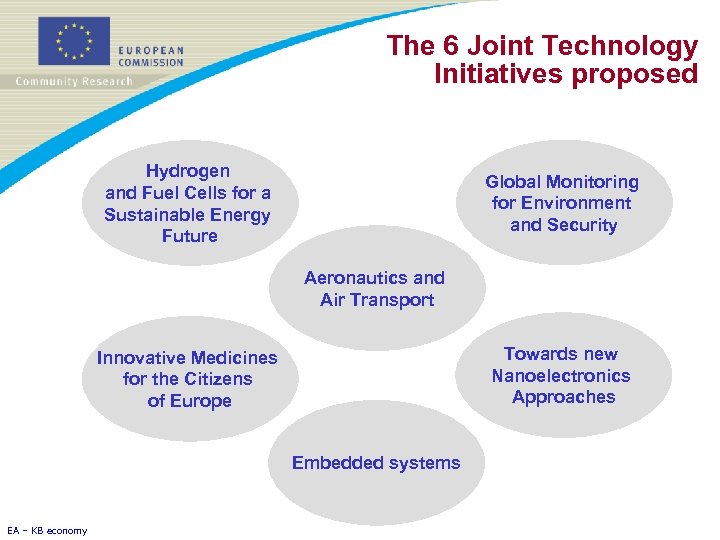 The 6 Joint Technology Initiatives proposed Hydrogen and Fuel Cells for a Sustainable Energy Future Global Monitoring for Environment and Security Aeronautics and Air Transport Towards new Nanoelectronics Approaches Innovative Medicines for the Citizens of Europe Embedded systems EA – KB economy
 The mission of MANUFUTURE is to propose a strategy based on research and innovation capable of speeding up the rate of industrial transformation in Europe, securing high added value employment and winning a major share of world manufacturing output in the future knowledge-driven economy. EA – KB economy
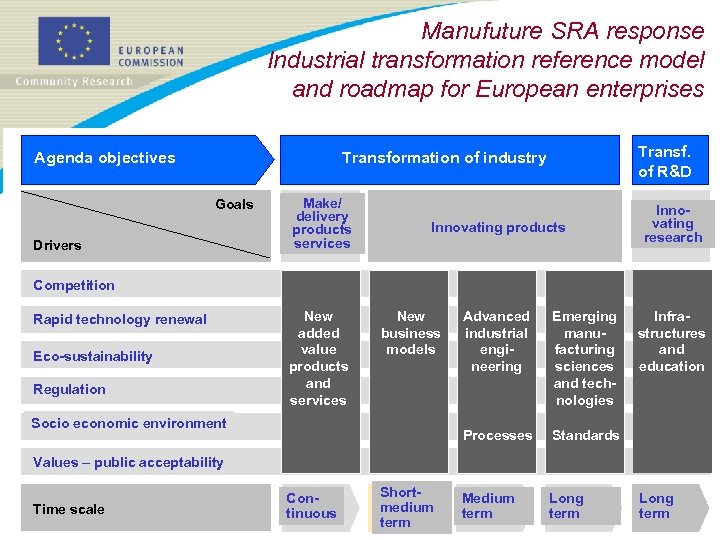 Manufuture SRA response Industrial transformation reference model and roadmap for European enterprises Agenda objectives Transf. of R&D Transformation of industry Goals Drivers Make/ delivery products services Innovating products Innovating research Competition Rapid technology renewal Eco-sustainability Regulation New added value products and services New business models Emerging manufacturing sciences and technologies Processes Socio economic environment Advanced industrial engineering Standards Medium term Long term Infra- structures and education Values – public acceptability Time scale EA – KB economy Continuous Shortmedium term Long term
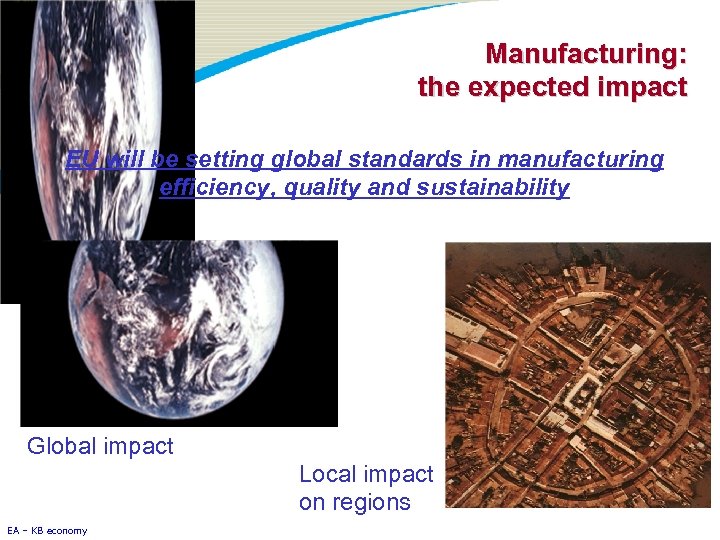 Manufacturing: the expected impact EU will be setting global standards in manufacturing efficiency, quality and sustainability Global impact Local impact on regions EA – KB economy