


 Скачать презентацию KENYA International Training Course on Tropical Cyclone 5
2377c2abb21bb61252d3f7e68688307a.ppt
- Количество слайдов: 26
 KENYA International Training Course on Tropical Cyclone: 5 th– 16 th Dec. 2011, WMO Regional Training Center, Nanjing University of Information Science and Technology, Nanjing, Jiangsu, China Ismael M. Lutta mulama@meteo. go. ke Meteorologist Kenya Meteorological Department Kenya
 OUTLINE Ø Ø Ø Ø Introduction Climate of Kenya Infrastructure Cities Tourism Agriculture Kenya Meteorological Dept. Tropical Cyclones
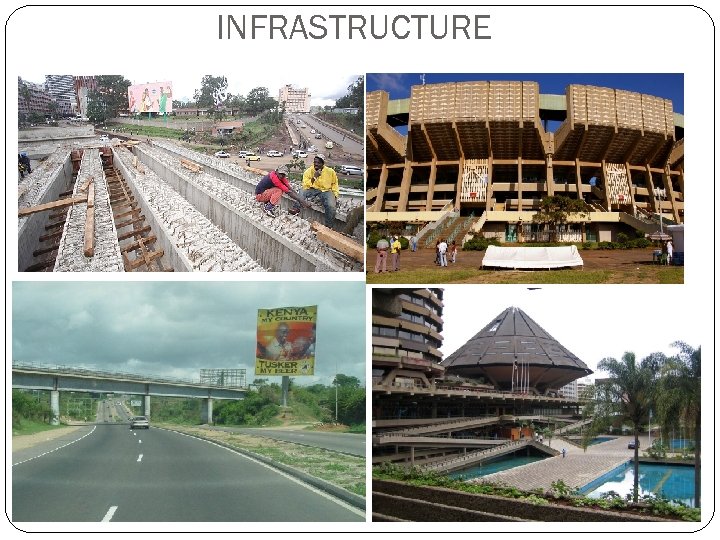
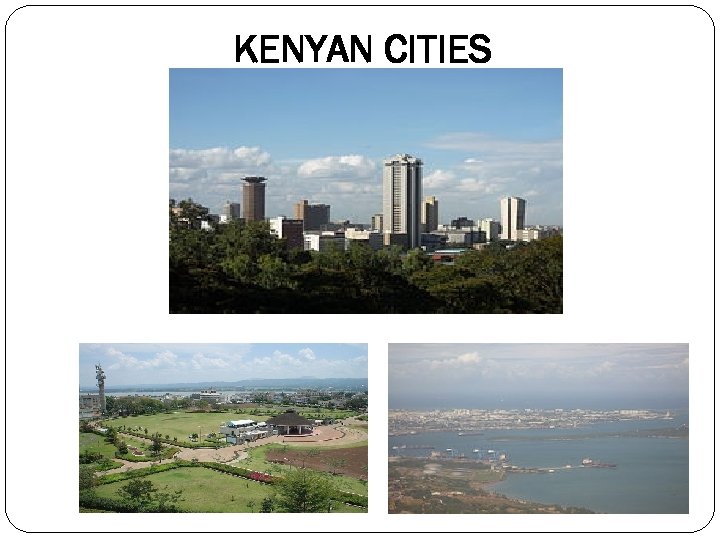
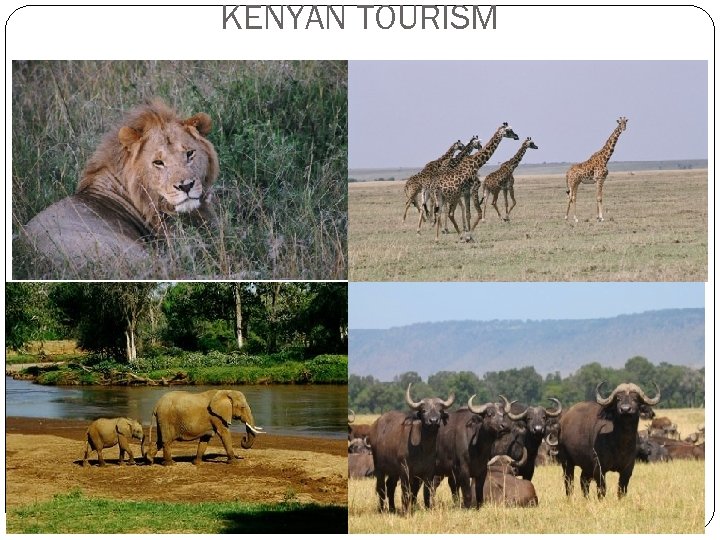
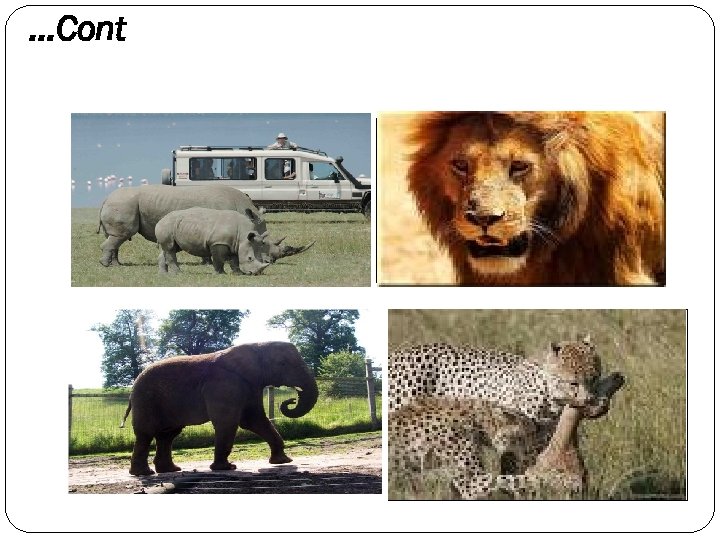
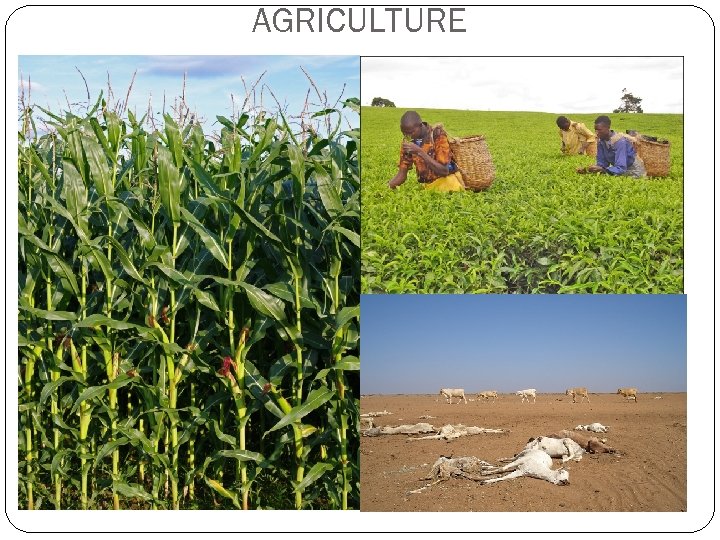
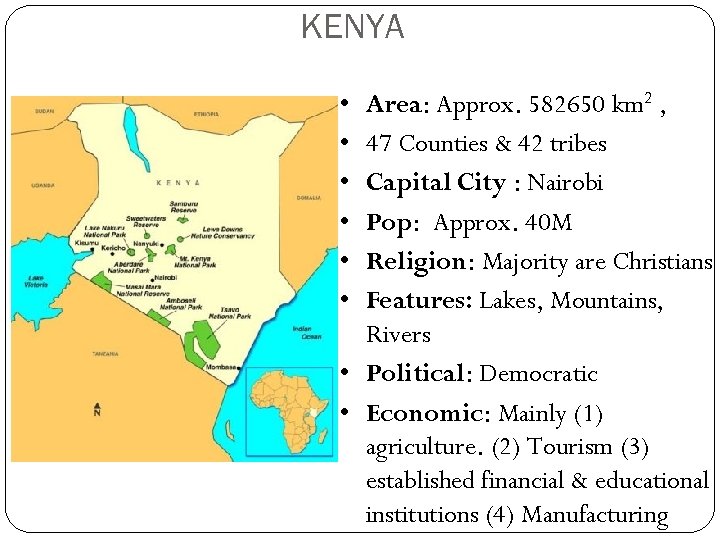 KENYA • • • Area: Approx. 582650 km 2 , 47 Counties & 42 tribes Capital City : Nairobi Pop: Approx. 40 M Religion: Majority are Christians Features: Lakes, Mountains, Rivers • Political: Democratic • Economic: Mainly (1) agriculture. (2) Tourism (3) established financial & educational institutions (4) Manufacturing
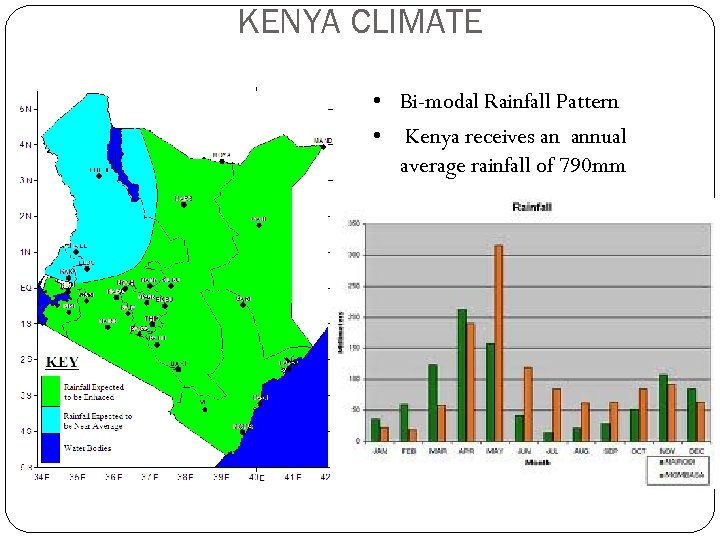 KENYA CLIMATE • Bi-modal Rainfall Pattern • Kenya receives an annual average rainfall of 790 mm curtsey of commopress. blogspot. com
 INFRASTRUCTURE
 KENYAN CITIES
 KENYAN TOURISM
 …Cont
…Cont
 AGRICULTURE
 KENYA OBSERVATORIES
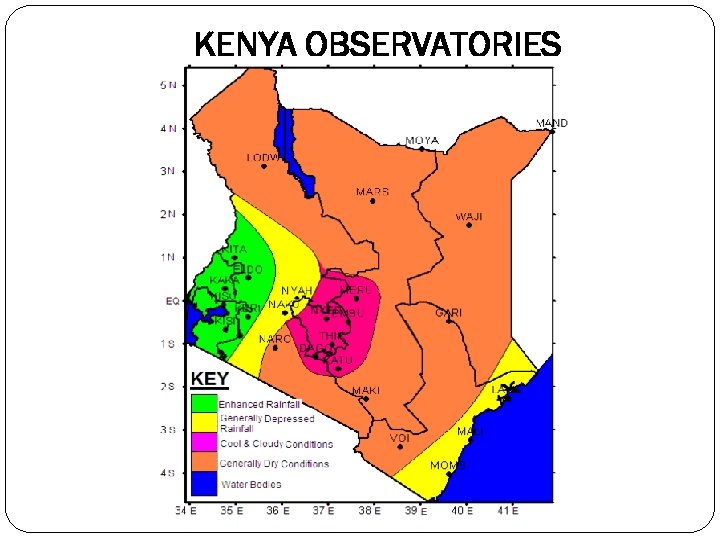
 CLIMATE SYSTEM Ø Tropical climate-Hot and humid at the coast, temperate inland. Average temperatures 20 -300 C. Ø Northern parts semi arid while the rest of the country receives approximately 1000 mm of rainfall per year. Two rainy seasons (MAM and OND) Ø Controlling systems: subtropical highs, Congo forest, local Ø relief (lakes) and the oceans
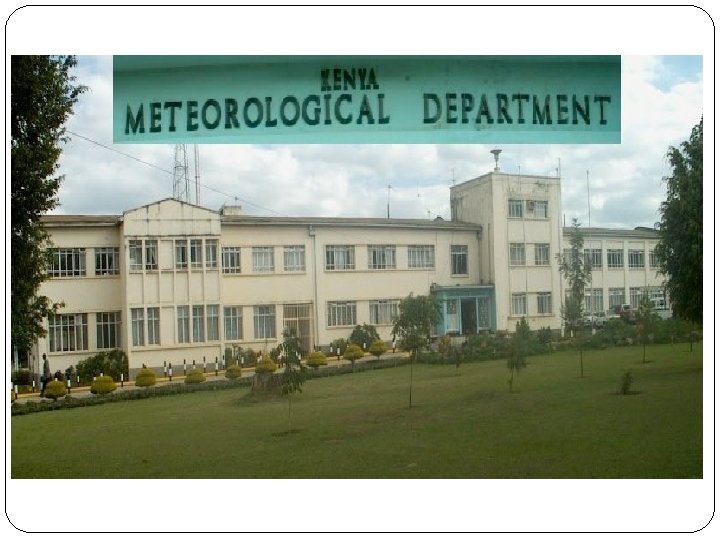
 ORGANIZATIONAL STRUCTURE Service Department headed by : Ø Director Ø 4 Deputy Directors. Ø 9 Senior Assistant directors Ø 39 Assistant Directors Ø The rest of officers include Meteorologists, Met technologist, engineers and other support staff totalling to about 600 Ø Organization and structures Ø Observational networks Ø Derived from Strategic plan
 STRATEGIC VISION, MISSION Vision To be the leading world-class Operational Forecasting Centre and Scientific Institution contributing to high quality of life. Mission To provide and facilitate accessible Meteorological Information and Services and infusion of Scientific Knowledge to spur social-economic growth and development.
 OBJECTIVES ØTo improve monitoring of meteorological elements and atmospheric pollution; and detection of climate change ØTo provide more accurate and timely meteorological information and services; ØTransform KMD into a Semi-Autonomous Government Agency (SAGA) ØEnhance Human Capital ØImprove awareness among users of meteorological information and services for enhanced applications ØEnhance Research for Development
 … cont’d ØRelocate KMD Hqs and TX station to the new site at Ngong to create space for expansion of WMO-RTC. ØUpgrade the WMO Regional Training Centre (RTC)-Nairobi ØEstablish a Regional Meteorological Research Centre (RMRC)
 CHALLENGES ØInadequate observational network ØPoor communication , dissemination and processing systems ØUnderfunding by the government ØRapid changes in technology ØLack of incentives for research and development ØSuccession management problems
 SITUATIONAL ANALYSIS Weaknesses The Weaknesses that the Department experiences that impact negatively on efficiency and effective service delivery include: Ø Underfunding to the Department; Ø Poor succession management due to embargo on recruitment; Ø Inadequate meteorological facilities and equipment; Ø Inadequate physical facilities; Ø Lack of sufficient space for expansion of Meteorological Infrastructure at the Hqs; Ø Poor perception of meteorological services at all levels; Ø Lack of Quality Assurance; . Ø Lack of legal and institutional Framework; Ø Lack of incentives for Research and Development
 SITUATIONAL ANALYSIS cont… Threats ØRapid changes in technologies a) Meteorological instruments and equipment development b) ICT c) Uncontrolled dissemination of meteorological information by institutions ØSlow pace of transformation to a SAGA ØEmerging competitors in the provision of meteorological services
 SITUATIONAL ANALYSIS cont… ØImpacts of HIV/AIDS, Malaria pandemic and other diseases on customers; and staff ØGovernment policy that imposes a levy on staff that are on training for more than 28 days; ØPoor remuneration; ØInterference of transmission signals through construction of buildings around the transmitting station at Industrial Area site; ØLoss of meteorological station land to private developers; ØVandalism on meteorological installations; and ØGender imbalance.
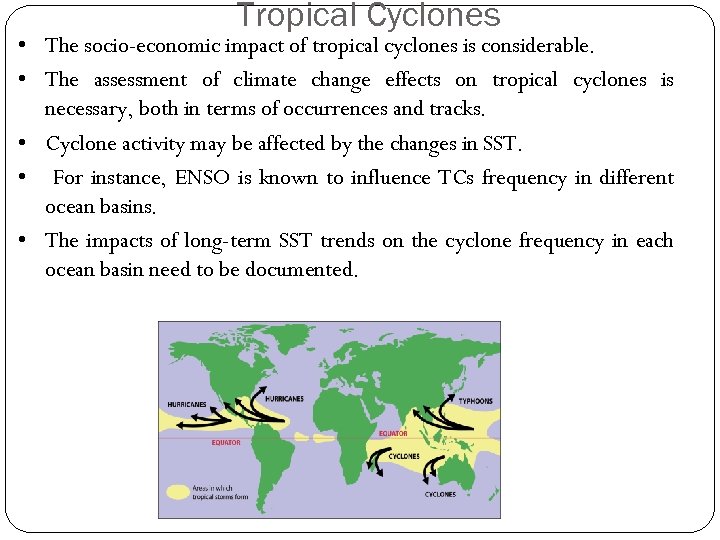 Tropical Cyclones • The socio-economic impact of tropical cyclones is considerable. • The assessment of climate change effects on tropical cyclones is necessary, both in terms of occurrences and tracks. • Cyclone activity may be affected by the changes in SST. • For instance, ENSO is known to influence TCs frequency in different ocean basins. • The impacts of long-term SST trends on the cyclone frequency in each ocean basin need to be documented.
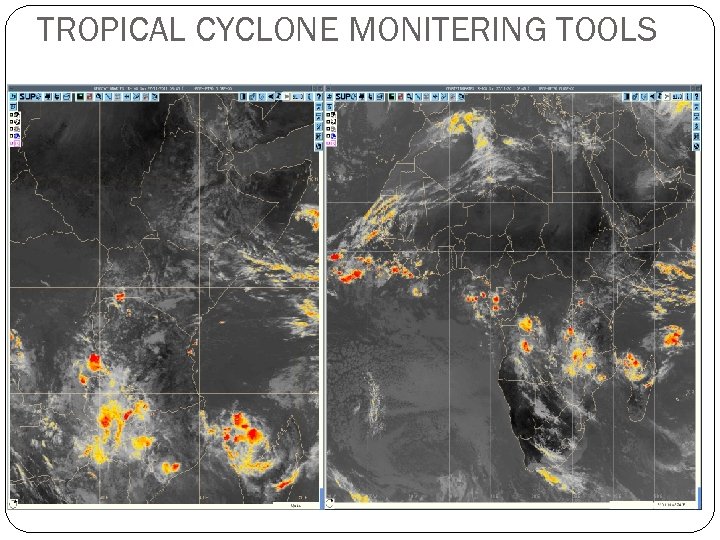 TROPICAL CYCLONE MONITERING TOOLS
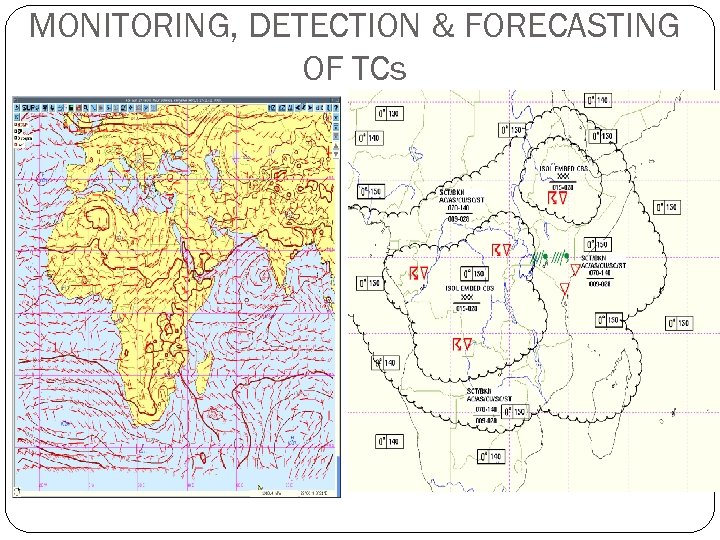 MONITORING, DETECTION & FORECASTING OF TCs
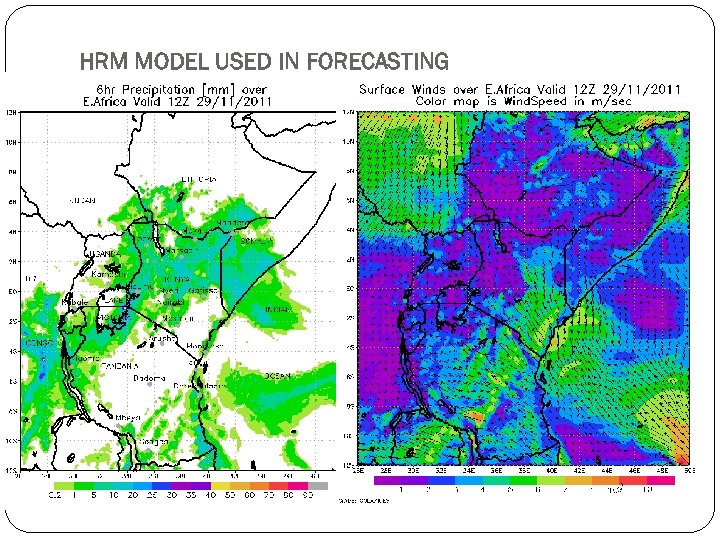 HRM MODEL USED IN FORECASTING
 WAY FORWARD 1) Expansion and modernization of the existing observational network. 2) Improvement and modernization of telecommunication, processing and archival of data and forecasting and dissemination of weather products 3) Fast-track the privatisation process 4) Recruitment of new staff
 END THANK YOU, AHSANTENI, XIEXIE