 Скачать презентацию Keeping It Positive Bringing Contingency Management To New
5c15143dd2a77760776e7c15fd488459.ppt
- Количество слайдов: 88



Keeping It Positive: Bringing Contingency Management To New York City Scott Kellogg, Ph. D New York University/ New York Node
What Is Contingency Management?
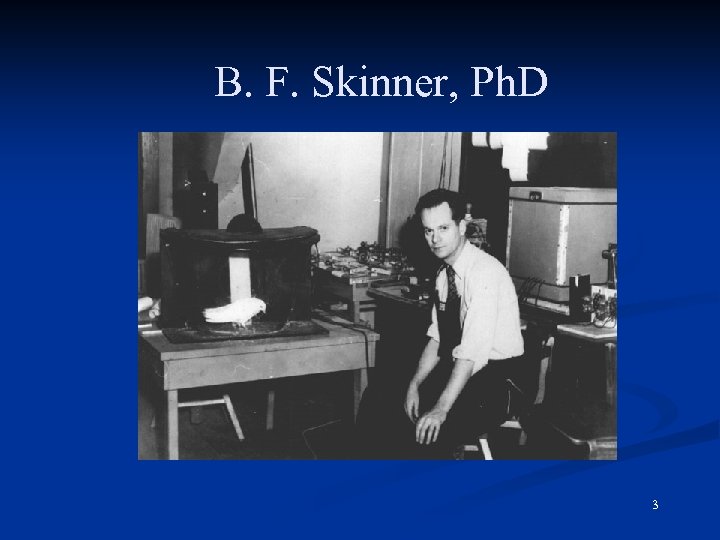
B. F. Skinner, Ph. D 3
Contingency Management n n n Developed out of Skinner’s Operant Conditioning model Typically involves the use of positive reinforcements to change behavior First applied to problems with alcoholism in the late 1960’s Used in the treatment of drug addiction beginning in the early 1970’s One of the first protocols that were considered for adoption by the NIDA Clinical Trials Network
Contingency Management n In addiction treatment centers, CM has been primarily used to: n Reduce or eliminate drug use n Increase group attendance n Facilitate compliance with medical treatment n Reinforce treatment goal attainment
The Early Days of the CTN http: //images-eu. amazon. com/images/P/B 0002 PC 31 M. 02. LZZZZZZZ. jpg
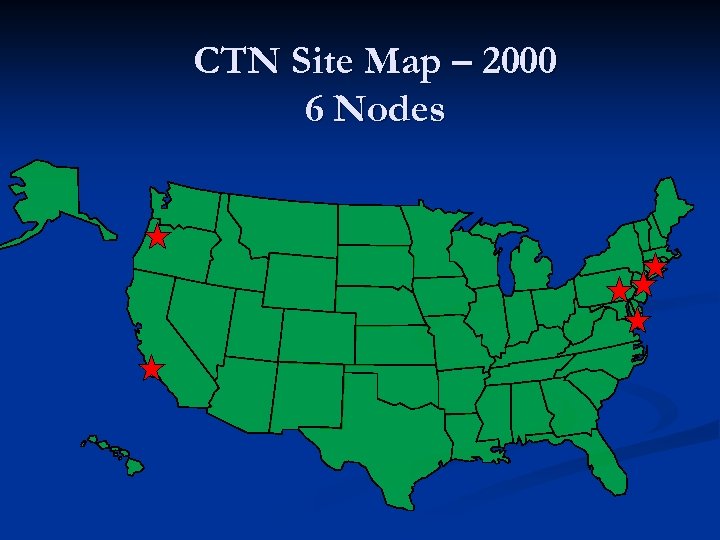
CTN Site Map – 2000 6 Nodes
New York Node The New York Node joined the Clinical Trials Network in 2000 n During the following months n There would be at least two conflictual Steering Committee meetings n Then the CM protocol was accepted n
Moving Forward n The protocol then went into its development stage where it was renamed ….

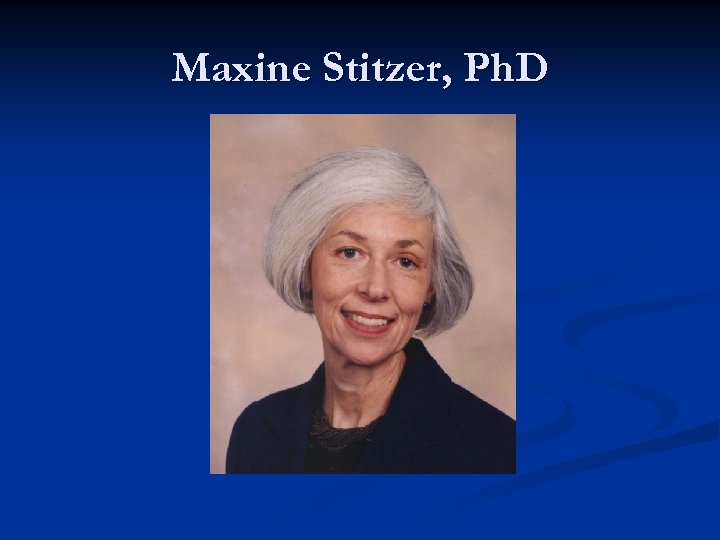
Maxine Stitzer, Ph. D
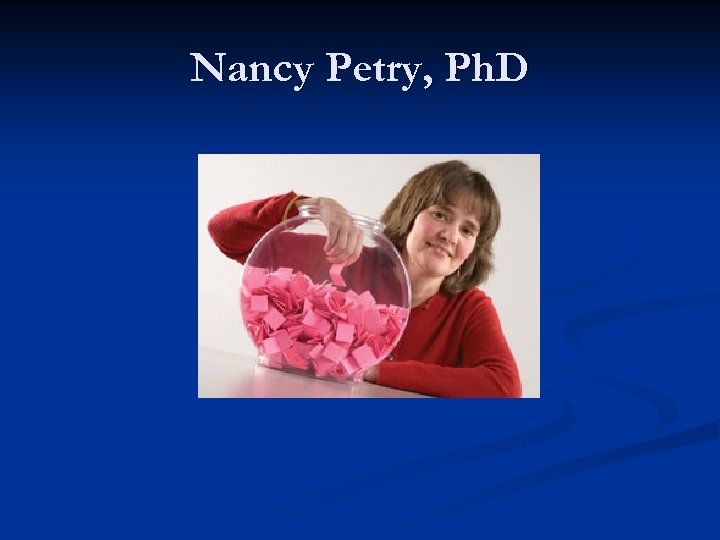
Nancy Petry, Ph. D
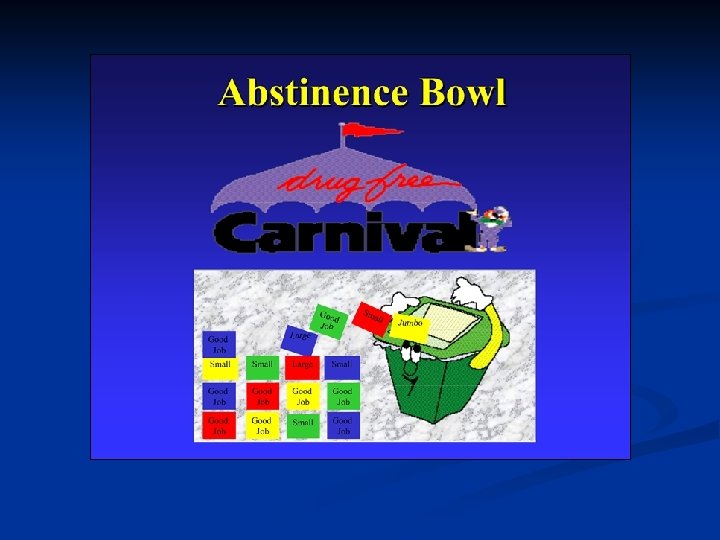
MIEDAR Protocol Overview Materials

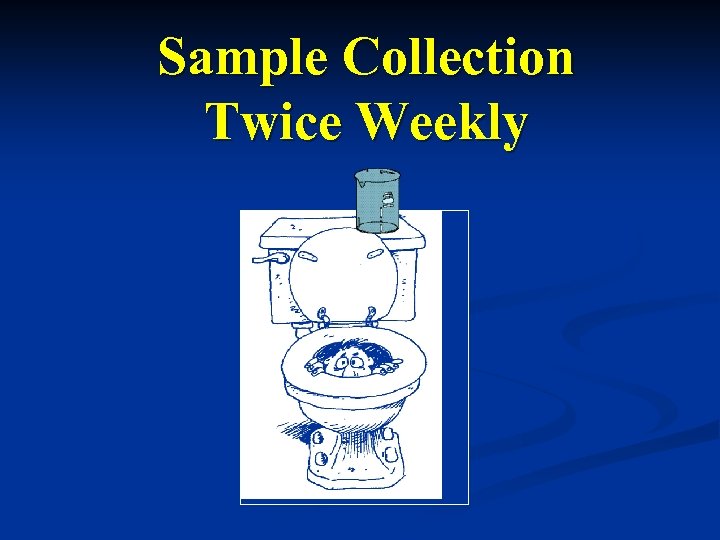
Sample Collection Twice Weekly


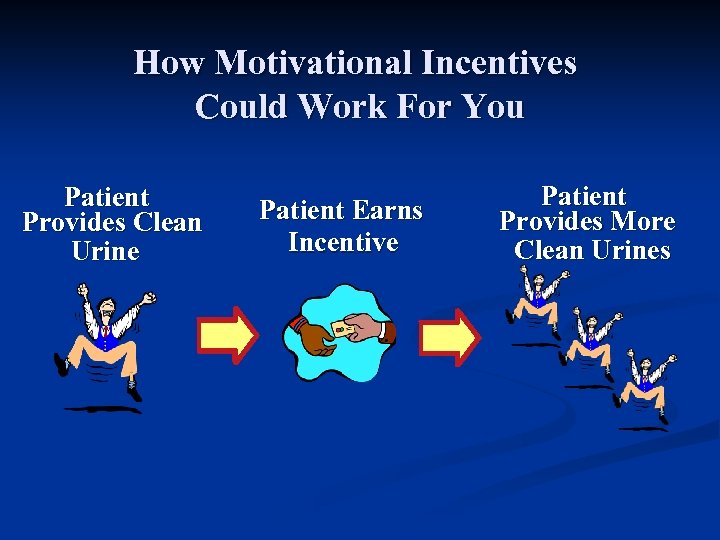
How Motivational Incentives Could Work For You Patient Provides Clean Urine Patient Earns Incentive Patient Provides More Clean Urines
How do we expect this to benefit clients and counselors? • Better outcomes for your clients • More time to do what you like to do and what you do best in therapy sessions
New York Node Team John Rotrosen, MD – New York Node Principle Investigator n Scott Kellogg, Ph. D – New York Node MIEDAR Principle Investigator n Marion Schwartz, CSW – Project Director n Agatha Kulaga, MSW – Research Assistant n Caroline Woo – Research Assistant n
New York MIEDAR Clinics
New York n n n Two methadone maintenance programs joined the study: Lower Eastside Service Center n Under the leadership of Joe Krasnansky, CSW Greenwich House MMTP n Under the leadership of Lolita Silva-Vasquez, CSW
Up and Running By late 2001, the protocol was up and running in New York n The Node then turned its attention to the creation of the second Blending Conference n Which was scheduled for March, 2002 n

Meanwhile…
New York City Health and Hospitals Corporation n n The largest provider of addiction treatment in the United States Runs methadone programs in five major hospitals n Bellevue Hospital n Kings County Hospital n Elmhurst Hospital n Lincoln Hospital n Metropolitan Hospital
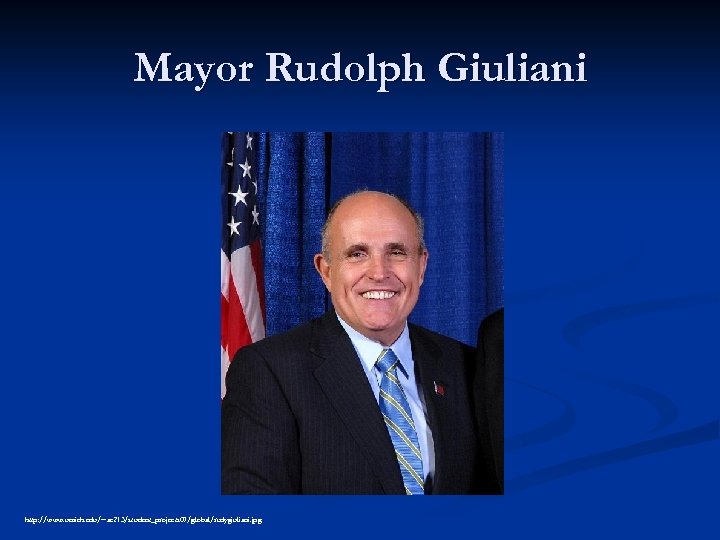
Mayor Rudolph Giuliani http: //www. umich. edu/~ac 213/student_projects 07/global/rudygiuliani. jpg
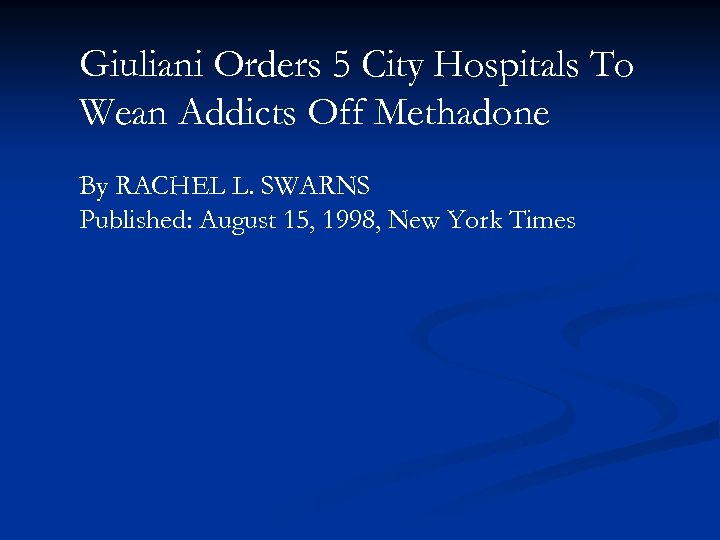
Giuliani Orders 5 City Hospitals To Wean Addicts Off Methadone By RACHEL L. SWARNS Published: August 15, 1998, New York Times
Mayor Rudy Giuliani – Summer 1998 Mayor Giuliani shocked the world of methadone treatment n Voiced his concern that methadone patients were not being empowered to find employment n Proposed a plan in which opiate-addicted individuals would only be able to get threemonths of treatment n At City-run methadone facilities n
Mayor Rudy Giuliani and Methadone Eventually backed down n But gave the HHC methadone programs a mandate to get their patients employed n Funneled additional funds to these programs for Vocational Training n
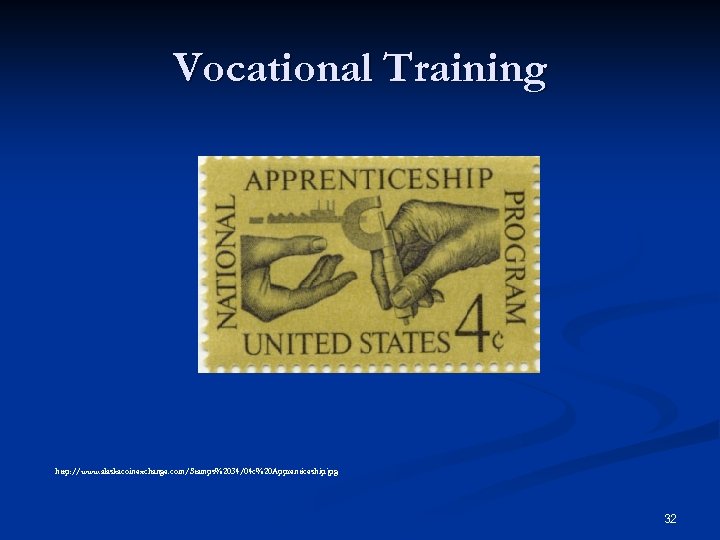
Vocational Training http: //www. alaskacoinexchange. com/Stamps%2034/04 c%20 Apprenticeship. jpg 32
Vocational Training at the HHC n HHC developed high quality Vocational Centers in each of the methadone clinics n Patients would not engage with the services that were being offered
Vocational Training at the HHC To increase participation, n The HHC Leadership began considering using a reward program n Patients would receive gift certificates and other desirable items if they met goals like: n Getting a GED n Finishing a phase of Vocational Training n
New York City HHC Meets NIDA CTN At the New York Blending Conference n There was a panel on the MIEDAR protocol n Maxine Stitzer, Ph. D n Joe Krasnansky, CSW, (LESC) n Scott Kellogg, Ph. D n Marion Schwartz, CSW n n Each spoke about different aspects of the MIEDAR protocol
New York City HHC Meets NIDA CTN Marylee Burns, MEd, MA, CRC from the HHC was in the audience n Recognized both the importance and relevance of what we were doing n An alliance was formed to bring CM to the HHC addiction treatment programs n
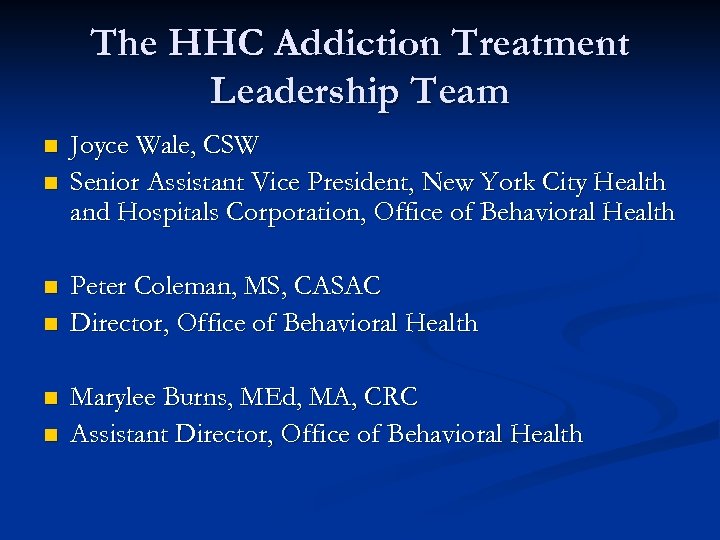
The HHC Addiction Treatment Leadership Team n n n Joyce Wale, CSW Senior Assistant Vice President, New York City Health and Hospitals Corporation, Office of Behavioral Health Peter Coleman, MS, CASAC Director, Office of Behavioral Health Marylee Burns, MEd, MA, CRC Assistant Director, Office of Behavioral Health
Forming the Alliance n n n Met with this HHC leadership team to learn what they were trying to do Worked closely with Marylee Burns to refine the Vocational Incentives that they were beginning to implement We eventually visited six clinics or hospitals and presented the CM model Each site then developed its own plan for implementing CM with its patients They primarily reinforced group attendance
Reward vs Reinforcement n This issue was at the heart of the HHC project n Probably a central issue in all CM dissemination efforts
Reward vs Reinforcement When you speak to staff or leadership about the use of reinforcements n They almost universally talk about reinforcing patients for things like: n Holding a job for six months n Being drug-free for 3 months n Completing a GED or vocational training program n
Reward Programs This is what I call a Reward Program n Acknowledging patients for achieving a goal or accomplishing something noteworthy n Most likely give rewards to the best and most motivated patients n While often not changing the behavior of those patients who are struggling the most with drug use and treatment compliance n
Reinforcement Programs n Reinforcement Program n Breaks down each of the goals into very small steps n Reinforces each of the steps along the way n Makes it easy to earn a reinforcement n Distributes reinforcements with fairly high frequency
Reinforcement Programs Move from “You have done a good job” to n “You have taken a step in the right direction” n This was the most important change in their program that we made n It was the difference that made the HHC Project successful n
CTN Results
Using Low-Magnitude Reinforcements…
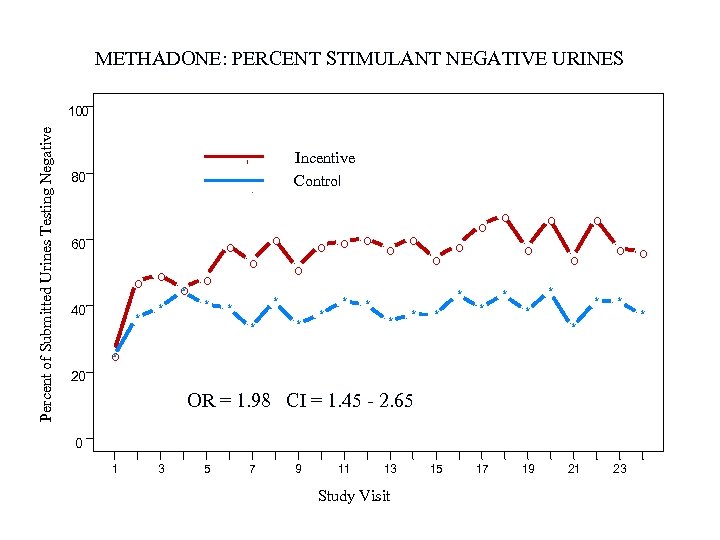
METHADONE: PERCENT STIMULANT NEGATIVE URINES Percent of Submitted Urines Testing Negative 100 Incentive Control 80 60 o o o * * 40 o o o o * * * * o o o * * o o o * * o * 20 OR = 1. 98 CI = 1. 45 - 2. 65 0 1 3 5 7 9 11 13 Study Visit 15 17 19 21 23 47
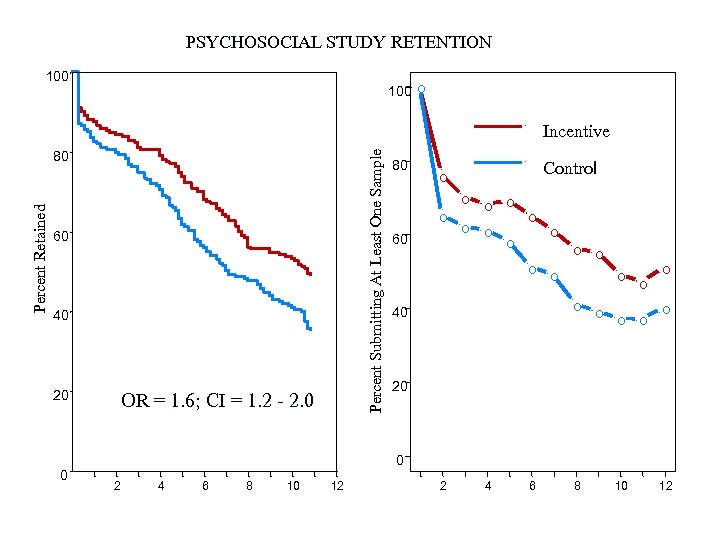
PSYCHOSOCIAL STUDY RETENTION 100 o Incentive Percent Submitting At Least One Sample Percent Retained 80 60 40 20 0 OR = 1. 6; CI = 1. 2 - 2. 0 80 60 40 Control o o o o o o 20 0 2 4 6 8 10 12 Study Week 2 4 6 8 10 12 48
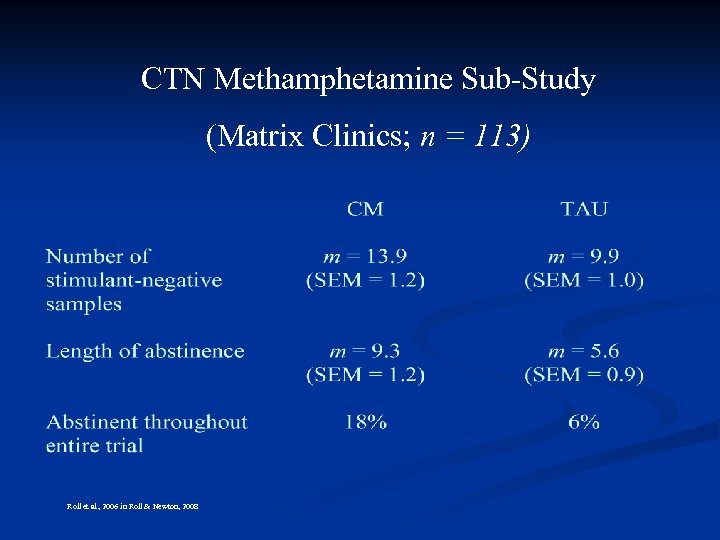
CTN Methamphetamine Sub-Study (Matrix Clinics; n = 113) Roll et al. , 2006 in Roll & Newton, 2008
Insights from the HHC Experience
Leadership is Crucial
Leadership n The successful introduction of contingency management usually comes from two forces n The top leadership has made the decision to implement it n Idea champions emerge from among the staff members 52
Leadership n No site successfully adopted CM without strong, clear, and persevering endorsement and support from the head of the organization 53
Resistance
Resistance n Counselors are initially resistant or indifferent to the introduction of CM
Resistance “I wasn’t a big fan. n I thought that people should go to treatment because they wanted to be well. ” (Counselor) n
Patients are Enthusiastic
Patient Experiences “Clients were saying… n In Russia, we were forced into treatment – n Now (crying), my God, I’m getting treatment and $25. 00!” n 58
Patient Experiences “Clients are proud and are having fun. n Early in treatment, when their name is called out, they are feeling good that they are being acknowledged. n For once in their life, they are being rewarded for something. ” n 59
The Reinforcements Get Them to Go to Group The Bonding Gets Them to Stay
Patient Experiences n n n “The staff have heard clients say that they had come to realize that there are rewards just in being with each other in group. There are so many traumatized and sexually abused patients who are only told negative things. So, when they hear something good – that helps to build their self-esteem and ego. ” (Director) 61
Family Healing
Family Healing Patients used their gift certificates to buy presents or needed items for their children or other family members n In a number of cases, these actions began a process of reconciliation n 63
Socializing and Generosity
Socializing and Generosity Patients began to socialize with each other n They would use their coupons and go to movies together in groups n There were also reports that they were taking care of each other and giving each other gifts n 65
Internalization
Internalization As one counselor put it, n They went from “You are forcing me” to “I choose” n 67
Counselor Acceptance and Morale
Counselor Acceptance Once they overcame their resistance, n Counselors reported that they loved the intervention n That it was energizing and exciting n 69
Counselor Experiences n “It gives me a great deal of pleasure to know I’m part of a state-of-the-art methadone treatment program. ” (Counselor) 70
Understanding the Reinforcement Process
Understanding Reinforcement “We came to see that we need to reward people where rewards in their lives were few and far between. n We use the rewards as a clinical tool – not as bribery, but for recognition. n The really profound rewards will come later. ” n 72
Patient Gratitude
Patient Gratitude When patients publicly, and sometimes tearfully, acknowledge the counselor’s help in public, the staff felt a sense of gratitude n “In the last two award ceremonies, clients said, ‘I want to thank the staff…. ’ n That sounded real good – we feel appreciated. ” n 74

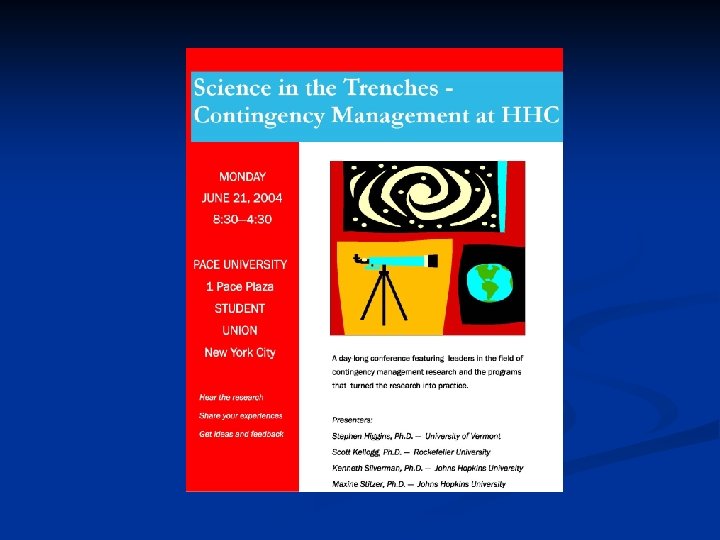
Inaugurating Phase II at the HHC
Epilogue Would eventually spread to 22 Units – n 6 methadone n 8 medication-free n 6 detoxification units n Thousands of patients became the recipients and beneficiaries of positive reinforcements n The largest clinical adoption of this technique in history n
NIDA CTN/ HHC Project Integration
NIDA Contingency Management Meeting, Burlington, VT, October 7, 2004 http: //www. moodyscollectibles. com/pixfiles/15024. jpg
Northeast ATTC – NIDA CTN – New York City HHC – New York Veterans Administration Hospital – NYSPA Division on Addictions Co-Sponsored CM Training October 18, 2005
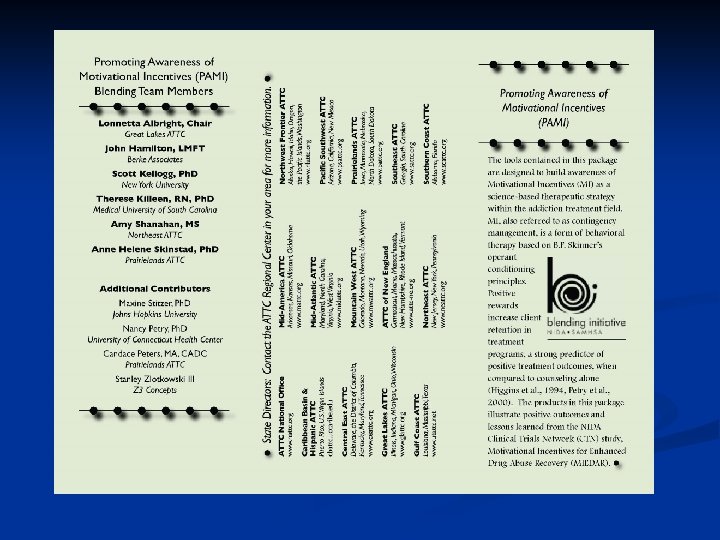
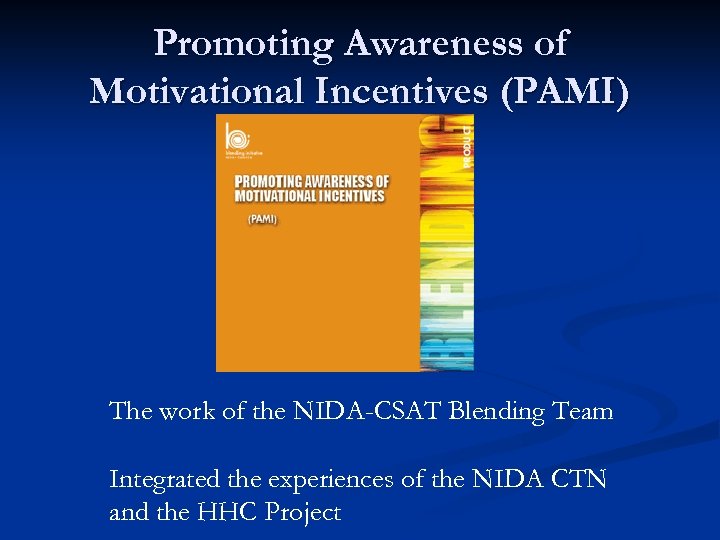
Promoting Awareness of Motivational Incentives (PAMI) The work of the NIDA-CSAT Blending Team Integrated the experiences of the NIDA CTN and the HHC Project
Conclusion One model of dissemination n A mixture of science, clinical practice, and institutional realities n An example of principle-based dissemination n
Acknowledgments Maxine Stitzer, Ph. D n Marylee Burns, MEd, MA, CRC n John Rotrosen, MD n Mary Jeanne Kreek, MD n
Acknowledgements Marion Schwartz, CSW n Agatha Kulaga, MSW n Caroline Woo n Joe Krasnansky, CSW n Lolita Silva-Vaszquez, CSW n Joyce B. Wale, CSW n Peter Coleman, MA, CASAC n 87
Acknowledgements Lonetta Albright n Amy Shanahan, MS, CASAC n Nancy Petry, Ph. D n The leadership, staff, and patients of the New York City HHC Drug Treatment Programs n NIH-NIDA Grants P 60 -DA 05130, DA 13046 -04 n 88
Скачать презентацию Keeping It Positive Bringing Contingency Management To New
5c15143dd2a77760776e7c15fd488459.ppt