 Скачать презентацию Kazakh-Russian Medical University Topic Platelet granules Finished Keldibek
Kazakh-Russian Medical University.pptx
- Количество слайдов: 16



Kazakh-Russian Medical University Topic: Platelet granules Finished: Keldibek D She checked Almaty 2016
Plan: I. What platelets? Define: II. Platelet structure: III. Functions: IV. Disease: V. Treatment: VI. Conclusion: VII. Literature:
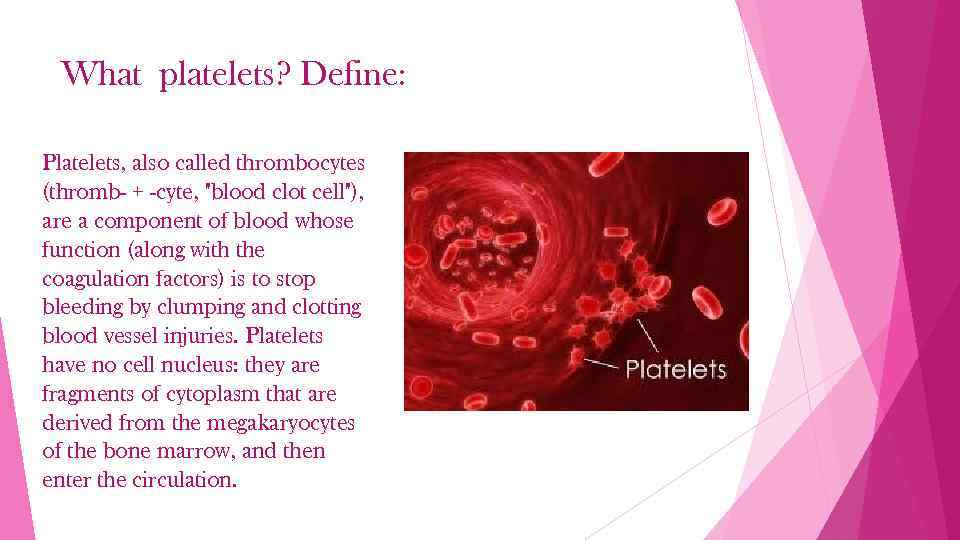
What platelets? Define: Platelets, also called thrombocytes (thromb- + -cyte, "blood clot cell"), are a component of blood whose function (along with the coagulation factors) is to stop bleeding by clumping and clotting blood vessel injuries. Platelets have no cell nucleus: they are fragments of cytoplasm that are derived from the megakaryocytes of the bone marrow, and then enter the circulation.
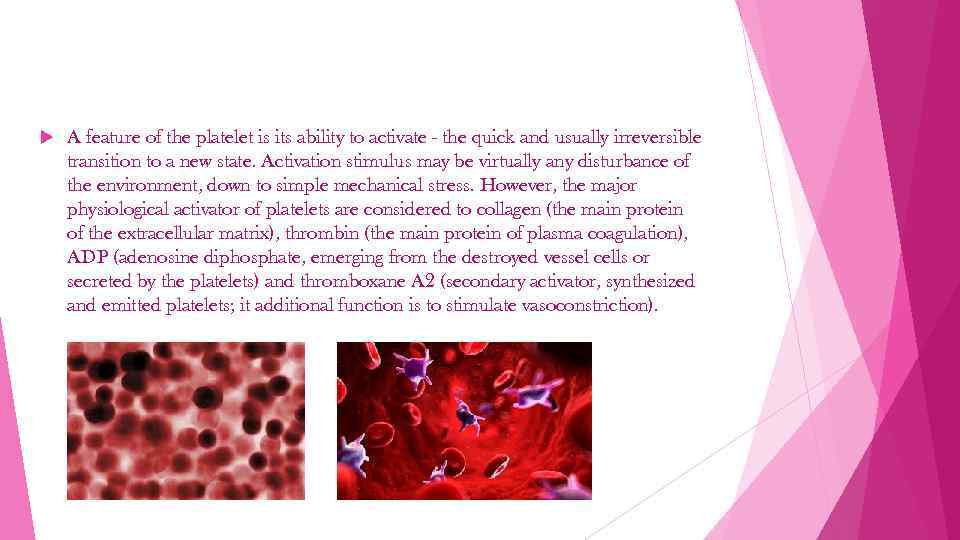
A feature of the platelet is its ability to activate - the quick and usually irreversible transition to a new state. Activation stimulus may be virtually any disturbance of the environment, down to simple mechanical stress. However, the major physiological activator of platelets are considered to collagen (the main protein of the extracellular matrix), thrombin (the main protein of plasma coagulation), ADP (adenosine diphosphate, emerging from the destroyed vessel cells or secreted by the platelets) and thromboxane A 2 (secondary activator, synthesized and emitted platelets; it additional function is to stimulate vasoconstriction).
In normal platelet membrane does not support the clotting reaction. Negatively charged phospholipids, particularly phosphatidylserine, centered on the inner layer of the membrane, and the outer layer connects phosphatidylcholine clotting factors worse. Despite the fact that certain clotting factors and can communicate with the non-activated platelets, it does not lead to the formation of active enzyme complex. Platelet activation presumably leads to the activation of the enzyme skramblazy which starts quickly, specific, bilateral and ATPindependently to transfer the negatively charged phospholipids from one layer to another. The result is the establishment of thermodynamic equilibrium in which the concentration of phosphatidylserine in both layers aligned. Furthermore, activation occurs when exposure and / or a conformational change in many transmembrane outer membrane protein layer and they acquire the ability to specifically bind to coagulation factors, accelerating their reactions.
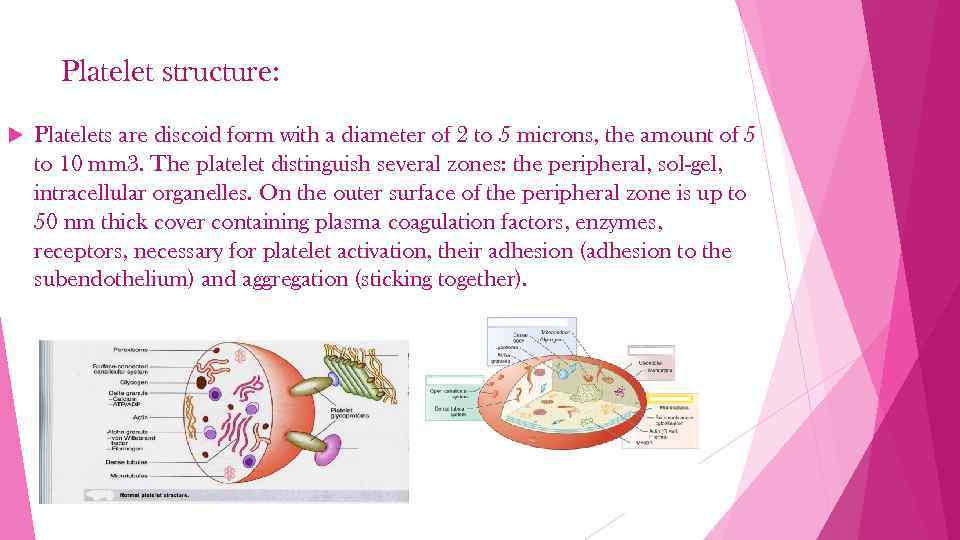
Platelet structure: Platelets are discoid form with a diameter of 2 to 5 microns, the amount of 5 to 10 mm 3. The platelet distinguish several zones: the peripheral, sol-gel, intracellular organelles. On the outer surface of the peripheral zone is up to 50 nm thick cover containing plasma coagulation factors, enzymes, receptors, necessary for platelet activation, their adhesion (adhesion to the subendothelium) and aggregation (sticking together).
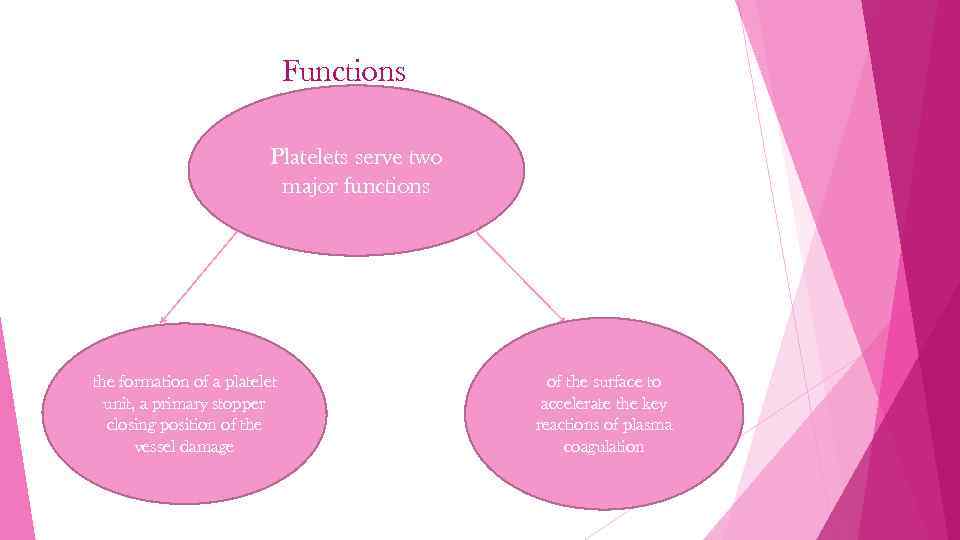
Functions Platelets serve two major functions the formation of a platelet unit, a primary stopper closing position of the vessel damage of the surface to accelerate the key reactions of plasma coagulation
Relatively recently it found that platelets also play a vital role in the healing and regeneration of damaged tissue, separating himself from the damaged tissue growth factors that stimulate the division and growth of damaged cells. Growth factors are polypeptide molecules of different structure and purpose. The most important growth factors include platelet-derived growth factor (PDGF), transforming growth factor (TGF-β), vascular endothelial growth factor (VEGF), epithelial growth factor (EGF), fibroblast growth factor (FGF), insulin-like growth factor (IGF). The physiological plasma concentration of platelets - 180 -360 x 10 9 platelets per liter. Reducing the number of platelets in the blood can lead to bleeding. Increasing the number of leads to the formation of blood clots (thrombosis), which can overlap the blood vessels and lead to pathological conditions such as stroke, myocardial infarction, pulmonary embolism or blockage of blood vessels in other body organs.
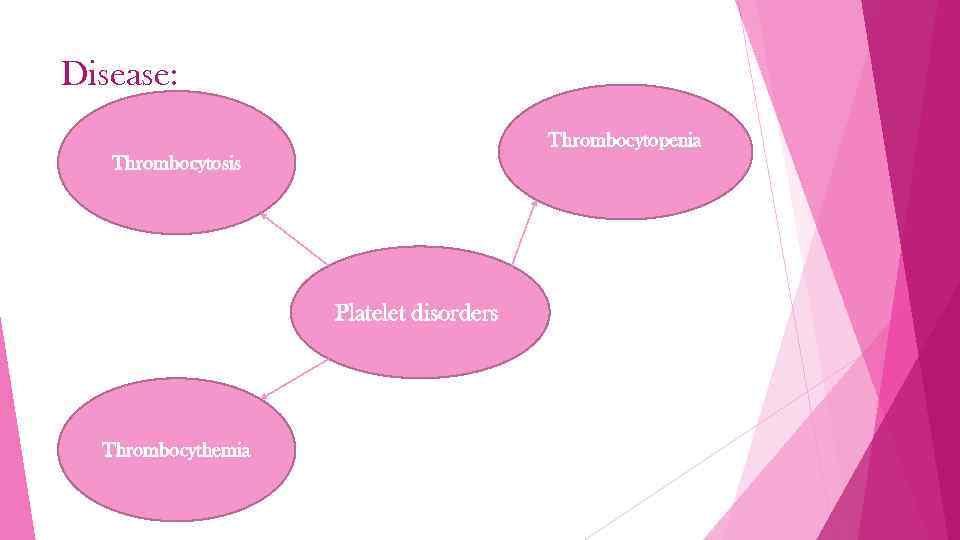
Disease: Thrombocytopenia Thrombocytosis Platelet disorders Thrombocythemia
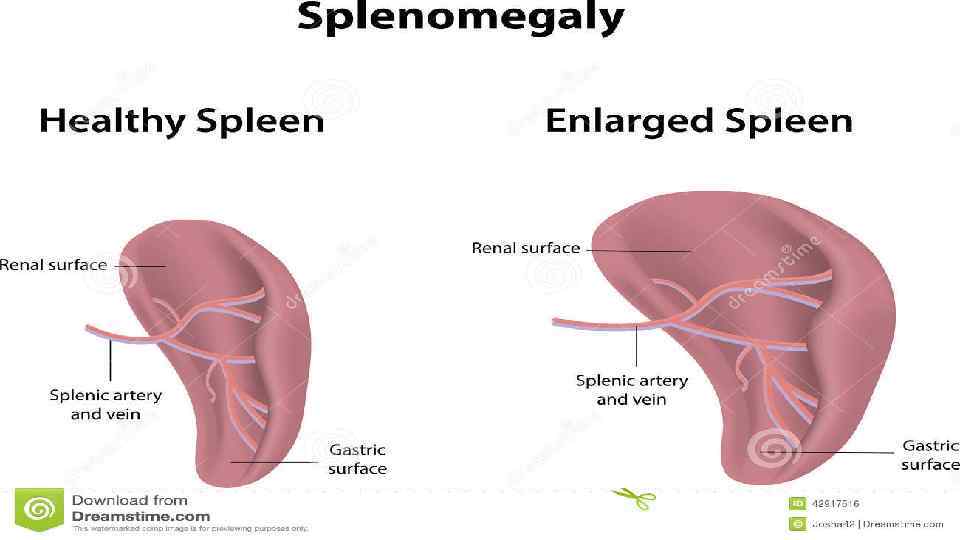
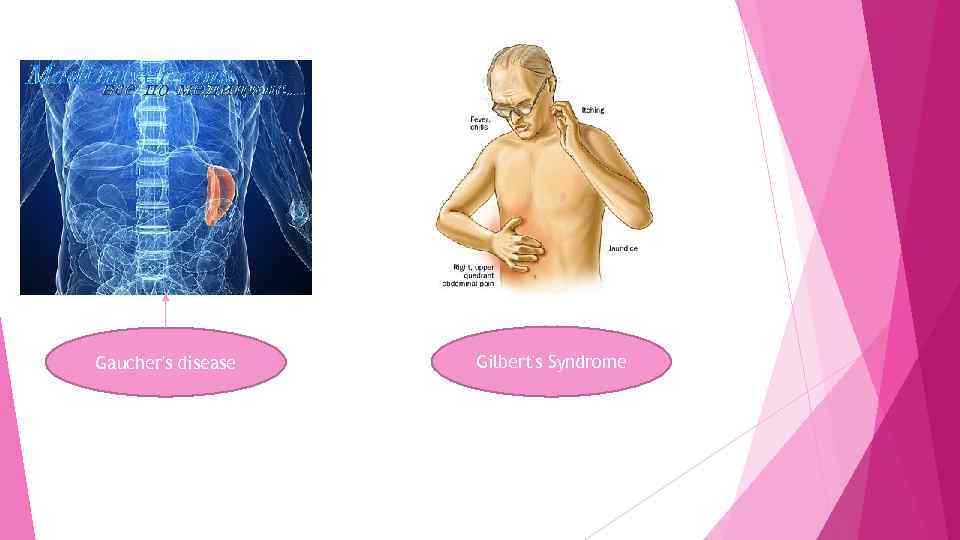
Gaucher's disease Gilbert's Syndrome

Treatment 1)Increased platelet levels in the blood Conservative therapy Diet and products, reducing the level of 2)How to increase the platelets in the blood Diet Prednisolone, and Dexamethasone
Conclusion: Platelets, also called thrombocytes (thromb- + -cyte, "blood clot cell"), are a component of blood whose function (along with the coagulation factors) is to stop bleeding by clumping and clotting blood vessel injuries. Types of thrombocytosis 1)Primary. Most often caused by dysfunction of bone marrow cells. Classical hematologic problem leads to a sharp increase in platelet levels in patients without symptoms external problems: in rare cases, people experience headaches of unknown etiology. 2)Secondary. Called specific diseases, infections, side effects of several drugs, tumors, surgery, and other external factors.
The physiological plasma concentration of platelets - 180 -360 x 10 9 platelets per liter. Reducing the number of platelets in the blood can lead to bleeding. Increasing the number of leads to the formation of blood clots (thrombosis), which can overlap the blood vessels and lead to pathological conditions such as stroke, myocardial infarction, pulmonary embolism or blockage of blood vessels in other body organs. The deficiency or disease is called trombotsitopaty platelets, which may be either a decrease in the number of platelets (thrombocytopenia) or breach of platelet functional activity (thrombasthenia) or increasing the number of platelets (thrombocytosis). There are diseases, reducing the number of platelets, such as heparin-induced thrombocytopenia or thrombocytopenic purpura, which typically cause bleeding instead of thrombosis.
A feature of the platelet is its ability to activate - the quick and usually irreversible transition to a new state. Activation stimulus may be virtually any disturbance of the environment, down to simple mechanical stress. However, the major physiological activator of platelets are considered to collagen (the main protein of the extracellular matrix), thrombin (the main protein of plasma coagulation), ADP (adenosine diphosphate, emerging from the destroyed vessel cells or secreted by the platelets) and thromboxane A 2 (secondary activator, synthesized and emitted platelets; it additional function is to stimulate vasoconstriction). Activated platelets are able to adhere to the site of injury (adhesion) and to each other (aggregation) to form a tube, overlapping damage. Moreover, they participate in the plasma clotting two main ways - by exposing procoagulant membrane and α-granule secretion.
Literature: Human anatomy / weight gain MG Lysenko NK - 9 th ed. , Revised. and ext. - M Medicine, 1985. - P. 4 -8. - 672. - (Textbooks for medical students). - 110, 000 copies. Raven, P. H. , R. F. Evert, & S. E. Eichhorn. Biology of Plants, 7 th ed, page 9. (New York: W. H. Freeman, 2005). . Merck Manuals - Organ System MR Sapin, ZG Bryksina. Introduction // Human anatomy. - M. Education, 1995 Anatomy - article from the Great Soviet Encyclopedia.
Скачать презентацию Kazakh-Russian Medical University Topic Platelet granules Finished Keldibek
Kazakh-Russian Medical University.pptx