


 Скачать презентацию Kazakh philosophy An overview Origin and sources
Kazakh philosophy.ppt
- Количество слайдов: 67
 Kazakh philosophy An overview
 Origin and sources • 1. Geography and ways of adaptation: culture, beliefs and psychology, economics, social life, political institutions, external orientation- who is friend and enemy • 2. External influences- a) contacts with neighbors- mechanism of borrowing and adaptation; b) enforced influences • 3. Home-grown philosophical traditions • 4. Modernization and nation/state building aspects of Kazakh philosophy
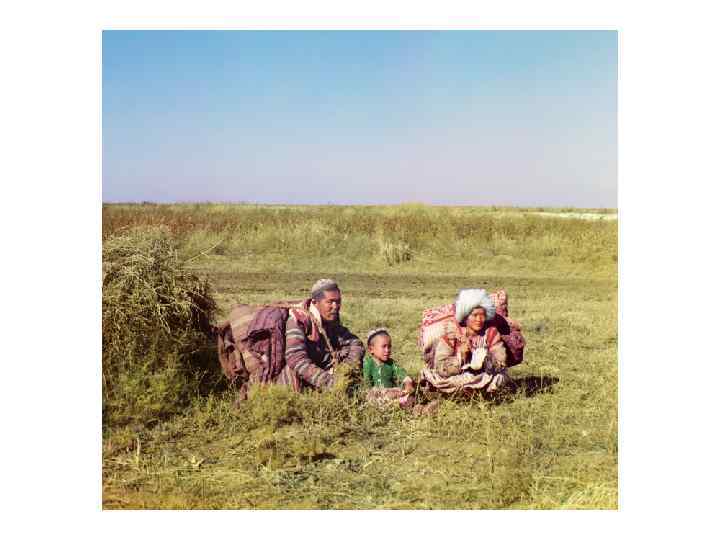
 Geography • Variations of climatic zones and terrains- steppe, mountains, semi-deserts, arid climate, shortage of vegetation in most areas, even now 60% of territory- desert area, severe criteria for adaptation- only nomadism, settled culture- imported and ste in the river valley basins, more connected with external civilized areas- India, China, and Middle East
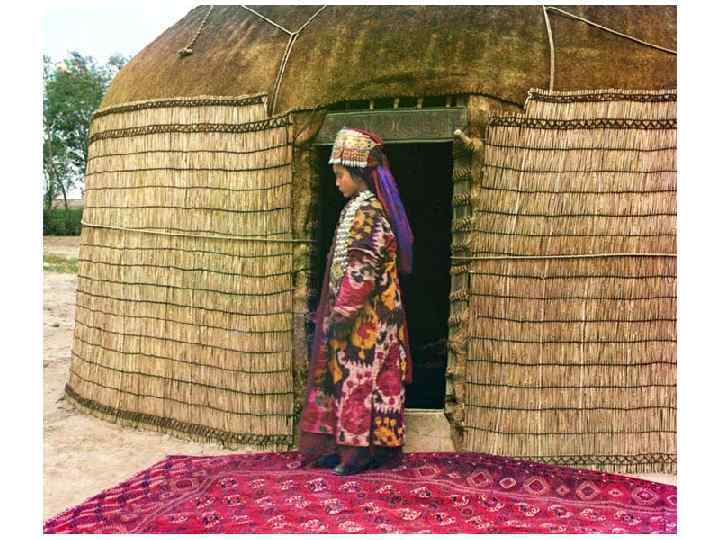
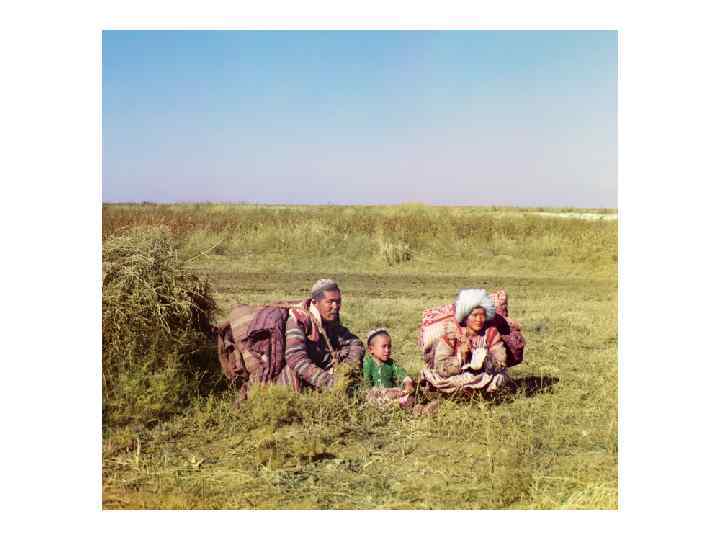
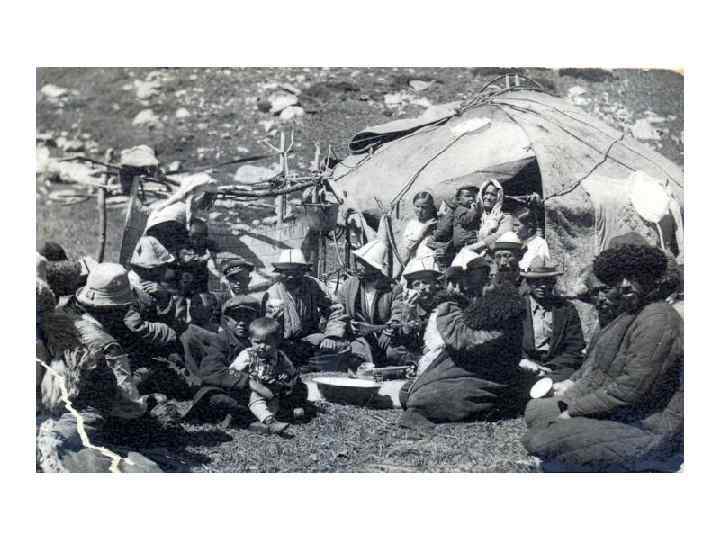
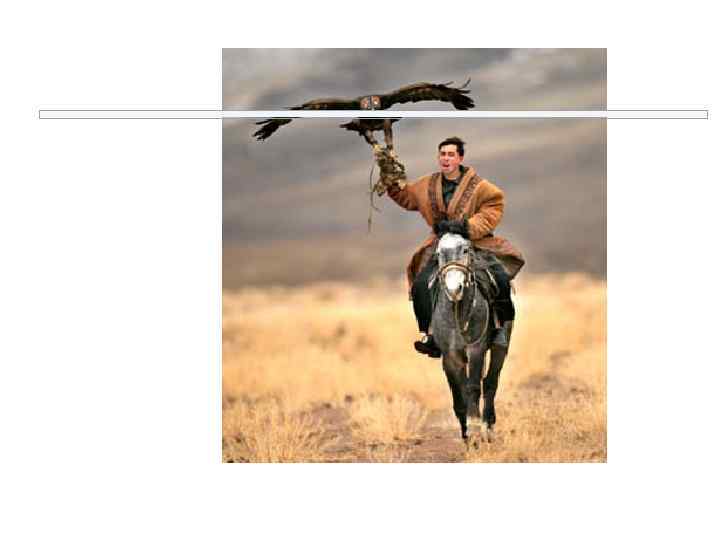
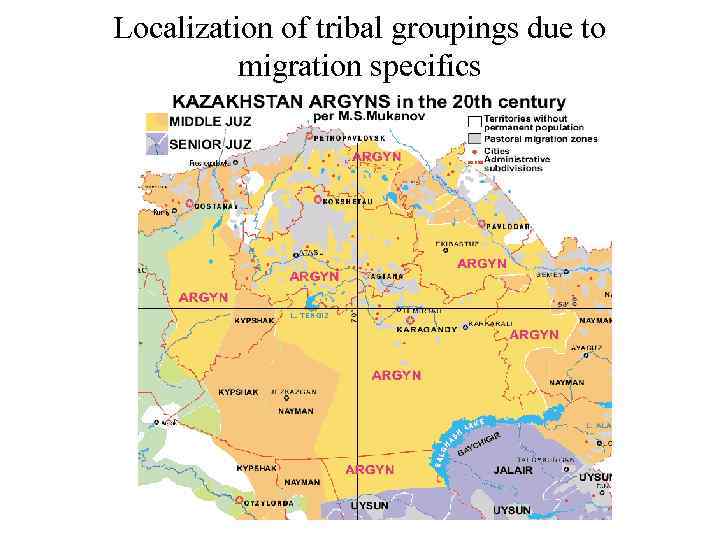 Localization of tribal groupings due to migration specifics
 Philosophical legacy • 1. Beliefs and cults, shamanism, animism, totemism, traditions, culture • 2. Zoroastrianism, tengrianism • 3. Islamic legacy and Sufism • 4. Al-Farabi • 5. Hoja Akhmed Yassawi • 6. Epics, tales, legends, songs, musical forms • 7. Abay Kunanbayev, I, . Altunsarin, C. Valilhanov • 8. Jadidism • 9. Soviet influence • 10. Post-soviet
 Culture • The word "culture" is most commonly used in three basic senses: • excellence of taste in the fine arts and humanities, also known as high culture • an integrated pattern of human knowledge, belief, and behavior that depends upon the capacity for symbolic thought and social learning • the set of shared attitudes, values, goals, and practices that characterizes an institution, organization or group.
 Types of nomadic arts in Kazakh culture • • • 1. Music 2. Oral epic traditions 3. Applied arts 4. Folklore 5. Rites, and rituals
 Music • • • 1. Personal- solo 2. Unwritten 3. Improvisation in public 4. Philosophical and social context 5. Competitive- aitys and terme
 Genealogy as form of philosophy • 1. Tribal and clan division formed into 3 juzes for economic and territorial organization • 2. Within tribes- 7 generations principle- 7 ata • 3. Within families- shezhire- oral stories of the ancestors
 • 7 ata principle: biological reproduction, social and cultural reproduction and moral values transition, upbringing. Implications- no marriages within the relatives, property rights- on cattle, observance of migration cycles, control over pastures and ate sources. • 7 ata principle differed from region to region and within the juzes and clans. •
 • Shezhire- history of tribe from ancient times to present- genealogy: a) form and instruments of ethnic consolidation and reciprocity; b) political and social instruments to regulate inter and intra-clan problems; c) distribution of limited economic resources; d) social hierarchy; e) moral / ethical and education specifics; h) survival techniques.
 • Specifics of relatives by categories (90 in total): • 1) father line • 2) mother line • 3) relatives of wife/husband • Less significant lines: • Nephews, indirect relatives of spouses, partners in struggles, rituals, neighbors, etc.
 Philosophical significance • 1. Nature-origin of basic biological, intellectual and psychological traits • 2. Belonging to clan and status for existence, progress, protection and realization of potential • 3. Origin of culture and moral • 4. Vision and mission • 5. Concepts of Times and Space- both are immediate) are present in every moment of life in one memory, culture and person) and eternal -since the very creation. • Space- no place of origin is given- the world and universe are the origin and place.
 • 6. Transcendentalism- ideas, forces and persons travel from eternity to present and into future, and have creative and protective force • 7. Concepts of the will to live and power • 8. Essence and existence- omir (life) and omir suru (living of life) • Essence- you are time and space, nature and eternity, universal and specific moral law, your essence precedes your existence
 • Existence- your mission is to follow what ahs been already done and not to interrupt the line, how- think and think all the time. Sense of responsibility before the past and future. • In most cases- essence coincides with existence.
 Concept of motherland • Atameken- land (address) of ancestors- where you come from
 Rites and rituals – basic features • • • 1. Universal, general and particular 2. On various occasions 3. Social norms- protective- taboos 4. Superstitions and prejudices 5. Time and space concepts
 Language • • • 1. Concepts of time and space 2. Moral 3. Culture 4. Economic specifics 5. Social context
 Proverbs
 Epics Oguz-name, Korkut-ata, Коzy Korpesh and Bayan sulu
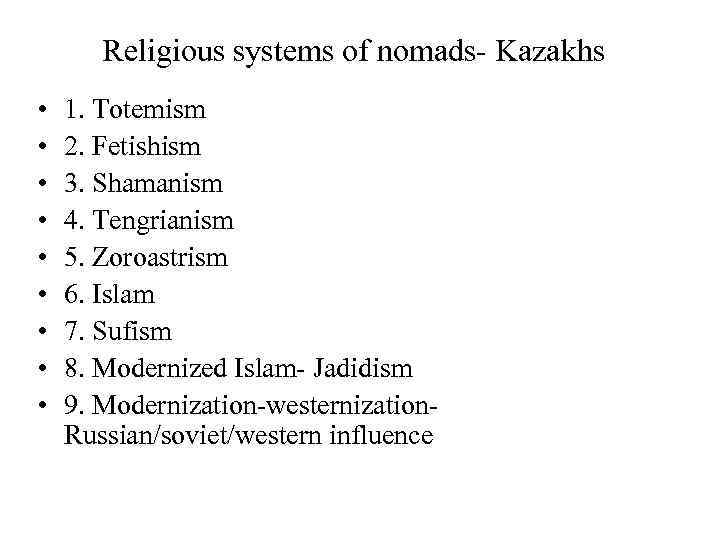 Religious systems of nomads- Kazakhs • • • 1. Totemism 2. Fetishism 3. Shamanism 4. Tengrianism 5. Zoroastrism 6. Islam 7. Sufism 8. Modernized Islam- Jadidism 9. Modernization-westernization- Russian/soviet/western influence
 Totemism • totem is any supposed entity that watches over or assists a group of people, such as a family, clan, or tribe. • Totems support larger groups than the individual person. In kinship and descent, if the apical ancestor of a clan is nonhuman, it is called a totem. Normally this belief is accompanied by a.
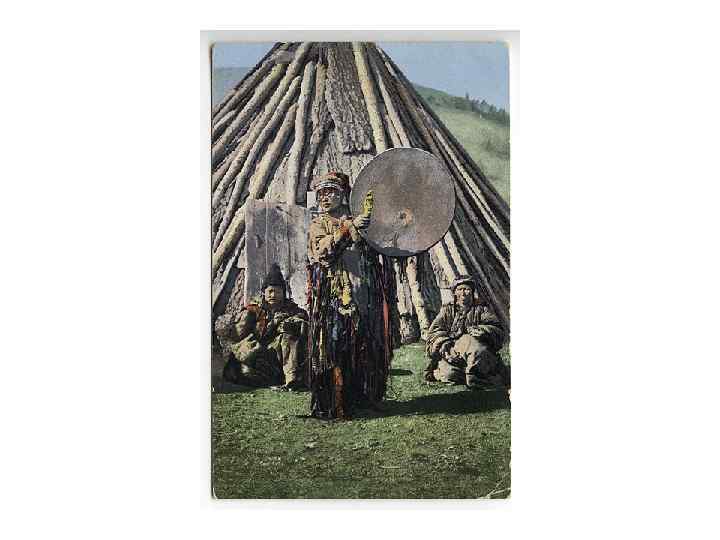
 • Shamanism comprises a range of traditional beliefs and practices concerned with communication with the spirit world. A practitioner of shamanism is known as a shaman. There are many variations of shamanism throughout the world, but several common beliefs are shared by all forms of shamanism. Shamans are intermediaries between the human and spirit worlds. According to believers, they can treat illness and are capable of entering supernatural realms to obtain answers to the problems of their community.
 • There are many variations of shamanism throughout the world; and several common beliefs are shared by all forms of shamanism. Common beliefs identified by Eliade (1964) are the following: • Spirits exist and they play important roles both in individual lives and in human society. • The shaman communicate with the spirit world. • Spirits can be good or evil. • The shaman can treat sickness caused by evil spirits. • The shaman can employ trance inducing techniques to incite visionary ecstasy and go on "vision quests. "
 • The shaman's spirit can leave the body to enter the supernatural world to search for answers. • The shaman evokes animal images as spirit guides, omens, and message-bearers. • The shaman can tell the future, scry, throw bones/runes, and perform other varied forms of divination • Shamanism is based on the premise that the visible world is pervaded by invisible forces or spirits which affect the lives of the living. Shamanism requires individualized knowledge and special abilities and operate outside established religions. Many shamans operate alone, although some take on an apprentice. Shamans can gather into associations, as Indian tantric practitioners have done.
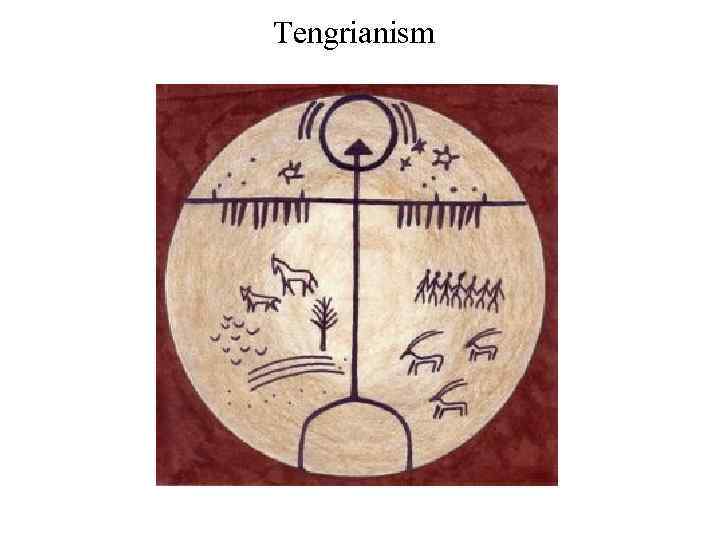 Tengrianism
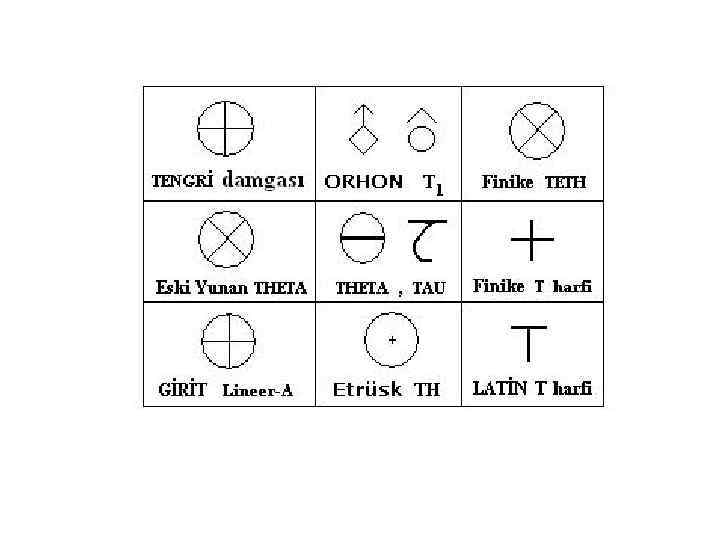
 • It focuses around the sky deity Tengri (also Tangri, Tanrı, Tangra, etc. ) and incorporates elements of shamanism, animism, totemism and ancestor worship. • "Khukh" and "Tengri" literally mean "blue" and "sky" in Mongolian language and modern Mongolians still pray to "Munkh Khukh Tengri" ("Eternal Blue Sky"). Therefore Mongolia is called the "Land of Eternal Blue Sky ("Munkh Khukh Tengriin Oron" in Mongolian). And also in modern Turkey Tengriism is sometimes called Gök Tanrı religion by some scholars. Note that the Turkish "Gök" and "Tanrı" mean the same as and sound very similar to the Mongolian "khukh" (blue) and "Tengri" (sky), respectively.
 • In Tengriism, the meaning of life is seen as living in harmony with the surrounding world. Tengriist believers view their existence as sustained by the Eternal Blue Sky, Tengri, the fertile Mother-Earth Spirit Eje, and a ruler who is regarded as the Holy Spirit of the Sky. Heaven, earth, the spirits of nature and the ancestors provide every need and protect all humans. By living an upright and respectful life, a human being will keep his world in balance and maximize his personal wind horse power. Shamans play an important role in restoring balance when it is thrown off by disaster or spirit interference.
 • The ancient Turks believed that 17 Deities ruled the Universe, whilst the Mongols counted 99. It was Tengri who ruled the fate of entire nations and their rulers, the Khagans. The Orkhon Stone contains the following inscription: "All human sons are born to die in time, as determined by Tengri. " Tengri was worshipped by lifting one’s hands upwards and bowing. Prayers to Tengri were only for health and assistance in good deeds. However, the great Sky God, Tengri became neither God, nor Allah.
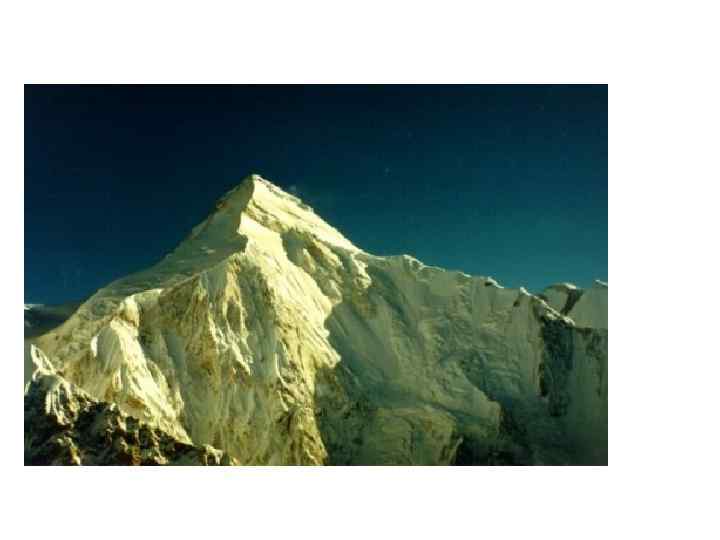
 • Yer (Earth-Spirit) and Tengri (Sky-Spirit) existed in harmony and complemented each other. The Earth gave man a material shell, but his soul (Kut) was given at birth by Tengri who took it back after death. There is an element of dualism here, but Tengri reinged supreme. It is known from Chinese sources that the ancient Turks believed that Tengri determined man’s longevity. Tengri justly rewarded and punished. Expressions such: ‘Tengri jarlykasyn’ (may Tengri reward you), ‘Kuk sukkan’ (damned by the Sky) and ‘Kuk sugar’ (the sky will damn) are heard even today. Tengri gave the Khagans (Khans) wisdom and authority.
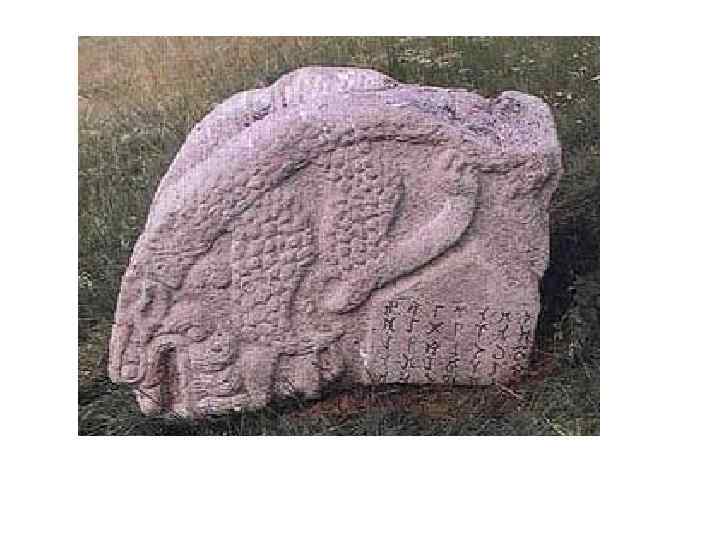
 • We read on the monument honoring Bilge. Khagan: "After the death of my father, at the will of Turkic Tengri and sacred Turkic Yer-Sub (Earth-Water), I became Khan. . . Tengri who gives the states (to Khans), made me Khagan, it should be known, so that the name and glory of the Turkish people would not disappear. " In the monument honouring Kul-Tegin, we read: "Tengri, who rules my father, Ilterish-Khagan, and my mother, Ilbilgya-Katun, from above, ennobled them. . . As Tengri gave them strength, the army of Khagan, my father, was like a wolf and his enemies like sheep. "
 • On the 8 -9 th century stone carvings, found on the banks of the Orkhon and Tola rivers, in Altai and in Tuva, the Turkic Khans. Batyrs (mighty Heroes) left to their descendants these words: "… For the Turkic people I did not sleep nights and days, did not rest. . . Let not the Turkic people vanish! Let not the name and glory of the Turkic people perish!"
 • The rituals of the ancient Turkic peoples had various functions and consequently they varied. Some were accompanied by sacrifice, whilst others were limited to prayer. The national ritual sacrifices were meant to reconstruct the most sacred point in the Universe, the Cosmic Tree. The ritual was conducted on a spring morning on a mountain between 4 sacred birches, symbolizing the four points of the compass. • A large sacred fire was lit in the East. The East symbolized the beginning of space and time and became a starting point in the creation of the world. Then, whilst walking in the direction of the sun, each mountain and river were honored by invoking their names.
 • Yer-Sub (Land-Water) • The word Yer-Sub had 2 meanings. One was the name of a Goddess, the other the visible world, i. e. , the Native Land. Yer-Sub existed in the middle of the Universe and Her residence was on Khangan Plato (specifically, on the Lanshan Mountain in Mongolia). This place was called 'The Otuken Homeland'. The Turks depicted Yer-Sub as a voluptuous, beautiful woman, who was patroness of the Homeland (Land-Water). Nature and all living beings were subordinate to her. Therefore, the Turks viewed Yer-Sub as the second highest deity, after Tengri. Yer-Sub is mentioned together with Tengri in the Orkhon Inscriptions, under the name Yduk Yer-Sub (Sacred Earth-Water).
 • One of the records states: "Turkic Tengri and Turkic sacred Yer-Sub said in Heaven: ‘Let not the Turkic people vanish! Let them be a Nation!’" The ancient Turks called the visible world occupied by their people Yer-Sub (Land-Water) or Middle Earth, emphasizing its central location. Each clan and tribe had their territory, the boundaries of which outlined their world. This Yer -Sub (Land-Water) was theirs, beyond which were others' possessions. Their own limited Yer-Sub was not just a settled space but also a smaller version of the world in general. For each clan, their land was the centre of the world and a focus of order and harmony.
 • 'Native land' was not only a geographical concept, but was also a space that could be emotionally perceived by man. It was the land of the Clan and of the Ancestors and could never be sold or given away. • The dominant role in determining the fate of people and nations belonged to Tengri, but natural forces yielded to Yer-Sub. Sometimes on Tengri's command, Yer-Sub punished people for their sins. But she was generally considered a benevolent Goddess. To appease Yer-Sub, sacrifices were made every spring in preparation for the cattlebreeding season and before planting crops. Sacrifices were also conducted in the autumn, after the completion of the harvest.
 • During the times of the Khaganates, sacrifices to Yer-Sub had a nation-wide character. They were conducted near rivers and on the banks of lakes. A reddish horse was sacrificed with appeals for the fertility of cattle and crops, and for general well being. With the disintegration of the ancient Turkic states, the rituals to Yer-Sub began to take on distinct local forms. As in ancient times, they were conducted in the upper rivulets and on the shores of lakes. White rams were sacrificed and hung on a tree, under which a prayer was conducted. After the ritual, participants feasted and exchanged gifts.
 • Umai (Ymai, Mai, Omai) • Umai was a female Deity associated with benevolent deities and spirits. She was considered to be a favorite wife of the Sky God, Tengri. Like Yer-Sub, Umai obeyed Tengri. If Yer-Sub ruled over all the living on land water, Umai was the giver of special divine powers to mankind. Umai lived in the skies and radiated down to the Earth. Her rays penetrated man and dwelled in him like a spark until he died. This spark accounted for man's vital energy and physical force, but it was not Kut (spirit). It was rather a divine power linking man to the heavens, sent by Tengri. Once the spark perished, death followed. Thus, everything spiritual and physical in our Universe was subject to 2 Goddesses, Yer-Sub and Umai.
 • The Turks did not sacrifice domestic animals to the Goddess Umai, but dedicated carefully prepared dairy and meat dishes in solemn ceremonies. Umai protected the Turkish tribes and participated, together with Tengri and Yer-Sub, in the victory of their forces over an enemy. In the Orkhon Inscriptions honouring Tonyukuk we read: "Tengri, Umai and Sacred Yer-Sub, it should be known, gave (us) victory. " In the inscriptions there is also a comparison of the Khagan's wife to Umai: ". . . Her majesty, my mother Katun, is comparable to Umai. . . " This testifies to the reverence of this Goddess by the highest ruling classes, especially the representatives of divine authority on Earth, the Khagans.
 • She protects the child, educates and talks to him, for they understand each other well. When a child cries during a dream and sleeps restlessly, Umai is said to have left him. Many families make a small bow and arrow (boys) or spindle (girls), to serve as talismans. These amulets are attached to the dwelling near the cradle. They are made when the newborn is first placed in the cradle and removed when the child no longer needs it. On the child reaching the age of six months, a Kam is invited for a special ceremony to Umai-Ana (Mother Umai), involving the sacrifice of a young bull. During this they ask Umai to safeguard and protect the baby. A talisman is attached to the cradle, i. e. , a small bow and arrow, symbolising the weapon Umai uses against malicious spirits.
 • The complete care and the constant presence of Umai near the child continues until he learns to walk, run, understand speech and speak fluently. This happens at approximately 5 -6 years. When the child becomes accustomed to his social environment, especially his parents, relatives and later his playmates, his connection with Umai-Ana ends. When a child reaches this stage, a special ritual is performed for Tengri, which involves the sacrifice of a domestic animal. Appeals are made for the child’s longevity. The name Umai also referred to the womb, placenta and cut umbilical cord. This underlined Umai’s functions as a Goddess of reproduction. It was to Her that barren couples prayed for a child.
 Erlik • Erlik was the Chief God of the Underworld. In the Orkhon-Yenisei Inscriptions, Erlik is called Erglik. Erlik is described as an old man with an athletic built. His eyes and eyebrows are jet-black and his parted beard reaches his knees. His moustache is like tusks that curl behind his ears. His horns are like tree-roots and his hair curled. Erlik was connected with the worst disasters, epidemics and illnesses of people and cattle. He caused these illnesses to compel man to sacrifice to him. Men feared Erlik, especially when ill and were afraid to use his name, calling him Kara. Name (something black) instead.
 • The sons of Erlik helped him rule the Underworld, where there were lakes, rivers and seas. Erlik also had several daughters whose number varied between two and nine. They were described as idle, sexually promiscuous and had a desire to lure Kams to their beds, as they descended into the Underworld for ceremonies. They stole the sacrifices Kams made to Erlik, with whom they were closely associated. Ancient legends state that Erlik taught ritual to the first Black Kam (Kara Kam). Ceremonies in the subterranean world were performed by black Kams, whilst white Kams (Ak Kam) never ventured there. Though Erlik was the supreme God of the Underworld, he rarely caused evil. He did not regulate the death of mortals and did not take away their Kut.
 • He only accepted their material bodies after their demise. Kut returned to the Sky, after the body was cremated. Malicious spirits (Kermeses) dwelled in the Underworld and sometimes surfaced at sunset to cause harm. Sacrifices to Erlik were conducted at night, by slaughtering domestic animals with some defect (a broken horn, lameness, etc), as it was believed that the invisible Underworld contrasted with the visible one, where humans dwelt.
 • The symbolic Universe was filled with objects, in imitation of the Cosmos, and participants circled the periphery of this ritual space. At the beginning, a rope was tied to the eastern birch. Whilst circling, it was stretched around the four birches, replicating an enclosed space with a boundary, as a sign of stability. The same symbolism defined the forms of many ritual structures, i. e. , the ‘memorial fences’, of the ancient Turks. In mythological tradition the world is reliable if the same coordinates coincide for all its spheres. It becomes repeatable, reproducible and as a consequence, controllable by humanity.
 • The Earth Goddess • The great Sky God, Tengri was a dominating deity in the Universe and was believed to be a divine father and ruler. The Earth Goddess was considered to be both a mother and wife to Tengri. She appeared as a force of nature, and was subordinate only to Him. In ancient mythology there was a theory that mortals were the product of the union of Tengri and Earth. In the Orkhon Stone we read: “In the beginning there was a blue sky above, a dark land below, and human sons in-between. "
 • The Turks revered the Earth Goddess as a giver of crops and abundance. In the spring, before the beginning of the agricultural season and in the autumn, after the harvest, as a sign of gratitude for the abundance of food and happiness, the ancient Turks and Mongols made a sacrifice to the Earth Goddess. Milk, kumys and tea were offered and pleas made for a fertile land a rich yield.
 • Water was born earlier than Earth. Therefore She was believed to be a senior sister to Earth. The beginning of the Earth emanated from Water. From the bottom of the Water a 'heavenly duck’ lifted the sand, clay and silt, from which the Earth was created. The closest deity to Water was Rain. She was hostile to the Fire Deity. The Turks believed that “Water was the initial state of everything in existence, equivalent to primordial chaos. Water was the medium, agent and source of global grandeur.
 • Water evenly gave rise to both foreign and hostile elements. It was the possessor of spirits and the entrance into the other realm. ” Water was greatly respected, as without it, life on Earth is impossible. The life, fertility and productivity of land depended on the Water Goddess. Therefore sacrifices were made to Earth and Water at river sources and lakes, asking for a good harvest, increase in cattle and general well being.
 Fire • Fire was a grandson of Tengri and the Sun. His brother was Lightning. The Turks associated Fire with birth, growth, development, and life in general. N. Katanov states, "In the perception of the Tatars, the spirit of Fire grows and warms beings. As soon as the spirit of Fire departs from the being, it dies. The body unites with the land, and the soul joins the multitudes of spirits, soaring above the Earth. " A red cow, red bull, or rooster represented Fire. In other representations, Fire was Ut-Ana (Mother Fire). Ut-Ana was believed to be the mother of mankind. When Fire whistled in the hearth, they bowed to the flame and invocated: "Fire, you are our Mother with 30 teeth, you are our mother-in-law with 40 teeth. "
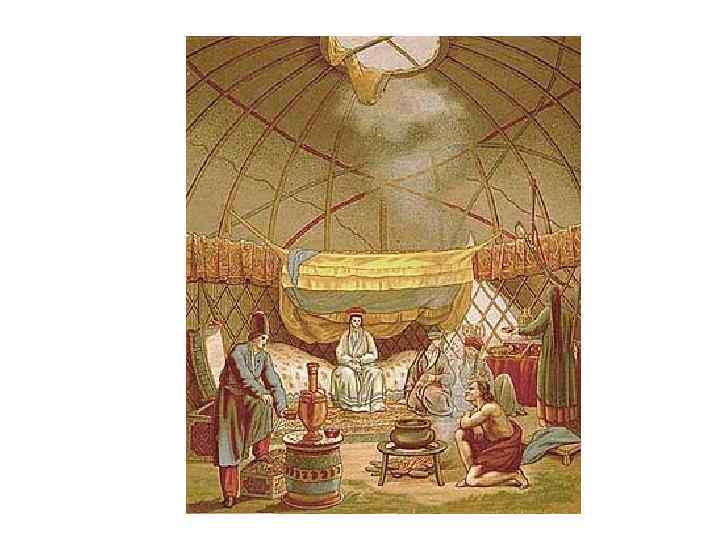
 • Fire was deemed to be like the Sun (Heavenly Fire) and the hearth in the center of a yurt was purposely made round. Warmth, emanated from both Sun and Fire, as did light and color. Sun and Fire were linked to Woman, who bore and guarded the descendants. The Hearth was protected and kept clean, a careless attitude could result in the Fire God becoming angry and leaving the yurt. Fire was associated with the clan, but each family also maintained a family Fire, which was united with that of other families. However, borrowing Fire from neighbors was considered impious.
 • Sun and Moon • Sun was an esteemed God, the son of Tengri and mother Earth. Therefore, it circled between the father and mother. The ancient Turks and Mongols worshiped the power and vital force of the god Sun. An ancient ritual was to greet the sunrise, welcoming the ascending Sun and bowing to him. Solar rays were regarded as a medium transmitting life from Tengri to man.
 • Moon (Ai) was a daughter of Tengri and Earth. Ancient Turks were frightened of the goddess Moon and at the same time they loved Her. The moon was represented as a lady and as a symbol of the night, the time when malicious spirits emerge from all holes, when witches conducted rituals and robberies and murders took place. At the same time, the Turks trusted the magic force of the Moon. To please Moon those born during a full moon were given names such as Aisylu, Aituly, Ainir, Aizirek, and Ainaz. Turks associated the cycles of the moon with fertility and birth.
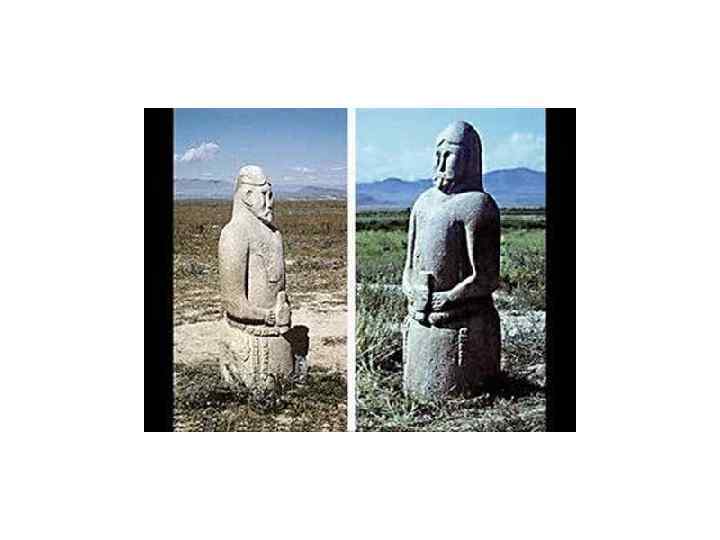
 Kazakh mythology
 Traditional sports games • Baiga – horse races • Аламан-байга — скачки по пересеченной местности • Жорга-жарыс — скачки иноходцев • Кыз куу (погоня за девушкой) — догонялки на лошадях между девушкой и парнем • Кокпар — козлодрание (борьба конников за тушу козла) • Тенге алу — подними монету на скаку и прочая джигитовка • Саис — борьба сидя на лошадях • Казакша курес — национальная казахская борьба • Тогыз кумалак — девять шариков