


 Скачать презентацию Kazakh National Medical University named after SD Asfendiyarov
нейроинф на англ Алимжанова Н.pptx
- Количество слайдов: 14
 Kazakh National Medical University named after SD Asfendiyarov Department of Nervous Diseases Subject: Secondary neuroinfection. Prepared by: N. Alimzhanova Department: General Medicine course 5 Group: 11 -42 -1 k Checked: Izbasarova A. Sh Almaty, 2015 -2016
 Plan Input Basic parts Neuroinfection Neurosyphilis Neurobrutsellez Neurorheumatism Conclusion Used literature
 Neuroinfection - a group of infectious diseases that affect the nervous system. The causative agents of these diseases may be many microorganisms such as viruses, bacteria, fungi and protozoa. Classification: primary - when the organism initially invades the nervous system (this includes most viral inflammation of the brain and its membranes); secondary - when the organism penetrates the nervous system from another site of infection (usually such centers are purulent inflammation of the ear and sinuses).
 Neurosyphilis Neurosyphilis develops as a result of penetration into the central nervous system of the causative agent - Treponema pallidum. The latent (asymptomatic) neurosyphilis is characterized by changes in the cerebrospinal fluid (lymphocytic pleocytosis, increased protein content) in the absence of any neurological disorders have been Acute syphilitic meningitis - a rare condition, which manifests itself in the first 1 -2 years after infection, headache, nausea, vomiting, meningeal signs. In 10% of cases at the same time joined by a maculopapular rash. Fever is often missing. Often involved cranial nerves (visual, oculomotor, facial, auditory)
 Meningovascular syphillis can develop after a few months after infection, but usually in the seventh year of the disease Meningovascular syphillis appears suddenly clinic of ischemic, hemorrhagic stroke less. Circulatory disturbance occurs in the bowl middle cerebral artery. In just a few weeks or months before the stroke is noted headache, dizziness, sleep disorder, emotional lability, personality changes. Syphilitic meningomyelitis is characterized by slowly progressive lower spastic paraparesis, accompanied by disturbances of deep sensitivity and function of the pelvic organs. Sometimes symptoms develop acute and asymmetric, with features of Brown-Sequard syndrome, which is more typical for striated artery thrombosis (a branch of the anterior spinal artery).
 Treatment of neurosyphilis: The most effective intravenous administration of high doses of penicillin (million units 2 -4 to 6 times a day) during 10 -14 days. Intramuscular penicillin does not achieve therapeutic concentrations in the CSF, and is only possible in combination with oral probenicid (2 grams per day), delaying renal excretion of penicillin. If allergy to penicillin use ceftriaxone (Rocephin) 2 g per day in / in or / m for 10 -14 days.
 Neurobrutsellez Neyrobrutsellez caused by several species of gramnegative bacteria Brucella. The main source of infection is sick animals (cattle and small cattle), representing the natural reservoir of Brucella in nature. Infection occurs through contact, alimentary, respiratory droplets ways.
 Symptoms Brucellosis encephalitis manifested paresis (paralysis) limbs, wires impaired sensitivity, hyperkinesis, ataxia and psyche. Typical neurological manifestations of brucellosis include peripheral neuritis and neuralgia and cranial nerves, radiculitis, plexitis (lumbosacral, shoulder), polyneuritis, polyradiculoneuritis. The defeat of the autonomic nervous system observed in almost all patients with brucellosis and is characterized by hyperhidrosis, dry skin, edema, and acrocyanosis, hair loss, brittle nails, arterial hypertension, osteoporosis, weight loss, dysfunction of the internal organs as a result of the defeat of the celiac (solar) and mesenteric plexus vegetative.
 Treatment In acute and subacute forms neyrobrutselleza prescribe antibiotics (rifampicin, chloramphenicol, ampicillin, colistin, erythromycin, gentamicin, kanamycin, tetracycline drugs) courses of 5 -7 days (2 -3 courses one week apart). The most common rifampicin (600 mg orally once daily). In the acute stage, and in the presence of encephalitis and meningitis express recommended parenteral antibiotics.
 Neurorheumatism - rheumatic elements of the nervous system. Nerve damage rheumatism varied, but the most common brain revmovaskulit, chorea, cerebral vascular embolism, mitral disease.
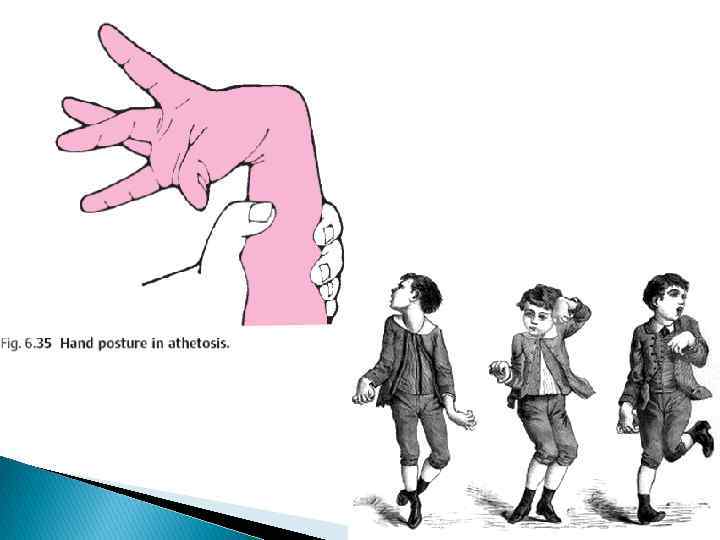
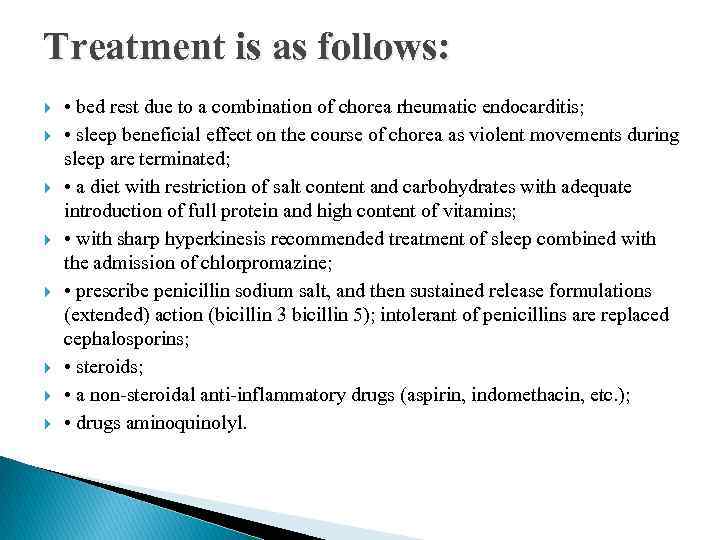
 CLINICAL PICTURE The practical significance is only a small choir. The word "chorea" in Latin means "to dance, round dance the dance. " The disease usually develops in children of school age 7 -15 years, most girls. NF Filatov, the famous domestic pediatrician considered infectious chorea rheumatic brain damage Disorderly hands twitch muscles of the trunk and face. Standing and walking in severe cases, the disease is impossible. The twitches participate tongue, the muscles of the larynx, the chewing muscles. As a result, may suffer greatly swallowing and speech. In severe cases, the entire body is always great anxiety. Hands and feet are scattered in different directions, trunk and head take the most bizarre situation, sometimes even a sick bed throws.
 Treatment is as follows: • bed rest due to a combination of chorea rheumatic endocarditis; • sleep beneficial effect on the course of chorea as violent movements during sleep are terminated; • a diet with restriction of salt content and carbohydrates with adequate introduction of full protein and high content of vitamins; • with sharp hyperkinesis recommended treatment of sleep combined with the admission of chlorpromazine; • prescribe penicillin sodium salt, and then sustained release formulations (extended) action (bicillin 3 bicillin 5); intolerant of penicillins are replaced cephalosporins; • steroids; • a non-steroidal anti-inflammatory drugs (aspirin, indomethacin, etc. ); • drugs aminoquinolyl.
 Used literature Adams RD, Victor M, Ropper AH. Principles of neurology. Neurology 1997; Burke JM, Schaberg DR. Neurology 1985 Lukehart SA, Holmes KK. In: Harrison’s Principles of Internal Medicine 1998, N-Y. Storm T, Schnek SF. Neurology 1991; references: http: //www. eurolab. ua/diseases/87/