

Josep Acebillo Krasnoyarsk February 16th 2008 Key points

Josep Acebillo Krasnoyarsk February 16th 2008 Key points for the Neotertiary City Barcelona´s case study
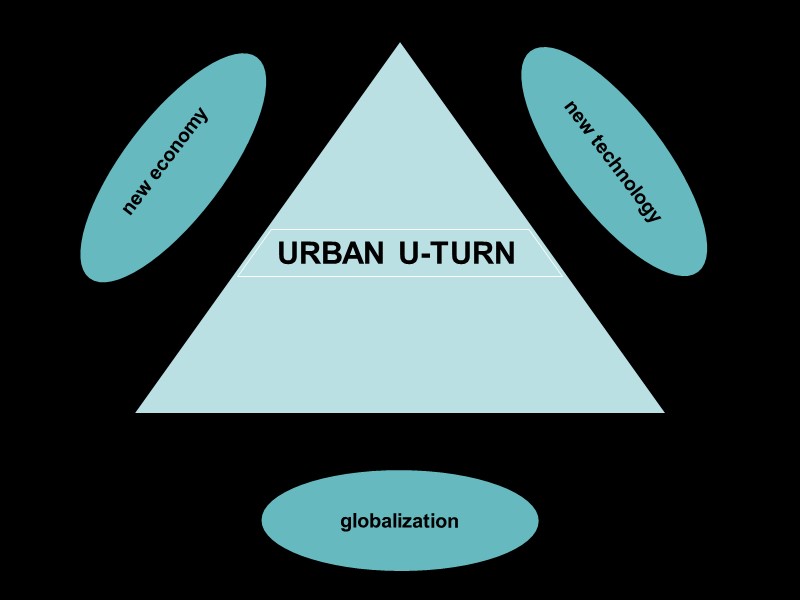
new economy new technology globalization SOCIAL SUSTAINIBILITY INFRASTRUCTURES URBAN U-TURN URBAN U-TURN
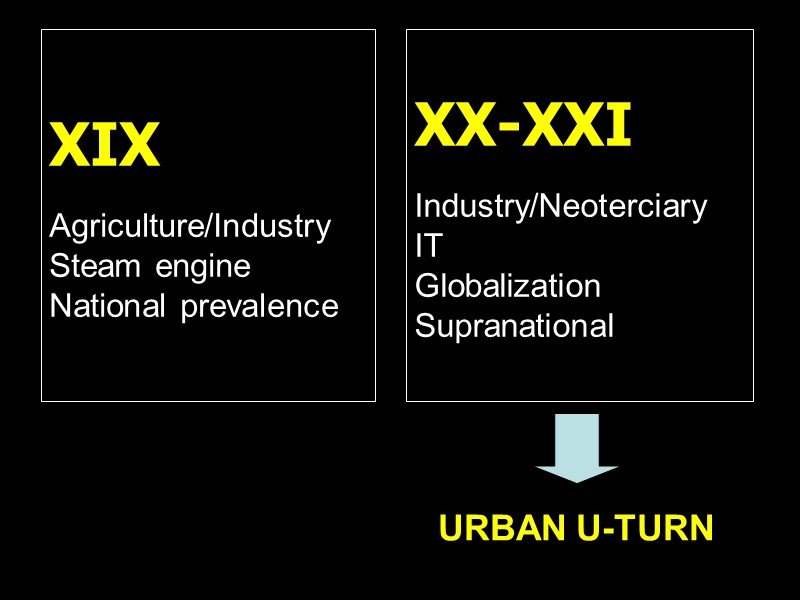
XIX Agriculture/Industry Steam engine National prevalence XX-XXI Industry/Neoterciary IT Globalization Supranational URBAN U-TURN
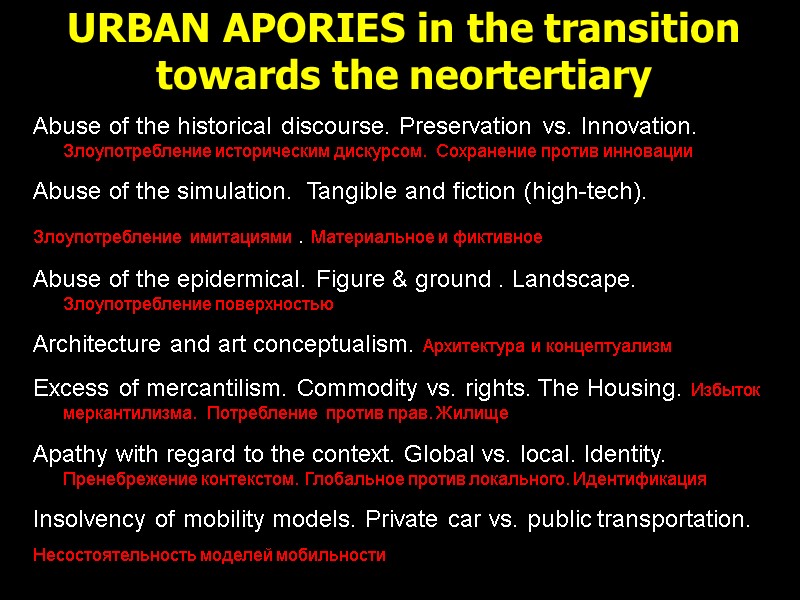
URBAN APORIES in the transition towards the neortertiary Abuse of the historical discourse. Preservation vs. Innovation. Злоупотребление историческим дискурсом. Сохранение против инновации Abuse of the simulation. Tangible and fiction (high-tech). Злоупотребление имитациями . Материальное и фиктивное Abuse of the epidermical. Figure & ground . Landscape. Злоупотребление поверхностью Architecture and art conceptualism. Архитектура и концептуализм Excess of mercantilism. Commodity vs. rights. The Housing. Избыток меркантилизма. Потребление против прав. Жилище Apathy with regard to the context. Global vs. local. Identity. Пренебрежение контекстом. Глобальное против локального. Идентификация Insolvency of mobility models. Private car vs. public transportation. Несостоятельность моделей мобильности
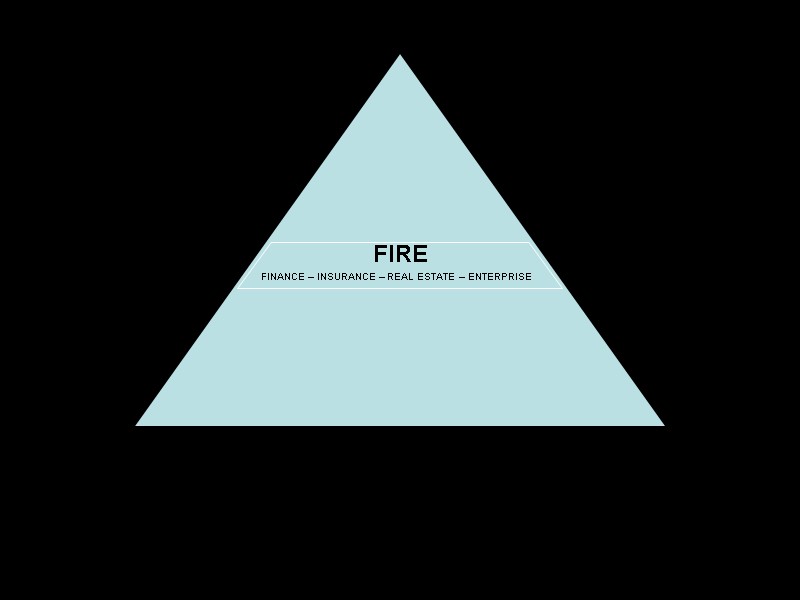
FIRE FINANCE – INSURANCE – REAL ESTATE – ENTERPRISE
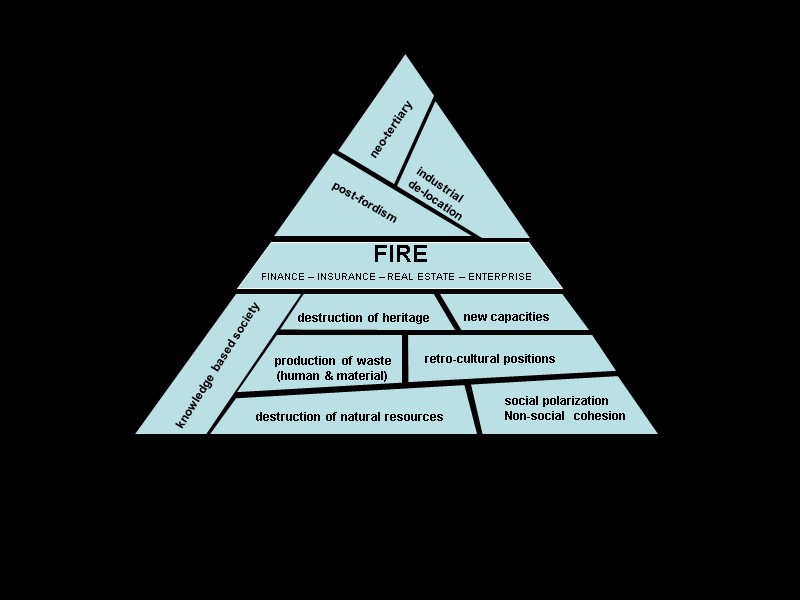
neo-tertiary industrial de-location knowledge based society post-fordism social polarization Non-social cohesion destruction of natural resources retro-cultural positions new capacities production of waste (human & material) destruction of heritage FIRE FINANCE – INSURANCE – REAL ESTATE – ENTERPRISE
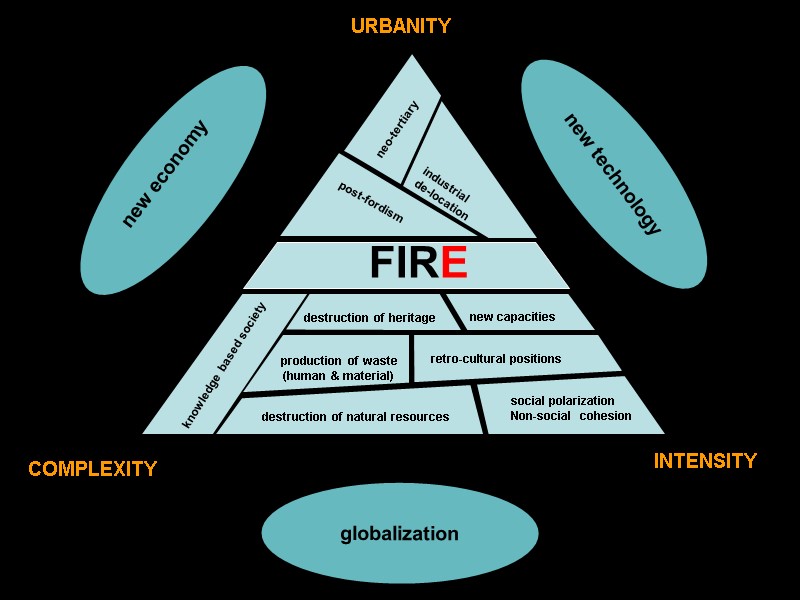
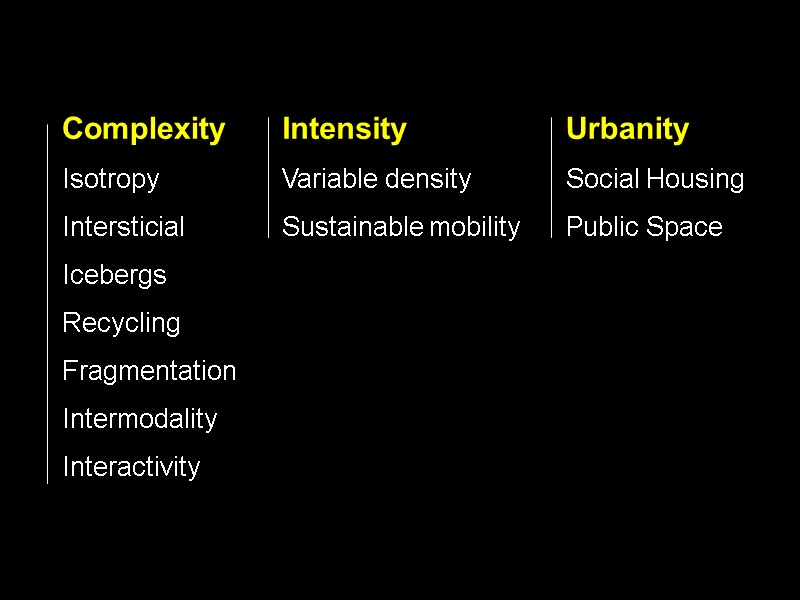
new economy new technology globalization SOCIAL SUSTAINIBILITY NEO METROPOLITANISM INFRASTRUCTURES COMPLEXITY URBANITY INTENSITY
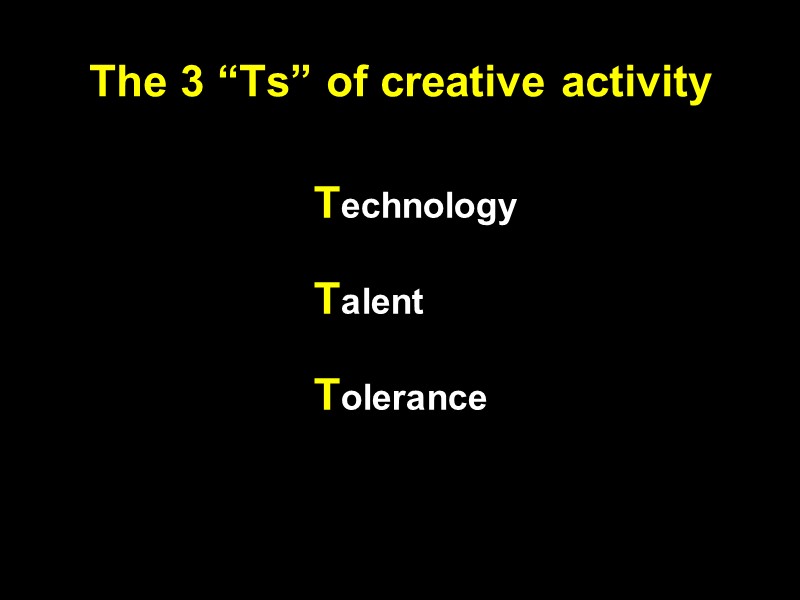
The 3 “Ts” of creative activity Technology Talent Tolerance
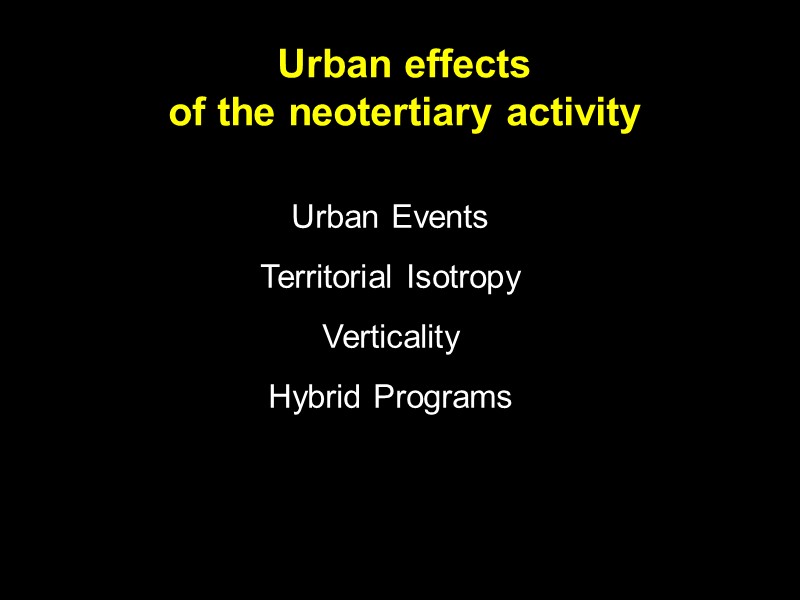
Urban effects of the neotertiary activity Urban Events Territorial Isotropy Verticality Hybrid Programs
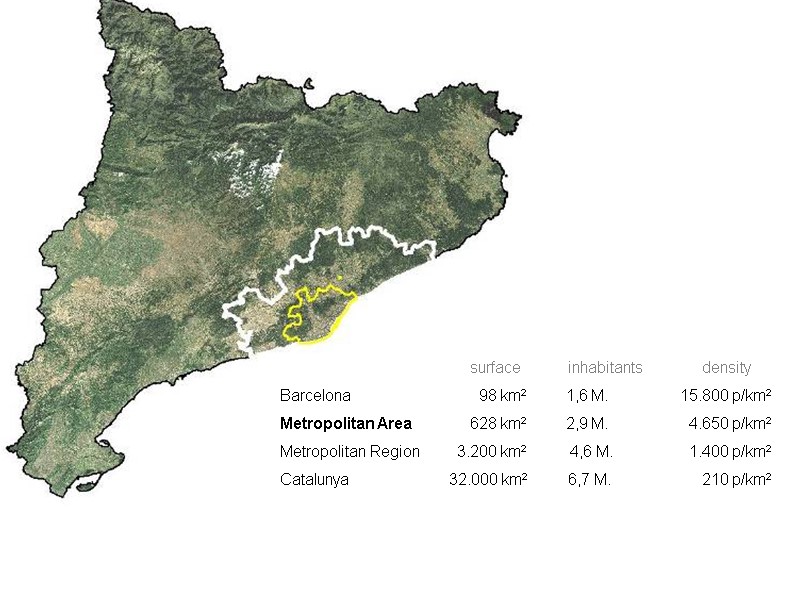
surface inhabitants density Barcelona 98 km2 1,6 M. 15.800 p/km2 Metropolitan Area 628 km2 2,9 M. 4.650 p/km2 Metropolitan Region 3.200 km2 4,6 M. 1.400 p/km2 Catalunya 32.000 km2 6,7 M. 210 p/km2
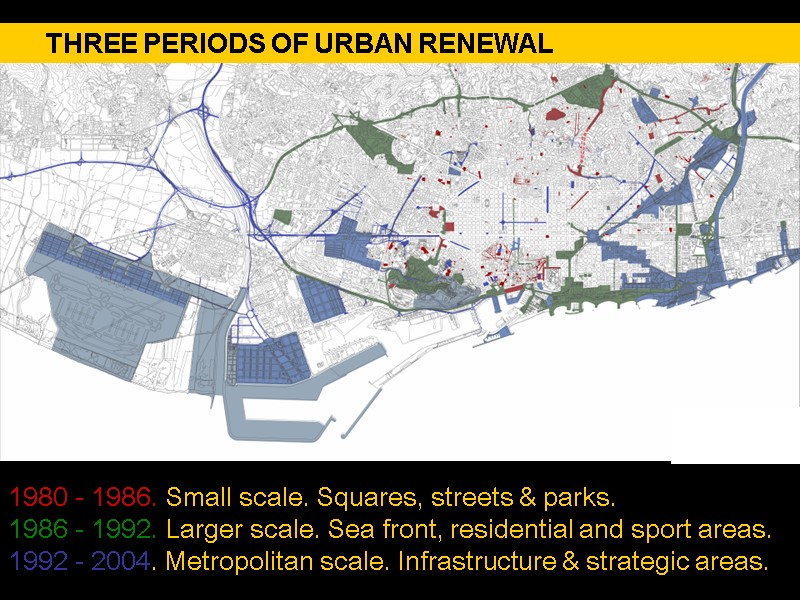
THREE PERIODS OF URBAN RENEWAL 1980 - 1986. Small scale. Squares, streets & parks. 1986 - 1992. Larger scale. Sea front, residential and sport areas. 1992 - 2004. Metropolitan scale. Infrastructure & strategic areas.
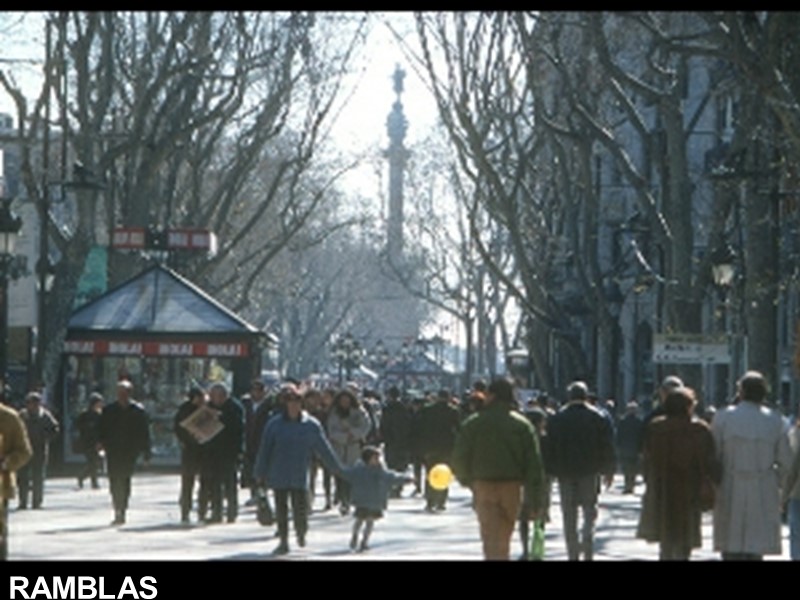
RAMBLAS
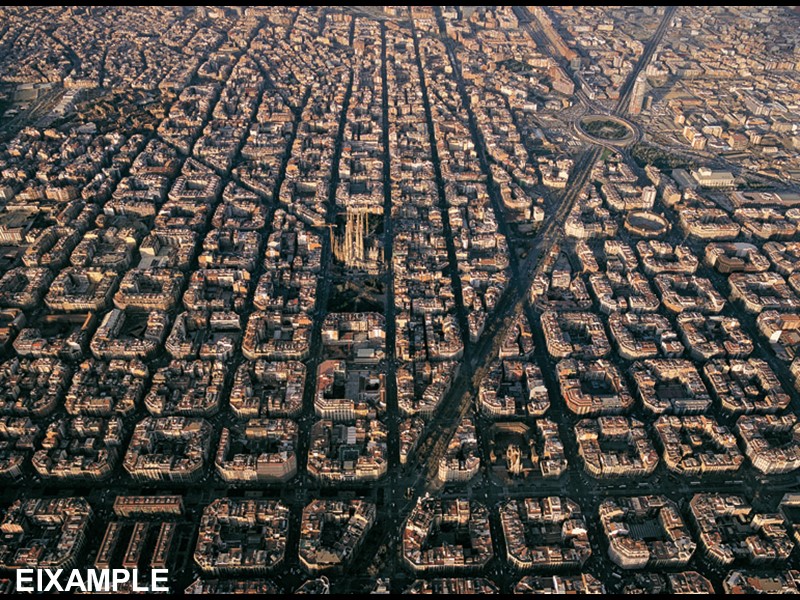
EIXAMPLE
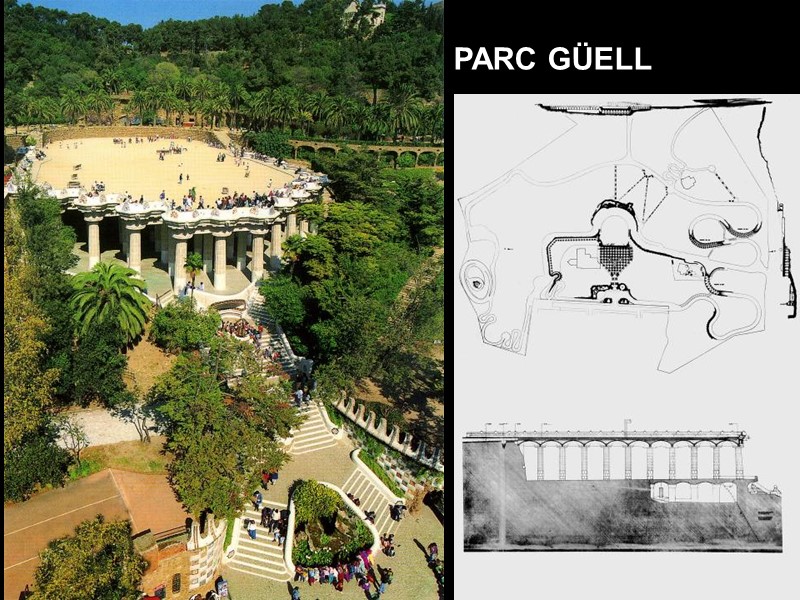
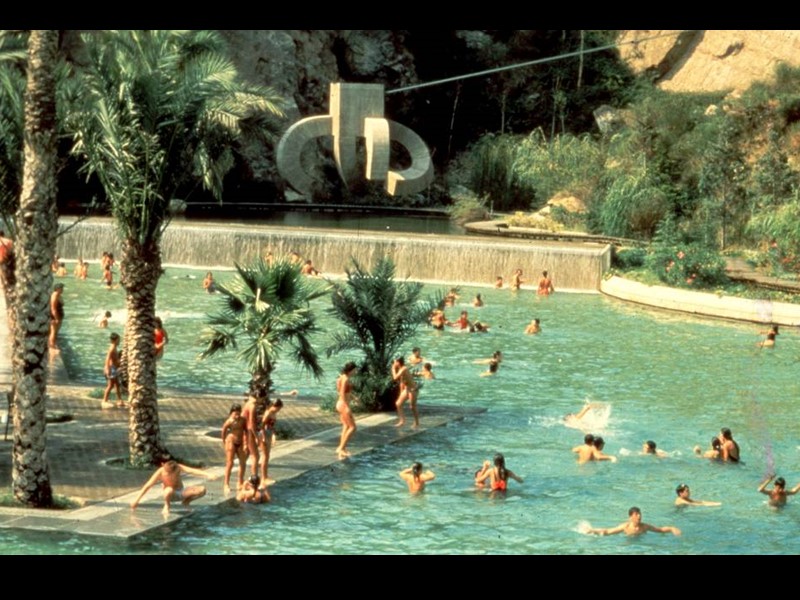
PARC GÜELL
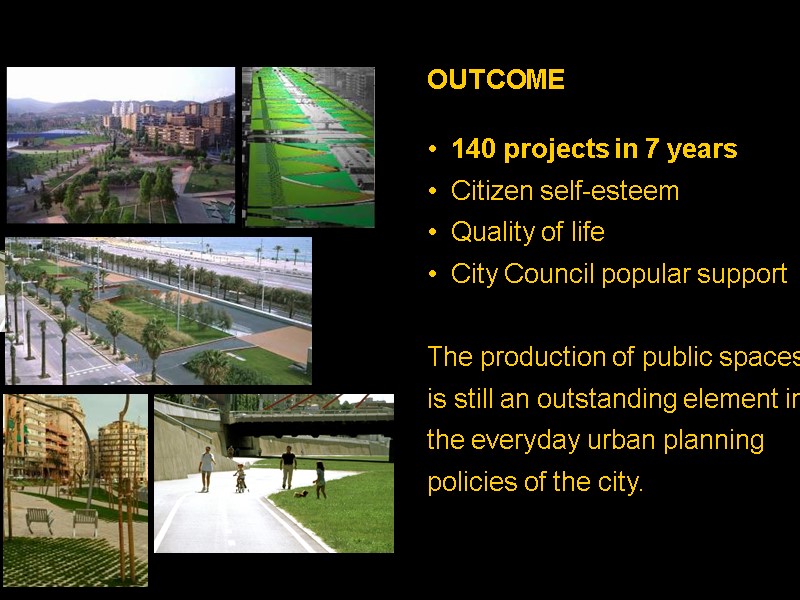
OUTCOME 140 projects in 7 years Citizen self-esteem Quality of life City Council popular support The production of public spaces is still an outstanding element in the everyday urban planning policies of the city.
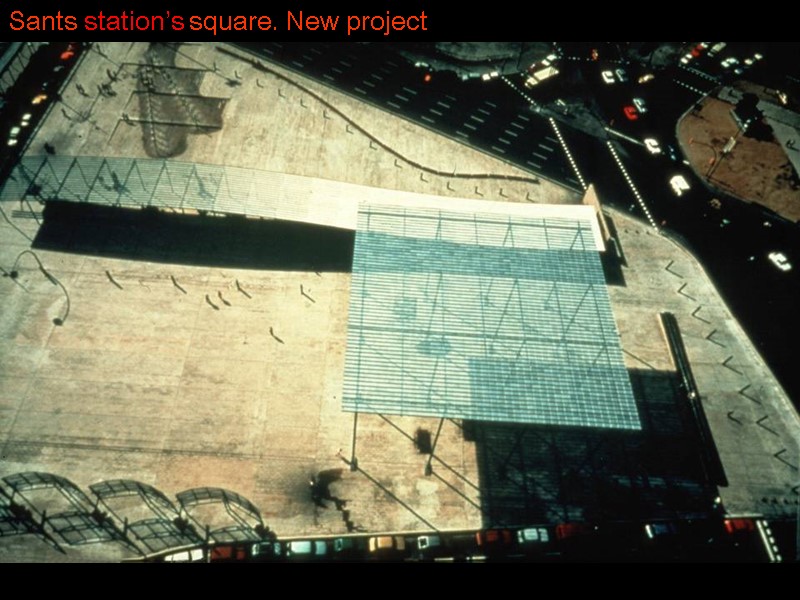
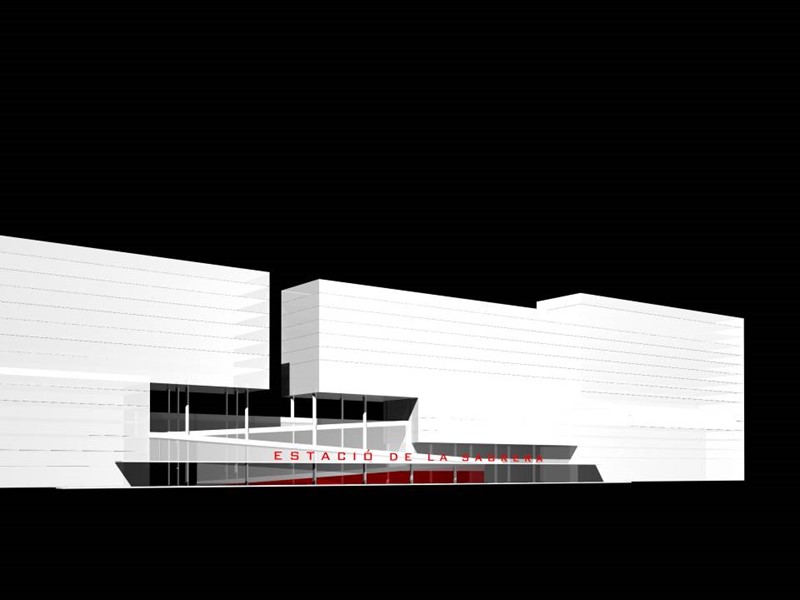
Sants station’s square. New project
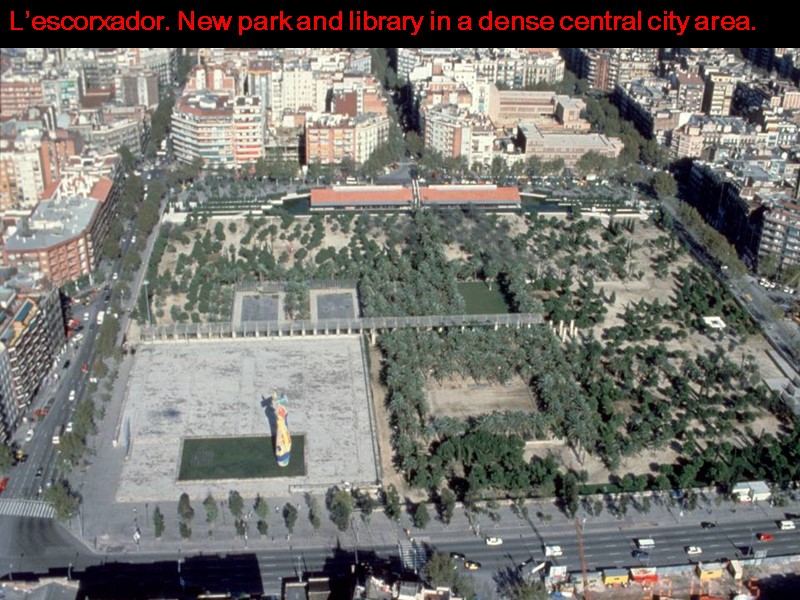
L’escorxador. New park and library in a dense central city area.
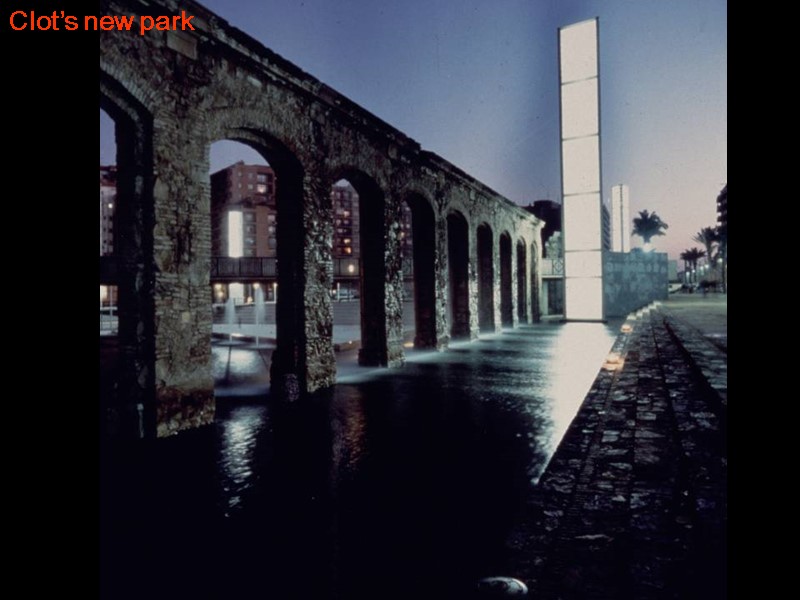
Clot’s new park
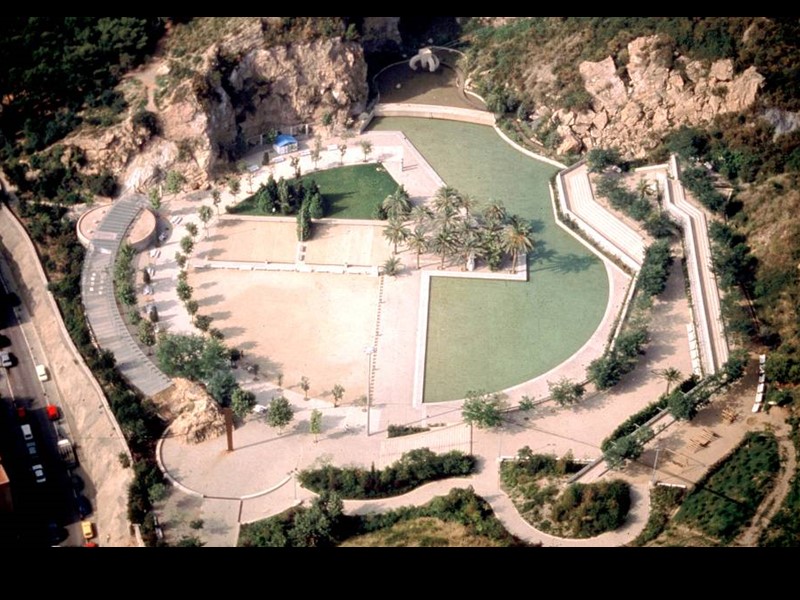
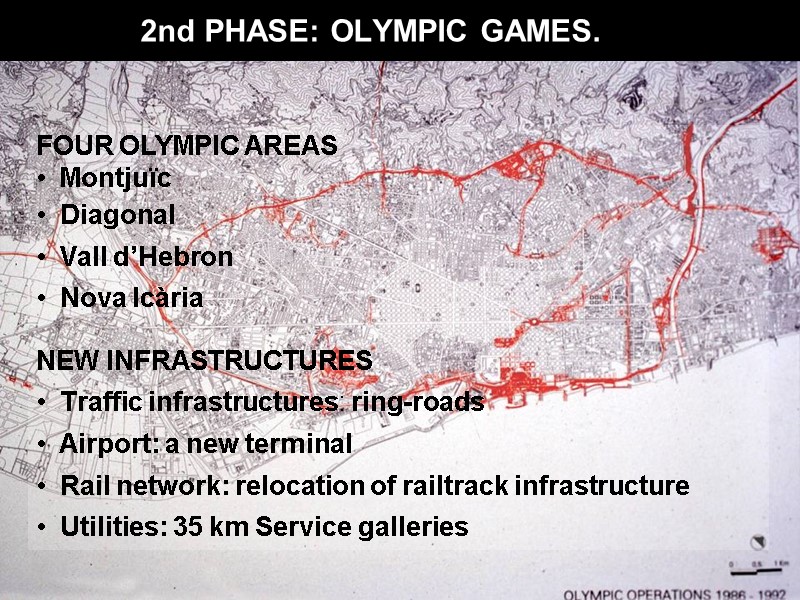
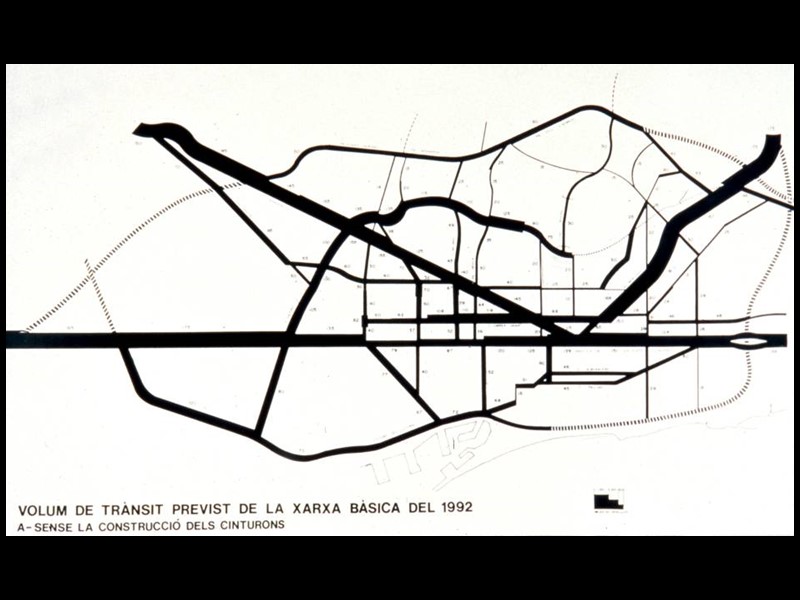
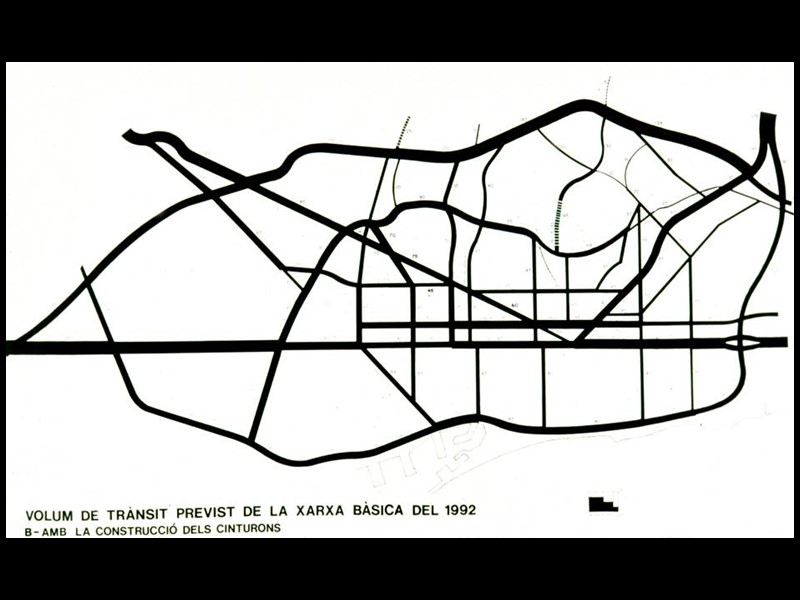
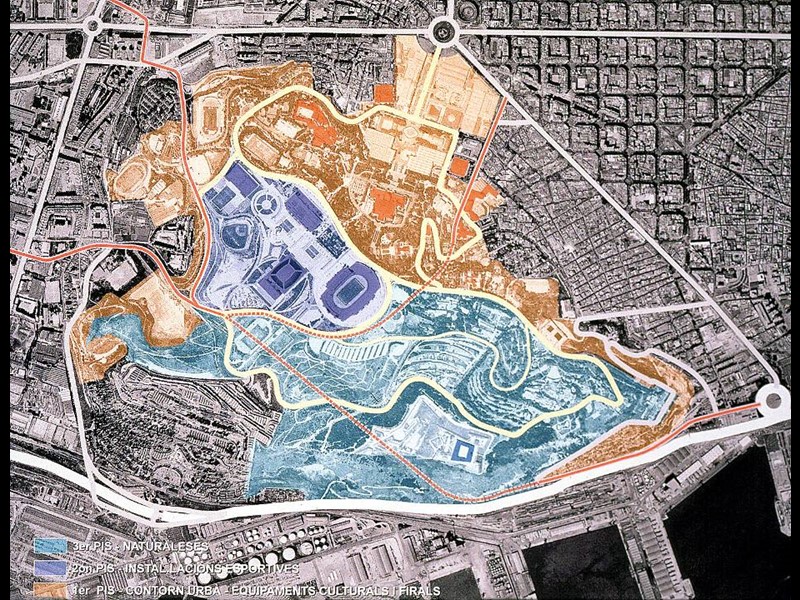
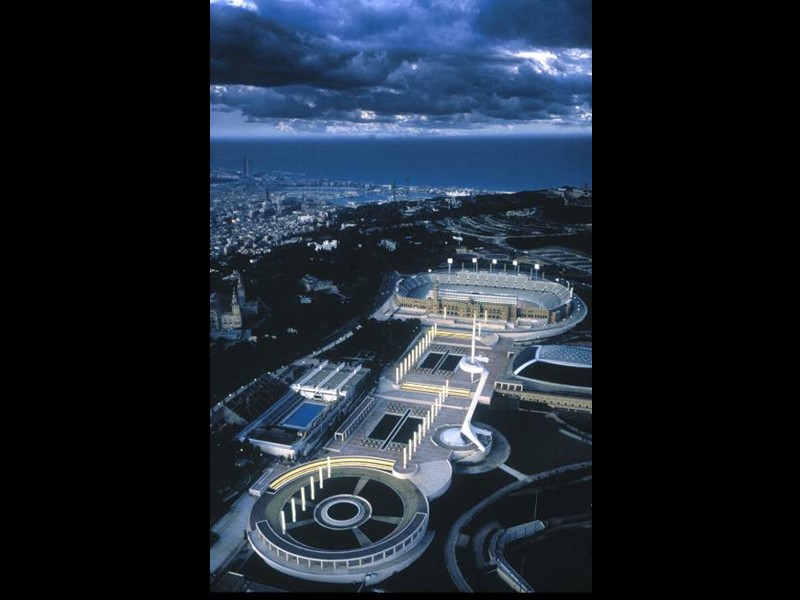
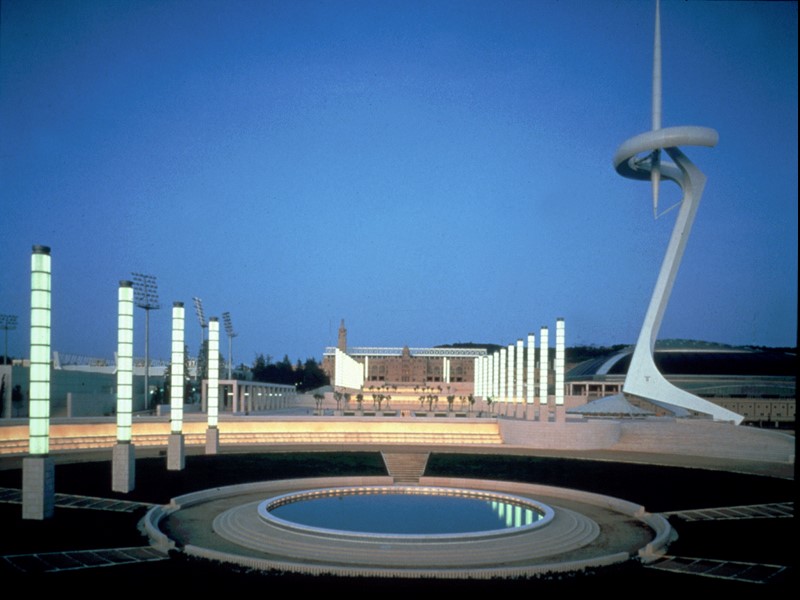
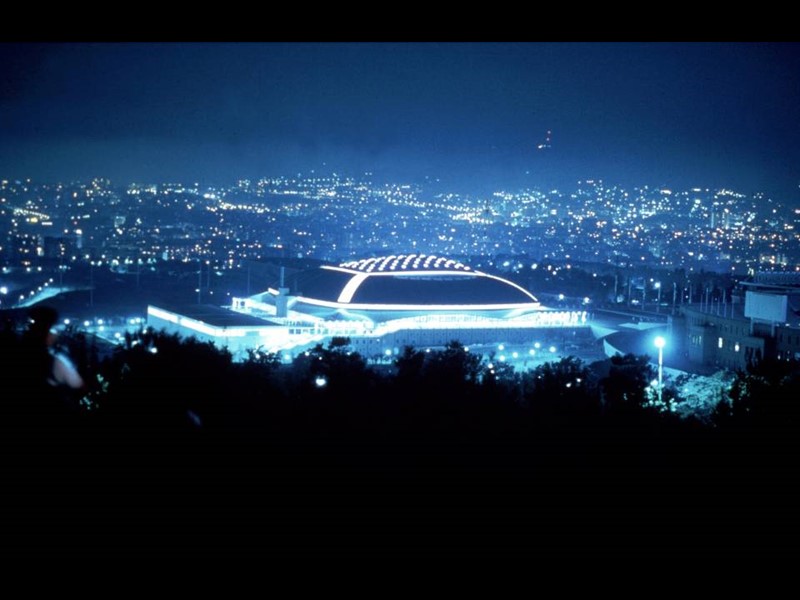
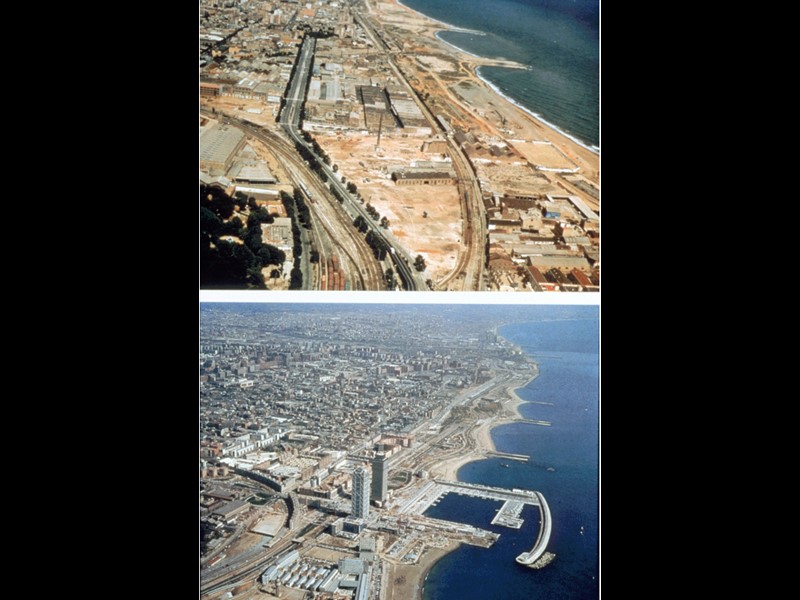
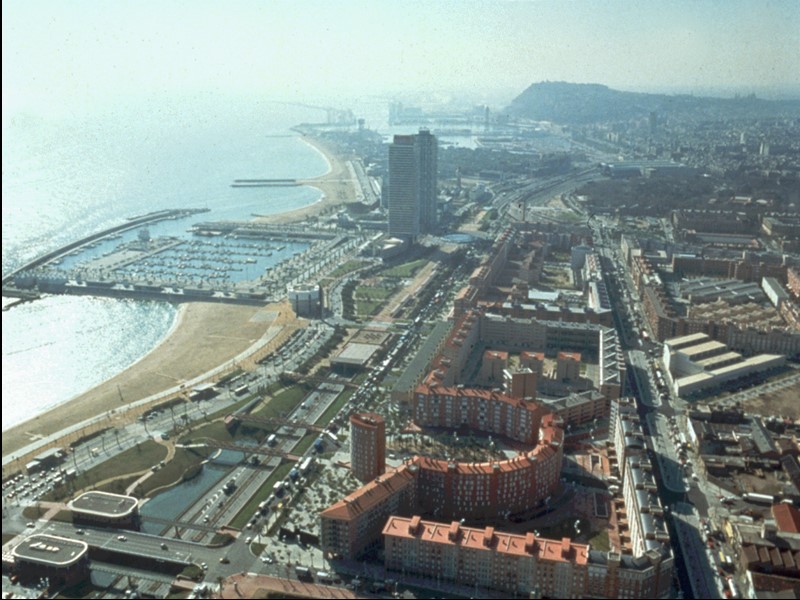
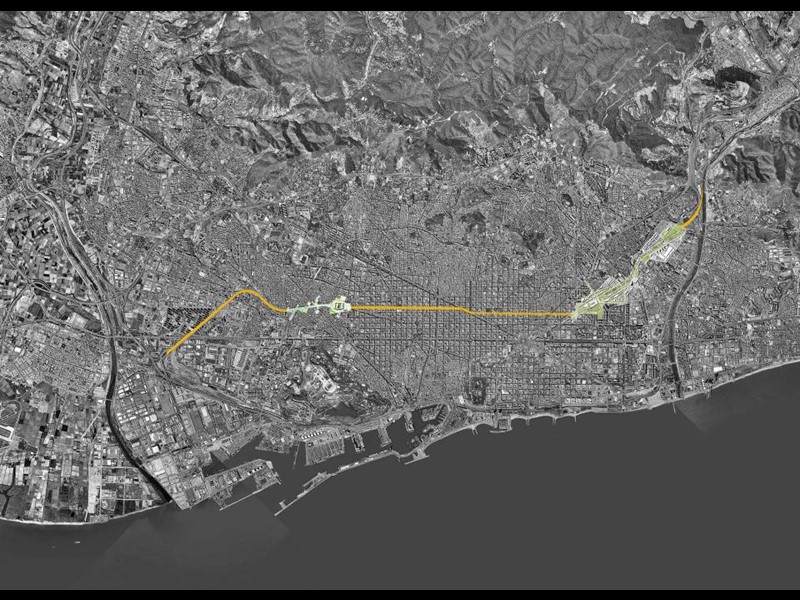
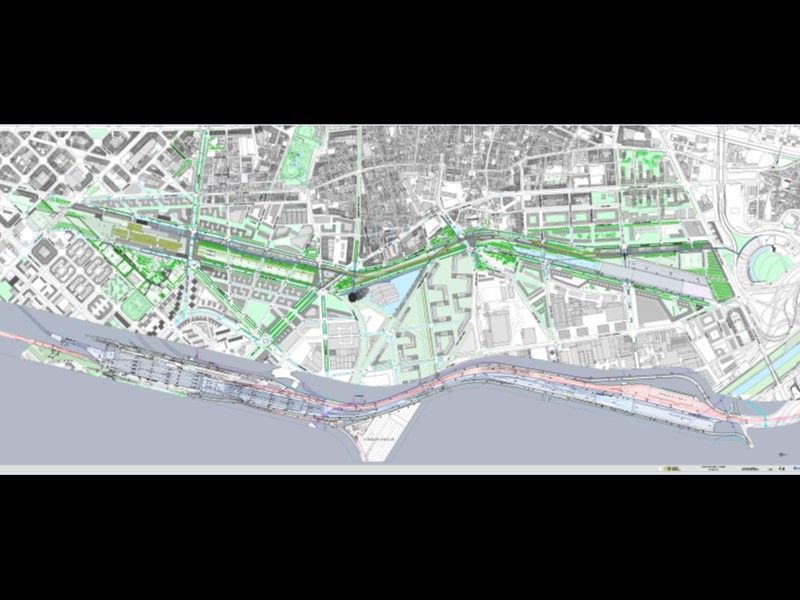
FOUR OLYMPIC AREAS Montjuïc Diagonal Vall d’Hebron Nova Icària NEW INFRASTRUCTURES Traffic infrastructures: ring-roads Airport: a new terminal Rail network: relocation of railtrack infrastructure Utilities: 35 km Service galleries 2nd PHASE: OLYMPIC GAMES.
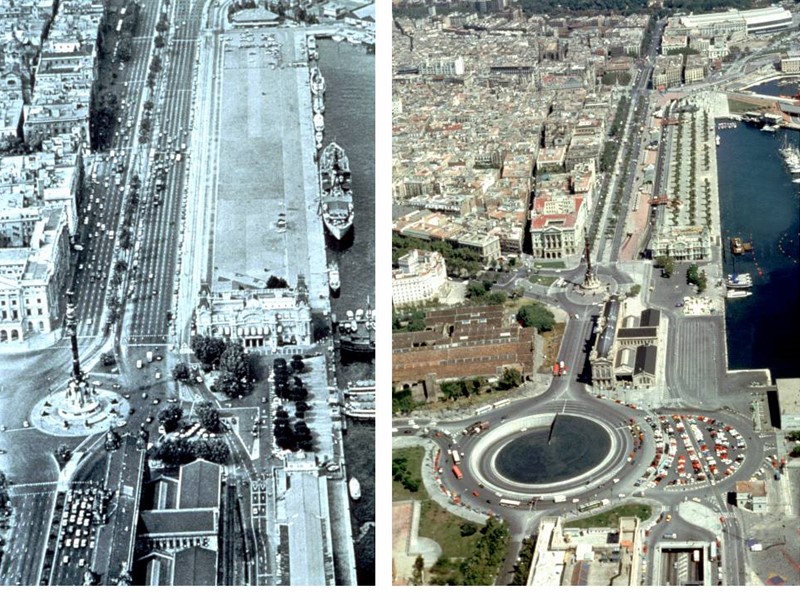
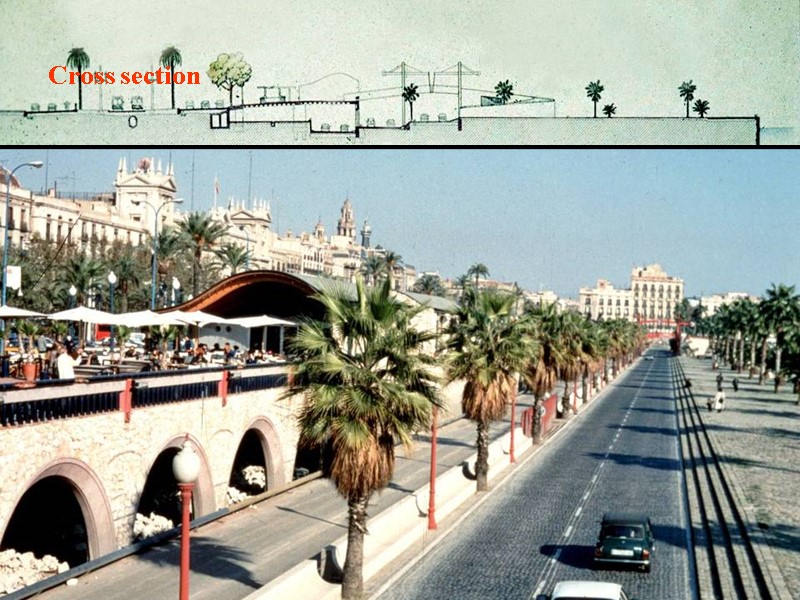
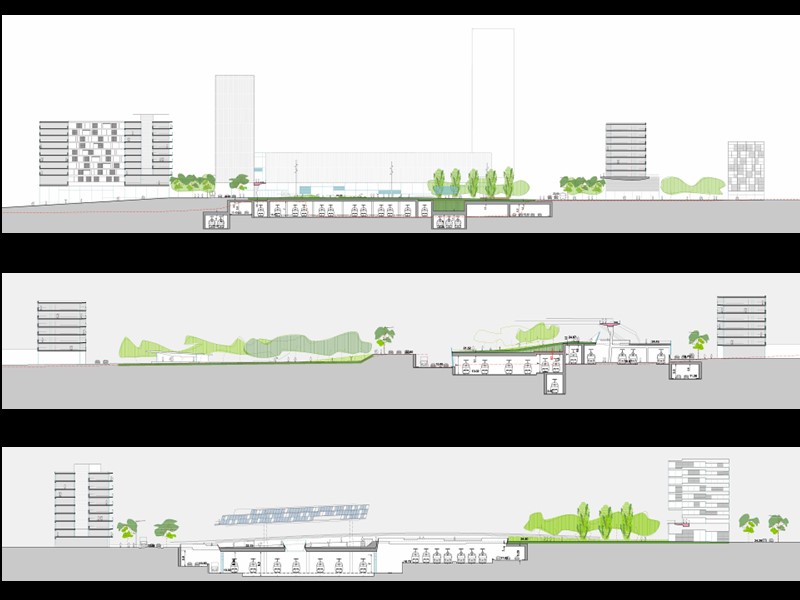
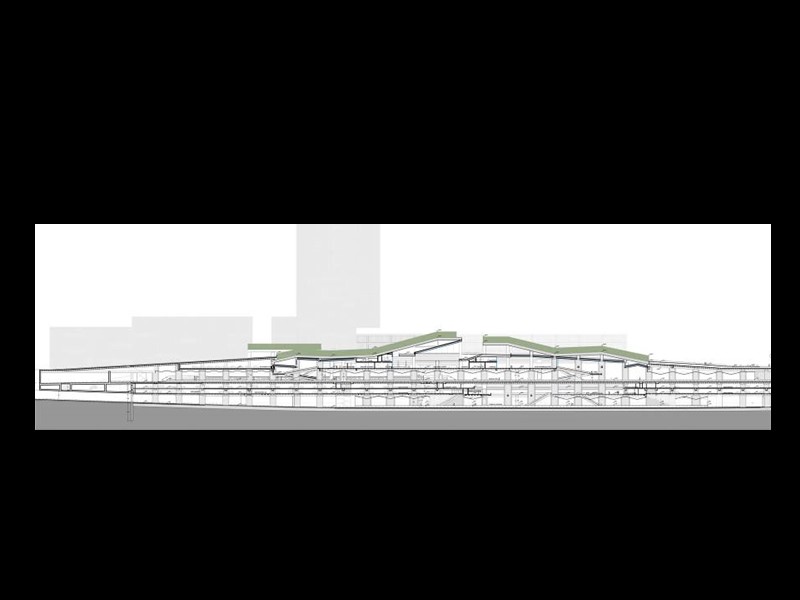
Cross section
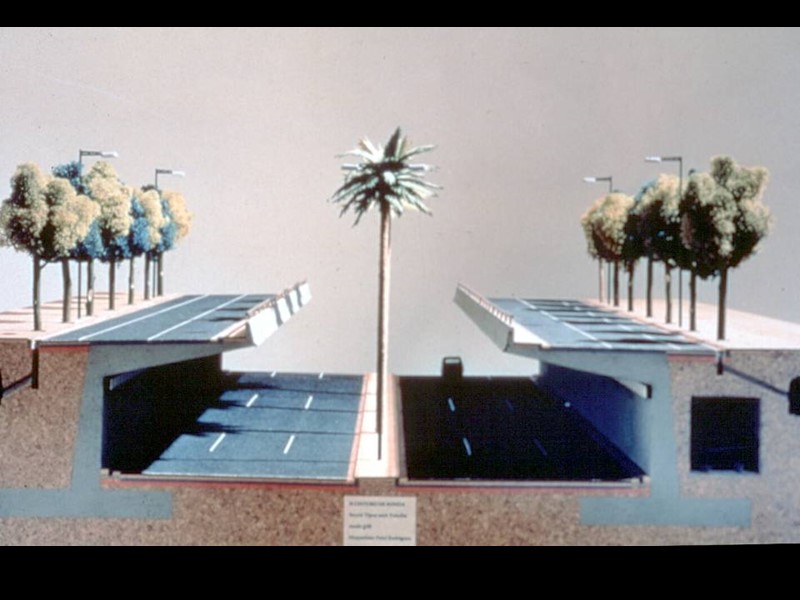
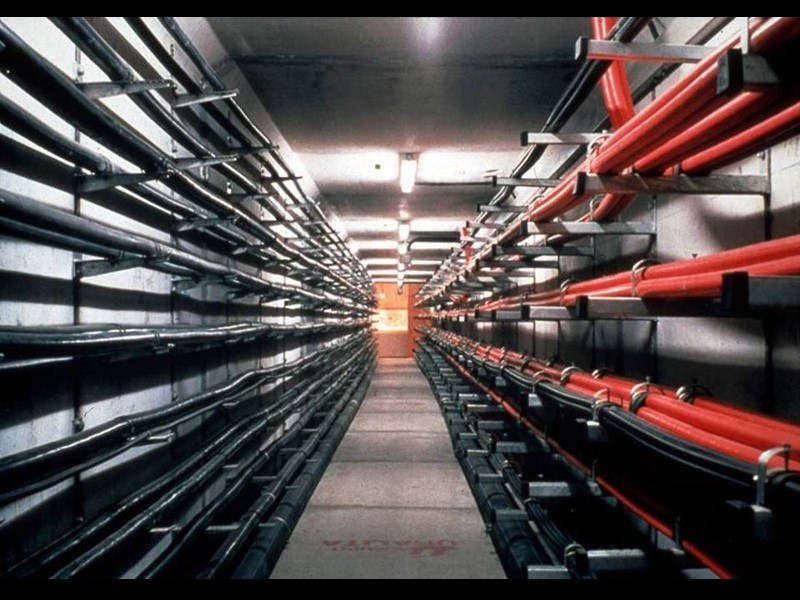
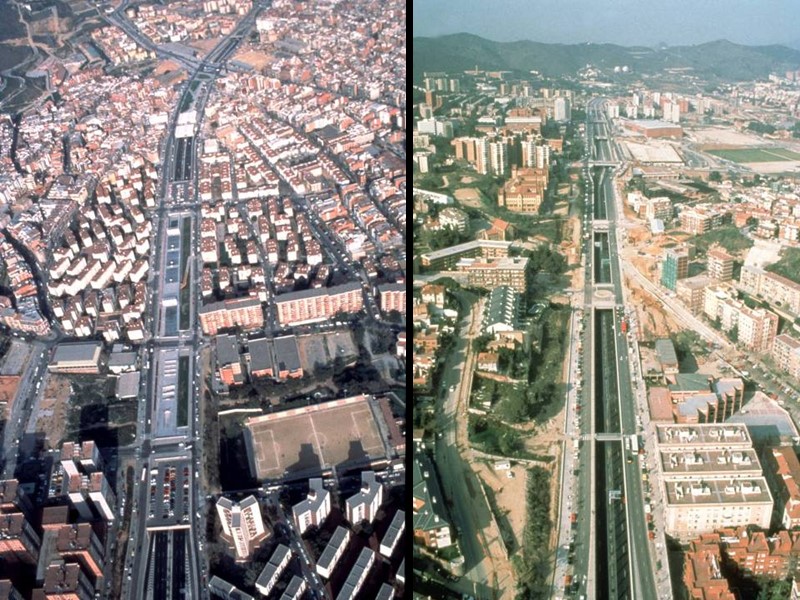

The new infrastructures, more intangibles, with almost no physical support, do not so harshly impact the land. Its easy development allows to functionally optimize old territories. Every program is possible in every site. Isotropy
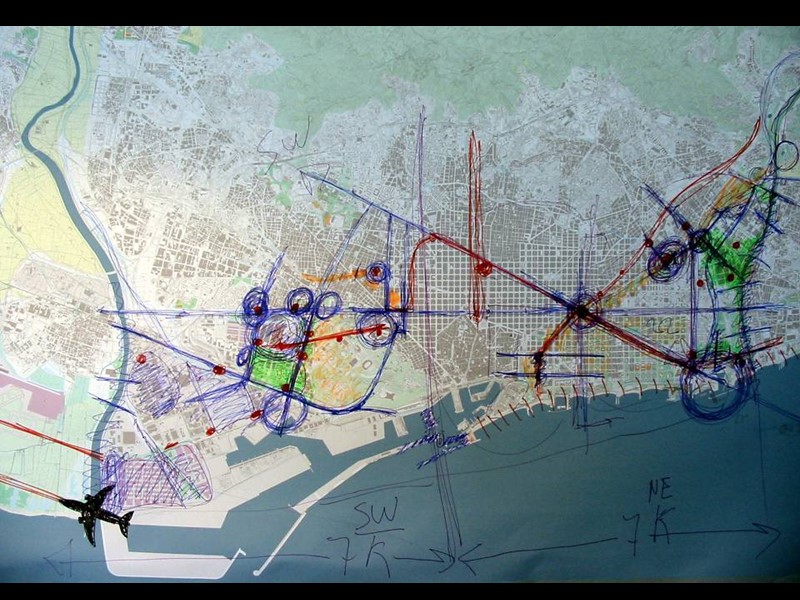
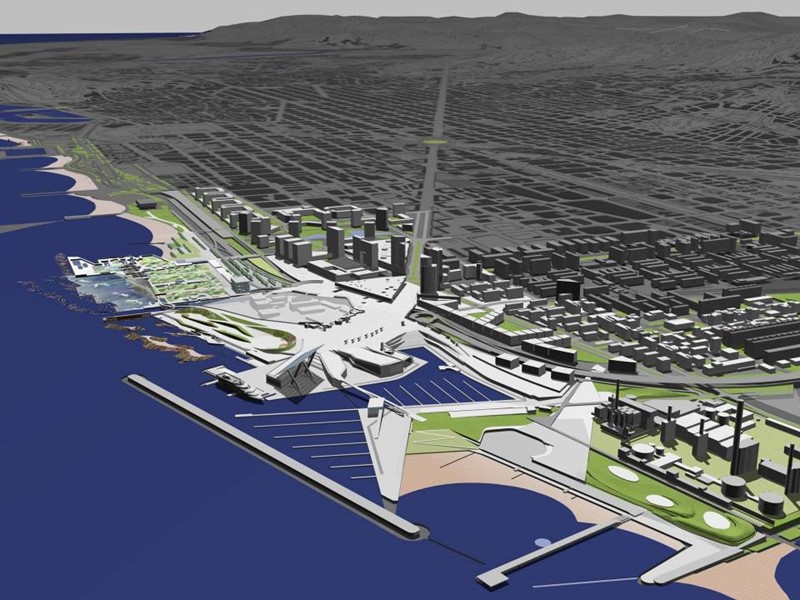
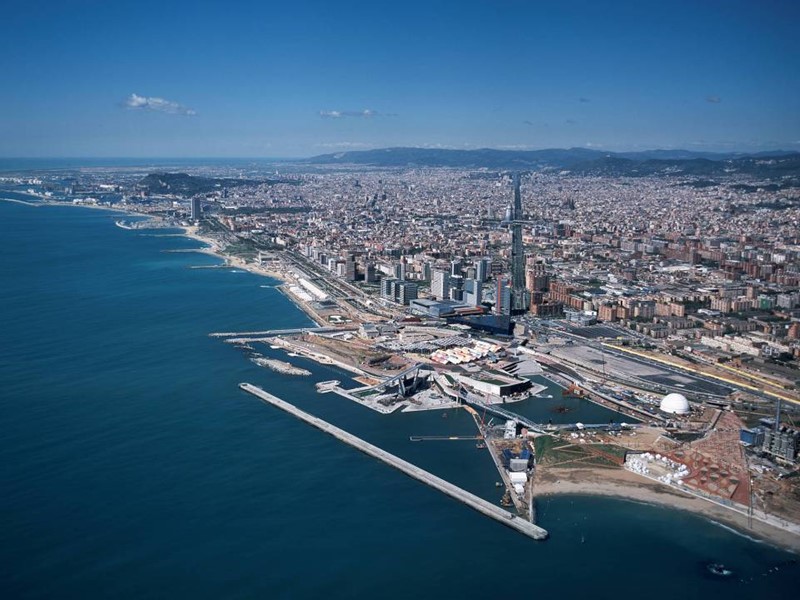
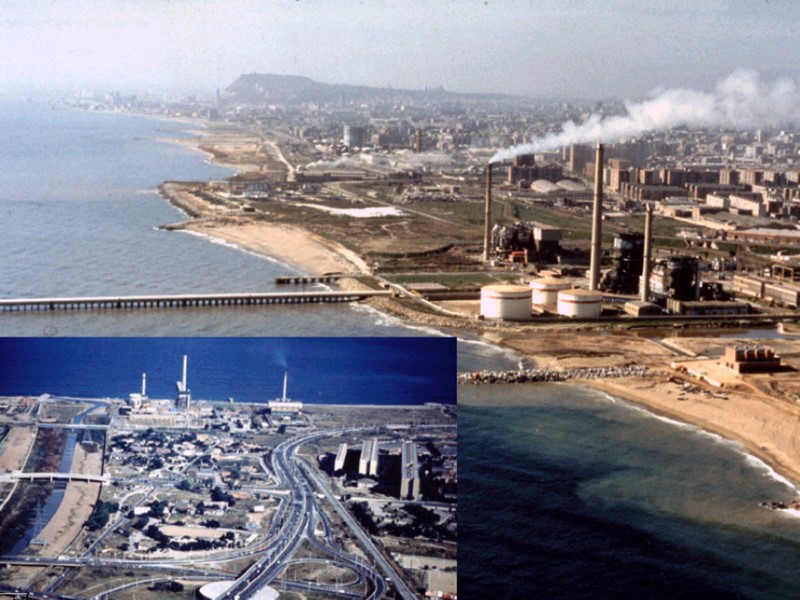
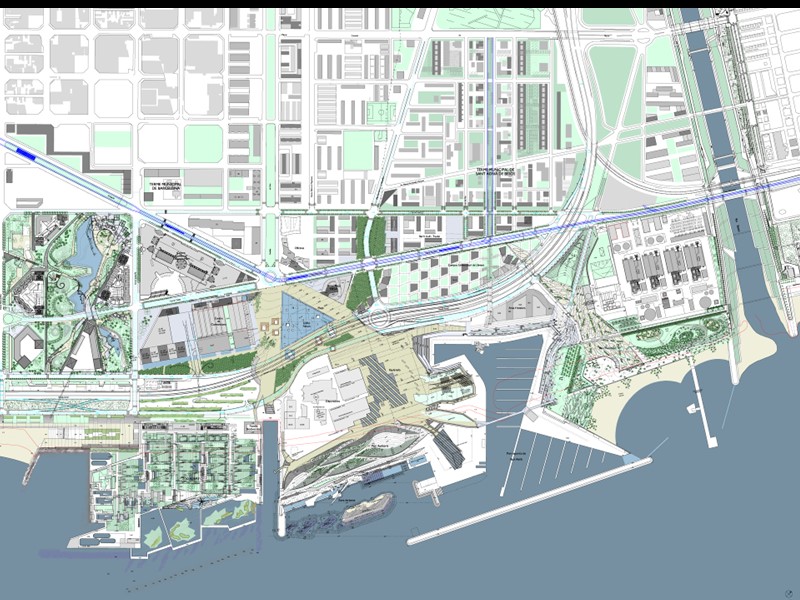
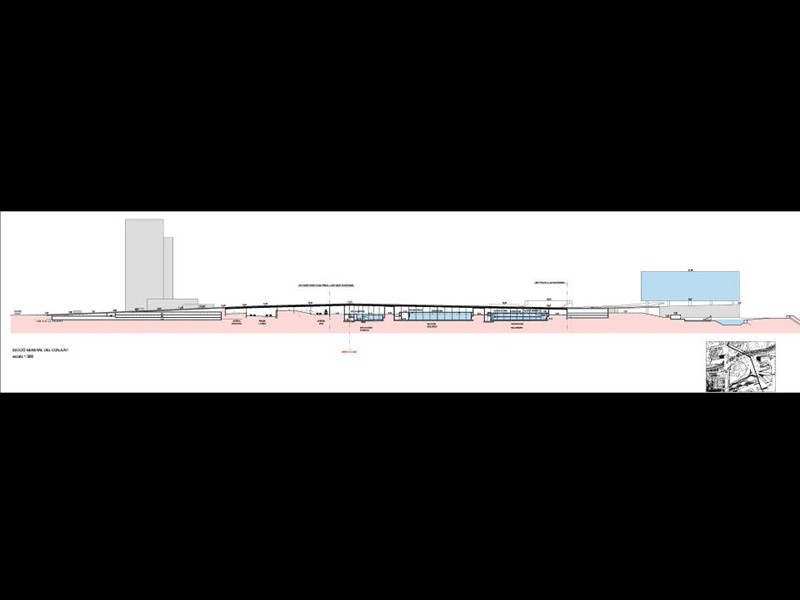
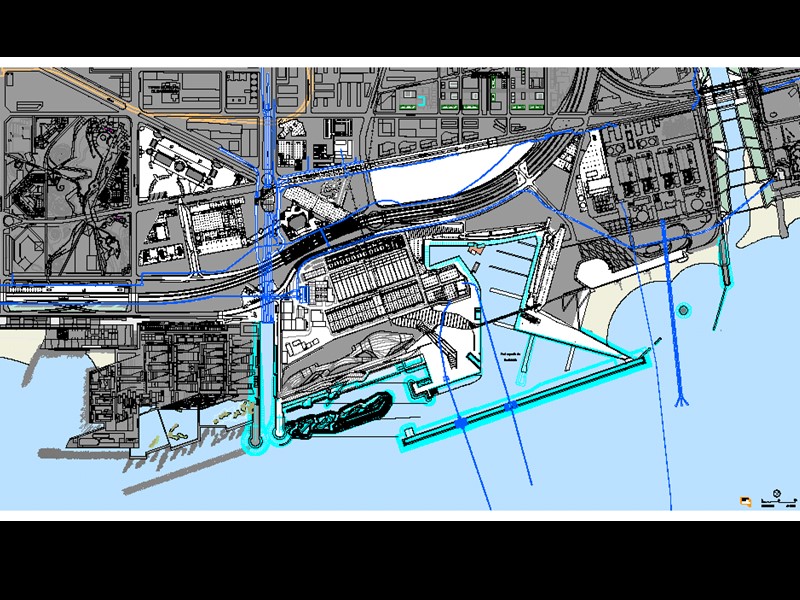
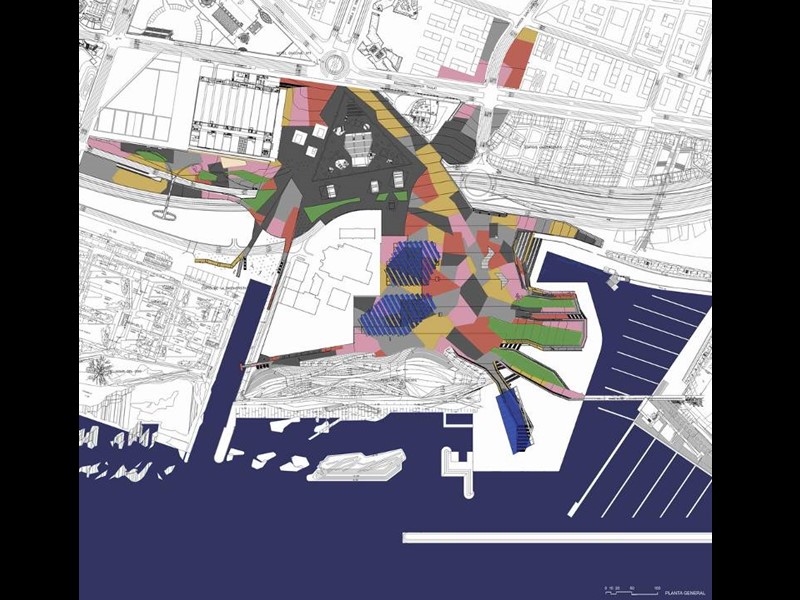
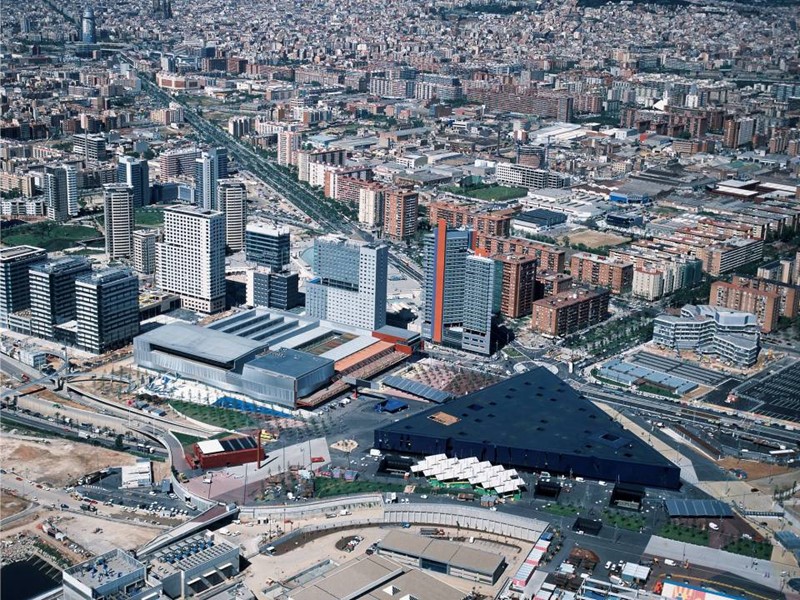
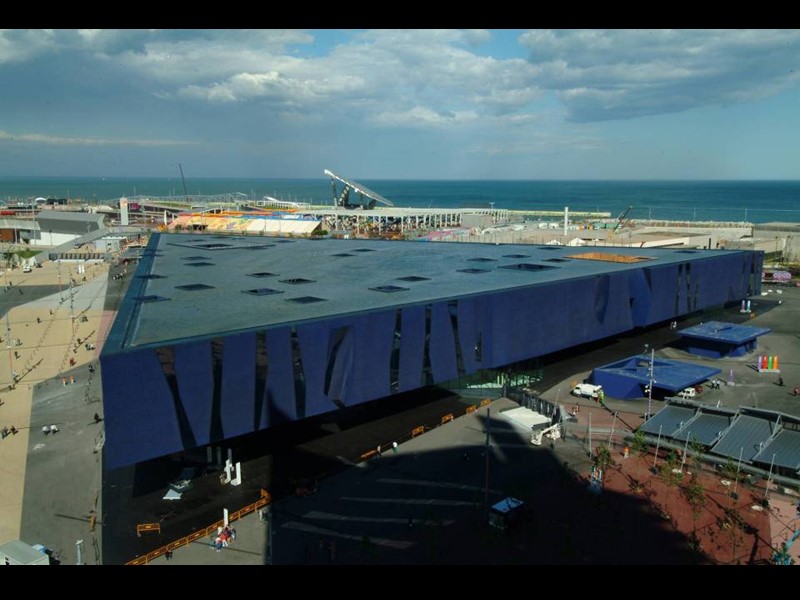
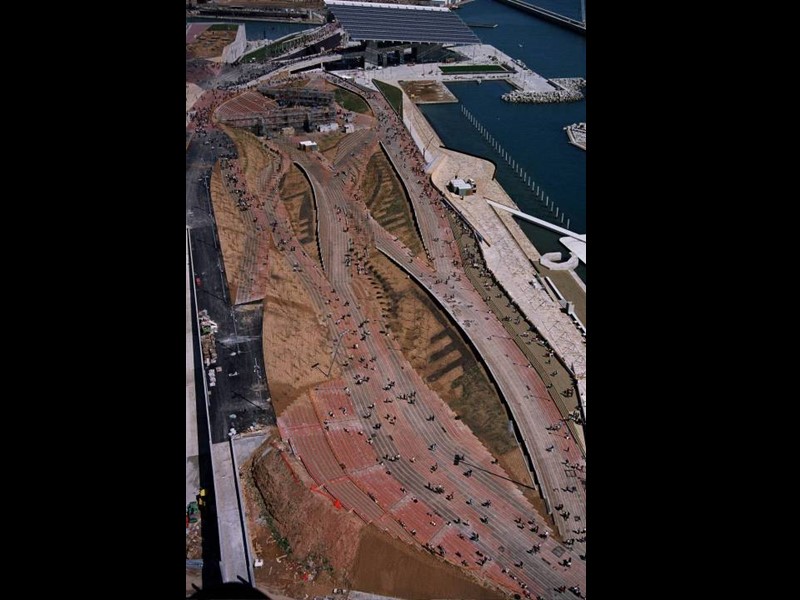
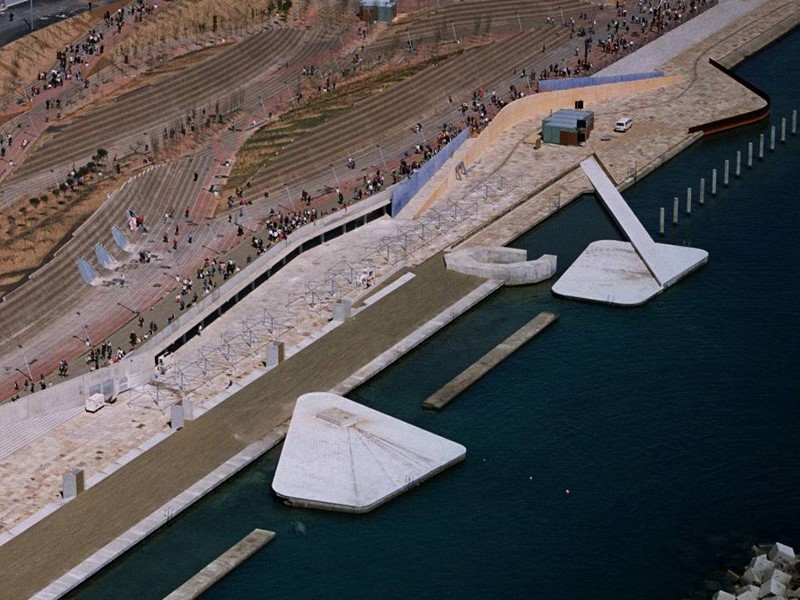
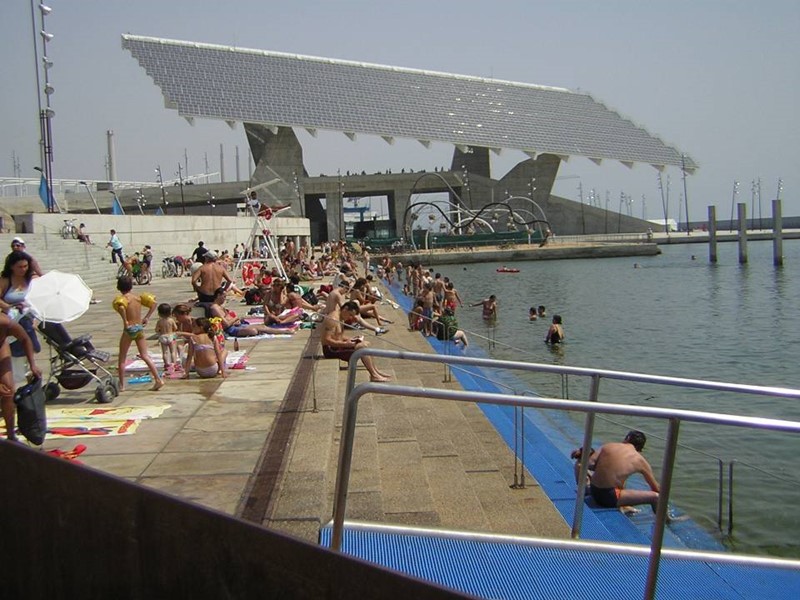
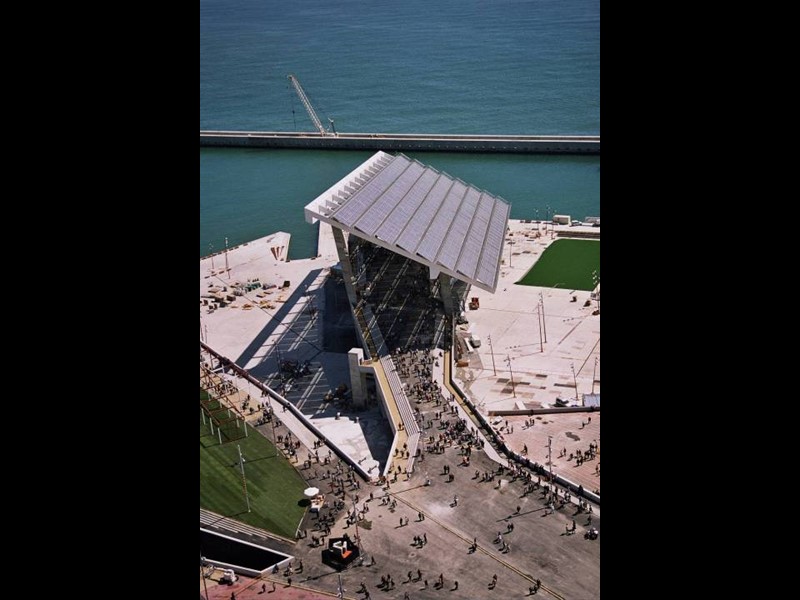
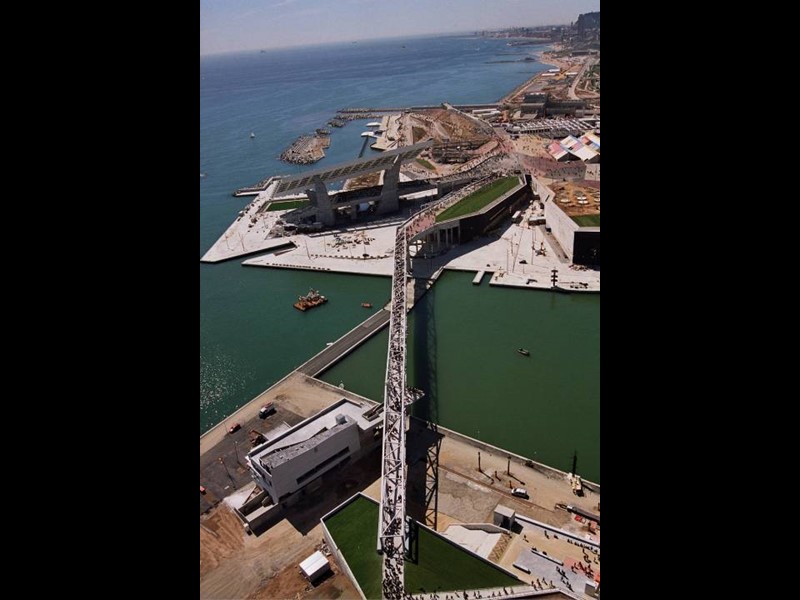
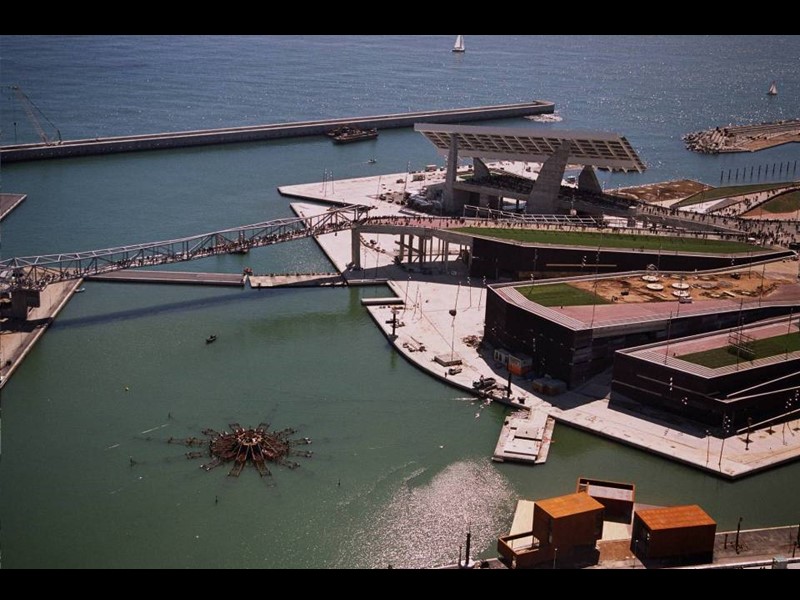
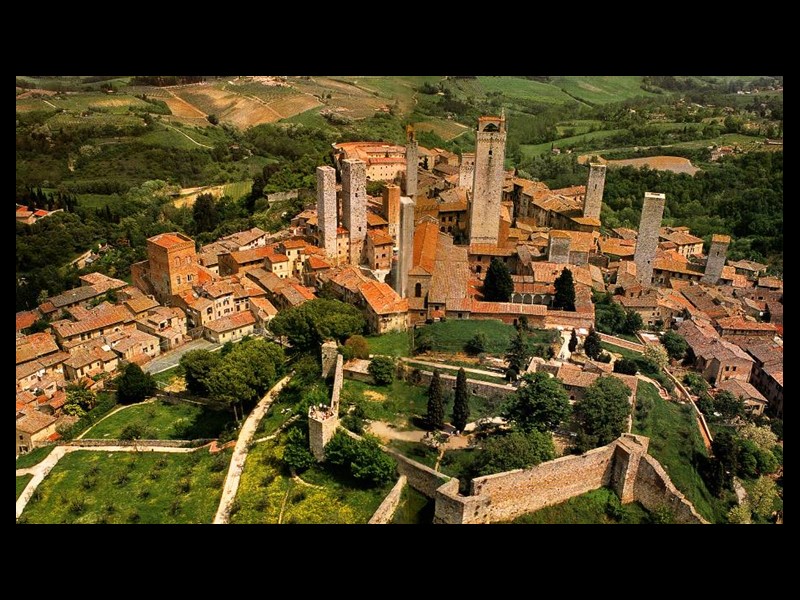
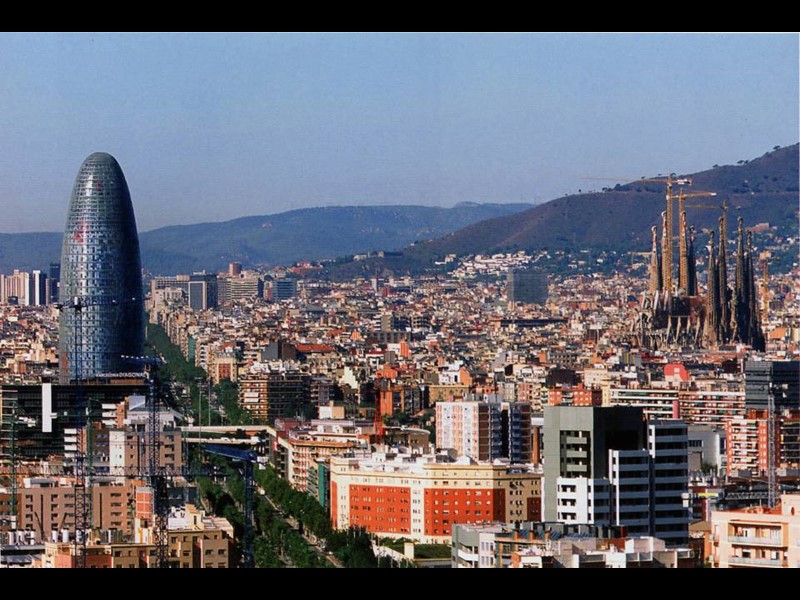
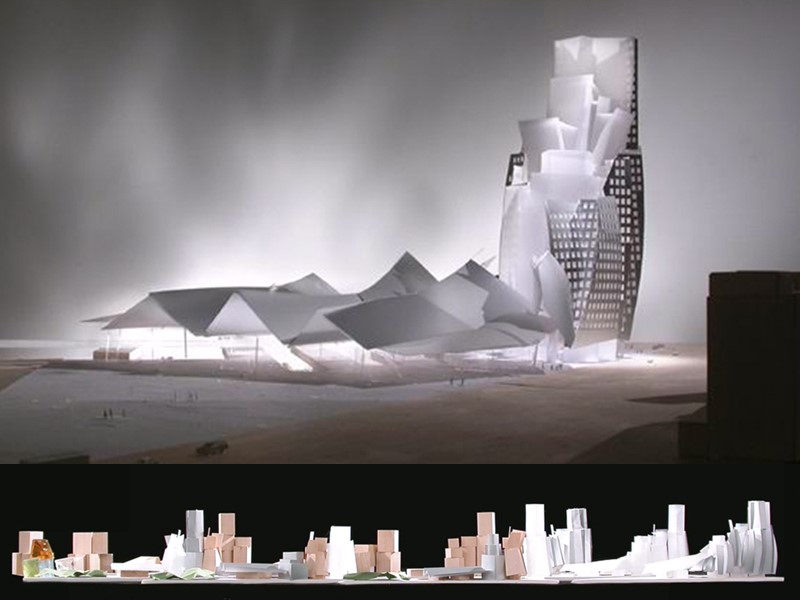
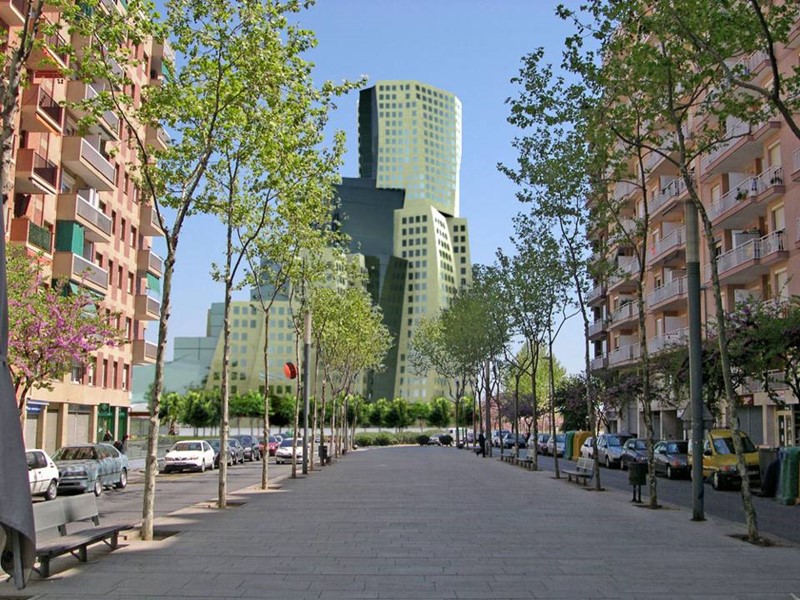
Verticality.. & waterscape The tower buildings as power symbols. They can contribute to clarify the urban identity and moreover they enlarge the typological repertoire.
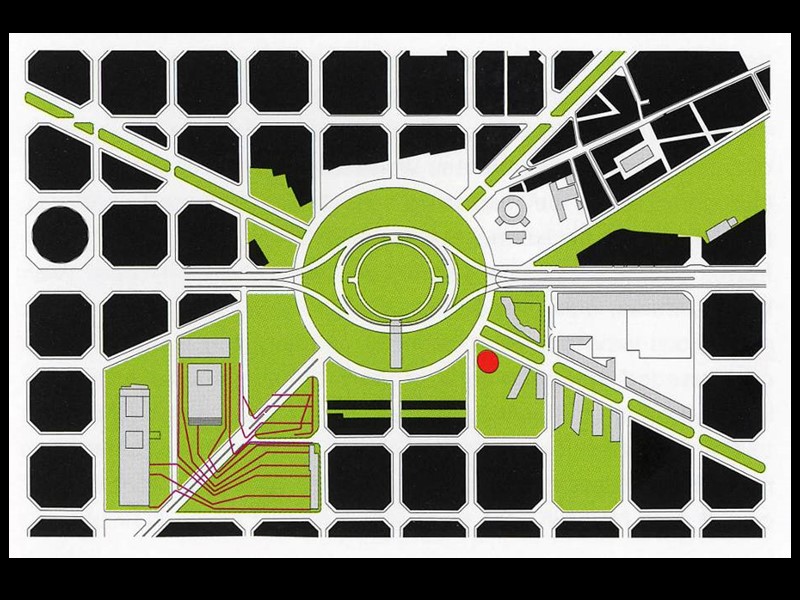
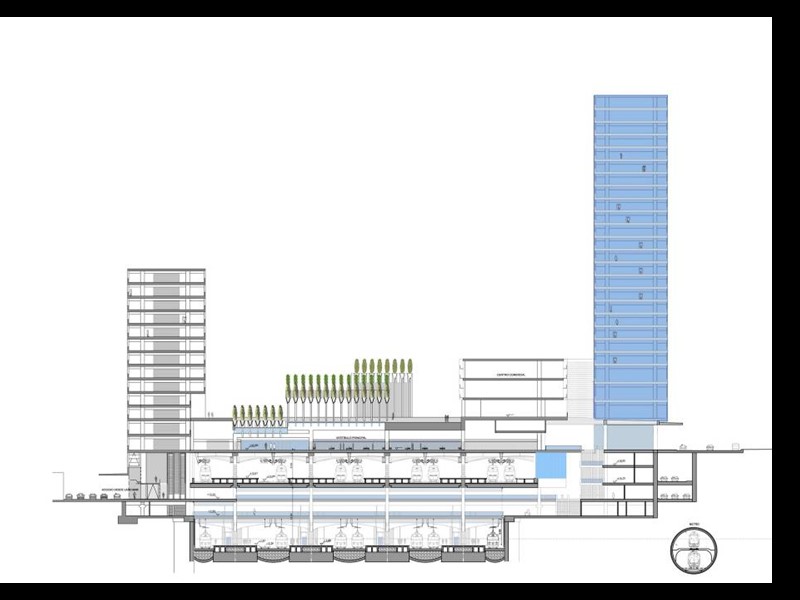
Hybrid programs In front of the functional specificity of the space in the industrial era, the neotertiary offers a higher functional complexity which implies the abandonment of the “zoning” and the superposition of different functions (hybrid programs) in one building.
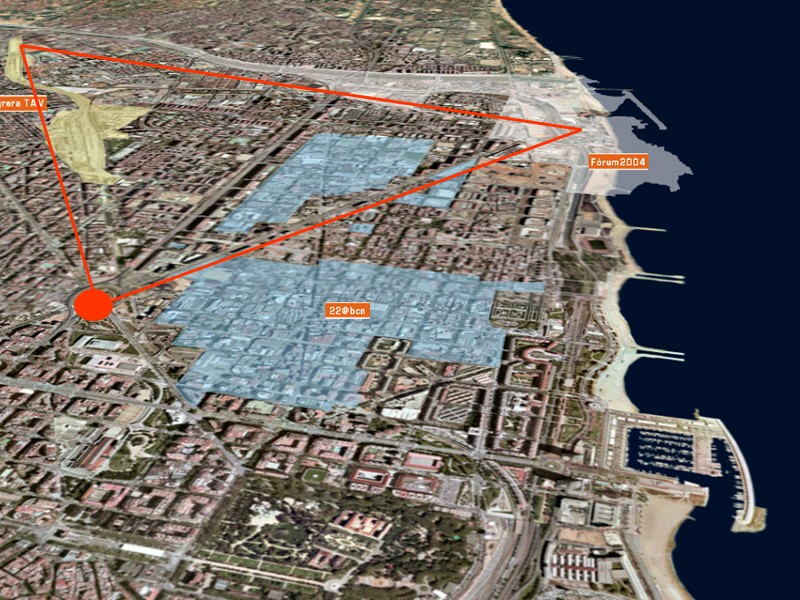
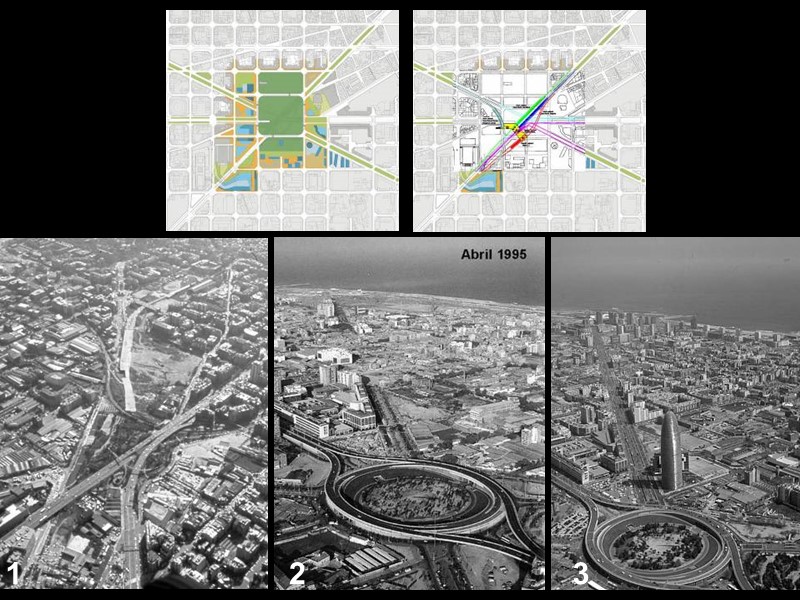
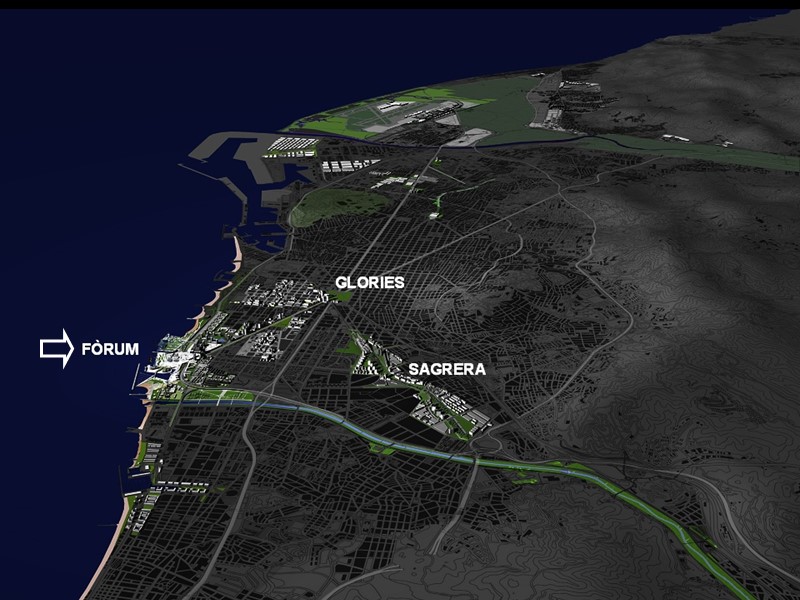
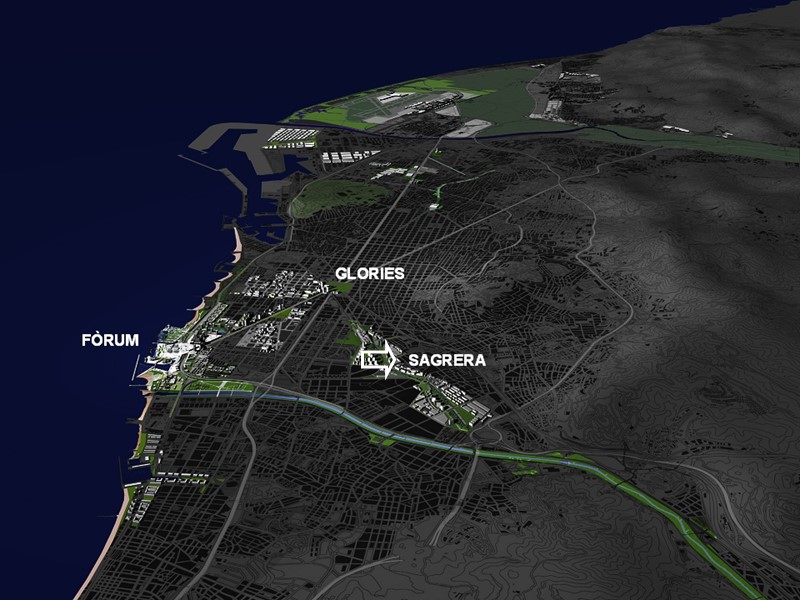
GLORIES- DIAGONAL 1 2 3
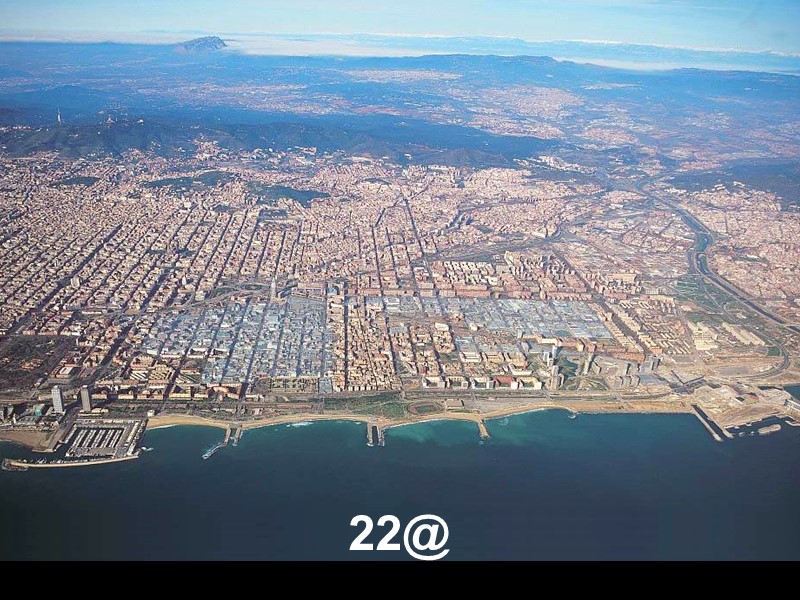
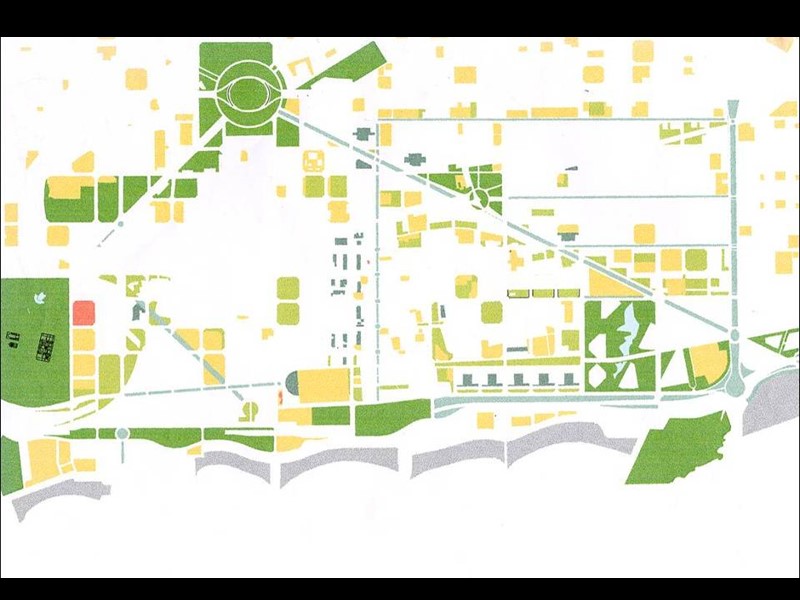
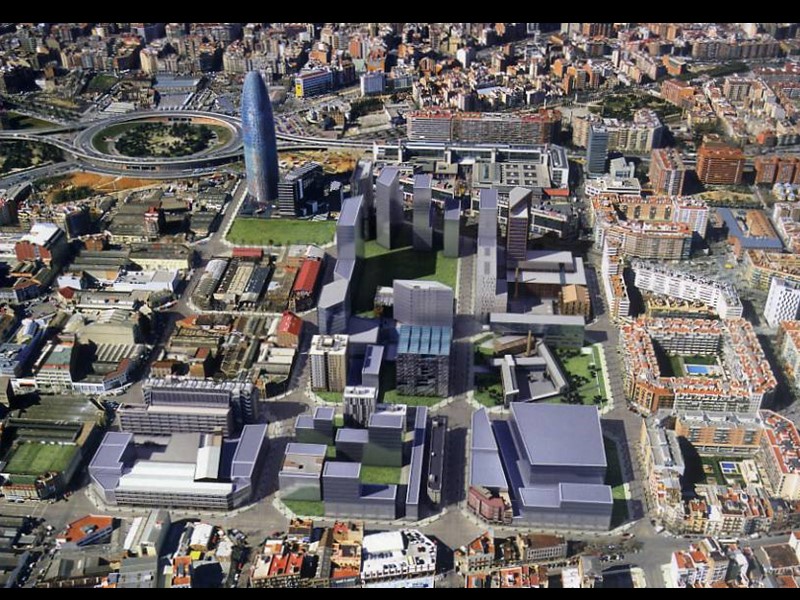
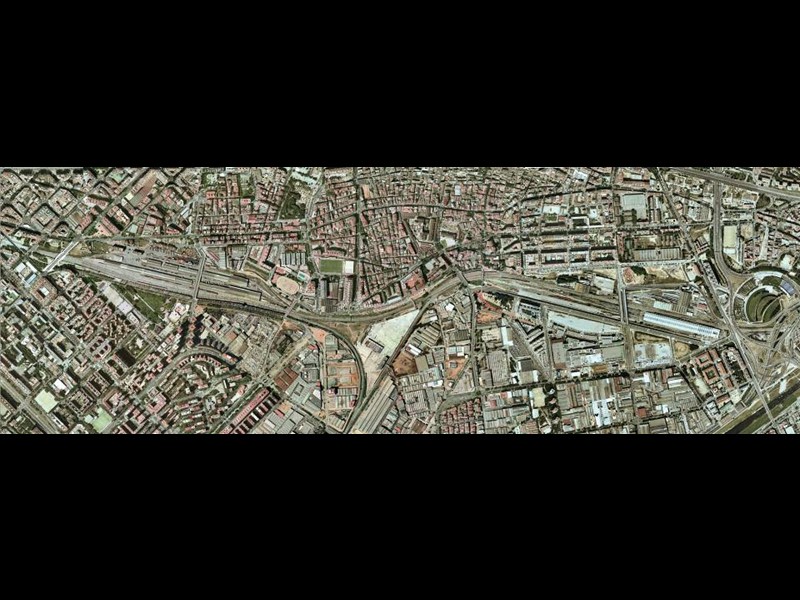
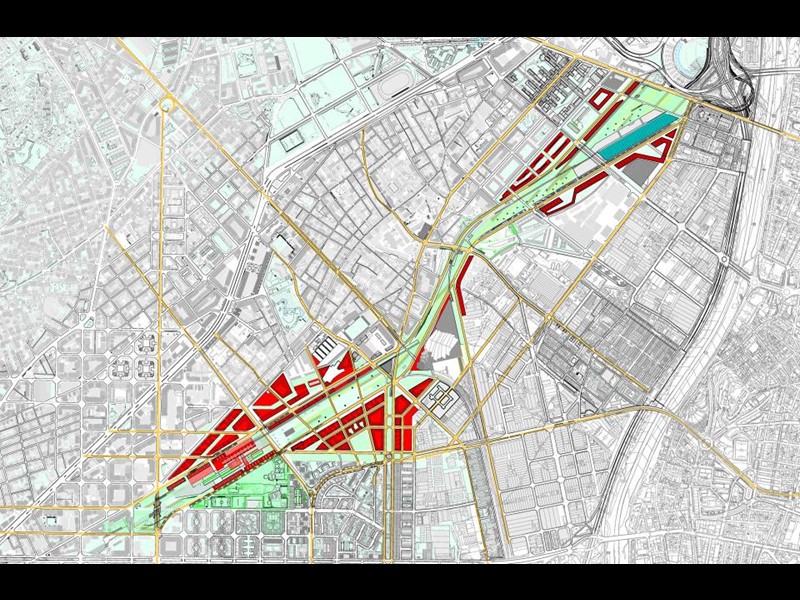
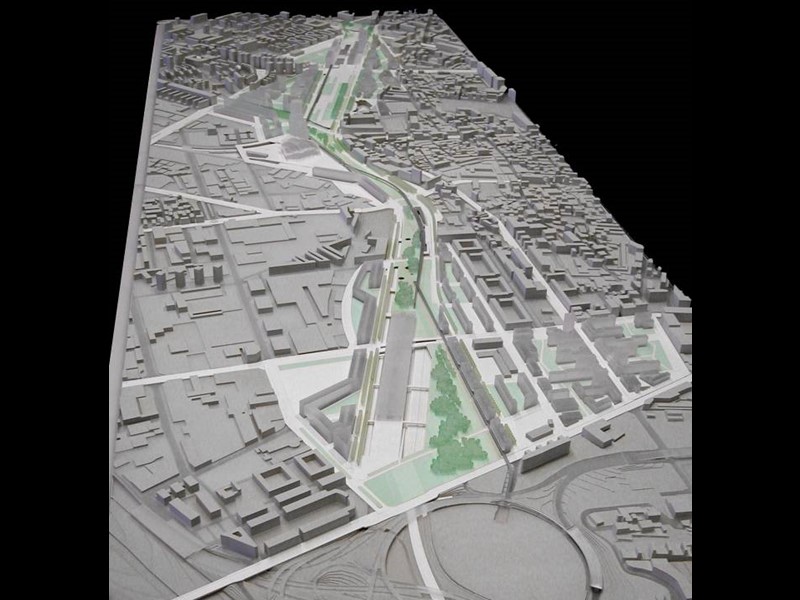
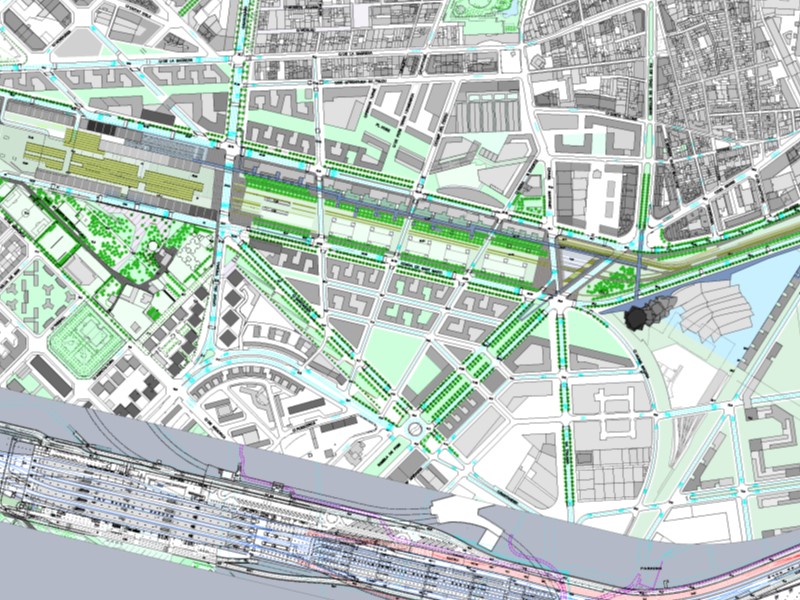
22@
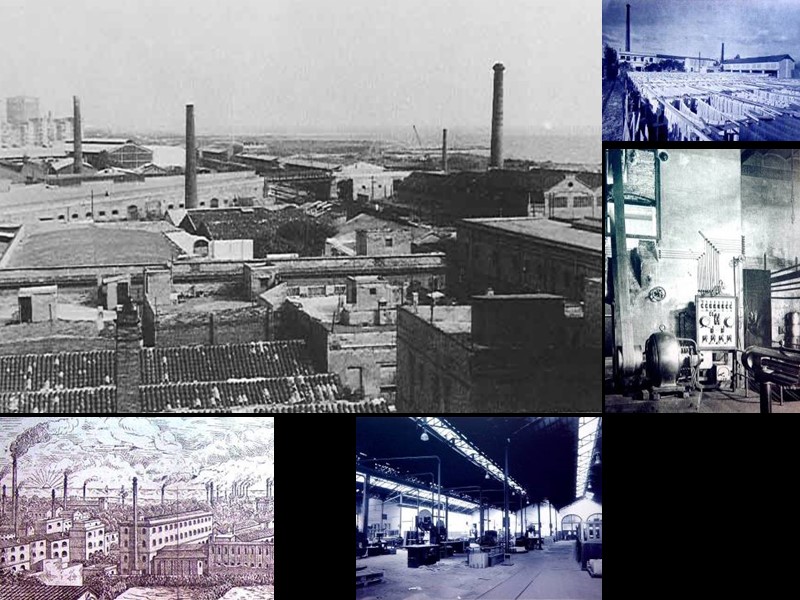
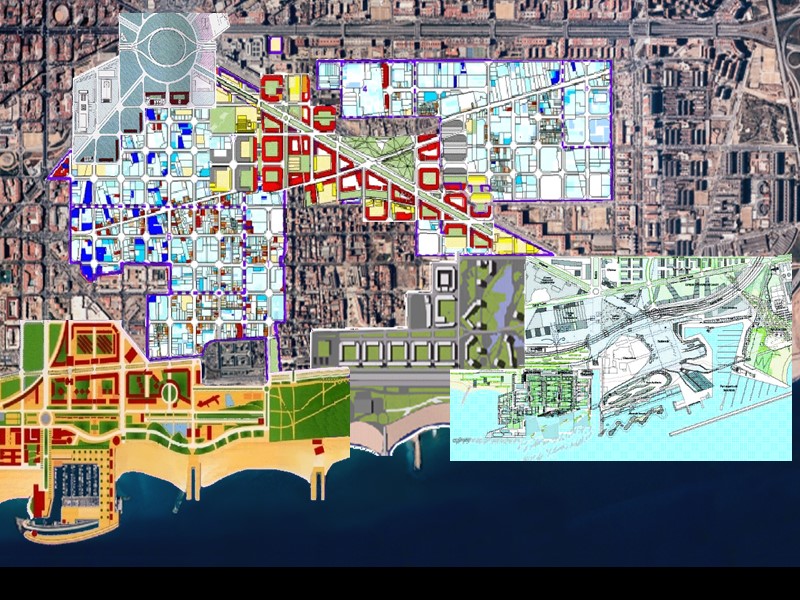
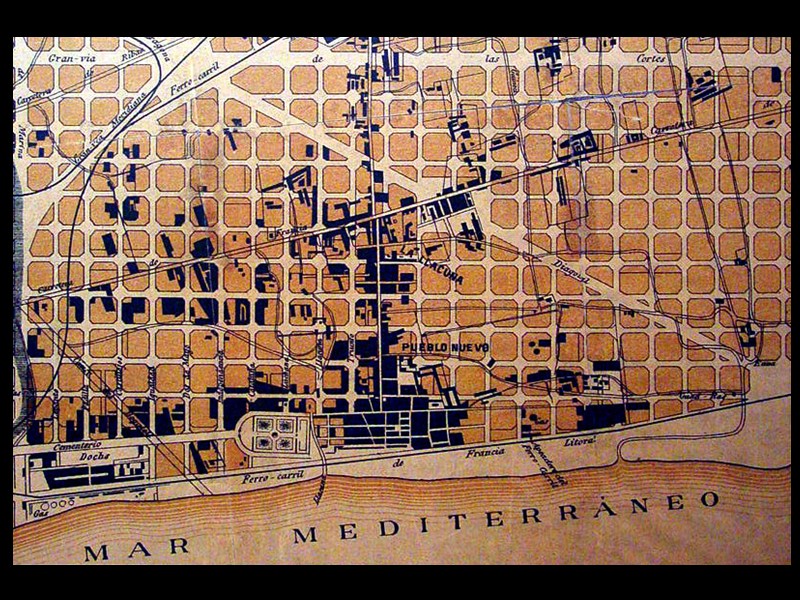
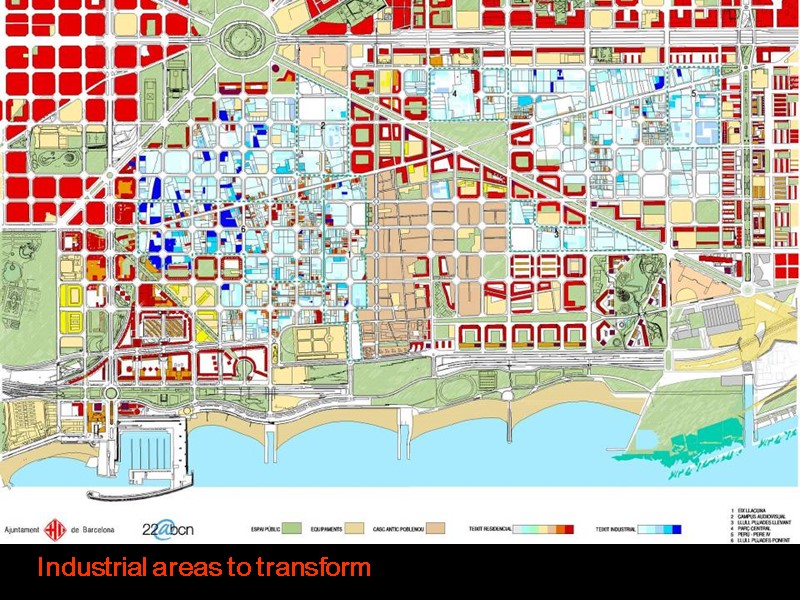
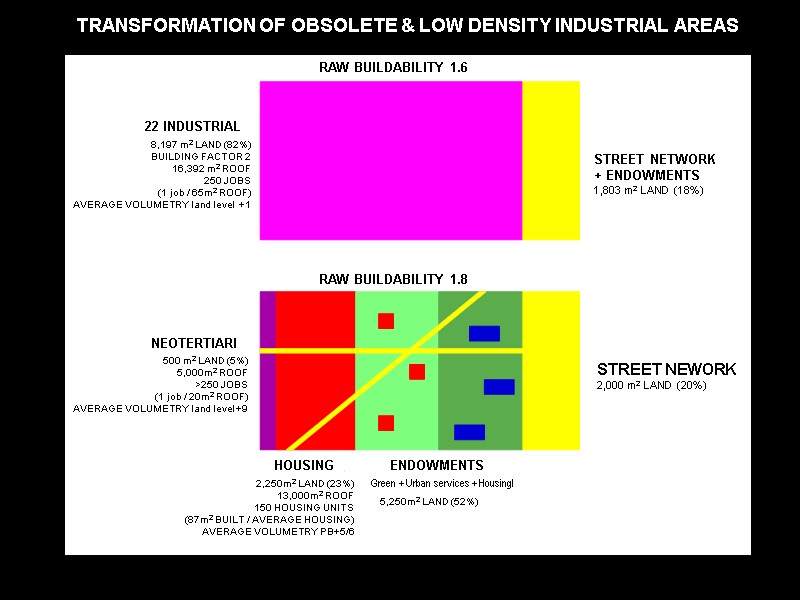
Industrial areas to transform
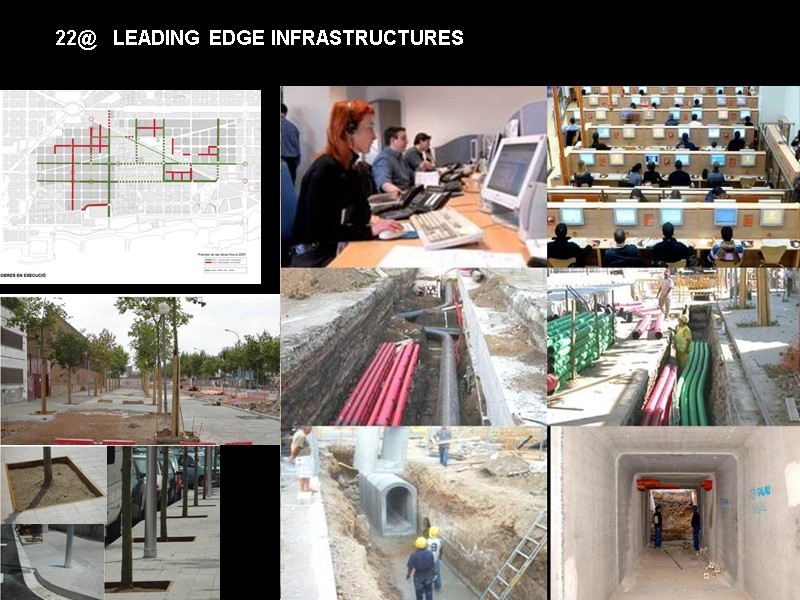
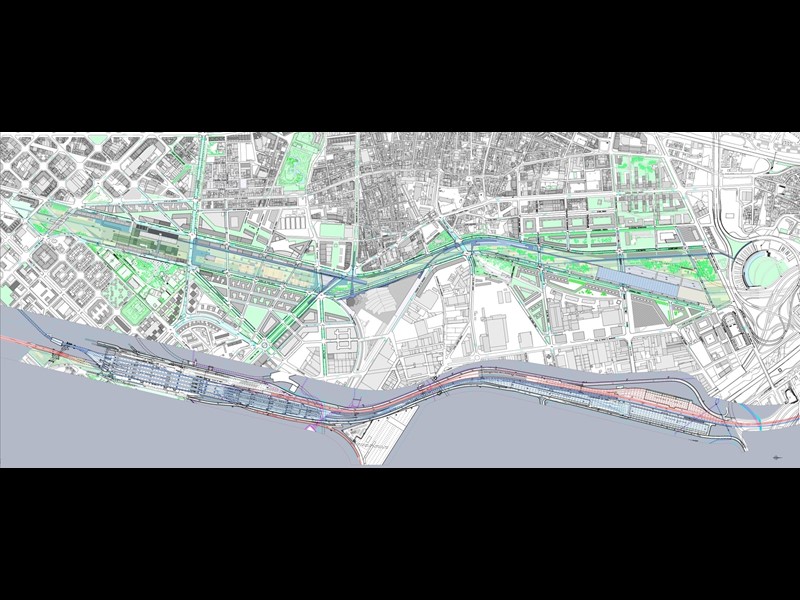
22@ LEADING EDGE INFRASTRUCTURES
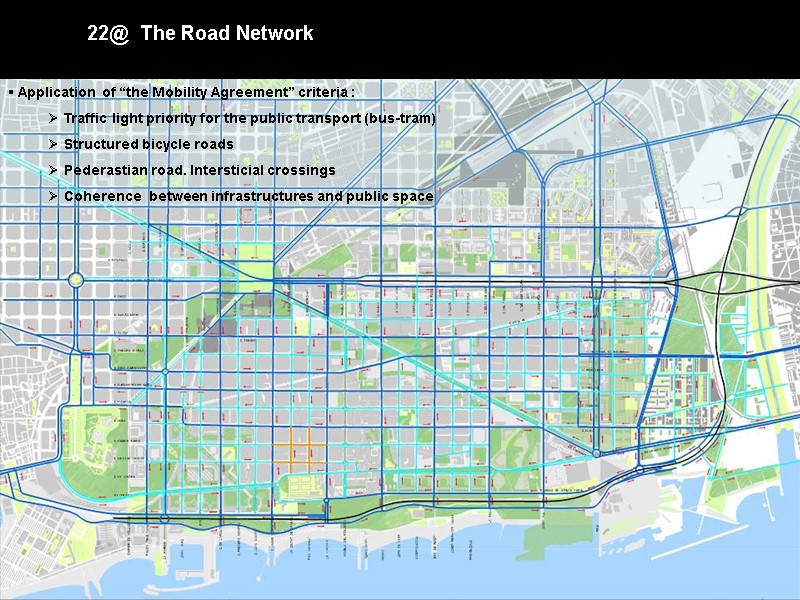
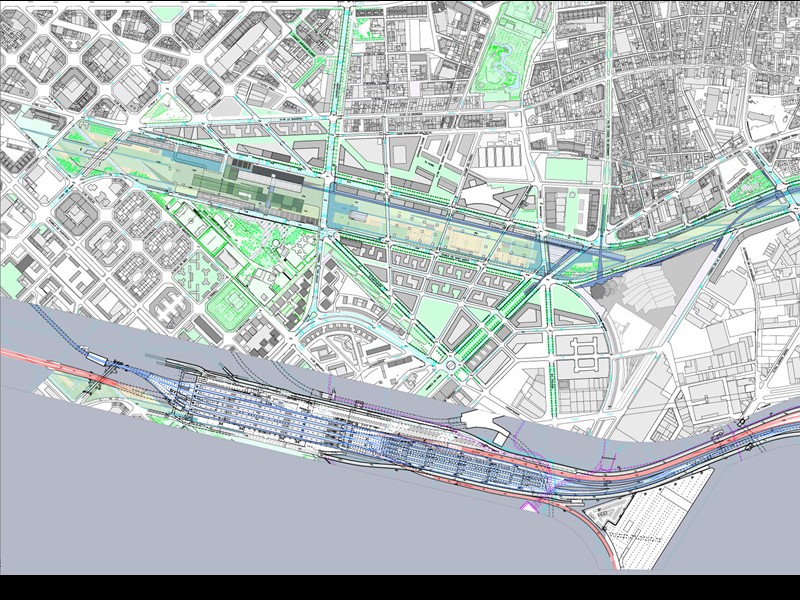
22@ The Road Network Application of “the Mobility Agreement” criteria : Traffic light priority for the public transport (bus-tram) Structured bicycle roads Pederastian road. Intersticial crossings Coherence between infrastructures and public space
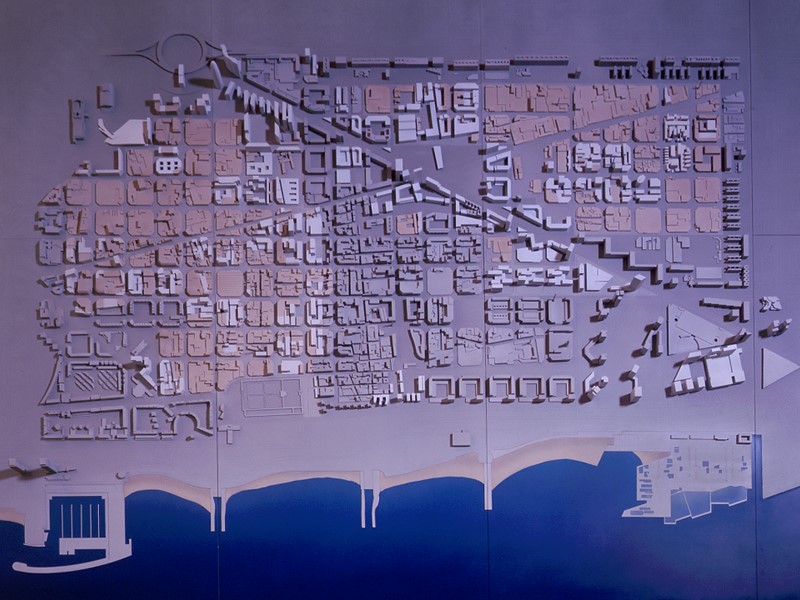
* Percentage points
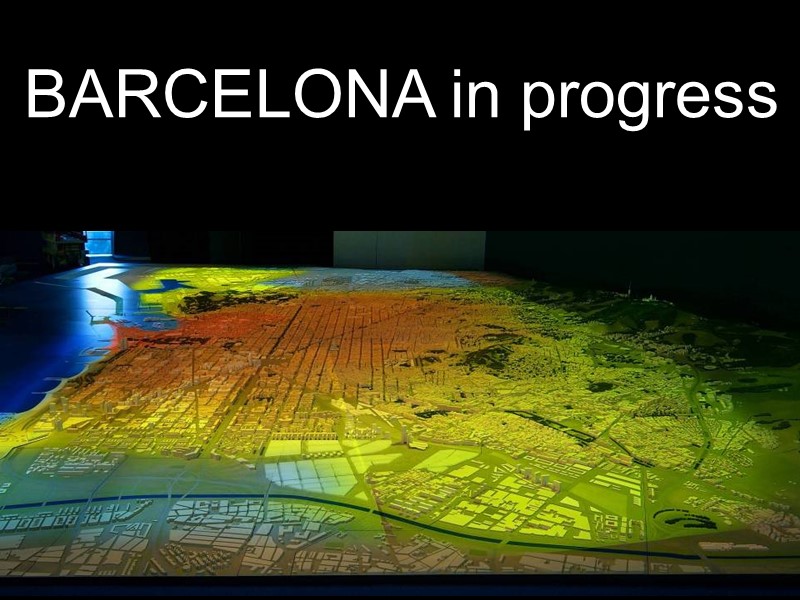
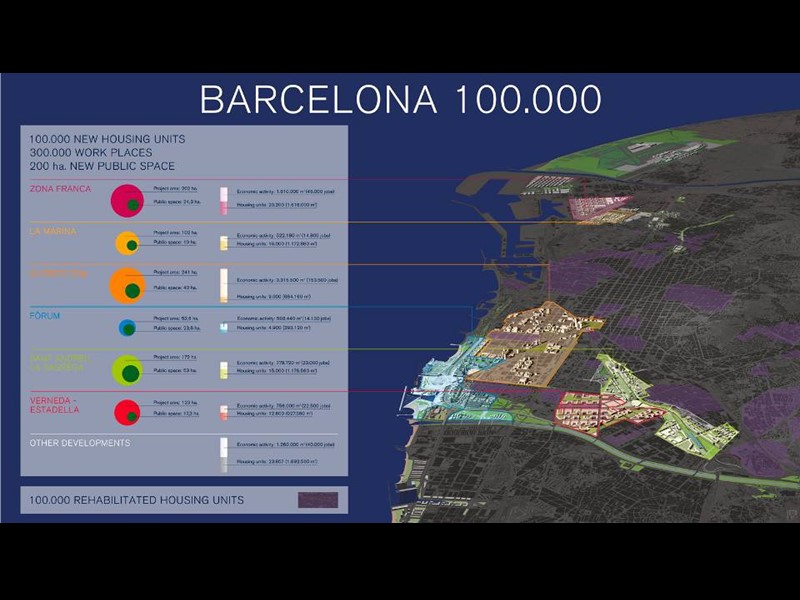
BARCELONA in progress
 Скачать презентацию Josep Acebillo Krasnoyarsk February 16th 2008 Key points
35356-08_02_16_krasnoyarsk_ace.ppt
- Количество слайдов: 94