 Скачать презентацию İstanbul Seismic Risk Mitigation and Emergency Preparedness Project
6ba1b283a77aeb1cb16ce84d19ab437b.ppt
- Количество слайдов: 29



İstanbul Seismic Risk Mitigation and Emergency Preparedness Project (ISMEP) İstanbul Project Coordination Unit (IPCU) Kazım Gökhan ELGİN Director March 20, 2006
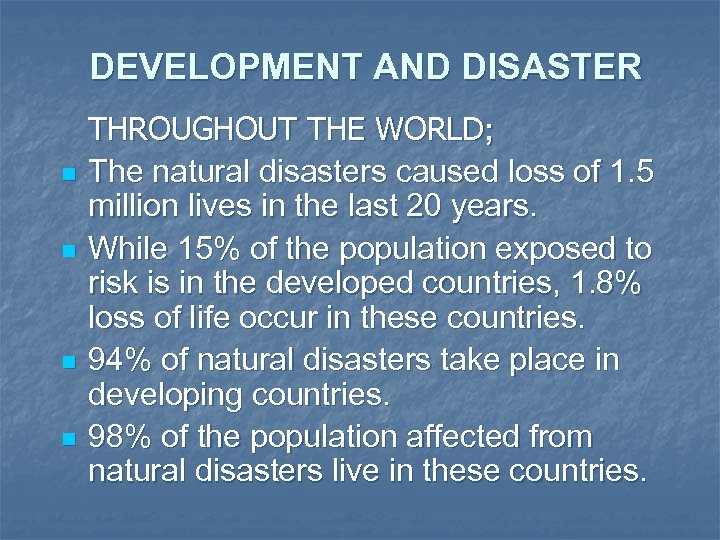
DEVELOPMENT AND DISASTER n n THROUGHOUT THE WORLD; The natural disasters caused loss of 1. 5 million lives in the last 20 years. While 15% of the population exposed to risk is in the developed countries, 1. 8% loss of life occur in these countries. 94% of natural disasters take place in developing countries. 98% of the population affected from natural disasters live in these countries.
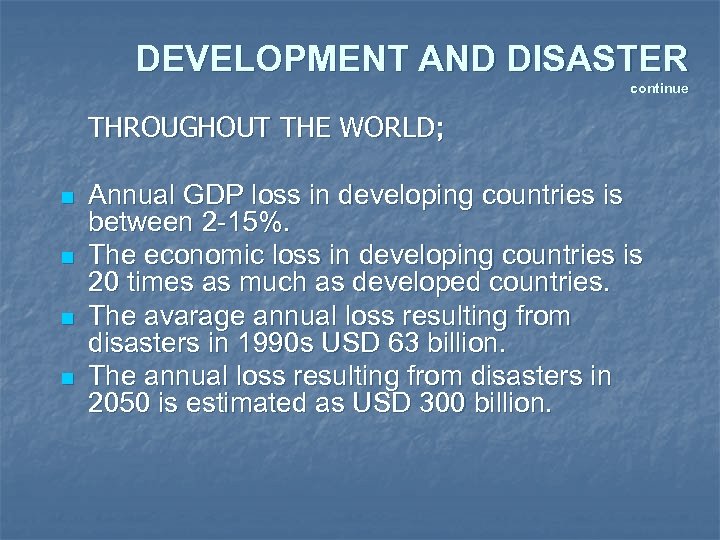
DEVELOPMENT AND DISASTER continue THROUGHOUT THE WORLD; n n Annual GDP loss in developing countries is between 2 -15%. The economic loss in developing countries is 20 times as much as developed countries. The avarage annual loss resulting from disasters in 1990 s USD 63 billion. The annual loss resulting from disasters in 2050 is estimated as USD 300 billion.
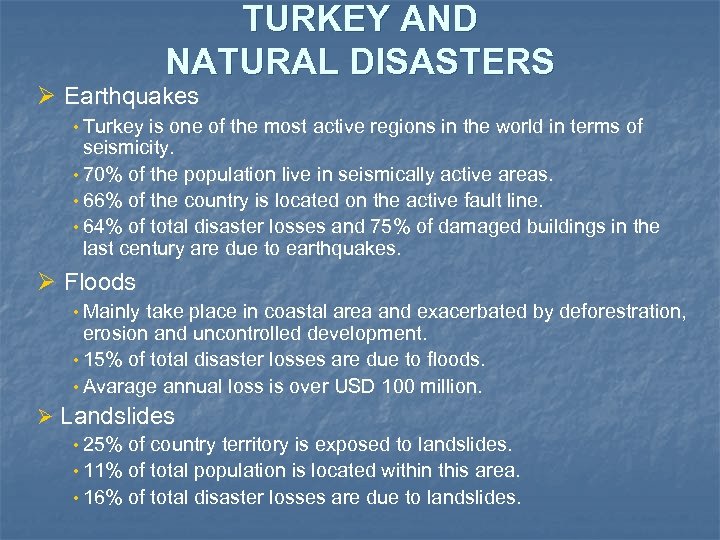
TURKEY AND NATURAL DISASTERS Ø Earthquakes • Turkey is one of the most active regions in the world in terms of seismicity. • 70% of the population live in seismically active areas. • 66% of the country is located on the active fault line. • 64% of total disaster losses and 75% of damaged buildings in the last century are due to earthquakes. Ø Floods • Mainly take place in coastal area and exacerbated by deforestration, erosion and uncontrolled development. • 15% of total disaster losses are due to floods. • Avarage annual loss is over USD 100 million. Ø Landslides • 25% of country territory is exposed to landslides. • 11% of total population is located within this area. • 16% of total disaster losses are due to landslides.
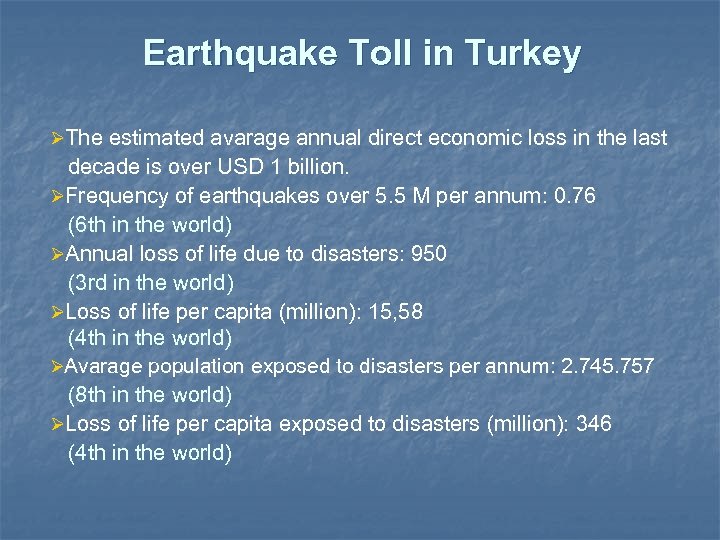
Earthquake Toll in Turkey ØThe estimated avarage annual direct economic loss in the last decade is over USD 1 billion. ØFrequency of earthquakes over 5. 5 M per annum: 0. 76 (6 th in the world) ØAnnual loss of life due to disasters: 950 (3 rd in the world) ØLoss of life per capita (million): 15, 58 (4 th in the world) ØAvarage population exposed to disasters per annum: 2. 745. 757 (8 th in the world) ØLoss of life per capita exposed to disasters (million): 346 (4 th in the world)
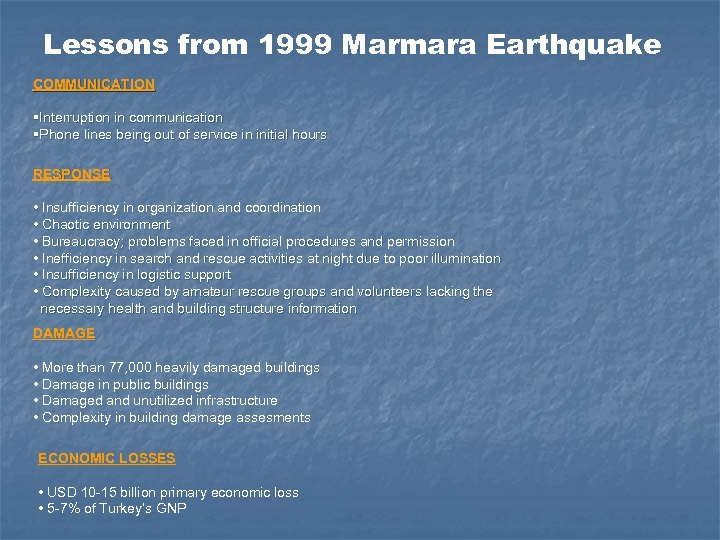
Lessons from 1999 Marmara Earthquake COMMUNICATION §Interruption in communication §Phone lines being out of service in initial hours RESPONSE • Insufficiency in organization and coordination • Chaotic environment • Bureaucracy; problems faced in official procedures and permission • Inefficiency in search and rescue activities at night due to poor illumination • Insufficiency in logistic support • Complexity caused by amateur rescue groups and volunteers lacking the necessary health and building structure information DAMAGE • More than 77, 000 heavily damaged buildings • Damage in public buildings • Damaged and unutilized infrastructure • Complexity in building damage assesments ECONOMIC LOSSES • USD 10 -15 billion primary economic loss • 5 -7% of Turkey’s GNP
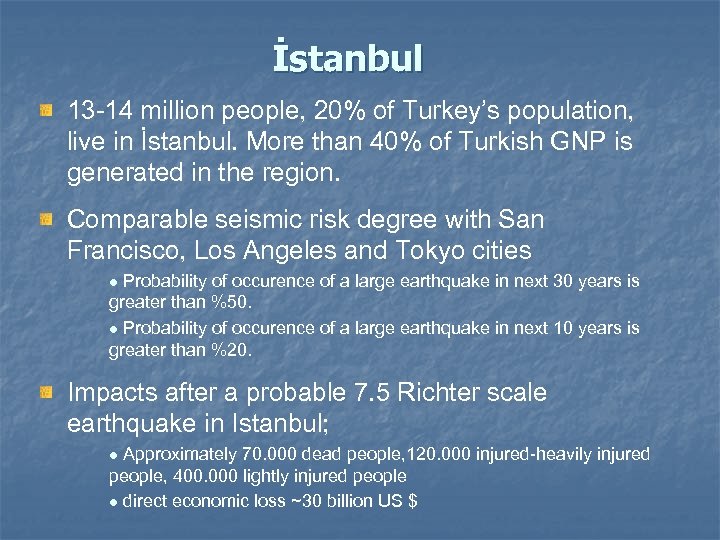
İstanbul 13 -14 million people, 20% of Turkey’s population, live in İstanbul. More than 40% of Turkish GNP is generated in the region. Comparable seismic risk degree with San Francisco, Los Angeles and Tokyo cities Probability of occurence of a large earthquake in next 30 years is greater than %50. l Probability of occurence of a large earthquake in next 10 years is greater than %20. l Impacts after a probable 7. 5 Richter scale earthquake in Istanbul; Approximately 70. 000 dead people, 120. 000 injured-heavily injured people, 400. 000 lightly injured people l direct economic loss ~30 billion US $ l
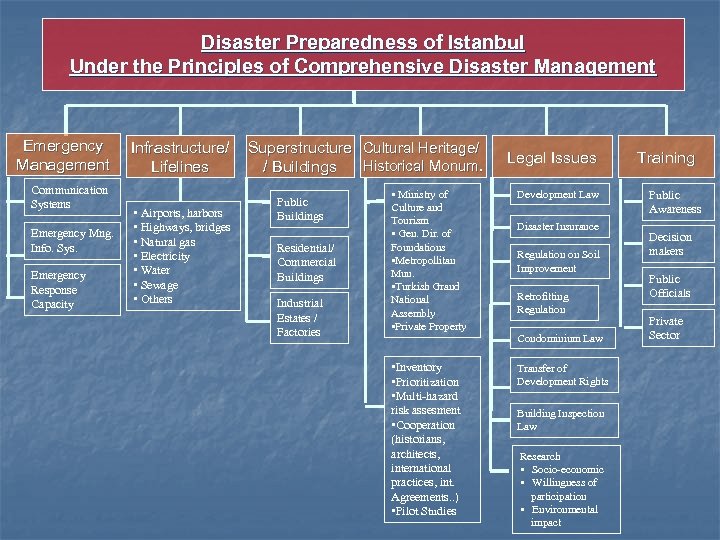
Disaster Preparedness of Istanbul Under the Principles of Comprehensive Disaster Management Emergency Management Communication Systems Emergency Mng. Info. Sys. Emergency Response Capacity Infrastructure/ Lifelines • Airports, harbors • Highways, bridges • Natural gas • Electricity • Water • Sewage • Others Superstructure Cultural Heritage/ Historical Monum. / Buildings Public Buildings Residential/ Commercial Buildings Industrial Estates / Factories Legal Issues • Ministry of Culture and Tourism • Gen. Dir. of Foundations • Metropollitan Mun. • Turkish Grand National Assembly • Private Property Development Law • Inventory • Prioritization • Multi-hazard risk assesment • Cooperation (historians, architects, international practices, int. Agreements. . ) • Pilot Studies Transfer of Development Rights Disaster Insurance Regulation on Soil Improvement Retrofitting Regulation Condominium Law Building Inspection Law Research • Socio-economic • Willingness of participation • Environmental impact Training Public Awareness Decision makers Public Officials Private Sector
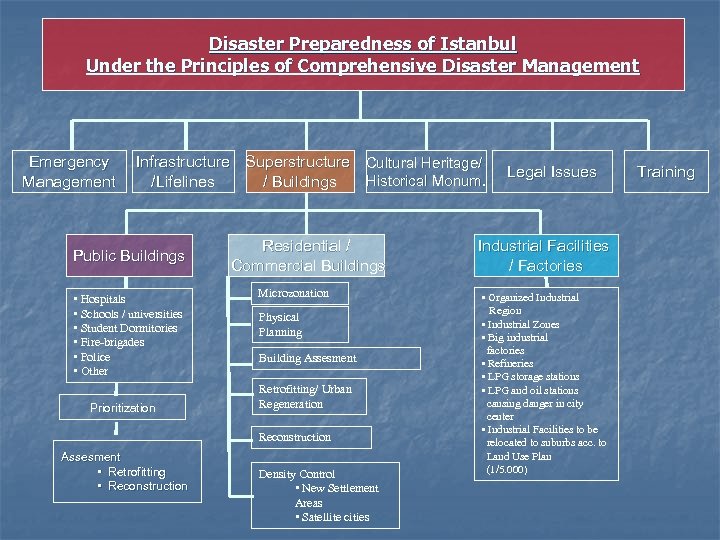
Disaster Preparedness of Istanbul Under the Principles of Comprehensive Disaster Management Emergency Management Infrastructure Superstructure Cultural Heritage/ Historical Monum. /Lifelines / Buildings Public Buildings • Hospitals • Schools / universities • Student Dormitories • Fire-brigades • Police • Other Prioritization Residential / Commercial Buildings Microzonation Physical Planning Building Assesment Retrofitting/ Urban Regeneration Reconstruction Assesment • Retrofitting • Reconstruction Density Control • New Settlement Areas • Satellite cities Legal Issues Industrial Facilities / Factories • Organized Industrial Region • Industrial Zones • Big industrial factories • Refineries • LPG storage stations • LPG and oil stations causing danger in city center • Industrial Facilities to be relocated to suburbs acc. to Land Use Plan (1/5. 000) Training
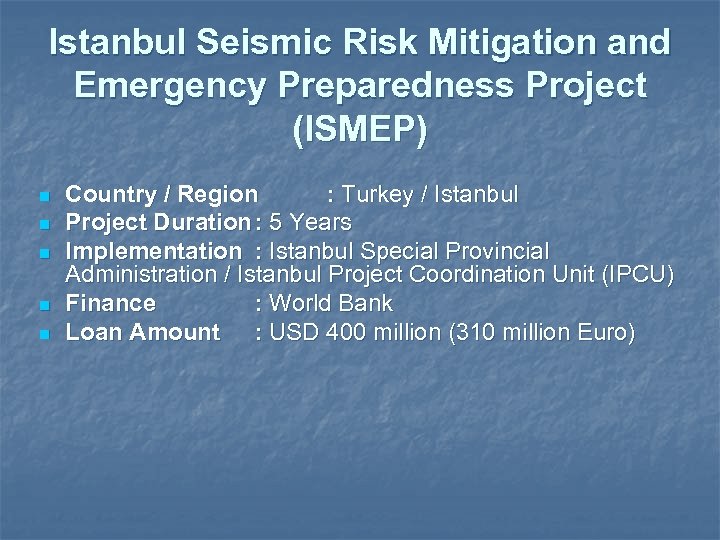
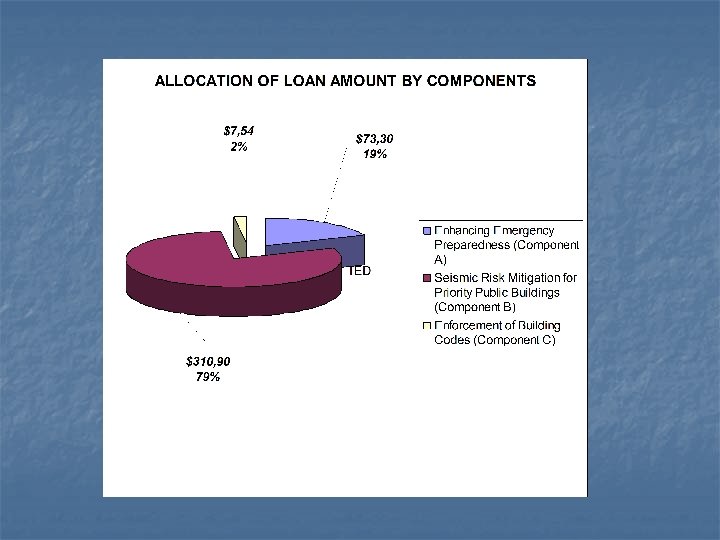
Istanbul Seismic Risk Mitigation and Emergency Preparedness Project (ISMEP) n n n Country / Region : Turkey / Istanbul Project Duration : 5 Years Implementation : Istanbul Special Provincial Administration / Istanbul Project Coordination Unit (IPCU) Finance : World Bank Loan Amount : USD 400 million (310 million Euro)
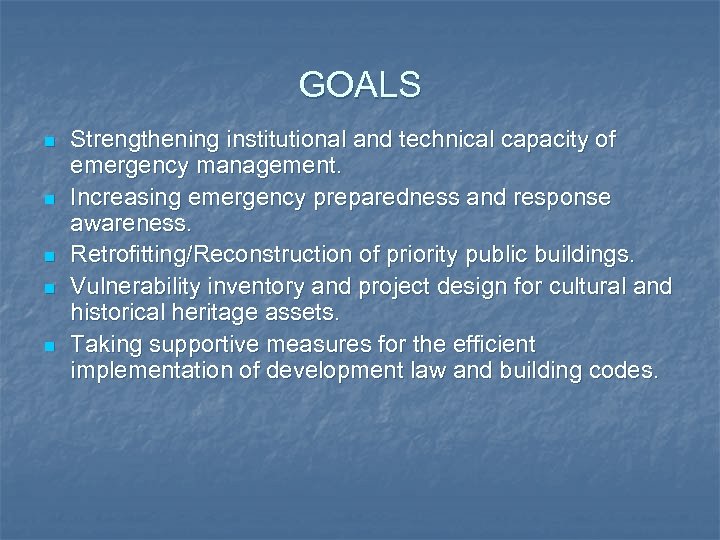
GOALS n n n Strengthening institutional and technical capacity of emergency management. Increasing emergency preparedness and response awareness. Retrofitting/Reconstruction of priority public buildings. Vulnerability inventory and project design for cultural and historical heritage assets. Taking supportive measures for the efficient implementation of development law and building codes.
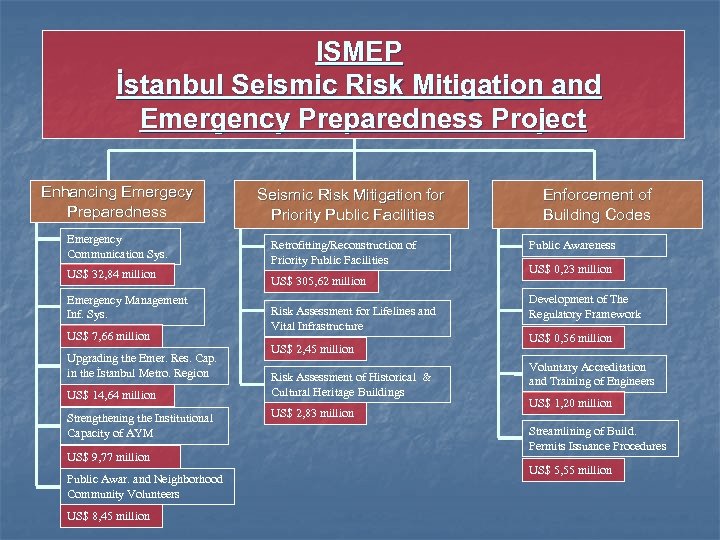
ISMEP İstanbul Seismic Risk Mitigation and Emergency Preparedness Project Enhancing Emergecy Preparedness Emergency Communication Sys. US$ 32, 84 million Emergency Management Inf. Sys. US$ 7, 66 million Upgrading the Emer. Res. Cap. in the İstanbul Metro. Region US$ 14, 64 million Strengthening the Institutional Capacity of AYM US$ 9, 77 million Public Awar. and Neighborhood Community Volunteers US$ 8, 45 million Seismic Risk Mitigation for Priority Public Facilities Retrofitting/Reconstruction of Priority Public Facilities US$ 305, 62 million Risk Assessment for Lifelines and Vital Infrastructure US$ 2, 45 million Risk Assessment of Historical & Cultural Heritage Buildings US$ 2, 83 million Enforcement of Building Codes Public Awareness US$ 0, 23 million Development of The Regulatory Framework US$ 0, 56 million Voluntary Accreditation and Training of Engineers US$ 1, 20 million Streamlining of Build. Permits Issuance Procedures US$ 5, 55 million
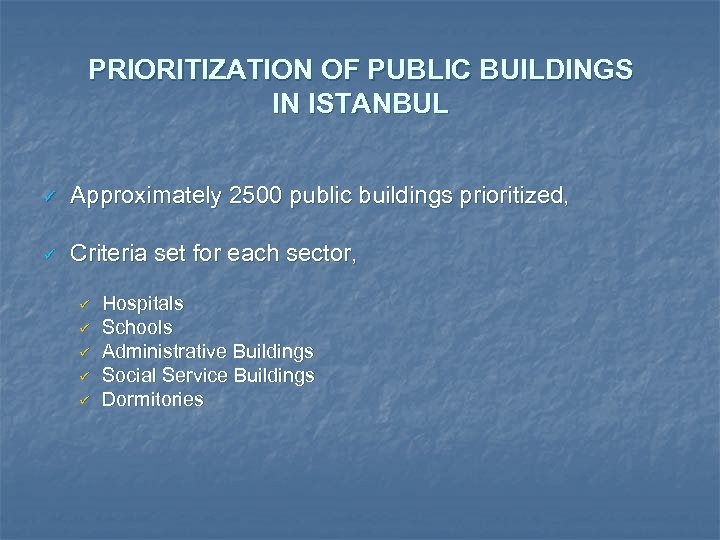
PRIORITIZATION OF PUBLIC BUILDINGS IN ISTANBUL ü Approximately 2500 public buildings prioritized, ü Criteria set for each sector, ü ü ü Hospitals Schools Administrative Buildings Social Service Buildings Dormitories
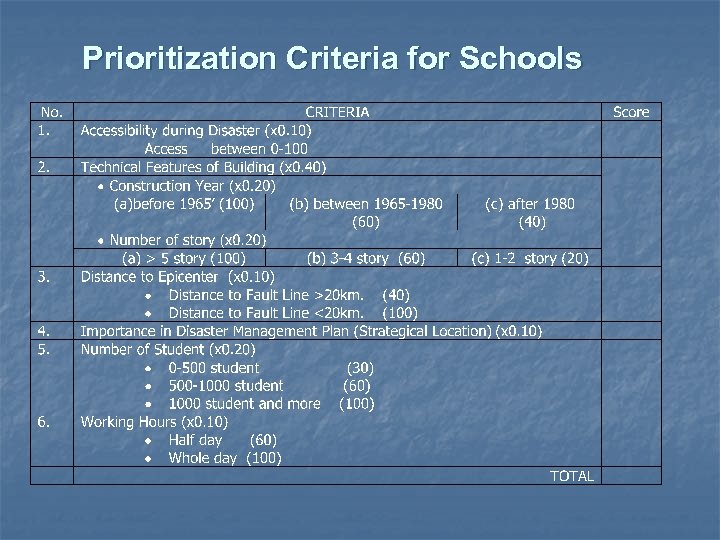
Prioritization Criteria for Schools
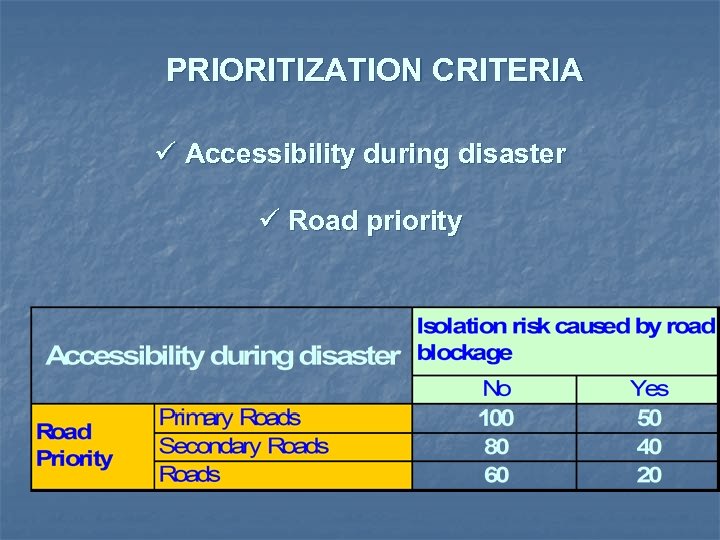
PRIORITIZATION CRITERIA ü Accessibility during disaster ü Road priority
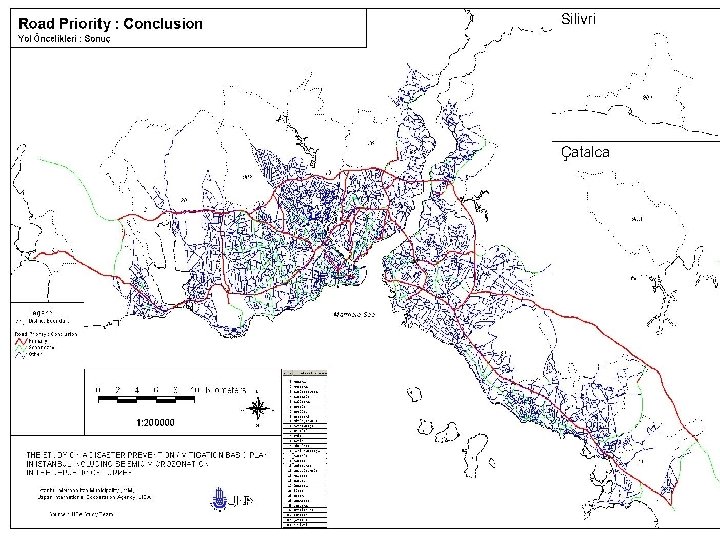
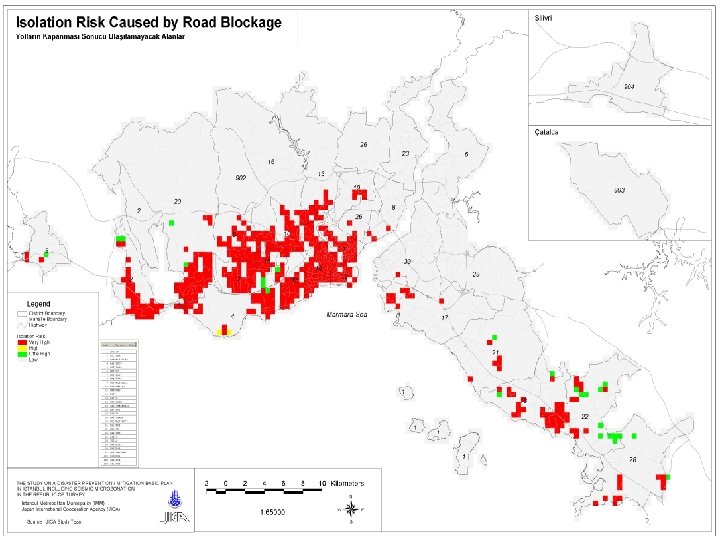
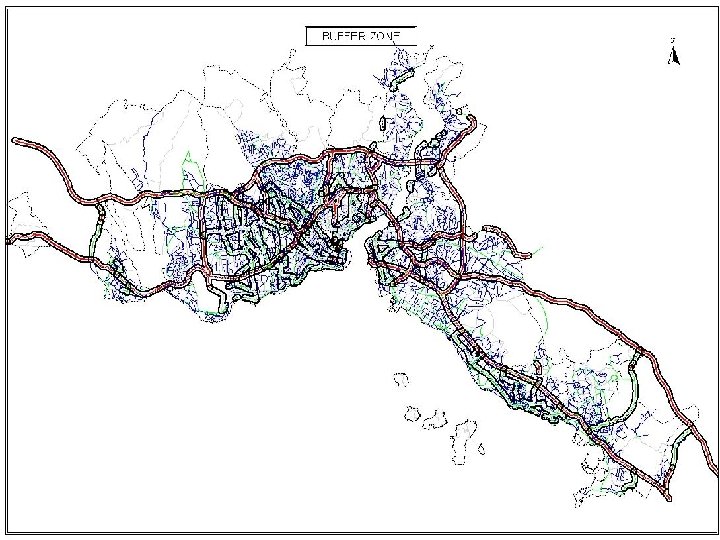
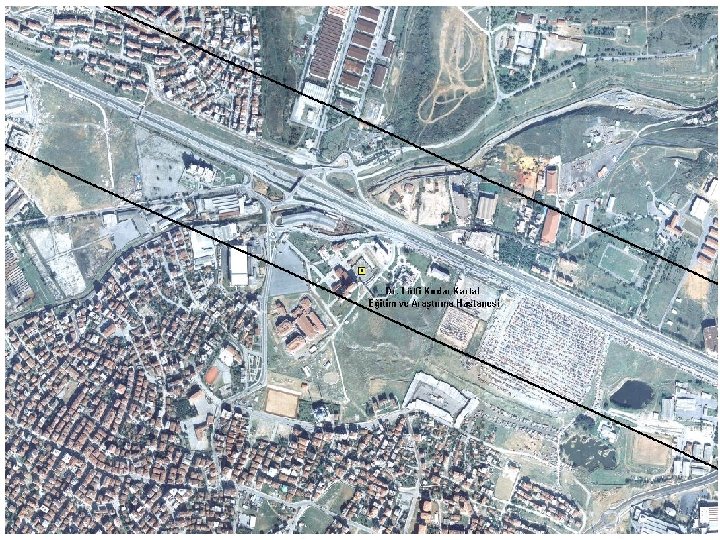
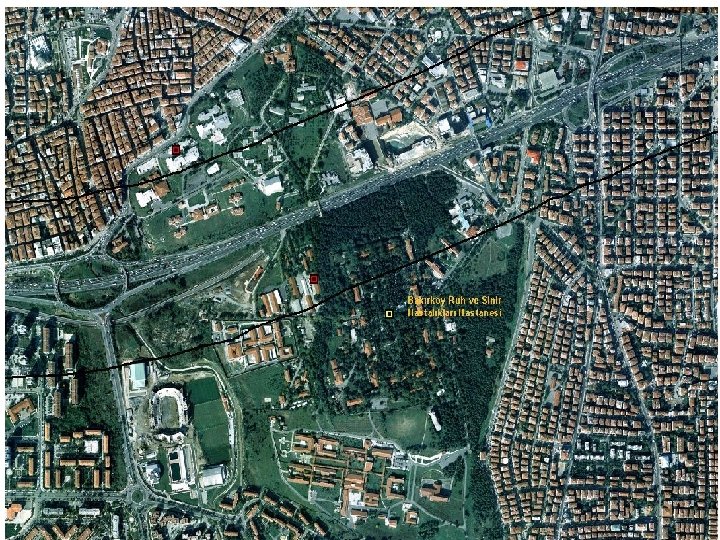
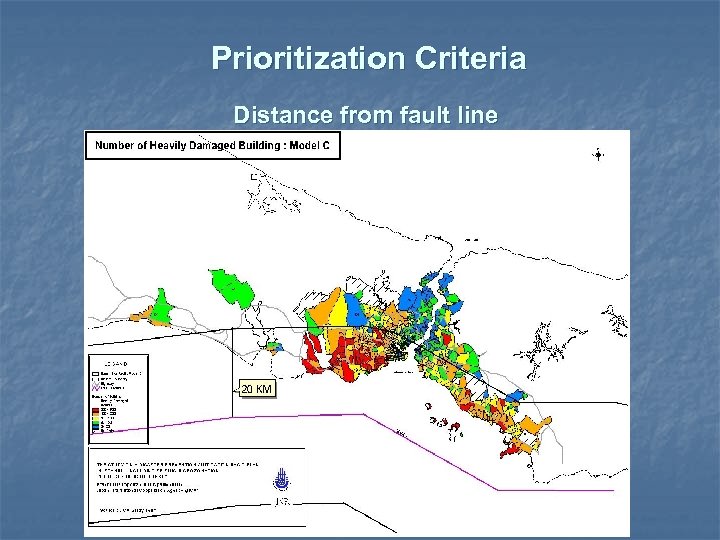
Prioritization Criteria Distance from fault line
Prioritization Criteria Importance of Schools in Disaster Management Plan ü The buildings in Disaster Management Plans ü Special features like capacity, open space, accessibility etc.
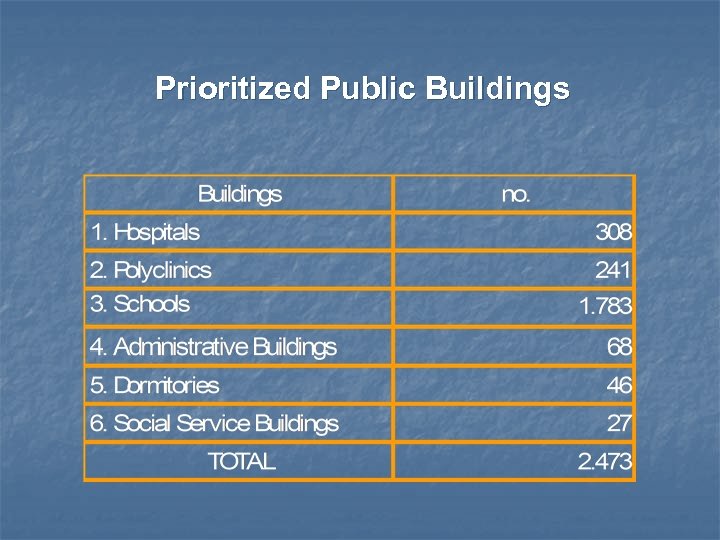
Prioritized Public Buildings
Seismic Risk Mitigation for Priority Public Buildings Vulnerability Assessment Retrofitting Reconstruction
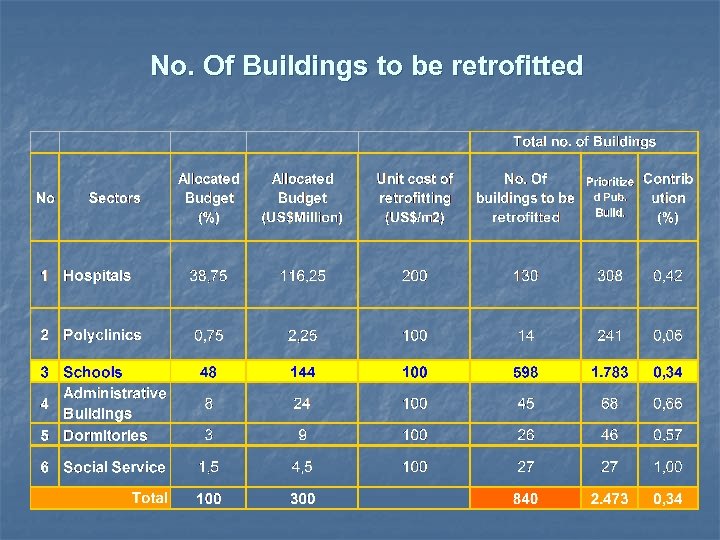
No. Of Buildings to be retrofitted
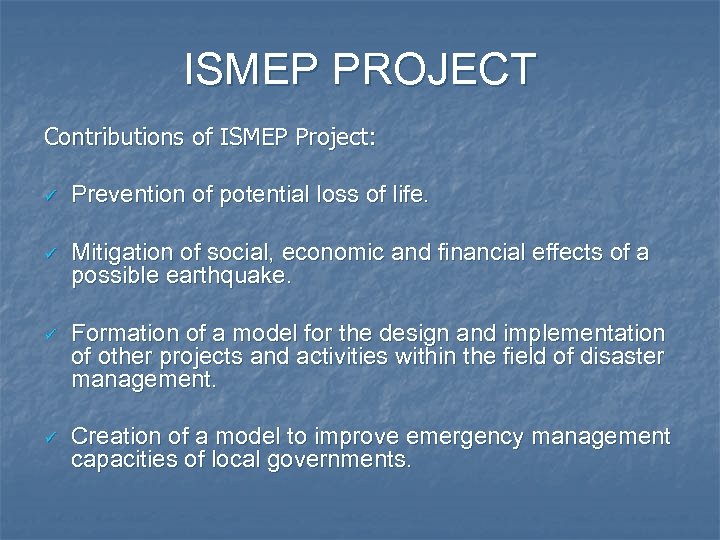
ISMEP PROJECT Contributions of ISMEP Project: ü Prevention of potential loss of life. ü Mitigation of social, economic and financial effects of a possible earthquake. ü Formation of a model for the design and implementation of other projects and activities within the field of disaster management. ü Creation of a model to improve emergency management capacities of local governments.
Let us all be; pro-active, strategic, comprehensive & try to prevent or mitigate

Thank you. . .
Скачать презентацию İstanbul Seismic Risk Mitigation and Emergency Preparedness Project
6ba1b283a77aeb1cb16ce84d19ab437b.ppt