 Скачать презентацию Islam An Abrahamic Religion Z Muslims are strict
653007a351b36ce7885236b204555757.ppt
- Количество слайдов: 67



Islam An Abrahamic Religion Z Muslims are strict monotheists. Z They believe in the Judeo. Christian God, which they call Allah. Z Muslims believe that the Torah and the Bible, like the Qur’an, are the word of God. Peoples of the Book
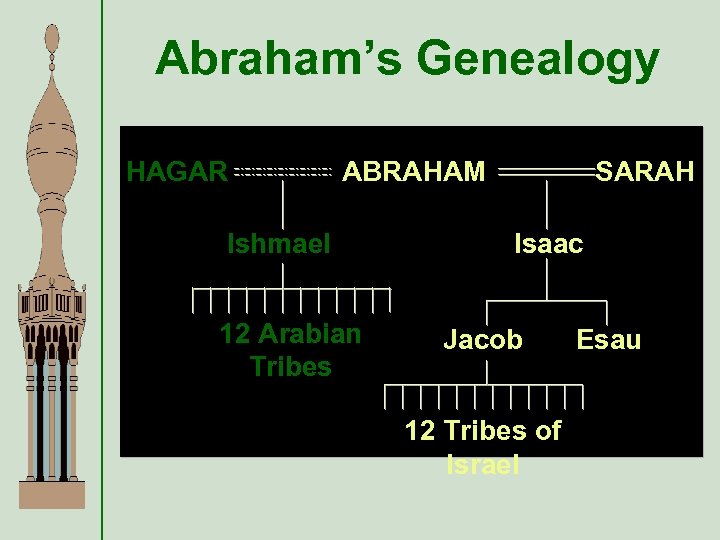
Abraham’s Genealogy HAGAR ABRAHAM Ishmael 12 Arabian Tribes SARAH Isaac Jacob 12 Tribes of Israel Esau
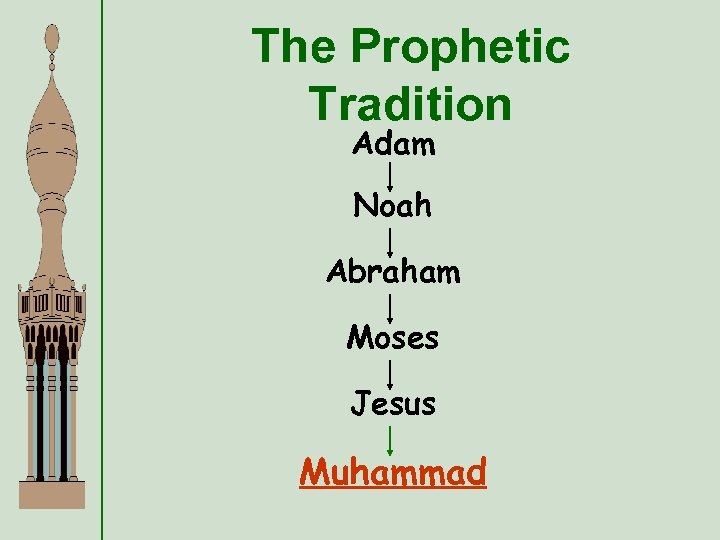
The Prophetic Tradition Adam Noah Abraham Moses Jesus Muhammad
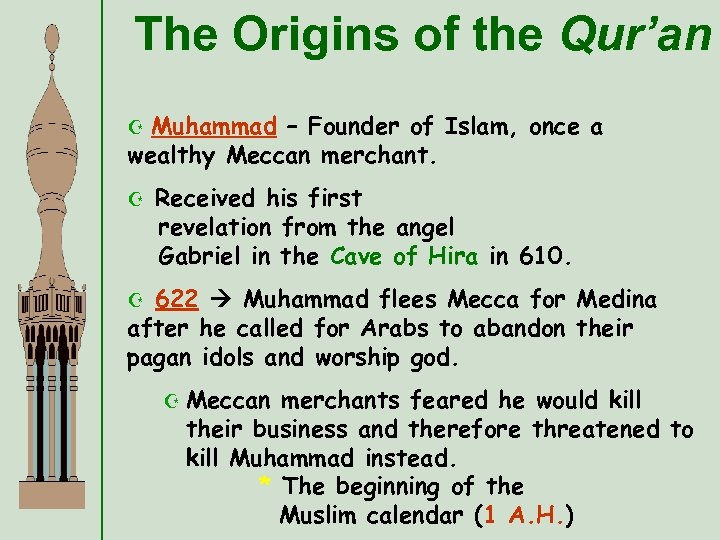
The Origins of the Qur’an Muhammad – Founder of Islam, once a wealthy Meccan merchant. Z Z Received his first revelation from the angel Gabriel in the Cave of Hira in 610. 622 Muhammad flees Mecca for Medina after he called for Arabs to abandon their pagan idols and worship god. Z Z Meccan merchants feared he would kill their business and therefore threatened to kill Muhammad instead. * The beginning of the Muslim calendar (1 A. H. )
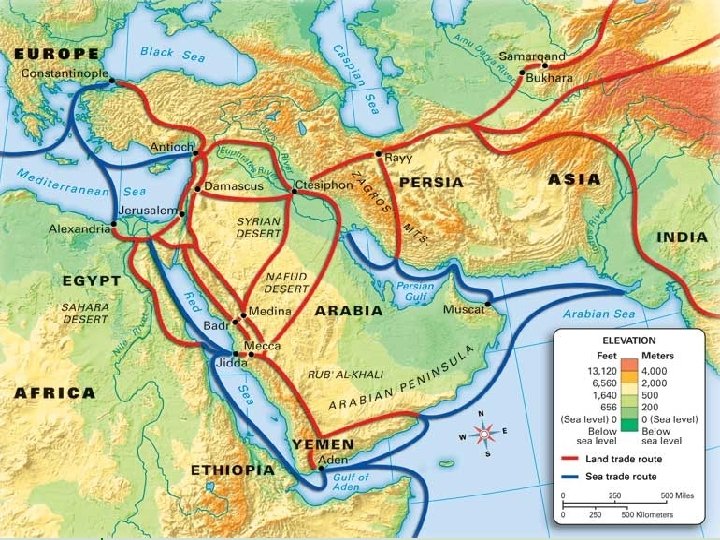
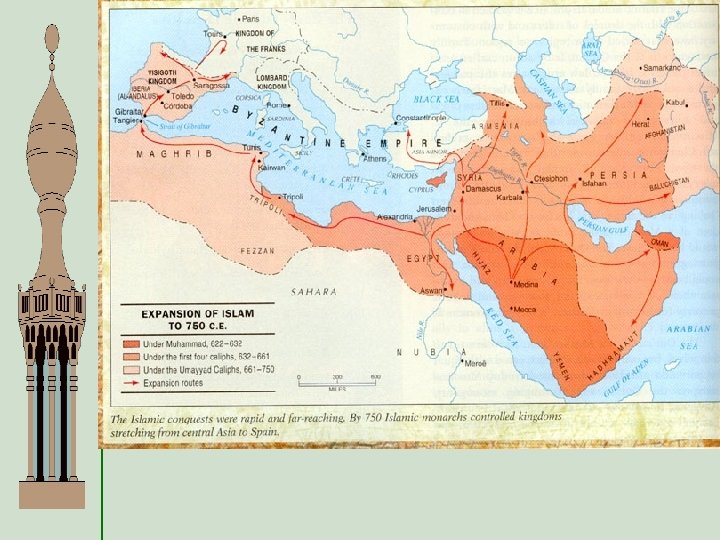
• Muhammad converted many in Medina, raising an army of loyal Muslim followers. • 630 – After defeating the Meccan merchants, Muhammad returned to Mecca triumphantly. • Began building an Islamic empire. • 632 – Muhammad dies without naming a successor.
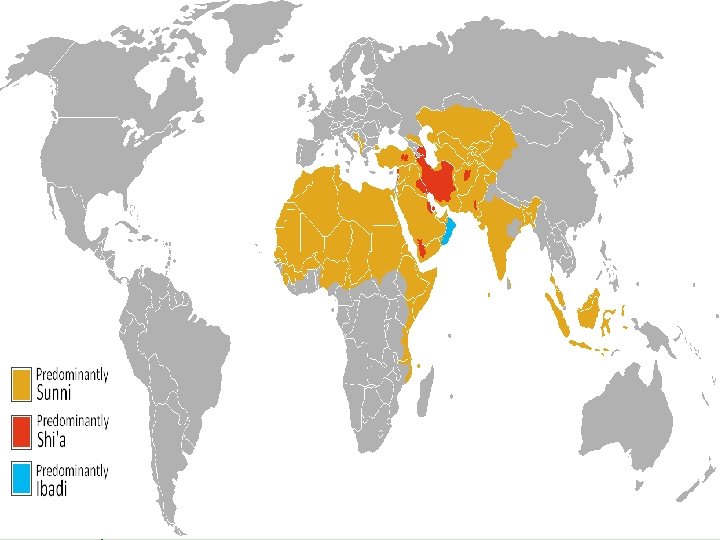
Leadership After Muhammad • Caliph – Leader of a Community of Muslims. • Shiite – Muslims who believe that Muhammad named his son-in-law Ali to be his successor. Therefore all Caliphs must descend from Ali. • Sunni – Muslims who believe that any good Muslim can be a Caliph.
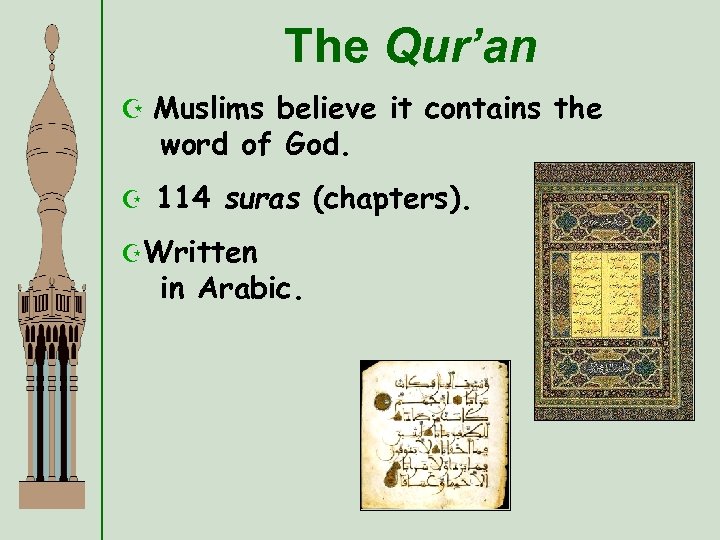
The Qur’an Z Muslims believe it contains the word of God. Z 114 suras (chapters). ZWritten in Arabic.
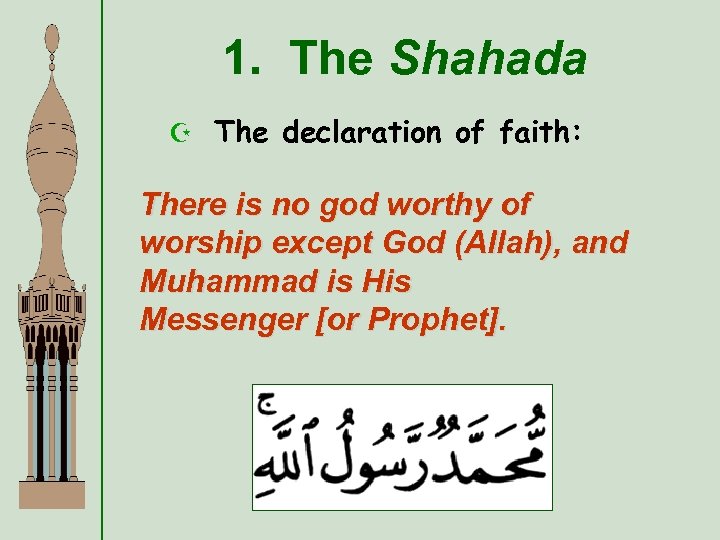
1. The Shahada Z The declaration of faith: There is no god worthy of worship except God (Allah), and Muhammad is His Messenger [or Prophet].
2. The Salat Z The mandatory prayers performed 5 times a day: * dawn * noon * late afternoon * sunset * before going to bed Z Wash before praying. Z Face Mecca and use a prayer rug.
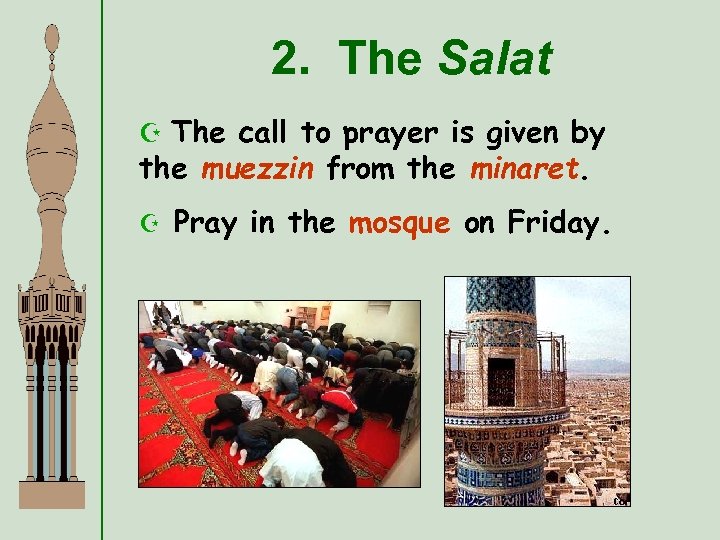
2. The Salat Z The call to prayer is given by the muezzin from the minaret. Z Pray in the mosque on Friday.
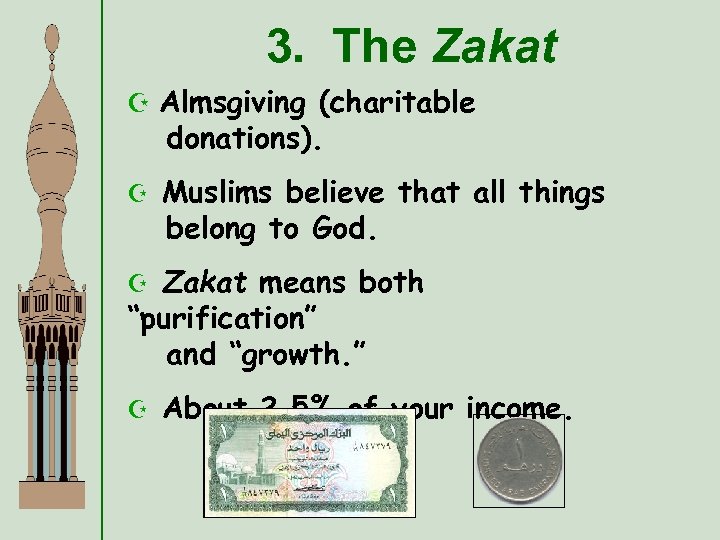
3. The Zakat Z Almsgiving (charitable donations). Z Muslims believe that all things belong to God. Zakat means both “purification” and “growth. ” Z Z About 2. 5% of your income.
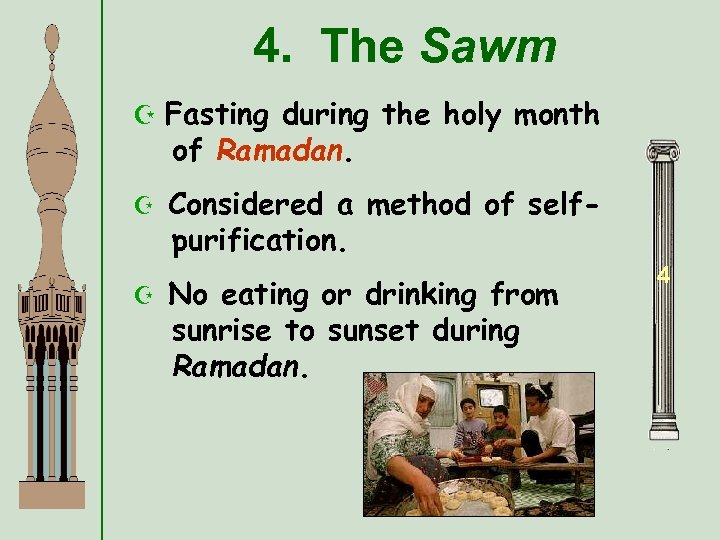
4. The Sawm Z Fasting during the holy month of Ramadan. Z Z Considered a method of selfpurification. No eating or drinking from sunrise to sunset during Ramadan. 4
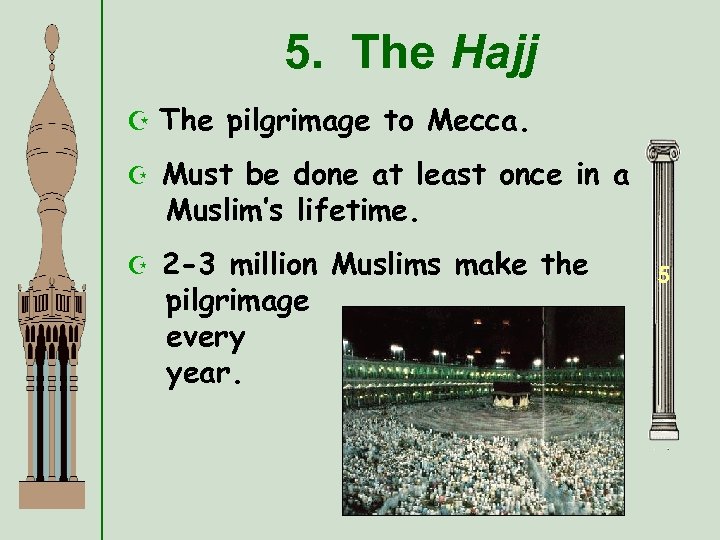
5. The Hajj Z The pilgrimage to Mecca. Z Must be done at least once in a Muslim’s lifetime. Z 2 -3 million Muslims make the pilgrimage every year. 5
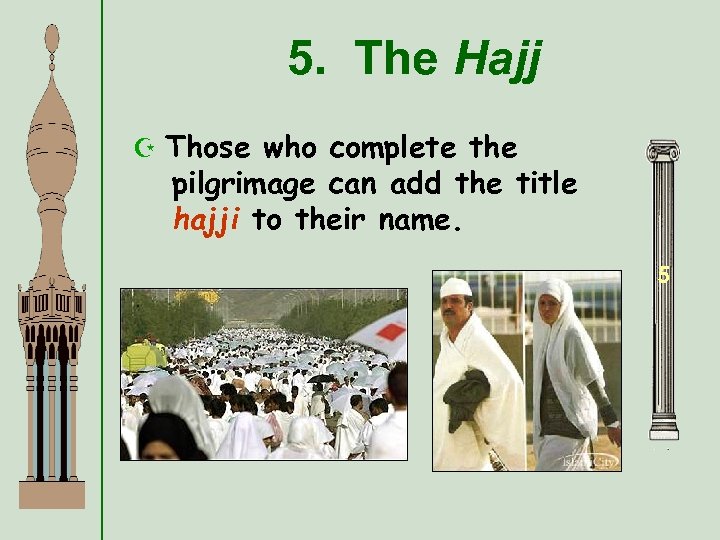
5. The Hajj Z Those who complete the pilgrimage can add the title hajji to their name. 5
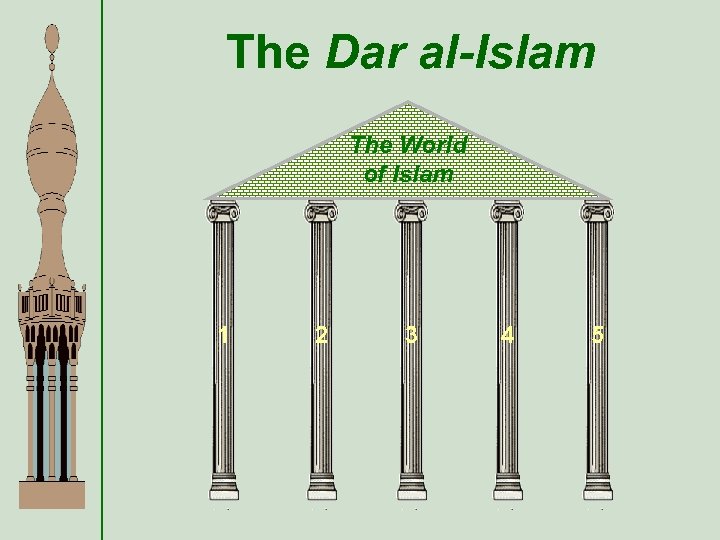
The Dar al-Islam The World of Islam 1 2 3 4 5
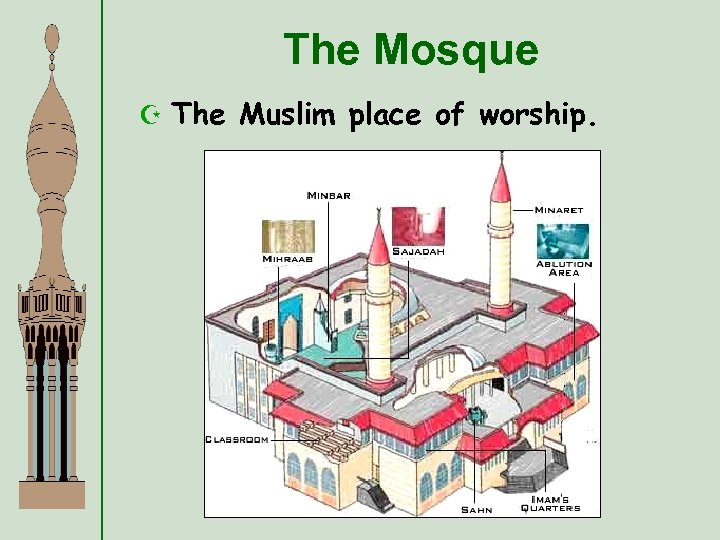
The Mosque Z The Muslim place of worship.
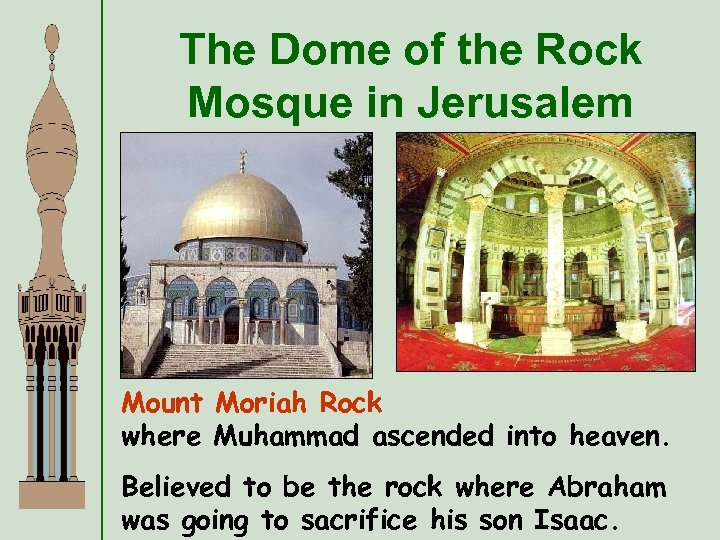
The Dome of the Rock Mosque in Jerusalem Mount Moriah Rock where Muhammad ascended into heaven. Believed to be the rock where Abraham was going to sacrifice his son Isaac.
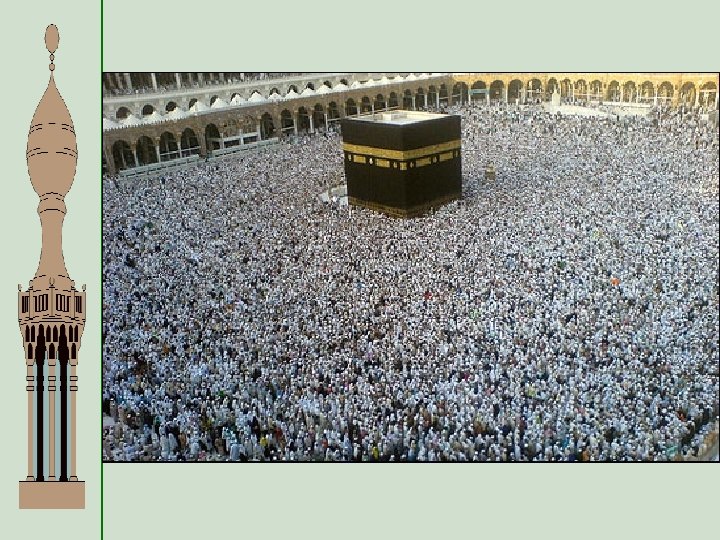
The Kaaba • Most holy temple in Islam. – Muhammad believed it had been built by Abraham to worship God. – Once had been filled with pagan idols. Muhammad cleared it upon his return to Mecca. – Muslims pray towards the Kaaba and take the Hajj to pray at the Kaaba.
Other Islamic Religious Practices Z Up to four wives allowed at once. Z No alcohol or pork. Z No gambling. Sharia law body of Islamic law to regulate daily living. Z Z Three holiest cities in Islam: * Mecca, Medina, Jerusalem.
Essential Question: Why was Islam able to spread so quickly and convert so many to the new religion?
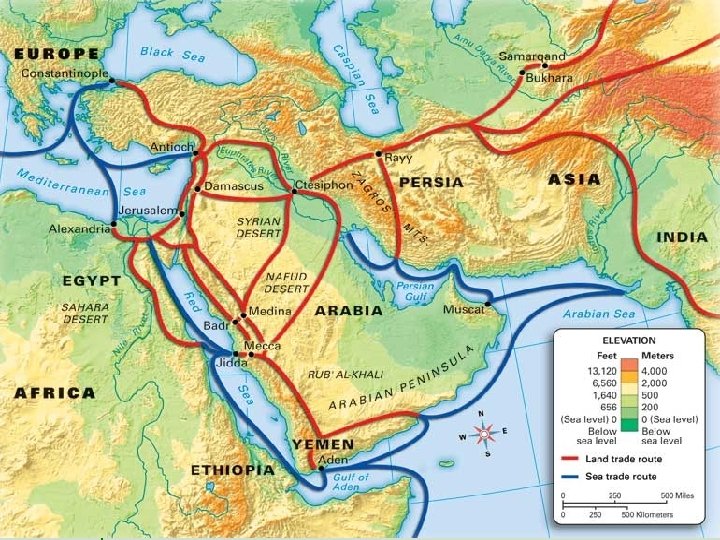
The Spread of Islam Z Easy to learn and practice. Z No priesthood. Z Teaches equality. Z Non-Muslims, who were “Peoples of the Book, ” were allowed religious freedom, but paid additional taxes. Z Easily “portable” nomads & trade routes. Z Jihad (“Holy War”) against pagans and other non-believers (“infidels”).
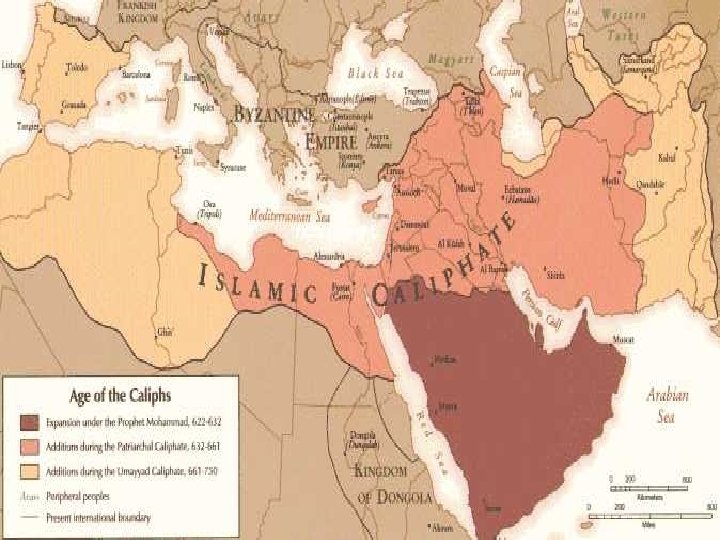
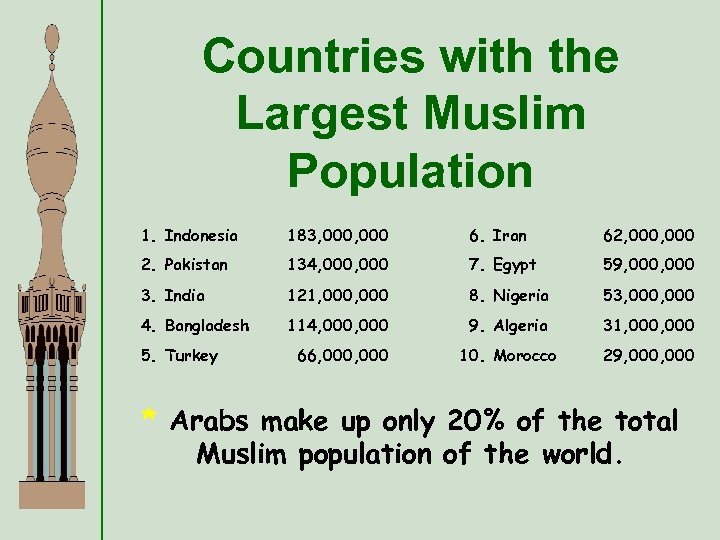
Countries with the Largest Muslim Population 1. Indonesia 183, 000 6. Iran 62, 000 2. Pakistan 134, 000 7. Egypt 59, 000 3. India 121, 000 8. Nigeria 53, 000 4. Bangladesh 114, 000 9. Algeria 31, 000 10. Morocco 29, 000 5. Turkey 66, 000 * Arabs make up only 20% of the total Muslim population of the world.
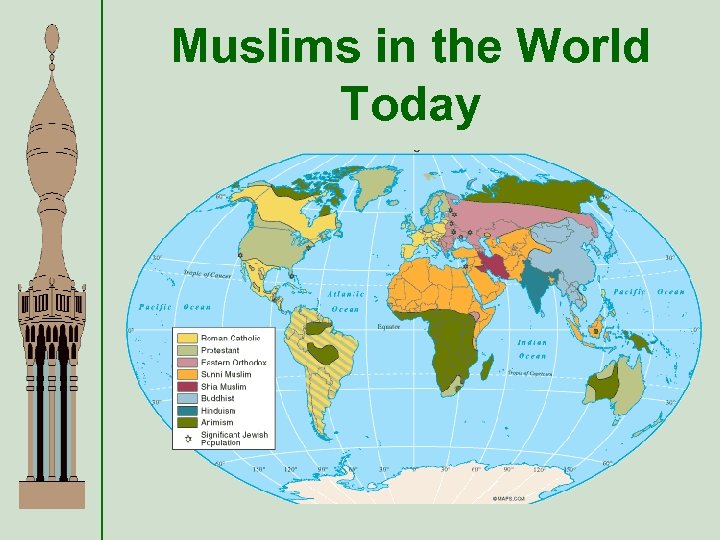
Muslims in the World Today
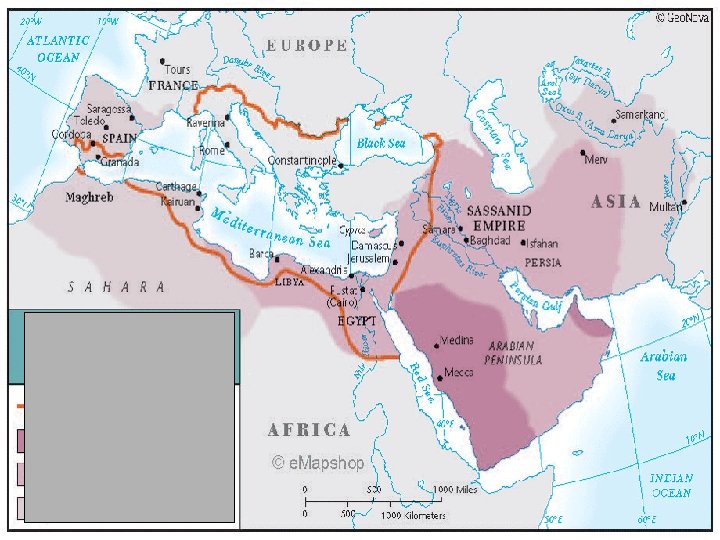
The Mongols and Genghis Khan
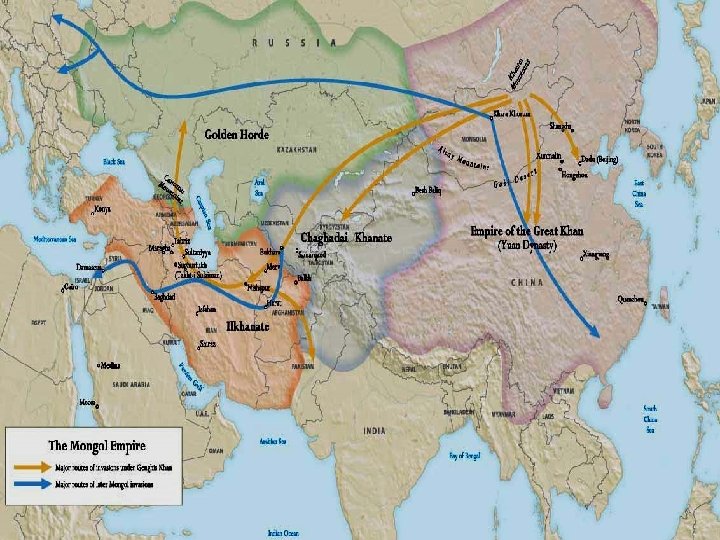
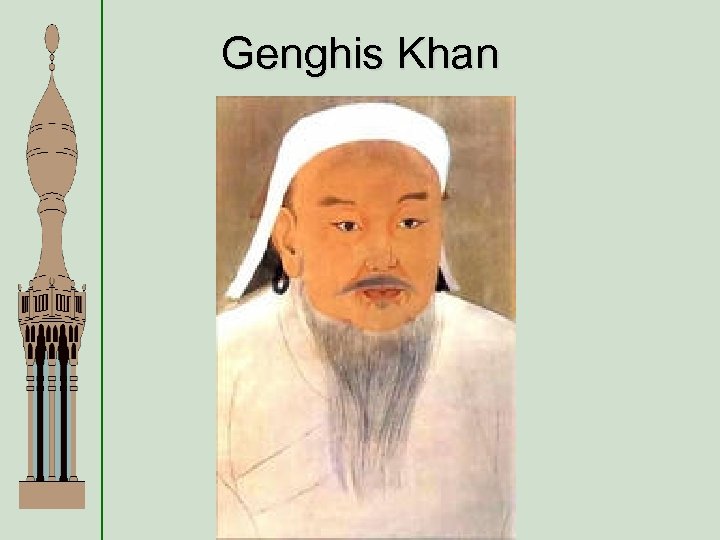
Genghis Khan
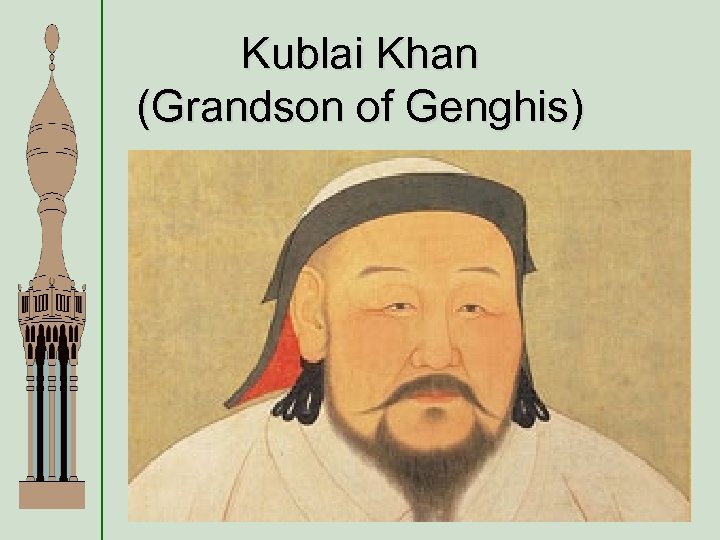
Kublai Khan (Grandson of Genghis)
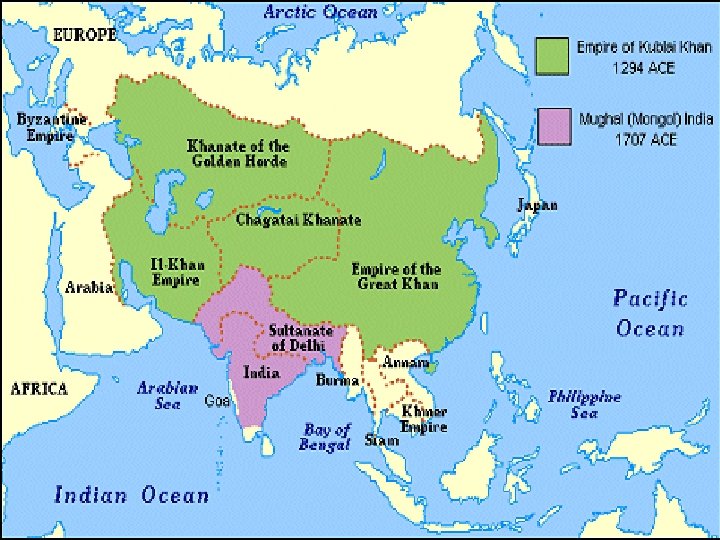
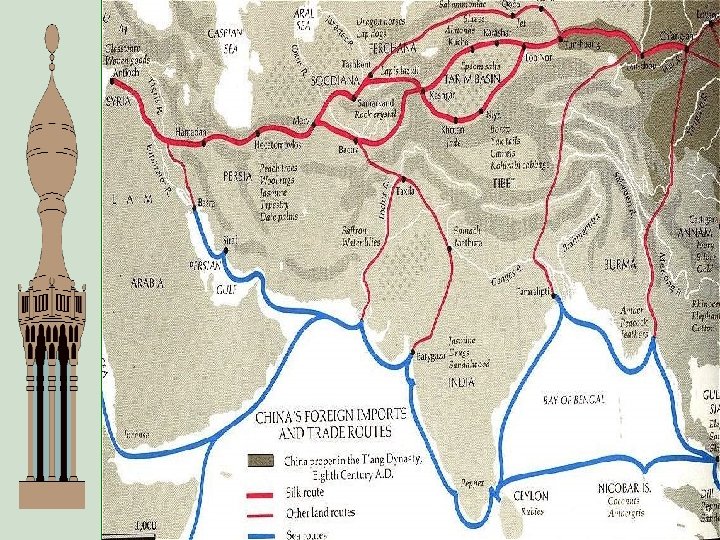
The Pax Mongolica (Mongol Peace) • Under Mongol control, trade flourished throughout Eurasia. • The old trade networks were revived and travel through these networks was considered to be very safe.
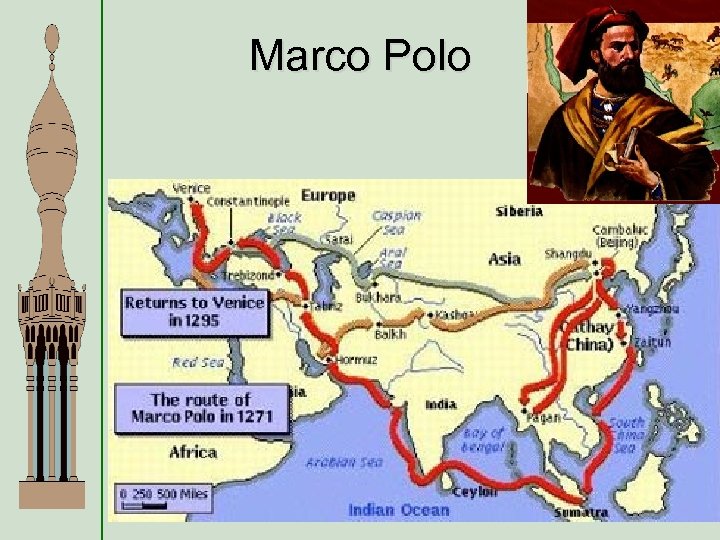
Marco Polo
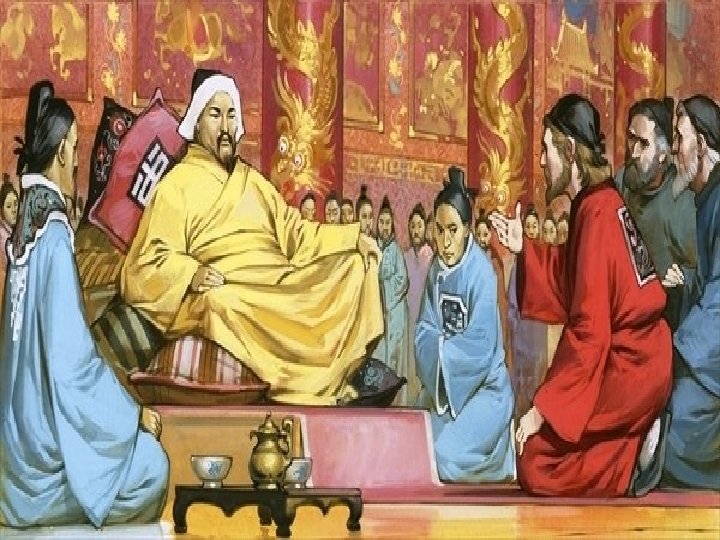
How did Marco Polo’s journey help inspire Europeans to think Globally? • Marco Polo’s accounts of his adventures through Eurasia, revealed how advanced and luxurious the east had become. These accounts aroused Europeans curiosity about the east and created a desire for the luxuries he had described.
The Gunpowder Empires (~1450 -1650)
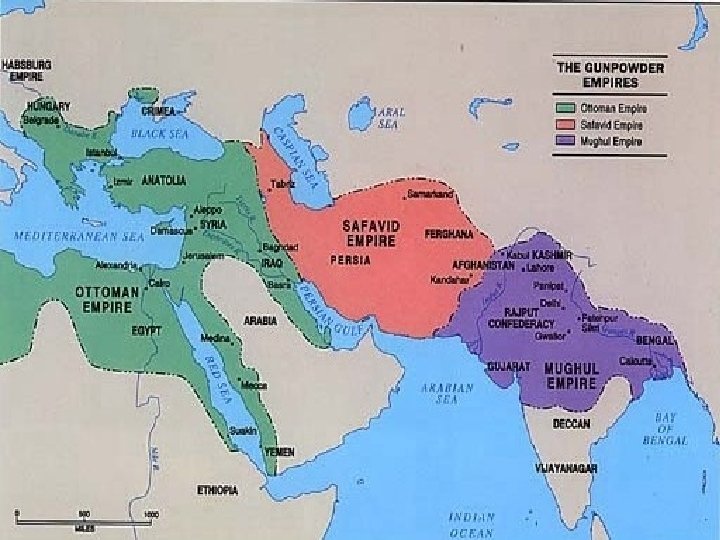
Gunpowder Empires which arose in Islamic Eurasia, which possessed new technology (cannons, muskets, etc. ) which helped them control large and diverse empires with a powerful central government.
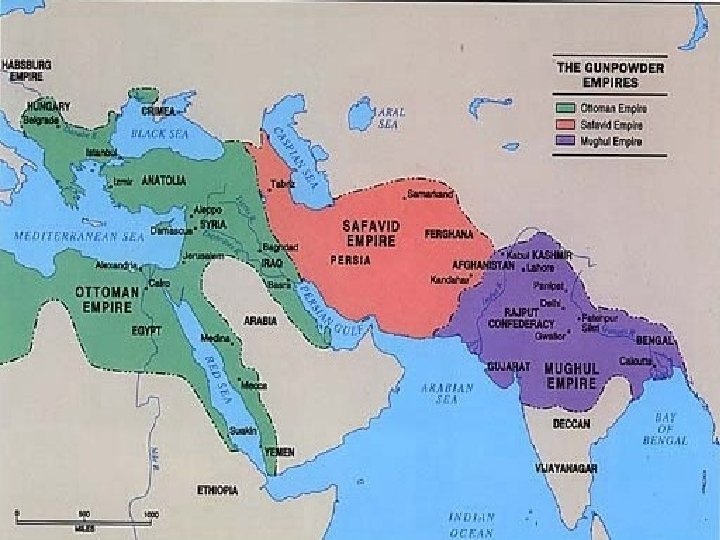
3 Main Gunpowder Empires • The Ottoman Empire • The Safavid Empire • The Mughal (Moghal) Empire
The Ottomans • Turkish nomadic people from Central Asia (like the Seljuk Turks). • Expanded through Asia Minor. • 1453 – Used cannons to blast holes in Constantinople’s defenses and captured it, renaming it Istanbul.
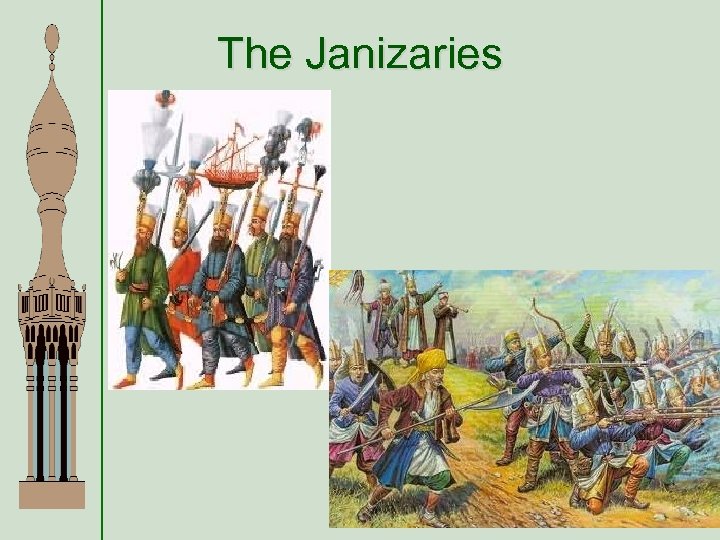
The Janizaries
The Ottoman Empire • The Ottomans established an empire which would last off and on through World War I (1918). • Adopted Sunni Islam as their religious an government (Sharia law) organization. • Very tolerant of the many religious groups within their empire. (Jews, Christians, etc. ) • Controlled the link between European and Asian trade.
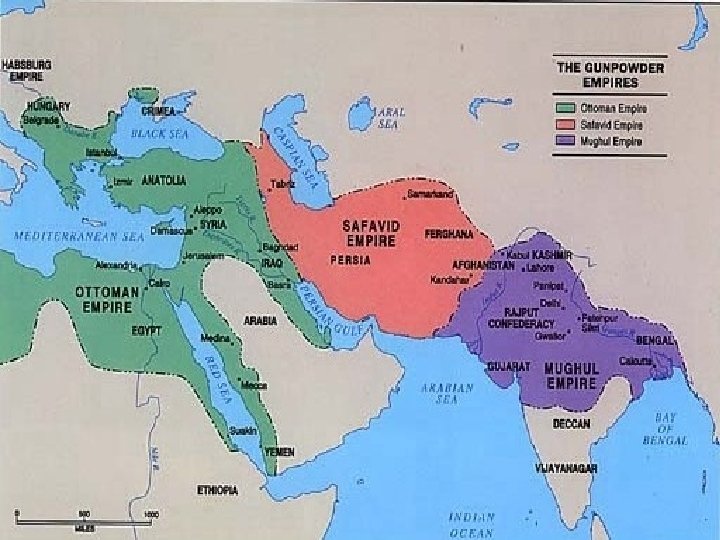
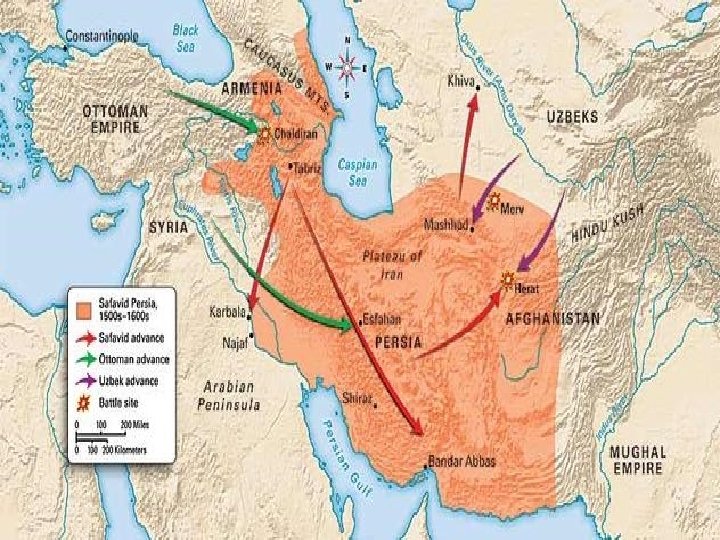
The Safavid Empire (Early 1500’s – 1722) • Controlled much of the old Persian empire. (modern day Iran) • Sandwiched between the other two Gunpowder empires. • Also Muslim, but Shiites. • Led to conflicts between them and their Ottoman Sunni neighbors.
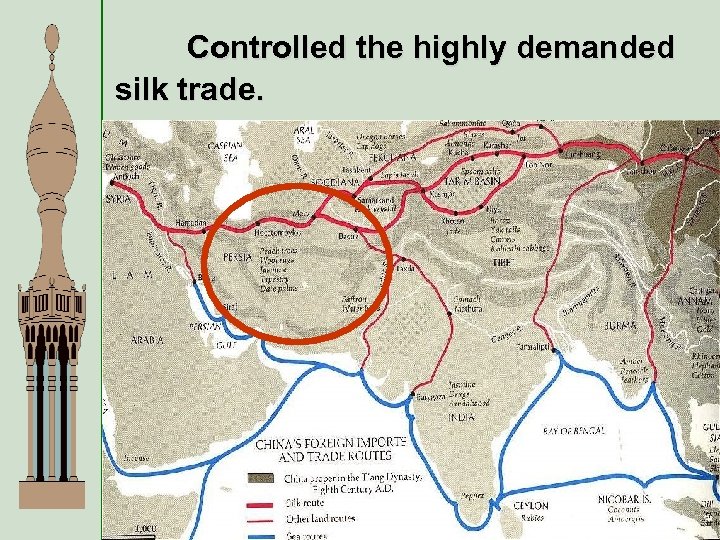
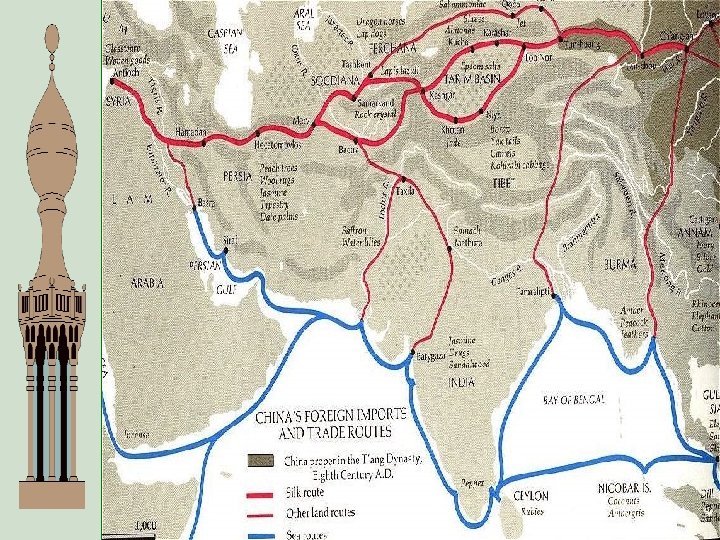
Controlled the highly demanded silk trade.
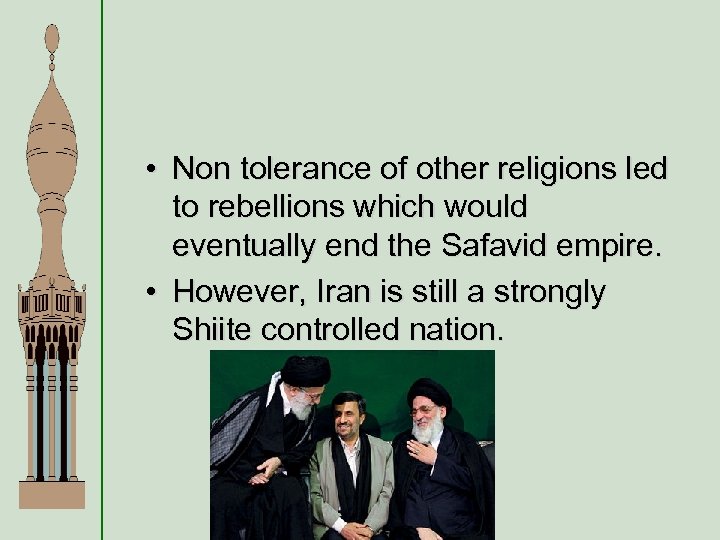
• Non tolerance of other religions led to rebellions which would eventually end the Safavid empire. • However, Iran is still a strongly Shiite controlled nation.
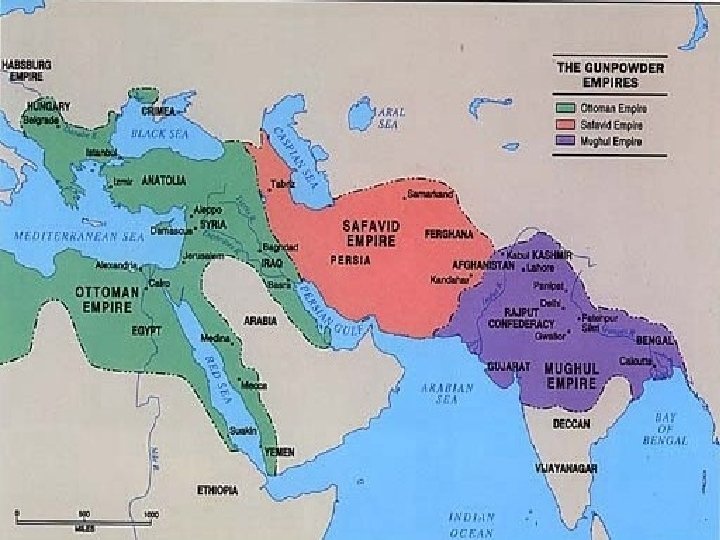
The Mughal Empire (1526 -1857) • Modern day India, Pakistan, and parts of Afghanistan. • Muslim armies had moved into the Indus Valley in AD 711. • Established Muslim Sultanates. (Sultans are Muslim rulers)
Muslim and Hindus Clash • Obvious differences between Hindus and Muslims led to religious clashes. • However, many Hindus converted to Islam to escape the caste system. • 1526 – Muslim Mongol and Turkish armies moved in and established the Mughal Empire. (Mughal = Persian for Mongol). • Mughal leaders now controlled the lucrative and important Indian trade.
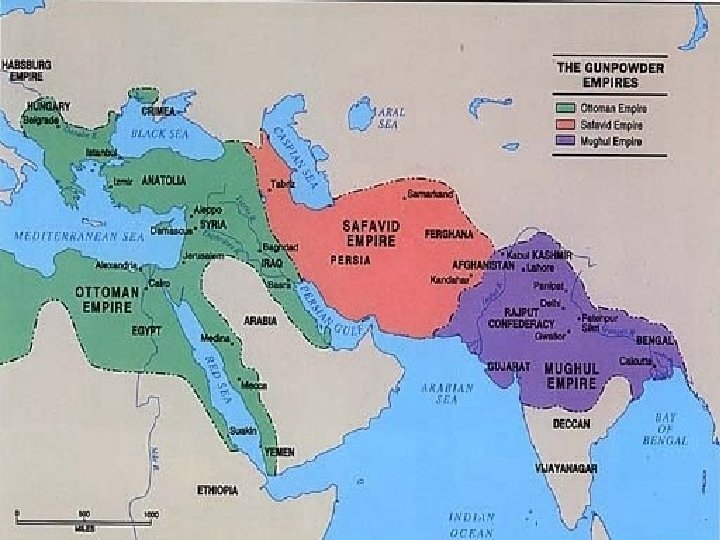
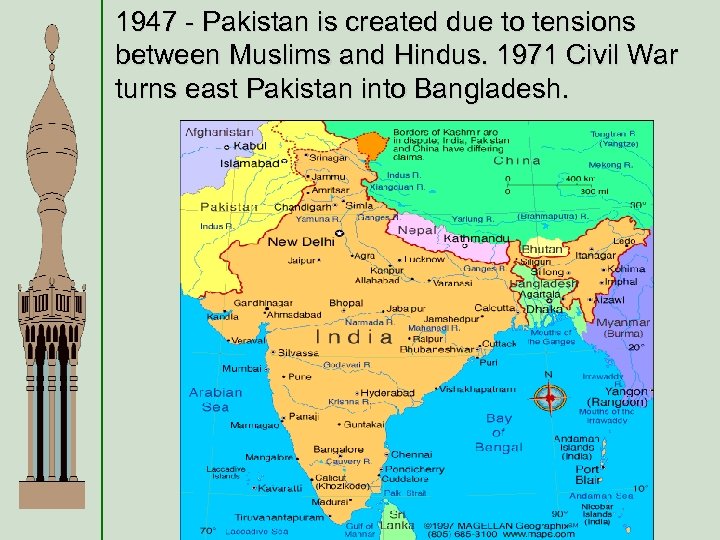
1947 - Pakistan is created due to tensions between Muslims and Hindus. 1971 Civil War turns east Pakistan into Bangladesh.
Overarching Question? ? • How did the establishment of the Islamic Gunpowder Empires effect Europeans? – These new and powerful empires controlled all of the key overland trade routes from Asia to Europe. • The Ottomans controlled the ends of the routes. • The Safavids controlled the Silk road and thus the Silk trade. • The Mughals controlled the important Indian trade.
Скачать презентацию Islam An Abrahamic Religion Z Muslims are strict
653007a351b36ce7885236b204555757.ppt