Скачать презентацию IR Theories Realism and Foreign Policy Analysis Politics
373fe682f5da2396106a5ab839e07f52.ppt
- Количество слайдов: 31
 IR Theories: Realism (and Foreign Policy Analysis) Politics 768 Economic Statecraft 23 July 2010 Stephen Hoadley
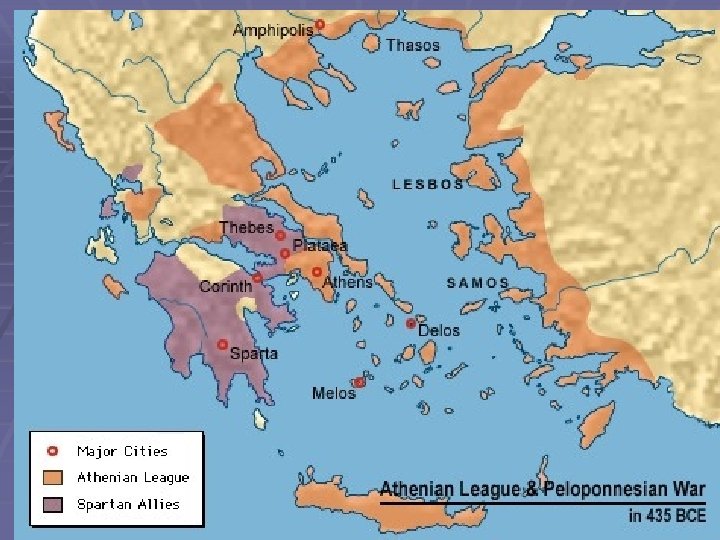
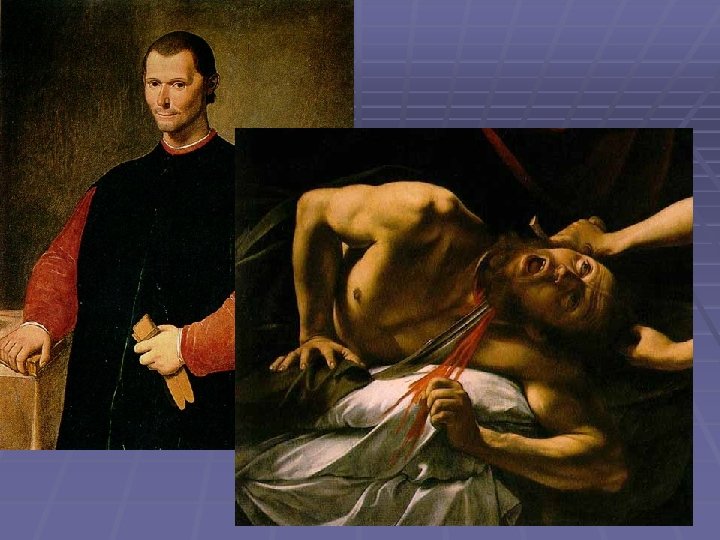
 ‘Realism is the dominant theory of the study of IR’ (Baylis p. 91) § Realism (synonyms = realpolitik, power politics, raison § § § d'état) explains IR in terms of power. Usually a ‘conservative’ approach espoused by practical policy-makers at the ‘centre-right’ of the political spectrum. Exemplified by Sun Tzu’s analysis of China’s Period of Warring States and Thucydides’ account of the Peloponnesian Wars (both about 2500 years ago). Reinforced by writings of Machiavelli in Italy and Thomas Hobbes in England about 500 years ago Source: Baylis et al Globalization of World Politics Chapter 5
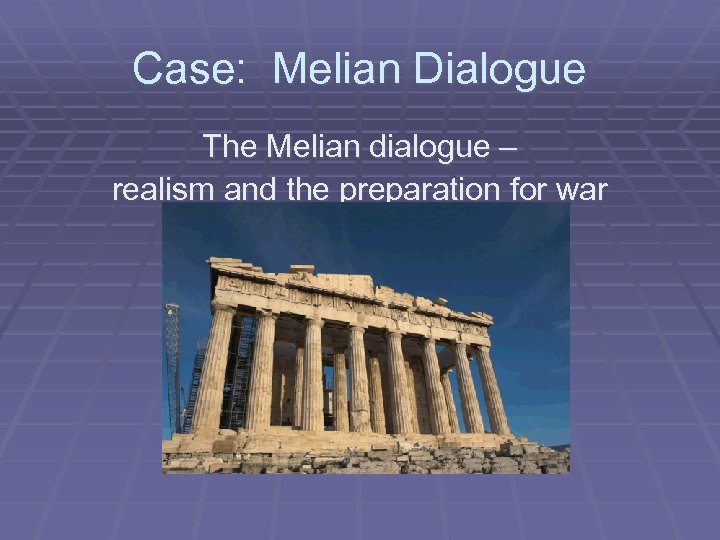 Case: Melian Dialogue The Melian dialogue – realism and the preparation for war
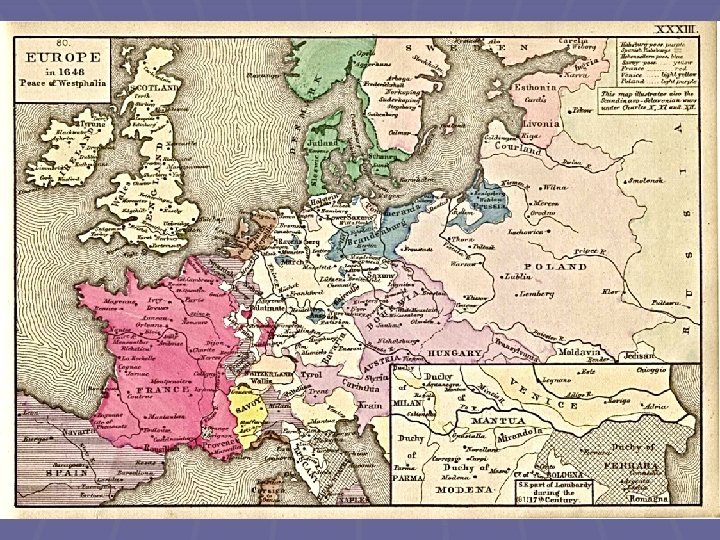
 The Peace of Westphalia § In 1648 after the devastating Thirty Years War between Protestants and Catholics the Germanic states agreed to § avoid war except in self-defence § respect each others sovereignty § avoid interfering in each other’s domestic affairs § This marked the beginning of the modern state system.
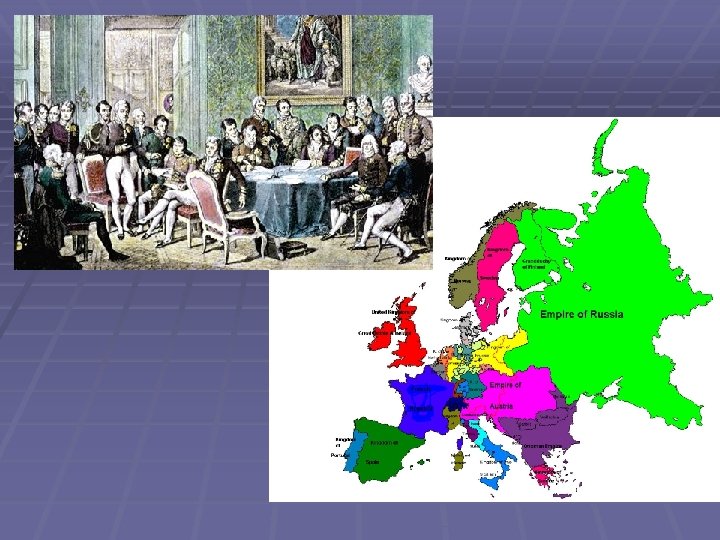
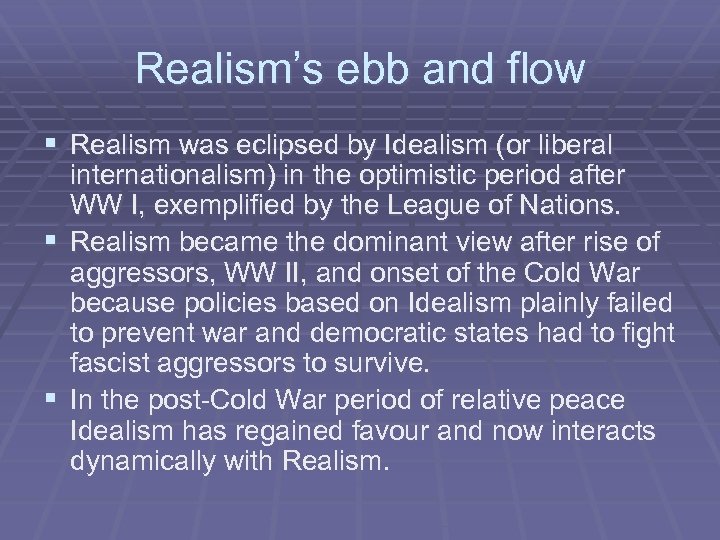
 In the 1800 s… § The European powers brought an end to the Napoleonic Wars at the Congress of Vienna in 1815 § They formed the so called ‘Concert of Europe’ which initiated § modern diplomacy § a balance of power system with Britain as balancer § Europe enjoyed relative peace until the rise of Germany, the decay of the Ottoman, Russian, and Austro-Hungarian empires, and WWI 1914
 Realism’s ebb and flow § Realism was eclipsed by Idealism (or liberal internationalism) in the optimistic period after WW I, exemplified by the League of Nations. § Realism became the dominant view after rise of aggressors, WW II, and onset of the Cold War because policies based on Idealism plainly failed to prevent war and democratic states had to fight fascist aggressors to survive. § In the post-Cold War period of relative peace Idealism has regained favour and now interacts dynamically with Realism.
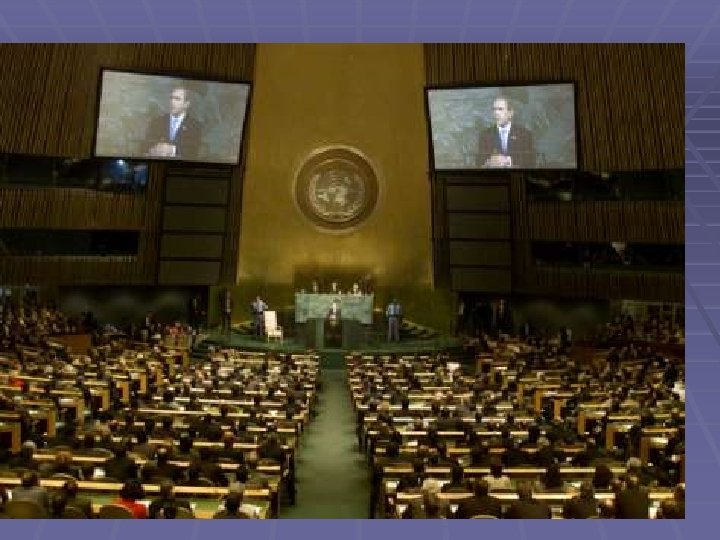
 The essential Realism § Statism: the centrepiece of Realism § State as the pre-eminent actor (all other actors in world politics are of lesser significance) § ‘Sovereignty’: the existence of an independent political community with juridical authority over its territory § Key criticisms: § Empirical: challenges to state power from ‘above’ (UN) and ‘below’ (MNCs, terrorism) § Normative: the inability of sovereign states to respond to collective global problems - famine, environmental degradation, and human rights abuses
 The essential Realism § Survival: the primary objective of all states § All other goals such as economic prosperity are secondary (or ‘low politics’) § To preserve state security, leaders judge actions according to the outcome § Any moral universals for political realists can only be concretized in particular communities § Key criticism (normative): are there no limits to what actions a state can take in the name of necessity?
 One Realism, or many? § Divergent emphases among academics § Two broad schools of realism: § Those who grant theoretical primacy to human nature § Those who accentuate the importance of international anarchy and the distribution of power in the international system
 One Realism, or many (p. 96)? § Classical realism § Neoclassical realism: § Includes individual and unit variation § Rational choice realism: § Conceives of IR as bargaining process § Recognizes importance of international institutions § Structural realism: § § States as security maximizers (defensive realism) States as power maximizers (offensive realism)
 Assumptions of Classical Realists 1 § Human nature is flawed, selfish and sometimes violent and cruel. § Order and constraint of rogue individuals, and of rogue states, by rational states is necessary. § States can depend only on self-help and must act unilaterally, and militarily, when necessary
 Assumptions of Classical Realism 2 § World affairs are conducted mainly by states. § States are sovereign and there is no higher § § authority. The system is ‘anarchic’. States act rationally to pursue their ‘national interests’ in competition with other states. The rivalry of states is shaped mainly (but not exclusively) by power relations. States with power will have more influence and options than those without power Maximisation of power (or at least influence) is a key goal of states.
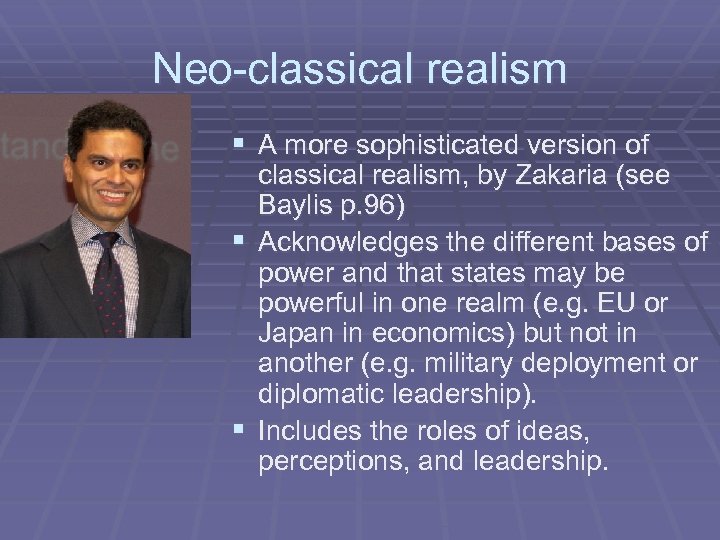 Neo-classical realism § A more sophisticated version of § § classical realism, by Zakaria (see Baylis p. 96) Acknowledges the different bases of power and that states may be powerful in one realm (e. g. EU or Japan in economics) but not in another (e. g. military deployment or diplomatic leadership). Includes the roles of ideas, perceptions, and leadership.
 Rational choice realism § Conceives of IR as a bargaining process § Recognizes importance of international institutions, law and norms § Recognizes importance of domestic political institutions, forces and influences § Is a cousin to the IR sub-discipline of Foreign Policy Analysis
 Foreign Policy Analysis § May be Classical Realist or Liberal § § Internationalist…but leans to the former Retains Realist focus on the individual state represented by its government, which makes foreign policy authoritatively But take note of influences of domestic politics, sub-state actors, and ideologies. So governments stand at a blurred boundary between the domestic and the international FPA can make sense of a confusing world.
 Classical, neo-classical, and rational-choice realists all acknowledge non-power virtues such as ideals, norms and culture § Although they should not govern states’ foreign and § § security policies, realists can respect the ideals, norms and culture of the people. Soft power’ (attractiveness, persuasiveness, good behaviour) can serve realist state interests abroad. Rational and responsive state institutions that facilitate justice, welfare, and culture and spiritual pursuits (e. g. Western democracies) will better enable the state to survive in the long run than the exercise of raw power (e. g. Nazi Germany).
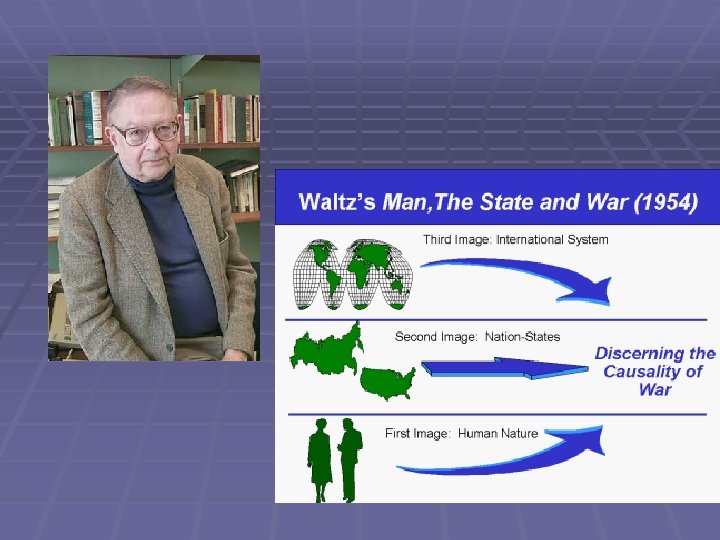
 Structural realism § Made famous by Kenneth Waltz in his books The Use of Force: International Politics and Foreign Policy 1971, Theory of International Politics 1979 and Man, the State, and War 1954. § Is abstracted to consider mainly balance-ofpower relations. § Little emphasis on domestic politics and decision -making institutions. § Is plausible and easy to quote but difficult to apply to real-world political examples.
 In summary: The core of Realism § Realism’s three Ss § Statism § Survival § Self-help § Three more useful Ss of Realism § § § Sovereignty Structure (of international system) Security dilemma § § § Rationality Interests Balance of power Soft power Hegemonic stability Idealist critique of realism § Six more useful terms…”RIBSHI”
 Case study # 1 Examples of Realist and Idealist states § Realist states -- Russia, Israel, China, Turkey, Iran, Pakistan, India, S Korea, N Korea, Taiwan, Singapore § Idealist states – New Zealand, Japan, Germany, Nordic states, Netherlands, Canada, European Union and Pacific Islands states generally. Australia under Rudd. § Mixed cases – United States, Great Britain, France, Southeast Asian states. Australia under Howard.
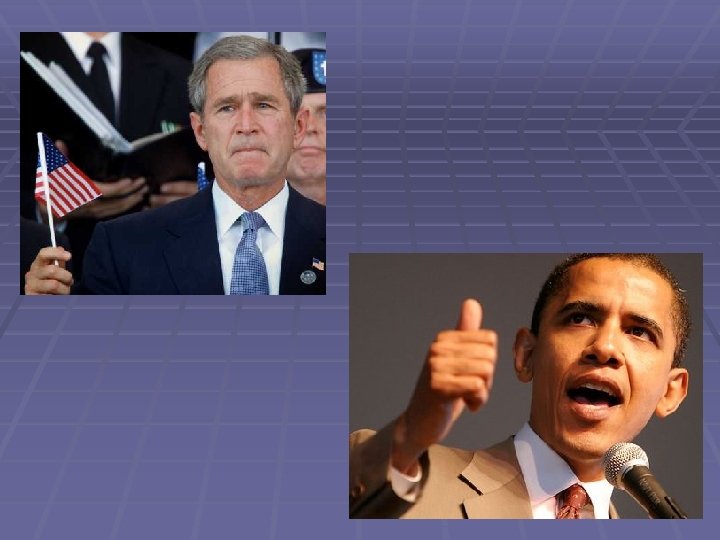
 Case study 2: Is the US a Realist or Idealist state? § Realist because the US depends on pro-active unilateral § § military power for defence, even pre-emptive defence. Idealist inasmuch as the US often cooperates with the UN and allies and spends resources to promote democracy, human rights, welfare, health, and environmental protection abroad. Mixed case: these policies produce long-term security for the US in addition to being morally desirable. Republican conservatives criticise Bush for not being a true ‘realist’ but for squandering American power and resources in a distant, non-essential ‘war of choice’. Obama is likely to be a ‘soft’ realist with idealist rhetoric
 Case study 3: contrasting Realist. Idealist responses to 9/11 terrorist attacks on the US § The Realist would focus on unilateral Homeland Defense, border protection, counter-terrorism measures, and armed pre-emption of terrorists and their state supporters by regime change if necessary. § The Idealist would focus on aid to alleviate the poverty, injustice and despair that breed terrorists, and work with international institutions (non-governmental as well as intergovernmental) to address political conflicts and grievances.