


 Скачать презентацию Introduction to Yahsat Pioneering initiatives for progress
52331aadfef2952f1760ae314e3613b3.ppt
- Количество слайдов: 31

 Introduction to Yahsat
 Pioneering initiatives for progress Al Yah Satellite Communications Company PJSC (Yahsat) is a private joint stock company fully owned by Mubadala, the investment arm of the Government of Abu Dhabi, the capital of the United Arab Emirates. “ Yahsat’s vision is to be the global partner of choice for reliable, innovative and affordable satellite solutions. ”
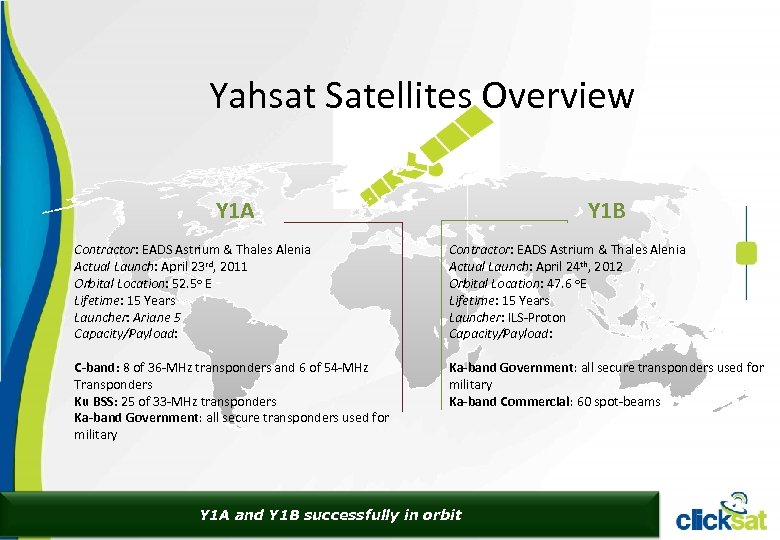 Yahsat Satellites Overview Y 1 B Y 1 A Contractor: EADS Astrium & Thales Alenia Actual Launch: April 23 rd, 2011 Orbital Location: 52. 5 o E Lifetime: 15 Years Launcher: Ariane 5 Capacity/Payload: Contractor: EADS Astrium & Thales Alenia Actual Launch: April 24 th, 2012 Orbital Location: 47. 6 o. E Lifetime: 15 Years Launcher: ILS-Proton Capacity/Payload: C-band: 8 of 36 -MHz transponders and 6 of 54 -MHz Transponders Ku BSS: 25 of 33 -MHz transponders Ka-band Government: all secure transponders used for military Ka-band Commercial: 60 spot-beams Y 1 A and Y 1 B successfully in orbit
 Yah. Click Technology Overview
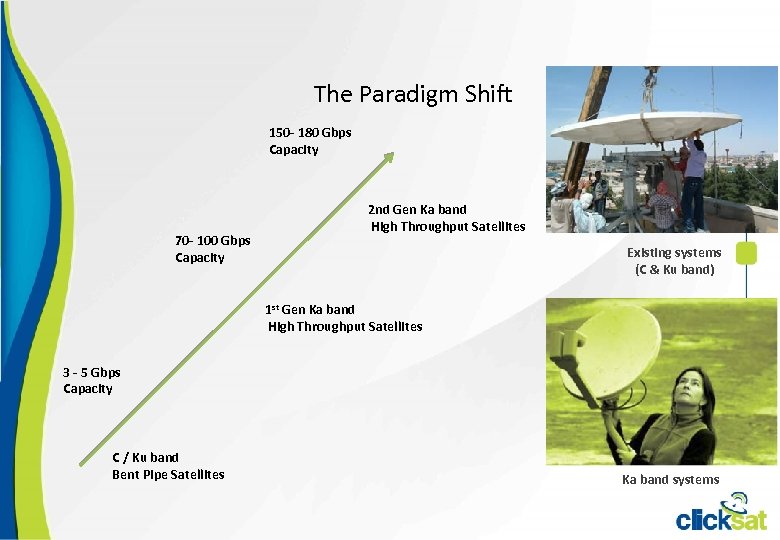 The Paradigm Shift 150 - 180 Gbps Capacity 70 - 100 Gbps Capacity 2 nd Gen Ka band High Throughput Satellites Existing systems (C & Ku band) 1 st Gen Ka band High Throughput Satellites 3 - 5 Gbps Capacity C / Ku band Bent Pipe Satellites Ka band systems
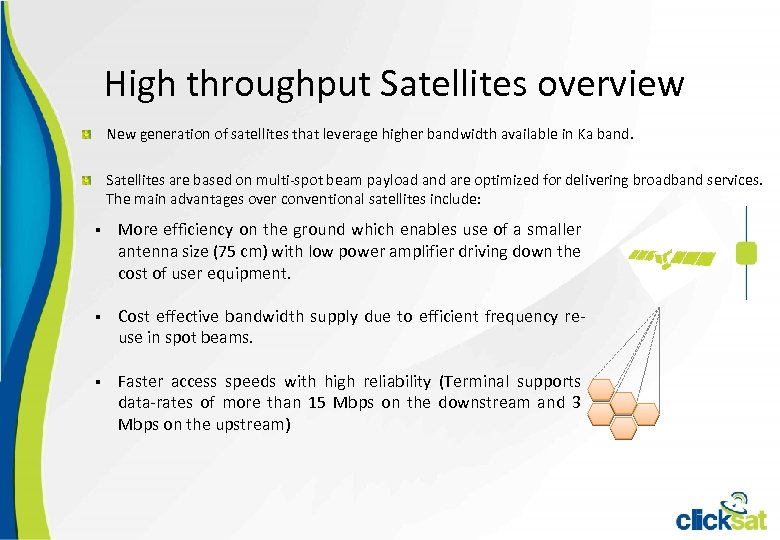 High throughput Satellites overview New generation of satellites that leverage higher bandwidth available in Ka band. Satellites are based on multi-spot beam payload and are optimized for delivering broadband services. The main advantages over conventional satellites include: § More efficiency on the ground which enables use of a smaller antenna size (75 cm) with low power amplifier driving down the cost of user equipment. § Cost effective bandwidth supply due to efficient frequency reuse in spot beams. § Faster access speeds with high reliability (Terminal supports data-rates of more than 15 Mbps on the downstream and 3 Mbps on the upstream)
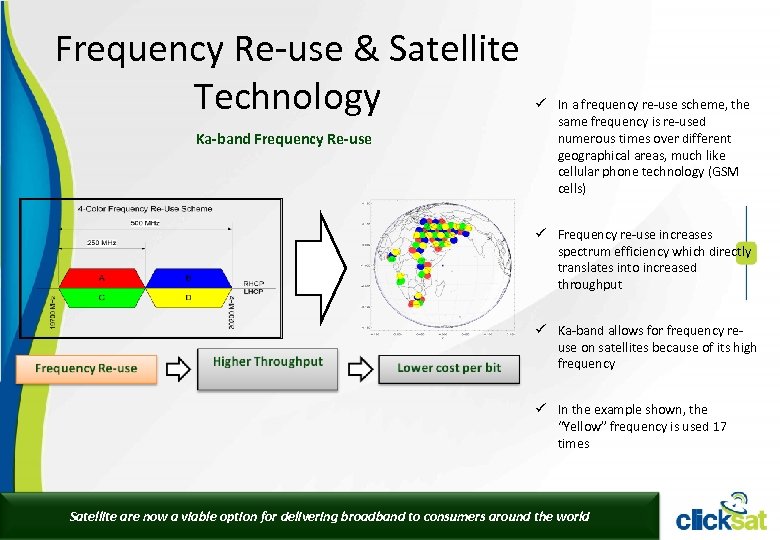 Frequency Re-use & Satellite Technology Ka-band Frequency Re-use ü In a frequency re-use scheme, the same frequency is re-used numerous times over different geographical areas, much like cellular phone technology (GSM cells) ü Frequency re-use increases spectrum efficiency which directly translates into increased throughput ü Ka-band allows for frequency reuse on satellites because of its high frequency ü In the example shown, the “Yellow” frequency is used 17 times Satellite are now a viable option for delivering broadband to consumers around the world
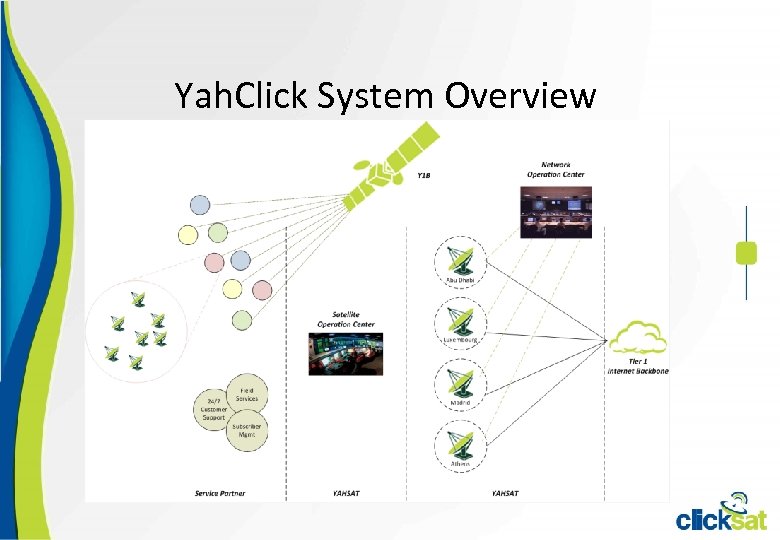 Yah. Click System Overview
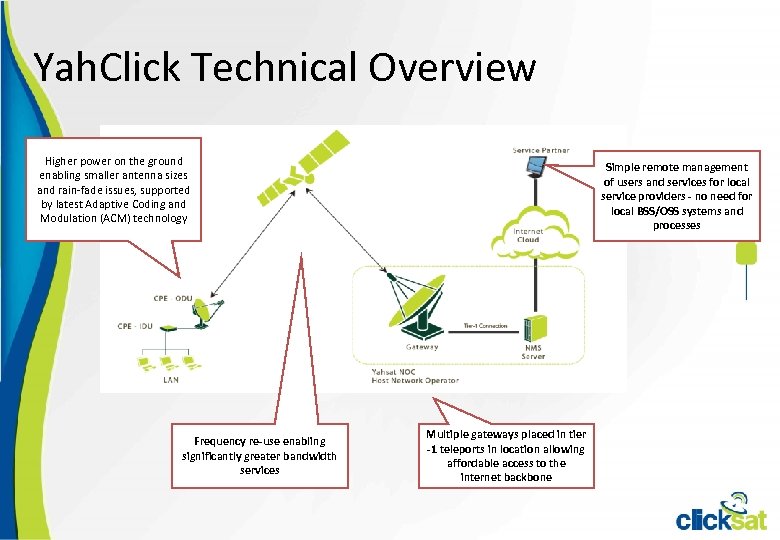 Yah. Click Technical Overview Higher power on the ground enabling smaller antenna sizes and rain-fade issues, supported by latest Adaptive Coding and Modulation (ACM) technology Frequency re-use enabling significantly greater bandwidth services Simple remote management of users and services for local service providers - no need for local BSS/OSS systems and processes Multiple gateways placed in tier -1 teleports in location allowing affordable access to the internet backbone
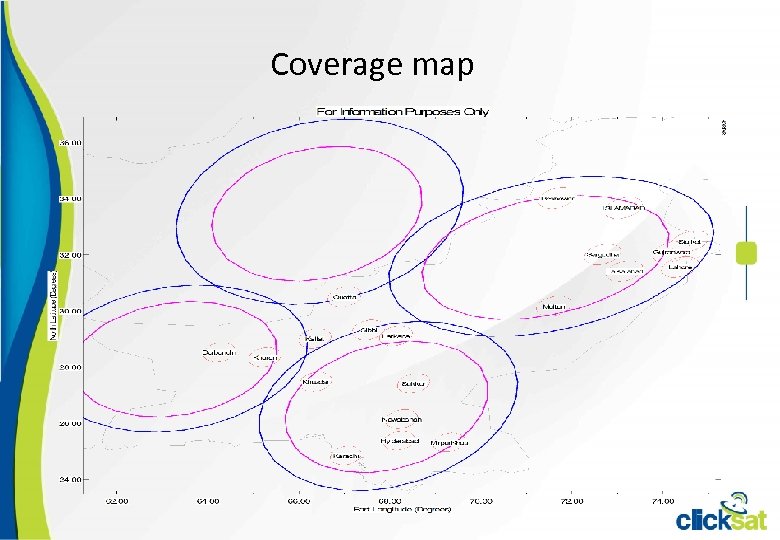
 COVERAGE AREA The coverage of Ka-Band Technology is determined by the positioning of spot beams. Three spot beams exist for Pakistan. Three dishes can be used namely: • 74 cm Dish • 98 cm Dish • 120 cm Dish
 Coverage map
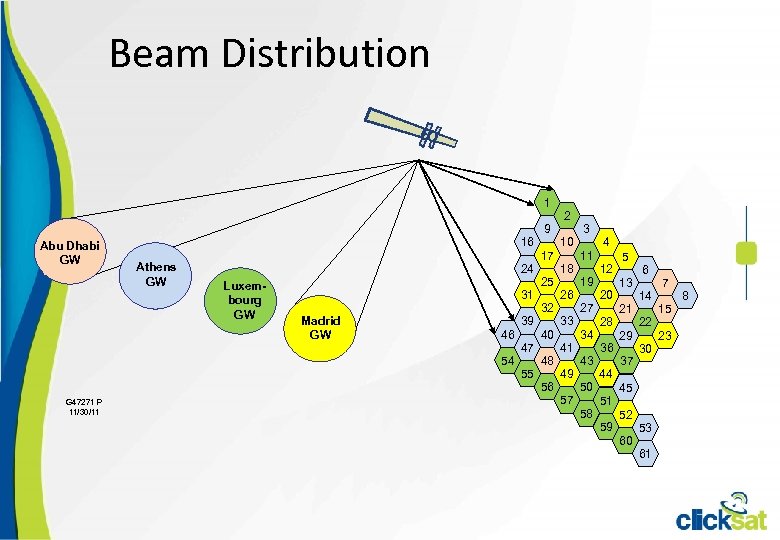 Beam Distribution 1 Abu Dhabi GW 16 Athens GW 24 Luxembourg GW 31 Madrid GW 46 54 G 47271 P 11/30/11 39 47 55 9 17 25 32 40 48 56 2 10 18 26 33 41 49 57 3 11 19 27 34 43 50 58 4 12 20 28 36 44 51 59 5 13 21 29 37 6 14 22 30 45 52 60 53 61 7 15 23 8
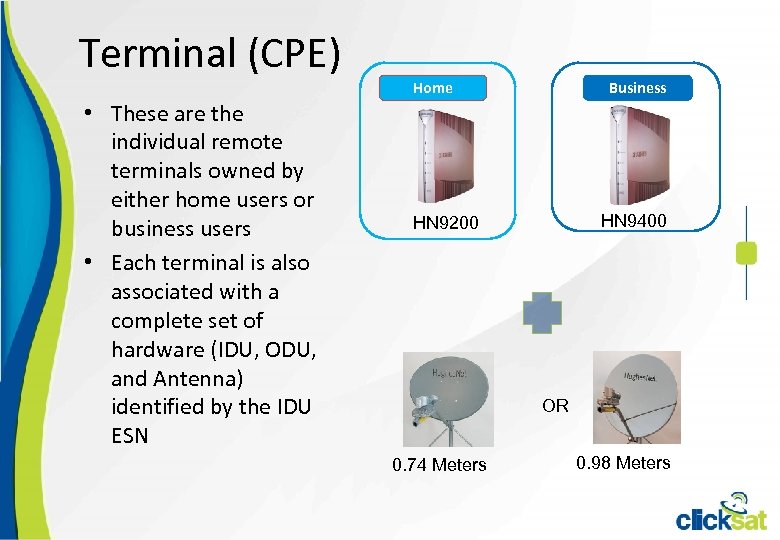 Terminal (CPE) • These are the individual remote terminals owned by either home users or business users • Each terminal is also associated with a complete set of hardware (IDU, ODU, and Antenna) identified by the IDU ESN Home Business HN 9400 HN 9200 OR 0. 74 Meters 0. 98 Meters
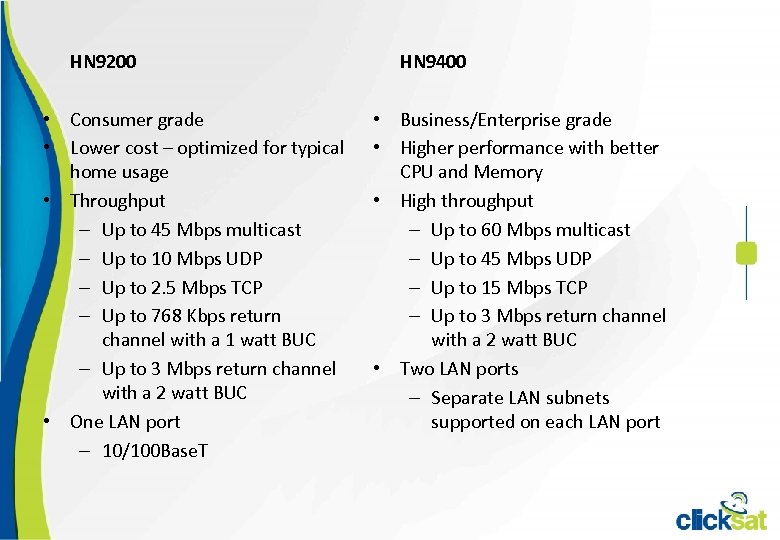 HN 9200 • Consumer grade • Lower cost – optimized for typical home usage • Throughput – Up to 45 Mbps multicast – Up to 10 Mbps UDP – Up to 2. 5 Mbps TCP – Up to 768 Kbps return channel with a 1 watt BUC – Up to 3 Mbps return channel with a 2 watt BUC • One LAN port – 10/100 Base. T HN 9400 • Business/Enterprise grade • Higher performance with better CPU and Memory • High throughput – Up to 60 Mbps multicast – Up to 45 Mbps UDP – Up to 15 Mbps TCP – Up to 3 Mbps return channel with a 2 watt BUC • Two LAN ports – Separate LAN subnets supported on each LAN port
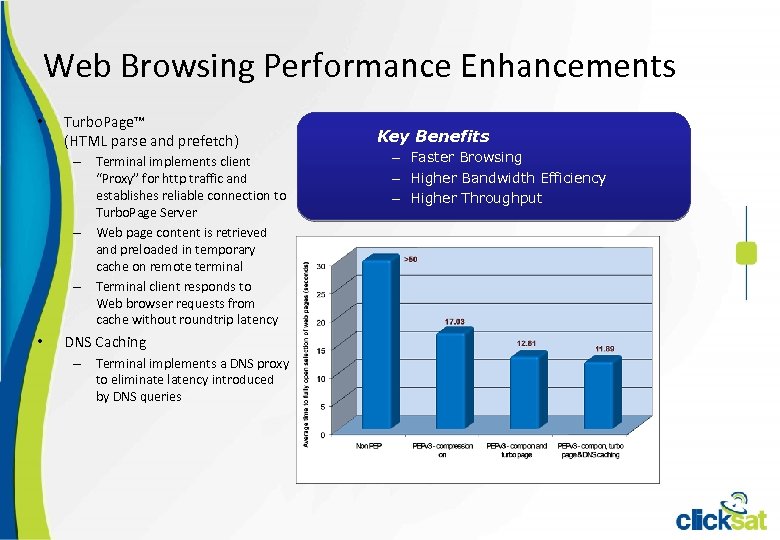 Web Browsing Performance Enhancements • Turbo. Page™ (HTML parse and prefetch) – Terminal implements client “Proxy” for http traffic and establishes reliable connection to Turbo. Page Server – Web page content is retrieved and preloaded in temporary cache on remote terminal – Terminal client responds to Web browser requests from cache without roundtrip latency • DNS Caching – Terminal implements a DNS proxy to eliminate latency introduced by DNS queries Key Benefits – Faster Browsing – Higher Bandwidth Efficiency – Higher Throughput
 Weather − Rain Fade • Rain Fade is the physical phenomenon that deteriorates RF signals due to the presence of moisture (rain, snow, ice) in the transmission path • Losses are especially prevalent at higher frequencies like Ka-band (Yahsat 1 B is a Ka-band satellite) • Rain fade can be caused by precipitation at the uplink or downlink location. However, it does not need to be raining at a location for it to be affected by rain fade, as the signal may pass through precipitation many miles away • Signal loss can occur due to presence of precipitation on the antenna assembly as well • HN system has mechanisms built in to minimize the effect of rain fade on service known as Adaptive Coding and Modulation (ACM) and Adaptive Inbound Selection (AIS)
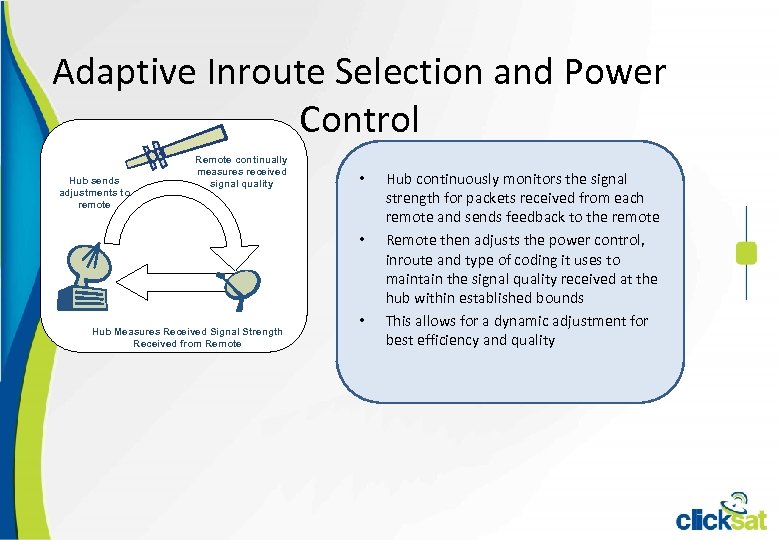 Adaptive Inroute Selection and Power Control Hub sends adjustments to remote Remote continually measures received signal quality • • Hub Measures Received Signal Strength Received from Remote • Hub continuously monitors the signal strength for packets received from each remote and sends feedback to the remote Remote then adjusts the power control, inroute and type of coding it uses to maintain the signal quality received at the hub within established bounds This allows for a dynamic adjustment for best efficiency and quality
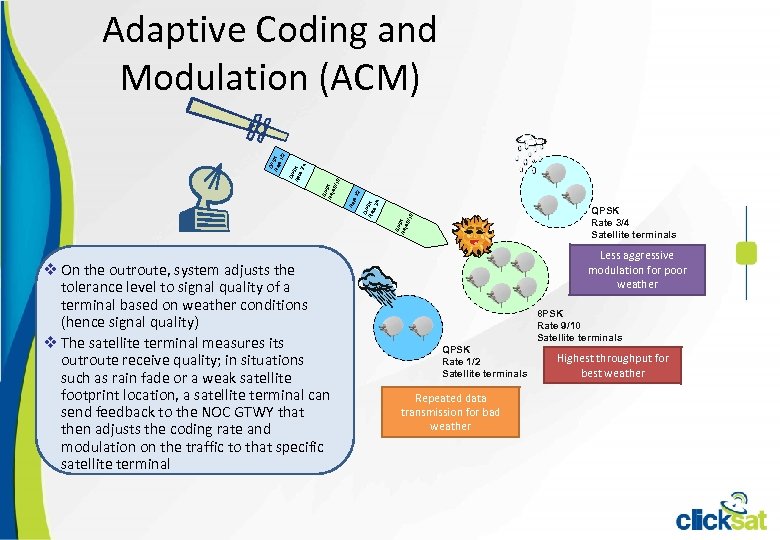 /2 QPSK Rate 3/4 Satellite terminals 8 P S Ra K te 9 /10 te 1 Ra v On the outroute, system adjusts the tolerance level to signal quality of a terminal based on weather conditions (hence signal quality) v The satellite terminal measures its outroute receive quality; in situations such as rain fade or a weak satellite footprint location, a satellite terminal can send feedback to the NOC GTWY that then adjusts the coding rate and modulation on the traffic to that specific satellite terminal QP Ra SK te 3 /4 8 P S Ra K te 9 /10 QP Ra SK te 3 /4 QP S Ra K te 1 /2 Adaptive Coding and Modulation (ACM) Less aggressive modulation for poor weather 8 PSK Rate 9/10 Satellite terminals QPSK Rate 1/2 Satellite terminals Repeated data transmission for bad weather Highest throughput for best weather
 Yah. Click Service Overview
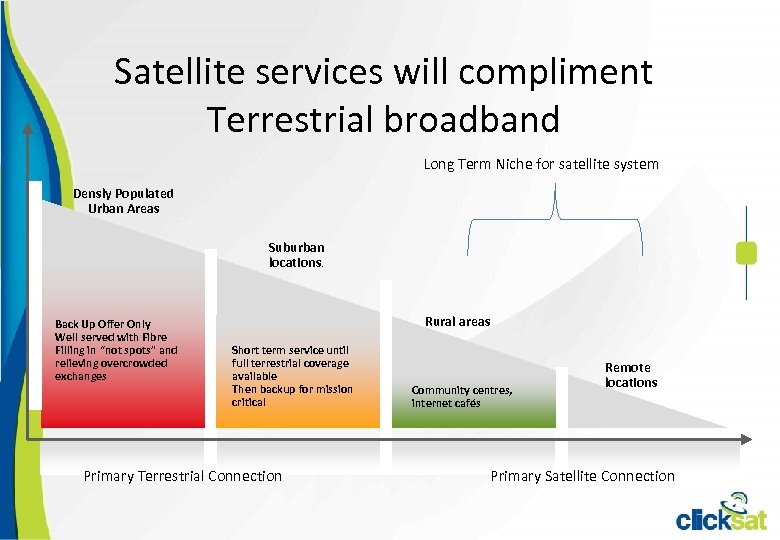 Satellite services will compliment Terrestrial broadband Long Term Niche for satellite system Densly Populated Urban Areas Suburban locations. Back Up Offer Only Well served with Fibre Filling in “not spots” and relieving overcrowded exchanges Rural areas Short term service until full terrestrial coverage available Then backup for mission critical Primary Terrestrial Connection Community centres, internet cafés Remote locations Primary Satellite Connection
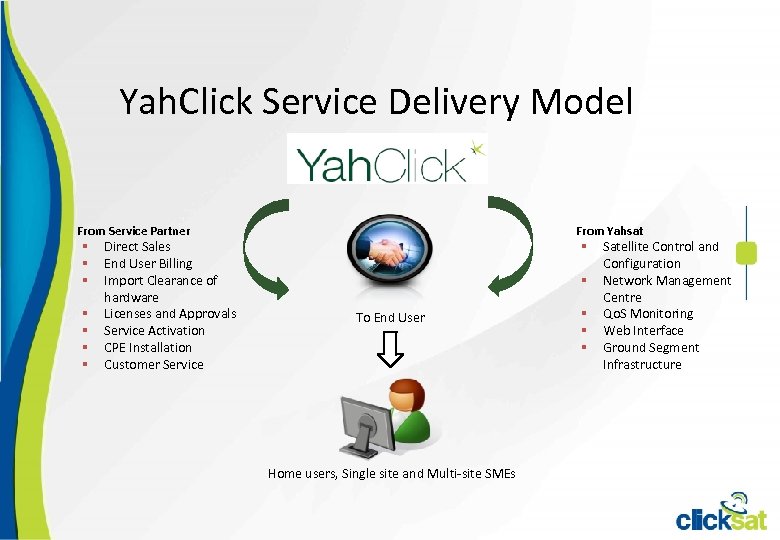 Yah. Click Service Delivery Model From Service Partner § § § § Direct Sales End User Billing Import Clearance of hardware Licenses and Approvals Service Activation CPE Installation Customer Service From Yahsat § § To End User Home users, Single site and Multi-site SMEs § § § Satellite Control and Configuration Network Management Centre Qo. S Monitoring Web Interface Ground Segment Infrastructure
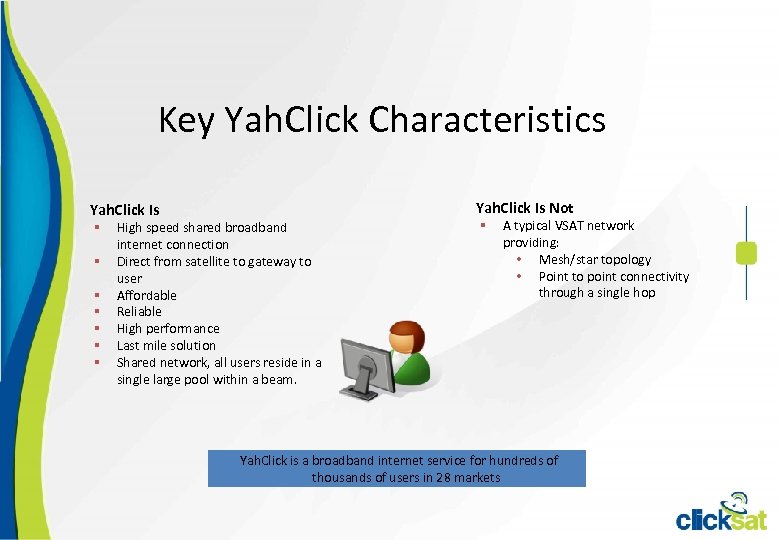 Key Yah. Click Characteristics Yah. Click Is § § § § Yah. Click Is Not High speed shared broadband internet connection Direct from satellite to gateway to user Affordable Reliable High performance Last mile solution Shared network, all users reside in a single large pool within a beam. § A typical VSAT network providing: • Mesh/star topology • Point to point connectivity through a single hop Yah. Click is a broadband internet service for hundreds of thousands of users in 28 markets
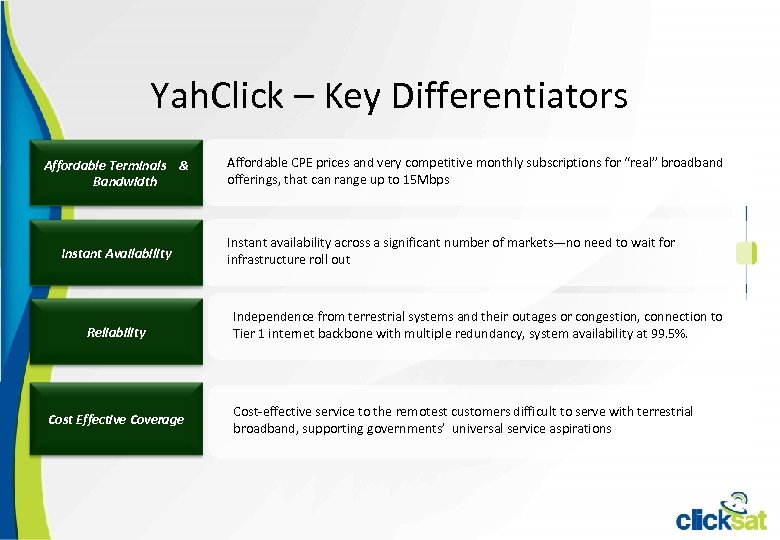 Yah. Click – Key Differentiators Affordable Terminals & Bandwidth Instant Availability Reliability Cost Effective Coverage Affordable CPE prices and very competitive monthly subscriptions for “real” broadband offerings, that can range up to 15 Mbps Instant availability across a significant number of markets—no need to wait for infrastructure roll out Independence from terrestrial systems and their outages or congestion, connection to Tier 1 internet backbone with multiple redundancy, system availability at 99. 5%. Cost-effective service to the remotest customers difficult to serve with terrestrial broadband, supporting governments’ universal service aspirations
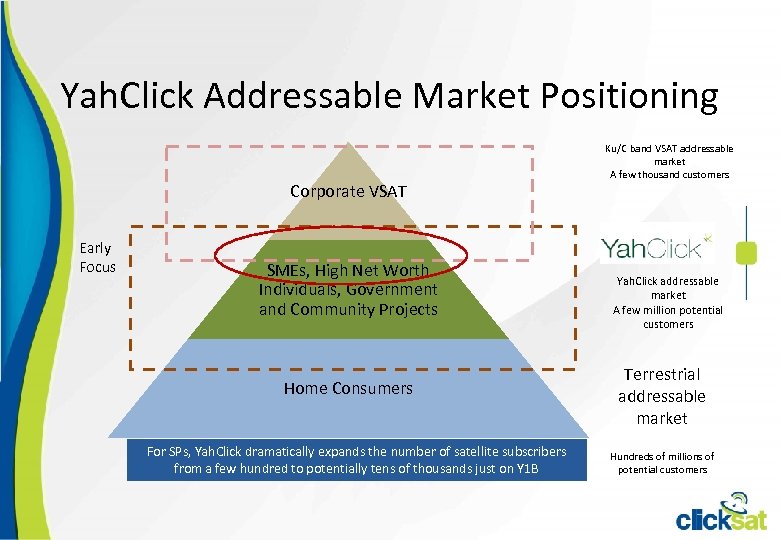 Yah. Click Addressable Market Positioning Corporate VSAT Early Focus SMEs, High Net Worth Individuals, Government and Community Projects Home Consumers For SPs, Yah. Click dramatically expands the number of satellite subscribers from a few hundred to potentially tens of thousands just on Y 1 B Ku/C band VSAT addressable market A few thousand customers Yah. Click addressable market A few million potential customers Terrestrial addressable market Hundreds of millions of potential customers
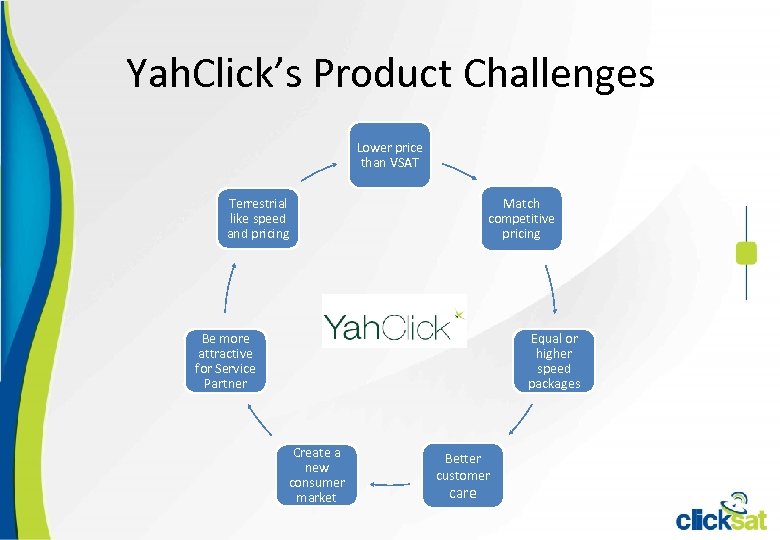 Yah. Click’s Product Challenges Lower price than VSAT Match competitive pricing Terrestrial like speed and pricing Be more attractive for Service Partner Equal or higher speed packages Create a new consumer market Better customer care
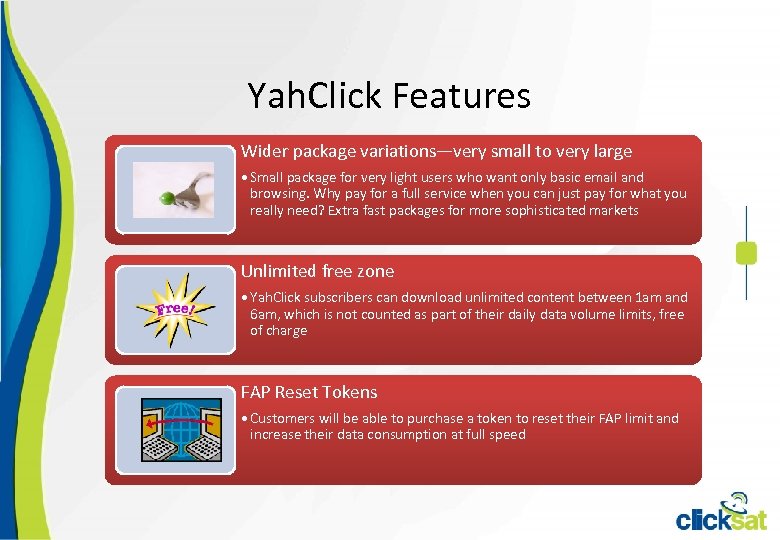 Yah. Click Features Wider package variations—very small to very large • Small package for very light users who want only basic email and browsing. Why pay for a full service when you can just pay for what you really need? Extra fast packages for more sophisticated markets Unlimited free zone • Yah. Click subscribers can download unlimited content between 1 am and 6 am, which is not counted as part of their daily data volume limits, free of charge FAP Reset Tokens • Customers will be able to purchase a token to reset their FAP limit and increase their data consumption at full speed
 Fair Access Policy “FAP” Enforcement Our Fair Access Policy “FAP” is designed to impact the fewest customers who overuse the network while helping ensure the highest speeds for the vast majority of the users. In most networks, 5% of subscribers use 50% of the traffic. FAP policies are implemented by all to prevent abusive consumption of bandwidth by a minority of users. To ensure that all Yah. Click High-Speed Internet Service customers have equitable access to the network, Yah. Click sets usage allowances on the amount of data a subscriber can download within stated time periods specified in each service plan. If at any time a subscriber’s Usage Total is above the Usage Allowance, the Yah. Click system will temporarily limit the speed at which the subscriber can receive data over the network. Subscribers will still be able to use the Internet service but at a lower speed. Subscribers who exceed this limit will experience a temporary reduction of speed for a Recovery Time period. After that Recovery period, full speeds return.
 How Fair Access Policy Works—Leaky Bucket Concept A subscriber starts with an empty “bucket” As they download data, the bucket fills up with kilobytes at full speed Once the subscriber has filled the bucket over a 72 hour period, full speed is throttled to a very low rate and a recovery time starts. The bucket has a hole in the bottom that “leaks out” used data. The bucket will be completely empty after 72 hours of zero usage. It will be one third empty after 24 hours of no usage. Speed is restored until the bucket is full again and speed is reduced. Data download can continue at this slow speed, but it is not recommended as this way the bucket will never empty and the subscriber will never regain full speed.
 Getting out of FAP – FAP Token If a subscriber stops using the internet after going into FAP, the subscriber will get out of FAP in 24 hours To get out of this throttled speed immediately, subscribers can pre-purchase FAP reset tokens from their SP that give them the 10% allowance of their service package FAP Reset token when applied sets the bucket size to 0 immediately – taking the user to un-FAPed state, and back to their full download “up to” speed After activating the token, subscribers can enjoy the advertised package speeds of their subscription until they exceed the allowed usage, and then they go back into throttled FAP mode Subscriber gets an empty bucket for the “coming rolling 72 hour period” Subscribers may continue to activate further tokens once their bucket is filled and they are FAPed again, if required, and the process is repeated No limit on the number of FAP tokens that may be applied to a specific terminal Unused volume from a FAP reset token expires after 72 hours from token activation
 Free. Zone (1 am to 6 am) The 10% FAP policy generally enables subscribers to download movies or video during the day at least 10 times a month Subscribers who enjoy watching movies and videos more often are advised to explore using download schedulers to download movies during Freezone time This ensures data allowance during the day is reserved for high speed browsing, social networking and email Software downloads and Windows Updates should be scheduled during Freezone.