

Introduction to the circular economy: new opportunities for





 Скачать презентацию Introduction to the circular economy: new opportunities for
28980-russia_mar_13.ppt
- Количество слайдов: 36
Introduction to the circular economy: new opportunities for businesses and society in an era of limited resources Arseny Konnov, Education for Circular Economy Russia www.circulareconomy.ru www.ellenmacarthurfoundation.org
Context: what on earth is going on?
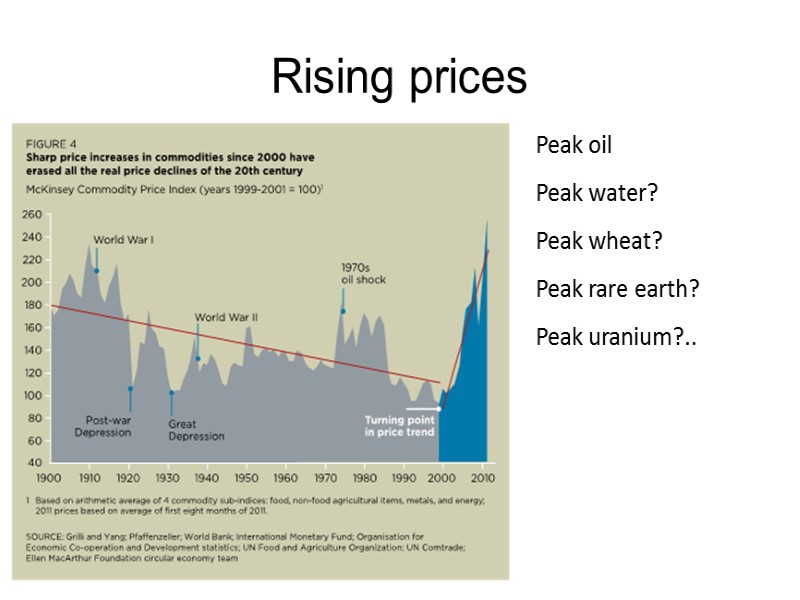
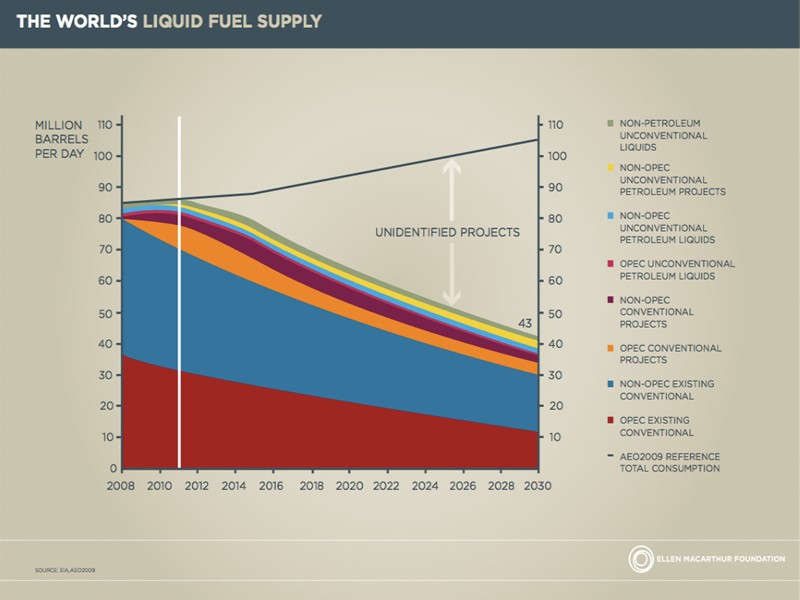
Rising prices Peak oil Peak water? Peak wheat? Peak rare earth? Peak uranium?..
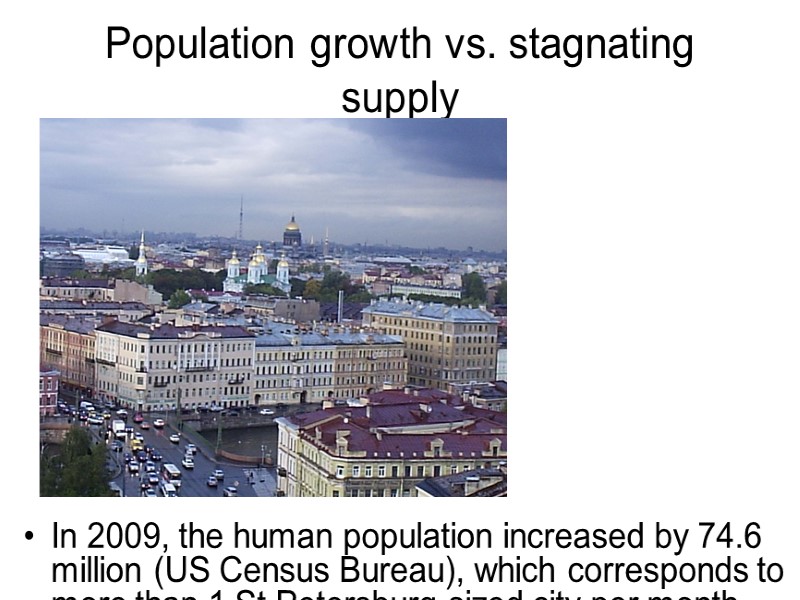
Population growth vs. stagnating supply In 2009, the human population increased by 74.6 million (US Census Bureau), which corresponds to more than 1 St.Petersburg-sized city per month
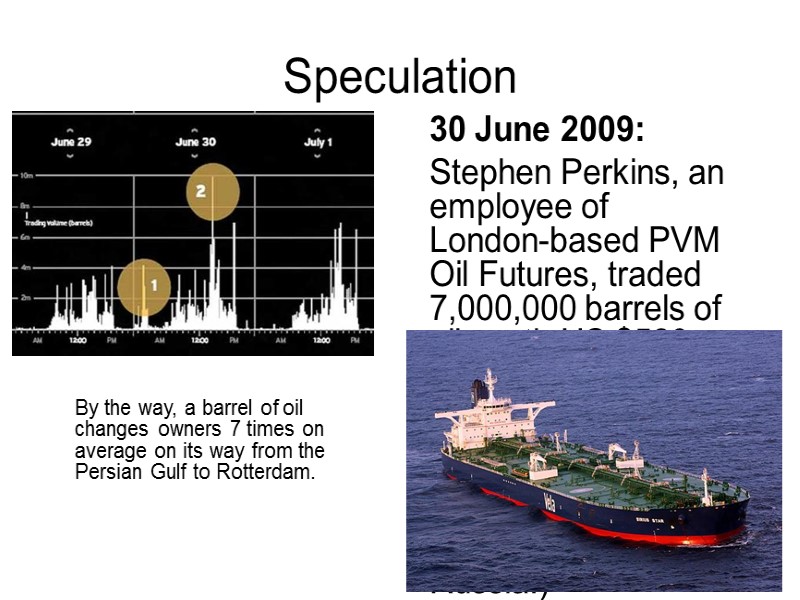
Speculation 30 June 2009: Stephen Perkins, an employee of London-based PVM Oil Futures, traded 7,000,000 barrels of oil worth US $520 million (£340 million), in a two-and-half-hour period being drunk. (NB: That happened in the UK, not in Russia.) By the way, a barrel of oil changes owners 7 times on average on its way from the Persian Gulf to Rotterdam.
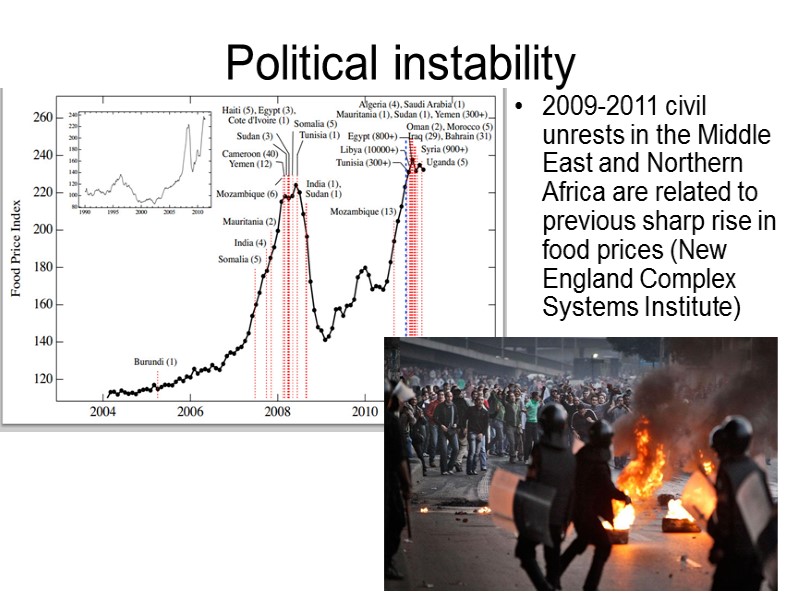
Political instability 2009-2011 civil unrests in the Middle East and Northern Africa are related to previous sharp rise in food prices (New England Complex Systems Institute)
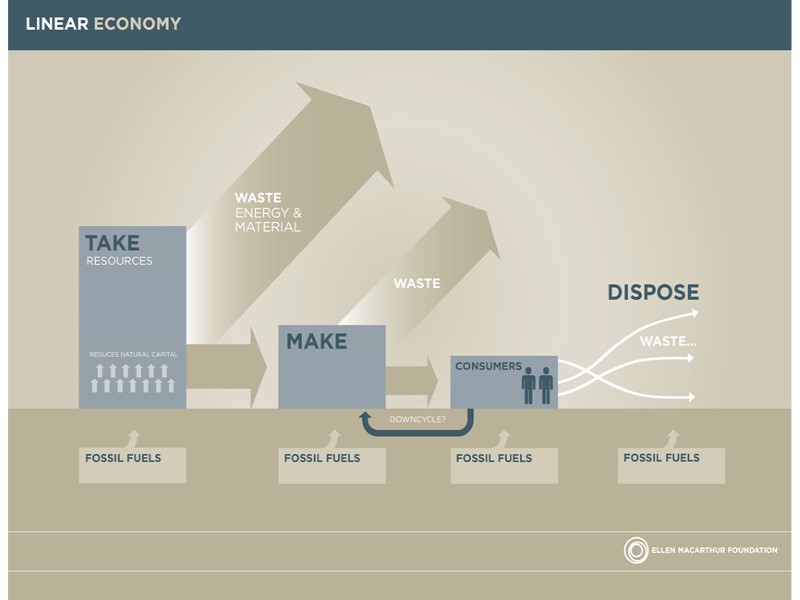
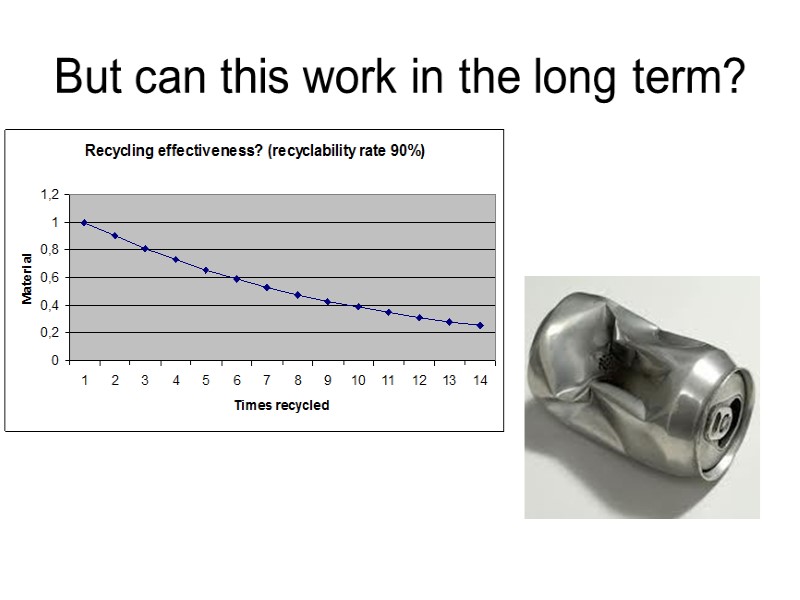
But can this work in the long term?
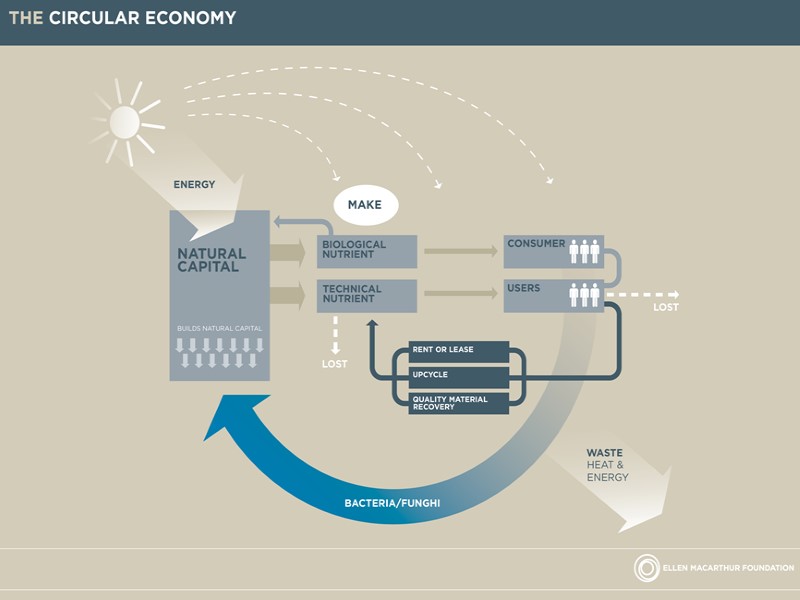
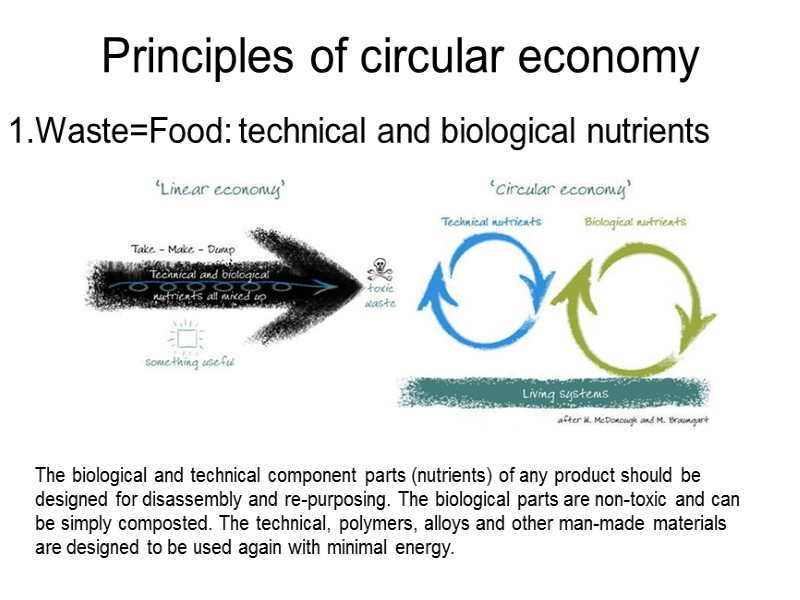
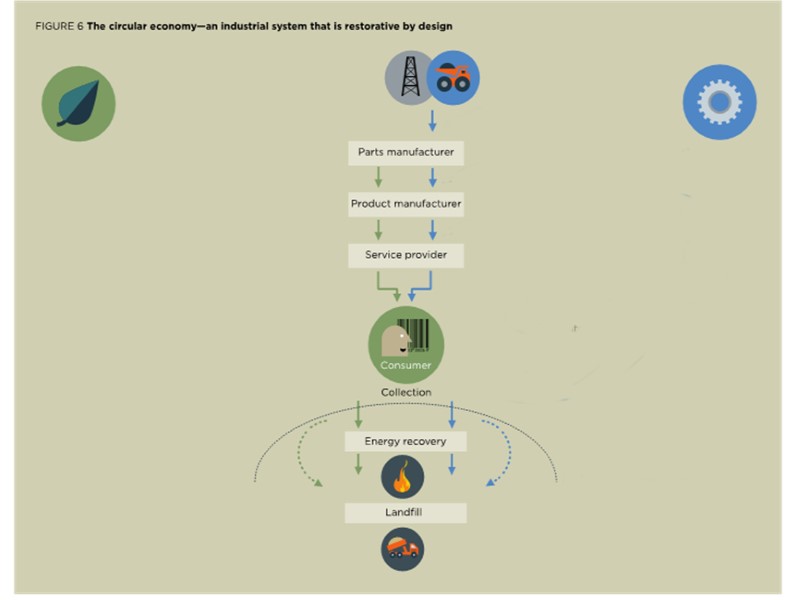
Principles of circular economy 1.Waste=Food: technical and biological nutrients The biological and technical component parts (nutrients) of any product should be designed for disassembly and re-purposing. The biological parts are non-toxic and can be simply composted. The technical, polymers, alloys and other man-made materials are designed to be used again with minimal energy.
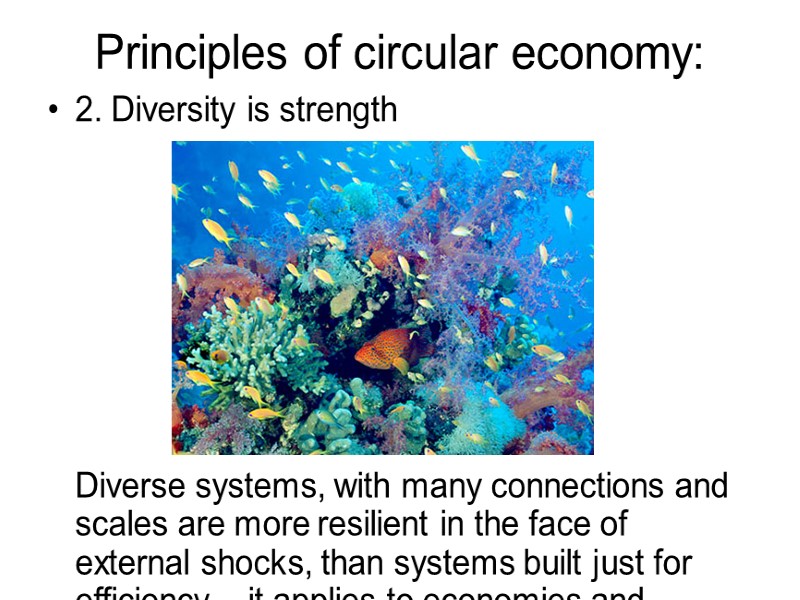
Principles of circular economy: 2. Diversity is strength Diverse systems, with many connections and scales are more resilient in the face of external shocks, than systems built just for efficiency – it applies to economies and communities too.
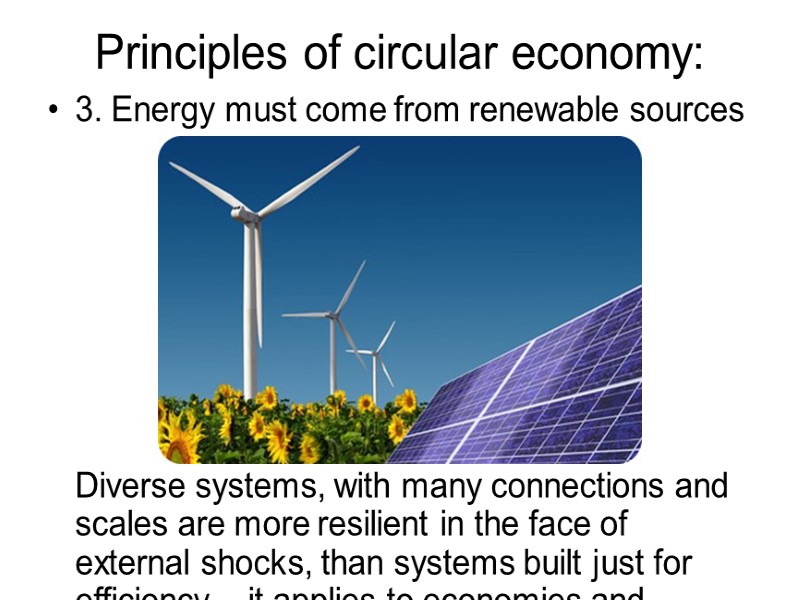
Principles of circular economy: 3. Energy must come from renewable sources Diverse systems, with many connections and scales are more resilient in the face of external shocks, than systems built just for efficiency – it applies to economies and communities too.
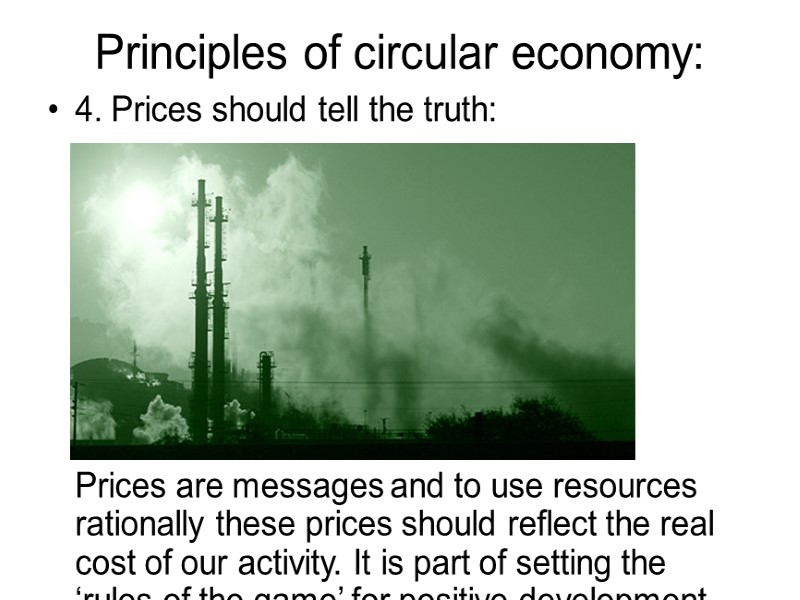
Principles of circular economy: 4. Prices should tell the truth: Prices are messages and to use resources rationally these prices should reflect the real cost of our activity. It is part of setting the ‘rules of the game’ for positive development cycles.
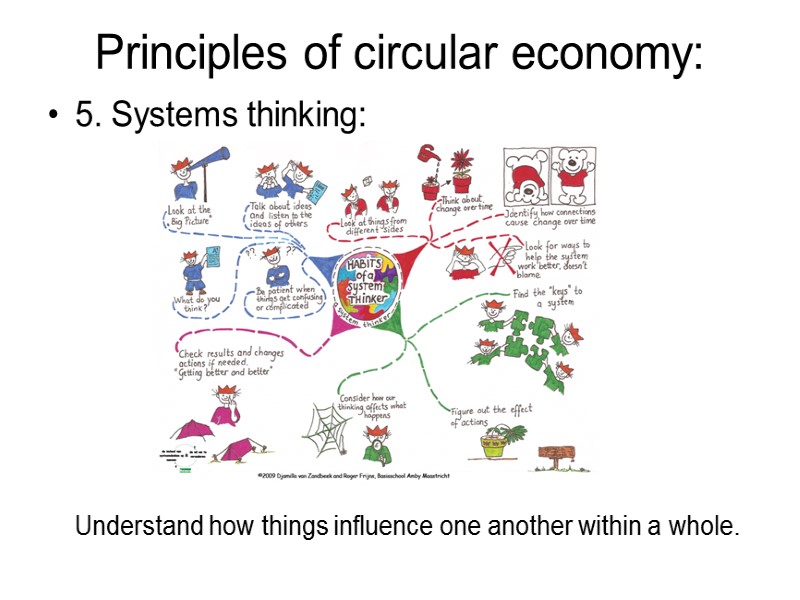
Principles of circular economy: 5. Systems thinking: Understand how things influence one another within a whole.
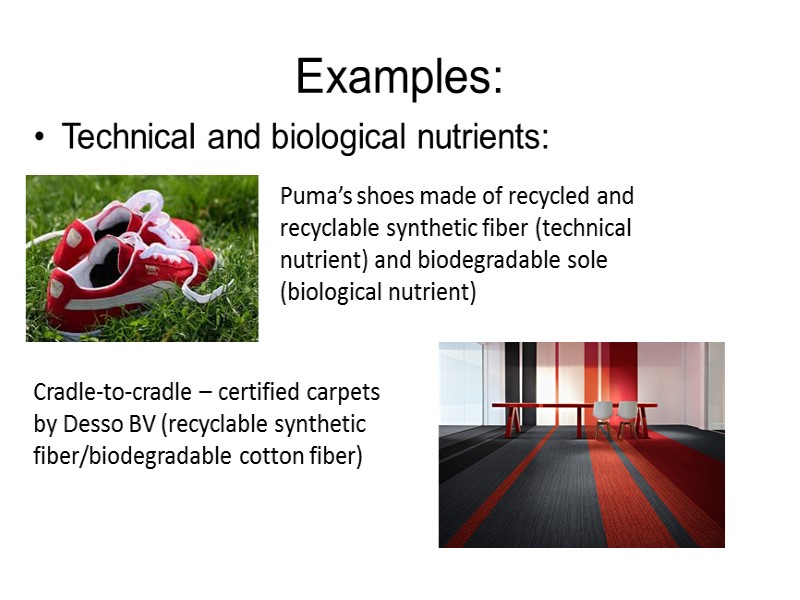
Examples: Technical and biological nutrients: Puma’s shoes made of recycled and recyclable synthetic fiber (technical nutrient) and biodegradable sole (biological nutrient) Cradle-to-cradle – certified carpets by Desso BV (recyclable synthetic fiber/biodegradable cotton fiber)
Examples: “Prices should tell the truth”: a pay-per-wash service contracts for Bosch washing machines Bosch will provide washing machines to Eigen Haard tenants, who will initially pay €10 per month for the washing machine service (including energy and water). Later, tenants will pay per wash. Benefits: decreased energy and water consumption, higher quality of the product, no environmental externalities (producer’s responsibility for the product)
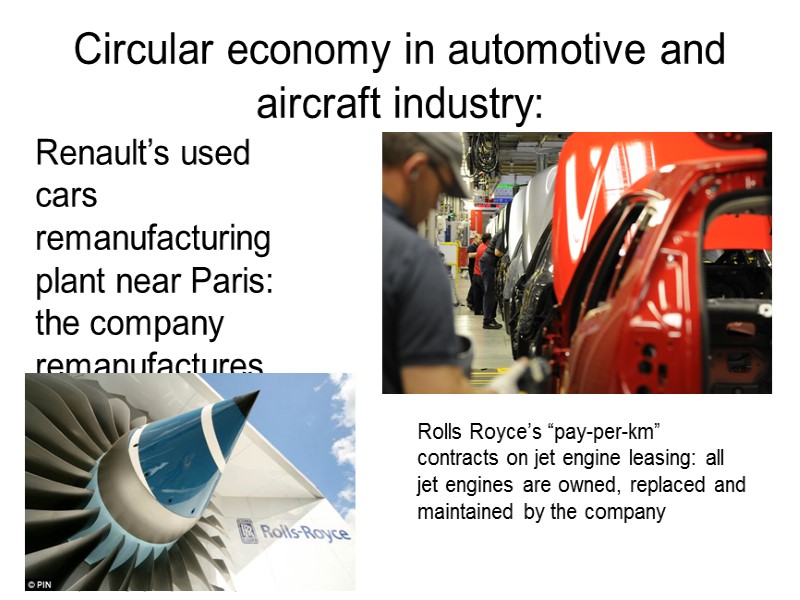
Circular economy in automotive and aircraft industry: Renault’s used cars remanufacturing plant near Paris: the company remanufactures old cars bought back from companies at half a price and resells it for 2/3 of their initial price Rolls Royce’s “pay-per-km” contracts on jet engine leasing: all jet engines are owned, replaced and maintained by the company
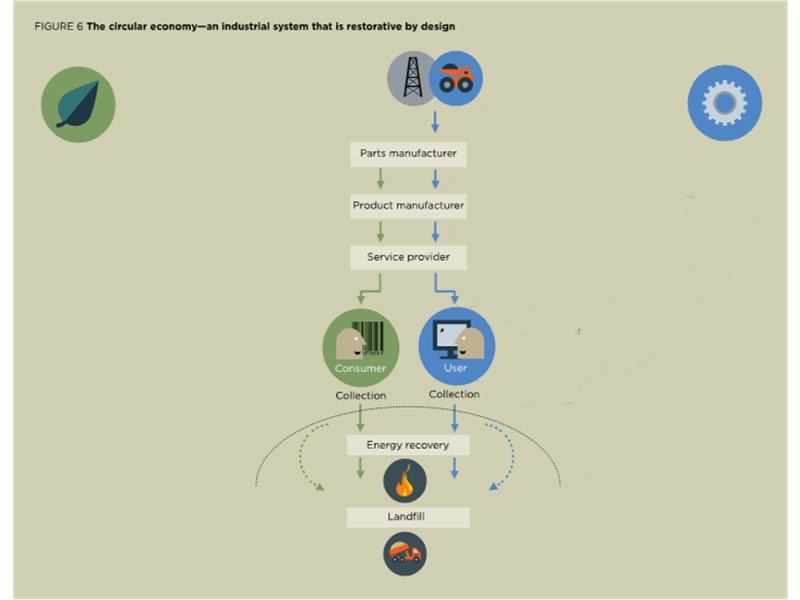
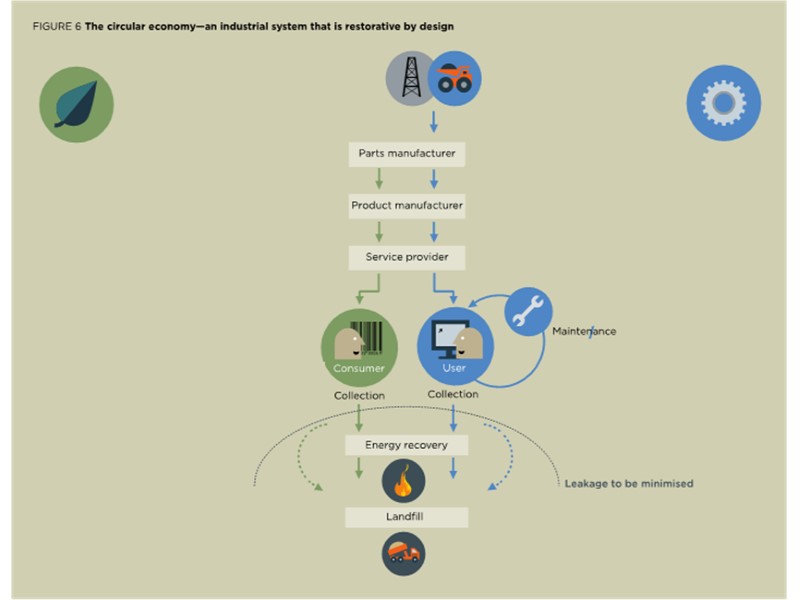
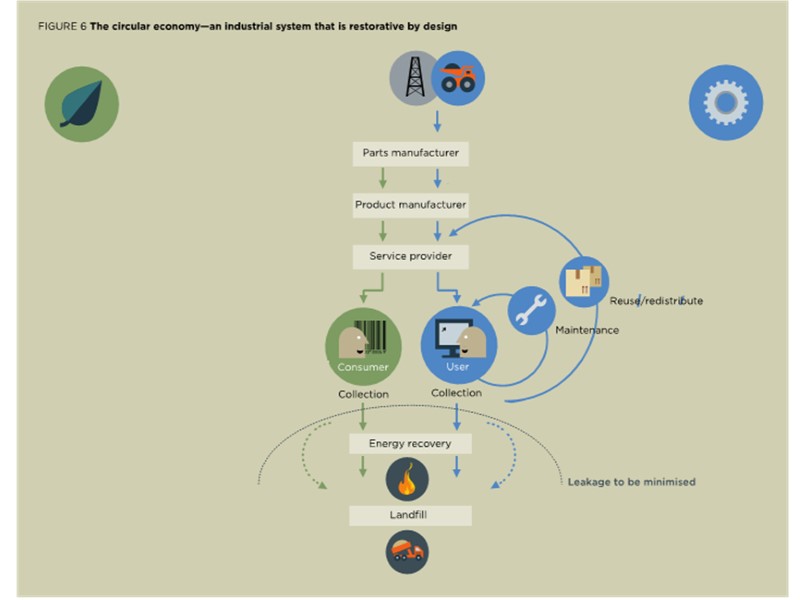
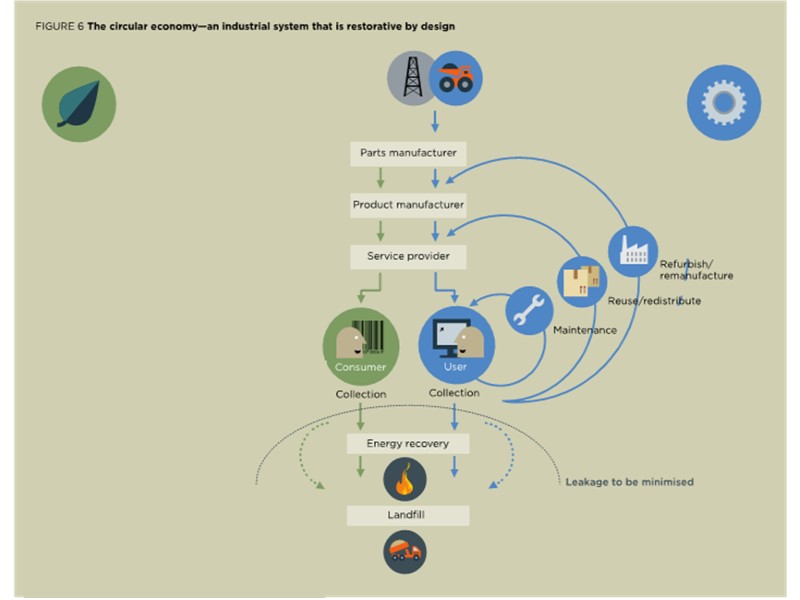
Title goes here 00 Systems overview
Title goes here 00 The Lewis Centre for Environmental Studies makes more energy than it needs to operate, it purifies its own water, and it is a building like a tree.
No cars are allowed in the city, transportation is through driverless electric cars The city operates one large SMART grid network system 100% renewable energy is generated producing more than required which is then fed into national grid to other cities
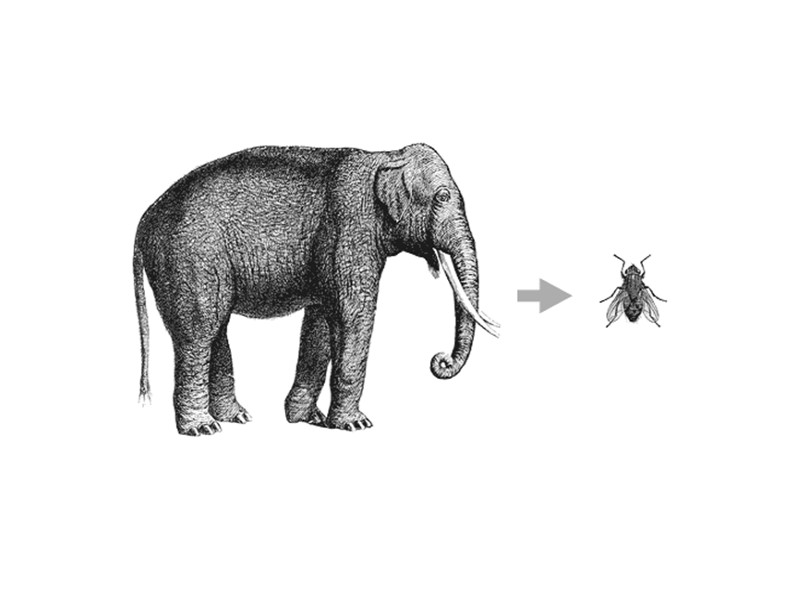
00 About 0.2% is used 99.8% is wasted
No cars are allowed in the city, transportation is through driverless electric cars The city operates one large SMART grid network system 100% renewable energy is generated producing more than required which is then fed into national grid to other cities
00 About 0.2% is used 99.8% is wasted
No cars are allowed in the city, transportation is through driverless electric cars The city operates one large SMART grid network system 100% renewable energy is generated producing more than required which is then fed into national grid to other cities
00 About 0.2% is used 99.8% is wasted
00 About 0.2% is used 99.8% is wasted
00 About 0.2% is used 99.8% is wasted
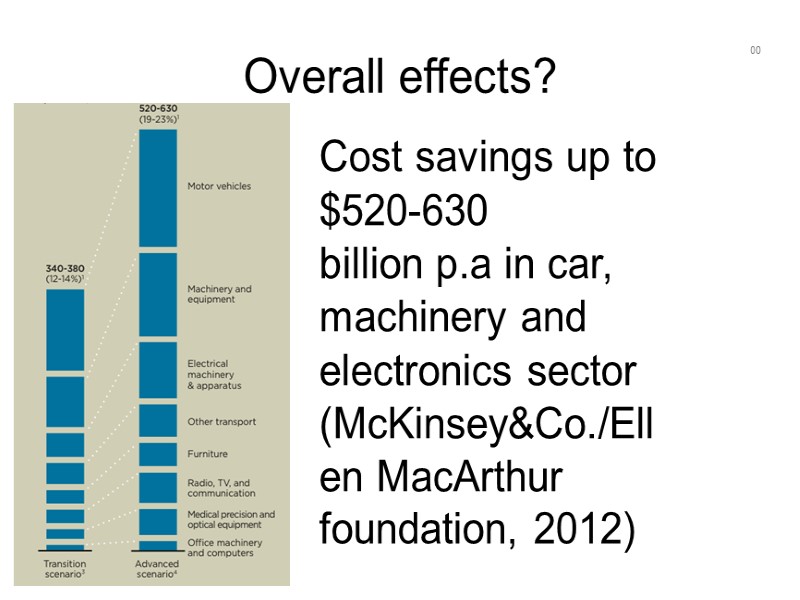
00 About 0.2% is used 99.8% is wasted Overall effects? Cost savings up to $520-630 billion p.a in car, machinery and electronics sector (McKinsey&Co./Ellen MacArthur foundation, 2012).
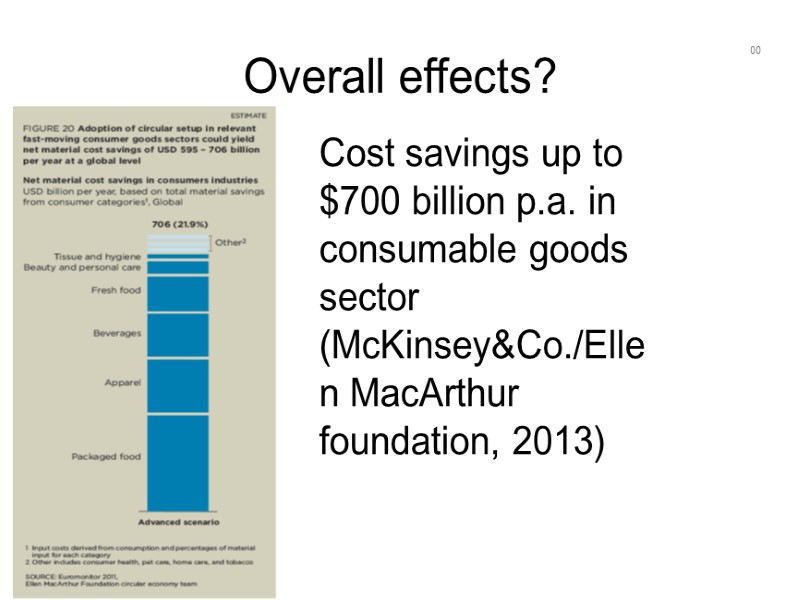
00 About 0.2% is used 99.8% is wasted Overall effects? Cost savings up to $700 billion p.a. in consumable goods sector (McKinsey&Co./Ellen MacArthur foundation, 2013).
00 About 0.2% is used 99.8% is wasted To learn more… www.ellenmacarthurfoundation.org www.circulareconomy.ru http://vk.com/circular_economy https://www.facebook.com/groups/circulareconomy/