


 Скачать презентацию Introduction to Marketing LEAD Program Professor Julie Edell
0953a58ff197aee2b2963380fd521fea.ppt
- Количество слайдов: 44
 Introduction to Marketing LEAD Program Professor Julie Edell Britton Duke University June 30, 2009
 Who am I? Education: Ph. D. , M. S. , Graduate School of Industrial Administration, Carnegie-Mellon University; B. A. University of Nebraska in math Teaching: Fuqua in 1980, CRM, Mkting Research, Consumer Behavior, Statistics, Marketing Mngt Research: Consumer cognitive and emotional response to marketing communications Favorite Sports: Duke Basketball, Nebraska Football (American), Soccer Family: Married with 6 children, aged 20 – 29; 3 boys, 3 girls, 2 grandchildren and 2 cats
 Agenda • What is marketing? • Marketing management – Analysis & Planning (The 3 C’s) – Implementation (The 4 P’s) • Conclusions
 What is Marketing? • Marketing is the process of planning and executing the conception, pricing, promotion, and distribution of ideas, goods, and services to create exchanges that satisfy individual and organizational objectives. (American Marketing Association) • Marketing is the art of creating and satisfying customers at a profit
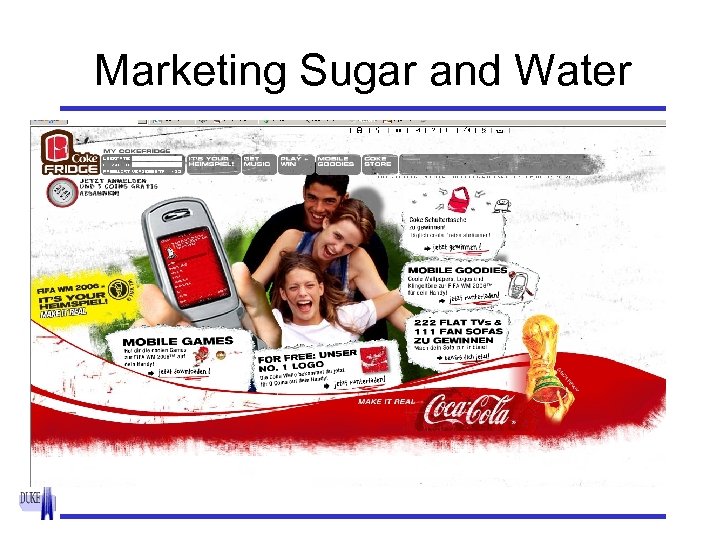 Marketing Sugar and Water
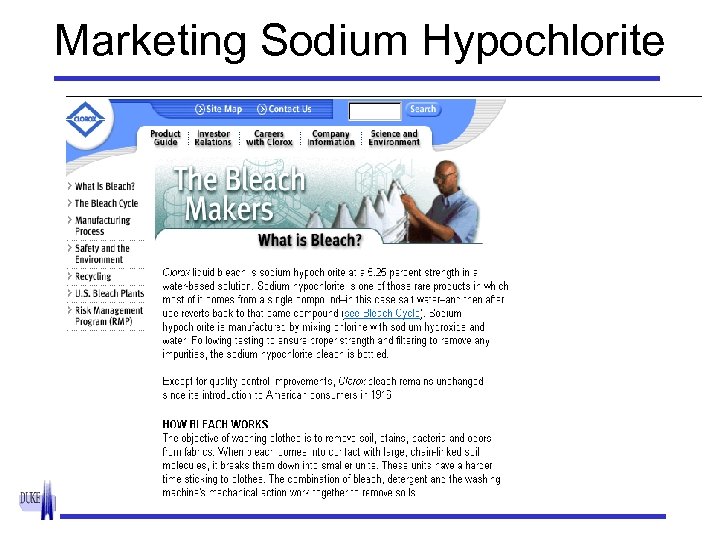 Marketing Sodium Hypochlorite
 Selling vs. . Marketing • The seller’s aim is to sell what they can make, the marketer’s aim is to make what they can sell
 Selling Is Only the Tip of the Iceberg “There will always be a need for some selling. But the aim of marketing is to make selling superfluous. The aim of marketing is to know and understand the customer so well that the product or service fits him and sells itself. Ideally, marketing should result in a customer who is ready to buy. All that should be needed is to make the product or service available. ” Peter Drucker
 Marketing Management Is. . . • The process of planning and executing the creation, pricing, promotion, and distribution of value in order to satisfy customer and organizational objectives
 Marketing Management is… • Analysis – The 3 C’s: customers, competitors, company • Planning – The 4 P’s: product, price, promotion, place (distribution) • Implementation: organization, action
 1 st “C” is Customer Analysis • Who buys and why? • How many customers are there? will there be? What are the growth rates? • How is the buying done? – Where do they obtain information and buy ? How are decisions made (decision making process)? • What are and will be their under-served needs and wants? • Are there relevant segments? • Who are the customers that purchase the greatest amount ?
 A Customer Orientation: The Marketing Concept • The marketing concept holds that the key to achieving organizational goals consists of determining the needs and wants of target markets and delivering the desired satisfactions more effectively and efficiently than competitors. • Concentrate on the needs of the buyer, not the needs of the seller. • The industry's approach used to be: “Here's what we have --- buy it!” Now the customer is the most important product. . . because if the customer doesn't like what we've got, they can go elsewhere. --- U. S. Steel • We were so arrogant then, we thought people would buy Coors if they had to open it with their teeth. -- Coors Brewery
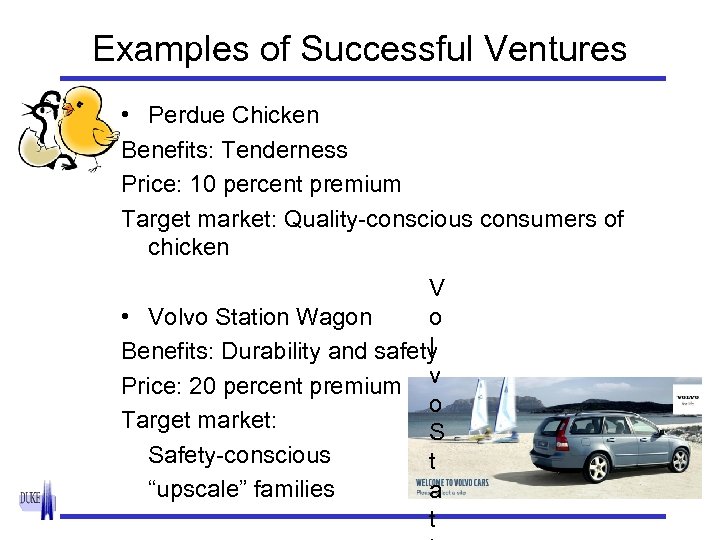 Examples of Successful Ventures • Perdue Chicken Benefits: Tenderness Price: 10 percent premium Target market: Quality-conscious consumers of chicken V • Volvo Station Wagon o l Benefits: Durability and safety Price: 20 percent premium v o Target market: S Safety-conscious t “upscale” families a t
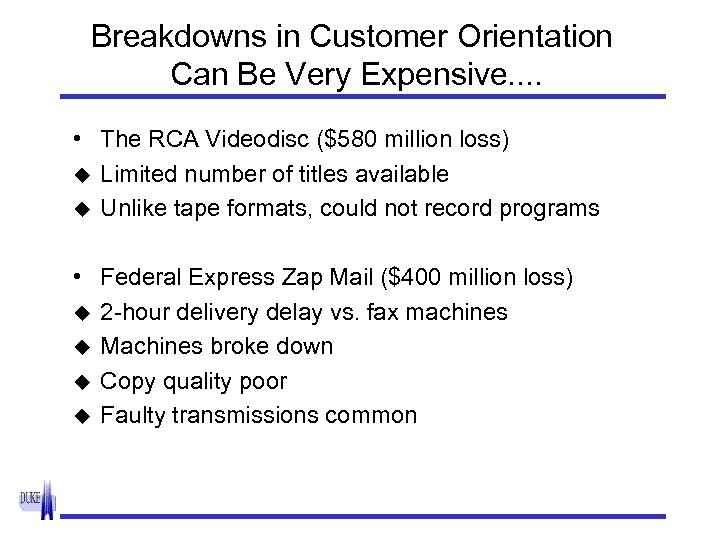 Breakdowns in Customer Orientation Can Be Very Expensive. . • The RCA Videodisc ($580 million loss) u Limited number of titles available u Unlike tape formats, could not record programs • Federal Express Zap Mail ($400 million loss) u 2 -hour delivery delay vs. fax machines u Machines broke down u Copy quality poor u Faulty transmissions common
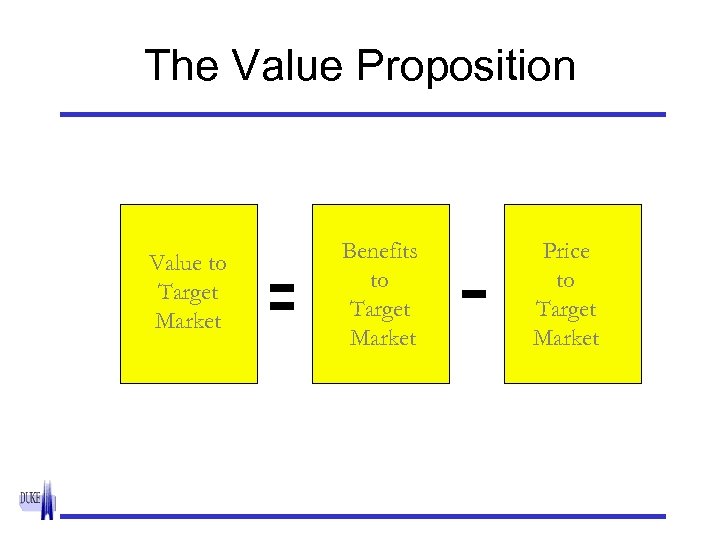 The Value Proposition Value to Target Market Benefits to Target Market Price to Target Market
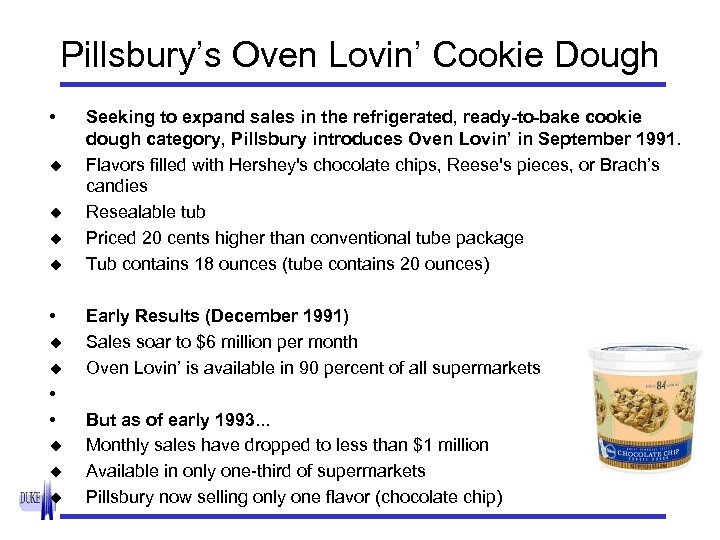 Pillsbury’s Oven Lovin’ Cookie Dough • u u • • u u u Seeking to expand sales in the refrigerated, ready-to-bake cookie dough category, Pillsbury introduces Oven Lovin’ in September 1991. Flavors filled with Hershey's chocolate chips, Reese's pieces, or Brach’s candies Resealable tub Priced 20 cents higher than conventional tube package Tub contains 18 ounces (tube contains 20 ounces) Early Results (December 1991) Sales soar to $6 million per month Oven Lovin’ is available in 90 percent of all supermarkets But as of early 1993. . . Monthly sales have dropped to less than $1 million Available in only one-third of supermarkets Pillsbury now selling only one flavor (chocolate chip)
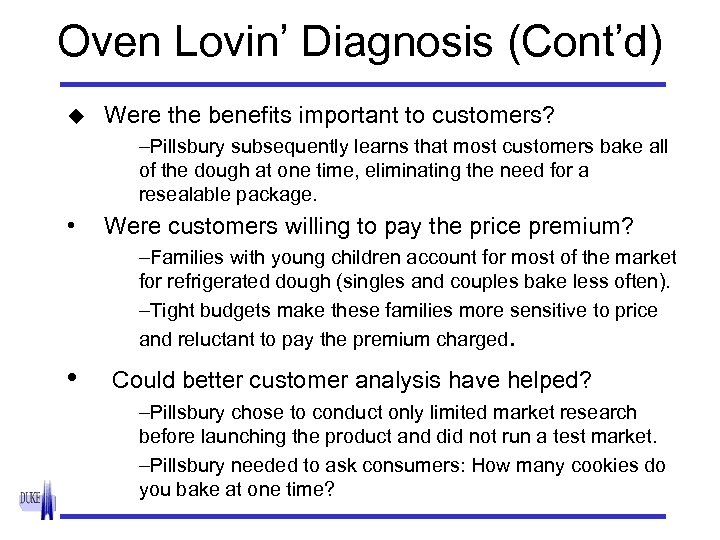 Oven Lovin’ Diagnosis (Cont’d) u Were the benefits important to customers? –Pillsbury subsequently learns that most customers bake all of the dough at one time, eliminating the need for a resealable package. • Were customers willing to pay the price premium? –Families with young children account for most of the market for refrigerated dough (singles and couples bake less often). –Tight budgets make these families more sensitive to price and reluctant to pay the premium charged. • Could better customer analysis have helped? –Pillsbury chose to conduct only limited market research before launching the product and did not run a test market. –Pillsbury needed to ask consumers: How many cookies do you bake at one time?
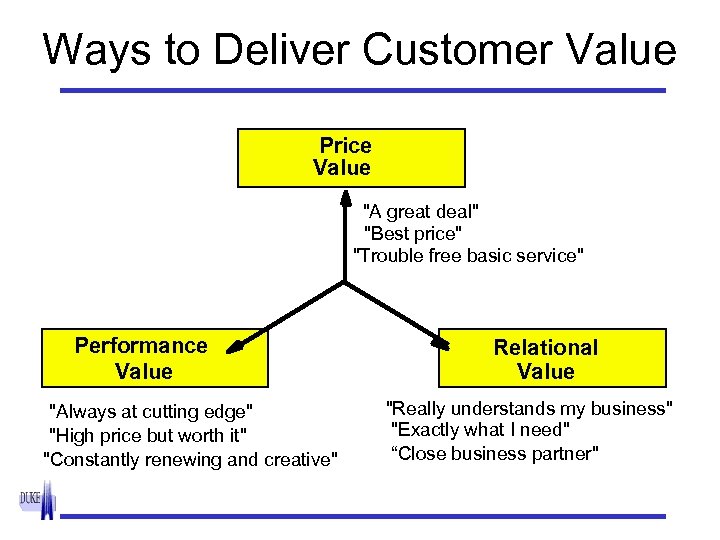 Ways to Deliver Customer Value Price Value "A great deal" "Best price" "Trouble free basic service" Performance Value "Always at cutting edge" "High price but worth it" "Constantly renewing and creative" Relational Value "Really understands my business" "Exactly what I need" “Close business partner"
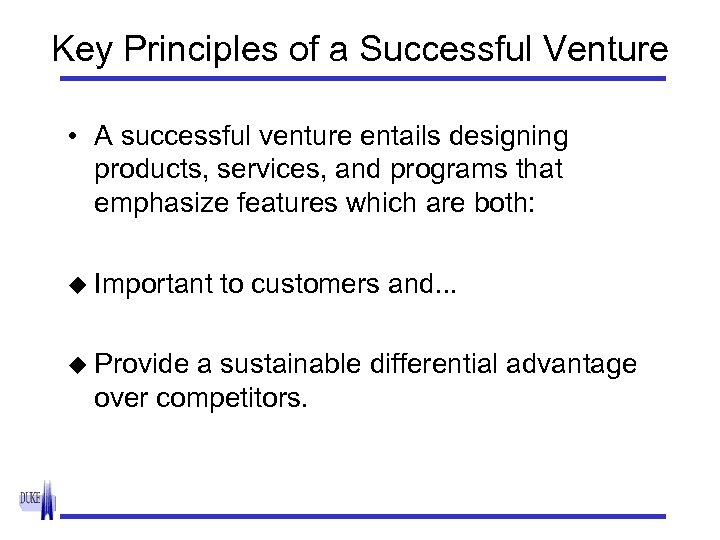 Key Principles of a Successful Venture • A successful venture entails designing products, services, and programs that emphasize features which are both: u Important u Provide to customers and. . . a sustainable differential advantage over competitors.
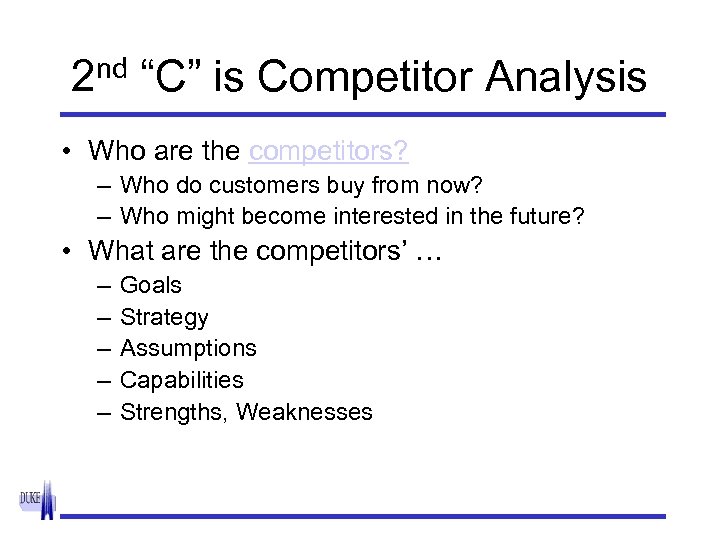 2 nd “C” is Competitor Analysis • Who are the competitors? – Who do customers buy from now? – Who might become interested in the future? • What are the competitors’ … – – – Goals Strategy Assumptions Capabilities Strengths, Weaknesses
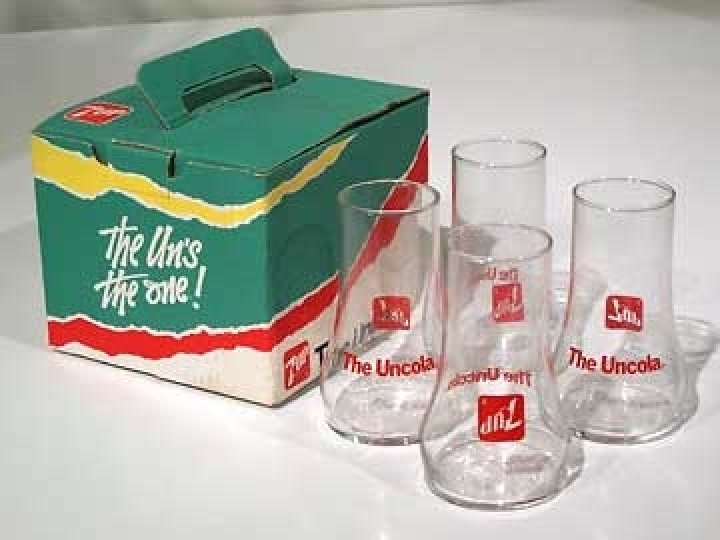
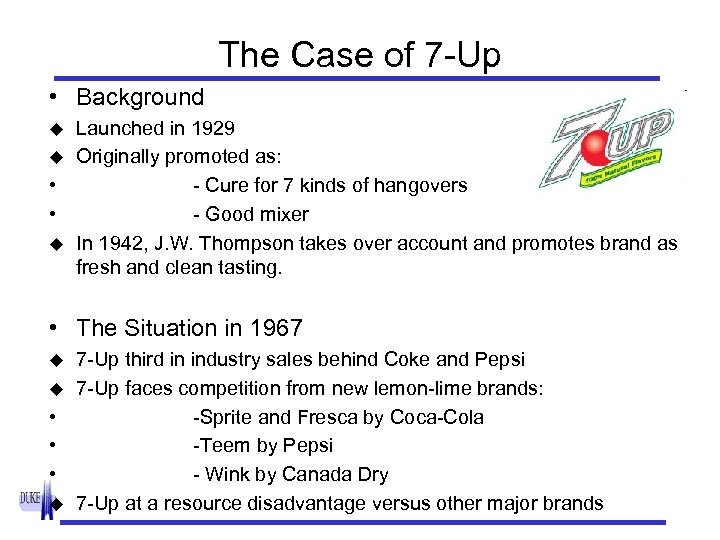 The Case of 7 -Up • Background Launched in 1929 u Originally promoted as: • - Cure for 7 kinds of hangovers • - Good mixer u In 1942, J. W. Thompson takes over account and promotes brand as fresh and clean tasting. u • The Situation in 1967 7 -Up third in industry sales behind Coke and Pepsi u 7 -Up faces competition from new lemon-lime brands: • -Sprite and Fresca by Coca-Cola • -Teem by Pepsi • - Wink by Canada Dry u 7 -Up at a resource disadvantage versus other major brands u
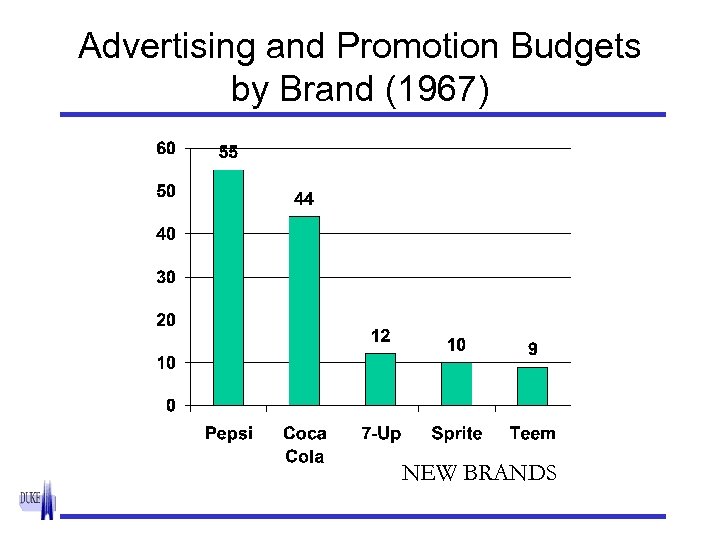 Advertising and Promotion Budgets by Brand (1967) NEW BRANDS
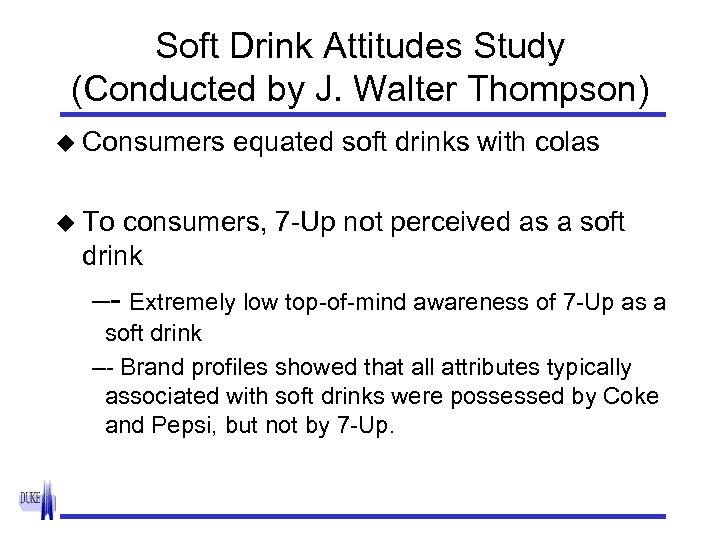 Soft Drink Attitudes Study (Conducted by J. Walter Thompson) u Consumers equated soft drinks with colas u To consumers, 7 -Up not perceived as a soft drink –- Extremely low top-of-mind awareness of 7 -Up as a soft drink –- Brand profiles showed that all attributes typically associated with soft drinks were possessed by Coke and Pepsi, but not by 7 -Up.
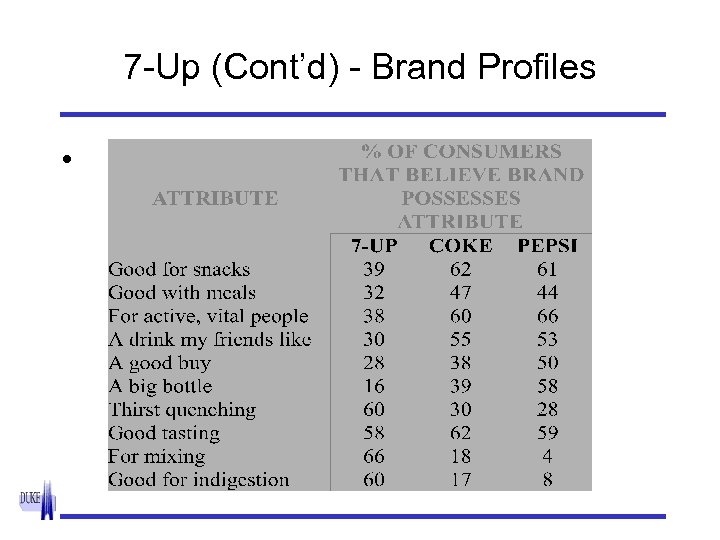 7 -Up (Cont’d) - Brand Profiles •
 7 -UP (Cont’d) - Strategy • Objective 1: Convince consumers 7 -Up is a soft drink u u u Store 7 -Up under the “soft drink” address in memory View 7 -Up as an alternative to colas How? Tell consumers 7 -Up possesses all attributes traditionally associated with soft drinks. • Objective 2: Convince consumers 7 -Up is a superior soft drink Need a point of difference over competitors emphasize attributes where 7 -Up has a differential advantage: • - Thirst quenching (no after taste, never too sweet) • - Tastes good, but different (fresh, clean taste) u
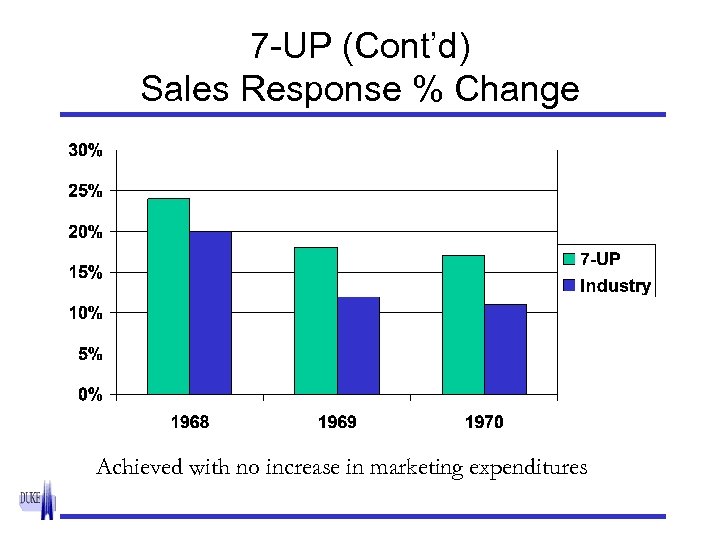 7 -UP (Cont’d) Sales Response % Change Achieved with no increase in marketing expenditures
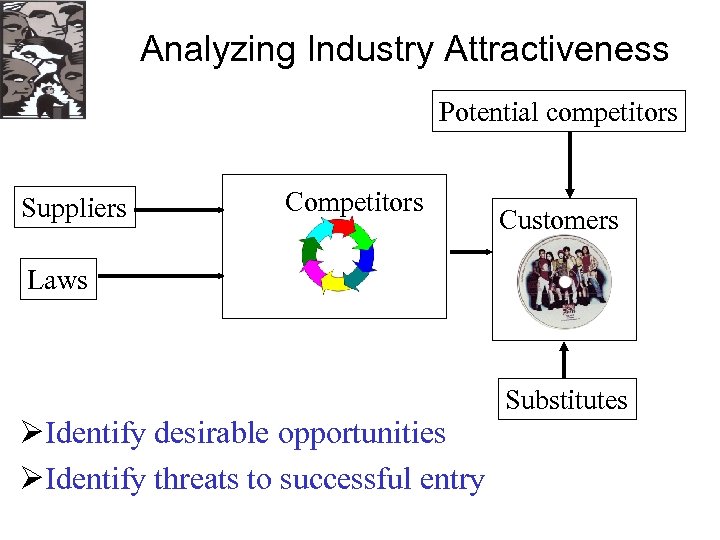 Analyzing Industry Attractiveness Potential competitors Suppliers Competitors Customers Laws ØIdentify desirable opportunities ØIdentify threats to successful entry Substitutes
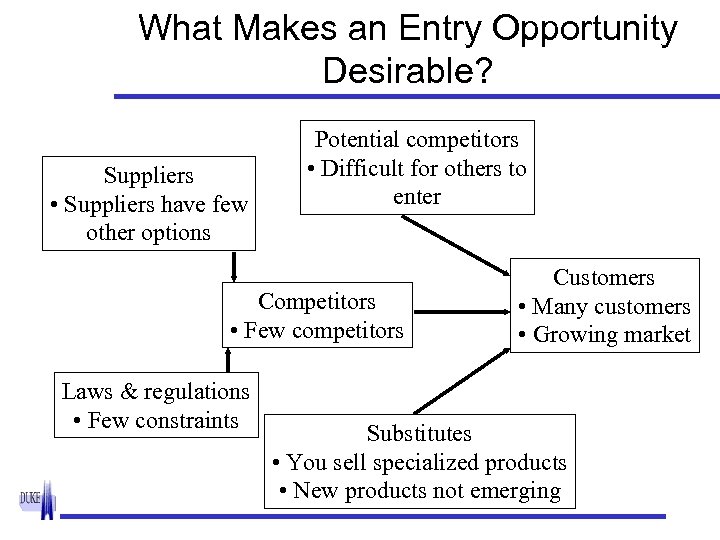 What Makes an Entry Opportunity Desirable? Suppliers • Suppliers have few other options Potential competitors • Difficult for others to enter Competitors • Few competitors Laws & regulations • Few constraints Customers • Many customers • Growing market Substitutes • You sell specialized products • New products not emerging
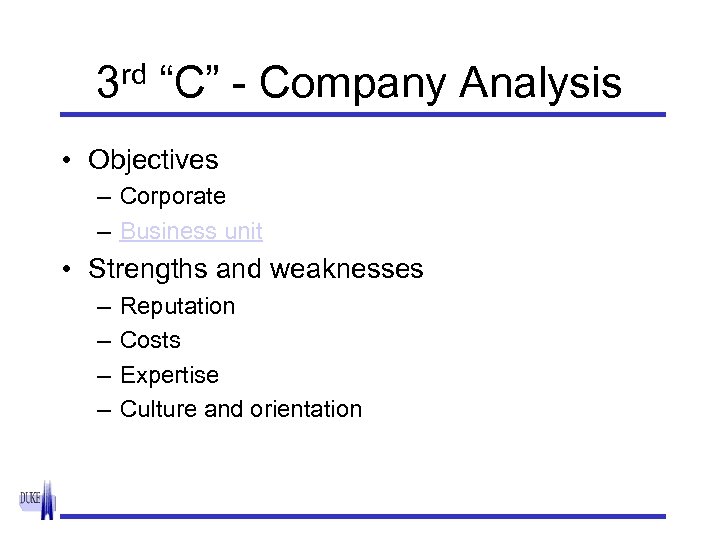 3 rd “C” - Company Analysis • Objectives – Corporate – Business unit • Strengths and weaknesses – – Reputation Costs Expertise Culture and orientation
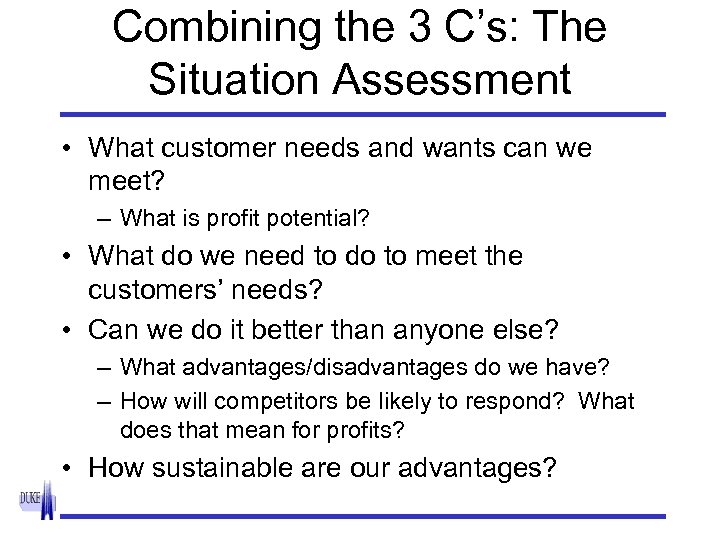 Combining the 3 C’s: The Situation Assessment • What customer needs and wants can we meet? – What is profit potential? • What do we need to do to meet the customers’ needs? • Can we do it better than anyone else? – What advantages/disadvantages do we have? – How will competitors be likely to respond? What does that mean for profits? • How sustainable are our advantages?
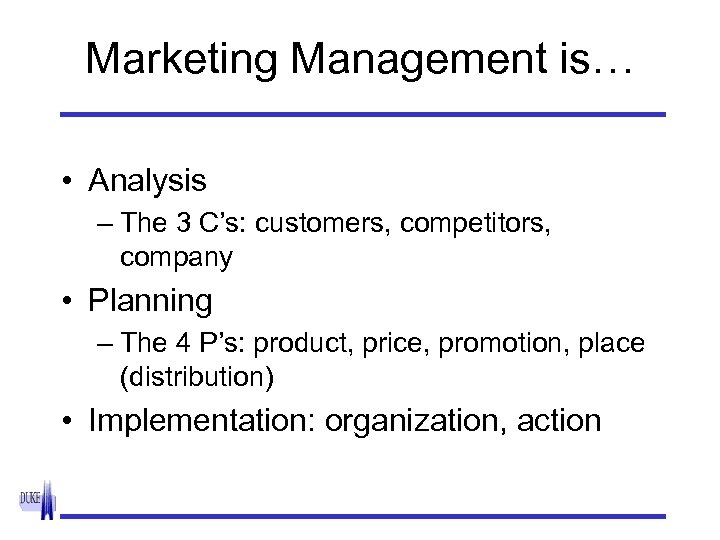 Marketing Management is… • Analysis – The 3 C’s: customers, competitors, company • Planning – The 4 P’s: product, price, promotion, place (distribution) • Implementation: organization, action
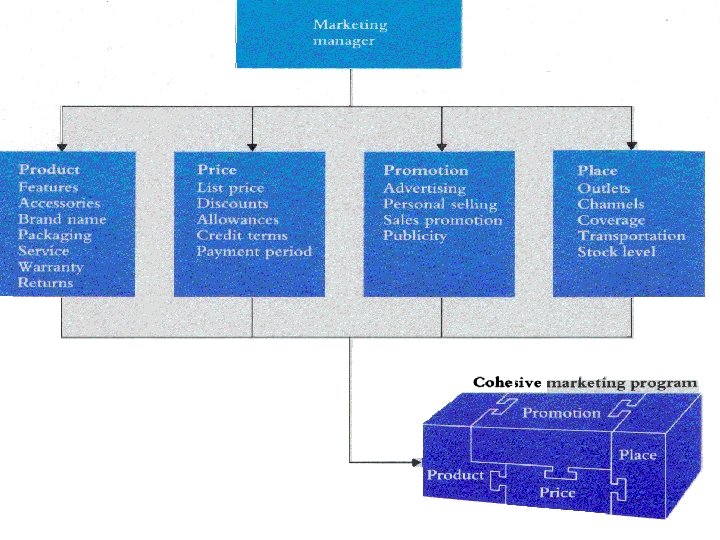 • Use 4 P’s overhead here
 Product • A set of benefits from which customers derive value – Not just a set of features (tangible things that it is) – Not just a set of performances (things that it does) • Important to note that key customer benefits may be unrelated to features and performance
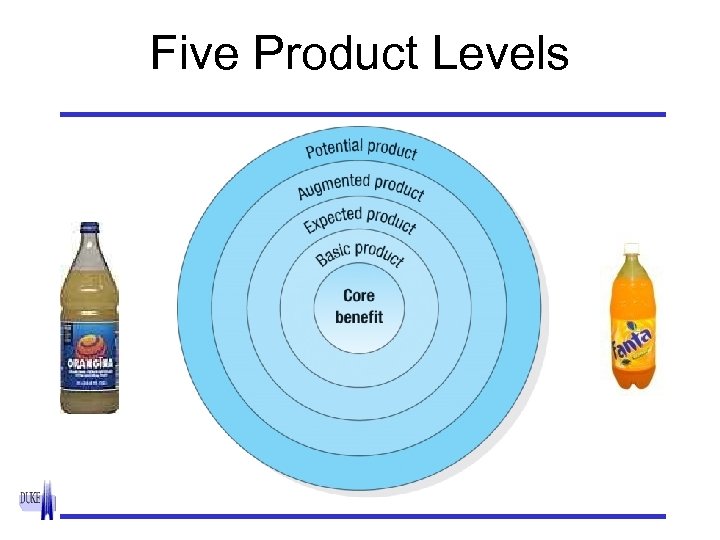 Five Product Levels
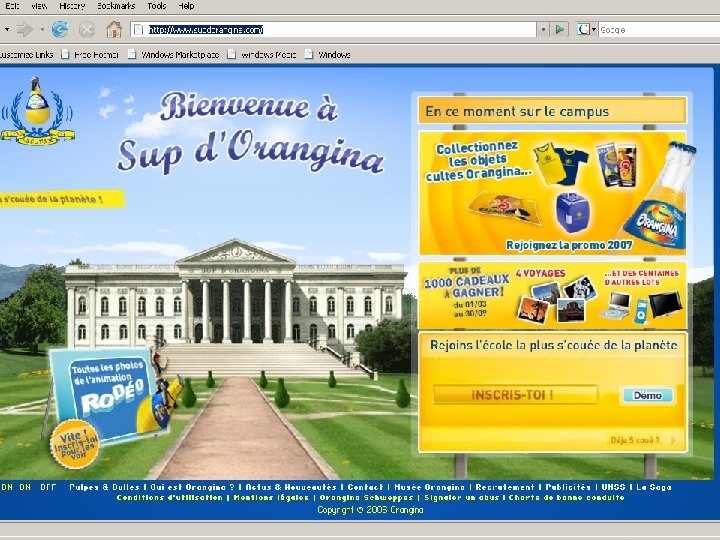
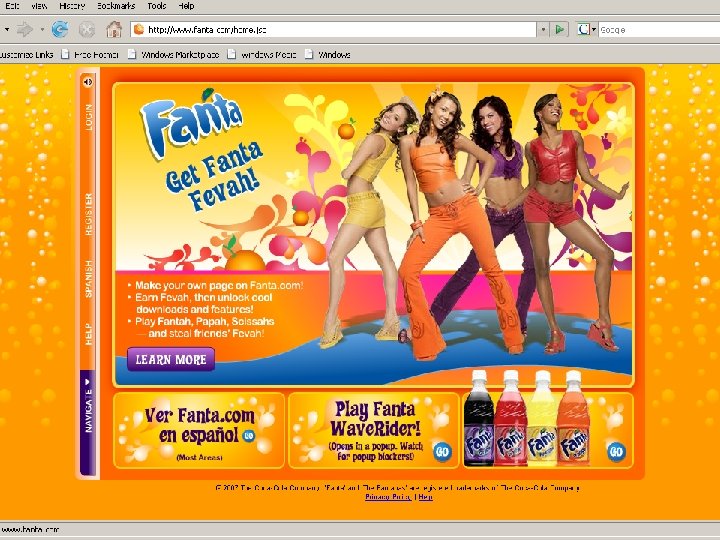
 Price • The issues – What is the value to customers of the benefits the product provides? – How much does it cost to deliver these benefits? – How much do or will customers have to pay to get these same or substitute benefits elsewhere (i. e. , from competitors)? • The objective – choose price to maximize long-run profit
 Promotion • Advertising, sales incentives, events, public relations, publicity, direct marketing and personal selling – What is the objective? • Awareness • Reminder • Persuasion – What is the appropriate vehicle? – What is the appropriate message?
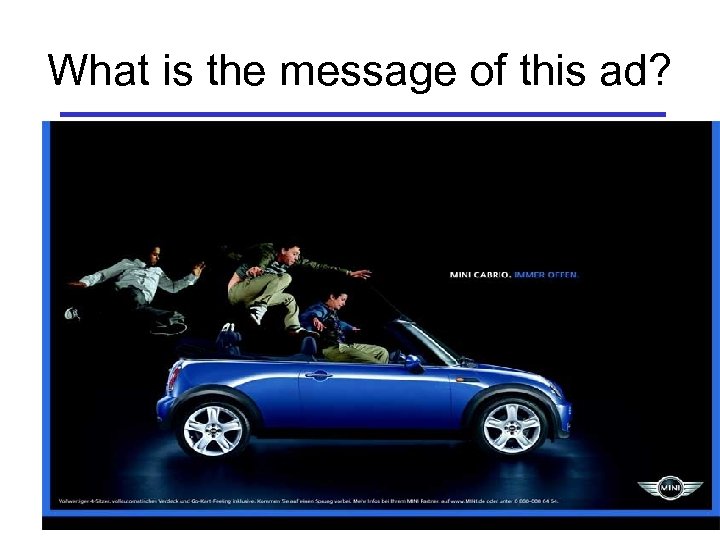 What is the message of this ad?
 Place (Distribution) • The issues – Which channels to use • Integrated or third party intermediaries (depth) • Selective or intensive coverage (breadth) – How to motivate the trade (intermediaries) to give favorable treatment
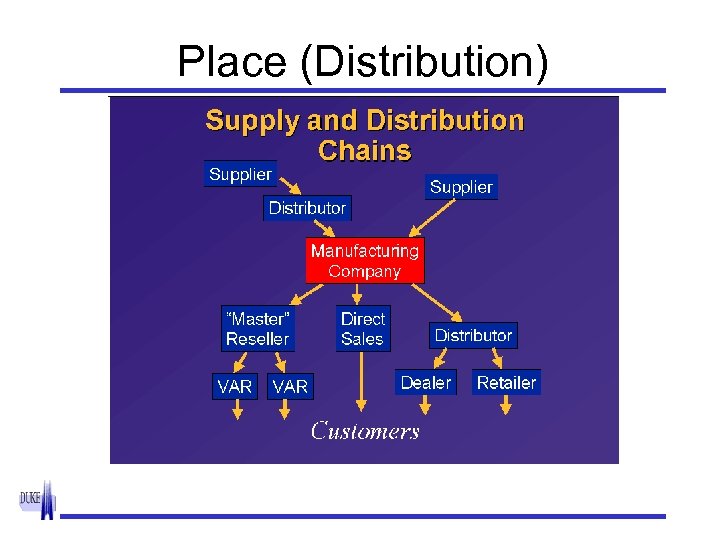 Place (Distribution)
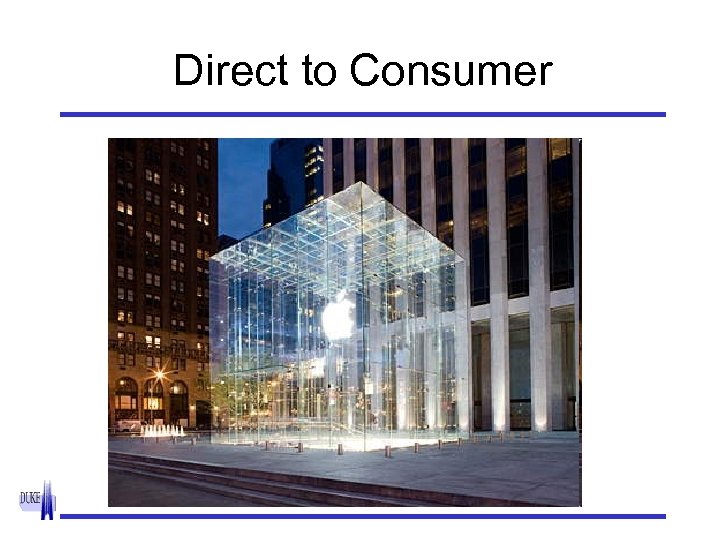 Direct to Consumer
 Marketing Management • Is about understanding your customers and what value they are looking for • Is about understanding your competitors and why they are successful • Is about understanding your companies strengths and weaknesses • And translating that knowledge into a product with a price, promotion and distribution strategy that makes it meet the needs of your target customers!