


 Скачать презентацию Introduction to AR Perry C Hanavan Au D
fde0efa5259442ed92f74a1d2fb73667.ppt
- Количество слайдов: 92
 Introduction to AR Perry C. Hanavan, Au. D. Audiologist
 Auditory Experience
 TED Talk • Establishing a Sound Foundation • Dr. Karl R. White is a Professor of Psychology at Utah State University and the founding Director of the National Center for Hearing Assessment and Management (NCHAM). • Recognized as one of the world's leading authorities on early identification and treatment of hearing loss in infants and young children. • He has hundreds of publications and presentations at scholarly meetings, and has been invited to more than 30 countries to assist in the implementation of newborn hearing screening and intervention programs.
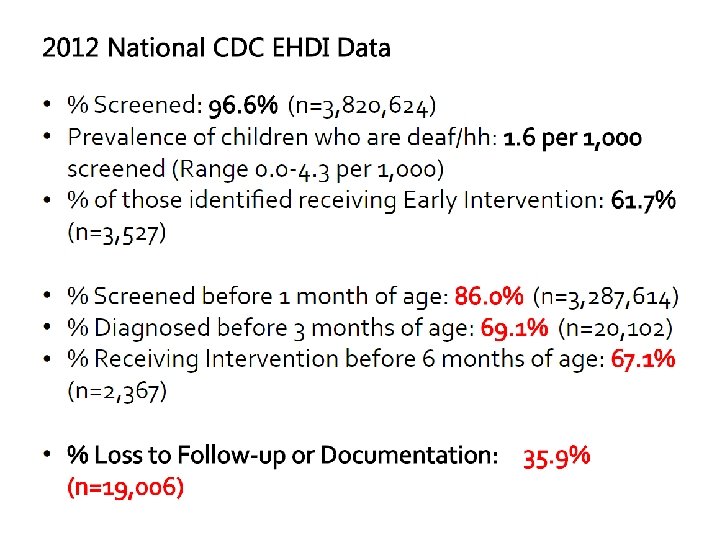
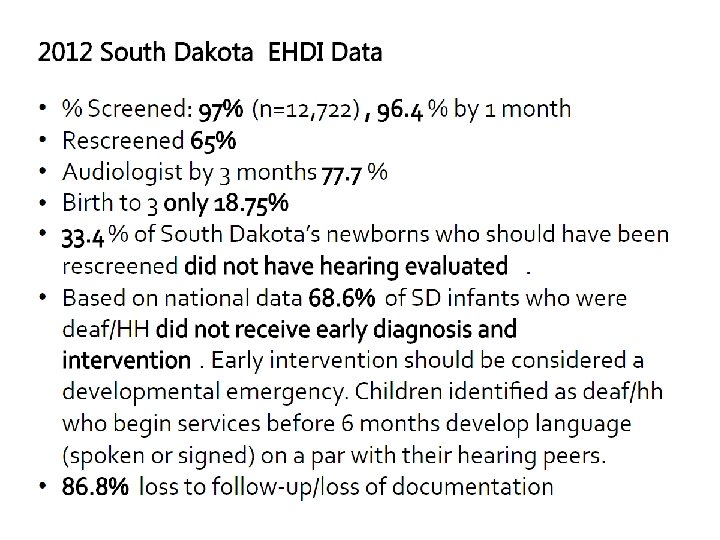
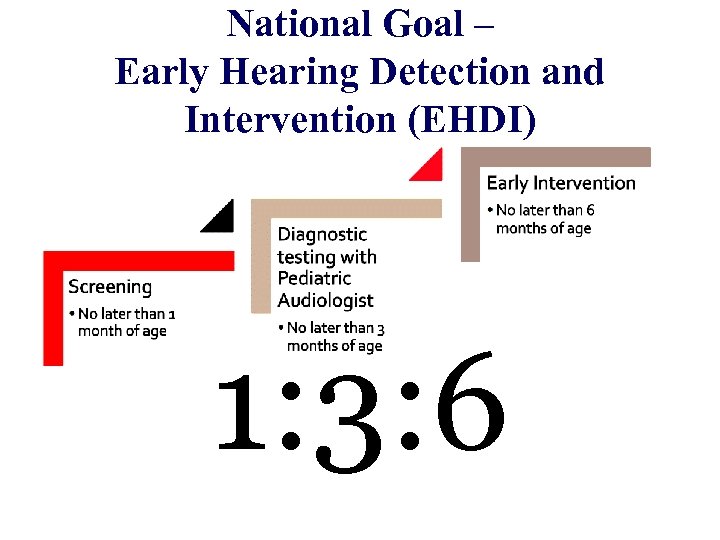 National Goal – Early Hearing Detection and Intervention (EHDI) 1: 3: 6
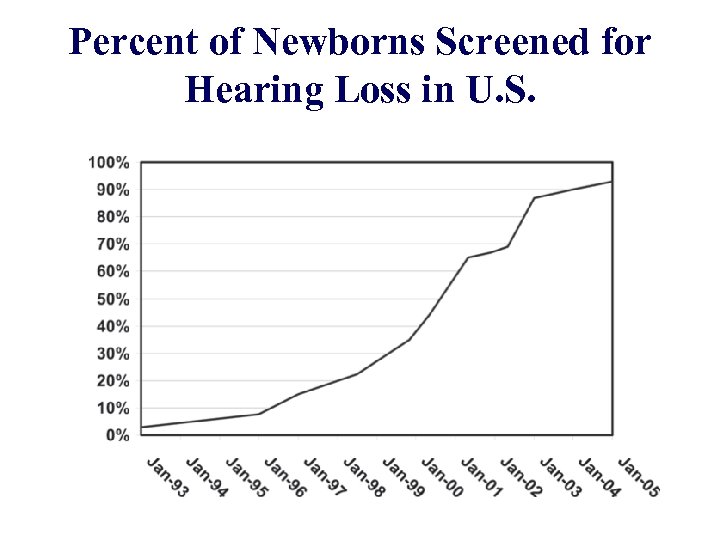 Percent of Newborns Screened for Hearing Loss in U. S.
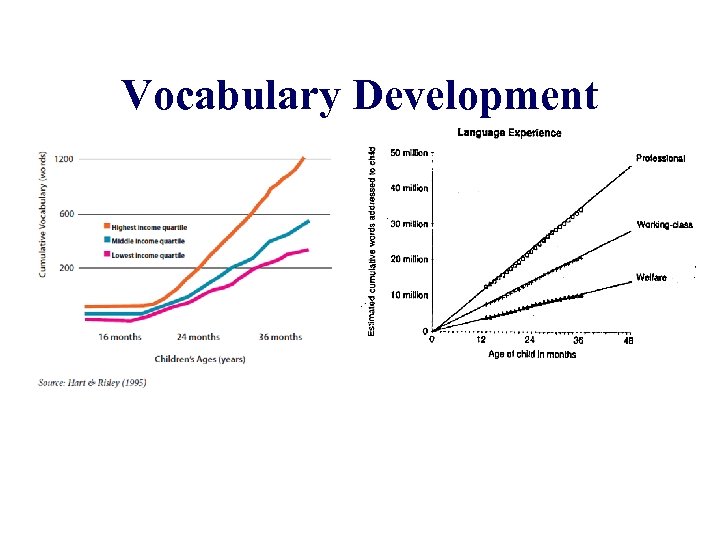 Vocabulary Development
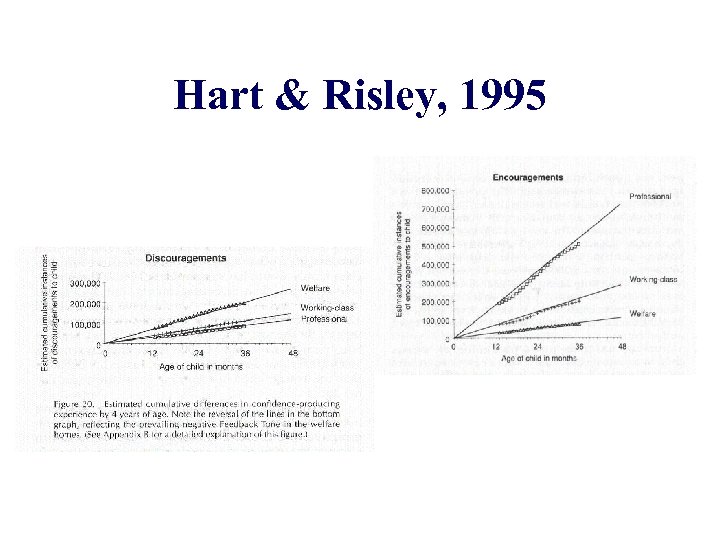 Hart & Risley, 1995
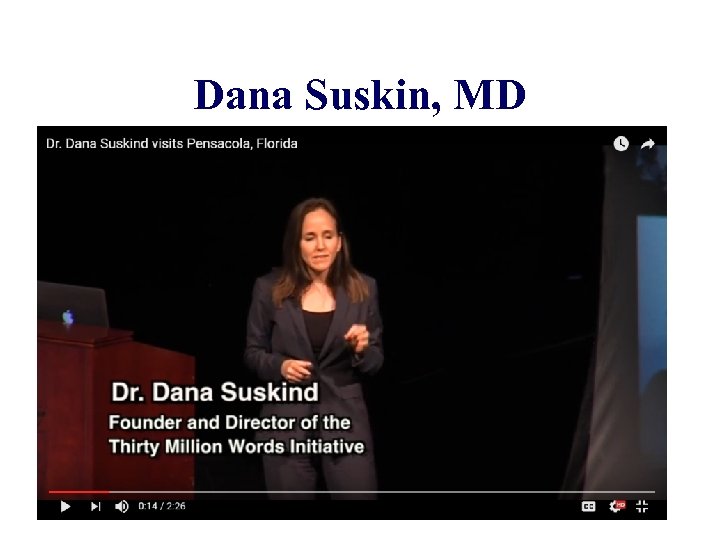 Dana Suskin, MD
 Birth of a Word • Deb Roy, MIT researcher, wanted to understand how his infant son learned language • Wired house with video cameras to catch every moment (with exceptions) of his son's life • Parsed 90, 000 hours of home video to watch "gaaaa" slowly turn into "water" • Data-rich research for how we learn
 The Linguistic Genius of Babies • Patricia Kuhl, Ph. D • How babies learn one language over another – by listening to the humans around them and "taking statistics" on the sounds they need to know. The Linguistic Genius of Babies
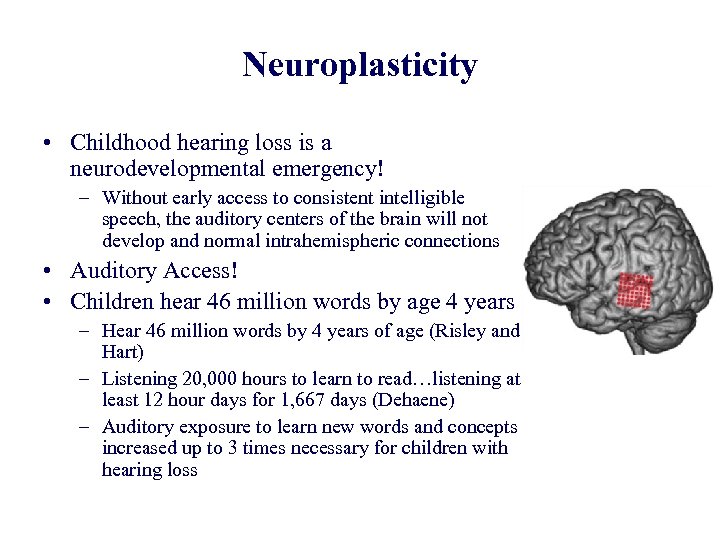 Neuroplasticity • Childhood hearing loss is a neurodevelopmental emergency! – Without early access to consistent intelligible speech, the auditory centers of the brain will not develop and normal intrahemispheric connections • Auditory Access! • Children hear 46 million words by age 4 years – Hear 46 million words by 4 years of age (Risley and Hart) – Listening 20, 000 hours to learn to read…listening at least 12 hour days for 1, 667 days (Dehaene) – Auditory exposure to learn new words and concepts increased up to 3 times necessary for children with hearing loss
 Case Studies • Newborn identified at birth with connexin 26, severe to profound bilateral hearing loss, normal hearing parents • Newborn identified at 2 years with rapidly progressive bilateral SNHL, parents have a profound loss • Seven year old recently identified with unilateral severe SNHL • Middle school male with normal hearing but auditory processing problem in noise • Fourteen year recently survived bacterial meningitis resulting in bilateral SNHL • Dad, suffered sudden onset mild bilateral SNHL • Grandmother, slow progressive bilateral SNHL
 Impact of HL on Quality of Life • • • Physical health Emotional & mental health Other’s perceptions of a person’s mental acuity Social skills Family relationships Self-esteem Work & school performance Dementia in elderly Household income by up to $12, 000/year
 Some Historical Landmarks Regarding AR in Audiology • • • Genesis in WWII (1942) Audiologists Dispense Hearing Aids (1978) WHO Classification (1980) Cochlear Implants (1984 – FDA approval) Early Newborn Identification (1990 – Joint Comm) Communication Therapy (1990+) Neural Plasticity of the Auditory System (1995+) WHO Classification (ICF, 2001) Hearing Assistance Technologies (HAT) (2000+)
 Question Does AR increases income for persons with hearing loss? Yes No
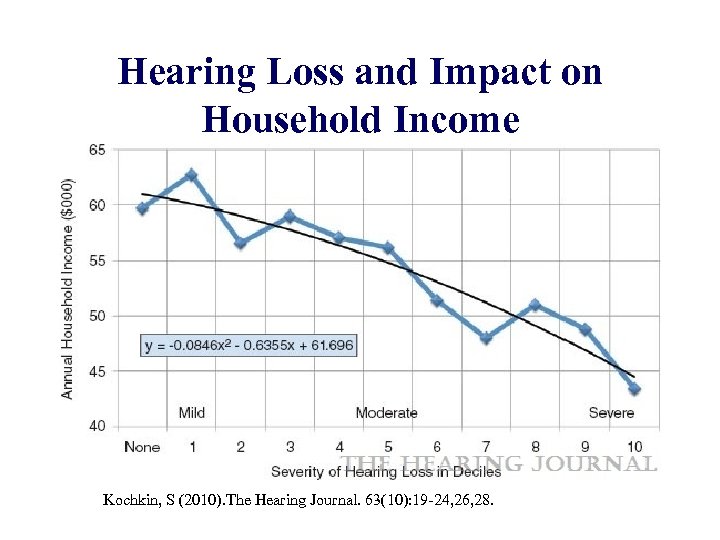 Hearing Loss and Impact on Household Income Kochkin, S (2010). The Hearing Journal. 63(10): 19 -24, 26, 28.
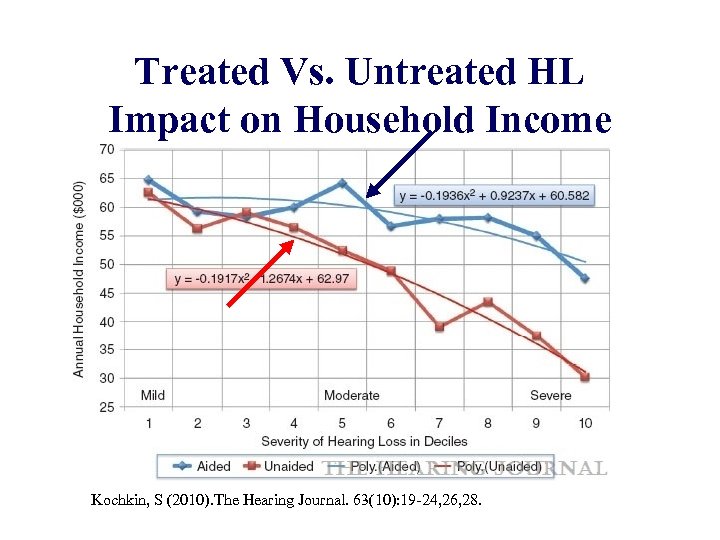 Treated Vs. Untreated HL Impact on Household Income Kochkin, S (2010). The Hearing Journal. 63(10): 19 -24, 26, 28.
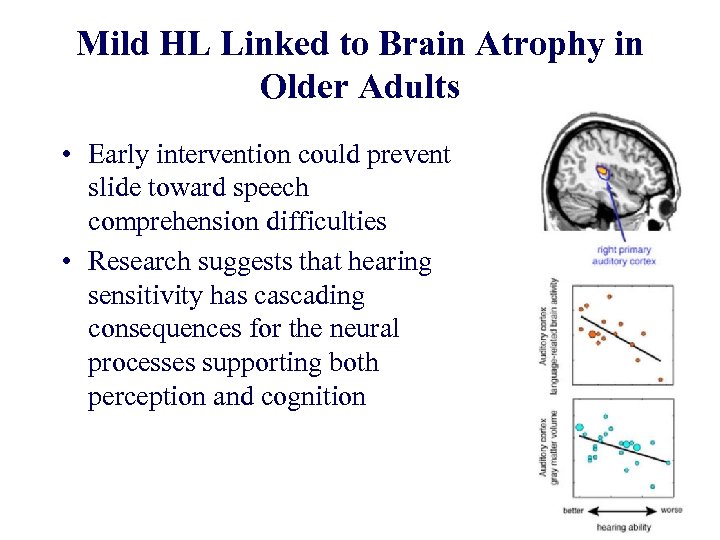 Mild HL Linked to Brain Atrophy in Older Adults • Early intervention could prevent slide toward speech comprehension difficulties • Research suggests that hearing sensitivity has cascading consequences for the neural processes supporting both perception and cognition
 Definitions • • Auditory Training Aural Rehabilitation Audiological Rehabilitation Speechreading Lipreading Communication Rehabilitation Habilitation Rehabilitation
 AR Definition “The assessment, intervention, and management of communicative consequences of hearing loss” (unknown author)
 ASHA Aural rehabilitation refers to services and procedures for facilitating adequate receptive and expressive communication in individuals with hearing impairment. (ASHA, 1984, p. 37) Audiologic/aural rehabilitation (AR) is an ecological, interactive process that facilitates one's ability to minimize or prevent the limitations and restrictions that auditory dysfunctions can impose on well-being and communication, including interpersonal, psychosocial, educational, and vocational functioning. (American Speech-Language-Hearing Association. (2001). Knowledge and Skills Required for the Practice of Audiologic/Aural Rehabilitation [Knowledge and Skills)
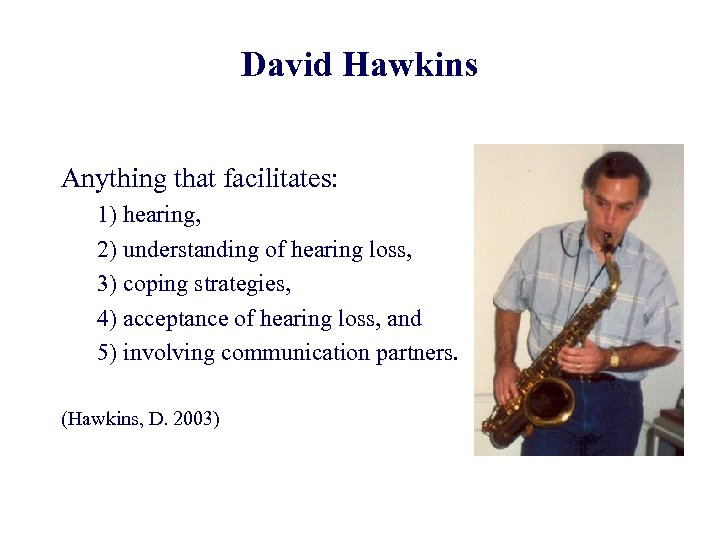 David Hawkins Anything that facilitates: 1) hearing, 2) understanding of hearing loss, 3) coping strategies, 4) acceptance of hearing loss, and 5) involving communication partners. (Hawkins, D. 2003)
 Mark Ross Any device, procedure, information, interaction, or therapy which lessens the communicative and psychosocial consequences of a hearing loss. Ross, M. , JARA, 1997
 Mc. Carthy & Culpepper The purpose of an aural rehabilitation program is to focus on assisting hearing-impaired individuals in the realization of their optimal potential in communication, which is needed in educational, vocational, or social settings. Mc. Carthy & Culpepper, AJA, 1987, p. 305
 Houston & Montgomery "…the goal of aural rehabilitation for the adult is ambitious – to increase the likelihood, the level, of successful communication over the client’s lifetime. " Houston, K. T. , and Montgomery, A. A. Auditory-visual integration: A practical approach. Seminars in Hearing, 18 (2), 1997.
 JP Gagné “Aural rehabilitation is aimed at restoring or optimizing a patient’s participation in activities that have been limited as a result of a hearing loss and also may be aimed at benefiting communication partners who engage in activities that include person with hearing loss. ” Gagné JP. Ear and Hearing. 2000, p 36.
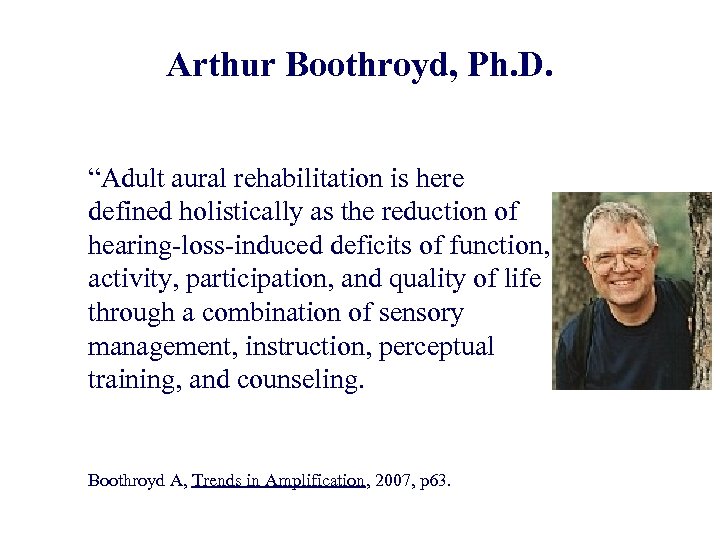 Arthur Boothroyd, Ph. D. “Adult aural rehabilitation is here defined holistically as the reduction of hearing-loss-induced deficits of function, activity, participation, and quality of life through a combination of sensory management, instruction, perceptual training, and counseling. Boothroyd A, Trends in Amplification, 2007, p 63.
 Aural Rehabilitation Intervention aimed at minimizing and alleviating the communication difficulties associated with hearing loss. (Tye-Murray N. Foundations of Aural Rehabilitation (video)
 Audiologic Rehabilitation “Any activity, method, resource, technology, and/or device that facilitates and/or enhances communication and participation in activities. ” Hanavan, PC, 2010
 Conversational Fluency “…relates to how smoothly conversation unfolds” “the book’s central theme” Tye-Murray N, Foundations of Aural Rehabilitation, p 2. and preface, p ix.
 Hearing-Related Disability “…a loss of function imposed by hearing loss. The term denotes a multidimensional phenomenon. ” Tye-Murray, Foundations of Aural Rehabilitation, p 2.
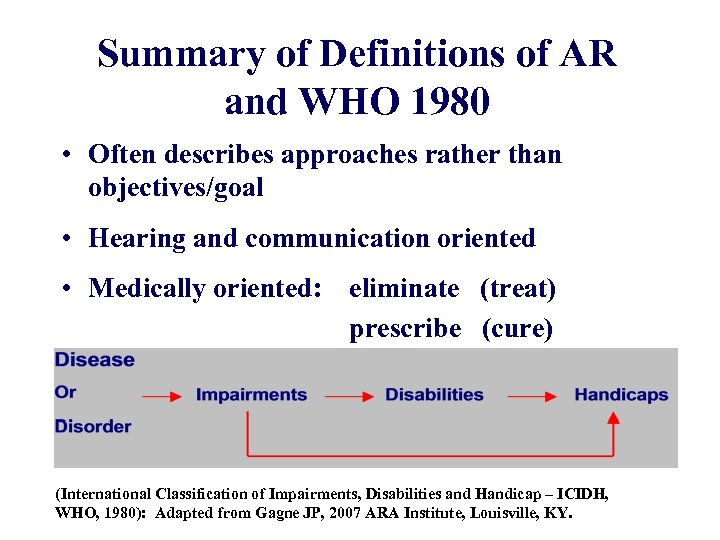 Summary of Definitions of AR and WHO 1980 • Often describes approaches rather than objectives/goal • Hearing and communication oriented • Medically oriented: eliminate (treat) prescribe (cure) (International Classification of Impairments, Disabilities and Handicap – ICIDH, WHO, 1980): Adapted from Gagne JP, 2007 ARA Institute, Louisville, KY.
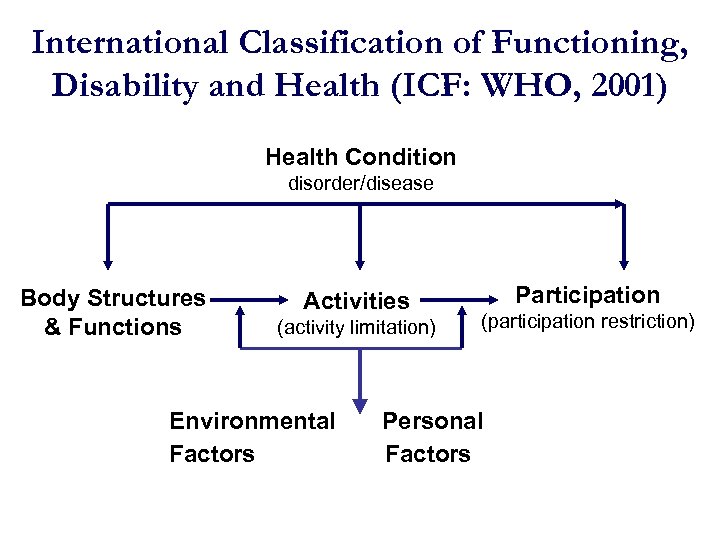 International Classification of Functioning, Disability and Health (ICF: WHO, 2001) Health Condition (disorder/disease) Body Structures & Functions Activities (activity limitation) Environmental Factors Participation (participation restriction) Personal Factors
 ICF (WHO: 2001) Disabilities is an umbrella term, covering impairments, activity limitations, and participation restrictions. – Thus disability is a complex phenomenon, reflecting an interaction between features of a person’s body and features of the society in which he or she lives.
 Question Does “hearing impairment” means deaf, only? Yes No
 ICF (WHO: 2001) Hearing impairment is a broad term used to describe the loss of hearing in one or both ears. There are different levels of hearing impairment: hearing impairment refers to complete or partial loss of the ability to hear from one or both ears. The level of impairment can be mild, moderate, severe or profound; deafness refers to the complete loss of ability to hear from one or both ears.
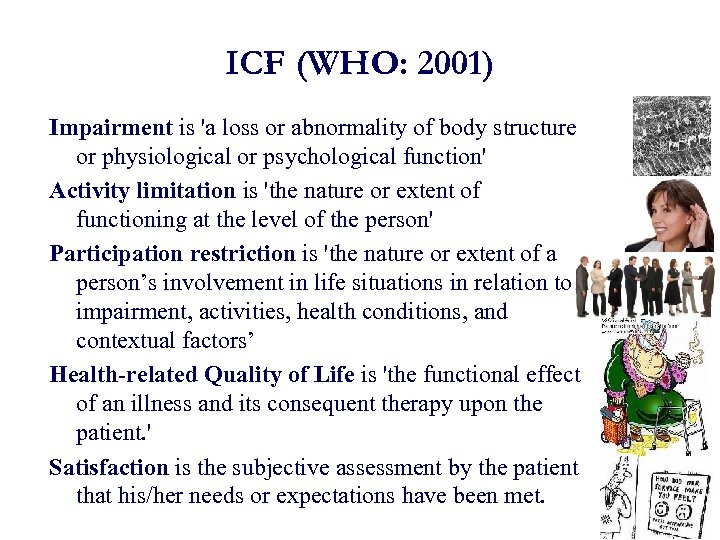 ICF (WHO: 2001) Impairment is 'a loss or abnormality of body structure or physiological or psychological function' Activity limitation is 'the nature or extent of functioning at the level of the person' Participation restriction is 'the nature or extent of a person’s involvement in life situations in relation to impairment, activities, health conditions, and contextual factors’ Health-related Quality of Life is 'the functional effect of an illness and its consequent therapy upon the patient. ' Satisfaction is the subjective assessment by the patient that his/her needs or expectations have been met.
 Applying WHO Taxonomy to HL • Anatomy and physiology: Physical and functional integrity, including integrity of outer ear, middle ear, cochlea, neural pathways to the brain, and the brain itself. A major concern is with the status of the cochlea. With older patients, integrity of neural structures is important. • Function: Includes hearing threshold, dynamic range, frequency range, spectral and temporal resolution, acoustic pattern discrimination, direction and distance perception, attention, auditory working memory, processing speed, and ability to listen in noise.
 Applying WHO Taxonomy to HL • Activity: The use of this capacity—the things one wants or needs to do with hearing in the real world. Examples include being alerted by sound, monitoring the environment, recognizing and localizing events and deducing their significance, monitoring and controlling one's own speech, and enjoying auditory experiences. The activities of most concern, however, are perceiving the speech of others and engaging in spoken language communication. • Participation: The contribution of these activities to daily life, include social interactions and relationships, employment, leisure, learning, control, creativity, etc.
 ICF (WHO: 2001) Psychological factors pertains to attitudes, self-image, motivation and assertiveness, etc. Social factors are the viewpoint of society
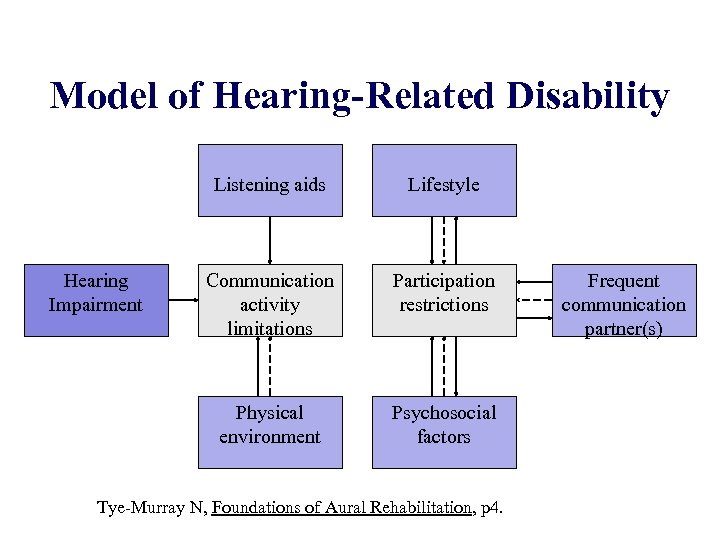 Model of Hearing-Related Disability Listening aids Communication activity limitations Participation restrictions Physical environment Hearing Impairment Lifestyle Psychosocial factors Tye-Murray N, Foundations of Aural Rehabilitation, p 4. Frequent communication partner(s)
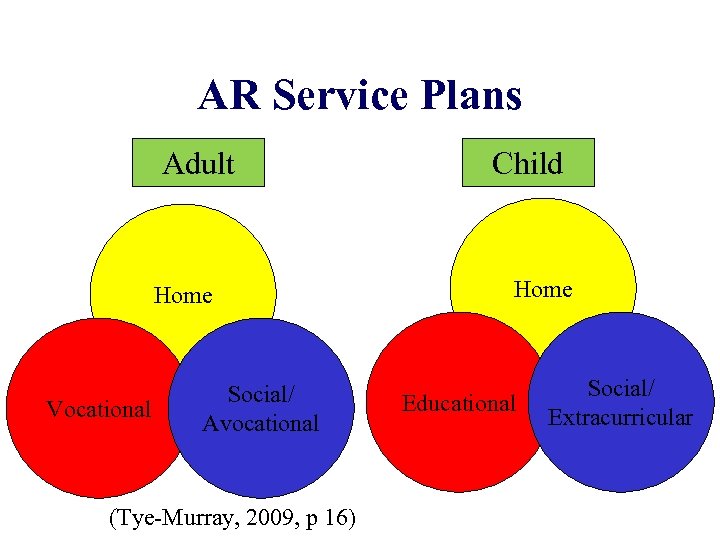
 Services Included in AR Plan • • • Diagnosis & quantification of hearing loss Hearing assistance technologies Auditory training Communication strategies training Informational/educational counseling Personal adjustment counseling Psychological support Communication partner training Speechreading training Speech-language therapy Inservice training
 Question Which is provided by educator of the deaf and/or SLP? A. Aural rehab B. Audiologic rehab C. Physical therapy
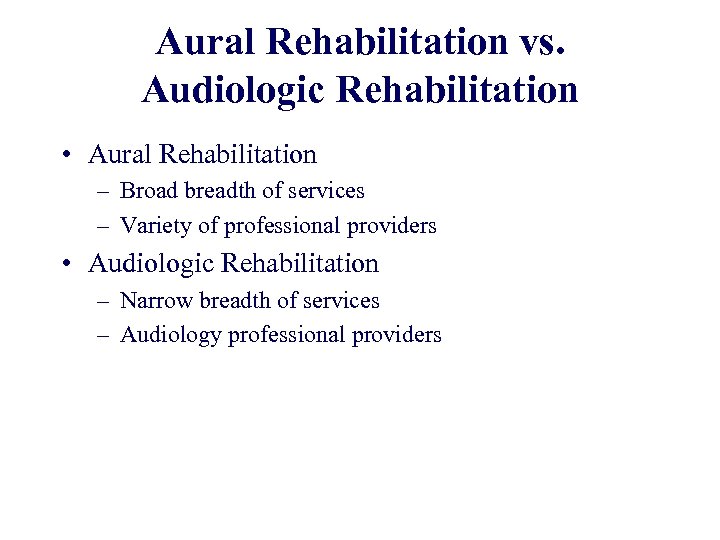 Aural Rehabilitation vs. Audiologic Rehabilitation • Aural Rehabilitation – Broad breadth of services – Variety of professional providers • Audiologic Rehabilitation – Narrow breadth of services – Audiology professional providers
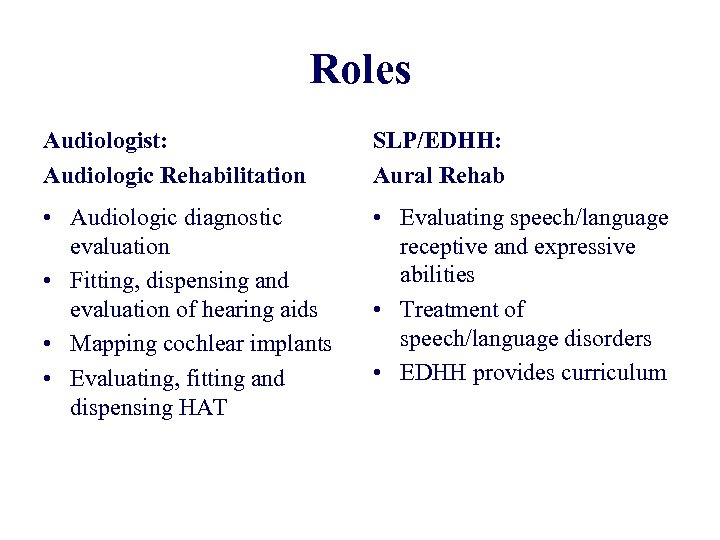 Roles Audiologist: Audiologic Rehabilitation SLP/EDHH: Aural Rehab • Audiologic diagnostic evaluation • Fitting, dispensing and evaluation of hearing aids • Mapping cochlear implants • Evaluating, fitting and dispensing HAT • Evaluating speech/language receptive and expressive abilities • Treatment of speech/language disorders • EDHH provides curriculum
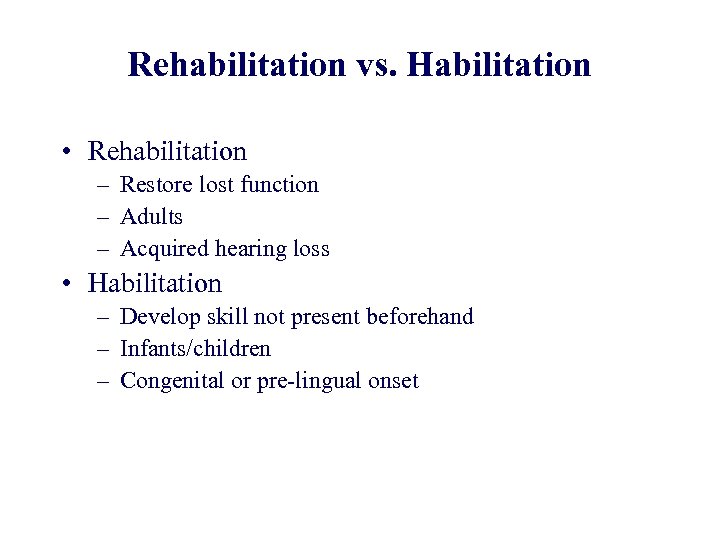 Rehabilitation vs. Habilitation • Rehabilitation – Restore lost function – Adults – Acquired hearing loss • Habilitation – Develop skill not present beforehand – Infants/children – Congenital or pre-lingual onset
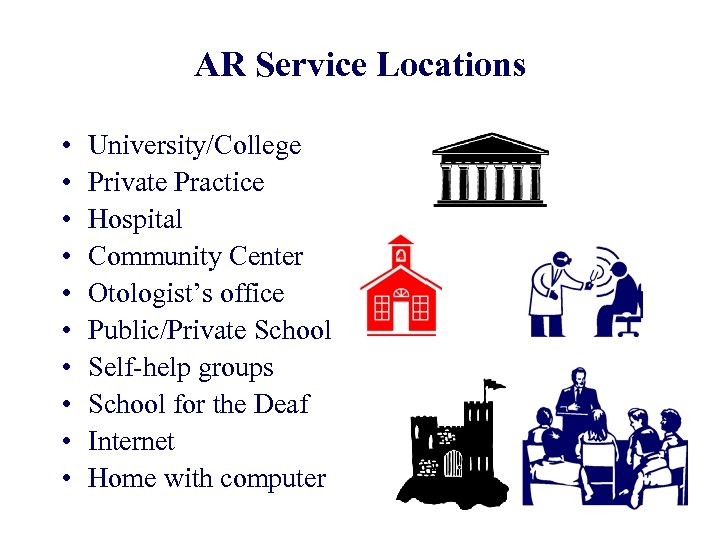 AR Service Locations • • • University/College Private Practice Hospital Community Center Otologist’s office Public/Private School Self-help groups School for the Deaf Internet Home with computer
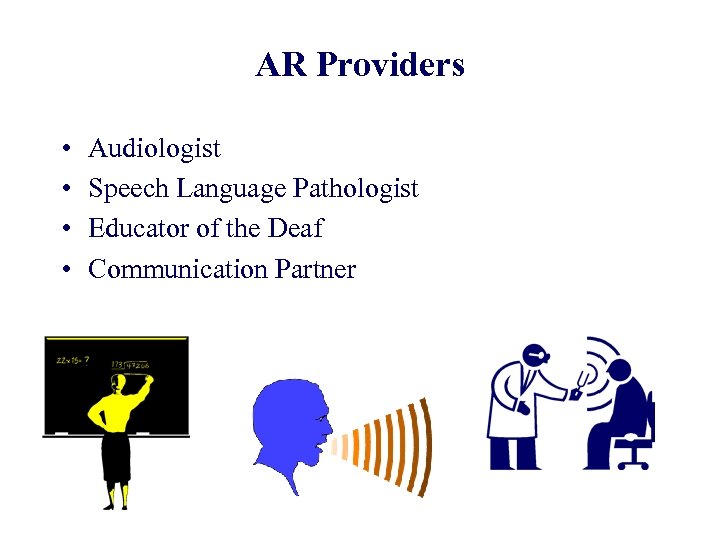 AR Providers • • Audiologist Speech Language Pathologist Educator of the Deaf Communication Partner
 Other Team Members • • • ENT Parents Regular classroom teachers Psychology Geneticist Other specialties as necessary
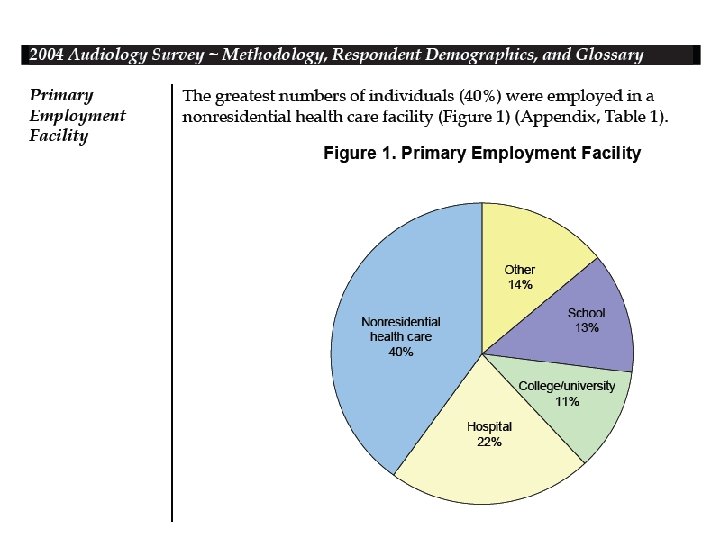
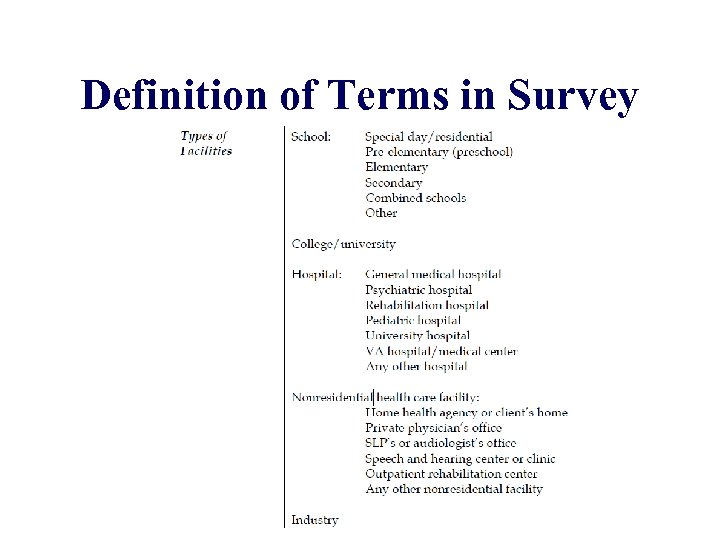 Definition of Terms in Survey
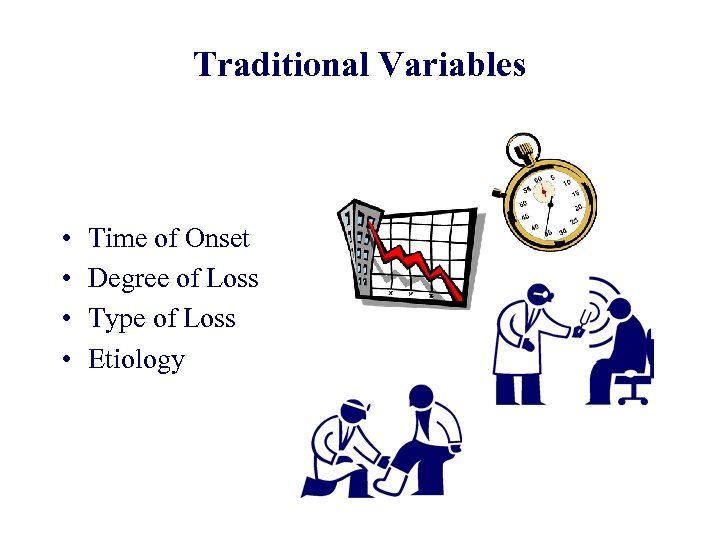 Traditional Variables • • Time of Onset Degree of Loss Type of Loss Etiology
 Question Which is not a traditional variable for hearing loss? 1. Time of Onset 2. Rapidity of progression of hearing loss 3. Degree of Loss 4. Type of Loss 5. Etiology
 Other Variables • • Progressive Acceptance Family support Time of identification Time for implementation of AR Intelligence Motivation
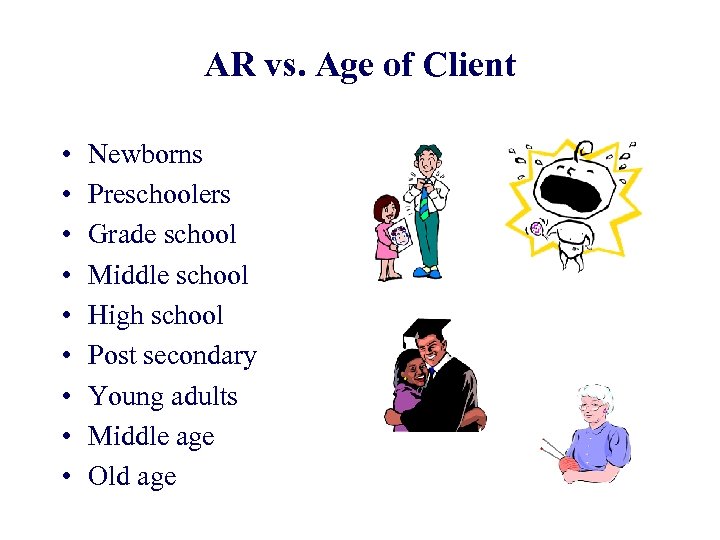 AR vs. Age of Client • • • Newborns Preschoolers Grade school Middle school High school Post secondary Young adults Middle age Old age
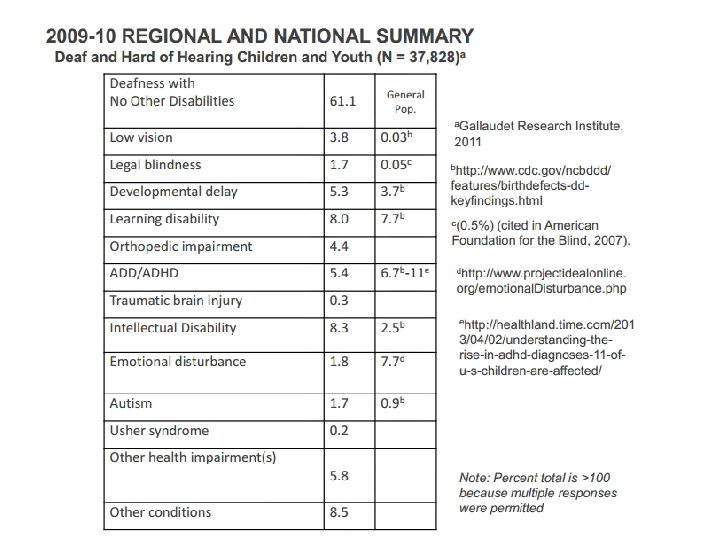
 Hearing Loss Incidence • • 36 million persons in US have HL 4, 000 babies born in US annually 1/1000 to 6/1000 born with HL 1 in 10 by age 60 – Third most prevalent chronic problem in older persons • 1. 3% of children who receive special ed services were hard of hearing or deaf • 5% of world’s population, about 360 million people, including 328 million adults and 32 million children, have disabling hearing loss
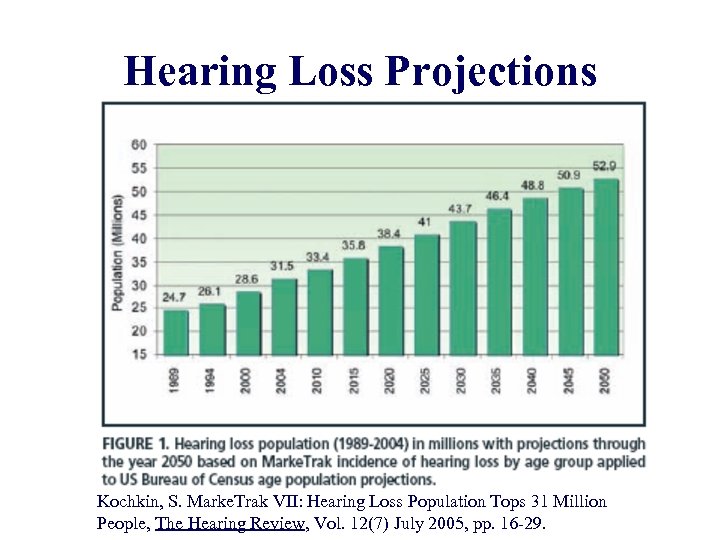 Hearing Loss Projections Kochkin, S. Marke. Trak VII: Hearing Loss Population Tops 31 Million People, The Hearing Review, Vol. 12(7) July 2005, pp. 16 -29.
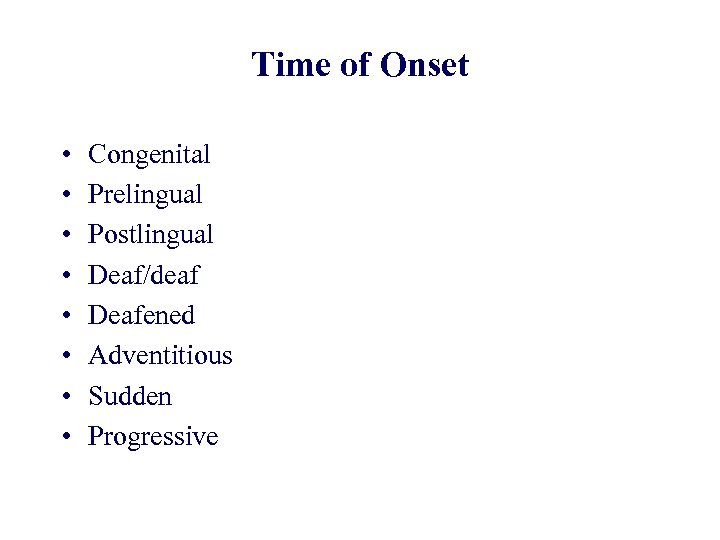 Time of Onset • • Congenital Prelingual Postlingual Deaf/deaf Deafened Adventitious Sudden Progressive
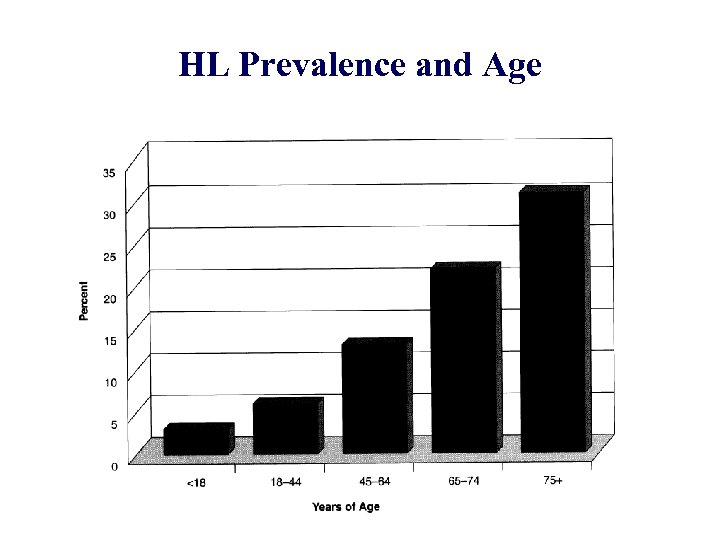 HL Prevalence and Age
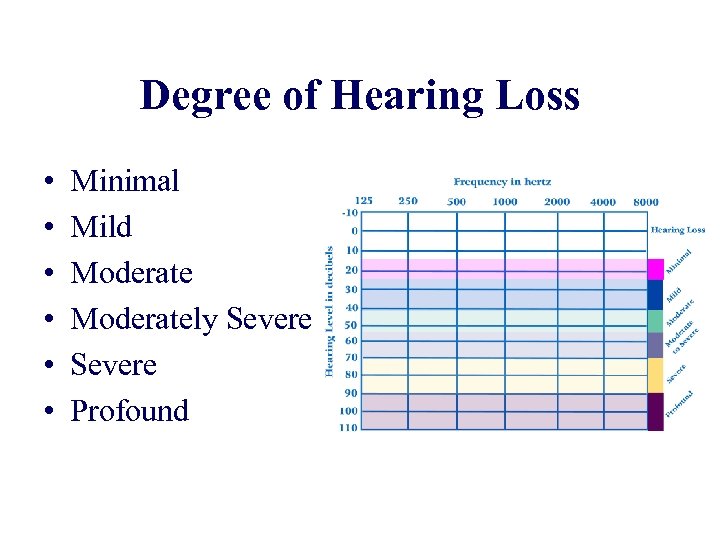 Degree of Hearing Loss • • • Minimal Mild Moderately Severe Profound
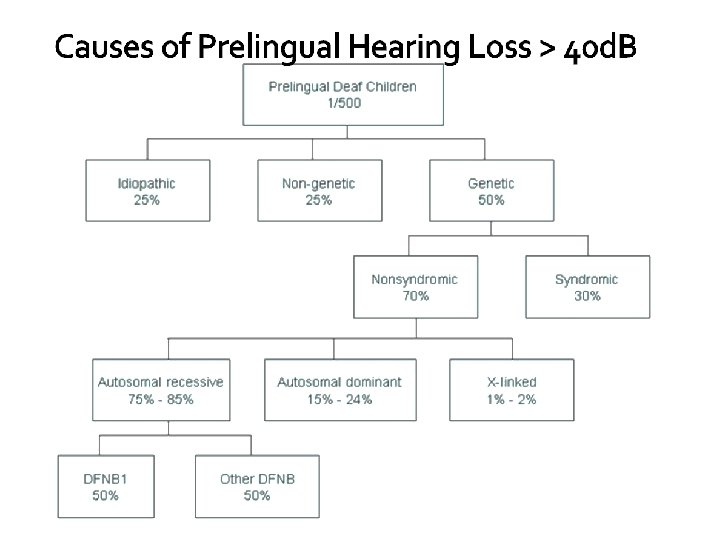
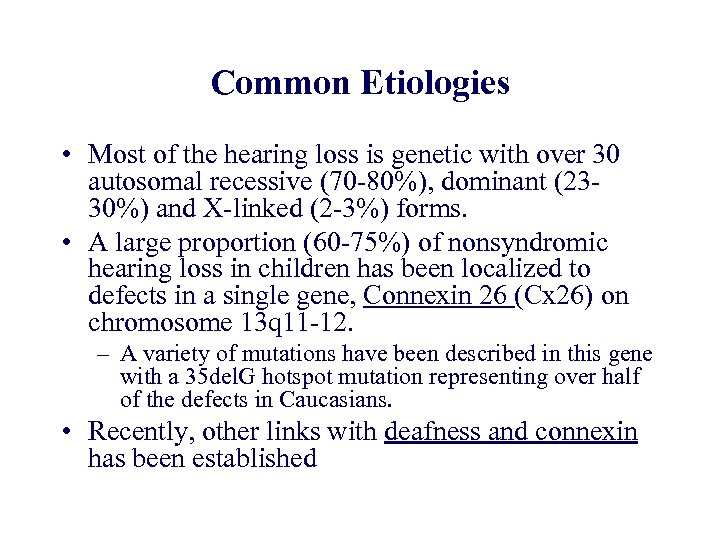 Common Etiologies • Most of the hearing loss is genetic with over 30 autosomal recessive (70 -80%), dominant (2330%) and X-linked (2 -3%) forms. • A large proportion (60 -75%) of nonsyndromic hearing loss in children has been localized to defects in a single gene, Connexin 26 (Cx 26) on chromosome 13 q 11 -12. – A variety of mutations have been described in this gene with a 35 del. G hotspot mutation representing over half of the defects in Caucasians. • Recently, other links with deafness and connexin has been established
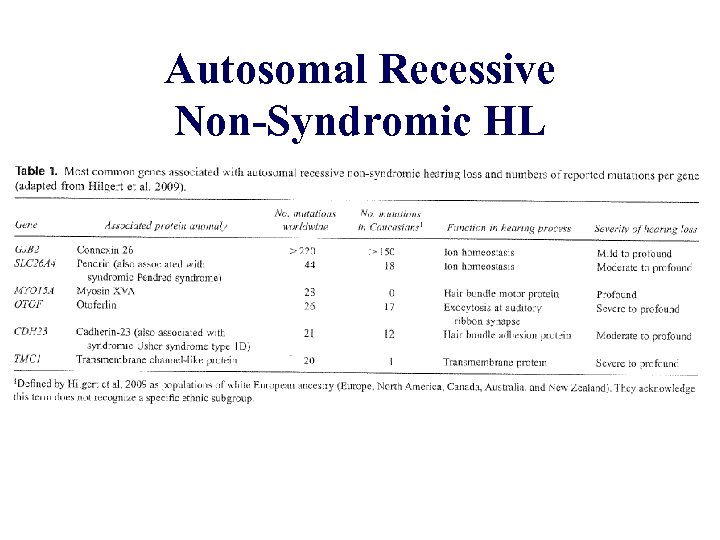 Autosomal Recessive Non-Syndromic HL
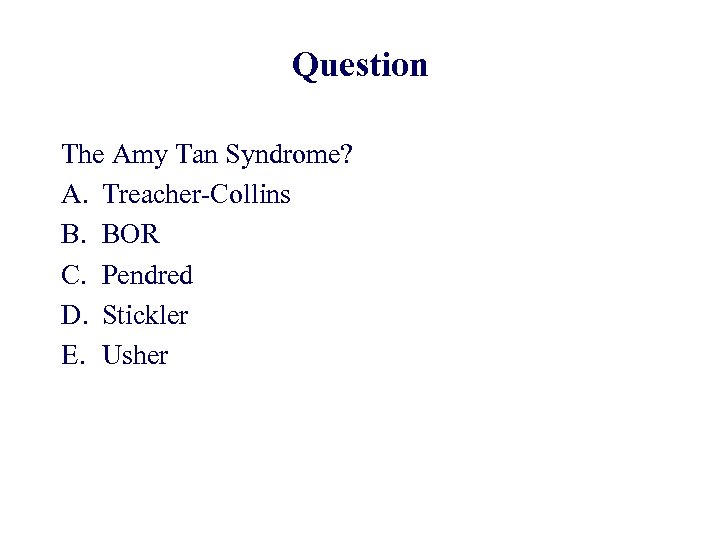 Question The Amy Tan Syndrome? A. Treacher-Collins B. BOR C. Pendred D. Stickler E. Usher
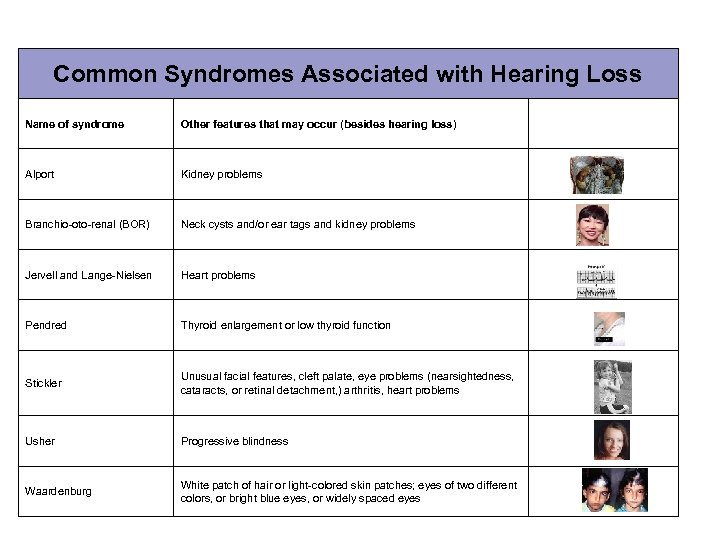 Common Syndromes Associated with Hearing Loss Name of syndrome Other features that may occur (besides hearing loss) Alport Kidney problems Branchio-oto-renal (BOR) Neck cysts and/or ear tags and kidney problems Jervell and Lange-Nielsen Heart problems Pendred Thyroid enlargement or low thyroid function Stickler Unusual facial features, cleft palate, eye problems (nearsightedness, cataracts, or retinal detachment, ) arthritis, heart problems Usher Progressive blindness Waardenburg White patch of hair or light-colored skin patches; eyes of two different colors, or bright blue eyes, or widely spaced eyes
 Jervell and Lange-Neilsen Syndrome • Profound SNHL • Prolongation of QT interval on EKG • May develop arrhythmias resulting in sudden death • Autosomal recessive inheritance – Mutations in KVLQT 1 gene on chromosome 11 p 15 and KCNE 1 gene on chromosome 21 q 22 – Potassium channel genes
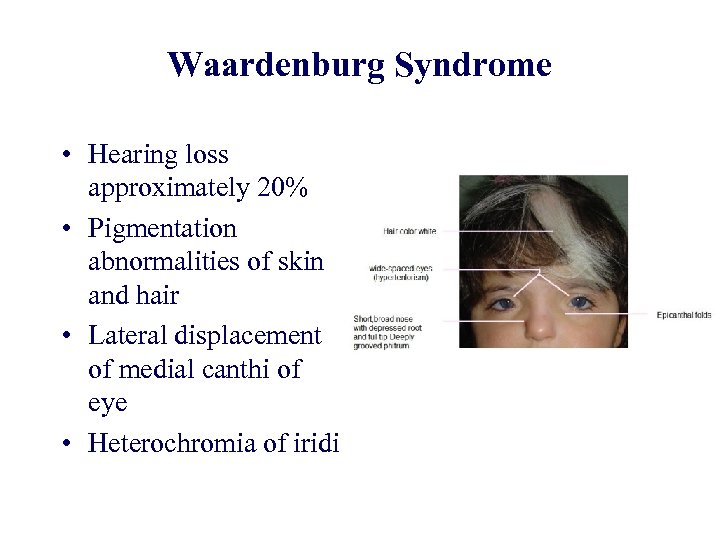 Waardenburg Syndrome • Hearing loss approximately 20% • Pigmentation abnormalities of skin and hair • Lateral displacement of medial canthi of eye • Heterochromia of iridi
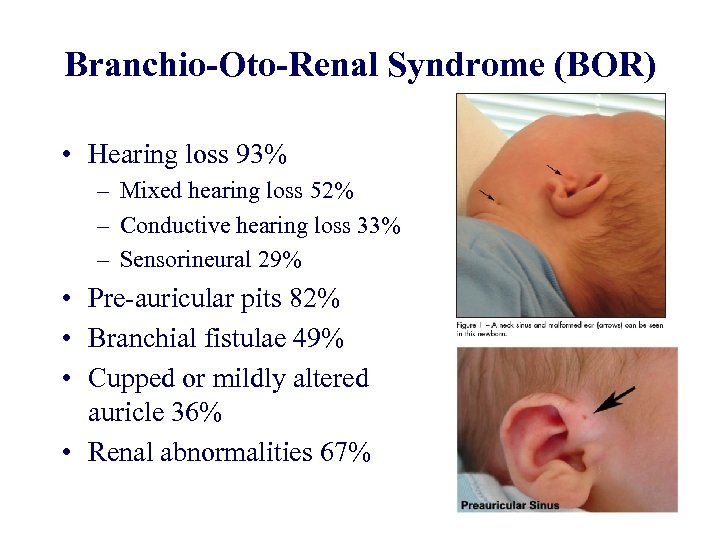 Branchio-Oto-Renal Syndrome (BOR) • Hearing loss 93% – Mixed hearing loss 52% – Conductive hearing loss 33% – Sensorineural 29% • Pre-auricular pits 82% • Branchial fistulae 49% • Cupped or mildly altered auricle 36% • Renal abnormalities 67%
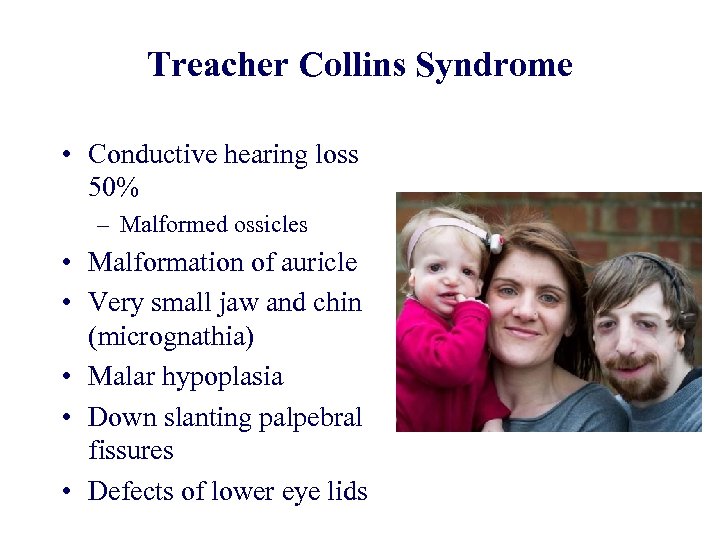 Treacher Collins Syndrome • Conductive hearing loss 50% – Malformed ossicles • Malformation of auricle • Very small jaw and chin (micrognathia) • Malar hypoplasia • Down slanting palpebral fissures • Defects of lower eye lids
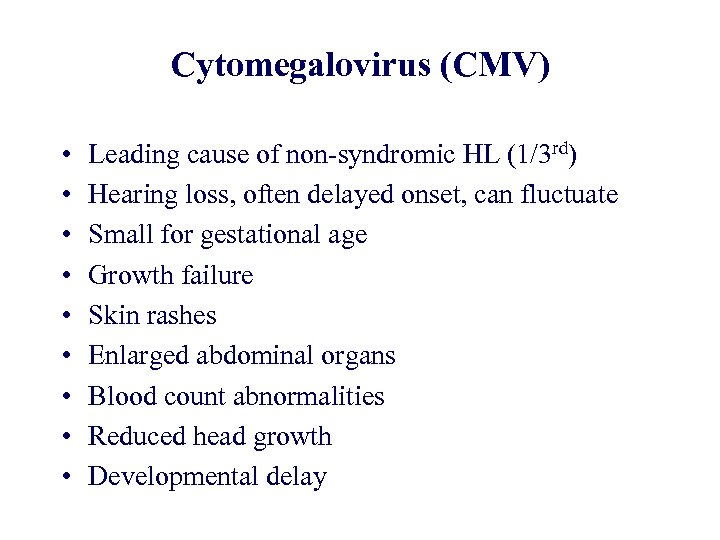 Cytomegalovirus (CMV) • • • Leading cause of non-syndromic HL (1/3 rd) Hearing loss, often delayed onset, can fluctuate Small for gestational age Growth failure Skin rashes Enlarged abdominal organs Blood count abnormalities Reduced head growth Developmental delay
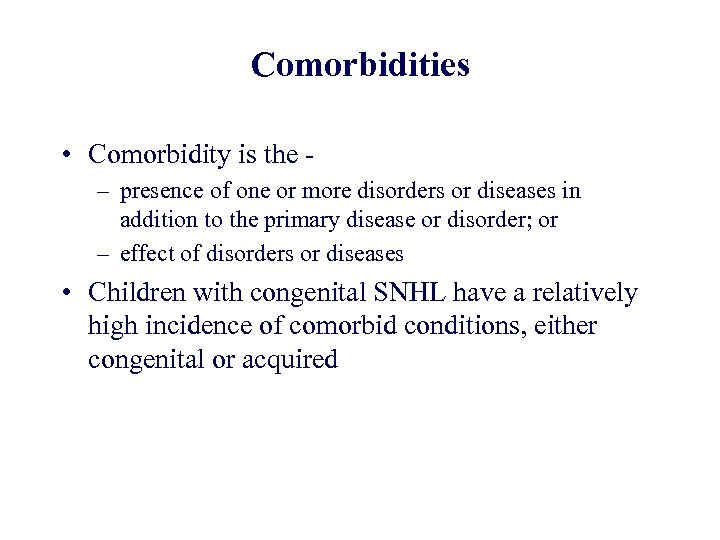 Comorbidities • Comorbidity is the – presence of one or more disorders or diseases in addition to the primary disease or disorder; or – effect of disorders or diseases • Children with congenital SNHL have a relatively high incidence of comorbid conditions, either congenital or acquired
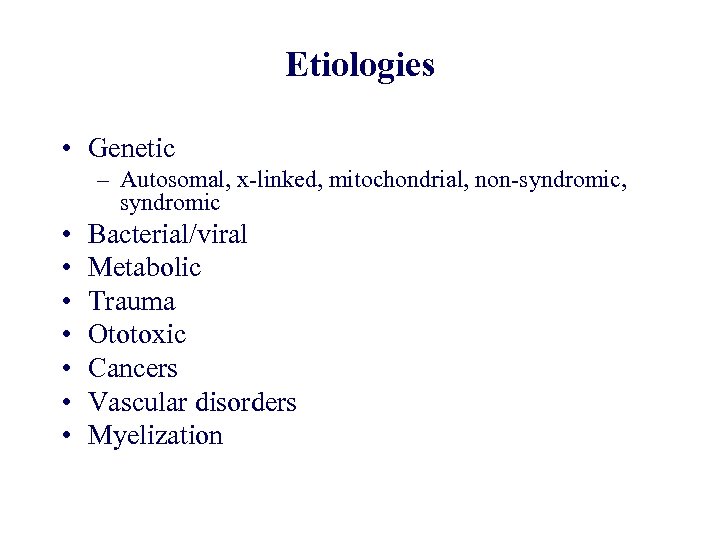 Etiologies • Genetic – Autosomal, x-linked, mitochondrial, non-syndromic, syndromic • • Bacterial/viral Metabolic Trauma Ototoxic Cancers Vascular disorders Myelization
 Type of Loss • • Conductive Sensorineural Mixed Auditory Processing Disorder
 AR Service Plans Adult Home Vocational Social/ Avocational (Tye-Murray, 2009, p 16) Child Home Educational Social/ Extracurricular
 AR Services • Services for persons with hearing loss – Served – Unserved – Underserved • Lack of services due to – Lack of outreach and immediate or extended support services – Attitudes of service delivery personnel – Lack of adequate reimbursement for AR – Communication and environmental barriers (Tye-Murray, 2009, p 14)
 Cost-Effectiveness and Costs Cost-effectiveness is the relationship between the money spent and the benefits accrued Cost is the actual expense for providing Examples: Trends in Educational Placement and Cost-Benefit Considerations in Children With Cochlear Implants
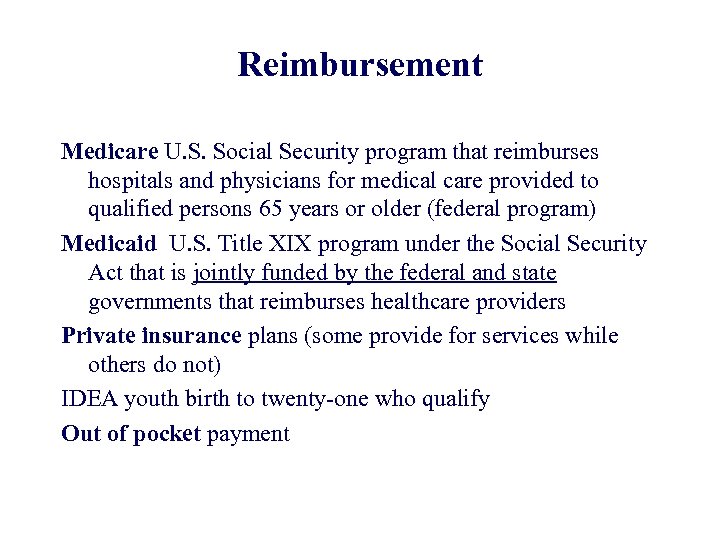 Reimbursement Medicare U. S. Social Security program that reimburses hospitals and physicians for medical care provided to qualified persons 65 years or older (federal program) Medicaid U. S. Title XIX program under the Social Security Act that is jointly funded by the federal and state governments that reimburses healthcare providers Private insurance plans (some provide for services while others do not) IDEA youth birth to twenty-one who qualify Out of pocket payment
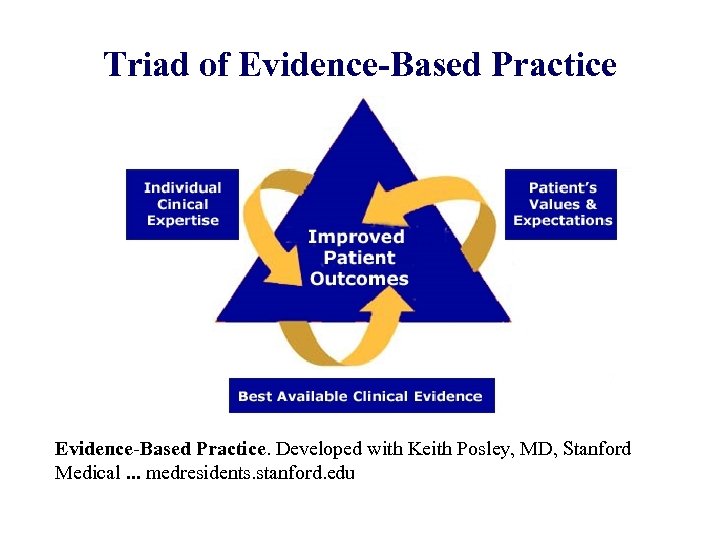 Triad of Evidence-Based Practice. Developed with Keith Posley, MD, Stanford Medical. . . medresidents. stanford. edu
 Evidence-Based Practice EBP is “the integration of best research evidence with clinical expertise and patient values Levels of evidence to support EBP Five-step approach (Canadian Cochrane Network/Centre Affiliate Representatives)
 Question How many persons that could benefit from wearing hearing aids in the U. S. have hearing aids? A. 1 in 5 B. 1 in 3 C. 1 in 4 D. 1 in 6
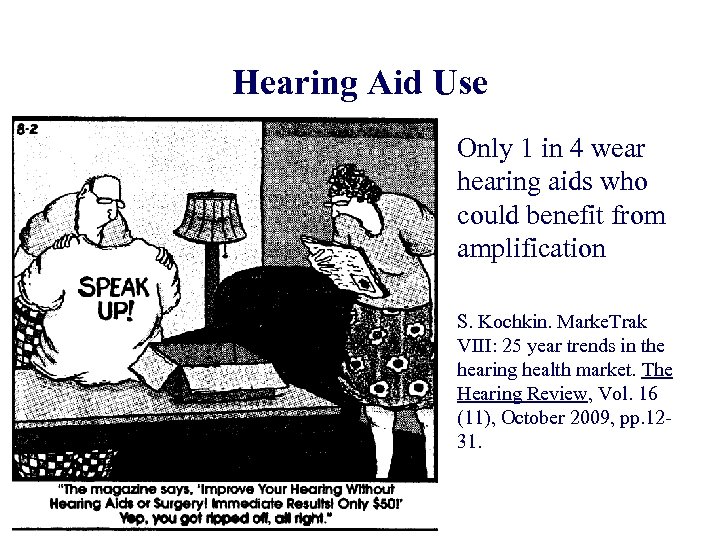 Hearing Aid Use Only 1 in 4 wear hearing aids who could benefit from amplification S. Kochkin. Marke. Trak VIII: 25 year trends in the hearing health market. The Hearing Review, Vol. 16 (11), October 2009, pp. 1231.
 Other Areas of AR • • Auditory processing disorders Tinnitus Hyperacusis Vestibular and balance disorders
 AR Professional Organizations • • • AAA (American Academy of Audiology) AAS (American Auditory Society) AG Bell Association ARA (Academy of Rehabilitative Audiology) ASHA (American Speech Language Hearing Association) • EAA (Education Audiology Association) • ISA (International Society of Audiology)
 AR Foundations • DRF (Deafness Research Foundation)
 Consumer Organizations • • HLAA (Hearing Loss Association of America) Hearing Loss Web ALDA (Association of Late-Deafened Adults) Hands & Voices
 Terminology: Hearing Loss • NAD – Deaf-mute, deaf and dumb, hearing impaired terminology – d/Deaf • Wikipedia • Hearing Loss Association of America • “Hard of Hearing, ” “Hearing Impaired” or “Deaf” —Which Is Correct?
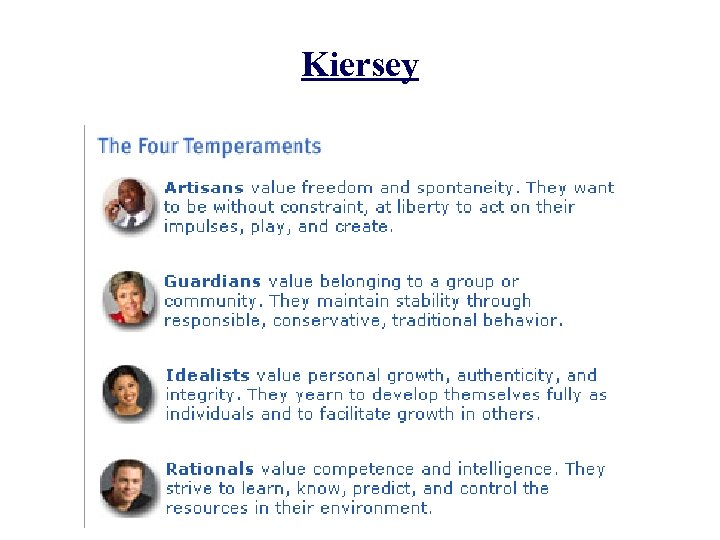 Kiersey
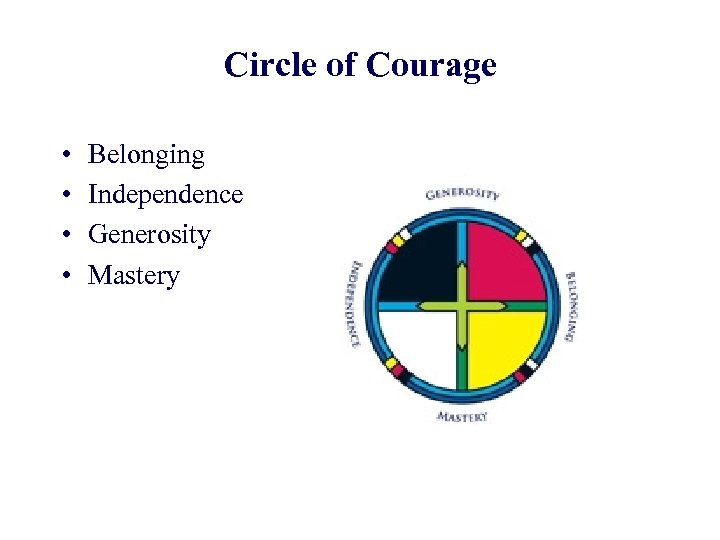 Circle of Courage • • Belonging Independence Generosity Mastery