 Скачать презентацию Interpersonal Communication What s in Your Tool Box Friday
48273970879ed054d9baabe4e9cf99f3.ppt
- Количество слайдов: 81



Interpersonal Communication: What’s in Your Tool Box? Friday, January 18, 2013 Joshua Cabral Brookwood School, Manchester, MA Massachusetts Foreign Language Association
www. activecommunication. wordpress. com
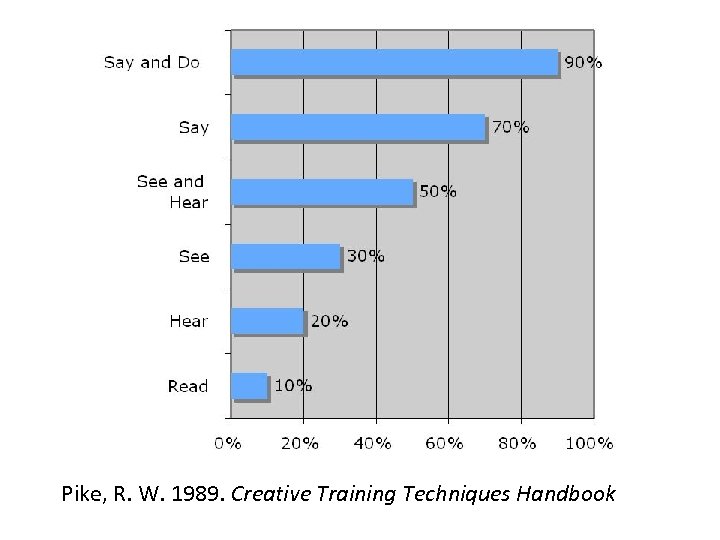
Pike, R. W. 1989. Creative Training Techniques Handbook
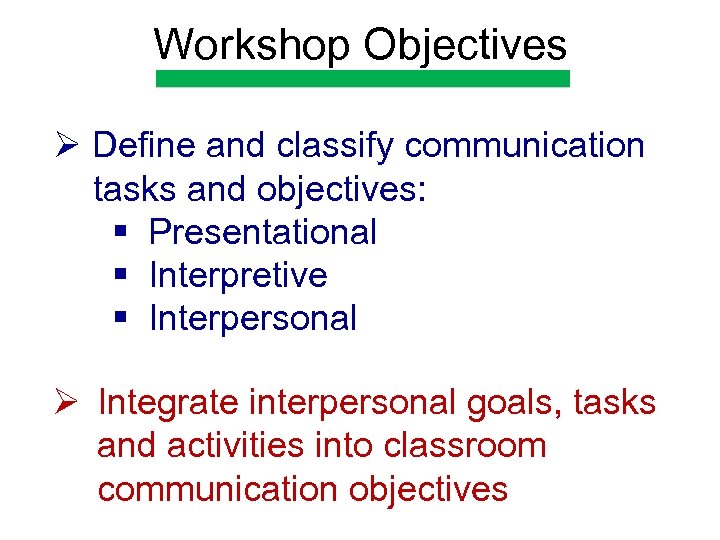
Workshop Objectives Ø Define and classify communication tasks and objectives: § Presentational § Interpretive § Interpersonal Ø Integrate interpersonal goals, tasks and activities into classroom communication objectives
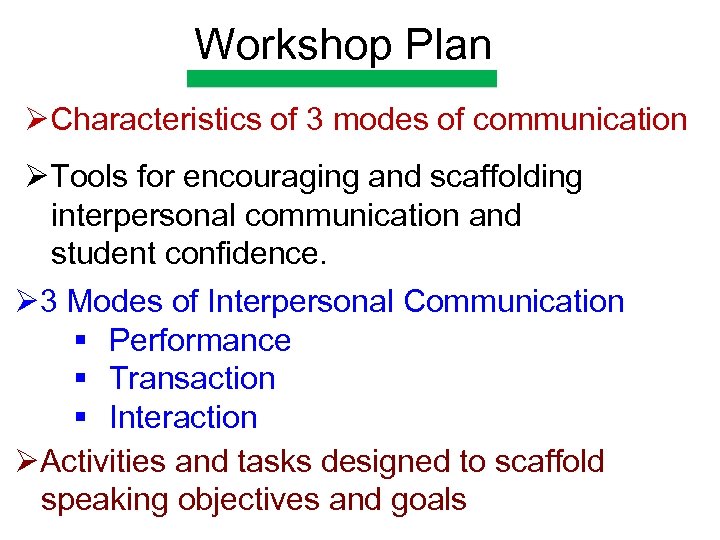
Workshop Plan ØCharacteristics of 3 modes of communication ØTools for encouraging and scaffolding interpersonal communication and student confidence. Ø 3 Modes of Interpersonal Communication § Performance § Transaction § Interaction ØActivities and tasks designed to scaffold speaking objectives and goals
er ch Tea ox ol B To
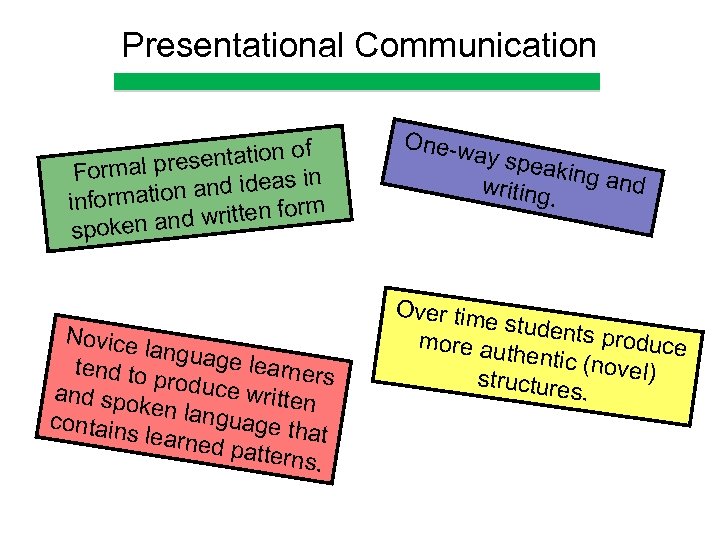
Presentational Communication entation of s Formal pre nd ideas in a information rm d written fo spoken an Novice languag e learne tend to rs produce and spo written ken lan guage t contain hat s learne d patter ns. One-w ay spe aking and writing. Over tim e studen ts produ more au ce thentic (n structure ovel) s.
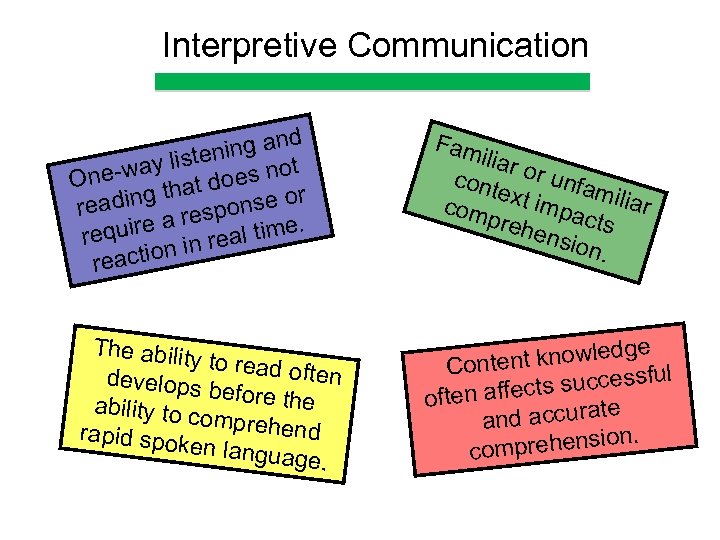
Interpretive Communication g and n listeni not y ne-wa at does O th ading esponse or re r uire a real time. req tion in reac The abilit y to read often develops before the ability to c omprehen d rapid spo ken langu age. Fam iliar cont or unfa m ext i mpa iliar com cts preh ensi on. t knowledge Conten ul ts successf often affec d accurate an. prehension com
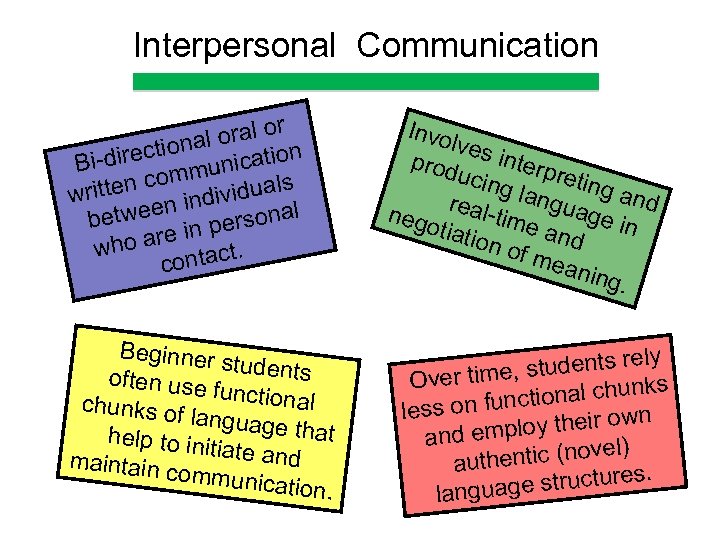
Interpersonal Communication ral or l o ctiona ication Bi-dire mmun o ritten c individuals w n l etwee b ersona p are in . who ontact c Beginner students often use functiona l chunks of language that help to ini maintain c tiate and ommunica tion. Invo lves prod interp r ucin g lan eting an nego real-time guage in d tiatio a n of nd mea ning. tudents rely s Over time, nal chunks ctio less on fun n loy their ow and emp l) entic (nove auth s. ge structure langua
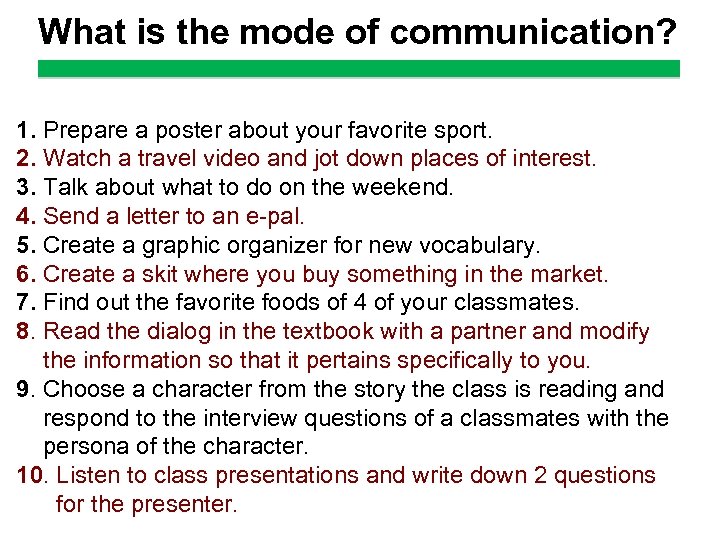
What is the mode of communication? 1. Prepare a poster about your favorite sport. 2. Watch a travel video and jot down places of interest. 3. Talk about what to do on the weekend. 4. Send a letter to an e-pal. 5. Create a graphic organizer for new vocabulary. 6. Create a skit where you buy something in the market. 7. Find out the favorite foods of 4 of your classmates. 8. Read the dialog in the textbook with a partner and modify the information so that it pertains specifically to you. 9. Choose a character from the story the class is reading and respond to the interview questions of a classmates with the persona of the character. 10. Listen to class presentations and write down 2 questions for the presenter.
What is the mode of communication? Ø Small group discussion Ø Share findings
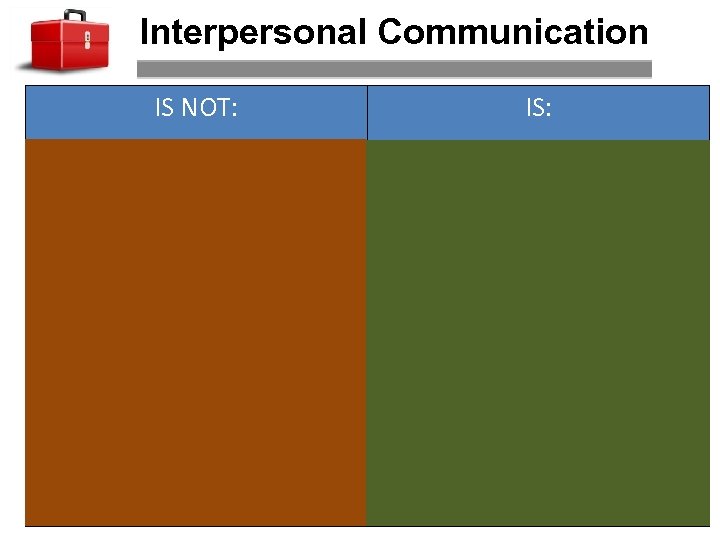
Interpersonal Communication IS NOT: One-way communication Memorized Only asking (all) the questions IS: Two-way exchange Spontaneous (and unpredictable) Helping each other Strict turn taking Following-up and reacting; maintaining the conversation Ignoring your partner; waiting to say something Indicating interest: interactive body language; eye contact Overly concerned about accuracy Focusing on the message (fluency) Giving up when you don’t understand If communication fails/falters, asking for clarification
Scaffolding communication Encouraging student confidence
Functional Chunks of Language ü Students don’t get enough opportunities to use the target language. Teachers do most of the talking. ü Functional Chunks of Language phrases or words that students learn as a chunk without necessarily understanding the structure. ü Students learn where and when to say them (i. e. the function). ü Functional Chunks of Language empower students to use the language early and often.
Functional Chunks of Language • • • • How do you say…in…. ? What does …mean in…? How do you spell…? I forget my… Can I borrow a… I need a … Can I go to the bathroom. I’m not feeling well? What page? Can you repeat that please? Can you please say that more slowly? What is the homework? Can we start the homework now? What is the date?
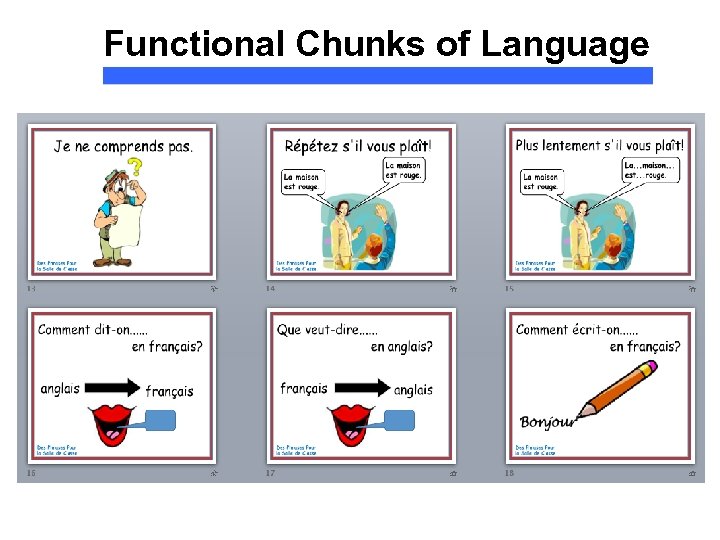
Functional Chunks of Language
Language Ladders ü Words or phrases that are linked together because of a common function or meaning. ü Similar way to Functional Chunks, but with variety and choice. ü Various possibilities and students choose depending on how they feel about a topic or how formal or informal they should be with the language that they are using. ü Offer students an opportunity to personalize their language.
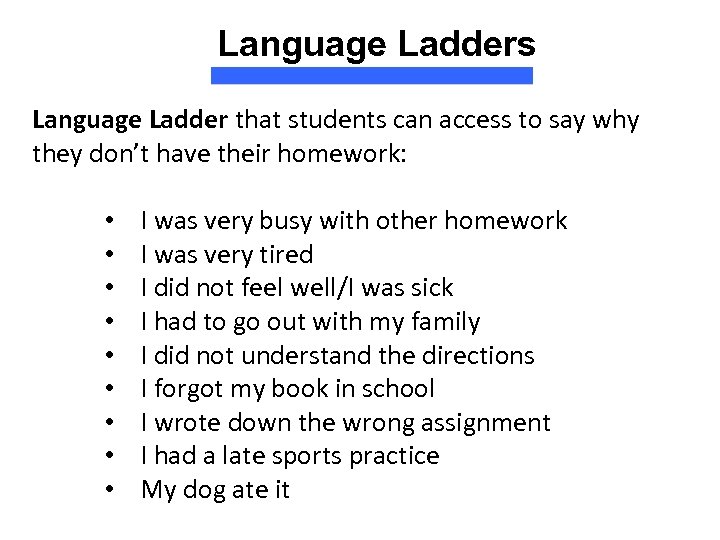
Language Ladders Language Ladder that students can access to say why they don’t have their homework: • • • I was very busy with other homework I was very tired I did not feel well/I was sick I had to go out with my family I did not understand the directions I forgot my book in school I wrote down the wrong assignment I had a late sports practice My dog ate it
Fluency and Accuracy Ø Fluency: § The natural use of language that occurs when a speaker takes part in meaningful interaction. § Maintains communication despite inaccuracy. § Require negotiation of meaning and addresses misunderstandings. Ø Accuracy: § Focuses on creating correct of language use and structure.
Fluency and Accuracy ² Fluency-Focused Activities: • Reflect natural use of language • Focus on achieving communication • Focus on meaningful use of language • Employ communication strategies • Do not use predictable language • Link language use to context ² Accuracy-Focused Activities: • Focus on correct examples of language • Use language out of context • Focus on producing small amounts of language • Don’t focus on meaningful communication • Dictate language structures and vocabulary
Fluency and Accuracy Ø There is a place for both types of activities in the foreign language classroom. Ø Traditional teaching methods have focused more attention on accuracy of language at the expense of fluency. Ø In the communicative language classroom instruction should provide a balanced approach that gives students opportunities to build fluency, while at the same time tending to the accuracy of their language.
Target Language Use o Students often revert to their native language when doing group work. Consider the following when creating activities. ü Is the activity at the right level for the students? ü Are all the students actively involved and is the activity stimulating and of interest to the group and individual students? ü Is the timing of the activity hindering the execution? ü Are students using the target language even when they know the teacher is not listening?
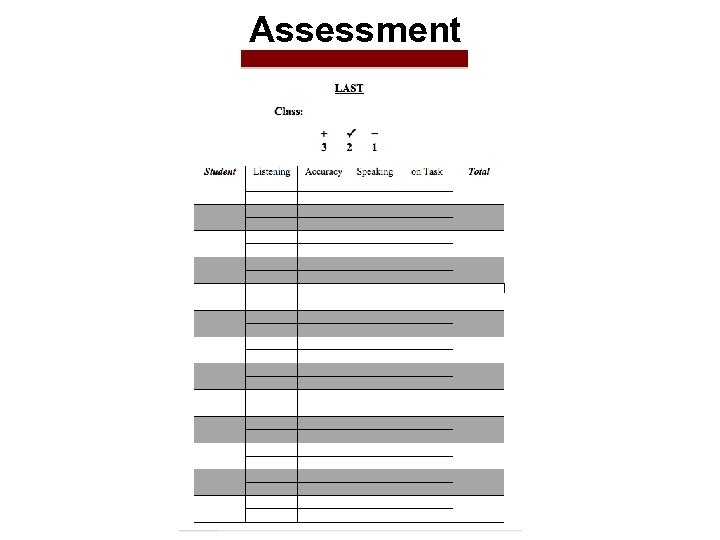
Assessment
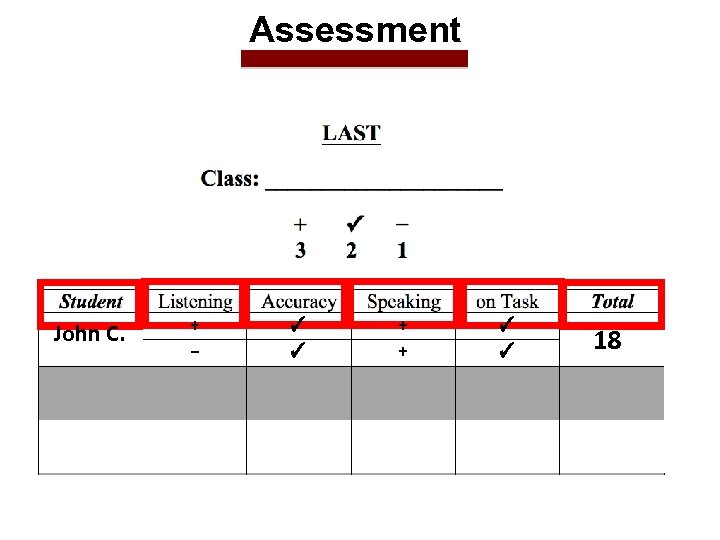
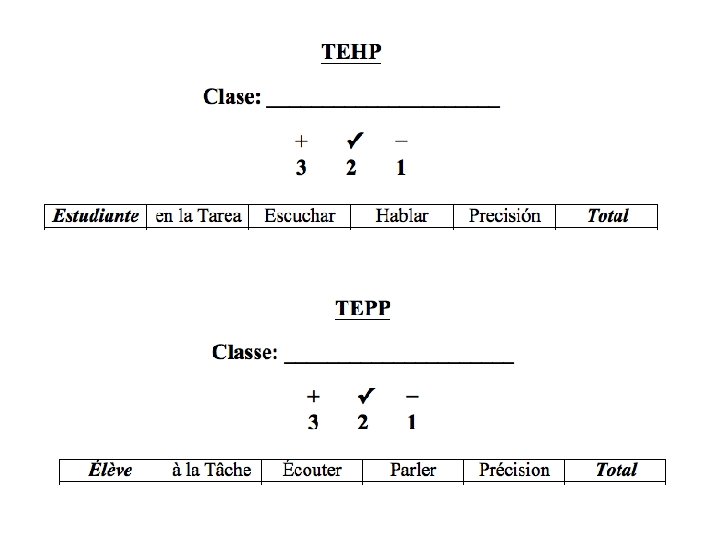
Assessment John C. + − ✓ ✓ + + ✓ ✓ 18
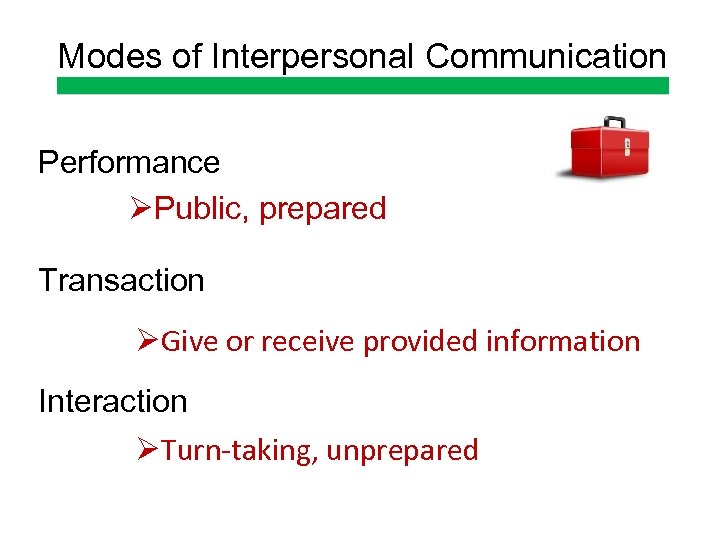
Modes of Interpersonal Communication Performance ØPublic, prepared Transaction ØGive or receive provided information Interaction ØTurn-taking, unprepared
Performance Activities ØPrepared ØFree-writing ØMapping Active Communication in the Global Classroom
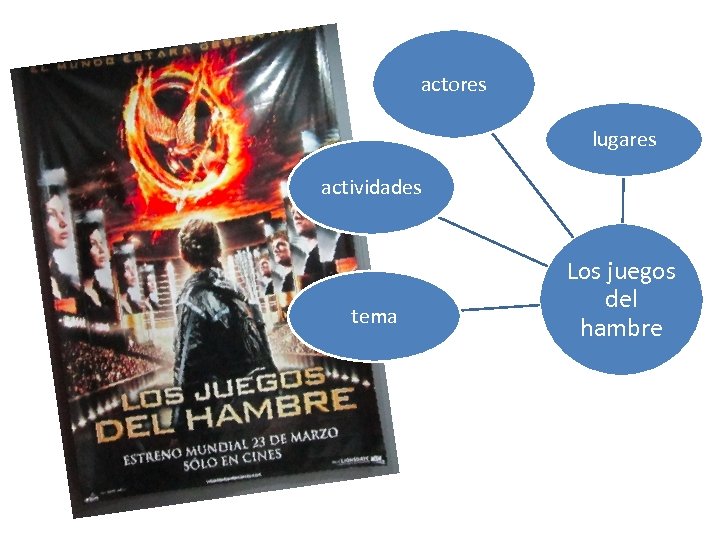
actores lugares actividades tema Los juegos del hambre
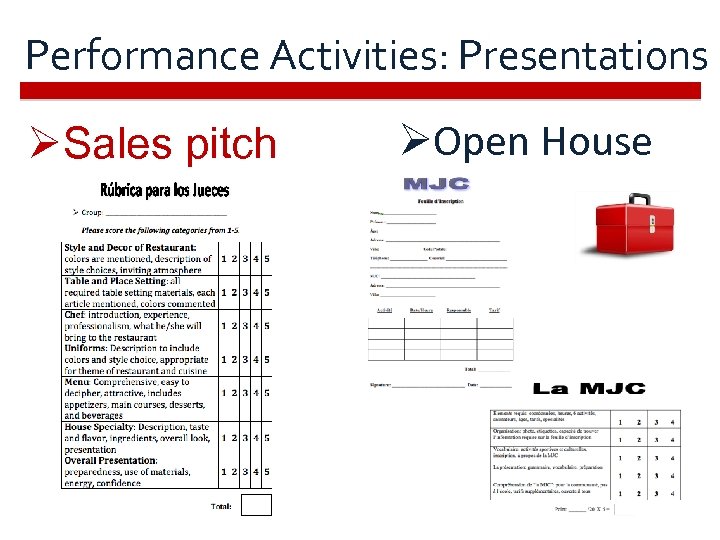
Performance Activities: Presentations ØSales pitch ØOpen House
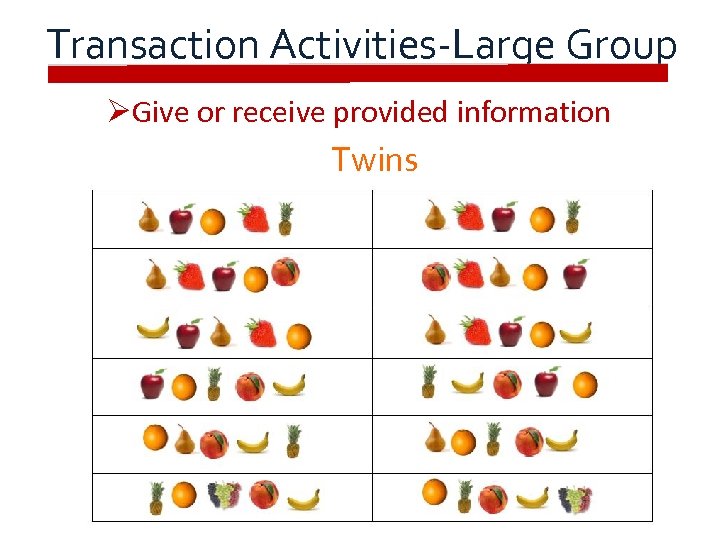
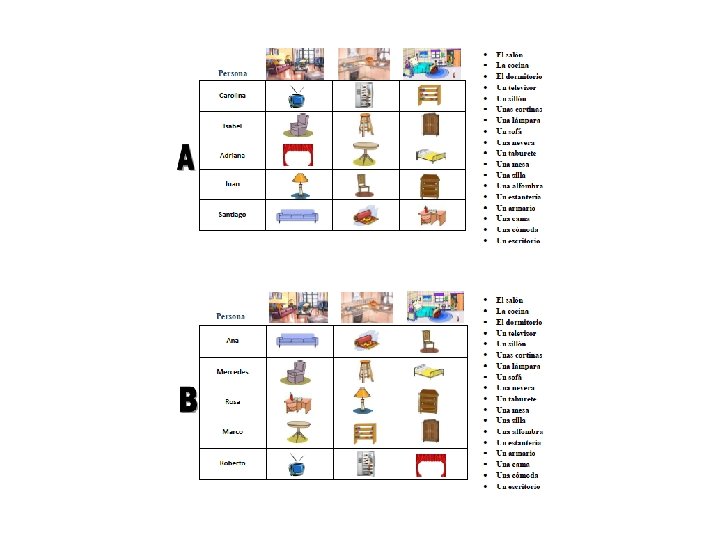
Transaction Activities-Large Group ØGive or receive provided information Twins
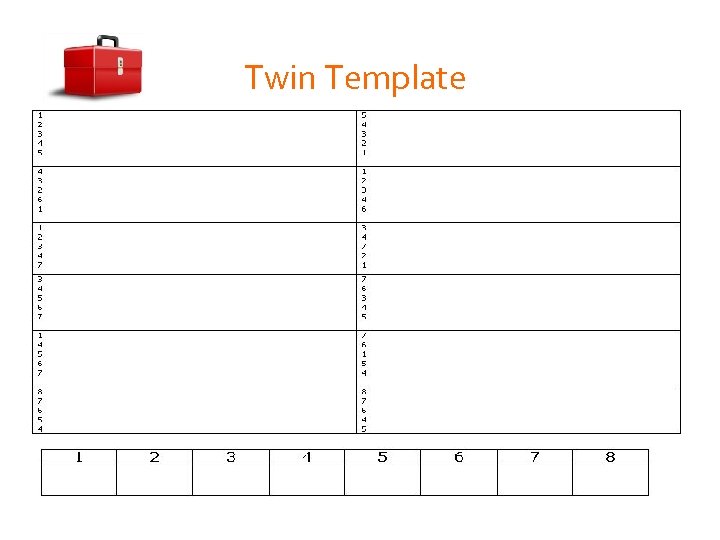
Twin Template Active Communication in the Global Classroom
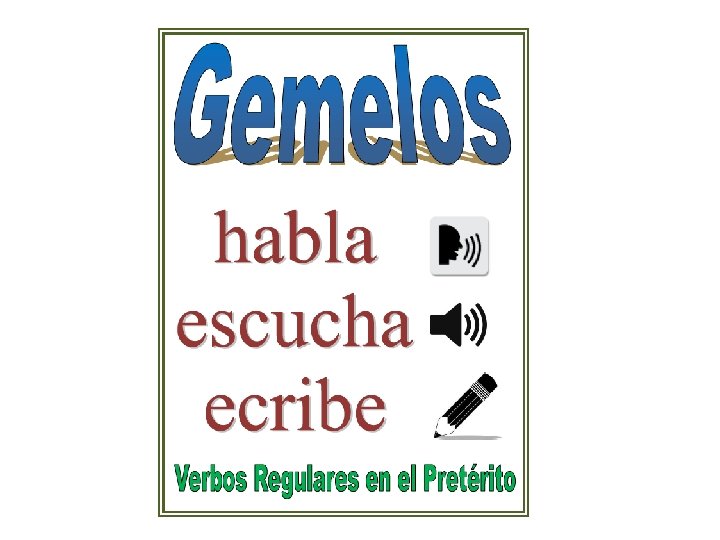
Active Communication in the Global Classroom
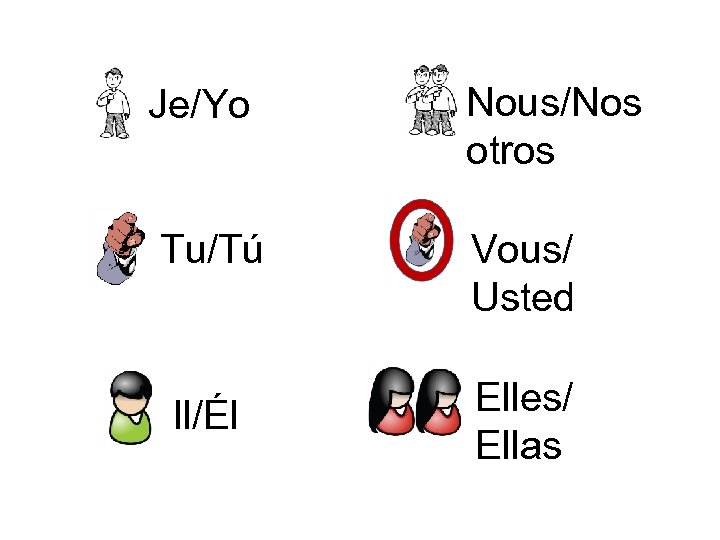
Active Communication in the Global Classroom Je/Yo Nous/Nos otros Tu/Tú Vous/ Usted Il/Él Elles/ Ellas
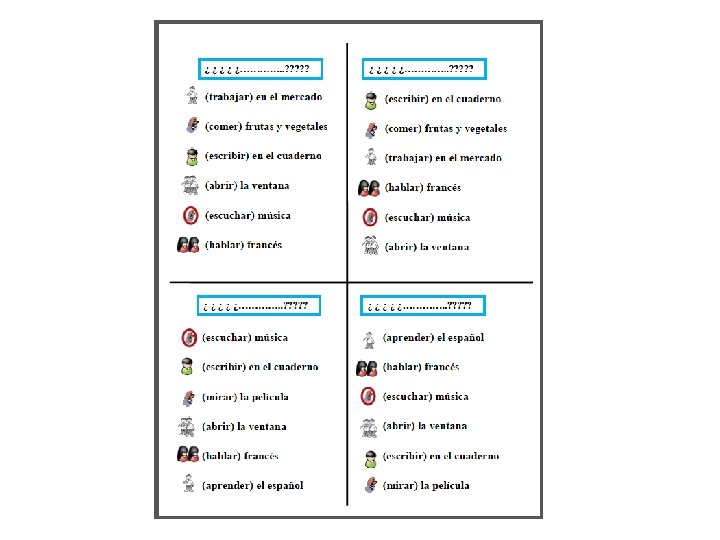
Active Communication in the Global Classroom
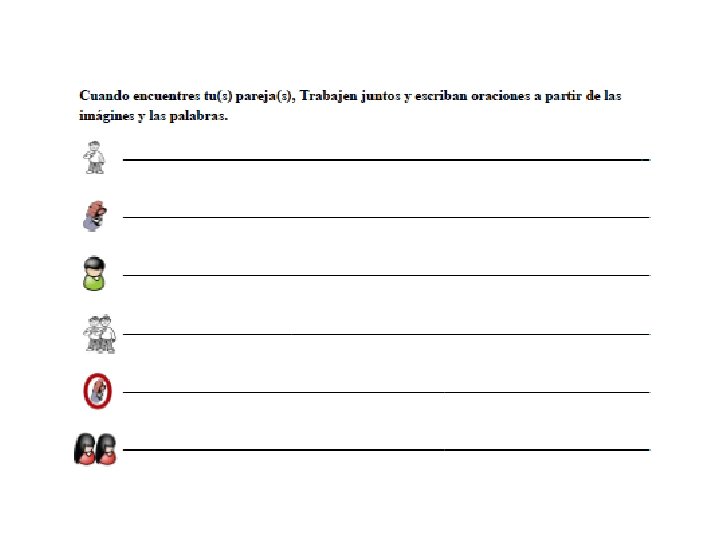
Active Communication in the Global Classroom
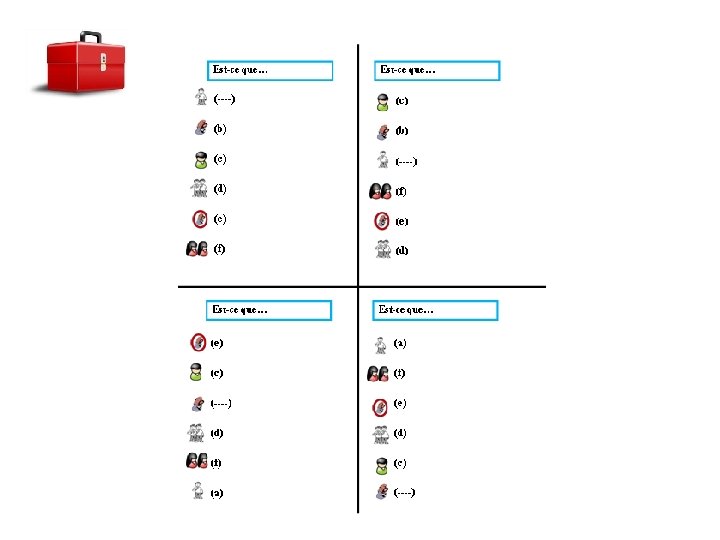
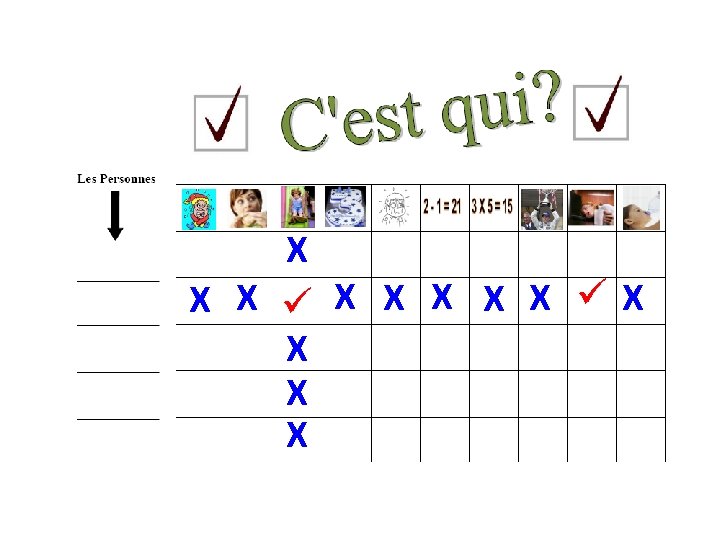
X X X üX X
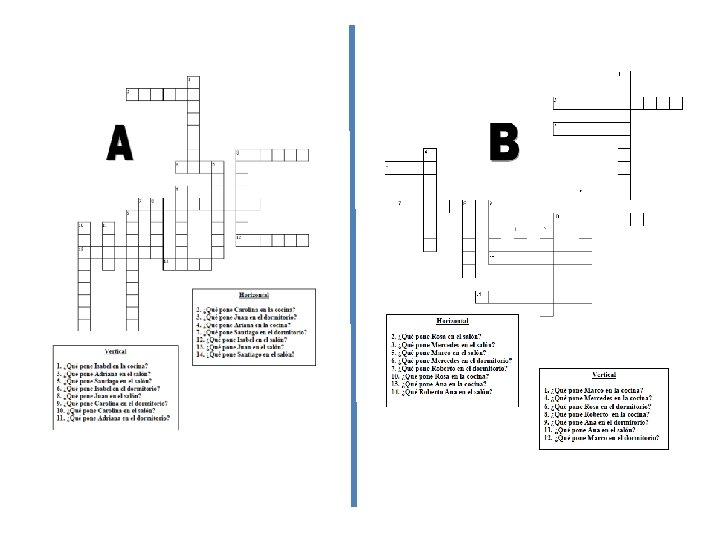
Transaction Activities-Pair
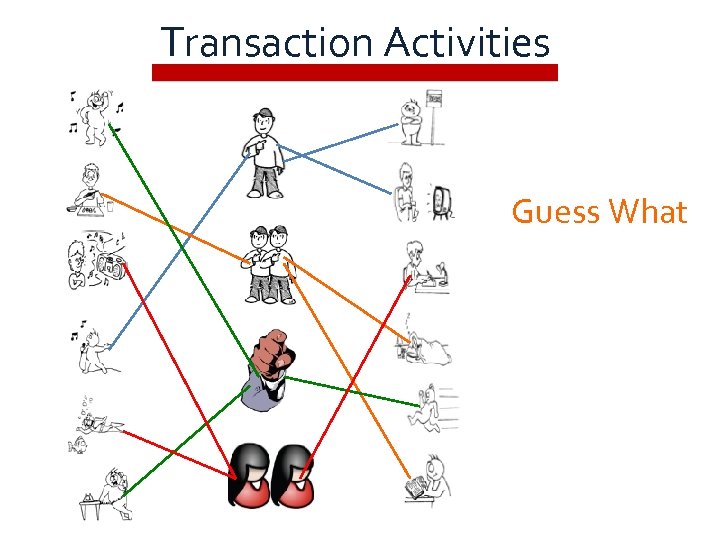
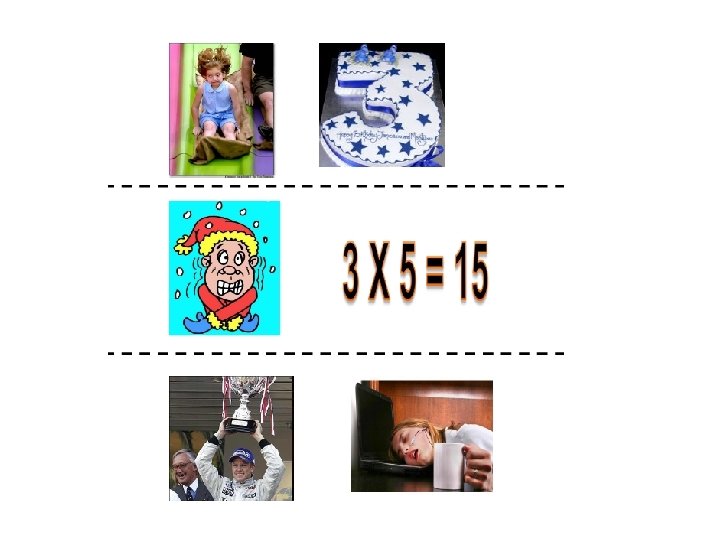
Transaction Activities Active Communication in the Global Classroom Guess What
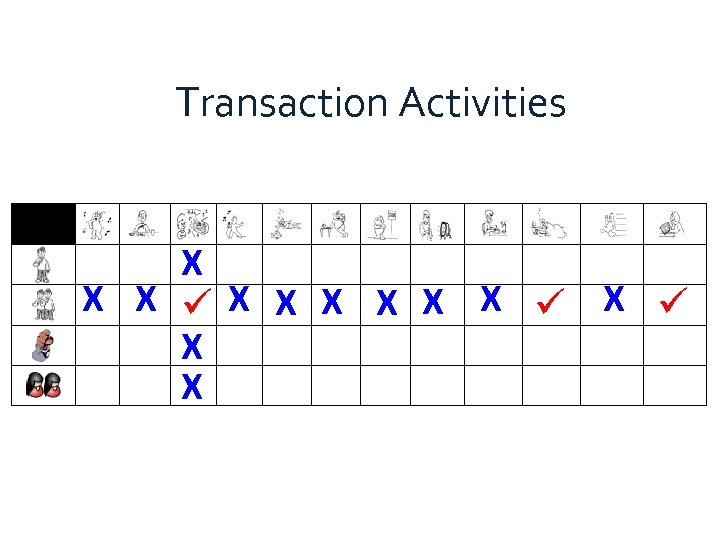
Transaction Activities Active Communication in the Global Classroom X X X üX X X ü X X
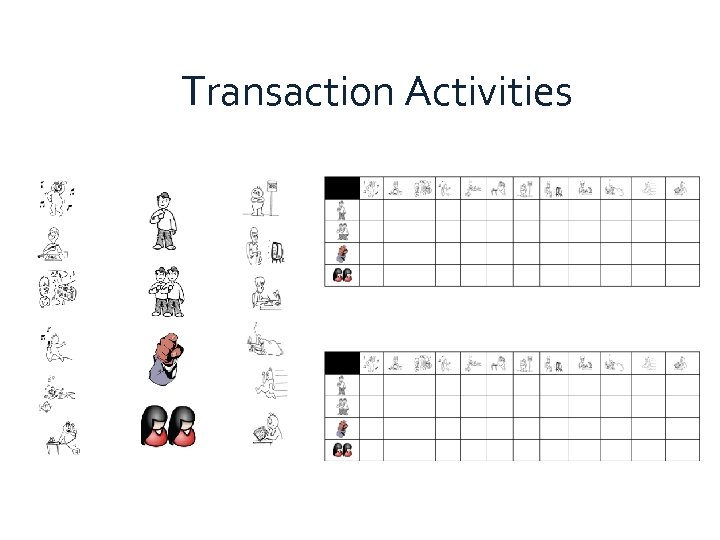
Active Communication in the Global Classroom Transaction Activities
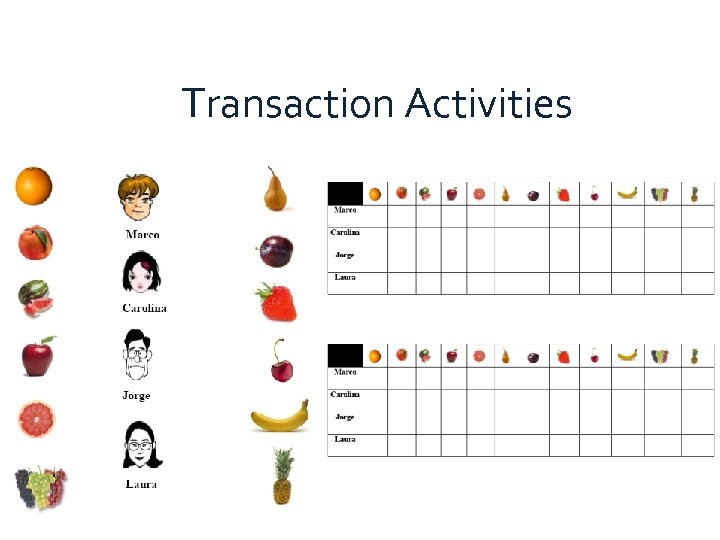
Active Communication in the Global Classroom Transaction Activities
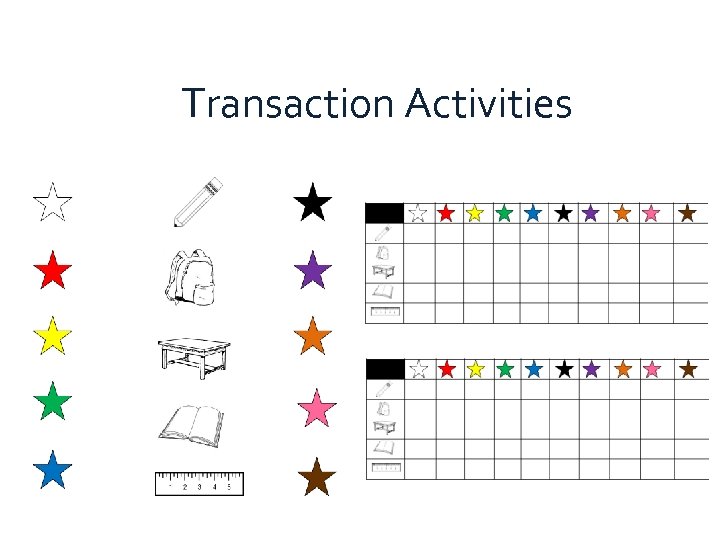
Active Communication in the Global Classroom Transaction Activities
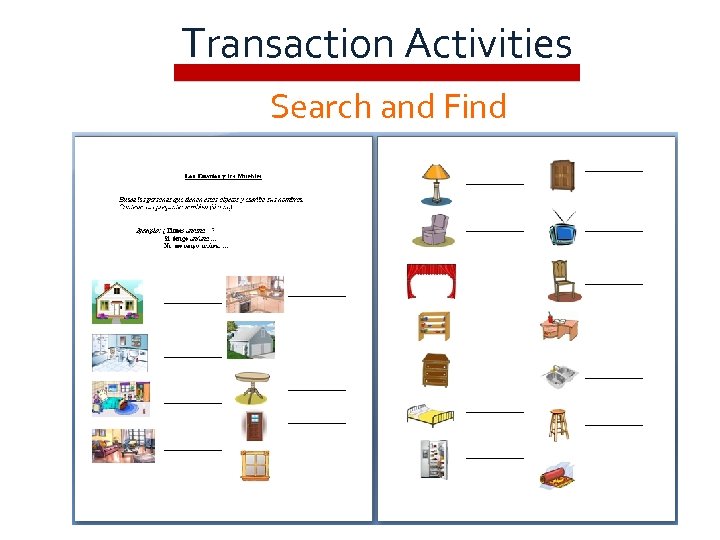
Transaction Activities Search and Find Active Communication in the Global Classroom

Transaction Activities Search and Find
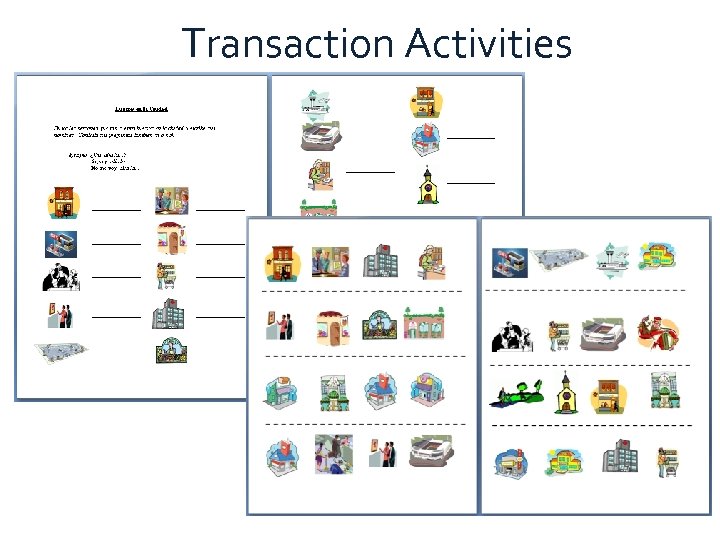
Transaction Activities
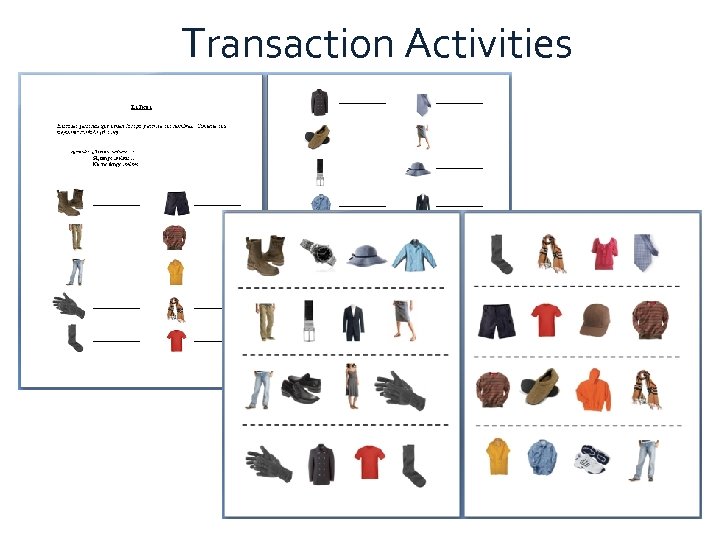
Transaction Activities
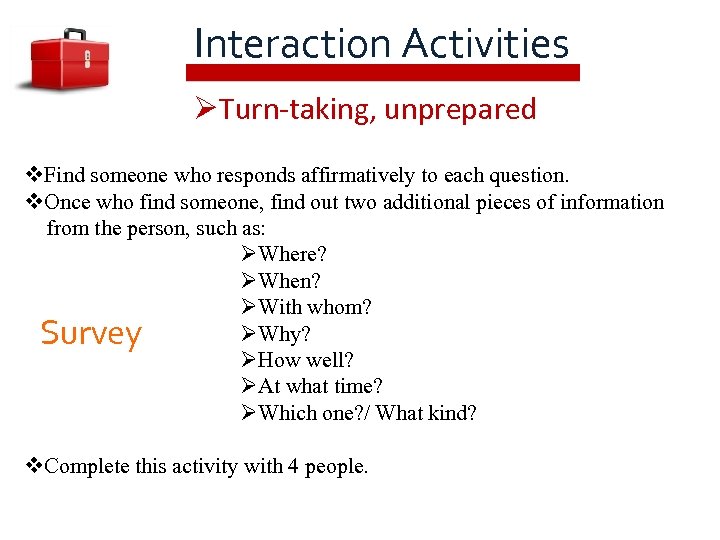
Interaction Activities ØTurn-taking, unprepared v. Find someone who responds affirmatively to each question. v. Once who find someone, find out two additional pieces of information from the person, such as: ØWhere? ØWhen? ØWith whom? ØWhy? ØHow well? ØAt what time? ØWhich one? / What kind? Survey v. Complete this activity with 4 people.
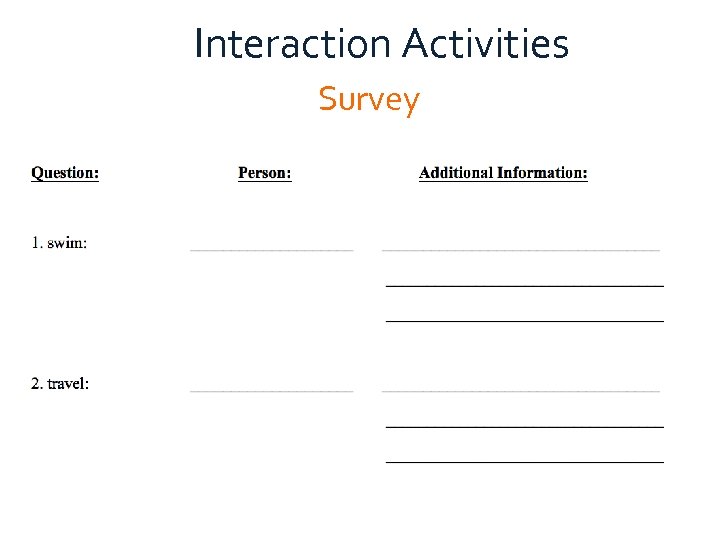
Interaction Activities Survey
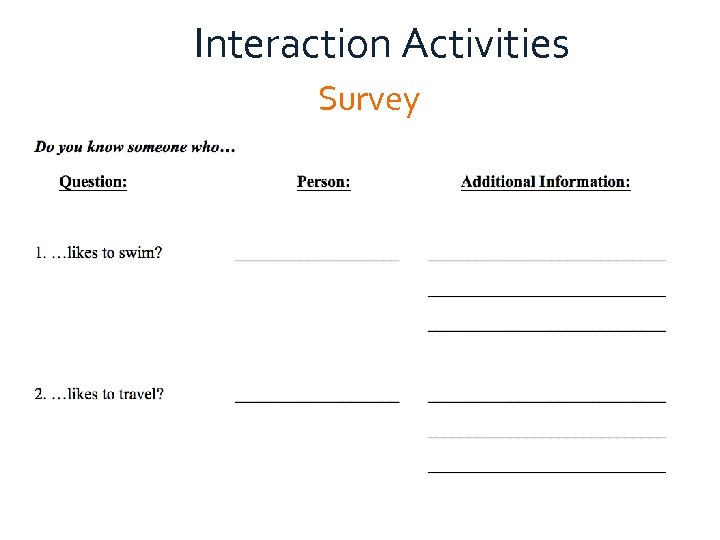
Interaction Activities Survey
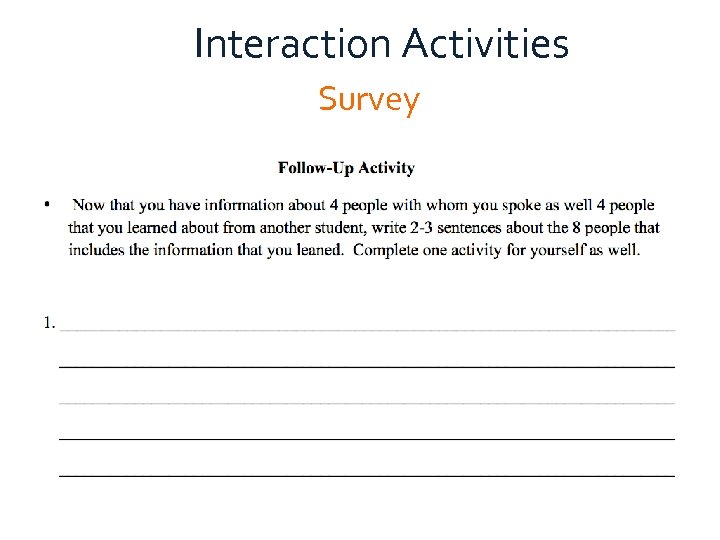
Interaction Activities Survey
Interaction Activities Circumlocution ØCircumlocution is a strategy for describing or defining a concept instead of saying or writing the specific words. ØStudents should be taught how to so this and the teacher can give them tools to help in the process.
Interaction Activities Circumlocution Suggestions for teaching students the art of circumlocution explicitly: v. Use vocabulary that you already know. v. Try to think of another way to convey the message. v. Describe the concept. Explain who uses it, why it’s used, or where. v. Use a synonym. v. Explain what and object is not.
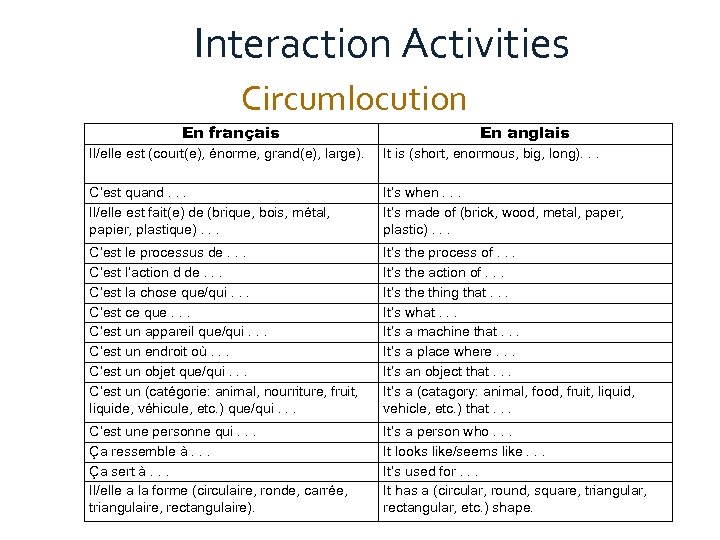
Interaction Activities Circumlocution En français En anglais Active Communication in the Global Classroom Il/elle est (court(e), énorme, grand(e), large). It is (short, enormous, big, long). . . C’est quand. . . Il/elle est fait(e) de (brique, bois, métal, papier, plastique). . . It’s when. . . It’s made of (brick, wood, metal, paper, plastic). . . C’est le processus de. . . C’est l’action d de. . . C’est la chose que/qui. . . C’est ce que. . . C’est un appareil que/qui. . . C’est un endroit où. . . C’est un objet que/qui. . . C’est un (catégorie: animal, nourriture, fruit, liquide, véhicule, etc. ) que/qui. . . It’s the process of. . . It’s the action of. . . It’s the thing that. . . It’s what. . . It’s a machine that. . . It’s a place where. . . It’s an object that. . . It’s a (catagory: animal, food, fruit, liquid, vehicle, etc. ) that. . . C’est une personne qui. . . Ça ressemble à. . . Ça sert à. . . Il/elle a la forme (circulaire, ronde, carrée, triangulaire, rectangulaire). It’s a person who. . . It looks like/seems like. . . It’s used for. . . It has a (circular, round, square, triangular, rectangular, etc. ) shape.
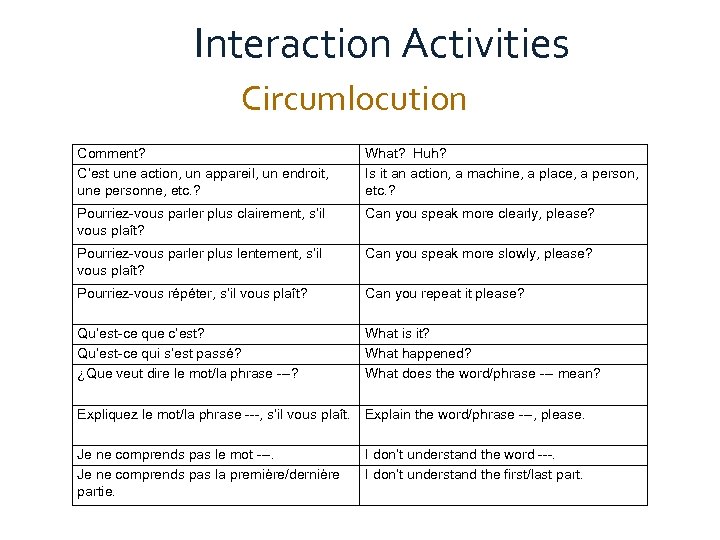
Interaction Activities Circumlocution Active Communication in the Global Classroom Comment? C’est une action, un appareil, un endroit, une personne, etc. ? What? Huh? Is it an action, a machine, a place, a person, etc. ? Pourriez-vous parler plus clairement, s’il vous plaît? Can you speak more clearly, please? Pourriez-vous parler plus lentement, s’il vous plaît? Can you speak more slowly, please? Pourriez-vous répéter, s’il vous plaît? Can you repeat it please? Qu’est-ce que c’est? Qu’est-ce qui s’est passé? ¿Que veut dire le mot/la phrase ---? What is it? What happened? What does the word/phrase --- mean? Expliquez le mot/la phrase ---, s’il vous plaît. Explain the word/phrase ---, please. Je ne comprends pas le mot ---. Je ne comprends pas la première/dernière partie. I don’t understand the word ---. I don’t understand the first/last part.
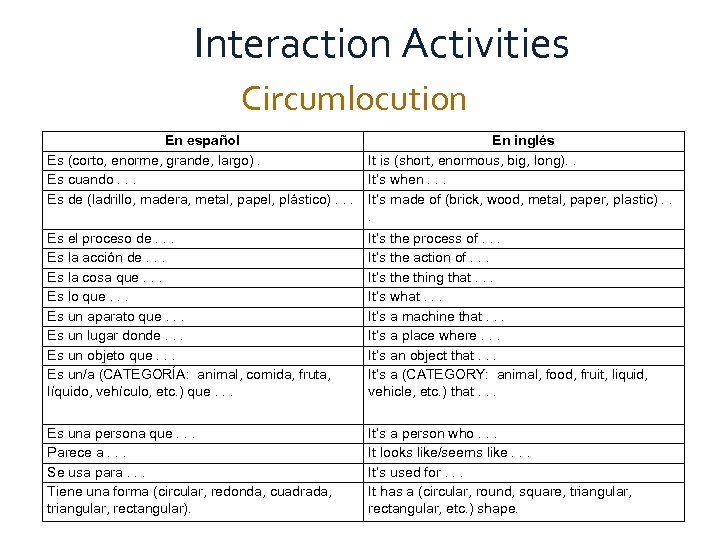
Interaction Activities Circumlocution Active Communication in the Global Classroom En español En inglés Es (corto, enorme, grande, largo). It is (short, enormous, big, long). . Es cuando. . . It’s when. . . Es de (ladrillo, madera, metal, papel, plástico). . . It’s made of (brick, wood, metal, paper, plastic). . . Es el proceso de. . . Es la acción de. . . Es la cosa que. . . Es lo que. . . Es un aparato que. . . Es un lugar donde. . . Es un objeto que. . . Es un/a (CATEGORÍA: animal, comida, fruta, líquido, vehículo, etc. ) que. . . It’s the process of. . . It’s the action of. . . It’s the thing that. . . It’s what. . . It’s a machine that. . . It’s a place where. . . It’s an object that. . . It’s a (CATEGORY: animal, food, fruit, liquid, vehicle, etc. ) that. . . Es una persona que. . . Parece a. . . Se usa para. . . Tiene una forma (circular, redonda, cuadrada, triangular, rectangular). It’s a person who. . . It looks like/seems like. . . It’s used for. . . It has a (circular, round, square, triangular, rectangular, etc. ) shape.
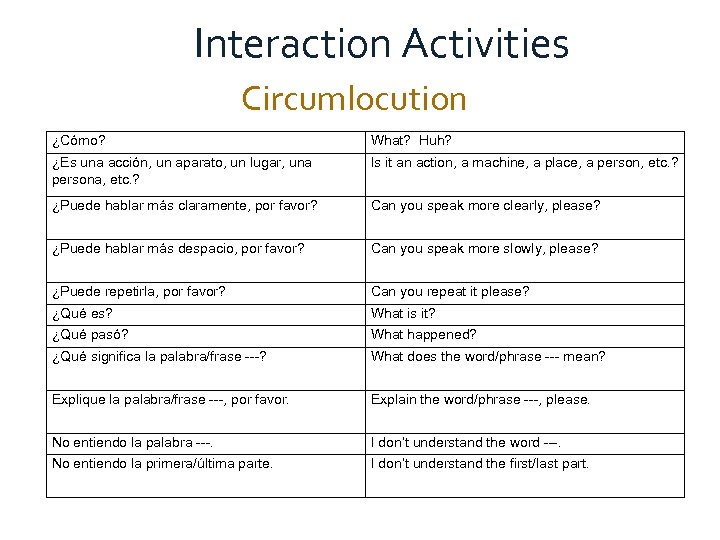
Interaction Activities Circumlocution ¿Cómo? What? Huh? ¿Es una acción, un aparato, un lugar, una persona, etc. ? Is it an action, a machine, a place, a person, etc. ? ¿Puede hablar más claramente, por favor? Can you speak more clearly, please? ¿Puede hablar más despacio, por favor? Can you speak more slowly, please? ¿Puede repetirla, por favor? Can you repeat it please? ¿Qué es? What is it? ¿Qué pasó? What happened? ¿Qué significa la palabra/frase ---? What does the word/phrase --- mean? Explique la palabra/frase ---, por favor. Explain the word/phrase ---, please. No entiendo la palabra ---. I don’t understand the word ---. No entiendo la primera/última parte. I don’t understand the first/last part.
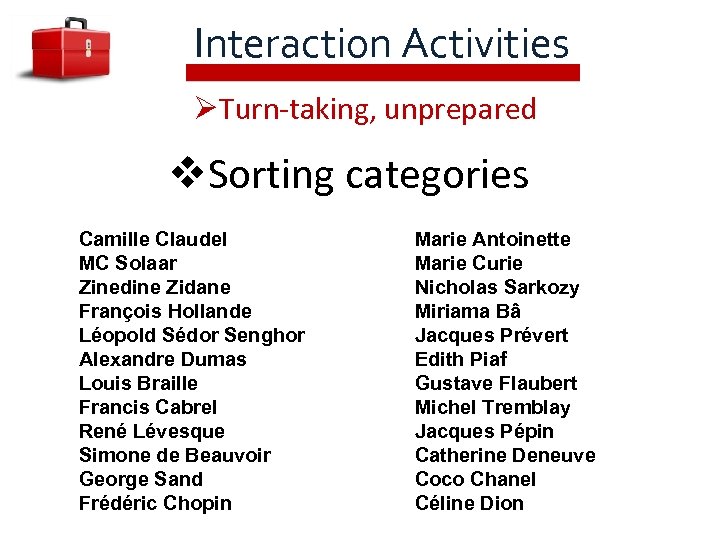
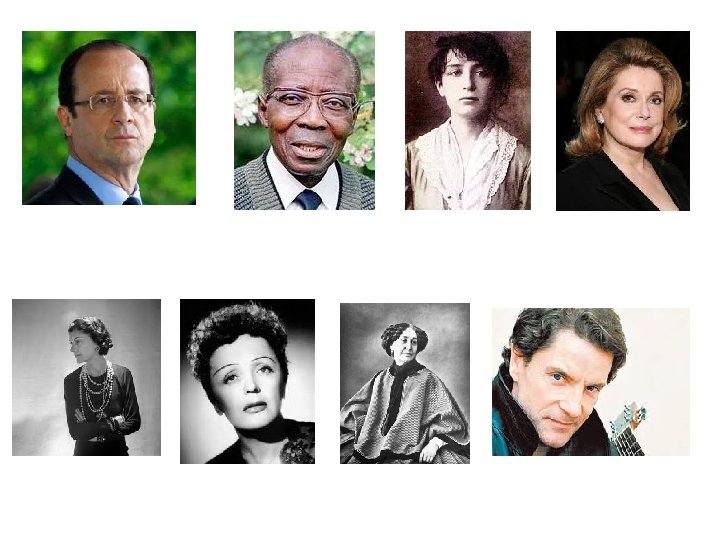
Interaction Activities ØTurn-taking, unprepared v. Sorting categories Camille Claudel MC Solaar Zinedine Zidane François Hollande Léopold Sédor Senghor Alexandre Dumas Louis Braille Francis Cabrel René Lévesque Simone de Beauvoir George Sand Frédéric Chopin Marie Antoinette Marie Curie Nicholas Sarkozy Miriama Bâ Jacques Prévert Edith Piaf Gustave Flaubert Michel Tremblay Jacques Pépin Catherine Deneuve Coco Chanel Céline Dion
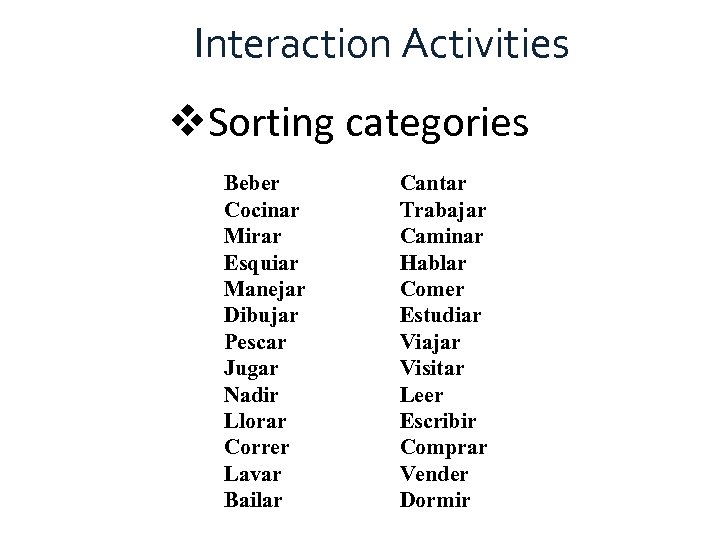
Interaction Activities v. Sorting categories Beber Cocinar Mirar Esquiar Manejar Dibujar Pescar Jugar Nadir Llorar Correr Lavar Bailar Cantar Trabajar Caminar Hablar Comer Estudiar Viajar Visitar Leer Escribir Comprar Vender Dormir
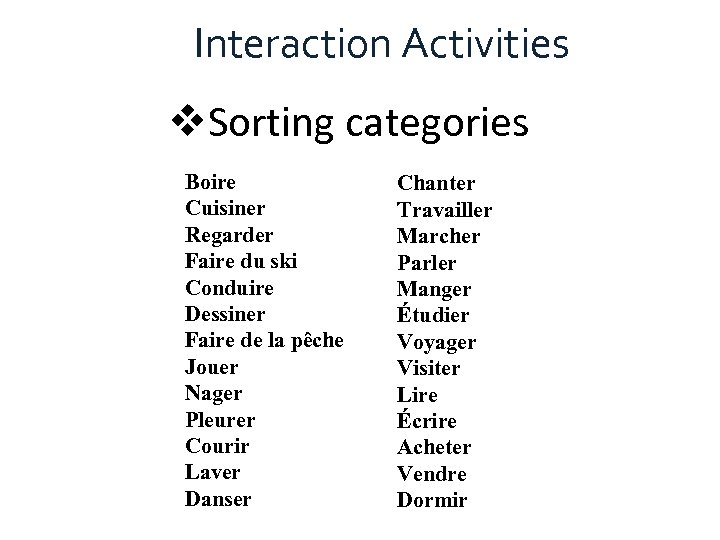
Interaction Activities v. Sorting categories Boire Cuisiner Regarder Faire du ski Conduire Dessiner Faire de la pêche Jouer Nager Pleurer Courir Laver Danser Chanter Travailler Marcher Parler Manger Étudier Voyager Visiter Lire Écrire Acheter Vendre Dormir
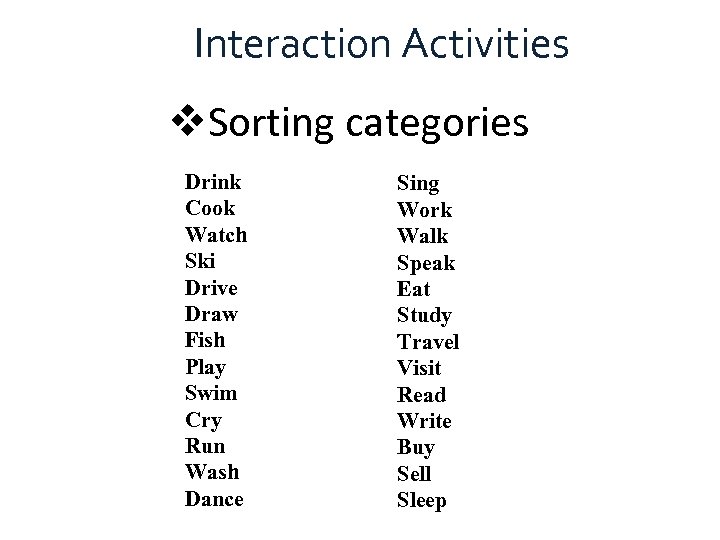
Interaction Activities v. Sorting categories Drink Cook Watch Ski Drive Draw Fish Play Swim Cry Run Wash Dance Sing Work Walk Speak Eat Study Travel Visit Read Write Buy Sell Sleep
Interaction Activities v. Sorting categories ü Pair activity with vocabulary words ü Make note of the phrases that you use to communicate with your partner. ü What types of phrases or words are needed to maintain communication and avoid a breakdown in meaning and understanding?
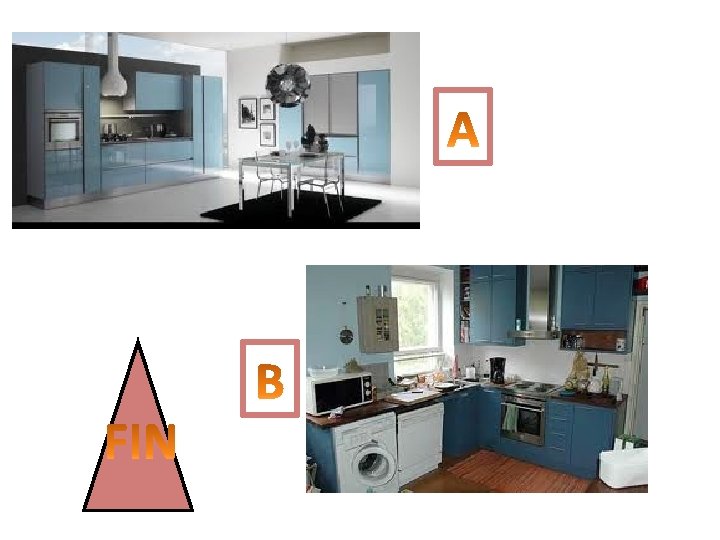
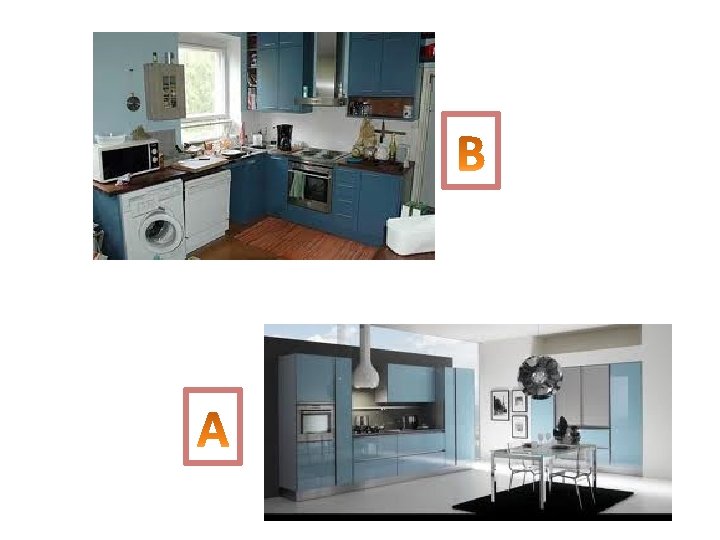
Speaking Activities Using Pictures Using Visual Material in the Foreign Language Classroom Compiled from the work of Harry Grover Tuttle 7) One student orally describes a picture to a second student who then draws a copy of it. 8) One student orally describes a picture to another student who then is given a choice of pictures and must choose the one described.

FIN

FIN

FIN

FIN
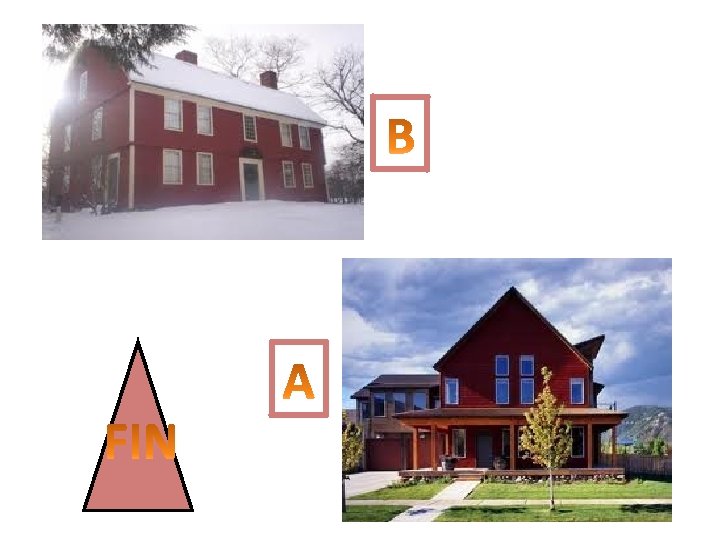

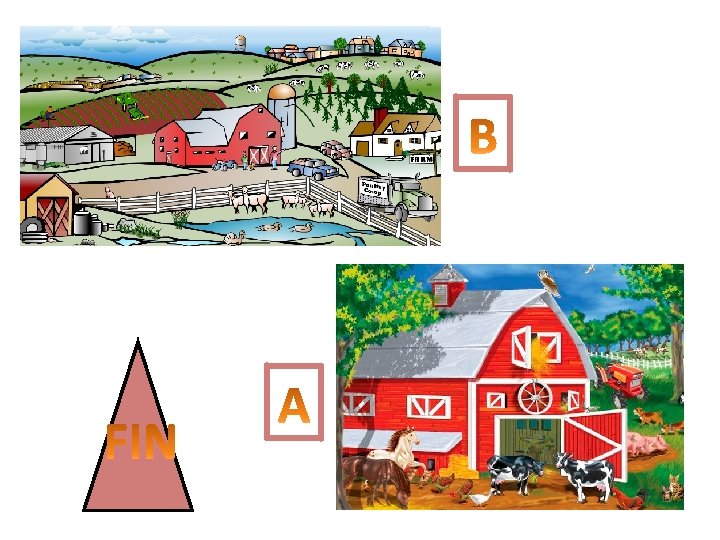
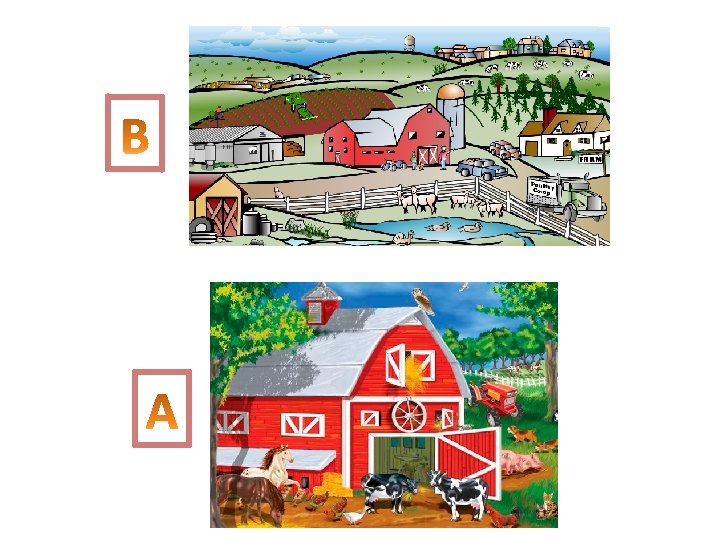
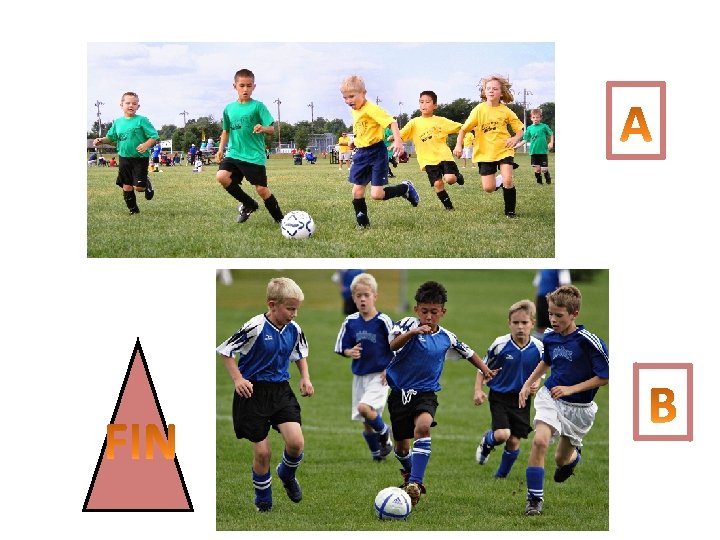
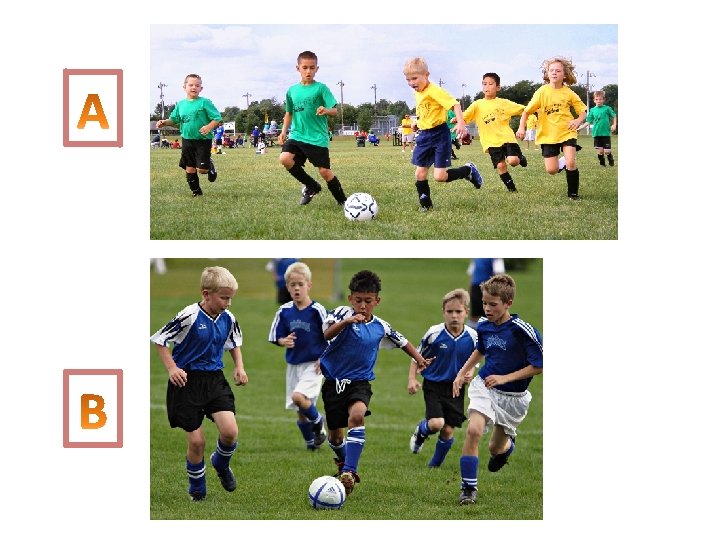
Interpersonal Activities? Ø Small group discussion Ø An activity you have done in class that could be more interpersonal. How? Modifications? Ø Share findings
Joshua Cabral Brookwood School Manchester, MA flclassroom@gmail. com Interpersonal Communication: What’s in your tool box? www. activecommunication. wordpress. com www. wlteacher. wordpress. com
Скачать презентацию Interpersonal Communication What s in Your Tool Box Friday
48273970879ed054d9baabe4e9cf99f3.ppt