 Скачать презентацию International Port Security Program LCDR Robert Keith U
077319339a5b2f366edd1f3a0d0c9c5d.ppt
- Количество слайдов: 31



International Port Security Program LCDR Robert Keith U. S. Coast Guard Headquarters LCDR Sam Forbes U. S. Coast Guard Activities Europe
In order to implement the ISPS Code in the U. S. , Congress passed the Maritime Transportation and Security Act (MTSA) In addition to domestic improvements, the MTSA also requires the Secretary of Department of Homeland Security to learn about the antiterrorism measures in foreign ports
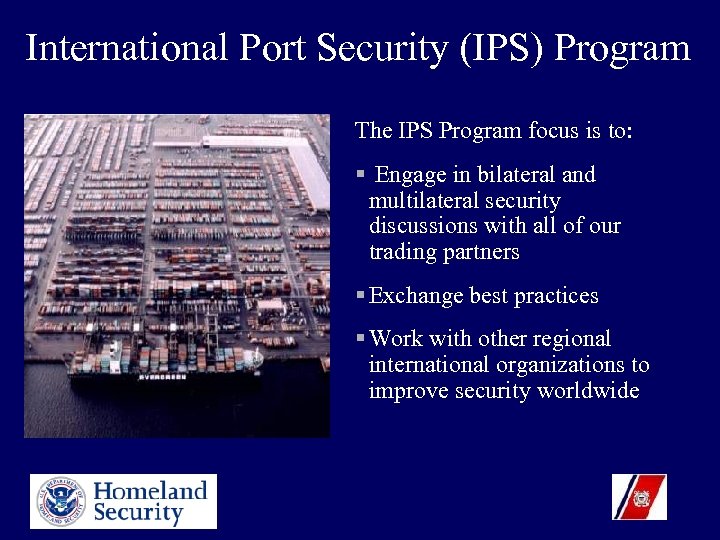
International Port Security (IPS) Program The IPS Program focus is to: § Engage in bilateral and multilateral security discussions with all of our trading partners § Exchange best practices § Work with other regional international organizations to improve security worldwide
International Port Security Program Organization § Program managed at Coast Guard Headquarters § A network of International Port Security Liaison Officers (IPSLOs) throughout the world § Asia-Pacific Region – Tokyo and Singapore § Europe/Mid-East/Africa Region - Rotterdam § South/Central America (East) – Portsmouth, Virginia § South/Central America (West) – Alameda, California
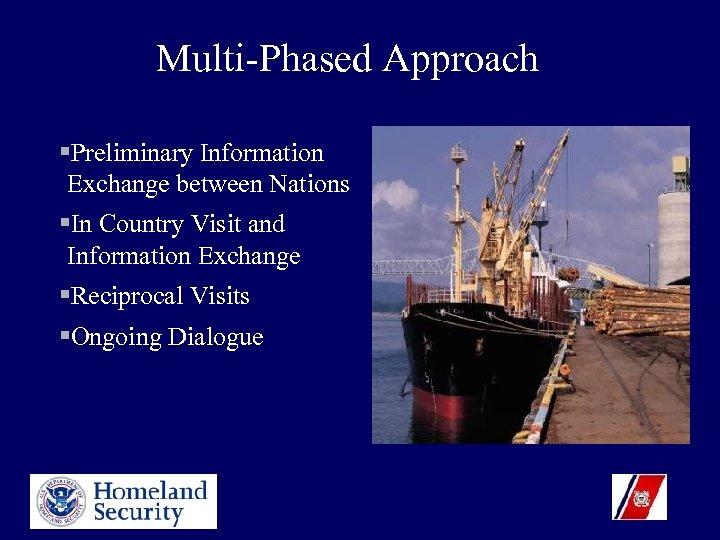
Multi-Phased Approach §Preliminary Information Exchange between Nations §In Country Visit and Information Exchange §Reciprocal Visits §Ongoing Dialogue
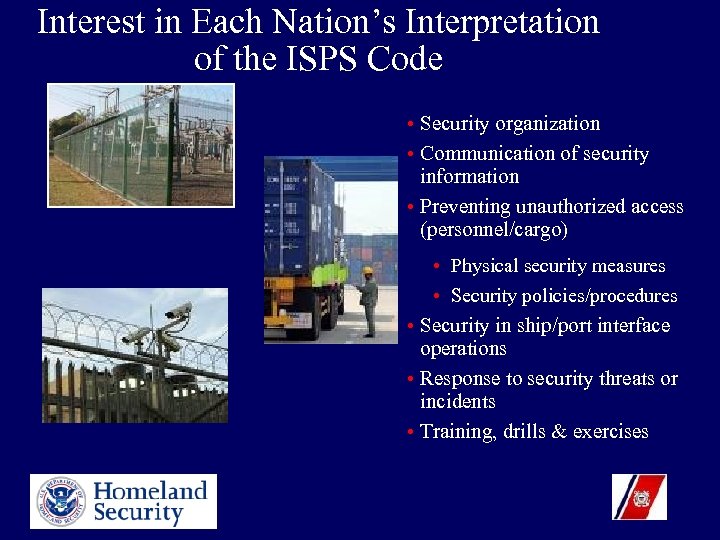
Interest in Each Nation’s Interpretation of the ISPS Code • Security organization • Communication of security information • Preventing unauthorized access (personnel/cargo) • Physical security measures • Security policies/procedures • Security in ship/port interface operations • Response to security threats or incidents • Training, drills & exercises
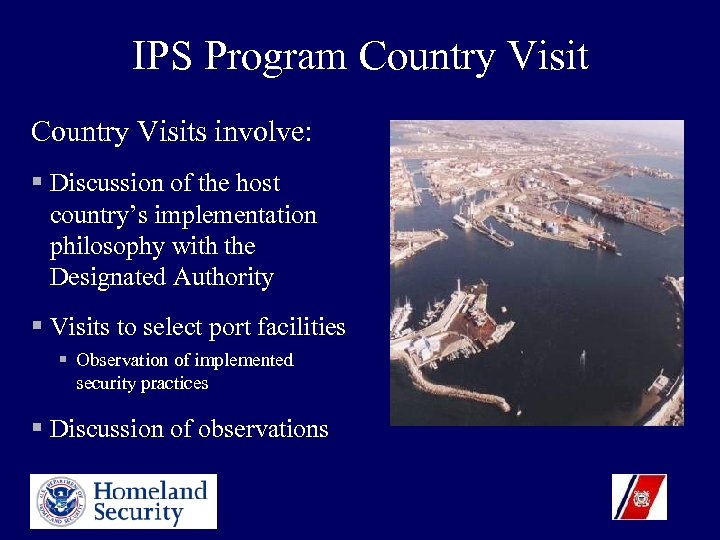
IPS Program Country Visits involve: § Discussion of the host country’s implementation philosophy with the Designated Authority § Visits to select port facilities § Observation of implemented security practices § Discussion of observations
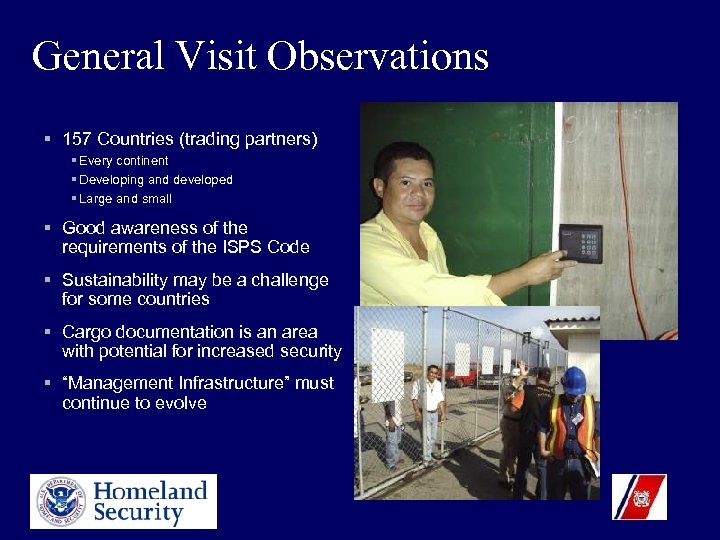
General Visit Observations § 157 Countries (trading partners) § Every continent § Developing and developed § Large and small § Good awareness of the requirements of the ISPS Code § Sustainability may be a challenge for some countries § Cargo documentation is an area with potential for increased security § “Management Infrastructure” must continue to evolve
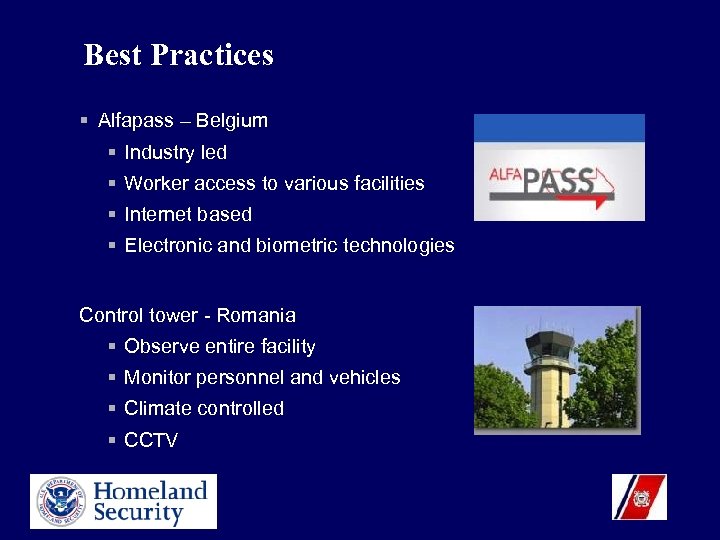
Best Practices § Alfapass – Belgium § Industry led § Worker access to various facilities § Internet based § Electronic and biometric technologies Control tower - Romania § Observe entire facility § Monitor personnel and vehicles § Climate controlled § CCTV
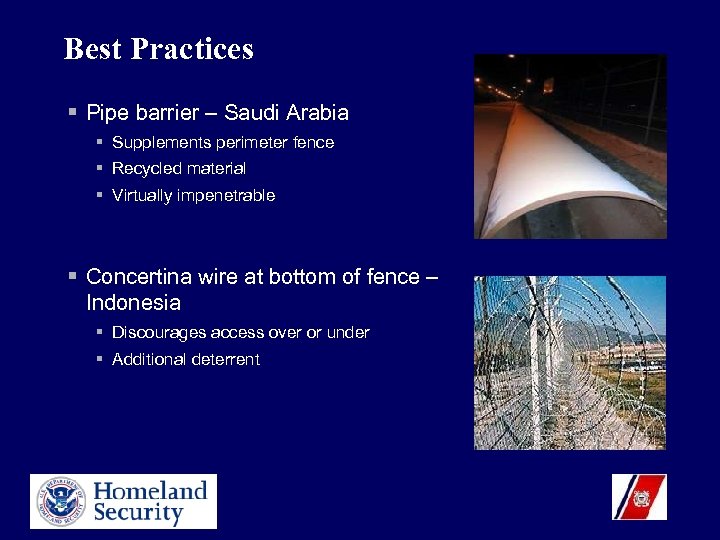
Best Practices § Pipe barrier – Saudi Arabia § Supplements perimeter fence § Recycled material § Virtually impenetrable § Concertina wire at bottom of fence – Indonesia § Discourages access over or under § Additional deterrent
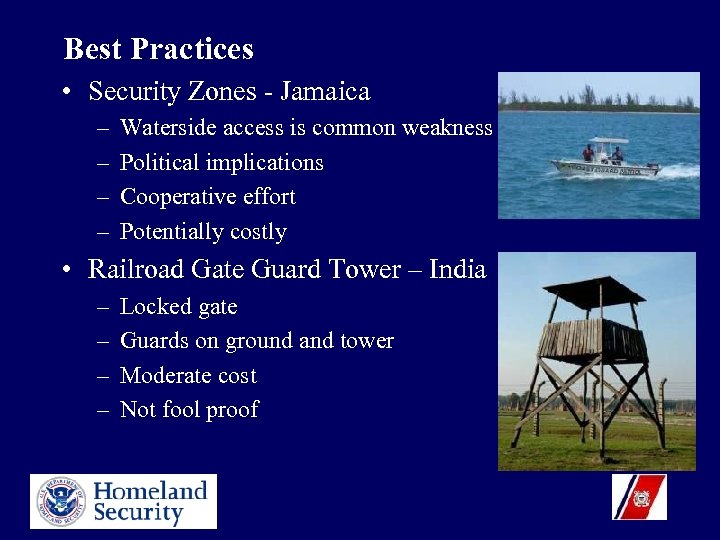
Best Practices • Security Zones - Jamaica – – Waterside access is common weakness Political implications Cooperative effort Potentially costly • Railroad Gate Guard Tower – India – – Locked gate Guards on ground and tower Moderate cost Not fool proof
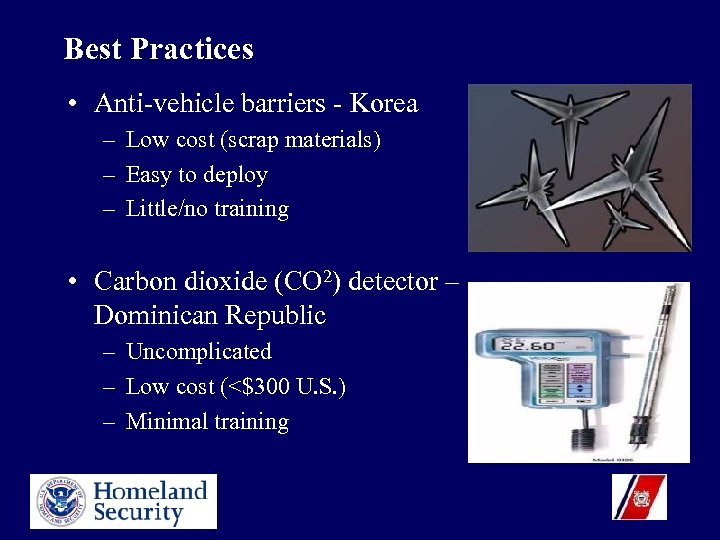
Best Practices • Anti-vehicle barriers - Korea – Low cost (scrap materials) – Easy to deploy – Little/no training • Carbon dioxide (CO 2) detector – Dominican Republic – Uncomplicated – Low cost (<$300 U. S. ) – Minimal training
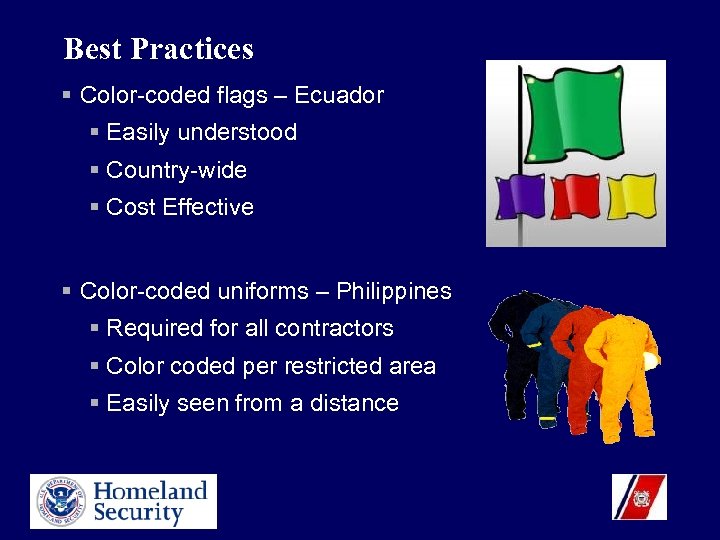
Best Practices § Color-coded flags – Ecuador § Easily understood § Country-wide § Cost Effective § Color-coded uniforms – Philippines § Required for all contractors § Color coded per restricted area § Easily seen from a distance
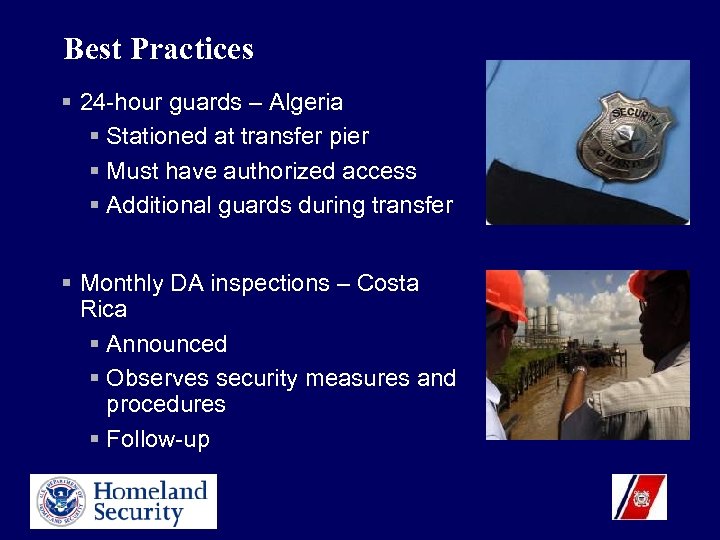
Best Practices § 24 -hour guards – Algeria § Stationed at transfer pier § Must have authorized access § Additional guards during transfer § Monthly DA inspections – Costa Rica § Announced § Observes security measures and procedures § Follow-up
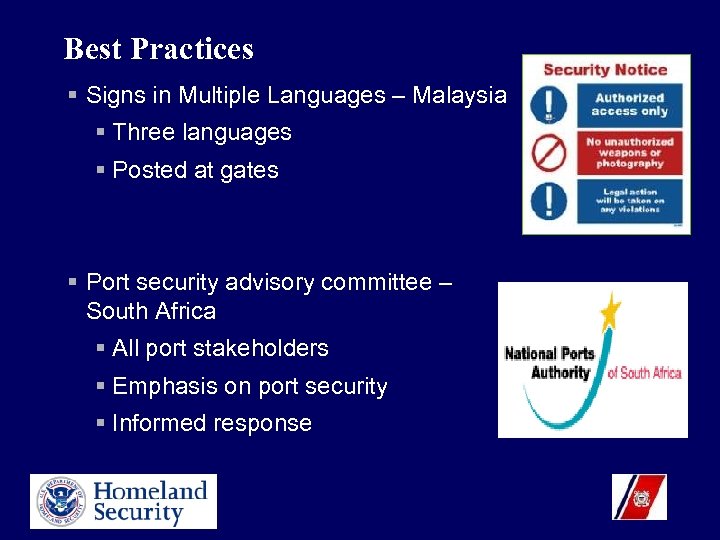
Best Practices § Signs in Multiple Languages – Malaysia § Three languages § Posted at gates § Port security advisory committee – South Africa § All port stakeholders § Emphasis on port security § Informed response
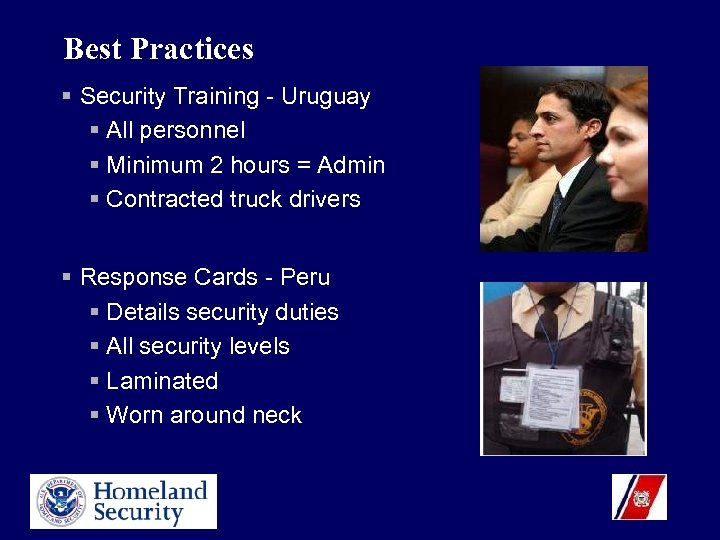
Best Practices § Security Training - Uruguay § All personnel § Minimum 2 hours = Admin § Contracted truck drivers § Response Cards - Peru § Details security duties § All security levels § Laminated § Worn around neck
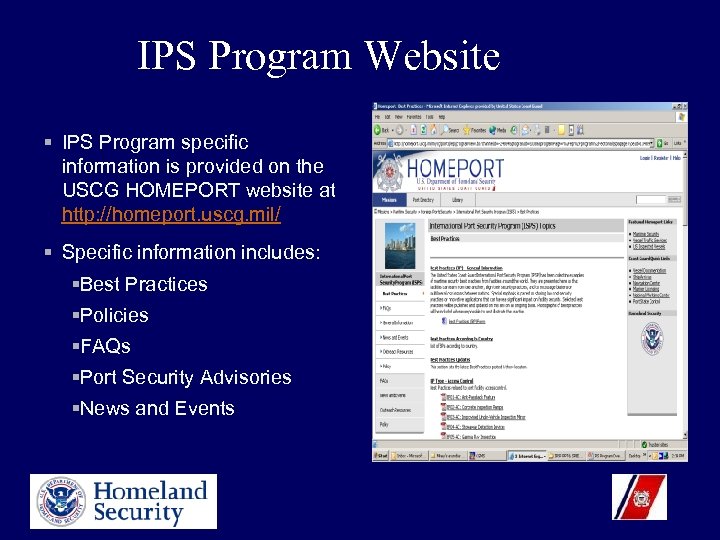
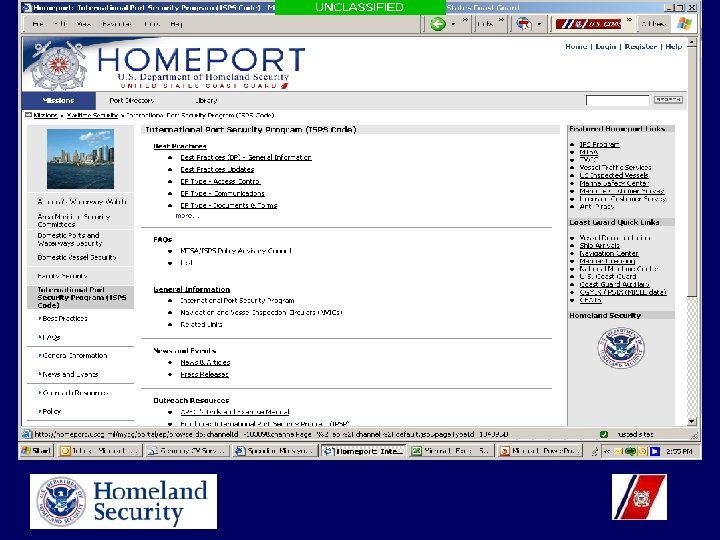
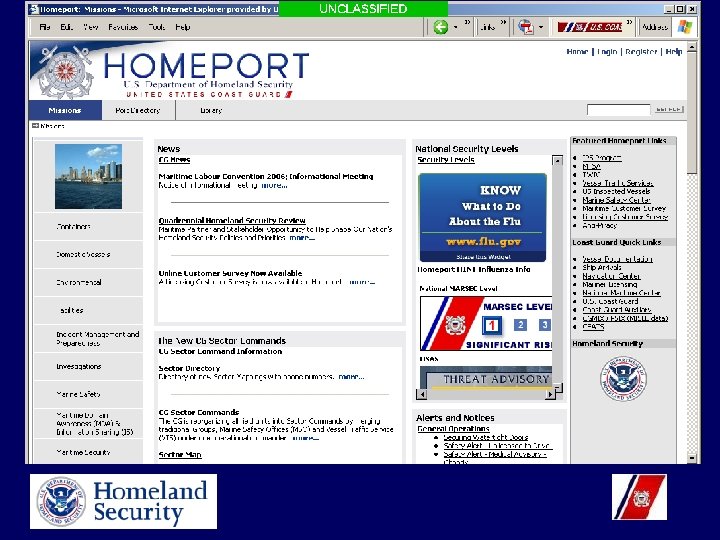
IPS Program Website § IPS Program specific information is provided on the USCG HOMEPORT website at http: //homeport. uscg. mil/ § Specific information includes: §Best Practices §Policies §FAQs §Port Security Advisories §News and Events
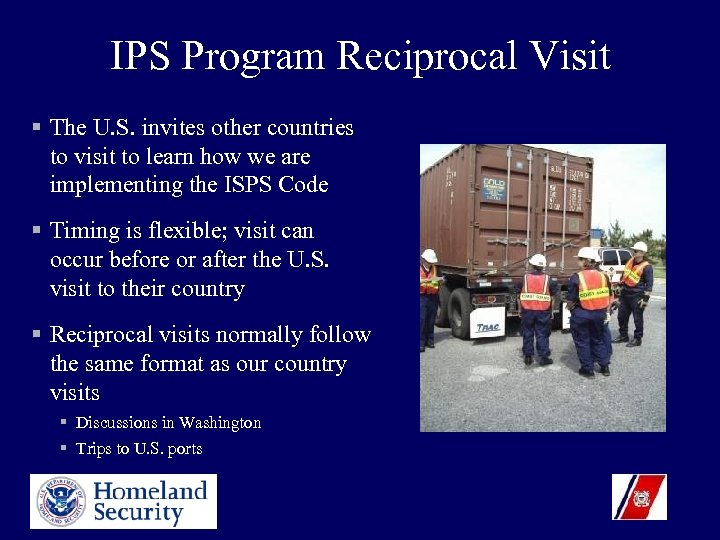
IPS Program Reciprocal Visit § The U. S. invites other countries to visit to learn how we are implementing the ISPS Code § Timing is flexible; visit can occur before or after the U. S. visit to their country § Reciprocal visits normally follow the same format as our country visits § Discussions in Washington § Trips to U. S. ports
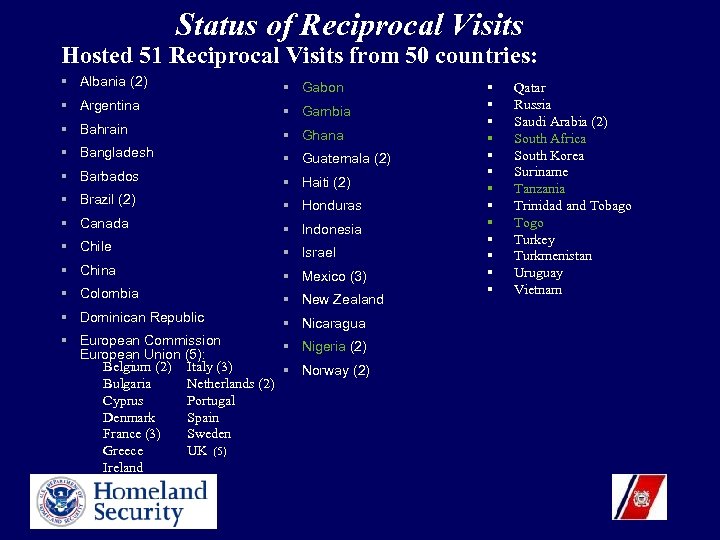
Status of Reciprocal Visits Hosted 51 Reciprocal Visits from 50 countries: § Albania (2) § Gabon § Argentina § Gambia § Bahrain § Ghana § Bangladesh § Guatemala (2) § Barbados § Haiti (2) § Brazil (2) § Honduras § Canada § Indonesia § Chile § Israel § China § Mexico (3) § Colombia § New Zealand § Dominican Republic § Nicaragua § European Commission § Nigeria (2) European Union (5): Belgium (2) Italy (3) § Norway (2) Bulgaria Netherlands (2) Cyprus Portugal Denmark Spain France (3) Sweden Greece UK (5) Ireland § § § § Qatar Russia Saudi Arabia (2) South Africa South Korea Suriname Tanzania Trinidad and Tobago Togo Turkey Turkmenistan Uruguay Vietnam
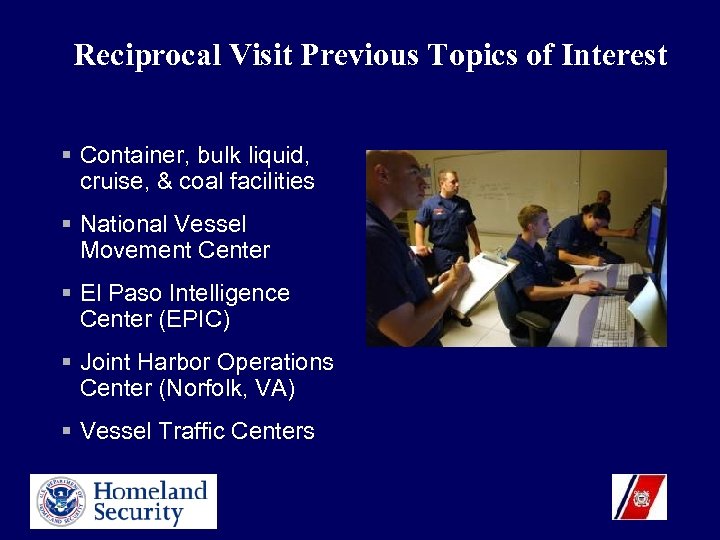
Reciprocal Visit Previous Topics of Interest § Container, bulk liquid, cruise, & coal facilities § National Vessel Movement Center § El Paso Intelligence Center (EPIC) § Joint Harbor Operations Center (Norfolk, VA) § Vessel Traffic Centers
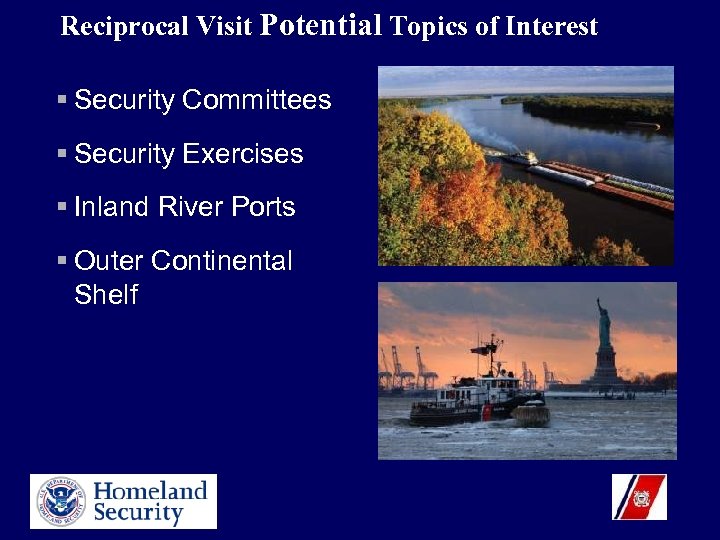
Reciprocal Visit Potential Topics of Interest § Security Committees § Security Exercises § Inland River Ports § Outer Continental Shelf
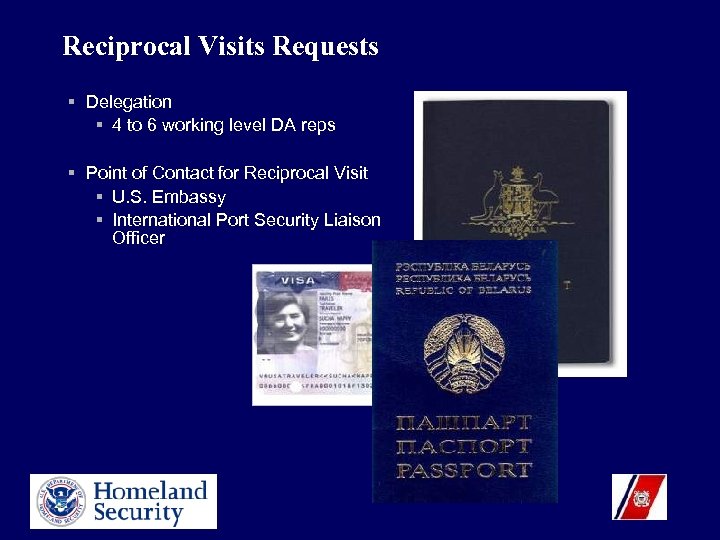
Reciprocal Visits Requests § Delegation § 4 to 6 working level DA reps § Point of Contact for Reciprocal Visit § U. S. Embassy § International Port Security Liaison Officer
IPS Program International Outreach § Work with regional international organizations § Asia Pacific Economic Cooperation Forum (APEC) § Organization of American States (OAS) § PAPC (PMAESA, PMAWCA) § G-8 § Participate in Capacity Building initiatives through International Organizations § Encourage use of MSC Circular 1131
What happens when the U. S. has security concerns regarding security in foreign ports? § Concerns will be discussed § Can USCG/U. S. help by providing technical assistance or guidance? § Other regional/global “best practices” § Additional security measures may be imposed on ships arriving to U. S. ports as a condition of entry § Conditions of Entry are a last resort § Advance public notice given § Actions taken in foreign ports can reduce the measures imposed in the U. S.
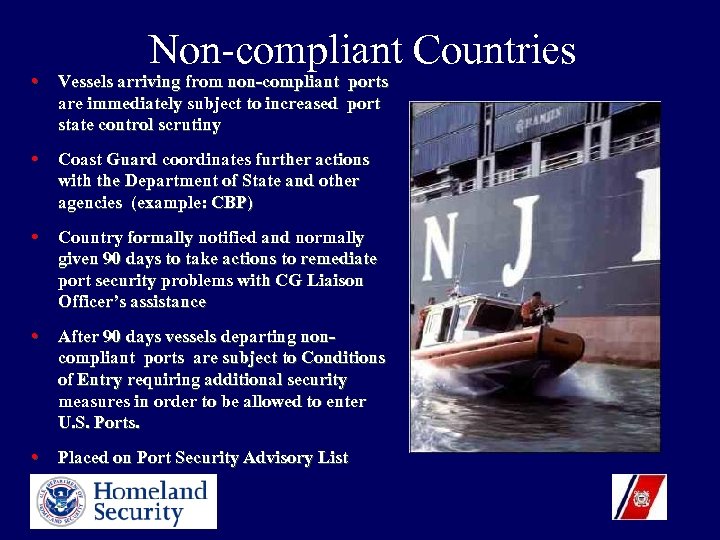
Non-compliant Countries • Vessels arriving from non-compliant ports are immediately subject to increased port state control scrutiny • Coast Guard coordinates further actions with the Department of State and other agencies (example: CBP) • Country formally notified and normally given 90 days to take actions to remediate port security problems with CG Liaison Officer’s assistance • After 90 days vessels departing noncompliant ports are subject to Conditions of Entry requiring additional security measures in order to be allowed to enter U. S. Ports. • Placed on Port Security Advisory List
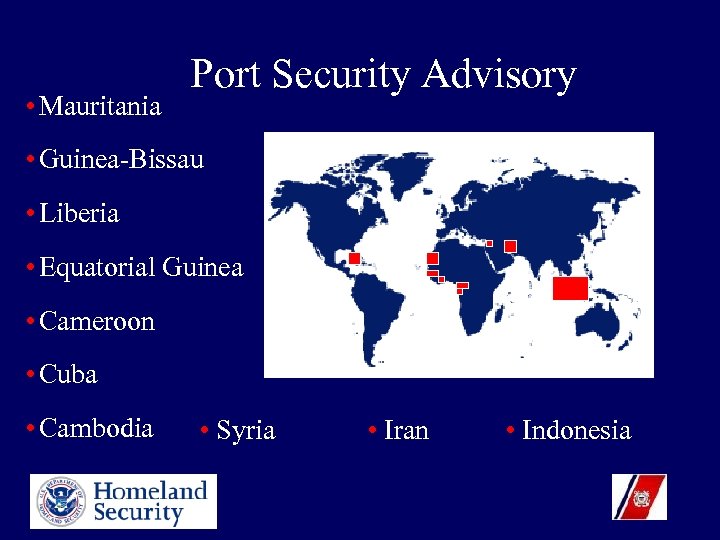
• Mauritania Port Security Advisory • Guinea-Bissau • Liberia • Equatorial Guinea • Cameroon • Cuba • Cambodia • Syria • Iran • Indonesia
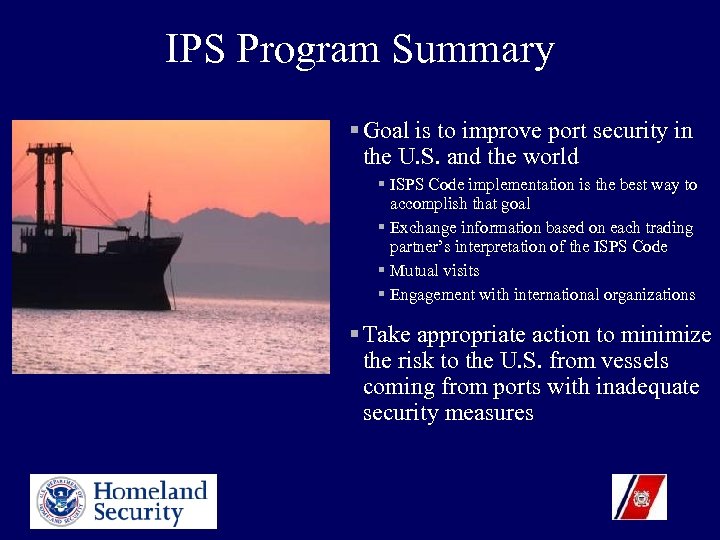
IPS Program Summary § Goal is to improve port security in the U. S. and the world § ISPS Code implementation is the best way to accomplish that goal § Exchange information based on each trading partner’s interpretation of the ISPS Code § Mutual visits § Engagement with international organizations § Take appropriate action to minimize the risk to the U. S. from vessels coming from ports with inadequate security measures
For Further Information: LCDR Robert Keith Coast Guard Headquarters Int’l Port Security, Africa Desk Officer +01 202 372 -1157 Robert. m. keith@uscg. mil LCDR Sam Forbes Coast Guard Activities Europe International Port Security Liaison Officer +31 10 442 4458 Samuel. d. forbes@uscg. mil
 Скачать презентацию International Port Security Program LCDR Robert Keith U
077319339a5b2f366edd1f3a0d0c9c5d.ppt