


 Скачать презентацию International Cooperation USA Facilitator Patrick Schmidt Germany
ad7cdf54de2a60ecbd0aebd1f5c7d28c.ppt
- Количество слайдов: 115
 International Cooperation USA Facilitator: Patrick Schmidt Germany
 70% of failures are directly due to “soft factors”.
 How do people understand one another when they don’t share a common cultural experience?
 Americans and Germans?
 Similarities • Anglo-Saxon background • monochronic • direct and honest • being on time • competitive and practical
 The Trap of Similarity
 Wal-Mart’s billion euro fiasco in Germany arrogance and ignorance managers culturally naïve, simple-minded driven by “time is money” didn’t create enough economies of scale
 The unconscious projection of values is the source of cultural mishaps.
 The Cardinal Rule
 Understanding oneself and one’s own culture
 Who understands others as well as oneself will be granted success in a thousand encounters. 3000 year-old Chinese proverb
 “Culture hides more than it reveals and strangely enough what it hides, it hides most effectively from it’s own participants. Years of study have convinced me that the real job is not to understand foreign culture but to understand our own. ” Edward Hall
 Plan Culture Communication Meetings - Presenting - Negotiating Intercultural Competence
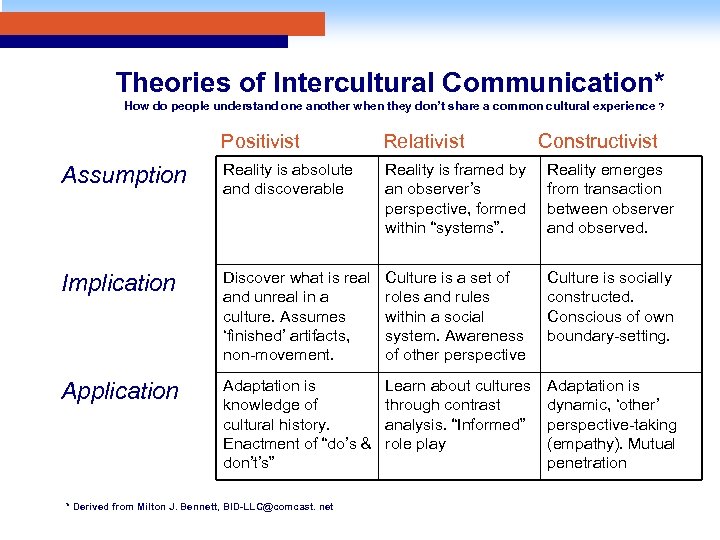 Theories of Intercultural Communication* How do people understand one another when they don’t share a common cultural experience ? Positivist Relativist Assumption Reality is absolute and discoverable Reality is framed by an observer’s perspective, formed within “systems”. Reality emerges from transaction between observer and observed. Implication Discover what is real and unreal in a culture. Assumes ‘finished’ artifacts, non-movement. Culture is a set of roles and rules within a social system. Awareness of other perspective Culture is socially constructed. Conscious of own boundary-setting. Application Adaptation is knowledge of cultural history. Enactment of “do’s & don’t’s” Learn about cultures through contrast analysis. “Informed” role play Adaptation is dynamic, ‘other’ perspective-taking (empathy). Mutual penetration * Derived from Milton J. Bennett, BID-LLC@comcast. net Constructivist
 Culture ?
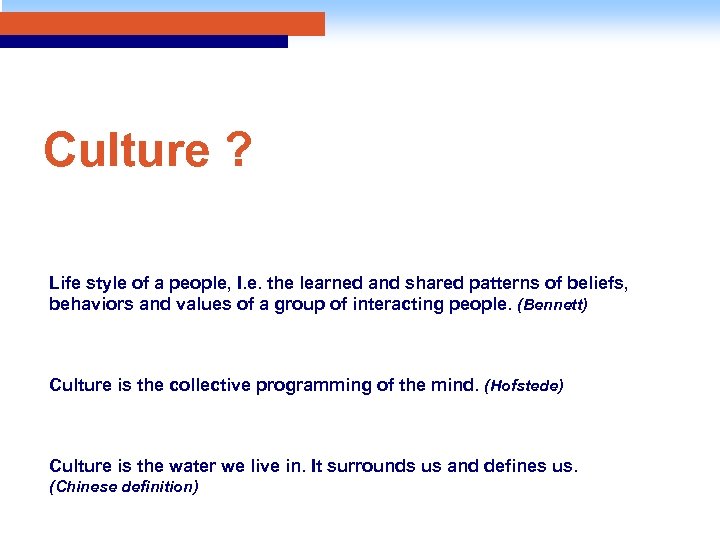 Culture ? Life style of a people, I. e. the learned and shared patterns of beliefs, behaviors and values of a group of interacting people. (Bennett) Culture is the collective programming of the mind. (Hofstede) Culture is the water we live in. It surrounds us and defines us. (Chinese definition)
 “We hold these truths to be self-evident, that all men are created equal, that they are endowed by their Creator with certain unalienable rights, that among these are life, liberty and the pursuit of happiness. ” The Declaration of Independence, 1776
 Think about your own culture How did socialization take place in your own life? Try to recall some of the behaviors and values you were taught early in life. How do they affect you now?
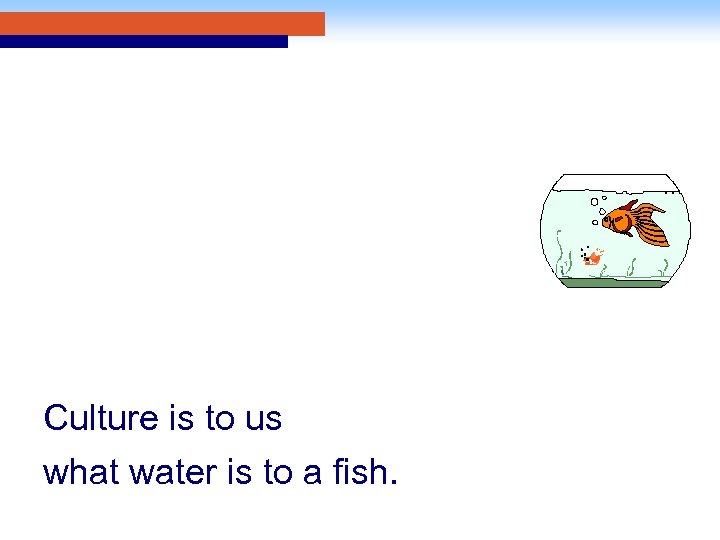 Culture is to us what water is to a fish.
 Culture is like an iceberg observable Not observable
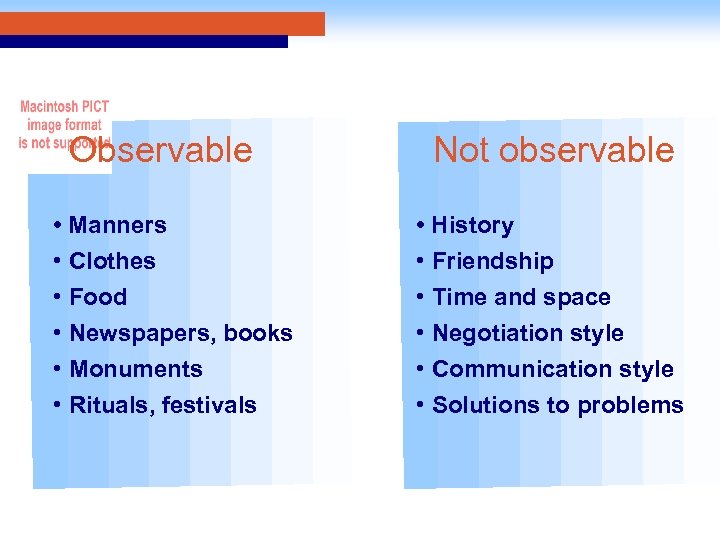 Observable • Manners • Clothes • Food • Newspapers, books • Monuments • Rituals, festivals Not observable • History • Friendship • Time and space • Negotiation style • Communication style • Solutions to problems
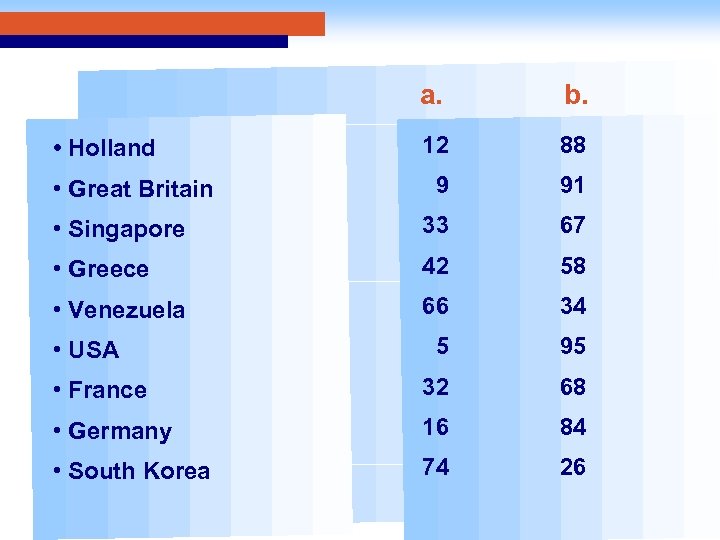 a. b. 12 88 9 91 • Singapore 33 67 • Greece 42 58 • Venezuela 66 34 5 95 • France 32 68 • Germany 16 84 • South Korea 74 26 • Holland • Great Britain • USA
 Intercultural communications Everything is relative — no right or wrong solutions
 Success abroad Understanding the inner logic of a culture
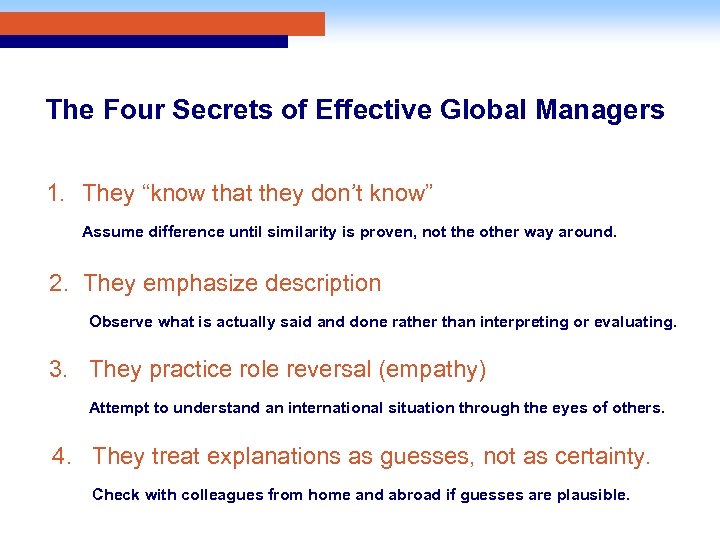 The Four Secrets of Effective Global Managers 1. They “know that they don’t know” Assume difference until similarity is proven, not the other way around. 2. They emphasize description Observe what is actually said and done rather than interpreting or evaluating. 3. They practice role reversal (empathy) Attempt to understand an international situation through the eyes of others. 4. They treat explanations as guesses, not as certainty. Check with colleagues from home and abroad if guesses are plausible.
 Definition of a theory • mental viewing of how something might be • not meant to be exact
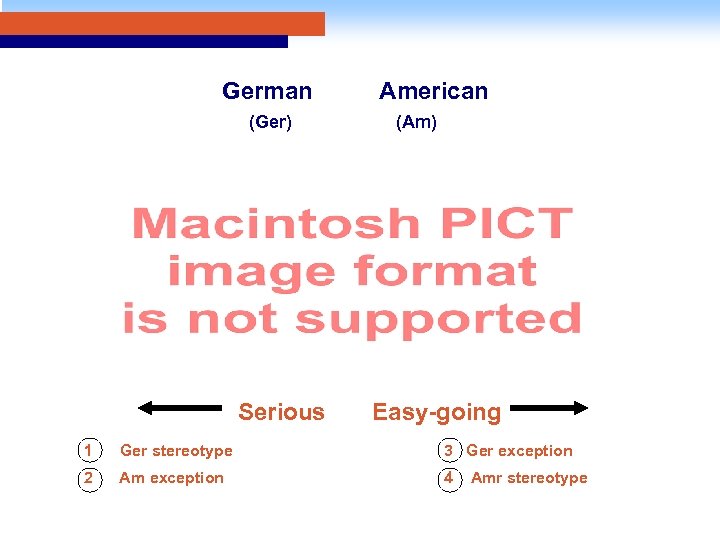 German (Ger) Serious American (Am) Easy-going 1 Ger stereotype 3 Ger exception 2 Am exception 4 Amr stereotype
 Hofstede’s Dimensions • Individualism / collectivism • Respect toward hierarchy • Desire for structure • Masculinity / femininity
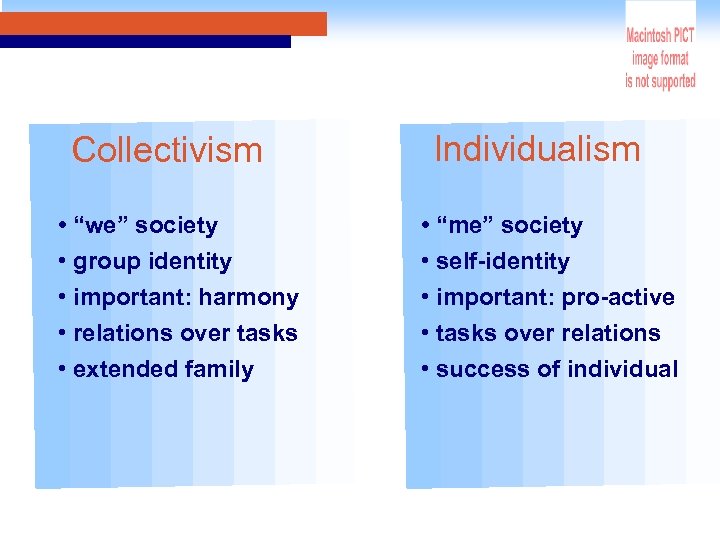 Collectivism • “we” society • group identity • important: harmony • relations over tasks • extended family Individualism • “me” society • self-identity • important: pro-active • tasks over relations • success of individual
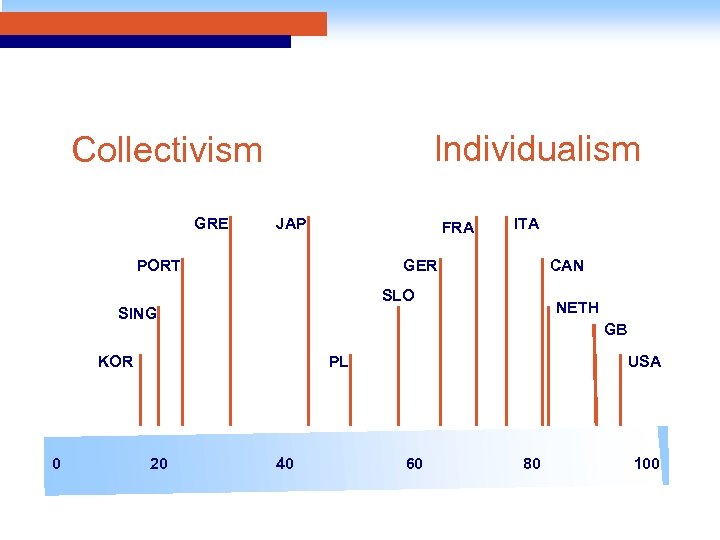 Individualism Collectivism GRE JAP FRA PORT GER CAN SLO SING NETH GB KOR 0 ITA PL 20 40 USA 60 80 100
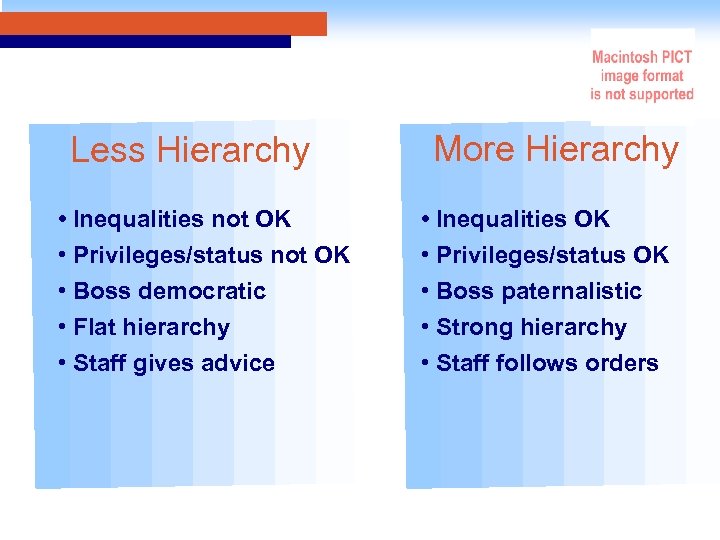 Less Hierarchy • Inequalities not OK • Privileges/status not OK • Boss democratic • Flat hierarchy • Staff gives advice More Hierarchy • Inequalities OK • Privileges/status OK • Boss paternalistic • Strong hierarchy • Staff follows orders
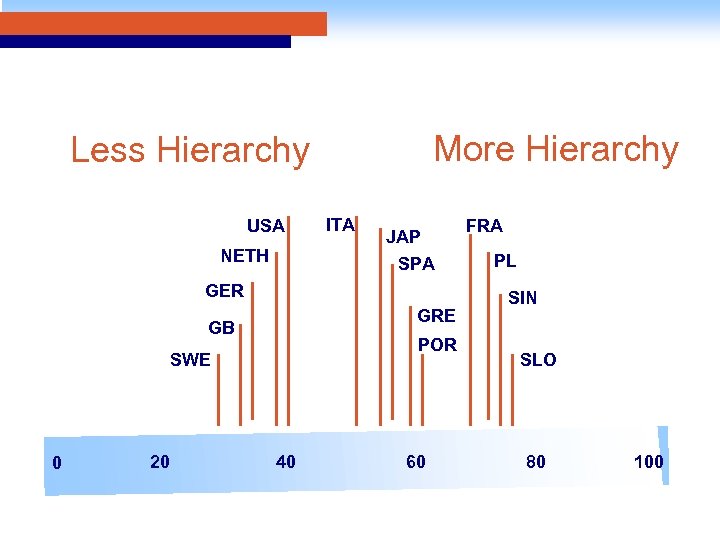 More Hierarchy Less Hierarchy USA NETH ITA JAP SPA GER GRE GB POR SWE 0 20 40 60 FRA PL SIN SLO 80 100
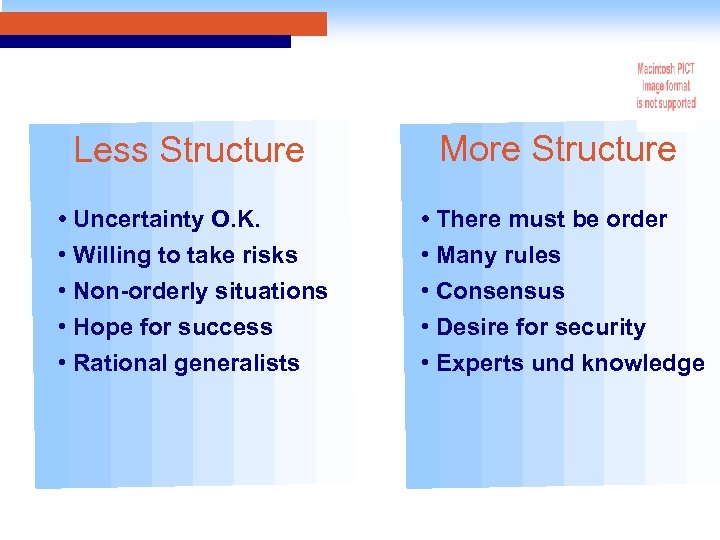 Less Structure More Structure • Uncertainty O. K. • Willing to take risks • Non-orderly situations • Hope for success • Rational generalists • There must be order • Many rules • Consensus • Desire for security • Experts und knowledge
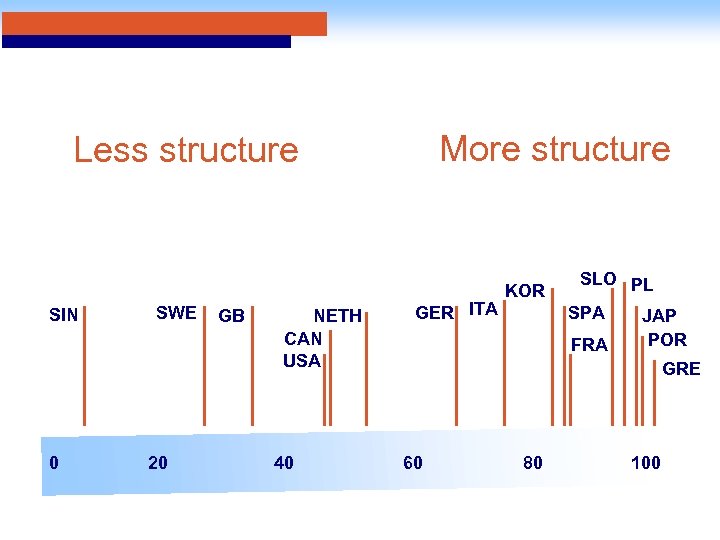 More structure Less structure SIN 0 SWE 20 GB NETH CAN USA 40 GER ITA KOR SLO PL SPA FRA JAP POR GRE 60 80 100
 Should a manager have precise answers to subordinates’ questions?
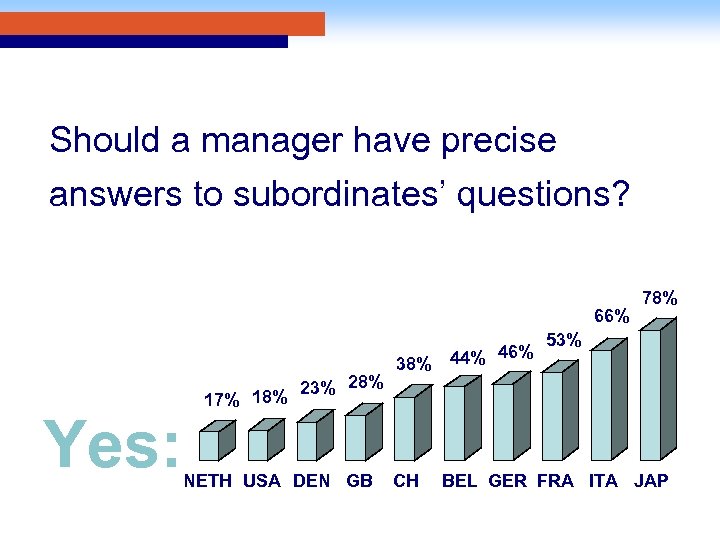 Should a manager have precise answers to subordinates’ questions? 66% Yes: 23% 28% 17% 18% NETH USA DEN GB 46% 38% 44% CH 78% 53% BEL GER FRA ITA JAP
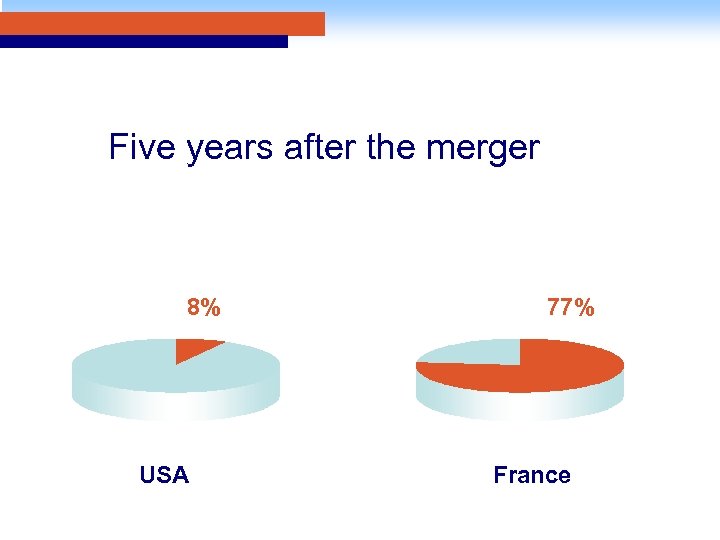 Five years after the merger 8% USA 77% France
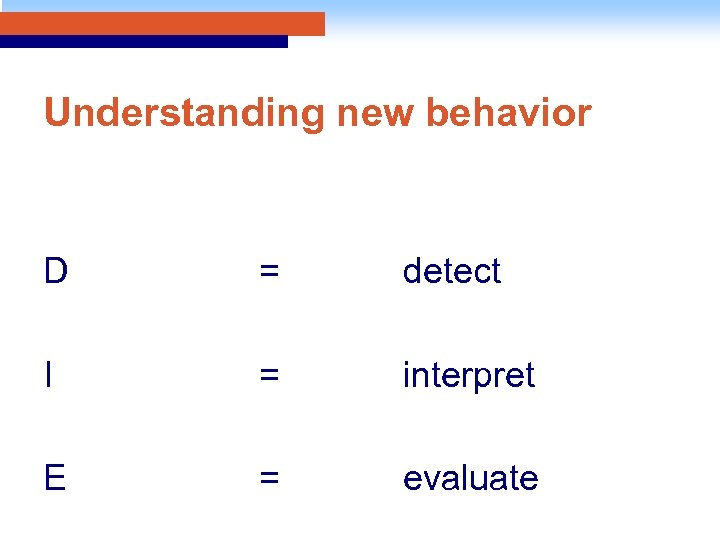 Understanding new behavior D = detect I = interpret E = evaluate
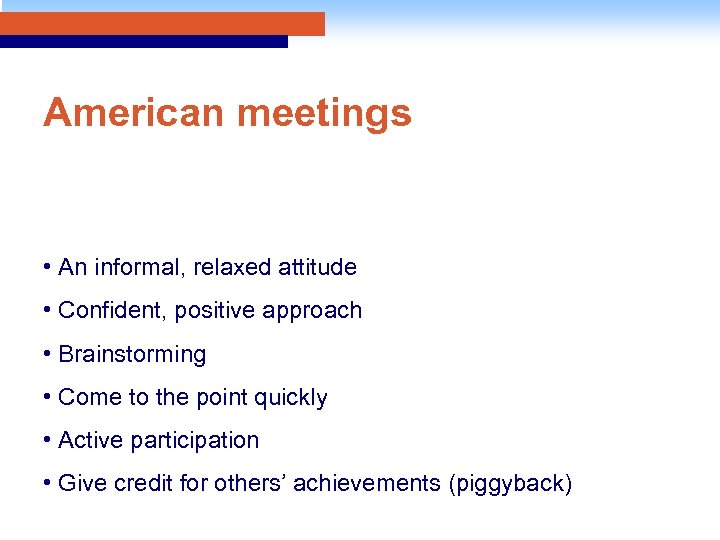 American meetings • An informal, relaxed attitude • Confident, positive approach • Brainstorming • Come to the point quickly • Active participation • Give credit for others’ achievements (piggyback)
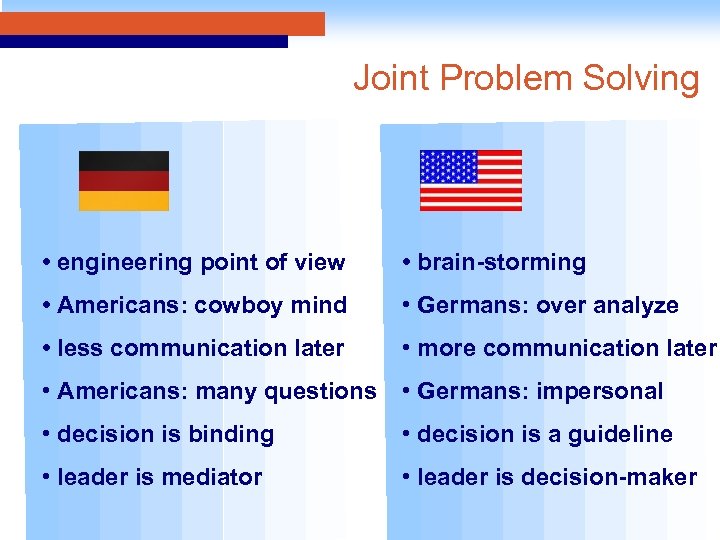 Joint Problem Solving • engineering point of view • brain-storming • Americans: cowboy mind • Germans: over analyze • less communication later • more communication later • Americans: many questions • Germans: impersonal • decision is binding • decision is a guideline • leader is mediator • leader is decision-maker
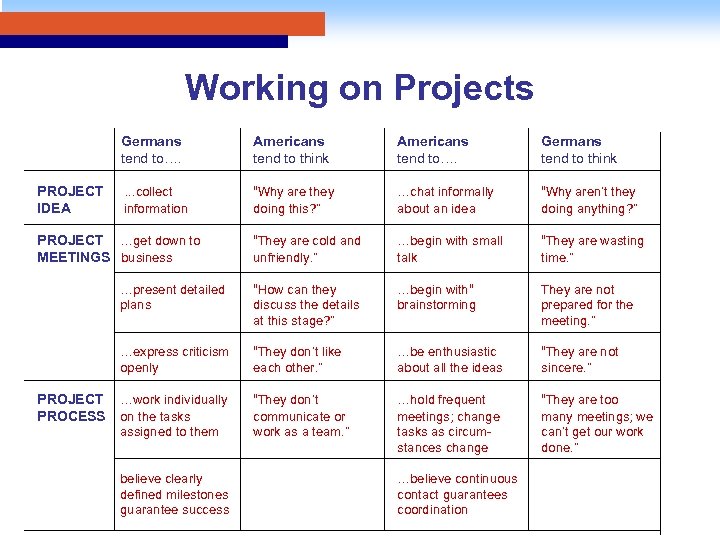 Working on Projects Germans tend to…. Americans tend to…. Germans tend to think . . . collect information “Why are they doing this? ” …chat informally about an idea “Why aren’t they doing anything? ” “They are cold and unfriendly. ” …begin with small talk “They are wasting time. ” …present detailed plans “How can they discuss the details at this stage? ” …begin with“ brainstorming They are not prepared for the meeting. ” …express criticism openly PROJECT IDEA Americans tend to think “They don’t like each other. ” …be enthusiastic about all the ideas “They are not sincere. ” …work individually on the tasks assigned to them “They don’t communicate or work as a team. ” …hold frequent meetings; change tasks as circumstances change “They are too many meetings; we can’t get our work done. ” PROJECT …get down to MEETINGS business PROJECT PROCESS believe clearly defined milestones guarantee success …believe continuous contact guarantees coordination
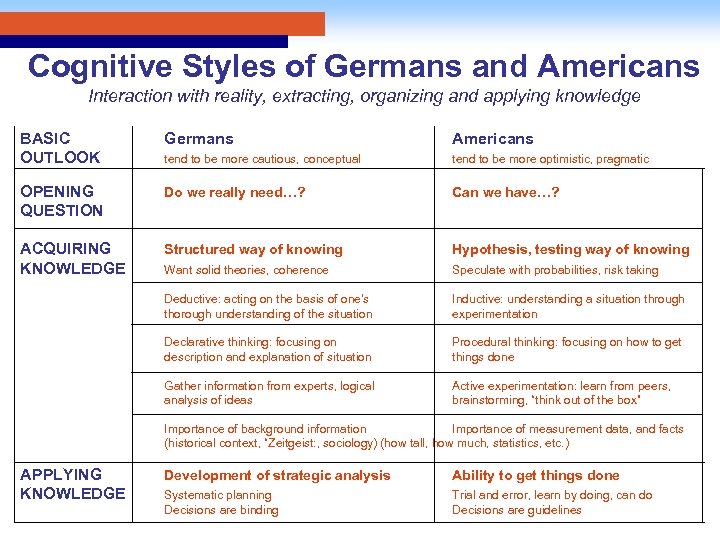 Cognitive Styles of Germans and Americans Interaction with reality, extracting, organizing and applying knowledge BASIC OUTLOOK Germans Americans tend to be more cautious, conceptual tend to be more optimistic, pragmatic OPENING QUESTION Do we really need…? Can we have…? ACQUIRING KNOWLEDGE Structured way of knowing Hypothesis, testing way of knowing Want solid theories, coherence Speculate with probabilities, risk taking Deductive: acting on the basis of one’s thorough understanding of the situation Inductive: understanding a situation through experimentation Declarative thinking: focusing on description and explanation of situation Procedural thinking: focusing on how to get things done Gather information from experts, logical analysis of ideas Active experimentation: learn from peers, brainstorming, “think out of the box” Importance of background information Importance of measurement data, and facts (historical context, “Zeitgeist: , sociology) (how tall, how much, statistics, etc. ) APPLYING KNOWLEDGE Development of strategic analysis Ability to get things done Systematic planning Decisions are binding Trial and error, learn by doing, can do Decisions are guidelines
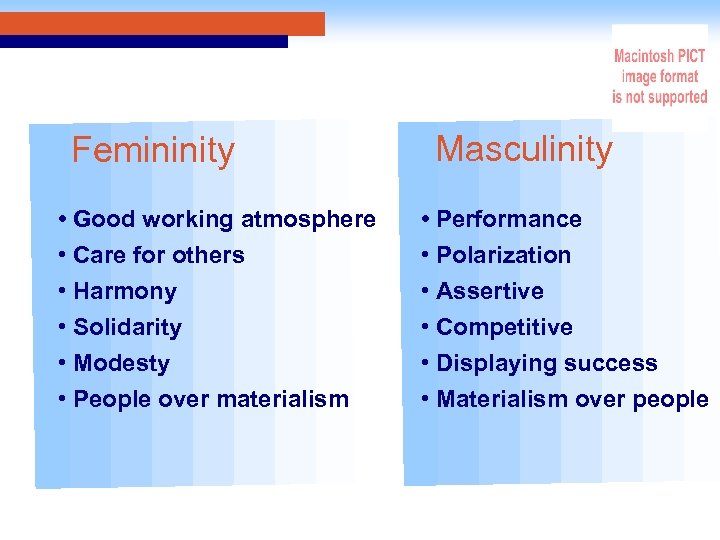 Femininity • Good working atmosphere • Care for others • Harmony • Solidarity • Modesty • People over materialism Masculinity • Performance • Polarization • Assertive • Competitive • Displaying success • Materialism over people
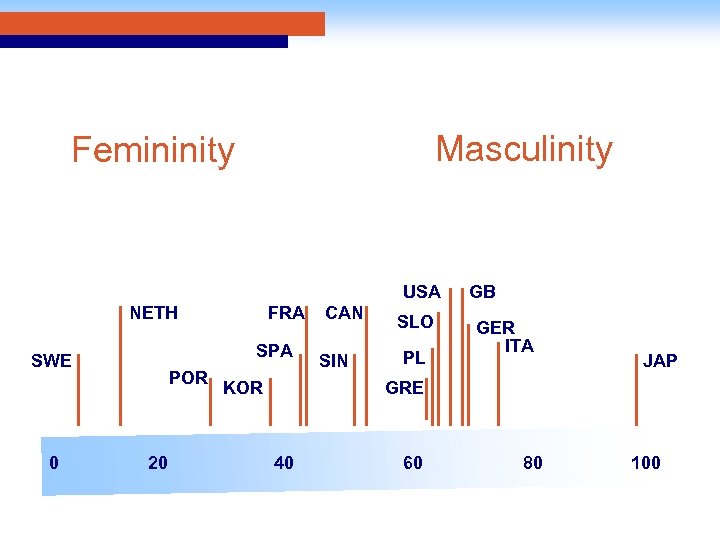 Masculinity Femininity USA NETH SPA SWE 0 FRA POR 20 KOR CAN SIN SLO PL GB GER ITA JAP GRE 40 60 80 100
 Culture is communication Edward Hall
 Hall’s Definition Culture determines the style of communication: indirect or direct
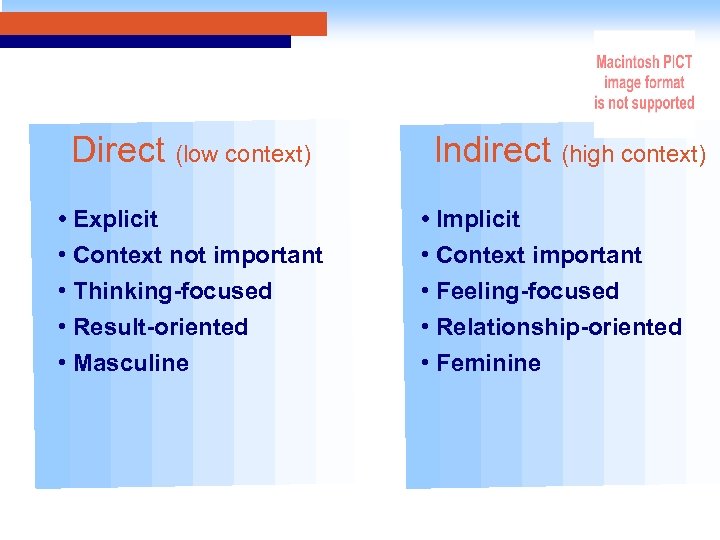 Direct (low context) • Explicit • Context not important • Thinking-focused • Result-oriented • Masculine Indirect (high context) • Implicit • Context important • Feeling-focused • Relationship-oriented • Feminine
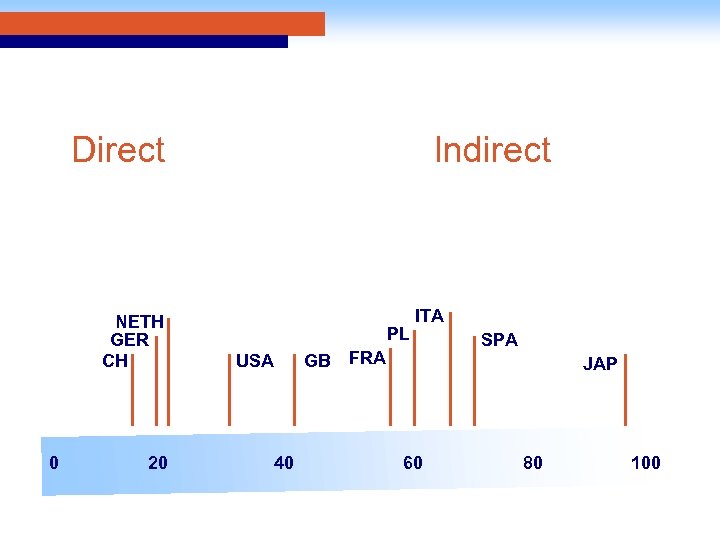 Direct NETH GER CH 0 20 Indirect PL ITA GB FRA USA 40 SPA JAP 60 80 100
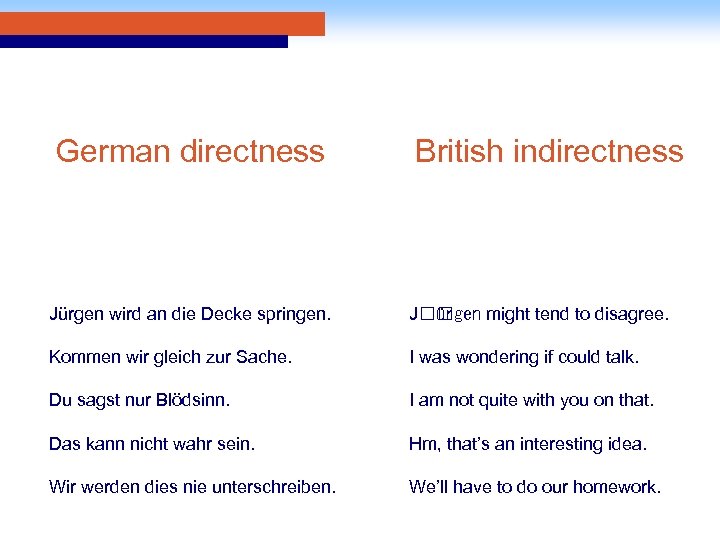 German directness British indirectness Jürgen wird an die Decke springen. J ürgen might tend to disagree. Kommen wir gleich zur Sache. I was wondering if could talk. Du sagst nur Blödsinn. I am not quite with you on that. Das kann nicht wahr sein. Hm, that’s an interesting idea. Wir werden dies nie unterschreiben. We’ll have to do our homework.
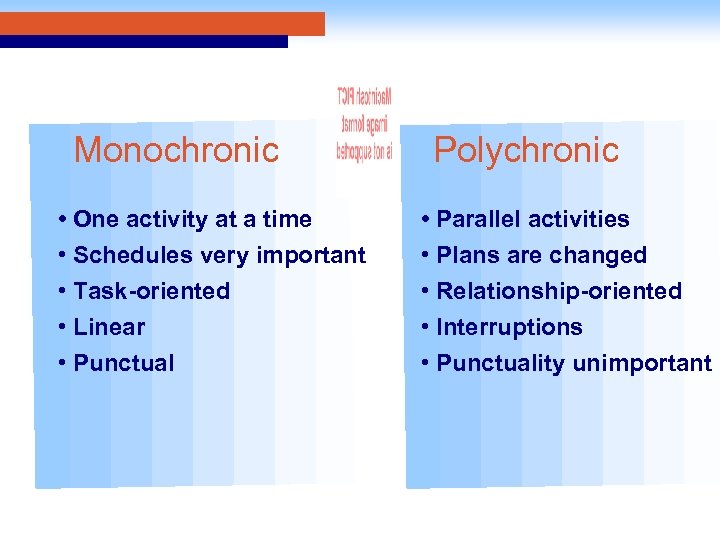 Monochronic • One activity at a time • Schedules very important • Task-oriented • Linear • Punctual Polychronic • Parallel activities • Plans are changed • Relationship-oriented • Interruptions • Punctuality unimportant
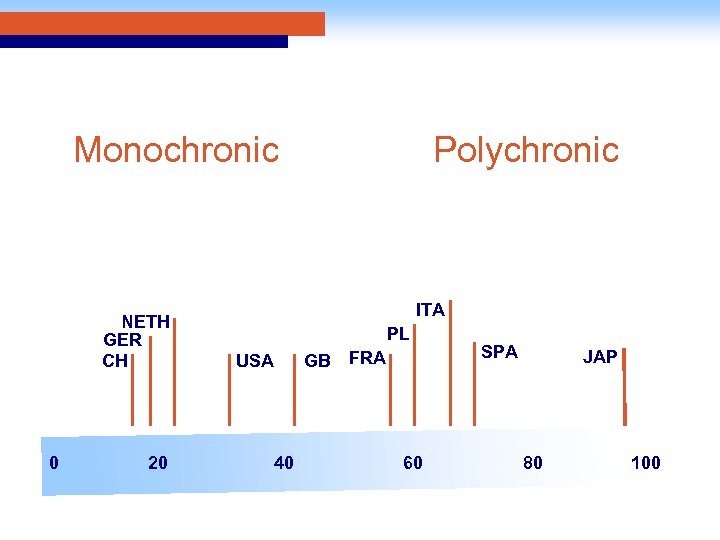 Monochronic NETH GER CH 0 20 Polychronic ITA PL GB FRA USA 40 60 SPA JAP 80 100
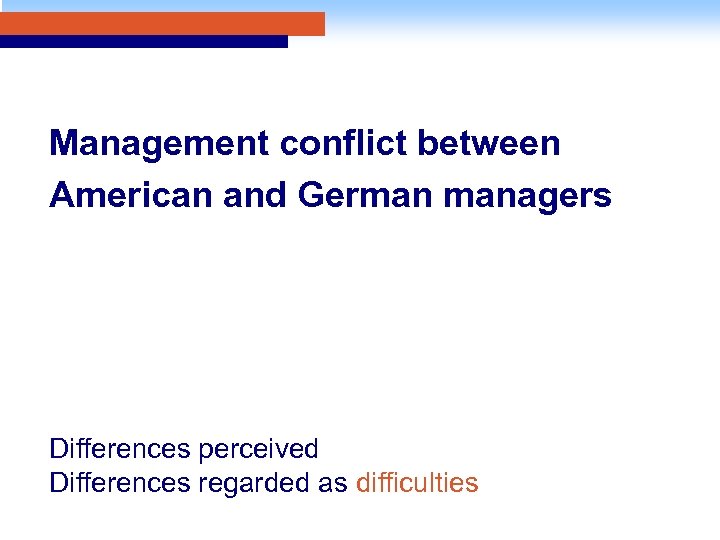 Management conflict between American and German managers Differences perceived Differences regarded as difficulties
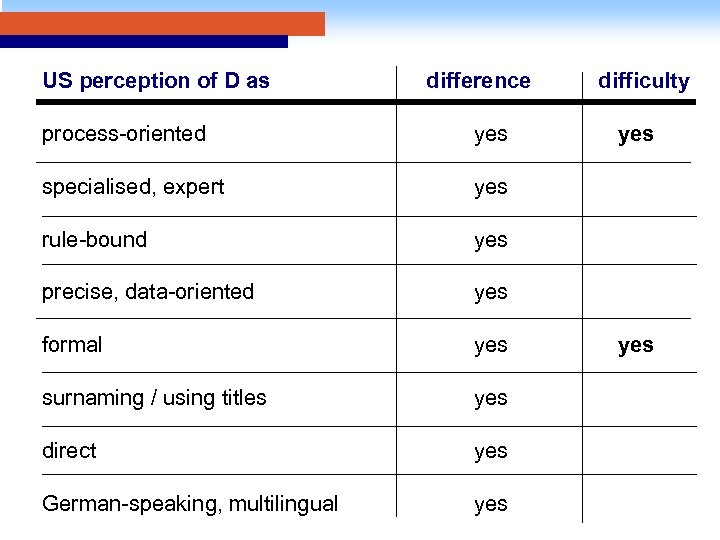 US perception of D as difference process-oriented yes specialised, expert yes rule-bound yes precise, data-oriented yes formal yes surnaming / using titles yes direct yes German-speaking, multilingual yes difficulty yes
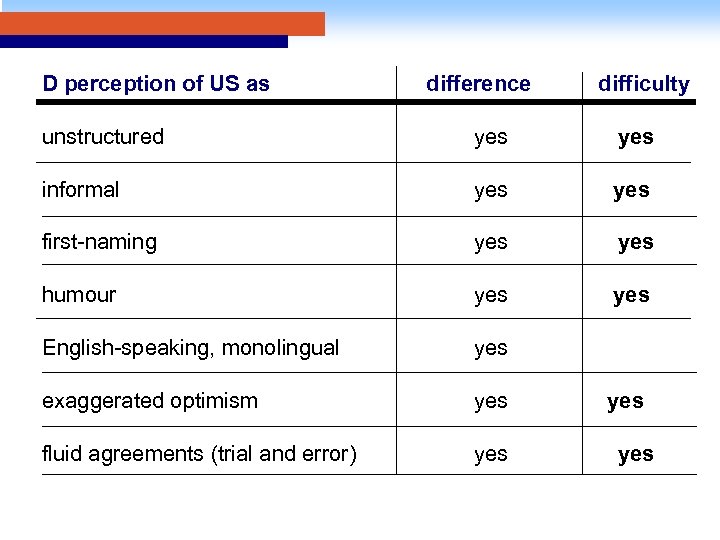 D perception of US as difference difficulty unstructured yes informal yes first-naming yes humour yes English-speaking, monolingual yes exaggerated optimism yes fluid agreements (trial and error) yes yes
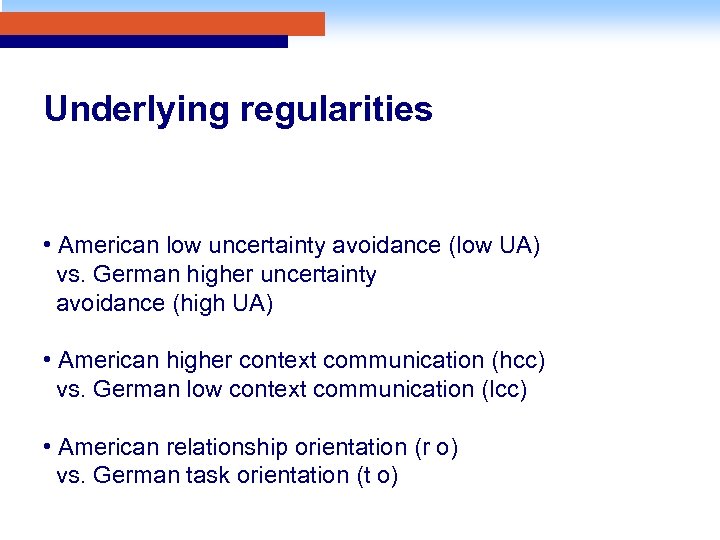 Underlying regularities • American low uncertainty avoidance (low UA) vs. German higher uncertainty avoidance (high UA) • American higher context communication (hcc) vs. German low context communication (lcc) • American relationship orientation (r o) vs. German task orientation (t o)
 How can these differences in regularities be explained?
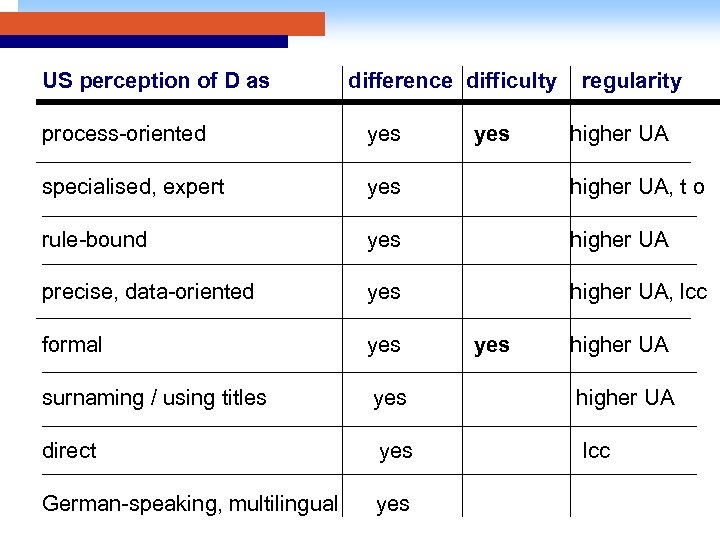 US perception of D as difference difficulty yes regularity process-oriented yes specialised, expert yes higher UA, t o rule-bound yes higher UA precise, data-oriented yes higher UA, lcc formal yes surnaming / using titles yes higher UA direct yes lcc German-speaking, multilingual yes higher UA
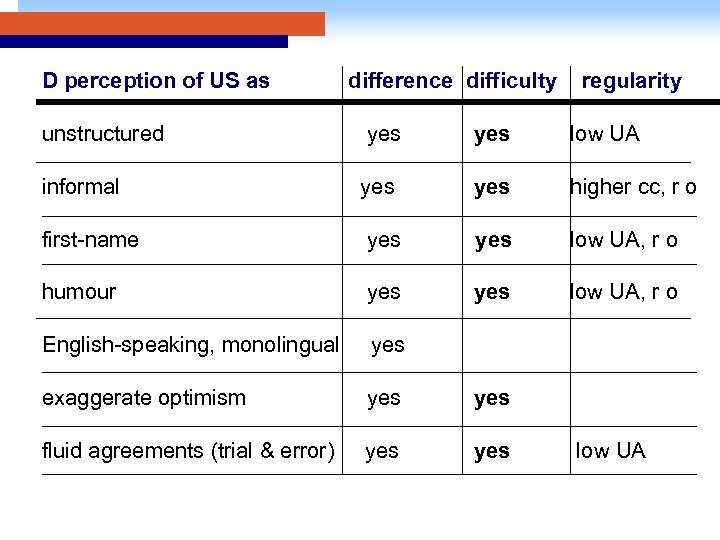 D perception of US as difference difficulty regularity unstructured yes low UA informal yes higher cc, r o first-name yes low UA, r o humour yes low UA, r o English-speaking, monolingual yes exaggerate optimism yes fluid agreements (trial & error) yes low UA
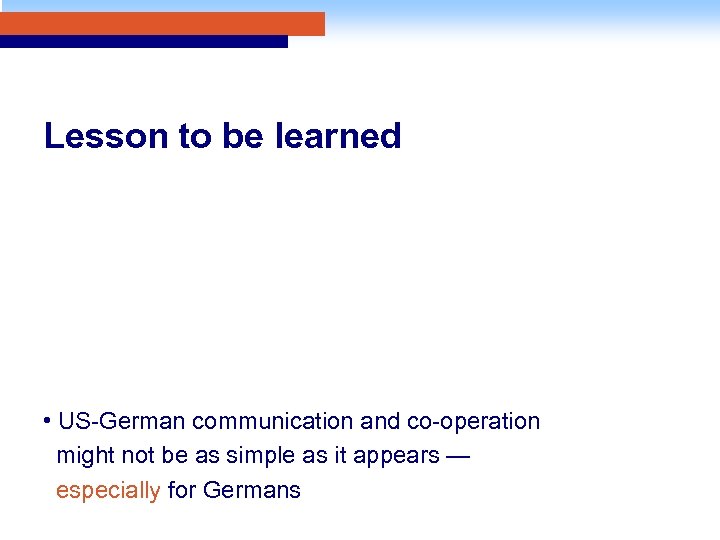 Lesson to be learned • US-German communication and co-operation might not be as simple as it appears — especially for Germans
 Why do we stereotype?
 Why do we stereotype? Natural impulse to categorize when reality is too complex to handle.
 Stereotypes are helpful when: • consciously aware it’s a group norm • descriptive and not evaluative • modifiable
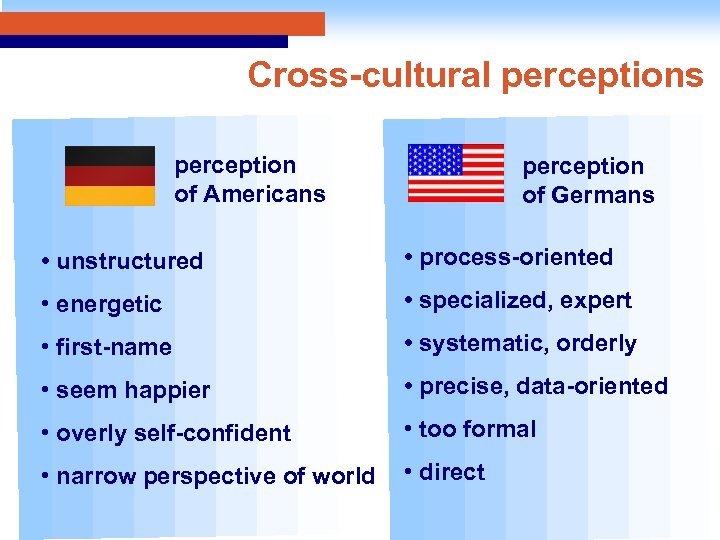 Cross-cultural perceptions perception of Americans perception of Germans • unstructured • process-oriented • energetic • specialized, expert • first-name • systematic, orderly • seem happier • precise, data-oriented • overly self-confident • too formal • narrow perspective of world • direct
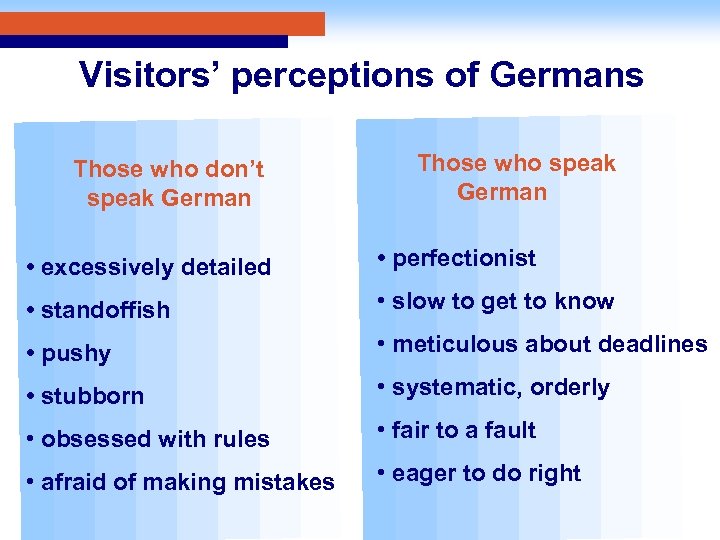 Visitors’ perceptions of Germans Those who don’t speak German Those who speak German • excessively detailed • perfectionist • standoffish • slow to get to know • pushy • meticulous about deadlines • stubborn • systematic, orderly • obsessed with rules • fair to a fault • afraid of making mistakes • eager to do right
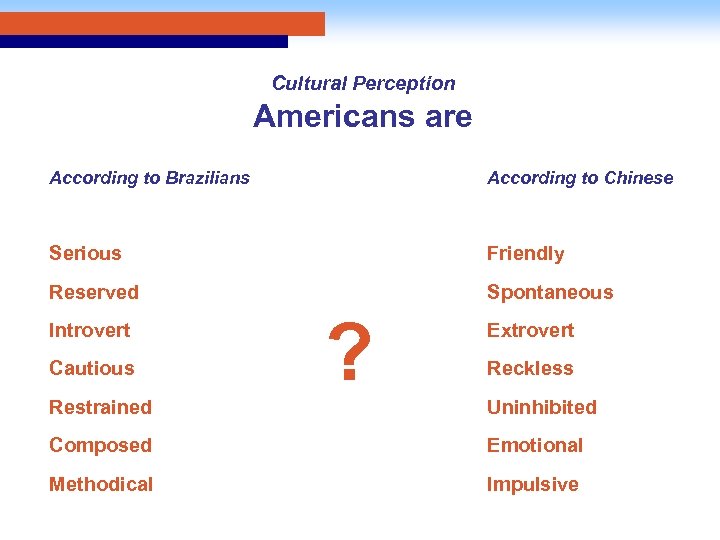 Cultural Perception Americans are According to Brazilians According to Chinese Serious Friendly Reserved Spontaneous Introvert Cautious Restrained ? Extrovert Reckless Uninhibited Composed Emotional Methodical Impulsive
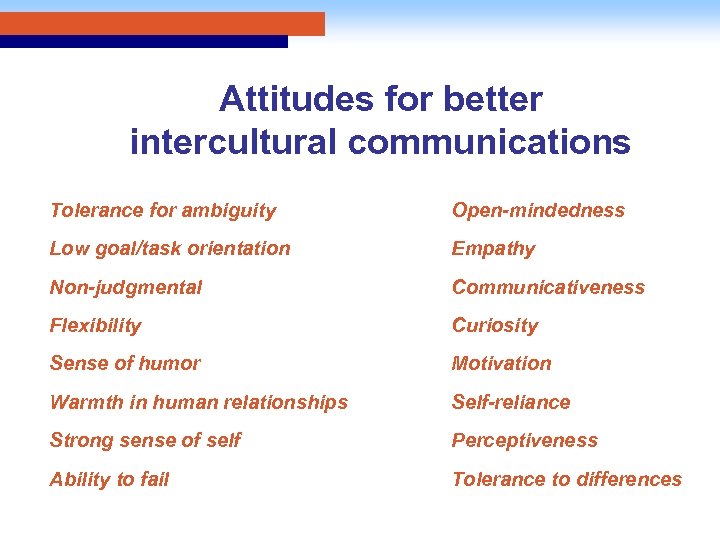 Attitudes for better intercultural communications Tolerance for ambiguity Open-mindedness Low goal/task orientation Empathy Non-judgmental Communicativeness Flexibility Curiosity Sense of humor Motivation Warmth in human relationships Self-reliance Strong sense of self Perceptiveness Ability to fail Tolerance to differences
 Differences between German and American presentation styles?
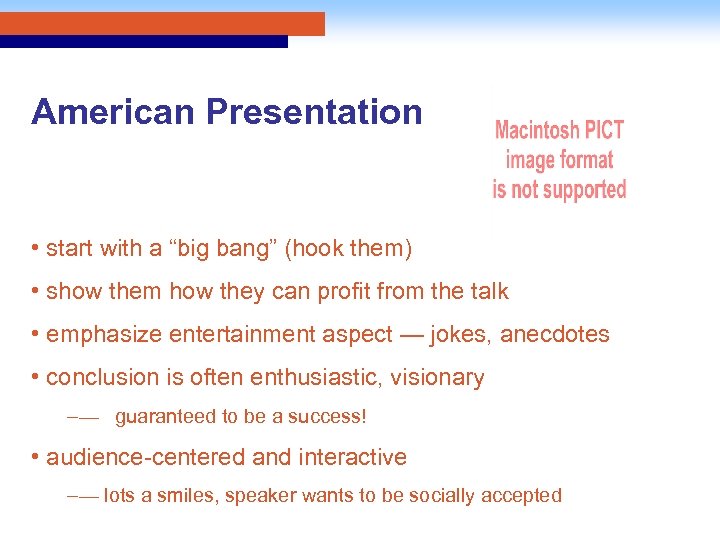 American Presentation • start with a “big bang” (hook them) • show them how they can profit from the talk • emphasize entertainment aspect — jokes, anecdotes • conclusion is often enthusiastic, visionary –— guaranteed to be a success! • audience-centered and interactive –— lots a smiles, speaker wants to be socially accepted
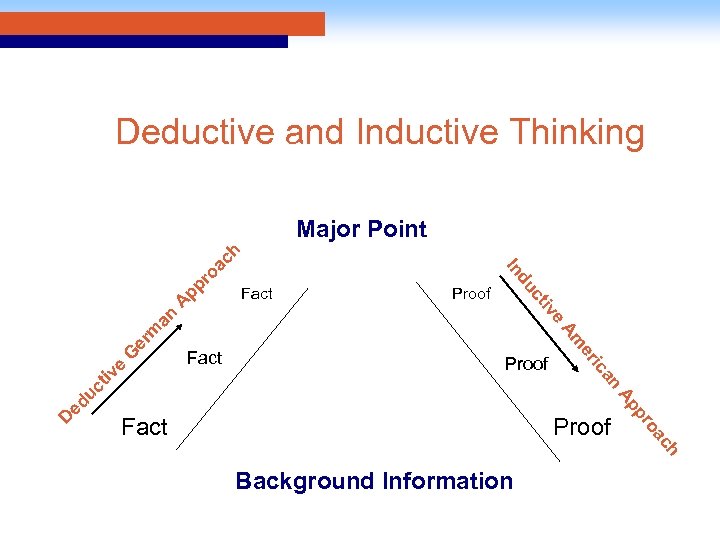 Deductive and Inductive Thinking pp r iv e ed uc t Proof ch oa Fact pr Ap D Proof an ic er Fact Am G er m an e iv A Proof ct Fact du In oa c h Major Point Background Information
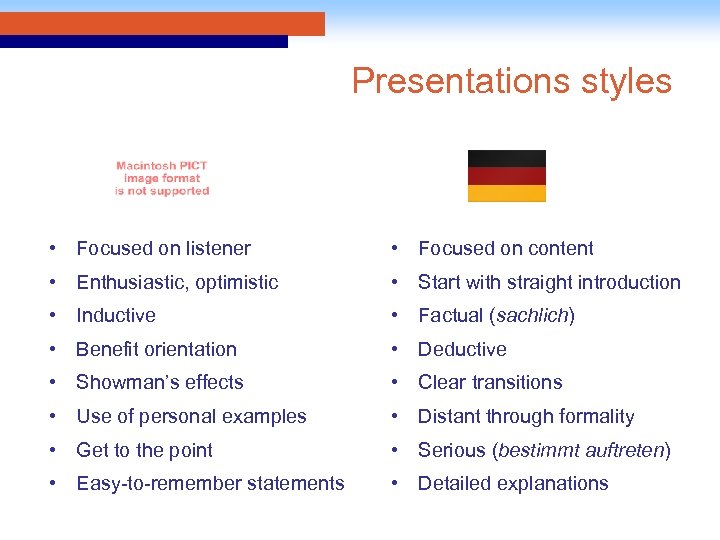 Presentations styles • Focused on listener • Focused on content • Enthusiastic, optimistic • Start with straight introduction • Inductive • Factual (sachlich) • Benefit orientation • Deductive • Showman’s effects • Clear transitions • Use of personal examples • Distant through formality • Get to the point • Serious (bestimmt auftreten) • Easy-to-remember statements • Detailed explanations
 Communication
 Exchanging ideas, feelings, symbols, meanings to create commonality
 Misunderstandings:
 Interpreting “foreign behavior” in terms of our own culture
 The Cardinal Rule
 Understanding oneself and one’s own culture
 Communication breaks down — people build up barriers
 us versus them
 Good, intercultural communication is not just good intentions.
 Receiver’s perception determines the real message, not the one we send.
 The greatest barrier is culture, not language.
 Communication • Natural and simple • Takes places in one’s culture
 80% – 90% of information: “non-verbal” signals

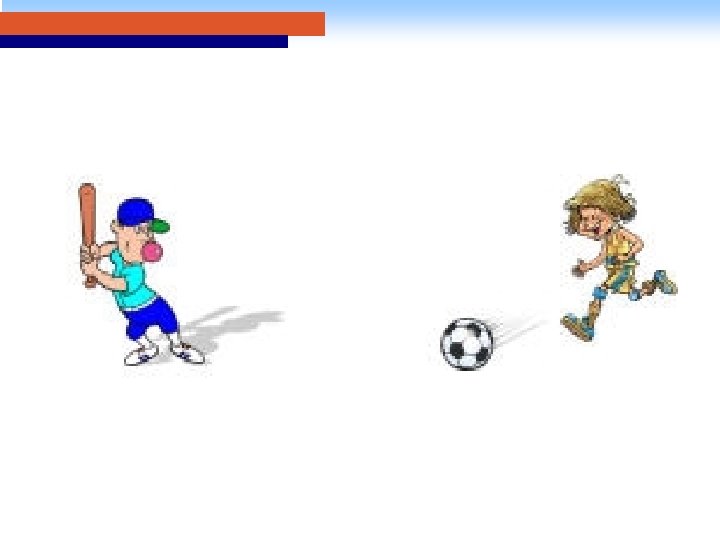
 Why we don’t see objectively Perception is • selective • learned • culturally determined • consistent • inaccurate
 ONCE IN A A LIFETIME PARIS IN THE SPRING BIRD IN THE HAND
 Reasons for intercultural faux pas • Think seldom about communication • Non-verbal signals underestimated • Perceive things differently
 Communication Styles
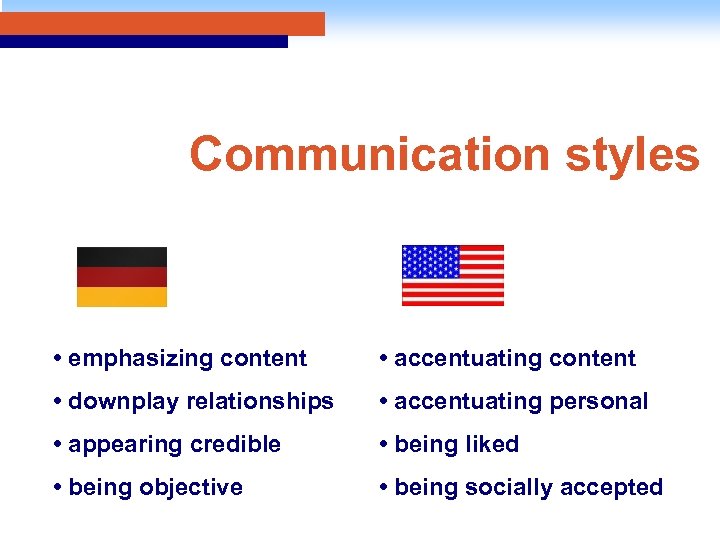 Communication styles • emphasizing content • accentuating content • downplay relationships • accentuating personal • appearing credible • being liked • being objective • being socially accepted
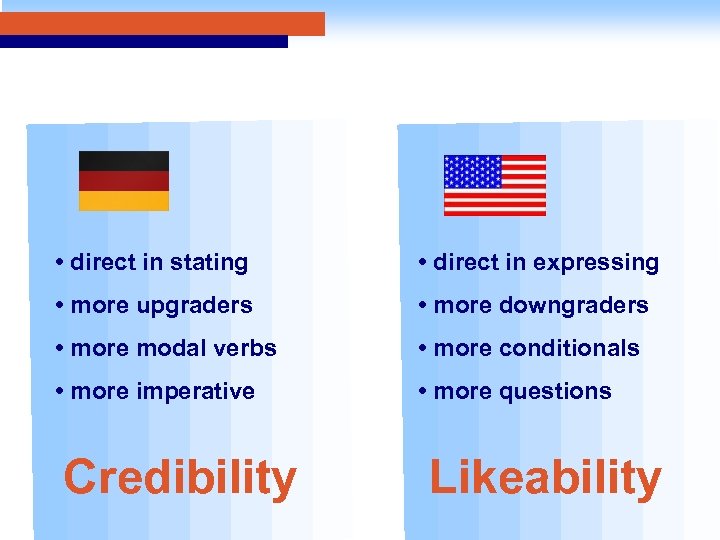 • direct in stating • direct in expressing • more upgraders • more downgraders • more modal verbs • more conditionals • more imperative • more questions Credibility Likeability
 • Complicated • Over analytical • Formal und detailed • Objective • Wants to be creditable • Simple • Short and concise • Informal • Friendly and easy going • Wants to be liked
 The German Desire for Clarity “Jetzt werde ich mit ihr deutsch reden müssen” (Klartext) The German adjective deutlich (clear, plain) and the German verb deuten (explain, interpret) have the same linguistic roots to the word Germans use to refer to themselves and their language — deutsch.
 Peach and Coconut Metaphor
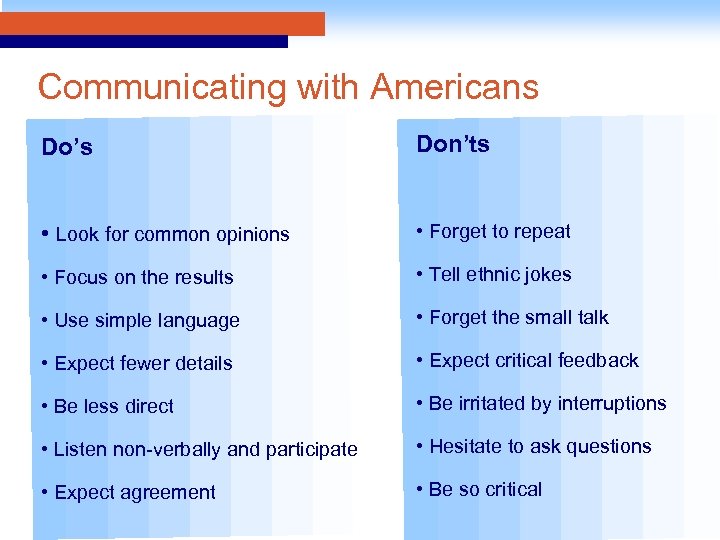 Communicating with Americans Do’s Don’ts • Look for common opinions • Forget to repeat • Focus on the results • Tell ethnic jokes • Use simple language • Forget the small talk • Expect fewer details • Expect critical feedback • Be less direct • Be irritated by interruptions • Listen non-verbally and participate • Hesitate to ask questions • Expect agreement • Be so critical
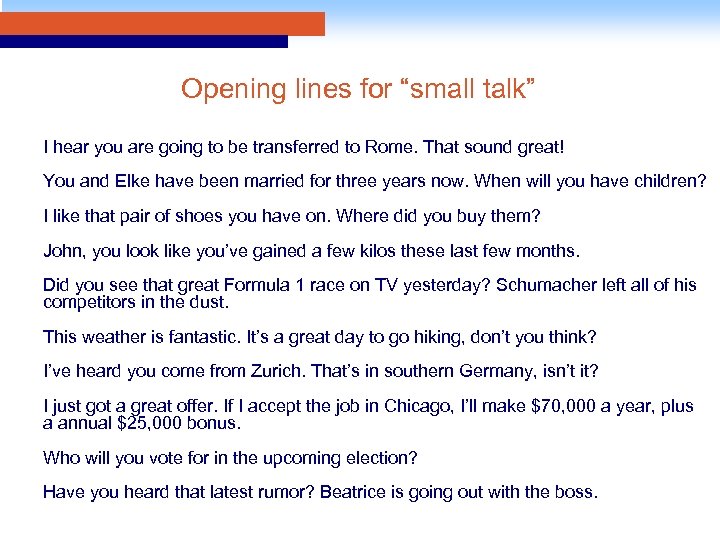 Opening lines for “small talk” I hear you are going to be transferred to Rome. That sound great! You and Elke have been married for three years now. When will you have children? I like that pair of shoes you have on. Where did you buy them? John, you look like you’ve gained a few kilos these last few months. Did you see that great Formula 1 race on TV yesterday? Schumacher left all of his competitors in the dust. This weather is fantastic. It’s a great day to go hiking, don’t you think? I’ve heard you come from Zurich. That’s in southern Germany, isn’t it? I just got a great offer. If I accept the job in Chicago, I’ll make $70, 000 a year, plus a annual $25, 000 bonus. Who will you vote for in the upcoming election? Have you heard that latest rumor? Beatrice is going out with the boss.
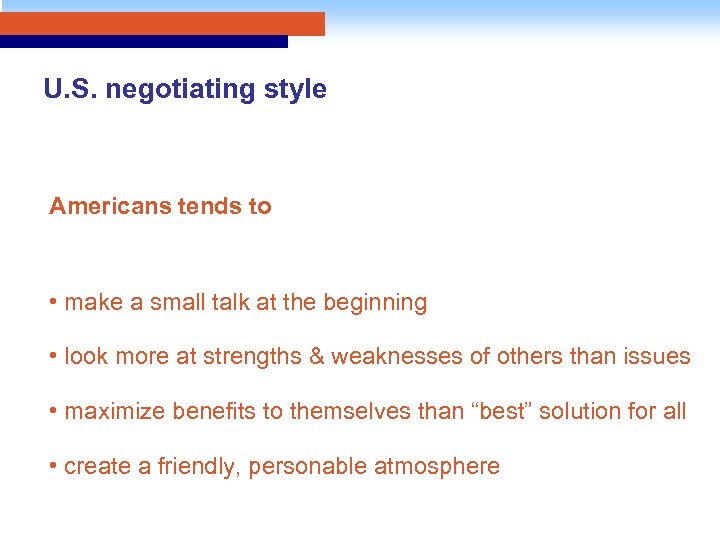 U. S. negotiating style Americans tends to • make a small talk at the beginning • look more at strengths & weaknesses of others than issues • maximize benefits to themselves than “best” solution for all • create a friendly, personable atmosphere
 The typical U. S. negotiator always keeps a poker-face
 Milton Bennett’s Developmental Model of Intercultural Sensitivity Experience of Difference De im in M Ethnocentric Stages an pt iz e ce De s fen Ac l nia ce n tio a n tio r a pt a Ad n tio a g te In Ethnorelative Stages
 Denial • one’s culture is the only real one • unable to construe cultural difference • aggressive ignorance • “Munich — lots of buildings, too many cars, Mc. Donalds”
 Defensive • one’s culture is the only good one • “we” are superior — “they” are inferior • highly critical of other cultures • “Americans are superficial and uncultivated”
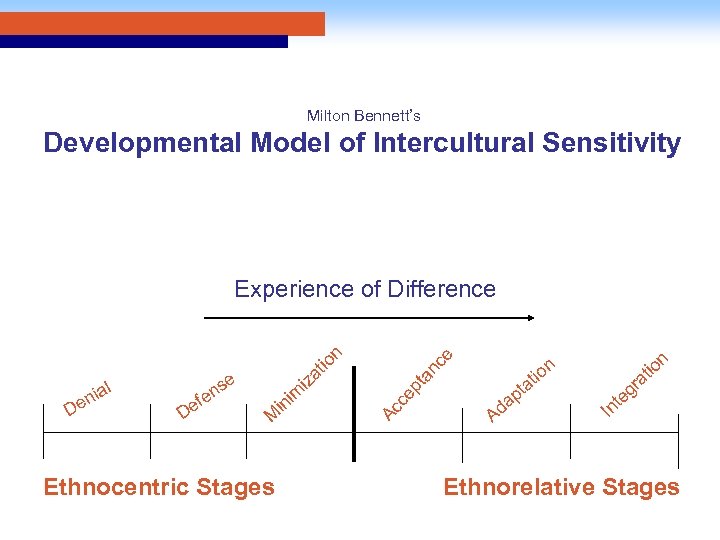
 Minimization • one’s culture is viewed as universal • obscure deep cultural differences • insistently nice • “We bankers are all the same all over the world. ”
 Acceptance • one’s culture is viewed as one of many complex systems • judgment is not ethnocentric • curious about cultural differences • “I want to learn German so I can understand Hans better. ”
 Adaptation • internalize more than one complete worldview • empathy • may intentionally change behavior to communicate better • “I’m beginning to feel like a member of this culture. ”
 Integration • one’s self is expanded to include different worldviews • cross-cultural swinger • ability to facilitate contact between cultures • “I truly enjoy participating fully in both of my cultures. ”
 Intercultural competence • No longer attached to original cultural group • Relativity of values • Cross-cultural swinger • Multi-lingual • Other-culture awareness
 Question for reflection What are the characteristics of an effective multinational team?
 Effective multinational teams • recognize diversity • members selected for task-related abilities • mutual respect • equal power • super ordinate goal • external feedback
 Team Charter (example) A commitment to: • assume difference until similarity is proven • emphasize description, not interpreting or judging • practice role reversal • more use of conditionals • to be more open to compliments
 Advantages of multinational teams • expanded horizons • less groupthink • increased creativity and flexibility
 Basic German Values 1. Strong sense of group welfare: Sozialmarktwirtschaft 2. Confidence to do the job right due to thorough training 3. Extremely fair towards others; have vision what is right and wrong 4. A serious and factual attitude toward life 5. Excellent listeners 6. Meticulous about deadlines and appointments 7. Perfectionism: very neat and orderly, pay attention to details 8. Precise execution of activities and products; brilliant organizers 9. “Höchste Leistung bringen”: obsession for high performance 10. with passionate intensity 11. 10. “Durchsetzungsvermögen”: very thorough and effective in work
 Basic American Values 1. Very proud of political system and the American way of life 2. High self-confidence; rely on own strength and capability 3. Volunteerism: very engaged in community services 4. Trust in people; relaxed friendliness and spontaneity 5. A “can-do” optimism: openness to improvement and change 6. Anti-authoritarian attitude: don’t bow to a higher authority 7. Equality and the rule of law: every person is equal before the law 8. Individualism: everyone has the right to self-actualize 9. Restlessness and impatience: desire to move up the social ladder 10. Pragmatism: prefer the concrete over aesthetic and conceptual
 Understanding others…
 Understanding others doesn’t consist of only appealing to logic and reason. It consists of an emotional opening to the others Jawaharlal Nehru
 You have been great participants