


 Скачать презентацию Innovation technologies in modern ports In the
Presentation English.pptx
- Количество слайдов: 16
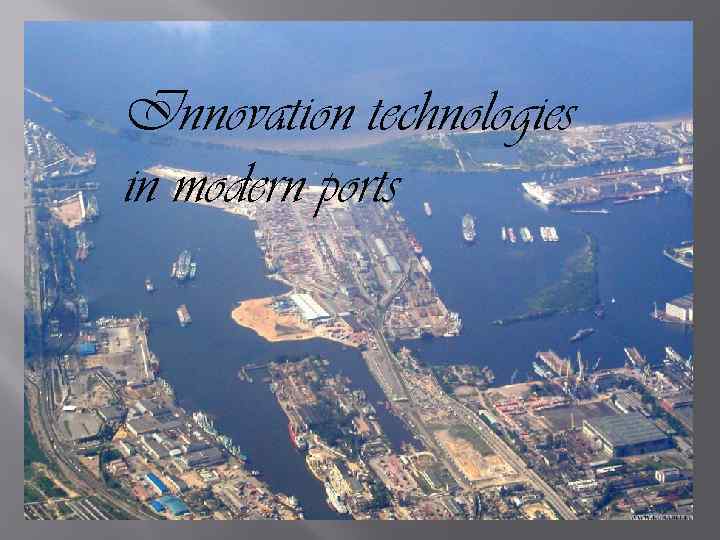 Innovation technologies in modern ports
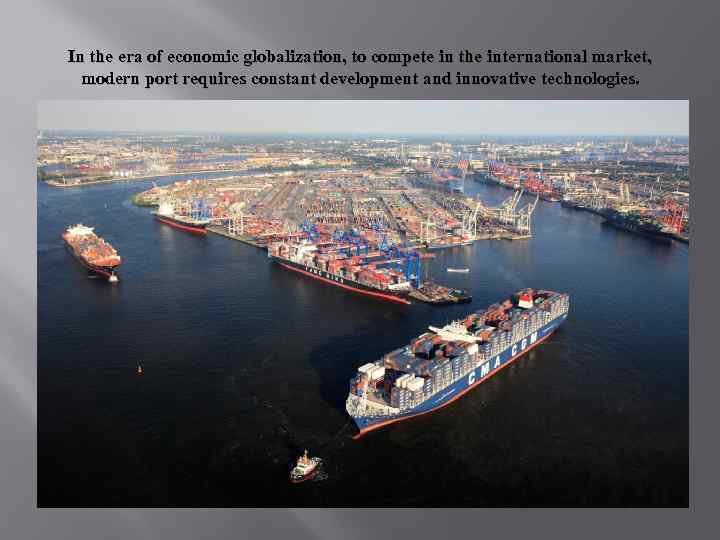 In the era of economic globalization, to compete in the international market, modern port requires constant development and innovative technologies.
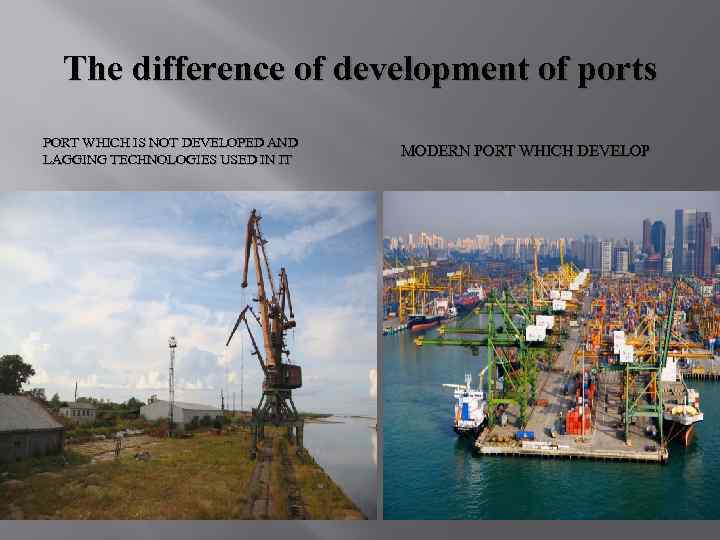 The difference of development of ports PORT WHICH IS NOT DEVELOPED AND LAGGING TECHNOLOGIES USED IN IT MODERN PORT WHICH DEVELOP
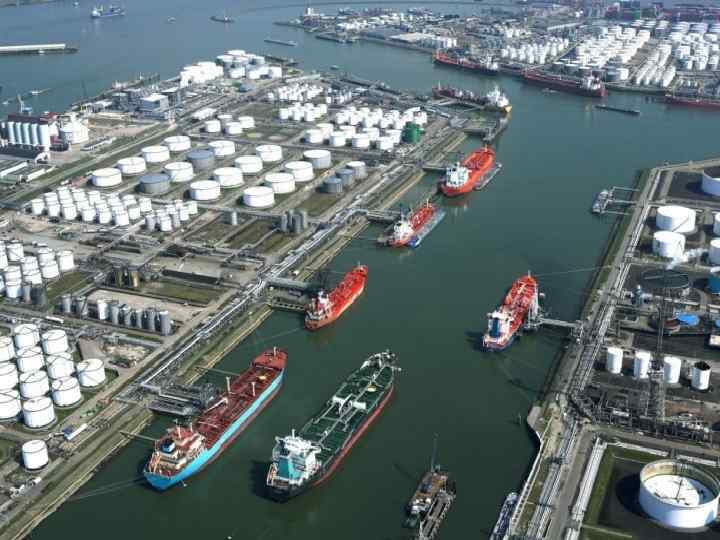
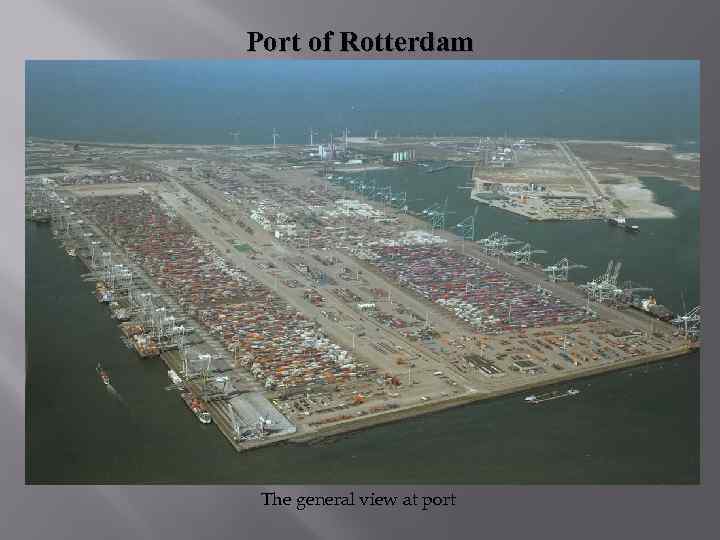 Port of Rotterdam The general view at port
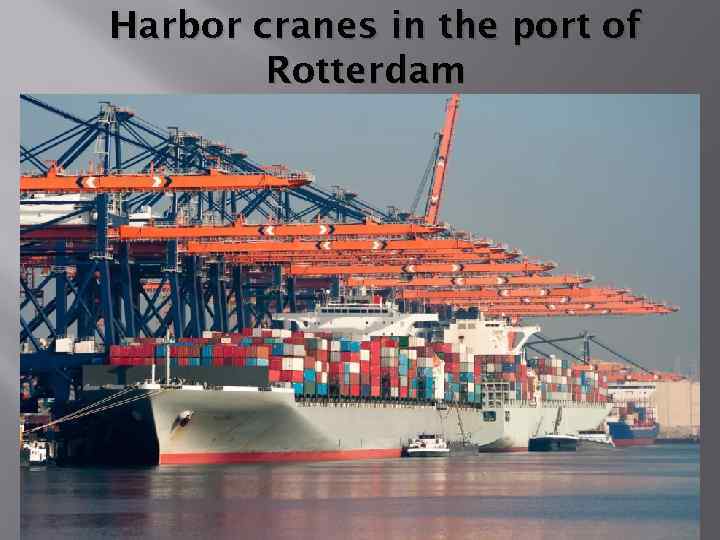 Harbor cranes in the port of Rotterdam
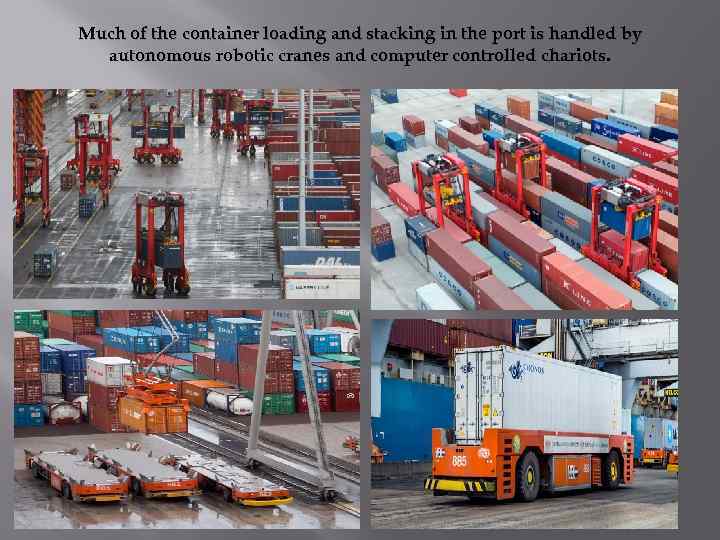 Much of the container loading and stacking in the port is handled by autonomous robotic cranes and computer controlled chariots.
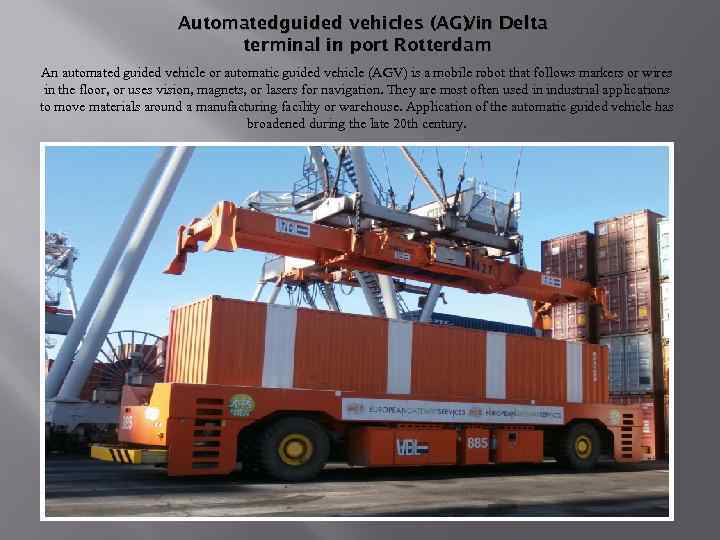 Automatedguided vehicles (AGVin Delta ) terminal in port Rotterdam An automated guided vehicle or automatic guided vehicle (AGV) is a mobile robot that follows markers or wires in the floor, or uses vision, magnets, or lasers for navigation. They are most often used in industrial applications to move materials around a manufacturing facility or warehouse. Application of the automatic guided vehicle has broadened during the late 20 th century.
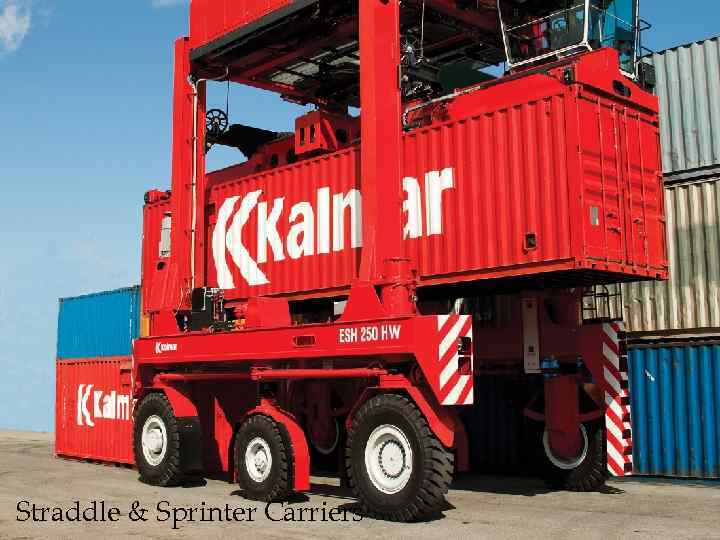 Straddle & Sprinter Carriers
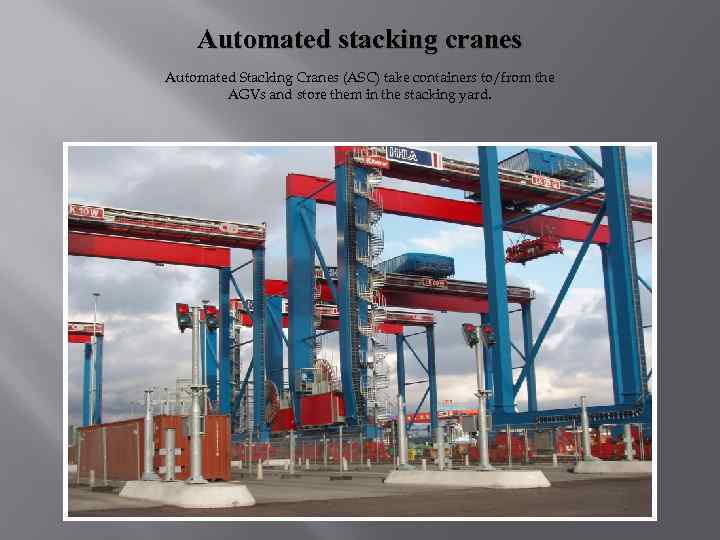 Automated stacking cranes Automated Stacking Cranes (ASC) take containers to/from the AGVs and store them in the stacking yard.
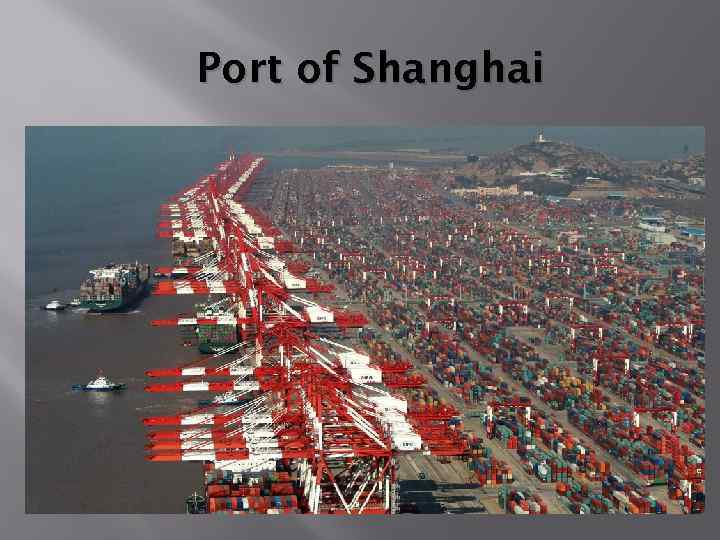 Port of Shanghai
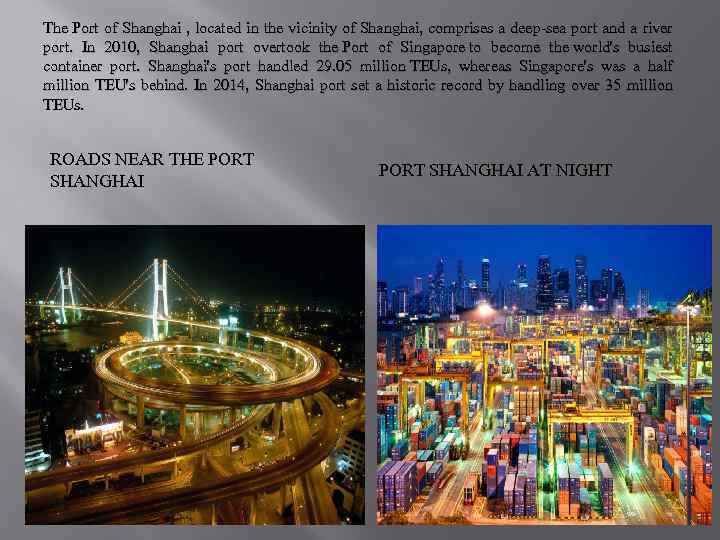 The Port of Shanghai , located in the vicinity of Shanghai, comprises a deep-sea port and a river port. In 2010, Shanghai port overtook the Port of Singapore to become the world's busiest container port. Shanghai's port handled 29. 05 million TEUs, whereas Singapore's was a half million TEU's behind. In 2014, Shanghai port set a historic record by handling over 35 million TEUs. ROADS NEAR THE PORT SHANGHAI AT NIGHT
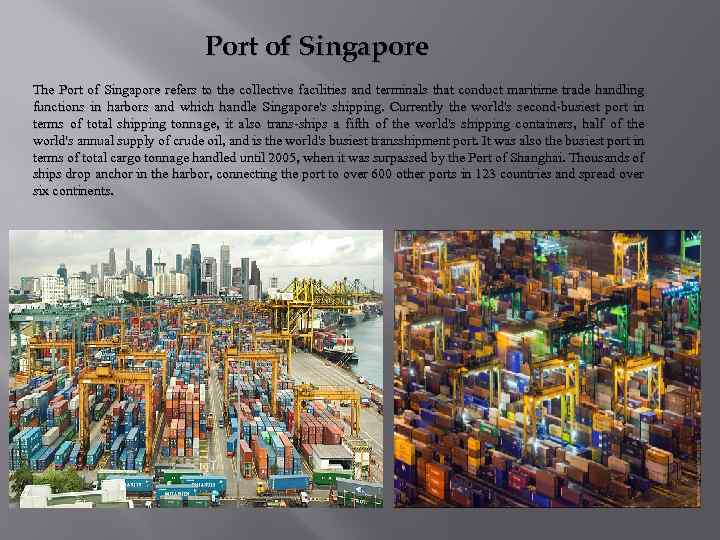 Port of Singapore The Port of Singapore refers to the collective facilities and terminals that conduct maritime trade handling functions in harbors and which handle Singapore's shipping. Currently the world's second-busiest port in terms of total shipping tonnage, it also trans-ships a fifth of the world's shipping containers, half of the world's annual supply of crude oil, and is the world's busiest transshipment port. It was also the busiest port in terms of total cargo tonnage handled until 2005, when it was surpassed by the Port of Shanghai. Thousands of ships drop anchor in the harbor, connecting the port to over 600 other ports in 123 countries and spread over six continents.
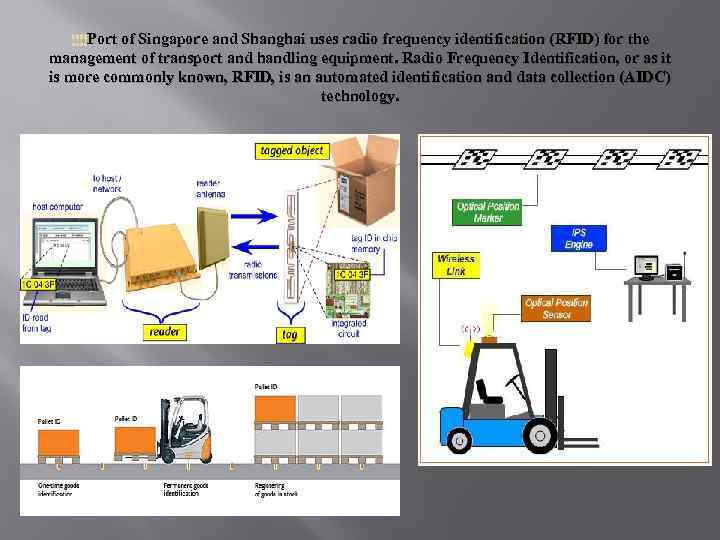 Port of Singapore and Shanghai uses radio frequency identification (RFID) for the management of transport and handling equipment. Radio Frequency Identification, or as it is more commonly known, RFID, is an automated identification and data collection (AIDC) technology.
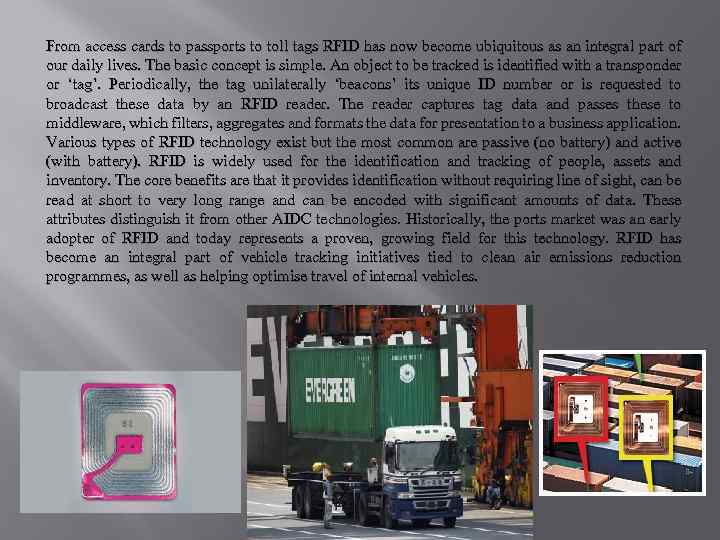 From access cards to passports to toll tags RFID has now become ubiquitous as an integral part of our daily lives. The basic concept is simple. An object to be tracked is identified with a transponder or ‘tag’. Periodically, the tag unilaterally ‘beacons’ its unique ID number or is requested to broadcast these data by an RFID reader. The reader captures tag data and passes these to middleware, which filters, aggregates and formats the data for presentation to a business application. Various types of RFID technology exist but the most common are passive (no battery) and active (with battery). RFID is widely used for the identification and tracking of people, assets and inventory. The core benefits are that it provides identification without requiring line of sight, can be read at short to very long range and can be encoded with significant amounts of data. These attributes distinguish it from other AIDC technologies. Historically, the ports market was an early adopter of RFID and today represents a proven, growing field for this technology. RFID has become an integral part of vehicle tracking initiatives tied to clean air emissions reduction programmes, as well as helping optimise travel of internal vehicles.
 Thank you for attention