

Innate Immunity, CD4 Cell Count and Elite Controllers

 Скачать презентацию Innate Immunity, CD4 Cell Count and Elite Controllers
38622-innate_immunity_cd4_cell_count_and_elite_contr.ppt
- Количество слайдов: 55
Innate Immunity, CD4 Cell Count and Elite Controllers AETC, Orlando May 13, 2011 Savita Pahwa, MD Professor Microbiology & Immunology Pediatrics & Medicine Director, Developmental Center for AIDS Research University of Miami Miller School of Medicine
Disclosure of Financial Relationships This speaker has no significant financial relationships with commercial entities to disclose. This slide set has been peer-reviewed to ensure that there are no conflicts of interest represented in the presentation.
1. Understanding definitions and concepts
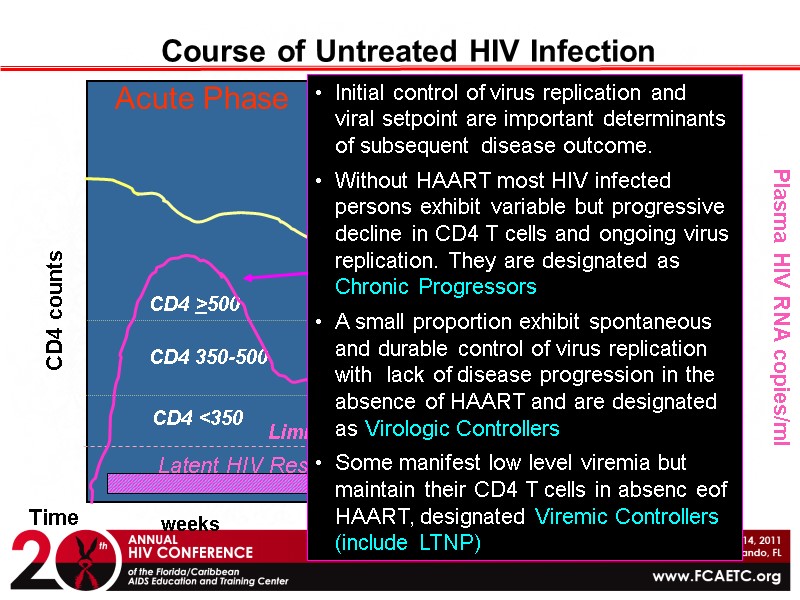
Course of Untreated HIV Infection CD4 counts Plasma HIV RNA copies/ml Time weeks years CD4 <350 CD4 >500 CD4 350-500 Limit of detection of plasma HIV loss of CD4 T cells in peripheral blood Latent HIV Reservoir Acute Phase Chronic Phase Initial control of virus replication and viral setpoint are important determinants of subsequent disease outcome. Without HAART most HIV infected persons exhibit variable but progressive decline in CD4 T cells and ongoing virus replication. They are designated as Chronic Progressors A small proportion exhibit spontaneous and durable control of virus replication with lack of disease progression in the absence of HAART and are designated as Virologic Controllers Some manifest low level viremia but maintain their CD4 T cells in absenc eof HAART, designated Viremic Controllers (include LTNP)
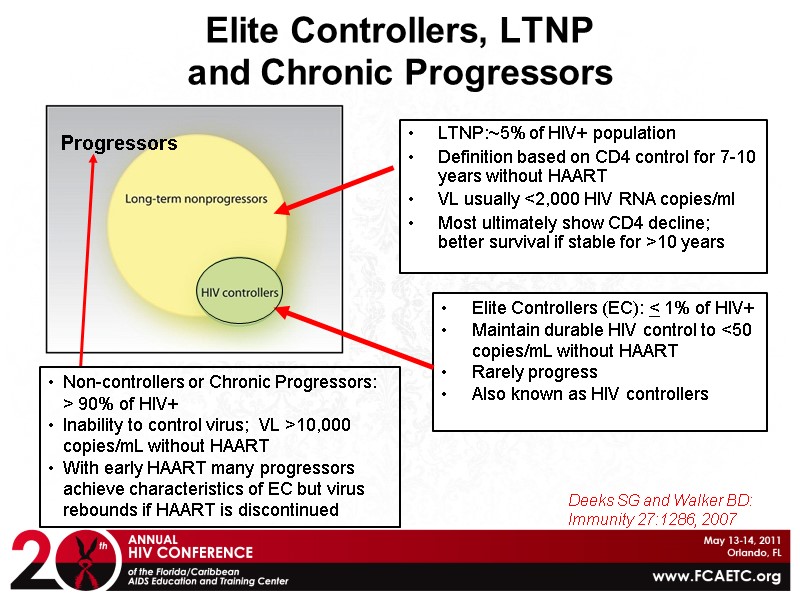
Elite Controllers, LTNP and Chronic Progressors Elite Controllers (EC): < 1% of HIV+ Maintain durable HIV control to <50 copies/mL without HAART Rarely progress Also known as HIV controllers Deeks SG and Walker BD: Immunity 27:1286, 2007 LTNP:~5% of HIV+ population Definition based on CD4 control for 7-10 years without HAART VL usually <2,000 HIV RNA copies/ml Most ultimately show CD4 decline; better survival if stable for >10 years Progressors Non-controllers or Chronic Progressors: > 90% of HIV+ Inability to control virus; VL >10,000 copies/mL without HAART With early HAART many progressors achieve characteristics of EC but virus rebounds if HAART is discontinued
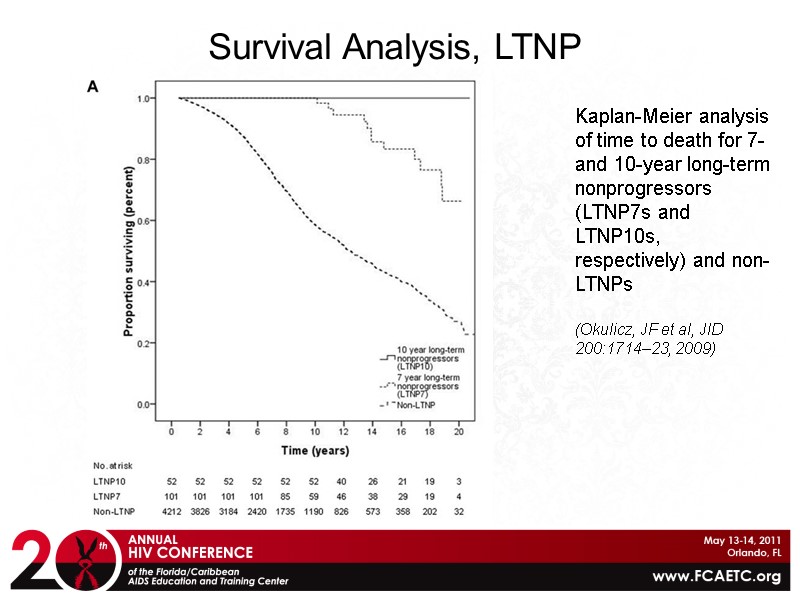
Kaplan-Meier analysis of time to death for 7- and 10-year long-term nonprogressors (LTNP7s and LTNP10s, respectively) and non-LTNPs (Okulicz, JF et al, JID 200:1714–23, 2009) Survival Analysis, LTNP
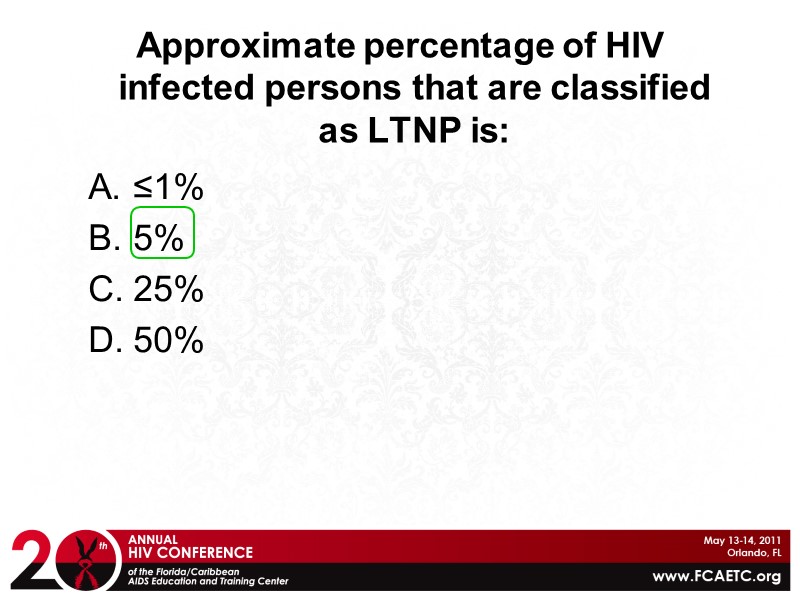
Approximate percentage of HIV infected persons that are classified as LTNP is: ≤1% 5% 25% 50%
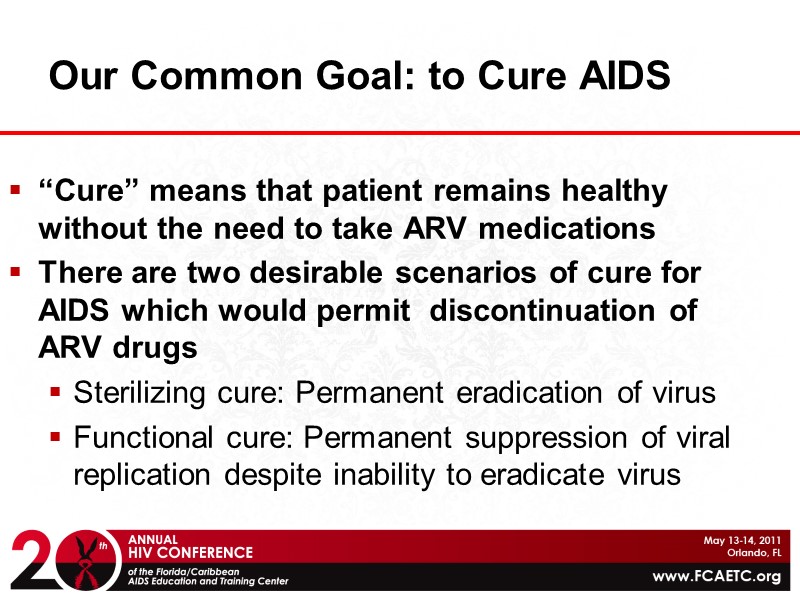
Our Common Goal: to Cure AIDS “Cure” means that patient remains healthy without the need to take ARV medications There are two desirable scenarios of cure for AIDS which would permit discontinuation of ARV drugs Sterilizing cure: Permanent eradication of virus Functional cure: Permanent suppression of viral replication despite inability to eradicate virus
Elite Controllers as Models for Achieving Functional Cure Understanding the mechanisms that allow elite controllers to maintain undetectable viremia over a long period of time would help to develop strategies for a functional cure for HIV infection help to establish correlates of immune protection and evaluation of effective HIV vaccines
Complete or Near Complete HIV Control: Epidemiologic Factors are Not Revealing … Route of HIV acquisition is not a strong predictor of immunologic non progression Gender is also not a limiting factor, with both male and female HIV controllers Ethnicity: Identified in multiple ethnicities Race, geographic location, and/or viral subtype -potential impact on immunologic and virologic outcomes remains unknown
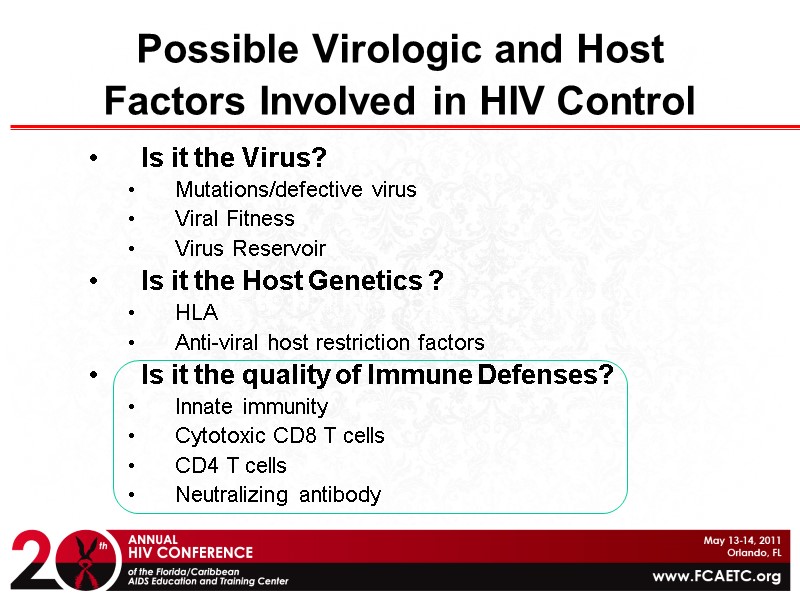
Possible Virologic and Host Factors Involved in HIV Control Is it the Virus? Mutations/defective virus Viral fitness Virus reservoir Is it the Host Genetics ? HLA Anti-viral host restriction factors Is it the Quality of Immune Defenses? Innate immunity Cytotoxic CD8 T cells CD4 T cells Neutralizing antibody
Factors Associated with Virologic Control
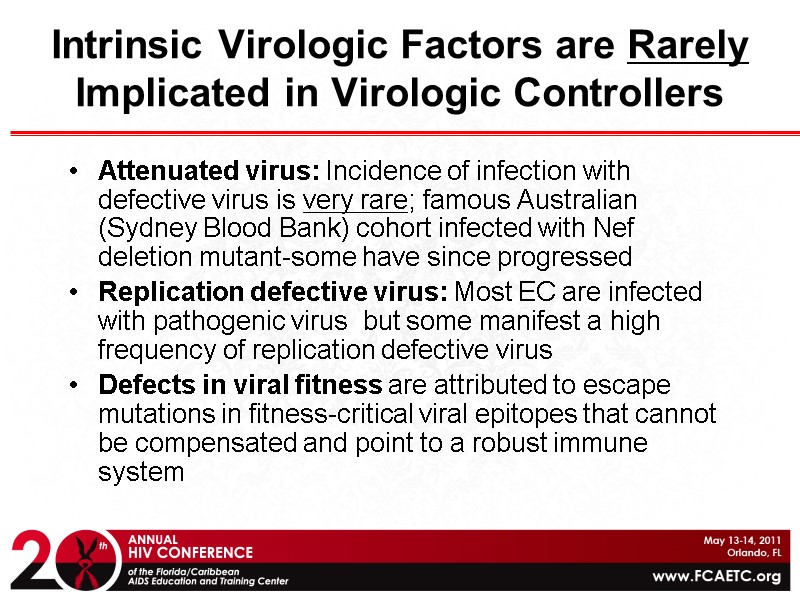
Intrinsic Virologic Factors are Rarely Implicated in Virologic Controllers Attenuated virus: Incidence of infection with defective virus is very rare; famous Australian (Sydney Blood Bank) cohort infected with Nef deletion mutant-some have since progressed Replication defective virus: Most EC are infected with pathogenic virus but some manifest a high frequency of replication defective virus Defects in viral fitness are attributed to escape mutations in fitness-critical viral epitopes that cannot be compensated and point to a robust immune system
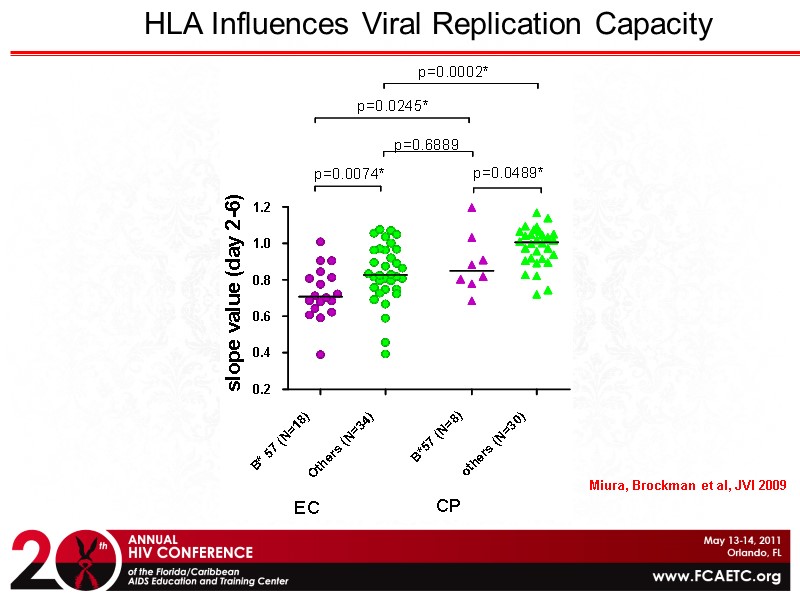
HLA Influences Viral Replication Capacity Miura, Brockman et al, JVI 2009
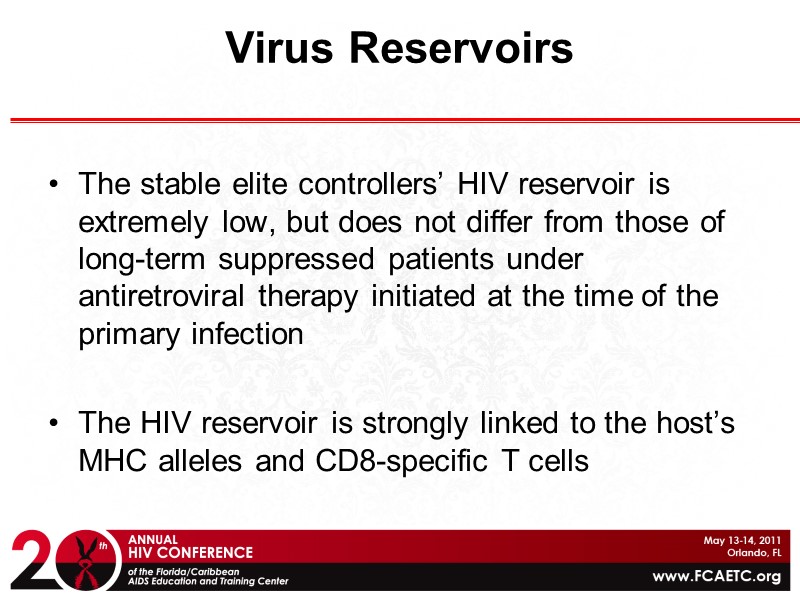
Virus Reservoirs The stable elite controllers’ HIV reservoir is extremely low, but does not differ from those of long-term suppressed patients under antiretroviral therapy initiated at the time of the primary infection The HIV reservoir is strongly linked to the host’s MHC alleles and CD8-specific T cells
Host Factors in HIV Control
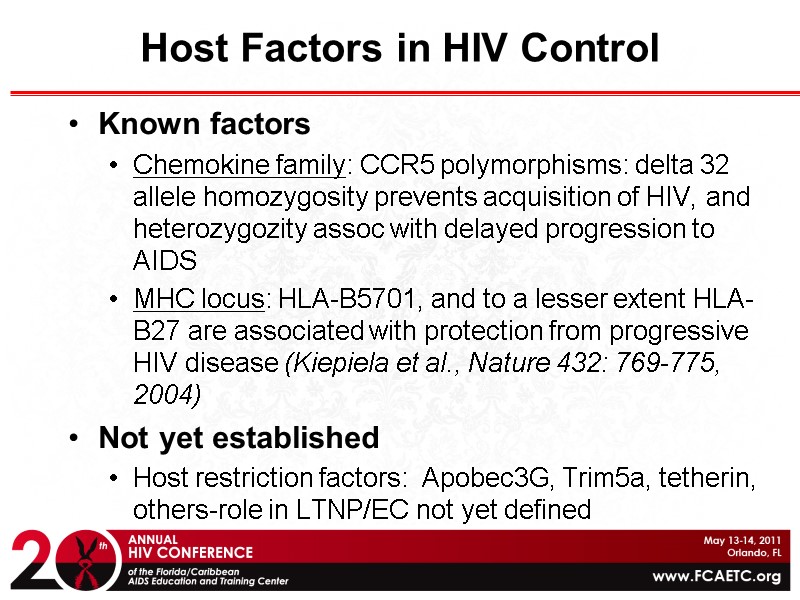
Host Factors in HIV Control Known factors Chemokine family: CCR5 polymorphisms: delta 32 allele homozygosity prevents acquisition of HIV, and heterozygozity assoc with delayed progression to AIDS MHC locus: HLA-B5701, and to a lesser extent HLA-B27 are associated with protection from progressive HIV disease (Kiepiela et al., Nature 432: 769-775, 2004) Not yet established Host restriction factors: Apobec3G, Trim5a, tetherin, others-role in LTNP/EC not yet defined
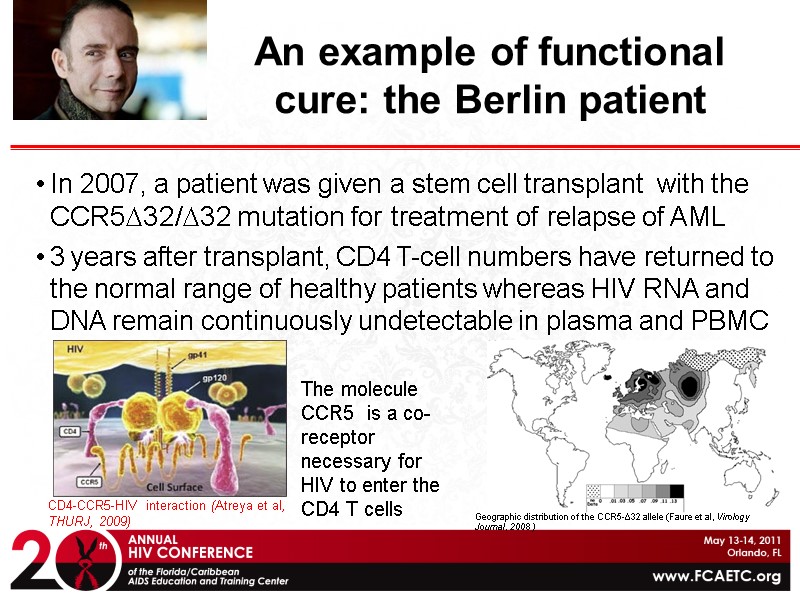
An example of functional cure: the Berlin patient In 2007, a patient was given a stem cell transplant with the CCR5D32/D32 mutation for treatment of relapse of AML 3 years after transplant, CD4 T-cell numbers have returned to the normal range of healthy patients whereas HIV RNA and DNA remain continuously undetectable in plasma and PBMC CD4-CCR5-HIV interaction (Atreya et al, THURJ, 2009) Timothy Brown The molecule CCR5 is a co-receptor necessary for HIV to enter the CD4 T cells Geographic distribution of the CCR5-Δ32 allele (Faure et al, Virology Journal, 2008 )
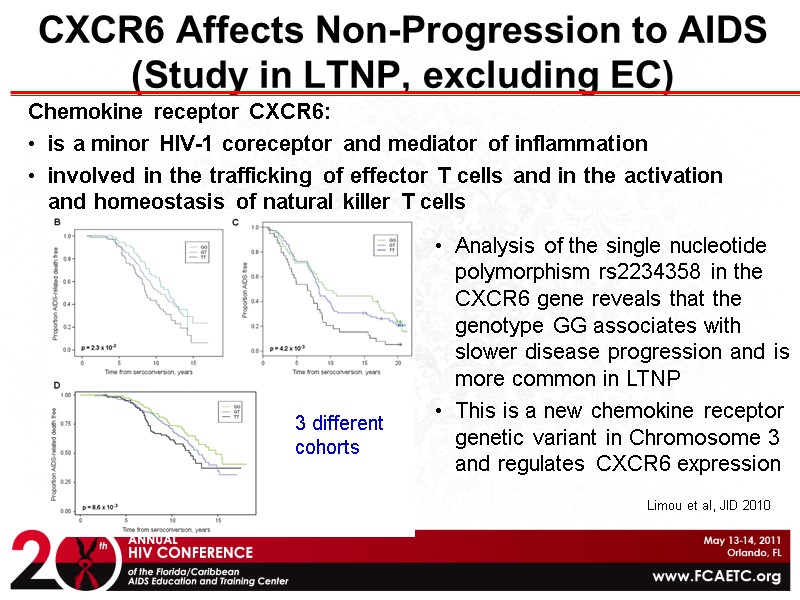
CXCR6 Affects Non-Progression to AIDS (Study in LTNP, excluding EC) Chemokine receptor CXCR6: is a minor HIV-1 coreceptor and mediator of inflammation involved in the trafficking of effector T cells and in the activation and homeostasis of natural killer T cells Analysis of the single nucleotide polymorphism rs2234358 in the CXCR6 gene reveals that the genotype GG associates with slower disease progression and is more common in LTNP This is a new chemokine receptor genetic variant in Chromosome 3 and regulates CXCR6 expression Limou et al, JID 2010 3 different cohorts
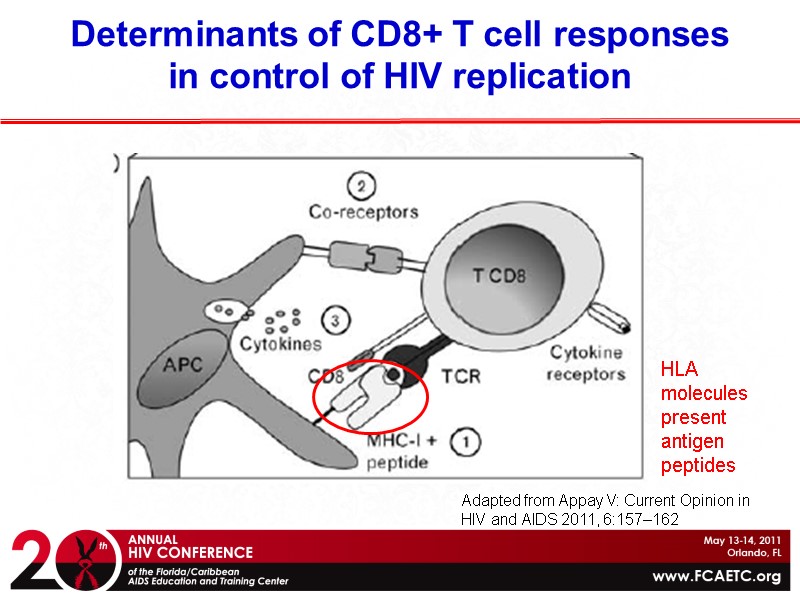
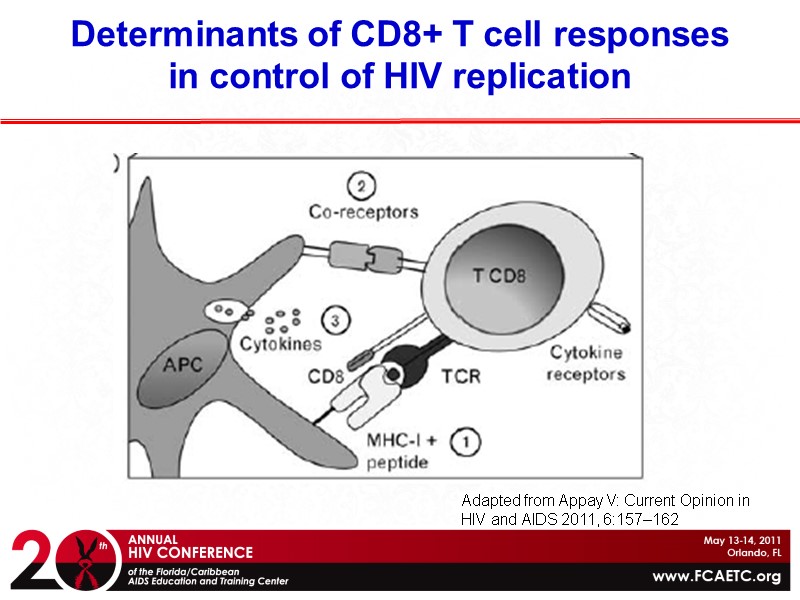
Determinants of CD8+ T cell responses in control of HIV replication HLA molecules present antigen peptides Adapted from Appay V: Current Opinion in HIV and AIDS 2011, 6:157–162
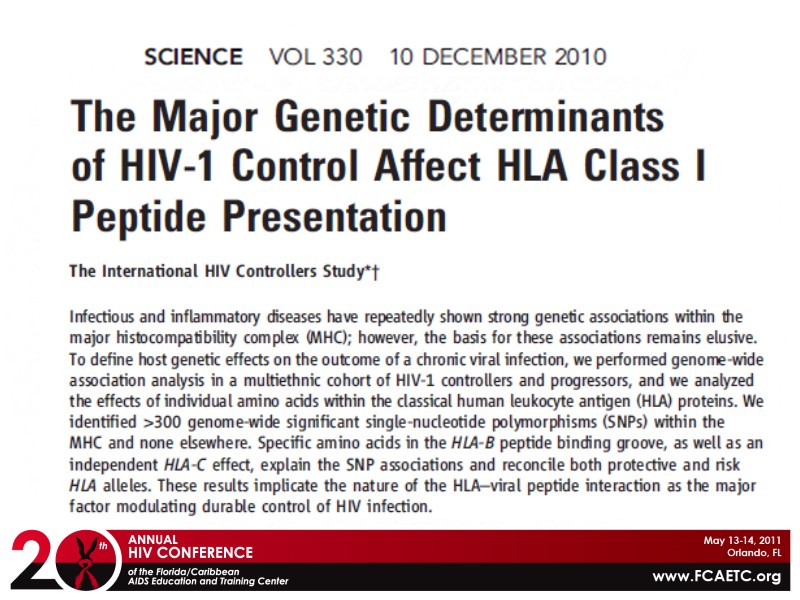
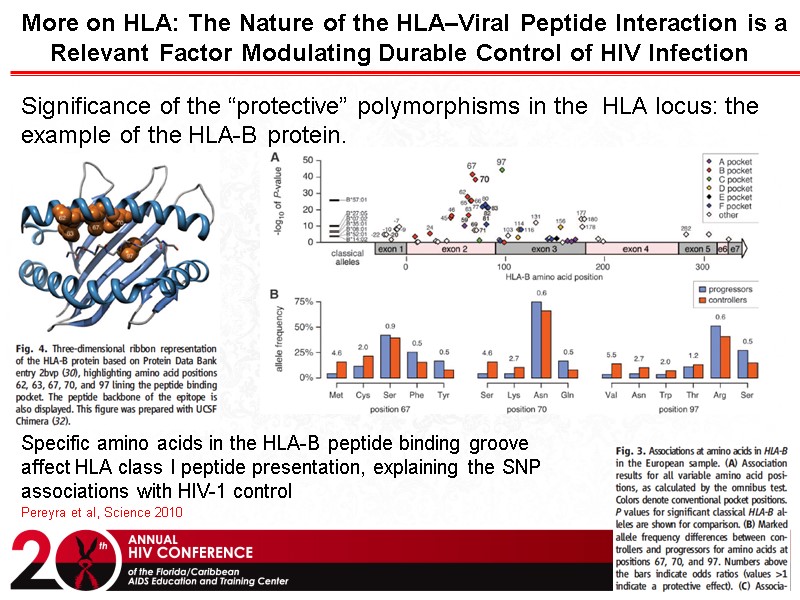
More on HLA: The Nature of the HLA–Viral Peptide Interaction is a Relevant Factor Modulating Durable Control of HIV Infection Pereyra et al, Science 2010 Significance of the “protective” polymorphisms in the HLA locus: the example of the HLA-B protein. Specific amino acids in the HLA-B peptide binding groove affect HLA class I peptide presentation, explaining the SNP associations with HIV-1 control
Possible Virologic and Host Factors Involved in HIV Control Is it the Virus? Mutations/defective virus Viral Fitness Virus Reservoir Is it the Host Genetics ? HLA Anti-viral host restriction factors Is it the quality of Immune Defenses? Innate immunity Cytotoxic CD8 T cells CD4 T cells Neutralizing antibody
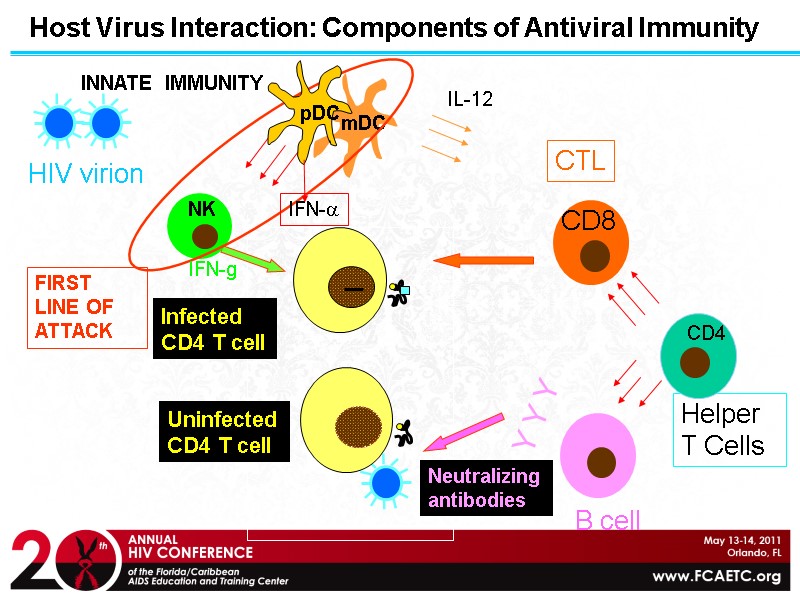
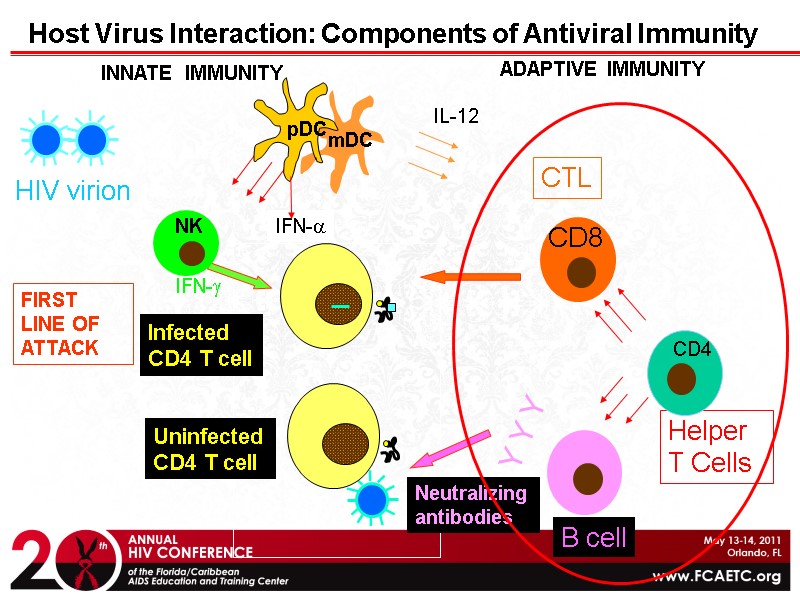
HIV virion Y Y Y Helper T Cells Host Virus Interaction: Components of Antiviral Immunity CTL CD8 B cell INNATE IMMUNITY mDC NK ADAPTIVE IMMUNITY Infected CD4 T cell Neutralizing antibodies Uninfected CD4 T cell CD4 FIRST LINE OF ATTACK IFN-a pDC IFN-g IL-12
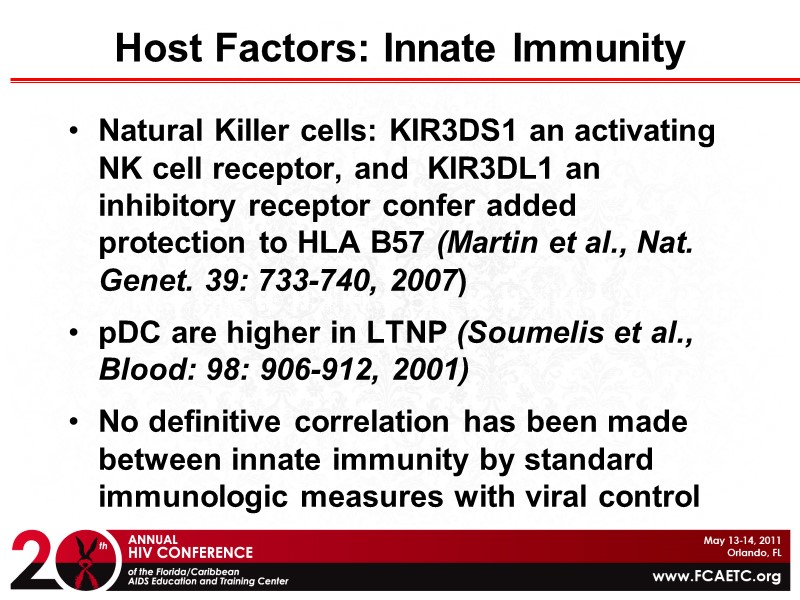
Host Factors: Innate Immunity Natural Killer cells: KIR3DS1 an activating NK cell receptor, and KIR3DL1 an inhibitory receptor confer added protection to HLA B57 (Martin et al., Nat. Genet. 39: 733-740, 2007) pDC are higher in LTNP (Soumelis et al., Blood: 98: 906-912, 2001) No definitive correlation has been made between innate immunity by standard immunologic measures with viral control
HIV virion Y Y Y Helper T Cells Host Virus Interaction: Components of Antiviral Immunity CTL CD8 B cell INNATE IMMUNITY mDC NK ADAPTIVE IMMUNITY Infected CD4 T cell Neutralizing antibodies Uninfected CD4 T cell CD4 FIRST LINE OF ATTACK IFN-a pDC IFN-g IL-12
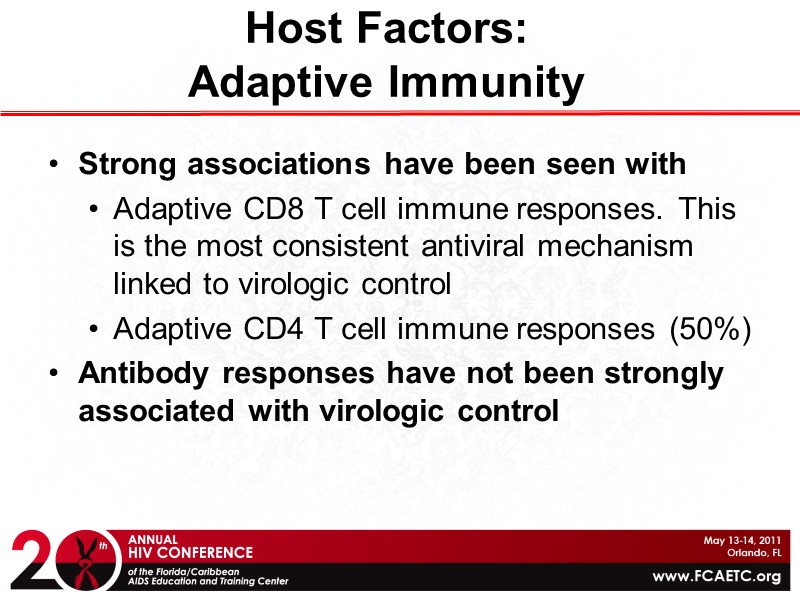
Host Factors: Adaptive Immunity Strong associations have been seen with Adaptive CD8 T cell immune responses. This is the most consistent antiviral mechanism linked to virologic control Adaptive CD4 T cell immune responses (50%) Antibody responses have not been strongly associated with virologic control
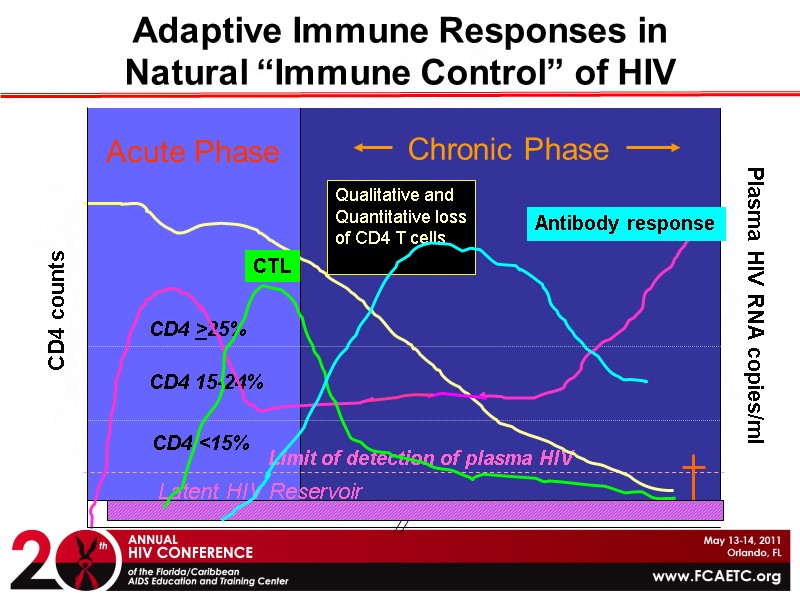
Adaptive Immune Responses in Natural “Immune Control” of HIV CD4 <15% CD4 >25% CD4 15-24% Limit of detection of plasma HIV CD4 counts Plasma HIV RNA copies/ml Qualitative and Quantitative loss of CD4 T cells Latent HIV Reservoir Acute Phase Chronic Phase Antibody response CTL
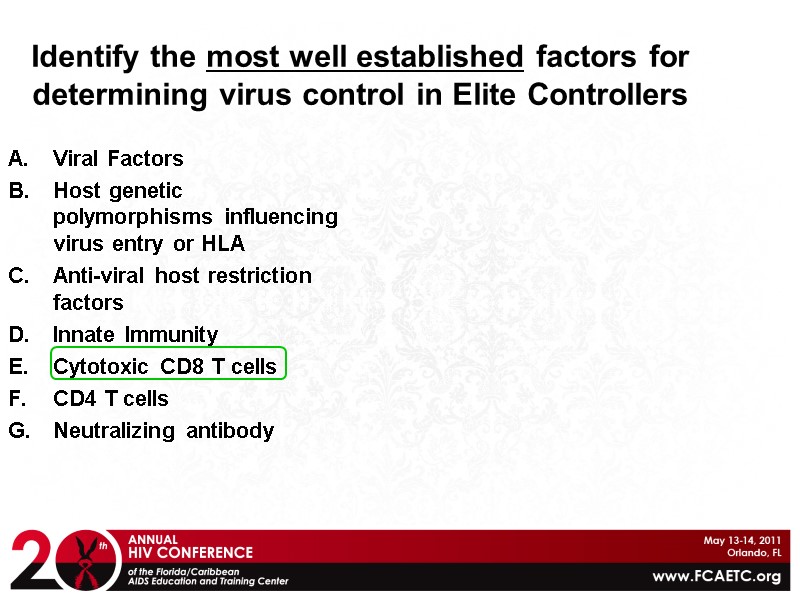
Identify the most well established factors for determining virus control in Elite Controllers Viral Factors Host genetic polymorphisms influencing virus entry or HLA Anti-viral host restriction factors Innate Immunity Cytotoxic CD8 T cells CD4 T cells Neutralizing antibody
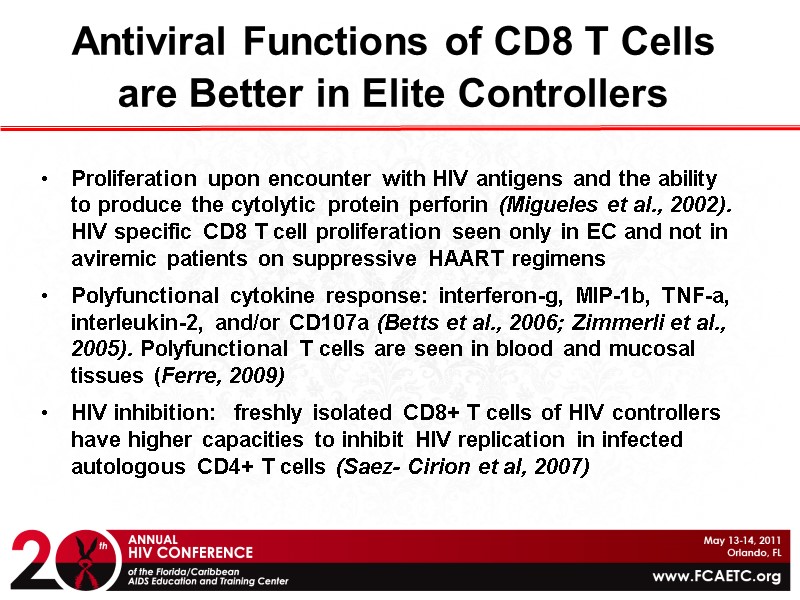
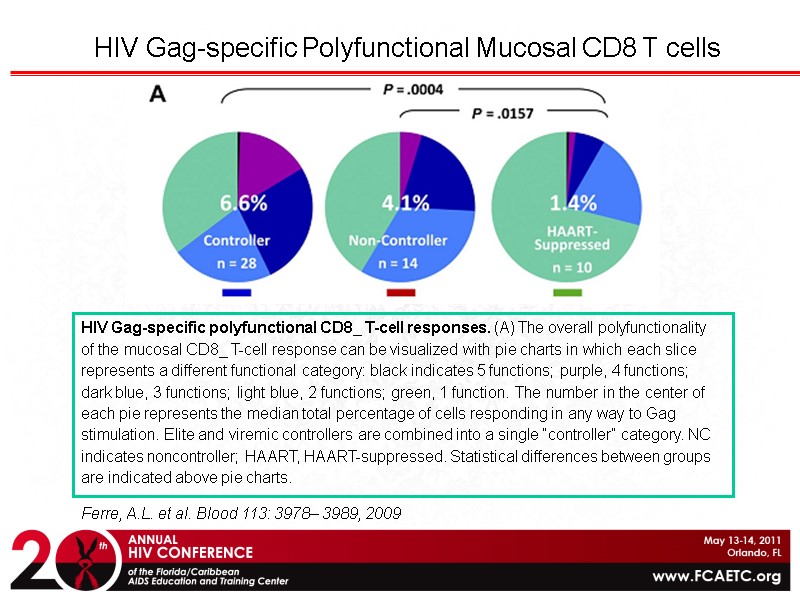
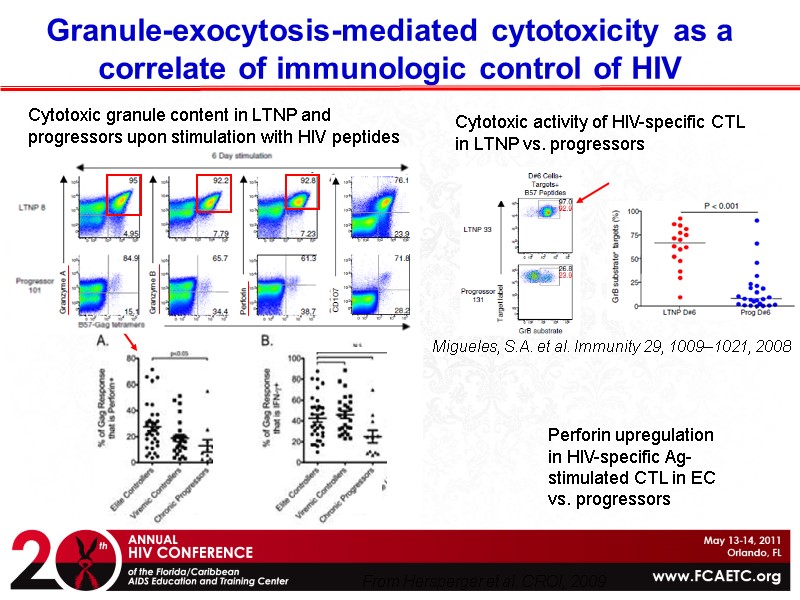
Antiviral Functions of CD8 T Cells are Better in Elite Controllers Proliferation upon encounter with HIV antigens and the ability to produce the cytolytic protein perforin (Migueles et al., 2002). HIV specific CD8 T cell proliferation seen only in EC and not in aviremic patients on suppressive HAART regimens Polyfunctional cytokine response: interferon-g, MIP-1b, TNF-a, interleukin-2, and/or CD107a (Betts et al., 2006; Zimmerli et al., 2005). Polyfunctional T cells are seen in blood and mucosal tissues (Ferre, 2009) HIV inhibition: freshly isolated CD8+ T cells of HIV controllers have higher capacities to inhibit HIV replication in infected autologous CD4+ T cells (Saez- Cirion et al, 2007)
Determinants of CD8+ T cell responses in control of HIV replication Adapted from Appay V: Current Opinion in HIV and AIDS 2011, 6:157–162
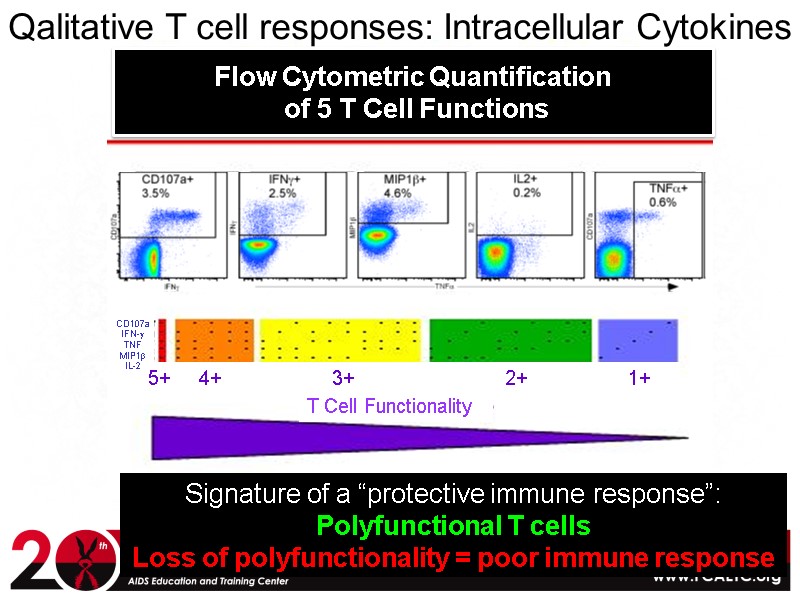
Qalitative T cell responses: Intracellular Cytokines Signature of a “protective immune response”: Polyfunctional T cells Loss of polyfunctionality = poor immune response
Ferre, A.L. et al. Blood 113: 3978– 3989, 2009 HIV Gag-specific Polyfunctional Mucosal CD8 T cells HIV Gag-specific polyfunctional CD8_ T-cell responses. (A) The overall polyfunctionality of the mucosal CD8_ T-cell response can be visualized with pie charts in which each slice represents a different functional category: black indicates 5 functions; purple, 4 functions; dark blue, 3 functions; light blue, 2 functions; green, 1 function. The number in the center of each pie represents the median total percentage of cells responding in any way to Gag stimulation. Elite and viremic controllers are combined into a single “controller” category. NC indicates noncontroller; HAART, HAART-suppressed. Statistical differences between groups are indicated above pie charts.
Cytotoxic granule content in LTNP and progressors upon stimulation with HIV peptides Migueles, S.A. et al. Immunity 29, 1009–1021, 2008 Cytotoxic activity of HIV-specific CTL in LTNP vs. progressors From Hersperger et al. CROI, 2009 Perforin upregulation in HIV-specific Ag-stimulated CTL in EC vs. progressors Granule-exocytosis-mediated cytotoxicity as a correlate of immunologic control of HIV
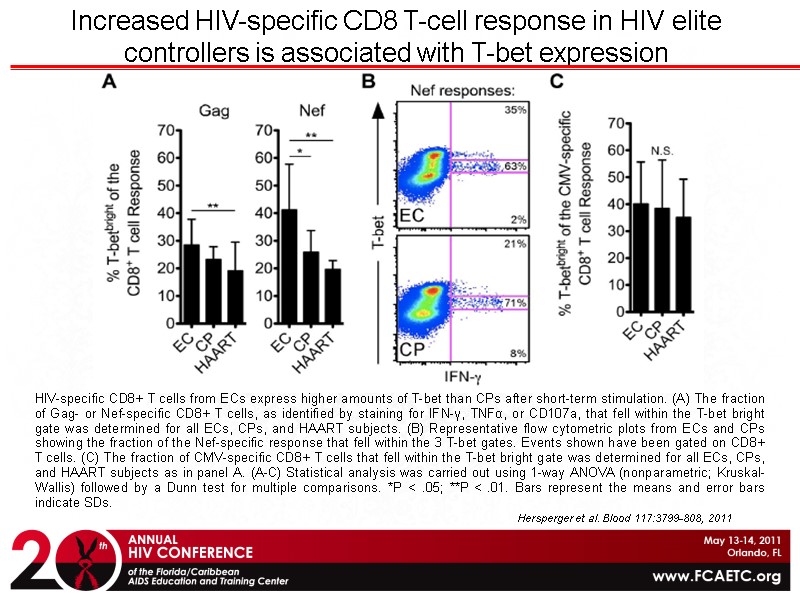
Hersperger et al. Blood 117:3799-808, 2011 Increased HIV-specific CD8 T-cell response in HIV elite controllers is associated with T-bet expression HIV-specific CD8+ T cells from ECs express higher amounts of T-bet than CPs after short-term stimulation. (A) The fraction of Gag- or Nef-specific CD8+ T cells, as identified by staining for IFN-γ, TNFα, or CD107a, that fell within the T-bet bright gate was determined for all ECs, CPs, and HAART subjects. (B) Representative flow cytometric plots from ECs and CPs showing the fraction of the Nef-specific response that fell within the 3 T-bet gates. Events shown have been gated on CD8+ T cells. (C) The fraction of CMV-specific CD8+ T cells that fell within the T-bet bright gate was determined for all ECs, CPs, and HAART subjects as in panel A. (A-C) Statistical analysis was carried out using 1-way ANOVA (nonparametric; Kruskal-Wallis) followed by a Dunn test for multiple comparisons. *P < .05; **P < .01. Bars represent the means and error bars indicate SDs.
CD4 T Cells in HIV Infection CD4 cells are the major target cells for HIV infection CD4 cells of elite controllers do not show reduced susceptibility to infection (Rabi et al. J Virol, 2011) Several subsets of CD4 T cells exist and are the major immune cells that provide essential help to and regulation of function of other immune cells
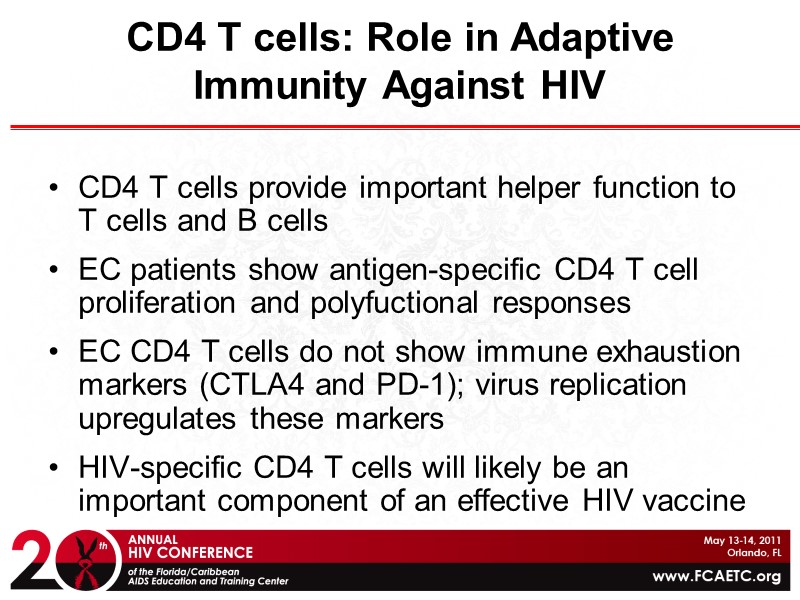
CD4 T cells: Role in Adaptive Immunity Against HIV CD4 T cells provide important helper function to T cells and B cells EC patients show antigen-specific CD4 T cell proliferation and polyfuctional responses EC CD4 T cells do not show immune exhaustion markers (CTLA4 and PD-1); virus replication upregulates these markers HIV-specific CD4 T cells will likely be an important component of an effective HIV vaccine
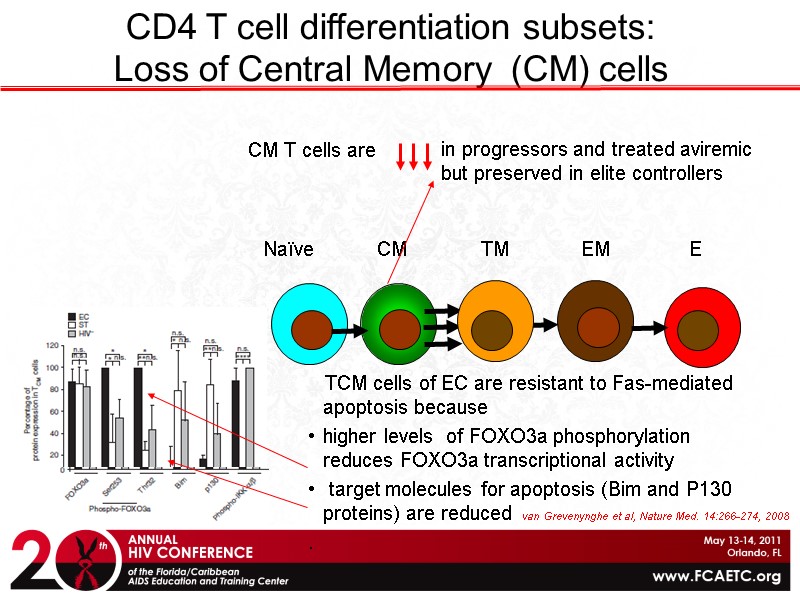
Naïve CM TM EM E CD4 T cell differentiation subsets: Loss of Central Memory (CM) cells in progressors and treated aviremic but preserved in elite controllers TCM cells of EC are resistant to Fas-mediated apoptosis because higher levels of FOXO3a phosphorylation reduces FOXO3a transcriptional activity target molecules for apoptosis (Bim and P130 proteins) are reduced . van Grevenynghe et al, Nature Med. 14:266-274, 2008 CM T cells are
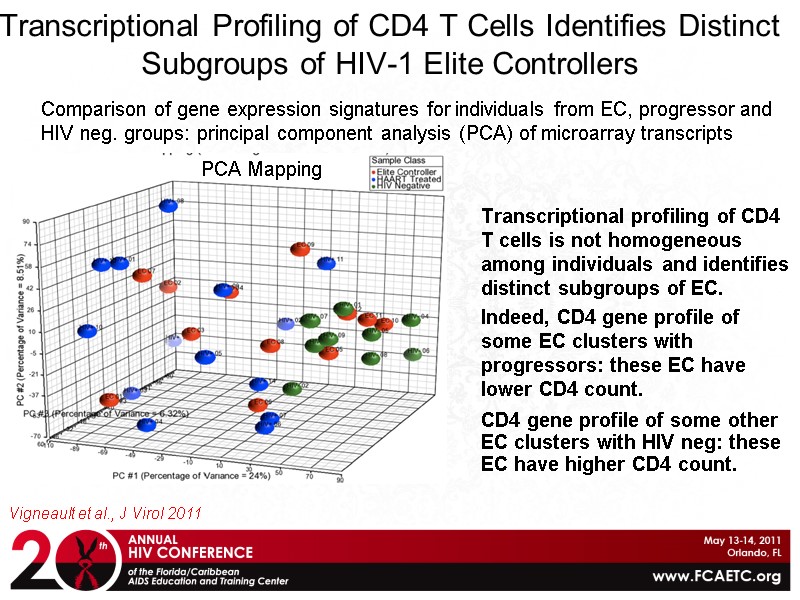
Transcriptional Profiling of CD4 T Cells Identifies Distinct Subgroups of HIV-1 Elite Controllers Transcriptional profiling of CD4 T cells is not homogeneous among individuals and identifies distinct subgroups of EC. Indeed, CD4 gene profile of some EC clusters with progressors: these EC have lower CD4 count. CD4 gene profile of some other EC clusters with HIV neg: these EC have higher CD4 count. Vigneault et al., J Virol 2011 PCA Mapping Comparison of gene expression signatures for individuals from EC, progressor and HIV neg. groups: principal component analysis (PCA) of microarray transcripts
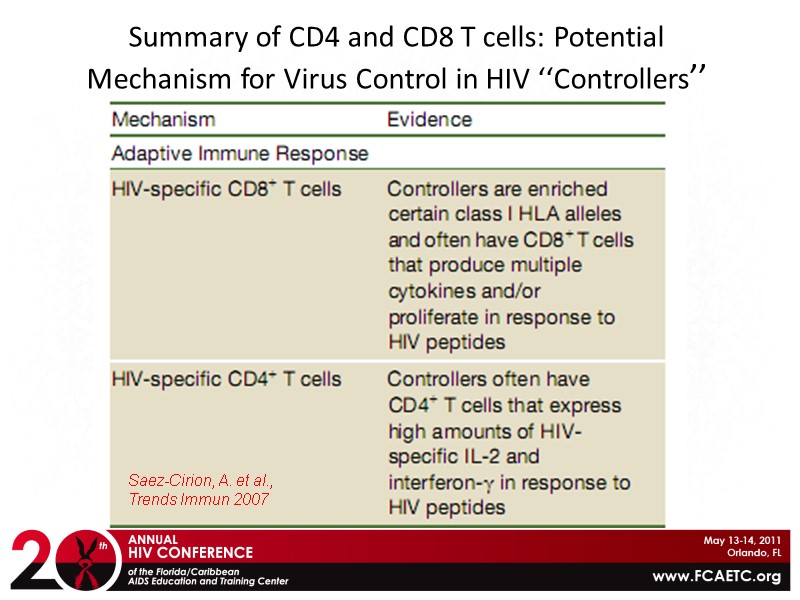
Summary of CD4 and CD8 T cells: Potential Mechanism for Virus Control in HIV ‘‘Controllers’’ Saez-Cirion, A. et al., Trends Immun 2007
What is the Role of Immune Activation in HIV Disease Progression
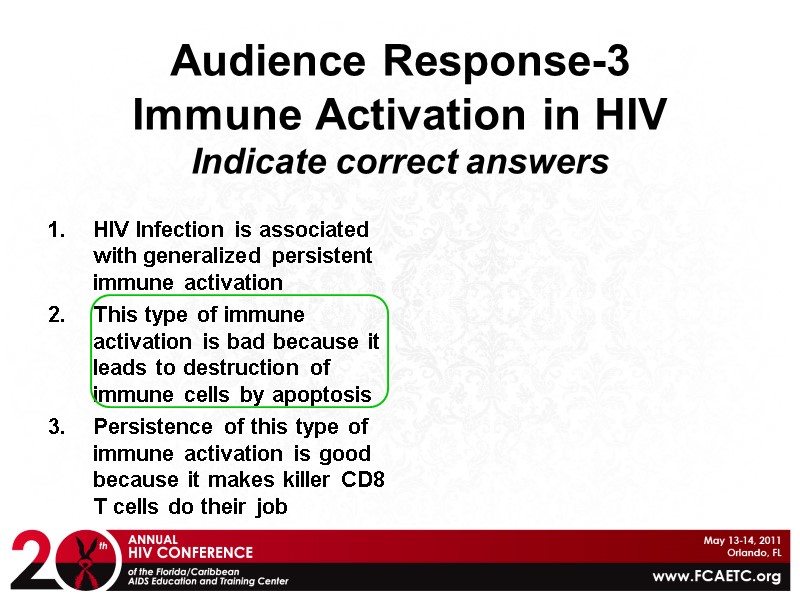
Audience Response-3 Immune Activation in HIV Indicate correct answers HIV Infection is associated with generalized persistent immune activation This type of immune activation is bad because it leads to destruction of immune cells by apoptosis Persistence of this type of immune activation is good because it makes killer CD8 T cells do their job
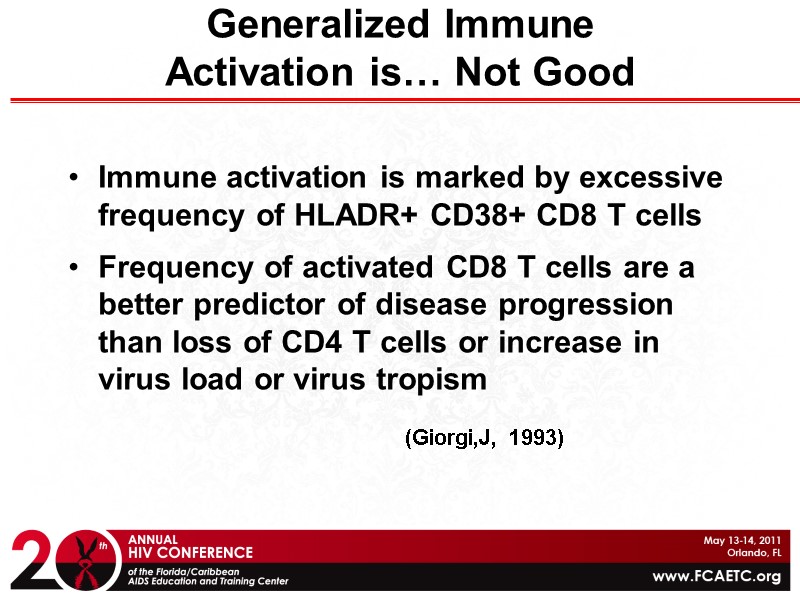
Generalized Immune Activation is… Not Good Immune activation is marked by excessive frequency of HLADR+ CD38+ CD8 T cells Frequency of activated CD8 T cells are a better predictor of disease progression than loss of CD4 T cells or increase in virus load or virus tropism (Giorgi,J, 1993)
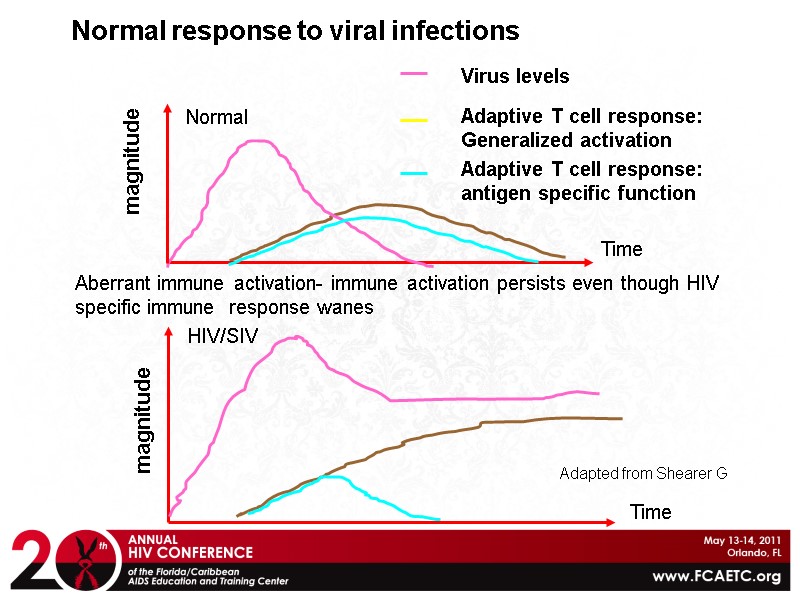
Normal response to viral infections magnitude Time Adaptive T cell response: Generalized activation Adaptive T cell response: antigen specific function Virus levels Normal magnitude HIV/SIV Time Aberrant immune activation- immune activation persists even though HIV specific immune response wanes Adapted from Shearer G
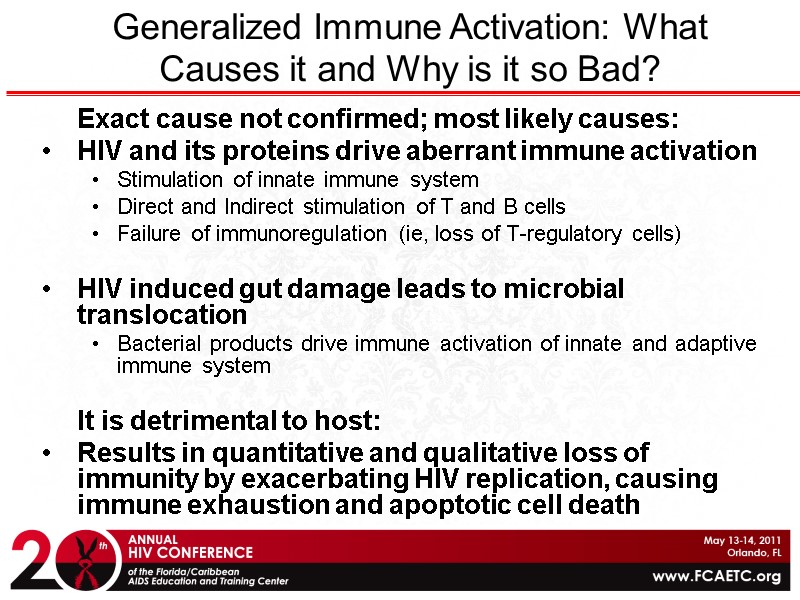
Exact cause not confirmed; most likely causes: HIV and its proteins drive aberrant immune activation Stimulation of innate immune system Direct and Indirect stimulation of T and B cells Failure of immunoregulation (ie, loss of T-regulatory cells) HIV induced gut damage leads to microbial translocation Bacterial products drive immune activation of innate and adaptive immune system It is detrimental to host: Results in quantitative and qualitative loss of immunity by exacerbating HIV replication, causing immune exhaustion and apoptotic cell death Generalized Immune Activation: What Causes it and Why is it so Bad?
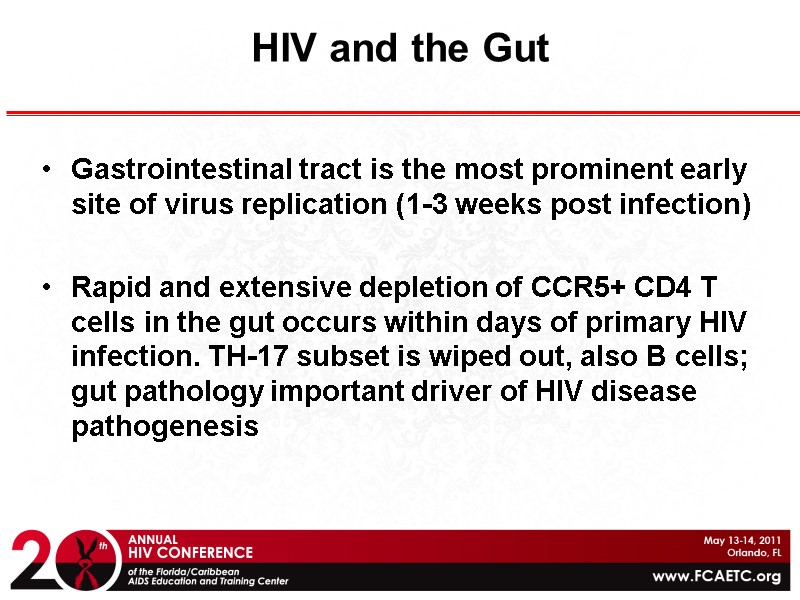
HIV and the Gut Gastrointestinal tract is the most prominent early site of virus replication (1-3 weeks post infection) Rapid and extensive depletion of CCR5+ CD4 T cells in the gut occurs within days of primary HIV infection. TH-17 subset is wiped out, also B cells; gut pathology important driver of HIV disease pathogenesis
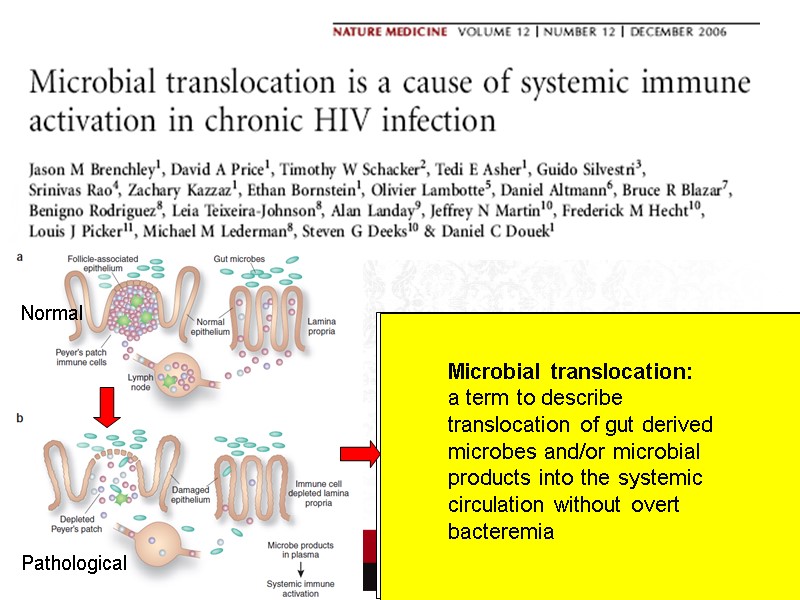
Normal Pathological
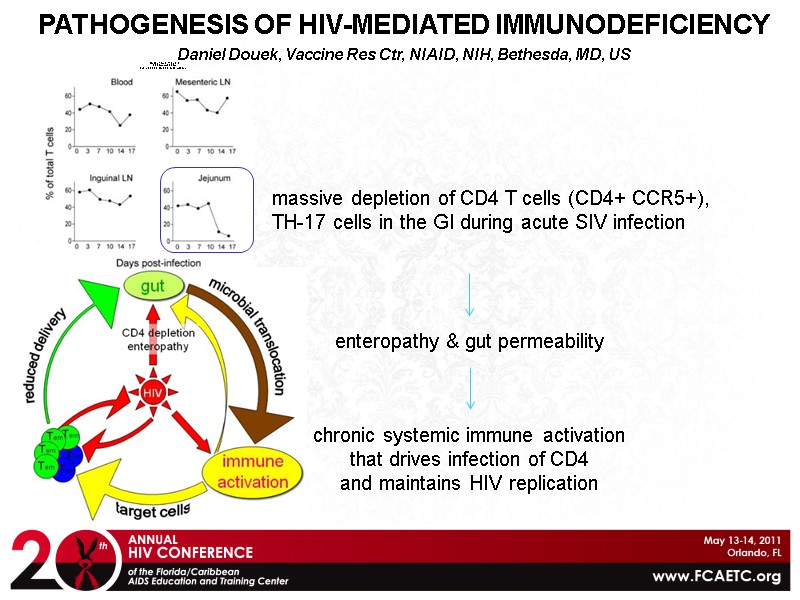
PATHOGENESIS OF HIV-MEDIATED IMMUNODEFICIENCY Daniel Douek, Vaccine Res Ctr, NIAID, NIH, Bethesda, MD, US
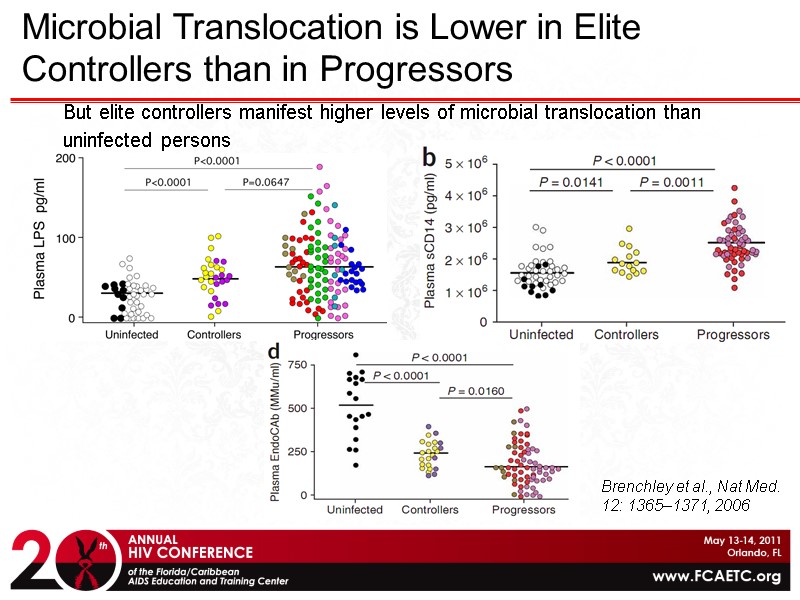
But elite controllers manifest higher levels of microbial translocation than uninfected persons Microbial Translocation is Lower in Elite Controllers than in Progressors Brenchley et al., Nat Med. 12: 1365–1371, 2006
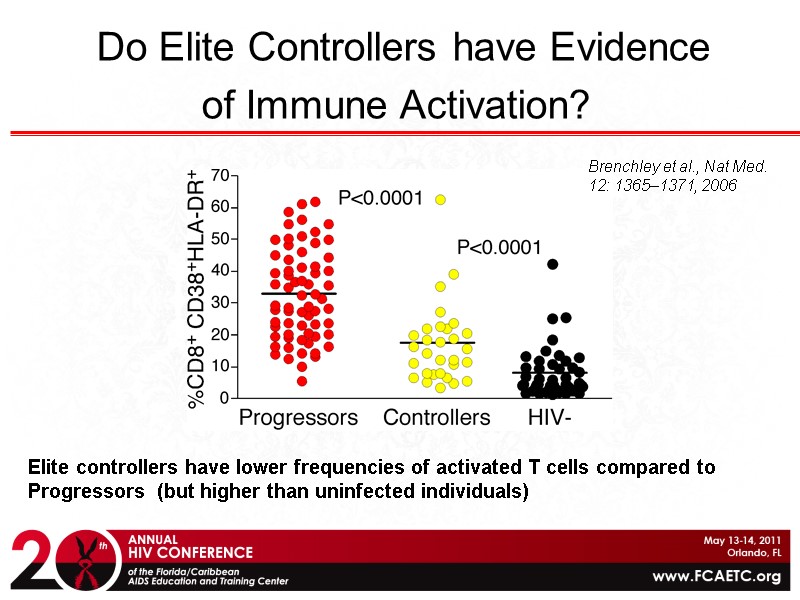
Do Elite Controllers have Evidence of Immune Activation? Elite controllers have lower frequencies of activated T cells compared to Progressors (but higher than uninfected individuals) Brenchley et al., Nat Med. 12: 1365–1371, 2006
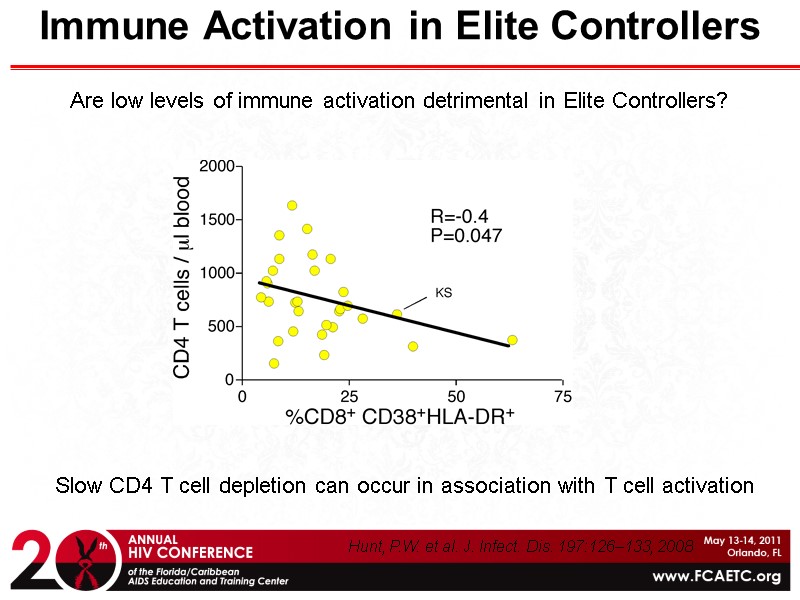
Immune Activation in Elite Controllers Are low levels of immune activation detrimental in Elite Controllers? Slow CD4 T cell depletion can occur in association with T cell activation Hunt, P.W. et al. J. Infect. Dis. 197:126–133, 2008
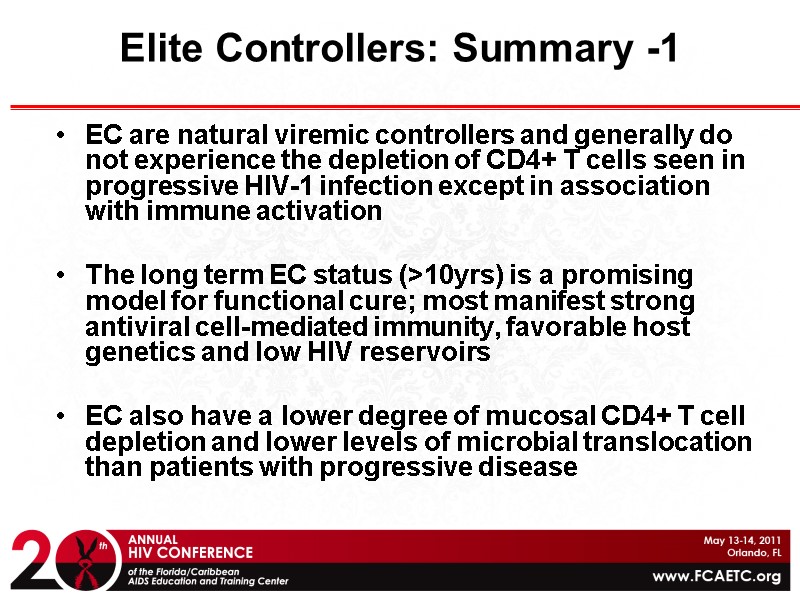
Elite Controllers: Summary -1 EC are natural viremic controllers and generally do not experience the depletion of CD4+ T cells seen in progressive HIV-1 infection except in association with immune activation The long term EC status (>10yrs) is a promising model for functional cure; most manifest strong antiviral cell-mediated immunity, favorable host genetics and low HIV reservoirs EC also have a lower degree of mucosal CD4+ T cell depletion and lower levels of microbial translocation than patients with progressive disease
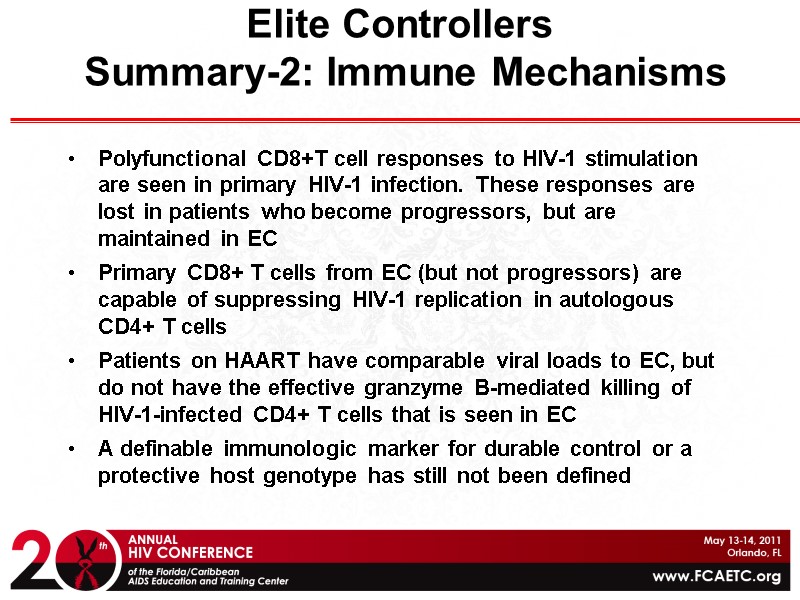
Elite Controllers Summary-2: Immune Mechanisms Polyfunctional CD8+T cell responses to HIV-1 stimulation are seen in primary HIV-1 infection. These responses are lost in patients who become progressors, but are maintained in EC Primary CD8+ T cells from EC (but not progressors) are capable of suppressing HIV-1 replication in autologous CD4+ T cells Patients on HAART have comparable viral loads to EC, but do not have the effective granzyme B-mediated killing of HIV-1-infected CD4+ T cells that is seen in EC A definable immunologic marker for durable control or a protective host genotype has still not been defined
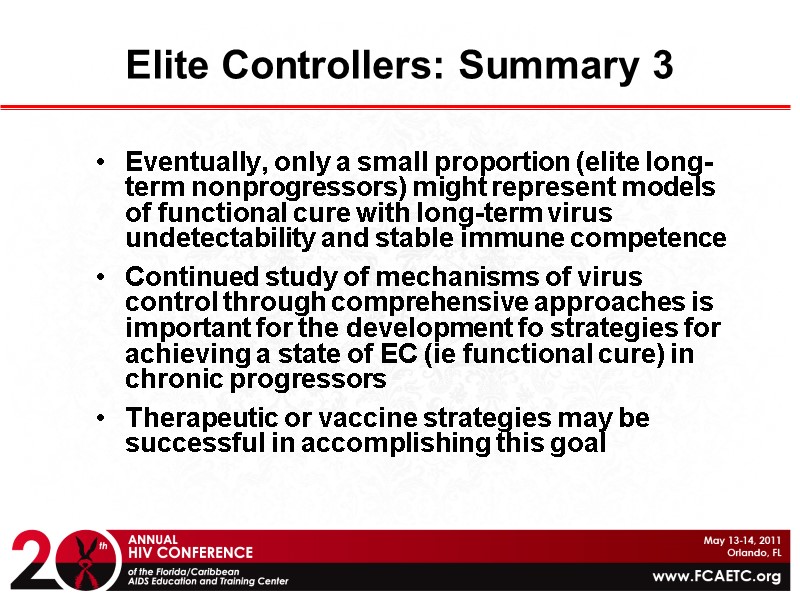
Elite Controllers: Summary 3 Eventually, only a small proportion (elite long-term nonprogressors) might represent models of functional cure with long-term virus undetectability and stable immune competence Continued study of mechanisms of virus control through comprehensive approaches is important for the development fo strategies for achieving a state of EC (ie functional cure) in chronic progressors Therapeutic or vaccine strategies may be successful in accomplishing this goal
Thank you