Скачать презентацию Infusion Therapy Parenteral Nutrition Formulas dextrose
8eef7d5233710ff8ecd42672ac06476e.ppt
- Количество слайдов: 30
 Infusion Therapy
 Parenteral Nutrition • Formulas: dextrose, protein, fat, vitamins, and numerous trace elements tailored to the specific metabolic needs of the client • Only used when the gastrointestinal tract cannot be used • Central • Peripheral
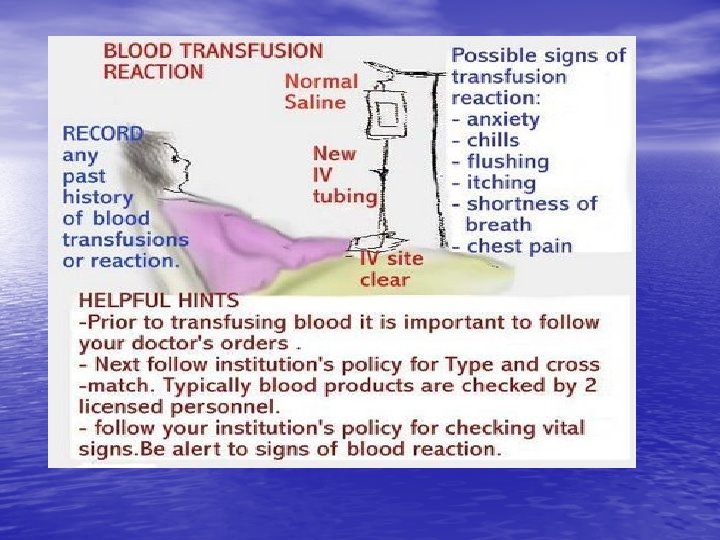
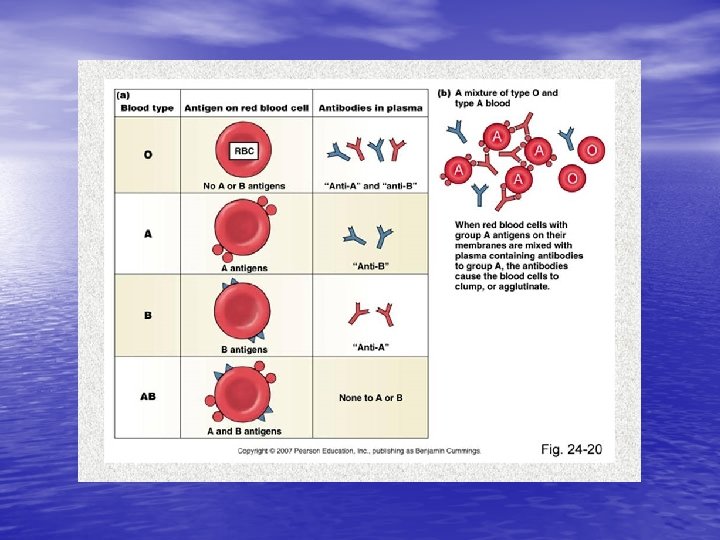
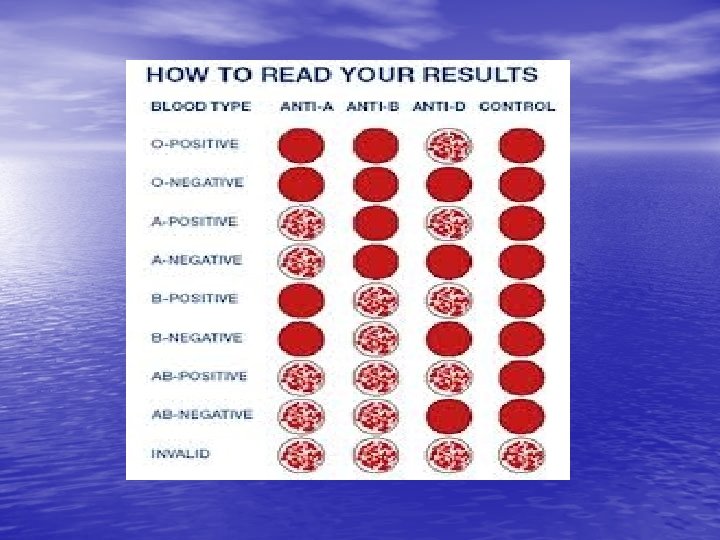
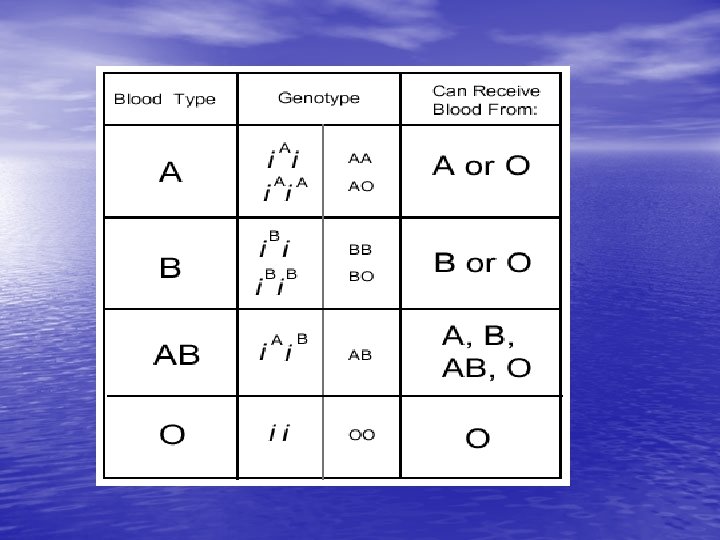
 Blood Transfusions and Other Components • Packed red blood cells • Platelets • Fresh frozen plasma • Albumin • Several specific clotting factors
 Medications • IV medications provide a rapid therapeutic effect but can also lead to immediate serious reactions. • Prescription for infusion therapy is necessary.
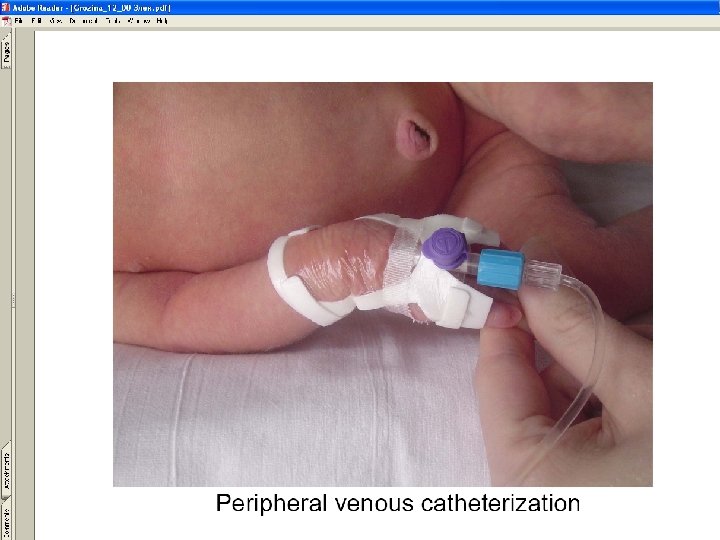
 Vascular Access Device (VAD) • Short peripheral catheters – Superficial veins of the hand forearm – Dwell for 72 to 96 hours and then require removal and insertion into another venous site • Complaints of tingling, feeling of “pins and needles” in the extremity, or numbness during the venipuncture can indicate nerve puncture.
 Midline Catheter • Catheter that is 6 to 8 inches long, inserted through veins of the antecubital fossa • Used for therapies lasting from 1 to 4 weeks • Should not be used for infusion of vesicant medications, which can cause tissue damage if they escape into the subcutaneous tissue
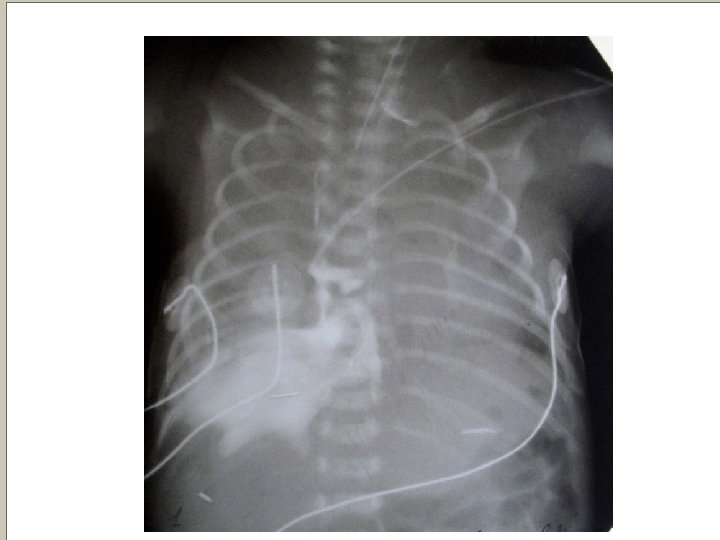
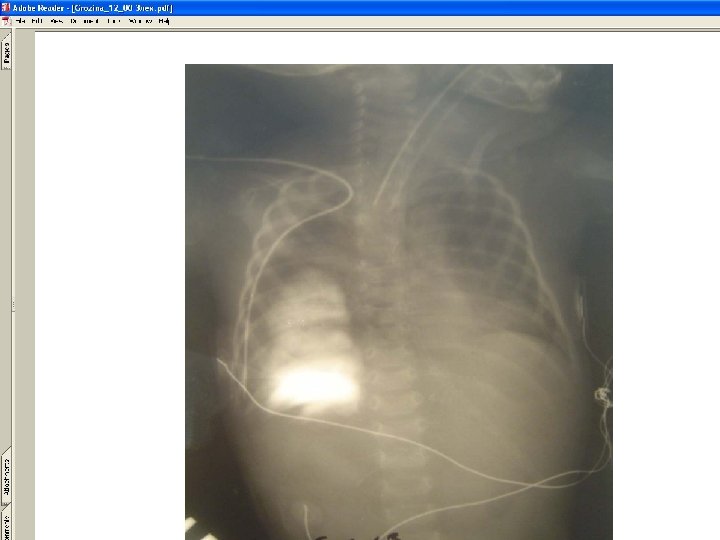
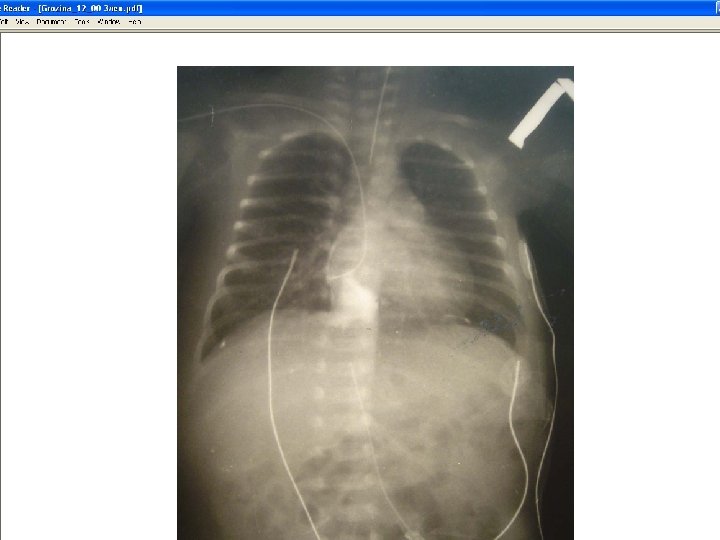
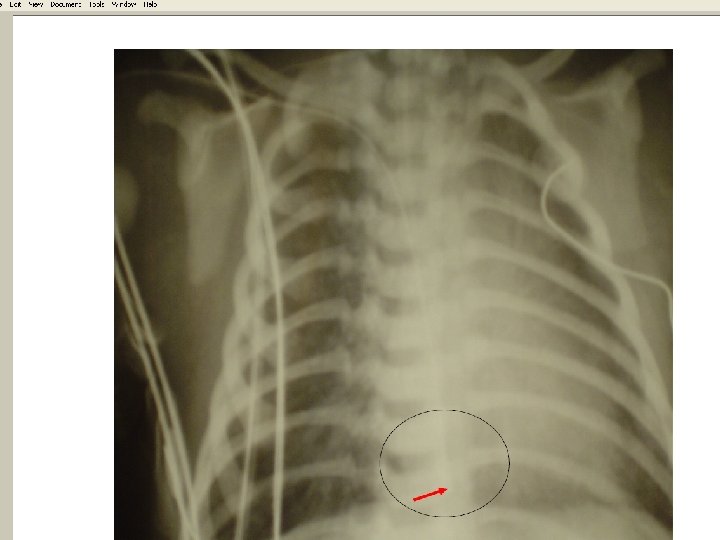
 Peripherally Inserted Central Catheter (PICC) • Length ranges from 40 to 65 cm. • Basilic vein is the preferred site for insertion; cephalic vein can be used. • Placement is confirmed by chest x-ray examination. • No information is available on optimal dwell time. • Teach clients to perform normal ADLs, avoiding excessive physical activity.
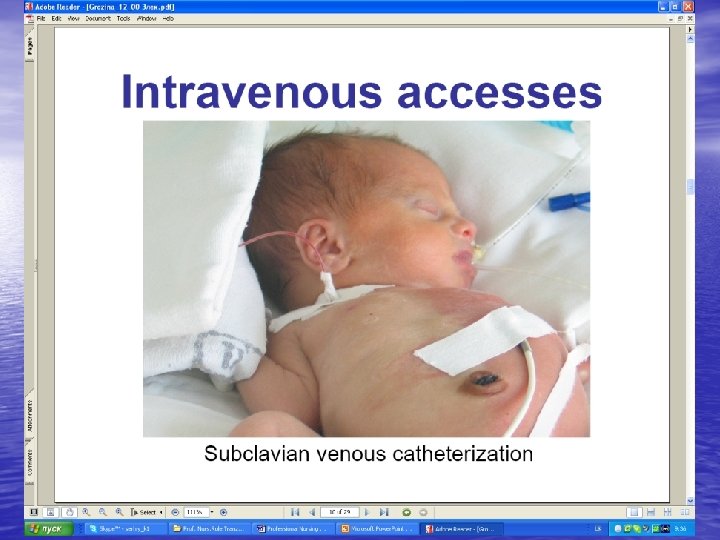
 Nontunneled Percutaneous Central Catheter • Inserted through subclavian vein in the upper chest or jugular veins in the neck • Usually 15 to 20 cm long • Tip resides in the superior vena cava • Placement confirmed by chest x-ray examination • No recommendations for optimal dwell time
 Tunneled Central Catheter • A portion of the catheter lying in a subcutaneous tunnel separates the points at which the catheter enters the vein from where it exits the skin. • Tunneled central catheter is used for infusion therapy that is frequent and long-term.
 Implanted Port • Implanted ports consist of a portal body, a dense septum over a reservoir, and a catheter. • A subcutaneous pocket is surgically created to house the port body. • Port is usually placed in the upper chest or the upper extremity • Port needs to be flushed after each use and at least once a month between courses of therapy.
 Dialysis Catheter • Lumens are very large to accommodate the hemodialysis procedure or a pheresis procedure that harvests specific blood cells. • This catheter should not be used for administration of other fluids or medications, except in an emergency.
 Infusion System • Containers • Administration sets • Add-on systems • Needleless connection devices • Rate controlling devices: – Controller – Pumps • Syringe pumps • Ambulatory pumps
 Catheter Care and Maintenance • Educating the client • Confirming tip location • Performing the nursing assessment • Securing and dressing the catheter • Changing administration sets and needleless connectors • Controlling infusion pressure (Continued)
 Catheter Care and Maintenance (Continued) • Flushing the catheter • Obtaining blood samples from the catheter • Removing the catheter
 Alternative Sites for Infusion • Arterial therapy • Intraperitoneal infusion • Subcutaneous infusion • Intraspinal infusion • Intraosseous therapy
 • Types of catheter malposition