


 Скачать презентацию Influence Techniques 11 May 2006 Dr Peter R
9a2569d86725cd9b17a31ffcda1ff421.ppt
- Количество слайдов: 111
 Influence Techniques 11 May 2006 Dr Peter R Mansfield GP Dept GP, Adelaide Uni Director, Healthy Skepticism Inc peter@healthyskepticism. org
 Influence techniques • • • Warnings Thank you Decision Making Shortcuts Are you influenced? Sales techniques 2
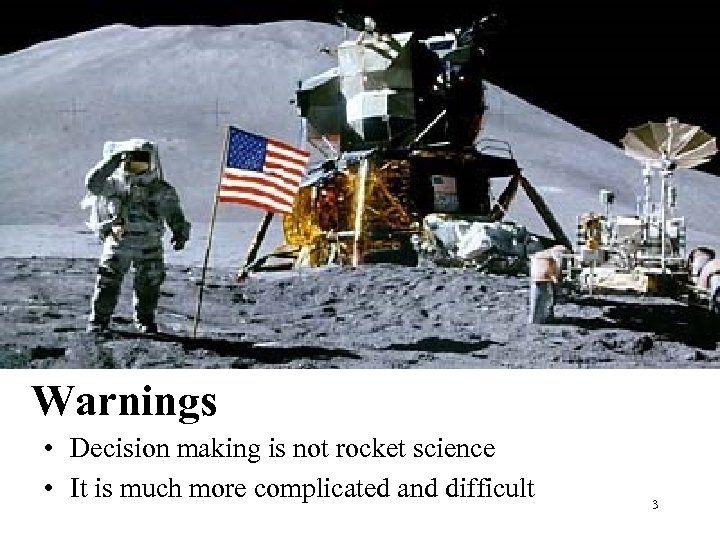 Warnings • Decision making is not rocket science • It is much more complicated and difficult 3
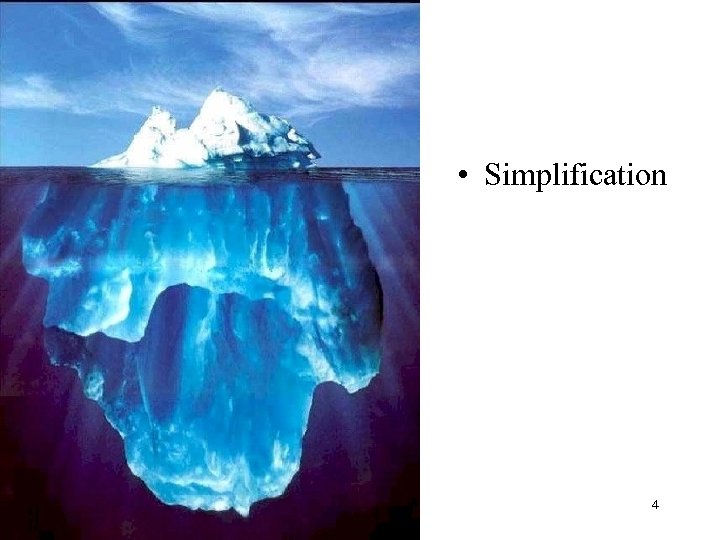 • Simplification 4
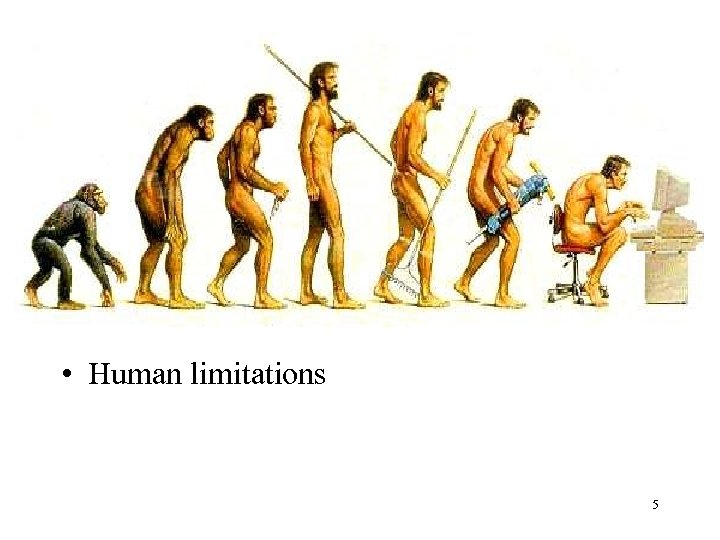 • Human limitations 5
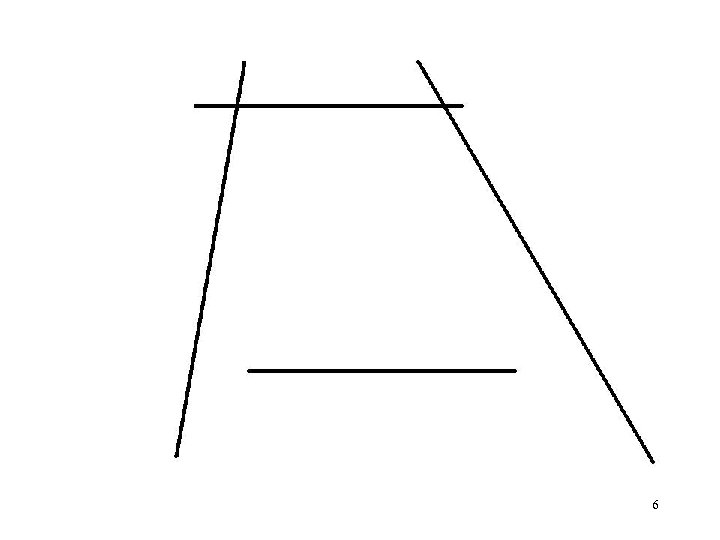 6
6
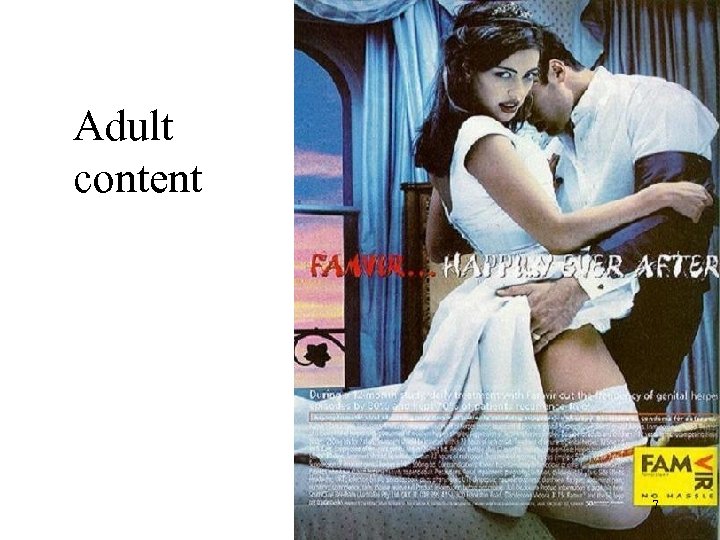 Adult content 7
 Bias 8
 Pro - Health Professionals 9
 Pro – Drug companies and consumers 10
 Muito Obrigado! (Much obliged) • Traditional owners • DATIS: Debra Rowett, Joy Gailer, Sue Edwards and Josephine Crockett • Pharmacy Guild of Australia • WHO, PHARMAC, ANVISA, RACP • Healthy Skepticism • Participants 11
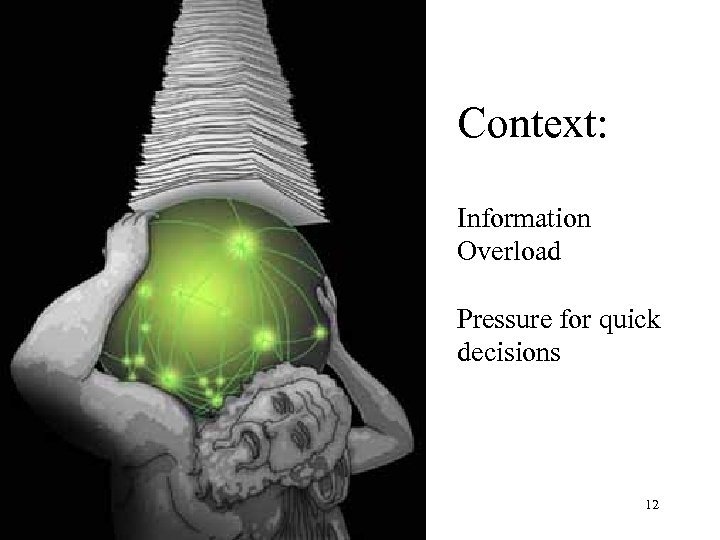 Context: Information Overload Pressure for quick decisions 12
 How do you choose your favorite drugs? 13
 Decision Shortcuts 14
 Decision Shortcuts 15
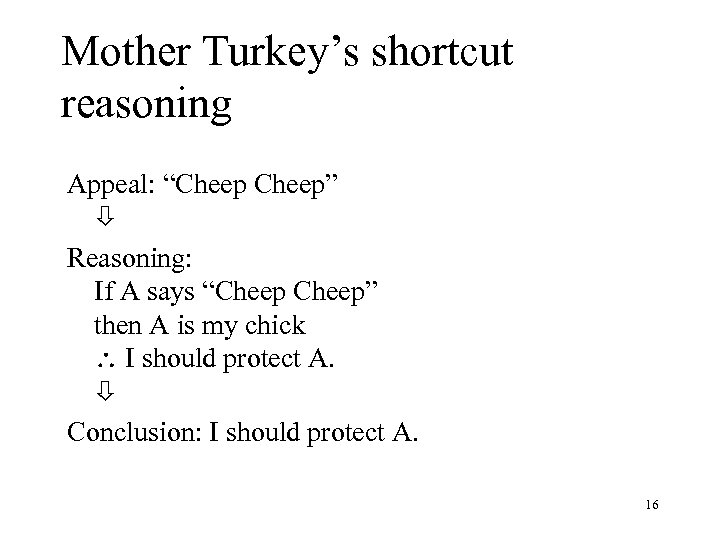 Mother Turkey’s shortcut reasoning Appeal: “Cheep” Reasoning: If A says “Cheep” then A is my chick I should protect A. Conclusion: I should protect A. 16
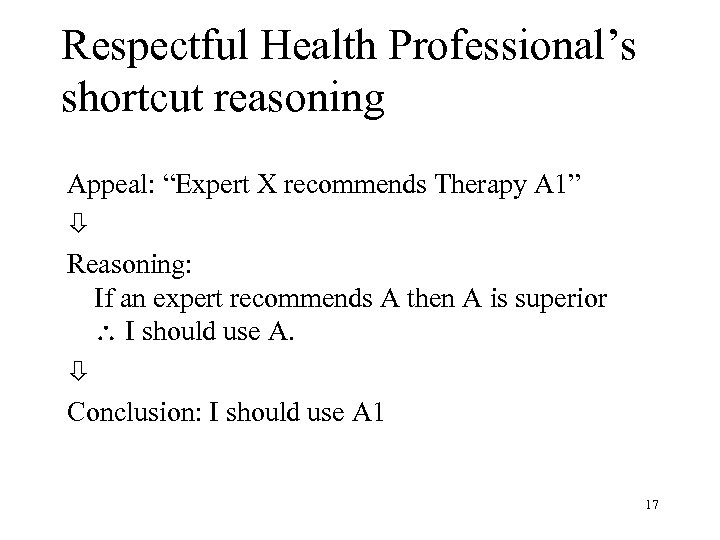 Respectful Health Professional’s shortcut reasoning Appeal: “Expert X recommends Therapy A 1” Reasoning: If an expert recommends A then A is superior I should use A. Conclusion: I should use A 1 17
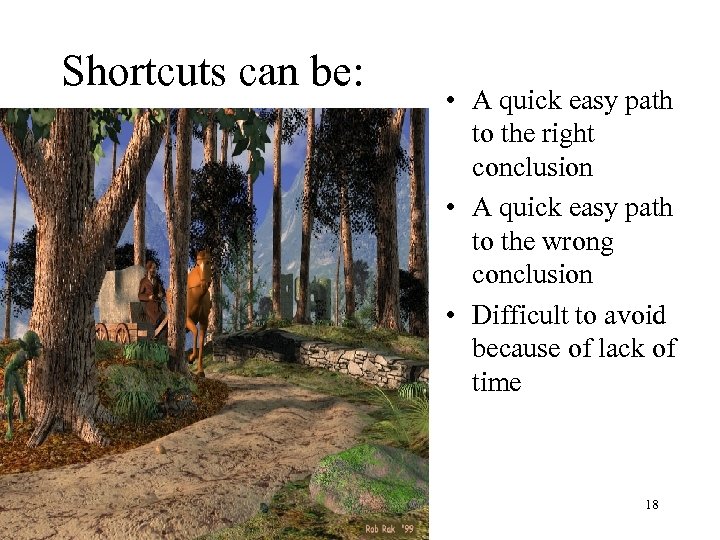 Shortcuts can be: • A quick easy path to the right conclusion • A quick easy path to the wrong conclusion • Difficult to avoid because of lack of time 18
 Other common shortcuts • Newer is better • Popular is better • Trusting people we like 19
 Continuous spectrum 20
 Influence techniques • Influence techniques trigger shortcuts. • Shortcuts are quick • Preparing influence techniques can take a long time. 21
 Use of influence techniques can be: • Deliberate deception (Promoter does not believe in the shortcut or the conclusion. ) • Good intentions (Promoter believes in both. ) • Pragmatism (Promoter believes in the conclusion but not the shortcut. ) 22
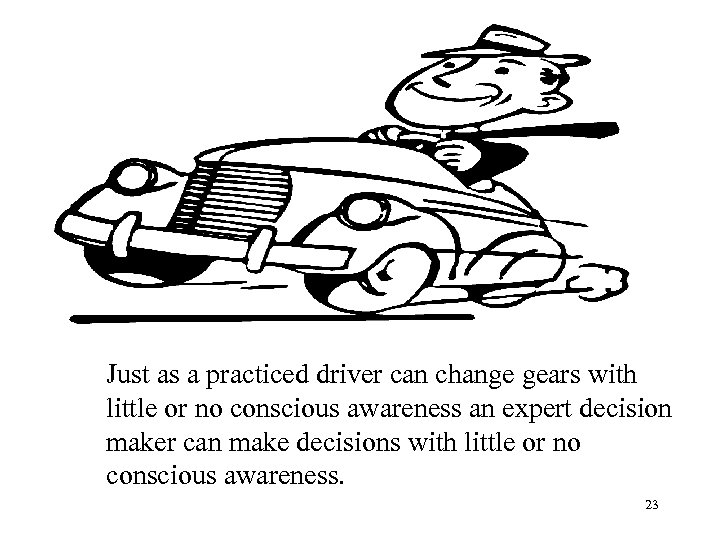 Just as a practiced driver can change gears with little or no conscious awareness an expert decision maker can make decisions with little or no conscious awareness. 23
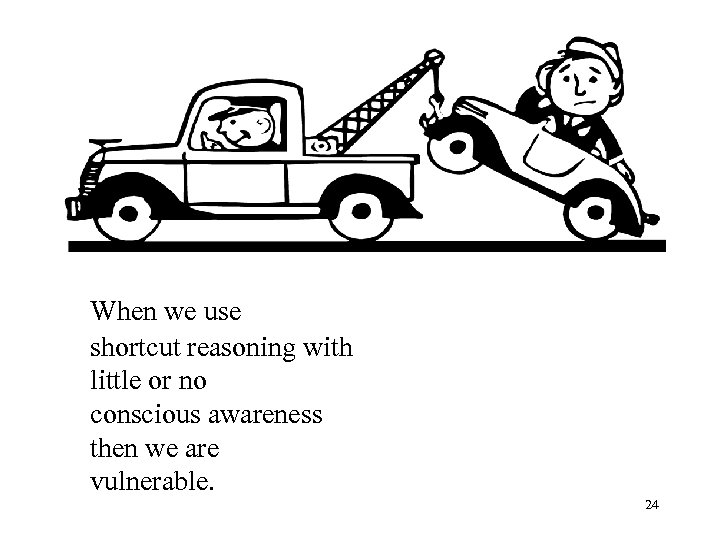 When we use shortcut reasoning with little or no conscious awareness then we are vulnerable. 24
 Are you influenced? 25
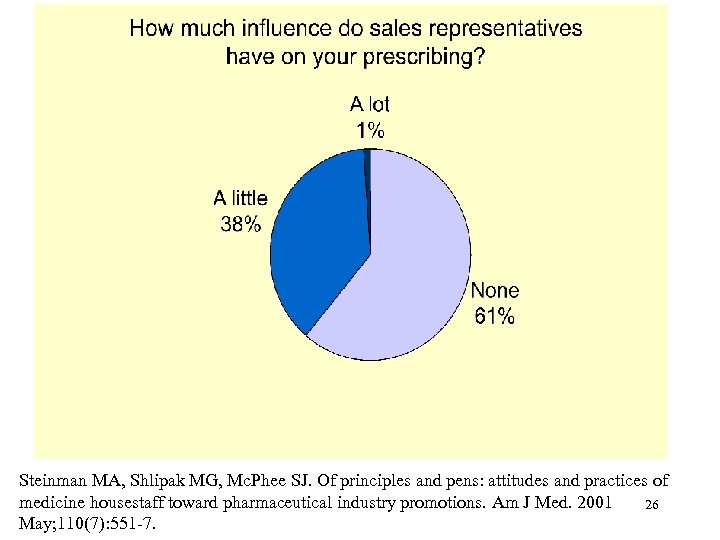 Steinman MA, Shlipak MG, Mc. Phee SJ. Of principles and pens: attitudes and practices of medicine housestaff toward pharmaceutical industry promotions. Am J Med. 2001 26 May; 110(7): 551 -7.
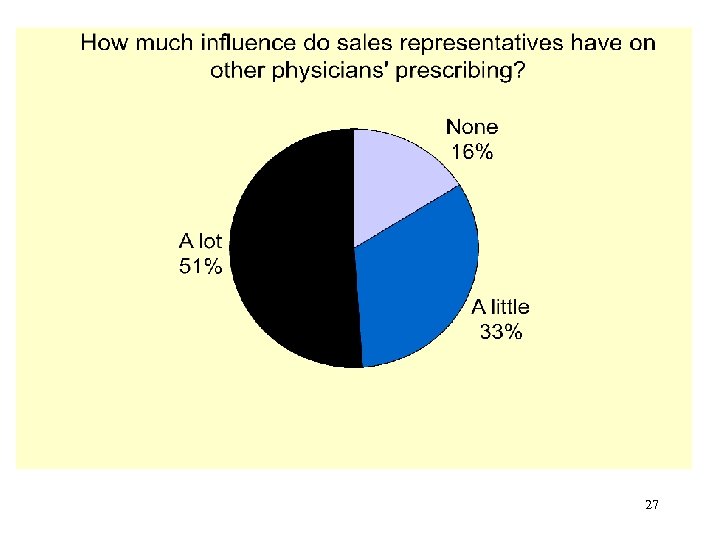 27
27
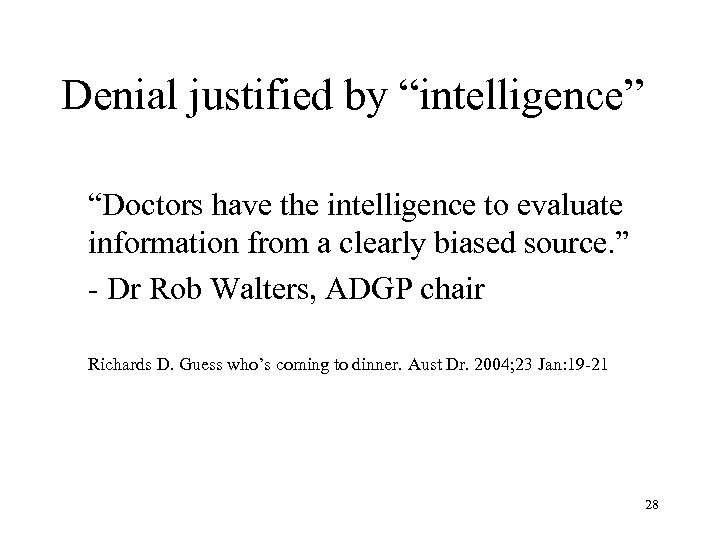 Denial justified by “intelligence” “Doctors have the intelligence to evaluate information from a clearly biased source. ” - Dr Rob Walters, ADGP chair Richards D. Guess who’s coming to dinner. Aust Dr. 2004; 23 Jan: 19 -21 28
![Denial justified by “education” “Mr Brindell [corporate affairs manager, Pfizer Australasia] said doctors, who](https://present5.com/presentation/9a2569d86725cd9b17a31ffcda1ff421/image-29.jpg "Denial justified by “education” “Mr Brindell [corporate affairs manager, Pfizer Australasia] said doctors, who") Denial justified by “education” “Mr Brindell [corporate affairs manager, Pfizer Australasia] said doctors, who were obviously highly educated, could sort the chaff from the wheat. ” Riggert E. Doctors seduced by drug giants: Drug companies’ tactics spark rethink by doctors. The Courier Mail. Brisbane 1999; July 26: 1 -2 29
Denial justified by “education” “Mr Brindell [corporate affairs manager, Pfizer Australasia] said doctors, who were obviously highly educated, could sort the chaff from the wheat. ” Riggert E. Doctors seduced by drug giants: Drug companies’ tactics spark rethink by doctors. The Courier Mail. Brisbane 1999; July 26: 1 -2 29
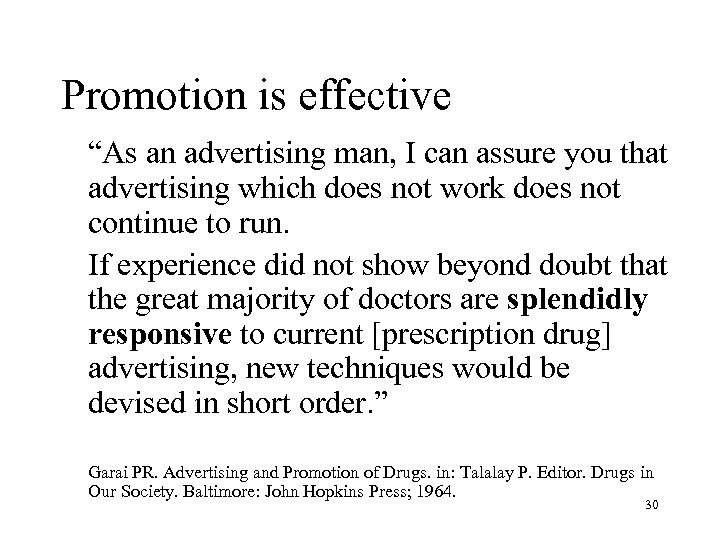 Promotion is effective “As an advertising man, I can assure you that advertising which does not work does not continue to run. If experience did not show beyond doubt that the great majority of doctors are splendidly responsive to current [prescription drug] advertising, new techniques would be devised in short order. ” Garai PR. Advertising and Promotion of Drugs. in: Talalay P. Editor. Drugs in Our Society. Baltimore: John Hopkins Press; 1964. 30
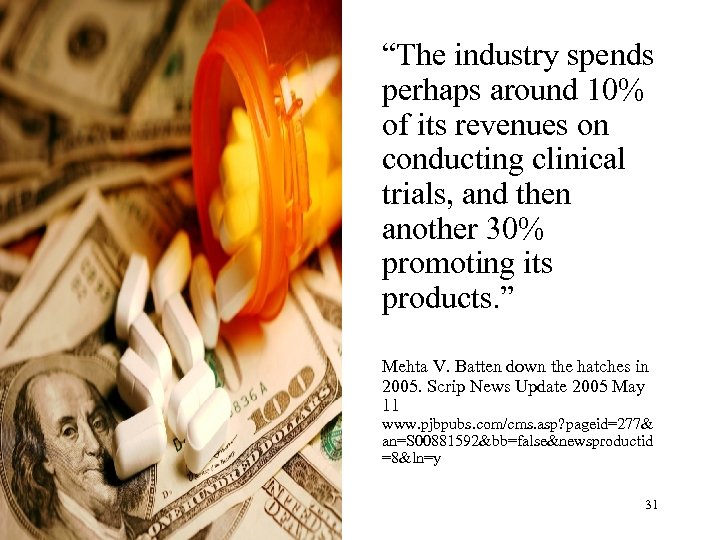 “The industry spends perhaps around 10% of its revenues on conducting clinical trials, and then another 30% promoting its products. ” Mehta V. Batten down the hatches in 2005. Scrip News Update 2005 May 11 www. pjbpubs. com/cms. asp? pageid=277& an=S 00881592&bb=false&newsproductid =8&ln=y 31
 32
32
 33
33
 Your ability to cope with potentially misleading promotion depends on your understanding of: • Medicine – Pharmacology, Epidemiology, Public Health, Evidence Based Medicine, Drug Evaluation, Pharmacovigilance • Social sciences – Psychology, Semiotics, Economics, Sociology, Anthropology, Management, History, Politics, Communication Studies, • Humanities – Logic, Rhetoric, Epistemology, Linguistics, Literature, Art • Marketing – Product Management, Advertising Account Planning, Public Relations • Statistics 34
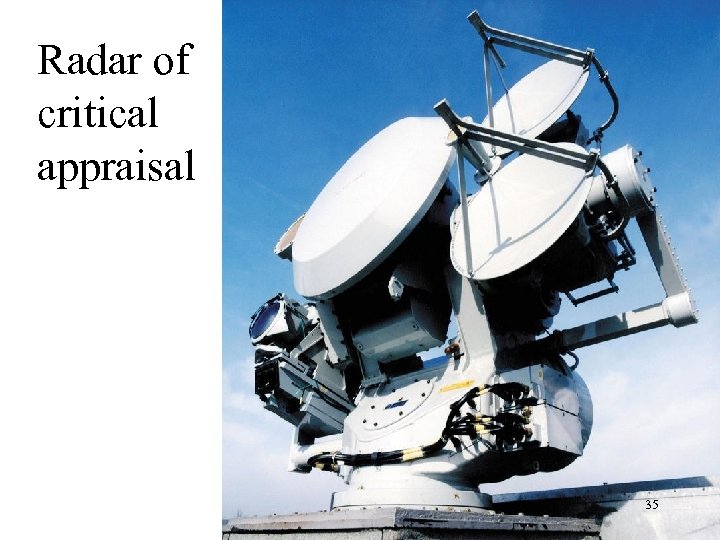 Radar of critical appraisal 35
 Under the radar 36
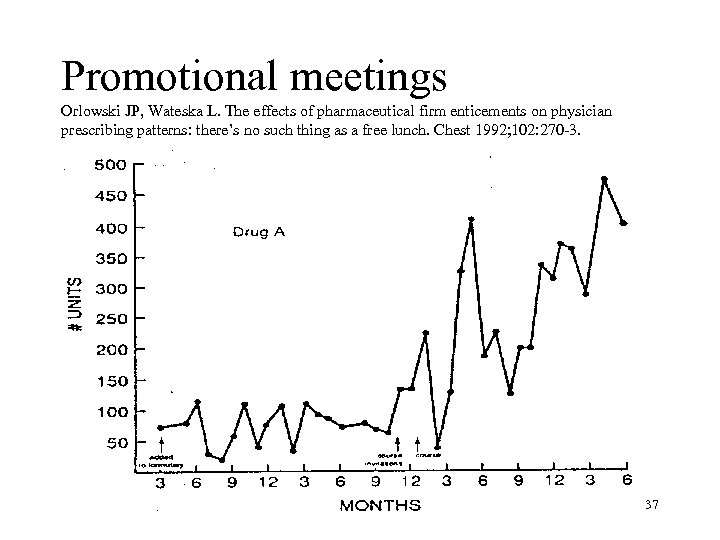 Promotional meetings Orlowski JP, Wateska L. The effects of pharmaceutical firm enticements on physician prescribing patterns: there’s no such thing as a free lunch. Chest 1992; 102: 270 -3. 37
 52 Observational studies: Exposure to promotion does more harm than good. Becker MH, Stolley PD, Lasagna L, Mc. Evilla JD, Sloane LM. Differential education concerning therapeutics and resultant physician prescribing patterns. J Med Educ 1972; 47: 118 -27. Mapes R. Aspects of British general practitioners’ prescribing. Med Care 1977; 15: 371 -81 Haayer F. Rational prescribing and sources of information. Soc Sci Med 1982; 16: 2017 -23. Bower AD, Burkett GL. Family physicians and generic drugs: a study of recognition, information sources, prescribing attitudes, and practices. J Fam Pract 1987; 24: 612 -6. Cormack MA, Howells E. Factors linked to the prescribing of benzodiazepines by general practice principals and trainees. Family Practice 1992; 9: 466 -71. Berings D, Blondeel L, Habraken H. The effect of industry-independent drug information on the prescribing of benzodiazepines in general practice. Eur J Clin Pharmacol 1994; 46: 501 -505. Caudill TS, Johnson MS, Rich EC, Mc. Kinney WP. Physicians, pharmaceutical sales representatives, and the cost of prescribing. Arch Fam Med 1996; 5: 201 -6. Caamano F, Figueiras A, Gestal-Otero JJ. Influence of commercial information on prescription quantity in primary care. Eur J Public Health. 2002 Sep; 12(3): 187 -91. Watkins C, Harvey I, Carthy P, Moore L, Robinson E, Brawn R. Attitudes and behaviour of general practitioners and their prescribing costs: a national cross sectional survey. Qual Saf Health Care. 2003 38 Feb; 12(1)29 -34.
 Bad news • • Doctors are human Drug companies aim for profits Research is biased Journals are biased The news media is biased Governments are political We have a system problem People are being harmed 39
 GPs are human We have less evidence about: • Specialists • Pharmacists • Other health professionals • The general public 40
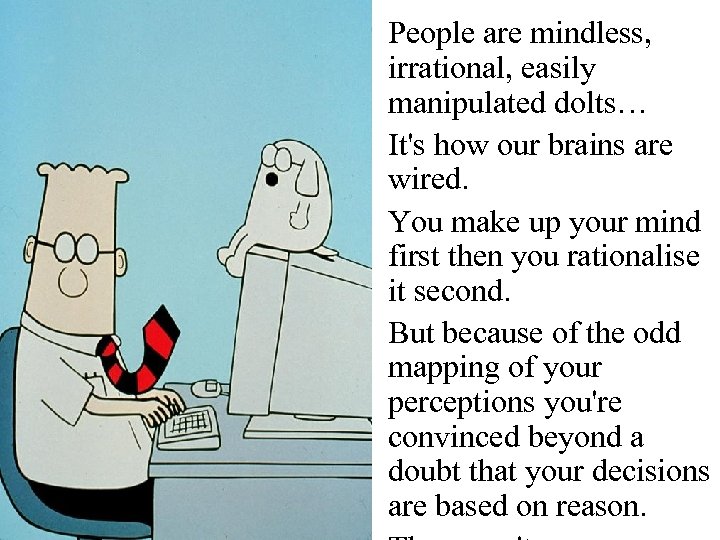 People are mindless, irrational, easily manipulated dolts… It's how our brains are wired. You make up your mind first then you rationalise it second. But because of the odd mapping of your perceptions you're convinced beyond a doubt that your decisions are based on reason.
 Doctors are human “Medical men are subject to the same kinds of stress, the same emotional influences as effect laymen. Physicians have, as part of their self image, a determined feeling that they are rational and logical, particularly in their choice of pharmaceuticals. The advertiser must appeal to this rational image, and at the same time make a deeper appeal to the emotional factors which really 42 influence sales. ”
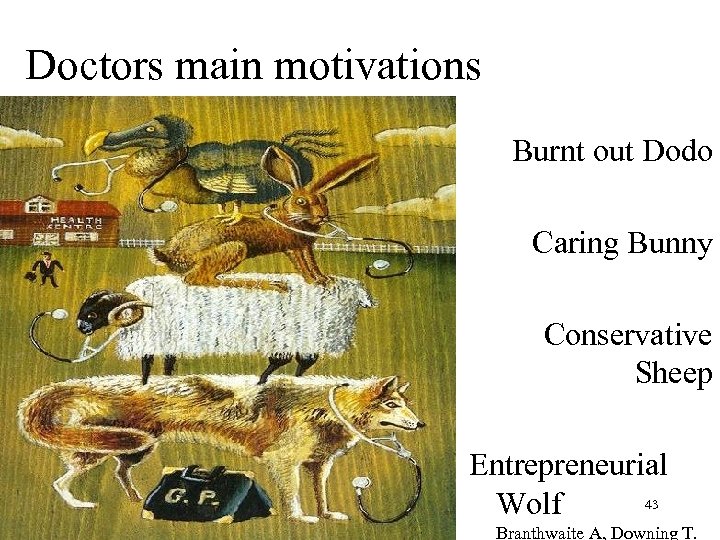 Doctors main motivations Burnt out Dodo Caring Bunny Conservative Sheep Entrepreneurial 43 Wolf Branthwaite A, Downing T.
![Companies aim for profits “if, indeed, candor (honesty), accuracy, scientific completeness, [etc] came to](https://present5.com/presentation/9a2569d86725cd9b17a31ffcda1ff421/image-44.jpg "Companies aim for profits “if, indeed, candor (honesty), accuracy, scientific completeness, [etc] came to") Companies aim for profits “if, indeed, candor (honesty), accuracy, scientific completeness, [etc] came to be essential for the successful promotion of [prescription] drugs, advertising would have no choice but to comply. ” Garai PR. Advertising and Promotion of Drugs. in: Talalay P. Editor. Drugs in Our Society. Baltimore: John Hopkins Press; 1964. 44
Companies aim for profits “if, indeed, candor (honesty), accuracy, scientific completeness, [etc] came to be essential for the successful promotion of [prescription] drugs, advertising would have no choice but to comply. ” Garai PR. Advertising and Promotion of Drugs. in: Talalay P. Editor. Drugs in Our Society. Baltimore: John Hopkins Press; 1964. 44
 In their shoes • You are responsible for promotion of a new drug that is no better than the old ones but will be sold at a higher price. • If you do not succeed you will lose your job. Because you will not be able to get such a well paid job elsewhere you and your family will loose your house. • What promotional methods will you use? 45
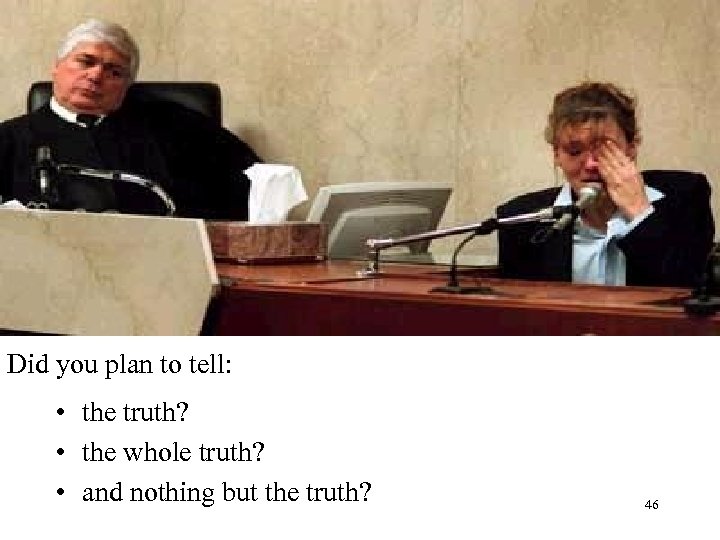 Did you plan to tell: • the truth? • the whole truth? • and nothing but the truth? 46
 A system problem “Put a good person in a bad system, and the system wins, no contest. ” - W. Edward Demings A ocasião faz o ladrão [The situation makes the thief] - Brazilian saying 47
 Blame • Normal to blame individuals/ groups/companies. • But the main determinate of behavior is the situation (the system of inputs). • If we improve the information and incentives that actors receive then their behavior is likely to improve. 48
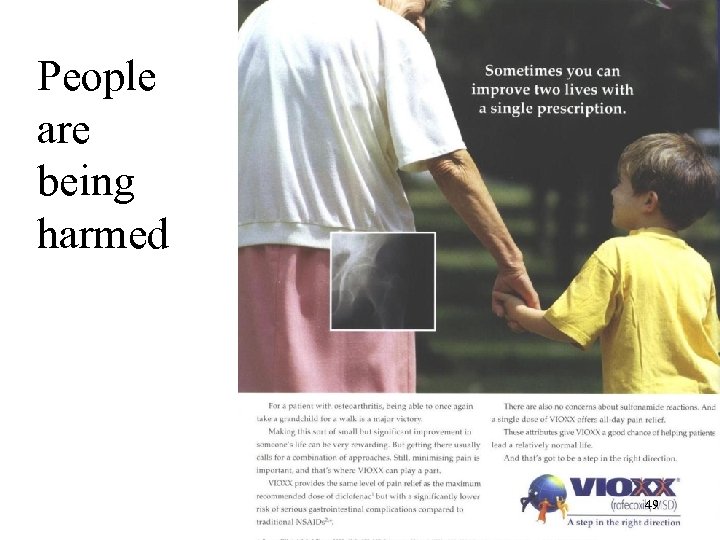 People are being harmed 49
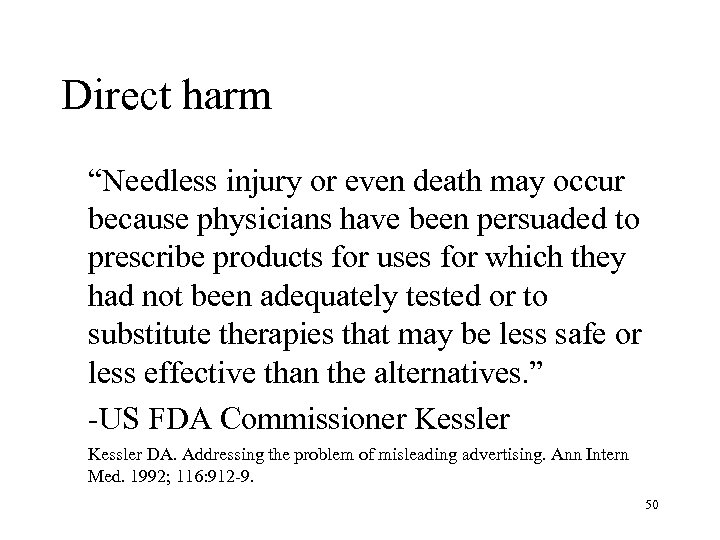 Direct harm “Needless injury or even death may occur because physicians have been persuaded to prescribe products for uses for which they had not been adequately tested or to substitute therapies that may be less safe or less effective than the alternatives. ” -US FDA Commissioner Kessler DA. Addressing the problem of misleading advertising. Ann Intern Med. 1992; 116: 912 -9. 50
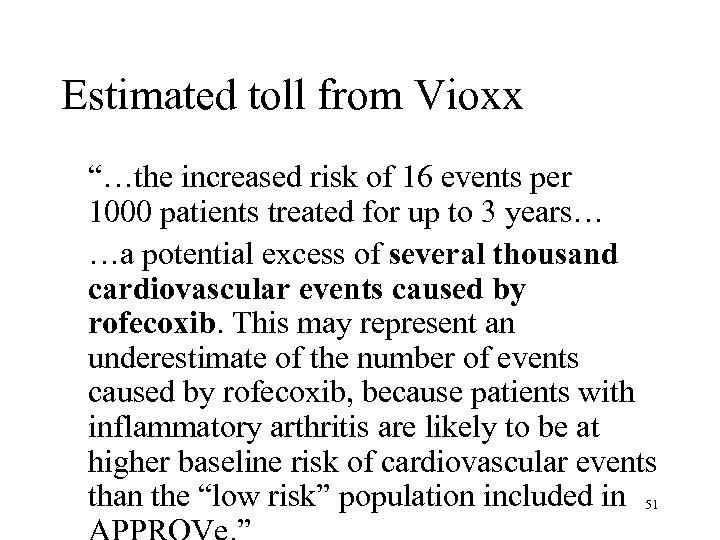 Estimated toll from Vioxx “…the increased risk of 16 events per 1000 patients treated for up to 3 years… …a potential excess of several thousand cardiovascular events caused by rofecoxib. This may represent an underestimate of the number of events caused by rofecoxib, because patients with inflammatory arthritis are likely to be at higher baseline risk of cardiovascular events than the “low risk” population included in 51
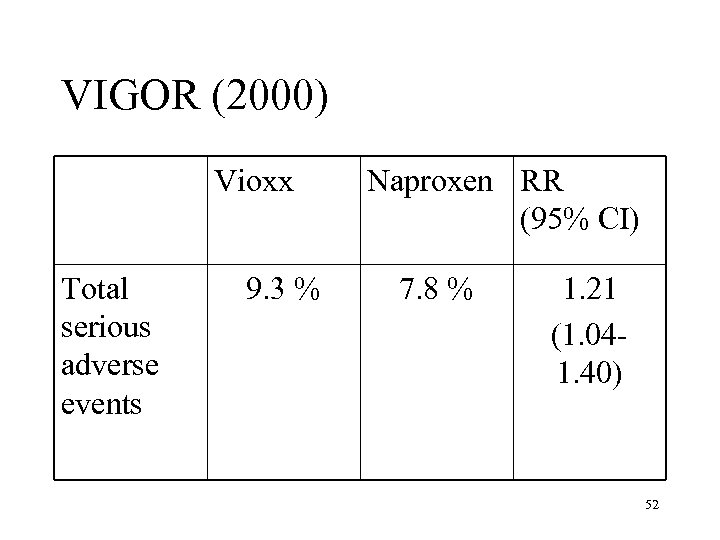 VIGOR (2000) Vioxx Total serious adverse events 9. 3 % Naproxen RR (95% CI) 7. 8 % 1. 21 (1. 041. 40) 52
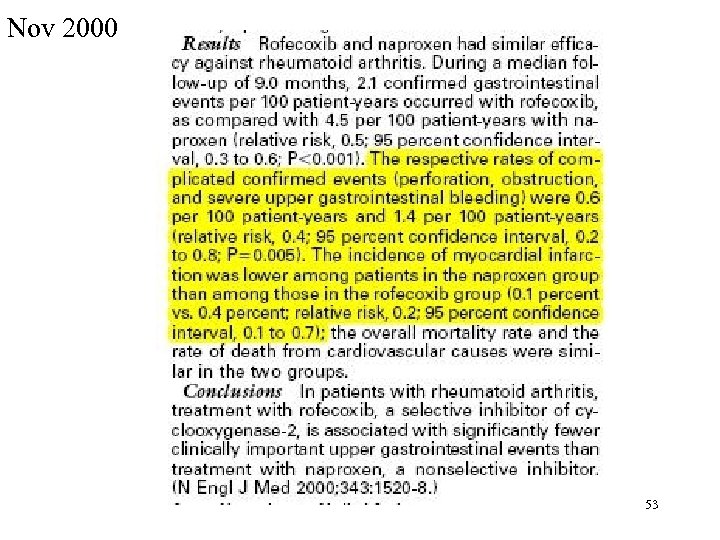 Nov 2000 53
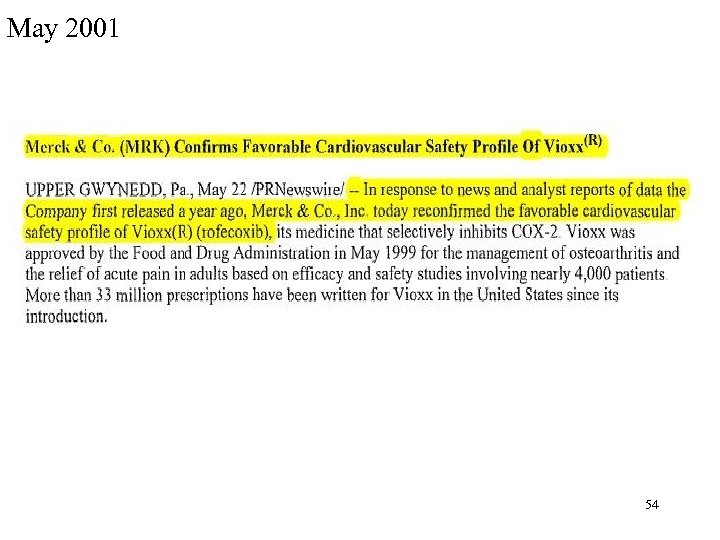 May 2001 54
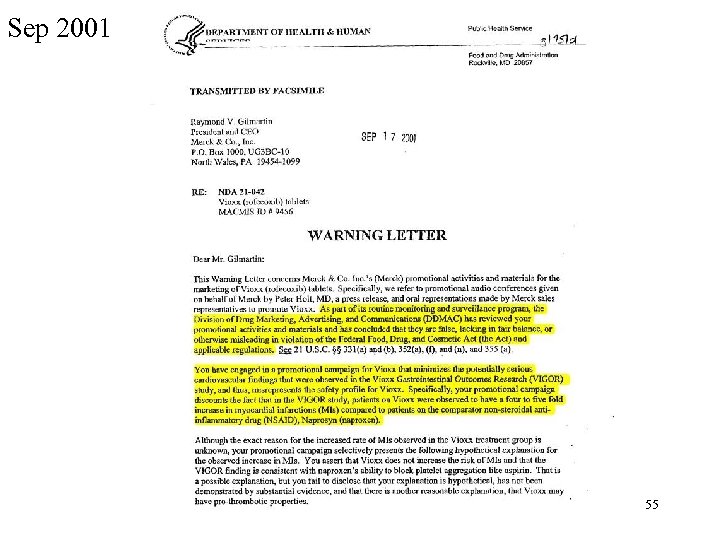 Sep 2001 55
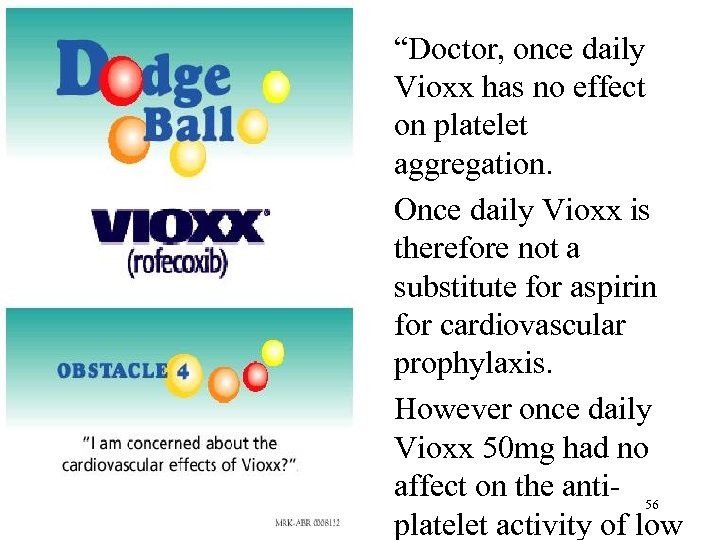 “Doctor, once daily Vioxx has no effect on platelet aggregation. Once daily Vioxx is therefore not a substitute for aspirin for cardiovascular prophylaxis. However once daily Vioxx 50 mg had no affect on the anti- 56 platelet activity of low
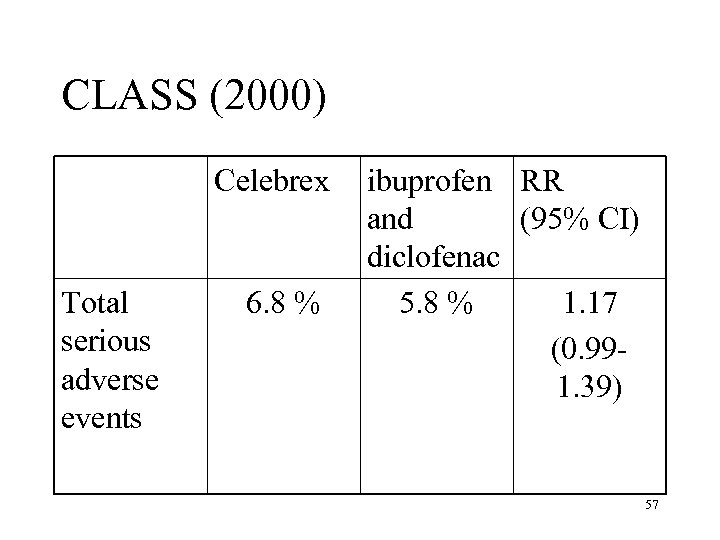 CLASS (2000) Celebrex Total serious adverse events 6. 8 % ibuprofen RR and (95% CI) diclofenac 5. 8 % 1. 17 (0. 991. 39) 57
 Harm for patients • Some corruption • A lot of unintended bias leading to • A little direct harm from sub-optimal drug use • A lot of indirect harm from opportunity 58
 59
59
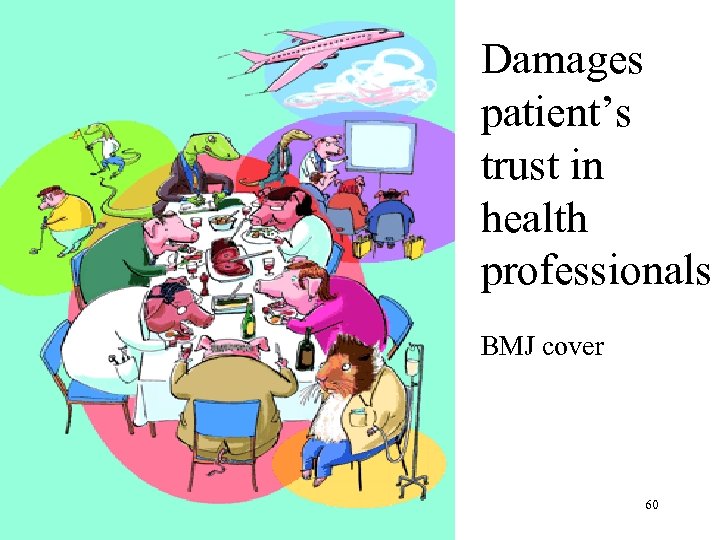 Damages patient’s trust in health professionals BMJ cover 60
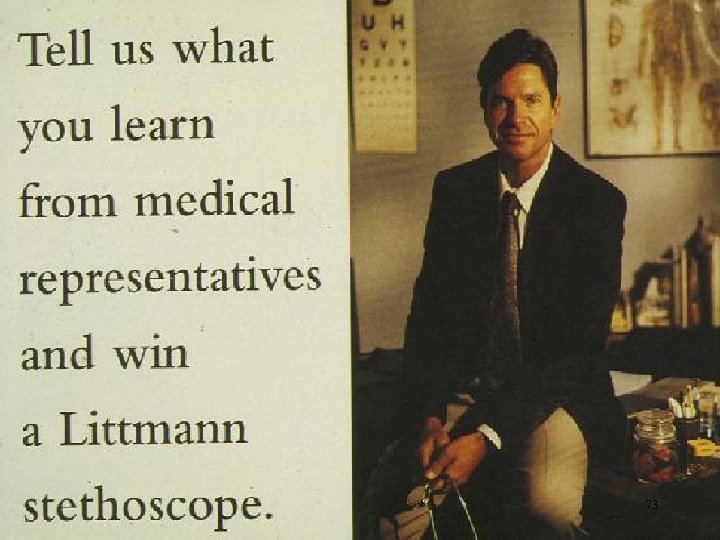
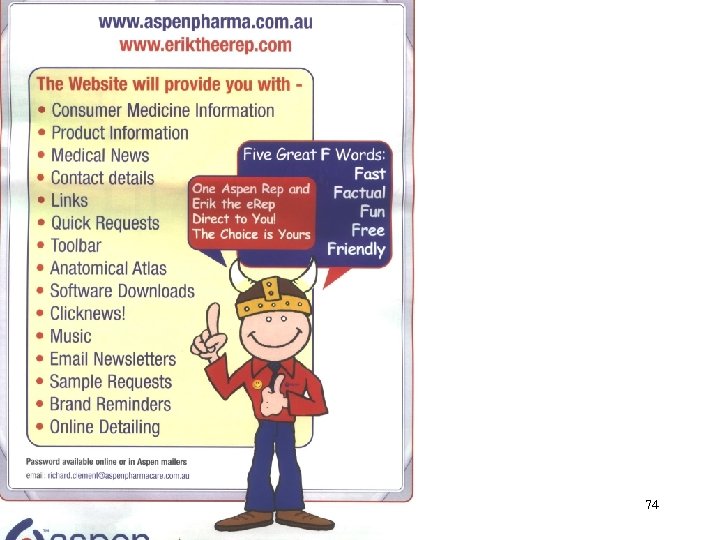
 Sales techniques • Appeal to experts • Social validation (peer pressure) • Liking • Commitment consistency • Reciprocation (gifts) • Scarcity Cialdini RB. Influence Science and practice. 4 th ed. Boston Allyn & Bacon; 2001. Roughead EE, Harvey KJ, Gilbert AL. Commercial detailing techniques used by pharmaceutical representatives to influence prescribing. Aust N Z J Med. 1998 Jun; 28(3)306 -10. 61
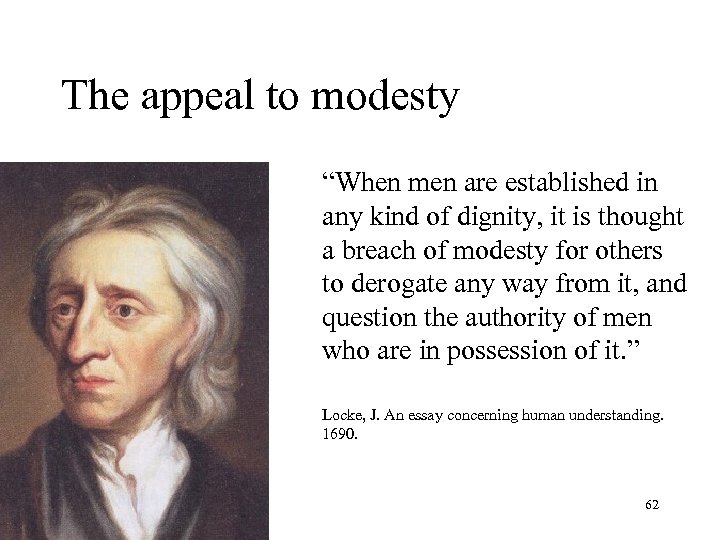 The appeal to modesty “When men are established in any kind of dignity, it is thought a breach of modesty for others to derogate any way from it, and question the authority of men who are in possession of it. ” Locke, J. An essay concerning human understanding. 1690. 62
 63
63
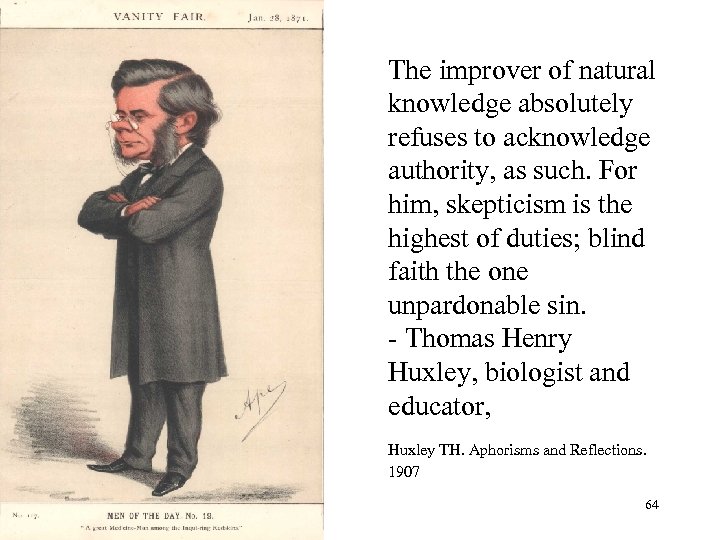 The improver of natural knowledge absolutely refuses to acknowledge authority, as such. For him, skepticism is the highest of duties; blind faith the one unpardonable sin. - Thomas Henry Huxley, biologist and educator, Huxley TH. Aphorisms and Reflections. 1907 64
 Social validation (Peer pressure) Rep: …and that's why, I think, everyone agrees, . . . Rep: This is the most commonly prescribed antibiotic in American hospitals (ciprofloxacin) Rep: "Brand G“ (nifedipine), which you know, of course, is the second top prescription drug in the world 65
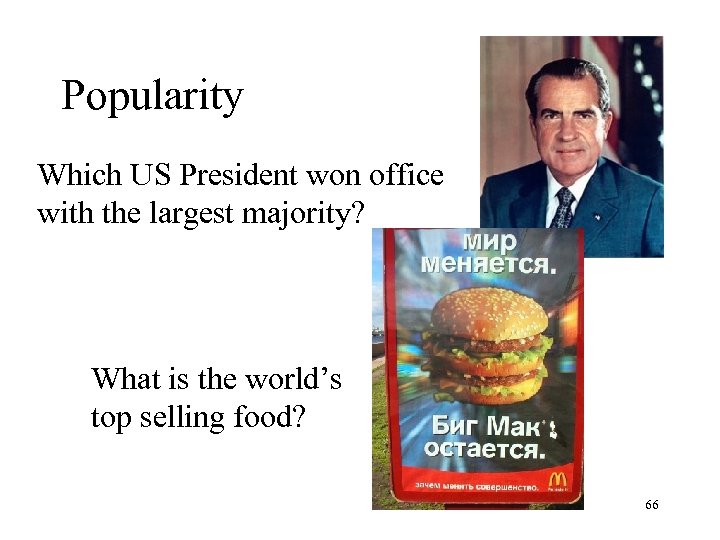 Popularity Which US President won office with the largest majority? What is the world’s top selling food? 66
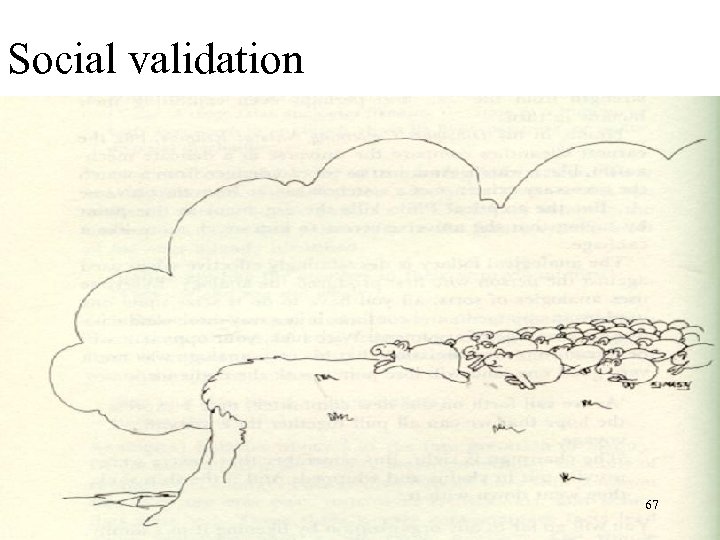 Social validation 67
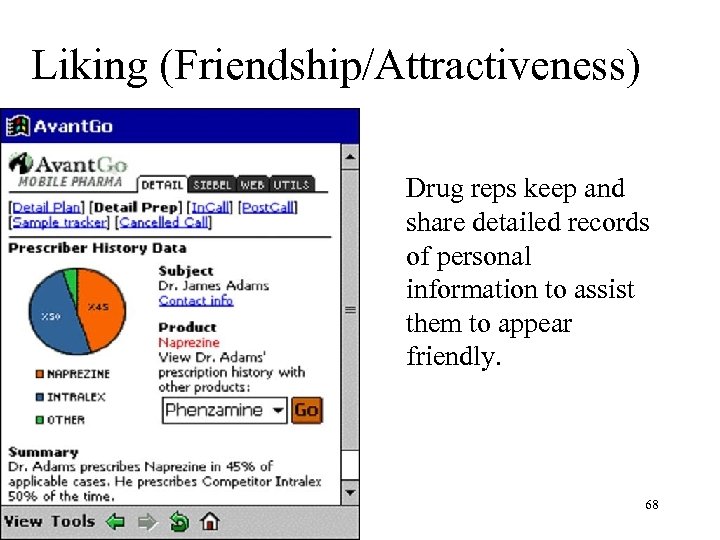 Liking (Friendship/Attractiveness) Drug reps keep and share detailed records of personal information to assist them to appear friendly. 68
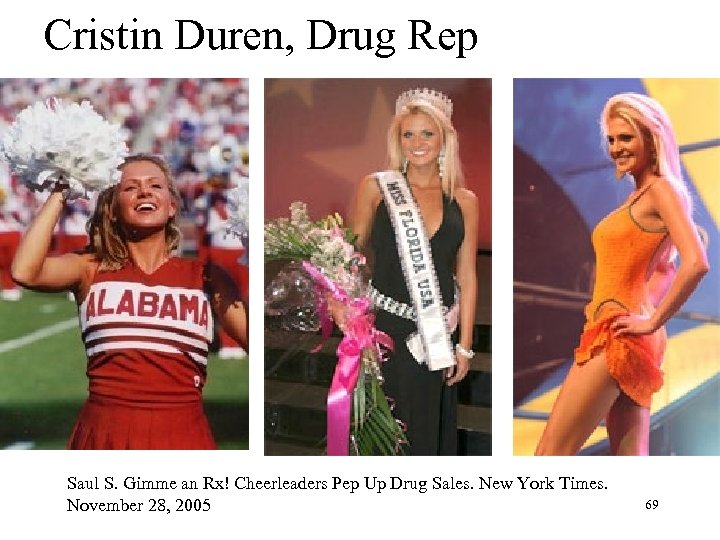 Cristin Duren, Drug Rep Saul S. Gimme an Rx! Cheerleaders Pep Up Drug Sales. New York Times. November 28, 2005 69
 70
70
 Commitment consistency People prefer to act in ways that are consistent with past commitments so as to maintain their sense of self and to avoid the discomfort of admitting an error or of acknowledging complexity. 71
 72
72
 73
73
 74
74
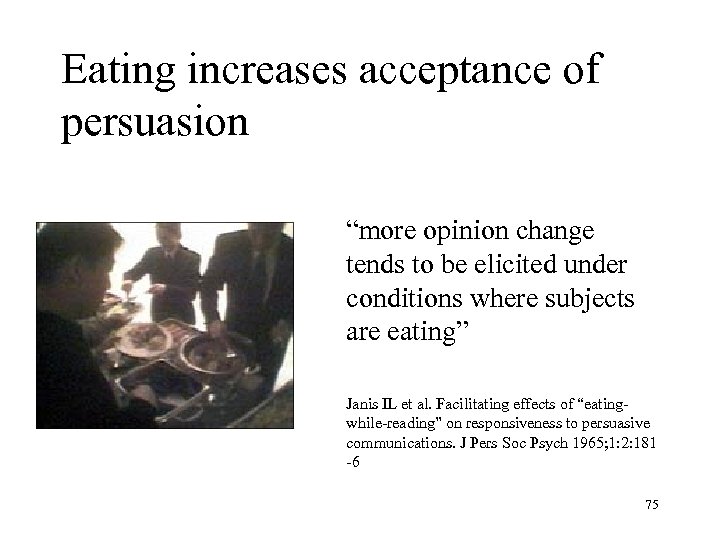 Eating increases acceptance of persuasion “more opinion change tends to be elicited under conditions where subjects are eating” Janis IL et al. Facilitating effects of “eatingwhile-reading” on responsiveness to persuasive communications. J Pers Soc Psych 1965; 1: 2: 181 -6 75
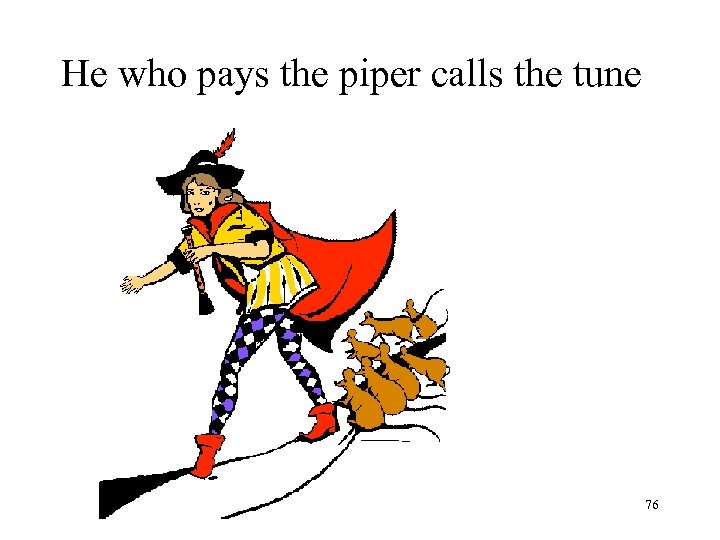 He who pays the piper calls the tune 76
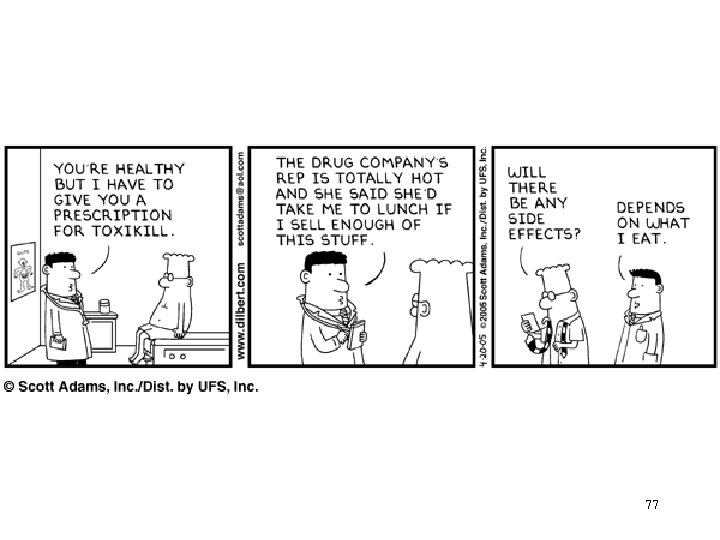 77
77
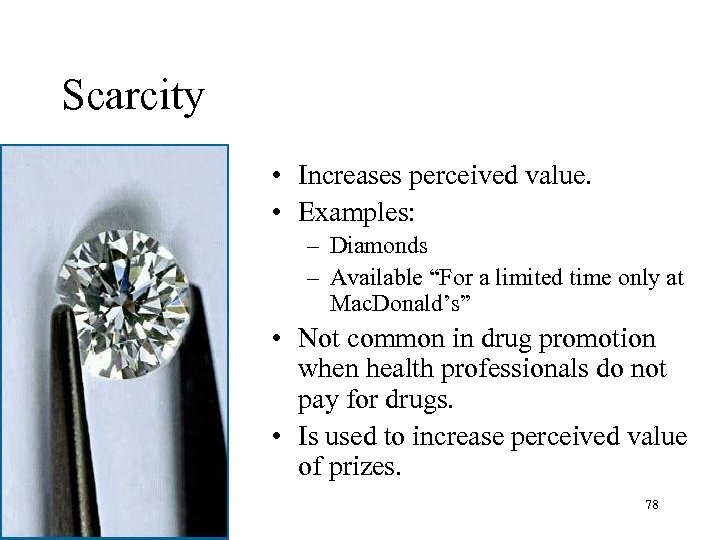 Scarcity • Increases perceived value. • Examples: – Diamonds – Available “For a limited time only at Mac. Donald’s” • Not common in drug promotion when health professionals do not pay for drugs. • Is used to increase perceived value of prizes. 78
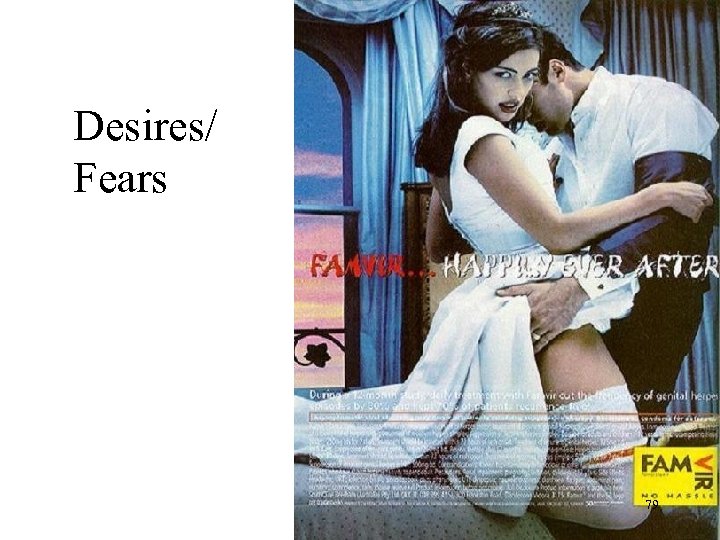 Desires/ Fears 79
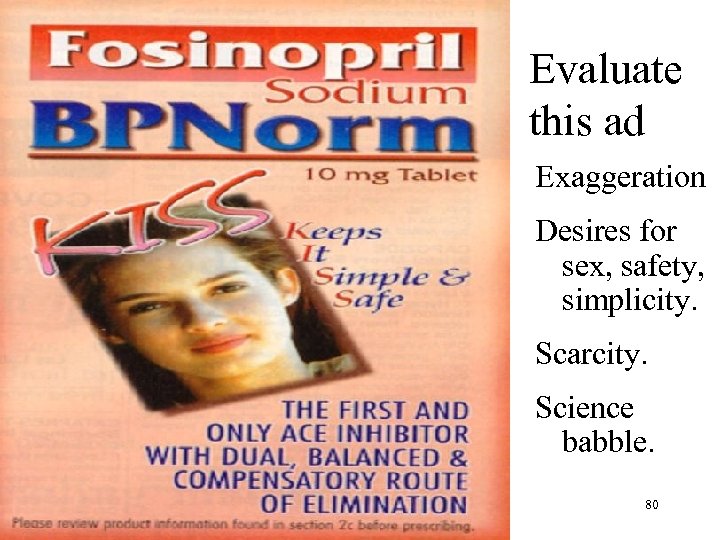 Evaluate this ad Exaggeration Desires for sex, safety, simplicity. Scarcity. Science babble. 80
 Strategies in response to pharmaceutical promotion 11 May 2006 Dr Peter R Mansfield GP Dept GP, Adelaide Uni Director, Healthy Skepticism Inc peter@healthyskepticism. org
 Strategies in response to pharmaceutical promotion • • Change Treatments – – • Improve regulation of drug promotion Redesign the incentives for health professionals Redesign the incentives for drug companies Improve health care decision making Healthy Skepticism 82
 Change: Bad news • No option has been adequately tested. • It is likely that a combination of options will be required for success. 83
 Change: Good news • • The Zeitgeist (the current set of shared beliefs in society) is changing. There are some ideas for system reform that might work. If so, all will benefit including drug companies who could have good returns with lower risk. There are some simple things that you can do to be part of the solution. 84
 85
85
 Treat the causes Companies are rewarded for doing what works for increasing sales and prices. Promotion (including disease mongering) works because people have human vulnerabilities. High prices and sales fund more promotion. 86
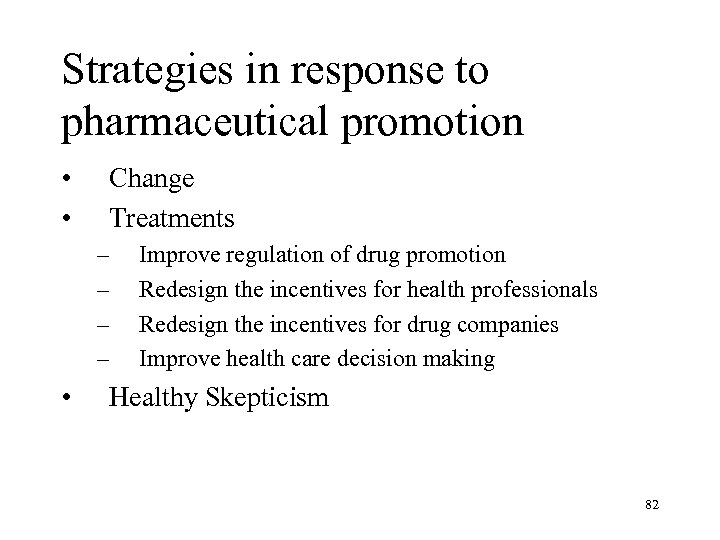
 Treatments • • Improve regulation of drug promotion Redesign the incentives for health professionals Redesign the incentives for drug companies Improve health care decision making 87
 Redesign the incentives for health professionals 88
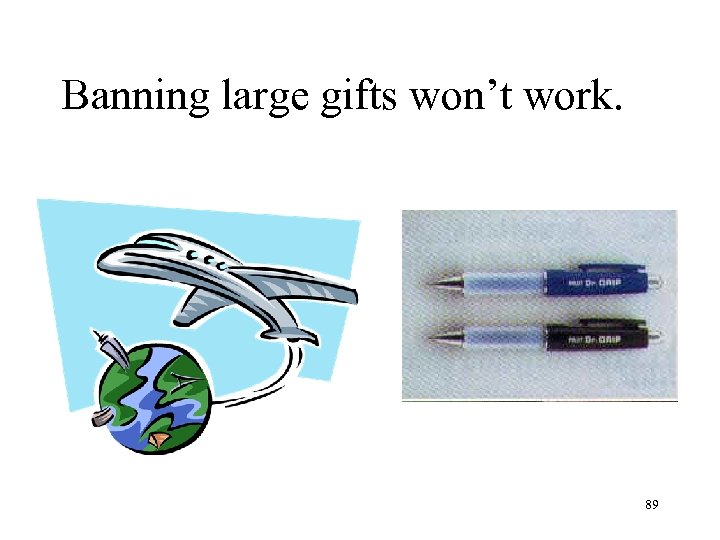 Banning large gifts won’t work. 89
 Disclosure of conflict of interest is not enough “We would not permit a judge…to have equity in a for-profit prison, even if the judge disclosed it” Krimsky, Sheldon. From an interview in the Chronicle of Higher Education, as quoted in the The Bulletin of the Canadian Association of University Teachers. February 2003. A 9. 90
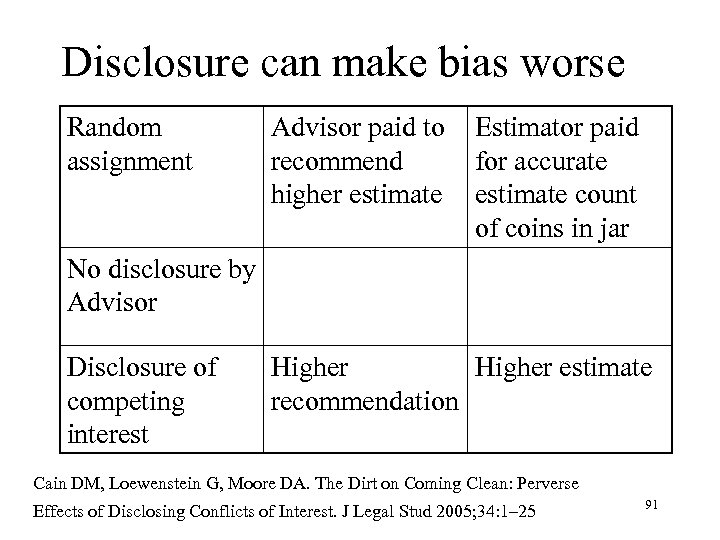 Disclosure can make bias worse Random assignment Advisor paid to Estimator paid recommend for accurate higher estimate count of coins in jar No disclosure by Advisor Disclosure of competing interest Higher estimate recommendation Cain DM, Loewenstein G, Moore DA. The Dirt on Coming Clean: Perverse Effects of Disclosing Conflicts of Interest. J Legal Stud 2005; 34: 1– 25 91
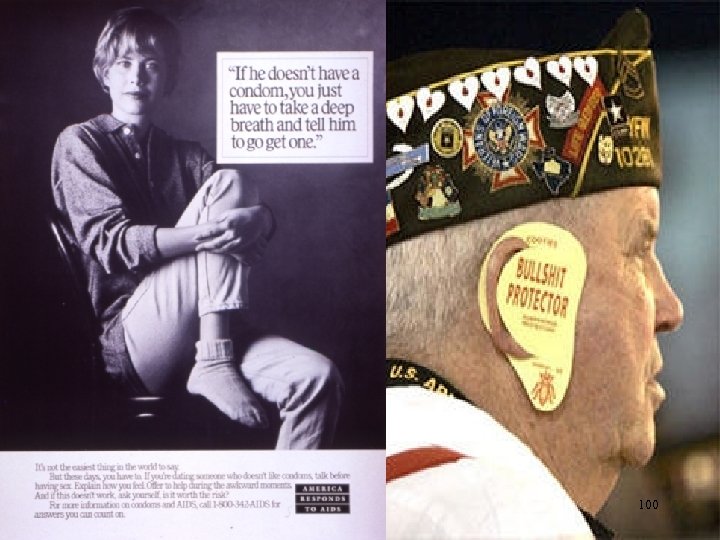
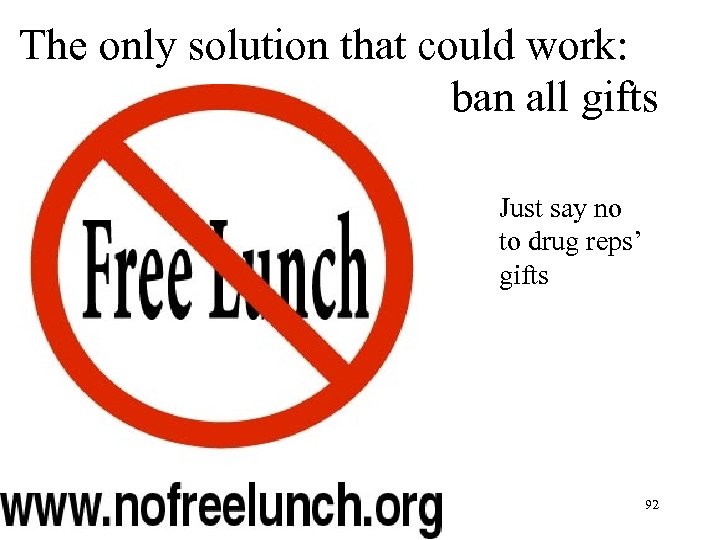 The only solution that could work: ban all gifts Just say no to drug reps’ gifts 92
 93
93
 Redesign the incentives for drug companies Pay separately by open competitive tender for separate functions: – Manufacturing – Promotion – Research – Education 94
 Improve health care decision making • Promotion would improve to match • But there is a limit to how much humans with limited resources can be expected to improve. 95
 If the decision is important take more time 96
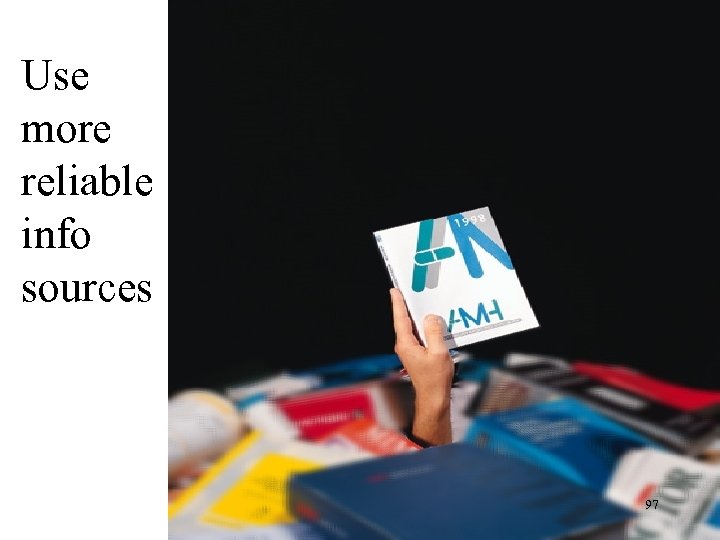 Use more reliable info sources 97
 Recommendations re shortcuts • If you decide without checking all the evidence yourself recognise you have used a shortcut • So don’t be too confident in the conclusion • Treat the conclusion as a hypothesis to be tested as soon as possible • Use countermeasures against shortcuts eg. Be skeptical of paid experts 98
 Options for responding to promotion 1. Abstinence or 2. Harm minimisation Warning: There are no proven methods to ensure more benefit than harm from exposure to drug promotion. 99
 100
100
 101
101
 102
102
 103
103
 104
104
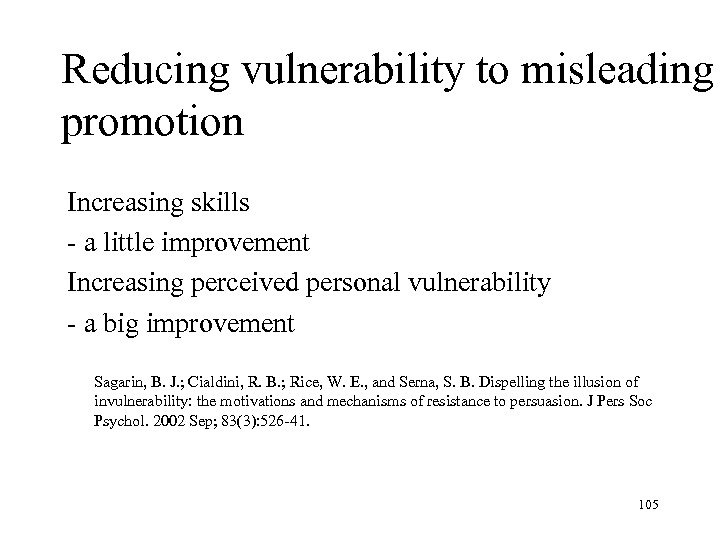 Reducing vulnerability to misleading promotion Increasing skills - a little improvement Increasing perceived personal vulnerability - a big improvement Sagarin, B. J. ; Cialdini, R. B. ; Rice, W. E. , and Serna, S. B. Dispelling the illusion of invulnerability: the motivations and mechanisms of resistance to persuasion. J Pers Soc Psychol. 2002 Sep; 83(3): 526 -41. 105
 Illuminating the techniques used in drug advertisements www. healthyskepticism. org/adwatch. php 106
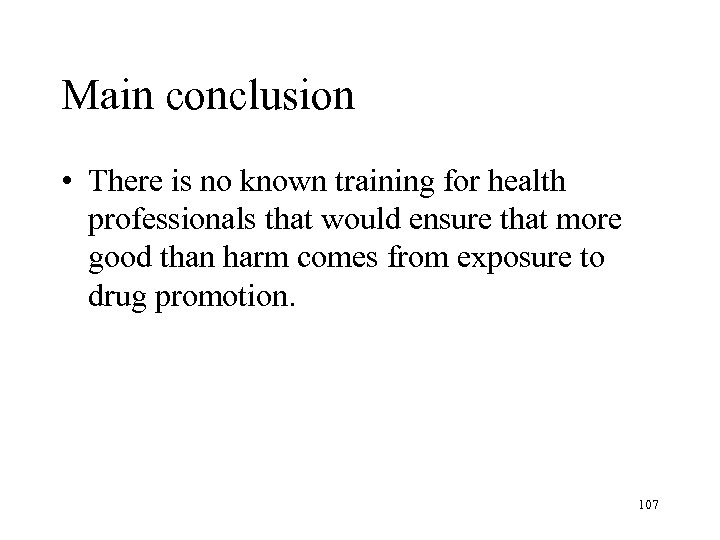 Main conclusion • There is no known training for health professionals that would ensure that more good than harm comes from exposure to drug promotion. 107
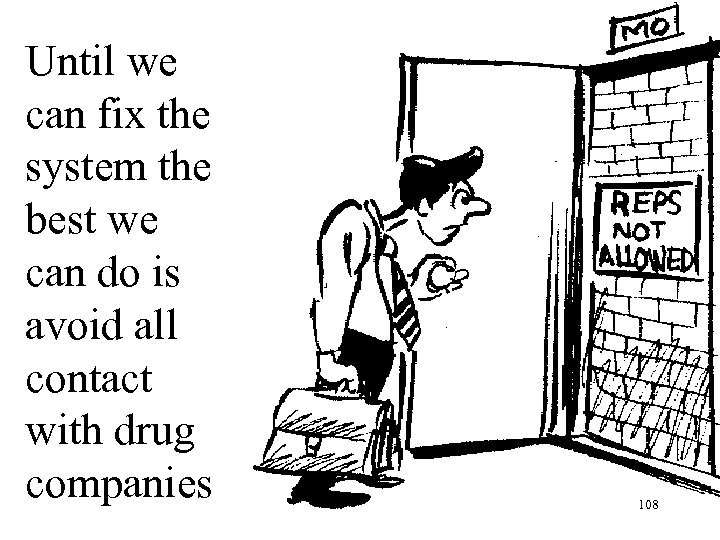 Until we can fix the system the best we can do is avoid all contact with drug companies 108
 Healthy Skepticism Countering misleading drug promotion www. healthyskepticism. org 109
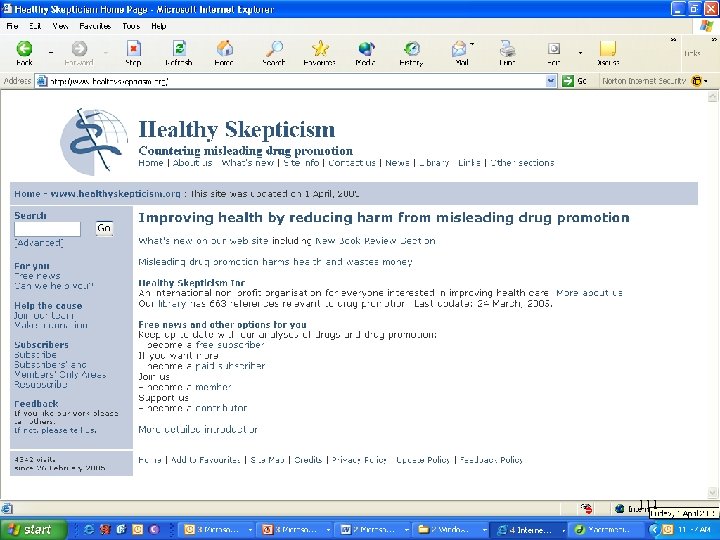
 Healthy Skepticism • Improving health by reducing harm from misleading drug promotion • International non profit organisation based in Australia • Everyone who is interested in improving health care is welcome. • Members, Paid Subscribers, Free Subscribers • Mostly doctors and pharmacists. 110
 111
111