


 Скачать презентацию Influence of the Industrial revolution Rise of factory
eclecticism.pptx
- Количество слайдов: 18
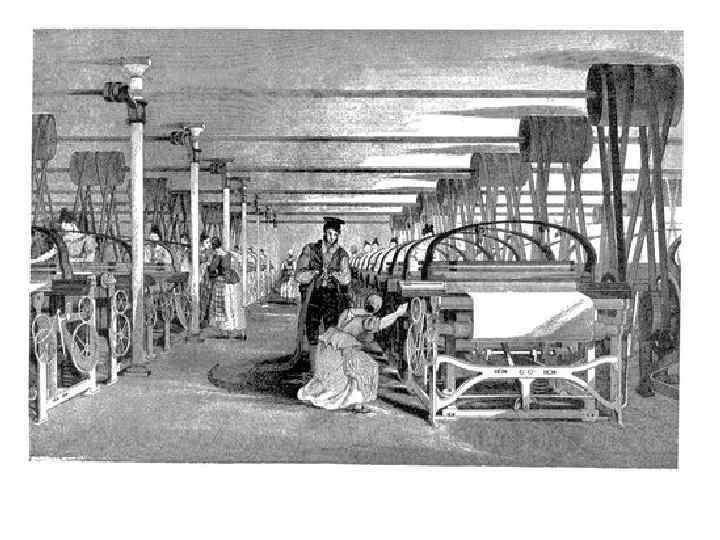
 Influence of the Industrial revolution Rise of factory system Development of machine tools Iron, glass and steel production Sustained growth of income and population • New societal structure and relations • Urbanization • •
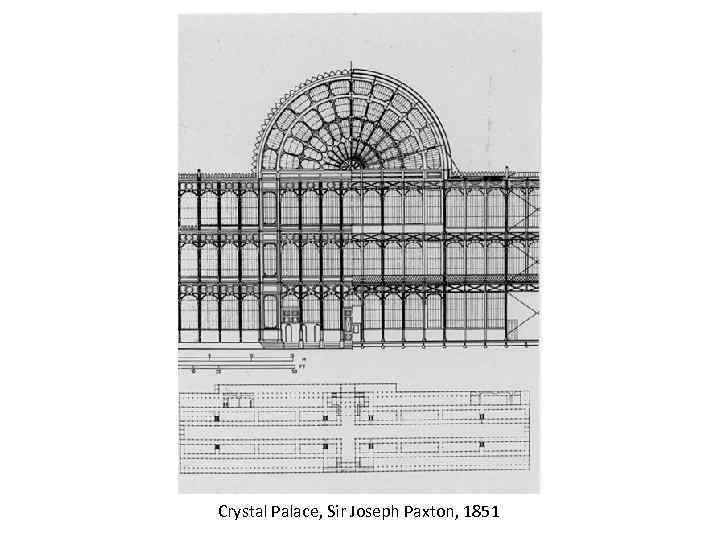 Crystal Palace, Sir Joseph Paxton, 1851
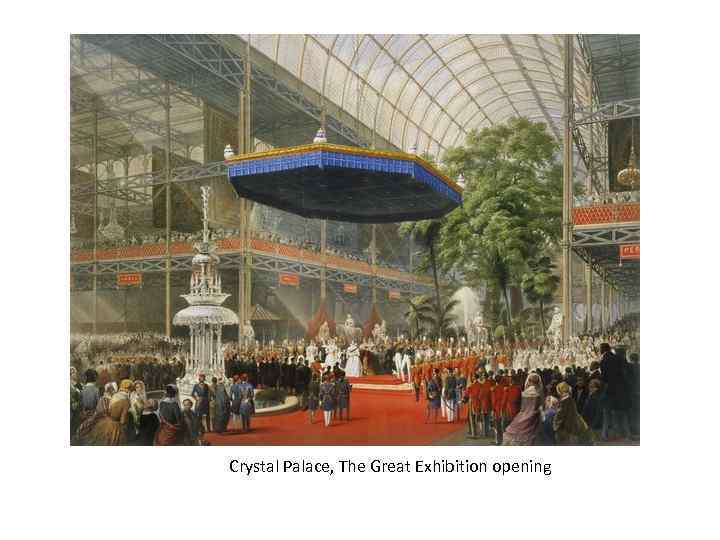 Crystal Palace, The Great Exhibition opening
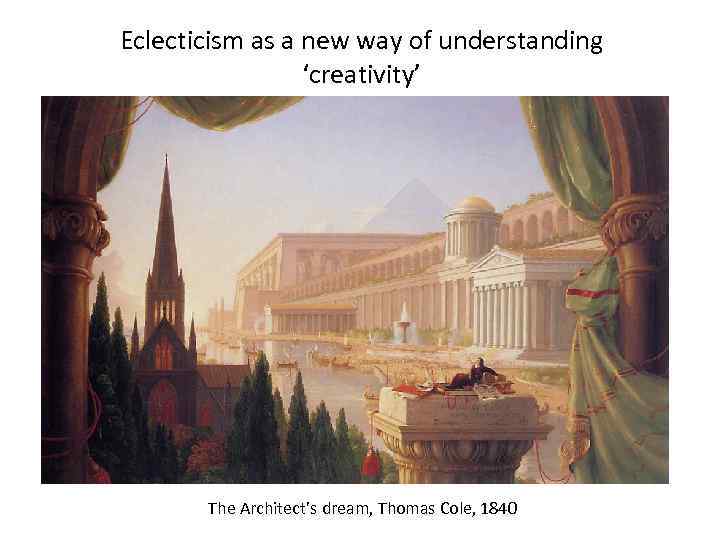 Eclecticism as a new way of understanding ‘creativity’ The Architect’s dream, Thomas Cole, 1840
 The main types of buildings: • • Profitable houses Theatres Banks Museums Trading passages Libraries Railway stations Educational facilities
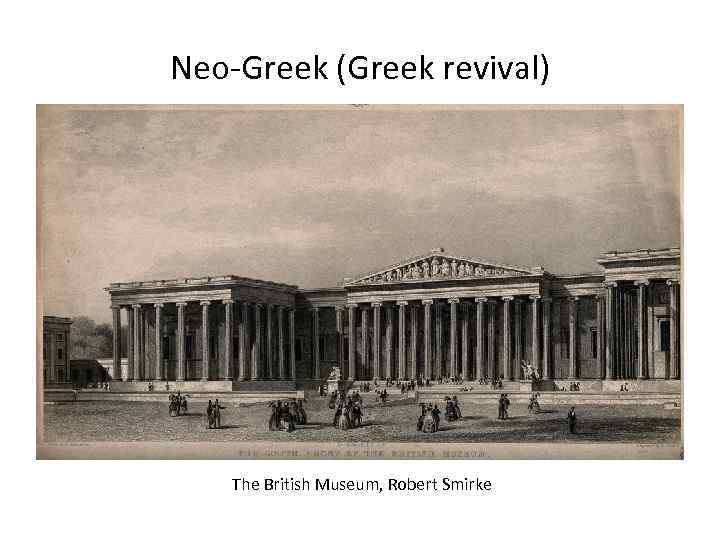 Neo-Greek (Greek revival) The British Museum, Robert Smirke
 Distinctive features: • • • Flat walls Geometrical strictness of forms Reproduction of classic Greek monuments Colonnade Order decoration
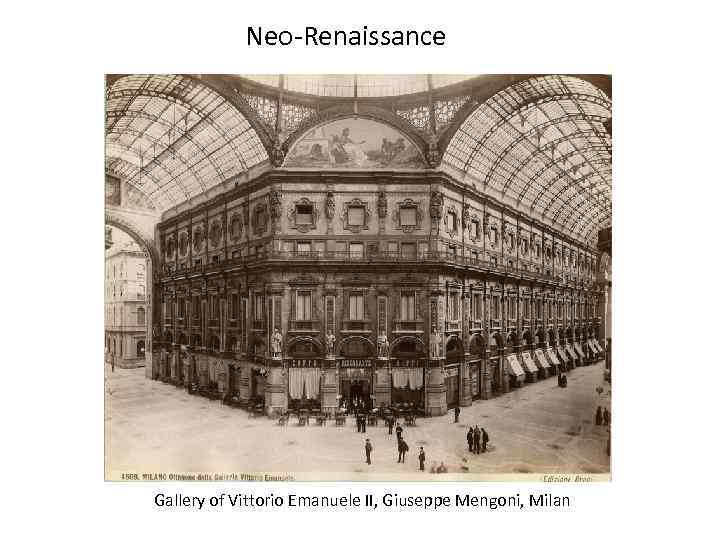 Neo-Renaissance Gallery of Vittorio Emanuele II, Giuseppe Mengoni, Milan
 • Details of the Renaissance style overlapped on the elevations of the buildings • Large scales of the details • Plaster decorations
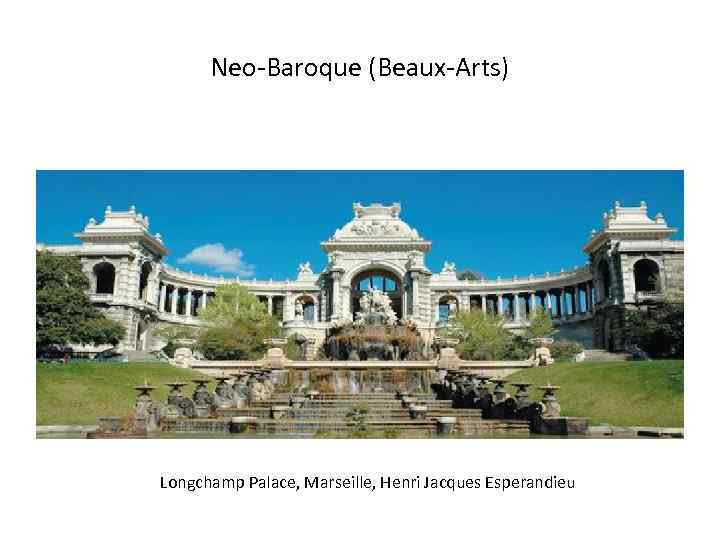 Neo-Baroque (Beaux-Arts) Longchamp Palace, Marseille, Henri Jacques Esperandieu
 • Arched openings and doors • Classic architectural details – balustrades, pilasters • Decorated garlands and cornices • Expressive mascarons • Multicolor paintings, frescoes, mosaics
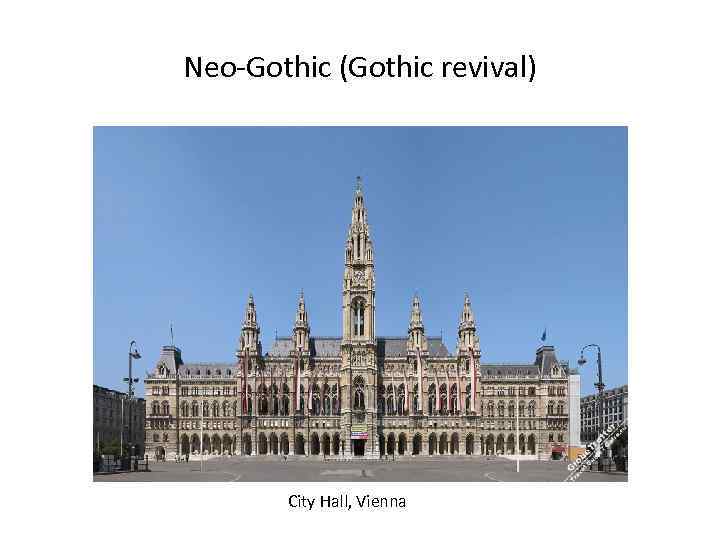 Neo-Gothic (Gothic revival) City Hall, Vienna
 Orientalism • Neo-Byzantine • Neo-Mauritian • Chinoisery
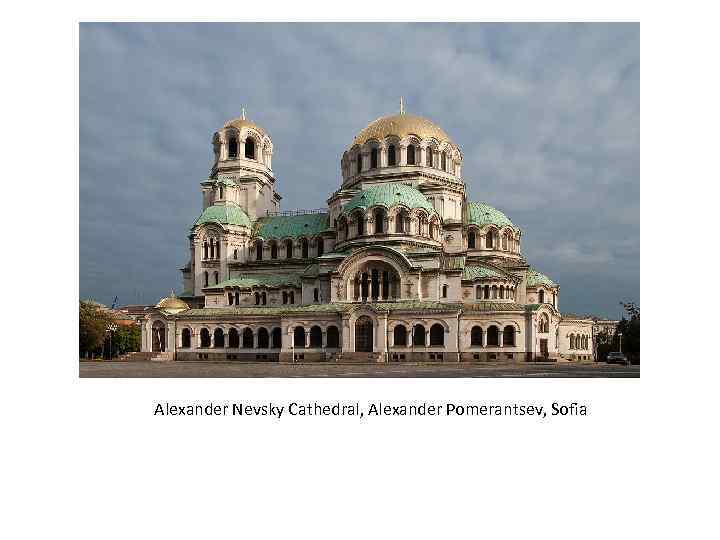 Alexander Nevsky Cathedral, Alexander Pomerantsev, Sofia
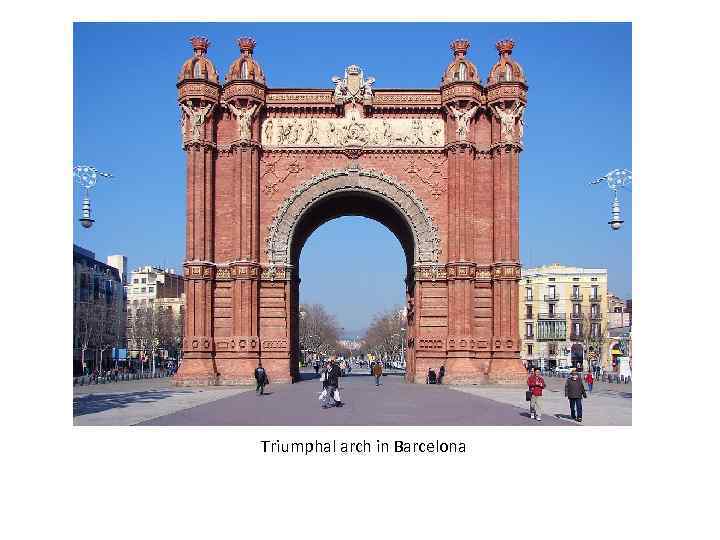 Triumphal arch in Barcelona
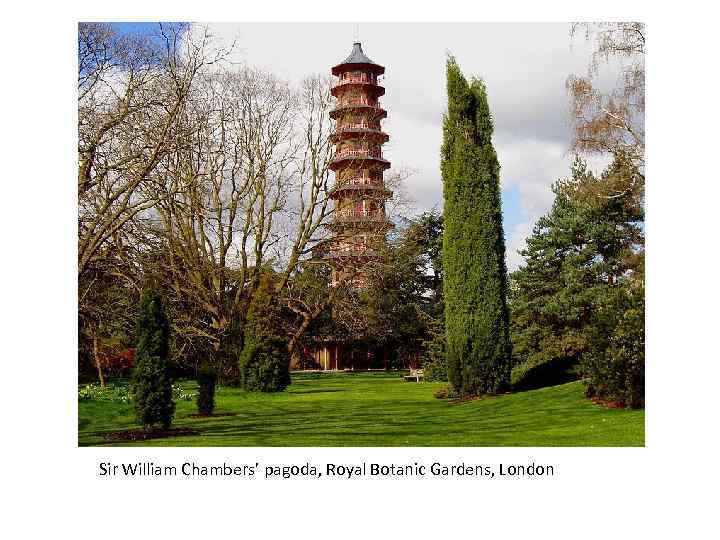 Sir William Chambers’ pagoda, Royal Botanic Gardens, London
 • Influence of Portuguese, Spanish, Mauritian Islamic architecture • Scalloped arches • Stalactite arches • Carpet ornaments • Mosaics • Elements of Chinese architecture