 Скачать презентацию Industrialization Becoming an Urban Power Industrial Revolution
d106b1275b0abe2de8aaffe5bc502bfd.ppt
- Количество слайдов: 26



Industrialization Becoming an Urban Power
Industrial Revolution w Time of increase of work moving towards factories and wage labor w Requirements – – – – National Transportation system Large deposits of iron, coal, and oil New sources of power Production for textile factories, meat packing and canneries Supply of labor Capital Banking system
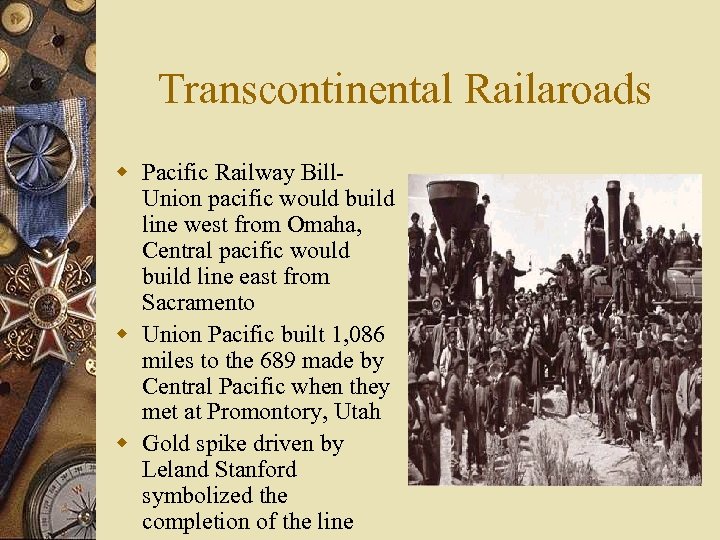
Transcontinental Railaroads w Pacific Railway Bill. Union pacific would build line west from Omaha, Central pacific would build line east from Sacramento w Union Pacific built 1, 086 miles to the 689 made by Central Pacific when they met at Promontory, Utah w Gold spike driven by Leland Stanford symbolized the completion of the line
National Rail System w Consolidation of small rail lines – Merging lines – Building of Transcontinental line – Standardized time zones – Cornelius Vanderbilt- consolidated railroads into one line called New York Central w Key to economic explosion after Civil War w Opened the West w Connected raw materials to factories w Became market for iron, steel, other goods w Mileage grew from 30, 600 in 1862 to 199, 000 by 1900.
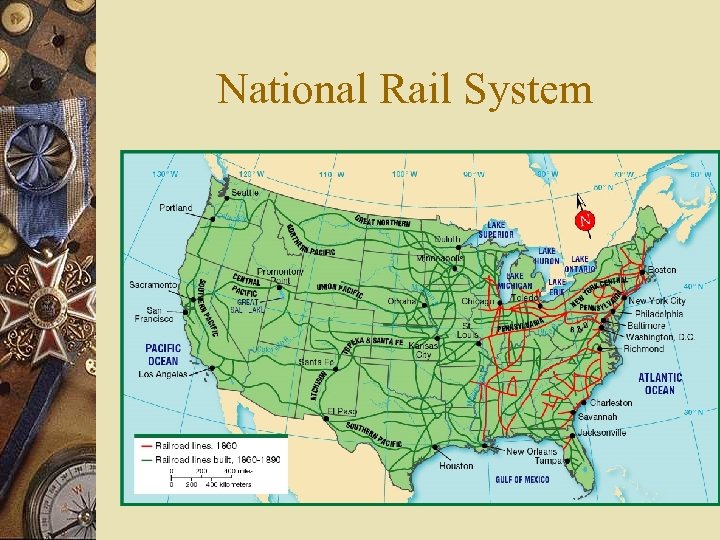
National Rail System
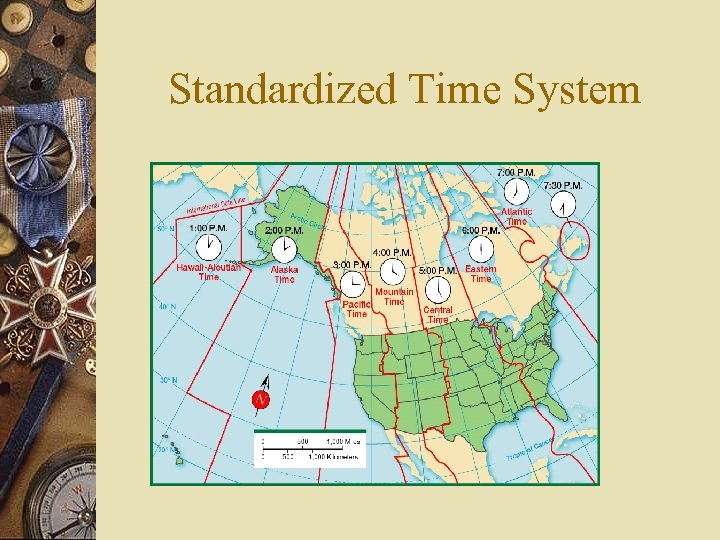
Standardized Time System
Financing Railroads w Building of the Union Pacific and Central Pacific generated shameless profiteering. w Credit Mobilier Company- charged Union Pacific 94 million for construction that cost 44 million w Jay Gould-”Robber Baron”- bought up run down railroads and made improvements and sold them for profit--- Speculation
Immigration w Between 1840 -1850 1. 5 million people came to America w Over half were from Ireland Germany w Push Factor- escape economic, political, and religious persecution w Until 1880’s immigrants came from northern and western Europe w By the 1880’s large numbers came from southern and eastern european
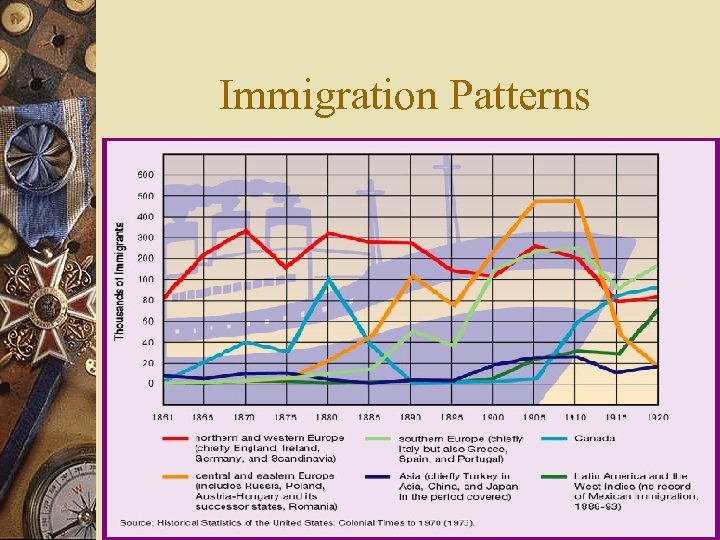
Immigration Patterns
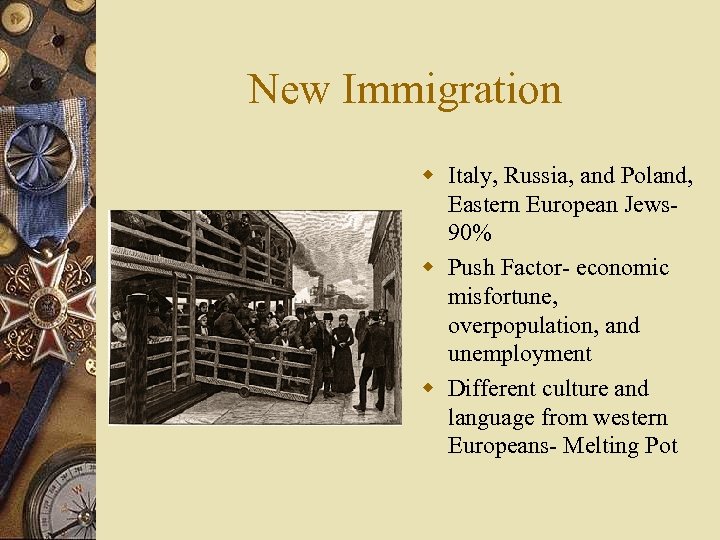
New Immigration w Italy, Russia, and Poland, Eastern European Jews 90% w Push Factor- economic misfortune, overpopulation, and unemployment w Different culture and language from western Europeans- Melting Pot

Nativist Response w Americans became increasingly anti-Catholic and anti-Semitic w Rise in crime rate-blamed on new immigrants w American Protective Association- Mississippi Valley: promoted restrictions in immigration and refusal to hire Catholics and teaching only English in schools
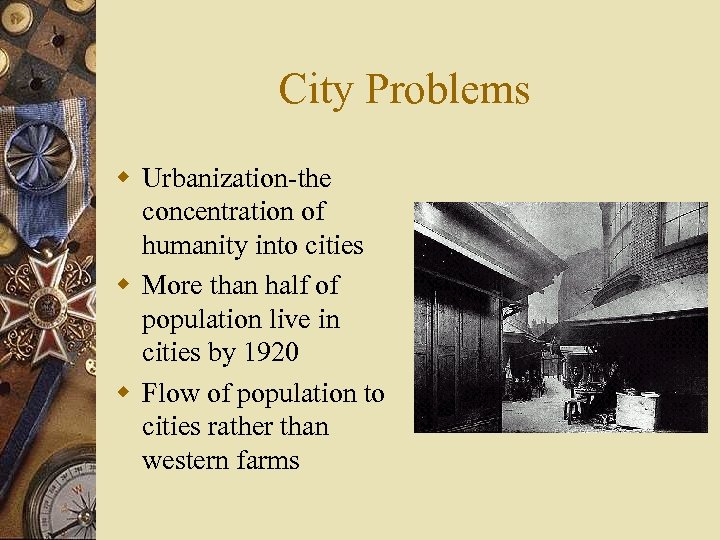
City Problems w Urbanization-the concentration of humanity into cities w More than half of population live in cities by 1920 w Flow of population to cities rather than western farms
City Problems w Live in crowded tenements w Manhattan’s 42, 700 tenements housed 1. 6 million people w Little water, sewer, fire and police protection, and food w Political corruption-Ward bosses w Provided food, housing, and protection for vote.
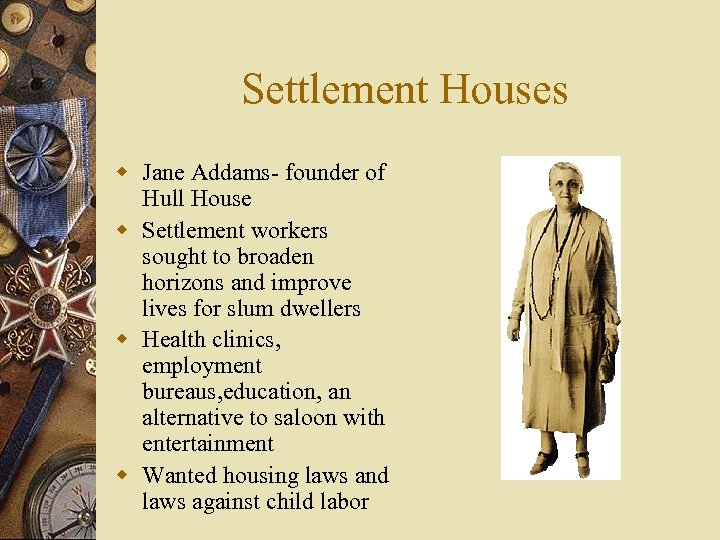
Settlement Houses w Jane Addams- founder of Hull House w Settlement workers sought to broaden horizons and improve lives for slum dwellers w Health clinics, employment bureaus, education, an alternative to saloon with entertainment w Wanted housing laws and laws against child labor
Westward Expansion w West was untouched after the Civil War w Great plains were arid with little water- unfit for human habitation w Pattern changed – – – New finds in gold Completion of Railroad Destruction of buffalo Rise of range-cattle industry Dry farming techniques
Homestead Act w Enabled the head of a family to acquire 160 acres w Owners must reside on and cultivate land for 5 years. The Sodbusters w Speculators gained much of the land w Speculators paid relatives or employees to lay down a few logs as a foundation and scatter corn. w After five years they gained control of the land w Usually benefited railroads.
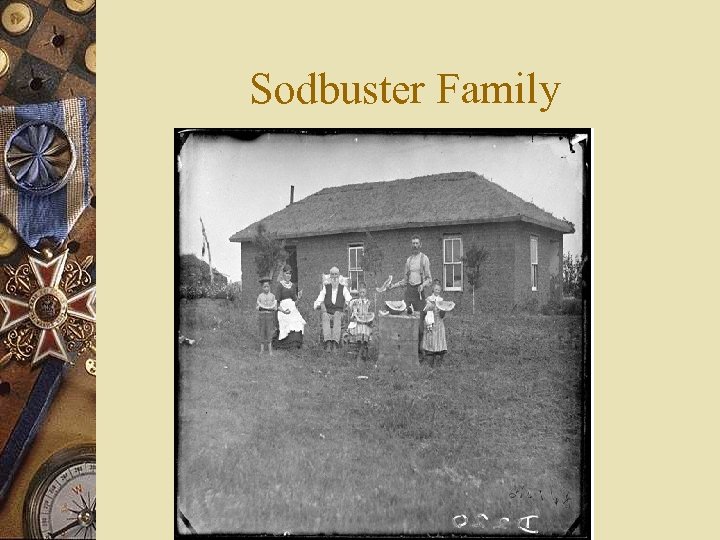
Sodbuster Family
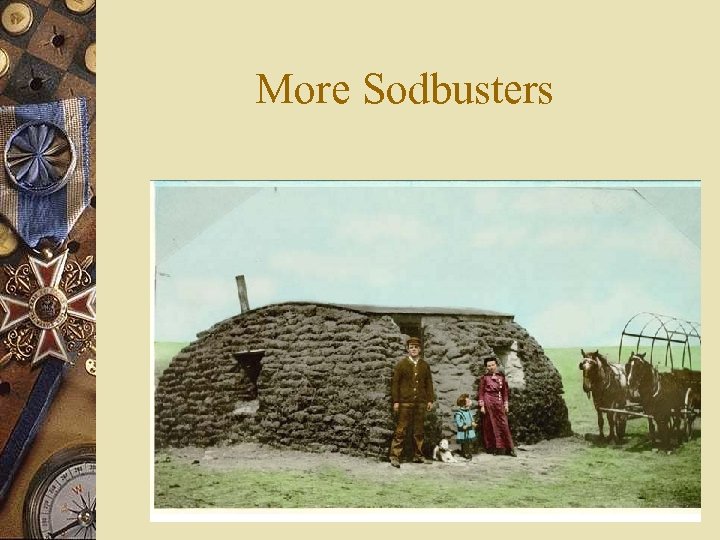
More Sodbusters
Open Range w Cattle Industry – Cattle Drives by Cowboys – Cities like Cheyenne Dodge City, and Abilene were started – Point of Placing cattle on Railroads w End of Ranching – – – Sheep herding took place of cattle Decline in beef prices Severe winters Barbed Wire Formed Co-ops and kept smaller herds to combat problems with sheep herders
Open Range w Problems – Not Much Rain- Dry Farming Techniques – Low Harvest Yield- Steel Plows, better harvest equipment – Free Roaming cattle- Barbed Wire w Mining – Many went to gain riches in gold and silver – Few made riches but most stayed to live in cities and sell products to others – Helena, Montana
Indian Problems w Bureau of Indian Affairs – Set up Reservation system – Protested by Chief Joseph (Nez Perce) and Geronimo (Apache) w Dawes Act – – Broke up Reservations 160 acres to head of household No land sale for 25 yrs—by the government Citizenship after 25 years of farming • Failures – Natives were not farmers – Land given to them was poor – Natives sold land for money—went broke
Captains of Industry w Entrepreneurs: A person who starts a new business w John Rockefeller: Standard Oil Company w Andrew Carnegie: Carnegie Steel w J Pierpont Morgan: US Steel
Rockefeller and Standard Oil w Capitalized the Standard Oil Company of Ohio in 1870 w Bought out 95 % of the oil refining business in the US w Monopoly q Vertical Integration- did not rely on other firms for products. Made everything they needed. q Large cash reserves to stay independent of banks q. Formation of Trust
Andrew Carnegie w Rags to Riches story w Became interested in iron and bridge building after the Civil War w Switched to the steel industry: promoter, salesman, and organizer-Carnegie Steel w Carnegie was the greatest philanthropist of his time w Gospel of Wealth- written in 1889. “Good must come from the accumulation of wealth w Best way to dispense fortune was to administer it during one’s lifetime to public good.
JP Morgan w Consolidation of steel industry was greatest accomplishments w Combination of two or more business enterprises to form a single firm. w Bought out Carnegie steel for almost 500 million dollars w Morgan rapidly bought other steel companies to form US Steel- a holding company w First billion dollar corporation-1904
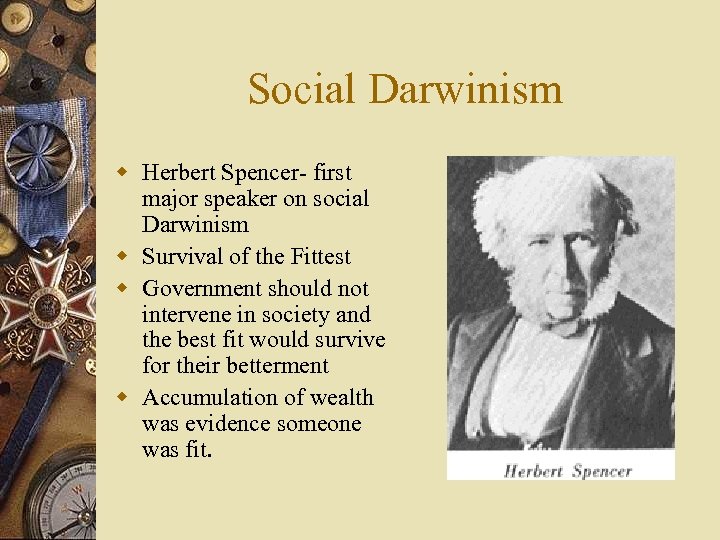
Social Darwinism w Herbert Spencer- first major speaker on social Darwinism w Survival of the Fittest w Government should not intervene in society and the best fit would survive for their betterment w Accumulation of wealth was evidence someone was fit.
Скачать презентацию Industrialization Becoming an Urban Power Industrial Revolution
d106b1275b0abe2de8aaffe5bc502bfd.ppt