 Скачать презентацию Index Company History II Liberty Facilities III What s
b47f0b88bf30117042fd40b0d395b11d.ppt
- Количество слайдов: 17




Index. Company History II. Liberty Facilities III. What’s New in Training A/C? IV. XL 2 Power Plant V. FADEC Advantages VI. Modular Construction VII. Exterior Features I.
Company History • 1989 – 1999 Highly successful Europa aircraft is developed – over 1000 kits delivered. • 2000 Liberty Aerospace is developed, capitalizing on the success of the Europa. • 2001 Development on the Liberty XL 2 begins. • 2004 FAA awards Liberty with the Part 23 Type Certificate for the single engine Liberty XL 2 • 2004 Kuwait Finance House – Bahrain acquires 75% stake in Liberty Aerospace, Inc.
Company History • 2005 IFR Certification received for Liberty XL 2 • 2006 Liberty Aerospace receives Production Certificate for the XL 2 • 2006 – 2008 Liberty Aerospace Certifies over 100 XL 2’s • 2008 Liberty Aerospace launches XL 2 Vanguard Edition incorporating numerous improvements
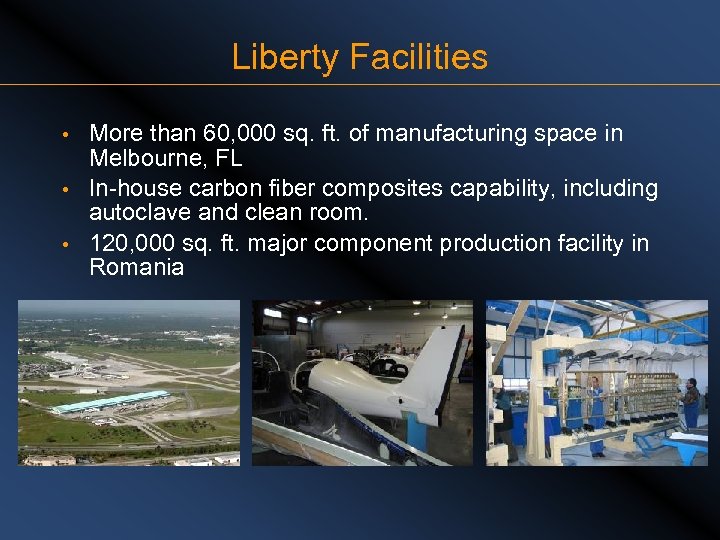
Liberty Facilities More than 60, 000 sq. ft. of manufacturing space in Melbourne, FL • In-house carbon fiber composites capability, including autoclave and clean room. • 120, 000 sq. ft. major component production facility in Romania •
What’s New in Training A/C? • Economical • Performance • Modern Avionics • Advanced Technology • Comfort • High Residual Value (A/C like XL 2 get 5 gph fuel economy in training environment significant cost savings to flight school, lowest overall operating/maintenance costs) (Useful load – 2 x 200 lb individuals with full fuel, 500 nm range) (Garmin WAAS GPS, Glass Panel Aspen Pro EFD 100) (Carbon Fiber Fuselage (100 lbs), FADEC – Full Authority Digital Engine Control - Electric Ignition) • Simplified workload) (48” wide cabin, plush memory foam seats) Training (Durability, less engine wear, higher resale value) (Easy to learn, no fuel management, reduced pilot
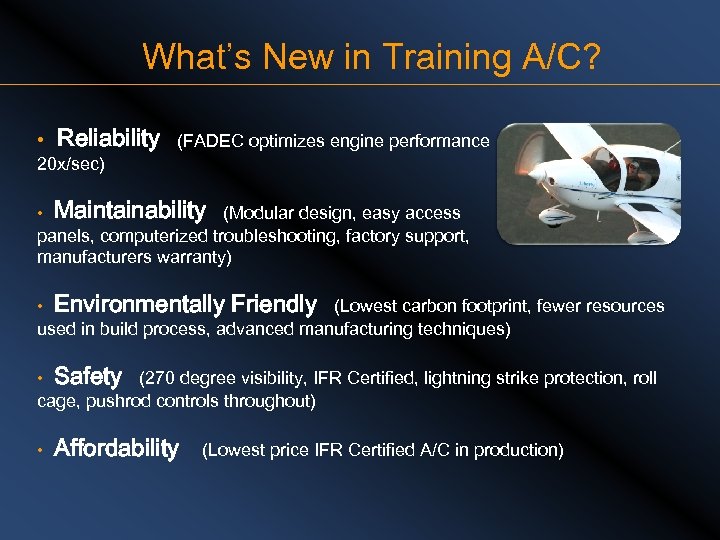
What’s New in Training A/C? • Reliability (FADEC optimizes engine performance 20 x/sec) • Maintainability (Modular design, easy access panels, computerized troubleshooting, factory support, manufacturers warranty) • Environmentally Friendly (Lowest carbon footprint, fewer resources used in build process, advanced manufacturing techniques) • Safety (270 degree visibility, IFR Certified, lightning strike protection, roll cage, pushrod controls throughout) • Affordability (Lowest price IFR Certified A/C in production)
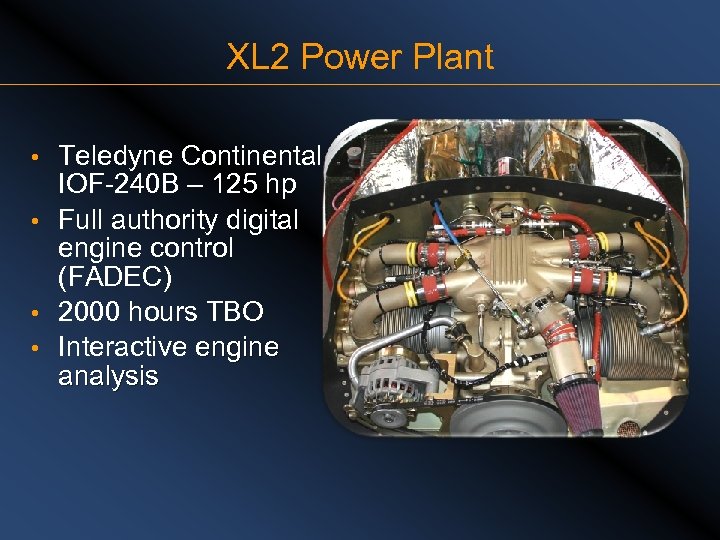
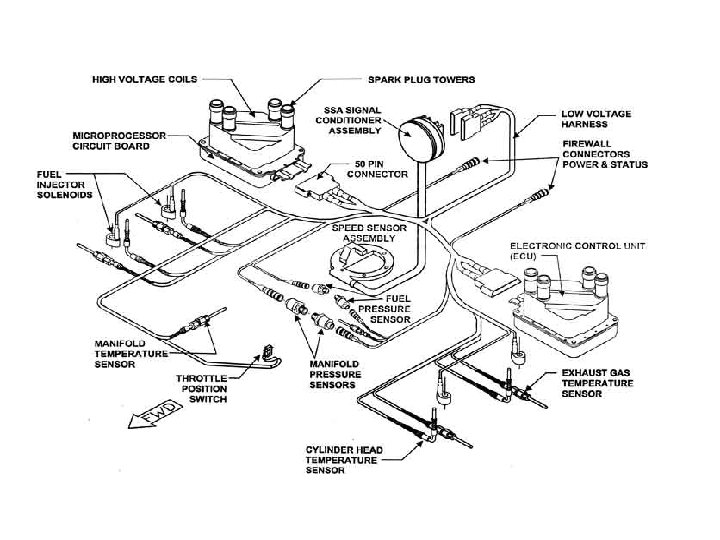
XL 2 Power Plant Teledyne Continental IOF-240 B – 125 hp • Full authority digital engine control (FADEC) • 2000 hours TBO • Interactive engine analysis •
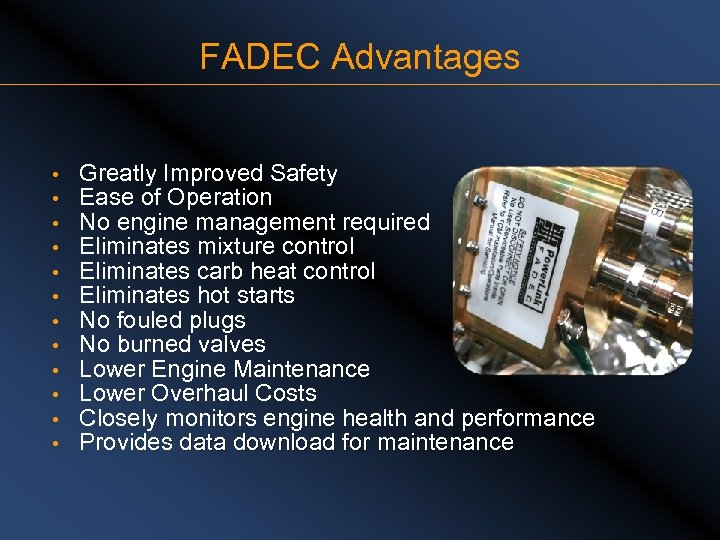
FADEC Advantages • • • Greatly Improved Safety Ease of Operation No engine management required Eliminates mixture control Eliminates carb heat control Eliminates hot starts No fouled plugs No burned valves Lower Engine Maintenance Lower Overhaul Costs Closely monitors engine health and performance Provides data download for maintenance
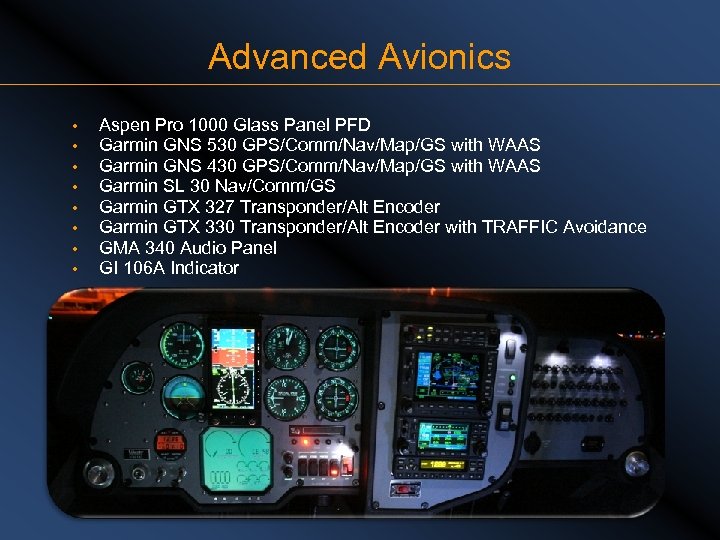
Advanced Avionics • • Aspen Pro 1000 Glass Panel PFD Garmin GNS 530 GPS/Comm/Nav/Map/GS with WAAS Garmin GNS 430 GPS/Comm/Nav/Map/GS with WAAS Garmin SL 30 Nav/Comm/GS Garmin GTX 327 Transponder/Alt Encoder Garmin GTX 330 Transponder/Alt Encoder with TRAFFIC Avoidance GMA 340 Audio Panel GI 106 A Indicator
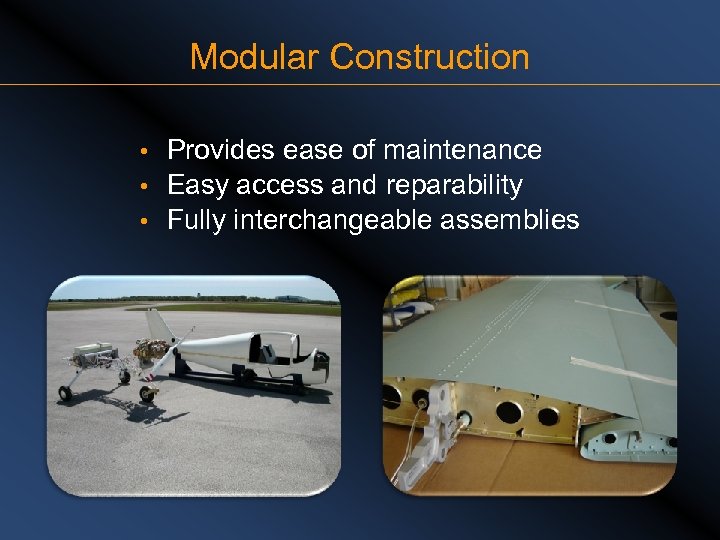
Modular Construction Provides ease of maintenance • Easy access and reparability • Fully interchangeable assemblies •
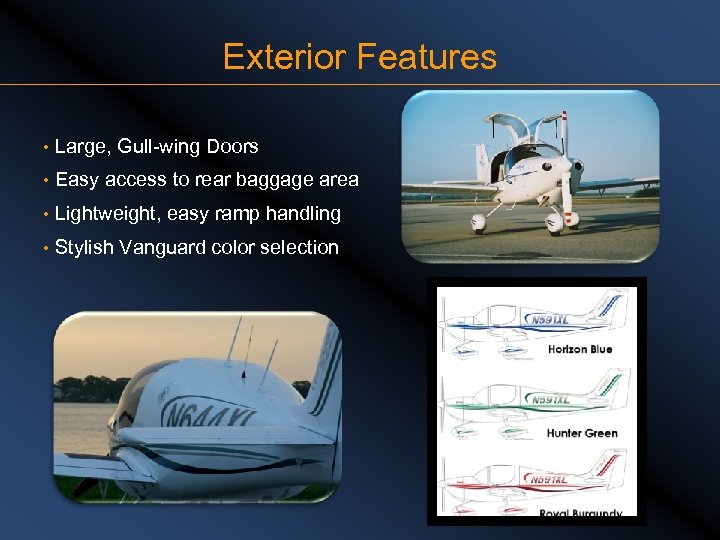
Exterior Features • Large, Gull-wing Doors • Easy access to rear baggage area • Lightweight, easy ramp handling • Stylish Vanguard color selection
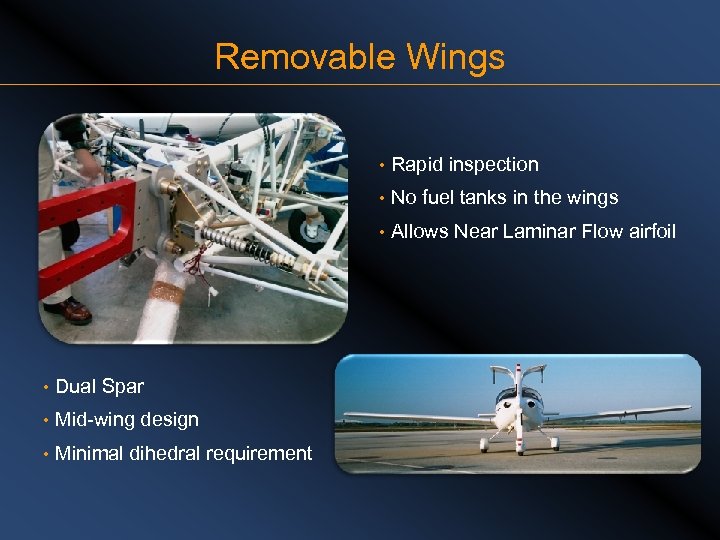
Removable Wings • Rapid inspection • No fuel tanks in the wings • Allows Near Laminar Flow airfoil • Dual Spar • Mid-wing design • Minimal dihedral requirement
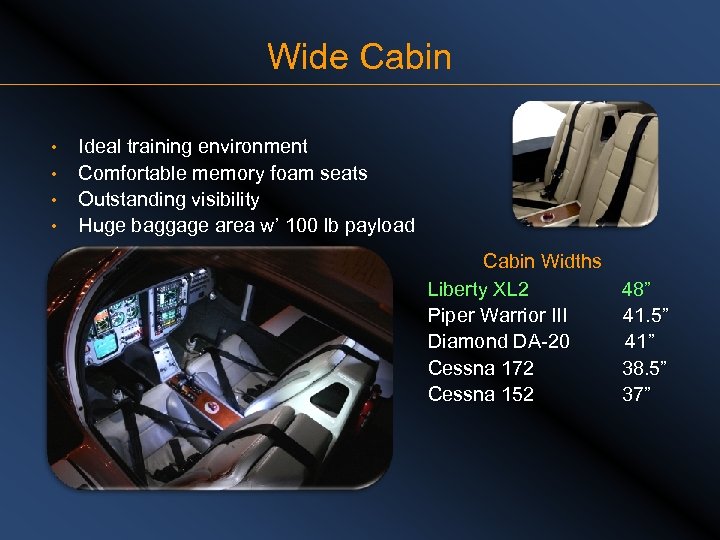
Wide Cabin • • Ideal training environment Comfortable memory foam seats Outstanding visibility Huge baggage area w’ 100 lb payload Cabin Widths Liberty XL 2 48” Piper Warrior III 41. 5” Diamond DA-20 41” Cessna 172 38. 5” Cessna 152 37”
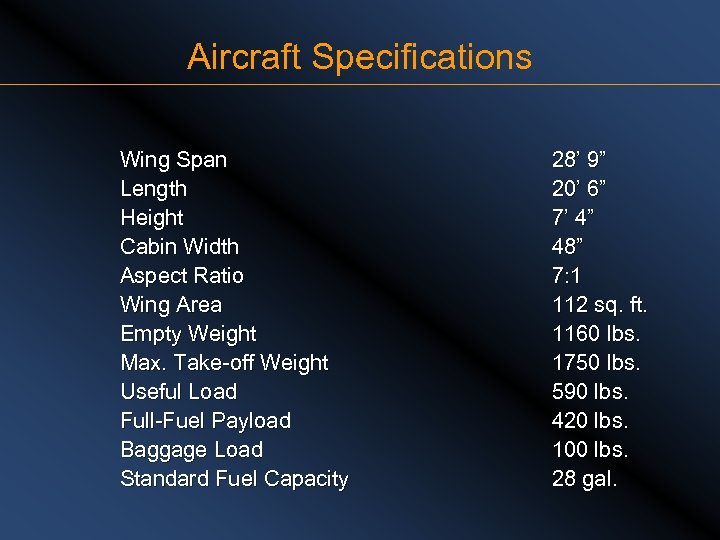
Aircraft Specifications Wing Span Length Height Cabin Width Aspect Ratio Wing Area Empty Weight Max. Take-off Weight Useful Load Full-Fuel Payload Baggage Load Standard Fuel Capacity 28’ 9” 20’ 6” 7’ 4” 48” 7: 1 112 sq. ft. 1160 lbs. 1750 lbs. 590 lbs. 420 lbs. 100 lbs. 28 gal.
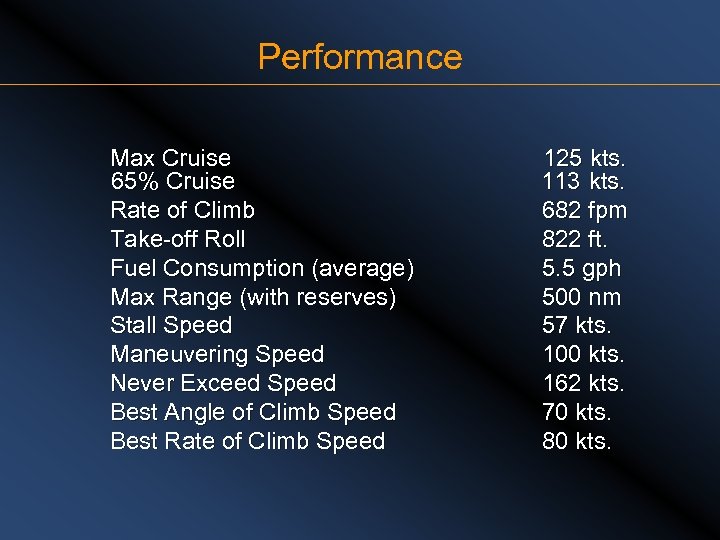
Performance Max Cruise 65% Cruise Rate of Climb Take-off Roll Fuel Consumption (average) Max Range (with reserves) Stall Speed Maneuvering Speed Never Exceed Speed Best Angle of Climb Speed Best Rate of Climb Speed 125 kts. 113 kts. 682 fpm 822 ft. 5. 5 gph 500 nm 57 kts. 100 kts. 162 kts. 70 kts. 80 kts.
Скачать презентацию Index Company History II Liberty Facilities III What s
b47f0b88bf30117042fd40b0d395b11d.ppt