


 Скачать презентацию Inclusion John Keenan john keenan newman ac uk
637ea7c143785b291ee566c2919dc51b.ppt
- Количество слайдов: 162
 Inclusion John Keenan john. keenan@newman. ac. uk
 Millennials - Zeitgeist • https: //www. theguardian. com/world/2016/mar/09/howmillennial-are-you-the-generation-y-quiz • https: //www. theguardian. com/science/2016/nov/28/snowfla ke-insult-disdain-young-people The young adults of the 2010 s, viewed as being less resilient and more prone to taking offence than previous generations”. Depending on what you read, being part of the “snowflake generation” may be as benign as taking selfies or talking about feelings too much, or it may infer a sense of entitlement, an untamed narcissism, or a form of identity politics that is resistant to free speech. • https: //youtu. be/EP 5 aq. AC 8 PPY
 Questions • Useful to define a generation? • Truthful? • Differentiation?
 Happy New Year • What do you need today? • What do you need from this module? • What do you need in your teaching?
 What are you doing? • PGCE • QTS
 QTS Teach Pass observations at Meeting + Evidence against the QT Standards Teacher File
 PGCE Attend Pass two assignments at Level 6 or Level 7 1. Evidence-based 2. Professional
 Professional - English • Critically analyse literature around the many Englishes which exist including dialects. Explore pedagogical views on Standard English. • Examine reasons for studying literature including the sociological, psychological, aesthetic and cultural approaches. • Consider why texts gain a position in the Classical Canon and political stances to teaching it. • Examine through a review of literature, the nature of dyslexia, autism, ADHD and other learning disabilities and how they affect pupils’ language development. • Critique a range of pedagogies in order to explore the most apt for teaching English in schools.
 Professional – Drama • Critically analyse literature around drama including pedagogical approaches. • Examine reasons for studying drama including the sociological, psychological, aesthetic and cultural approaches. • Examine through a review of literature, the nature of dyslexia, autism, ADHD and other learning disabilities and how they affect pupils’ language development. • Critique a range of pedagogies in order to explore the most apt for teaching drama in schools.
 Today… • Examine through a review of literature, the nature of dyslexia, autism, ADHD and other learning disabilities and how they affect pupils’ language development. Nature of differentiation, the social self, current culture, gender, race, EAL, learning disabilities (dyslexia, autism) My hopes… Your hopes…
 Assignment Details: 4000 words A critical analysis of an evidence-based approach to teaching in English or drama consisting of: A review of research literature on a problematic aspect of teaching and learning drama that has been agreed with the module leader. A discussion of the potential implications of the reviewed literature for the effective teaching of a problematic part of the drama curriculum. Suggestions for how these implications might inform teaching of the chosen part of the curriculum.
 Since the Special Educational Needs and Disability Act 2001 mainstream schools have been required to offer an inclusive education for students with special educational needs (SEN): ‘Schools… Should actively seek to remove the barriers to learning and participation they can hinder or exclude pupils with special educational needs’ (p. 2). This legislation is supported by both the Teaching Standards 2011 and the 2015 SEN Code of Practice. My approach when dealing with pupils with barriers to learning in my classroom is to treat every pupil as an individual with individual needs: in fact that is true for the non-SEN pupils too. To me, differentiation is about understanding how individual students learn and tailoring my teaching to facilitate that. My experience in both being dyslexic and working as a teaching assistant with dyslexic students for a number of years tells me that attempting to treat two dyslexic students the same simply because they’re both dyslexic does not work. This point is emphasised by Mortimore who a swelling from 11 to over 40 definitions of dyslexia in just a few years (citing Rice and Brooks, 2008, p. 50). With over 40 definitions of what dyslexia is, attempting to treat any two dyslexic pupils in the same way simply because they’re both dyslexic would be folly. I was not diagnosed with dyslexia until I got to university as a 19 -year-old. I went all the way through school and further education and achieved GCSEs and A-levels with an undiagnosed learning difficulty. I was able to do this because I developed coping strategies to help me overcome my difficulties. Once I was made aware of my unconscious actions I was able to identify a number of techniques I had used throughout my education. I am a strong believer that SEN pupils need to be able to develop these coping strategies while at school because once they leave education the inclusive and supportive nature of the school environment is no longer there: ‘In the 19 th [century], as the modern emphasis on qualification by examination came into being, the bad speller might find his livelihood threatened by his disability’ (Stirling quoting Scragg, 1993, p. 16). Students with barriers to learning have to work harder than those without simply to keep up. I often liken this to an athlete going to altitude training – it is more difficult in the moment but when facing a competitor who has not trained at altitude you have an advantage. Students need to develop their own coping strategies as this is what gives them strength, their motivation to do this comes from not wanting to appear weak or stupid in front of their peers: ‘Most children in school are at least afraid of the mockery and contempt of their peer group as they are of their teacher’ (Holt, 1964, p. 36). My view of how to treat SEN students is based in the same logic as my view of how to approach pedagogy: we must allow students to craft their own learning, there is very little point telling them the answers (Dewey and Dewey, 1915, quoted in Cope and Kalantzis, 2012, p. 46). This means that I attempt structure my lessons in a way that allows pupils to both struggle and succeed in a variety of ways, not simply the lesson objectives. I believe drama is a holistic subject, and there are few better examples of this than when talking about SEN and barriers to learning. Allowing students to express themselves, their feelings and experiences in a safe and encouraging environment is a large, long-term aim of mine. Learning how to express oneself is a major factor in learning an art. Encouraging pupils to understand the feelings of others is very important, both students with barriers to learning towards those without, and vice-versa: as Brecht said “one thinks feelings and one feels thoughtfully” (Brecht, 1964, cited in Eagleton, 2006). Within a drama lesson any task will have a range of challenges for students: it may be the refinement of a specific skill, interacting in a group, saying a line on a stage or overcoming stage fright. My task as a teacher is to structure and scaffold (Vygotsky, 1978) all of these different, unseen and unrecognised (Petty, 2004, P. 19) lessons so students can achieve.
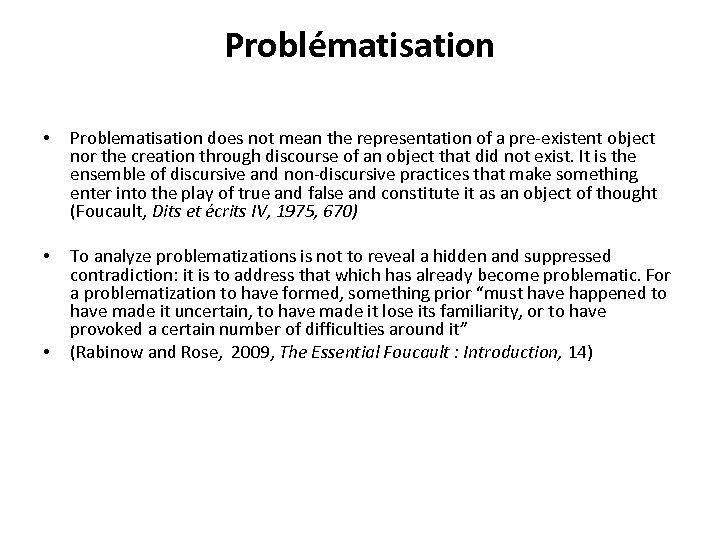 Problématisation • Problematisation does not mean the representation of a pre-existent object nor the creation through discourse of an object that did not exist. It is the ensemble of discursive and non-discursive practices that make something enter into the play of true and false and constitute it as an object of thought (Foucault, Dits et écrits IV, 1975, 670) • To analyze problematizations is not to reveal a hidden and suppressed contradiction: it is to address that which has already become problematic. For a problematization to have formed, something prior “must have happened to have made it uncertain, to have made it lose its familiarity, or to have provoked a certain number of difficulties around it” (Rabinow and Rose, 2009, The Essential Foucault : Introduction, 14) •
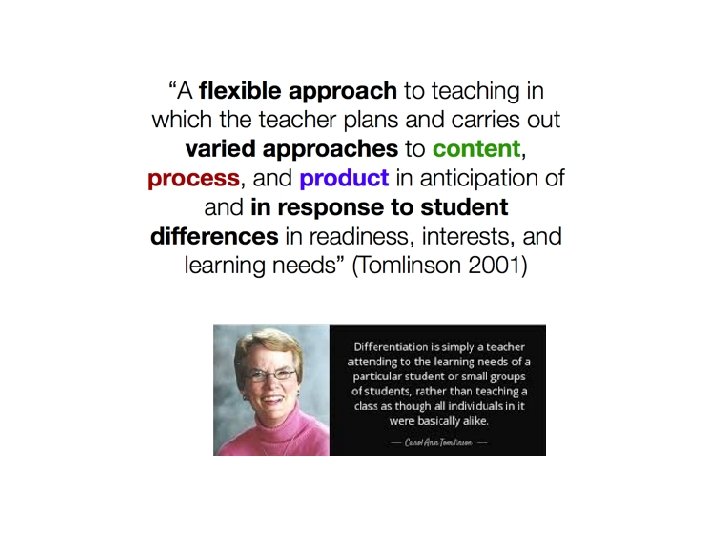
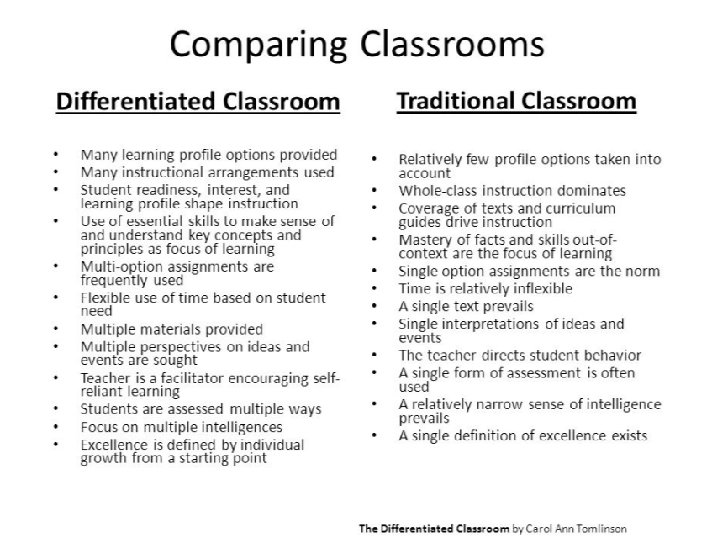
 Why differentiate?
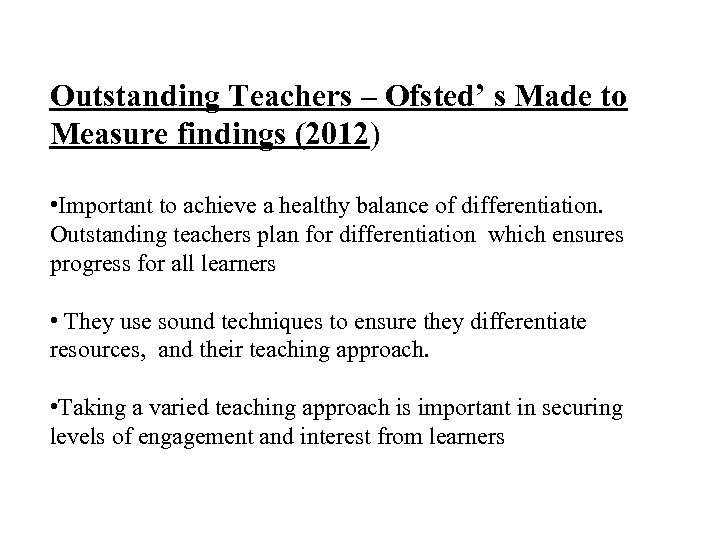 Outstanding Teachers – Ofsted’ s Made to Measure findings (2012) • Important to achieve a healthy balance of differentiation. Outstanding teachers plan for differentiation which ensures progress for all learners • They use sound techniques to ensure they differentiate resources, and their teaching approach. • Taking a varied teaching approach is important in securing levels of engagement and interest from learners
 5 Adapt teaching to respond to the strengths and needs of all pupils know when and how to differentiate appropriately, using approaches which enable pupils to be taught effectively have a secure understanding of how a range of factors can inhibit pupils’ ability to learn, and how best to overcome these demonstrate an awareness of the physical, social and intellectual development of children, and know how to adapt teaching to support pupils’ education at different stages of development have a clear understanding of the needs of all pupils, including those with special educational needs; those of high ability; those with English as an additional language; those with disabilities; and be able to use and evaluate distinctive teaching approaches to engage and support them
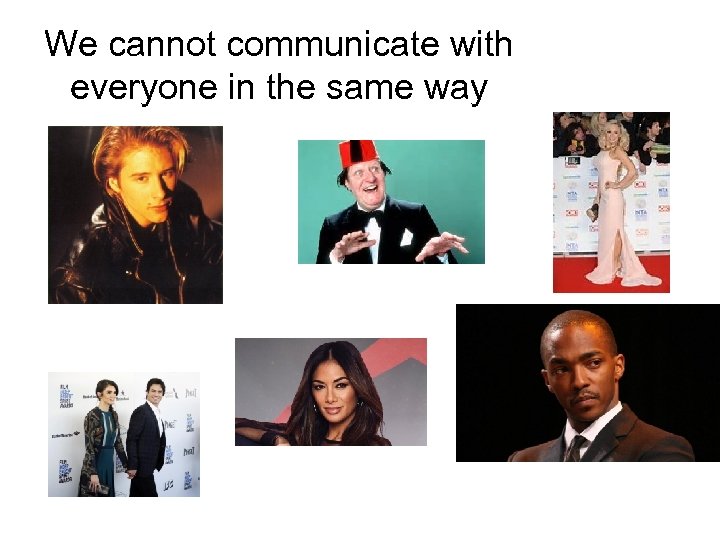 We cannot communicate with everyone in the same way
 We think only in signs – C S Pierce The Sign Denotation Connotation Polysemic signs Myth – Barthes - culturally dependent age, gender, ethnicity, etc. – social selves
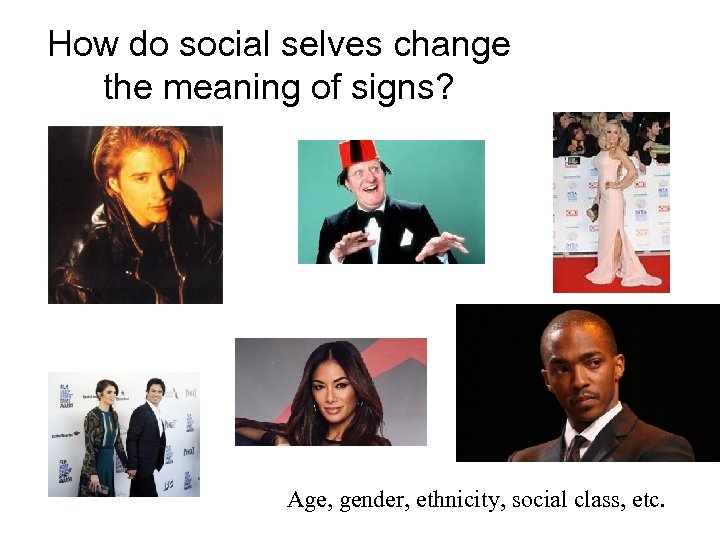 How do social selves change the meaning of signs? Age, gender, ethnicity, social class, etc.
 Age • The past is a foreign country. They do things differently there.
 Types of differentiation?
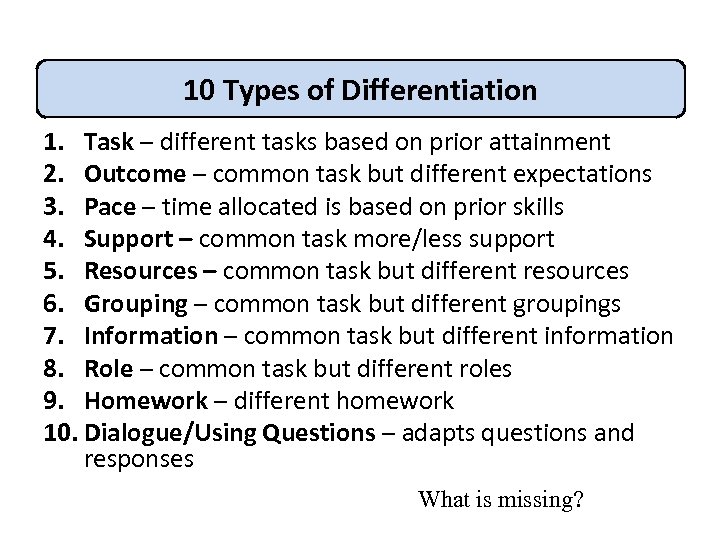 10 Types of Differentiation 1. Task – different tasks based on prior attainment 2. Outcome – common task but different expectations 3. Pace – time allocated is based on prior skills 4. Support – common task more/less support 5. Resources – common task but different resources 6. Grouping – common task but different groupings 7. Information – common task but different information 8. Role – common task but different roles 9. Homework – different homework 10. Dialogue/Using Questions – adapts questions and responses What is missing?
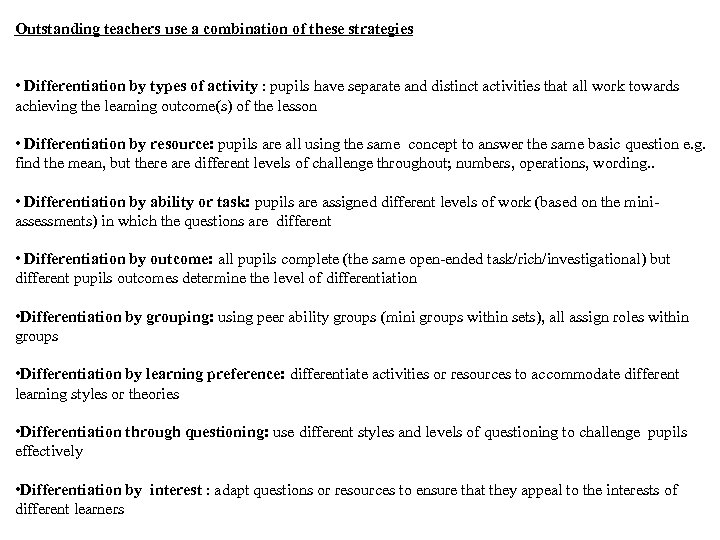 Outstanding teachers use a combination of these strategies • Differentiation by types of activity : pupils have separate and distinct activities that all work towards achieving the learning outcome(s) of the lesson • Differentiation by resource: pupils are all using the same concept to answer the same basic question e. g. find the mean, but there are different levels of challenge throughout; numbers, operations, wording. . • Differentiation by ability or task: pupils are assigned different levels of work (based on the miniassessments) in which the questions are different • Differentiation by outcome: all pupils complete (the same open-ended task/rich/investigational) but different pupils outcomes determine the level of differentiation • Differentiation by grouping: using peer ability groups (mini groups within sets), all assign roles within groups • Differentiation by learning preference: differentiate activities or resources to accommodate different learning styles or theories • Differentiation through questioning: use different styles and levels of questioning to challenge pupils effectively • Differentiation by interest : adapt questions or resources to ensure that they appeal to the interests of different learners
 Differentiation by Resource Give an example of when you have done this in your lesson
 Differentiation by questioning Give an example of when you have done this in your lesson.
 Differentiation by Learning Preference Looking at learners learning styles (VAK? ) or learning theories : constructivism, socio- constructivism -Collaborative learning, independent learning…Give an example of when you have done this in your lesson.
 Differentiation by lesson outcome ALL, MOST, SOME. Sometimes complete the same task and various pupils outcomes provide the differentiation. Not considered as best practice of differentiation- as this does not personalise the mathematical experience for learners (Ofsted, 2012). Really teachers who don’t differentiate appropriately do this regularly (Ofsted, 2012) Nevertheless, give an example…
 Being positive about difference Isn’t difference lovely? https: //youtu. be/hpi. IWMWWVco https: //youtu. be/KHR 6 Hk. Hy. SWY https: //youtu. be/S 4 Q 3 WGxvy. Zg
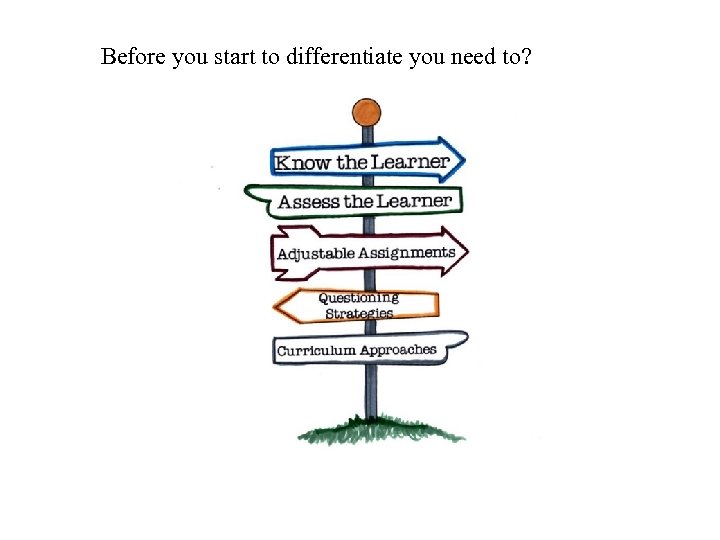 Before you start to differentiate you need to?
 Have a critical stance to the culture in which you are teaching.
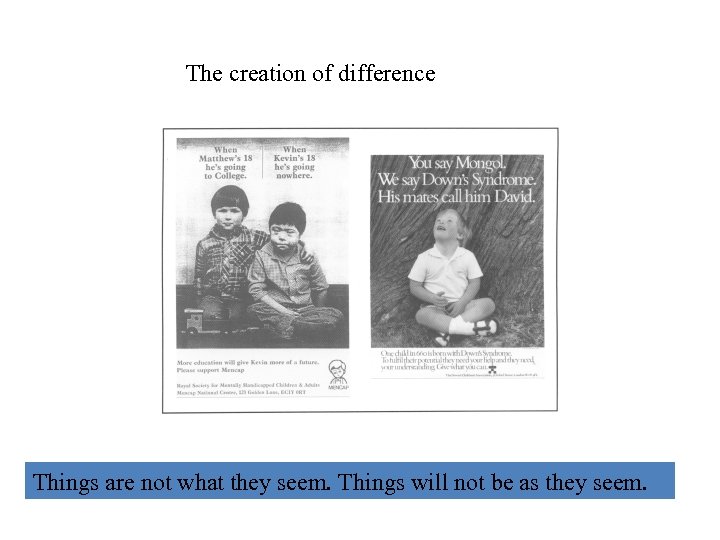 The creation of difference Things are not what they seem. Things will not be as they seem.
 Making difference Ancient cultures (Egypt, Rome, Greece) did not differentiate by skin colour but by social status Algerian culture values blue-black above all Traditional Masai cultures though light skin was cursed UK in 18 th Century valued lead-white skin Snowden, F (1970). Blacks in Antiquity: Ethiopians in the Greco-Roman Experience. Harvard University Press.
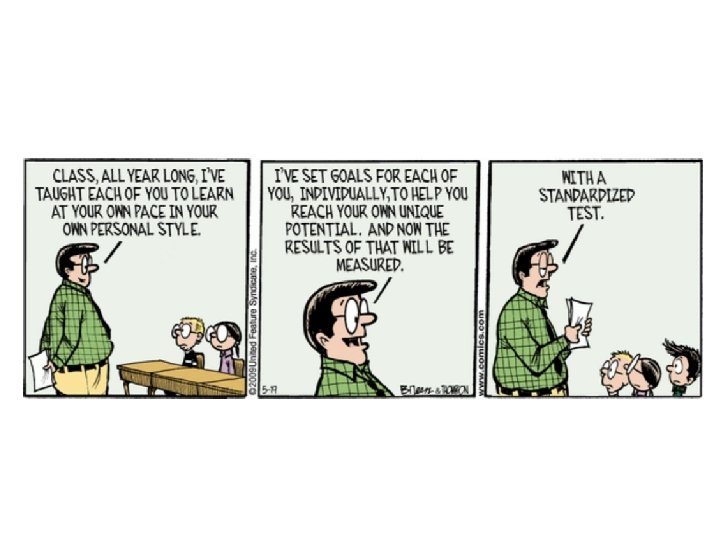
 What are the problems of differentiation?
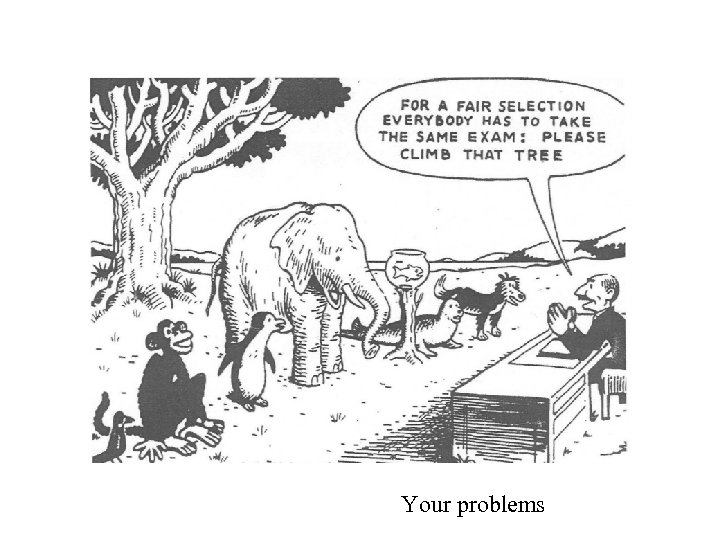 Your problems
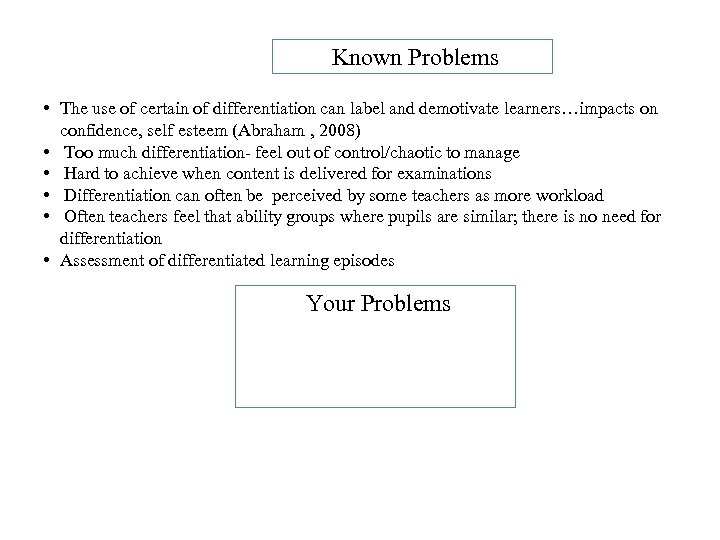 Known Problems • The use of certain of differentiation can label and demotivate learners…impacts on confidence, self esteem (Abraham , 2008) • Too much differentiation- feel out of control/chaotic to manage • Hard to achieve when content is delivered for examinations • Differentiation can often be perceived by some teachers as more workload • Often teachers feel that ability groups where pupils are similar; there is no need for differentiation • Assessment of differentiated learning episodes Your Problems
 What has gone before? Why did it disappear? National Record of Achievement - research Every Child Matters - research Individual Learning Plans - research
 https: //youtu. be/Qere. R 0 CVi. MY
 The Social Self ‘the process of recognition by the individual of herself or himself as a subject within ideology’ Weedon C 2004 Idenity and Culture Milton Keynes: OUP
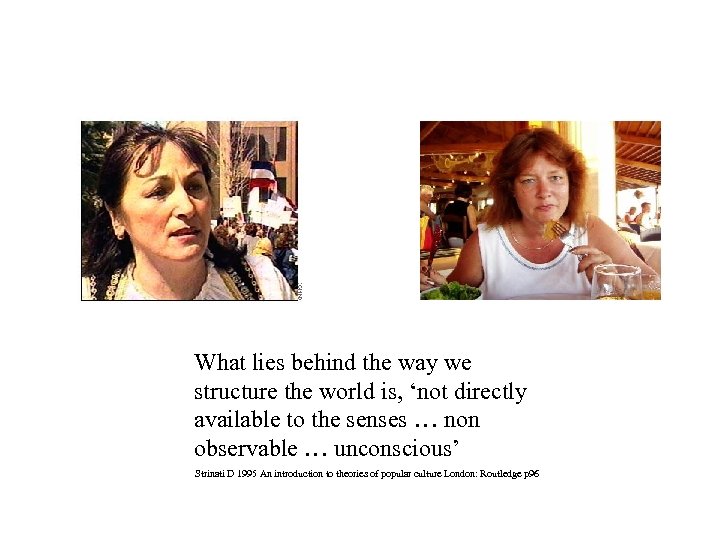 What lies behind the way we structure the world is, ‘not directly available to the senses … non observable … unconscious’ Strinati D 1995 An introduction to theories of popular culture London: Routledge p 96
 White discourse http: //www. clipupload. com/clip/showphoto. php/photo/1934/cat/501 Heterosexual discourse https: //youtu. be/k. O 0 k. WTR_7 t. Q Where is its power?
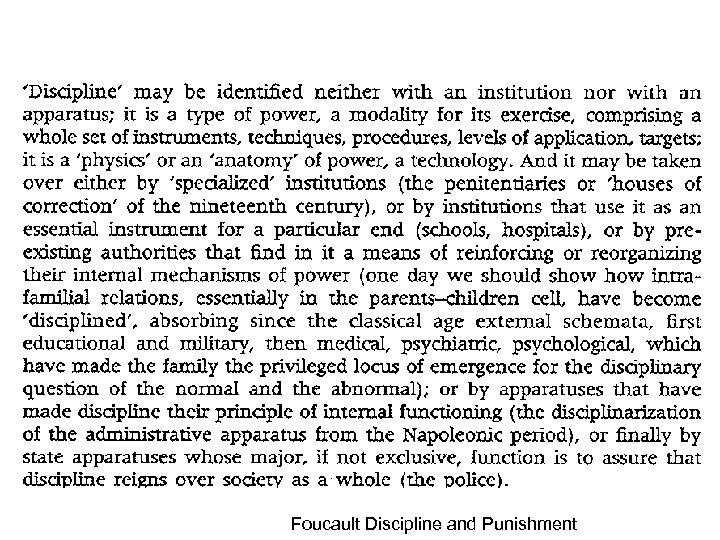
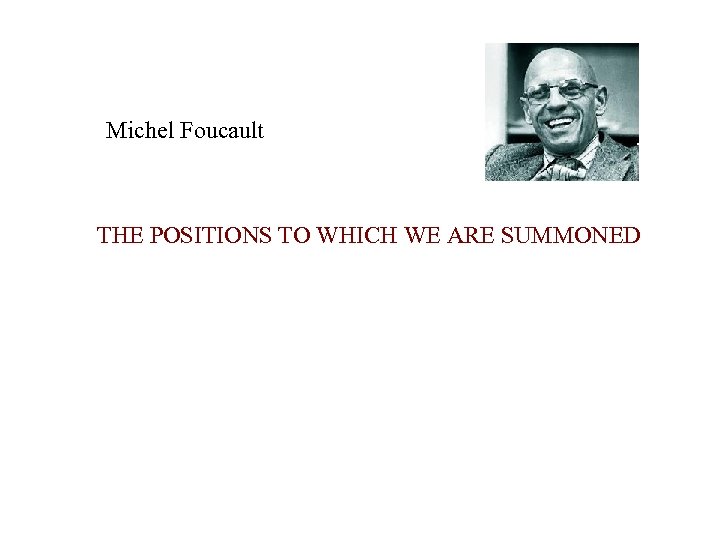
 Michel Foucault Plague society - controlled Institutions - control Panopticon – being watched Discipline and punishment
 Foucault Discipline and Punishment
 A discursive framework A paradigm “stands for the entire constellation of beliefs, values, techniques, and so on shared by the members of a given community” Kuhn 1970 cited in Aldoory 2005: 669
 Garner 2010 405 -9
 Think about school What are the rules? What happens if you break the rules? Who is watching you?
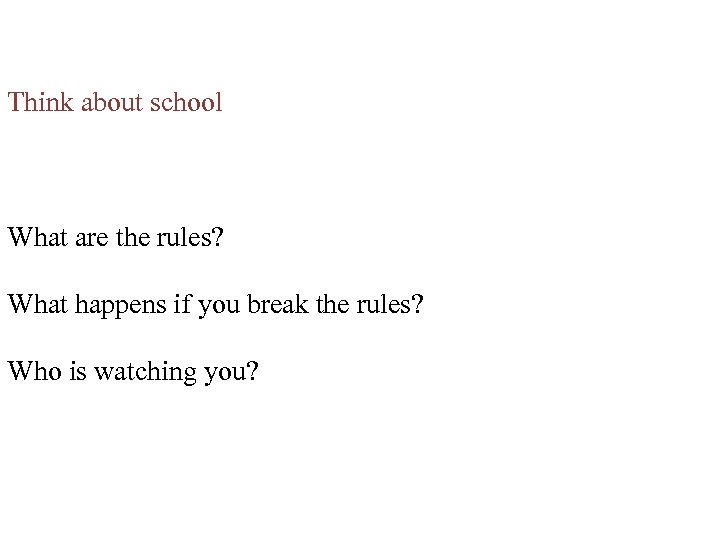
 Think about teaching What are the rules? What happens if you break the rules? Who is watching you?
 Think about being a teenager What are the rules? What happens if you break the rules? Who is watching you?
 Think about another social discourse What are the rules? What happens if you break the rules? Who is watching you?
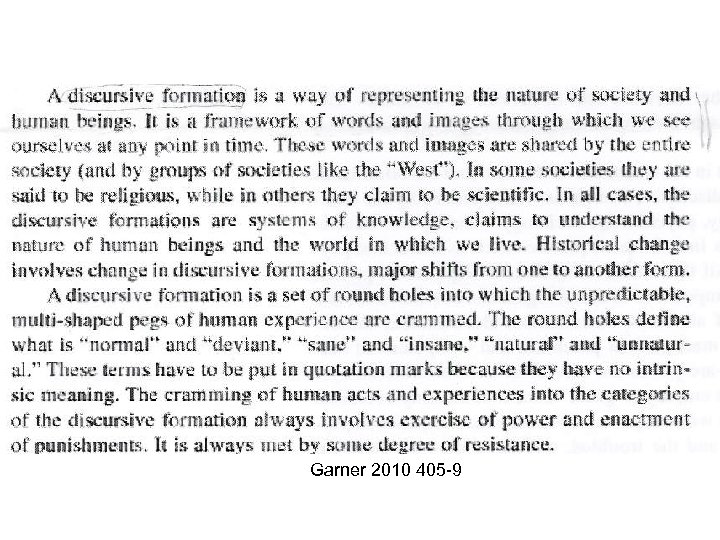
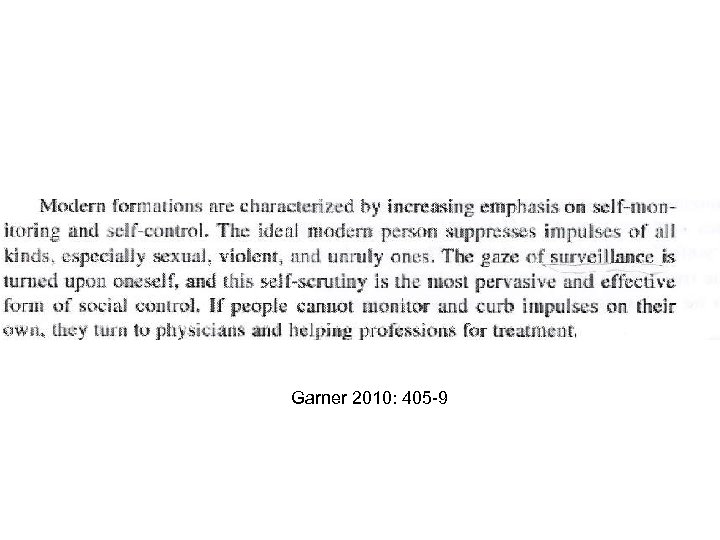 Garner 2010: 405 -9
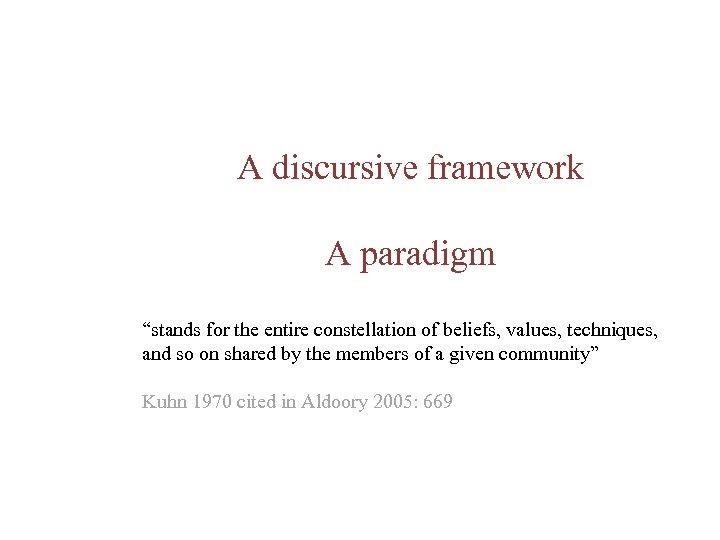
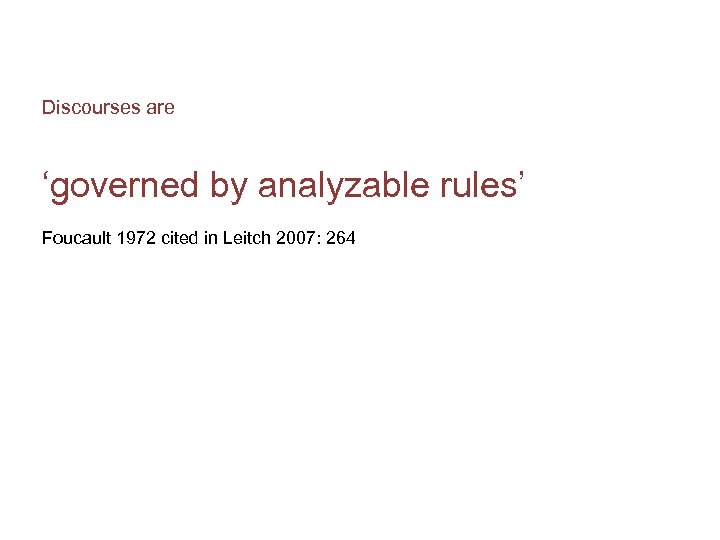 Discourses are ‘governed by analyzable rules’ Foucault 1972 cited in Leitch 2007: 264
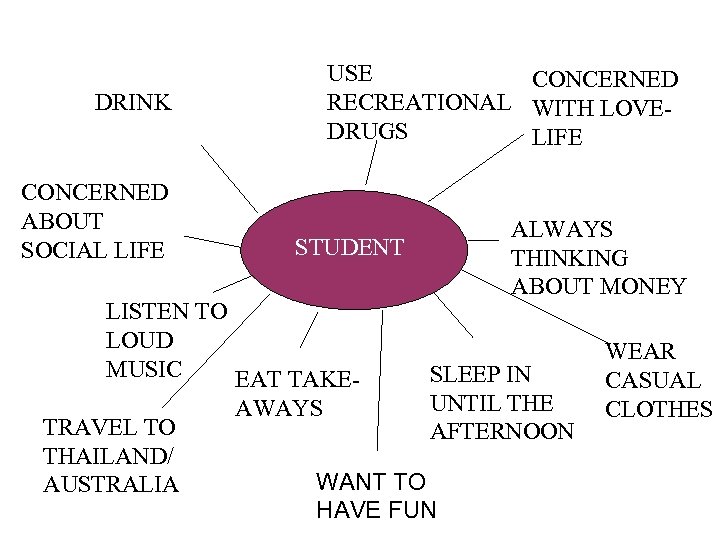
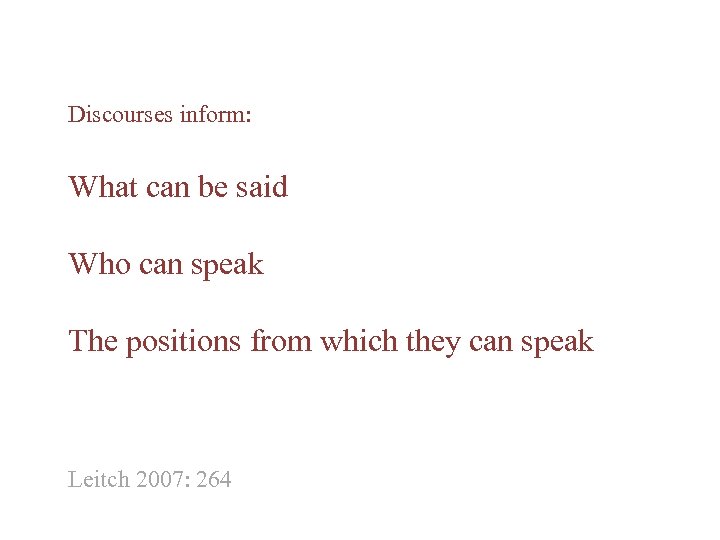 Discourses inform: What can be said Who can speak The positions from which they can speak Leitch 2007: 264
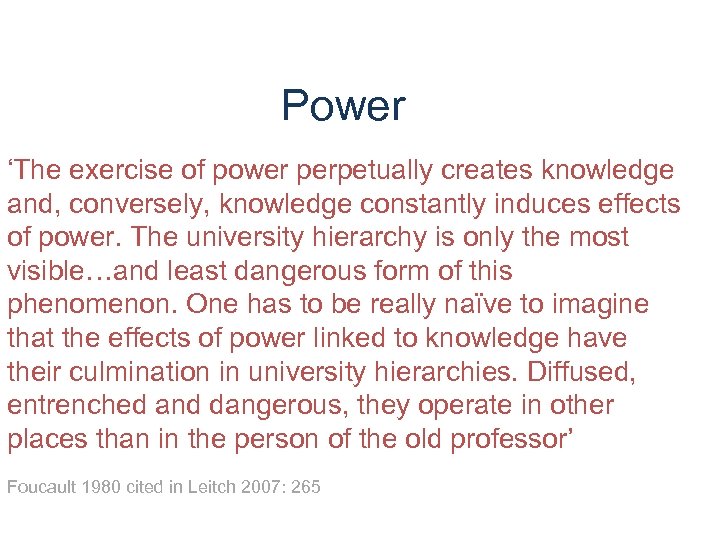 Power ‘The exercise of power perpetually creates knowledge and, conversely, knowledge constantly induces effects of power. The university hierarchy is only the most visible…and least dangerous form of this phenomenon. One has to be really naïve to imagine that the effects of power linked to knowledge have their culmination in university hierarchies. Diffused, entrenched and dangerous, they operate in other places than in the person of the old professor’ Foucault 1980 cited in Leitch 2007: 265
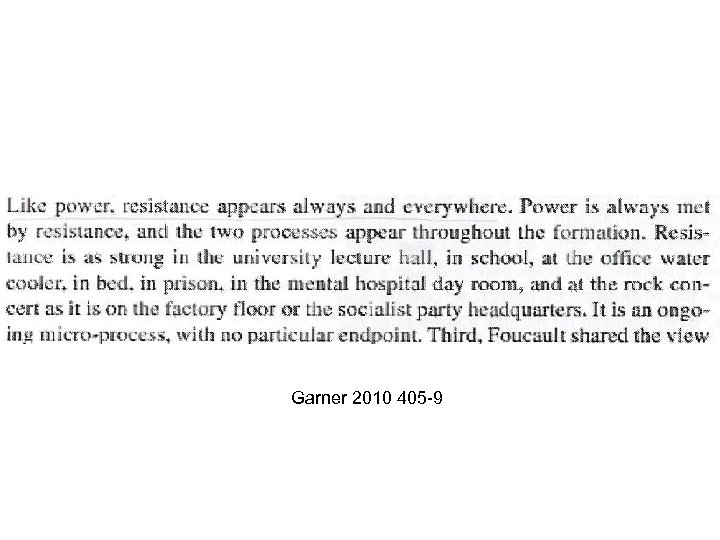 Garner 2010 405 -9
 Michel Foucault THE POSITIONS TO WHICH WE ARE SUMMONED
 class age group ethnicity gender disabled Labelled Stereotyped
 interpellation Louis Althusser
 DRINK CONCERNED ABOUT SOCIAL LIFE USE CONCERNED RECREATIONAL WITH LOVEDRUGS LIFE STUDENT ALWAYS THINKING ABOUT MONEY LISTEN TO LOUD MUSIC SLEEP IN EAT TAKEUNTIL THE AWAYS TRAVEL TO AFTERNOON THAILAND/ WANT TO AUSTRALIA HAVE FUN WEAR CASUAL CLOTHES
 teacher
 Expectations Belonging
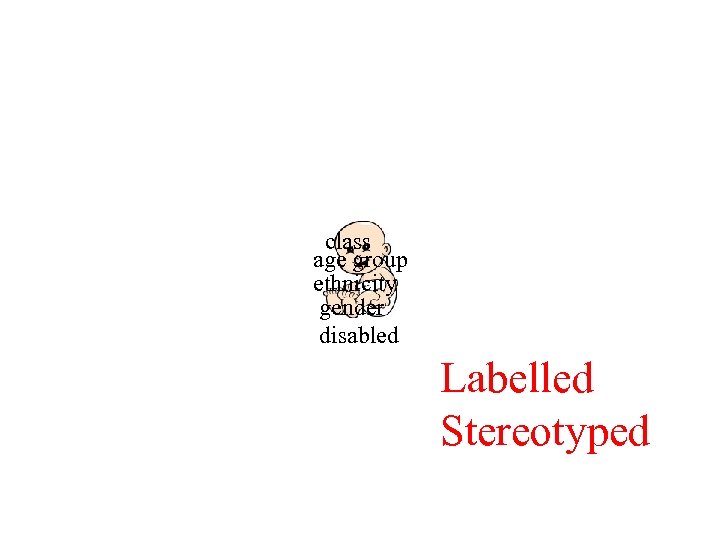
 Through an understanding of discourse, we can start to differentiate by social self – should we?
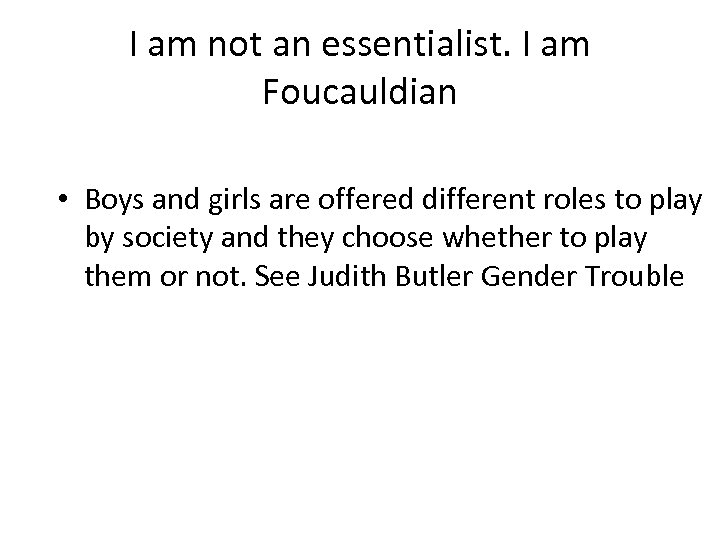
 Essentialist: Is it natural, anatomical, chromosomal or hormonal? Judith Butler
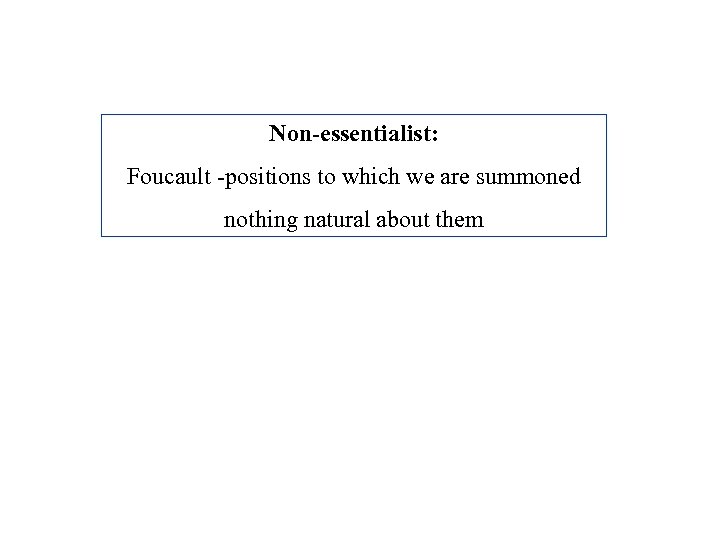 Non-essentialist: Foucault -positions to which we are summoned nothing natural about them
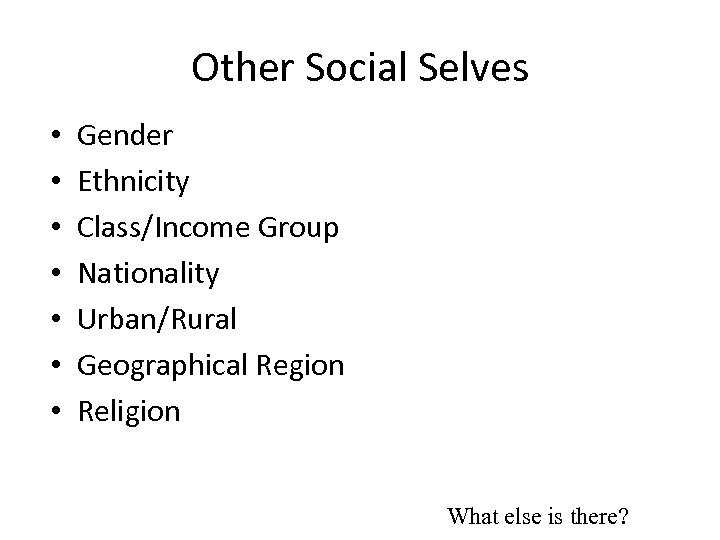 Other Social Selves • • Gender Ethnicity Class/Income Group Nationality Urban/Rural Geographical Region Religion What else is there?
 Labelling Theory https: //vimeo. com/153858146 https: //youtu. be/Nqv 9 k 3 jbt. YU
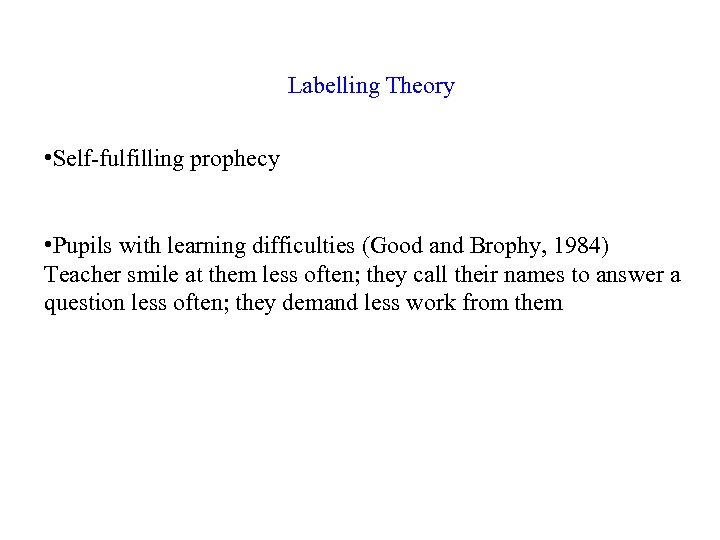 Labelling Theory • Self-fulfilling prophecy • Pupils with learning difficulties (Good and Brophy, 1984) Teacher smile at them less often; they call their names to answer a question less often; they demand less work from them
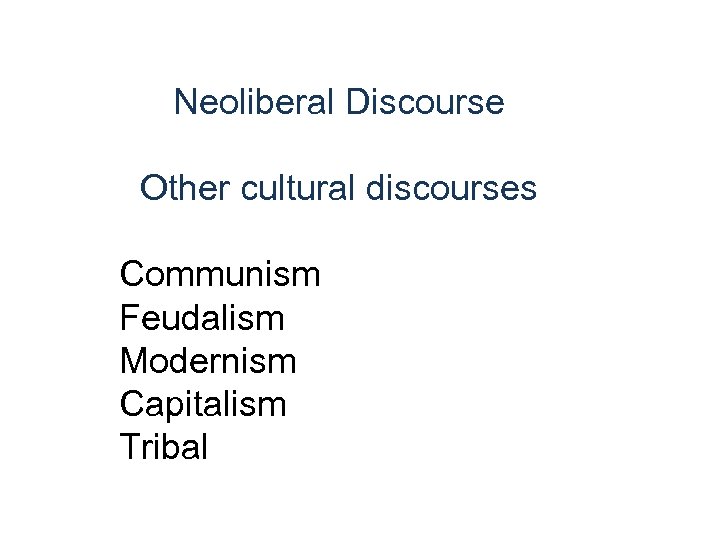
 Neoliberal Culture
 Neoliberal Discourse Other cultural discourses Communism Feudalism Modernism Capitalism Tribal
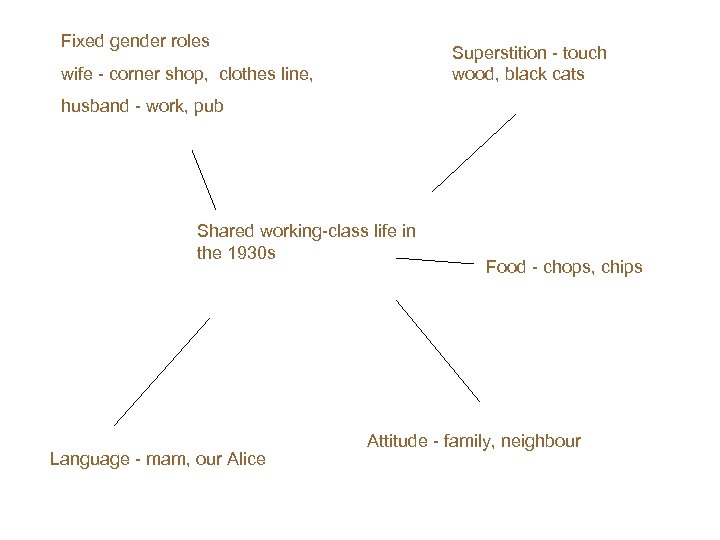
 Richard Hoggart The Uses of Literacy Industrial society “an all-pervading culture”
 Fixed gender roles Superstition - touch wood, black cats wife - corner shop, clothes line, husband - work, pub Shared working-class life in the 1930 s Language - mam, our Alice Food - chops, chips Attitude - family, neighbour
 food clothes taboo gender roles Your culture family attitudes beliefs
 food clothes taboo gender roles The culture of a student family attitudes beliefs
 Neoliberalism – what do you know? ‘What is private is necessarily good and what is public is necessarily bad’ Apple 2000: 59
 ‘Put simply, neoliberalism, from the moment of its inception, advocates a programme of deliberate intervention by government in order to encourage particular types of entrepreneurial, competitive and commercial behaviour in its citizens, ultimately arguing for the management of populations with the aim of cultivating the type of individualistic, competitive, acquisitive and entrepreneurial behaviour which the liberal tradition has historically assumed to be the natural condition of civilised humanity, undistorted by government intervention. This is the key difference between classical liberalism and neoliberalism: the former presumes that, left to their own devices, humans will naturally tend to behave in the desired fashion. By contrast the latter assumes that they must be compelled to do so by a benign but frequently directive state. This, according to neoliberals, is partly because a certain habitual tendency towards collectivism, if left unchecked, will lead commercial producers, workers, serviceproviders, managers and government officials to act only in their selfish corporate interests. ’ Gilbert 2013
 Adam Curtis The Trap
![Gramsci’s hegemony • “The predominance of one social class over others […] This represents](https://present5.com/presentation/637ea7c143785b291ee566c2919dc51b/image-79.jpg "Gramsci’s hegemony • “The predominance of one social class over others […] This represents") Gramsci’s hegemony • “The predominance of one social class over others […] This represents not only political and economic control, but also the ability of the dominant class to project its own way of seeing the world so that those who are subordinated by it accept it as 'common sense' and 'natural'. • Commentators stress that this involves willing and active consent. […] Gramsci emphasizes struggle. He noted that 'common sense is not something rigid and immobile, but is continually transforming itself' (Gramsci, cited in Hall 1982: 73). Chandler http: //www. aber. ac. uk/media/Documents/marxism 10. html
Gramsci’s hegemony • “The predominance of one social class over others […] This represents not only political and economic control, but also the ability of the dominant class to project its own way of seeing the world so that those who are subordinated by it accept it as 'common sense' and 'natural'. • Commentators stress that this involves willing and active consent. […] Gramsci emphasizes struggle. He noted that 'common sense is not something rigid and immobile, but is continually transforming itself' (Gramsci, cited in Hall 1982: 73). Chandler http: //www. aber. ac. uk/media/Documents/marxism 10. html
 Hegemonic truths of neoliberaliasm Freedom Equality Fairness Choice http: //www. bbc. co. uk/iplayer/episode/b 04 ypfst/thepapers-23012015 1. 30
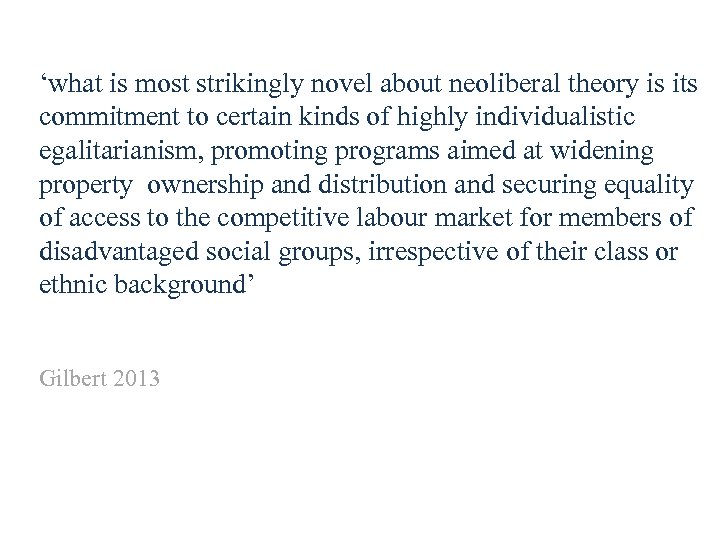 ‘what is most strikingly novel about neoliberal theory is its commitment to certain kinds of highly individualistic egalitarianism, promoting programs aimed at widening property ownership and distribution and securing equality of access to the competitive labour market for members of disadvantaged social groups, irrespective of their class or ethnic background’ Gilbert 2013
 The End of History Fukuyama
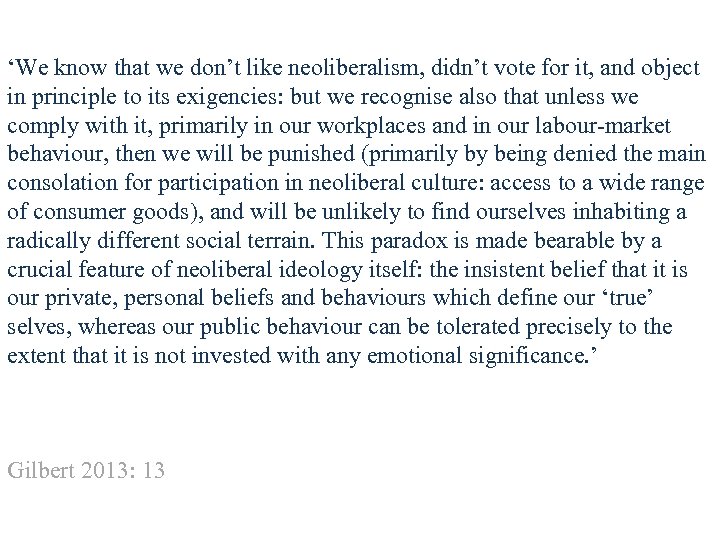 ‘We know that we don’t like neoliberalism, didn’t vote for it, and object in principle to its exigencies: but we recognise also that unless we comply with it, primarily in our workplaces and in our labour-market behaviour, then we will be punished (primarily by being denied the main consolation for participation in neoliberal culture: access to a wide range of consumer goods), and will be unlikely to find ourselves inhabiting a radically different social terrain. This paradox is made bearable by a crucial feature of neoliberal ideology itself: the insistent belief that it is our private, personal beliefs and behaviours which define our ‘true’ selves, whereas our public behaviour can be tolerated precisely to the extent that it is not invested with any emotional significance. ’ Gilbert 2013: 13
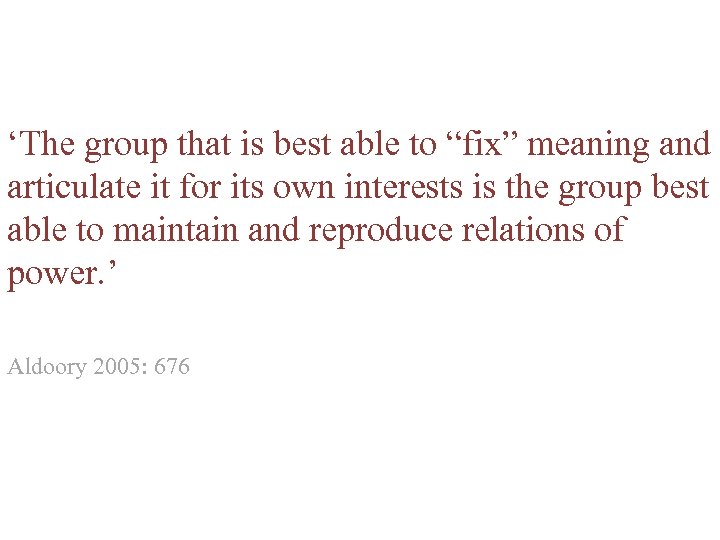 ‘The group that is best able to “fix” meaning and articulate it for its own interests is the group best able to maintain and reproduce relations of power. ’ Aldoory 2005: 676
 Gender
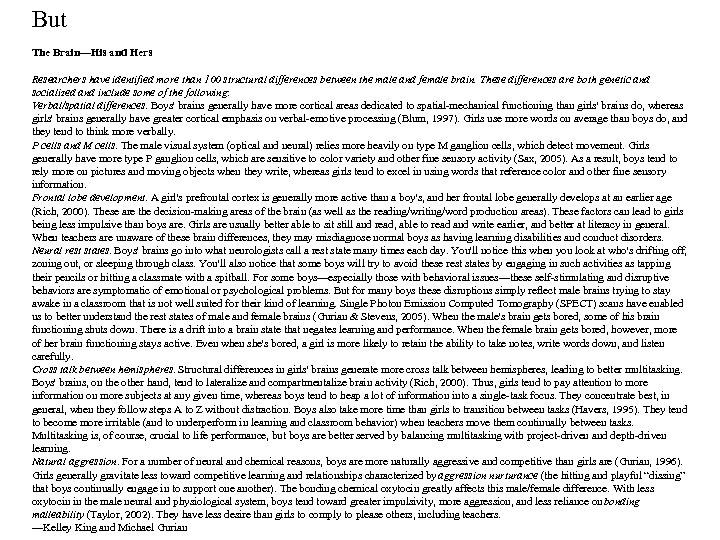
 Gender How do you differentiate for girls? For boys?
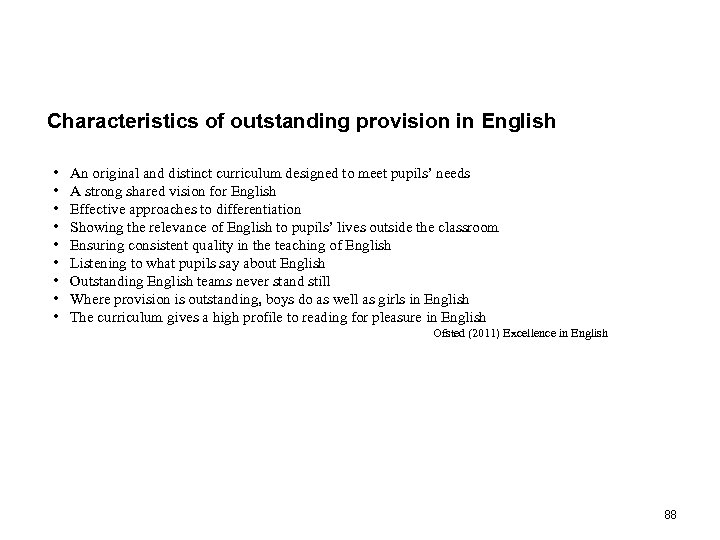 Characteristics of outstanding provision in English • • • An original and distinct curriculum designed to meet pupils’ needs A strong shared vision for English Effective approaches to differentiation Showing the relevance of English to pupils’ lives outside the classroom Ensuring consistent quality in the teaching of English Listening to what pupils say about English Outstanding English teams never stand still Where provision is outstanding, boys do as well as girls in English The curriculum gives a high profile to reading for pleasure in English Ofsted (2011) Excellence in English 88
 • Prepare a pen portrait for a boy in your class who is struggling with English. • Attitude in lessons • Attitude to books and reading • What can they do? • What will they do? • Which strategies do they/don’t they use?
 a) Ofsted (2003) ‘Boys’ achievement in secondary schools’ b) Ofsted (2003)‘Yes he can: schools where boys write well’ c) Ofsted (2011) Excellence in English 90
 Ofsted (2003) Boys’ achievement in secondary schools When boys enter secondary school they are already well behind girls in English, although they achieve marginally better than girls in mathematics. Except in a small number of schools, the gap does not close during the secondary years. Boys continue to achieve less well than girls in Key Stage 3 tests and General Certificate of Secondary Education (GCSE) examinations. 91
 I am not an essentialist. I am Foucauldian • Boys and girls are offered different roles to play by society and they choose whether to play them or not. See Judith Butler Gender Trouble
 But The Brain—His and Hers Researchers have identified more than 100 structural differences between the male and female brain. These differences are both genetic and socialized and include some of the following: Verbal/spatial differences. Boys' brains generally have more cortical areas dedicated to spatial-mechanical functioning than girls' brains do, whereas girls' brains generally have greater cortical emphasis on verbal-emotive processing (Blum, 1997). Girls use more words on average than boys do, and they tend to think more verbally. P cells and M cells. The male visual system (optical and neural) relies more heavily on type M ganglion cells, which detect movement. Girls generally have more type P ganglion cells, which are sensitive to color variety and other fine sensory activity (Sax, 2005). As a result, boys tend to rely more on pictures and moving objects when they write, whereas girls tend to excel in using words that reference color and other fine sensory information. Frontal lobe development. A girl's prefrontal cortex is generally more active than a boy's, and her frontal lobe generally develops at an earlier age (Rich, 2000). These are the decision-making areas of the brain (as well as the reading/writing/word production areas). These factors can lead to girls being less impulsive than boys are. Girls are usually better able to sit still and read, able to read and write earlier, and better at literacy in general. When teachers are unaware of these brain differences, they may misdiagnose normal boys as having learning disabilities and conduct disorders. Neural rest states. Boys' brains go into what neurologists call a rest state many times each day. You'll notice this when you look at who's drifting off, zoning out, or sleeping through class. You'll also notice that some boys will try to avoid these rest states by engaging in such activities as tapping their pencils or hitting a classmate with a spitball. For some boys—especially those with behavioral issues—these self-stimulating and disruptive behaviors are symptomatic of emotional or psychological problems. But for many boys these disruptions simply reflect male brains trying to stay awake in a classroom that is not well suited for their kind of learning. Single Photon Emission Computed Tomography (SPECT) scans have enabled us to better understand the rest states of male and female brains (Gurian & Stevens, 2005). When the male's brain gets bored, some of his brain functioning shuts down. There is a drift into a brain state that negates learning and performance. When the female brain gets bored, however, more of her brain functioning stays active. Even when she's bored, a girl is more likely to retain the ability to take notes, write words down, and listen carefully. Cross talk between hemispheres. Structural differences in girls' brains generate more cross talk between hemispheres, leading to better multitasking. Boys' brains, on the other hand, tend to lateralize and compartmentalize brain activity (Rich, 2000). Thus, girls tend to pay attention to more information on more subjects at any given time, whereas boys tend to heap a lot of information into a single-task focus. They concentrate best, in general, when they follow steps A to Z without distraction. Boys also take more time than girls to transition between tasks (Havers, 1995). They tend to become more irritable (and to underperform in learning and classroom behavior) when teachers move them continually between tasks. Multitasking is, of course, crucial to life performance, but boys are better served by balancing multitasking with project-driven and depth-driven learning. Natural aggression. For a number of neural and chemical reasons, boys are more naturally aggressive and competitive than girls are (Gurian, 1996). Girls generally gravitate less toward competitive learning and relationships characterized by aggression nurturance (the hitting and playful “dissing” that boys continually engage in to support one another). The bonding chemical oxytocin greatly affects this male/female difference. With less oxytocin in the male neural and physiological system, boys tend toward greater impulsivity, more aggression, and less reliance on bonding malleability (Taylor, 2002). They have less desire than girls to comply to please others, including teachers. —Kelley King and Michael Gurian
 Boys’ achievement in secondary schools Boys in particular responded well to: • • • carefully structured work in lessons clear objectives real-life contexts well-focused short-term tasks quick feedback fun and competition 94
 Teaching and Classroom Management Strategies to Motivate Boys • • • Lessons were well planned and organised, often with clear achievable aims and short-term targets Lessons included a variety of activities (practical work, ICT, activity based learning). Positive use of competition. Lessons were made interesting and relevant by use of ‘real’ situations Teachers set high expectations, taught pupils to think for themselves and work independently, placing a high emphasis on study skills Teachers directed work strongly, but without stifling creativity and imagination Questioning was quick-fire, lively and varied with the teacher ensuring that all had the opportunity to participate 95
 Teaching and Classroom Management Strategies to Motivate Boys, continued • • Pupils understood how current work built on earlier learning Humour was used to good effect Behaviour was well managed, discipline was fair and rewards and praise were used frequently Teachers directed the seating arrangements Writing frames, templates and discussion frames were used well Teachers selected a fair proportion of texts, fiction and non-fiction, that were likely to appeal to boys Feedback focused on how work could be improved by specific steps 96
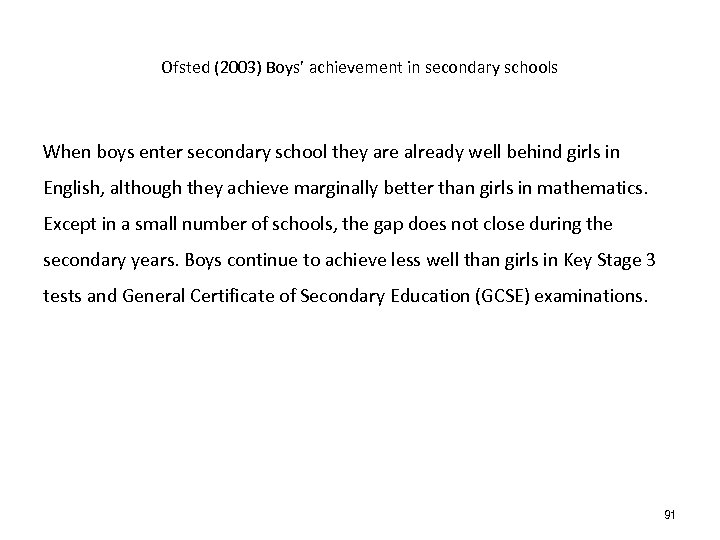
 a) Boys’ achievement in secondary schools Boys in particular responded well to: • • • carefully structured work in lessons clear objectives real-life contexts well-focused short-term tasks quick feedback fun and competition 97
 Being a boy and being white and being working class
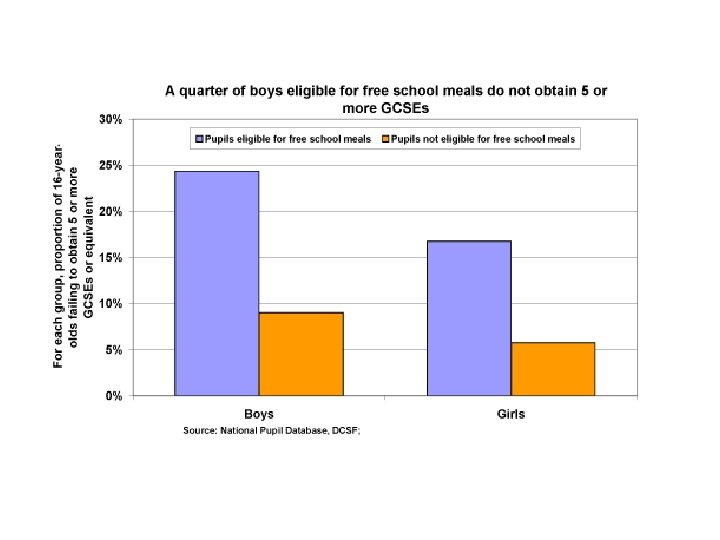
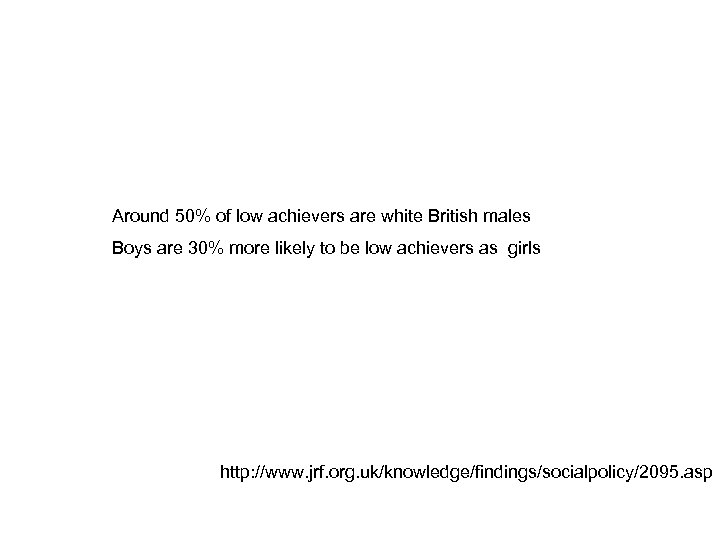 Around 50% of low achievers are white British males Boys are 30% more likely to be low achievers as girls http: //www. jrf. org. uk/knowledge/findings/socialpolicy/2095. asp
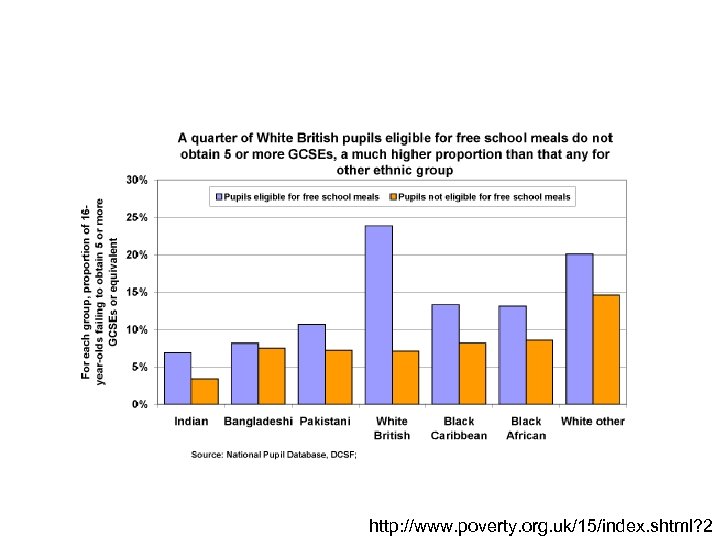 http: //www. poverty. org. uk/15/index. shtml? 2
 60% in prison innumerate /illiterate
 Race
Race
 Do you differentiate for race/ethnicity?
 Britain is increasingly diverse, as we all know. According to the 2011 Census, 20% of people in England Wales identify themselves as being other than ‘White British’ – and schools even more so. Black and minority ethnic (BME) children make up 23. 2% of state-run secondary schools and 27. 6% of those at primary level. http: //www. racecard. org. uk/education/whose-history-whose-story-is-our-school-history-curriculum-fit-for-purpose/
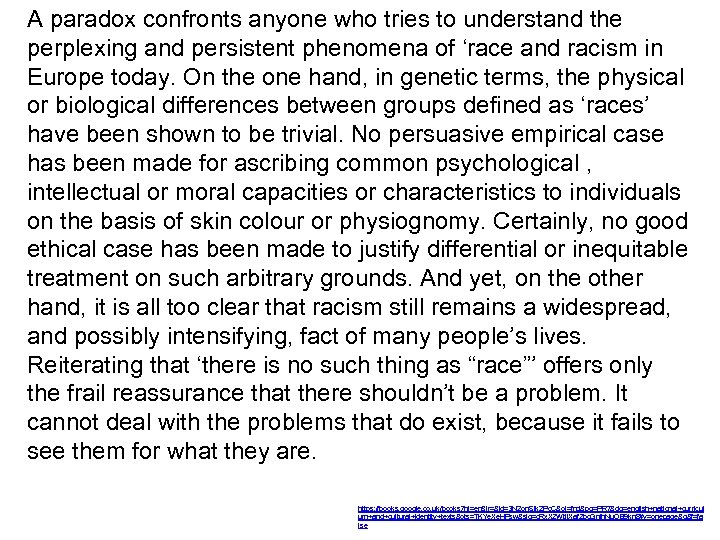 A paradox confronts anyone who tries to understand the perplexing and persistent phenomena of ‘race and racism in Europe today. On the one hand, in genetic terms, the physical or biological differences between groups defined as ‘races’ have been shown to be trivial. No persuasive empirical case has been made for ascribing common psychological , intellectual or moral capacities or characteristics to individuals on the basis of skin colour or physiognomy. Certainly, no good ethical case has been made to justify differential or inequitable treatment on such arbitrary grounds. And yet, on the other hand, it is all too clear that racism still remains a widespread, and possibly intensifying, fact of many people’s lives. Reiterating that ‘there is no such thing as “race”’ offers only the frail reassurance that there shouldn’t be a problem. It cannot deal with the problems that do exist, because it fails to see them for what they are. https: //books. google. co. uk/books? hl=en&lr=&id=3 NZon. Sik. ZPc. C&oi=fnd&pg=PR 7&dq=english+national+curricul um+and+cultural+identity+texts&ots=TKYe. Xe. HPsw&sig=c. Rx. X 2 Wt. Ij. Xaf 2 bg. Gnih. Nu. OB 9 kn 8#v=onepage&q&f=fa lse
 EAL
EAL
 What do you do for EAL pupils?
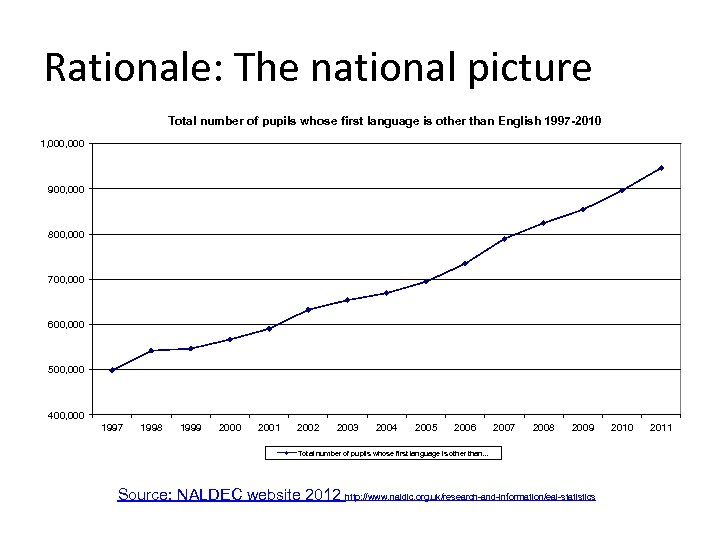 Rationale: The national picture Total number of pupils whose first language is other than English 1997 -2010 1, 000 900, 000 800, 000 700, 000 600, 000 500, 000 400, 000 1997 1998 1999 2000 2001 2002 2003 2004 2005 2006 2007 2008 2009 Total number of pupils whose first language is other than. . . Source: NALDEC website 2012 http: //www. naldic. org. uk/research-and-information/eal-statistics 2010 2011
 Rationale: The regional picture • After London the West Midlands, contains the highest number of pupils in schools with EAL needs. The conurbations of Birmingham has 35% and Wolverhampton 18% of pupils with English as an Additional Language (Df. E, 2011 a)
 The policy perspective • Bilingual learners face two main tasks in the school or setting: they need to learn English and they need to learn the content of the curriculum. Learning a language involves vocabulary, grammar and pronunciation; it involves using all these appropriately for differing purposes or functions (such as questioning, analysing, hypothesising) – these need an explicit focus (National Strategies 2006).
 Socio cultural perspective • Being ‘fluent’ in a language means more than knowing vocabulary and structure; it means knowing which varieties of language to use, when, where, and to what purpose in local situated contexts. (Hawkins; 2010, 98)
 Initial learning: the receptive phase The receptive phase (silent phase) is a natural part of learning an additional language. During this phase, the child takes time to become familiar with the words and structures of the new language, and observes in order to apply rules of social engagement. To assist the child use simple, routine, visually aided routines. Support this with peer-tutoring and by enhancing a multilingual environment.
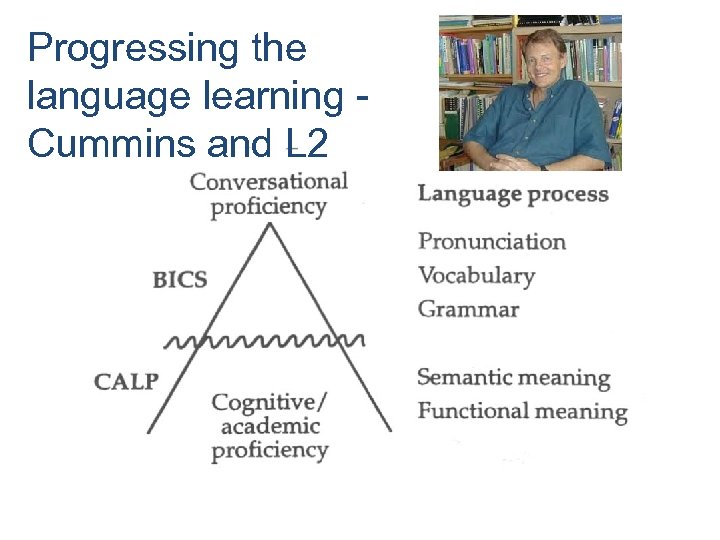 Progressing the language learning Cummins and L 2
 Progressing the language learning • BICS – basic interpersonal communication skills – these are rapidly acquired • CALP – communicative academic language proficiency – can take much longer
 Language and culture • When students’ languages, cultures and experiences are ignored or excluded in classroom interaction, students are immediately starting from a disadvantage. Everything they have learned about life and the world up to this point is being dismissed as irrelevant to school learning (Cummins 2001)
 A Whole School Approach • All staff should demonstrate a willingness to learn about the cultures and background realities of the children and their families. • Every effort should be made to recruit staff who come from the same ethnic, linguistic and cultural background as the children in school. • Developing partnerships with parents, carers and communities is essential if children are to achieve their potential. • Realising these values requires the construction of an inclusive school culture.
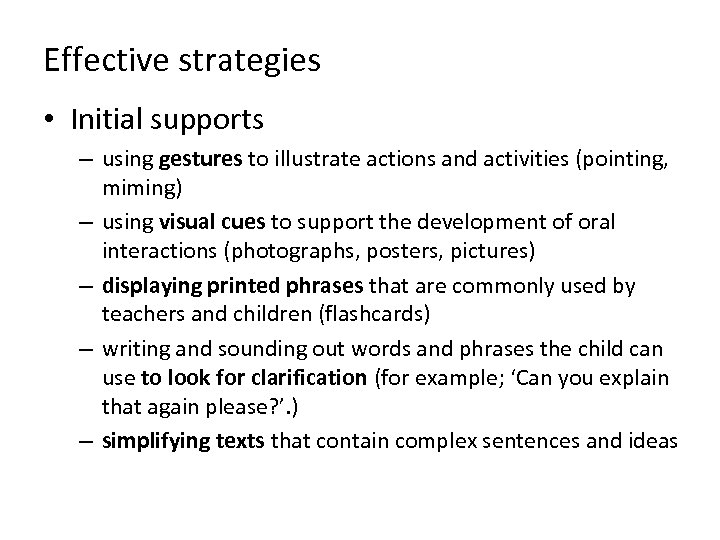 Effective strategies • Initial supports – using gestures to illustrate actions and activities (pointing, miming) – using visual cues to support the development of oral interactions (photographs, posters, pictures) – displaying printed phrases that are commonly used by teachers and children (flashcards) – writing and sounding out words and phrases the child can use to look for clarification (for example; ‘Can you explain that again please? ’. ) – simplifying texts that contain complex sentences and ideas
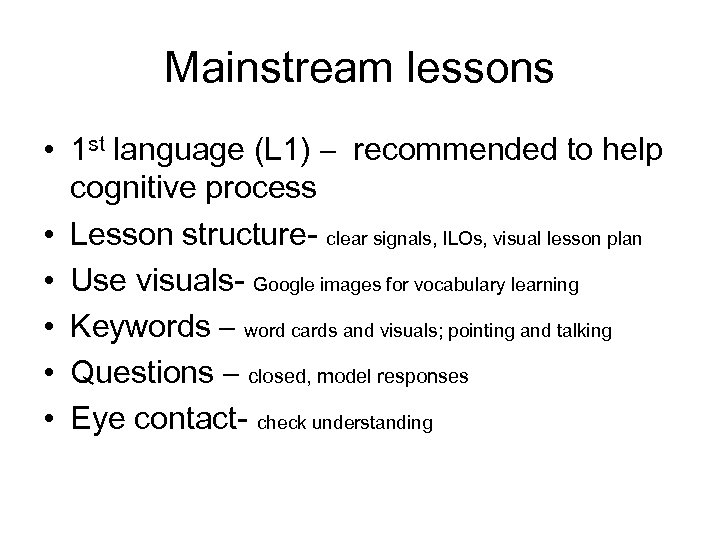 Mainstream lessons • 1 st language (L 1) – recommended to help cognitive process • Lesson structure- clear signals, ILOs, visual lesson plan • Use visuals- Google images for vocabulary learning • Keywords – word cards and visuals; pointing and talking • Questions – closed, model responses • Eye contact- check understanding
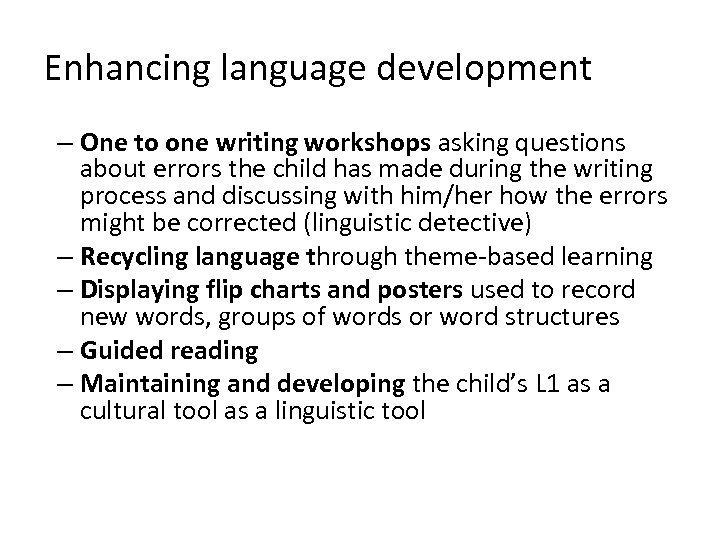 Enhancing language development – One to one writing workshops asking questions about errors the child has made during the writing process and discussing with him/her how the errors might be corrected (linguistic detective) – Recycling language through theme-based learning – Displaying flip charts and posters used to record new words, groups of words or word structures – Guided reading – Maintaining and developing the child’s L 1 as a cultural tool as a linguistic tool
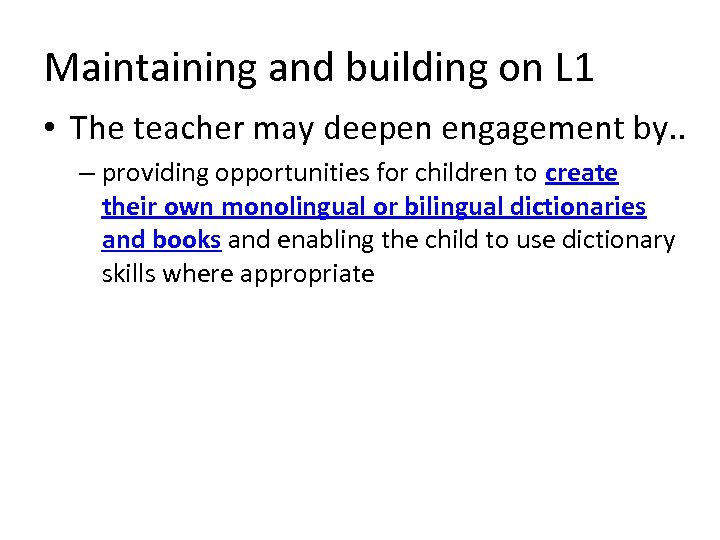 Maintaining and building on L 1 • The teacher may deepen engagement by. . – providing opportunities for children to create their own monolingual or bilingual dictionaries and books and enabling the child to use dictionary skills where appropriate
 Assessing the learner’s English • A language in common: Assessing English as an additional language (2000) QCA • Assessment FL and OL • Tracking and successful interventions A school based Case Study • Assessment using the European Language Portfolio (2007) • Other tools?
 NALDIC
 Websites and resources EAL Teaching Strategies Multilingual Matters EMAS 4 SUCCESS, Gloucestershire / Bath LA Supporting pupils with English as an Additional Language (2004) Milton Keynes LA • Guidance on the Assessment of EAL Pupils who may have Special Educational Needs, (2004) Milton Keynes LA • •
 Bibliography • Bourne, J. & Flewitt, R (2002) Teaching Pupils from Diverse Backgrounds: What do trainee teachers need to know (TTA) Accessed online 14/03/2011 http: //www. naldic. org. uk/ITTSEAL 2/resource/readings/Bourneand. Flewitt. htm • • Cummins, J. (2001) Negotiating Identities: Education for Empowerment in a Diverse Society, California: Association for Bilingual Education. Department for Education (2011 a) Schools Pupils and their Characteristics http: //www. education. gov. uk/rsgateway/DB/SFR/s 001012/index. shtml • Department for Education (2011 b) Teachers’ Standards https: //www. education. gov. uk/publications/standard/publication. Detail/Page 1/DFE-00066 -2011 • Cummins, J. , Brown, K and Sayers, D; Allyn & Bacon, (2007) Literacy, Technology and Diversity: Teaching for Success in Changing Times London: Allyn & Bacon, http: //www. allynbaconmerrill. com/bookstore/product. asp? isbn=020538935 X&rl=1 • • Gravelle, M (2005) Bilingual learners: bilingualism, learning and inclusion. Accessed online 14/03/2011 Hawkins, M (2010) Sociocultural Approaches to Language Teaching and Learning, in Leung, C. , & Creese, A. , English as an Additional Language. [online]. SAGE Publications. Available from:
 Disability
 Bipolar ADHD Autism Dyslexia Sensory Dyspraxia
 20% - learning difficulties physical, sensory, emotional, behavioural Cited in Doyle, 1996: 72
 We are all different We are all unique We are all special
 Differently Abled


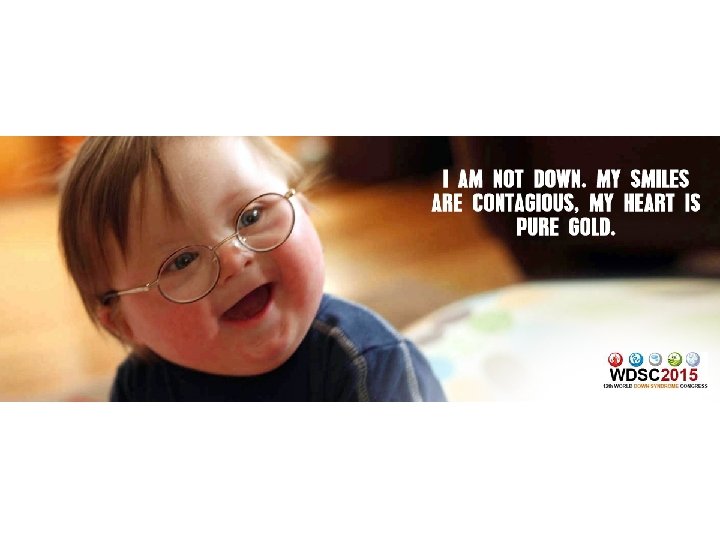

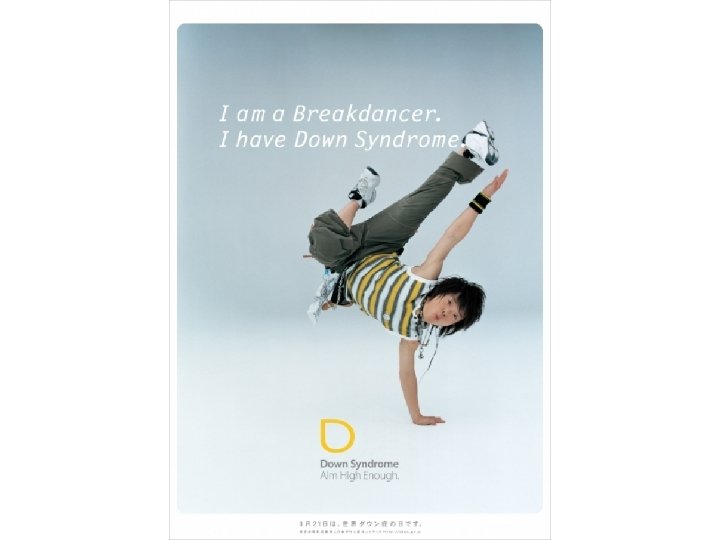

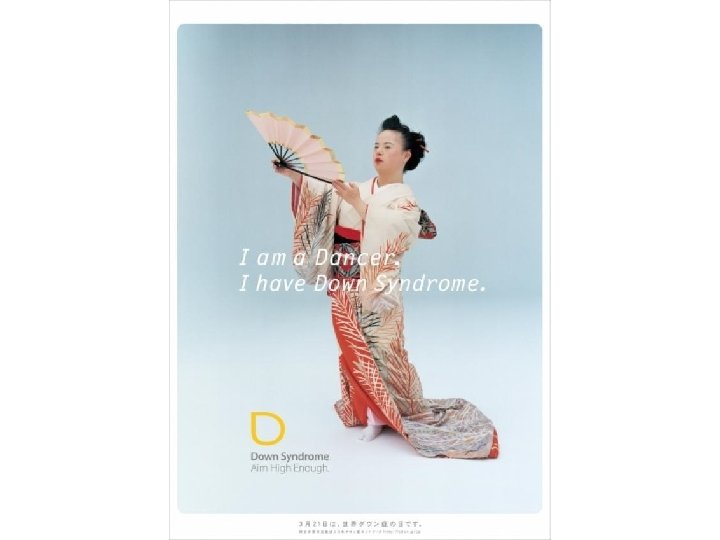
 Dys Lexicos
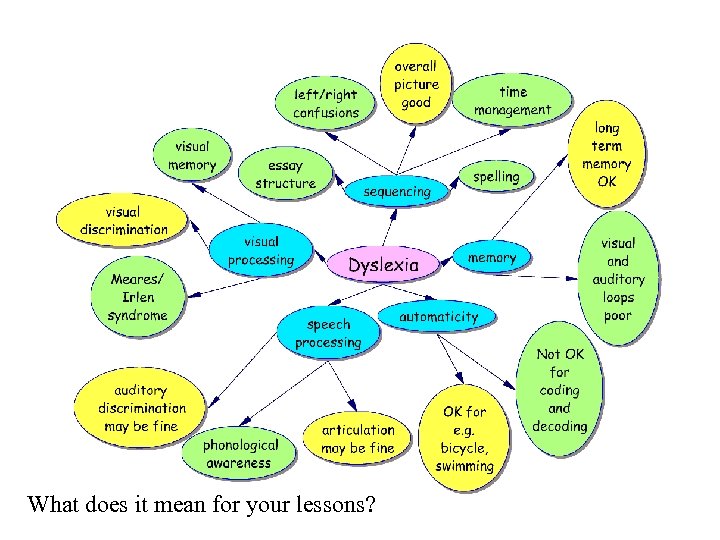 What does it mean for your lessons?
 History of dyslexia Kussmaul 1877 – word blindness Berlin 1877 – dyslexia Hinshelwood 1895 – congenital Norrie 1938 - organisation for dyslexic people Miles and Miles 1990 Dyslexia: A Hundred Years On
 ‘It is illogical for a person to say, ‘My child cannot read because he is dyslexic’. . . It tells us no more than saying a person is bleeding badly because he has a haemorrhage or that someone has a high temperature because they are feverish. ’ Doyle, 1996: 69 Pumfrey and Reason (1998) 11 definitions Rice and Brooks (2004) 40 definitions Cited in Mortimore, 2008: 50
 ‘It seems to be a natural human phenomenon to want to classify events and concepts and then apply labels to them. . the use of the label ‘dyslexia’ should present no problems just as long as it is understood that it may describe a variety of behaviours. . . it remains a challenge to educate the public regarding the concept of dyslexia’ Lawrence, 2009: 139 -140
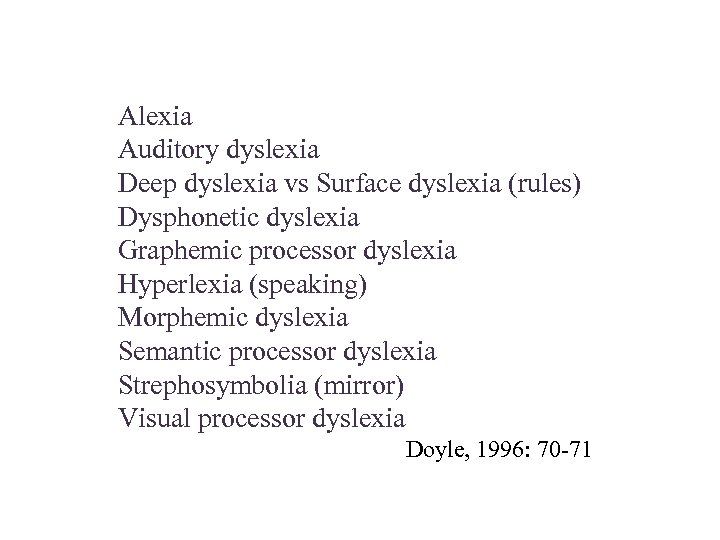 Alexia Auditory dyslexia Deep dyslexia vs Surface dyslexia (rules) Dysphonetic dyslexia Graphemic processor dyslexia Hyperlexia (speaking) Morphemic dyslexia Semantic processor dyslexia Strephosymbolia (mirror) Visual processor dyslexia Doyle, 1996: 70 -71
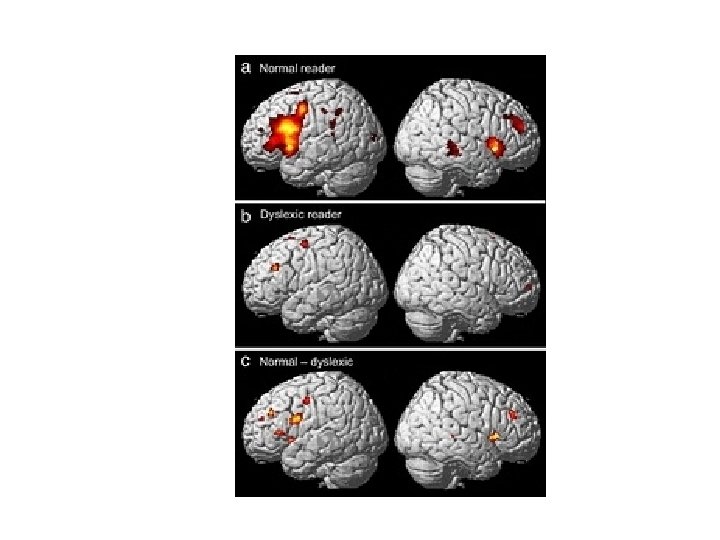
 Phonemes Grigorenko (1977) Chromosomes 6 and 15 linked to a weakness in phonological awareness Lateralization Mc. Loughlin et al (2002) memory in the right and left frontal lobe, right more than left (Galaburda, 1989) but less dominance so ‘confused laterality’ Magnocellular Stein and Walsh (1997) speed of movement between cells
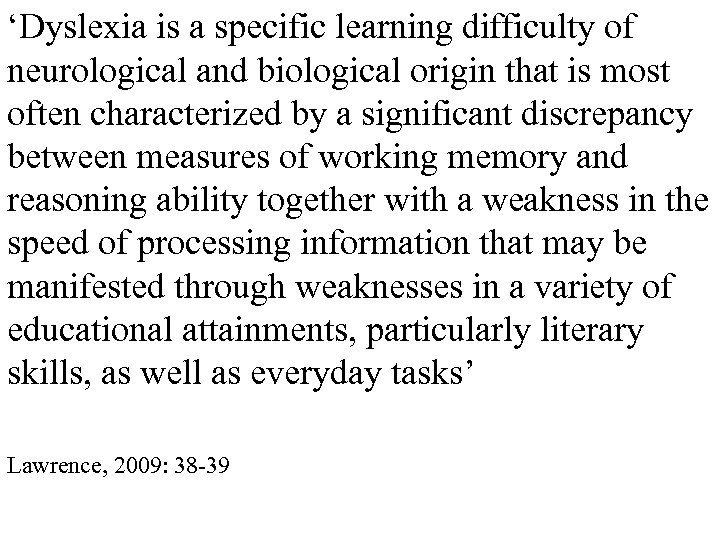 ‘Dyslexia is a specific learning difficulty of neurological and biological origin that is most often characterized by a significant discrepancy between measures of working memory and reasoning ability together with a weakness in the speed of processing information that may be manifested through weaknesses in a variety of educational attainments, particularly literary skills, as well as everyday tasks’ Lawrence, 2009: 38 -39
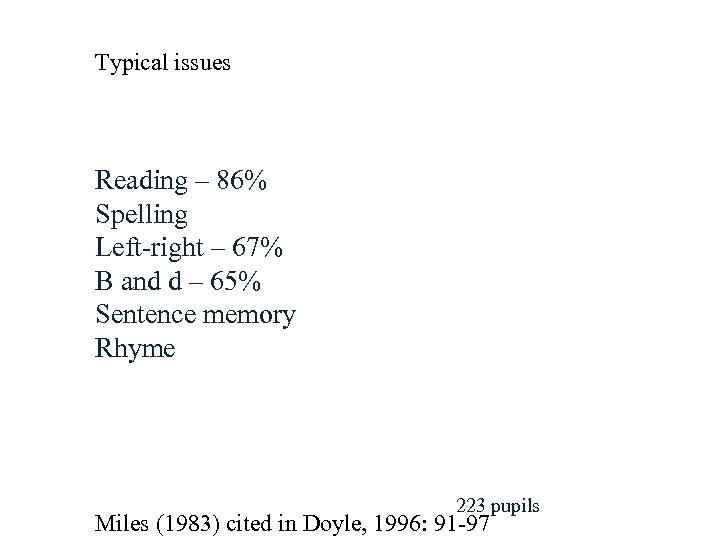 Typical issues Reading – 86% Spelling Left-right – 67% B and d – 65% Sentence memory Rhyme 223 pupils Miles (1983) cited in Doyle, 1996: 91 -97
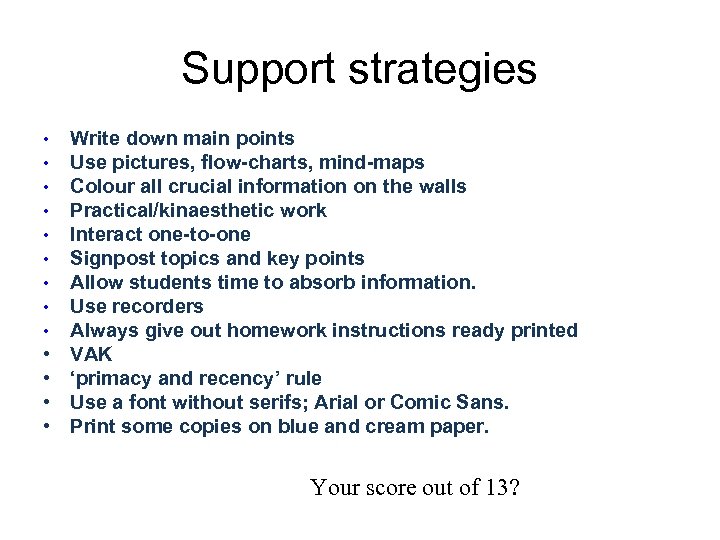
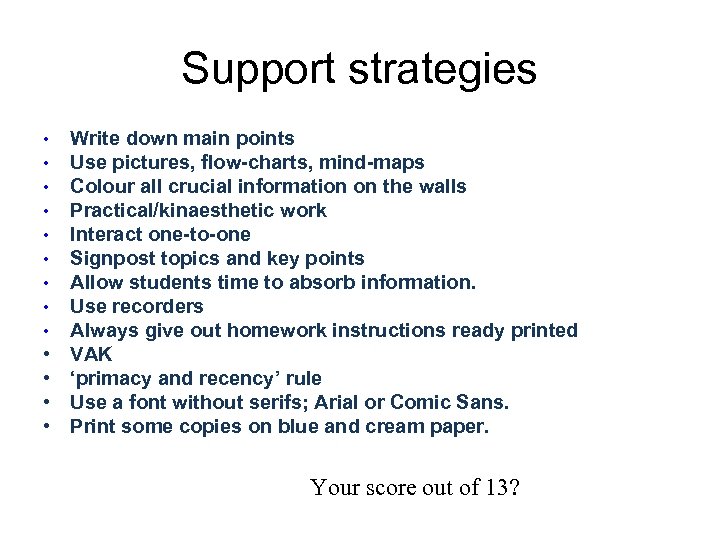 Support strategies • • • • Write down main points Use pictures, flow-charts, mind-maps Colour all crucial information on the walls Practical/kinaesthetic work Interact one-to-one Signpost topics and key points Allow students time to absorb information. Use recorders Always give out homework instructions ready printed VAK ‘primacy and recency’ rule Use a font without serifs; Arial or Comic Sans. Print some copies on blue and cream paper. Your score out of 13?
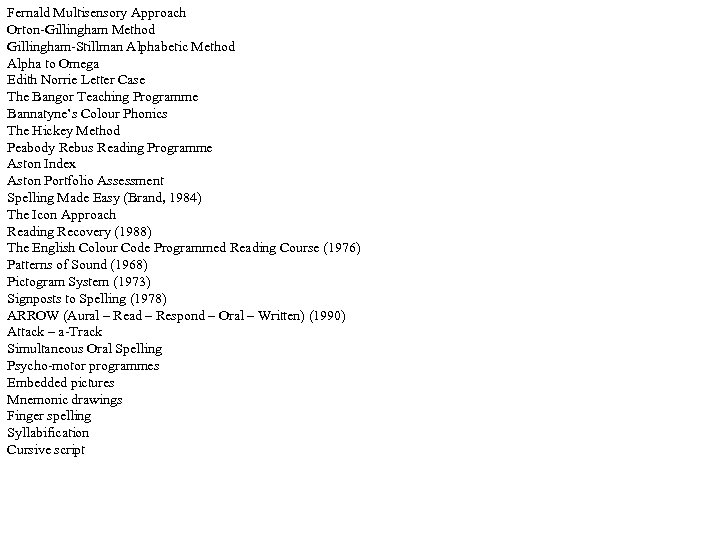 Fernald Multisensory Approach Orton-Gillingham Method Gillingham-Stillman Alphabetic Method Alpha to Omega Edith Norrie Letter Case The Bangor Teaching Programme Bannatyne’s Colour Phonics The Hickey Method Peabody Rebus Reading Programme Aston Index Aston Portfolio Assessment Spelling Made Easy (Brand, 1984) The Icon Approach Reading Recovery (1988) The English Colour Code Programmed Reading Course (1976) Patterns of Sound (1968) Pictogram System (1973) Signposts to Spelling (1978) ARROW (Aural – Read – Respond – Oral – Written) (1990) Attack – a-Track Simultaneous Oral Spelling Psycho-motor programmes Embedded pictures Mnemonic drawings Finger spelling Syllabification Cursive script
 Autism
 Andrew to teacher: ‘you’re a stupid old woman who never went to school anyway’
 Support strategies • • • • Write down main points Use pictures, flow-charts, mind-maps Colour all crucial information on the walls Practical/kinaesthetic work Interact one-to-one Signpost topics and key points Allow students time to absorb information. Use recorders Always give out homework instructions ready printed VAK ‘primacy and recency’ rule Use a font without serifs; Arial or Comic Sans. Print some copies on blue and cream paper. Your score out of 13?
 Autism – what do you know?
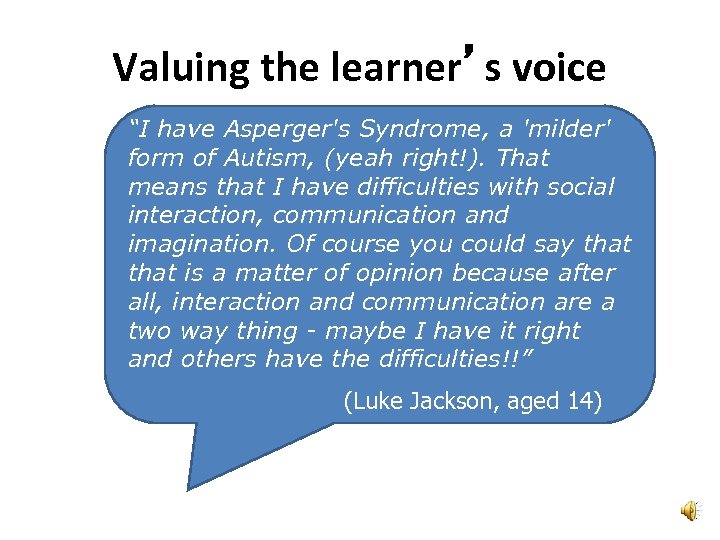 Valuing the learner’s voice “I have Asperger's Syndrome, a 'milder' form of Autism, (yeah right!). That means that I have difficulties with social interaction, communication and imagination. Of course you could say that is a matter of opinion because after all, interaction and communication are a two way thing - maybe I have it right and others have the difficulties!!” (Luke Jackson, aged 14)
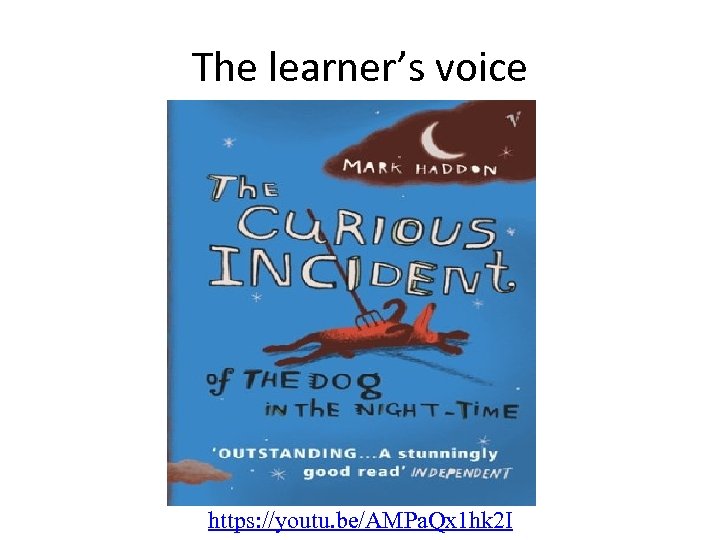 The learner’s voice • http: //www. bookbrowse. com/excerpts/index. cfm/book_number/1252/page_number/3/index. cfm ? fuseahttp: //www. telegraph. co. uk/news/uknews/law-and-order/9142946/Police-officers-assaulted -autistic-boy. htmlction=printable&book_number=1252 http: //www. audiobooks. com/audiob ook/curious-incident-of-the-dog-inhttp: //www. theaudi the-night-time/218621 obookmart. com/aud iobook. php? abid=B K_RECO_000322 https: //youtu. be/AMPa. Qx 1 hk 2 I
 Background • Autistic Spectrum Disorders: communication, imagination and socialisation. We are all on it -AQ • First described by Leo Kanner in 1943. • ASD affects 1 in 100 people, approximately and is more prevalent in males (National Autistic Society).
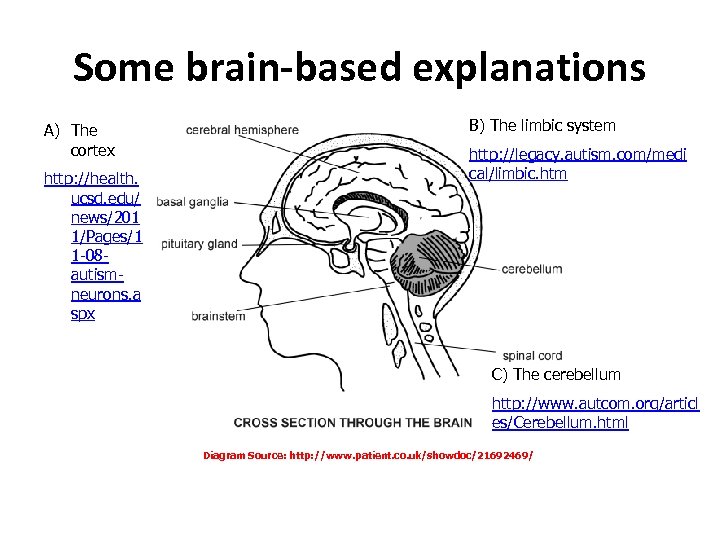 Some brain-based explanations A) The cortex http: //health. ucsd. edu/ news/201 1/Pages/1 1 -08 autismneurons. a spx B) The limbic system http: //legacy. autism. com/medi cal/limbic. htm C) The cerebellum http: //www. autcom. org/articl es/Cerebellum. html Diagram Source: http: //www. patient. co. uk/showdoc/21692469/
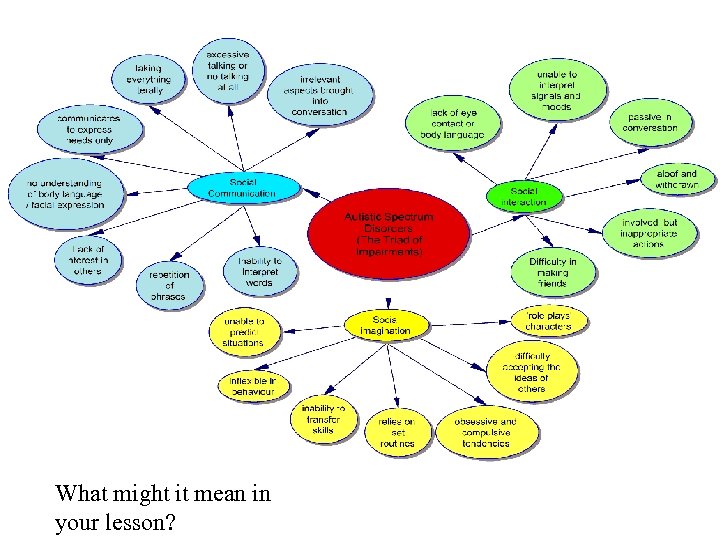 What might it mean in your lesson?
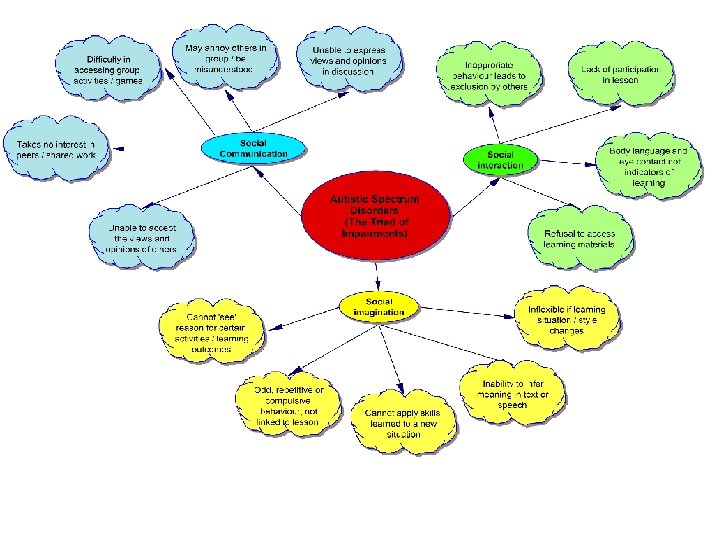
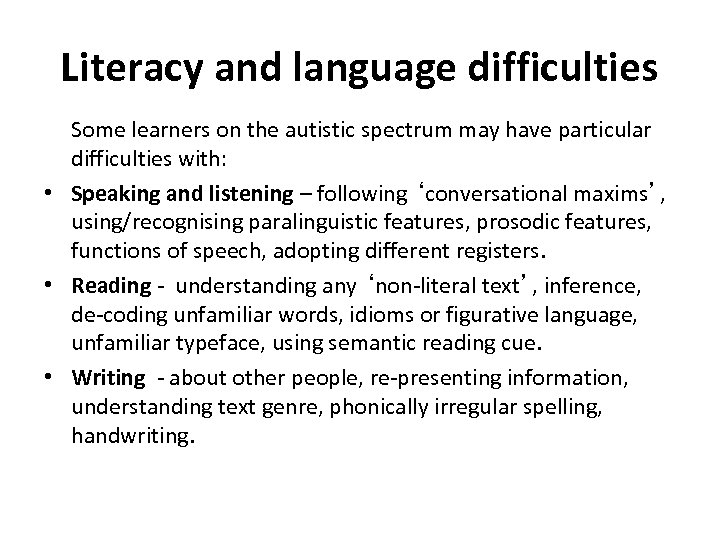 Literacy and language difficulties Some learners on the autistic spectrum may have particular difficulties with: • Speaking and listening – following ‘conversational maxims’, using/recognising paralinguistic features, prosodic features, functions of speech, adopting different registers. • Reading - understanding any ‘non-literal text’, inference, de-coding unfamiliar words, idioms or figurative language, unfamiliar typeface, using semantic reading cue. • Writing - about other people, re-presenting information, understanding text genre, phonically irregular spelling, handwriting.