 Скачать презентацию In the German alphabet used 26 pairs of
Немецкий язык.pptx
- Количество слайдов: 6



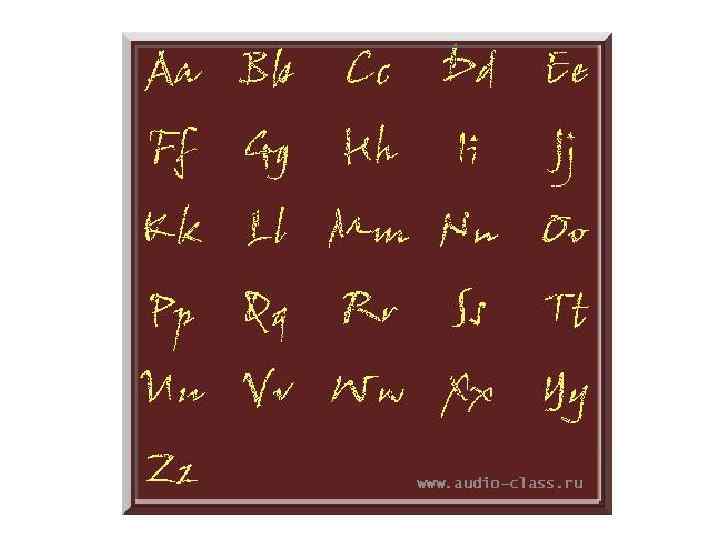
In the German alphabet used 26 pairs of letters ( uppercase and lowercase ) [75] ; letters, sounds обозначающиеумлаутированные (ä, ö, ü), and the ligature ß ( Eszett ) of the alphabet are not included. When alphabetic sorting ä, ö, ü do not differ with respectively a, o, u, except for the words that differ only umlaut - in this case the word umlaut is later ; ß is used after long vowels and diphthongs [76] and is equivalent to a combination of ss [ 77]. However, when transferring German letters ä, ö, ü lead not close to the corresponding letters a, o and u, and at the end of the list. [78] In dictionaries German words arranged without umlaut.
In the morphological structure of the German language dominated analitism and Flexion. Analitism can be observed in time Perfekt, Plusquamperfekt, Futur I i. Futur II, as well as in all times of the passive voice , conditional mood. Flexion - a common phenomenon in the German language for almost all parts of speech. German verb synthetically leans in times Präsens and Präteritum. Nominal parts of speech lean on cases - Nominativ, Genitiv, Dativ, Akkusativ. Inkorporatsiya and agglutination are rare , despite the fact that the German word formation has a very complex structure.
• Article in German is certain , uncertain and zero. The definite article is used in cases where the noun is defined , as well as in cases where it is required, for example, to determine : superlatives , ordinal necessarily accompanied by the definite article , is also standing in front of a noun. Indefinite article , unlike certain , used before a noun that is not defined , it is unknown or in other cases stipulated by the grammar of the German article. Zero article - a concept reflecting the process of omission article. It occurs when the front of the noun is a word substitute ( possessive pronoun , a cardinal number , and so on ) in front of some names of geographical objects , uncountable nouns.
 Скачать презентацию In the German alphabet used 26 pairs of
Немецкий язык.pptx