Скачать презентацию In order to understand marketing of services we
GBS Marketing of services part 0.pptx
- Количество слайдов: 35
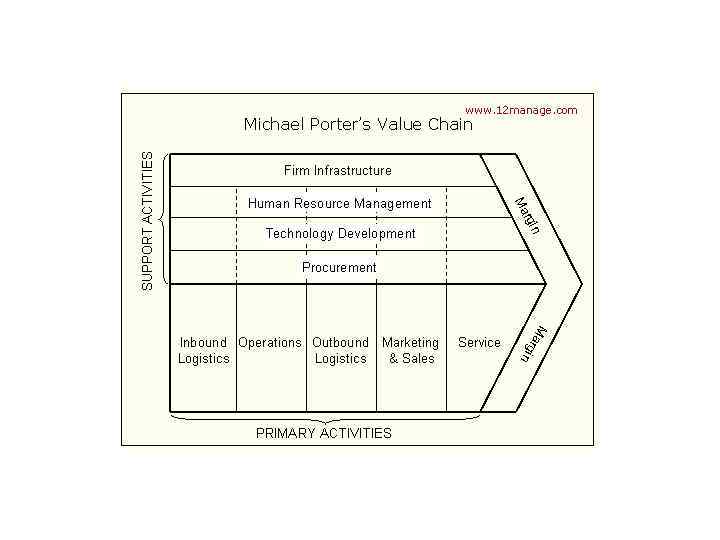
 In order to understand marketing of services we need to put it into a context of current market trends and the market mix managing the Interface between company and markets through services and products. It turned out that during our first class we had talked about Businessmodel and Porter’s strategy analysis. As indicated you can find all information on www. 12 manage. com
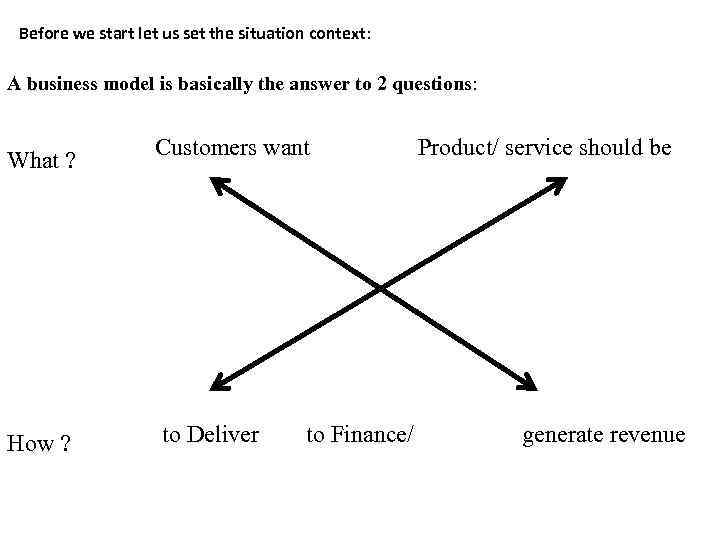 Before we start let us set the situation context: A business model is basically the answer to 2 questions: What ? How ? Customers want to Deliver to Finance/ Product/ service should be generate revenue
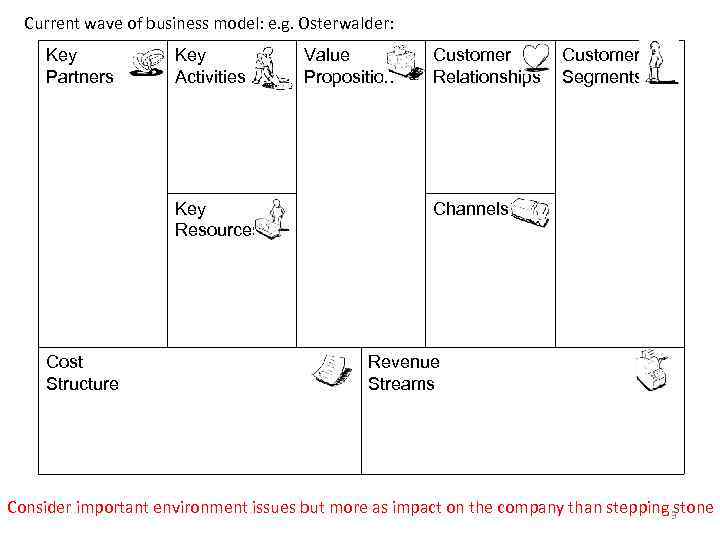 Current wave of business model: e. g. Osterwalder: Key Partners Key Activities Key Resources Cost Structure Value Proposition Customer Relationships Customer Segments Channels Revenue Streams Consider important environment issues but more as impact on the company than stepping 3 stone
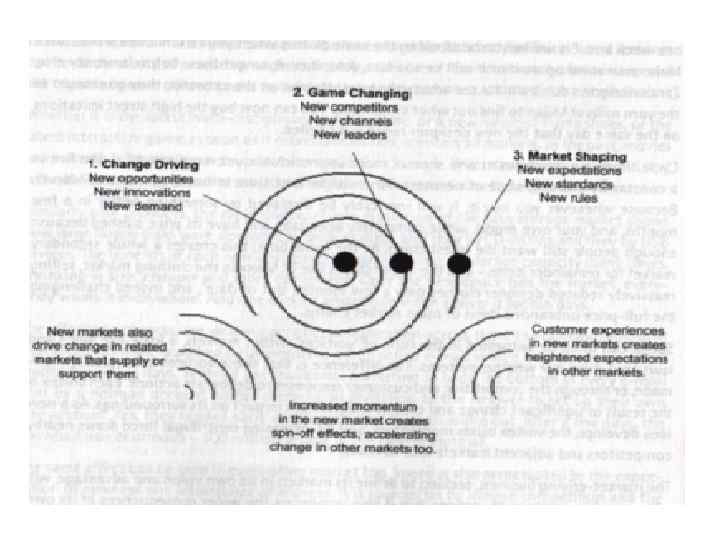
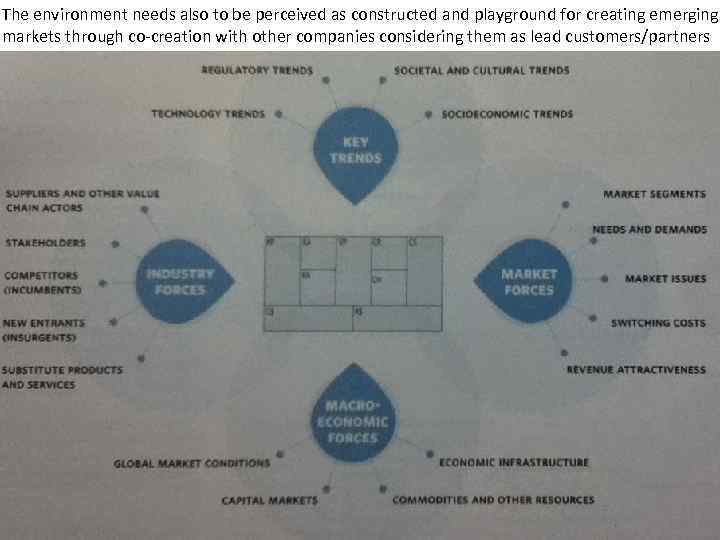 The environment needs also to be perceived as constructed and playground for creating emerging markets through co-creation with other companies considering them as lead customers/partners 4 Wirtz, SJ
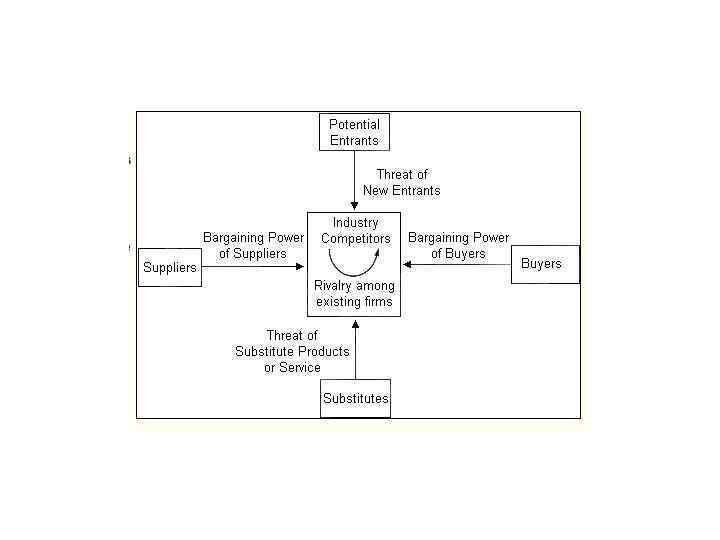
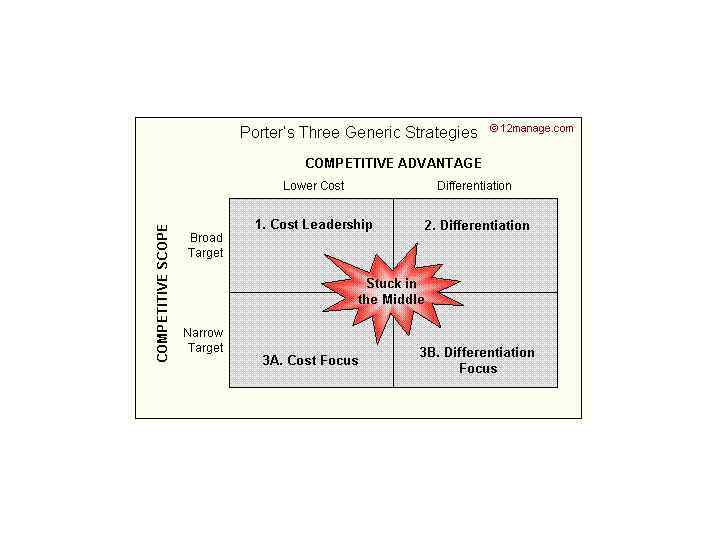
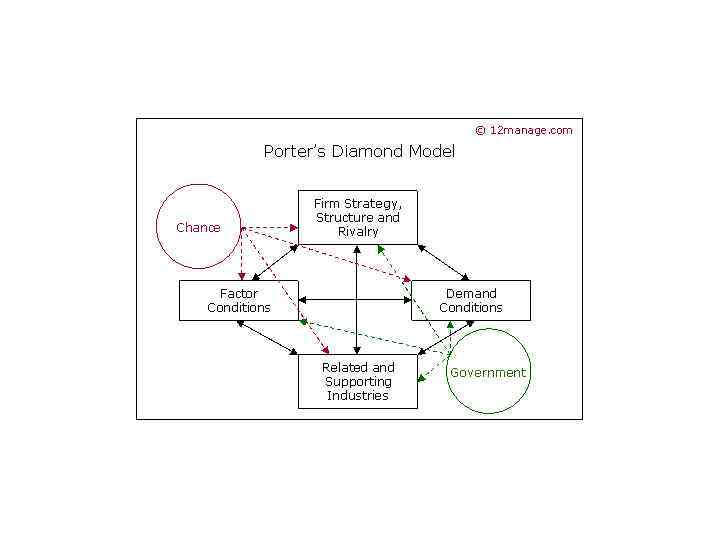
 A company has an inside and out side. 4 concepts of M. Porter can assist you to analyse it. During the course we come back to it.
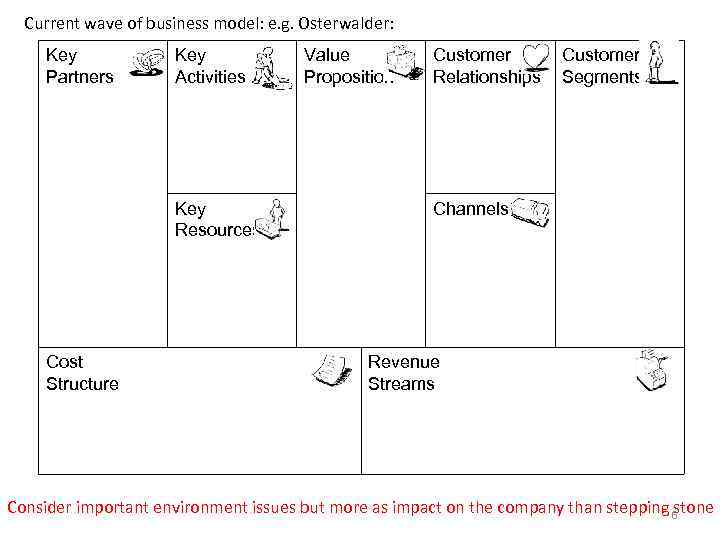 Current wave of business model: e. g. Osterwalder: Key Partners Key Activities Key Resources Cost Structure Value Proposition Customer Relationships Customer Segments Channels Revenue Streams Consider important environment issues but more as impact on the company than stepping 6 stone
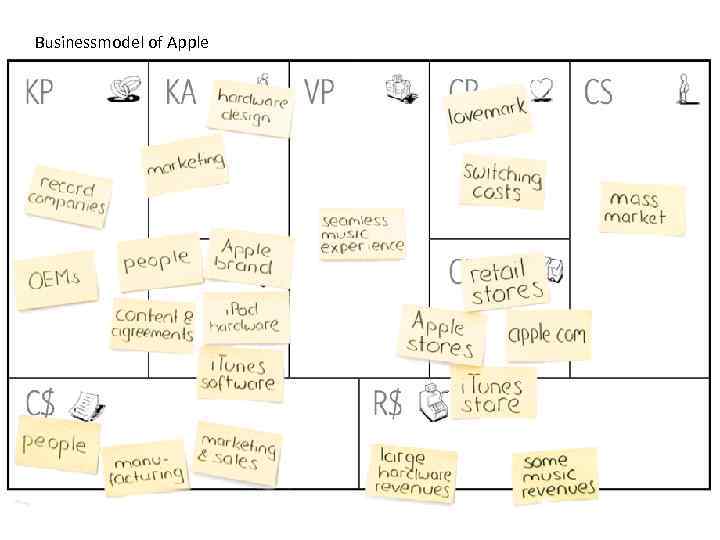 Businessmodel of Apple
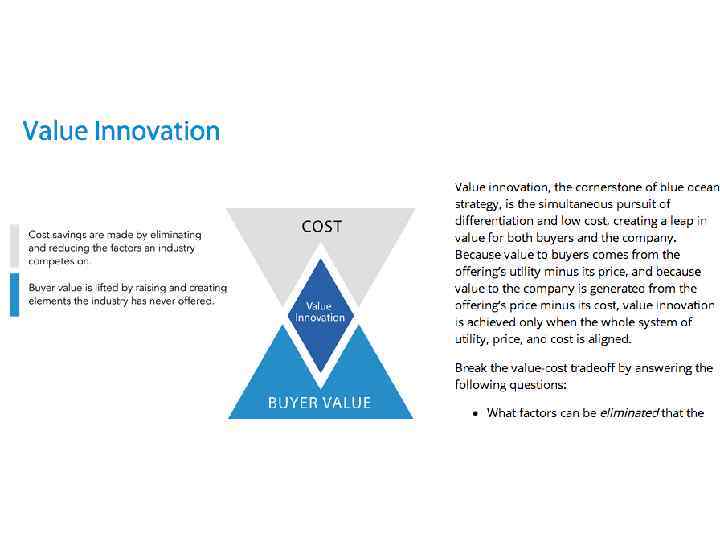
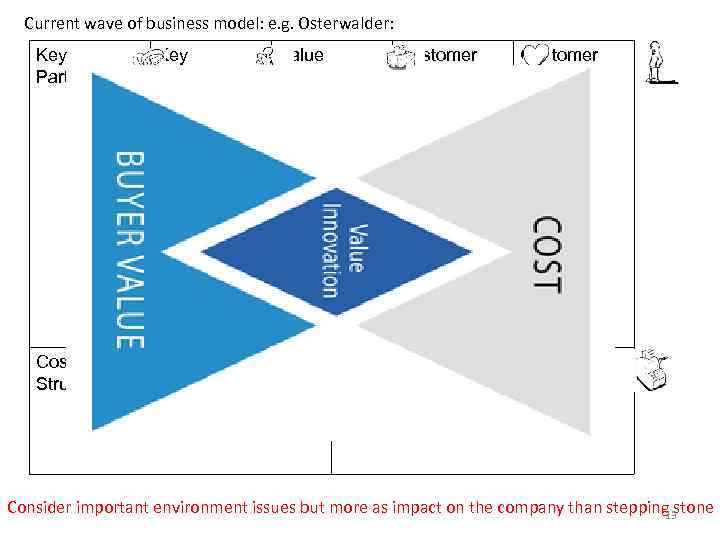 Current wave of business model: e. g. Osterwalder: Key Partners Key Activities Key Resources Cost Structure Value Proposition Customer Relationship s Customer Segments Channels Revenue Streams Consider important environment issues but more as impact on the company than stepping stone 13
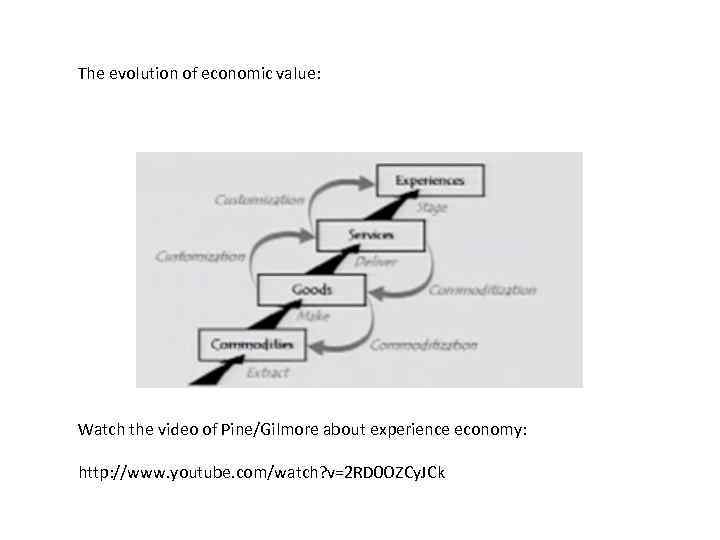 The evolution of economic value: Watch the video of Pine/Gilmore about experience economy: http: //www. youtube. com/watch? v=2 RD 0 OZCy. JCk
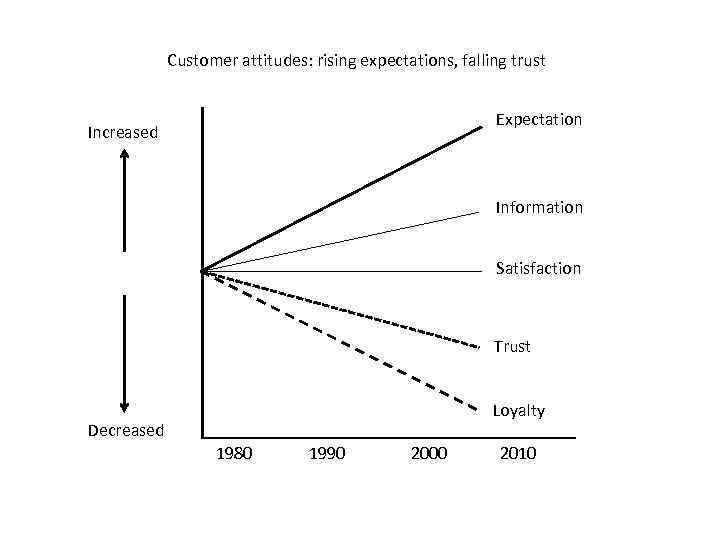 Customer attitudes: rising expectations, falling trust Expectation Increased Information Satisfaction Trust Loyalty Decreased 1980 1990 2000 2010
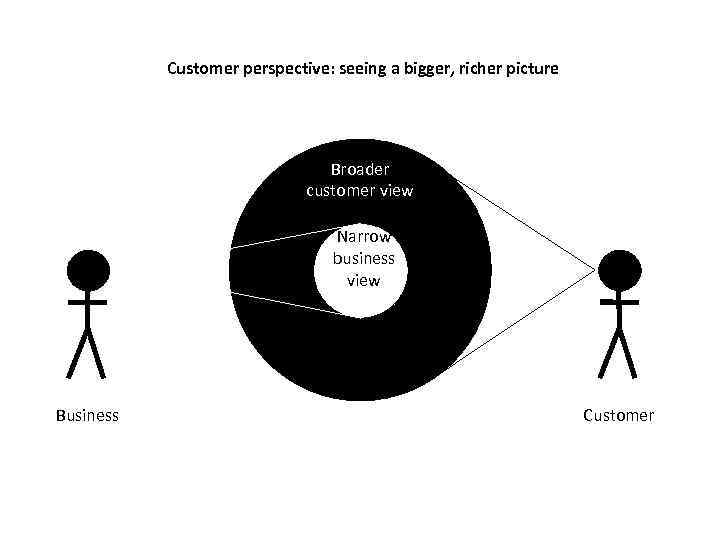 Customer perspective: seeing a bigger, richer picture Broader customer view Narrow business view Business Customer
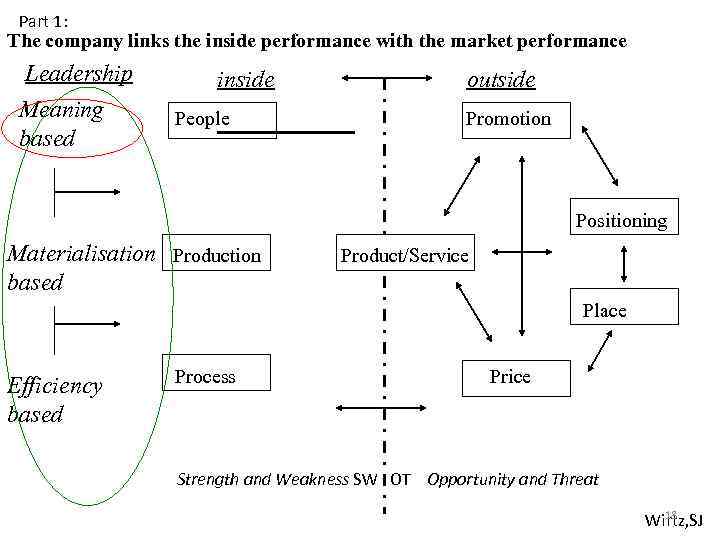 Part 1: The company links the inside performance with the market performance Leadership Meaning based inside People outside Promotion Positioning Materialisation Production based Product/Service Place Efficiency based Process Price Strength and Weakness SW OT Opportunity and Threat 18 Wirtz, SJ
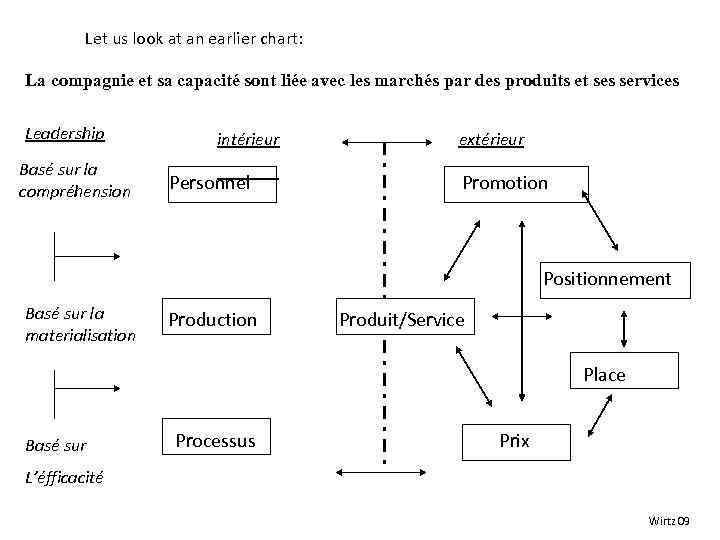 Let us look at an earlier chart: La compagnie et sa capacité sont liée avec les marchés par des produits et ses services Leadership Basé sur la compréhension intérieur Personnel extérieur Promotion Positionnement Basé sur la materialisation Production Produit/Service Place Basé sur Processus Prix L’éfficacité Wirtz 09
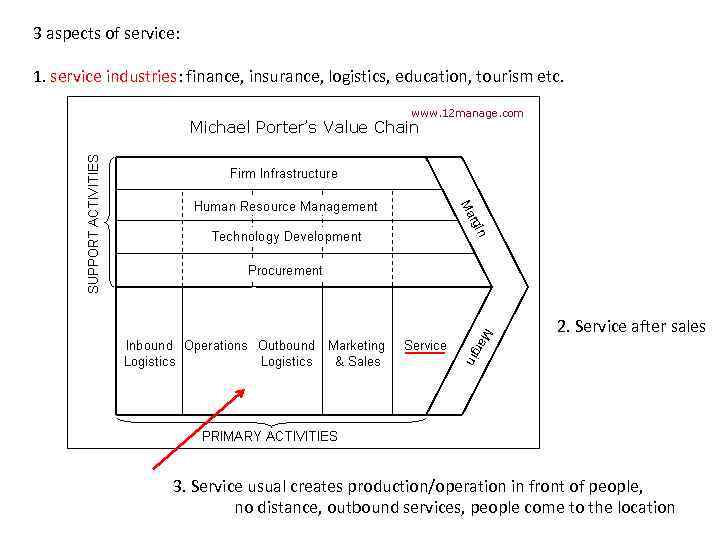 3 aspects of service: 1. service industries: finance, insurance, logistics, education, tourism etc. 2. Service after sales 3. Service usual creates production/operation in front of people, no distance, outbound services, people come to the location
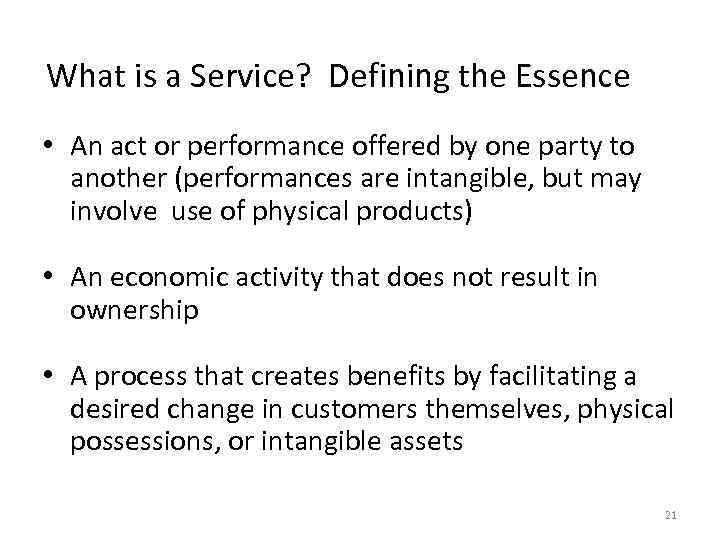 What is a Service? Defining the Essence • An act or performance offered by one party to another (performances are intangible, but may involve use of physical products) • An economic activity that does not result in ownership • A process that creates benefits by facilitating a desired change in customers themselves, physical possessions, or intangible assets 21
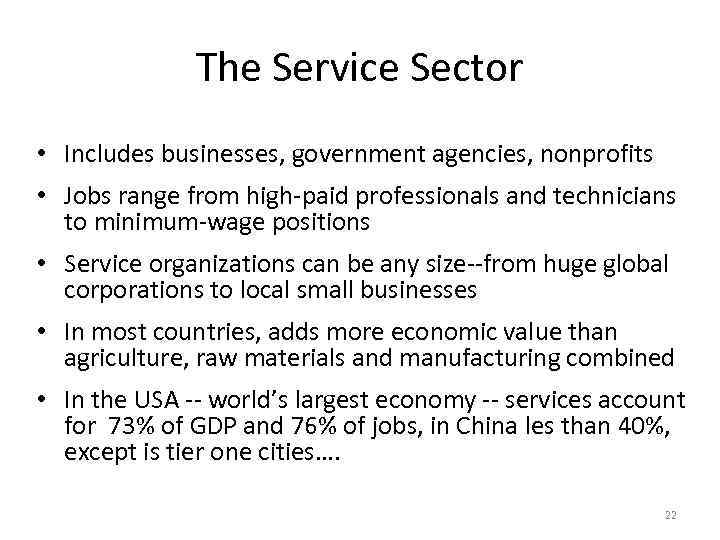 The Service Sector • Includes businesses, government agencies, nonprofits • Jobs range from high-paid professionals and technicians to minimum-wage positions • Service organizations can be any size--from huge global corporations to local small businesses • In most countries, adds more economic value than agriculture, raw materials and manufacturing combined • In the USA -- world’s largest economy -- services account for 73% of GDP and 76% of jobs, in China les than 40%, except is tier one cities…. 22
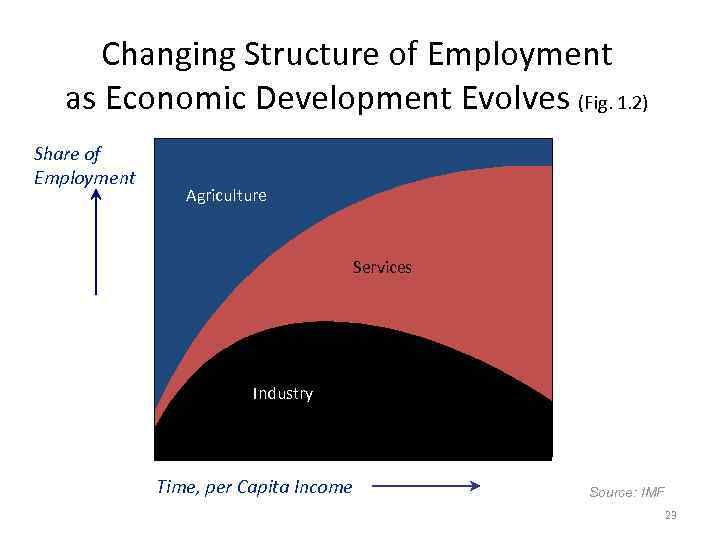 Changing Structure of Employment as Economic Development Evolves (Fig. 1. 2) Share of Employment Agriculture Services Industry Time, per Capita Income Source: IMF 23


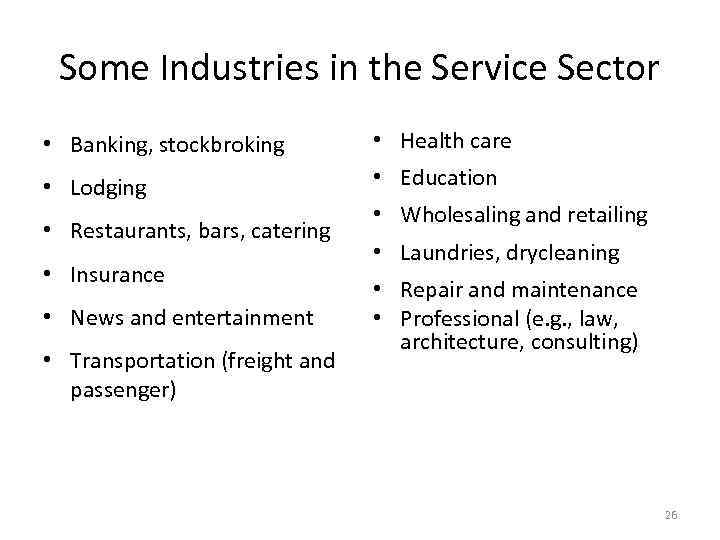 Some Industries in the Service Sector • Banking, stockbroking • Health care • Lodging • Education • Restaurants, bars, catering • Insurance • News and entertainment • Transportation (freight and passenger) • Wholesaling and retailing • Laundries, drycleaning • Repair and maintenance • Professional (e. g. , law, architecture, consulting) 26
 Internal Services • Service elements within an organization that facilitate creation of--or add value to--its final output • Includes: – – – accounting and payroll administration recruitment and training legal services transportation catering and food services cleaning and landscaping • Increasingly, these services are being outsourced 27
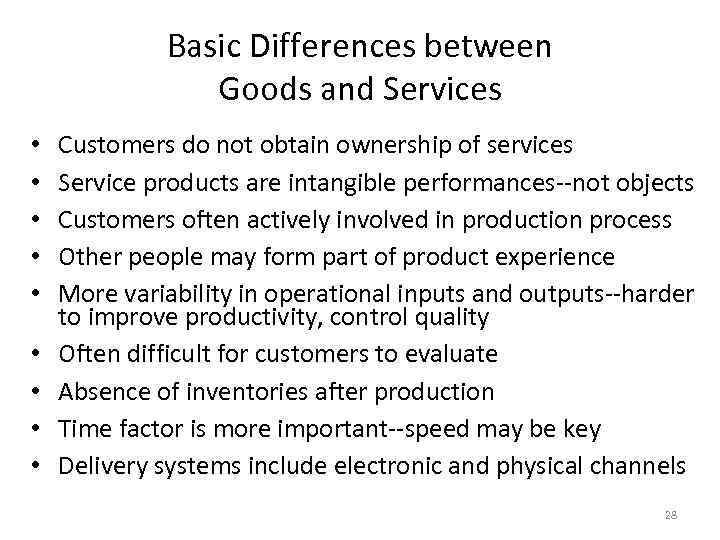 Basic Differences between Goods and Services • • • Customers do not obtain ownership of services Service products are intangible performances--not objects Customers often actively involved in production process Other people may form part of product experience More variability in operational inputs and outputs--harder to improve productivity, control quality Often difficult for customers to evaluate Absence of inventories after production Time factor is more important--speed may be key Delivery systems include electronic and physical channels 28
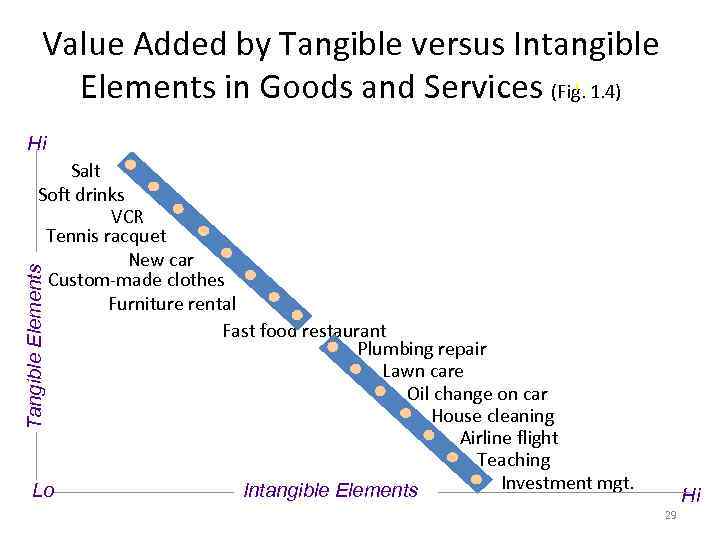 Value Added by Tangible versus Intangible Elements in Goods and Services (Fig. 1. 4) Hi Tangible Elements Salt Soft drinks VCR Tennis racquet New car Custom-made clothes Furniture rental Fast food restaurant Plumbing repair Lawn care Oil change on car House cleaning Airline flight Teaching Investment mgt. Lo Intangible Elements Hi 29
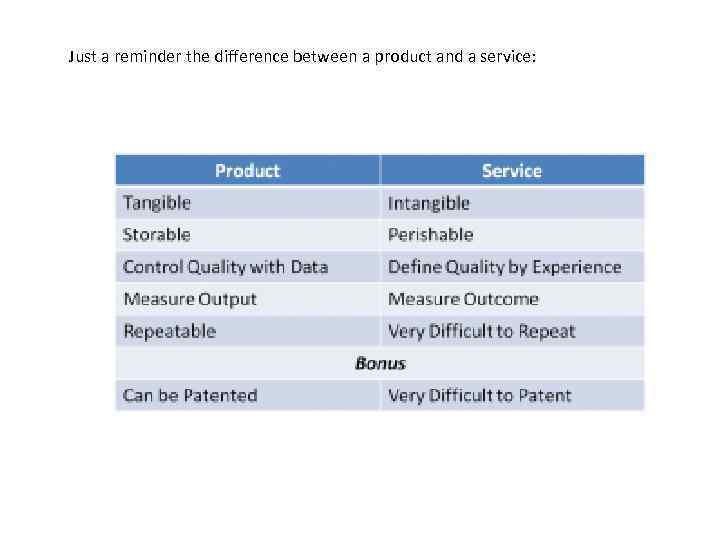 Just a reminder the difference between a product and a service:
 Terms introduced in the course: - consistent: everytime - Coherence: everywhere Everytime refers to when you do your job you should do your best Eerywhere refers to whenever you meet your client even you are not on the job you need to identify your client and serve him or her in a positive attitude, being an Ambassador of your brand employer.
 The term of meeting a client either on the job or off the job is “service-encounter” The situation and moment, the spcace and time where you are co-creating with the client an experience. Both of you are contributing to the outcome of the encounter.
 Empowerment is an important term in the service industry: It refers to enabling collaborators to make decision immediately, the importance lies in the fact that a guest cannot wait. In some hotel groups, like Ritz Carlton, a collaborator, often called associate can decide to reduce the invoice up to 2000 US $, however under 2 conditions: - He need to write a report what happened and how he solved it - He needs to indicate how one could avoid that situation next time. - This way the organisation becomes a learning organisation
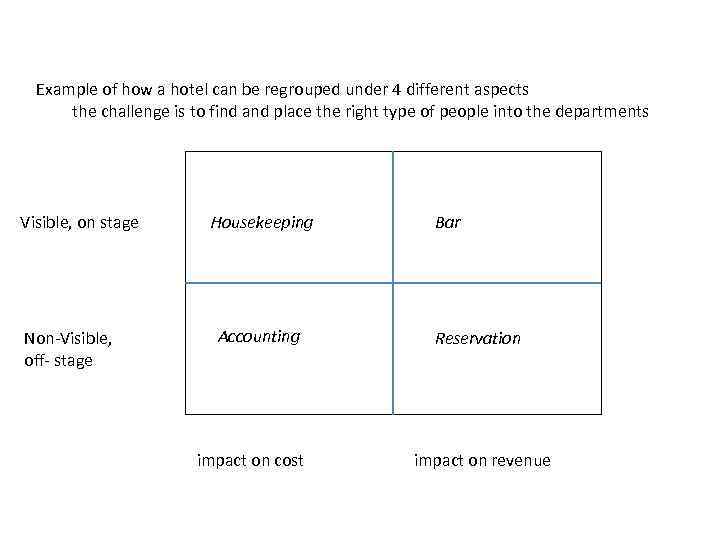 Example of how a hotel can be regrouped under 4 different aspects the challenge is to find and place the right type of people into the departments Visible, on stage Non-Visible, off- stage Housekeeping Accounting impact on cost Bar Reservation impact on revenue