 Скачать презентацию Improving Palliative Care at a Global Level Kathleen
5c57801da00cc69da70c3b47ac94a71c.ppt
- Количество слайдов: 61



Improving Palliative Care at a Global Level Kathleen M. Foley, MD Patient Advocacy Meeting Budapest June 29 -30, 2009
2002 WHO Definition of Palliative Care "Palliative care is an approach which improves quality of life of patients and their families facing life-threatening illness, through the prevention and relief of suffering by means of early identification and impeccable assessment and treatment of pain and other problems, physical, psychosocial and spiritual"
Palliative Care as a Public Health Issue n affects all people n need for better information on end-oflife care n potential to prevent suffering n potential to prevent disease
Palliative Care as a Prevention Model n prevents needless suffering n provides peer education n provides patient centered care n incorporates self-management programs
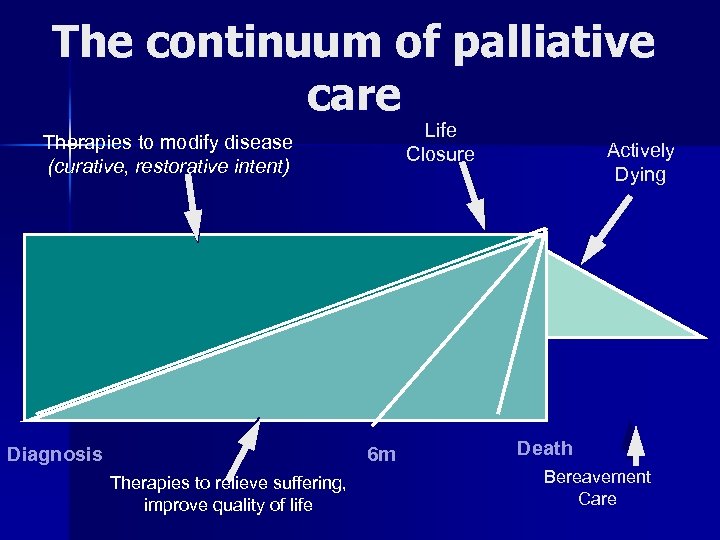
The continuum of palliative care Life Closure Therapies to modify disease (curative, restorative intent) Diagnosis 6 m Therapies to relieve suffering, improve quality of life Actively Dying Death Bereavement Care
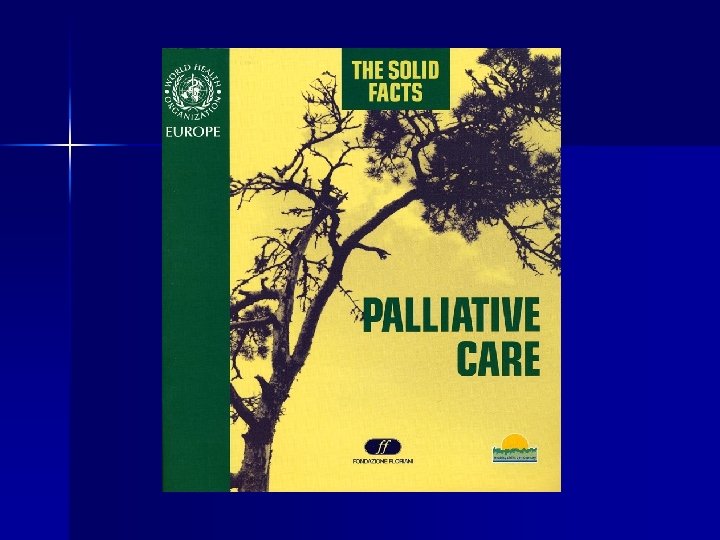
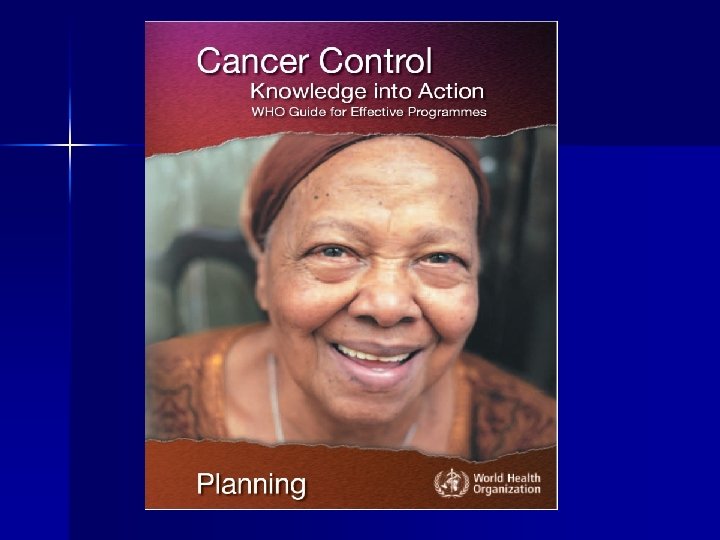
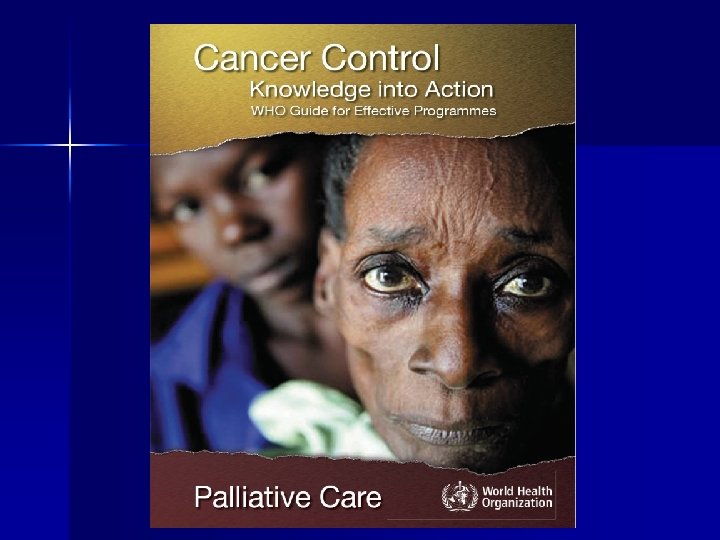
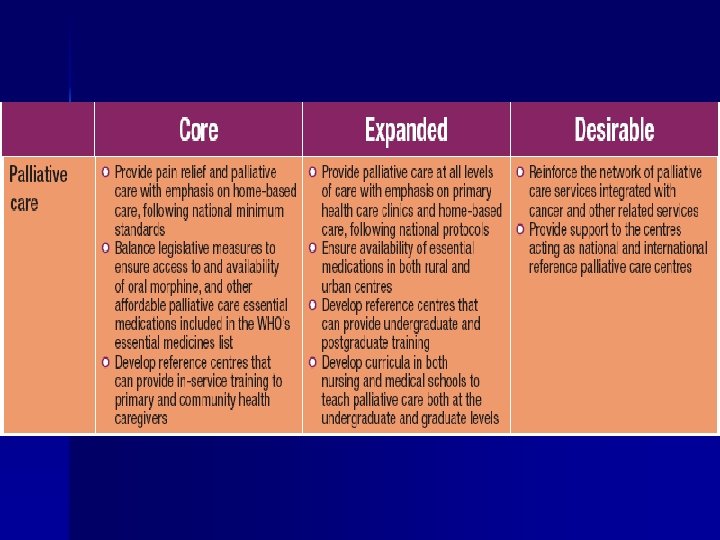
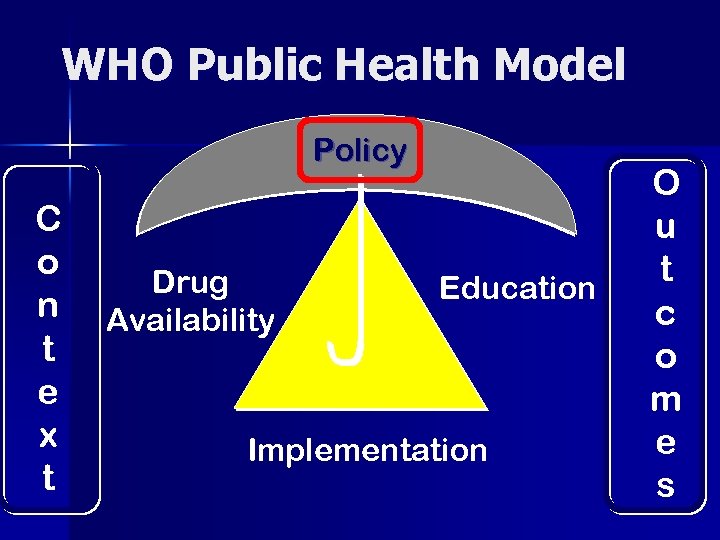
WHO Public Health Model Policy C o n t e x t Drug Availability Education Implementation O u t c o m e s
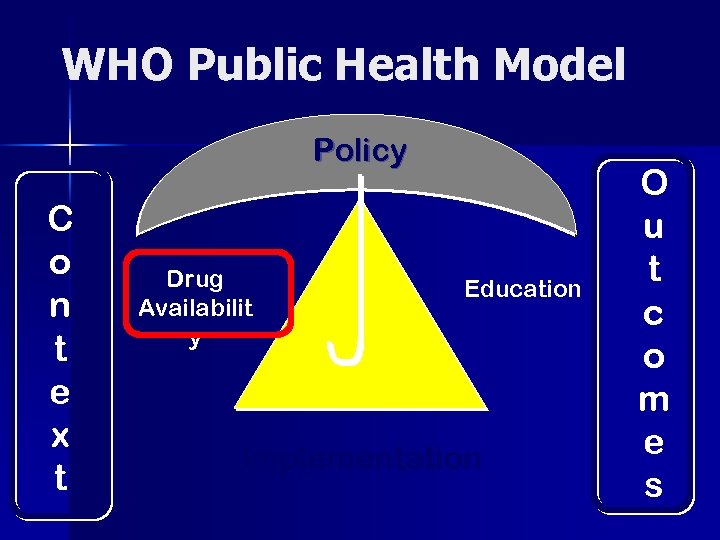
WHO Public Health Model Policy C o n t e x t Drug Availabilit y Education Implementation O u t c o m e s
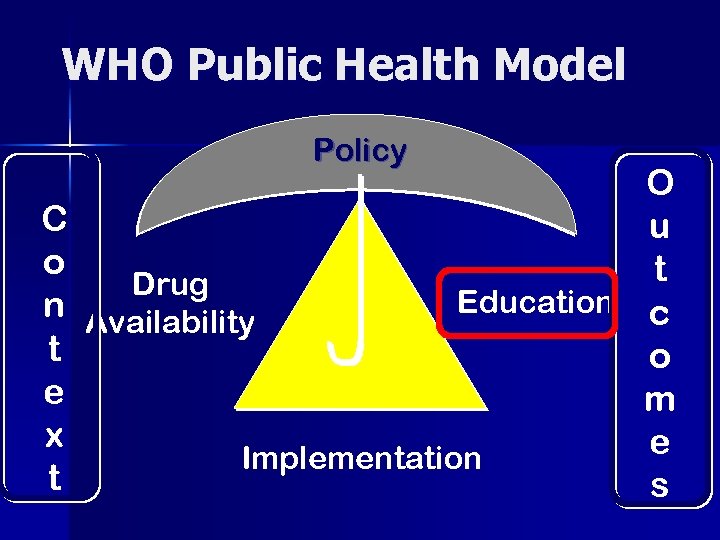
WHO Public Health Model Policy C o n t e x t O u t Drug Education c Availability o m e Implementation s
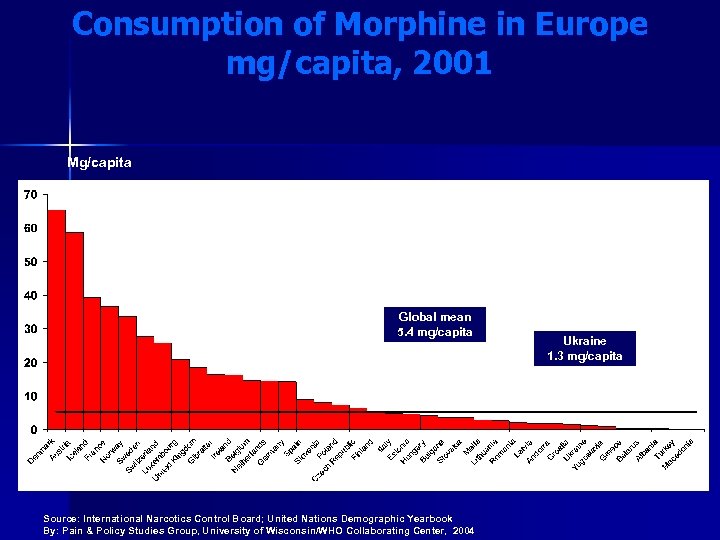
Consumption of Morphine in Europe mg/capita, 2001 Mg/capita Global mean 5. 4 mg/capita Source: International Narcotics Control Board; United Nations Demographic Yearbook By: Pain & Policy Studies Group, University of Wisconsin/WHO Collaborating Center, 2004 Ukraine 1. 3 mg/capita
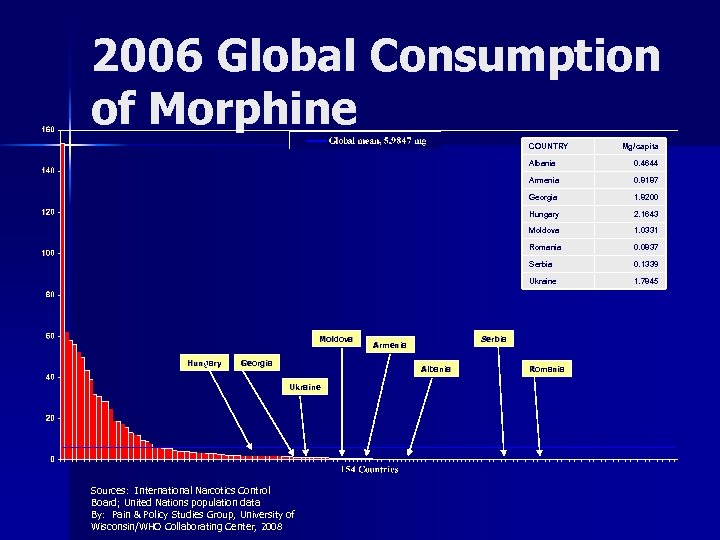
2006 Global Consumption of Morphine COUNTRY Mg/capita Albania Armenia 0. 0837 Serbia 0. 1339 Ukraine 1. 7845 Serbia Armenia Albania Sources: International Narcotics Control Board; United Nations population data By: Pain & Policy Studies Group, University of Wisconsin/WHO Collaborating Center, 2008 1. 0331 Romania Ukraine 2. 1643 Moldova Georgia 1. 8200 Hungary 0. 8187 Georgia Moldova 0. 4644 Romania
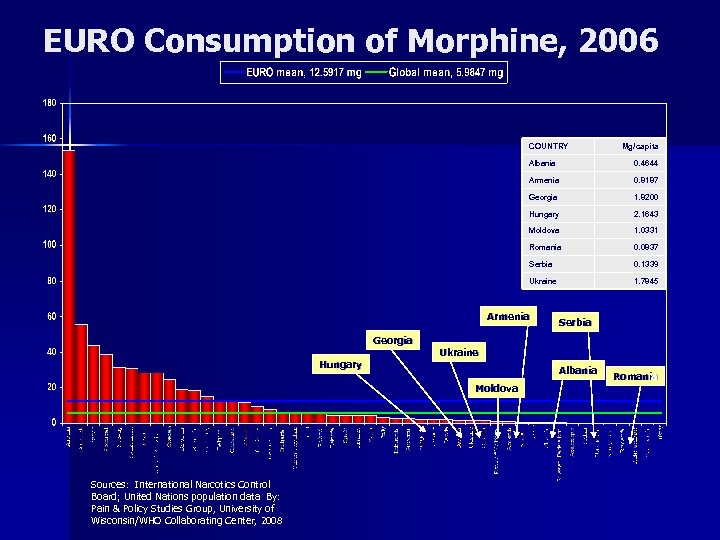
EURO Consumption of Morphine, 2006 COUNTRY Mg/capita Albania 0. 4644 Armenia 0. 8187 Georgia 1. 8200 Hungary 2. 1643 Moldova 1. 0331 Romania 0. 0837 Serbia 0. 1339 Ukraine 1. 7845 Armenia Georgia Hungary Ukraine Albania Moldova Sources: International Narcotics Control Board; United Nations population data By: Pain & Policy Studies Group, University of Wisconsin/WHO Collaborating Center, 2008 Serbia Romania
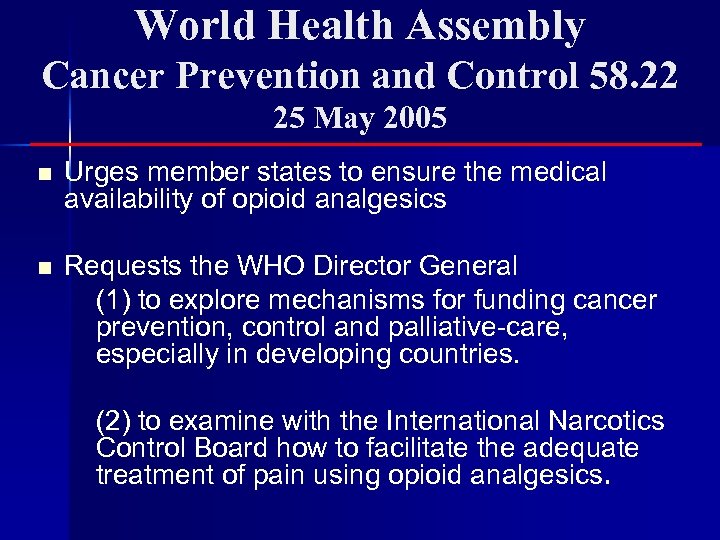
World Health Assembly Cancer Prevention and Control 58. 22 25 May 2005 n Urges member states to ensure the medical availability of opioid analgesics n Requests the WHO Director General (1) to explore mechanisms for funding cancer prevention, control and palliative-care, especially in developing countries. (2) to examine with the International Narcotics Control Board how to facilitate the adequate treatment of pain using opioid analgesics.
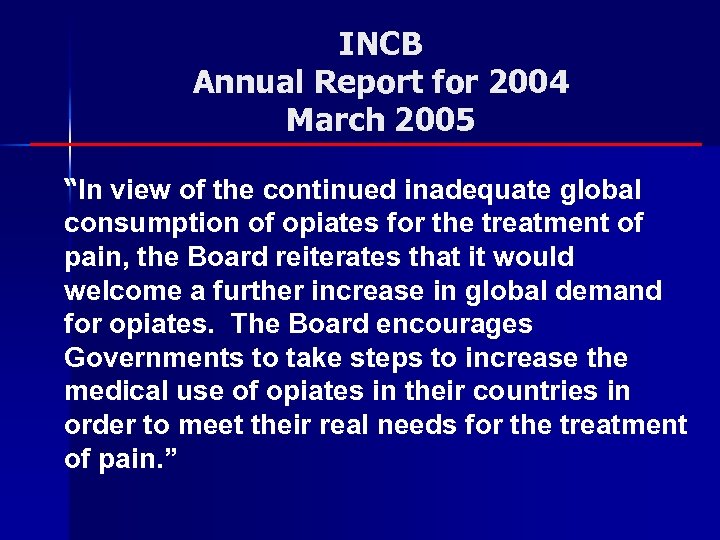
INCB Annual Report for 2004 March 2005 “In view of the continued inadequate global consumption of opiates for the treatment of pain, the Board reiterates that it would welcome a further increase in global demand for opiates. The Board encourages Governments to take steps to increase the medical use of opiates in their countries in order to meet their real needs for the treatment of pain. ”
WHO Access to Essential Medicines Program Created an office for controlled substances as essential medicines n Appointed Willem Scholten as program director n To develop a strategic plan with NGO partnerships n
WHO Access to Essential Medicines Program To focus on low and medium resource countries n To support pain and palliative care as a human right n
Publications on International Palliative Care Issues q Journal of Pain and Symptom Management Volume 33 , Number 5 May, 2007: Advancing Palliative Care: The Public Health Perspective q Health Economics and Palliative care; What We Know and What We Need to Know. In press, 2008
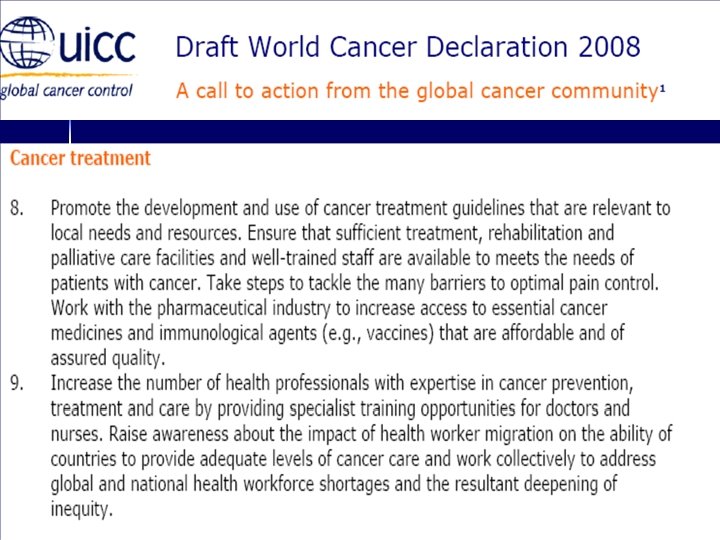
World Cancer Declaration 2008 Outlines the critical steps needed to build the basis for sustainable delivery of effective cancer prevention, early detection, treatment and palliative care worldwide World Cancer Summit, Geneva, 2008
World Cancer Declaration 2008 Based on: Article 25 of the Universal Declaration of Human Rights declares that “everyone has the right to a standard of living, adequate for health and well being for himself and his family, including medical care. ”
2020 Goals 7. many more cancer patients in pain will have access to effective pain control measures
Intermediate Targets 7. the number of cancer patients with access to appropriate treatment, rehabilitation and palliative care in adequately equipped treatment facilities 9. the number of cancer patients in pain worldwide that have access to effective pain control
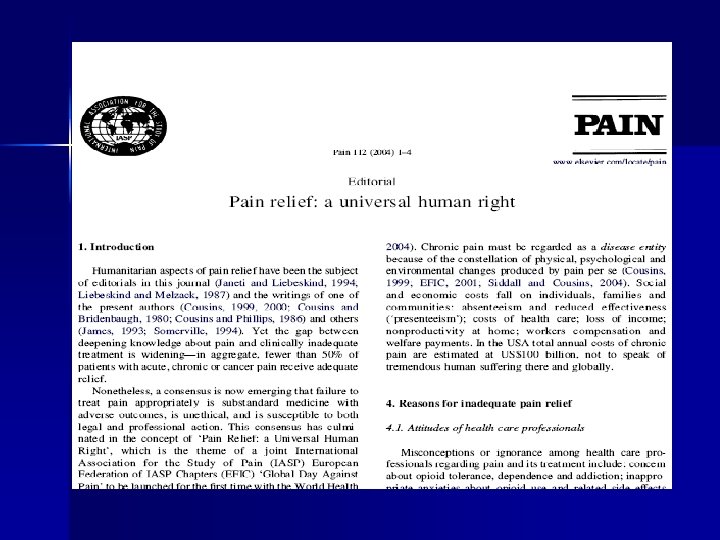
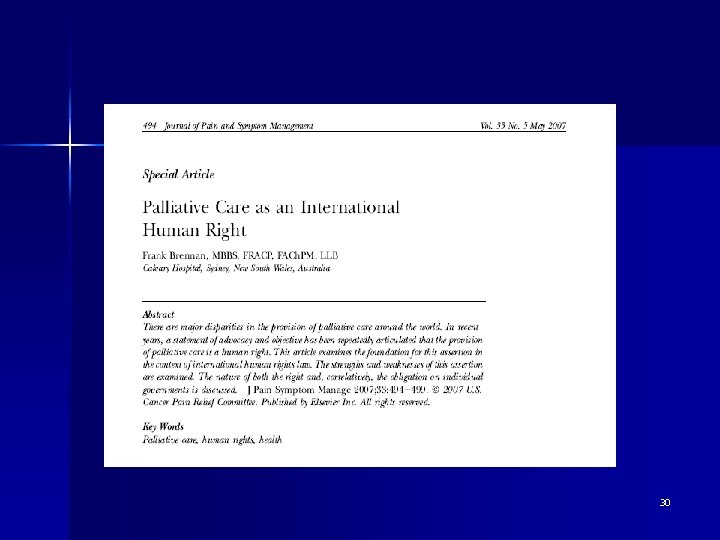
30
Strategies for the advancement of Palliative Care as a Human Right n n n Submission to the committee ICESCR Submission to the office of the Special Rapporteur to the UN Human Rights Commission on the right to health Promotion of an International Convention on Pain Encourage human rights organizations to become involved in advocacy for palliative care Use current declarations (Cape Town, Korea, Budapest) as advocacy tools with your government
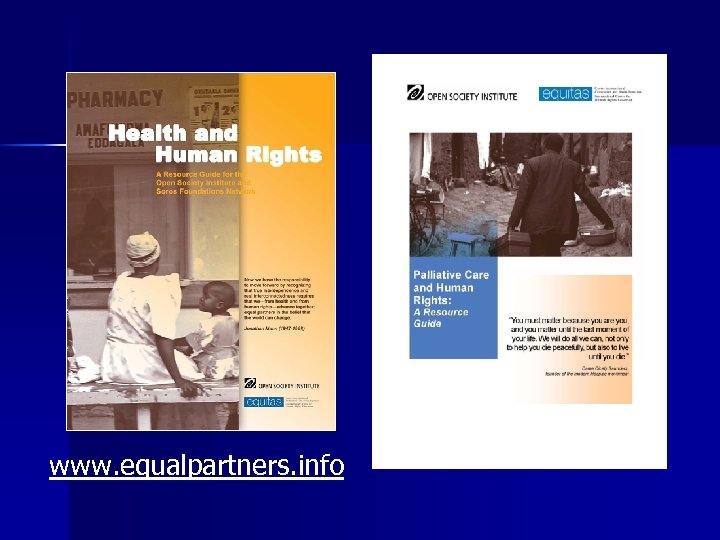
www. equalpartners. info
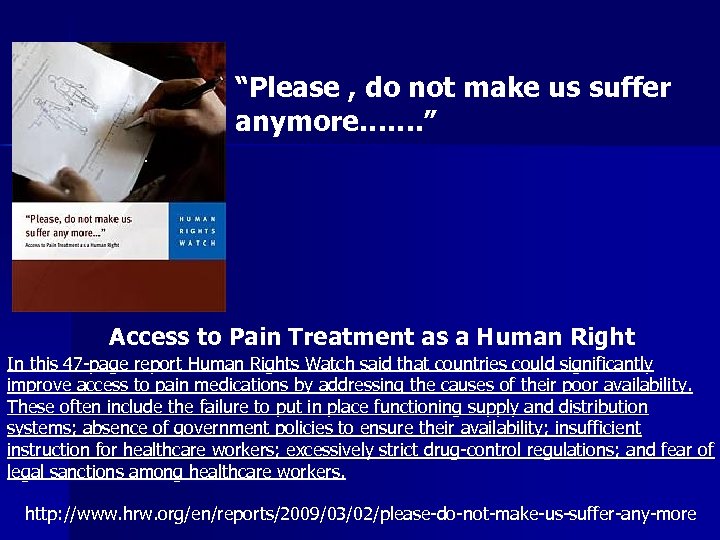
“Please , do not make us suffer anymore……. ” Access to Pain Treatment as a Human Right In this 47 -page report Human Rights Watch said that countries could significantly improve access to pain medications by addressing the causes of their poor availability. These often include the failure to put in place functioning supply and distribution systems; absence of government policies to ensure their availability; insufficient instruction for healthcare workers; excessively strict drug-control regulations; and fear of legal sanctions among healthcare workers. http: //www. hrw. org/en/reports/2009/03/02/please-do-not-make-us-suffer-any-more
Promoting Hospice & Palliative Care Worldwide
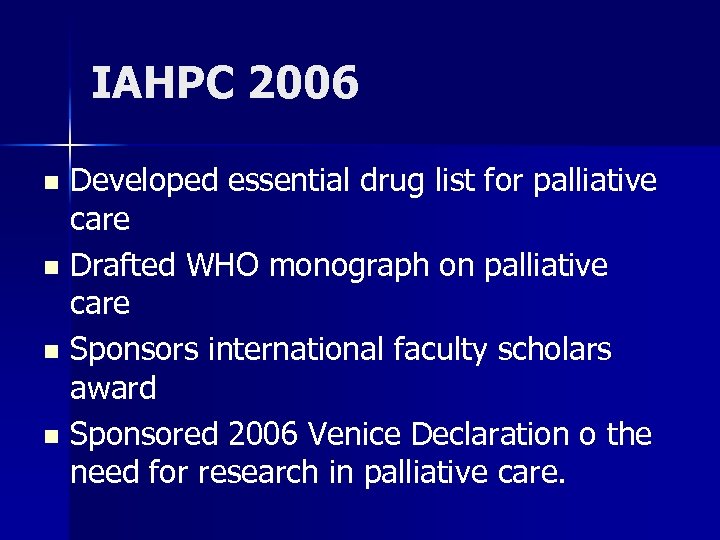
IAHPC 2006 Developed essential drug list for palliative care n Drafted WHO monograph on palliative care n Sponsors international faculty scholars award n Sponsored 2006 Venice Declaration o the need for research in palliative care. n
Joint Declaration and Statement of Commitment: Palliative Care and Pain Treatment as Human Rights Project coordinated by the IAHPC and WPCA sign on at www. hospicecare. com
IAHPC List of Essential Medicines 34 medications are listed n 14 medications currently on the existing WHO Essential List n
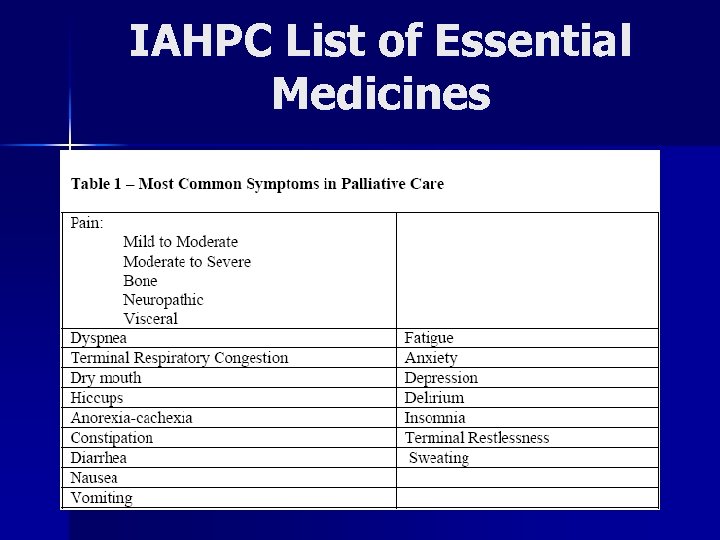
IAHPC List of Essential Medicines
Global Access to Pain Relief Initiative n Supported by International Union Against Cancer (UICC) -global advocacy initiative -raise awareness for policy change -focus on cancer patients
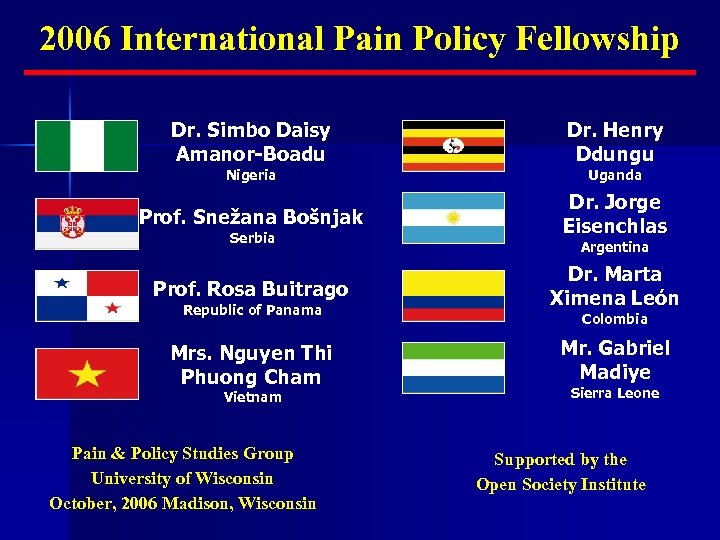
2006 International Pain Policy Fellowship Dr. Simbo Daisy Amanor-Boadu Dr. Henry Ddungu Prof. Snežana Bošnjak Dr. Jorge Eisenchlas Nigeria Serbia Uganda Argentina Republic of Panama Dr. Marta Ximena León Mrs. Nguyen Thi Phuong Cham Mr. Gabriel Madiye Prof. Rosa Buitrago Vietnam Pain & Policy Studies Group University of Wisconsin October, 2006 Madison, Wisconsin Colombia Sierra Leone Supported by the Open Society Institute
IOELC Aims n To provide research-based information on palliative care in the global context n To disseminate this information through the Observatory website and through other means n To undertake primary research studies to generate such information n To support academic work in resource poor regions n To work in partnership with key organisations and individuals
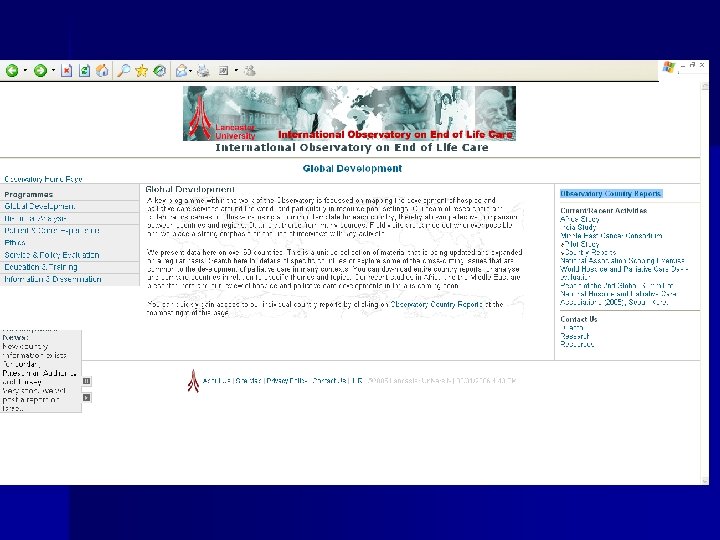
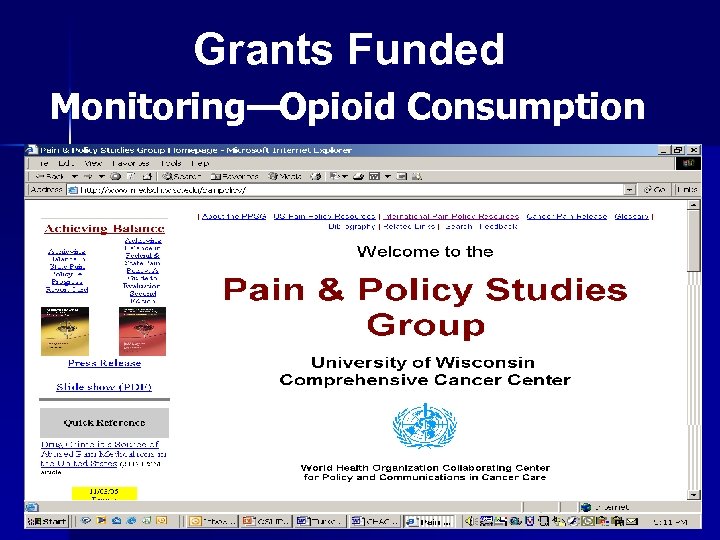
Grants Funded Monitoring—Opioid Consumption
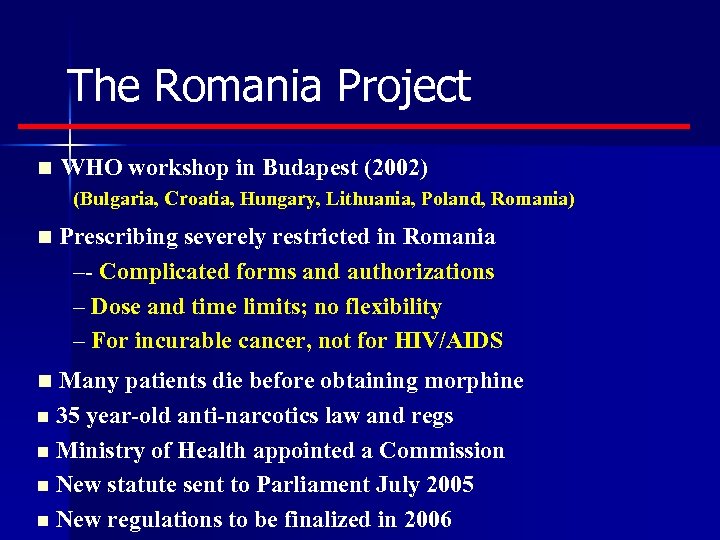
The Romania Project n WHO workshop in Budapest (2002) (Bulgaria, Croatia, Hungary, Lithuania, Poland, Romania) n Prescribing severely restricted in Romania –- Complicated forms and authorizations – Dose and time limits; no flexibility – For incurable cancer, not for HIV/AIDS n Many patients die before obtaining morphine 35 year-old anti-narcotics law and regs n Ministry of Health appointed a Commission n New statute sent to Parliament July 2005 n New regulations to be finalized in 2006 n
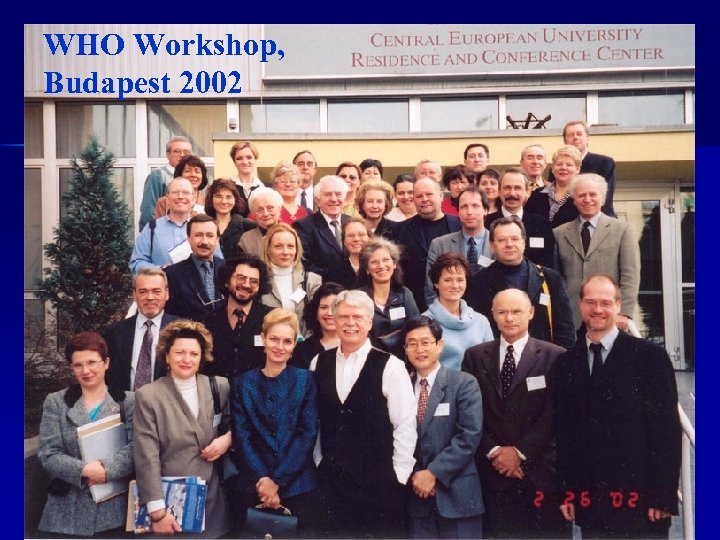
WHO Workshop, Budapest 2002
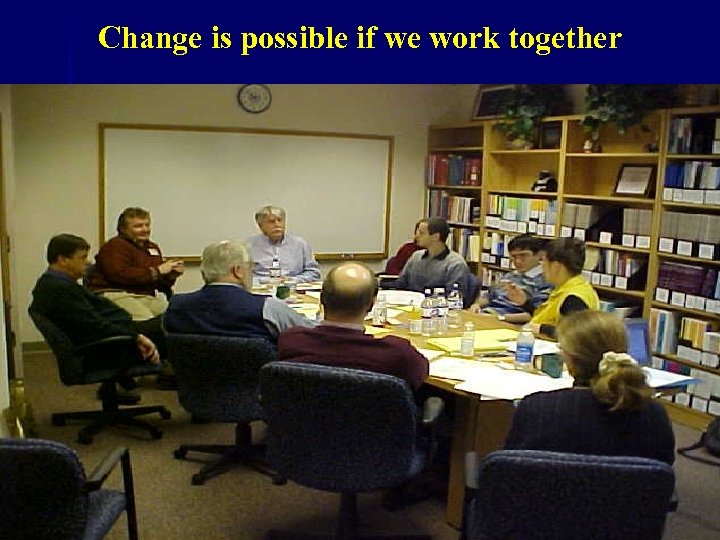
Change is possible if we work together
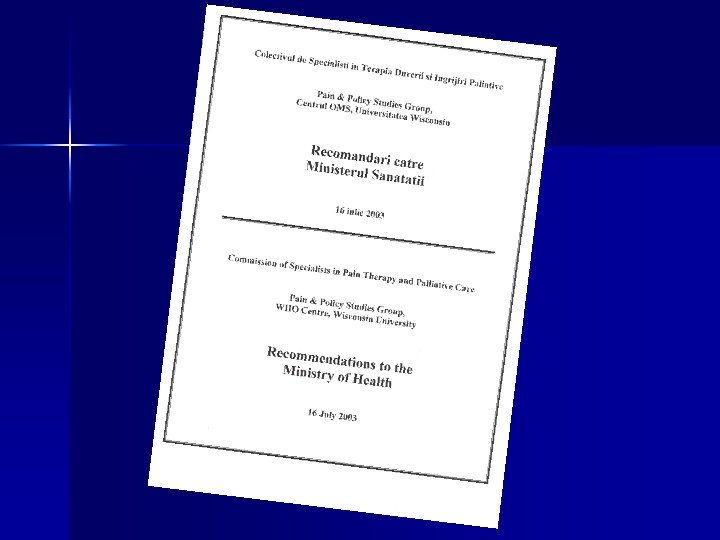
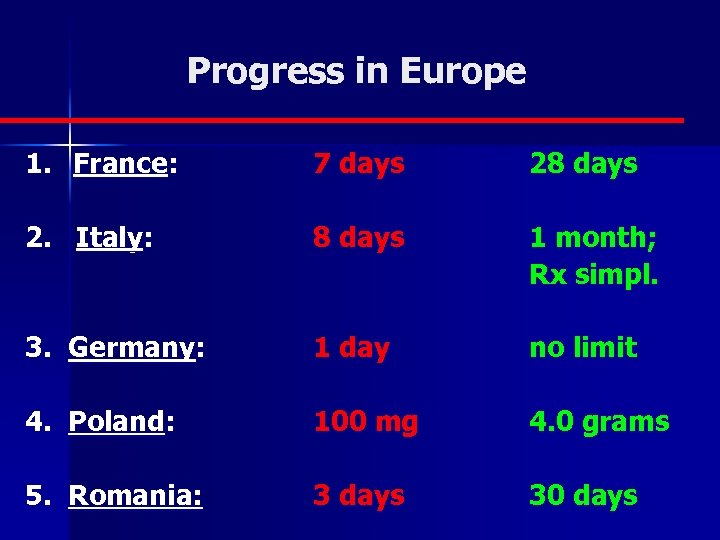
Progress in Europe 1. France: 7 days 28 days 2. Italy: 8 days 1 month; Rx simpl. 3. Germany: 1 day no limit 4. Poland: 100 mg 4. 0 grams 5. Romania: 3 days 30 days
Mongolia Pain Relief & Palliative Care Initiative World Health Organization Mongolian Ministry of Health Mongolian Palliative Care Society
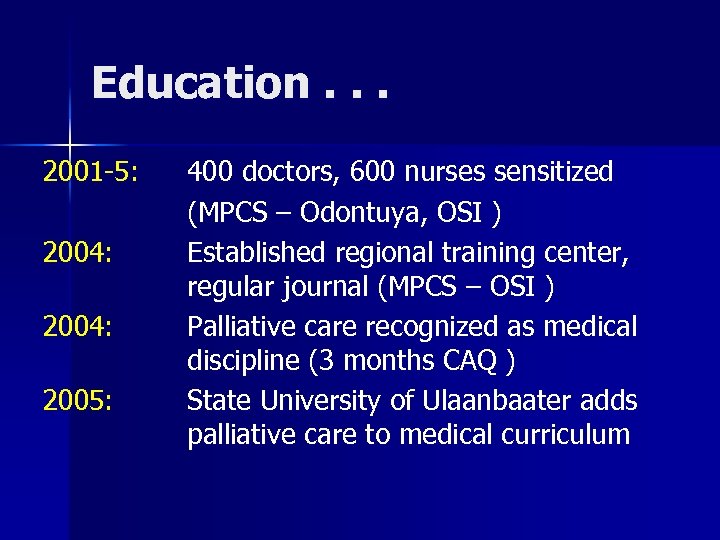
Education. . . 2001 -5: 2004: 2005: 400 doctors, 600 nurses sensitized (MPCS – Odontuya, OSI ) Established regional training center, regular journal (MPCS – OSI ) Palliative care recognized as medical discipline (3 months CAQ ) State University of Ulaanbaater adds palliative care to medical curriculum
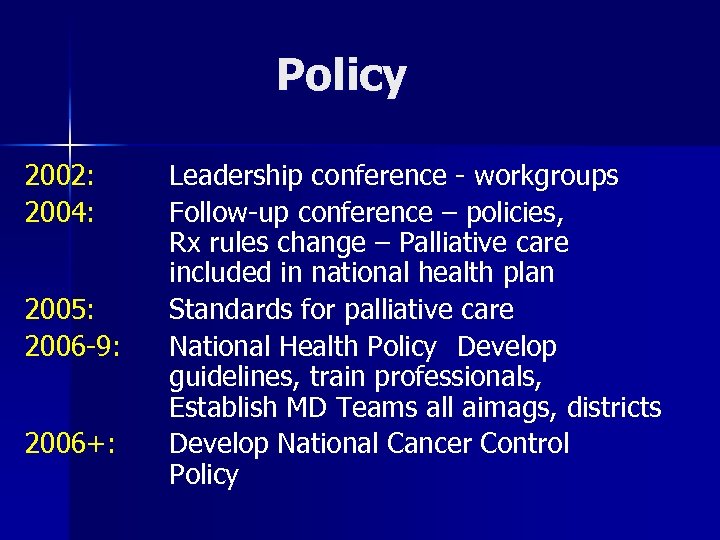
Policy 2002: 2004: 2005: 2006 -9: 2006+: Leadership conference - workgroups Follow-up conference – policies, Rx rules change – Palliative care included in national health plan Standards for palliative care National Health Policy Develop guidelines, train professionals, Establish MD Teams all aimags, districts Develop National Cancer Control Policy
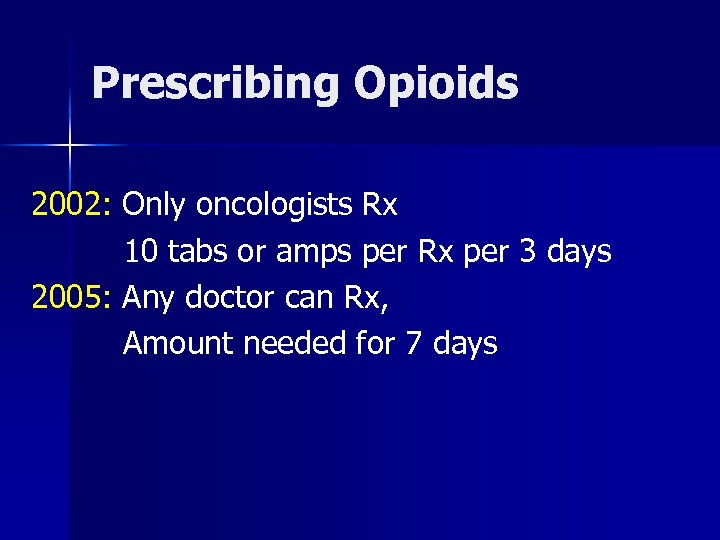
Prescribing Opioids 2002: Only oncologists Rx 10 tabs or amps per Rx per 3 days 2005: Any doctor can Rx, Amount needed for 7 days
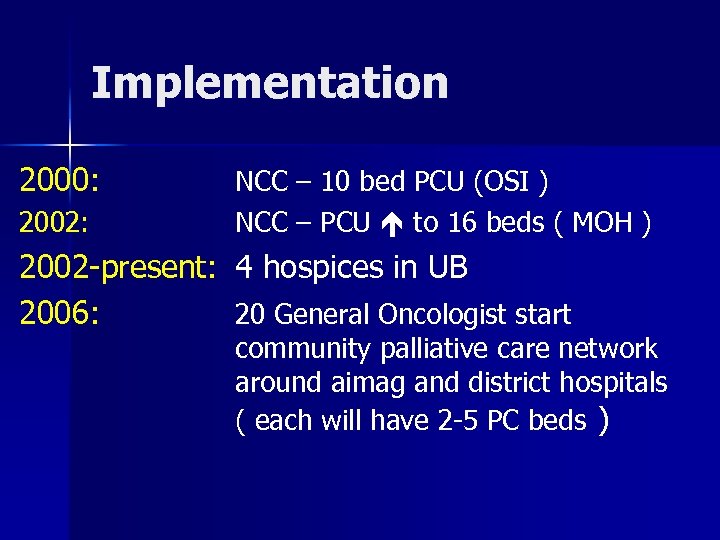
Implementation 2000: 2002: NCC – 10 bed PCU (OSI ) NCC – PCU to 16 beds ( MOH ) 2002 -present: 4 hospices in UB 2006: 20 General Oncologist start community palliative care network around aimag and district hospitals ( each will have 2 -5 PC beds )
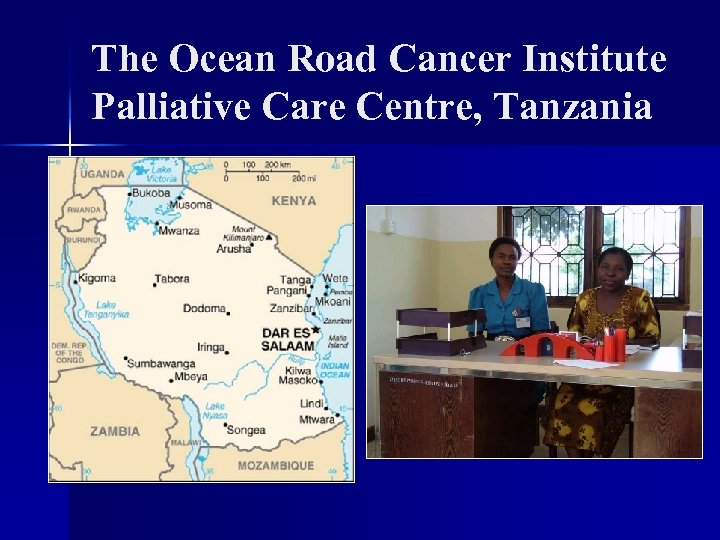
The Ocean Road Cancer Institute Palliative Care Centre, Tanzania
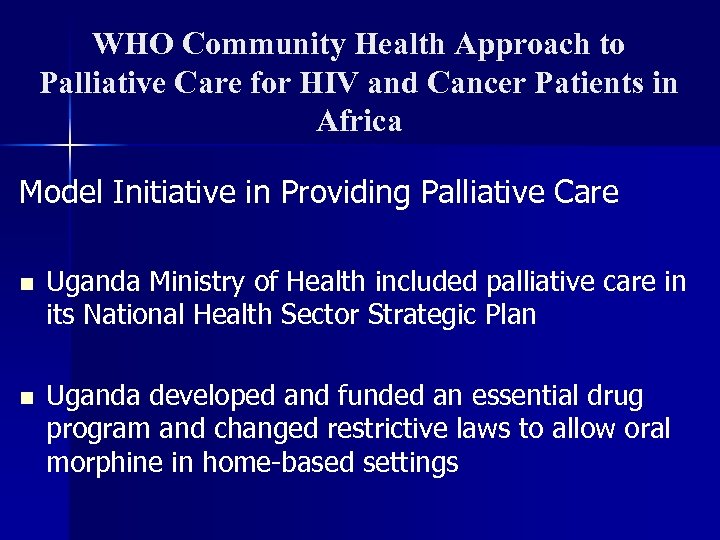
WHO Community Health Approach to Palliative Care for HIV and Cancer Patients in Africa Model Initiative in Providing Palliative Care n Uganda Ministry of Health included palliative care in its National Health Sector Strategic Plan n Uganda developed and funded an essential drug program and changed restrictive laws to allow oral morphine in home-based settings
Policy Initiative Examples n Hungarian Experience – IPCI sponsored Policy Conference resulted in Hungarian Health Insurance Fund sponsoring a pilot program to develop six model palliative care programs – Palliative care has been included in the National Cancer Control Program – The MOH has committed to develop palliative care services in all regions in the country by 2010
n n n Not-for-profit, non-governmental organization Founded 1998 by International Union against Cancer (UICC) & Institut Pasteur, Brussels National Cancer Institute (NCI) assists by providing financial, technical & intellectual support Located at Institut Pasteur, Brussels Branches in USA, France, Egypt & Nepal Offices in UK, Brazil, India & Tanzania
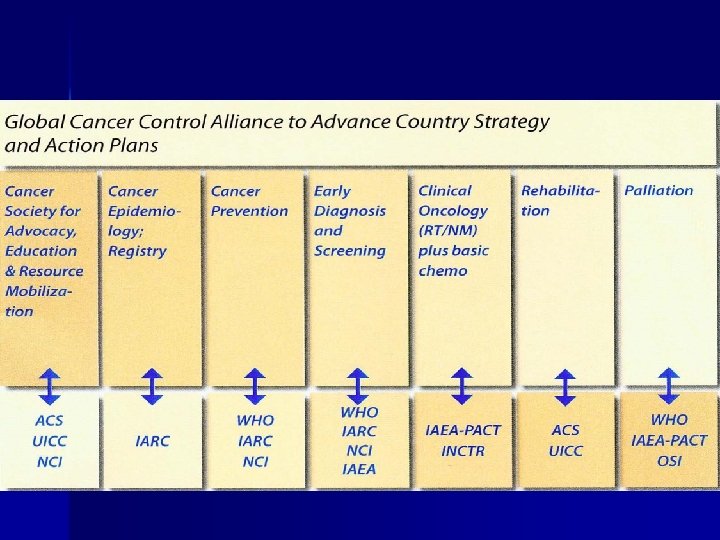
ADVANCING PALLIATIVE CARE INTERNATIONALLY n n n n World Health Organization Geneva - WHO Cancer Unit Europe – WHO Aging Program UN AIDS Global Fund for TB, Malaria & AIDS PEPFAR European Union European Parliament Council of Europe
ADVANCING PALLIATIVE CARE INTERNATIONALLY (NGO’s) n n International Association of Hospice and Palliative Care Help the Hospices OSI’s International Palliative Care Initiative National Hospice and Palliative Care Organization
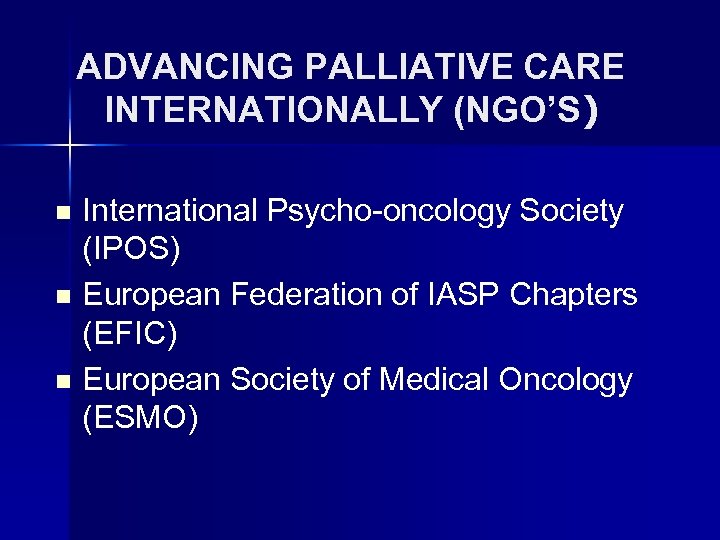
ADVANCING PALLIATIVE CARE INTERNATIONALLY (NGO’S) n n n International Psycho-oncology Society (IPOS) European Federation of IASP Chapters (EFIC) European Society of Medical Oncology (ESMO)
Скачать презентацию Improving Palliative Care at a Global Level Kathleen
5c57801da00cc69da70c3b47ac94a71c.ppt