


 Скачать презентацию Impact of Natural Disasters on the Health System
141f3571f26663654bec0f76ff9b3994.ppt
- Количество слайдов: 20
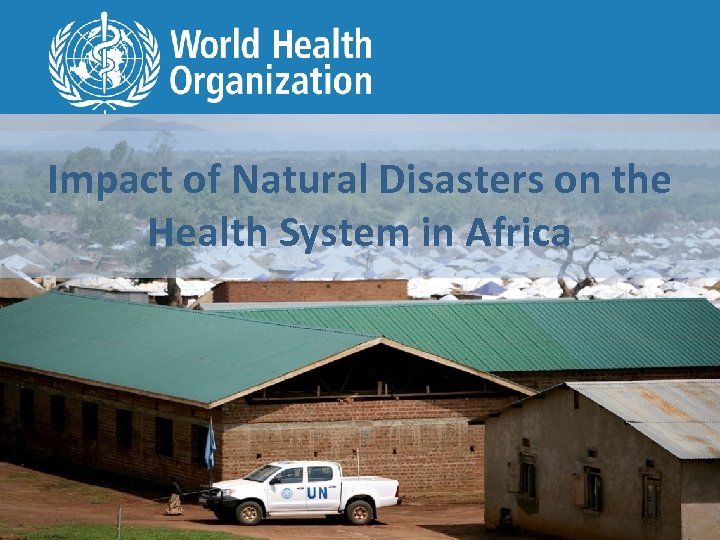 Impact of Natural Disasters on the Health System in Africa
 Outline of Presentation q The emergency situation in Africa q Common emergencies in Africa Natural disasters § Man-made disasters (complex emergencies) § q Key facts about health & emergencies q General impact of disasters on health systems q Public health consequences of natural disasters Floods § Drought § q Key conclusions & lessons learned 2
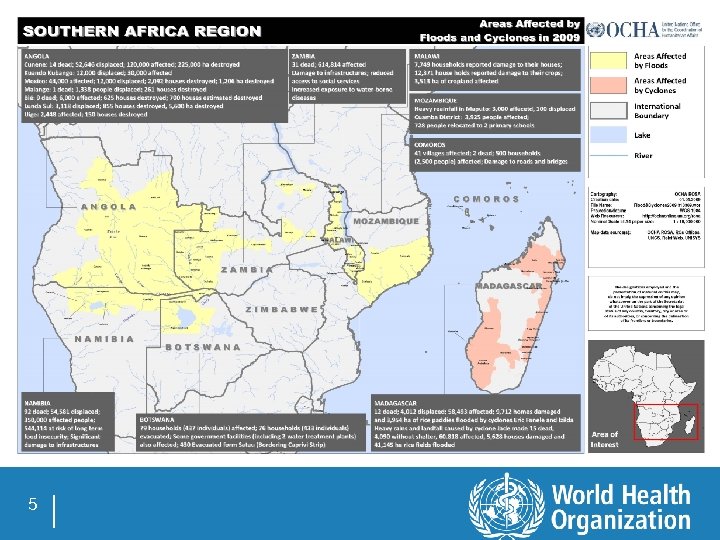
 The Emergency Situation in Africa q Emergencies (complex or natural) have become common phenomenon globally q A high proportion of these emergencies occur in Africa: § § q 56% & 83% of global complex emergencies & epidemics between 1995 & 2004 occurred in Africa (Spiegel et al) Africa is second only to Asia in terms of occurrence of natural disasters (Spiegel et al) Southern Africa is particularly prone to natural disasters § q 3 Floods, cyclones, drought & epidemic outbreaks In general emergencies negatively impacts on the health & nutrition of affected population
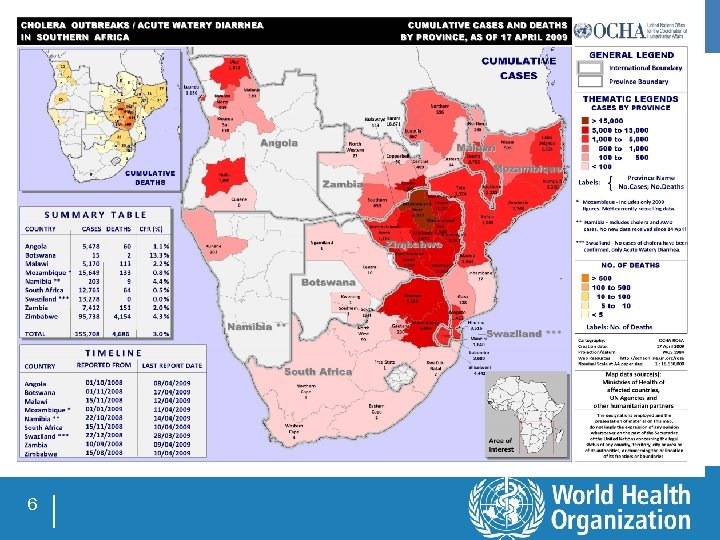
 Common Threats in Southern Africa q Natural Disasters Flooding (Namibia, Mozambique, Malawi, Zambia) § Drought (Madagascar, Zimbabwe, Namibia) § Cyclones (Madagascar) § q Man-made disasters (complex emergencies) § Political & inter communal crises (South Africa, Madagascar, Zimbabwe) q Other disasters Epidemic outbreaks: cholera, VHF, H 1 N 1, § HIV/AIDS & TB § 4
 5
5
 6
6
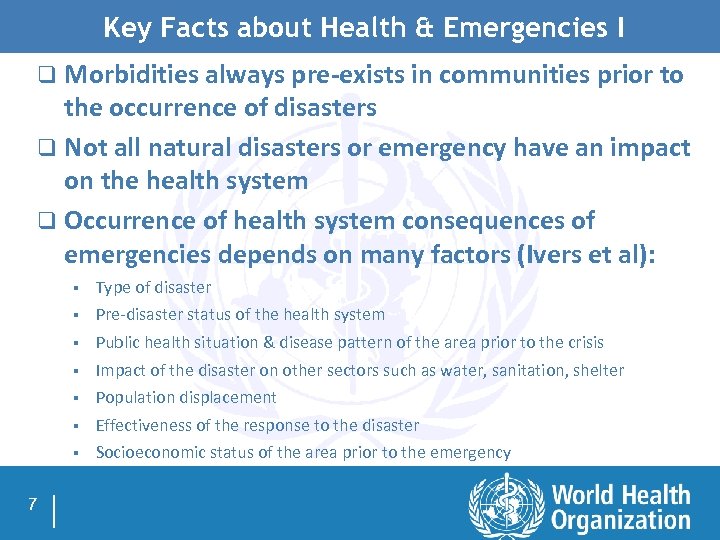 Key Facts about Health & Emergencies I q Morbidities always pre-exists in communities prior to the occurrence of disasters q Not all natural disasters or emergency have an impact on the health system q Occurrence of health system consequences of emergencies depends on many factors (Ivers et al): § § Pre-disaster status of the health system § Public health situation & disease pattern of the area prior to the crisis § Impact of the disaster on other sectors such as water, sanitation, shelter § Population displacement § Effectiveness of the response to the disaster § 7 Type of disaster Socioeconomic status of the area prior to the emergency
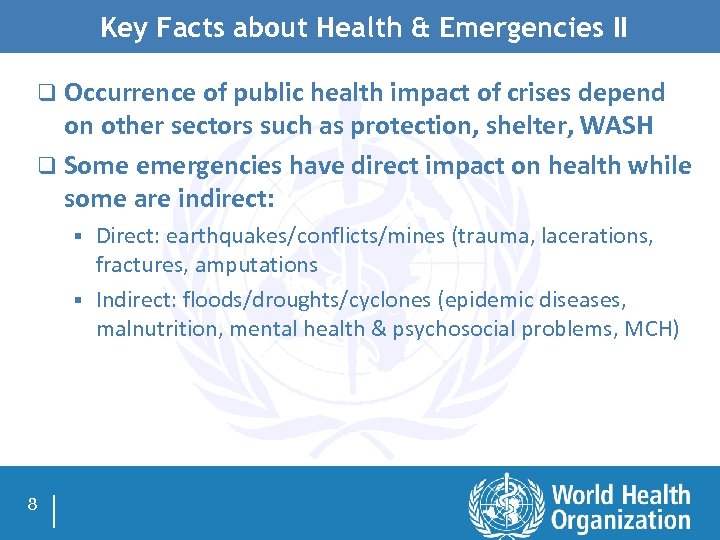 Key Facts about Health & Emergencies II q Occurrence of public health impact of crises depend on other sectors such as protection, shelter, WASH q Some emergencies have direct impact on health while some are indirect: Direct: earthquakes/conflicts/mines (trauma, lacerations, fractures, amputations § Indirect: floods/droughts/cyclones (epidemic diseases, malnutrition, mental health & psychosocial problems, MCH) § 8
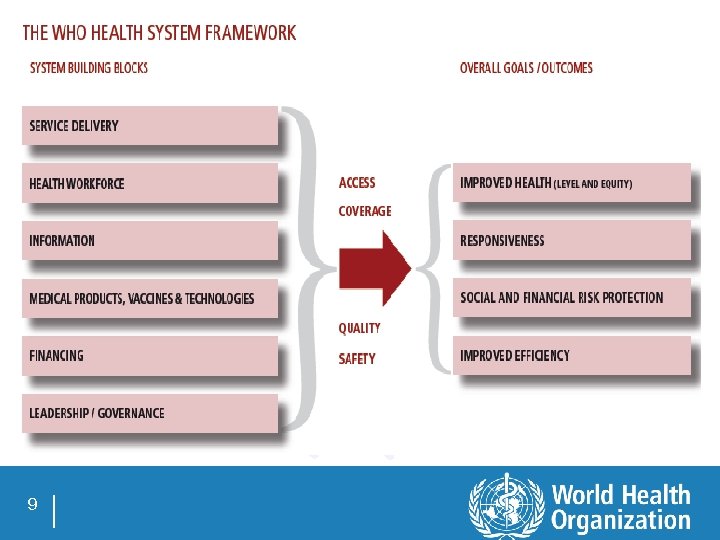 9
9
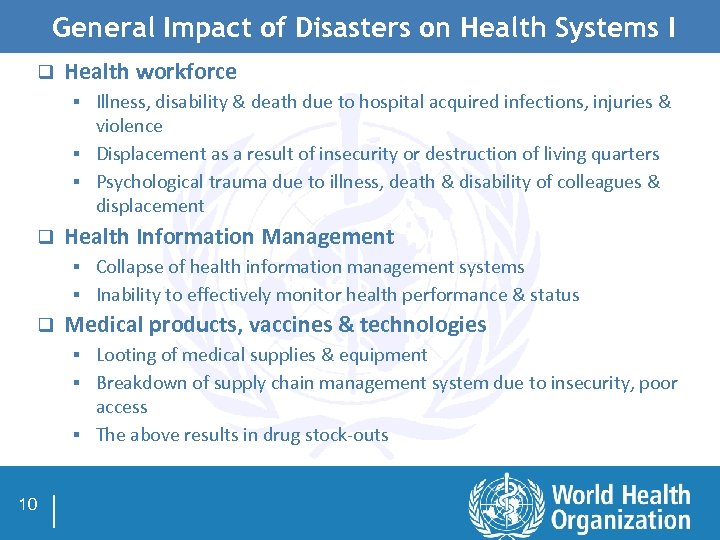 General Impact of Disasters on Health Systems I q Health workforce Illness, disability & death due to hospital acquired infections, injuries & violence § Displacement as a result of insecurity or destruction of living quarters § Psychological trauma due to illness, death & disability of colleagues & displacement § q Health Information Management Collapse of health information management systems § Inability to effectively monitor health performance & status § q Medical products, vaccines & technologies Looting of medical supplies & equipment § Breakdown of supply chain management system due to insecurity, poor access § The above results in drug stock-outs § 10
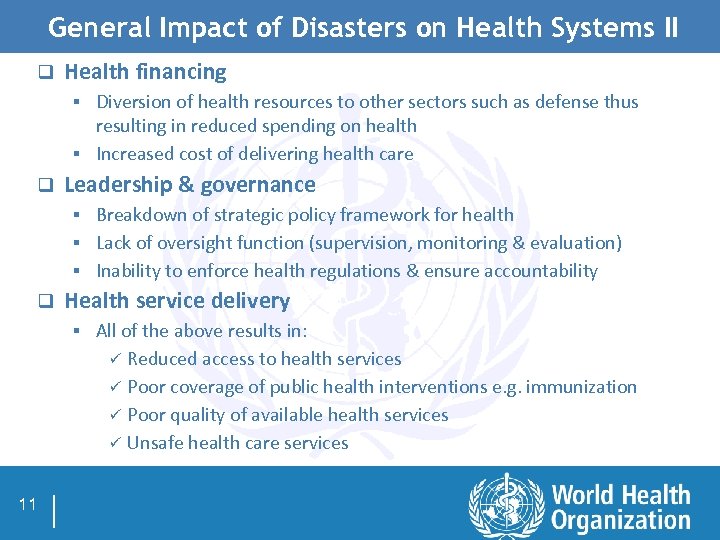 General Impact of Disasters on Health Systems II q Health financing Diversion of health resources to other sectors such as defense thus resulting in reduced spending on health § Increased cost of delivering health care § q Leadership & governance Breakdown of strategic policy framework for health § Lack of oversight function (supervision, monitoring & evaluation) § Inability to enforce health regulations & ensure accountability § q Health service delivery § 11 All of the above results in: ü Reduced access to health services ü Poor coverage of public health interventions e. g. immunization ü Poor quality of available health services ü Unsafe health care services
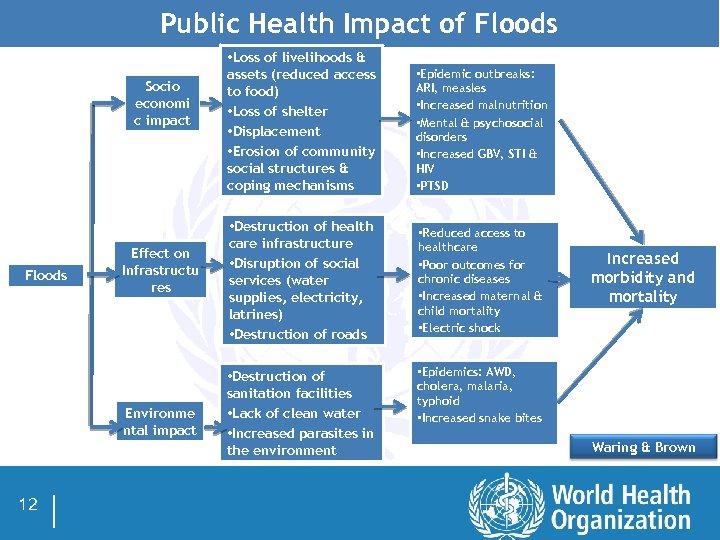 Public Health Impact of Floods Socio economi c impact Floods Effect on Infrastructu res Environme ntal impact 12 • Loss of livelihoods & assets (reduced access to food) • Loss of shelter • Displacement • Erosion of community social structures & coping mechanisms • Destruction of health care infrastructure • Disruption of social services (water supplies, electricity, latrines) • Destruction of roads • Destruction of sanitation facilities • Lack of clean water • Increased parasites in the environment • Epidemic outbreaks: ARI, measles • Increased malnutrition • Mental & psychosocial disorders • Increased GBV, STI & HIV • PTSD • Reduced access to healthcare • Poor outcomes for chronic diseases • Increased maternal & child mortality • Electric shock Increased morbidity and mortality • Epidemics: AWD, cholera, malaria, typhoid • Increased snake bites Waring & Brown
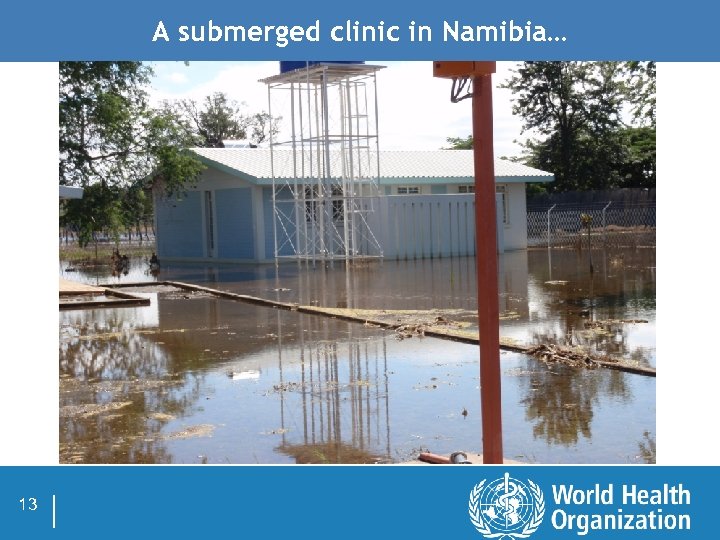 A submerged clinic in Namibia… 13
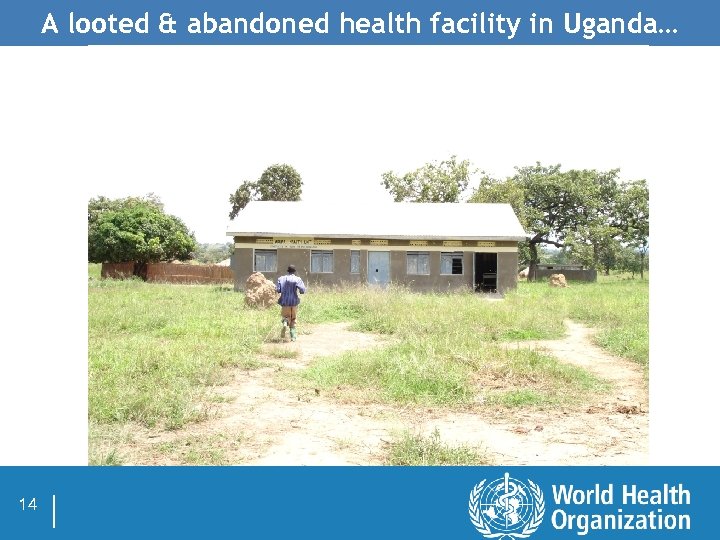 A looted & abandoned health facility in Uganda… 14
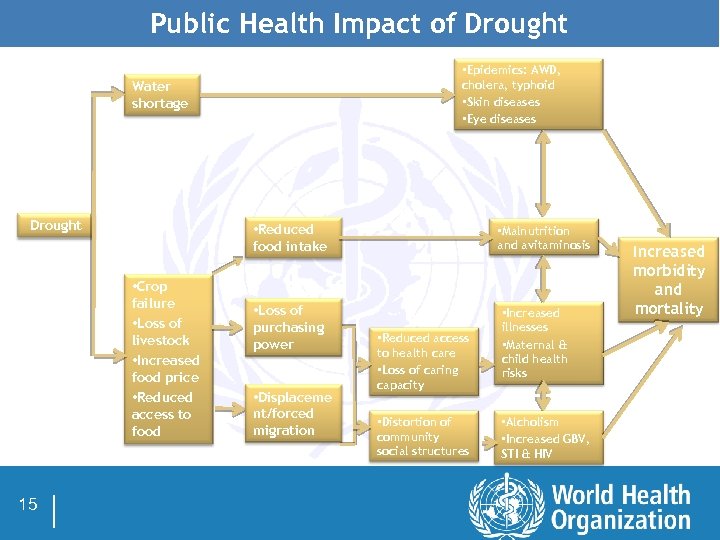 Public Health Impact of Drought • Epidemics: AWD, cholera, typhoid • Skin diseases • Eye diseases Water shortage Drought • Reduced food intake • Crop failure • Loss of livestock • Increased food price • Reduced access to food 15 • Loss of purchasing power • Displaceme nt/forced migration • Malnutrition and avitaminosis • Reduced access to health care • Loss of caring capacity • Distortion of community social structures • Increased illnesses • Maternal & child health risks • Alcholism • Increased GBV, STI & HIV Increased morbidity and mortality
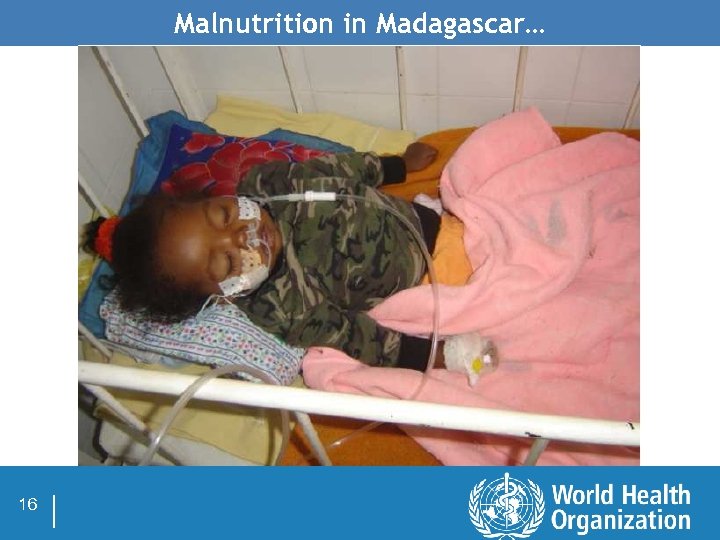 Malnutrition in Madagascar… 16
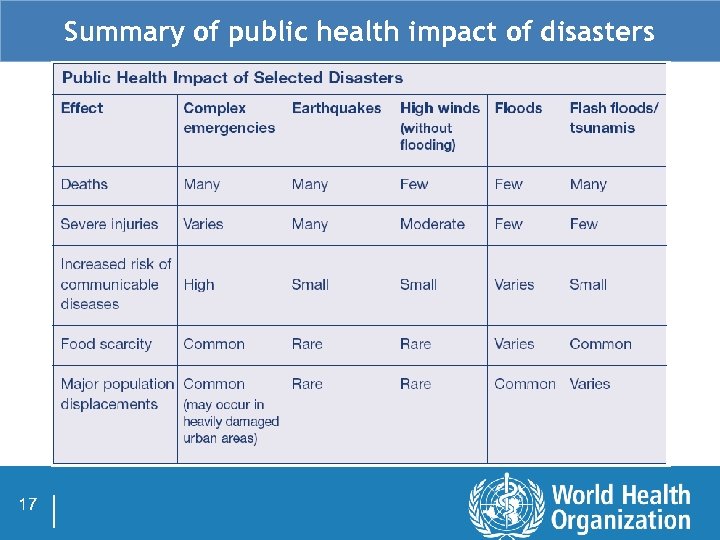 Summary of public health impact of disasters 17
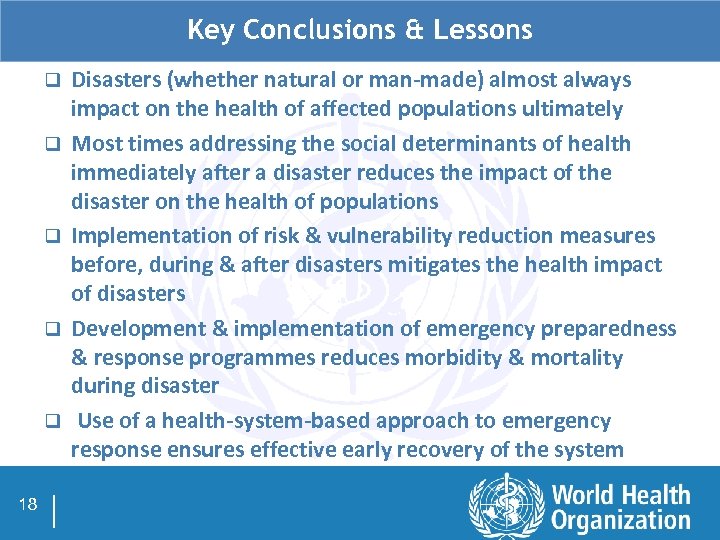 Key Conclusions & Lessons q q q 18 Disasters (whether natural or man-made) almost always impact on the health of affected populations ultimately Most times addressing the social determinants of health immediately after a disaster reduces the impact of the disaster on the health of populations Implementation of risk & vulnerability reduction measures before, during & after disasters mitigates the health impact of disasters Development & implementation of emergency preparedness & response programmes reduces morbidity & mortality during disaster Use of a health-system-based approach to emergency response ensures effective early recovery of the system
 References Spiegel et al; Occurrence & overlap of natural disasters, complex emergencies & epidemics during the past decade (1995 -2004); Conflict & Health 2007; 1: 2 q Waring SC; Brown JB: The threat of communicable diseases following natural disasters: A public health response; Disaster Management & Response 2005; 3: 4147 q Ivers LC; Ryan ET: Infectious diseases of severe weather -related & flood-related natural disasters; Curr Opin Infect Dis 19: 408 -414 q International public health systems: diseases, programmes, systems & policies; chapter 9: complex humanitarian emergencies q 19
 Ladies & Gentlemen, many thanks for your attention 20