 Скачать презентацию Imp EE THE Improving Engineering Education PROJECT Renewable
f85ce275d77102e387b9edd93a4caa20.ppt
- Количество слайдов: 8



Imp. EE THE Improving Engineering Education PROJECT Renewable Electricity
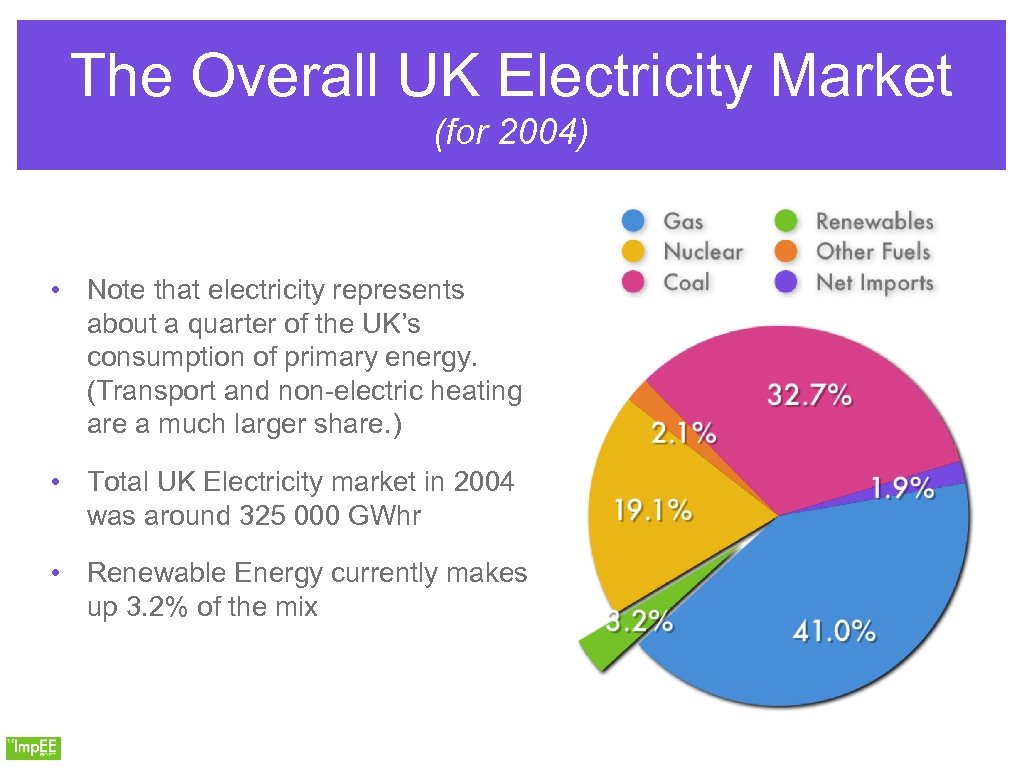
The Overall UK Electricity Market (for 2004) • Note that electricity represents about a quarter of the UK’s consumption of primary energy. (Transport and non-electric heating are a much larger share. ) • Total UK Electricity market in 2004 was around 325 000 GWhr • Renewable Energy currently makes up 3. 2% of the mix
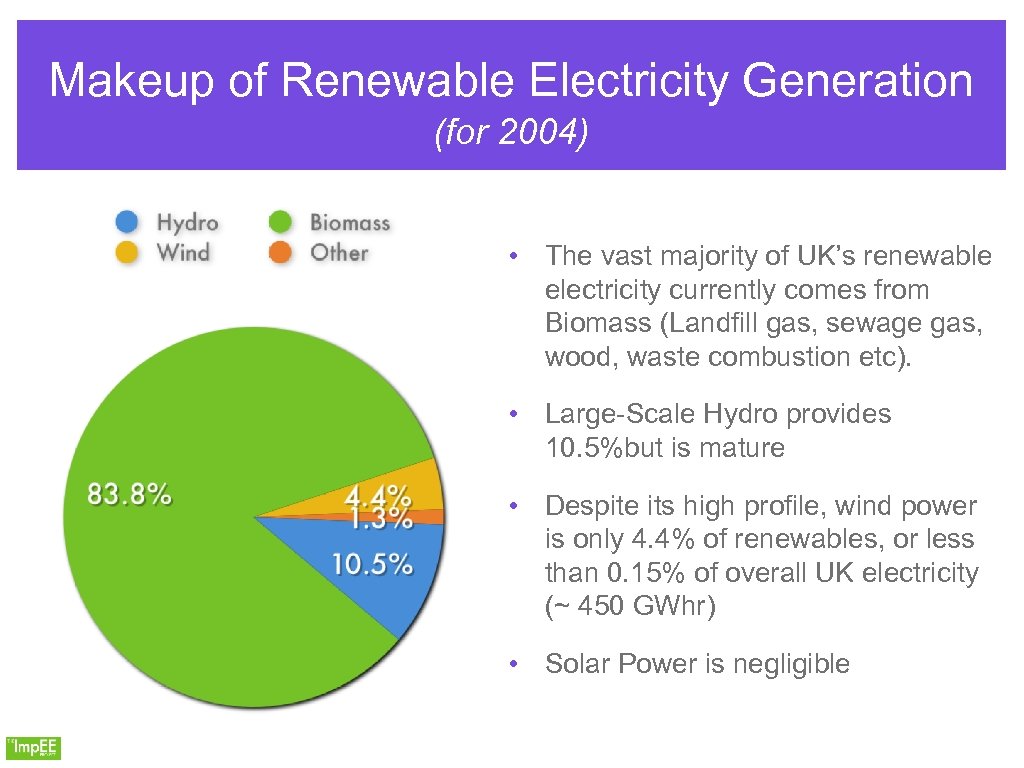
Makeup of Renewable Electricity Generation (for 2004) • The vast majority of UK’s renewable electricity currently comes from Biomass (Landfill gas, sewage gas, wood, waste combustion etc). • Large-Scale Hydro provides 10. 5%but is mature • Despite its high profile, wind power is only 4. 4% of renewables, or less than 0. 15% of overall UK electricity (~ 450 GWhr) • Solar Power is negligible
ROCs, CCL, and Other Incentives Pure “economic” costs are only part of the equation: • Renewable Obligations (RO) are government policy to promote renewable generation of electricity. • Renewable Generators are rewarded RO Certificates (ROCs) for each 1 MWhr they produce. • RO requires electricity suppliers to source an increasing percentage of their electricity from renewables (10. 4% for 2010, 15. 4% for 2015). • Electricity Suppliers can meet their obligation by: 1. Buying ROCs from renewable suppliers at a value determined by freemarket economics 2. Paying a buy-out fund contribution equivalent to £ 30/MWh
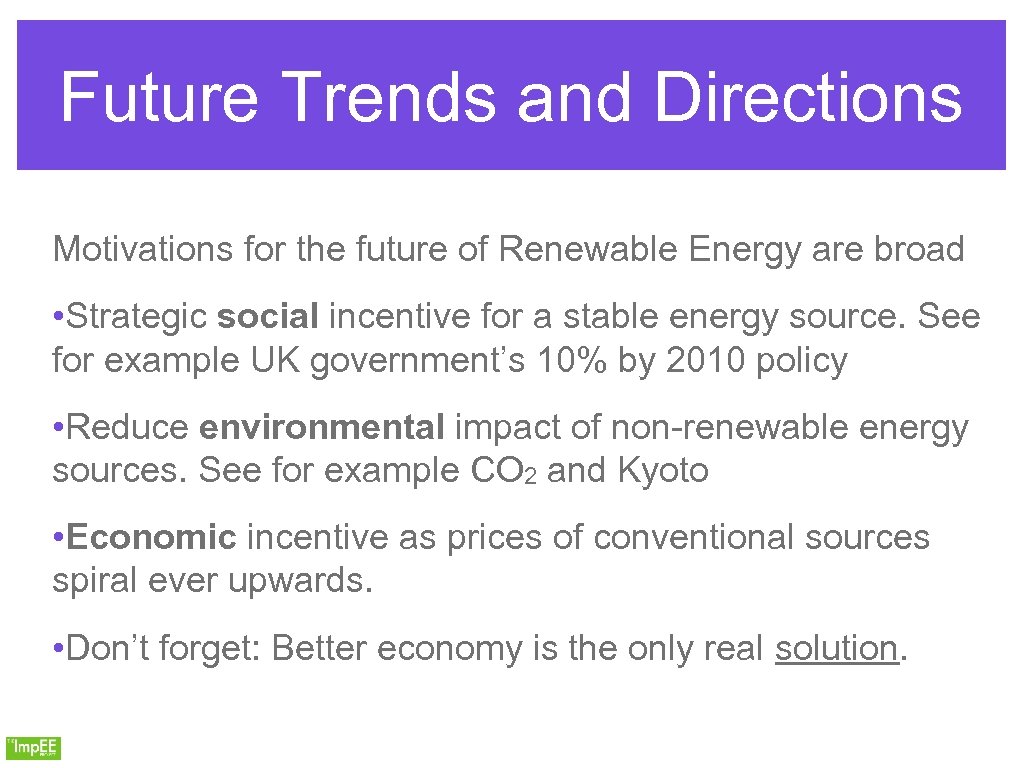
Future Trends and Directions Motivations for the future of Renewable Energy are broad • Strategic social incentive for a stable energy source. See for example UK government’s 10% by 2010 policy • Reduce environmental impact of non-renewable energy sources. See for example CO 2 and Kyoto • Economic incentive as prices of conventional sources spiral ever upwards. • Don’t forget: Better economy is the only real solution.
![Cost of Generating Electricity [p/Whr] Costs](https://present5.com/presentation/f85ce275d77102e387b9edd93a4caa20/image-6.jpg "Cost of Generating Electricity [p/Whr] Costs")
Cost of Generating Electricity [p/Whr] Costs
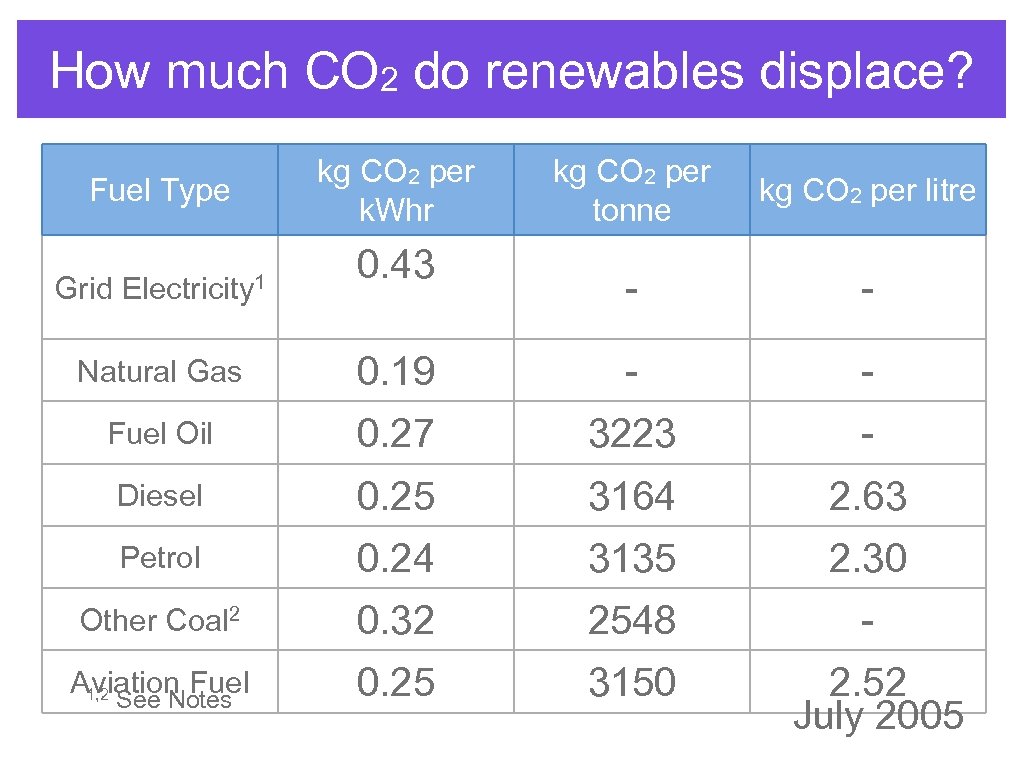
How much CO 2 do renewables displace? Fuel Type Grid Electricity 1 kg CO 2 per k. Whr 0. 43 kg CO 2 per tonne kg CO 2 per litre - - Natural Gas 0. 19 - - Fuel Oil 0. 27 3223 - Diesel 0. 25 3164 2. 63 Petrol 0. 24 3135 2. 30 Other Coal 2 0. 32 2548 - Aviation Fuel 1, 2 See Notes 0. 25 3150 2. 52 July 2005
© University of Cambridge, 2006 This material was produced as a part of the Imp. EE Project at the University of Cambridge. It may be reproduced, modified and used freely for educational purposes. Imp. EE is based at the Department of Engineering at the University of Cambridge and is funded by the CMI Institute.
Скачать презентацию Imp EE THE Improving Engineering Education PROJECT Renewable
f85ce275d77102e387b9edd93a4caa20.ppt