


 Скачать презентацию III Rights of the Accused A Exclusionary
e75010b4823a9e6d21a413480954286e.ppt
- Количество слайдов: 16
 III. Rights of the Accused
 A. Exclusionary Rule • • • Exclusionary Rule – Supreme Court ruled any evidence collected illegally cannot be used in federal court Police must act in good faith when requesting a warrant Police do not need a warrant when they see someone breaking the law
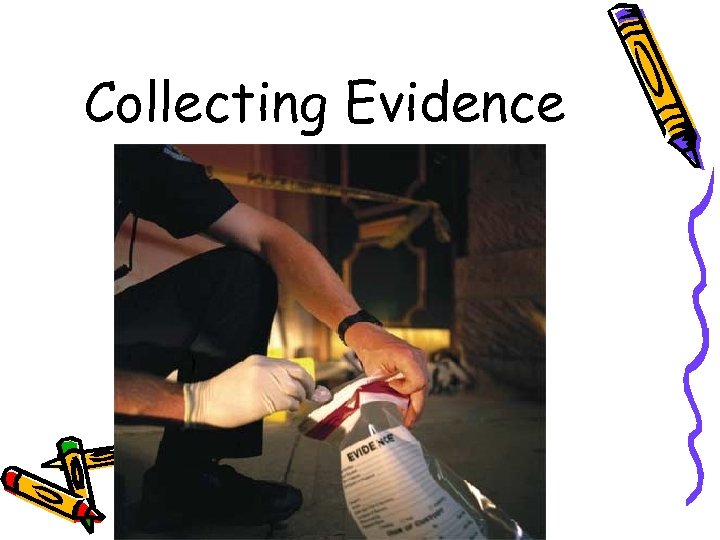 Collecting Evidence
 B. Movable Evidence • California v. Acevedo (1987) – Police do not need a search warrant to search a car that is legally stopped as long as they have probable cause to do so • Police are not allowed to search the trunk or a locked glove compartment without a warrant
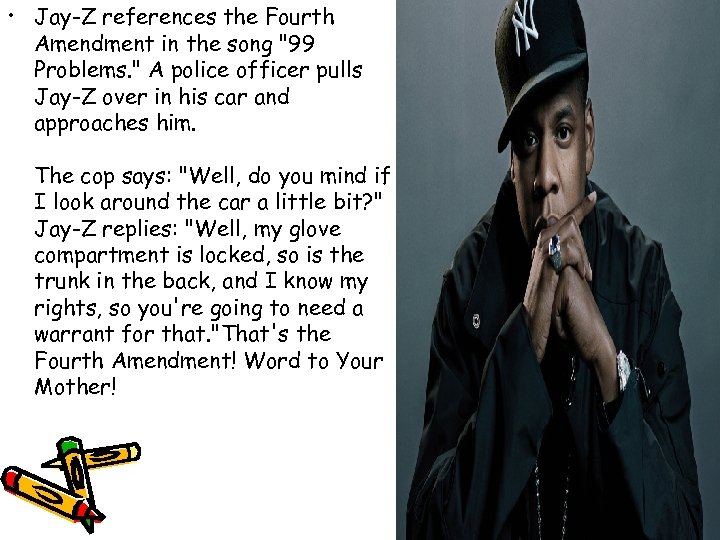 • Jay-Z references the Fourth Amendment in the song "99 Problems. " A police officer pulls Jay-Z over in his car and approaches him. The cop says: "Well, do you mind if I look around the car a little bit? " Jay-Z replies: "Well, my glove compartment is locked, so is the trunk in the back, and I know my rights, so you're going to need a warrant for that. "That's the Fourth Amendment! Word to Your Mother!
 C. Student Locker Searches • New Jersey V. T. L. O. - Ruled that schools do not need warrants or probable cause to search students or their property • Student lockers can be checked at any time • Constitutional to bring in drug dogs to search every locker • Court has ruled that the 4 th Amendment does not apply to high school students
 Good Dog
 D. Guarantee of Counsel • Counsel – An attorney • 6 th Amendment guarantees a defendant the right to an attorney • Government must provide counsel whenever a jail sentence of 6 months or more is possible
 E. Self-Incrimination • Ernesto Miranda confessed to kidnapping and rape without being told he could remain silent or talk to a lawyer • Miranda v. Arizona (1966) – No person may be convicted of a crime if police question them before they are informed of their rights
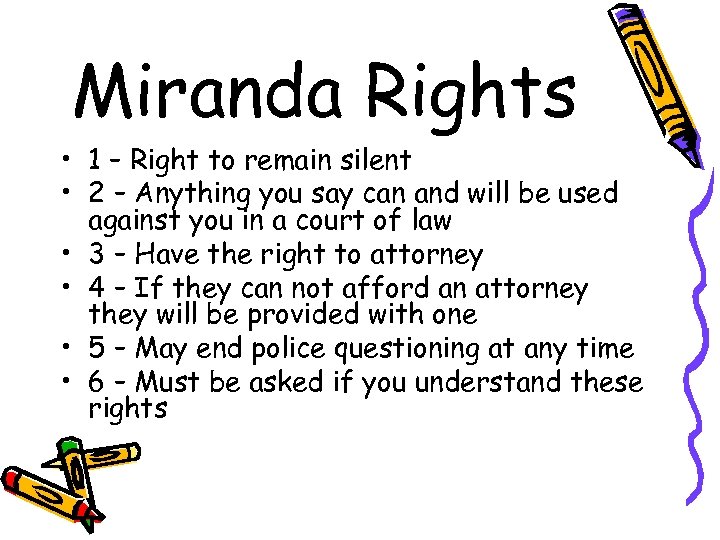 Miranda Rights • 1 – Right to remain silent • 2 – Anything you say can and will be used against you in a court of law • 3 – Have the right to attorney • 4 – If they can not afford an attorney they will be provided with one • 5 – May end police questioning at any time • 6 – Must be asked if you understand these rights
 F. Cruel and Unusual Punishment • Furman v. Georgia (1972) – Court ruled that the death penalty was unconstitutional • Discriminates against poor minorities • Most states responded by rewriting their death penalty laws
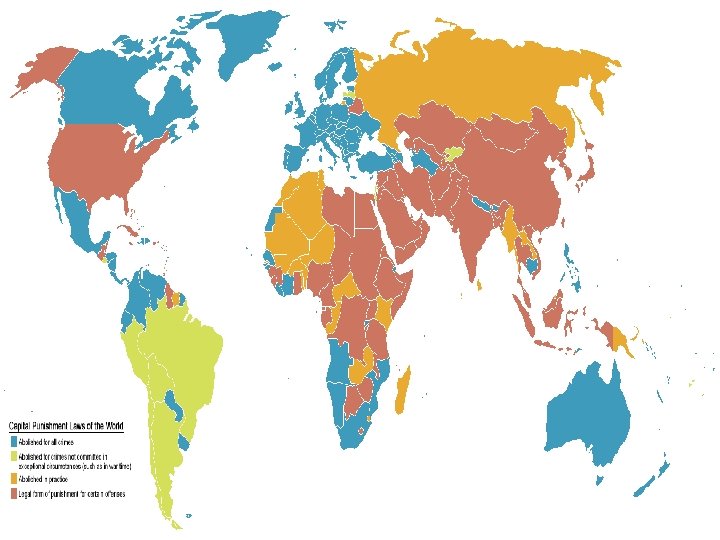
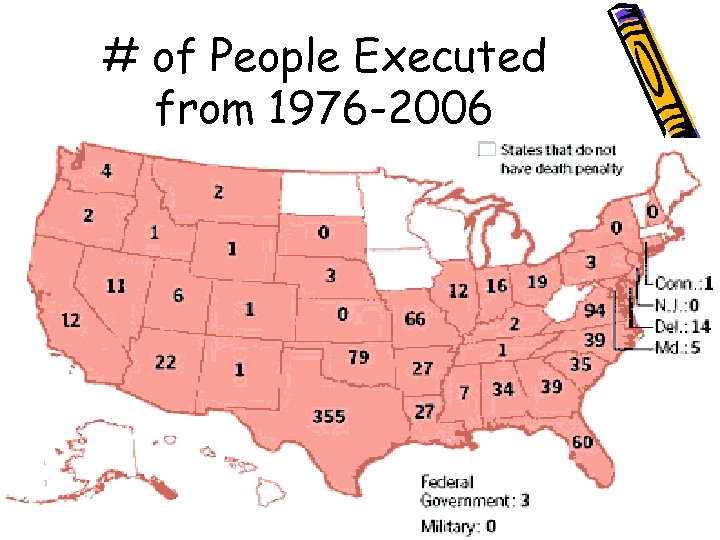 # of People Executed from 1976 -2006
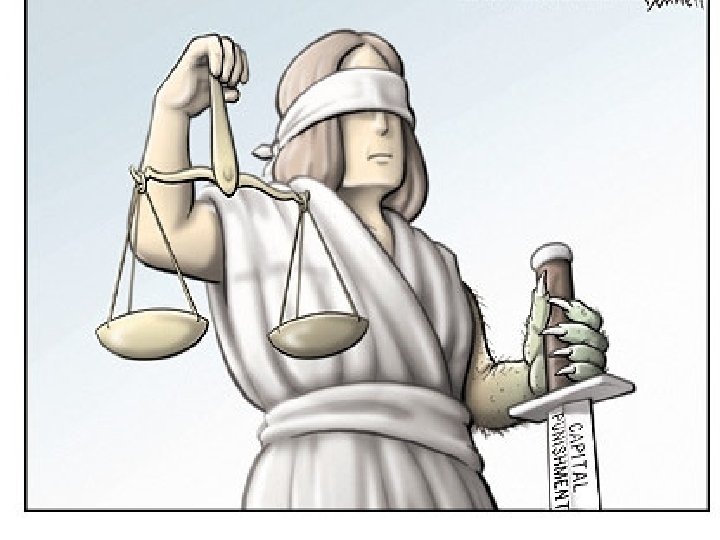
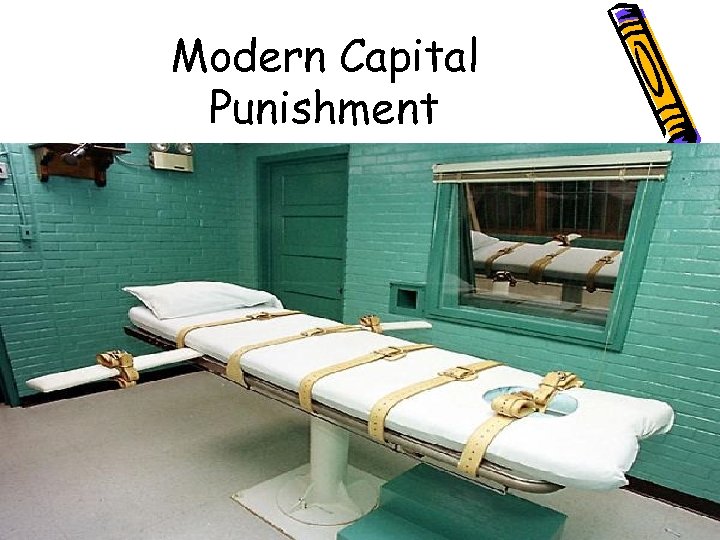 Modern Capital Punishment
 • Found that only 1 person for every 50, 000 murders was sentence to death • Disproportionate number of poor minorities sentenced to death • Buy your way out of the death penalty?