 Скачать презентацию If you have not presented your bag yet
285c10860c7fd077954ca04616cac649.ppt
- Количество слайдов: 33



If you have not presented your bag yet…. . • Please pick up your folders and be ready to present
Personality • Why learn about it in Career Prep? • Why is it important?
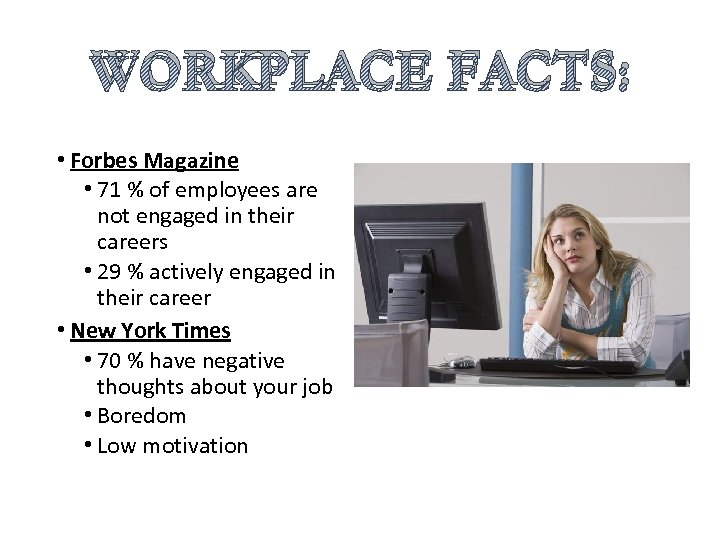
WORKPLACE FACTS: • Forbes Magazine • 71 % of employees are not engaged in their careers • 29 % actively engaged in their career • New York Times • 70 % have negative thoughts about your job • Boredom • Low motivation
Personality • Personality refers to individual differences in characteristic patterns of thinking (attitudes), feelings, interests, & behaviors.
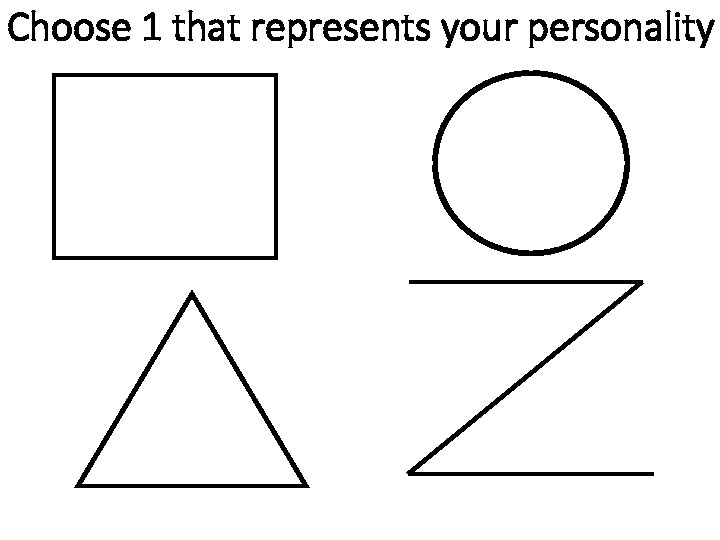
Choose 1 that represents your personality
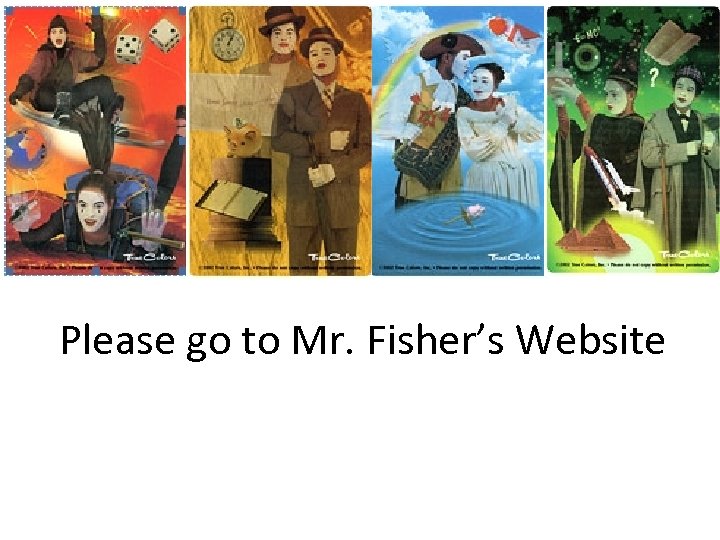
Please go to Mr. Fisher’s Website

VIDEO
Personality Tests on Fisher’s website
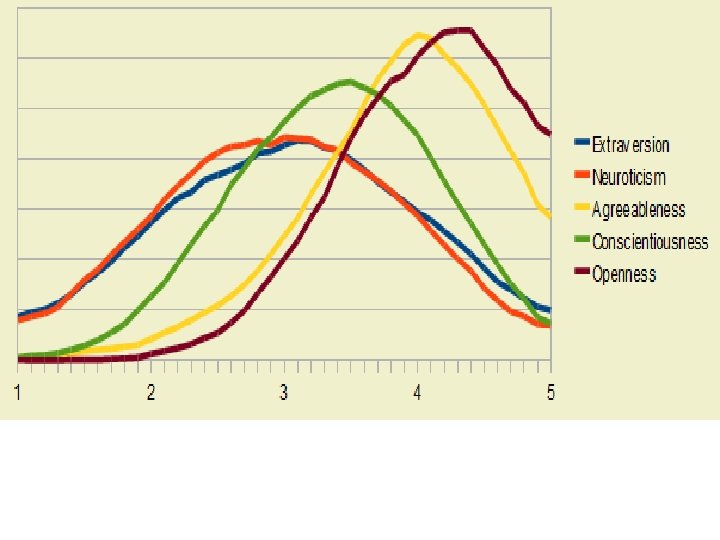
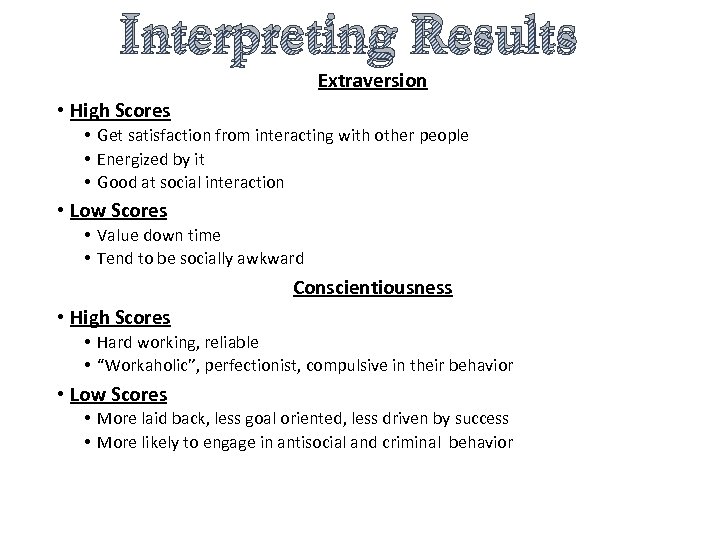
Interpreting Results Extraversion • High Scores • Get satisfaction from interacting with other people • Energized by it • Good at social interaction • Low Scores • Value down time • Tend to be socially awkward Conscientiousness • High Scores • Hard working, reliable • “Workaholic”, perfectionist, compulsive in their behavior • Low Scores • More laid back, less goal oriented, less driven by success • More likely to engage in antisocial and criminal behavior
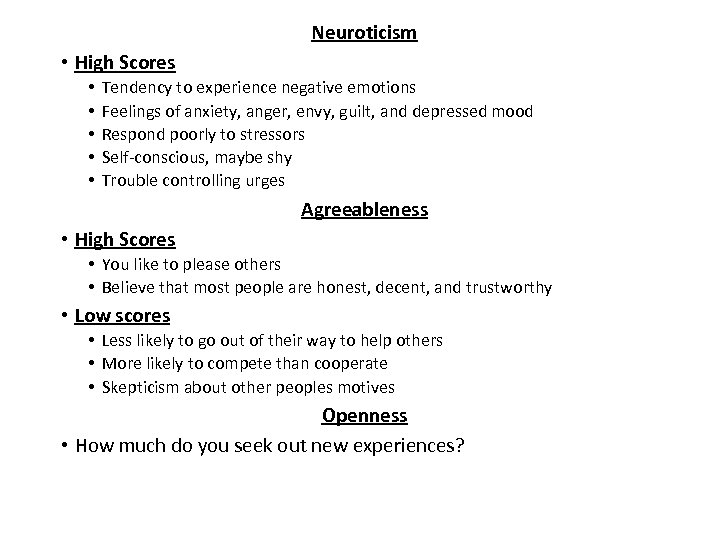
Neuroticism • High Scores • • • Tendency to experience negative emotions Feelings of anxiety, anger, envy, guilt, and depressed mood Respond poorly to stressors Self-conscious, maybe shy Trouble controlling urges Agreeableness • High Scores • You like to please others • Believe that most people are honest, decent, and trustworthy • Low scores • Less likely to go out of their way to help others • More likely to compete than cooperate • Skepticism about other peoples motives Openness • How much do you seek out new experiences?
www. similarminds. com • Multi perspective Test • Advanced Jung - 144 • Big 5/Global 5 • Short test – 50 • Global 3 • Advanced test – 126 • Occupational Outlook Handbook • A to Z index
Please pick up your folders
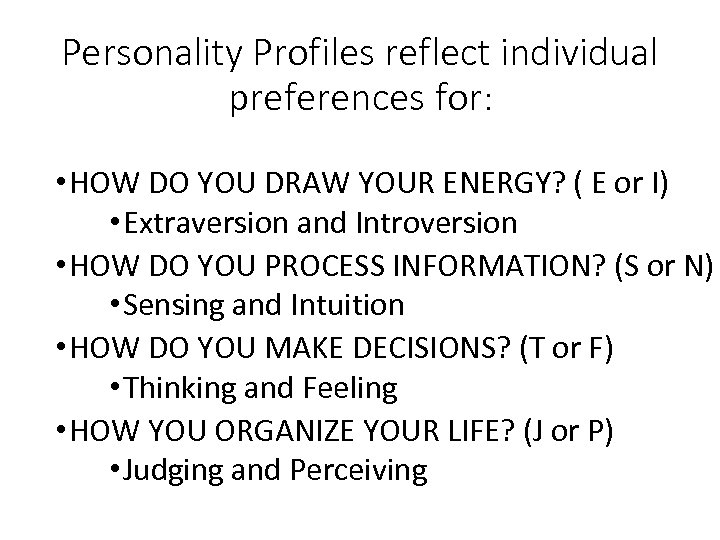
Personality Profiles reflect individual preferences for: • HOW DO YOU DRAW YOUR ENERGY? ( E or I) • Extraversion and Introversion • HOW DO YOU PROCESS INFORMATION? (S or N) • Sensing and Intuition • HOW DO YOU MAKE DECISIONS? (T or F) • Thinking and Feeling • HOW YOU ORGANIZE YOUR LIFE? (J or P) • Judging and Perceiving
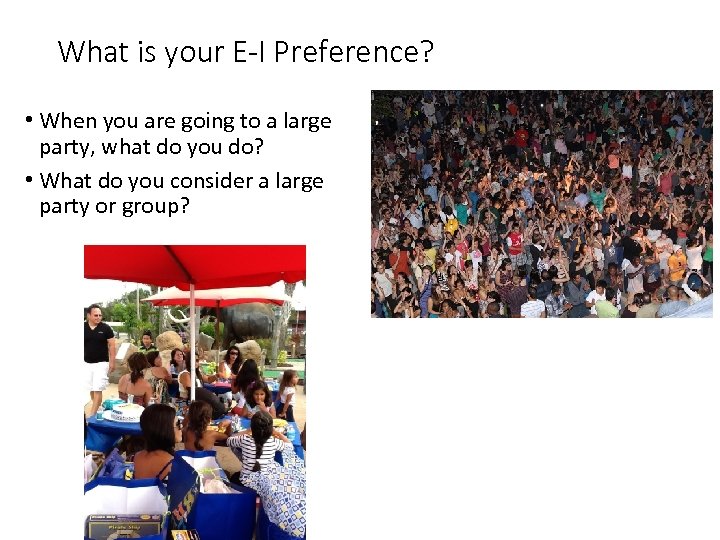
What is your E-I Preference? • When you are going to a large party, what do you do? • What do you consider a large party or group?
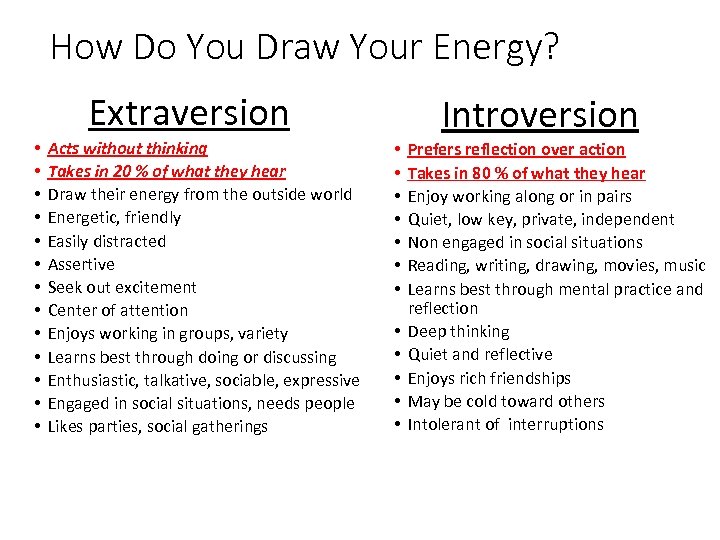
How Do You Draw Your Energy? Extraversion • • • • Acts without thinking Takes in 20 % of what they hear Draw their energy from the outside world Energetic, friendly Easily distracted Assertive Seek out excitement Center of attention Enjoys working in groups, variety Learns best through doing or discussing Enthusiastic, talkative, sociable, expressive Engaged in social situations, needs people Likes parties, social gatherings Introversion • • • Prefers reflection over action Takes in 80 % of what they hear Enjoy working along or in pairs Quiet, low key, private, independent Non engaged in social situations Reading, writing, drawing, movies, music Learns best through mental practice and reflection Deep thinking Quiet and reflective Enjoys rich friendships May be cold toward others Intolerant of interruptions
What is your S N preference? • How would you decide who to support?
How Do You Process Information? Sensing • Gather information by use of the five senses • Sight • Smell • Touch • Sound • Taste i. Ntuition • Sensing without the use of a rational process • Seeking meaning, possibilities, and relationships • Perceptive insight
Sensing • • • Practical and businesslike Prefer facts Results oriented Well organized Sets high standards Gives objectives, fact-based opinions Trusts experience Unimaginative “Act first, think later” mentality Over confident Doesn’t see the overall picture May overlook key planning steps i. Ntuitive • • • Original and creative Sees the big picture Visionary Idealistic Conceptually powerful Unrealistic Impractical May overlook key facts Avoids detail and administration Long on vision, short on action Easily bored
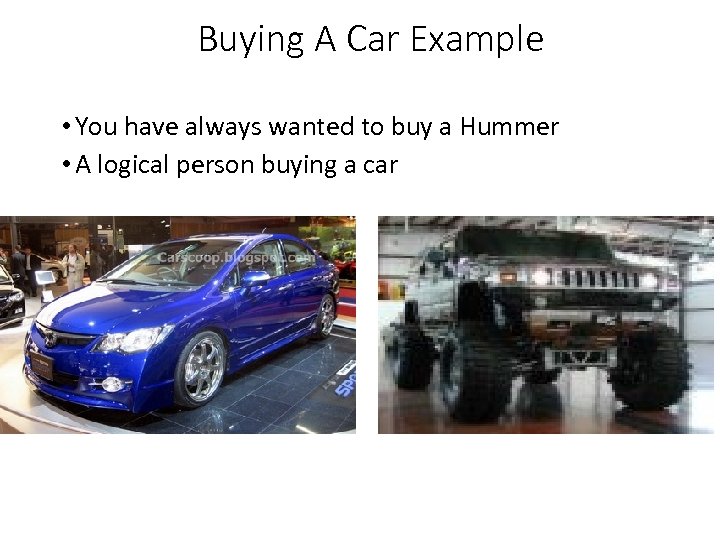
Buying A Car Example • You have always wanted to buy a Hummer • A logical person buying a car
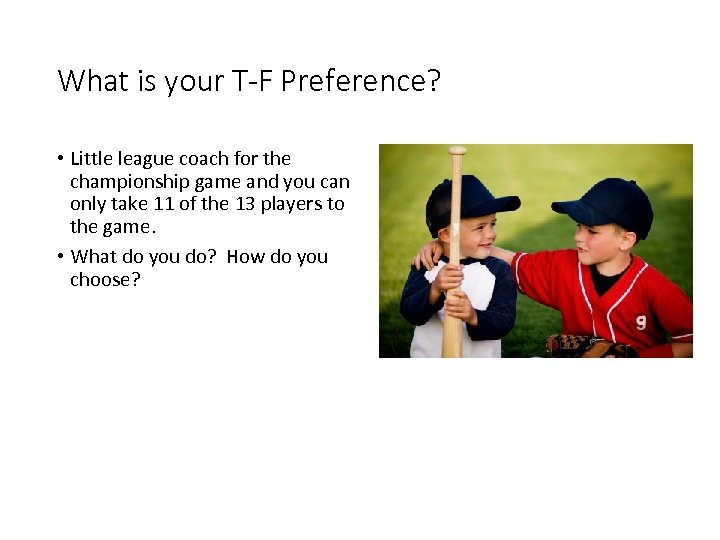
What is your T-F Preference? • Little league coach for the championship game and you can only take 11 of the 13 players to the game. • What do you do? How do you choose?
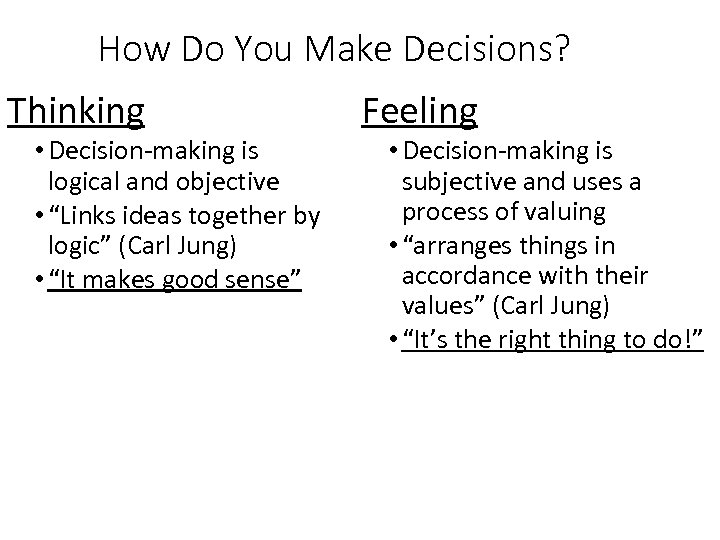
How Do You Make Decisions? Thinking • Decision-making is logical and objective • “Links ideas together by logic” (Carl Jung) • “It makes good sense” Feeling • Decision-making is subjective and uses a process of valuing • “arranges things in accordance with their values” (Carl Jung) • “It’s the right thing to do!”
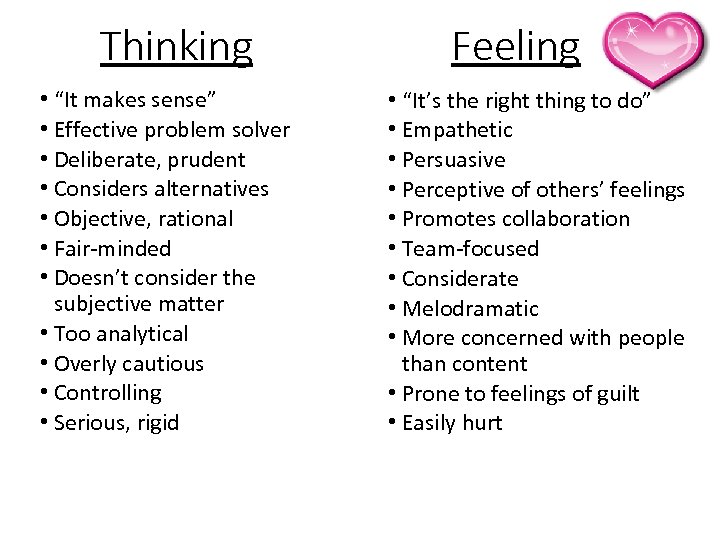
Thinking • “It makes sense” • Effective problem solver • Deliberate, prudent • Considers alternatives • Objective, rational • Fair-minded • Doesn’t consider the subjective matter • Too analytical • Overly cautious • Controlling • Serious, rigid Feeling • “It’s the right thing to do” • Empathetic • Persuasive • Perceptive of others’ feelings • Promotes collaboration • Team-focused • Considerate • Melodramatic • More concerned with people than content • Prone to feelings of guilt • Easily hurt
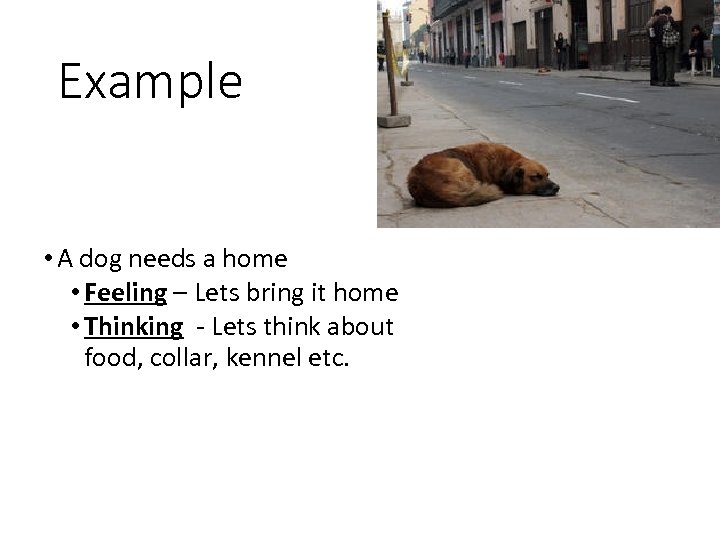
Example • A dog needs a home • Feeling – Lets bring it home • Thinking - Lets think about food, collar, kennel etc.
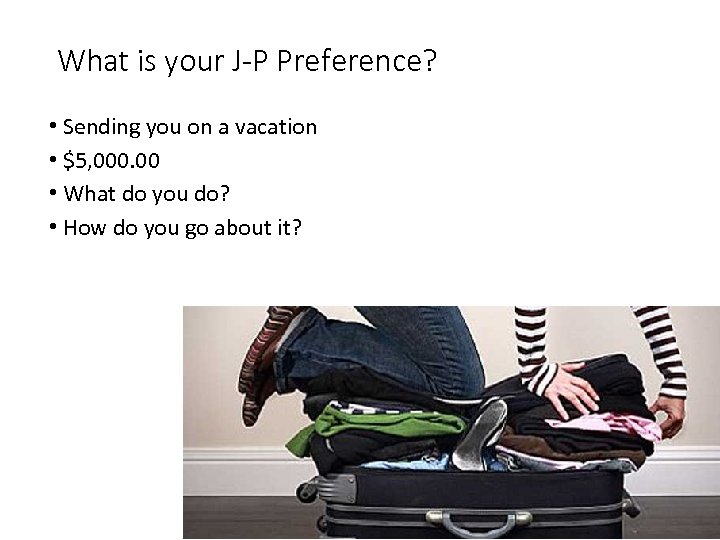
What is your J-P Preference? • Sending you on a vacation • $5, 000. 00 • What do you do? • How do you go about it?
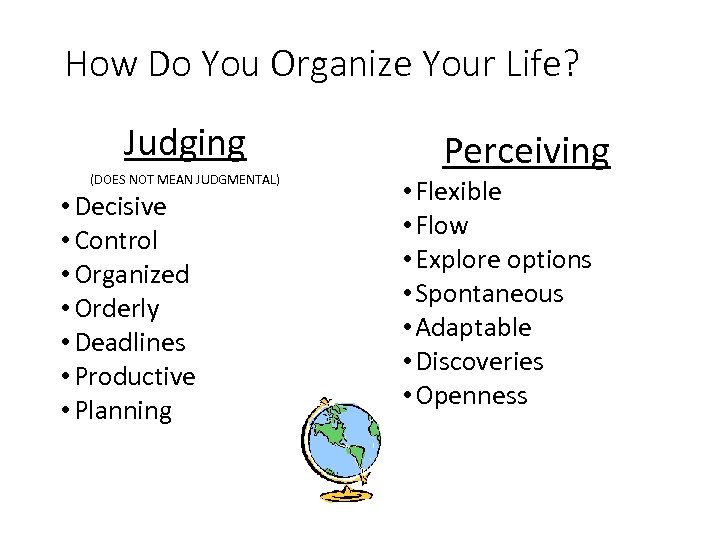
How Do You Organize Your Life? Judging (DOES NOT MEAN JUDGMENTAL) • Decisive • Control • Organized • Orderly • Deadlines • Productive • Planning Perceiving • Flexible • Flow • Explore options • Spontaneous • Adaptable • Discoveries • Openness
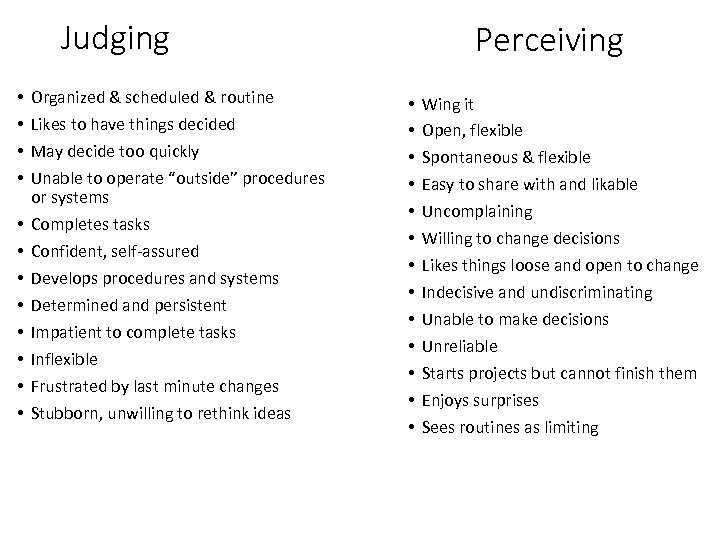
Judging • • • Organized & scheduled & routine Likes to have things decided May decide too quickly Unable to operate “outside” procedures or systems Completes tasks Confident, self-assured Develops procedures and systems Determined and persistent Impatient to complete tasks Inflexible Frustrated by last minute changes Stubborn, unwilling to rethink ideas Perceiving • • • • Wing it Open, flexible Spontaneous & flexible Easy to share with and likable Uncomplaining Willing to change decisions Likes things loose and open to change Indecisive and undiscriminating Unable to make decisions Unreliable Starts projects but cannot finish them Enjoys surprises Sees routines as limiting
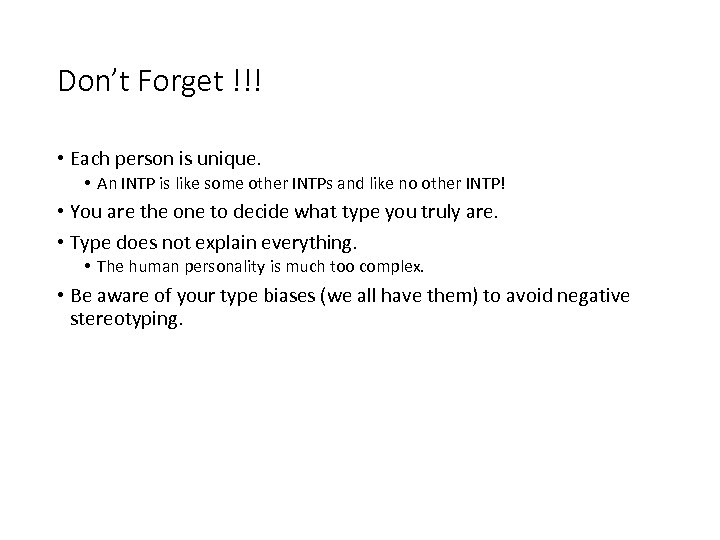
Don’t Forget !!! • Each person is unique. • An INTP is like some other INTPs and like no other INTP! • You are the one to decide what type you truly are. • Type does not explain everything. • The human personality is much too complex. • Be aware of your type biases (we all have them) to avoid negative stereotyping.
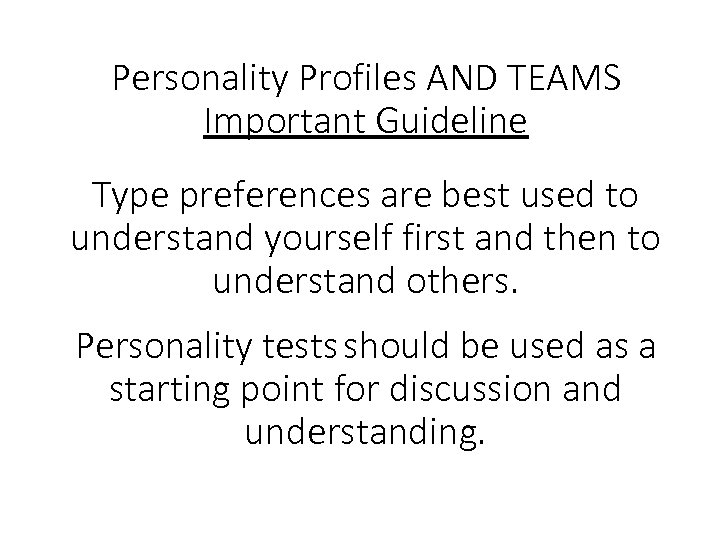
Personality Profiles AND TEAMS Important Guideline Type preferences are best used to understand yourself first and then to understand others. Personality tests should be used as a starting point for discussion and understanding.
HOW DOES THIS AID TEAM MEMBERS ? • Identifying areas of strength and possible areas of weakness for the team • Helping to match specific task assignments with team members according to personality • Helps team members can understand each other & better handle conflict • Helping team members understand how different perspectives (maximize diversity) and methods can lead to useful and effective problem solving • Teams that appreciate each others type have less conflict

Please pick up Your Folders Good Afternoon!
Blog On Personality as a Basis for College Admission • I think this is a great idea. It is a great idea so you can get a clear view if they are "easy quitters" and will drop out when things get hard or if they are hard workers and will stay dedicated. Personality says a lot about a person, it says way more than what grades will tell you. A person could be smart but they could also be a horrible person too so you have to be sure they will be a good fit in your college. Every college should have this personality test on the applications. • I think it doesn't matter because it has nothing to do with getting into college.
Blog On Personality as a Basis for College Admission • I think the personality test to be able to be admitted into college has positives and negatives. I think this, as it is stated in the article, can provide opportunities for adolescences to get into college if they faced adverse situations in their lives. However, the negatives outweigh the negatives. I believe that grades and standardized test scores are the main things that should determine admittance to college. Also, stated in the article, people can lie and cheat the system and be admitted when they do not deserve to be admitted, just based on personality. Personality should reflect in the test scores. • People shouldn't judge other people by there personality test.
Скачать презентацию If you have not presented your bag yet
285c10860c7fd077954ca04616cac649.ppt