 Скачать презентацию If you have any questions or comments about
7744f9ad2793f13af954f517e495e47f.ppt
- Количество слайдов: 66




If you have any questions or comments about the materials please contact me by phone or email: Beth Burritt 435 -797 -3576 beth. burritt@usu. edu
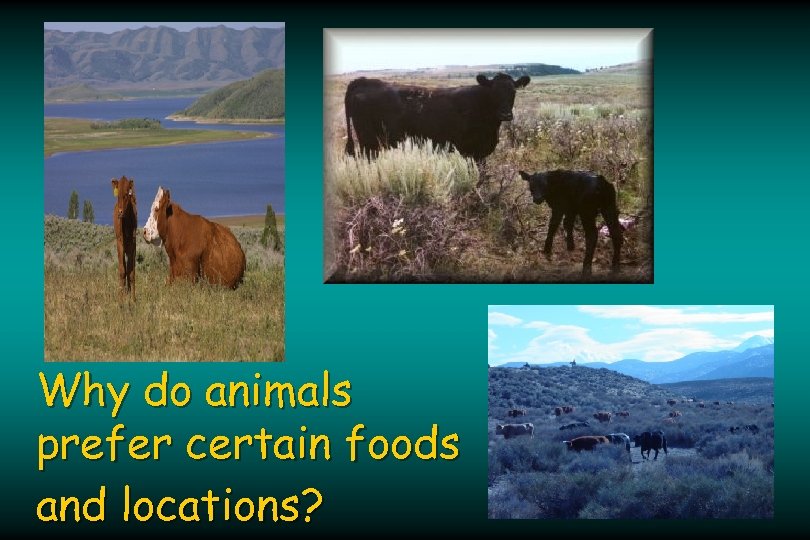
Why do animals prefer certain foods and locations?
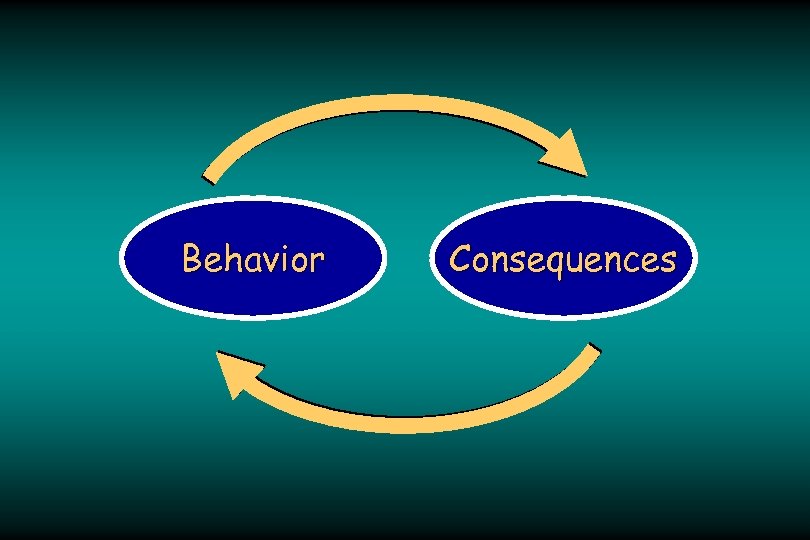
Behavior Consequences
Why do animals prefer to eat certain foods?

Early Experience Matters Most
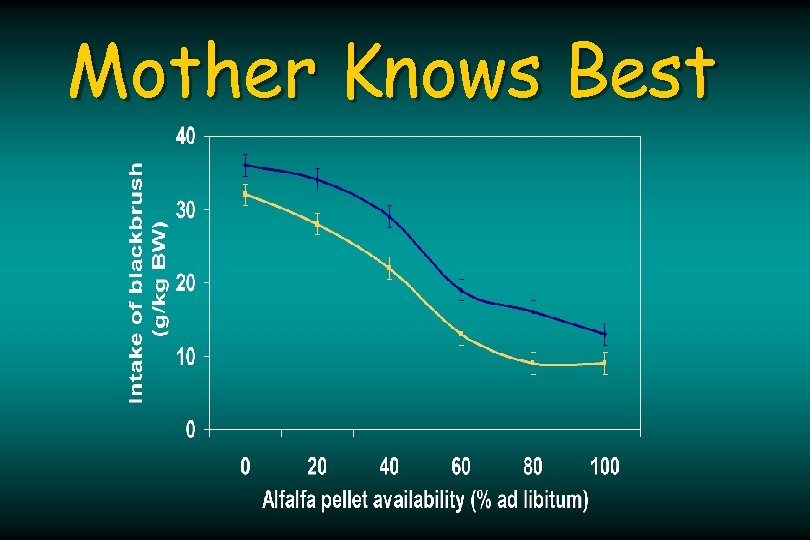
Mother Knows Best
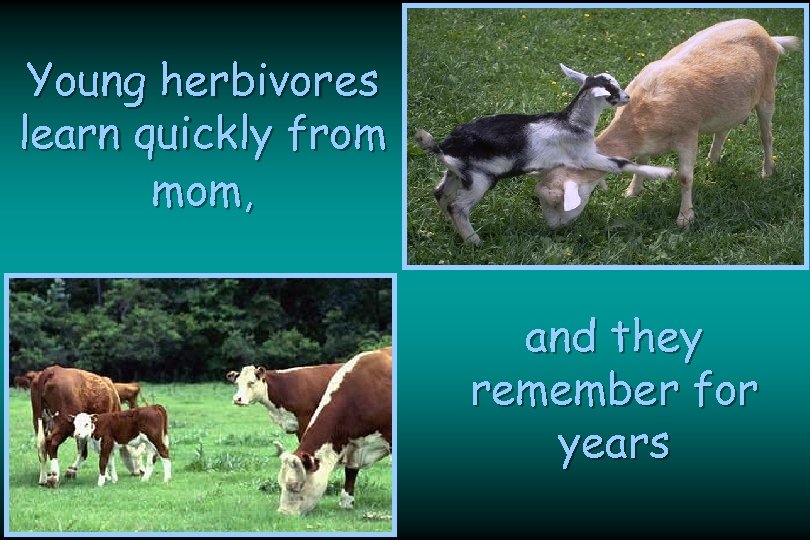
Young herbivores learn quickly from mom, and they remember for years
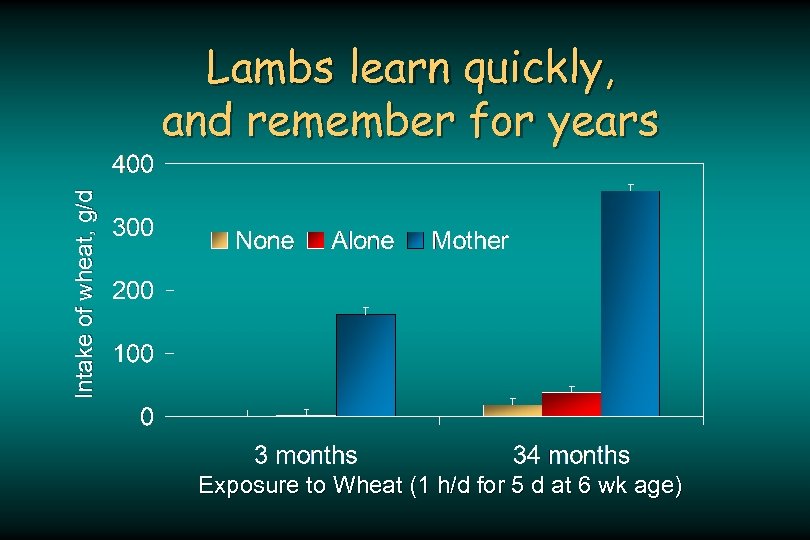
Intake of wheat, g/d Lambs learn quickly, and remember for years Exposure to Wheat (1 h/d for 5 d at 6 wk age)
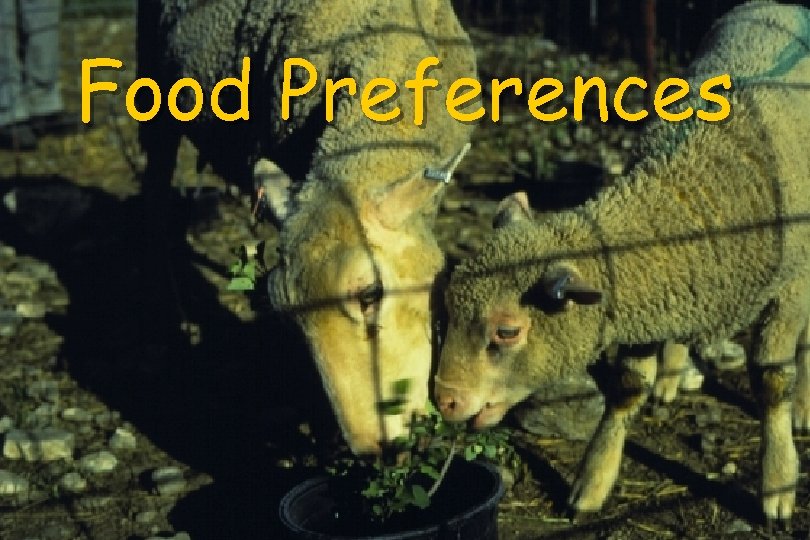
Food Preferences

If video doesn’t play, insert file Mother_young. wmv
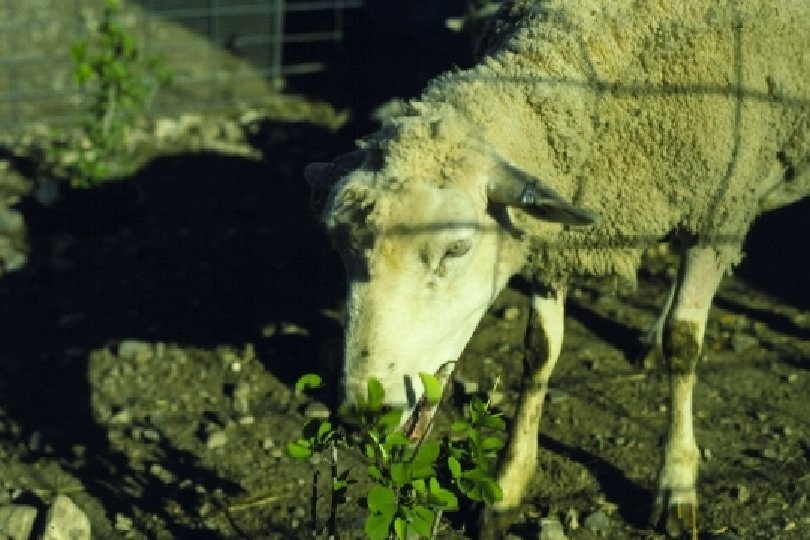
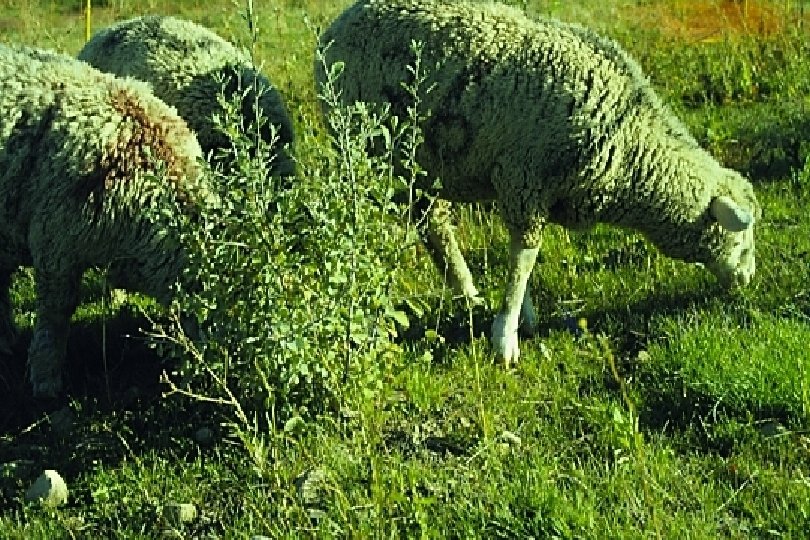
Lambs eat what mom eats and avoid what she avoids.
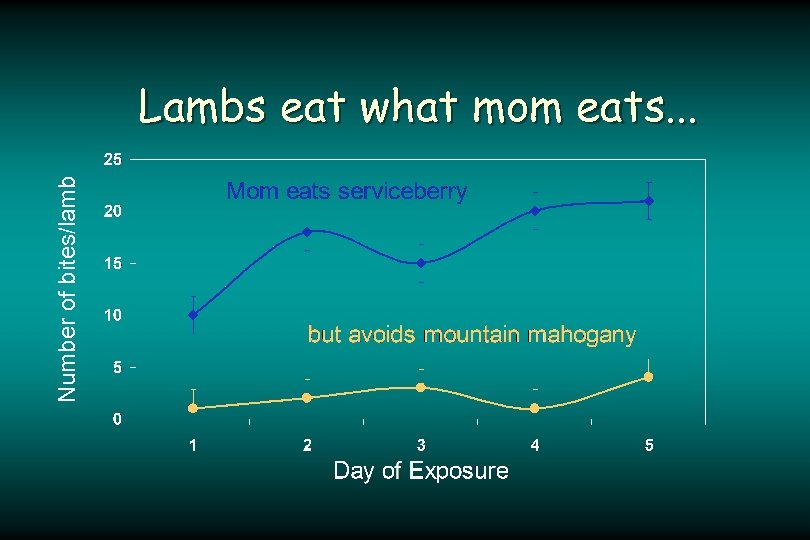
Number of bites/lamb Lambs eat what mom eats. . .
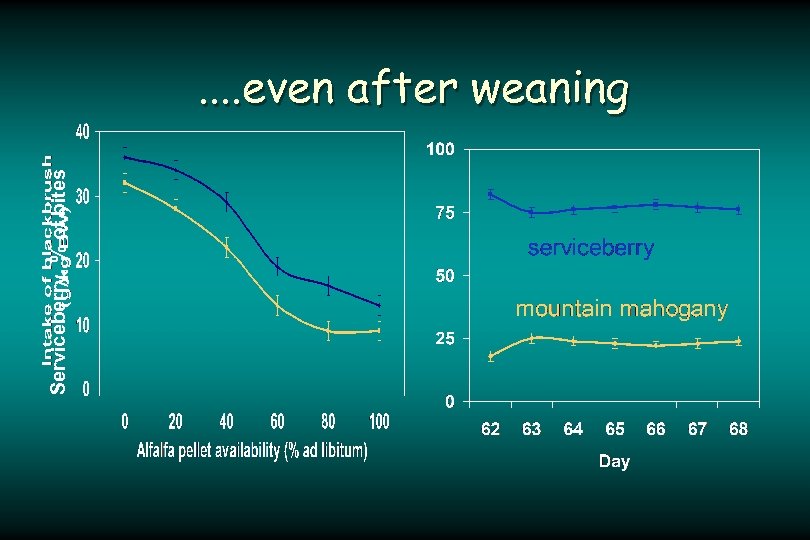
Serviceberry, % of bites . . even after weaning
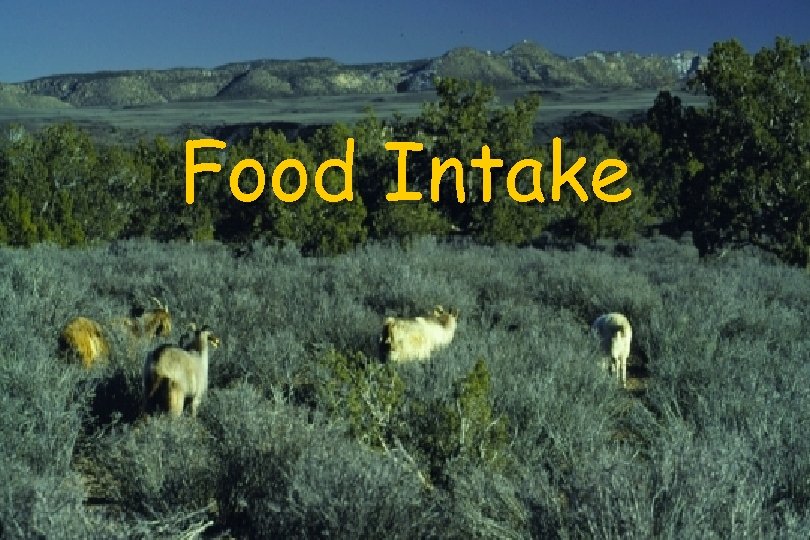
Food Intake
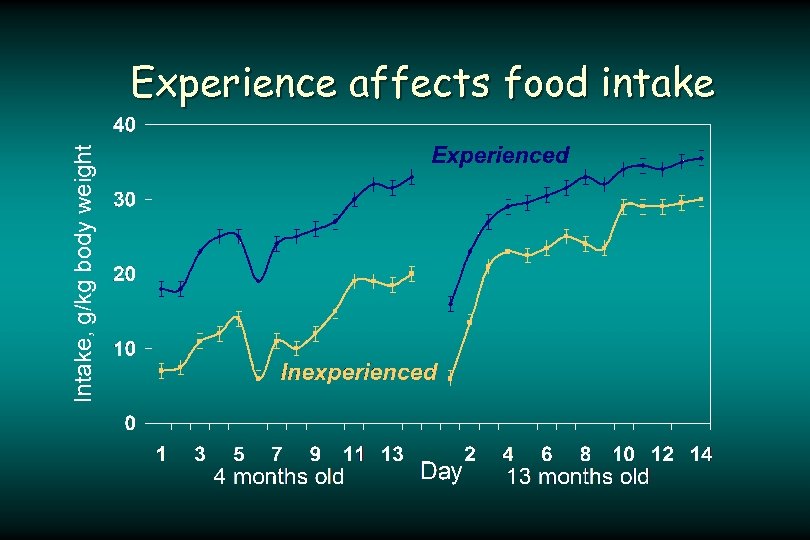
Intake, g/kg body weight Experience affects food intake
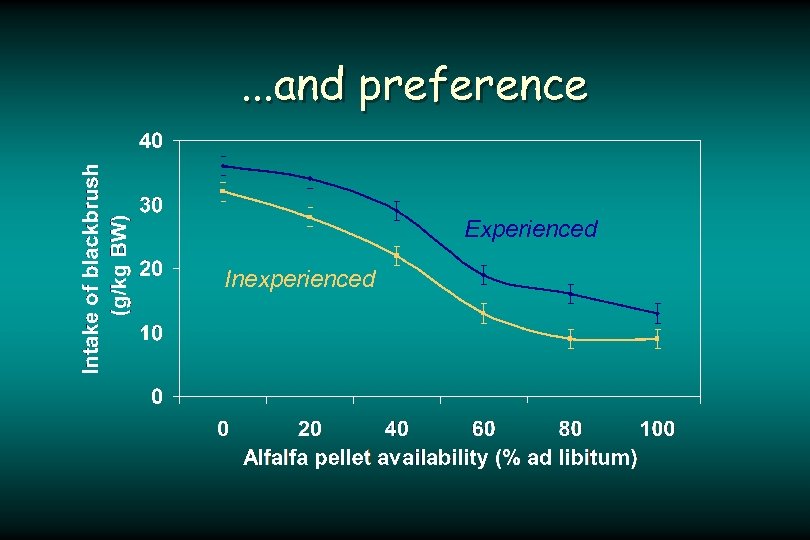
. . . and preference Experienced Inexperienced
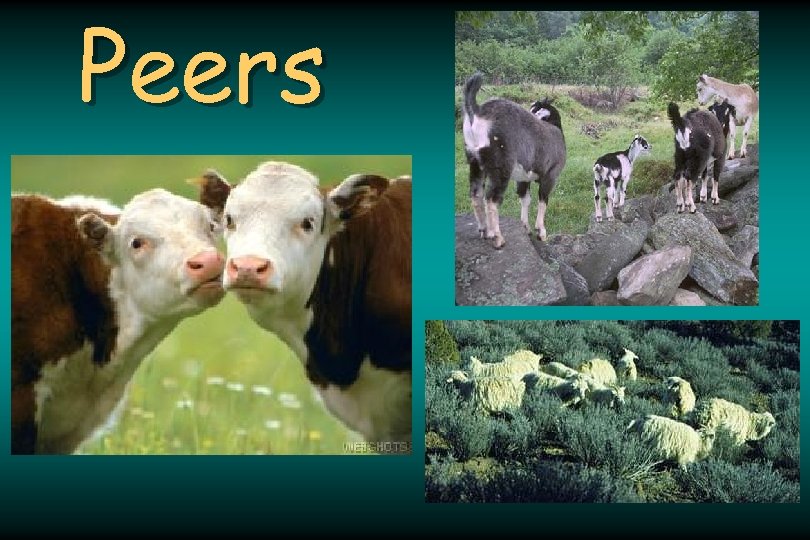
Peers
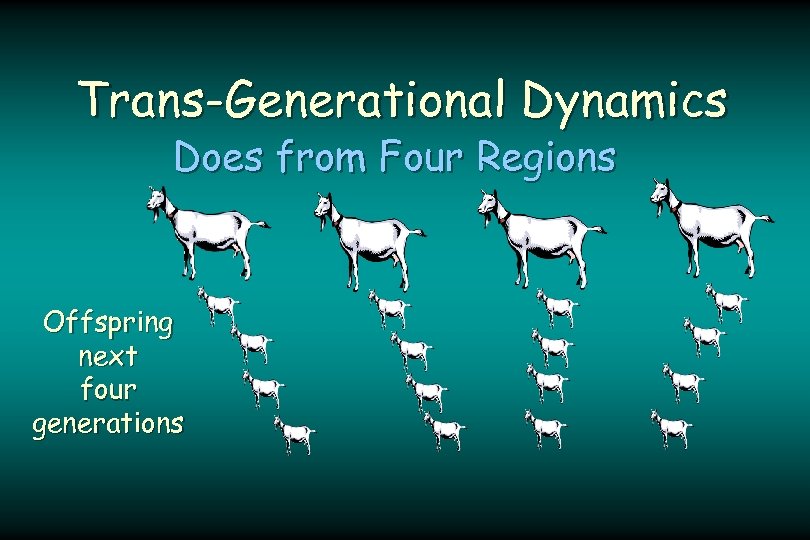
Trans-Generational Dynamics Does from Four Regions Offspring next four generations
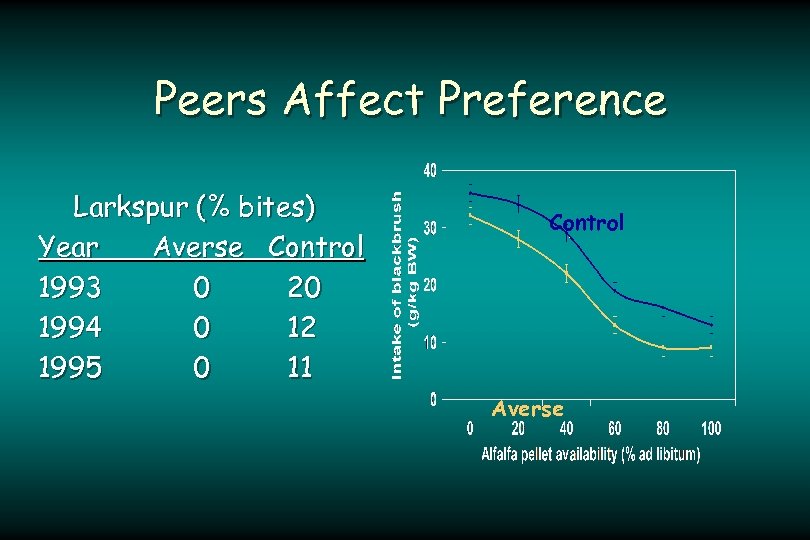
Peers Affect Preference Larkspur (% bites) Year Averse Control 1993 0 20 1994 0 12 1995 0 11 Control Averse
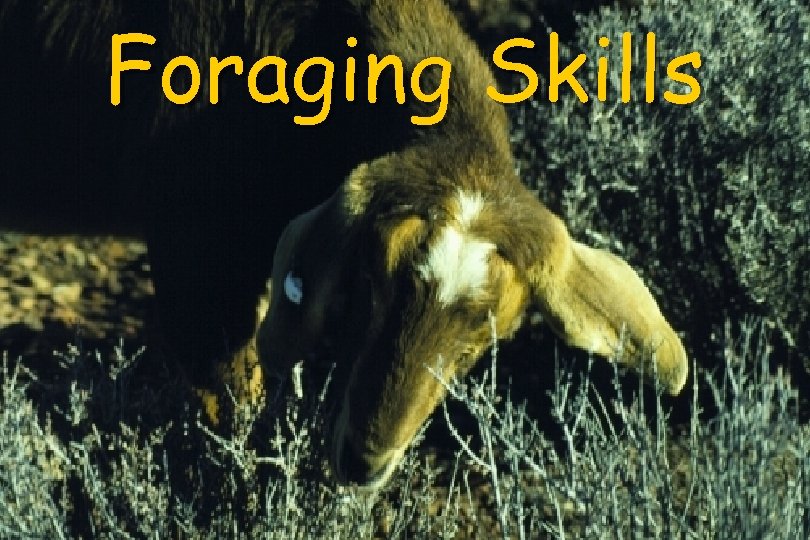
Foraging Skills

If video doesn’t play, insert file Foraging_skills. wmv
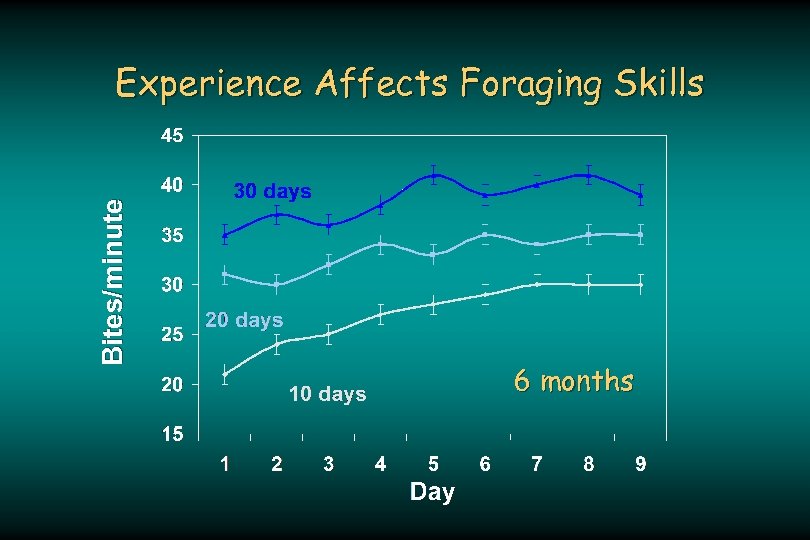
Bites/minute Experience Affects Foraging Skills 6 months
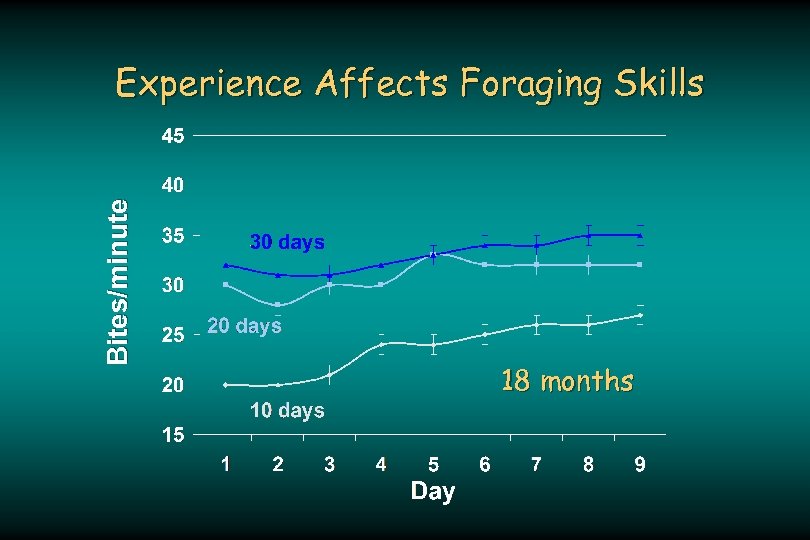
Bites/minute Experience Affects Foraging Skills 18 months
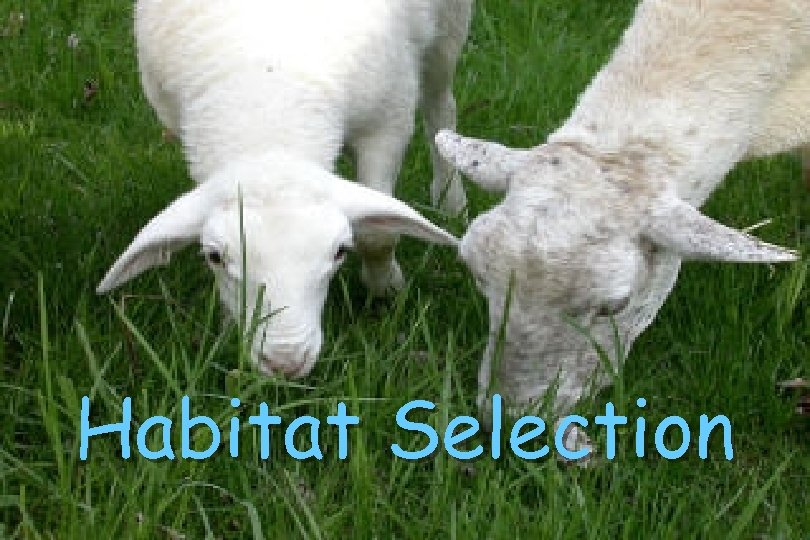
Habitat Selection
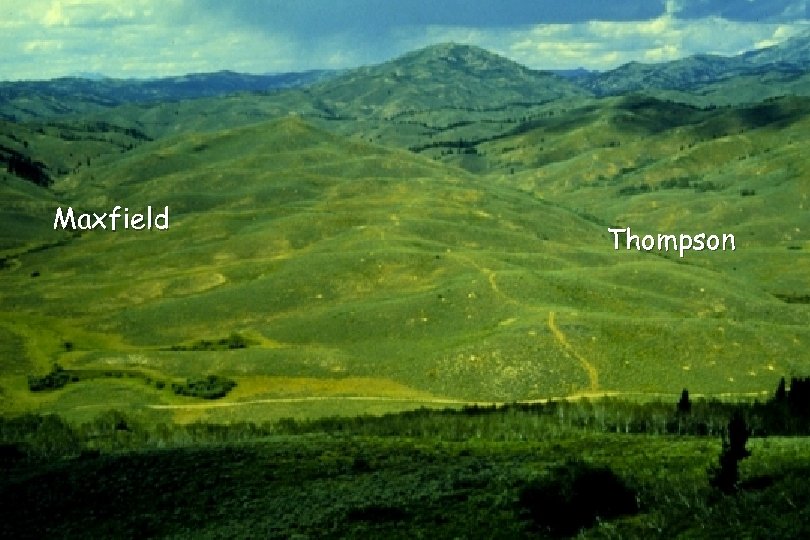
Maxfield Thompson
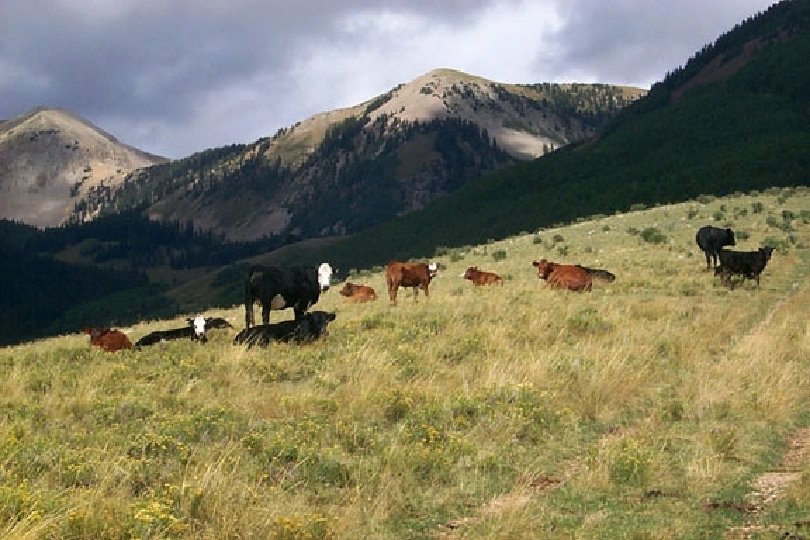
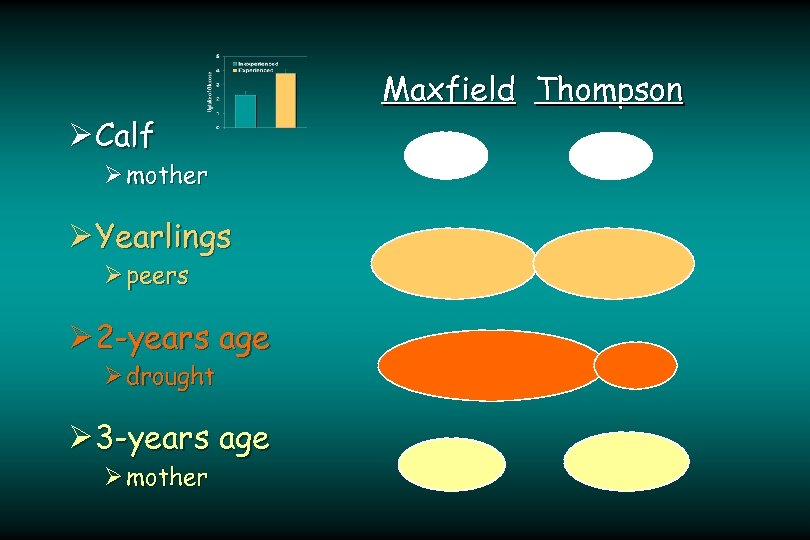
Ø Calf Ø mother Ø Yearlings Ø peers Ø 2 -years age Ø drought Ø 3 -years age Ø mother Maxfield Thompson
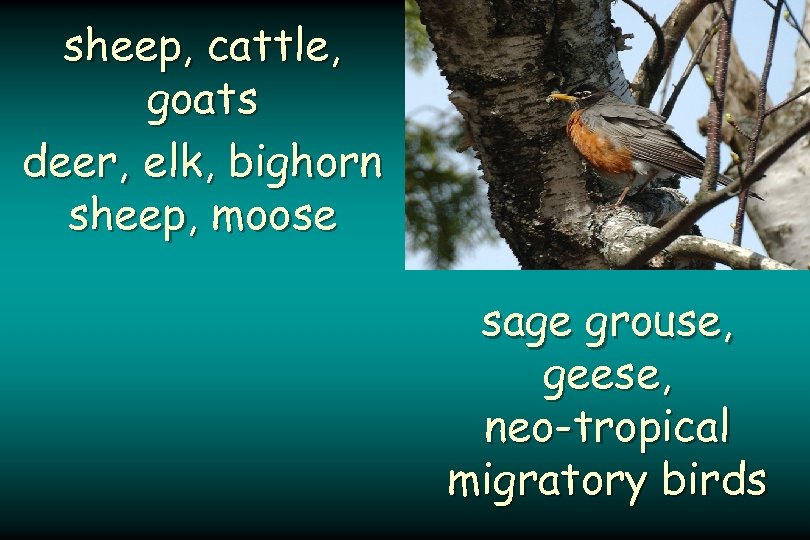
sheep, cattle, goats deer, elk, bighorn sheep, moose sage grouse, geese, neo-tropical migratory birds
Experience Causes Changes Neurological, Morphological, Physiological The body determines the structure of experience, experience determines the structure of the body.
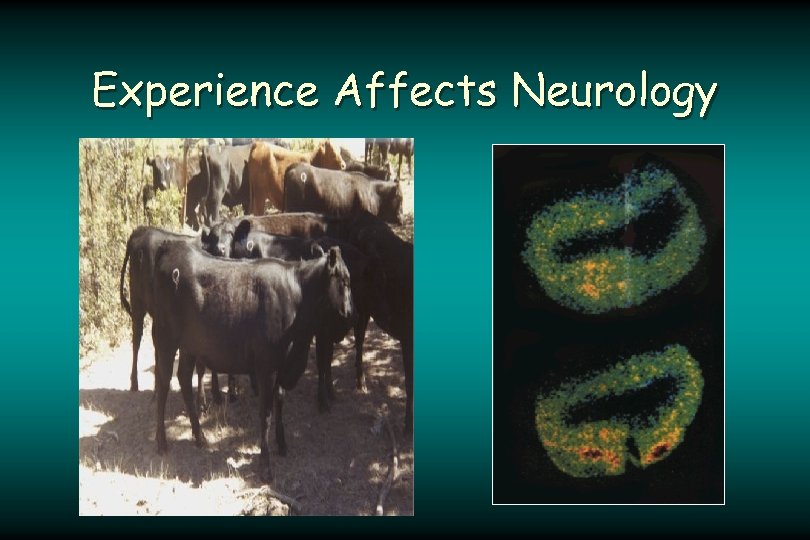
Experience Affects Neurology
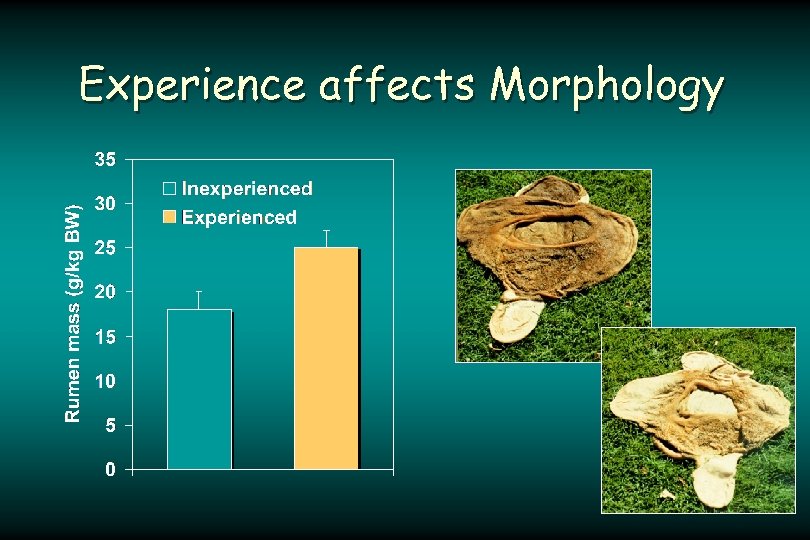
Experience affects Morphology
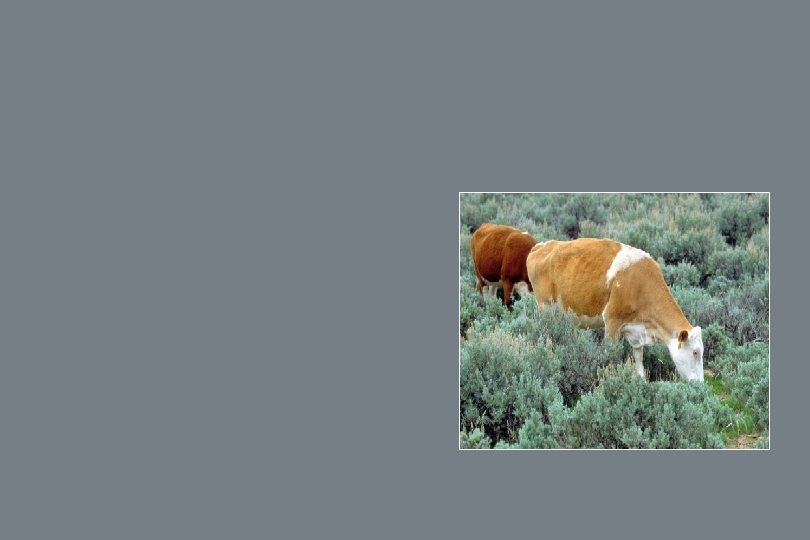
Experience affects Physiology
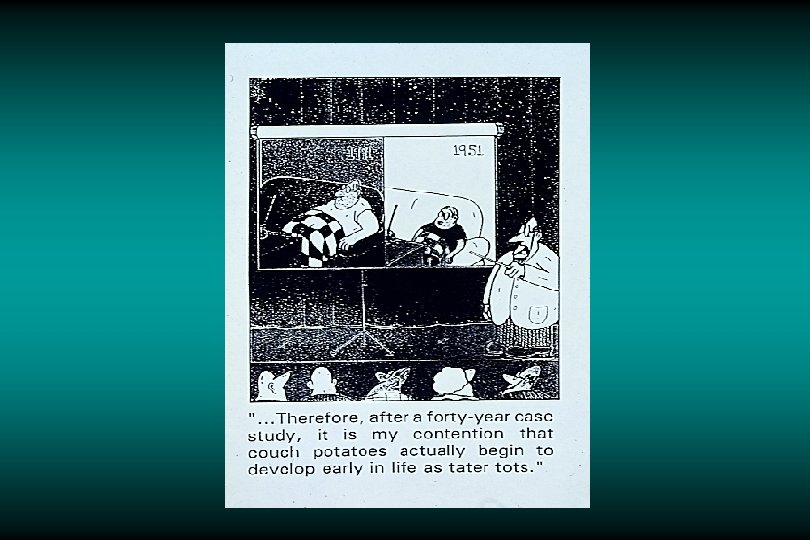

So what does this mean?
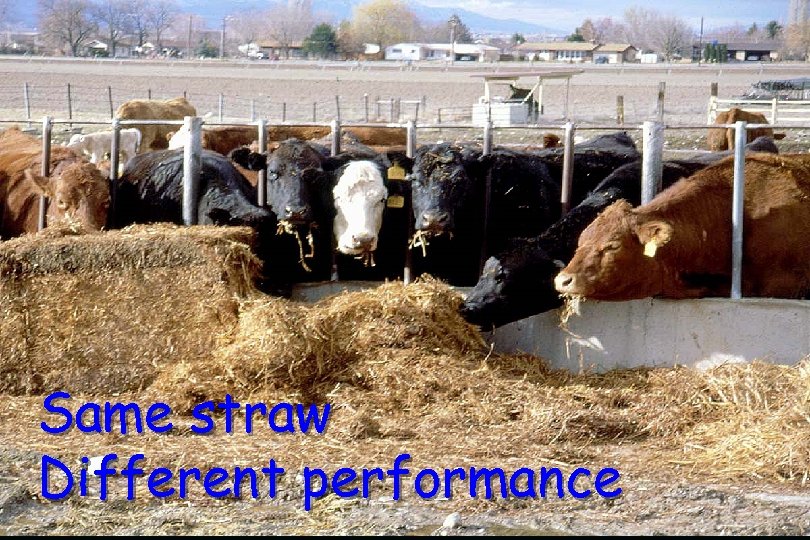
Same straw Different performance
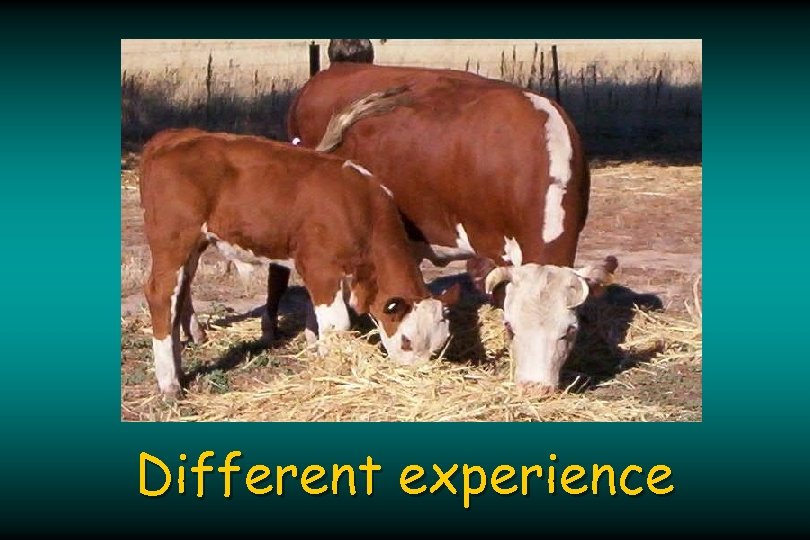
Different experience
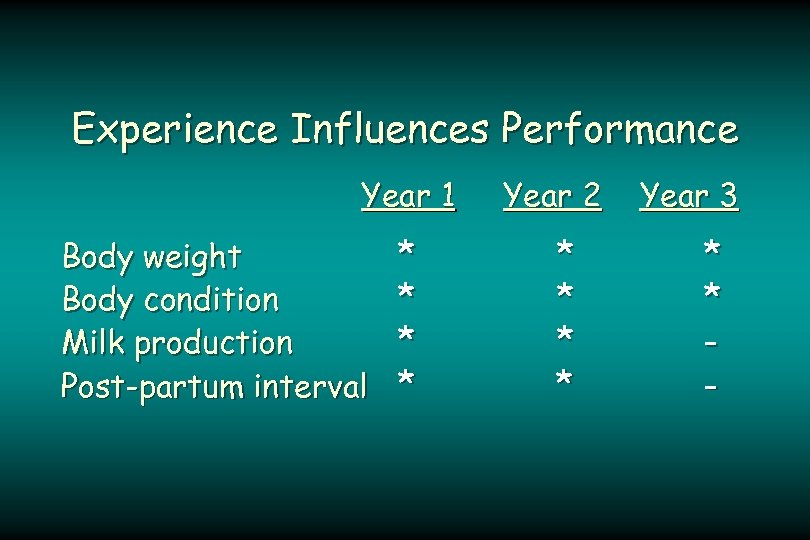
Experience Influences Performance Year 1 Body weight Body condition Milk production Post-partum interval * * Year 2 * * Year 3 * * -
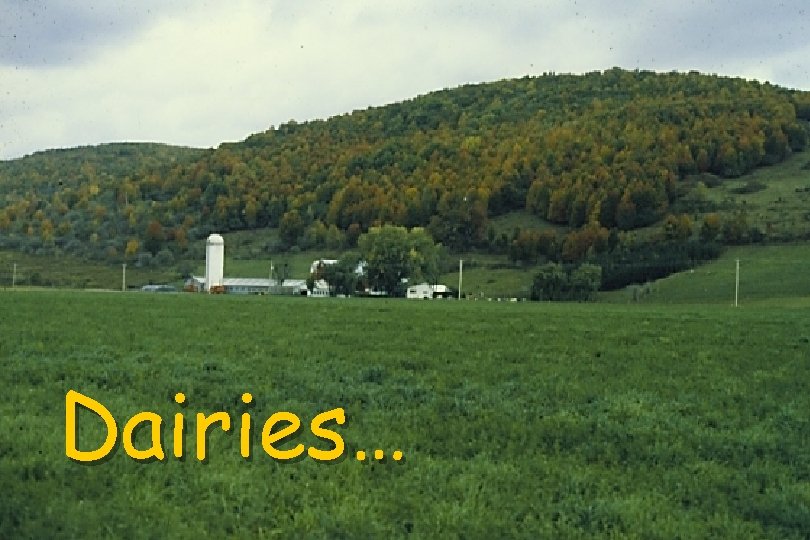
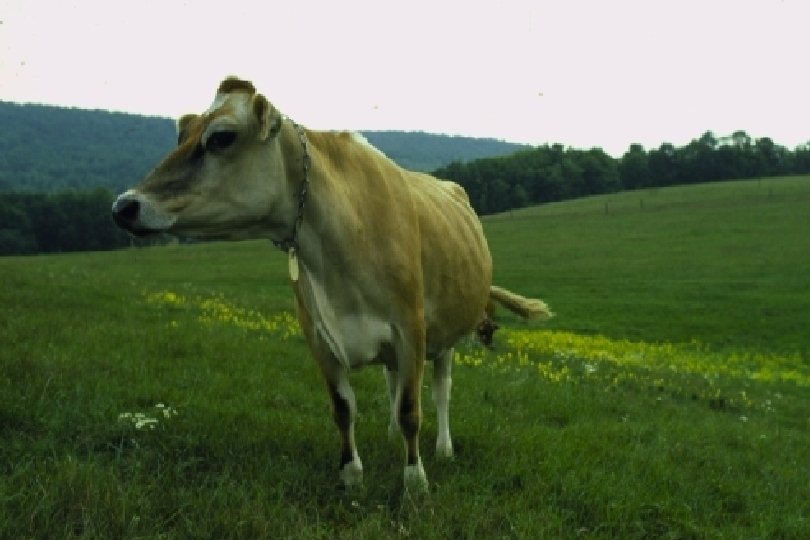
Dairies…
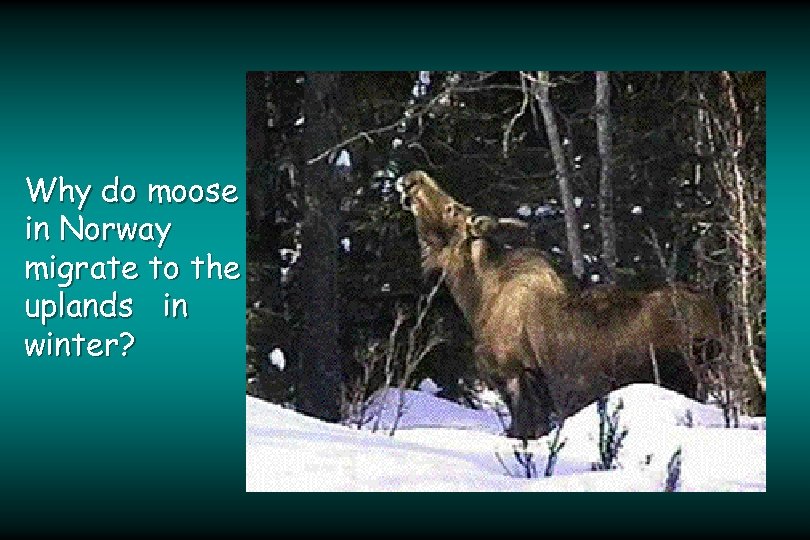
Why do moose in Norway migrate to the uplands in winter?
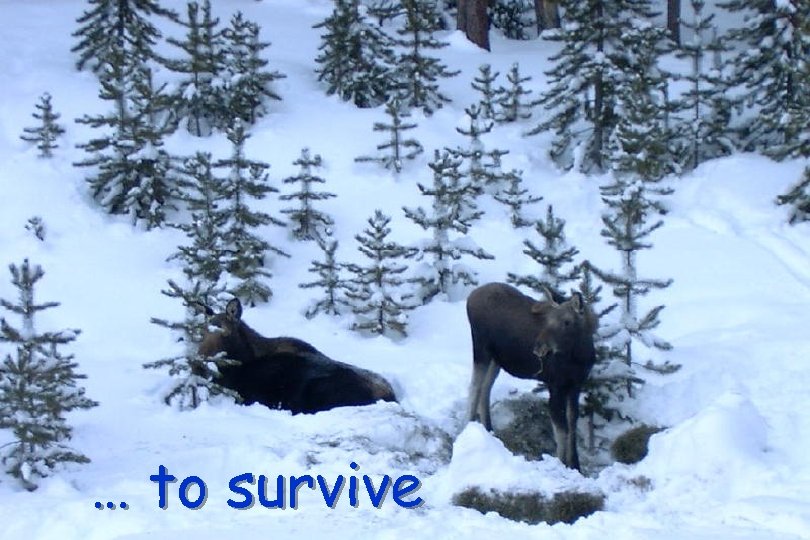
… to survive
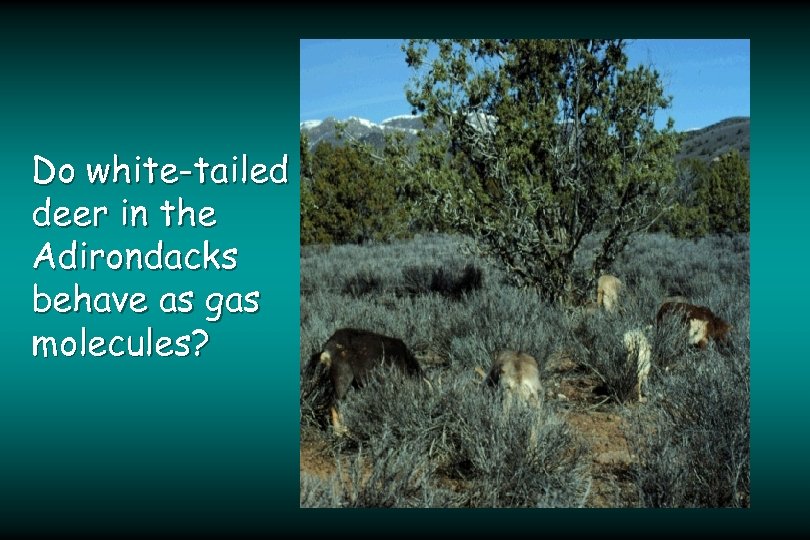
Do white-tailed deer in the Adirondacks behave as gas molecules?
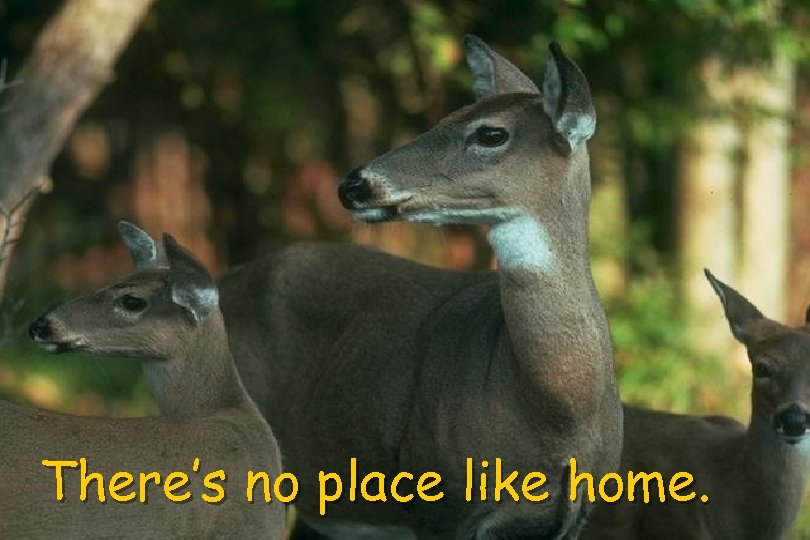
There’s no place like home.

Implications for Management
Moving animals to new environments
Wild and domestic animals moved to unfamiliar environments suffer more from predation, malnutrition, and ingestion of poisonous plants than animals familiar with the environment…
…yet, we buy and sell animals, and move them to unfamiliar environments, without concern for their culture of origin, and then wonder why they don’t perform well…
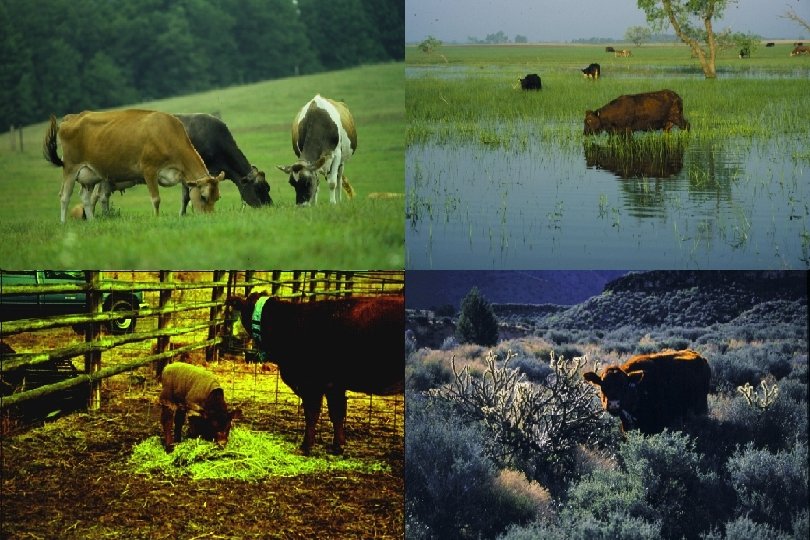
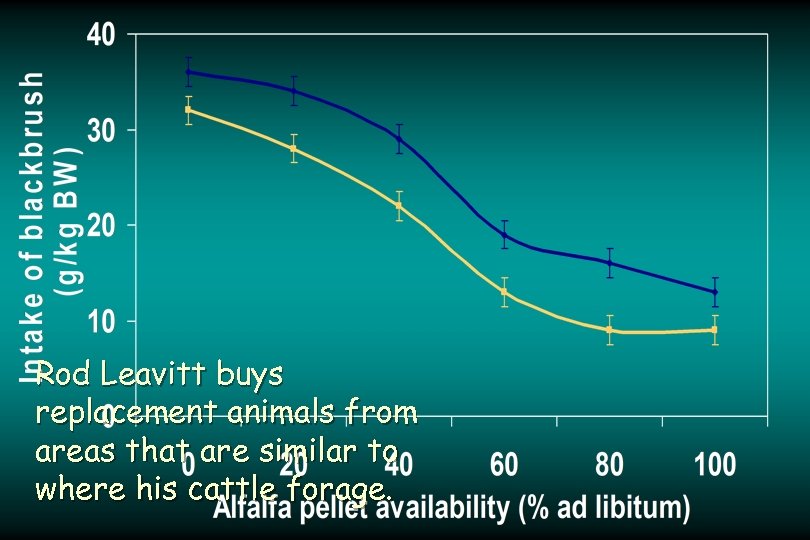
Rod Leavitt buys replacement animals from areas that are similar to where his cattle forage.
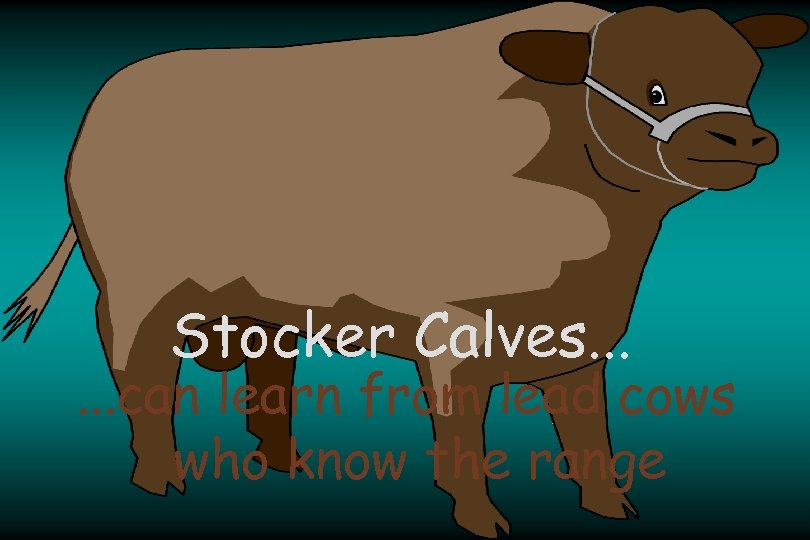
Stocker Calves. . . can learn from lead cows who know the range
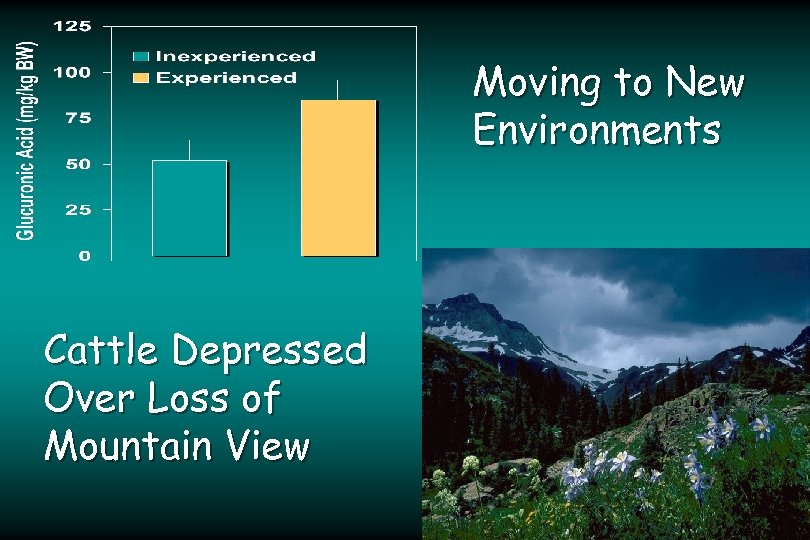
Moving to New Environments Cattle Depressed Over Loss of Mountain View
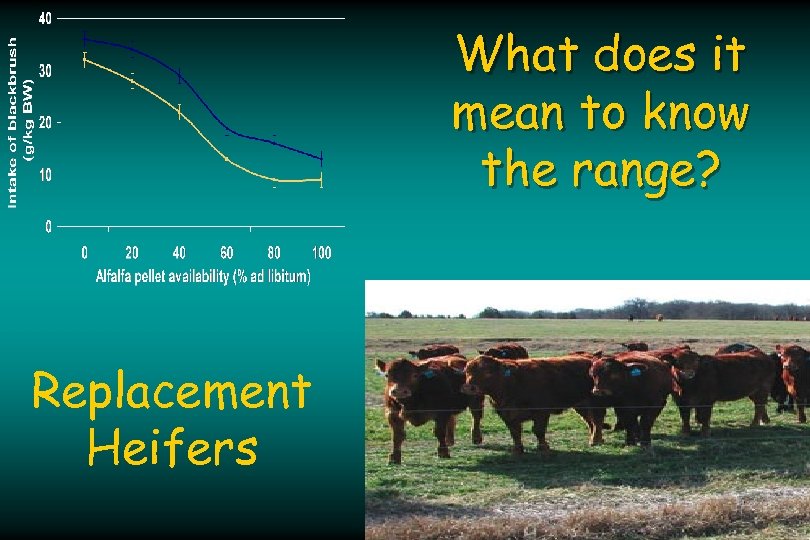
What does it mean to know the range? Replacement Heifers
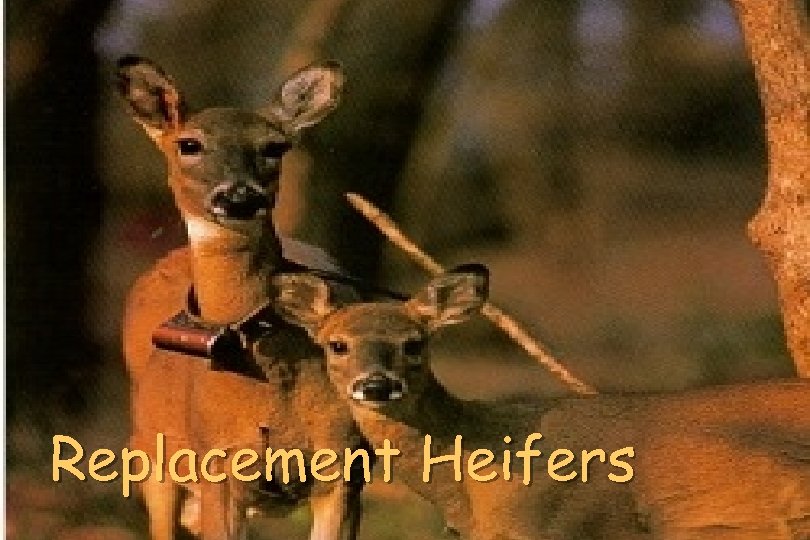
Replacement Heifers
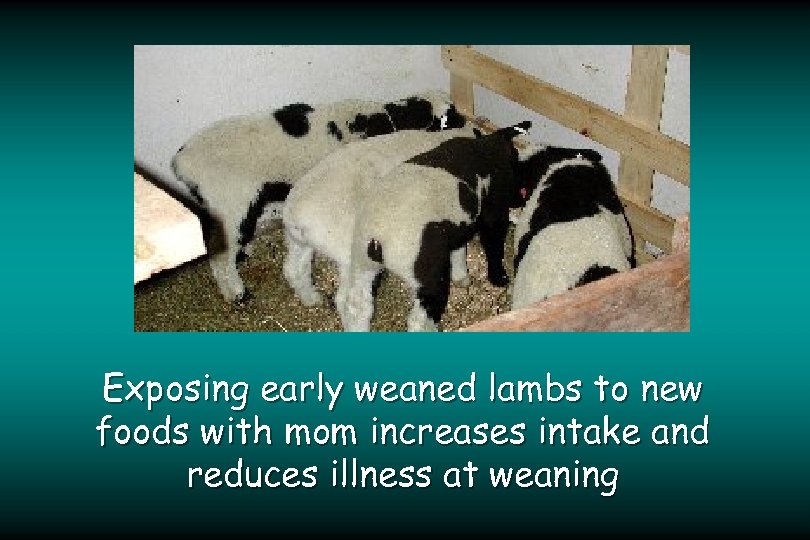
Exposing early weaned lambs to new foods with mom increases intake and reduces illness at weaning
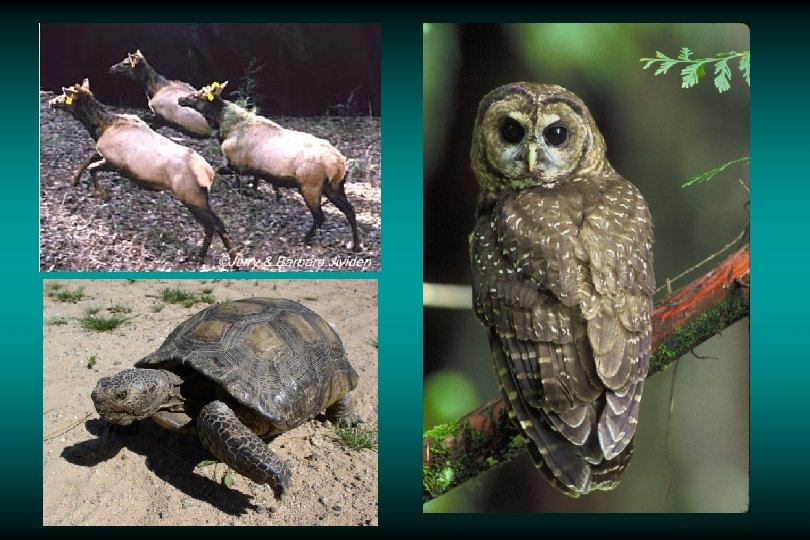
Conservation Biology – Wildlife Transplants
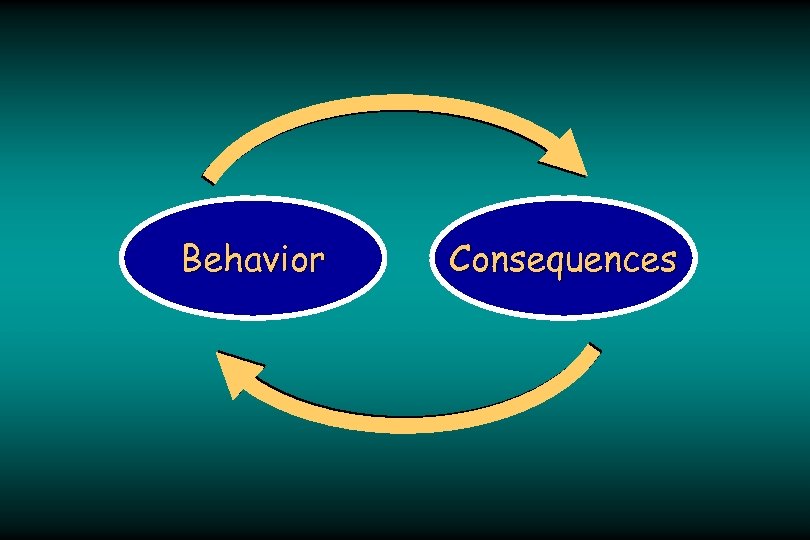
Behavior Consequences
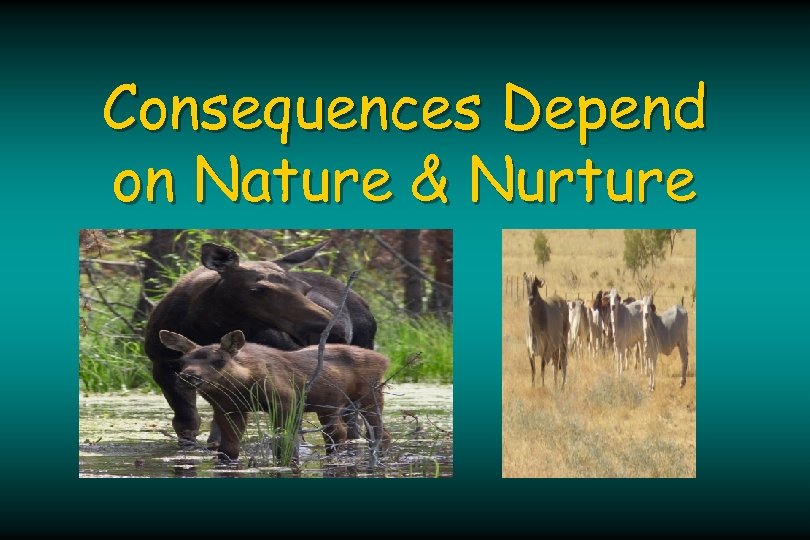
Consequences Depend on Nature & Nurture
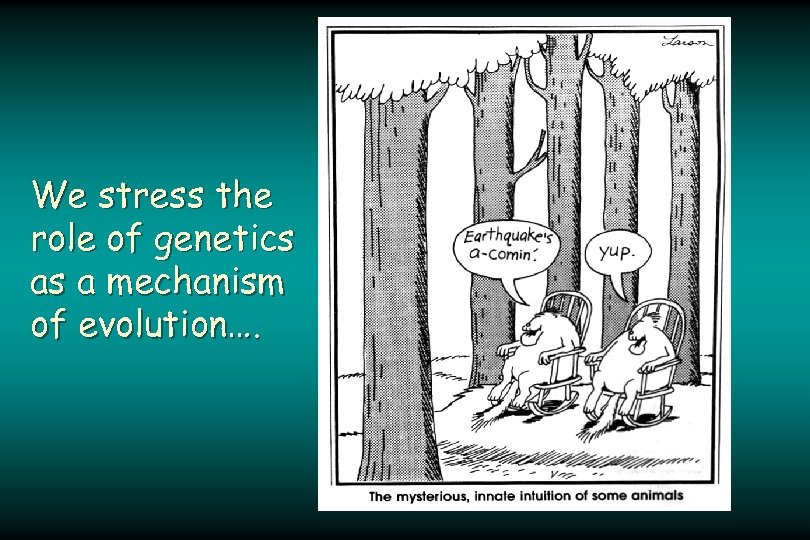
We stress the role of genetics as a mechanism of evolution….
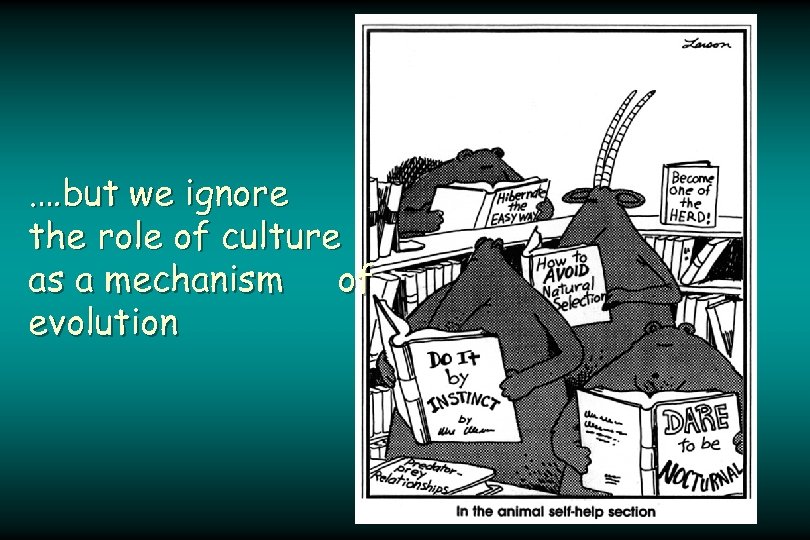
. …but we ignore the role of culture as a mechanism of evolution
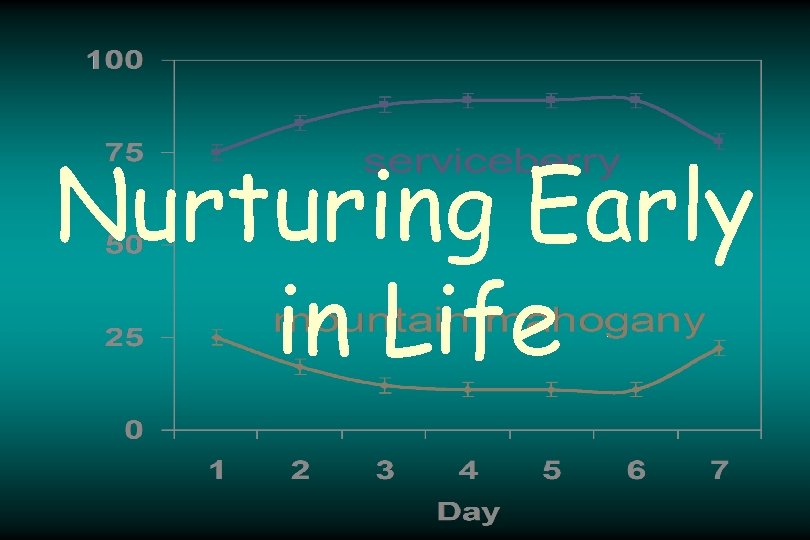
Nurturing Early in Life
It is not the strongest of the species that survives, nor the most intelligent that survives. It is the one that is most adaptable to change. Charles Darwin
Key points Mother knows best. Animals learn most quickly and efficiently from mom. 2. Early learning lasts longest. Experience early in life affects food and habitat preferences, intake and foraging skills. 3. You are what you eat. Structure determines experience and experience determines structure. 1.
Скачать презентацию If you have any questions or comments about
7744f9ad2793f13af954f517e495e47f.ppt