 Скачать презентацию I thought I wanted it but I never
fc08ae90b87ac3c48ba3382e30ba4f64.ppt
- Количество слайдов: 26



“I thought I wanted it, but I never use it. ” Or “It looked really cool. ” Does this sound familiar? WHY DID I BUY THAT? Understanding consumer decisions
2 Life. Smarts is a program of the National Consumers League
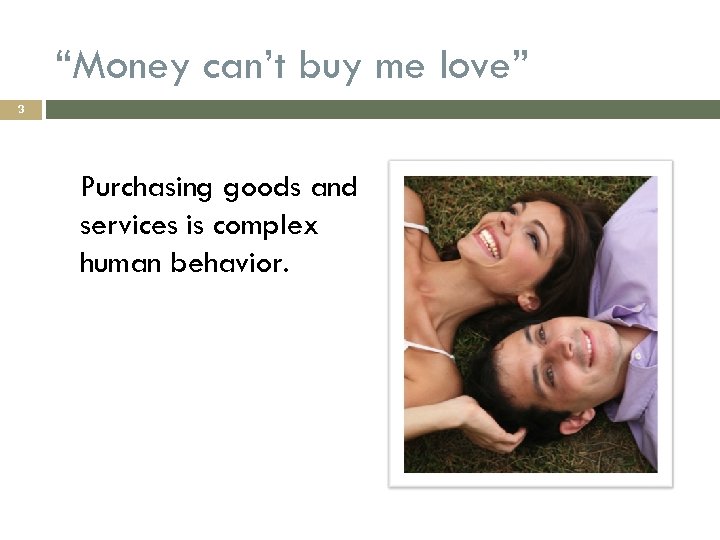
“Money can’t buy me love” 3 Purchasing goods and services is complex human behavior.
Behavioral Economics 4 The field of behavioral economics tells us– Humans seem to be only partially rational. We sometimes make decisions that are not in our best interest.
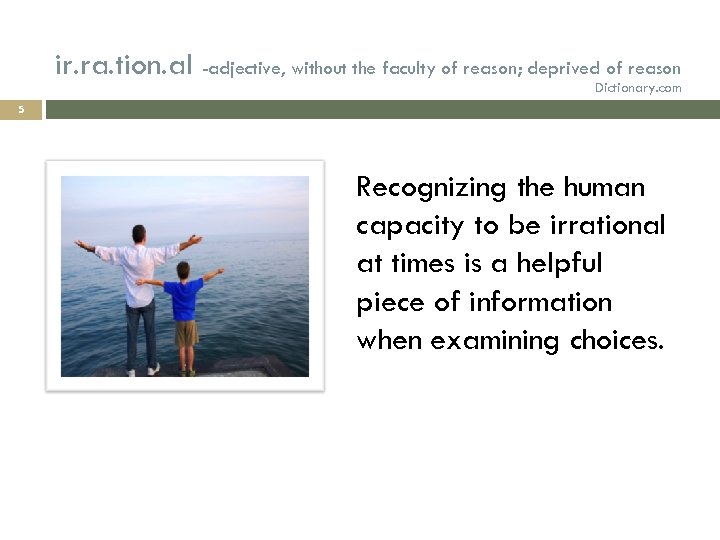
ir. ra. tion. al -adjective, without the faculty of reason; deprived of reason Dictionary. com 5 Recognizing the human capacity to be irrational at times is a helpful piece of information when examining choices.
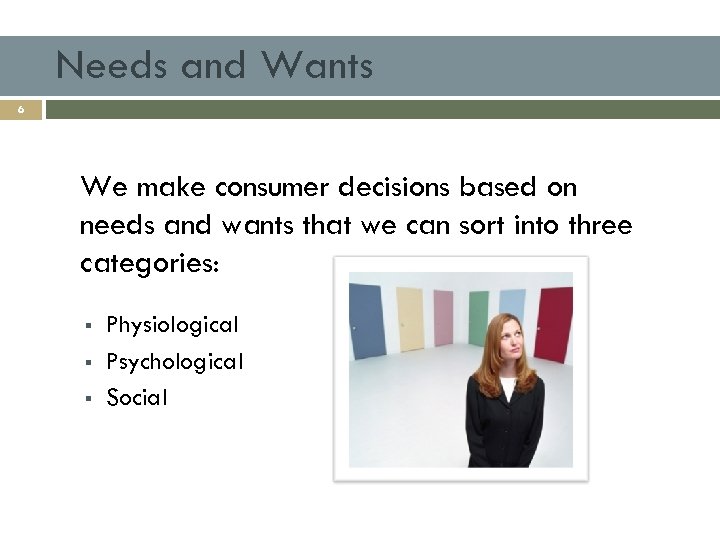
Needs and Wants 6 We make consumer decisions based on needs and wants that we can sort into three categories: § § § Physiological Psychological Social
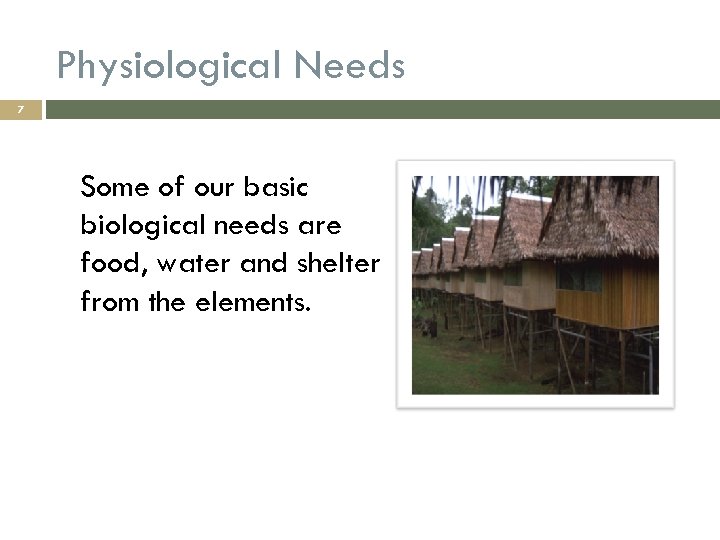
Physiological Needs 7 Some of our basic biological needs are food, water and shelter from the elements.
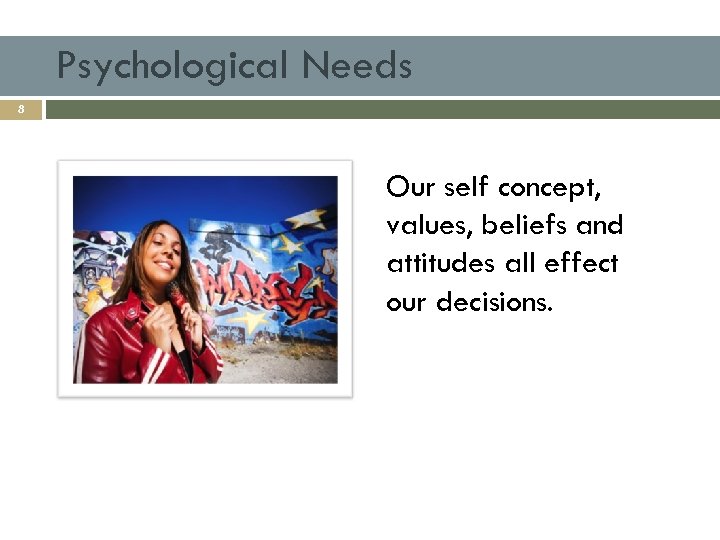
Psychological Needs 8 Our self concept, values, beliefs and attitudes all effect our decisions.
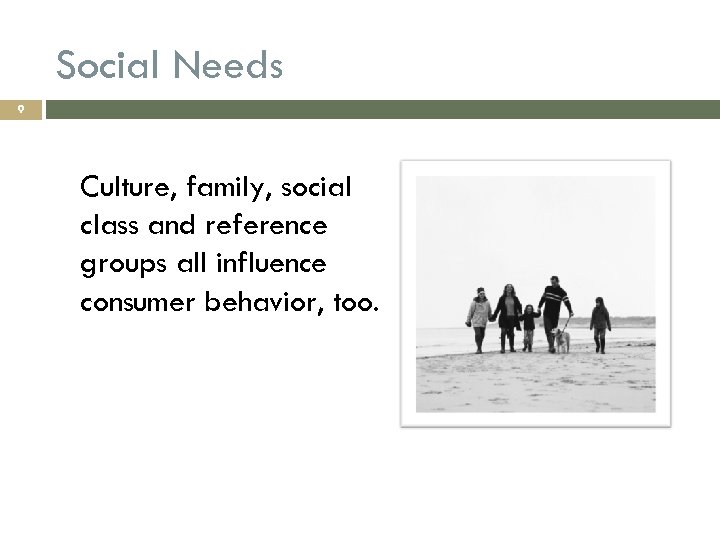
Social Needs 9 Culture, family, social class and reference groups all influence consumer behavior, too.
What is a reference group? 10 A reference group is one source of our personal standards. Individuals look to reference groups to help them define who they are or who they want to be.
Common decision making strategies 11 Analyzing decision making strategies can help you make good decisions or evaluate why a particular decision was unsatisfactory.
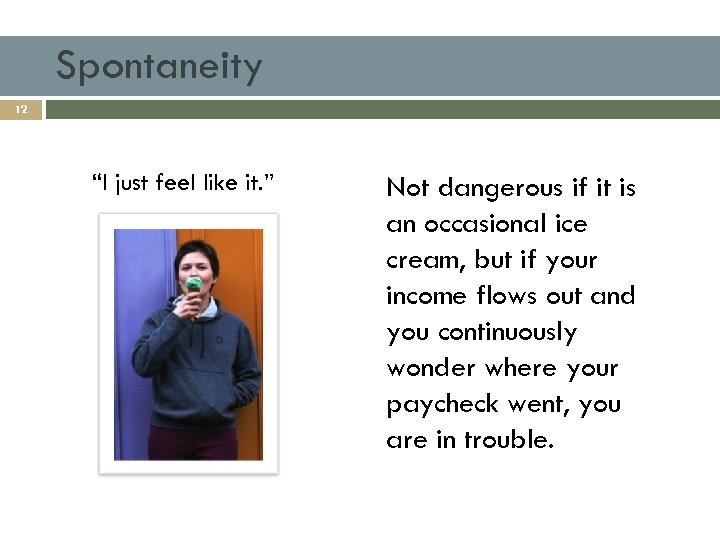
Spontaneity 12 “I just feel like it. ” Not dangerous if it is an occasional ice cream, but if your income flows out and you continuously wonder where your paycheck went, you are in trouble.
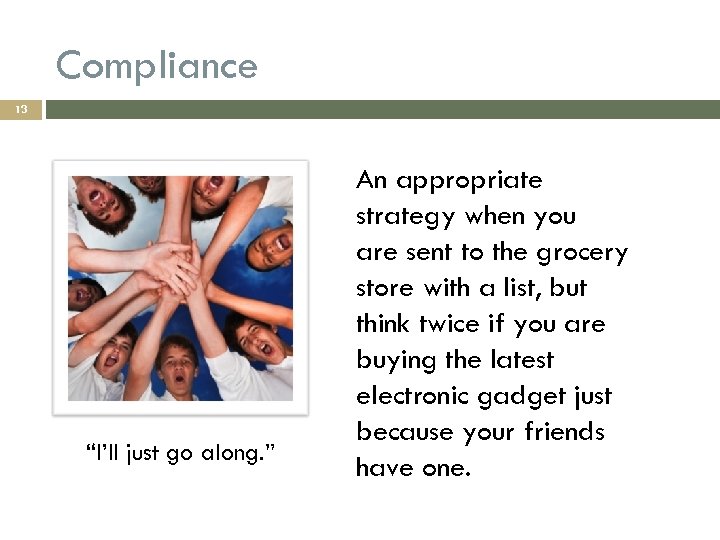
Compliance 13 “I’ll just go along. ” An appropriate strategy when you are sent to the grocery store with a list, but think twice if you are buying the latest electronic gadget just because your friends have one.
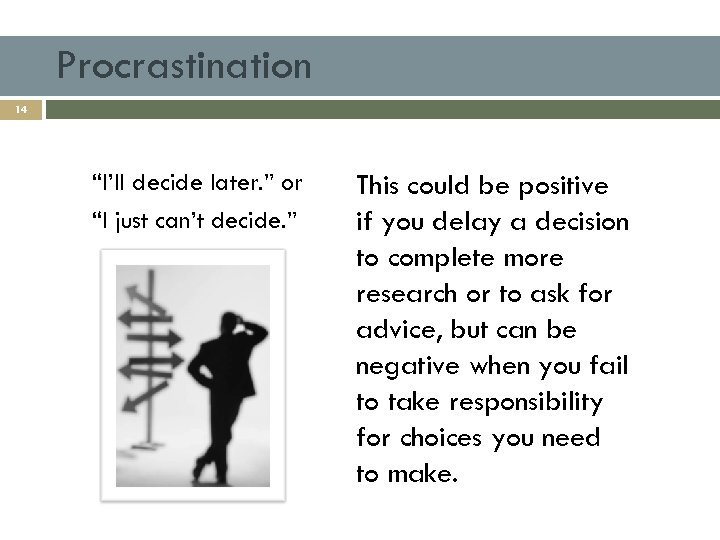
Procrastination 14 “I’ll decide later. ” or “I just can’t decide. ” This could be positive if you delay a decision to complete more research or to ask for advice, but can be negative when you fail to take responsibility for choices you need to make.
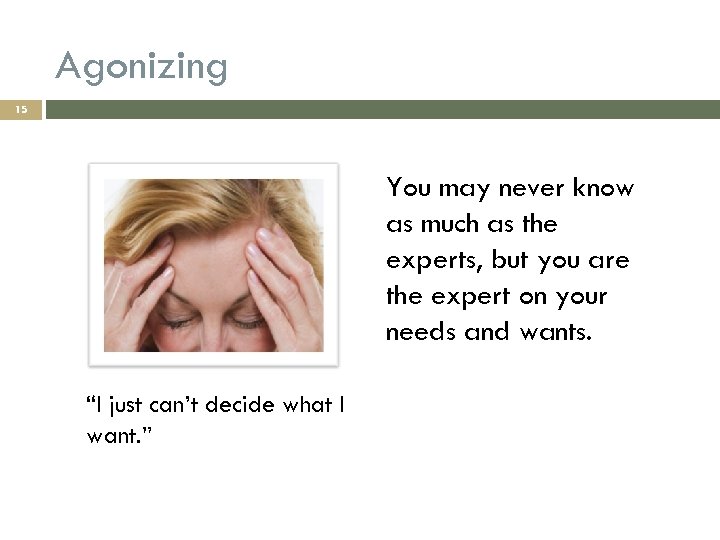
Agonizing 15 You may never know as much as the experts, but you are the expert on your needs and wants. “I just can’t decide what I want. ”
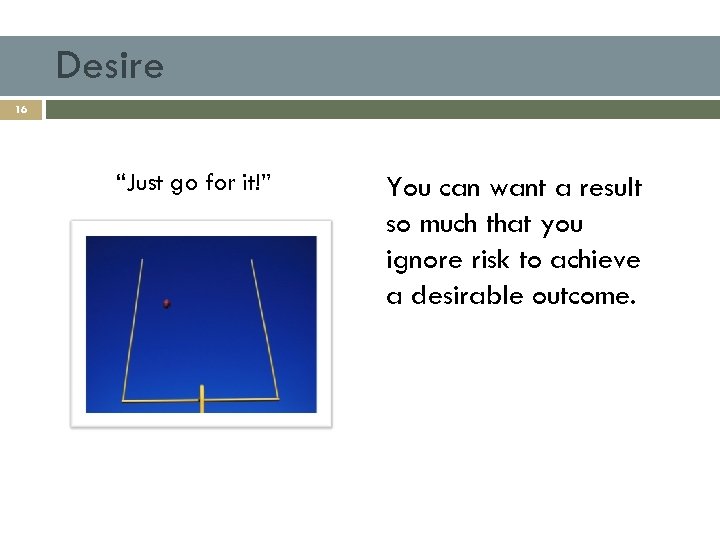
Desire 16 “Just go for it!” You can want a result so much that you ignore risk to achieve a desirable outcome.
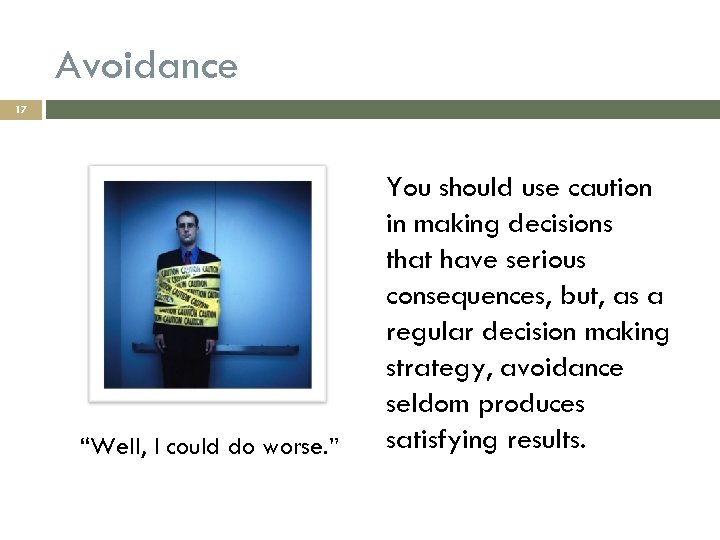
Avoidance 17 “Well, I could do worse. ” You should use caution in making decisions that have serious consequences, but, as a regular decision making strategy, avoidance seldom produces satisfying results.
Intention 18 “This is what I want, it is the right decision for me. ” Intent is important when it helps you reach a goal, but it can look like stubbornness if you are not thinking about consequences.
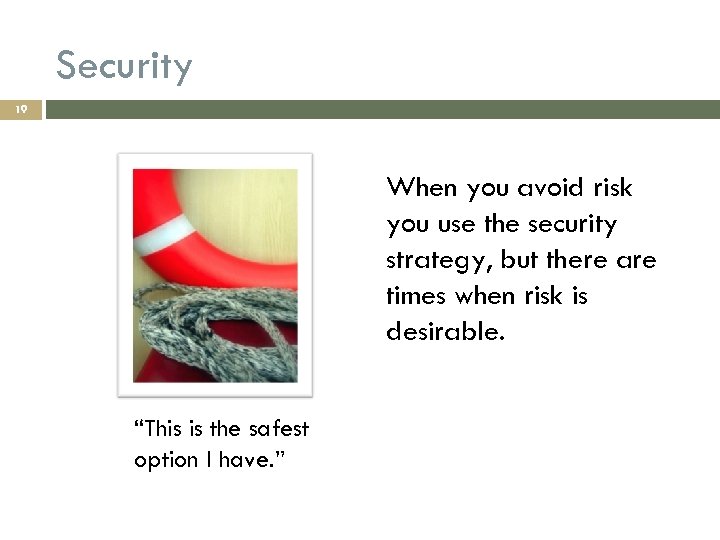
Security 19 When you avoid risk you use the security strategy, but there are times when risk is desirable. “This is the safest option I have. ”
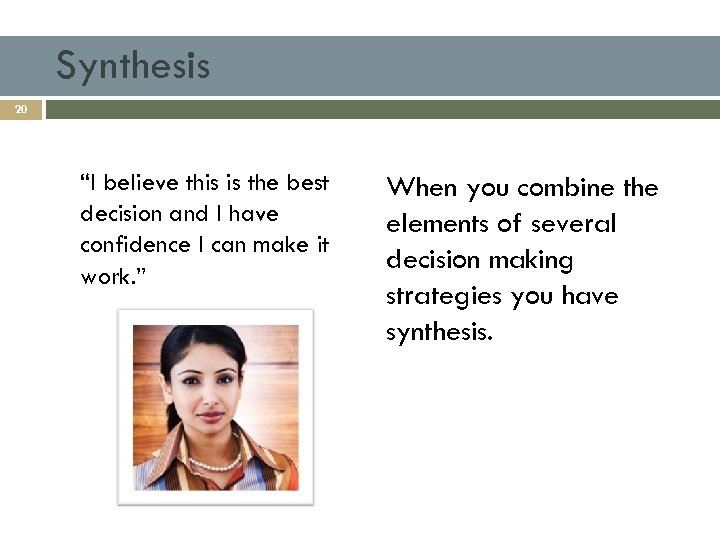
Synthesis 20 “I believe this is the best decision and I have confidence I can make it work. ” When you combine the elements of several decision making strategies you have synthesis.
Ethics and Consumer Decisions 21 Consumer decisions are also influenced by social responsibility – the welfare of society.
Avoiding excessive consumption 22 “Money is just the symbol we use to facilitate the gathering of memories and experiences. ” — Stuart Wilde Buying clothes at the local thrift shop, adhering to the slow food movement, and using the library are all decisions that reduce consumption.
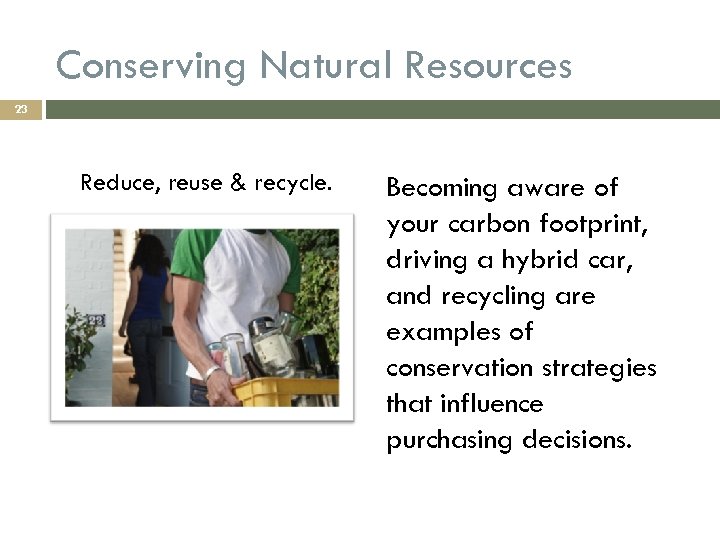
Conserving Natural Resources 23 Reduce, reuse & recycle. Becoming aware of your carbon footprint, driving a hybrid car, and recycling are examples of conservation strategies that influence purchasing decisions.
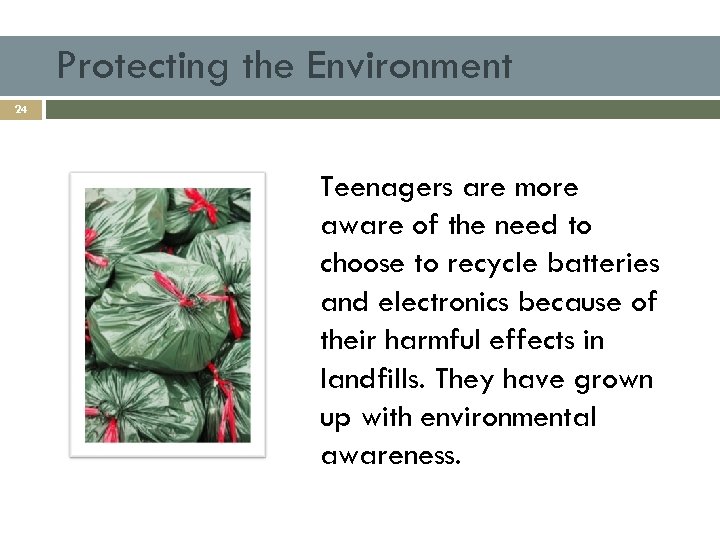
Protecting the Environment 24 Teenagers are more aware of the need to choose to recycle batteries and electronics because of their harmful effects in landfills. They have grown up with environmental awareness.
Consumer Decision Making 25 What are the influences on the consumer decisions you make? “Thinking well is wise; planning well, wise; but doing well is the wisest and best of all. ” — Unknown
Life. Smarts Learn it. Live it. Life. Smarts is: • • • 26 An educational program teaching teens and tweens important real-life knowledge A competition – students compete online and in-person A teaching toolbox. Check out our resources An opportunity for students to gain leadership skills, and fulfill community service requirements A chance to develop strong partnerships with national groups such as FBLA and FCCLA Visit Life. Smarts at www. lifesmarts. org
Скачать презентацию I thought I wanted it but I never
fc08ae90b87ac3c48ba3382e30ba4f64.ppt