 Скачать презентацию i-STAT Portable Clinical Analyser Paul Lymer B Sc
958fd2fe78787d34ea3c96f0514b28c0.ppt
- Количество слайдов: 108




i-STAT® Portable Clinical Analyser Paul Lymer, B. Sc. European Sales Manager Woodley Equipment Company Ltd.
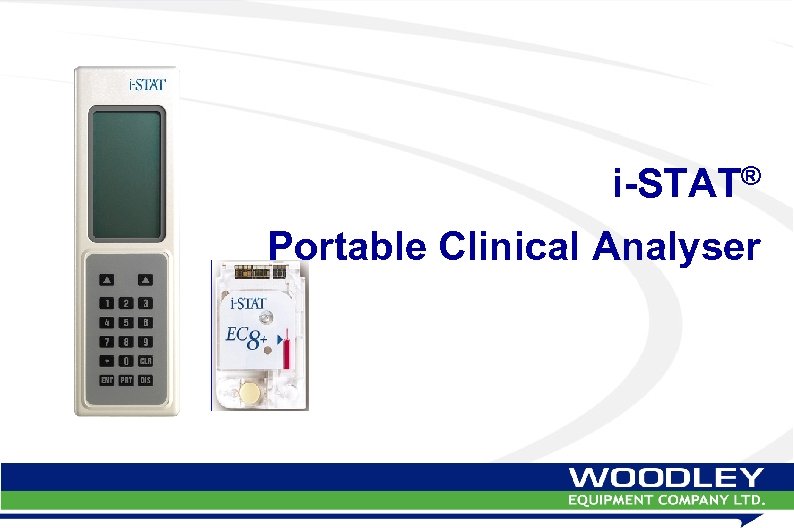
i-STAT® Portable Clinical Analyser

What do you want? €€€€€€€€€ € € € €

How do you obtain what you want? Know your customer!

Who are the Decision Makers?
“It is most unwise and highly inadvisable to engage in a census of the offspring of one’s hen prior to the actual termination of the embryonic stage and the actual removal of the young organism’s embryonic shell. ”

“Don’t count your chickens before they hatch. ”

i-STAT® Portable Clinical Analyser What is its purpose?
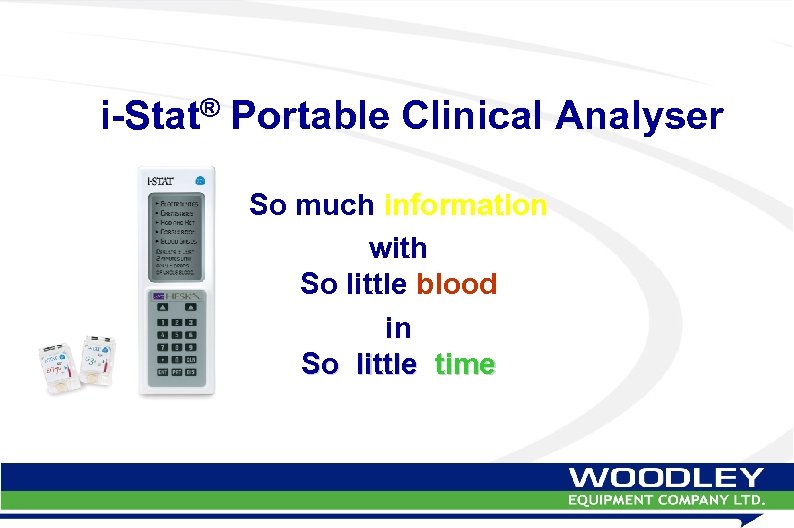
i-Stat® Portable Clinical Analyser So much information with So little blood in So little time
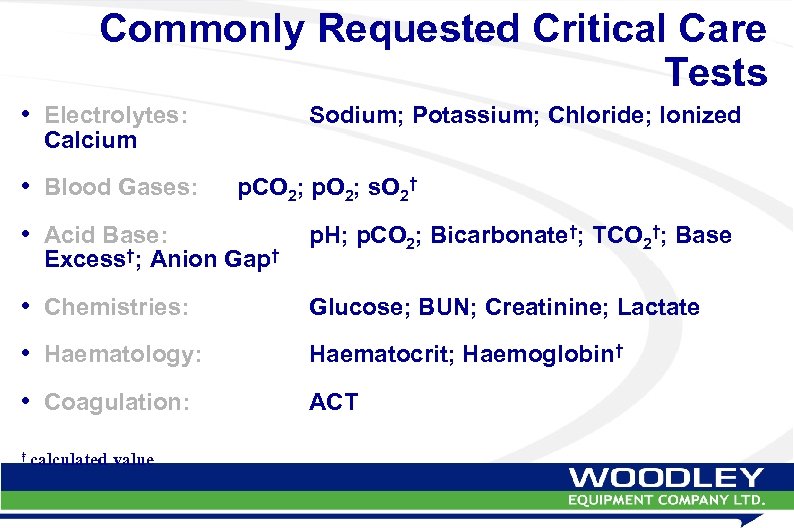
Commonly Requested Critical Care Tests • Electrolytes: Sodium; Potassium; Chloride; Ionized Calcium • Blood Gases: p. CO 2; p. O 2; s. O 2† • Acid Base: p. H; p. CO 2; Bicarbonate†; TCO 2†; Base • Chemistries: Glucose; BUN; Creatinine; Lactate • Haematology: Haematocrit; Haemoglobin† • Coagulation: ACT Excess†; Anion Gap† † calculated value
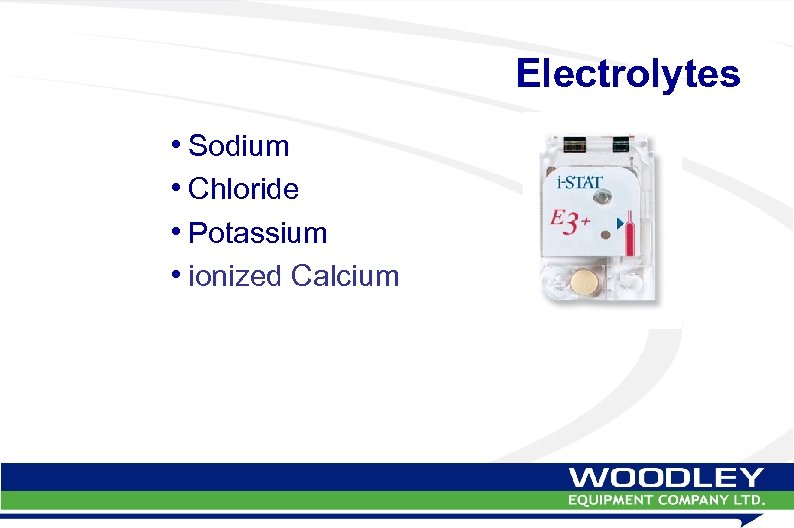
Electrolytes • Sodium • Chloride • Potassium • ionized Calcium
Electrolytes: Clinical Value • Out-of-range values result in poor nerve conduction and muscle contraction • Weakness, lethargy
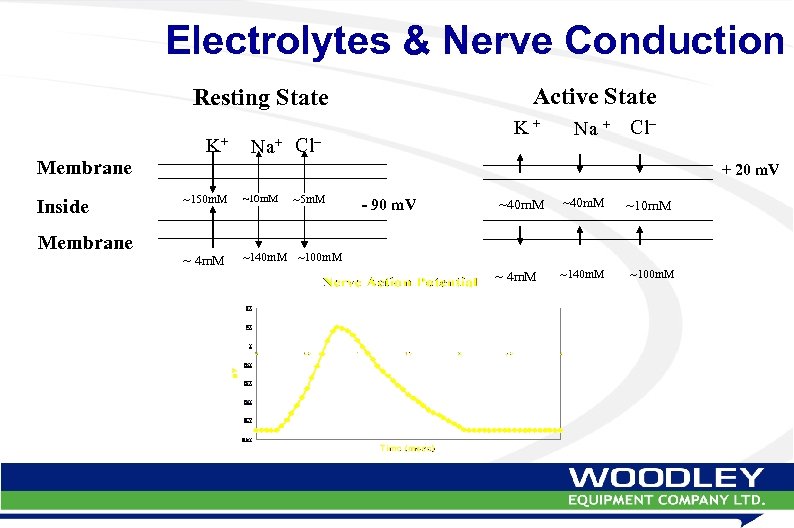
Electrolytes & Nerve Conduction Active State Resting State Membrane Inside Membrane K+ K + Na+ Cl Na + Cl + 20 m. V ~150 m. M ~10 m. M ~ 4 m. M ~140 m. M ~100 m. M ~5 m. M - 90 m. V ~40 m. M ~ 4 m. M ~40 m. M ~10 m. M ~100 m. M
Ionized Calcium • Biologically active fraction • Importance – Blood coagulation – Nerve Conduction – Neuromuscular transmission – Muscle contraction
Blood Gas & Acid-Base
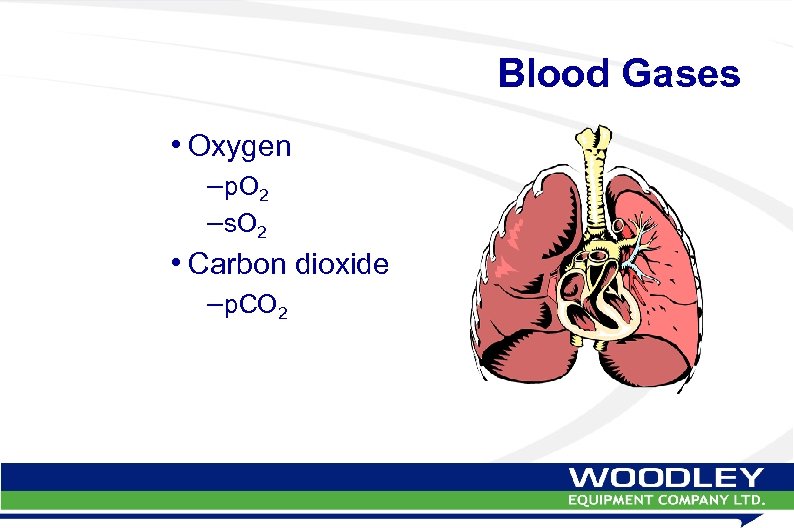
Blood Gases • Oxygen – p. O 2 – s. O 2 • Carbon dioxide – p. CO 2
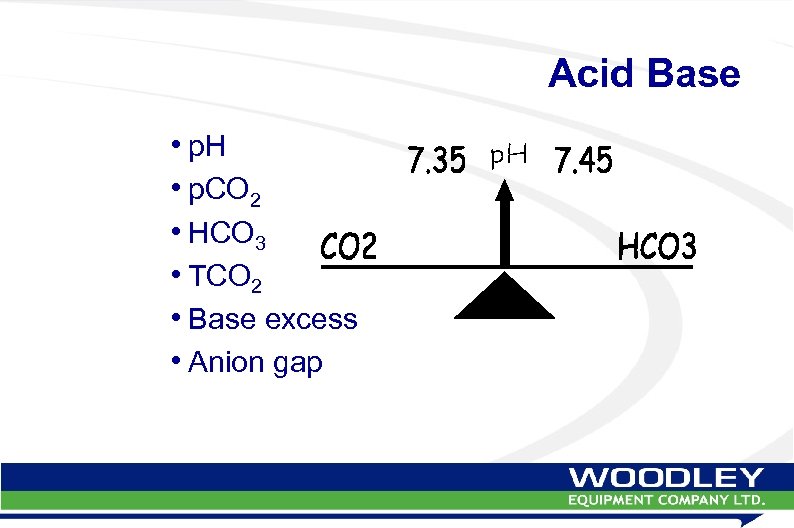
Acid Base • p. H • p. CO 2 • HCO 3 • TCO 2 • Base excess • Anion gap
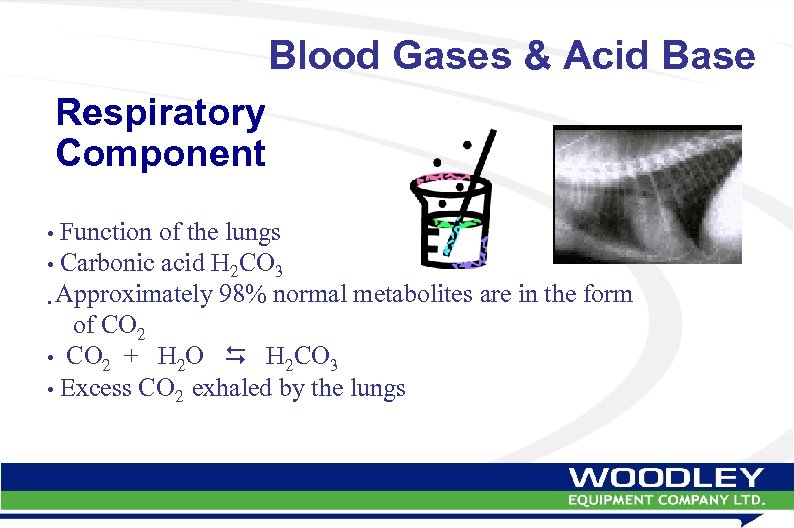
Blood Gases & Acid Base Respiratory Component • Function of the lungs • Carbonic acid H 2 CO 3 Approximately 98% normal metabolites are in the form of CO 2 • CO 2 + H 2 O H 2 CO 3 • Excess CO 2 exhaled by the lungs •
Blood Gases & Acid Base Metabolic Component • Function of the kidneys • Base bicarbonate Na. HCO 3 Process of kidneys excreting H+ into the urine and reabsorbing HCO 3 - into the blood from the renal tubules •
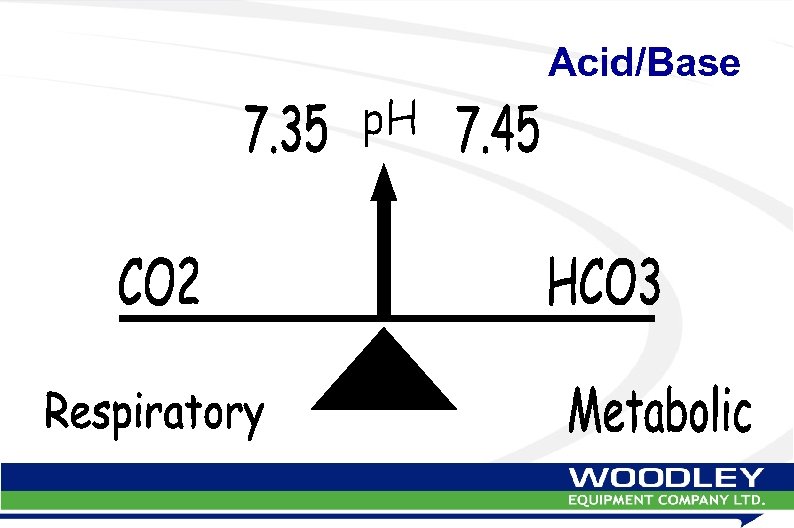
Acid/Base
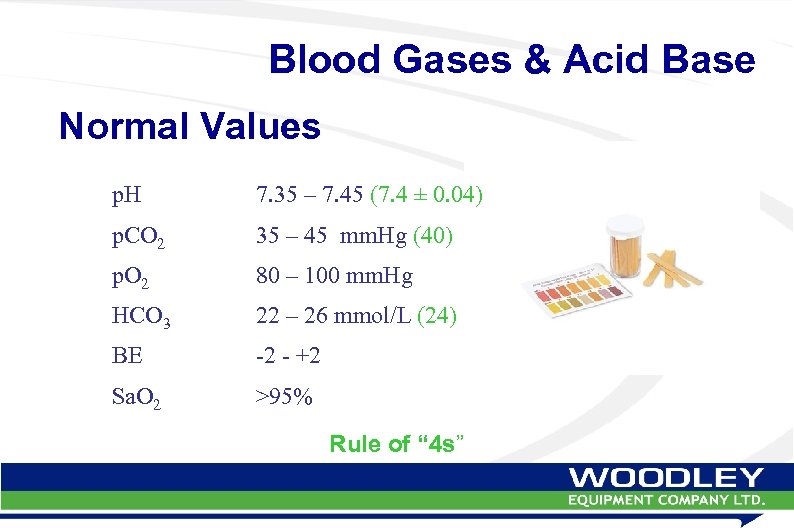
Blood Gases & Acid Base Normal Values p. H 7. 35 – 7. 45 (7. 4 ± 0. 04) p. CO 2 35 – 45 mm. Hg (40) p. O 2 80 – 100 mm. Hg HCO 3 22 – 26 mmol/L (24) BE -2 - +2 Sa. O 2 >95% Rule of “ 4 s”
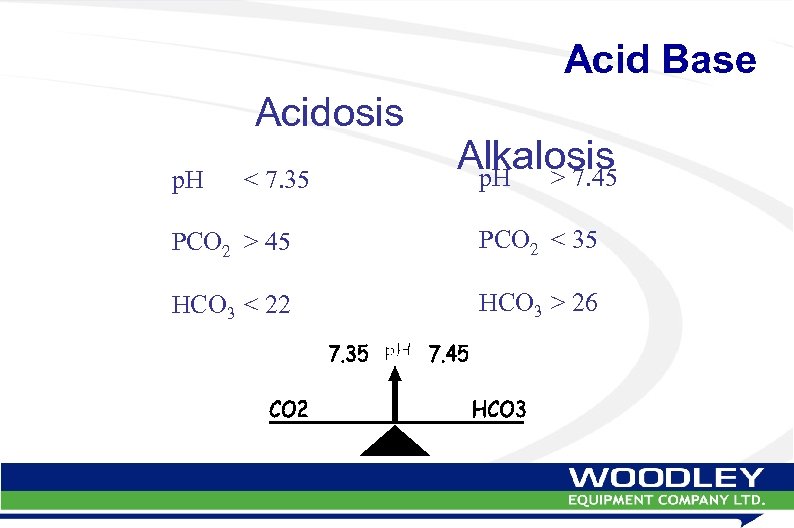
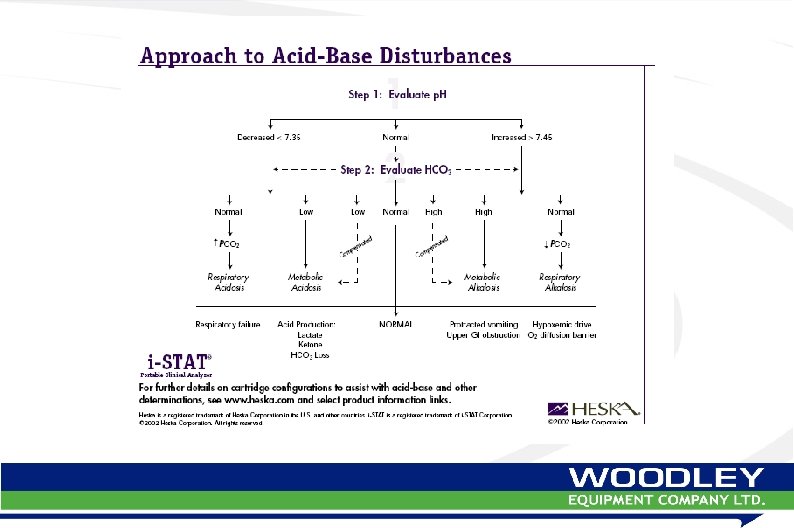
Acidosis p. H < 7. 35 Acid Base Alkalosis p. H > 7. 45 PCO 2 > 45 PCO 2 < 35 HCO 3 < 22 HCO 3 > 26
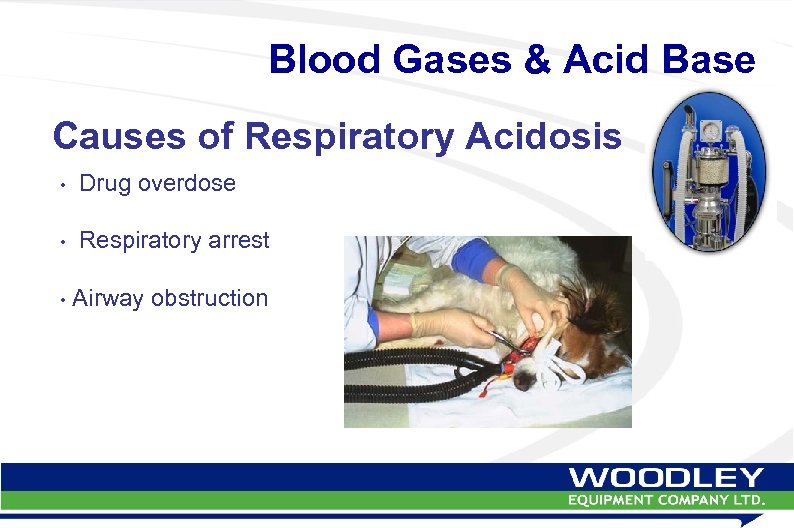
Blood Gases & Acid Base Causes of Respiratory Acidosis • Drug overdose • Respiratory arrest • Airway obstruction
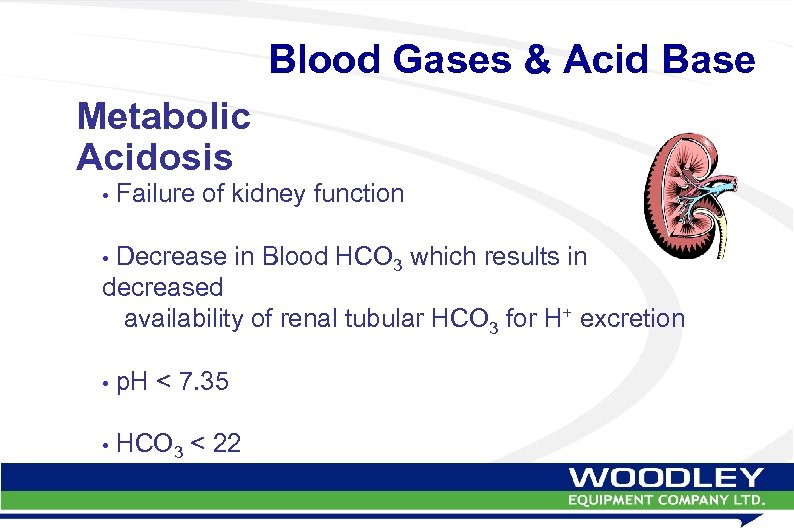
Blood Gases & Acid Base Metabolic Acidosis • Failure of kidney function • Decrease in Blood HCO 3 which results in decreased availability of renal tubular HCO 3 for H+ excretion • p. H < 7. 35 • HCO 3 < 22
Blood Gases & Acid Base Causes of Metabolic Acidosis • Renal failure • Diabetic ketoacidosis • Lactic acidosis • Sepsis • Excessive diarrhea • Cardiac arrest
Glucose
BUN & Creatinine
100% Increased BUN & Creatinine 25% 0%
Lactate: Clinical Value • Assessment of non-perfusion of tissues resulting in the catabolic production of glucose to lactic acid • Aerobic metabolism provides 36 moles of ATP per mole of glucose versus 2 moles of ATP for anaerobic metabolism
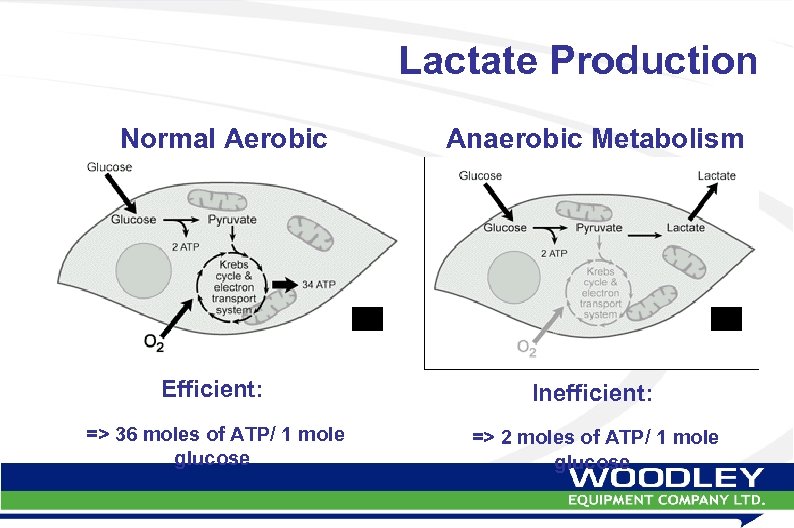
Lactate Production Normal Aerobic Metabolism Anaerobic Metabolism Efficient: Inefficient: => 36 moles of ATP/ 1 mole glucose => 2 moles of ATP/ 1 mole glucose

Lactate Occurrence & Impact • When is it elevated? • Periods of high stress - major surgery, trauma, hypovolemia when glucose levels rise • Compromised oxygen delivery - trauma, sepsis resulting in tissue hypoxia • What is the impact? • Irreversible cellular damage • Increased potential of multi-organ failure • Immediately increases mortality rates to >85%

Haematocrit & Haemoglobin
Sample Handling: Haematocrit • Cells start to settle immediately after blood is drawn. • Most cases of discrepant haematocrit results are due to inadequate sample mixing. • Mix collection device and discard one or two drops from a syringe immediately before filling a cartridge.
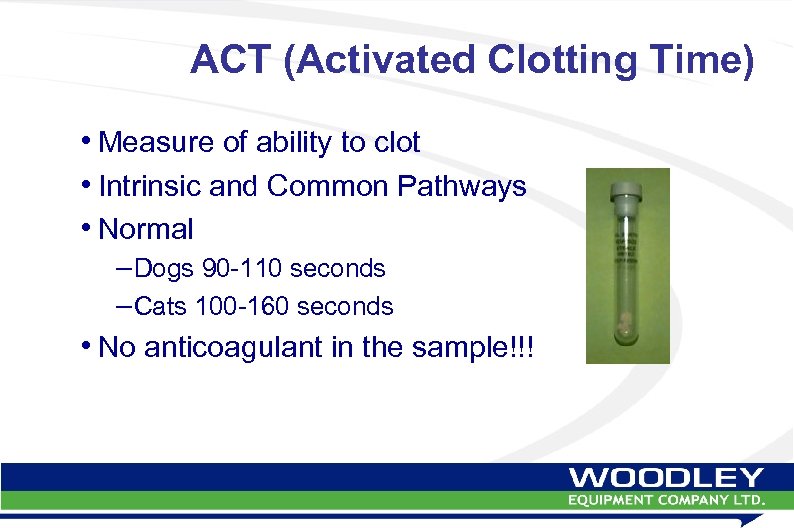
ACT (Activated Clotting Time) • Measure of ability to clot • Intrinsic and Common Pathways • Normal – Dogs 90 -110 seconds – Cats 100 -160 seconds • No anticoagulant in the sample!!!
Sample Handling: Coagulation • Do not use collection devices with anticoagulant. • Use only plastic collection devices. - Tubes - Syringes - Capillary tubes

Introduction to i-STAT Technology
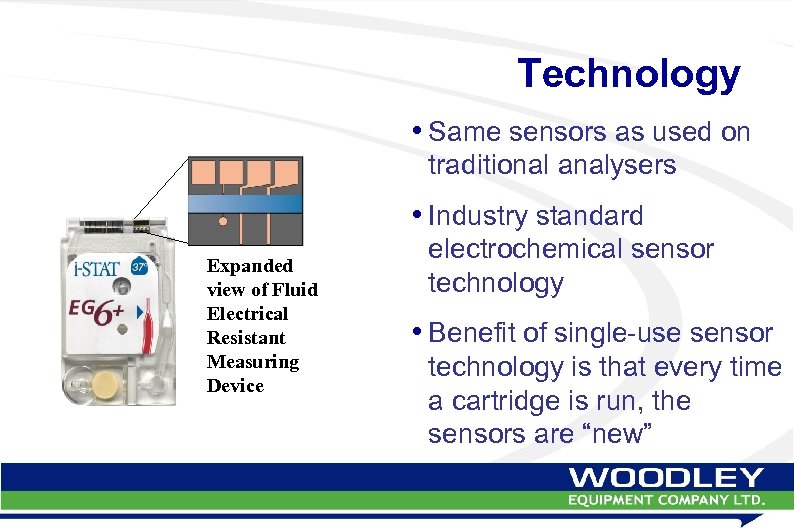
Technology • Same sensors as used on traditional analysers • Industry standard Expanded view of Fluid Electrical Resistant Measuring Device electrochemical sensor technology • Benefit of single-use sensor technology is that every time a cartridge is run, the sensors are “new”
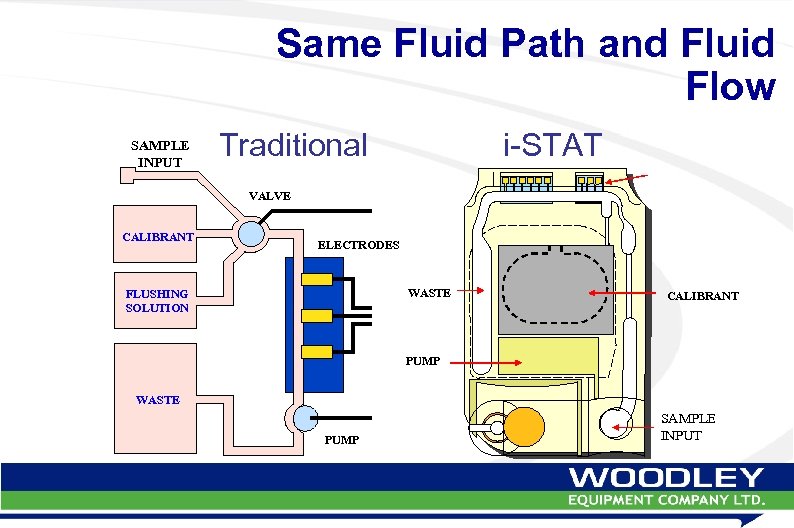
Same Fluid Path and Fluid Flow SAMPLE INPUT Traditional i-STAT VALVE CALIBRANT ELECTRODES WASTE FLUSHING SOLUTION CALIBRANT PUMP WASTE PUMP SAMPLE INPUT
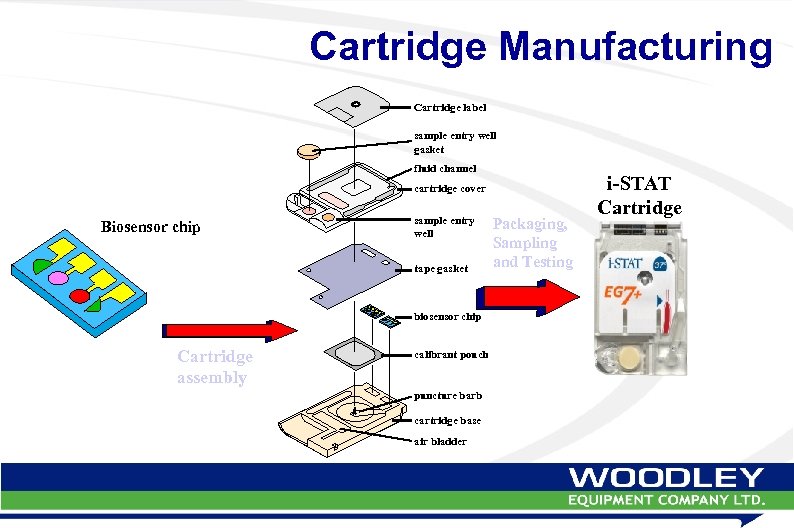
Cartridge Manufacturing Cartridge label sample entry well gasket fluid channel cartridge cover Biosensor chip sample entry well tape gasket biosensor chip Cartridge assembly calibrant pouch puncture barb cartridge base air bladder Packaging, Sampling and Testing i-STAT Cartridge

Wet lab
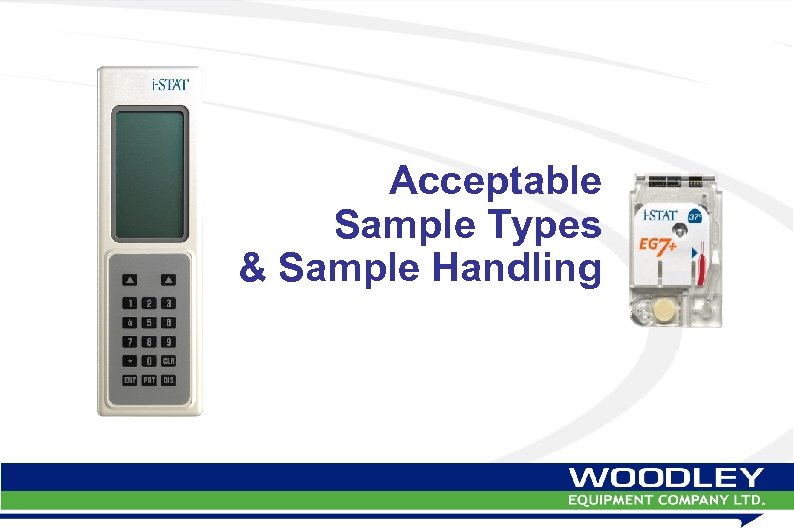
Acceptable Sample Types & Sample Handling
Sample Types Blood Gases and Chemistries • Fresh whole blood without anticoagulant • Fresh whole blood with heparin anticoagulant – Use in cats or if testing could be delayed • Heparin can be: – Lithium heparin (blood collection tube, blood gas syringe) – Balanced heparin (blood gas syringe/capillary tube) – Low volume heparin (blood gas syringe)
Sample Types • No anticoagulant for ACT cartridges • Serum and plasma are the liquid portion of the blood separated from the cellular portion – i-STAT labelling does not support serum or plasma for any other test – Electrolytes and chemistries can be run on serum or plasma (Heska internal research)
Sample Types Blood can be from any site: Arterial Venous No other sample is recommended - may cause out-of -range, * * *, or inaccurate results due to matrix affects No other anticoagulant is recommended - may get ***, or inaccurate results due to interference
Sample Handling: Blood Gases • Use plain syringe or pre-heparinized blood gas syringe labelled for electrolytes (or at least ionized calcium) when testing for electrolytes. – § The on-site heparinization of syringes is not recommended. Heparin must not exceed 10 U/m. L blood. Use of unbalanced heparin will reduce ionized calcium results significantly and may reduce sodium and potassium results. • Fill pre-heparinized syringes to recommended capacity. • Do not tap out an air bubble if it is on the tip of the syringe plunger. • If using a plain syringe, test immediately.

Arterial blood gas sampling in small animals
Indications for arterial blood gas sampling and catheterization • Sampling • Haemodynamic instability • Respiratory compromise • Renal disease • Severe disease
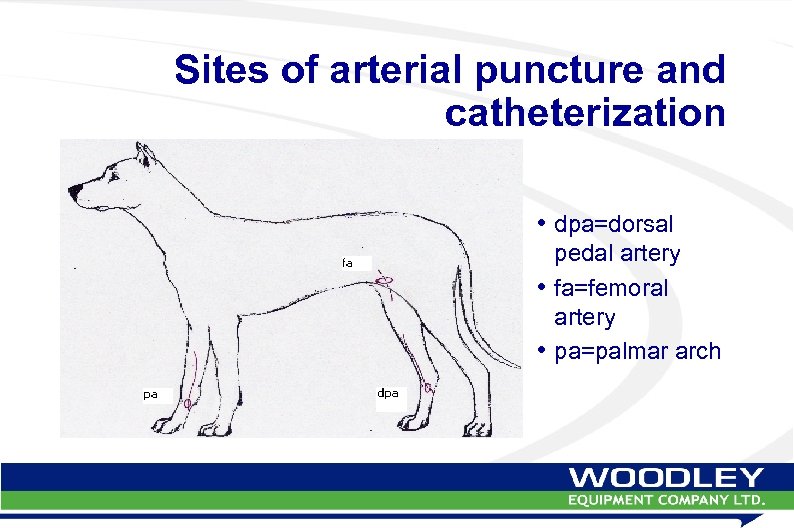
Sites of arterial puncture and catheterization • dpa=dorsal pedal artery • fa=femoral artery • pa=palmar arch
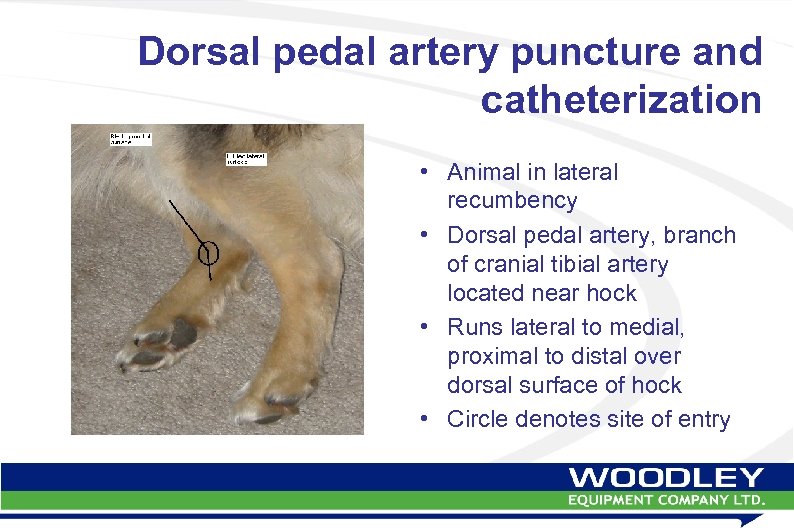
Dorsal pedal artery puncture and catheterization • Animal in lateral recumbency • Dorsal pedal artery, branch of cranial tibial artery located near hock • Runs lateral to medial, proximal to distal over dorsal surface of hock • Circle denotes site of entry
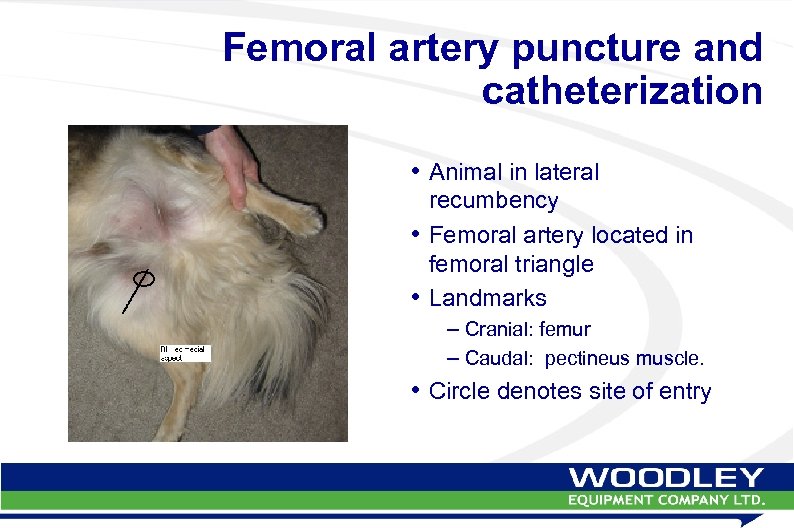
Femoral artery puncture and catheterization • Animal in lateral recumbency • Femoral artery located in femoral triangle • Landmarks – Cranial: femur – Caudal: pectineus muscle. • Circle denotes site of entry
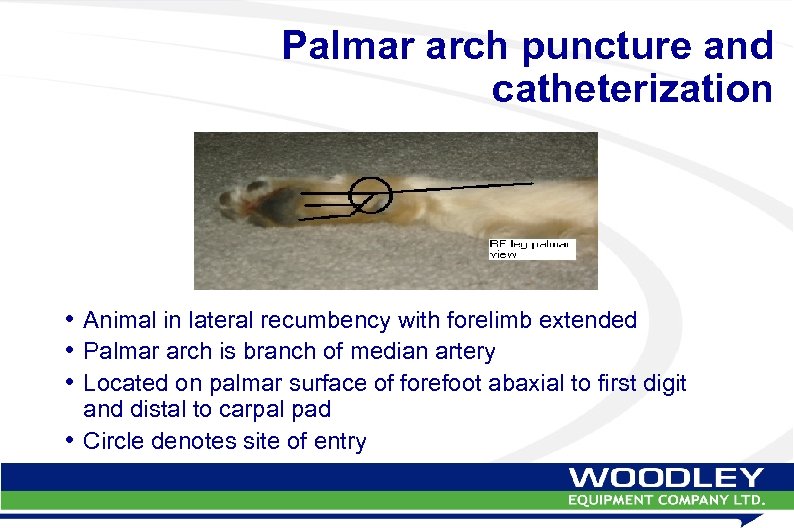
Palmar arch puncture and catheterization • Animal in lateral recumbency with forelimb extended • Palmar arch is branch of median artery • Located on palmar surface of forefoot abaxial to first digit and distal to carpal pad • Circle denotes site of entry

Preparation of sites for arterial puncture • Assess circulation and identify landmarks • Clip hair • Warm areas to increase circulation and vessel dilation • Sterile preparation • +/- Local anesthetic infiltration
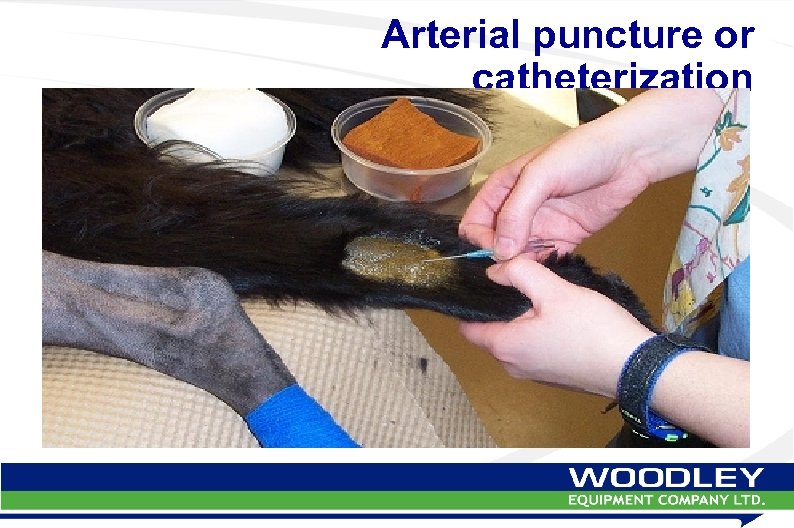
Arterial puncture or catheterization
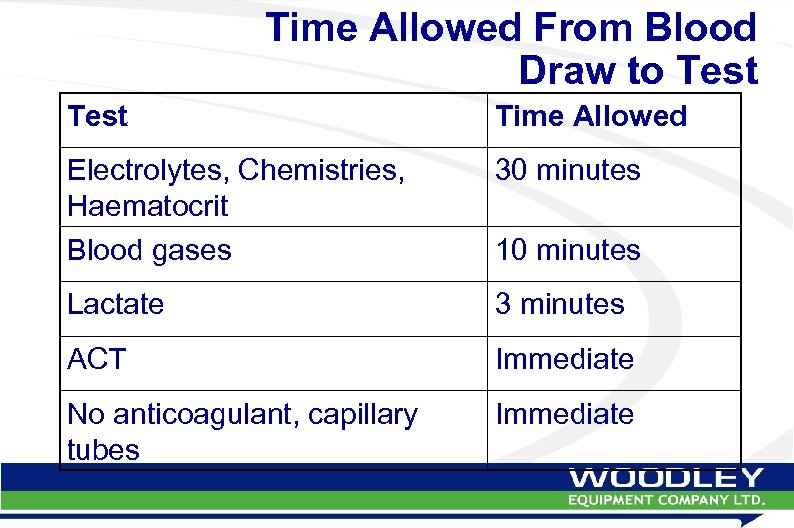
Time Allowed From Blood Draw to Test Time Allowed Electrolytes, Chemistries, Haematocrit Blood gases 30 minutes Lactate 3 minutes ACT Immediate No anticoagulant, capillary tubes Immediate 10 minutes
Benefits of i-STAT System • If testing is immediate, no anticoagulant is necessary. (except in cats) • A clot only wastes one cartridge – a clot makes a multi-use blood gas analyser inoperable. • Small sample volume.

How can the i-STAT analyser improve patient care? Therapeutic Turnaround Time (“vein to brain” time)

Testing Needs by Disease Condition
Daytime Clinics • Vomiting/Diarrhea • Lethargy • Dermatitis • Coughing/Sneezing/Wheezing • HBC
Emergency Clinics • Vomiting/Diarrhea • Trauma – HBC – Dog and cat fight wounds • Urethral obstruction
Vomiting/Diarrhea
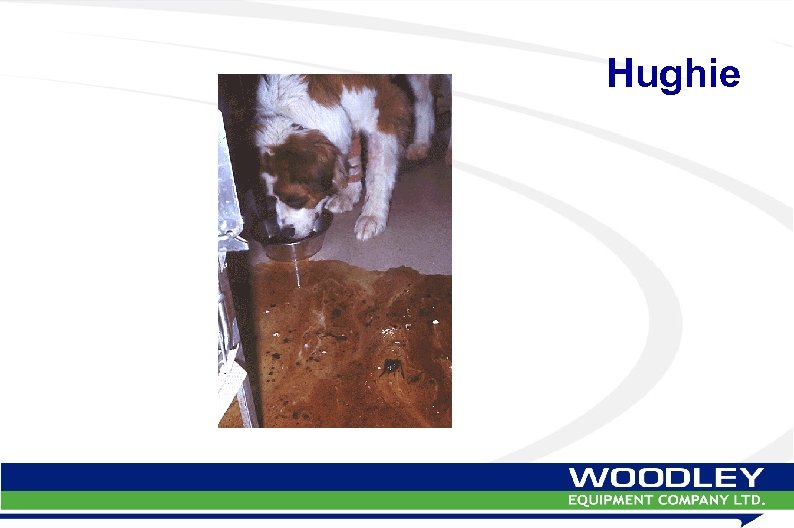
Hughie
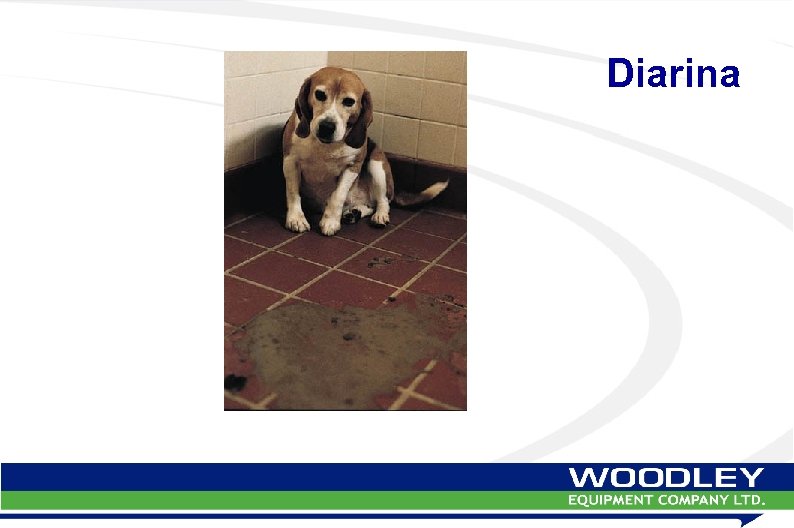
Diarina
Vomiting/Diarrhea • Concerns – Dehydration • Hct • BUN – Acid-base – Electrolytes • Na, K, Cl – Glucose • Cartridge of choice – EC 8+ – E 3+ – CG 8+
Lethargy/Stupor • Concerns – Dehydration • Hct • BUN – Glucose – Electrolytes • Na, Cl, K – Acid-base • Cartridge of choice – EC 8+
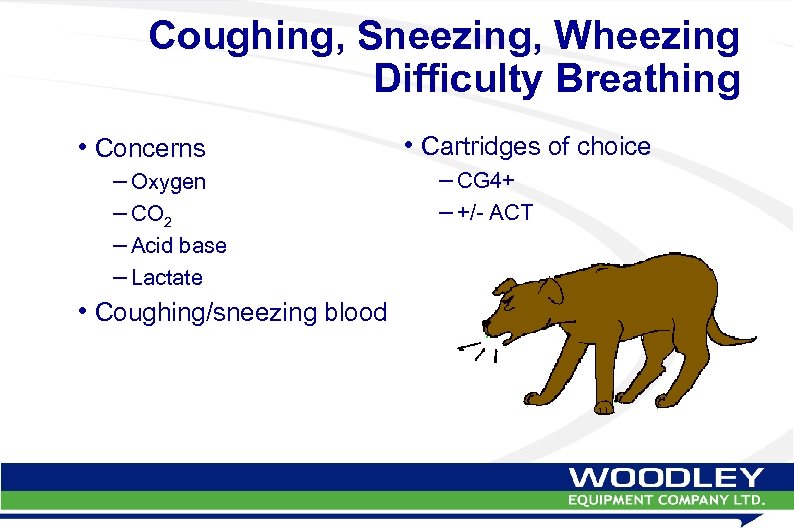
Coughing, Sneezing, Wheezing Difficulty Breathing • Concerns – Oxygen – CO 2 – Acid base – Lactate • Coughing/sneezing blood • Cartridges of choice – CG 4+ – +/- ACT
HBC • Concerns – Haematocrit/Haemoglobi n – Blood gases • p. O 2 • p. CO 2 – Lactate – Coagulation • Cartridges of choice – CG 4+ – ACT – 6+
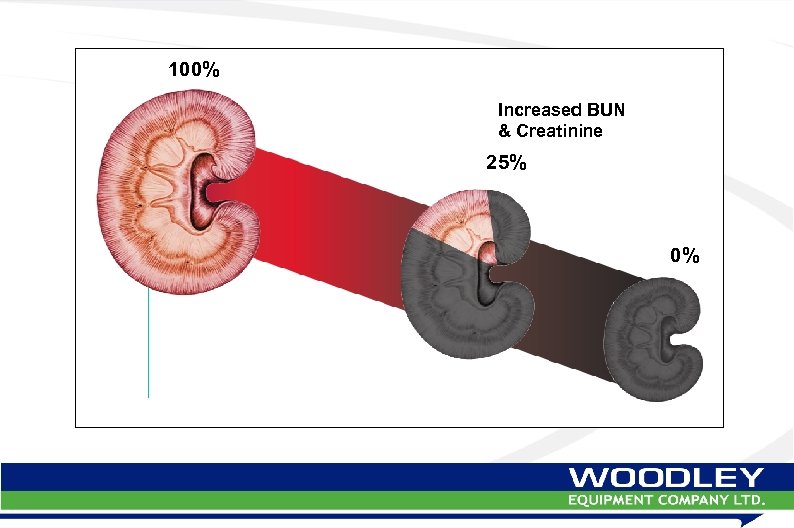
Renal Disease • Concerns – BUN – Creatinine – Electrolytes • Na, K, Cl – Acid-base • Cartridge of choice – EC 8+ – Crea – E 3+
Blocked cats • Concerns • Cartridge of choice – BUN/Creatinine – Electrolytes • Na, Cl, K – Acid-base – Haemoglobin/haematocrit – EC 8+ – E 3+
Antifreeze Poisoning • Concerns – BUN – Creatinine – Electrolytes • Na, K, Cl – Acid-base • Cartridge of choice – EC 8+ – Crea – E 3+
Diabetes mellitus • Concerns for acute • Cartridge of choice for diabetes – Glucose – Acid-base – Concerns for regulation – Glucose acute diabetes – EC 8+ – CG 8+ • Cartridge of choice for regulation –G
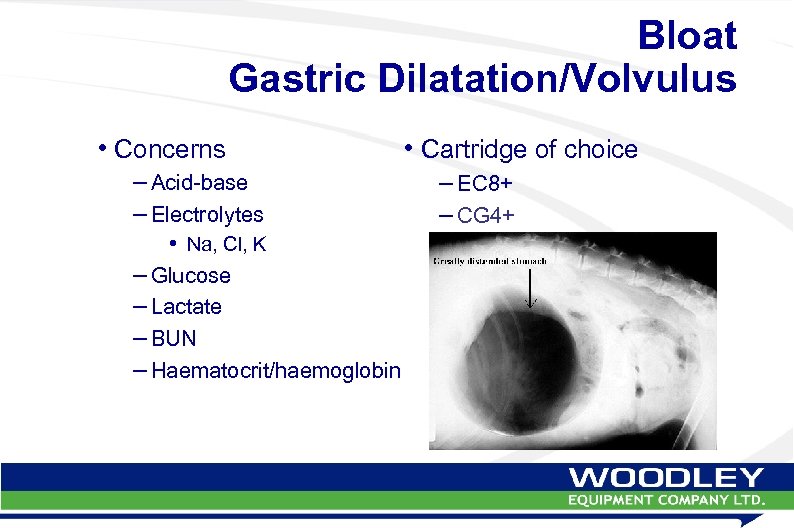
Bloat Gastric Dilatation/Volvulus • Concerns – Acid-base – Electrolytes • Na, Cl, K – Glucose – Lactate – BUN – Haematocrit/haemoglobin • Cartridge of choice – EC 8+ – CG 4+
Preanesthetic Screen • Concerns – Kidney function – Liver function – Glucose – Electrolytes – Haemoglobin/haematocrit – Coagulation +/- • Cartridges of choice – 6+ – ACT
Long Anesthetic Procedures • Concerns – Blood gases • p. O 2 • p. CO 2 – Acid-base – Lactate – Haematocrit/haemoglobin • Cartridge of choice – CG 4+
Seizures • Concerns – Glucose – Electrolytes • Na, K, Cl, i. Ca – Acid-base – Lactate • Cartridge of choice – CG 8+ – CG 4+ – E 3+
Critical Care • Concerns • Cartridges of choice – Electrolytes – Acid-base – Glucose – BUN – Haematocrit/haemoglobin – +/- blood gases – EC 8+ – CG 8+
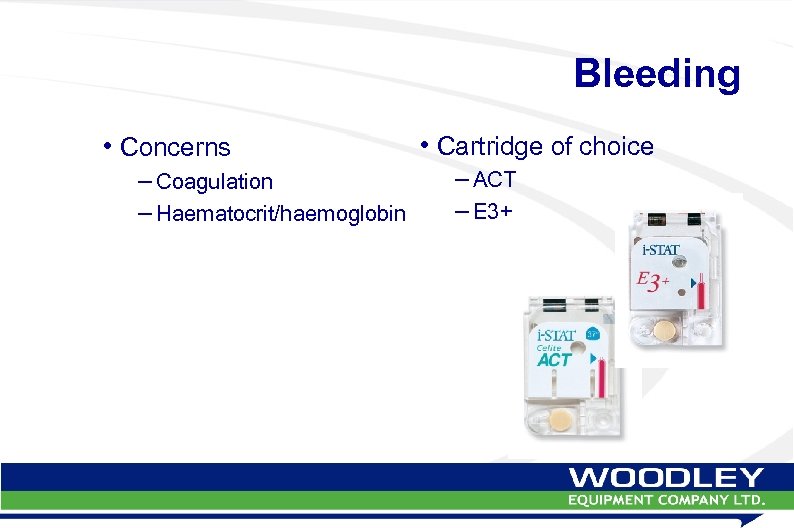
Bleeding • Concerns – Coagulation – Haematocrit/haemoglobin • Cartridge of choice – ACT – E 3+
Anemia • Concerns – Haematocrit/haemoglobin – Oxygen • Cartridges of choice – EG 6+ – EC 4+
Hypothermia • Concerns – Blood gases • p. O 2 • p. CO 2 – Acid-base – Lactate • Cartridge of choice – CG 4+
Hyperthermia • Concerns – Blood gases – Acid-base – Electrolytes – Lactate – BUN – Coagulation • Cartridges of choice – CG 4+ – EC 8+ – ACT
Septic Shock • Concerns – Blood gases – Lactate – Acid-base • Cartridge of choice – CG 4+
Sick Adrenal Glands • Concerns – Sodium – Potassium – Acid-base • Cartridges of choice – EC 8+ – 6+
Obstetrics • Concerns – Ionized calcium – Glucose – Acid-base • Cartridge of choice – CG 8+
Pediatrics • Concerns – Glucose – Electrolytes • Na, K, Cl, i. Ca • Cartridges of choice – 6+ –G
Geriatric checkup • Concerns – Kidney function – Liver function – Glucose – Electrolytes – Haemoglobin/haematocrit – Calcium • Cartridges of choice – EC 8+ – CG 8+
Post Thyroid Gland Removal • Concerns – ionized calcium • Cartridge of choice – CG 8+

Competition
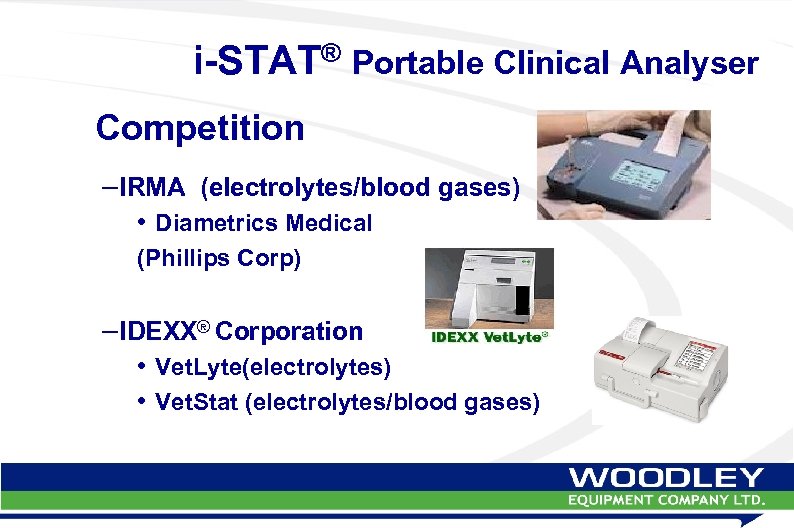
i-STAT® Portable Clinical Analyser Competition – IRMA (electrolytes/blood gases) • Diametrics Medical (Phillips Corp) – IDEXX® Corporation • Vet. Lyte(electrolytes) • Vet. Stat (electrolytes/blood gases)
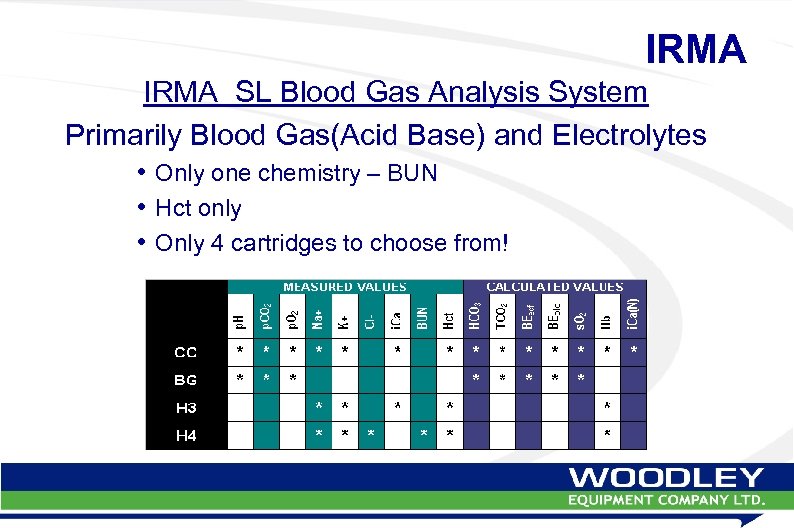
IRMA SL Blood Gas Analysis System Primarily Blood Gas(Acid Base) and Electrolytes • Only one chemistry – BUN • Hct only • Only 4 cartridges to choose from!
IRMA SL Blood Gas Analysis System Primarily Blood Gas(Acid Base) and Electrolytes • Room temp cartridge storage – 6 month dating(short) • Touch screen • Battery or A/C powered (20 -40 tests per charge) - 2 lbs. - 2 -3 hour charge • 5 lbs. (analyzer only)
IRMA SL Blood Gas Analysis System Primarily Blood Gas(Acid Base) and Electrolytes • • Tricky luer-lock attachment for sampling Built in printer 11. 5” Long x 9. 5” Wide x 5” High Auto-Calibration and Quality Control
i-STAT® vs. IRMA • Both systems are cartridge based • i-STAT® can do more testing – Electrolytes + Chemistries + Blood Gases + Acid Base + mini-Haematology – Some clinics use as their primary system with EC 8+ as their panel / pre-surgical The i-STAT® Portable Clinical Analyser is the ‘de facto’ standard in veterinary clinics
IDEXX® Vet. Lyte® • Fixed Base – A/C powered – not portable • “Wet” System – continuous fluid – from human market – Must keep electrodes wet – Cycles when not in use – Can be very inefficient at lower volumes • ONLY performs Electrolytes – Na+, K+, Cl- – Serum or Li Heparin only – no whole blood
IDEXX® Vet. Lyte® • IDEXX ‘bundles’ with Vet. Test and Laser. Cyte – Will give ‘free’ unit to higher volume clinics – Should be ‘QC’d daily – often ignored • Maintenance – About € 750/year in electrode replacement – Daily, weekly, monthly, 6 months, and ‘annual’
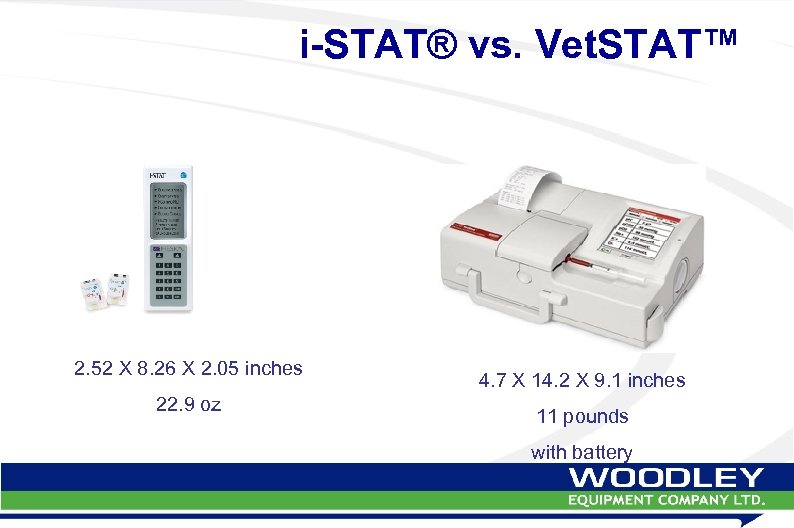
i-STAT® vs. Vet. STAT™ 2. 52 X 8. 26 X 2. 05 inches 22. 9 oz 4. 7 X 14. 2 X 9. 1 inches 11 pounds with battery
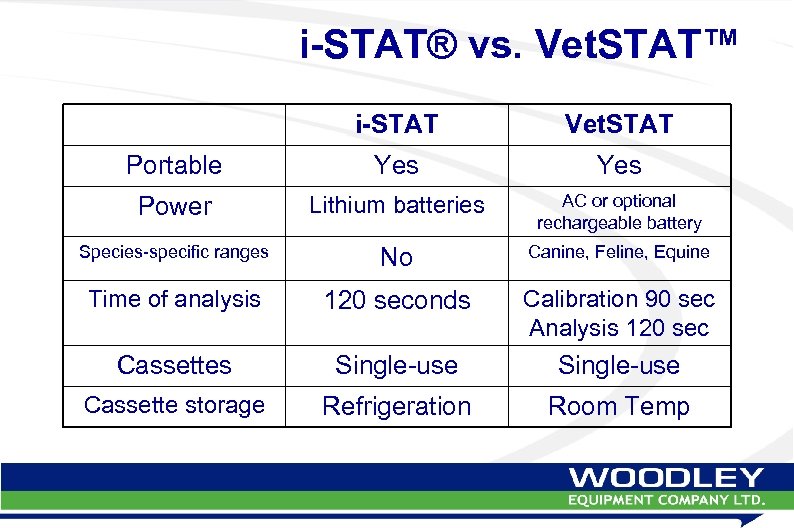
i-STAT® vs. Vet. STAT™ i-STAT Vet. STAT Portable Yes Power Lithium batteries AC or optional rechargeable battery Species-specific ranges No Canine, Feline, Equine Time of analysis 120 seconds Calibration 90 sec Analysis 120 sec Cassettes Single-use Cassette storage Refrigeration Room Temp
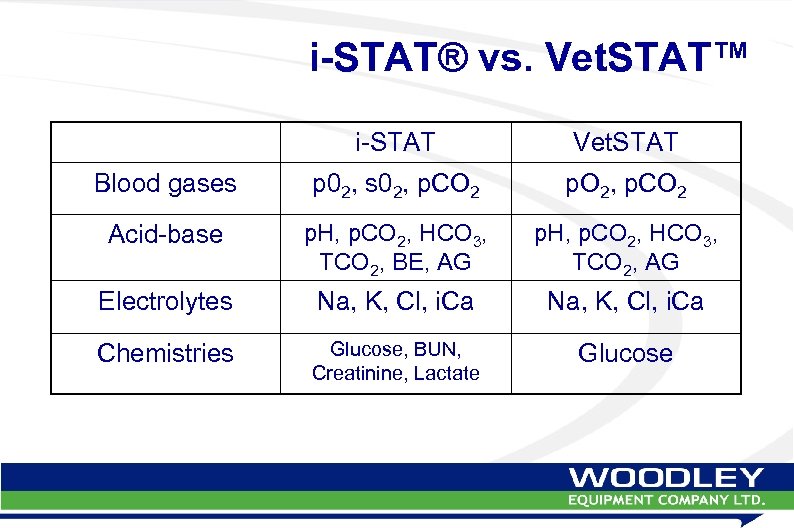
i-STAT® vs. Vet. STAT™ i-STAT Vet. STAT Blood gases p 02, s 02, p. CO 2 p. O 2, p. CO 2 Acid-base p. H, p. CO 2, HCO 3, TCO 2, BE, AG p. H, p. CO 2, HCO 3, TCO 2, AG Electrolytes Na, K, Cl, i. Ca Chemistries Glucose, BUN, Creatinine, Lactate Glucose
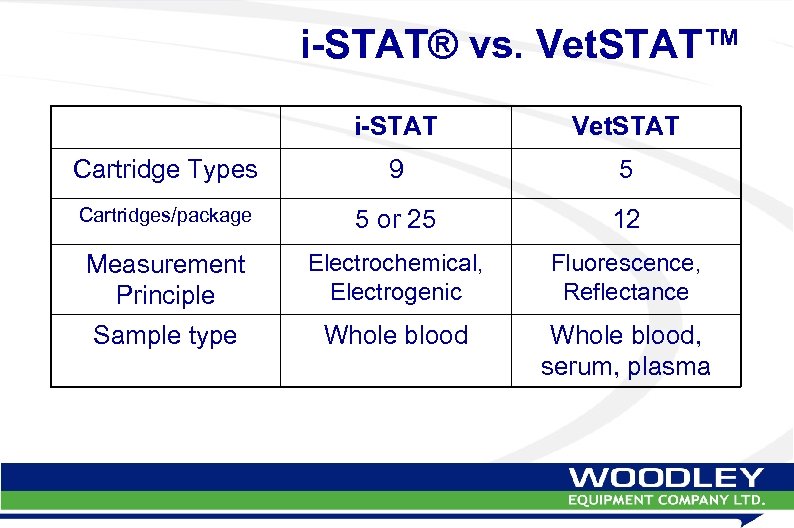
i-STAT® vs. Vet. STAT™ i-STAT Vet. STAT Cartridge Types 9 5 Cartridges/package 5 or 25 12 Measurement Principle Electrochemical, Electrogenic Fluorescence, Reflectance Sample type Whole blood, serum, plasma
IDEXX Vet. Stat Primarily Blood Gas (Acid Base) and Electrolytes • Room temp cassette storage – 6 month dating(short) • Touch screen
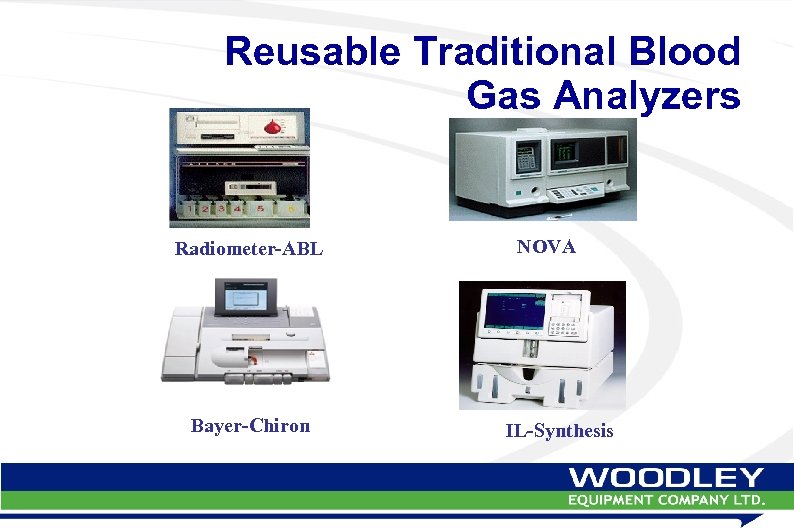
Reusable Traditional Blood Gas Analyzers Radiometer-ABL Bayer-Chiron NOVA IL-Synthesis
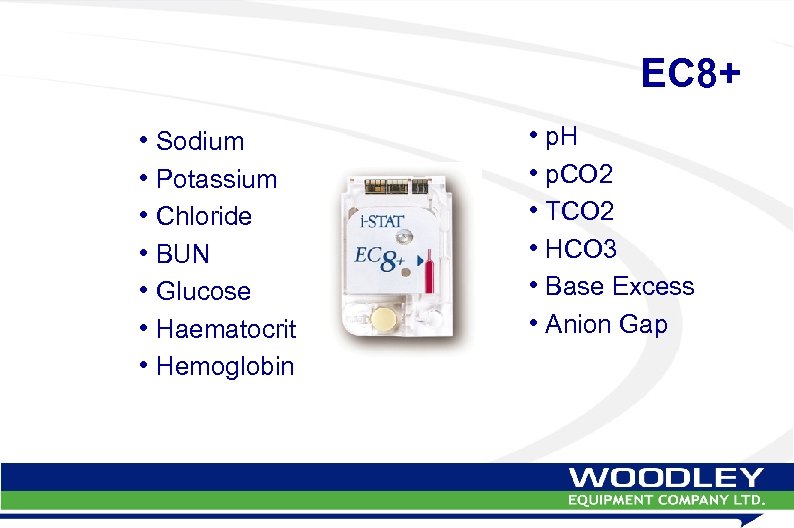
EC 8+ • Sodium • Potassium • Chloride • BUN • Glucose • Haematocrit • Hemoglobin • p. H • p. CO 2 • TCO 2 • HCO 3 • Base Excess • Anion Gap
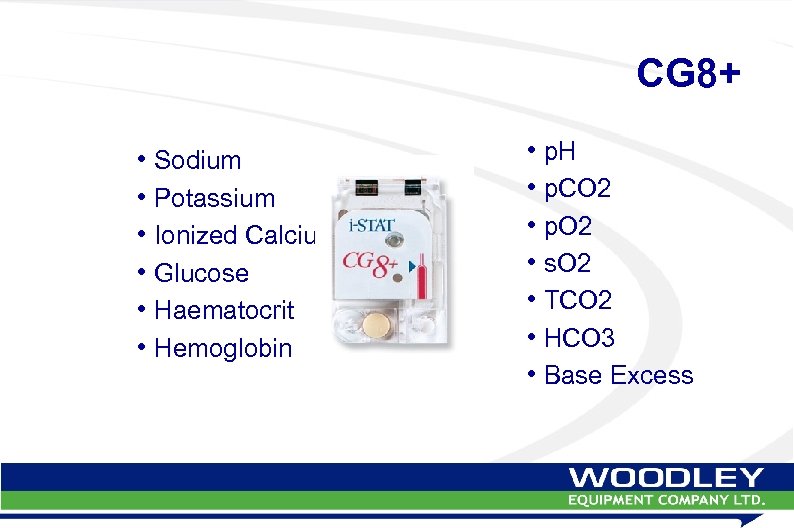
CG 8+ • Sodium • Potassium • Ionized Calcium • Glucose • Haematocrit • Hemoglobin • p. H • p. CO 2 • p. O 2 • s. O 2 • TCO 2 • HCO 3 • Base Excess
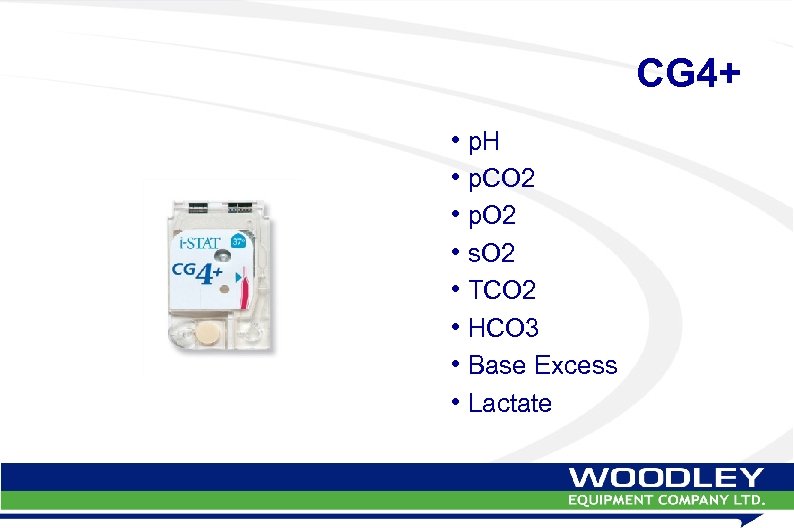
CG 4+ • p. H • p. CO 2 • p. O 2 • s. O 2 • TCO 2 • HCO 3 • Base Excess • Lactate
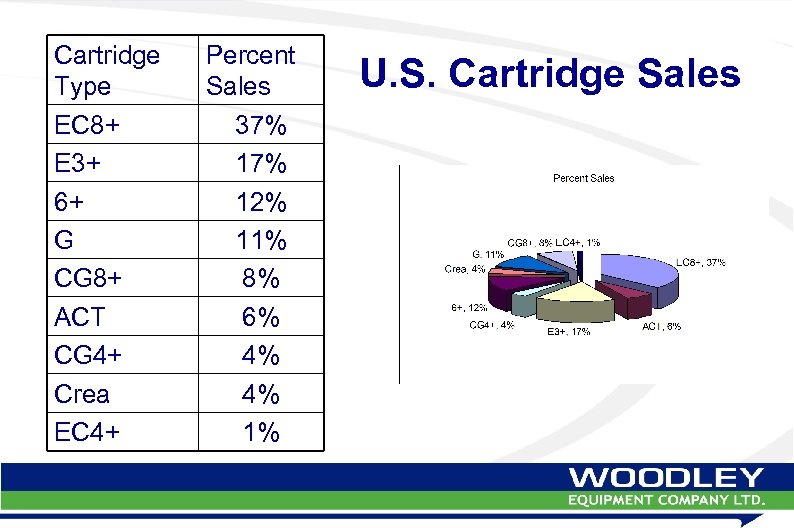
Cartridge Type EC 8+ E 3+ 6+ G CG 8+ ACT CG 4+ Crea EC 4+ Percent Sales 37% 12% 11% 8% 6% 4% 4% 1% U. S. Cartridge Sales
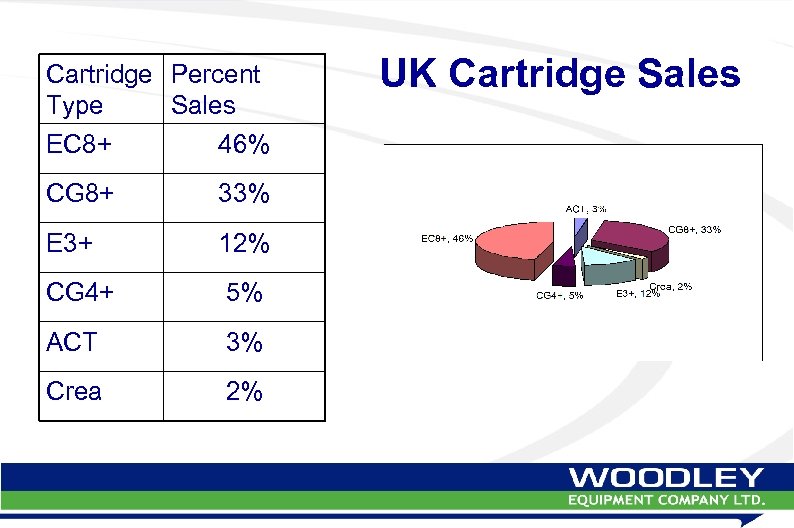
Cartridge Percent Type Sales EC 8+ 46% CG 8+ 33% E 3+ 12% CG 4+ 5% ACT 3% Crea 2% UK Cartridge Sales

Why would a vet want an I-STAT? How can a vet run his practice without an I-STAT?
Heska in the USA >3000 units Woodley in the UK >160 units
Скачать презентацию i-STAT Portable Clinical Analyser Paul Lymer B Sc
958fd2fe78787d34ea3c96f0514b28c0.ppt