


 Скачать презентацию I shall not today attempt further to define
52be6df7c80640d8c177a03ccea8cbbd.ppt
- Количество слайдов: 47
 I shall not today attempt further to define the kinds of material I understand to be embraced. . . but I know it when I see it. 1964 – Justice Potter Stewart
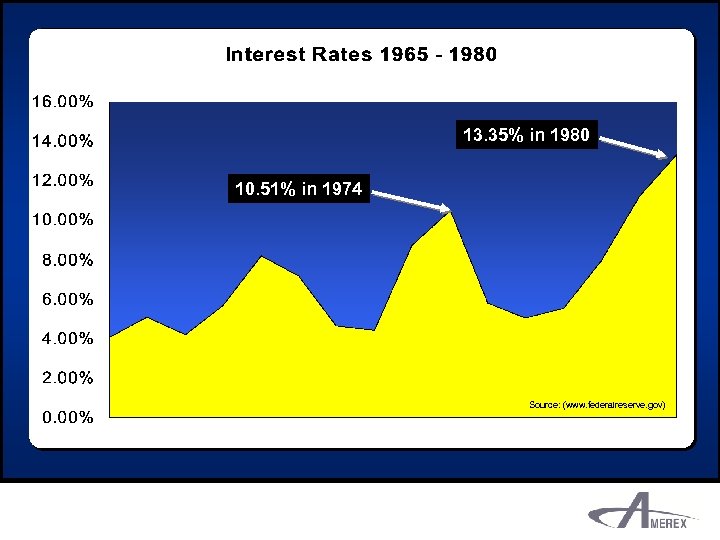 13. 35% in 1980 10. 51% in 1974 Interest rate chart Source: (www. federalreserve. gov)
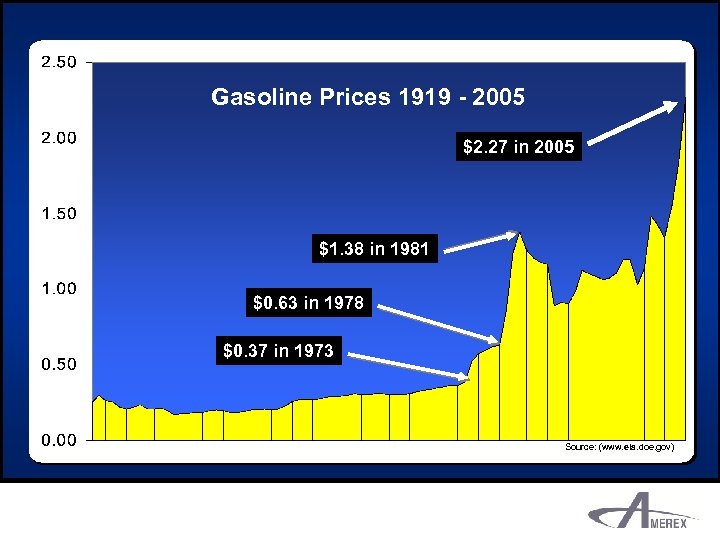 Gasoline Prices 1919 - 2005 $2. 27 in 2005 Long term gasoline chart $1. 38 in 1981 $0. 63 in 1978 $0. 37 in 1973 Source: (www. eia. doe. gov)
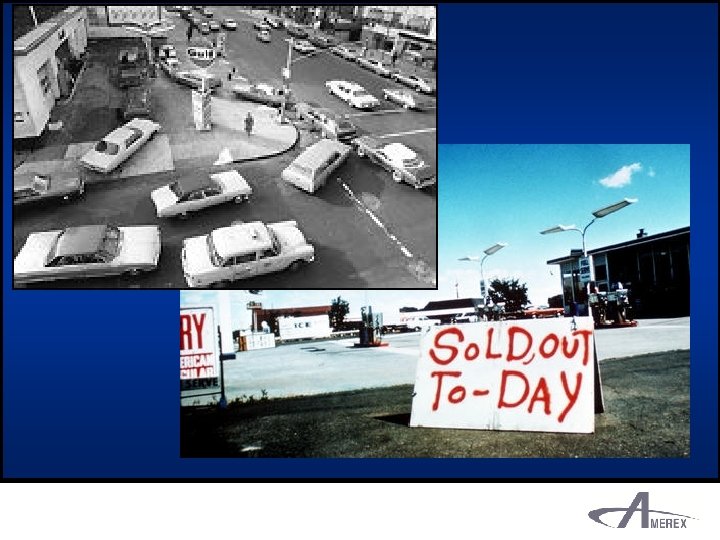
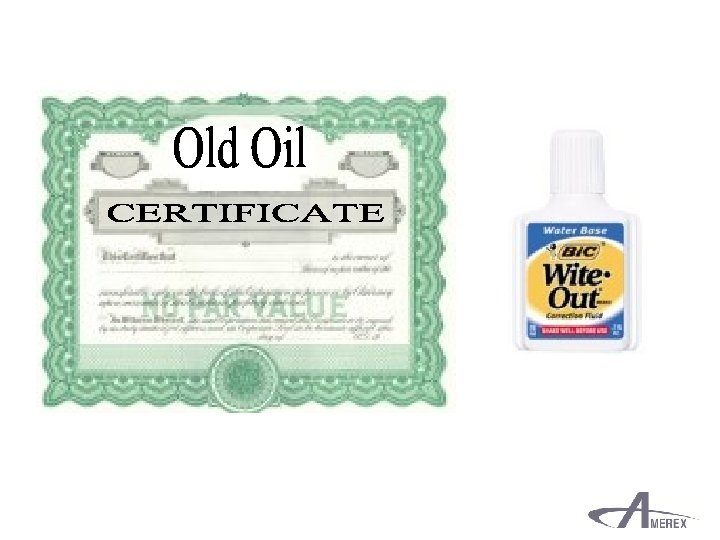
 Emergency Petroleum Allocation Act of 1973
 • Capped Domestic Crude Oil Prices • “New Crude Oil” – No Price Cap • “Stripper Oil” – No Price Cap

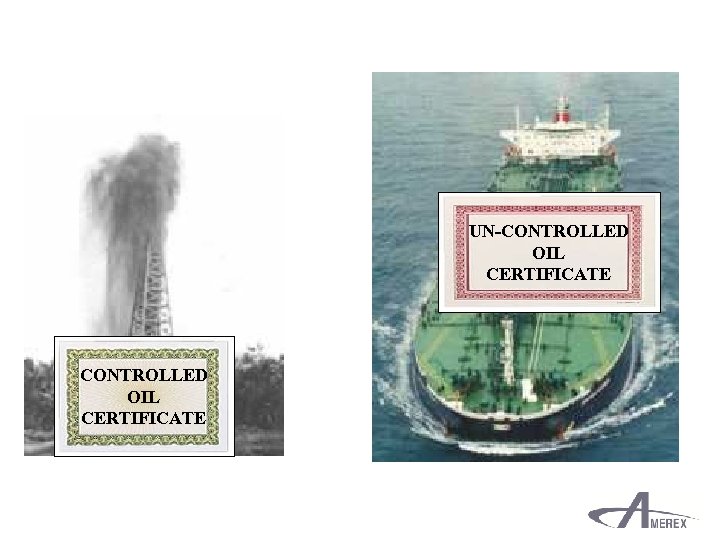 UN-CONTROLLED OIL CERTIFICATE
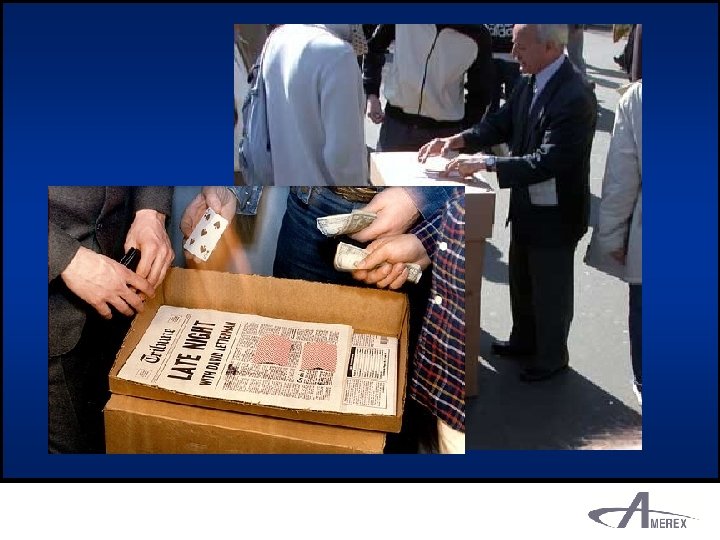

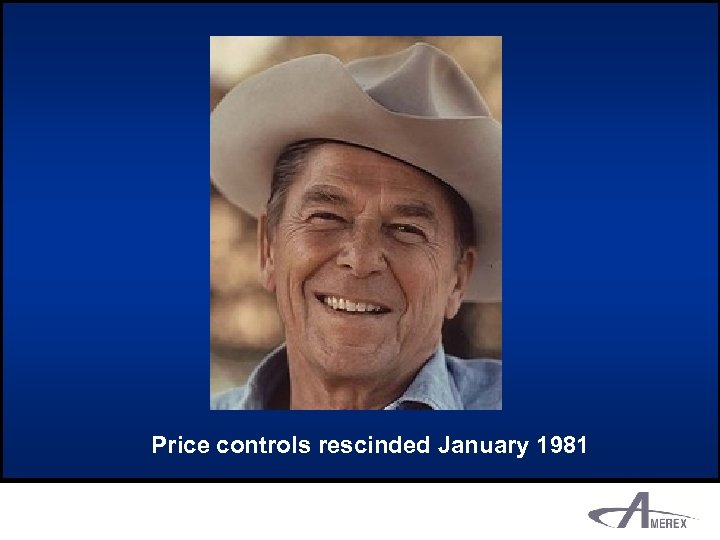 Price controls rescinded January 1981

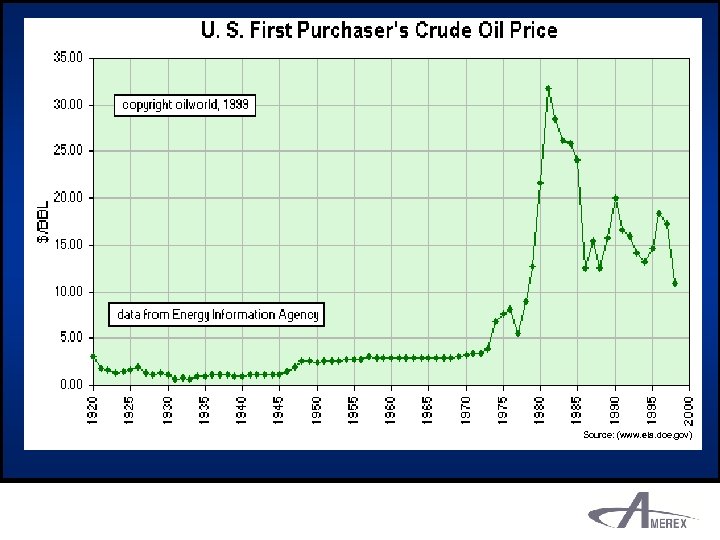 long term crude chart Source: (www. eia. doe. gov)
 • U. K Taxes on North Sea Crude Oil • Japanese trading companies seeking to increase top line revenue • Wall Street begins to arbitrage crude oil

 National Energy Policy Act - 1992


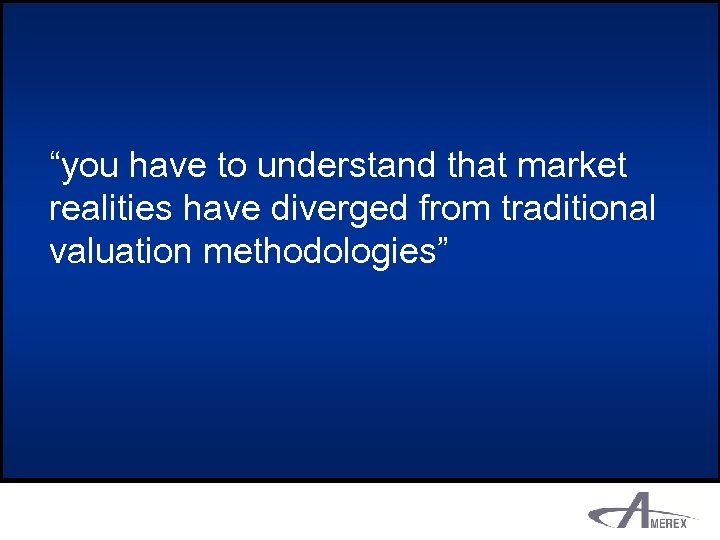 “you have to understand that market realities have diverged from traditional valuation methodologies”
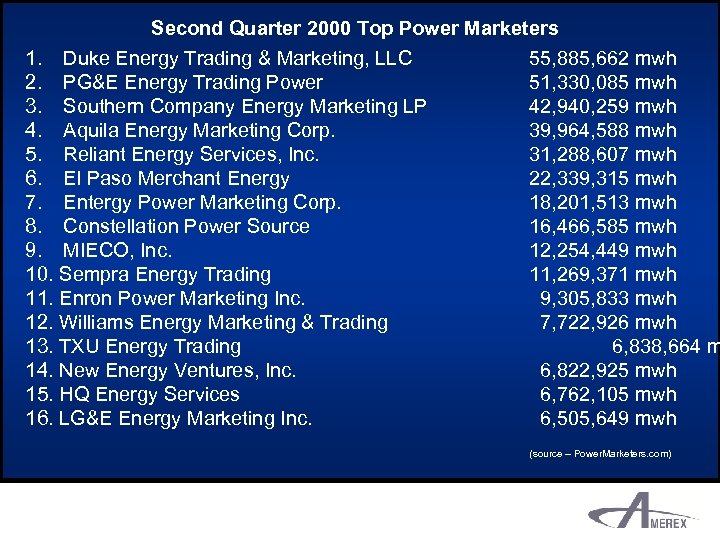 Second Quarter 2000 Top Power Marketers 1. Duke Energy Trading & Marketing, LLC 2. PG&E Energy Trading Power 3. Southern Company Energy Marketing LP 4. Aquila Energy Marketing Corp. 5. Reliant Energy Services, Inc. 6. El Paso Merchant Energy 7. Entergy Power Marketing Corp. 8. Constellation Power Source 9. MIECO, Inc. 10. Sempra Energy Trading 11. Enron Power Marketing Inc. 12. Williams Energy Marketing & Trading 13. TXU Energy Trading 14. New Energy Ventures, Inc. 15. HQ Energy Services 16. LG&E Energy Marketing Inc. 55, 885, 662 mwh 51, 330, 085 mwh 42, 940, 259 mwh 39, 964, 588 mwh 31, 288, 607 mwh 22, 339, 315 mwh 18, 201, 513 mwh 16, 466, 585 mwh 12, 254, 449 mwh 11, 269, 371 mwh 9, 305, 833 mwh 7, 722, 926 mwh 6, 838, 664 m 6, 822, 925 mwh 6, 762, 105 mwh 6, 505, 649 mwh (source – Power. Marketers. com)
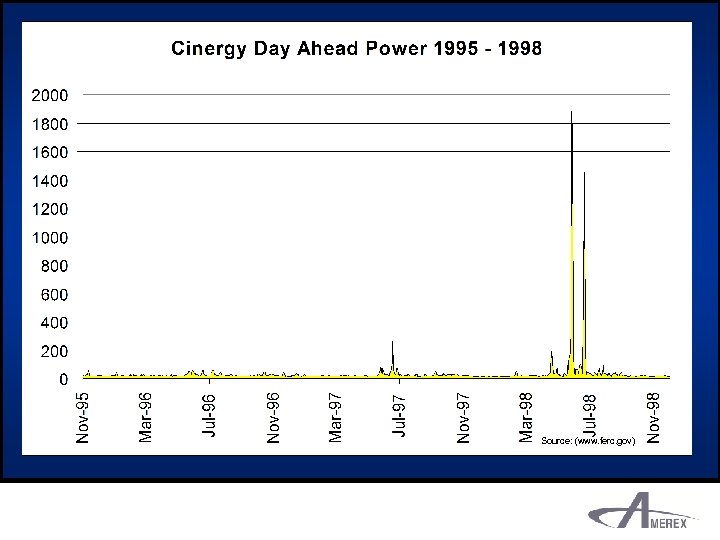 Source: (www. ferc. gov)
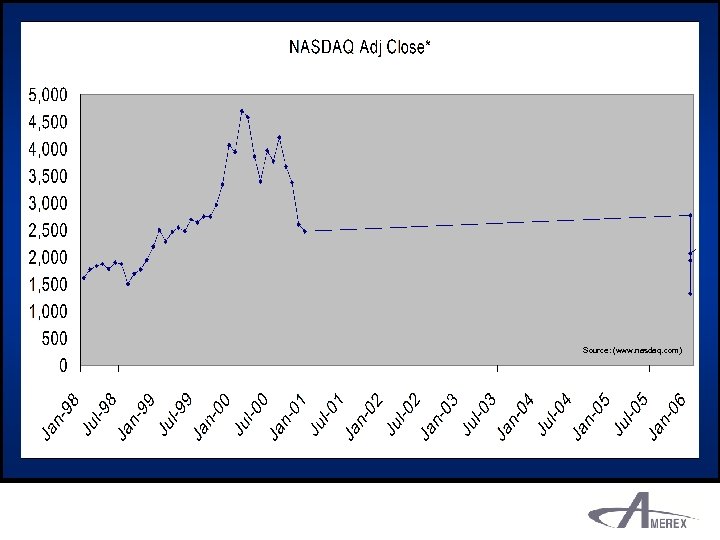 Source: (www. nasdaq. com)


 Current market expansion
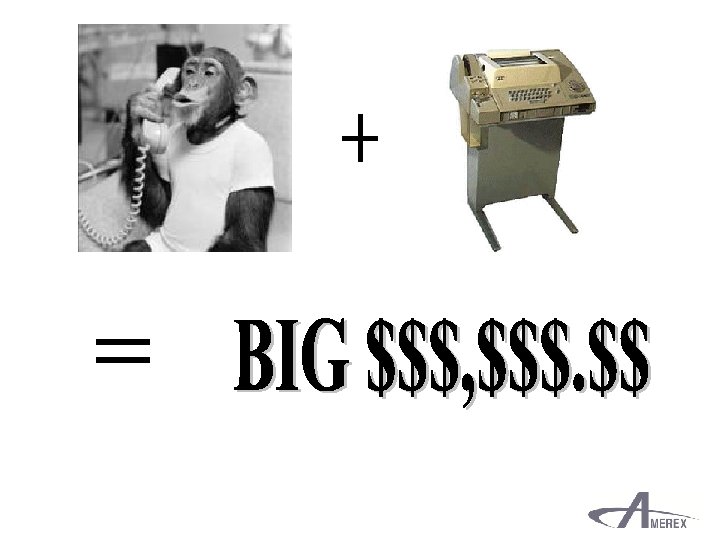
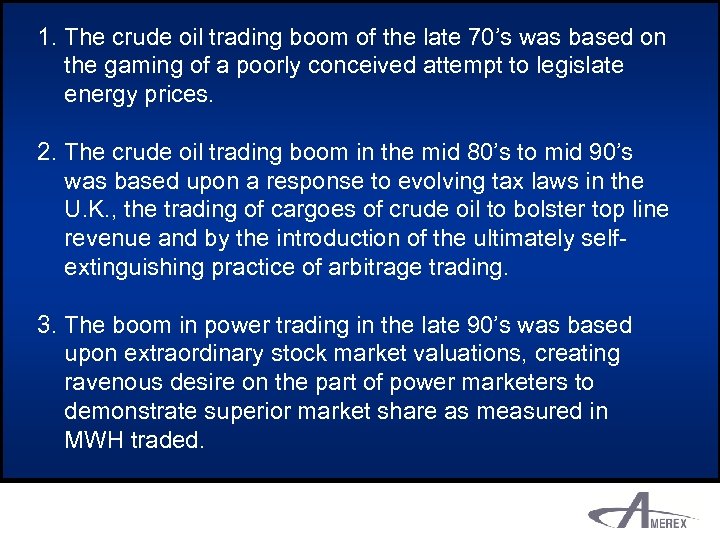 1. The crude oil trading boom of the late 70’s was based on the gaming of a poorly conceived attempt to legislate energy prices. 2. The crude oil trading boom in the mid 80’s to mid 90’s was based upon a response to evolving tax laws in the U. K. , the trading of cargoes of crude oil to bolster top line revenue and by the introduction of the ultimately selfextinguishing practice of arbitrage trading. 3. The boom in power trading in the late 90’s was based upon extraordinary stock market valuations, creating ravenous desire on the part of power marketers to demonstrate superior market share as measured in MWH traded.
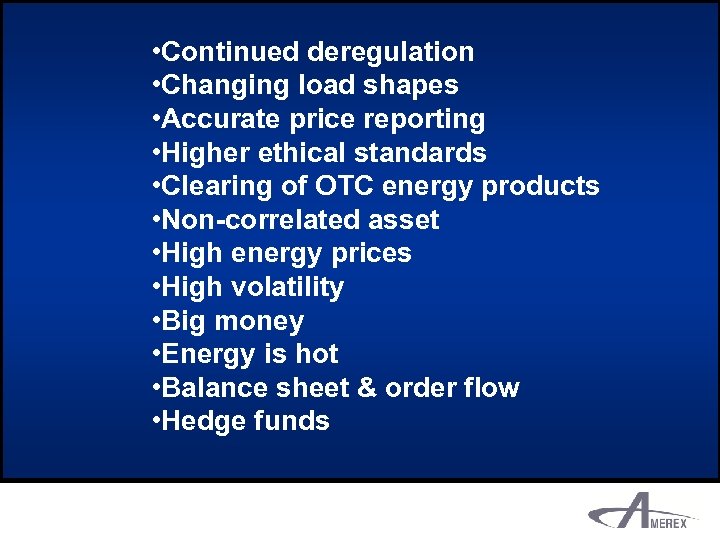 • Continued deregulation • Changing load shapes • Accurate price reporting • Higher ethical standards • Clearing of OTC energy products • Non-correlated asset • High energy prices • High volatility • Big money • Energy is hot • Balance sheet & order flow • Hedge funds
 Where do we go from here?
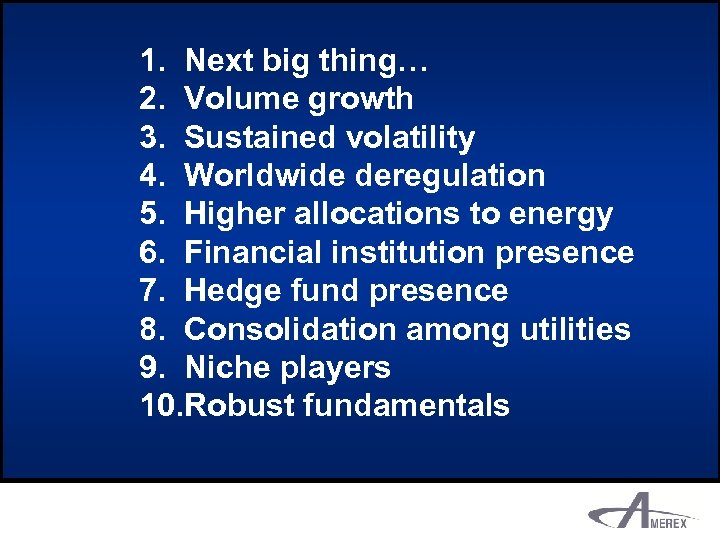 1. Next big thing… 2. Volume growth 3. Sustained volatility 4. Worldwide deregulation 5. Higher allocations to energy 6. Financial institution presence 7. Hedge fund presence 8. Consolidation among utilities 9. Niche players 10. Robust fundamentals
 We have just begun…