


 Скачать презентацию Humanitarian Assistance and Crisis Management The Law of
bdd159bac2a9bbdf62f9a701912d3b16.ppt
- Количество слайдов: 15
 Humanitarian Assistance and Crisis Management: The Law of Unintended Consequences Asteris Huliaras Professor Department of Politics and International Relations University of Peloponnese
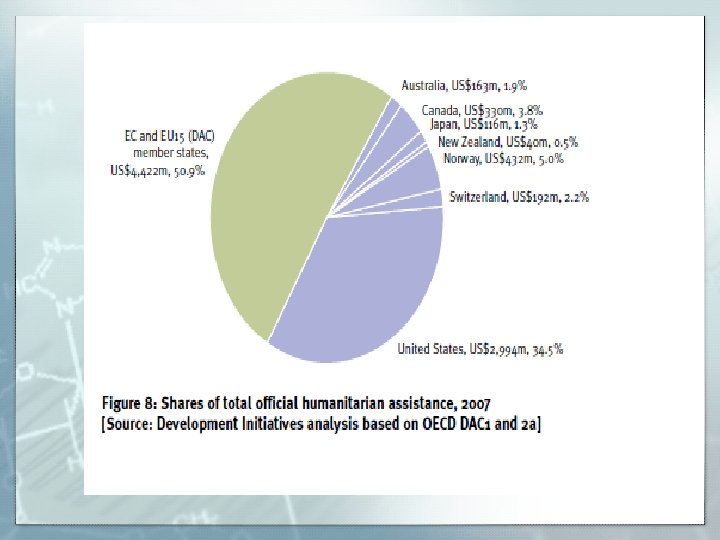
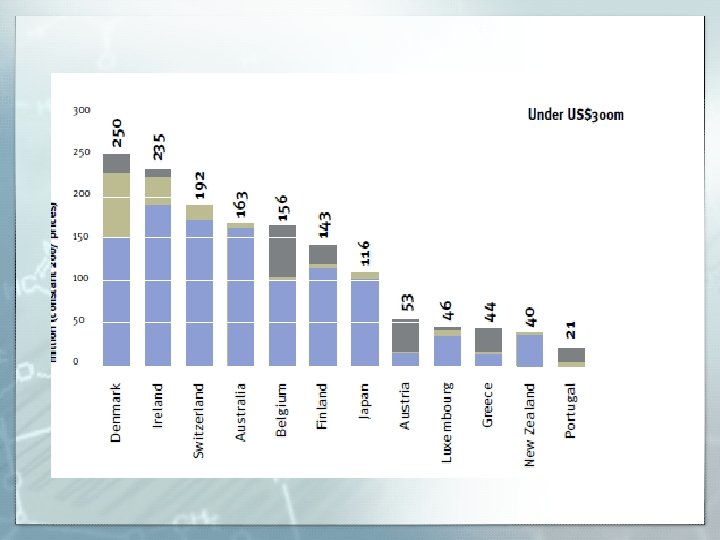
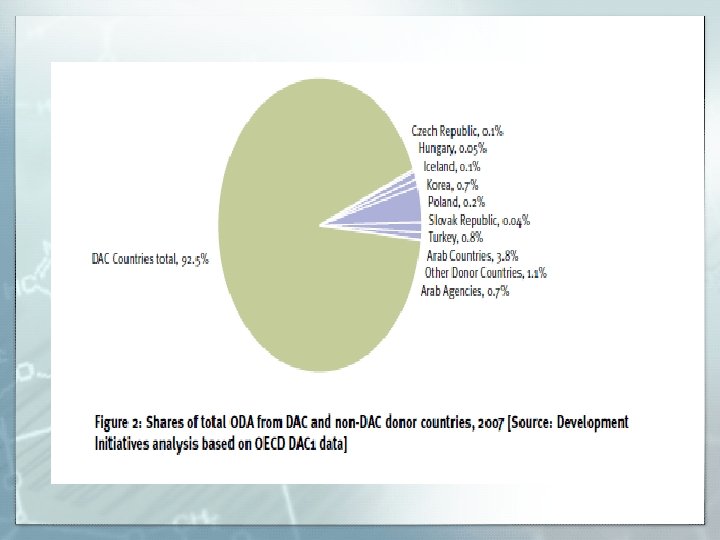
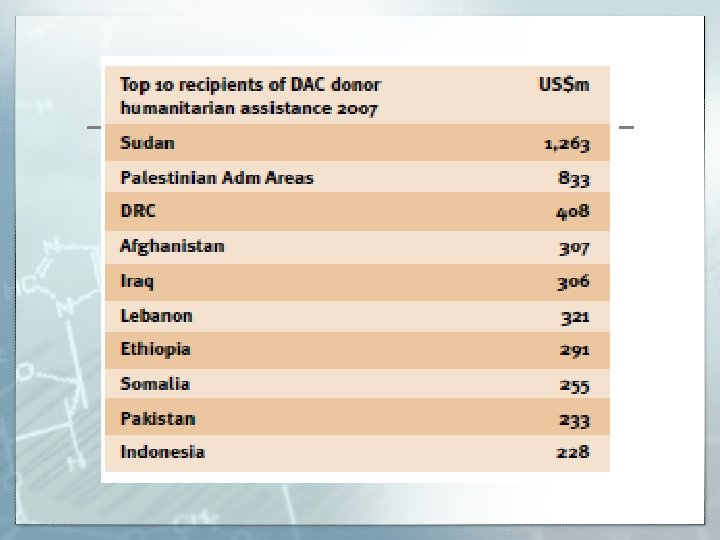
 Global Humanitarian Assistance 1. OECD countries gave US$8. 7 bn in total official humanitarian assistance in 2007. 2. The largest donor by volume was the. United States, followed by the EC, the United Kingdom and Germany. 3. The most generous (% of GNI) was Norway followed by Sweden and Ireland. 4. Sudan was the largest recipient, receiving US$1. 3 bn (17. 1%) of the total humanitarian aid allocable by country.
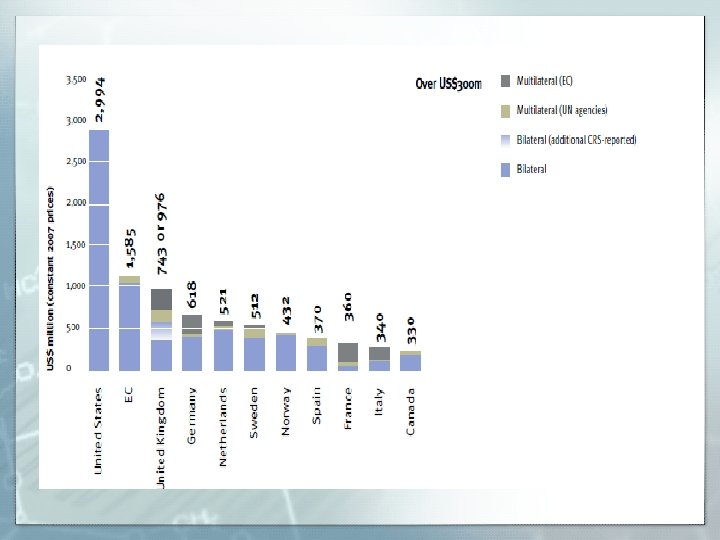
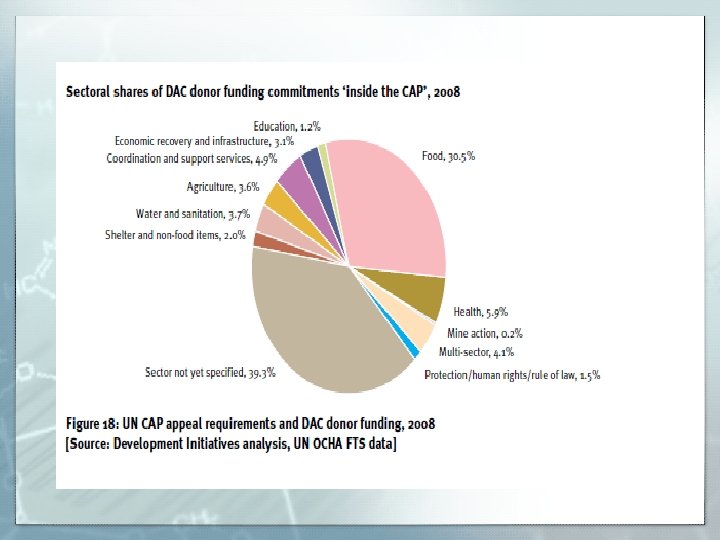
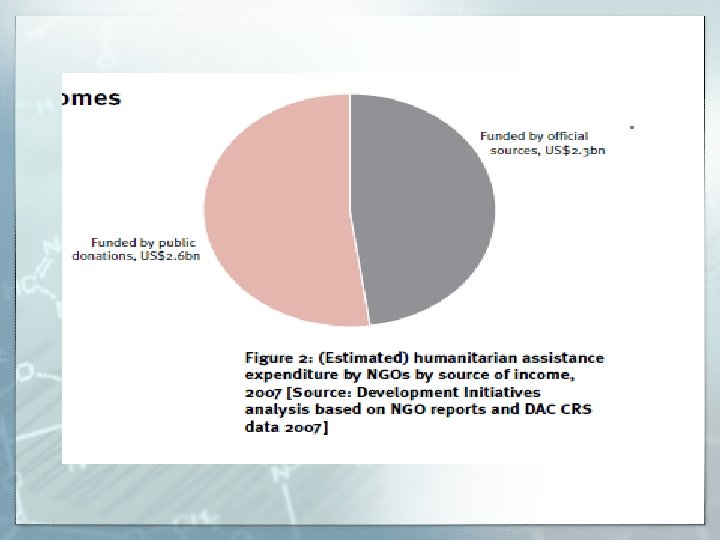
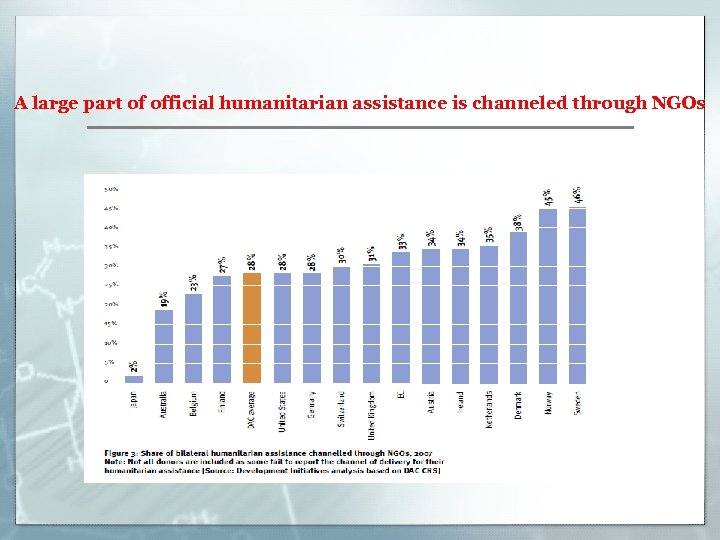 A large part of official humanitarian assistance is channeled through NGOs
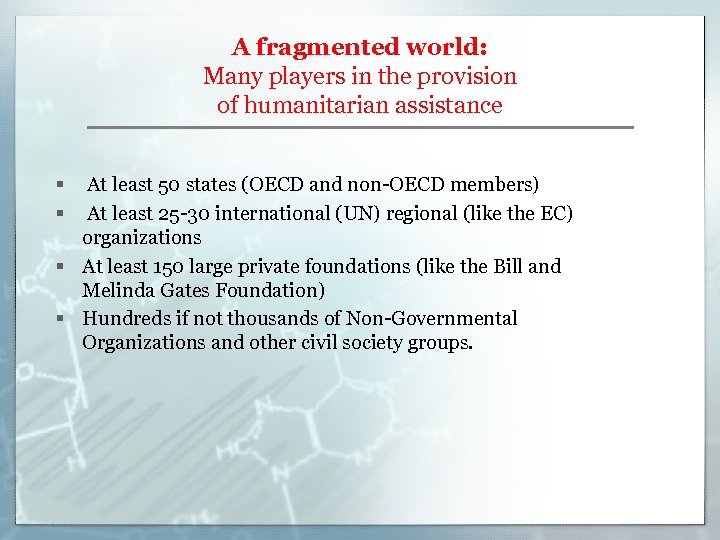 A fragmented world: Many players in the provision of humanitarian assistance § § At least 50 states (OECD and non-OECD members) At least 25 -30 international (UN) regional (like the EC) organizations § At least 150 large private foundations (like the Bill and Melinda Gates Foundation) § Hundreds if not thousands of Non-Governmental Organizations and other civil society groups.
 Humanitarian Aid aims to alleviate suffering However, it may worsen conflict
 In three ways Conflicts are about power. Material resources represent, buttress and are essential to power. Humanitarian assistance introduces resources – such as food and cash – in conflict settings, these resources often become additional foci for struggle. 1. Warring factions may demand payment from humanitarian agencies (in the form of ‘tariffs’ and ‘taxes’) for allowing the delivery of assistance. These sources may be used to support armies and subsidize the conflict. 2. Humanitarian assistance can reinforce and worsen intergroup tensions by affecting the distribution of resources. 3. Humanitarian assistance affects wages, prices and profits, This can feed intergroup conflict.
 Three solutions to avoid unintended consequences § The ‘Aid on Our Terms Only’ Approach § The ‘Hippocratic Oath’ Approach
 The solution: Reverse fragmentation § § Increase humanitarian aid through multilateral agencies (like the EU and the UN). Discourage new donors from developing their own bilateral humanitarian aid projects Increase cohesion by establishing permanent consultation mechanisms, common strategies, principles and norms and the assignment of roles according to specific challenges and existing capabilities. Support only a few large and experienced NGOs through official funds In short if we want to alleviate suffering and avoid the law of unintended consequences we should gradually unite our efforts !!!!