


 Скачать презентацию How do you set prices Marketing Is there
674a87e4a0809758c0bd9adfb48f35c0.ppt
- Количество слайдов: 14
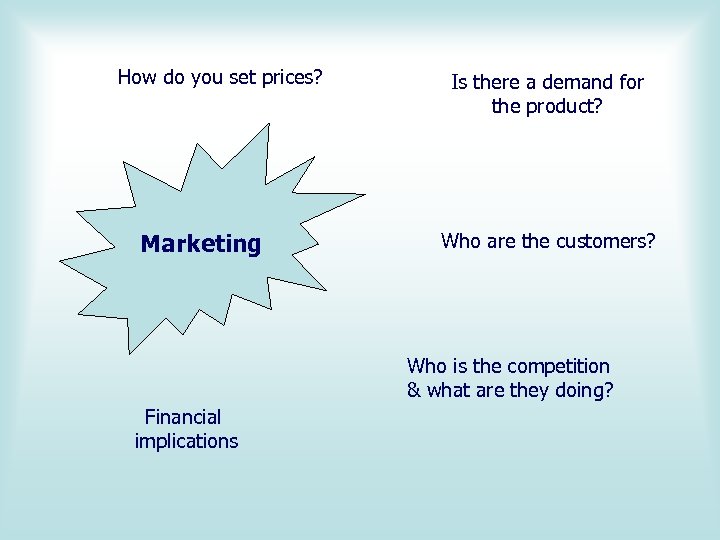 How do you set prices? Marketing Is there a demand for the product? Who are the customers? Who is the competition & what are they doing? Financial implications
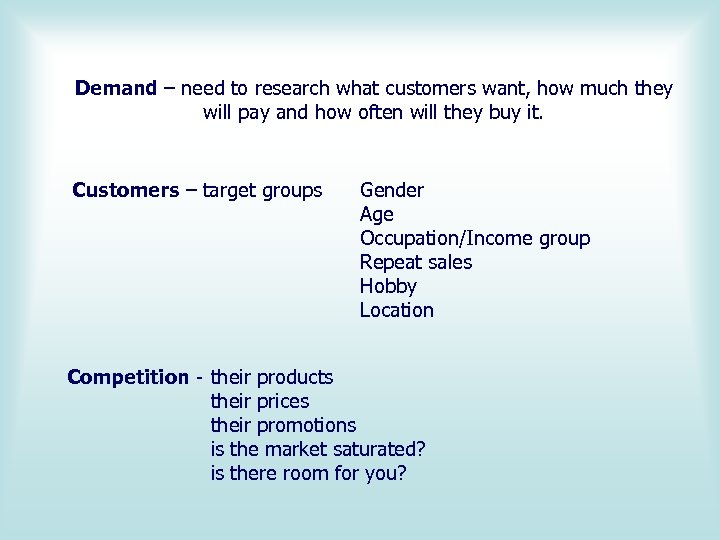 Demand – need to research what customers want, how much they will pay and how often will they buy it. Customers – target groups Gender Age Occupation/Income group Repeat sales Hobby Location Competition - their products their prices their promotions is the market saturated? is there room for you?
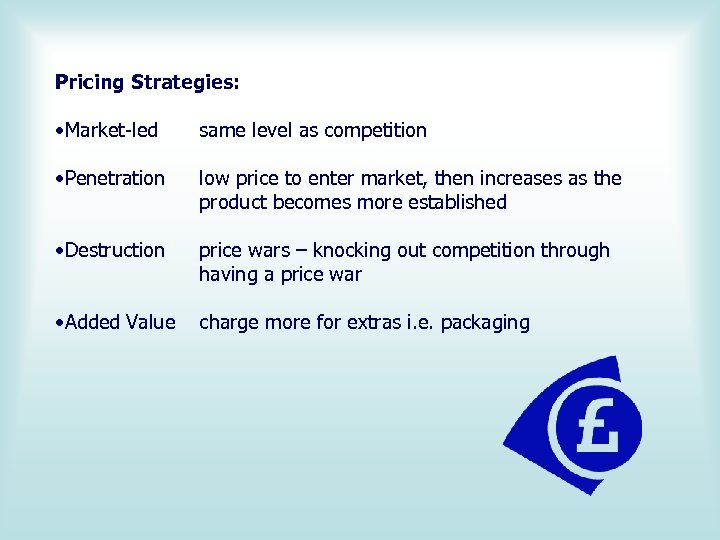 Pricing Strategies: • Market-led same level as competition • Penetration low price to enter market, then increases as the product becomes more established • Destruction price wars – knocking out competition through having a price war • Added Value charge more for extras i. e. packaging
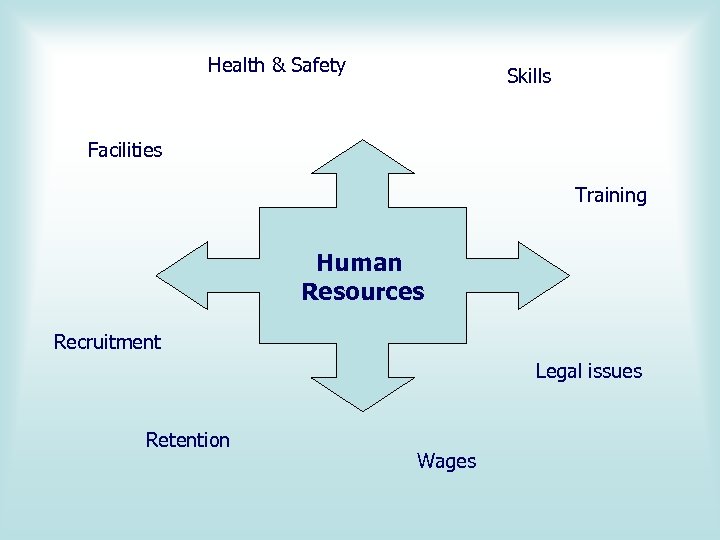 Health & Safety Skills Facilities Training Human Resources Recruitment Legal issues Retention Wages
 Legal aspects for human resources: • Age limits • Minimum wage • Contract terms and conditions • Discrimination – sex, age, race, religion • Health and safety • Payroll records
 Physical Resource Planning • Premises Planning • Machinery and Equipment Planning • Materials and stock
 Premises Planning Where? • High street • Work from home • E-commerce High Street – passing trade or need for offices • Buy or rent? E-Commerce – online business; can replace a shop, need storage space for goods; reliable postal/courier service • Insurance Home – i. e. photographers, designers, etc Laws: • Planning permission • Licences • Environmental restrictions Insurance: • Fire • Theft • Business interruption • liability
 Machinery and Equipment Planning • Machinery needed • Equipment needed • Fixtures and Fittings • Buy or lease: machinery i. e. engraver equipment i. e computer, photocopier vehicles i. e. van, size telephone i. e mobile/landline Technology is constantly changing, do you lease or buy? ? ? Think about suppliers and their payment terms
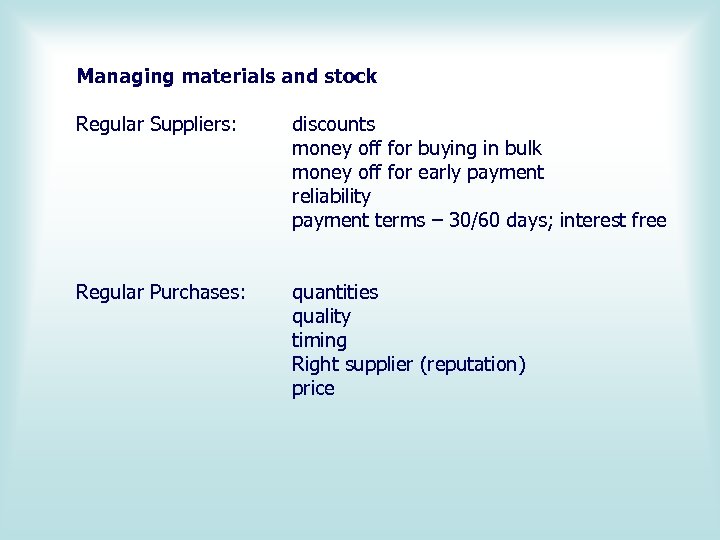 Managing materials and stock Regular Suppliers: discounts money off for buying in bulk money off for early payment reliability payment terms – 30/60 days; interest free Regular Purchases: quantities quality timing Right supplier (reputation) price
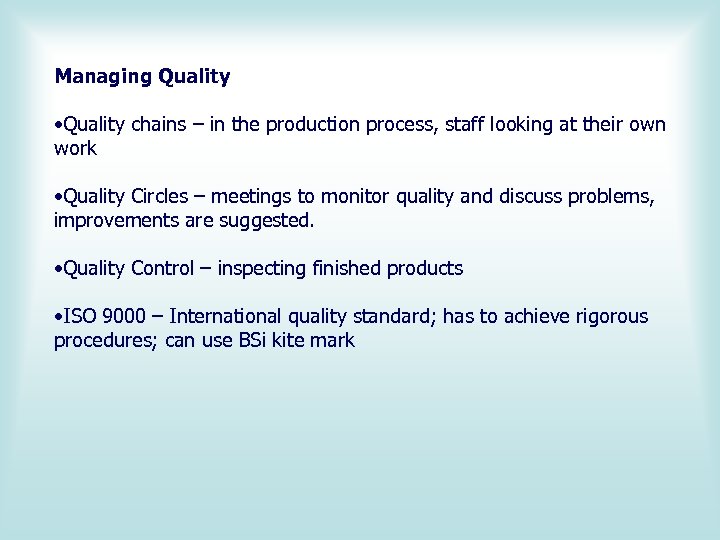 Managing Quality • Quality chains – in the production process, staff looking at their own work • Quality Circles – meetings to monitor quality and discuss problems, improvements are suggested. • Quality Control – inspecting finished products • ISO 9000 – International quality standard; has to achieve rigorous procedures; can use BSi kite mark
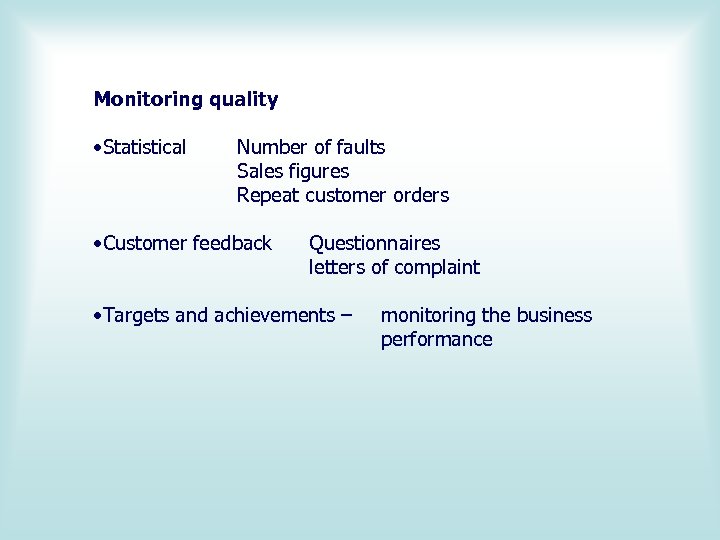 Monitoring quality • Statistical Number of faults Sales figures Repeat customer orders • Customer feedback Questionnaires letters of complaint • Targets and achievements – monitoring the business performance
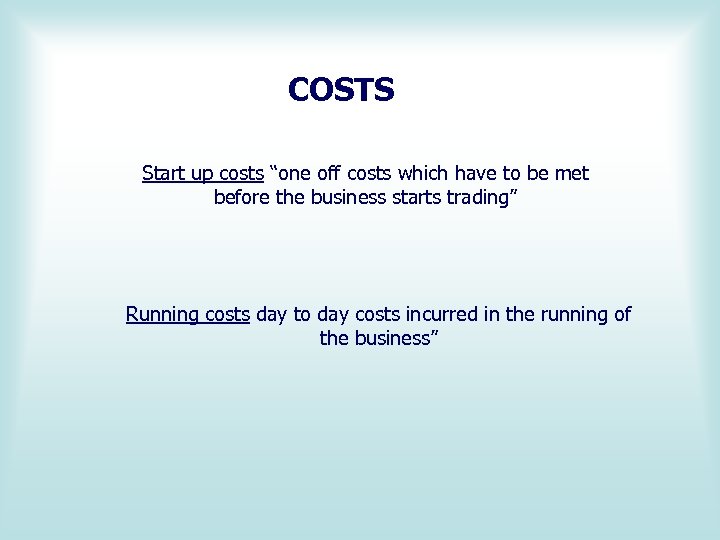 COSTS Start up costs “one off costs which have to be met before the business starts trading” Running costs day to day costs incurred in the running of the business”
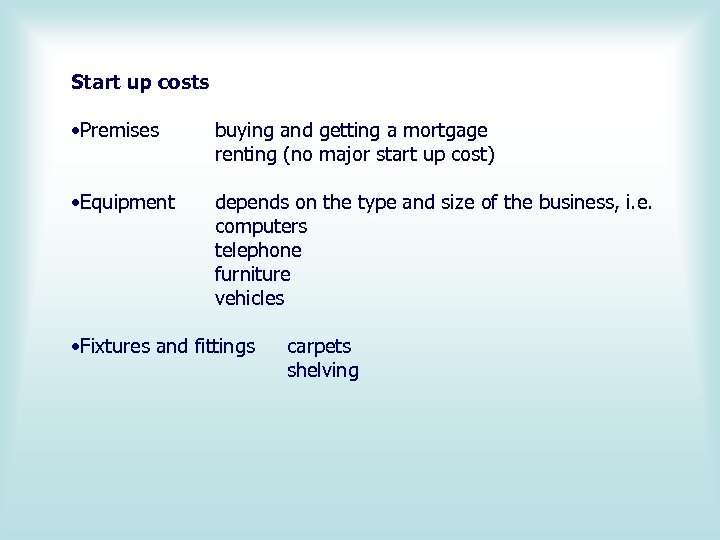 Start up costs • Premises buying and getting a mortgage renting (no major start up cost) • Equipment depends on the type and size of the business, i. e. computers telephone furniture vehicles • Fixtures and fittings carpets shelving
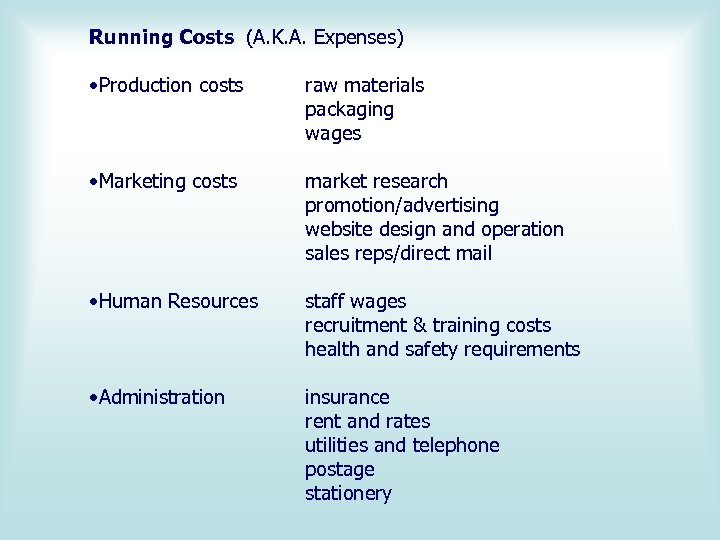 Running Costs (A. K. A. Expenses) • Production costs raw materials packaging wages • Marketing costs market research promotion/advertising website design and operation sales reps/direct mail • Human Resources staff wages recruitment & training costs health and safety requirements • Administration insurance rent and rates utilities and telephone postage stationery