


 Скачать презентацию How do you say A critical discourse analysis
a212ce058facf1f33847099fec29b5ff.ppt
- Количество слайдов: 24
 How do you say…? A critical discourse analysis of intercultural language learning in wordreference. com Elizabeth Deifell Akiko Hagiwara University of Iowa Language Learning in Computer Mediated Communities NFLRC University of Hawai’i October 11 -13, 2009
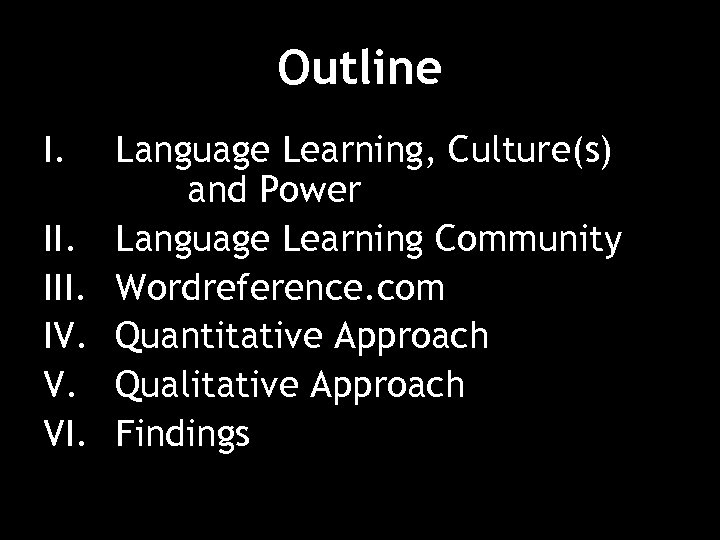 Outline I. III. IV. V. VI. Language Learning, Culture(s) and Power Language Learning Community Wordreference. com Quantitative Approach Qualitative Approach Findings
 Language Learning, Culture(s) and Power • Kramsch and Whiteside (2007) • Showstack (2009)
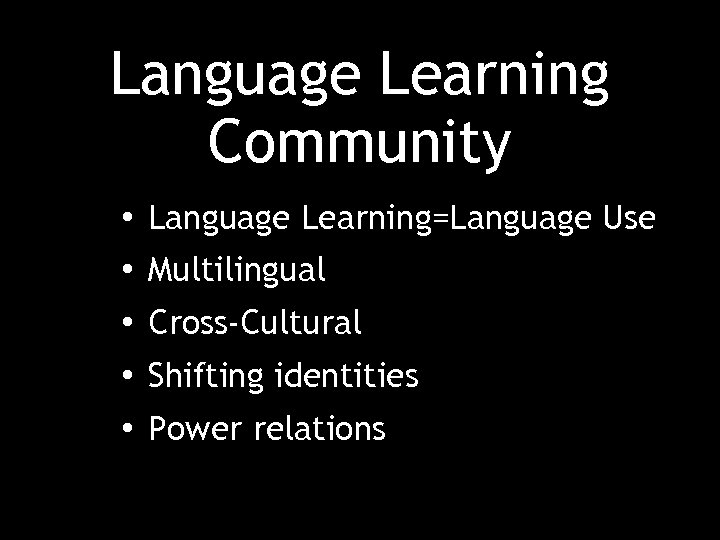 Language Learning Community • Language Learning=Language Use • Multilingual • Cross-Cultural • Shifting identities • Power relations
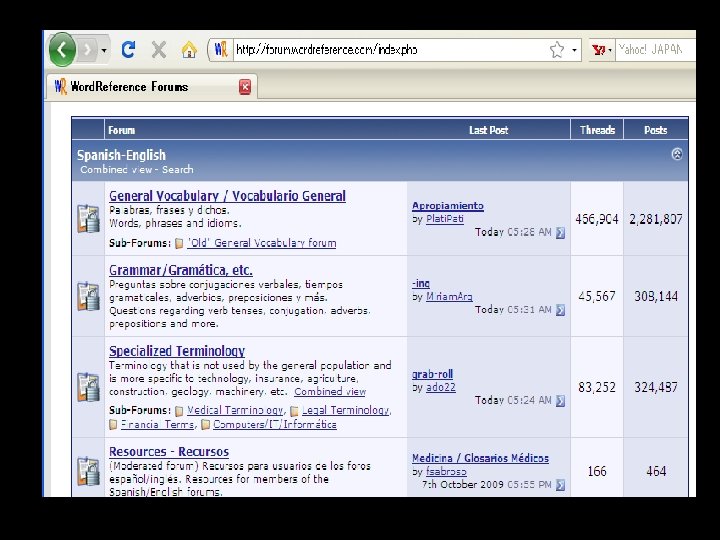
 Wordreference. com • Provides cyber online dictionaries and forums • Topics of forums: translation, word usage, terminology equivalency and other linguistic topics • Must register and agree to the rules of participation before being able to post
 Members Moderator • There were around 50 moderators • Invited by the administrator • Each has authority to - Merge or delete duplicate posts and threads; - Edit posts as necessary; - Ban members, when necessary Senior member (more than ? ? posts) Member (more than 30 posts) Junior member (1 post or more)
 The Study Research Questions 1. What are rhetorical strategies members employ? 2. How do members create and refute authority while explaining the meaning of words? Mixed Methodologies: Quantitative and qualitative approaches
 Computer-Mediated Discourse Analysis • Food related topics • Data Collection – 10 topics from Spanish and Japanese forums
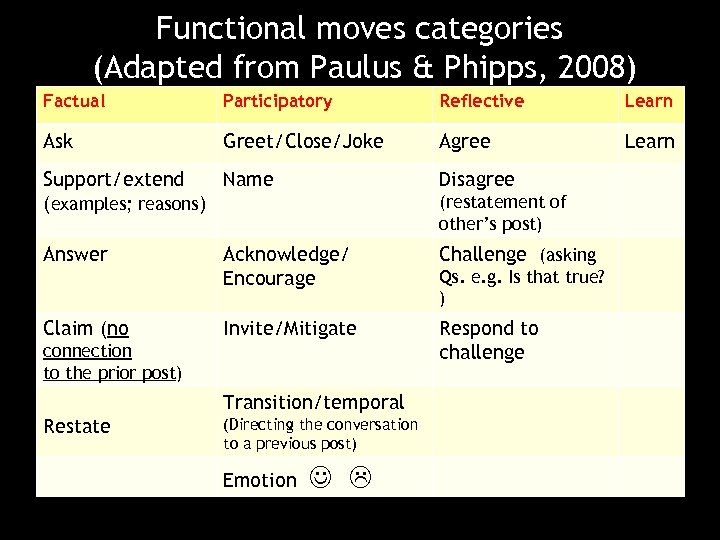 Functional moves categories (Adapted from Paulus & Phipps, 2008) Factual Participatory Reflective Learn Ask Greet/Close/Joke Agree Learn Support/extend Name (examples; reasons) Disagree Answer Acknowledge/ Encourage Challenge (asking Invite/Mitigate Respond to challenge Claim (no (restatement of other’s post) connection to the prior post) Transition/temporal Restate (Directing the conversation to a previous post) Emotion Qs. e. g. Is that true? )
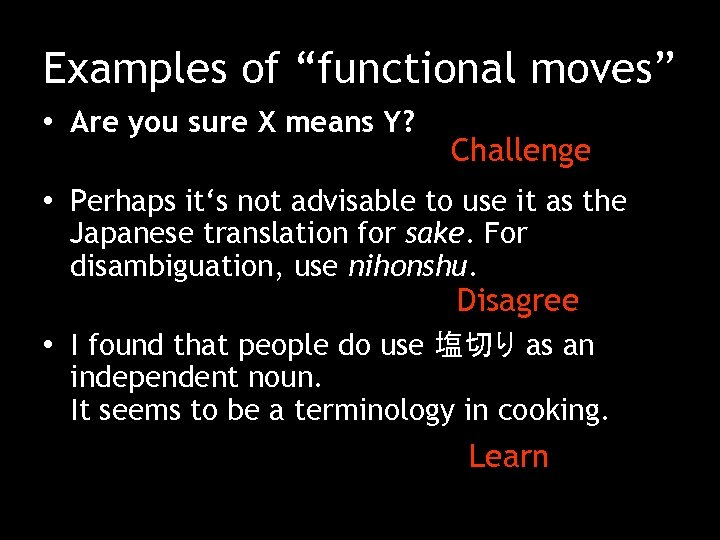 Examples of “functional moves” • Are you sure X means Y? Challenge • Perhaps it‘s not advisable to use it as the Japanese translation for sake. For disambiguation, use nihonshu. Disagree • I found that people do use 塩切り as an independent noun. It seems to be a terminology in cooking. Learn
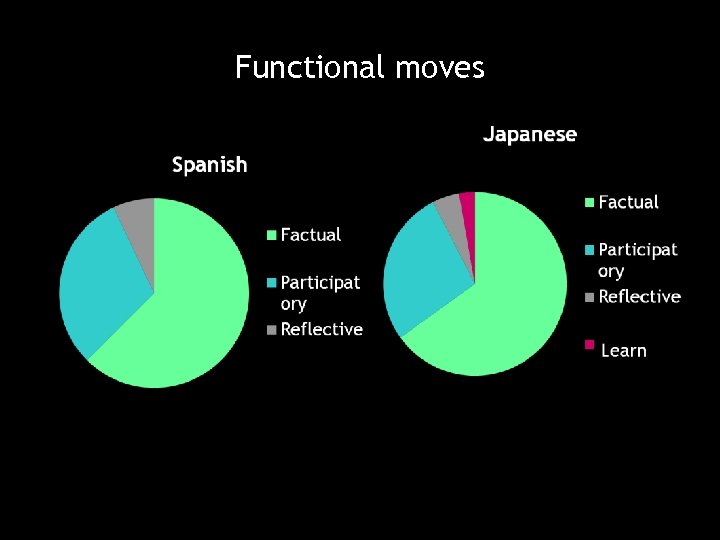 Functional moves
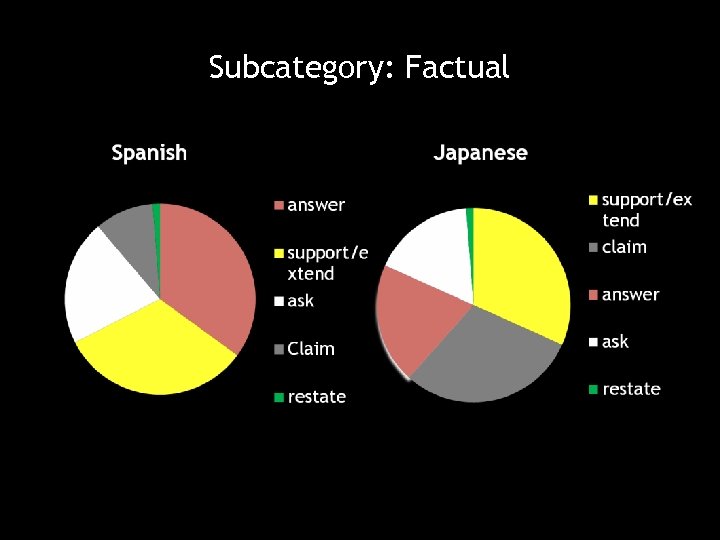 Subcategory: Factual
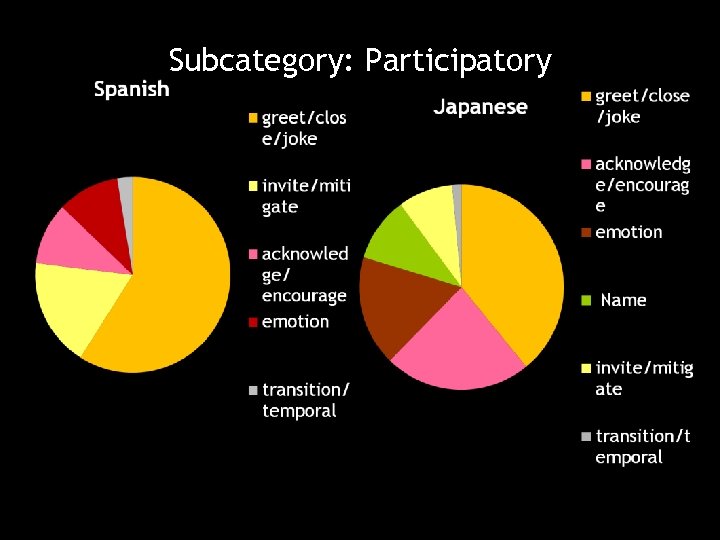 Subcategory: Participatory
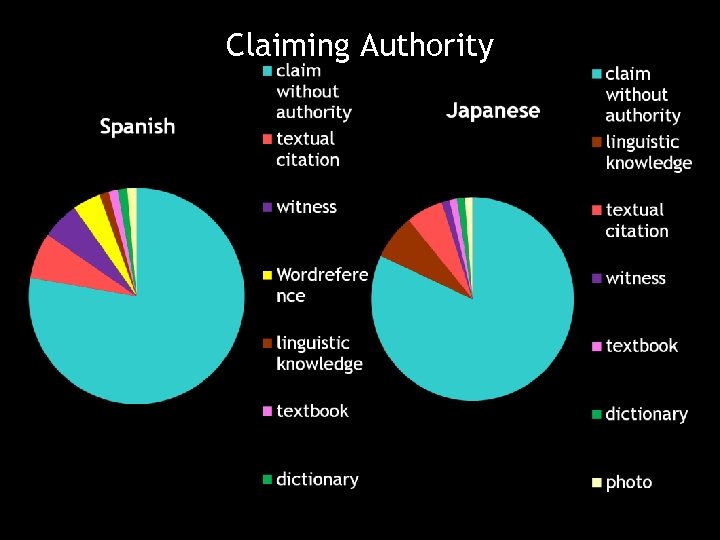
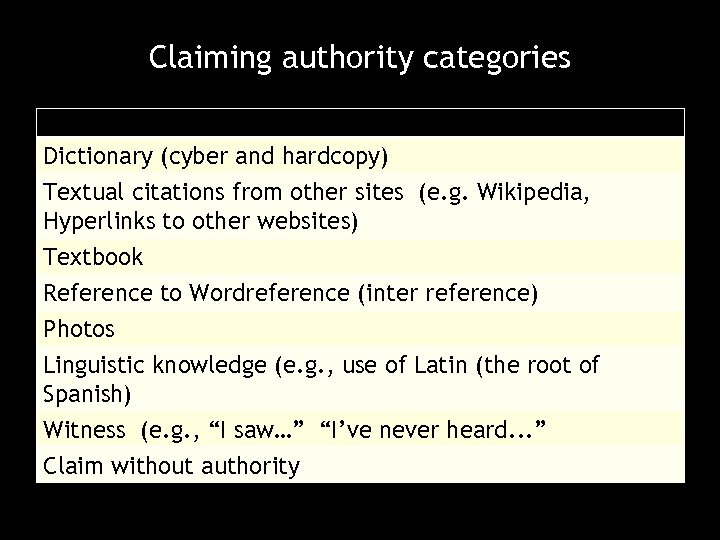 Claiming authority categories Dictionary (cyber and hardcopy) Textual citations from other sites (e. g. Wikipedia, Hyperlinks to other websites) Textbook Reference to Wordreference (inter reference) Photos Linguistic knowledge (e. g. , use of Latin (the root of Spanish) Witness (e. g. , “I saw…” “I’ve never heard. . . ” Claim without authority
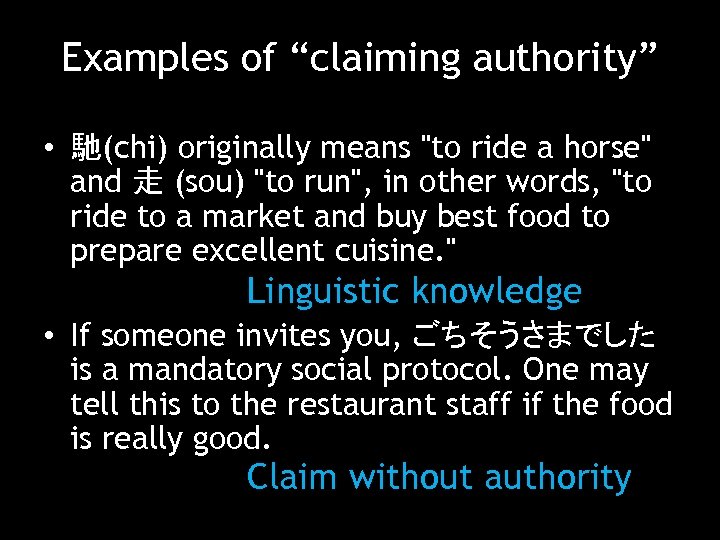 Examples of “claiming authority” • 馳(chi) originally means "to ride a horse" and 走 (sou) "to run", in other words, "to ride to a market and buy best food to prepare excellent cuisine. " Linguistic knowledge • If someone invites you, ごちそうさまでした is a mandatory social protocol. One may tell this to the restaurant staff if the food is really good. Claim without authority
 Claiming Authority
 Qualitative
 Critical Discourse Analysis • Power • Legitimacy • Authority
 Critical Discourse Analysis Fairclough (1989, 1992) • Explores link between language and social practice • Empirical approach to discourse analysis
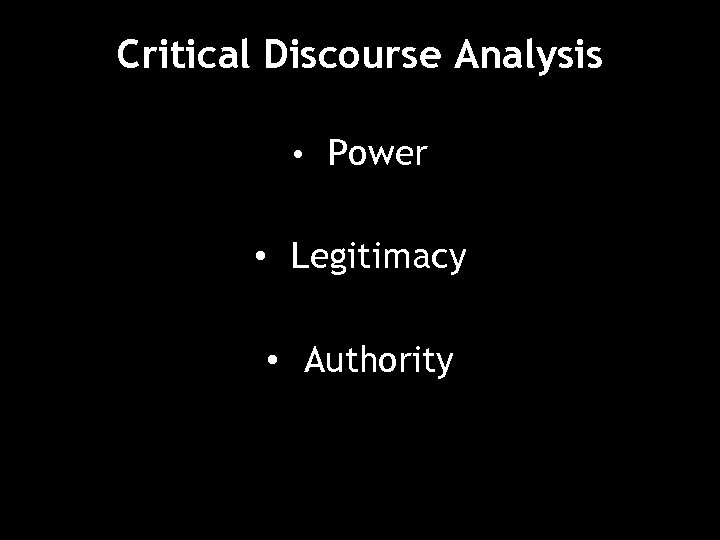
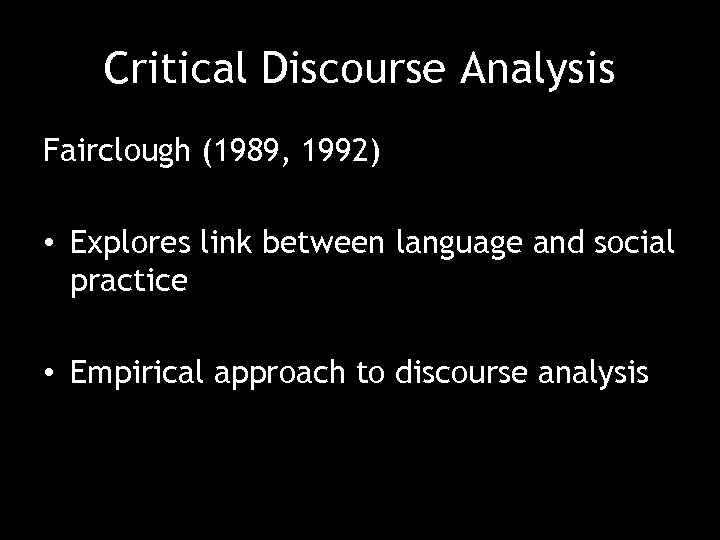
 Three level approach to CDA • Textual • Discursive • Sociocultural
 Findings • Questions of legitimacy are complex in asynchronous multilingual, multicultural language communities. • Particularity (Ellis, 2005). • Linking local to global. Fractal metaphor (Agar, 2005).
 • The majority of the participants do not cite an outside text to support their claims of legitimacy. • A closer look at those claims that we deemed “claims without authority” in fact challenge authority in perhaps more subtle ways.
 What is(are) the right answer(s)?