


 Скачать презентацию How do I love thee Let me count
4e3295e4759200f17fcfe8f1f929e52f.ppt
- Количество слайдов: 53
 “How do I love thee? Let me count the ways. ” 愛上英文課 ☆From Reading to Thinking ☆ Secret & Surprise in Poetry Presenter: Chen Chien-Chou
 Agenda • I. Point of Departure: Observation and Philosophy • II. From Reading To Thinking: Why & How (Theory & My Practice) • III. Secret & Surprise in Poetry: • Reading Poetry as an Exciting Thinking Game
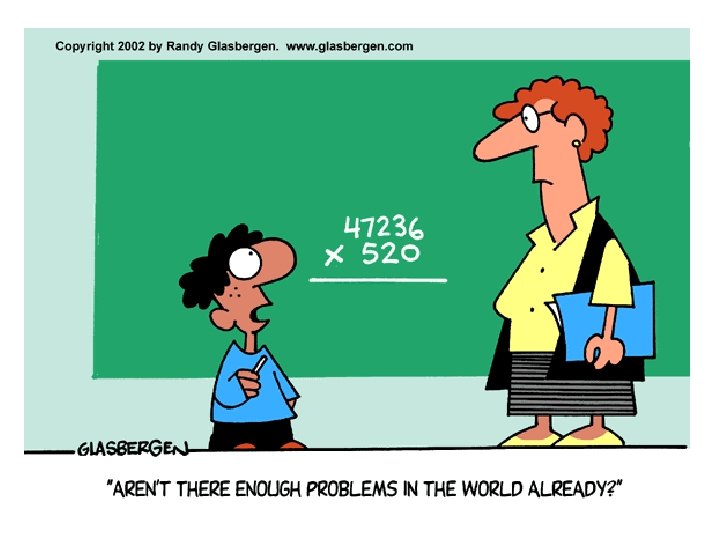
 Thinking Global! • What’s happening to the world and the learning of the language, English?
 English Next • David Graddol • Commissioned by British Council (2006) • A Trend Study of the Role of English in the Coming Decades
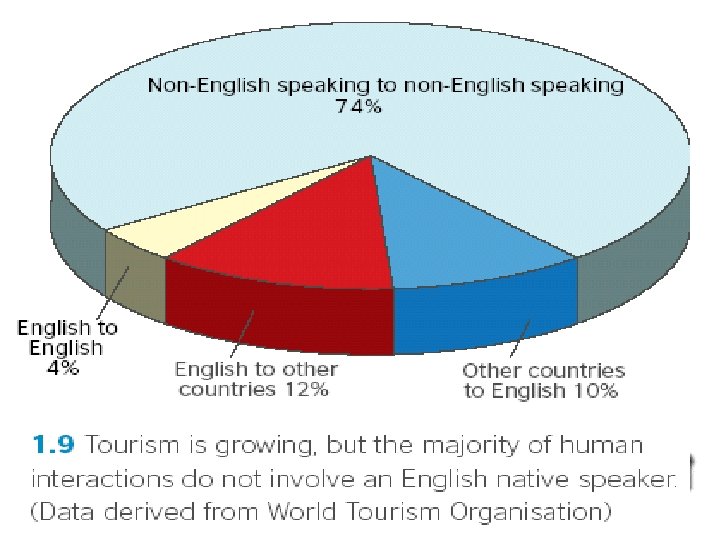 The Trend
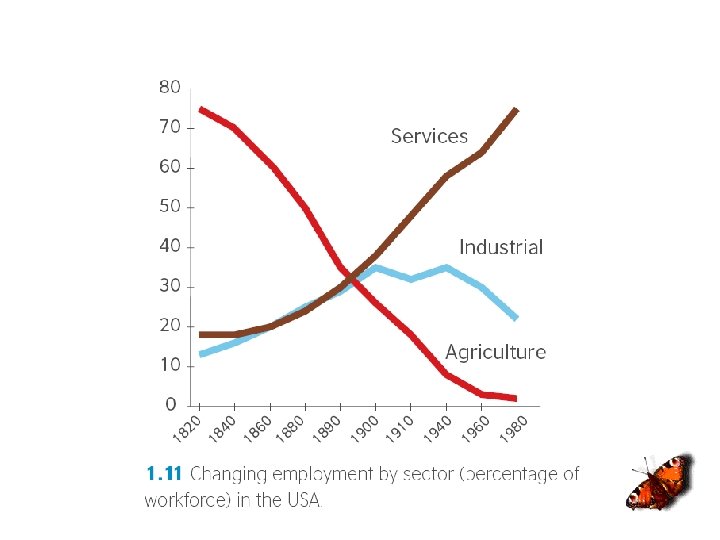
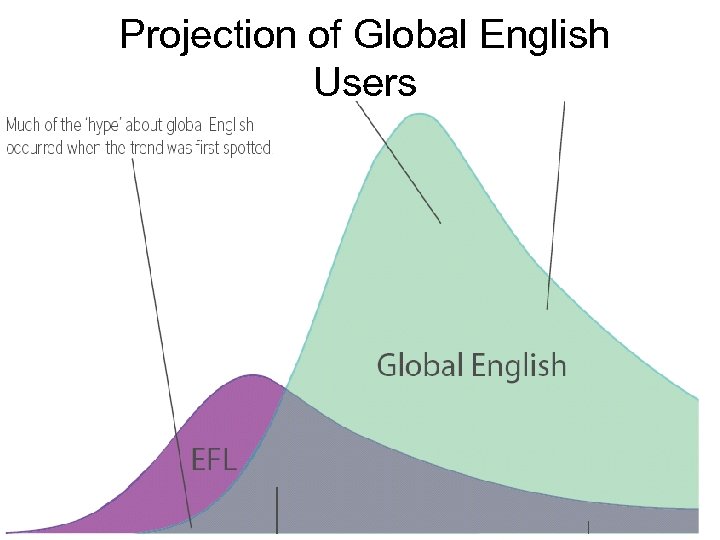 Projection of Global English Users

 Global English • English as Lingua Franca Among Non-Native Speakers
 Implications • International intelligibility (Varied Accents) • Functional Use • Content and Language Integrated Learning (Finland-Geography) • Task-Oriented Training • Language Learning Strategies
 The Fifth Skill
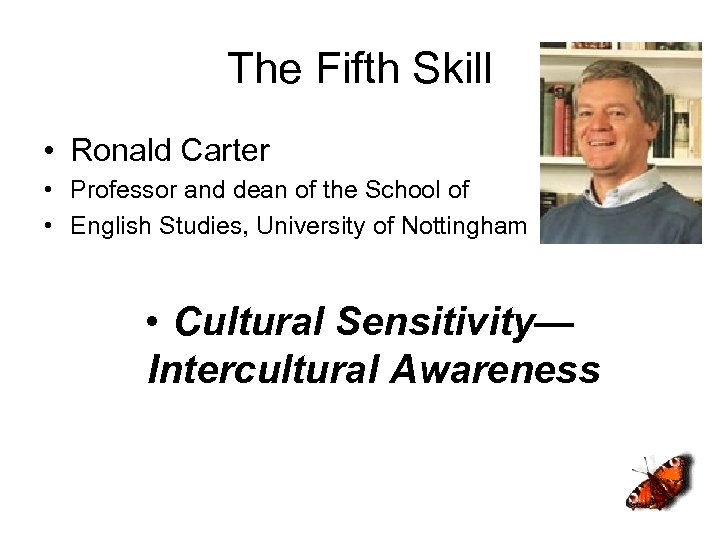 The Fifth Skill • Ronald Carter • Professor and dean of the School of • English Studies, University of Nottingham • Cultural Sensitivity— Intercultural Awareness
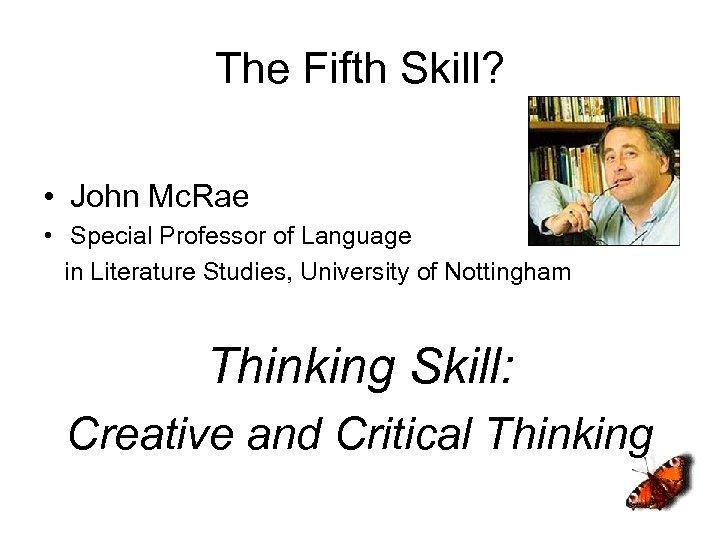 The Fifth Skill? • John Mc. Rae • Special Professor of Language in Literature Studies, University of Nottingham Thinking Skill: Creative and Critical Thinking
 From Learners to Users
 • “Tell me; I will forget. • Show me; I may remember. • Involve me, and I will understand. ”
 Creative Reading Fun • Warm-Up that Catch Fires • A Proverb A Day • A Quote a Day • A Riddle A Day • A Joke A day…
 Why warm-up like this? • Students Participation • Increase Exposure • Oral Practice • (Save Your breath)
 A Quote a Day • Students take turns sharing a quote every day! • Procedures: • Review the last three quotes! • Introduce the new one! • Tell us why this one! • Examples
 Therapeutic Quotes for Seniors • What cannot kill me only makes me stronger! • Wish not so much to live long as to live well. • I am a slow walker, but I never walk backwards. ~Abraham Lincoln • Be the change you want to see in the world. ~ Gandhi • The mind is like a parachute. It doesn't work if it is not open. ~Frank Zappa
 Stay Hungry; Stay foolish. ~Steve Jobs You can‘t put a limit on anything. The more you dream, the farther you get. ~Michal Phelps “We cannot change the cards we are dealt, just how we play the hand. ~ Randy Pausch
 Practical Benefits of These Tiny Warm-ups: • Student Participation • Great thought in Easy words • Extensive reading during search • Oral Presentation Practice • Exposure to Authentic Language • Peer Emulation • Sheer Fun • Get them busy!
 Goals of Reading Training • How to Help Your Students Become Active Readers
 What do good readers do while reading? • Motivation: Read with a Purpose • Read for Main Idea: Look over the text before reading • Guessing at the meaning: Make Predictions with Prior Knowledge • Conversing with the text: Construct, revise, question the meanings made about the text • Read with strategies (Skimming, Scanning, Browsing) • Evaluate the Quality of the Text • Fastrup, A; Samuels, S. (2002) What Research Has to say about Reading Instruction. Newark, De: IRA
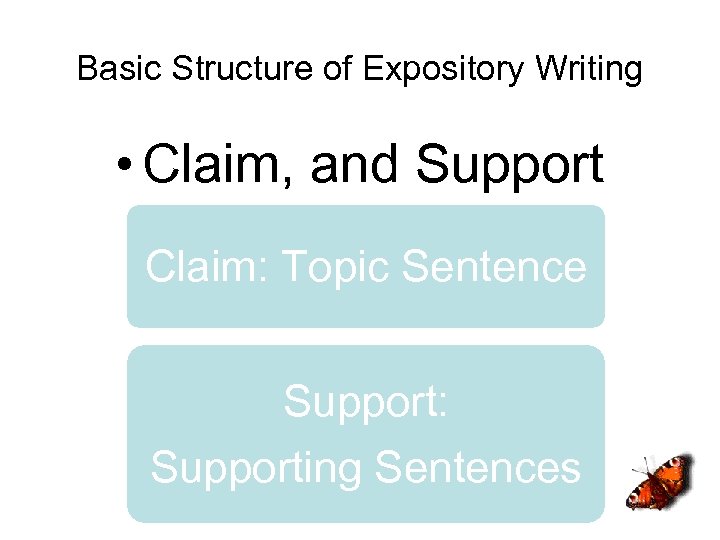 Basic Structure of Expository Writing • Claim, and Support Claim: Topic Sentence Support: Supporting Sentences
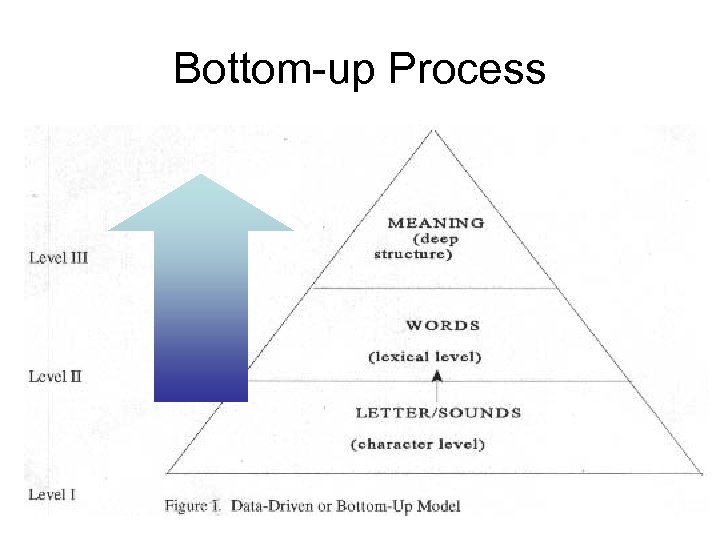 Bottom-up Process
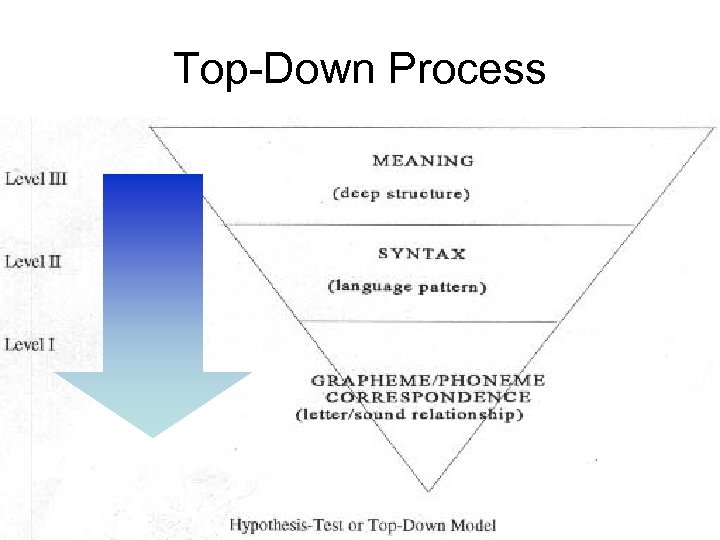 Top-Down Process
 Help Them Form Good Habits • • Make Predictions (Guess at the meaning) A Quick Overlook (Look for main idea) Getting into the details! Clarify the doubts (Asking Questions) • Think about the Structure • Think and Share: Have Your Say (Questions & Discussion)
 Best Thing for Reading Training • Asking Questions! Never stop asking questions! ~ Albert Einstein
 What to ask? • 1. Ask about the main idea: “What is the main idea of the reading/ paragraph? ” • 2. Ask about the details: “What the supporting facts, reasons, or explanations? ” “What happened next? ” 3. Ask about their opinions: “What do you think…? ” “What if…? ” “Why? ” • 4. Ask them to ask questions
 Training of an Active Reader Read for Meaning • • The Little Girl and the Wolf by James Thurber One afternoon a big wolf waited in a dark forest for a little girl to come along carrying a basket of food to her grandmother. Finally a little girl did come along and she was carrying a basket of food. "Are you carrying that basket to your grandmother? " asked the wolf. The little girl said yes, she was. So the wolf asked her where her grandmother lived and the little girl told him and he disappeared into the wood. When the little girl opened the door of her grandmother's house she saw that there was somebody in bed with a nightcap and nightgown on. She had approached no nearer than twenty-five feet from the bed when she saw that it was not her grandmother but the wolf, for even in a nightcap a wolf does not look any more like your grandmother than the Metro-Goldwyn lion looks like Calvin Coolidge. So the little girl took an automatic out of her basket and shot the wolf dead. (Moral: It is not so easy to fool little girls nowadays as it used to be. )
 Training of an Active Reader Read for Structure • Step I: A Quick Overview • Pre-reading and skimming • (Using Prior Knowledge/Making predictions) • Questions to ask: • What is it all about? • What do you know about…?
 • Step II: Whole Structure • A Quick Orientation • Questions to ask: • How Many Paragraphs are there? • What are they roughly about?
 Step III: A Closer Look • The Paragraph Structure: • Claim and Support • Questions to ask: • What’s the main point? (Topic Sentence) • Any Facts or Examples that support the point? (Supporting Sentences)
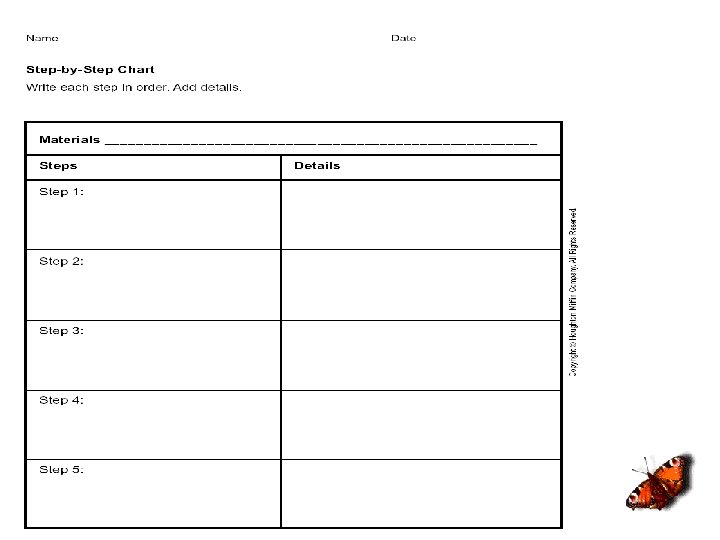
 How to Grasp the Structure • Visualize the structure • • Graphic Organizers • Mind Map/Graphic Organizer: http: //www. eduplace. com/graphicorgan izer/ • http: //www. graphic. org/goindex. html
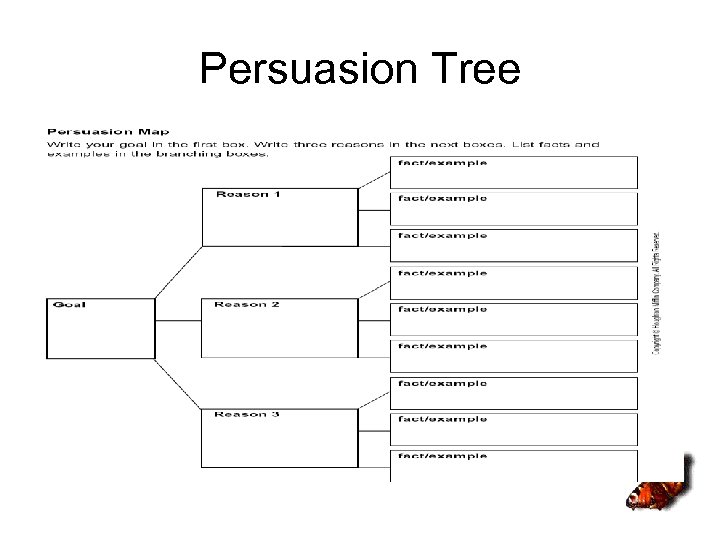 Persuasion Tree
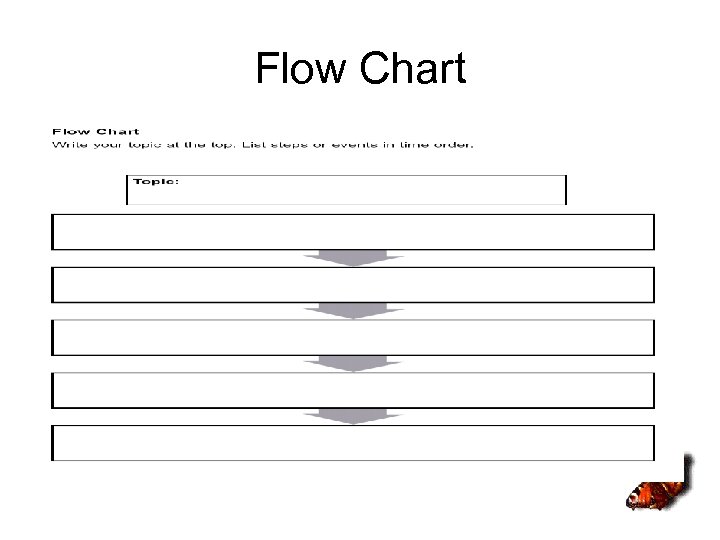 Flow Chart
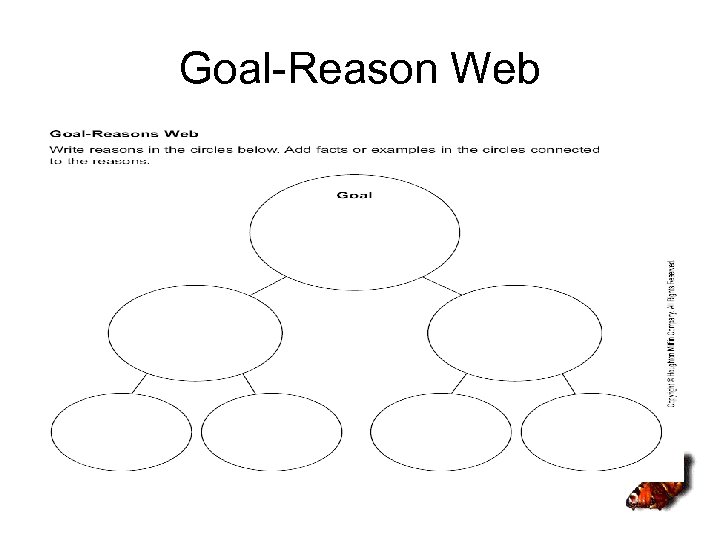 Goal-Reason Web
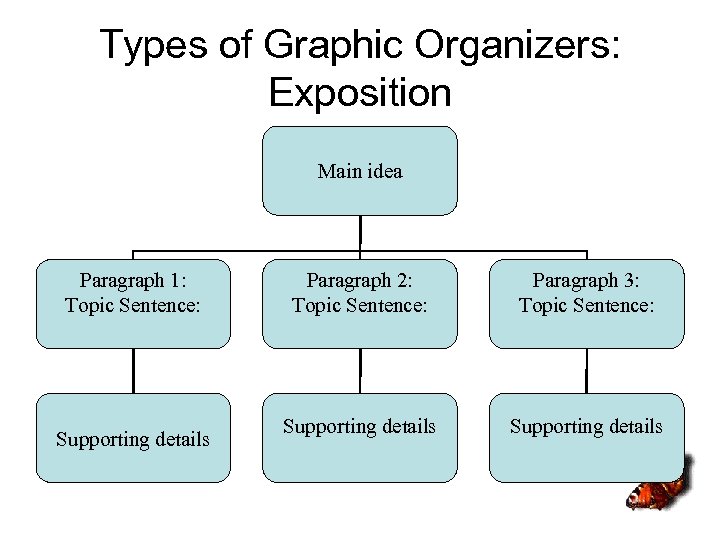 Types of Graphic Organizers: Exposition Main idea Paragraph 1: Topic Sentence: Supporting details Paragraph 2: Topic Sentence: Paragraph 3: Topic Sentence: Supporting details
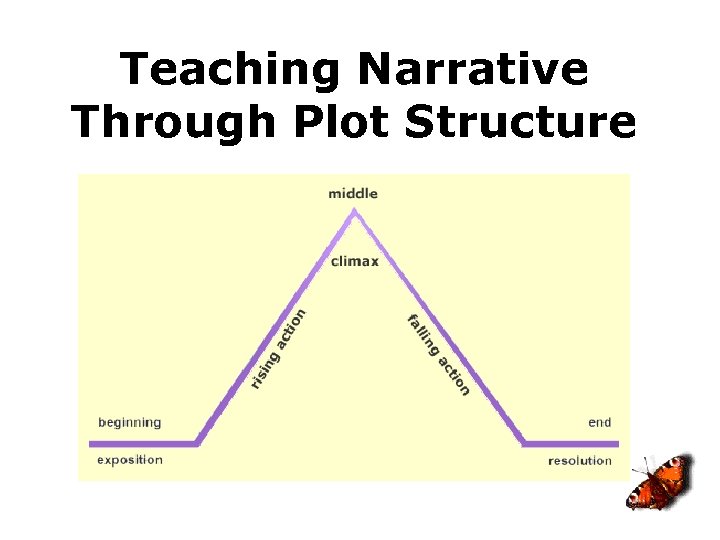 Teaching Narrative Through Plot Structure
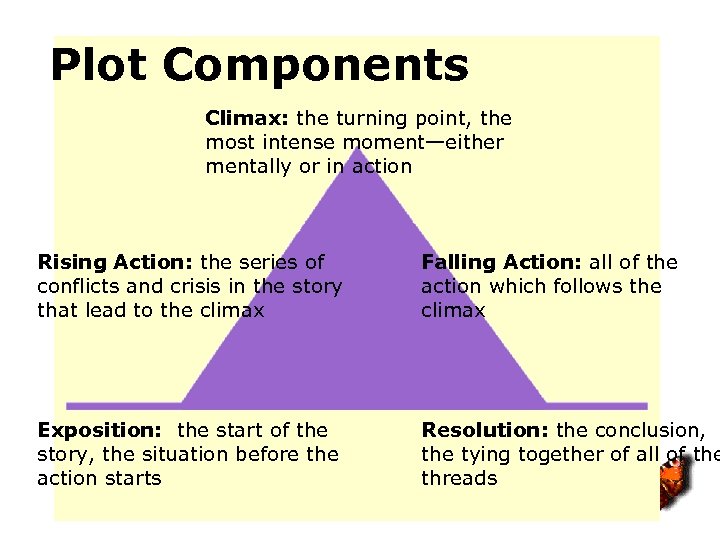 Plot Components Climax: the turning point, the most intense moment—either mentally or in action Rising Action: the series of conflicts and crisis in the story that lead to the climax Falling Action: all of the action which follows the climax Exposition: the start of the story, the situation before the action starts Resolution: the conclusion, the tying together of all of the threads
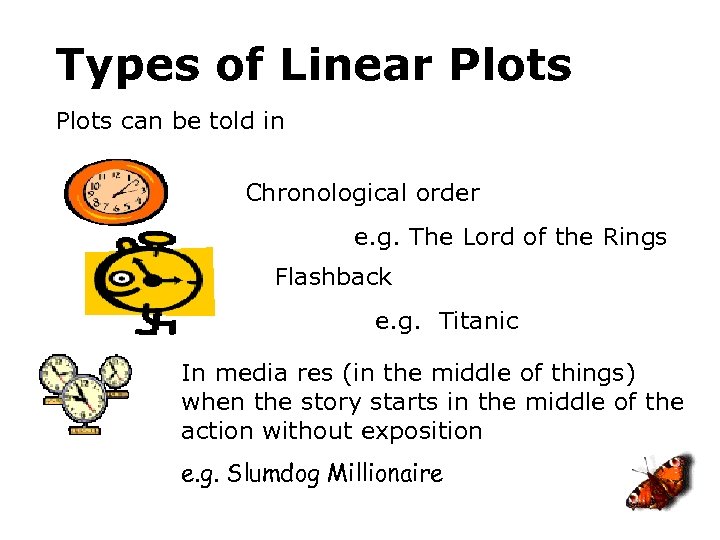 Types of Linear Plots can be told in Chronological order e. g. The Lord of the Rings Flashback e. g. Titanic In media res (in the middle of things) when the story starts in the middle of the action without exposition e. g. Slumdog Millionaire
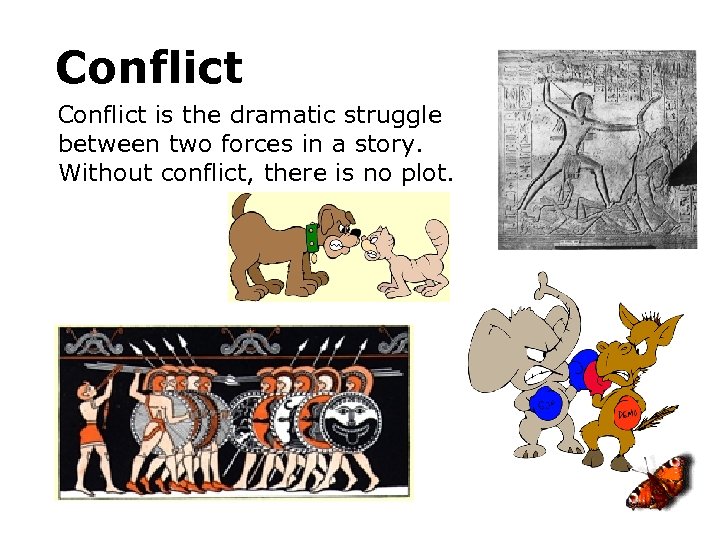 Conflict is the dramatic struggle between two forces in a story. Without conflict, there is no plot.
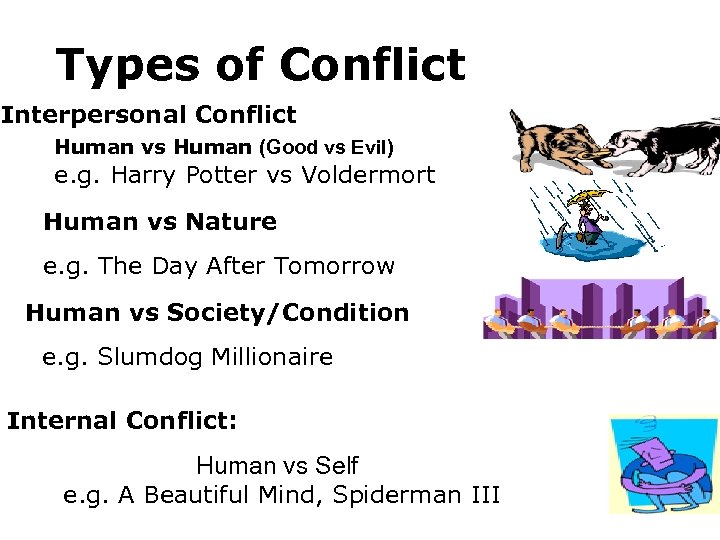 Types of Conflict Interpersonal Conflict Human vs Human (Good vs Evil) e. g. Harry Potter vs Voldermort Human vs Nature e. g. The Day After Tomorrow Human vs Society/Condition e. g. Slumdog Millionaire Internal Conflict: Human vs Self e. g. A Beautiful Mind, Spiderman III
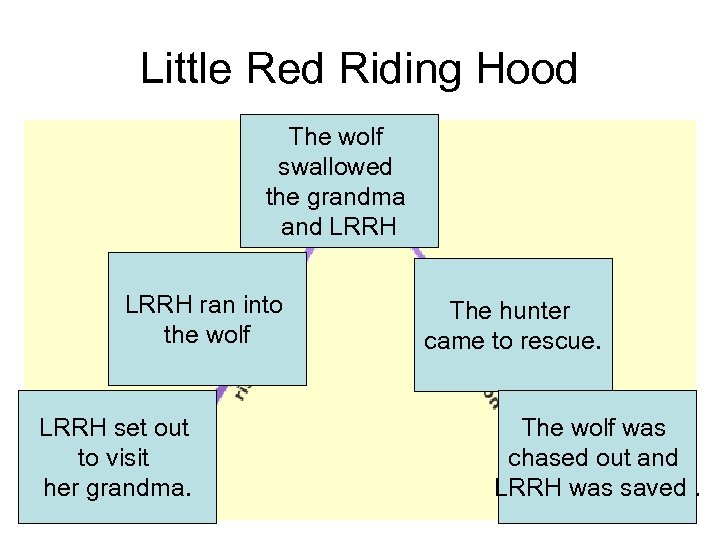 Little Red Riding Hood The wolf swallowed the grandma and LRRH ran into the wolf LRRH set out to visit her grandma. The hunter came to rescue. The wolf was chased out and LRRH was saved.
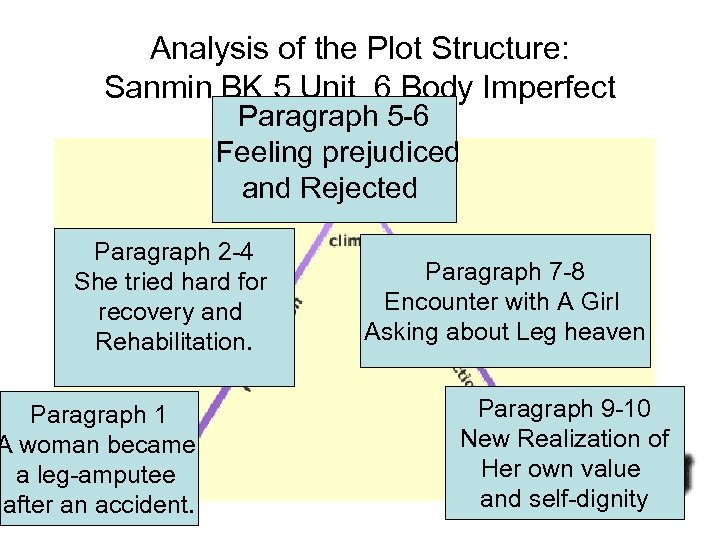 Analysis of the Plot Structure: Sanmin BK 5 Unit 6 Body Imperfect Paragraph 5 -6 Feeling prejudiced and Rejected Paragraph 2 -4 She tried hard for recovery and Rehabilitation. Paragraph 1 A woman became a leg-amputee after an accident. Paragraph 7 -8 Encounter with A Girl Asking about Leg heaven Paragraph 9 -10 New Realization of Her own value and self-dignity
 Have Your Say! • Asking Questions that Relates to them • Asking about their opinions • Asking them to ask questions
 Questions for Ss • 1. Ask about the main idea: Summary • 2. Clarifying Questions (unclear or uncertain parts) • 3. A Quote you love or agree with • 4. Doubts or Disagreement
 Reading 1 • • • When and Where? Who? What? Why? …
 Secret and Surprise in Poetry • Dramatize the poem: – What is the setting or the situation? ? – Who is speaking? To whom is that speaker speaking? – What is the speaker's tone? – Metaphor or Similes? – Imagery or symbols: What words or objects are used to imply the feeling or thought of the speaker? – Theme: What does the speaker want to, or try to, say in the poem?
 Extension • Students PPT Report: • A picture that says a thousand words • Anne Frank Diary • Thanksgiving • Google Office Culture
 Try to Create Some Chemistry ! Thanks for Your Patience and Heart-Warming Attention!