


 Скачать презентацию How did the human develop since the first
human evolution without video.pptx
- Количество слайдов: 13

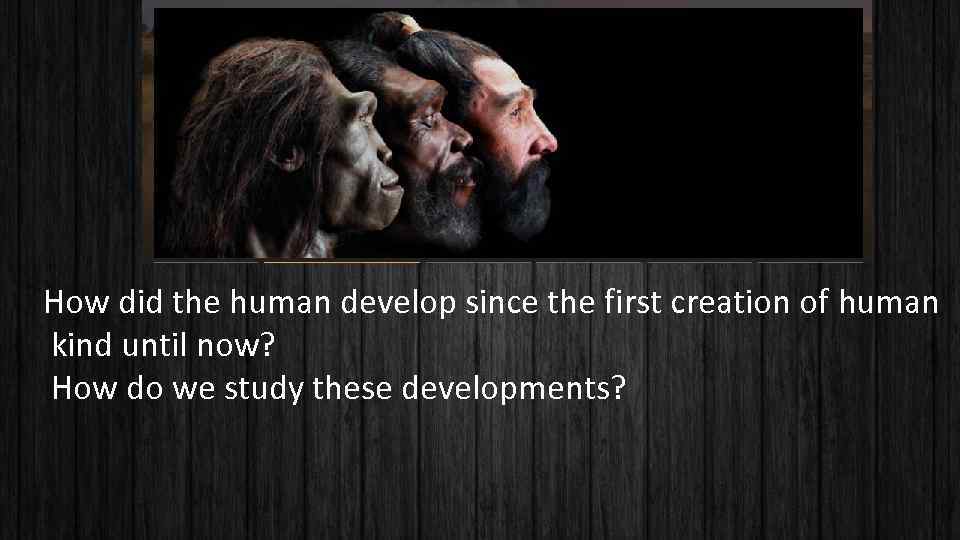 How did the human develop since the first creation of human kind until now? How do we study these developments?
 Paleoanthropology is the study of our ancestors. It has made a lot of progress in several important fields in the last few decades using DNA analysis and molecular biology using fossils. This has led to unusual advances in our understanding of the biological history of modern humans.
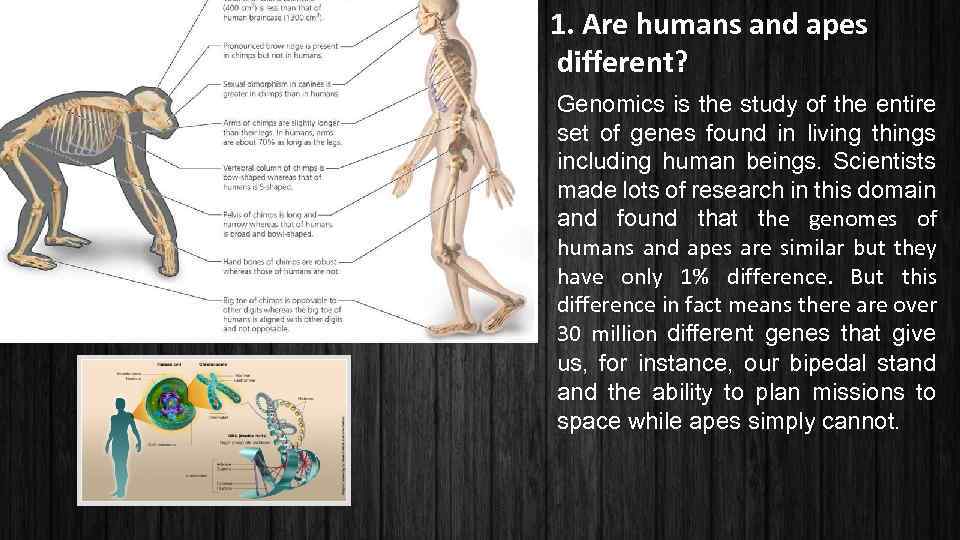 1. Are humans and apes different? Genomics is the study of the entire set of genes found in living things including human beings. Scientists made lots of research in this domain and found that the genomes of humans and apes are similar but they have only 1% difference. But this difference in fact means there are over 30 million different genes that give us, for instance, our bipedal stand the ability to plan missions to space while apes simply cannot.
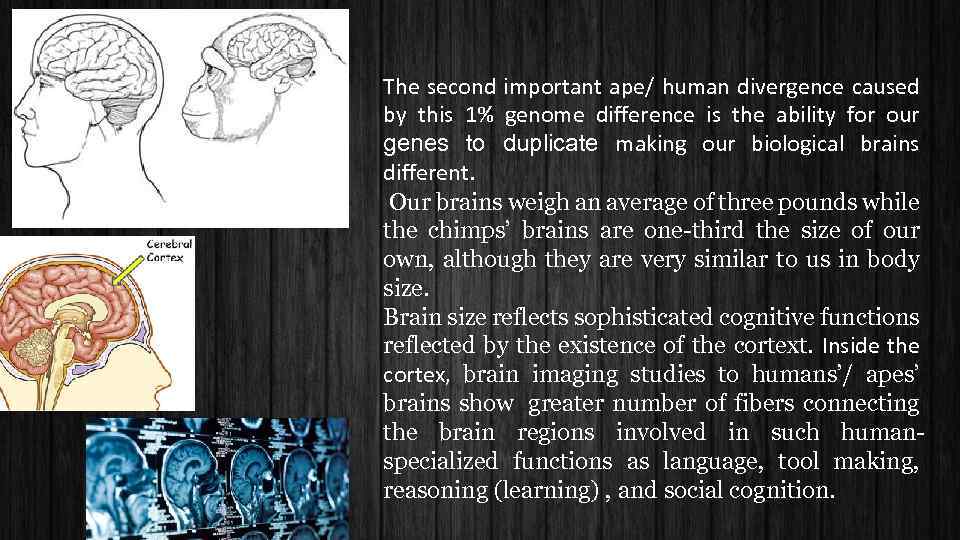 The second important ape/ human divergence caused by this 1% genome difference is the ability for our genes to duplicate making our biological brains different. Our brains weigh an average of three pounds while the chimps’ brains are one-third the size of our own, although they are very similar to us in body size. Brain size reflects sophisticated cognitive functions reflected by the existence of the cortext. Inside the cortex, brain imaging studies to humans’/ apes’ brains show greater number of fibers connecting the brain regions involved in such humanspecialized functions as language, tool making, reasoning (learning) , and social cognition.
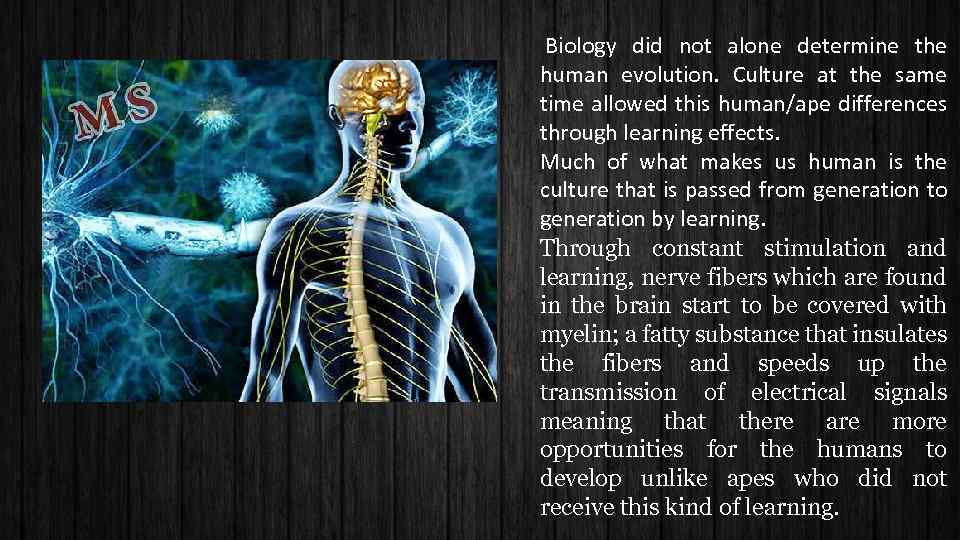 Biology did not alone determine the human evolution. Culture at the same time allowed this human/ape differences through learning effects. Much of what makes us human is the culture that is passed from generation to generation by learning. Through constant stimulation and learning, nerve fibers which are found in the brain start to be covered with myelin; a fatty substance that insulates the fibers and speeds up the transmission of electrical signals meaning that there are more opportunities for the humans to develop unlike apes who did not receive this kind of learning.
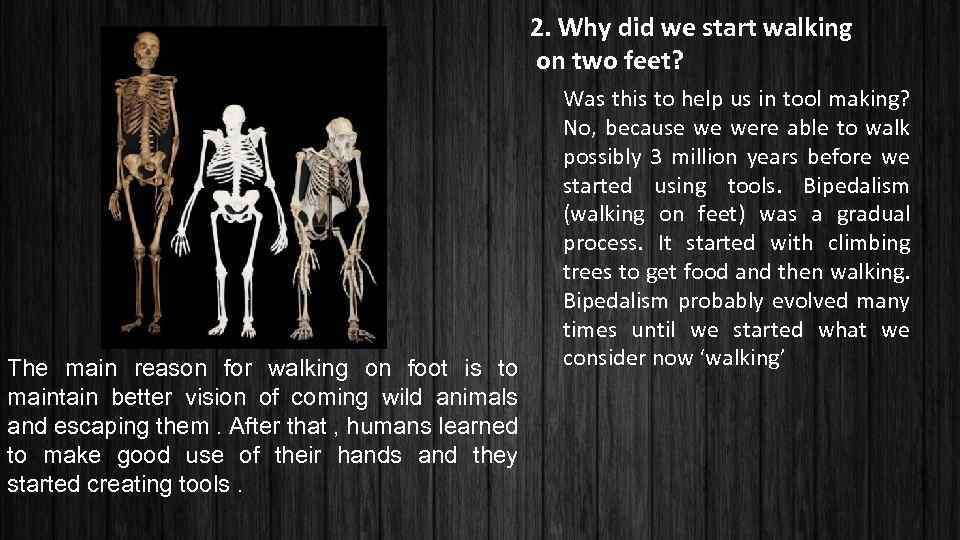 2. Why did we start walking on two feet? The main reason for walking on foot is to maintain better vision of coming wild animals and escaping them. After that , humans learned to make good use of their hands and they started creating tools. Was this to help us in tool making? No, because we were able to walk possibly 3 million years before we started using tools. Bipedalism (walking on feet) was a gradual process. It started with climbing trees to get food and then walking. Bipedalism probably evolved many times until we started what we consider now ‘walking’
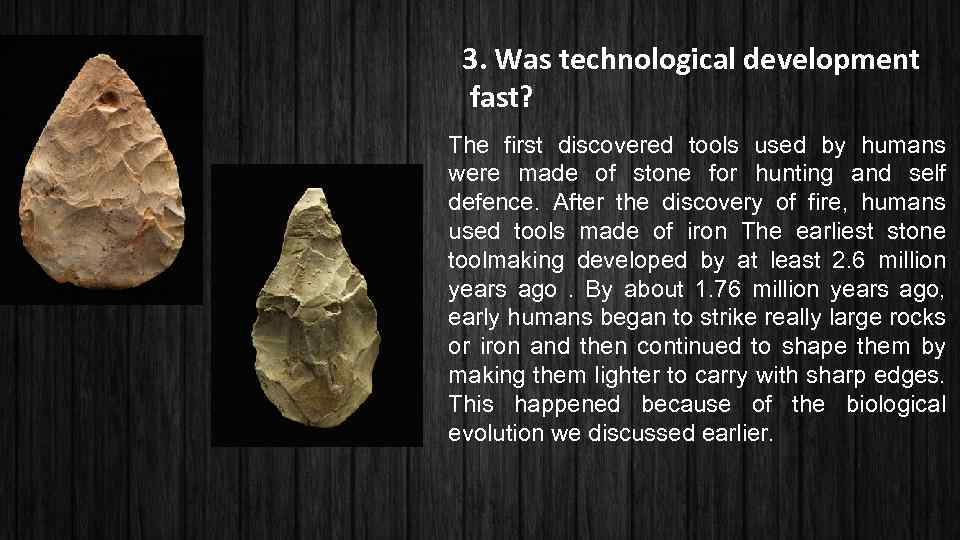 3. Was technological development fast? The first discovered tools used by humans were made of stone for hunting and self defence. After the discovery of fire, humans used tools made of iron The earliest stone toolmaking developed by at least 2. 6 million years ago. By about 1. 76 million years ago, early humans began to strike really large rocks or iron and then continued to shape them by making them lighter to carry with sharp edges. This happened because of the biological evolution we discussed earlier.
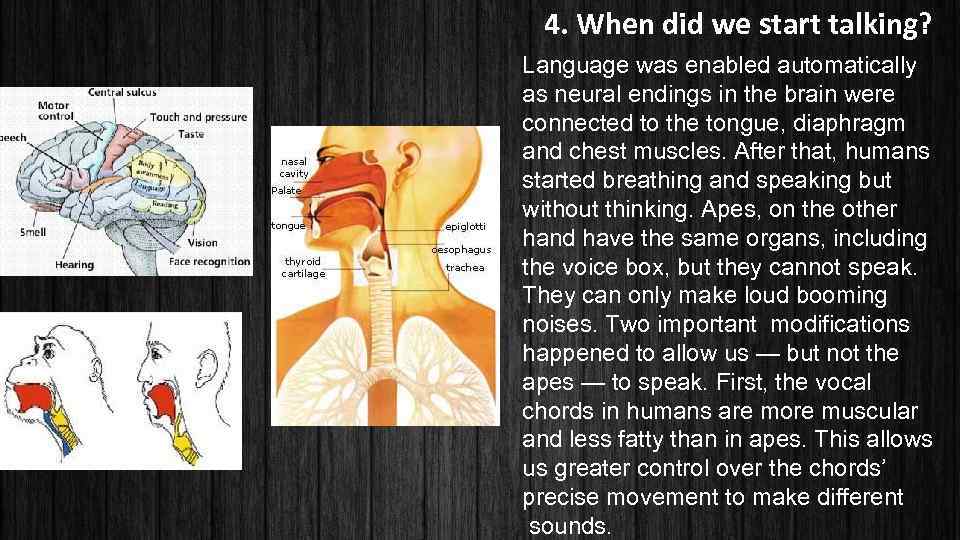 4. When did we start talking? Language was enabled automatically as neural endings in the brain were connected to the tongue, diaphragm and chest muscles. After that, humans started breathing and speaking but without thinking. Apes, on the other hand have the same organs, including the voice box, but they cannot speak. They can only make loud booming noises. Two important modifications happened to allow us — but not the apes — to speak. First, the vocal chords in humans are more muscular and less fatty than in apes. This allows us greater control over the chords’ precise movement to make different sounds.
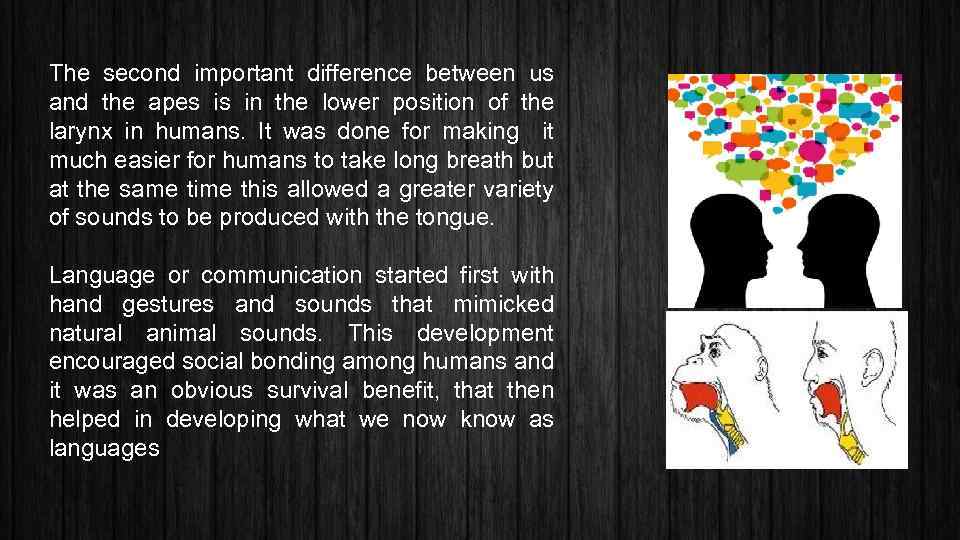 The second important difference between us and the apes is in the lower position of the larynx in humans. It was done for making it much easier for humans to take long breath but at the same time this allowed a greater variety of sounds to be produced with the tongue. Language or communication started first with hand gestures and sounds that mimicked natural animal sounds. This development encouraged social bonding among humans and it was an obvious survival benefit, that then helped in developing what we now know as languages
 7. Are we still evolving?

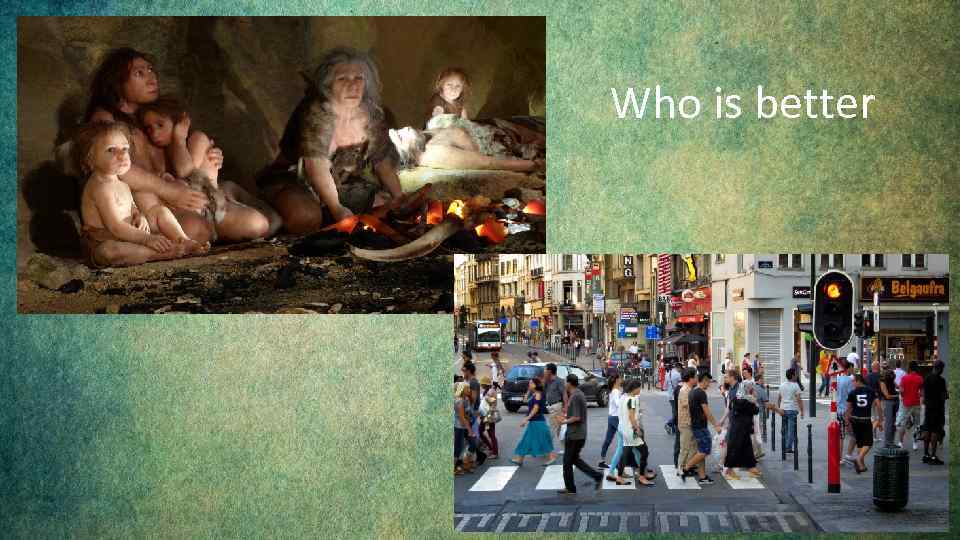 Who is better