


 Скачать презентацию How can we prevent Prof Dr U Wahn
7d85fab7ec829b6edb0246b553df95bf.ppt
- Количество слайдов: 37
 How can we prevent Prof. Dr. U. Wahn Department of Pediatric Pneumology and Immunology
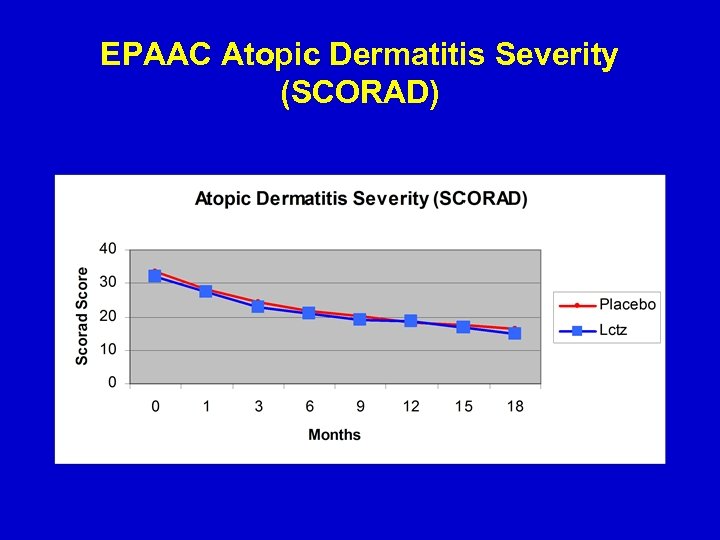 EPAAC Atopic Dermatitis Severity (SCORAD)
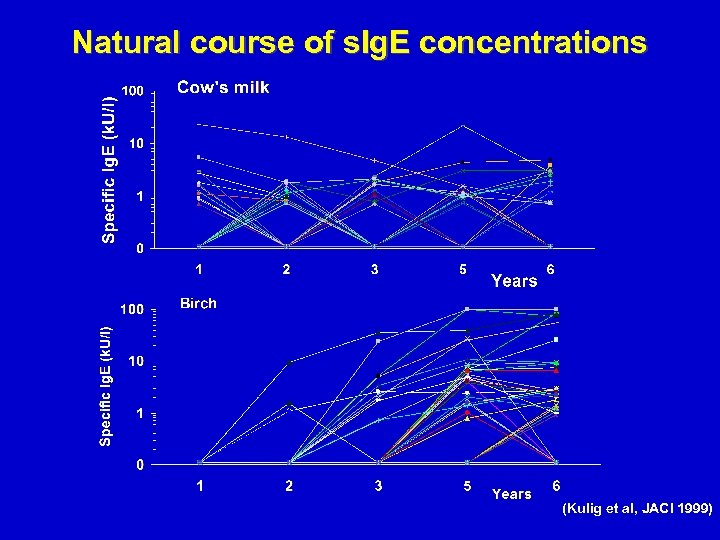 Natural course of s. Ig. E concentrations (Kulig et al, JACI 1999)
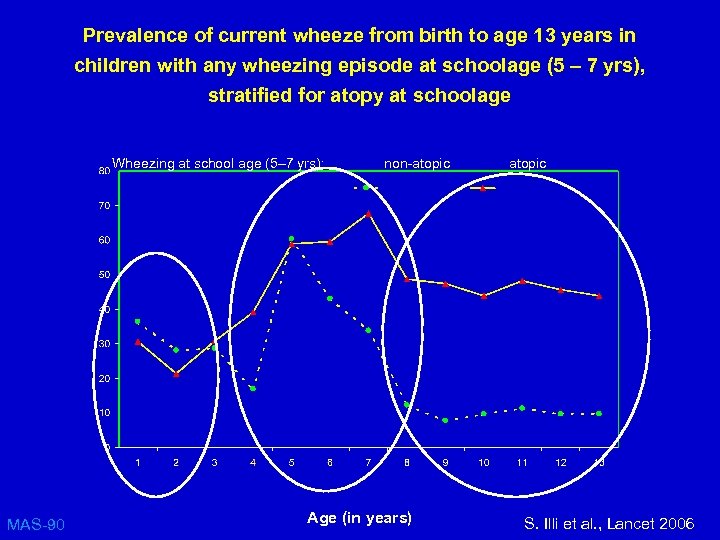 Prevalence of current wheeze from birth to age 13 years in children with any wheezing episode at schoolage (5 – 7 yrs), stratified for atopy at schoolage Wheezing at school age (5– 7 yrs): MAS-90 non-atopic Age (in years) atopic S. Illi et al. , Lancet 2006
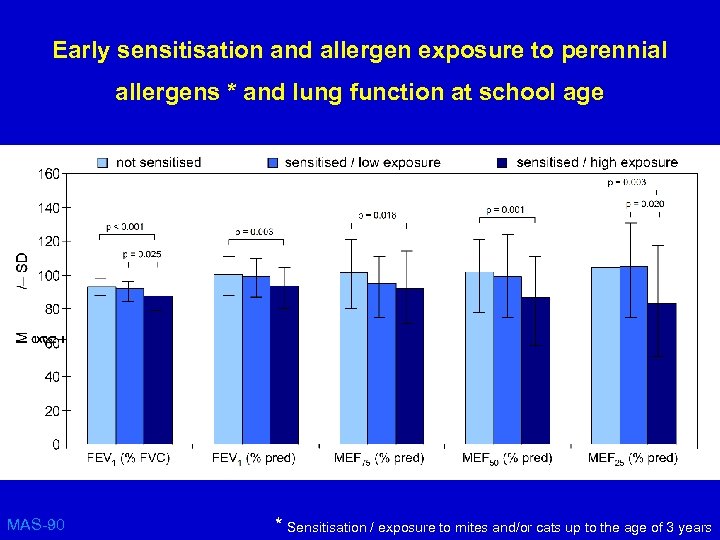 Early sensitisation and allergen exposure to perennial allergens * and lung function at school age MAS-90 * Sensitisation / exposure to mites and/or cats up to the age of 3 years
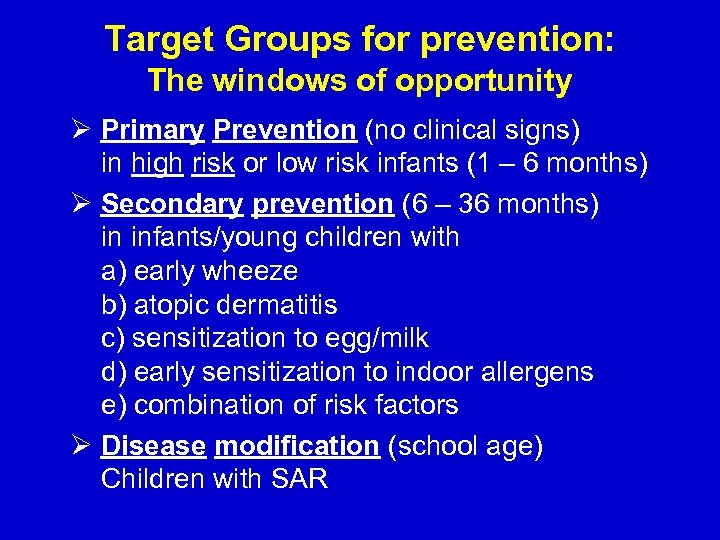 Target Groups for prevention: The windows of opportunity Ø Primary Prevention (no clinical signs) in high risk or low risk infants (1 – 6 months) Ø Secondary prevention (6 – 36 months) in infants/young children with a) early wheeze b) atopic dermatitis c) sensitization to egg/milk d) early sensitization to indoor allergens e) combination of risk factors Ø Disease modification (school age) Children with SAR
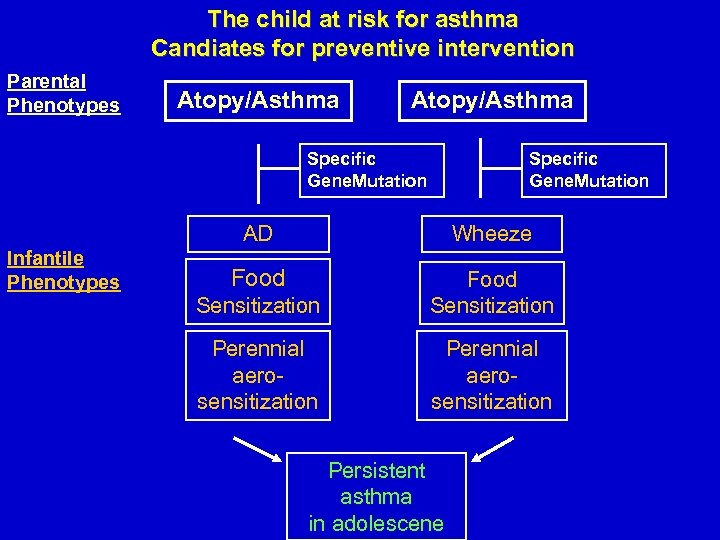 The child at risk for asthma Candiates for preventive intervention Parental Phenotypes Atopy/Asthma Specific Gene. Mutation AD Infantile Phenotypes Wheeze Food Sensitization Perennial aerosensitization Persistent asthma in adolescene
 Combining family history and early phenotypes with specific gene mutations may help to identify the child with persistant asthma within the first year of life Prediction instead of risk assessment!
 Primary prevention • Diet in early infancy - breast milk - hypoallergenic formulae (high risk!) - probiotics (lactobacilli) - prebiotic formula (low risk and high risk!) • Avoidance of tobacco smoke exposure

 Saarinen UM et al. Prolonged breastfeeding as prophylaxis for atopic disease. Lancet 1979; 2: 163 -166 Saarinen UM et al. Breast-feeding as prophylaxis against atopic disease: prospective follow-up study until 17 years old. Lancet 1995; 346: 1065 -1069
 van Odijk J et al. Breastfeeding and allergic disease: a multidisciplinary review of the literature (1966 -2001) on the mode of early feeding in infancy and its impact on later atopic manifestations. Allergy 2003; 58: 833 -843
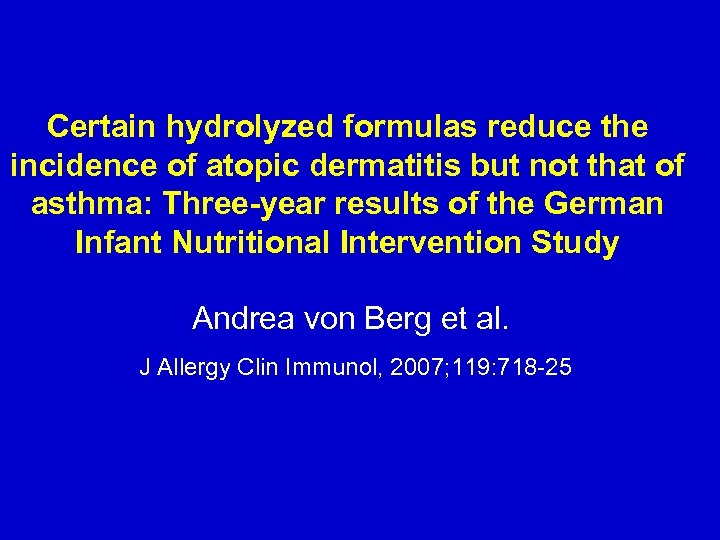 Certain hydrolyzed formulas reduce the incidence of atopic dermatitis but not that of asthma: Three-year results of the German Infant Nutritional Intervention Study Andrea von Berg et al. J Allergy Clin Immunol, 2007; 119: 718 -25
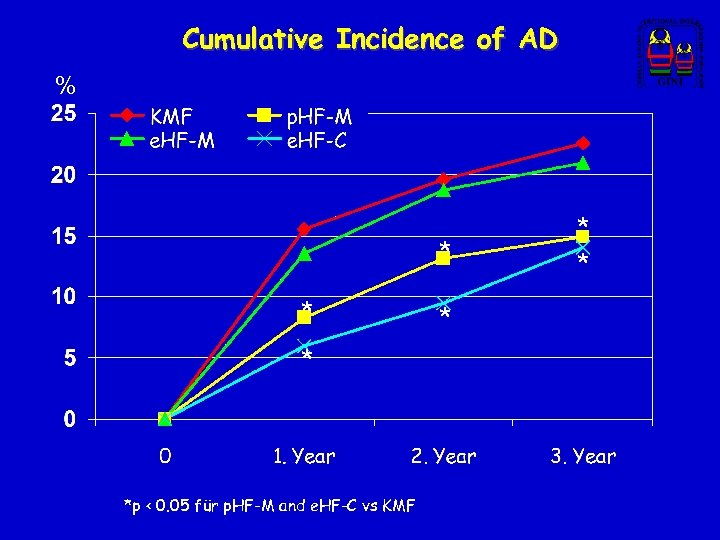 Cumulative Incidence of AD % * *p < 0. 05 für p. HF-M and e. HF-C vs KMF * * *
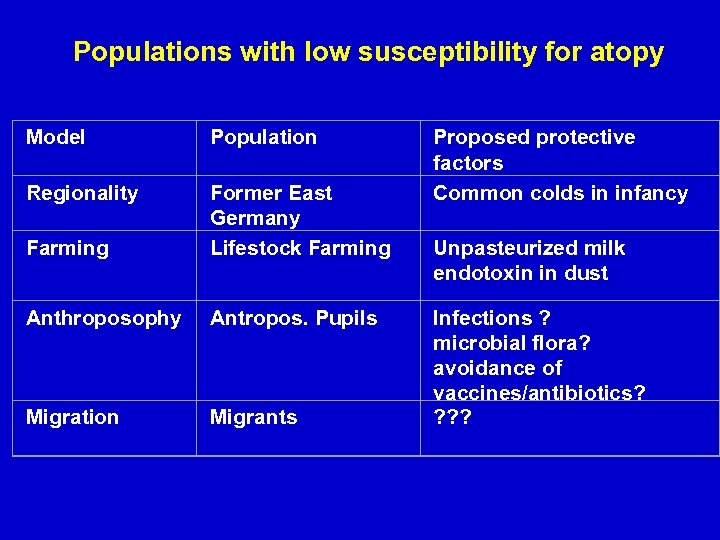 Populations with low susceptibility for atopy Model Population Regionality Farming Former East Germany Lifestock Farming Anthroposophy Antropos. Pupils Migration Migrants Proposed protective factors Common colds in infancy Unpasteurized milk endotoxin in dust Infections ? microbial flora? avoidance of vaccines/antibiotics? ?
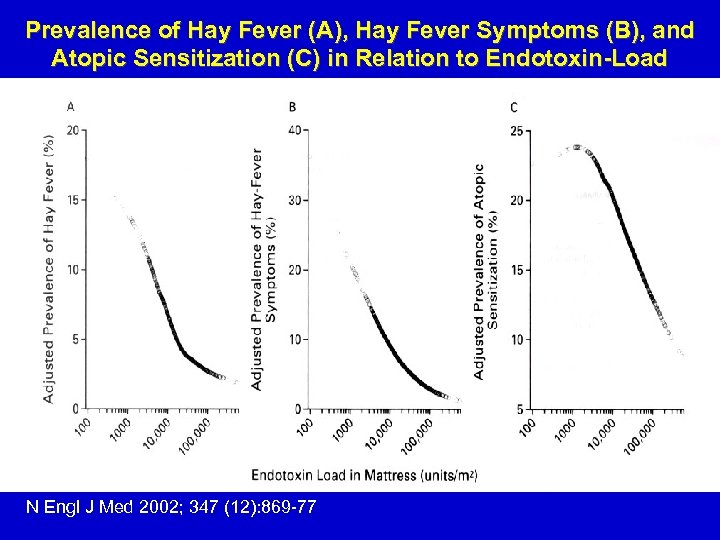 Prevalence of Hay Fever (A), Hay Fever Symptoms (B), and Atopic Sensitization (C) in Relation to Endotoxin-Load N Engl J Med 2002; 347 (12): 869 -77
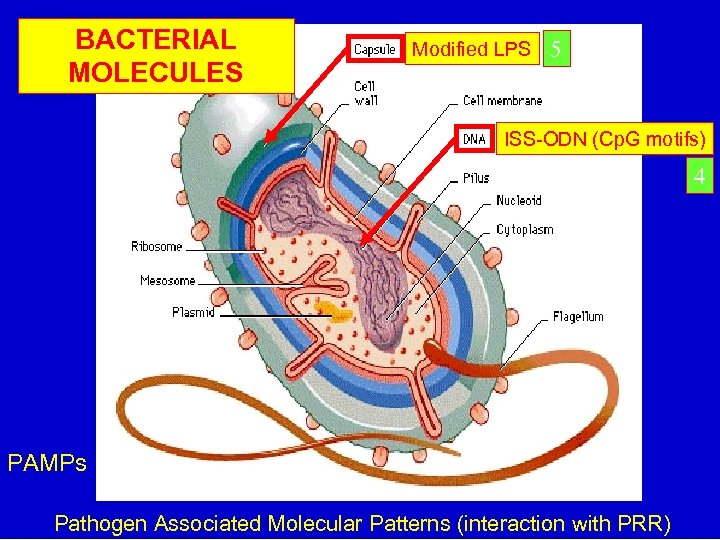 BACTERIAL MOLECULES Modified LPS 5 ISS-ODN (Cp. G motifs) 4 PAMPs Pathogen Associated Molecular Patterns (interaction with PRR)
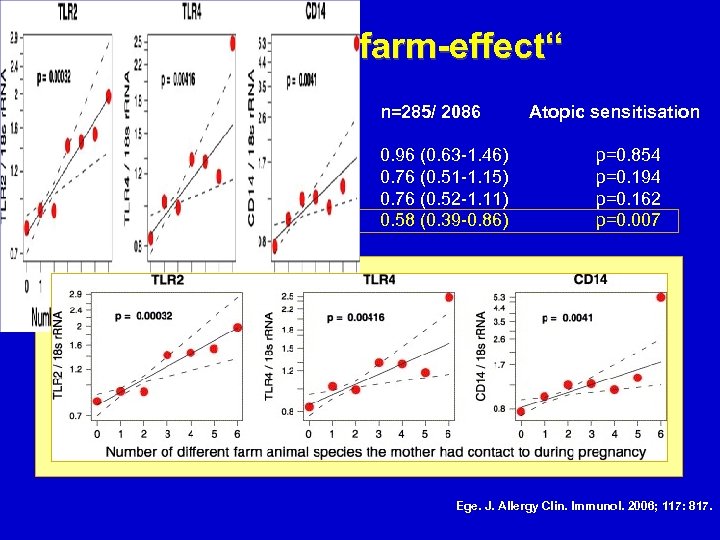 Protective „farm-effect“ PARSIFAL study population n=285/ 2086 Current farm exposure Regular contact with farm animals ever Farm milk consumption ever Stable exposure in pregnancy 0. 96 (0. 63 -1. 46) 0. 76 (0. 51 -1. 15) 0. 76 (0. 52 -1. 11) 0. 58 (0. 39 -0. 86) Atopic sensitisation p=0. 854 p=0. 194 p=0. 162 p=0. 007 Ege. J. Allergy Clin. Immunol. 2006; 117: 817.
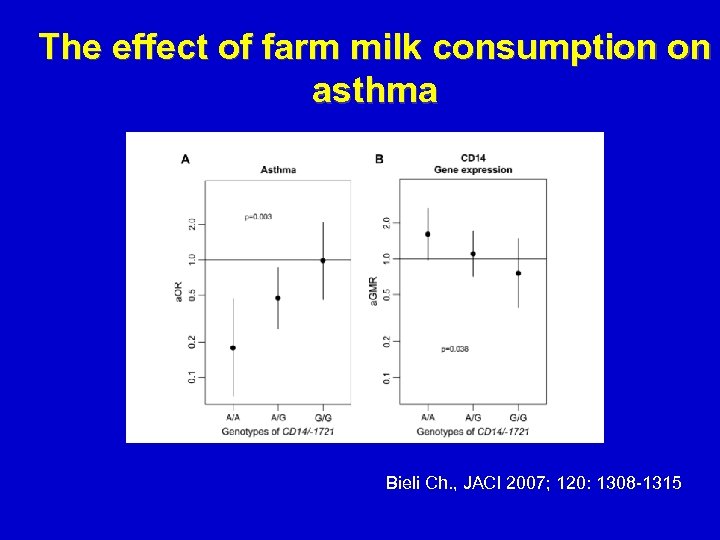 The effect of farm milk consumption on asthma Bieli Ch. , JACI 2007; 120: 1308 -1315
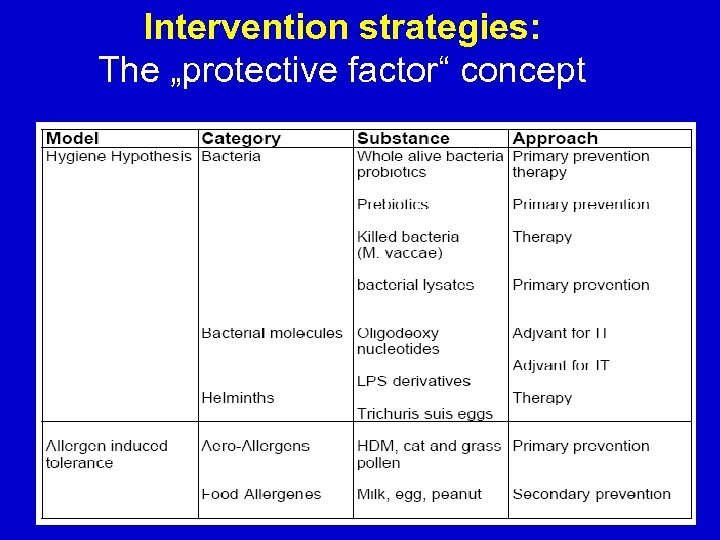 Intervention strategies: The „protective factor“ concept
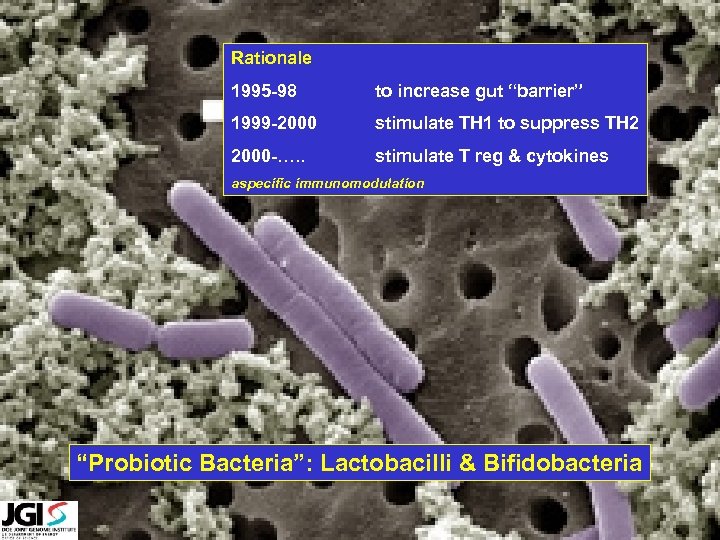 Rationale 1995 -98 to increase gut “barrier” 1999 -2000 stimulate TH 1 to suppress TH 2 2000 -…. . stimulate T reg & cytokines aspecific immunomodulation “Probiotic Bacteria”: Lactobacilli & Bifidobacteria
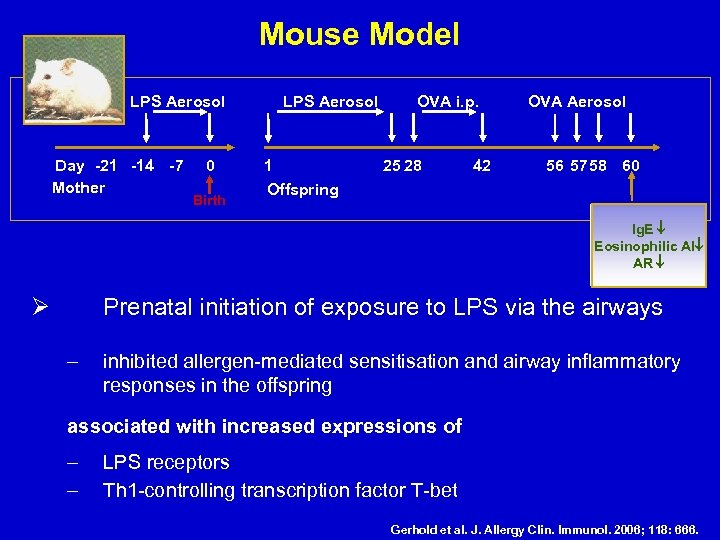 Mouse Model LPS Aerosol Day -21 -14 -7 Mother 0 Birth LPS Aerosol 1 Offspring OVA i. p. 25 28 42 OVA Aerosol 56 5758 60 Ig. E Eosinophilic AI AR Ø Prenatal initiation of exposure to LPS via the airways – inhibited allergen-mediated sensitisation and airway inflammatory responses in the offspring associated with increased expressions of – – LPS receptors Th 1 -controlling transcription factor T-bet Gerhold et al. J. Allergy Clin. Immunol. 2006; 118: 666.
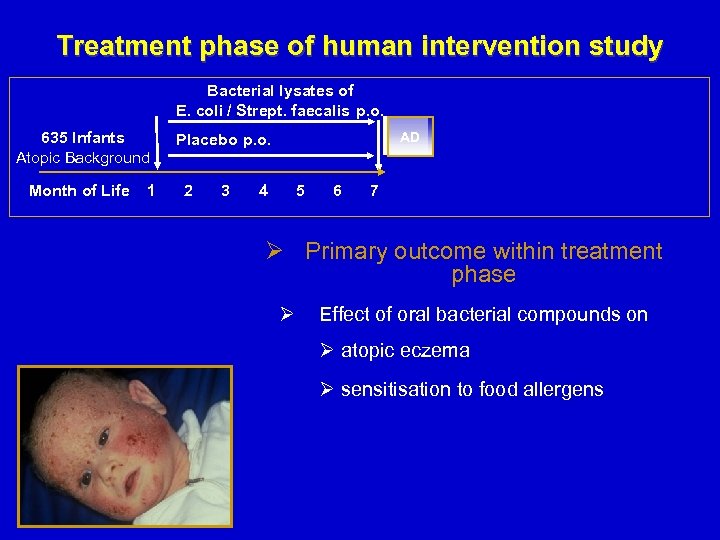 Treatment phase of human intervention study Bacterial lysates of E. coli / Strept. faecalis p. o. 635 Infants Atopic Background Month of Life 1 AD Placebo p. o. 2 3 4 5 6 7 Ø Primary outcome within treatment phase Ø Effect of oral bacterial compounds on Ø atopic eczema Ø sensitisation to food allergens
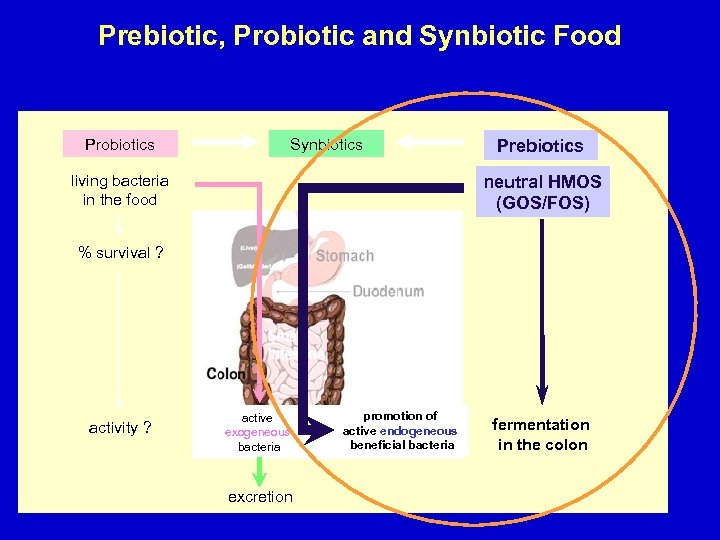 Prebiotic, Probiotic and Synbiotic Food Probiotics Synbiotics living bacteria in the food Prebiotics neutral HMOS (GOS/FOS) % survival ? activity ? active exogeneous bacteria excretion promotion of active endogeneous beneficial bacteria fermentation in the colon
 Prebiotic prevention study team
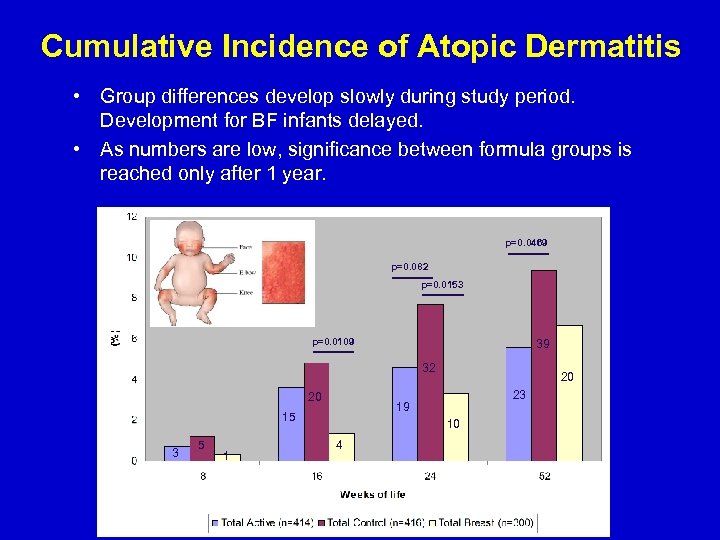 Cumulative Incidence of Atopic Dermatitis • Group differences develop slowly during study period. Development for BF infants delayed. • As numbers are low, significance between formula groups is reached only after 1 year. p=0. 0469 p=0. 082 p=0. 0153 p=0. 0109 39 32 20 5 1 23 19 15 3 20 10 4
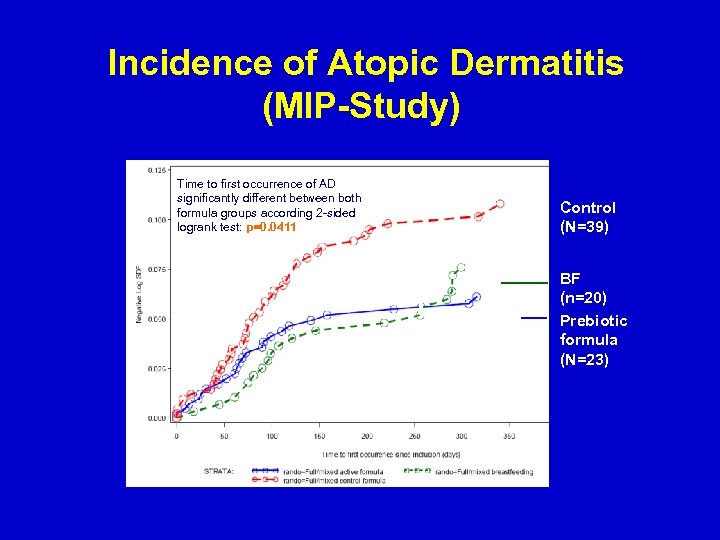 Incidence of Atopic Dermatitis (MIP-Study) Time to first occurrence of AD significantly different between both formula groups according 2 -sided logrank test: p=0. 0411 Control (N=39) BF (n=20) Prebiotic formula (N=23)
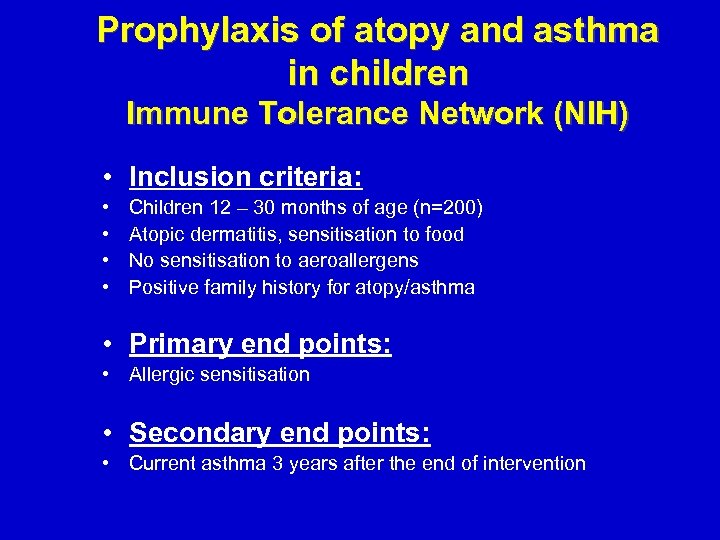 Prophylaxis of atopy and asthma in children Immune Tolerance Network (NIH) • Inclusion criteria: • • Children 12 – 30 months of age (n=200) Atopic dermatitis, sensitisation to food No sensitisation to aeroallergens Positive family history for atopy/asthma • Primary end points: • Allergic sensitisation • Secondary end points: • Current asthma 3 years after the end of intervention
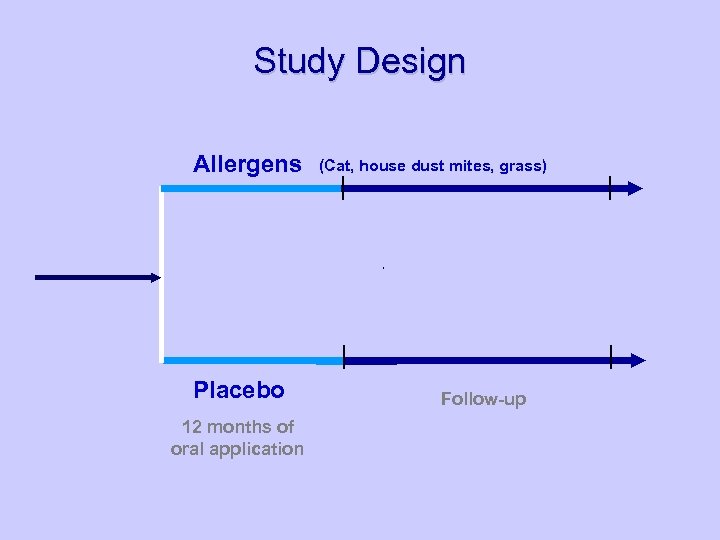 Study Design Allergens Enrolment (Cat, house dust mites, grass) Endpoint Assessment Randomisation (n=200) (age 12 – 30 month) Placebo 12 months of oral application (ITT/ PP) Follow-up
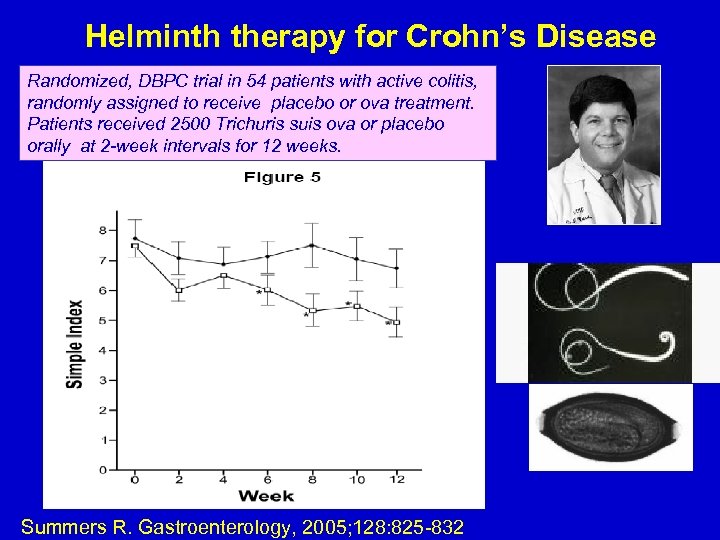 Helminth therapy for Crohn’s Disease Randomized, DBPC trial in 54 patients with active colitis, randomly assigned to receive placebo or ova treatment. Patients received 2500 Trichuris suis ova or placebo orally at 2 -week intervals for 12 weeks. Joel Weinstock Trichuris suis eggs Summers R. Gastroenterology, 2005; 128: 825 -832
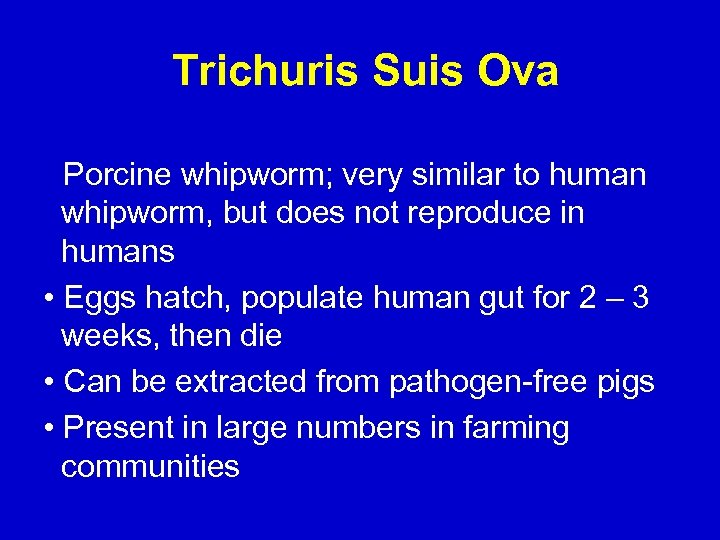 Trichuris Suis Ova • Porcine whipworm; very similar to human whipworm, but does not reproduce in humans • Eggs hatch, populate human gut for 2 – 3 weeks, then die • Can be extracted from pathogen-free pigs • Present in large numbers in farming communities
 Trichuris Suis Ova • Appears to help restore proper immune function in autoimmune disorders (Crohn‘s disease) • Appears to have no side effects
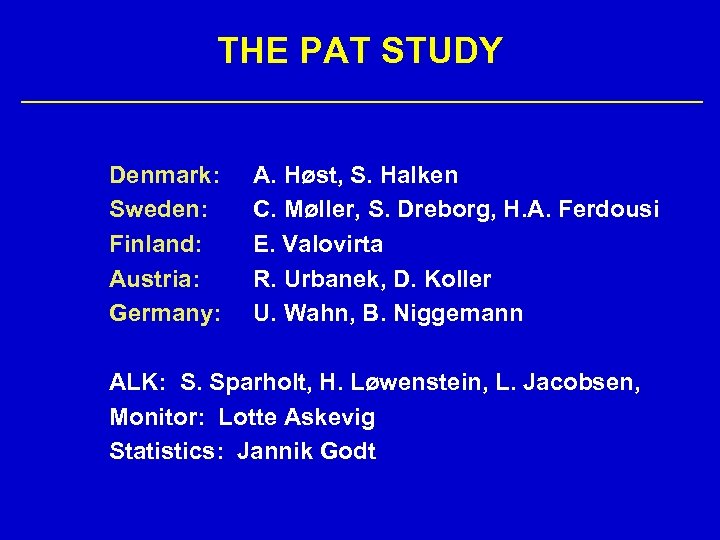 THE PAT STUDY Denmark: Sweden: Finland: Austria: Germany: A. Høst, S. Halken C. Møller, S. Dreborg, H. A. Ferdousi E. Valovirta R. Urbanek, D. Koller U. Wahn, B. Niggemann ALK: S. Sparholt, H. Løwenstein, L. Jacobsen, Monitor: Lotte Askevig Statistics: Jannik Godt
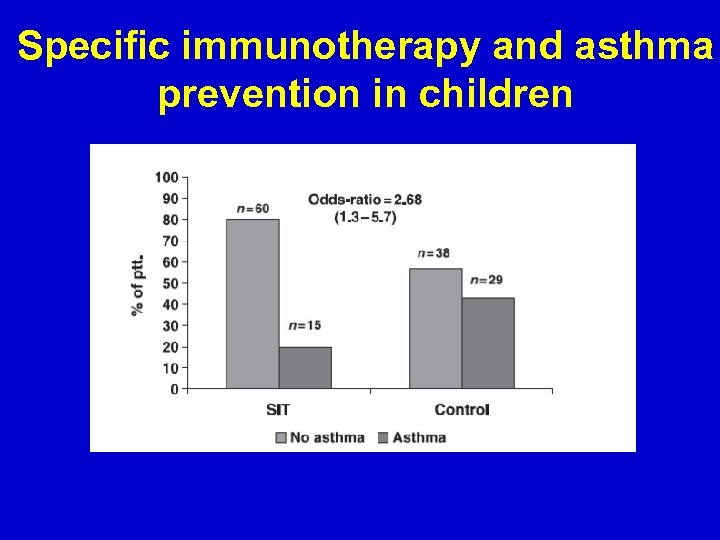 Specific immunotherapy and asthma prevention in children Niggemann et al. Allergie 2006, 61, 855
 Acknowledgement Berlin: S. Lau R. Nickel R. Bergmann C. Grüber P. Matricardi B. Niggemann T. Keil Partners: S. Illi E. von Mutius C. P. Bauer J. Forster V. Wahn W. Kamin EPAAC-Cohort: J. O. Warner A. Huret (Business Effisciences) EPAAC Board and study group MIPS-Cohort: J. Jelinek G. Boehm MIPS-study group ITN-Cohort: P. Holt P. Sly B. Bjorksten H. Sampson
 Funding • German Ministry of Education and Research (BMBF) • German Research Foundation (DFG) • Ga 2 len (EU-Network of Excellence, 7 th framework program) • Numico Research, Wageningen NL • UCB Pharma