


 Скачать презентацию Houston s Medical Disaster Response to Hurricane Katrina
3911ee4f44f4253152c92ccb360f40ae.ppt
- Количество слайдов: 65
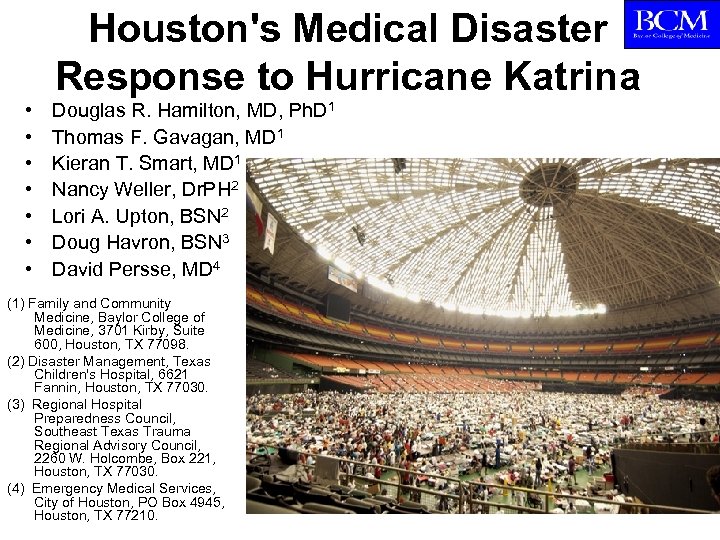 Houston's Medical Disaster Response to Hurricane Katrina • • Douglas R. Hamilton, MD, Ph. D 1 Thomas F. Gavagan, MD 1 Kieran T. Smart, MD 1 Nancy Weller, Dr. PH 2 Lori A. Upton, BSN 2 Doug Havron, BSN 3 David Persse, MD 4 (1) Family and Community Medicine, Baylor College of Medicine, 3701 Kirby, Suite 600, Houston, TX 77098. (2) Disaster Management, Texas Children's Hospital, 6621 Fannin, Houston, TX 77030. (3) Regional Hospital Preparedness Council, Southeast Texas Trauma Regional Advisory Council, 2260 W. Holcombe, Box 221, Houston, TX 77030. (4) Emergency Medical Services, City of Houston, PO Box 4945, Houston, TX 77210.
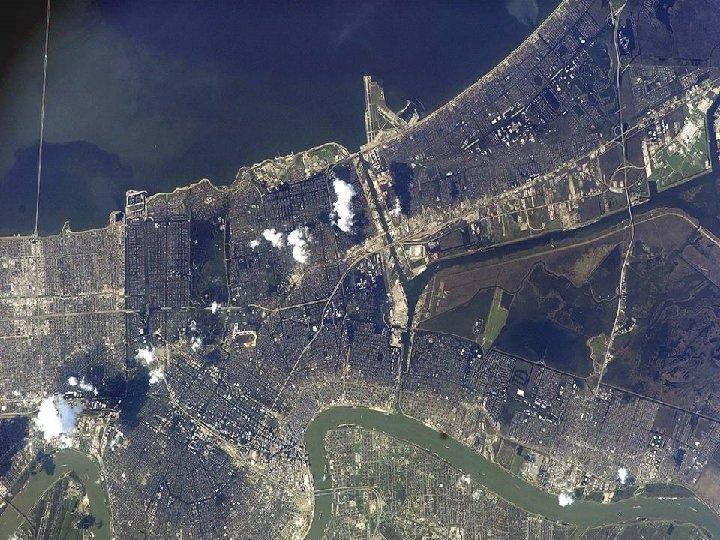
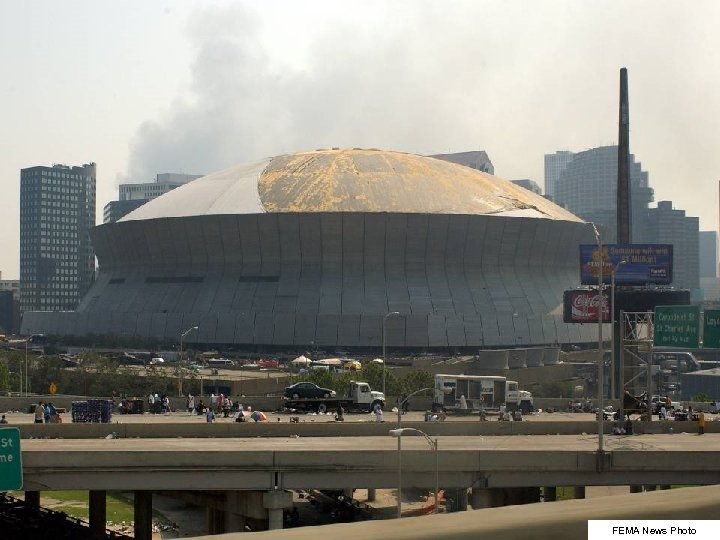
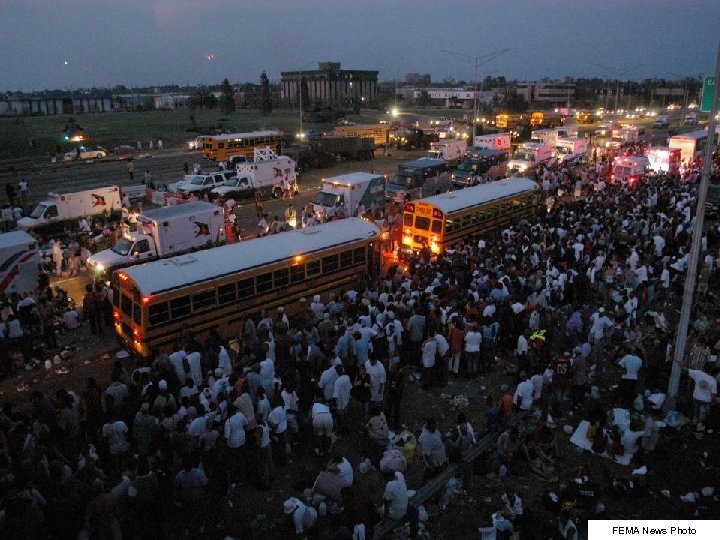
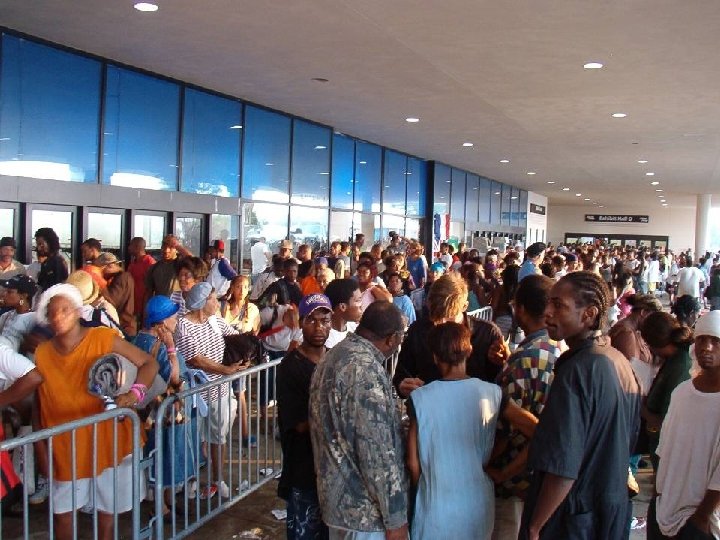
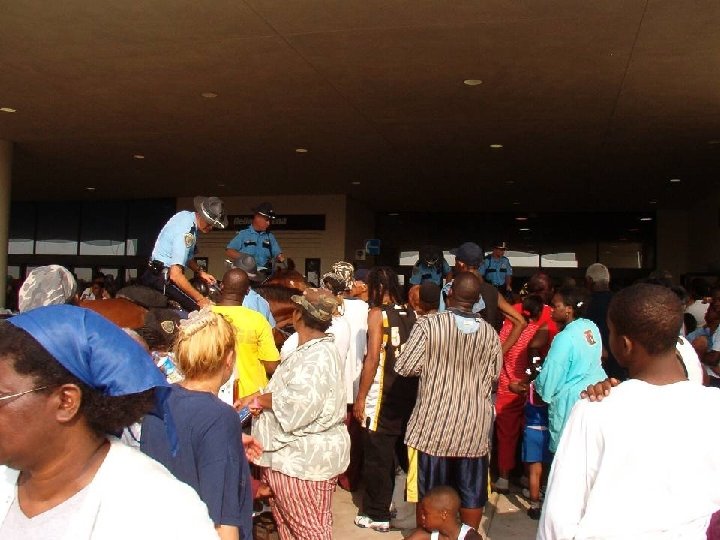
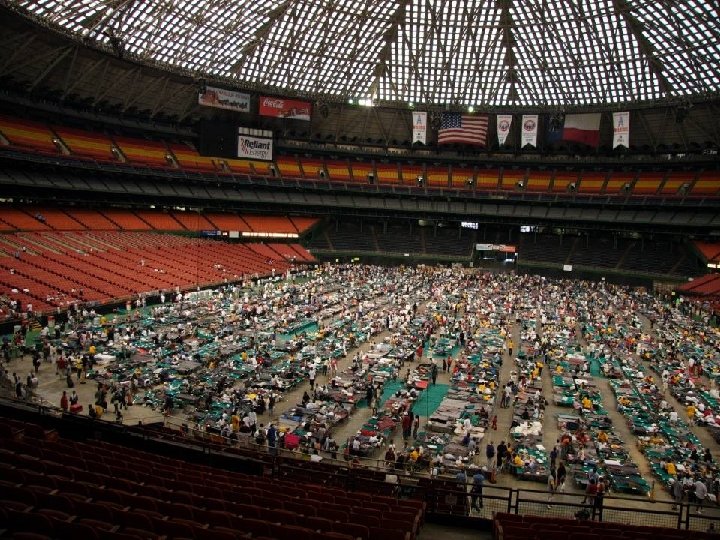
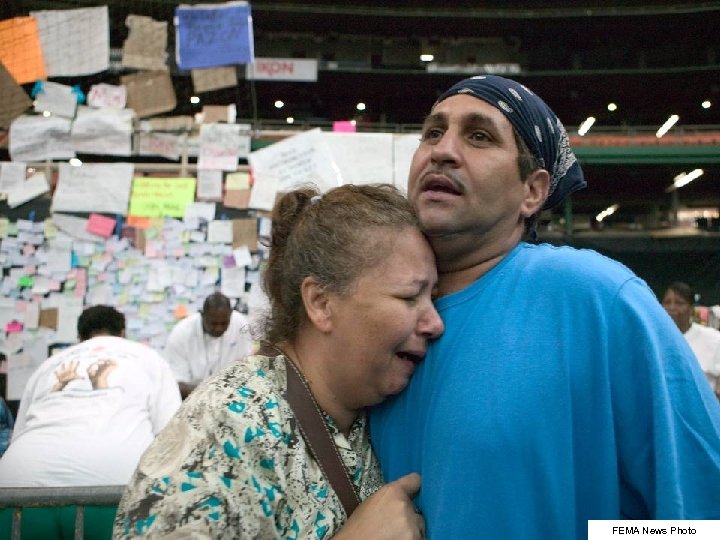
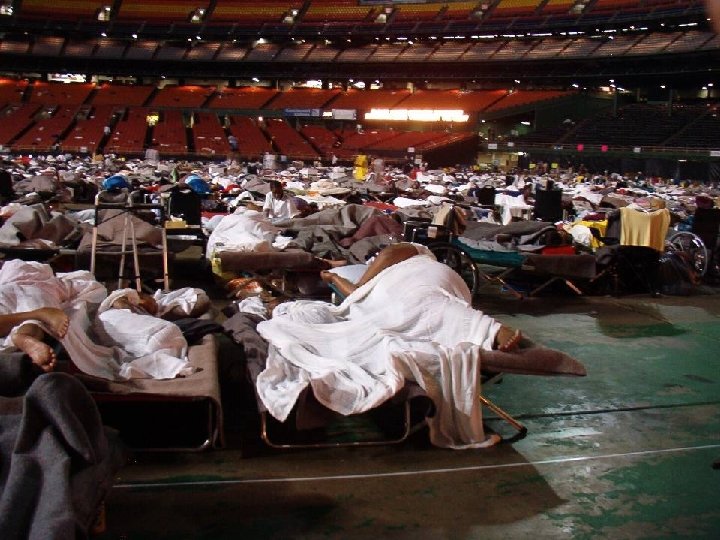
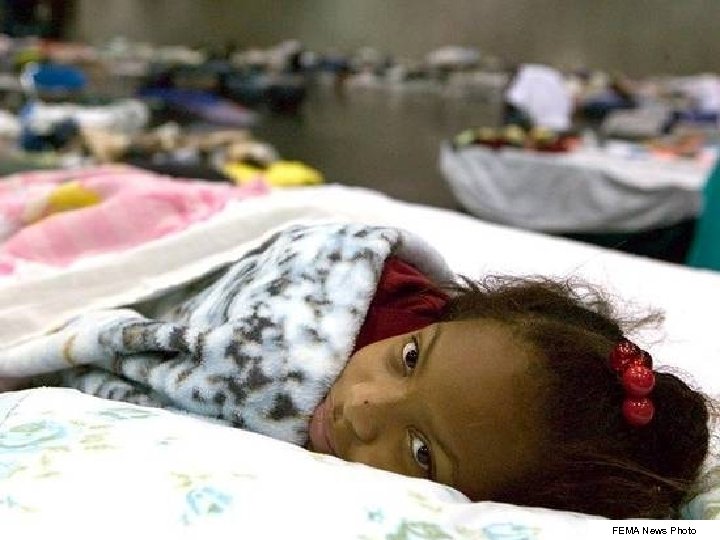
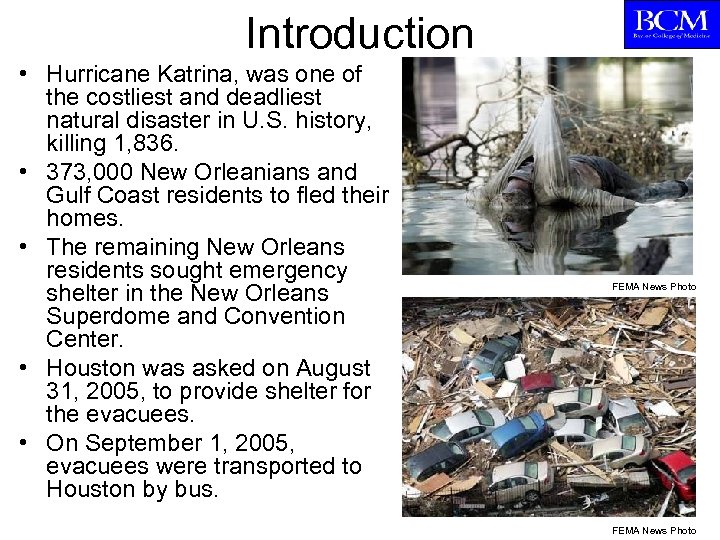 Introduction • Hurricane Katrina, was one of the costliest and deadliest natural disaster in U. S. history, killing 1, 836. • 373, 000 New Orleanians and Gulf Coast residents to fled their homes. • The remaining New Orleans residents sought emergency shelter in the New Orleans Superdome and Convention Center. • Houston was asked on August 31, 2005, to provide shelter for the evacuees. • On September 1, 2005, evacuees were transported to Houston by bus. FEMA News Photo
 FEMA News Photo
 FEMA News Photo
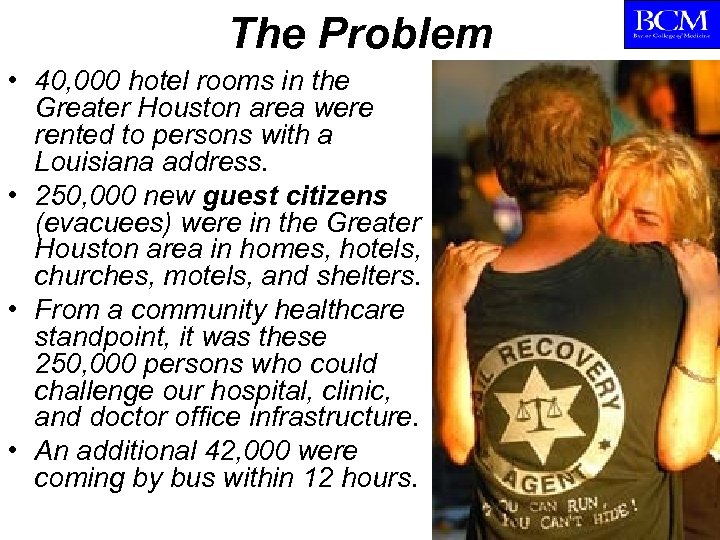 The Problem • 40, 000 hotel rooms in the Greater Houston area were rented to persons with a Louisiana address. • 250, 000 new guest citizens (evacuees) were in the Greater Houston area in homes, hotels, churches, motels, and shelters. • From a community healthcare standpoint, it was these 250, 000 persons who could challenge our hospital, clinic, and doctor office infrastructure. • An additional 42, 000 were coming by bus within 12 hours.
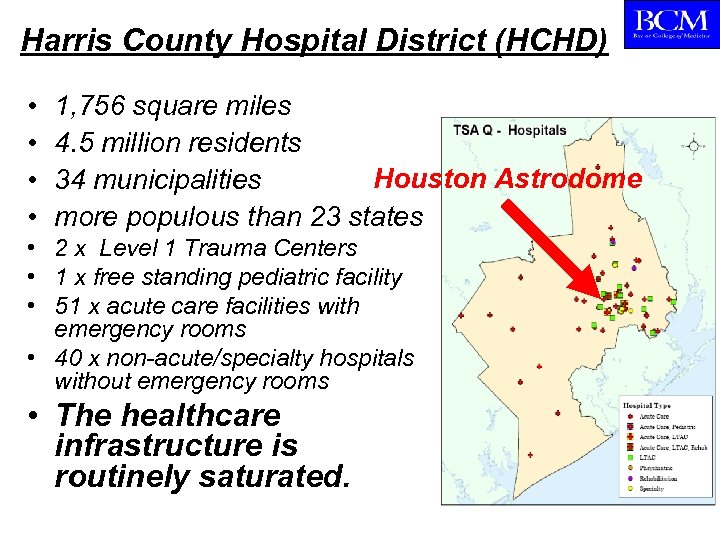 Harris County Hospital District (HCHD) • • 1, 756 square miles 4. 5 million residents Houston Astrodome 34 municipalities more populous than 23 states • 2 x Level 1 Trauma Centers • 1 x free standing pediatric facility • 51 x acute care facilities with emergency rooms • 40 x non-acute/specialty hospitals without emergency rooms • The healthcare infrastructure is routinely saturated.
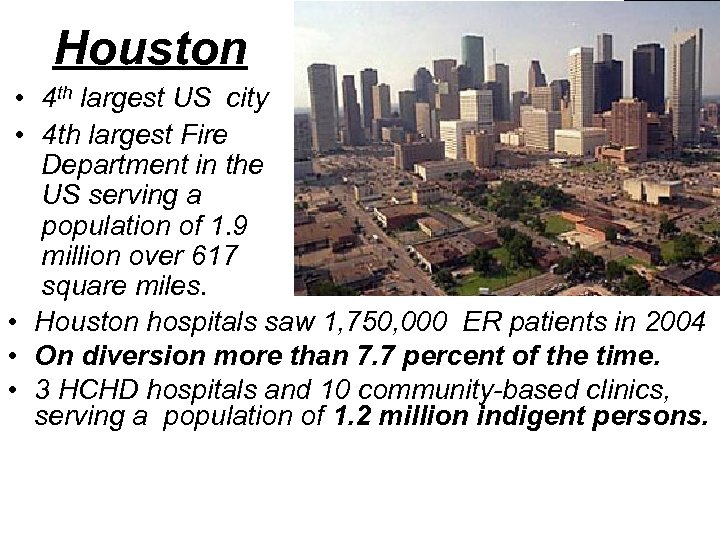 Houston • 4 th largest US city • 4 th largest Fire Department in the US serving a population of 1. 9 million over 617 square miles. • Houston hospitals saw 1, 750, 000 ER patients in 2004 • On diversion more than 7. 7 percent of the time. • 3 HCHD hospitals and 10 community-based clinics, serving a population of 1. 2 million indigent persons.
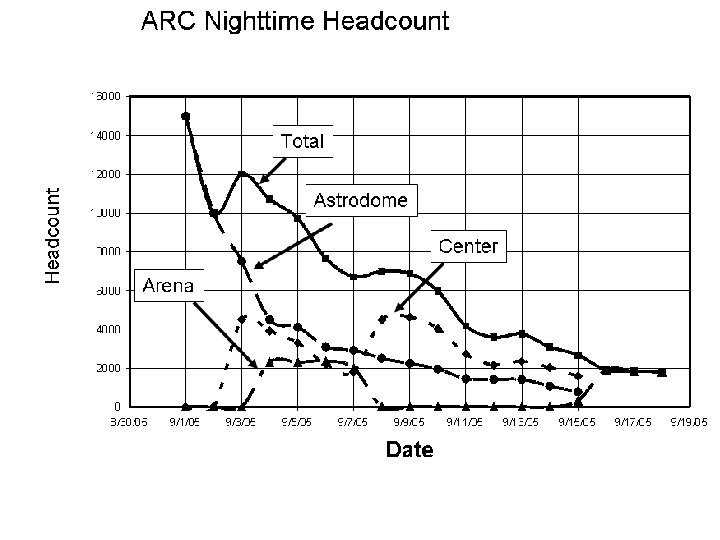
 Sources of Data • HCHD Hospital Emergency Departments (n=1, 304) • HCHD Hospital Inpatient Wards (n= 264) • HCHD Hospital Outpatient Clinics (n=17, 208 of which 12, 219 were at the Katrina Clinic) • CMOC/EMS (n=1, 093) • Paper-based medical records from shelter treatment sites (n=4, 013) • BCM physicians and the Red Cross collected head count data manually during evening ARC operations. • Over the last two years, interviews were conducted with • • • HCHD medical professionals Red Cross workers EMS agency personne Houston Fire Department personnel Houston Police Department personnel. • Statement of Robert A. Eckels, County Judge, Harris County, before the Senate Homeland Security and Governmental Affairs Committee Hearing on Recovering from Hurricane Katrina: September 28, 2005.
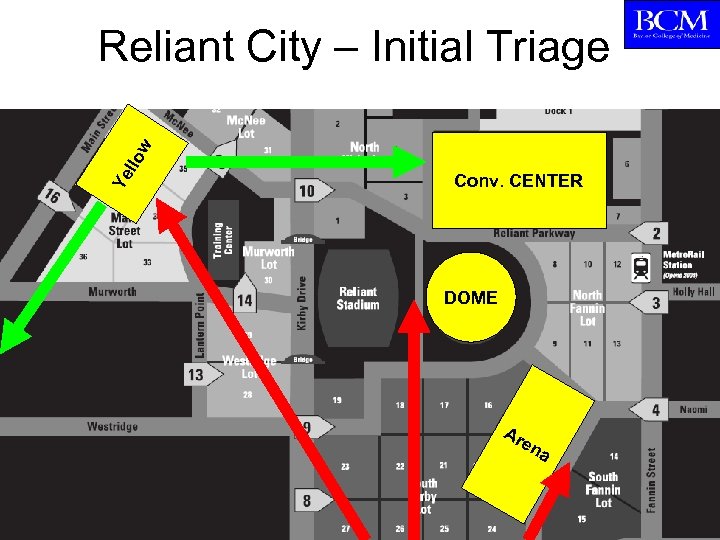 Ye ll ow Reliant City – Initial Triage Conv. CENTER DOME Ar en a
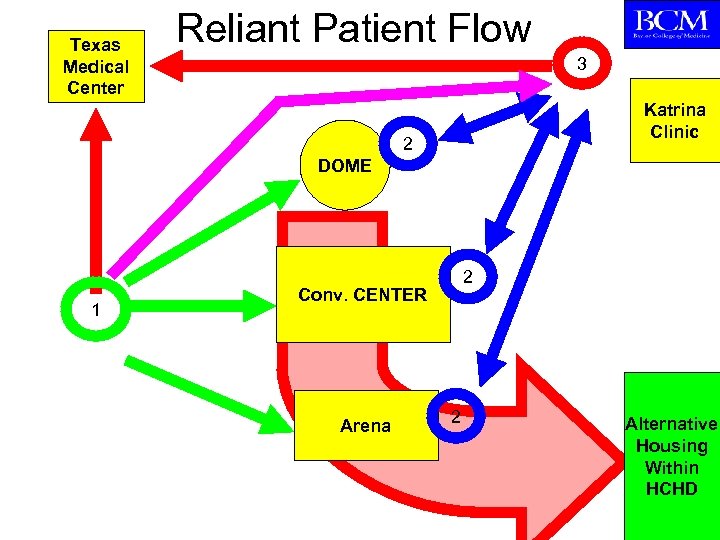
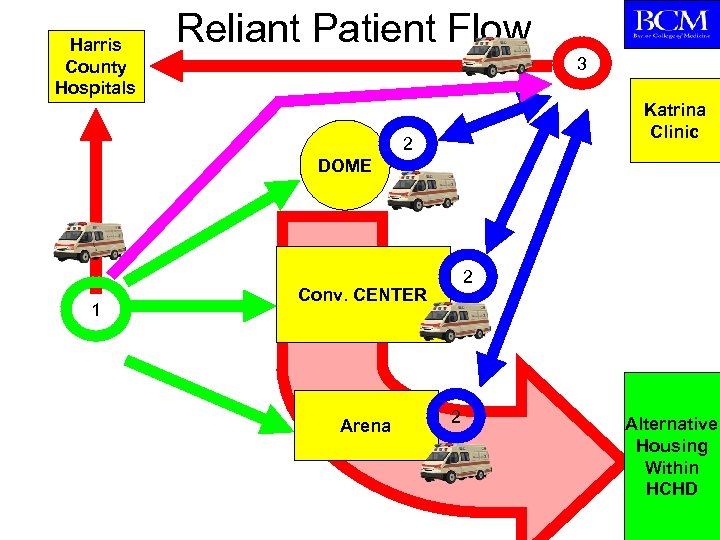 Harris County Hospitals Reliant Patient Flow 3 Katrina Clinic 2 DOME 1 2 Conv. CENTER Arena 2 Alternative Housing Within HCHD
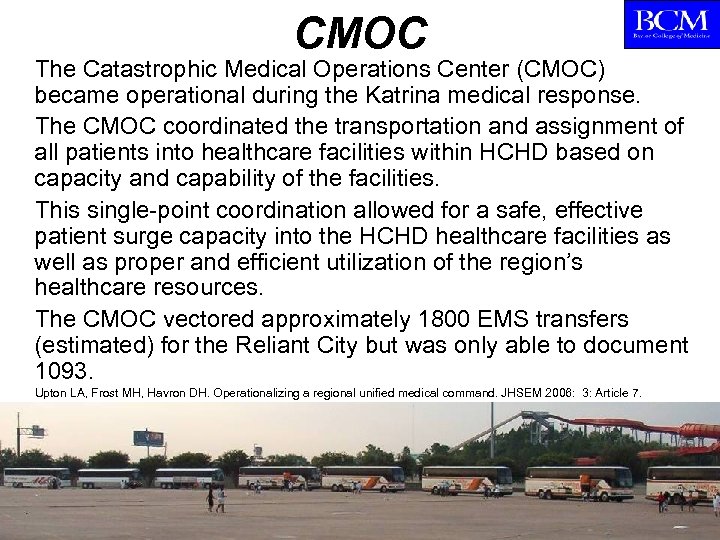 CMOC The Catastrophic Medical Operations Center (CMOC) became operational during the Katrina medical response. The CMOC coordinated the transportation and assignment of all patients into healthcare facilities within HCHD based on capacity and capability of the facilities. This single-point coordination allowed for a safe, effective patient surge capacity into the HCHD healthcare facilities as well as proper and efficient utilization of the region’s healthcare resources. The CMOC vectored approximately 1800 EMS transfers (estimated) for the Reliant City but was only able to document 1093. Upton LA, Frost MH, Havron DH. Operationalizing a regional unified medical command. JHSEM 2006: 3: Article 7.
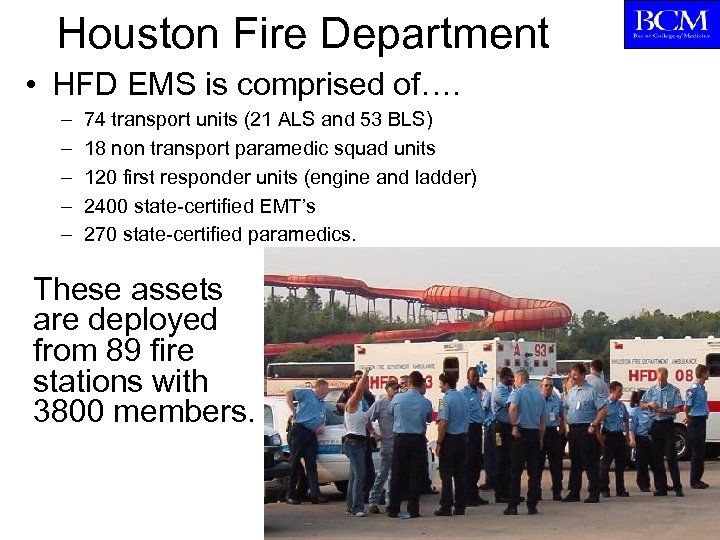 Houston Fire Department • HFD EMS is comprised of…. – – – 74 transport units (21 ALS and 53 BLS) 18 non transport paramedic squad units 120 first responder units (engine and ladder) 2400 state-certified EMT’s 270 state-certified paramedics. These assets are deployed from 89 fire stations with 3800 members.
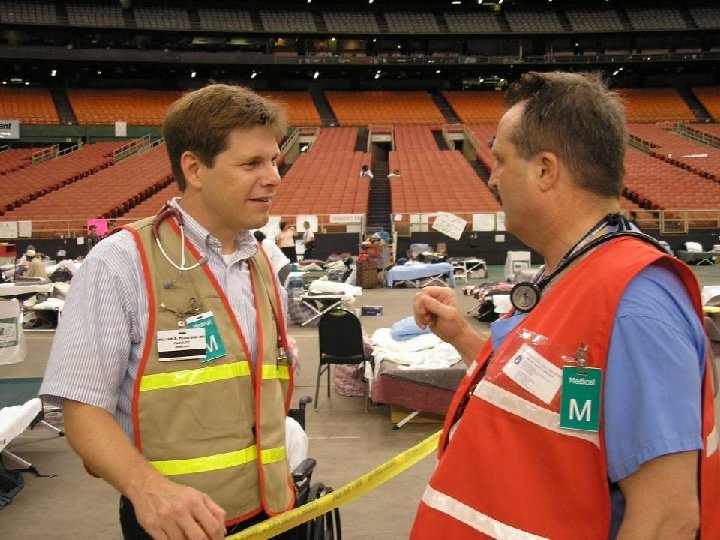
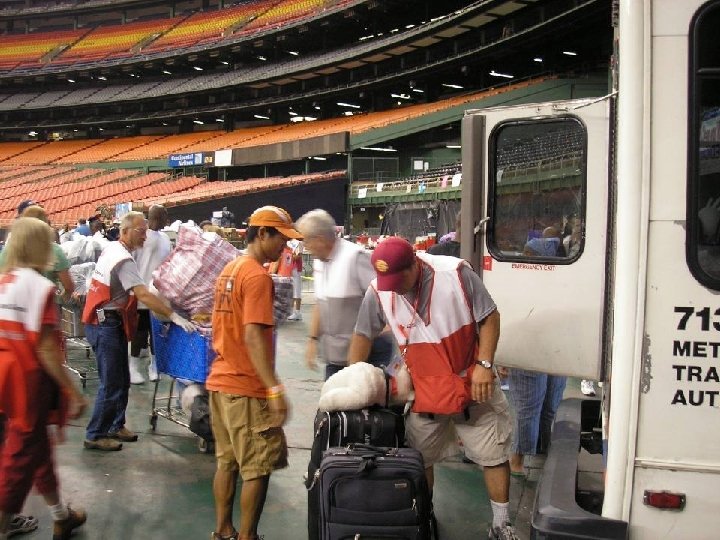
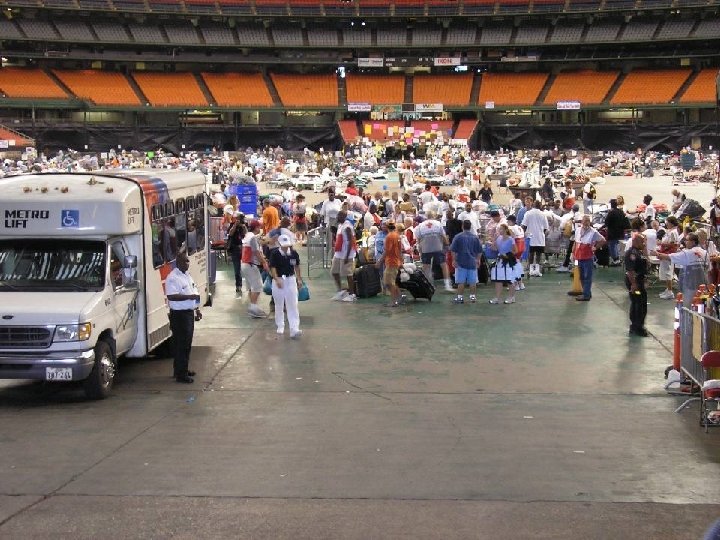
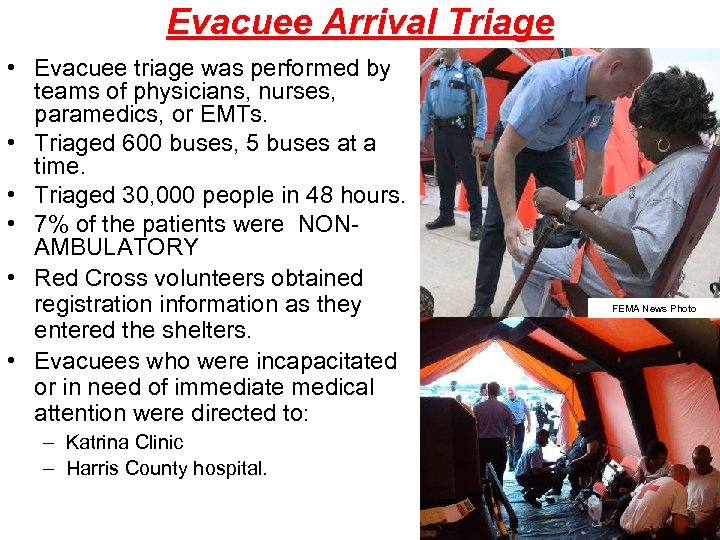 Evacuee Arrival Triage • Evacuee triage was performed by teams of physicians, nurses, paramedics, or EMTs. • Triaged 600 buses, 5 buses at a time. • Triaged 30, 000 people in 48 hours. • 7% of the patients were NONAMBULATORY • Red Cross volunteers obtained registration information as they entered the shelters. • Evacuees who were incapacitated or in need of immediate medical attention were directed to: – Katrina Clinic – Harris County hospital. FEMA News Photo
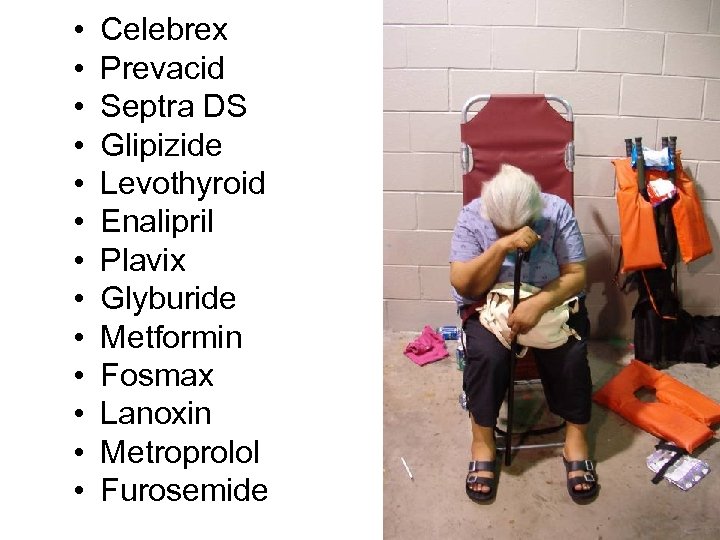 • • • • Celebrex Prevacid Septra DS Glipizide Levothyroid Enalipril Plavix Glyburide Metformin Fosmax Lanoxin Metroprolol Furosemide
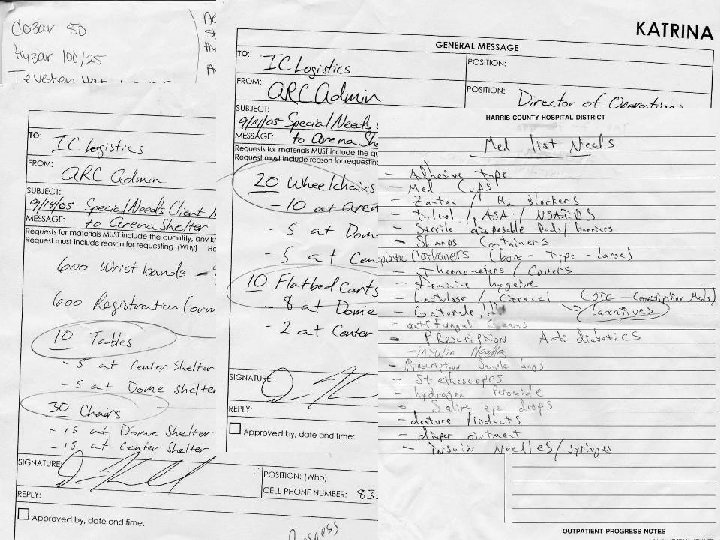
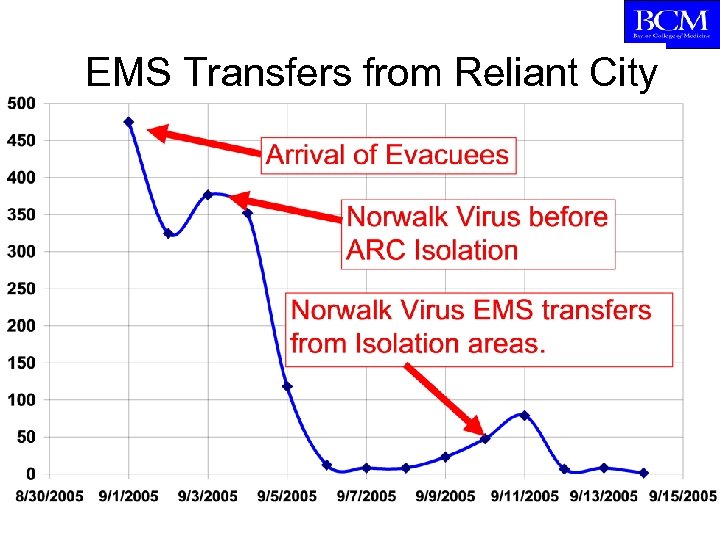 EMS Transfers from Reliant City
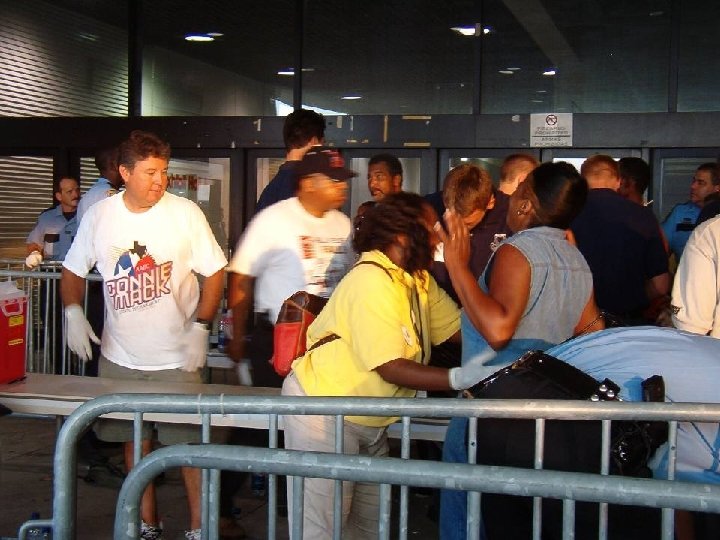
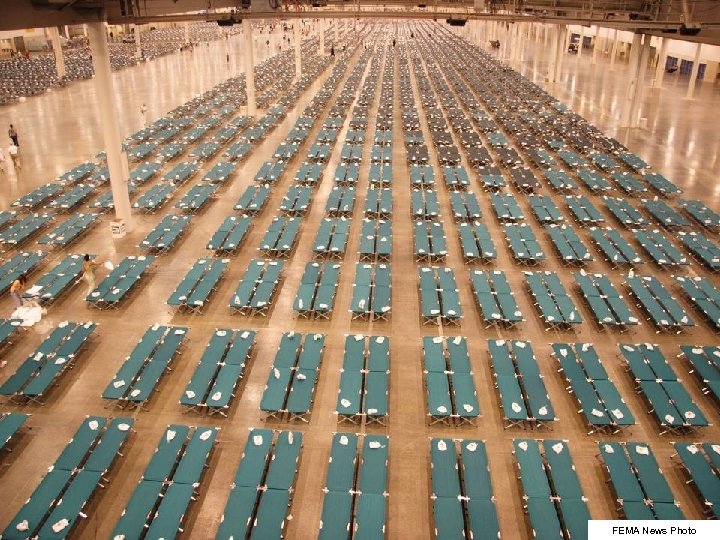
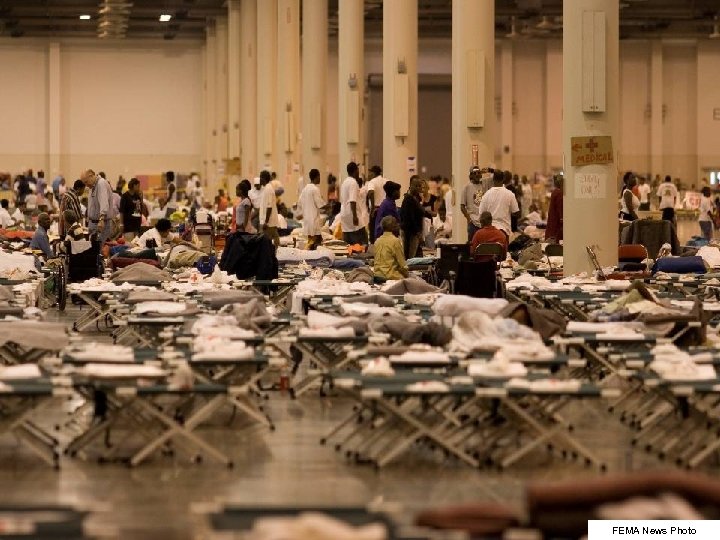
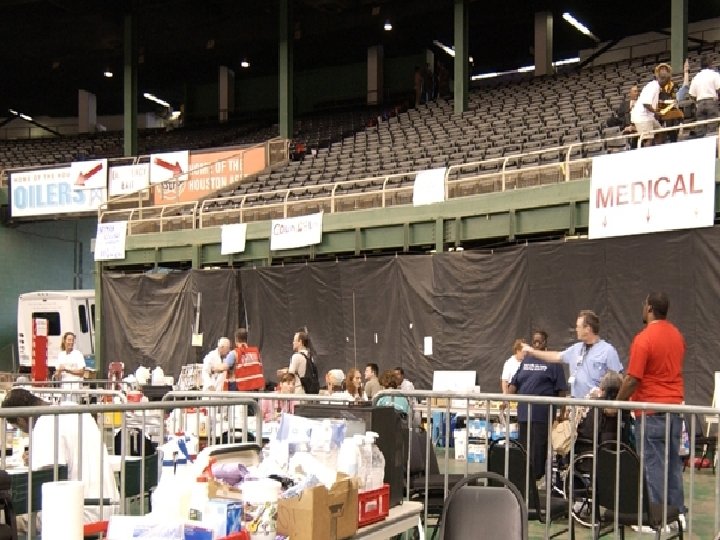
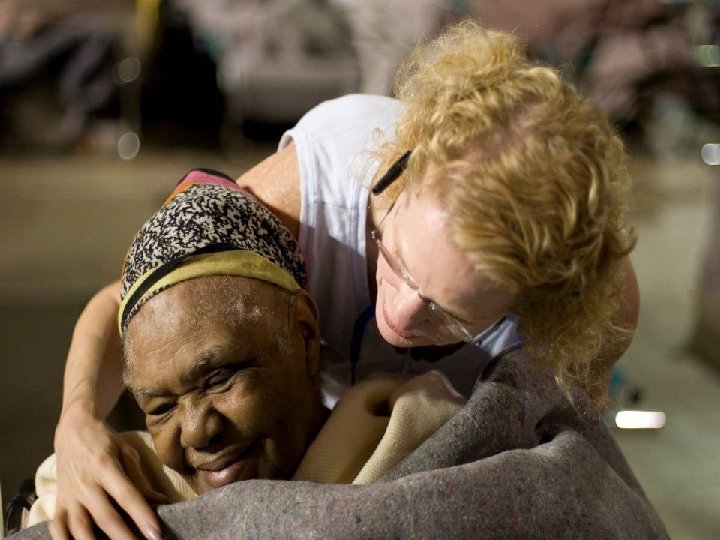
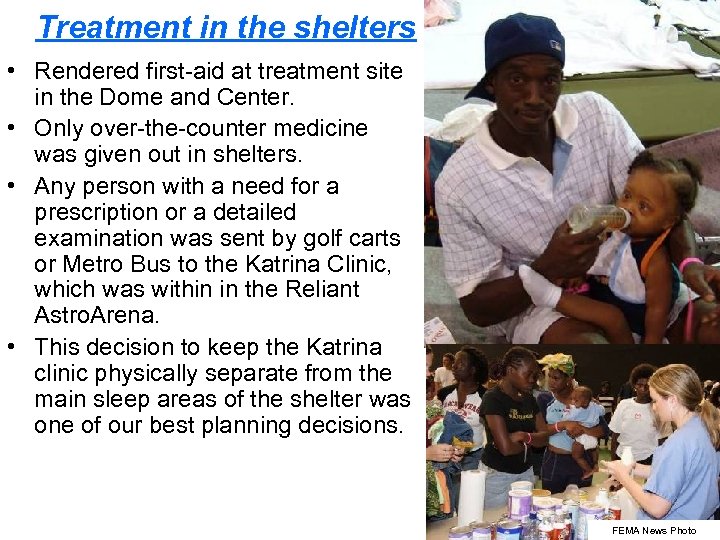 Treatment in the shelters • Rendered first-aid at treatment site in the Dome and Center. • Only over-the-counter medicine was given out in shelters. • Any person with a need for a prescription or a detailed examination was sent by golf carts or Metro Bus to the Katrina Clinic, which was within in the Reliant Astro. Arena. • This decision to keep the Katrina clinic physically separate from the main sleep areas of the shelter was one of our best planning decisions. FEMA News Photo
 FEMA News Photo
 FEMA News Photo
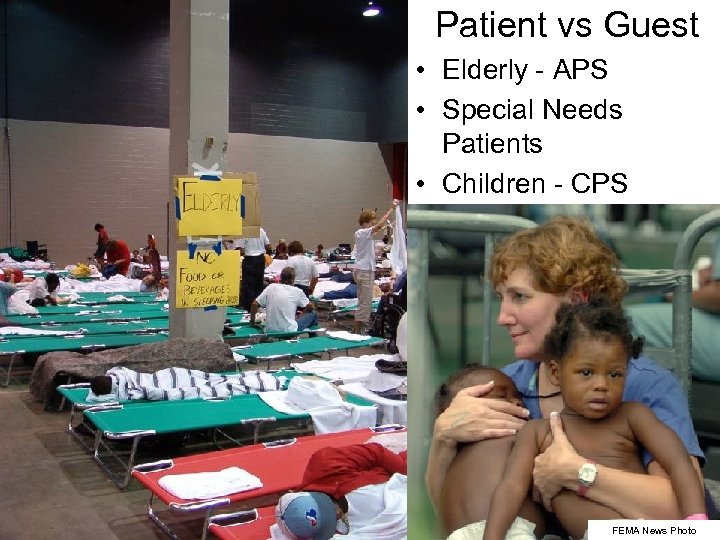 Patient vs Guest • Elderly - APS • Special Needs Patients • Children - CPS FEMA News Photo
 FEMA News Photo

 FEMA News Photo
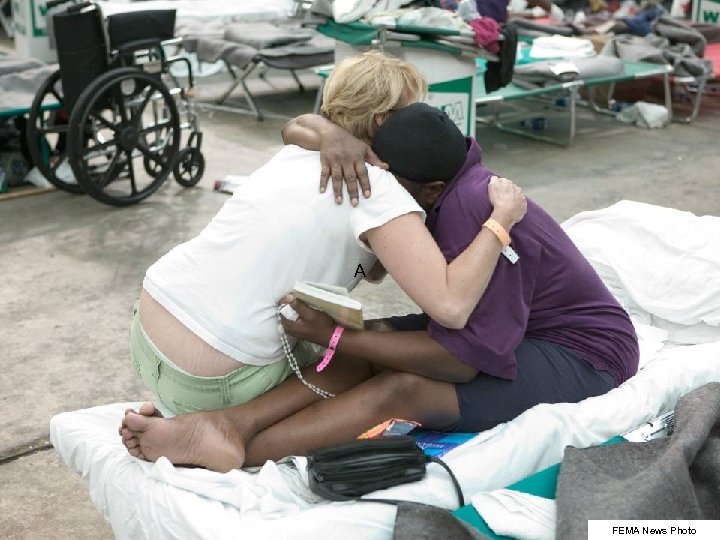
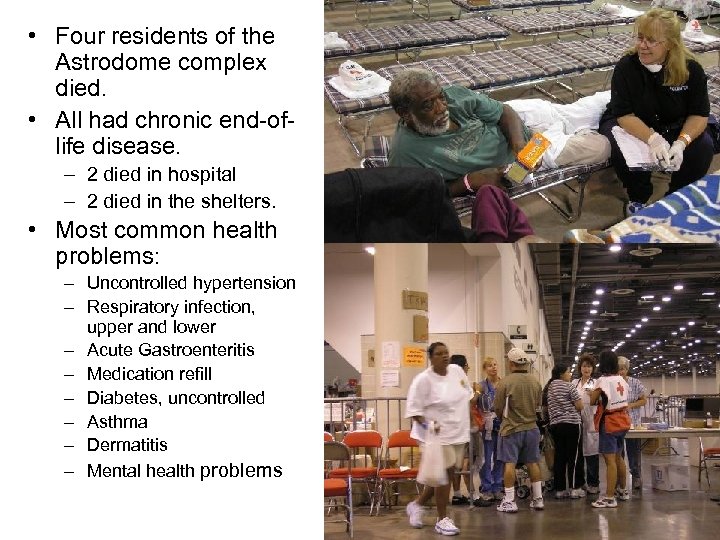 • Four residents of the Astrodome complex died. • All had chronic end-oflife disease. – 2 died in hospital – 2 died in the shelters. • Most common health problems: – Uncontrolled hypertension – Respiratory infection, upper and lower – Acute Gastroenteritis – Medication refill – Diabetes, uncontrolled – Asthma – Dermatitis – Mental health problems
 A FEMA News Photo
 FEMA News Photo
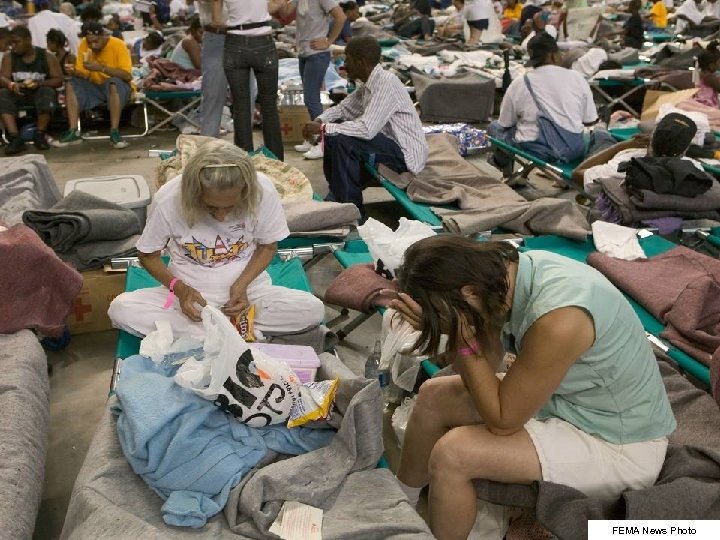 FEMA News Photo
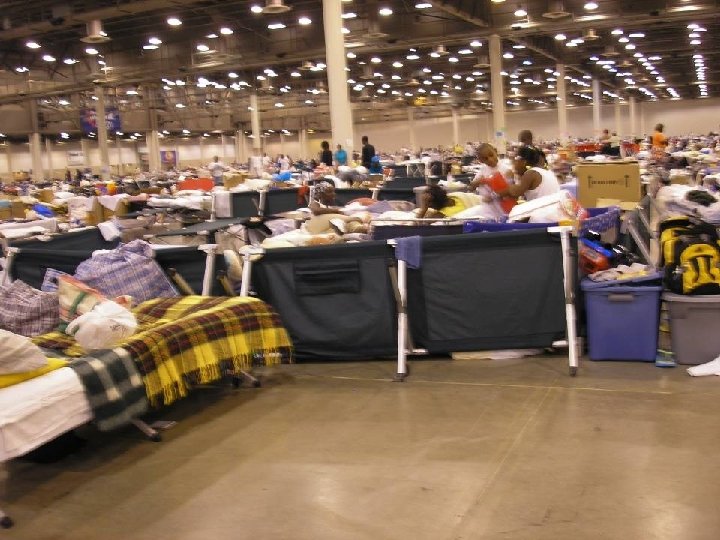
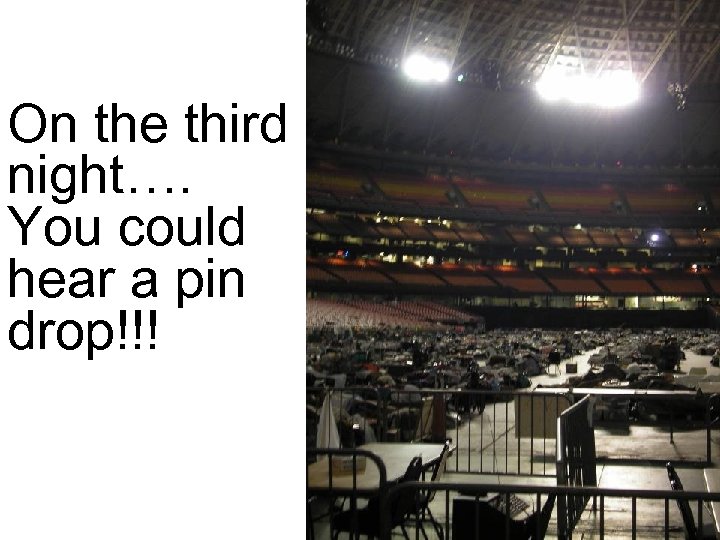 On the third night…. You could hear a pin drop!!!
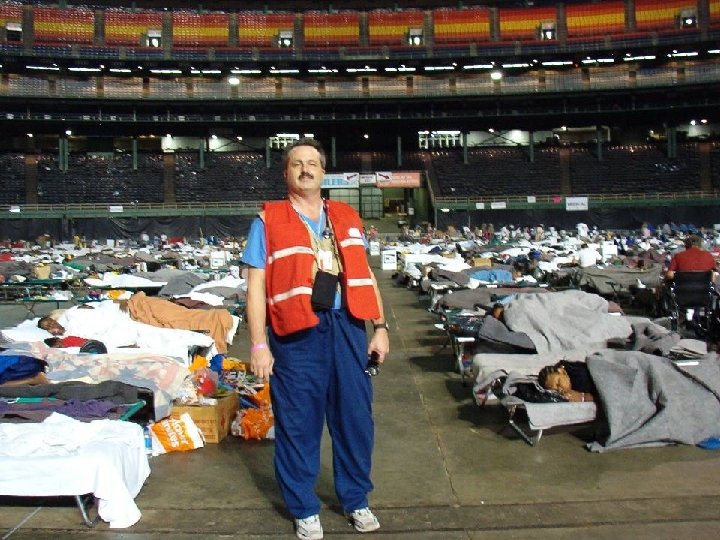
 FEMA News Photo
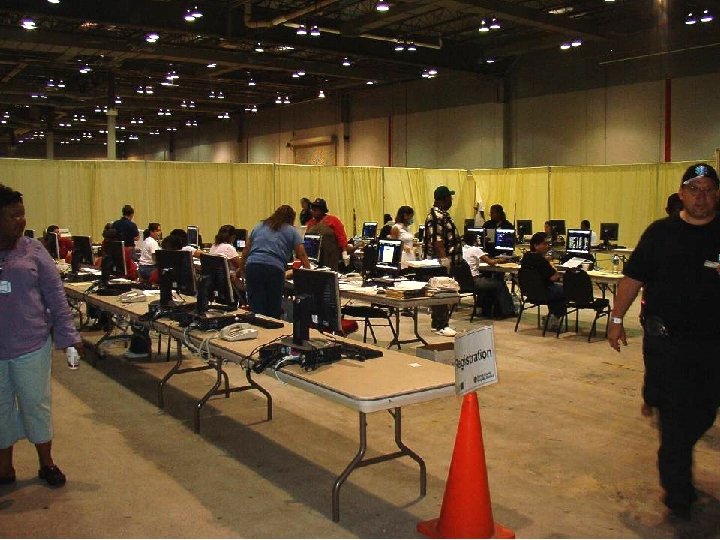
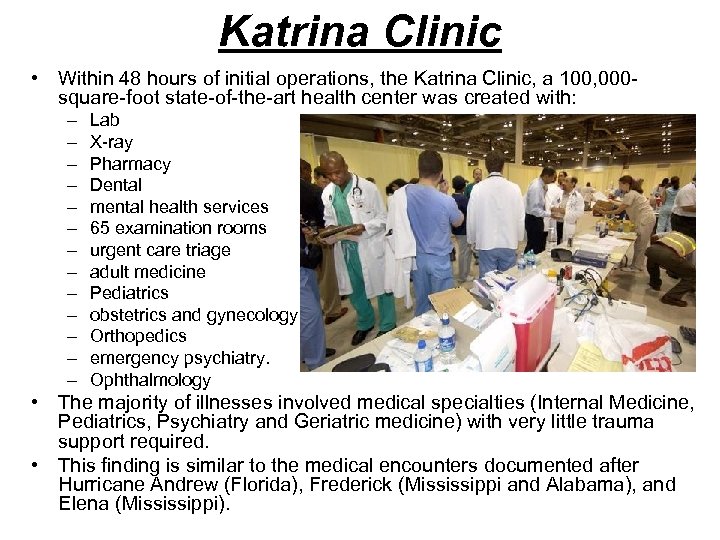 Katrina Clinic • Within 48 hours of initial operations, the Katrina Clinic, a 100, 000 square-foot state-of-the-art health center was created with: – – – – Lab X-ray Pharmacy Dental mental health services 65 examination rooms urgent care triage adult medicine Pediatrics obstetrics and gynecology Orthopedics emergency psychiatry. Ophthalmology • The majority of illnesses involved medical specialties (Internal Medicine, Pediatrics, Psychiatry and Geriatric medicine) with very little trauma support required. • This finding is similar to the medical encounters documented after Hurricane Andrew (Florida), Frederick (Mississippi and Alabama), and Elena (Mississippi).
 Texas Medical Center Reliant Patient Flow 3 Katrina Clinic 2 DOME 1 2 Conv. CENTER Arena 2 Alternative Housing Within HCHD
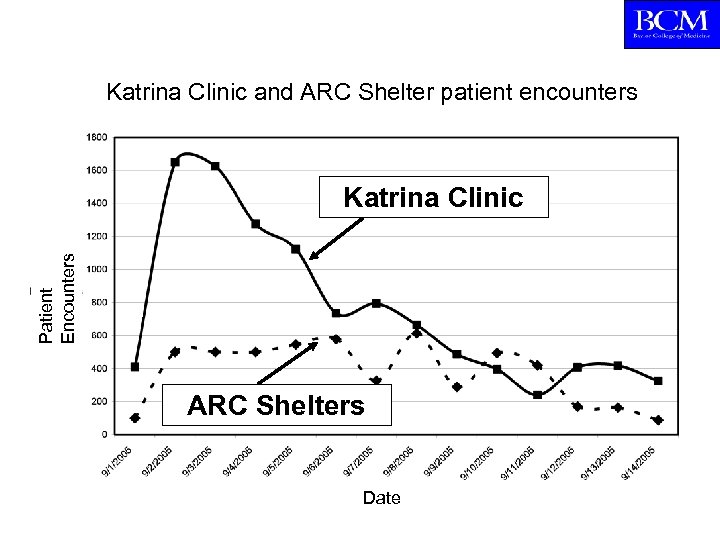 Katrina Clinic and ARC Shelter patient encounters Patient Encounters Katrina Clinic ARC Shelters Date
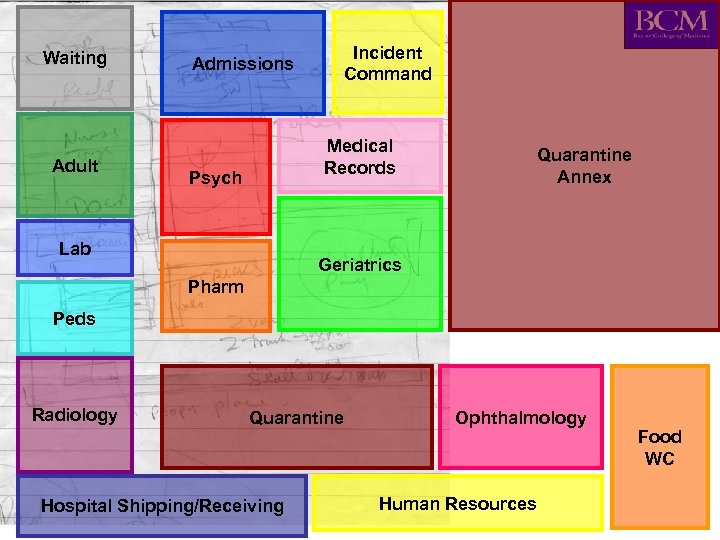 Waiting Adult Admissions Incident Command Medical Records Psych Lab Quarantine Annex Geriatrics Pharm Peds Radiology Quarantine Hospital Shipping/Receiving Ophthalmology Human Resources Food WC
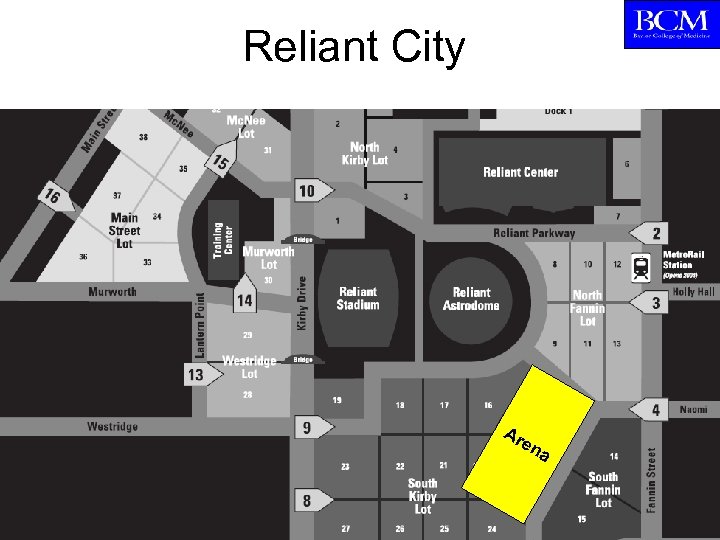 Reliant City Ar en a
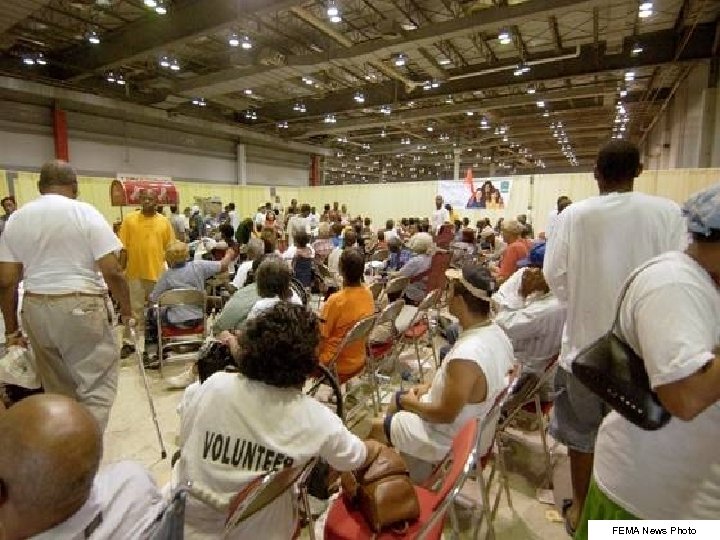 FEMA News Photo
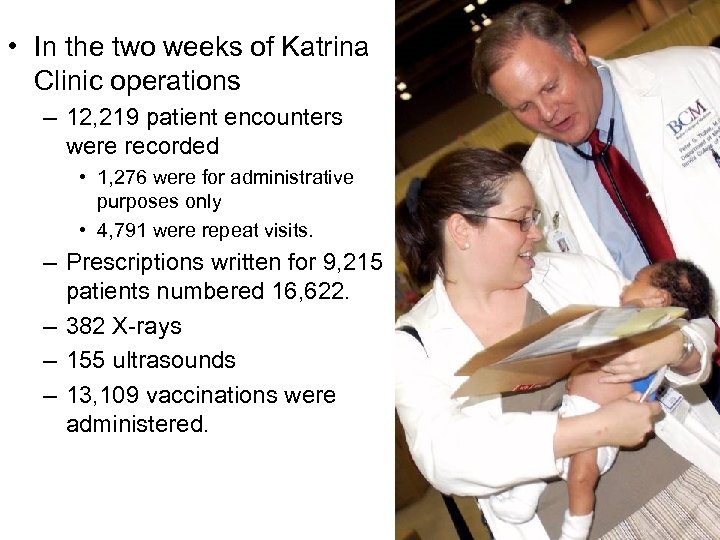 • In the two weeks of Katrina Clinic operations – 12, 219 patient encounters were recorded • 1, 276 were for administrative purposes only • 4, 791 were repeat visits. – Prescriptions written for 9, 215 patients numbered 16, 622. – 382 X-rays – 155 ultrasounds – 13, 109 vaccinations were administered.
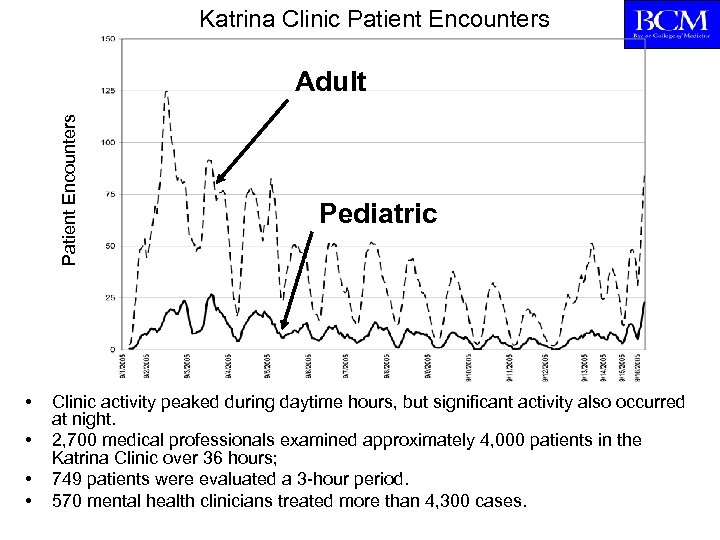 Katrina Clinic Patient Encounters Adult • • Pediatric Clinic activity peaked during daytime hours, but significant activity also occurred at night. 2, 700 medical professionals examined approximately 4, 000 patients in the Katrina Clinic over 36 hours; 749 patients were evaluated a 3 -hour period. 570 mental health clinicians treated more than 4, 300 cases.
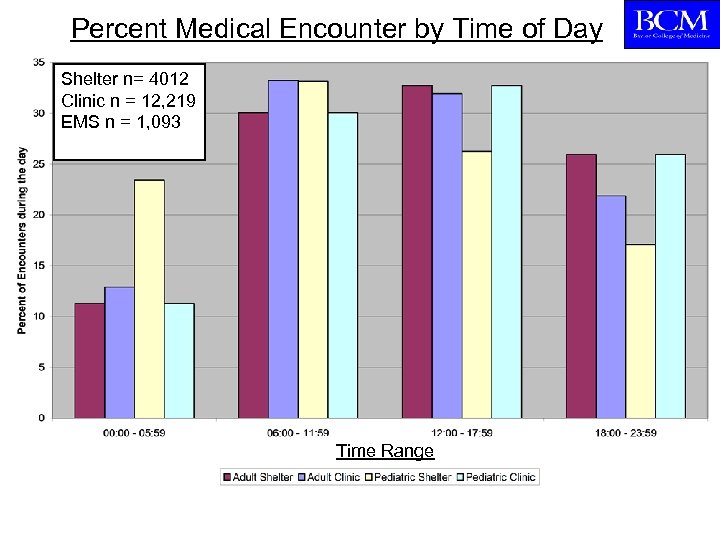 Percent Medical Encounter by Time of Day Shelter n= 4012 Clinic n = 12, 219 EMS n = 1, 093 Time Range
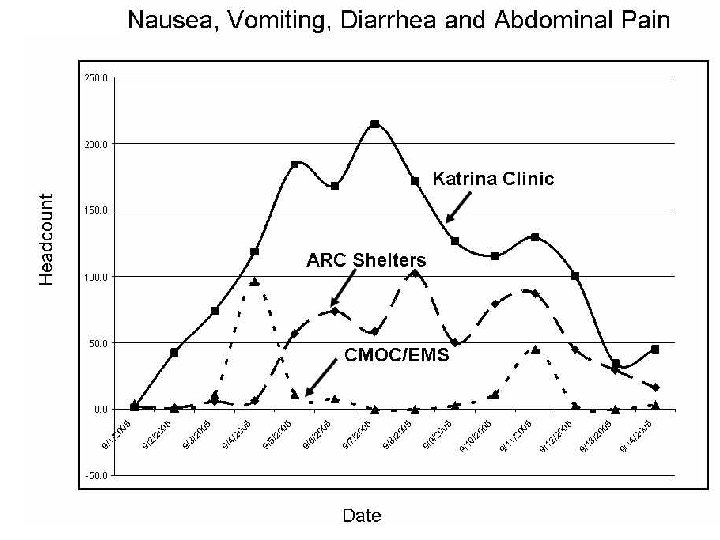
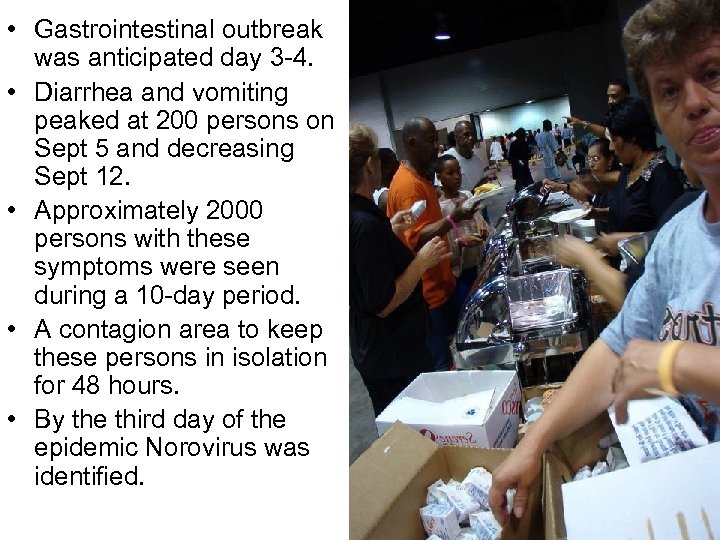 • Gastrointestinal outbreak was anticipated day 3 -4. • Diarrhea and vomiting peaked at 200 persons on Sept 5 and decreasing Sept 12. • Approximately 2000 persons with these symptoms were seen during a 10 -day period. • A contagion area to keep these persons in isolation for 48 hours. • By the third day of the epidemic Norovirus was identified.
 norwalk
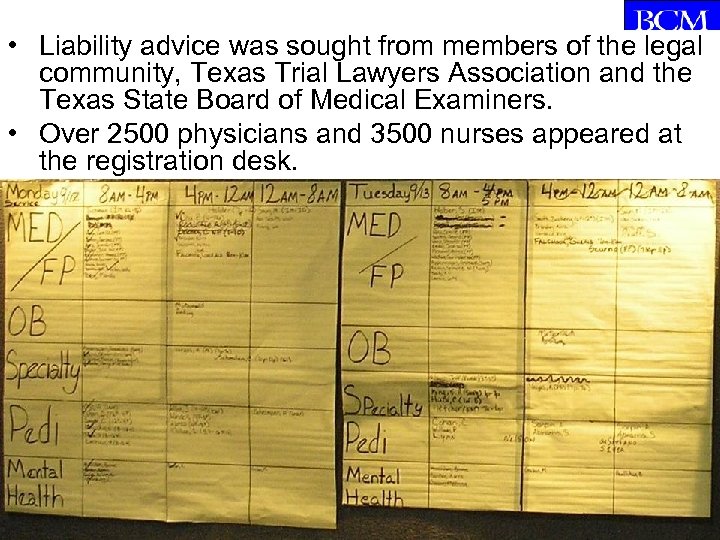 • Liability advice was sought from members of the legal community, Texas Trial Lawyers Association and the Texas State Board of Medical Examiners. • Over 2500 physicians and 3500 nurses appeared at the registration desk.
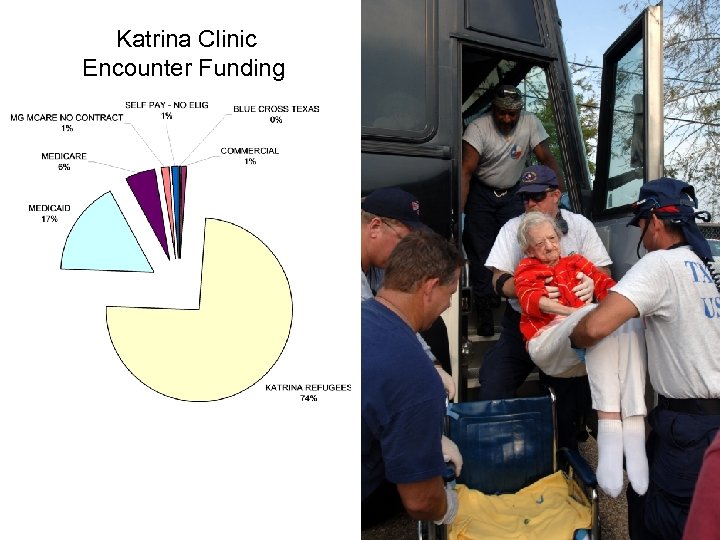 Katrina Clinic Encounter Funding
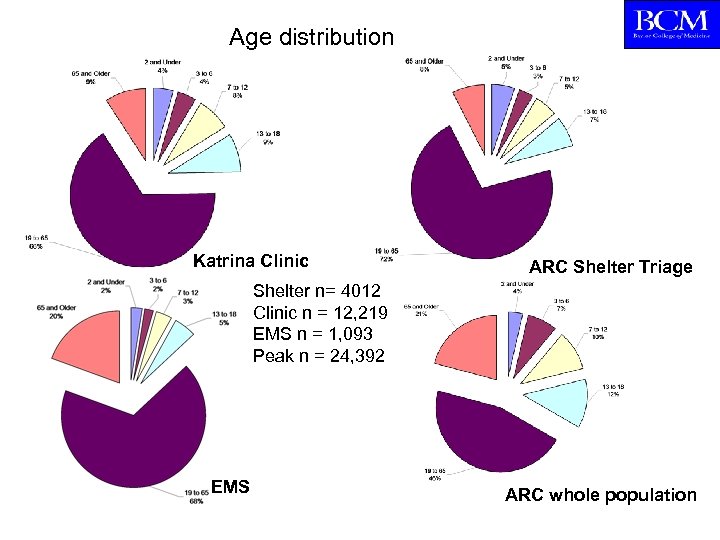 Age distribution Katrina Clinic ARC Shelter Triage Shelter n= 4012 Clinic n = 12, 219 EMS n = 1, 093 Peak n = 24, 392 EMS ARC whole population
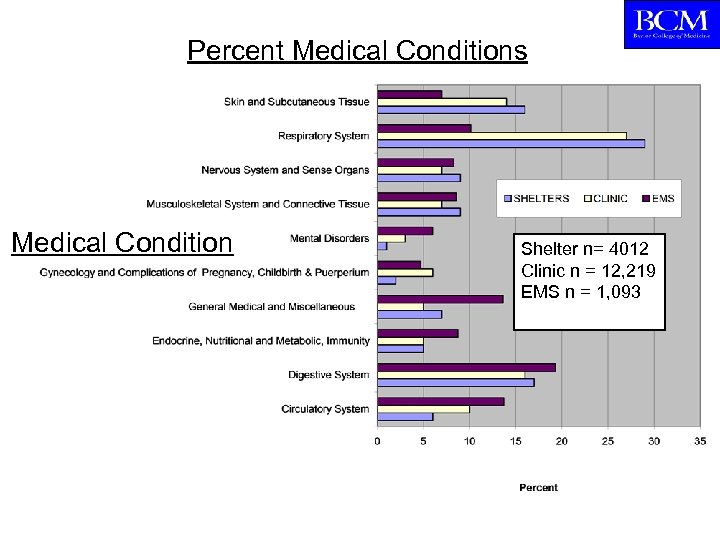 Percent Medical Conditions Medical Condition Shelter n= 4012 Clinic n = 12, 219 EMS n = 1, 093
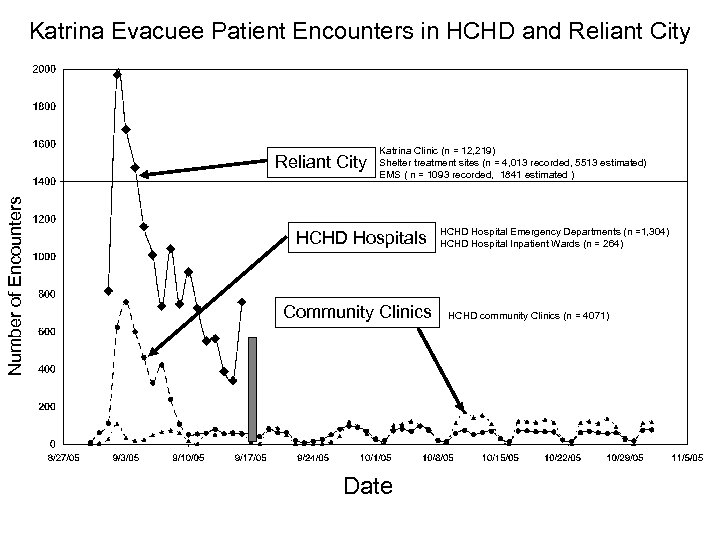 Katrina Evacuee Patient Encounters in HCHD and Reliant City Number of Encounters Reliant City Katrina Clinic (n = 12, 219) Shelter treatment sites (n = 4, 013 recorded, 5513 estimated) EMS ( n = 1093 recorded, 1841 estimated ) HCHD Hospitals Community Clinics Date HCHD Hospital Emergency Departments (n =1, 304) HCHD Hospital Inpatient Wards (n = 264) HCHD community Clinics (n = 4071)
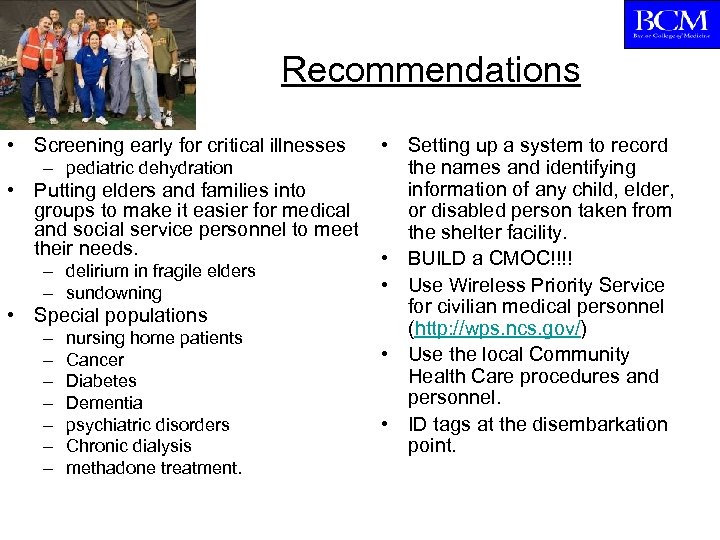 Recommendations • Screening early for critical illnesses – pediatric dehydration • Putting elders and families into groups to make it easier for medical and social service personnel to meet their needs. – delirium in fragile elders – sundowning • Special populations – – – – nursing home patients Cancer Diabetes Dementia psychiatric disorders Chronic dialysis methadone treatment. • Setting up a system to record the names and identifying information of any child, elder, or disabled person taken from the shelter facility. • BUILD a CMOC!!!! • Use Wireless Priority Service for civilian medical personnel (http: //wps. ncs. gov/) • Use the local Community Health Care procedures and personnel. • ID tags at the disembarkation point.
 Questions? FEMA News and DRH Photos