Скачать презентацию Home and Self Care Haemodialysis The implied
a5d136cd5bea1336afec57b9a5ee3efb.ppt
- Количество слайдов: 67
 Home and Self Care Haemodialysis : The implied and the sought
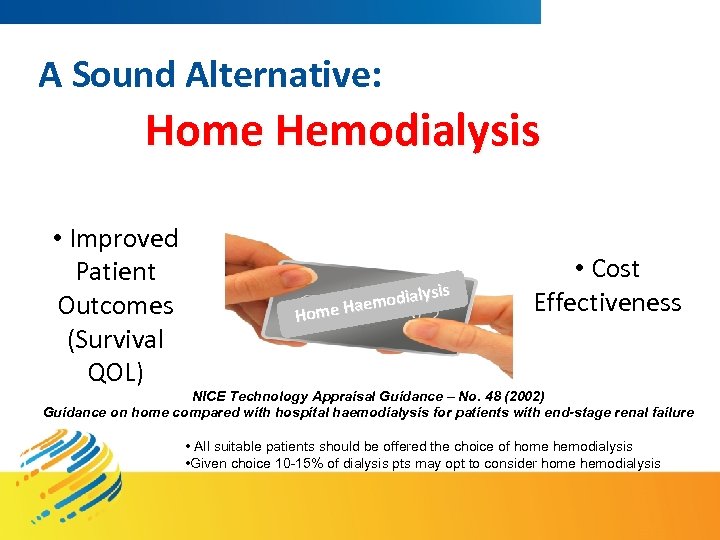 A Sound Alternative: Home Hemodialysis • Improved Patient Outcomes (Survival QOL) is odialys aem Home H • Cost Effectiveness NICE Technology Appraisal Guidance – No. 48 (2002) Guidance on home compared with hospital haemodialysis for patients with end-stage renal failure • All suitable patients should be offered the choice of home hemodialysis • Given choice 10 -15% of dialysis pts may opt to consider home hemodialysis
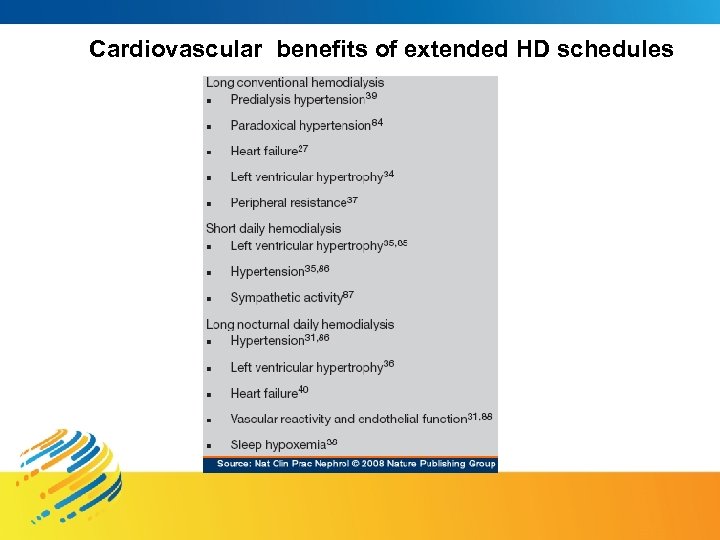 Cardiovascular benefits of extended HD schedules
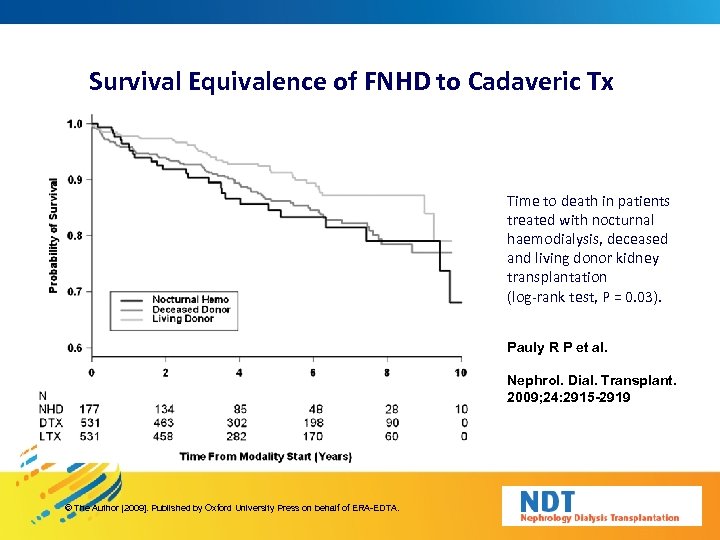 Survival Equivalence of FNHD to Cadaveric Tx Time to death in patients treated with nocturnal haemodialysis, deceased and living donor kidney transplantation (log-rank test, P = 0. 03). Pauly R P et al. Nephrol. Dial. Transplant. 2009; 24: 2915 -2919 © The Author [2009]. Published by Oxford University Press on behalf of ERA-EDTA.
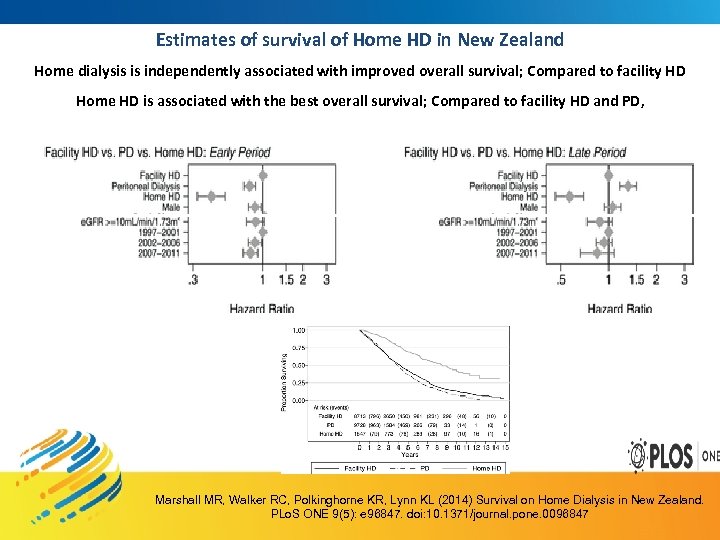 Estimates of survival of Home HD in New Zealand Home dialysis is independently associated with improved overall survival; Compared to facility HD Home HD is associated with the best overall survival; Compared to facility HD and PD, Marshall MR, Walker RC, Polkinghorne KR, Lynn KL (2014) Survival on Home Dialysis in New Zealand. PLo. S ONE 9(5): e 96847. doi: 10. 1371/journal. pone. 0096847
 When to consider Intensive Home HD in Hospital HD patients ? Failing Conventional HD • • • Failure to thrive (low appetite, malnutrition) Intolerant fluid gains Intractable hypertension, hyperphosphatemia Refractory sleep disorders, Unable to sit for dialysis for 4 hrs Retention syndromes Disruption to work Family and social setting Patients with high health expectations
 BASIC –HHD project • Patient-level predictors of modality choice are potentially modifiable except in instances when the choice is dictated by a high degree of physical/cognitive limitation. • Physician-level barriers are most readily overcome when systems are modified to alter the existing levels of knowledge and attitudes regarding home haemodialysis (clinical and economic). • Routinely in clinics with patients, there is a need to expand understand the stated ‘fear’ of self-cannulation as there may be a modifiable concern, thereby allowing self-care haemodialysis, at home or in hospital.
 Modality choice – Self Cannulation, Home ownership and cultural barriers • Routinely in clinics with patients, there is a need to expand understand the stated ‘fear’ of self-cannulation as there may be a modifiable concern, thereby allowing self-care haemodialysis, at home or in hospital. • Patients of non-white ethnicity show a 70% lower odds of choosing self-care dialysis modality, after adjustment for home ownership, comorbidities index, perceived cognitive ability and centre characteristics.
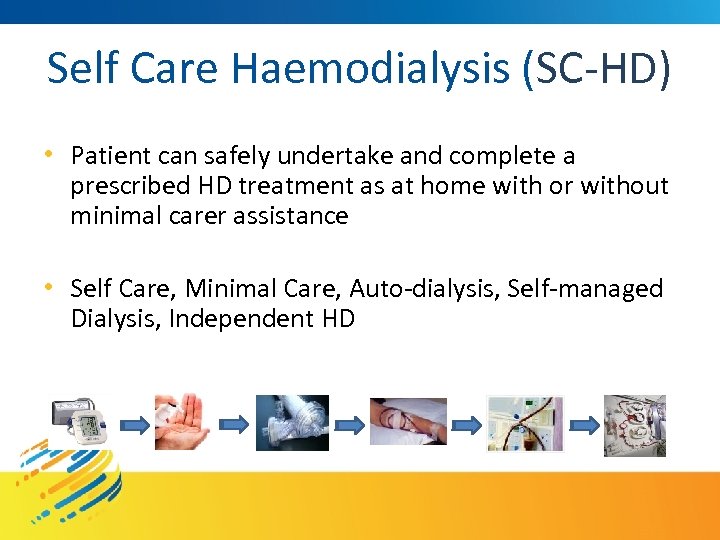 Self Care Haemodialysis (SC-HD) • Patient can safely undertake and complete a prescribed HD treatment as at home with or without minimal carer assistance • Self Care, Minimal Care, Auto-dialysis, Self-managed Dialysis, Independent HD
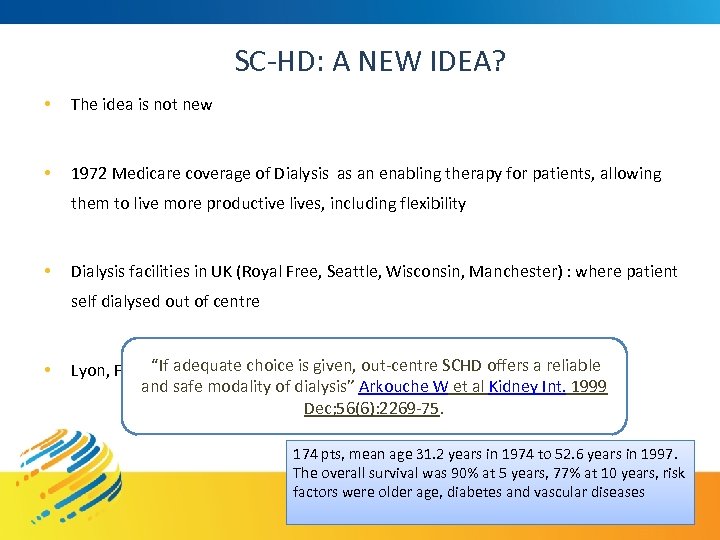 SC-HD: A NEW IDEA? • The idea is not new • 1972 Medicare coverage of Dialysis as an enabling therapy for patients, allowing them to live more productive lives, including flexibility • Dialysis facilities in UK (Royal Free, Seattle, Wisconsin, Manchester) : where patient self dialysed out of centre • “If adequate choice is given, out-centre SCHD offers a reliable Lyon, France (1974 – 1997) 23 years experience and safe modality of dialysis” Arkouche W et al Kidney Int. 1999 Dec; 56(6): 2269 -75. 174 pts, mean age 31. 2 years in 1974 to 52. 6 years in 1997. The overall survival was 90% at 5 years, 77% at 10 years, risk factors were older age, diabetes and vascular diseases
 ROLE OF SC-HD: BENEFITS • Patient self control over health management • Better informed patient (dialysis, medications and treatment outcomes) • Greater potential for rehabilitation • Flexibility with the dialysis schedule • Clinical benefit (high dose HD) • Alternative to Home HD
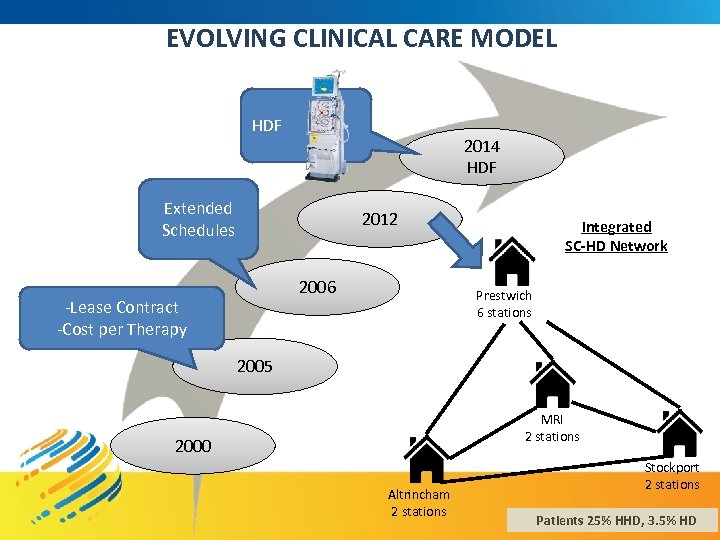 EVOLVING CLINICAL CARE MODEL HDF 2014 HDF Extended Schedules 2012 2006 -Lease Contract -Cost per Therapy Integrated SC-HD Network Prestwich 6 stations 2005 MRI 2 stations 2000 Altrincham 2 stations Stockport 2 stations Patients 25% HHD, 3. 5% HD
 Clinical Housekeepers Roles vto support and assist in similar way a carer would do at home vto ensure patient comfort/ support wellbeing vto be responsible for cleaning machine/station after use Duties v No direct clinical duties, but may support/assist patients v Present when patients dialyse to provide food/drinks v Daily “Quality Care Rounds” allowing patients to express any concerns before starting their treatment v Reports to Community Sister v Stock control
 Nursing support v. Routine visits v. Clinical reviews – target weight; B/P and routine clinical management v. Facilitate maximised dialysis schedule 5 – 6 hrs x 4 sessions/week v. Urgent/Crisis visits - e. g. needling support (variable) Unstable patients moved to hospital based dialysis v. Medical reviews – clinic every 4 -6 months v. Critical emergencies -BLS, Defib support, 999
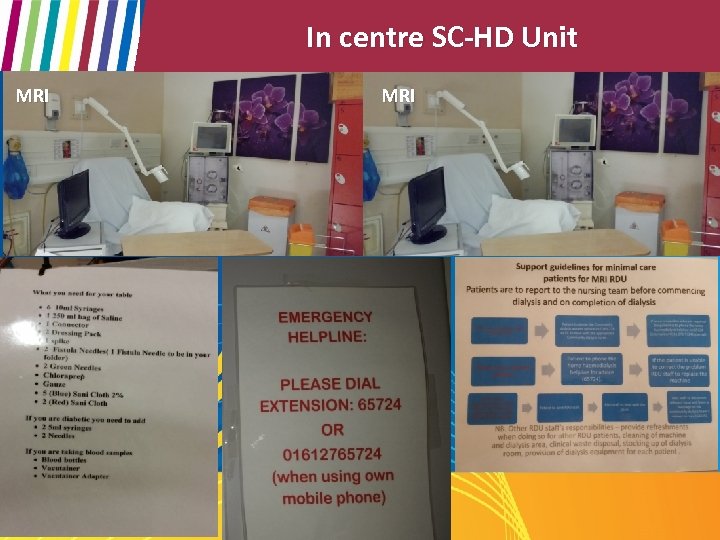 In centre SC-HD Unit MRI
 Patient Selection • The single most important factor is a desire to practise selfcare. • Vascular access that functions well, good basic manual dexterity and adequate vision. • Clinical factors: Is it likely to deliver a better outcome? • Consider human factors: Positive Impact on lifestyle.
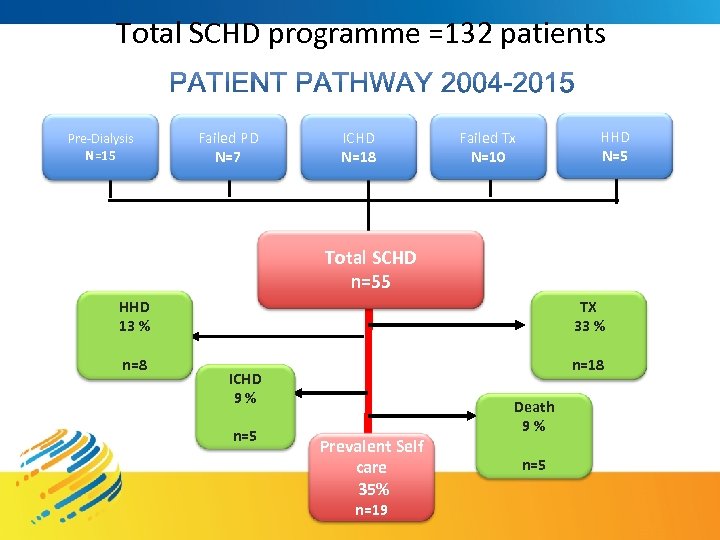 Total SCHD programme =132 patients Pre-Dialysis N=15 Failed PD N=7 ICHD N=18 HHD N=5 Failed Tx N=10 Total SCHD n=55 HHD 13 % n=8 TX 33 % n=18 ICHD 9 % n=5 Prevalent Self care 35% n=19 Death 9 % n=5
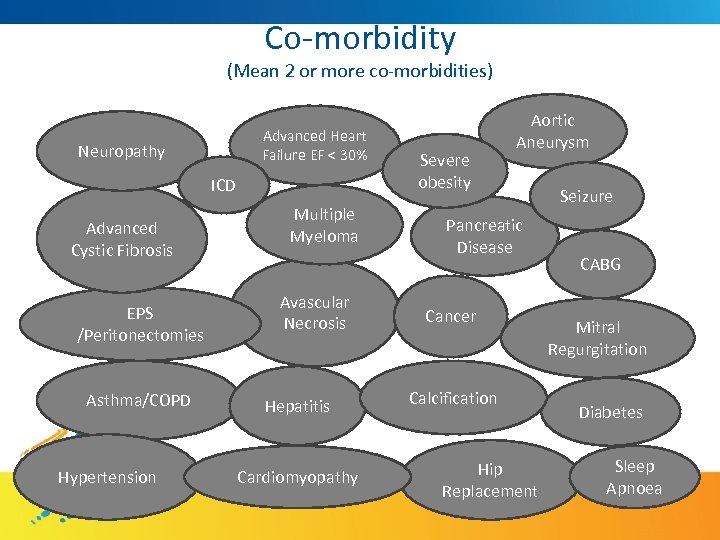 Co-morbidity (Mean 2 or more co-morbidities) Advanced Heart Failure EF < 30% Neuropathy ICD Advanced Cystic Fibrosis EPS /Peritonectomies Asthma/COPD Hypertension Multiple Myeloma Avascular Necrosis Hepatitis Cardiomyopathy Severe obesity Aortic Aneurysm Pancreatic Disease Cancer Calcification Hip Replacement Seizure CABG Mitral Regurgitation Diabetes Sleep Apnoea
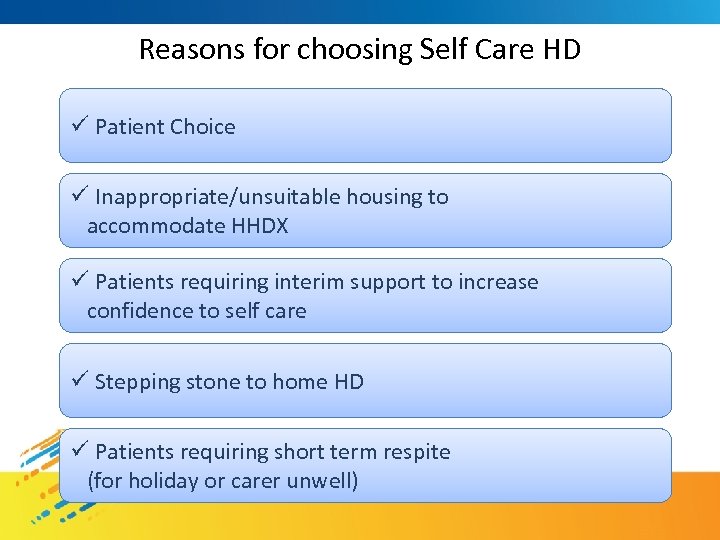 Reasons for choosing Self Care HD ü Patient Choice ü Inappropriate/unsuitable housing to accommodate HHDX ü Patients requiring interim support to increase confidence to self care ü Stepping stone to home HD ü Patients requiring short term respite (for holiday or carer unwell)
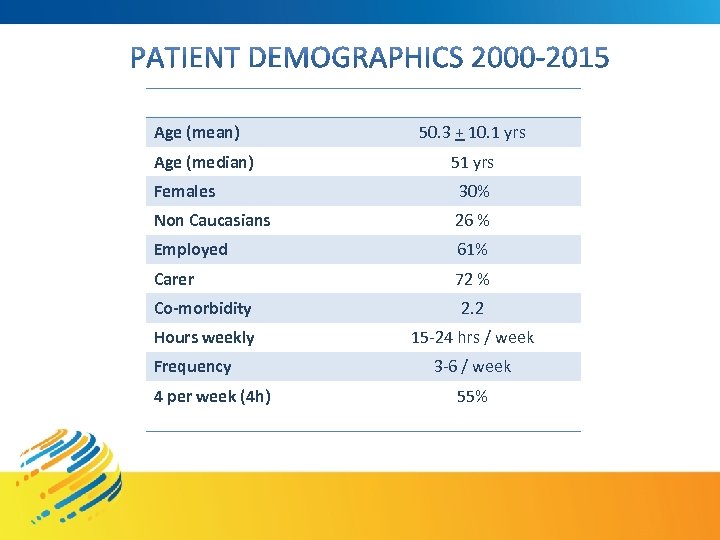 Age (mean) 50. 3 + 10. 1 yrs Age (median) 51 yrs Females 30% Non Caucasians 26 % Employed 61% Carer 72 % Co-morbidity 2. 2 Hours weekly 15 -24 hrs / week Frequency 4 per week (4 h) 3 -6 / week 55%
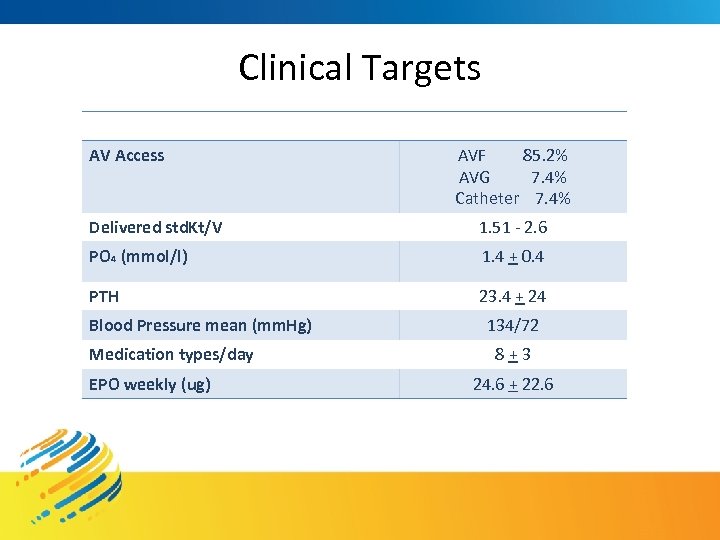 Clinical Targets AV Access AVF 85. 2% AVG 7. 4% Catheter 7. 4% Delivered std. Kt/V 1. 51 - 2. 6 PO 4 (mmol/l) 1. 4 + 0. 4 PTH 23. 4 + 24 Blood Pressure mean (mm. Hg) Medication types/day EPO weekly (ug) 134/72 8 + 3 24. 6 + 22. 6
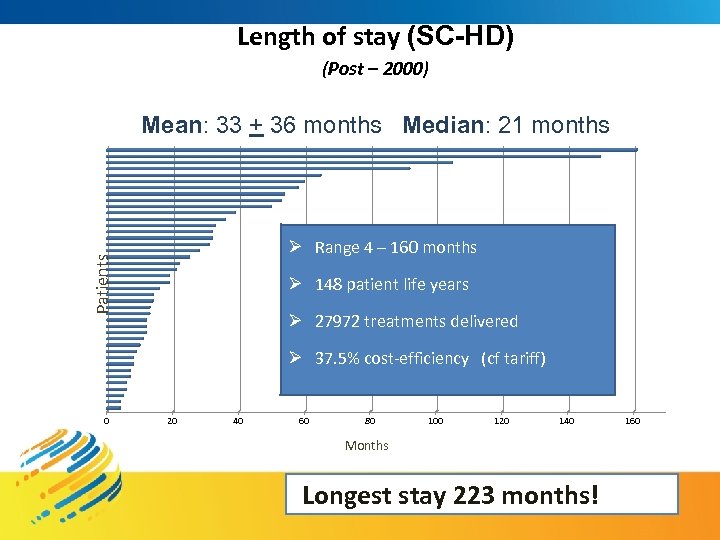 Length of stay (SC-HD) (Post – 2000) Mean: 33 + 36 months Median: 21 months Patients Ø Range 4 – 160 months Ø 148 patient life years Ø 27972 treatments delivered Ø 37. 5% cost-efficiency (cf tariff) 0 20 40 60 80 100 120 140 Months Longest stay 223 months! 160
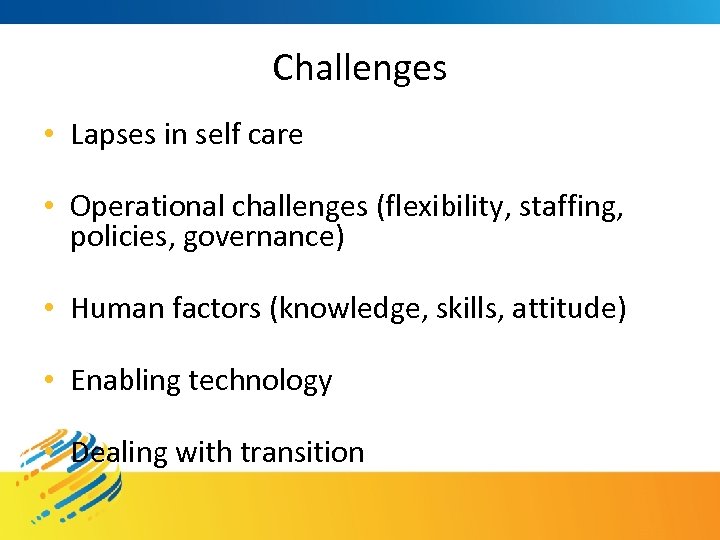 Challenges • Lapses in self care • Operational challenges (flexibility, staffing, policies, governance) • Human factors (knowledge, skills, attitude) • Enabling technology • Dealing with transition
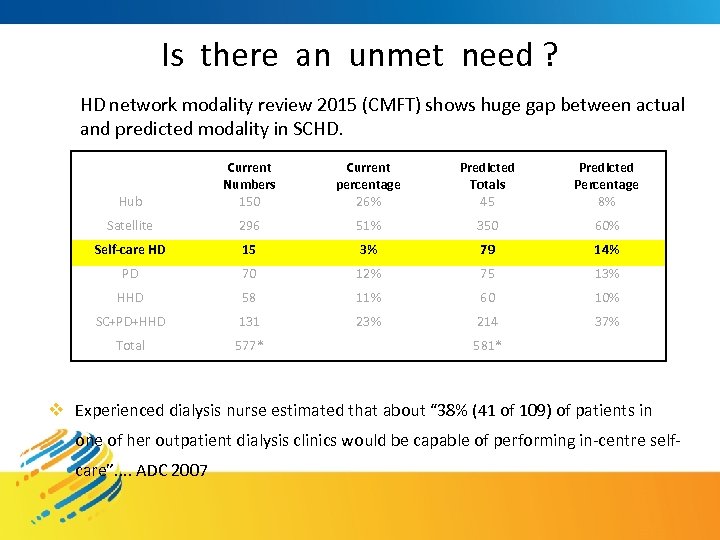 Is there an unmet need ? HD network modality review 2015 (CMFT) shows huge gap between actual and predicted modality in SCHD. Hub Current Numbers 150 Current percentage 26% Predicted Totals 45 Predicted Percentage 8% Satellite 296 51% 350 60% Self-care HD 15 3% 79 14% PD 70 12% 75 13% HHD 58 11% 60 10% SC+PD+HHD 131 23% 214 37% Total 577* 581* v Experienced dialysis nurse estimated that about “ 38% (41 of 109) of patients in one of her outpatient dialysis clinics would be capable of performing in-centre selfcare”. . ADC 2007
 Nothing is more difficult, and therefore more precious, than to be able to decide’ Napoleon Bonaparte Thank You
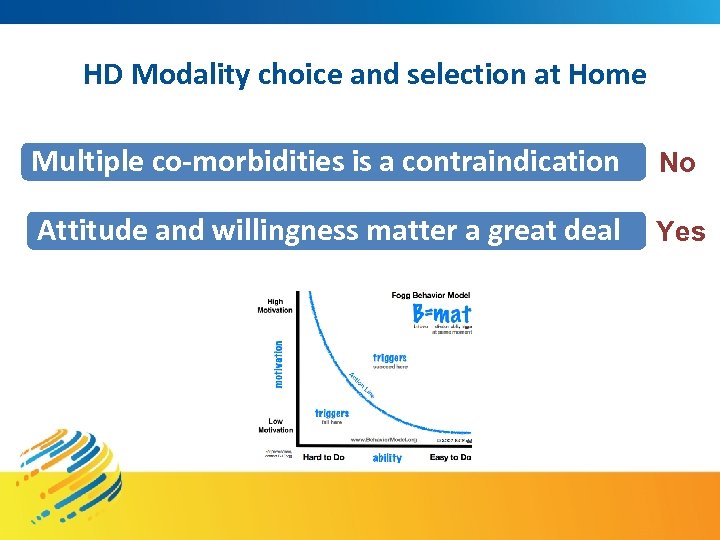 HD Modality choice and selection at Home Multiple co-morbidities is a contraindication No Attitude and willingness matter a great deal Yes
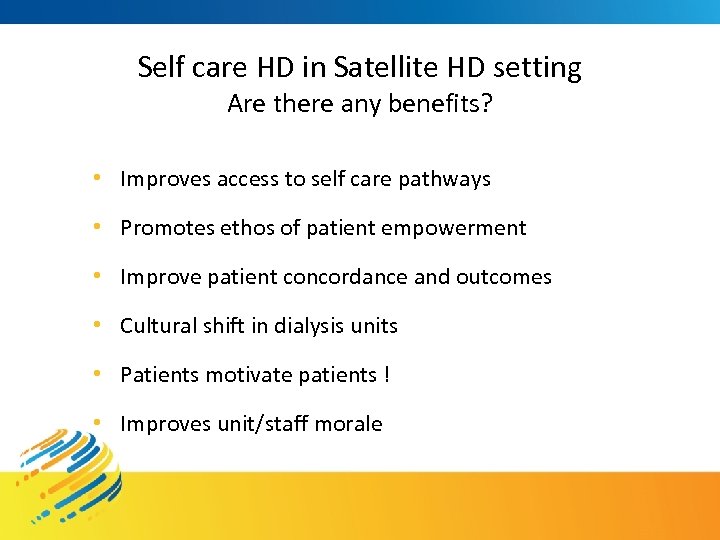 Self care HD in Satellite HD setting Are there any benefits? • Improves access to self care pathways • Promotes ethos of patient empowerment • Improve patient concordance and outcomes • Cultural shift in dialysis units • Patients motivate patients ! • Improves unit/staff morale
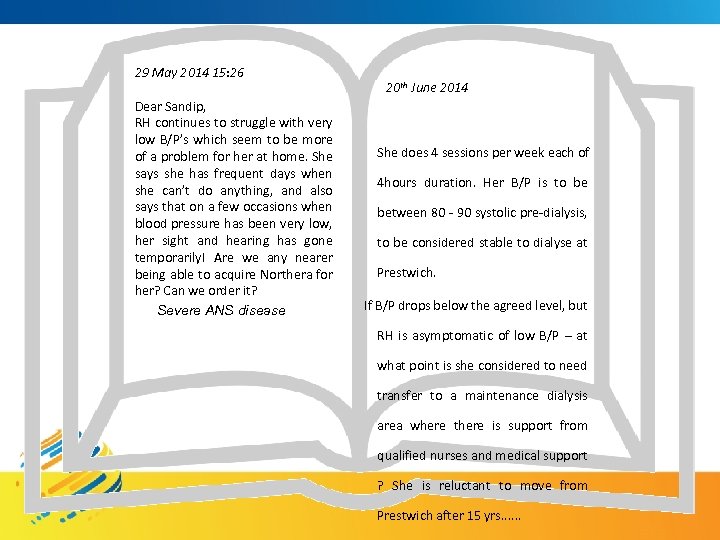 29 May 2014 15: 26 Dear Sandip, RH continues to struggle with very low B/P’s which seem to be more of a problem for her at home. She says she has frequent days when she can’t do anything, and also says that on a few occasions when blood pressure has been very low, her sight and hearing has gone temporarily! Are we any nearer being able to acquire Northera for her? Can we order it? Severe ANS disease 20 th June 2014 She does 4 sessions per week each of 4 hours duration. Her B/P is to be between 80 - 90 systolic pre-dialysis, to be considered stable to dialyse at Prestwich. If B/P drops below the agreed level, but RH is asymptomatic of low B/P – at what point is she considered to need transfer to a maintenance dialysis area where there is support from qualified nurses and medical support ? She is reluctant to move from Prestwich after 15 yrs. . .

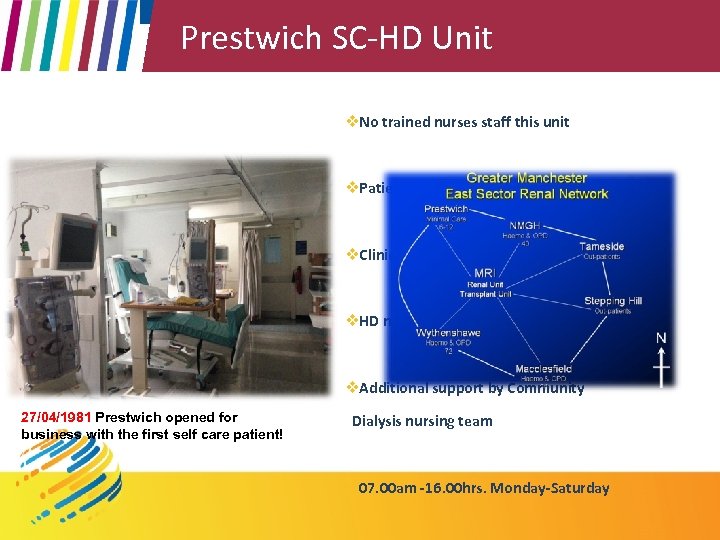 Prestwich SC-HD Unit v. No trained nurses staff this unit v. Patients trained to self care as for home v. Clinical Housekeepers v. HD nurse in charge- routine visit v. Additional support by Community 27/04/1981 Prestwich opened for business with the first self care patient! Dialysis nursing team v 07. 00 am -16. 00 hrs. Monday-Saturday
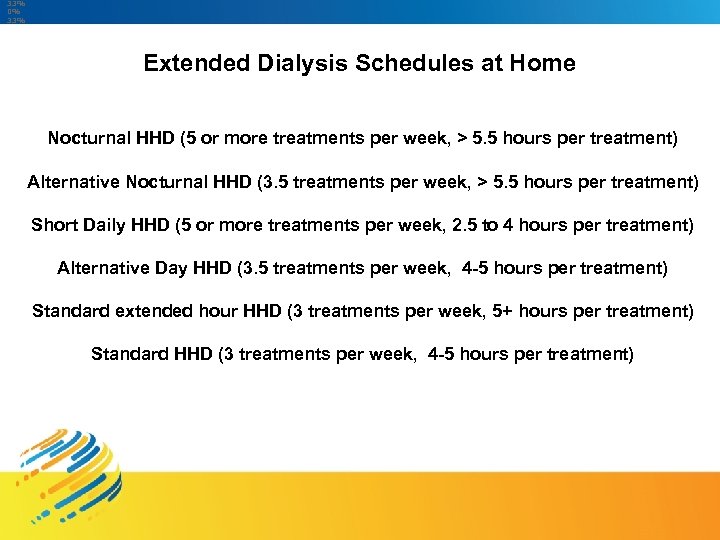 33% 0% 33% Extended Dialysis Schedules at Home Nocturnal HHD (5 or more treatments per week, > 5. 5 hours per treatment) Alternative Nocturnal HHD (3. 5 treatments per week, > 5. 5 hours per treatment) Short Daily HHD (5 or more treatments per week, 2. 5 to 4 hours per treatment) Alternative Day HHD (3. 5 treatments per week, 4 -5 hours per treatment) Standard extended hour HHD (3 treatments per week, 5+ hours per treatment) Standard HHD (3 treatments per week, 4 -5 hours per treatment)
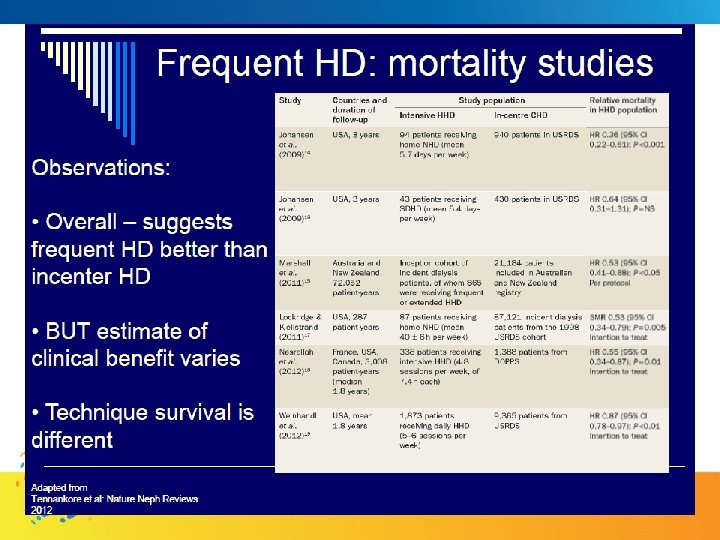
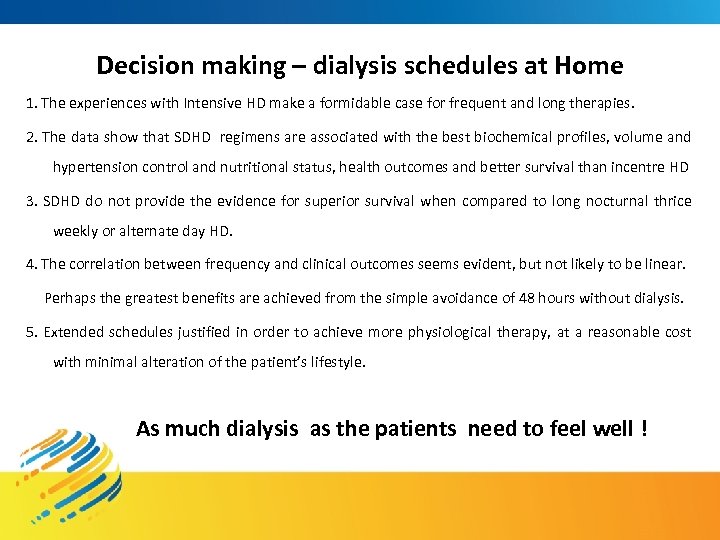 Decision making – dialysis schedules at Home 1. The experiences with Intensive HD make a formidable case for frequent and long therapies. 2. The data show that SDHD regimens are associated with the best biochemical profiles, volume and hypertension control and nutritional status, health outcomes and better survival than incentre HD 3. SDHD do not provide the evidence for superior survival when compared to long nocturnal thrice weekly or alternate day HD. 4. The correlation between frequency and clinical outcomes seems evident, but not likely to be linear. Perhaps the greatest benefits are achieved from the simple avoidance of 48 hours without dialysis. 5. Extended schedules justified in order to achieve more physiological therapy, at a reasonable cost with minimal alteration of the patient’s lifestyle. As much dialysis as the patients need to feel well !
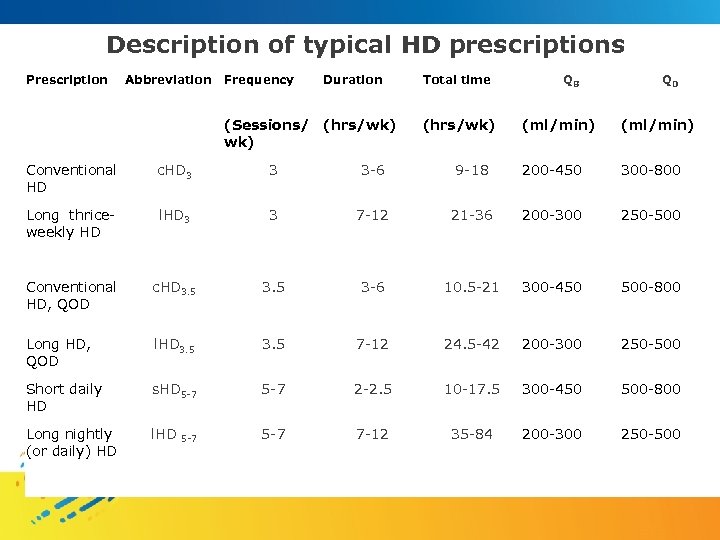 Description of typical HD prescriptions Prescription Abbreviation Frequency Duration (Sessions/ (hrs/wk) Total time (hrs/wk) QB QD (ml/min) Conventional HD c. HD 3 3 3 -6 9 -18 200 -450 300 -800 Long thriceweekly HD l. HD 3 3 7 -12 21 -36 200 -300 250 -500 Conventional HD, QOD c. HD 3. 5 3 -6 10. 5 -21 300 -450 500 -800 Long HD, QOD l. HD 3. 5 7 -12 24. 5 -42 200 -300 250 -500 Short daily HD s. HD 5 -7 2 -2. 5 10 -17. 5 300 -450 500 -800 Long nightly (or daily) HD l. HD 5 -7 7 -12 35 -84 200 -300 250 -500
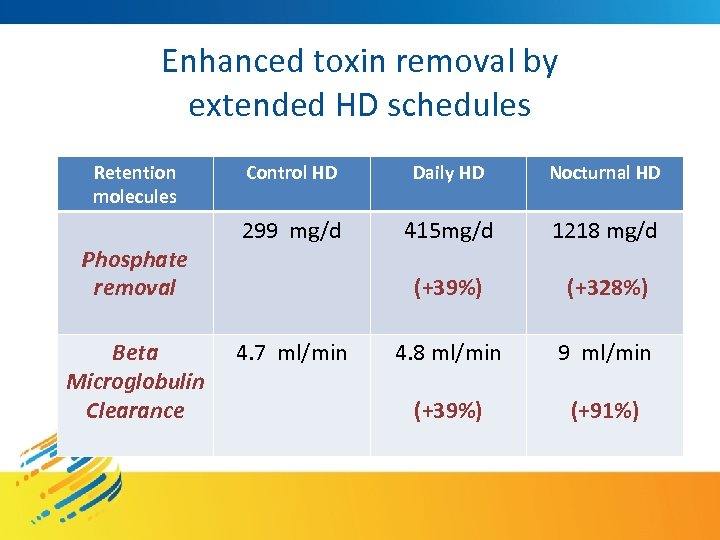 Enhanced toxin removal by extended HD schedules Retention molecules Phosphate removal Beta Microglobulin Clearance Control HD Daily HD Nocturnal HD 299 mg/d 415 mg/d 1218 mg/d (+39%) (+328%) 4. 8 ml/min 9 ml/min (+39%) (+91%) 4. 7 ml/min
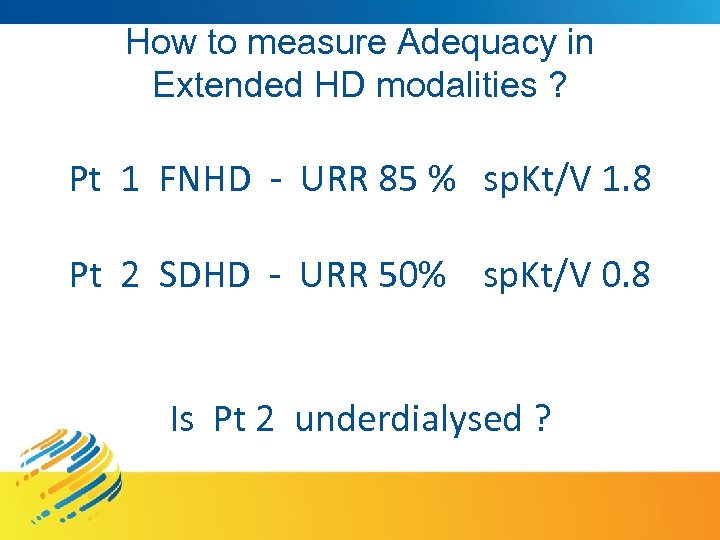 How to measure Adequacy in Extended HD modalities ? Pt 1 FNHD - URR 85 % sp. Kt/V 1. 8 Pt 2 SDHD - URR 50% sp. Kt/V 0. 8 Is Pt 2 underdialysed ?
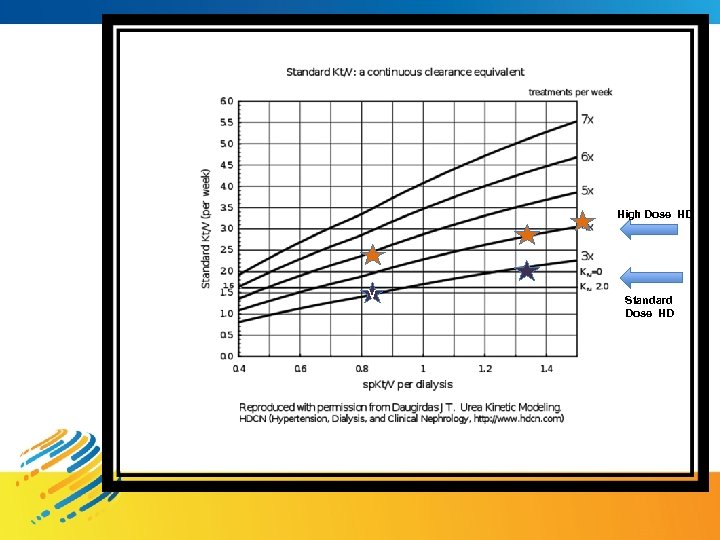 High Dose HD v Standard Dose HD
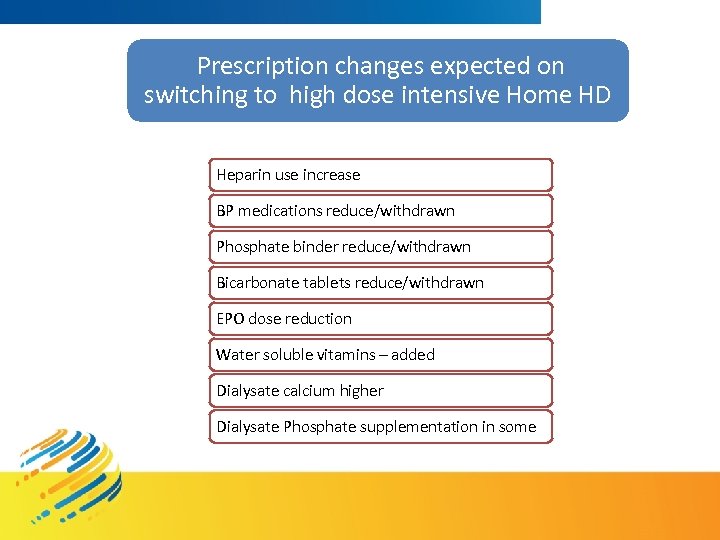 Prescription changes expected on switching to high dose intensive Home HD Heparin use increase BP medications reduce/withdrawn Phosphate binder reduce/withdrawn Bicarbonate tablets reduce/withdrawn EPO dose reduction Water soluble vitamins – added Dialysate calcium higher Dialysate Phosphate supplementation in some
 Adverse impact in high dose HD • • • Vitamin losses Low Phosphate levels Access complications Patient Burn out Caregiver impact Treatment costs
 Technique success
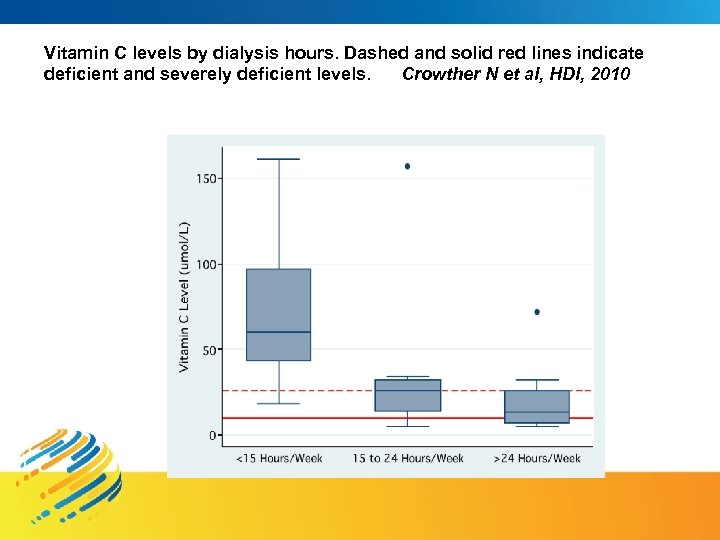 Vitamin C levels by dialysis hours. Dashed and solid red lines indicate deficient and severely deficient levels. Crowther N et al, HDI, 2010
 Hypophosphatemia on Intensive Nocturnal Dialysis • Intensive HD regimes sometimes lead to hypophosphataemia, causing muscle weakness, arrhythmias, haemolysis… • Oral and IV phosphate replacement is ineffective and cumbersome • Replacement in dialysate most effective • No such dialysates exist
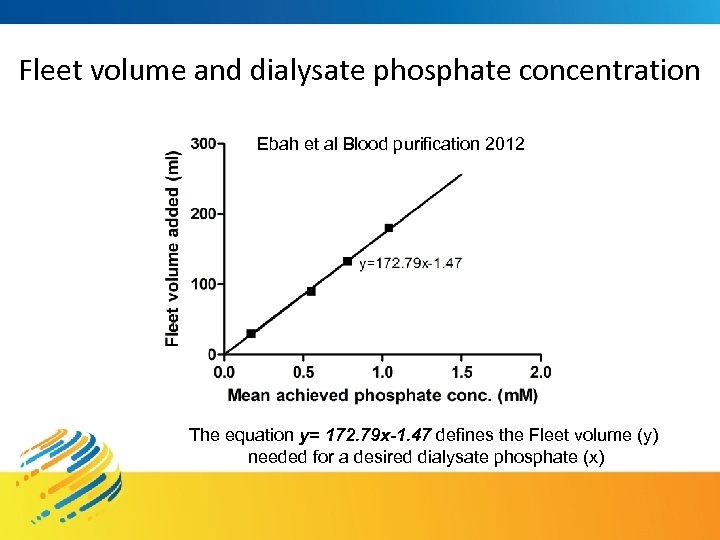 Fleet volume and dialysate phosphate concentration Ebah et al Blood purification 2012 The equation y= 172. 79 x-1. 47 defines the Fleet volume (y) needed for a desired dialysate phosphate (x)
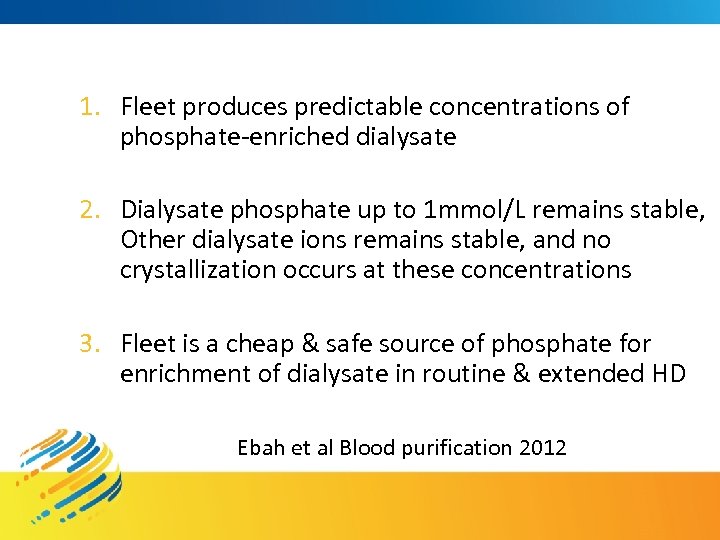 1. Fleet produces predictable concentrations of phosphate-enriched dialysate 2. Dialysate phosphate up to 1 mmol/L remains stable, Other dialysate ions remains stable, and no crystallization occurs at these concentrations 3. Fleet is a cheap & safe source of phosphate for enrichment of dialysate in routine & extended HD Ebah et al Blood purification 2012
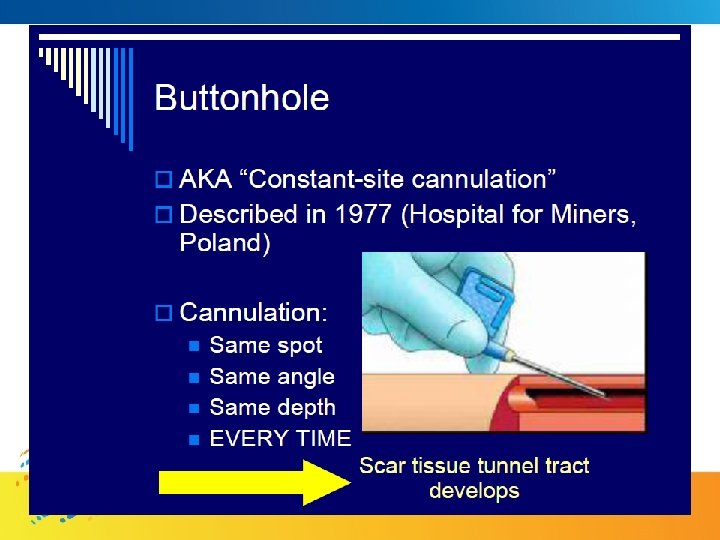
 DO’S AND DON’T’S OF BUTTONHOLING Scruplous Hand Hygeine for patient 1. BEFORE scab removal, area to be needled, clean with chlorhexidine or derivative and cleaned again AFTER scab removal for the prescribed time. Allow time to dry 2. Establish exactly where each scab is and remove using the plastic pick provided with the blunt needle. 3. Use a separate pick for each scab (don’t re-use on second scab). 4. Avoid using needles/sharp instrument as this fragments the scab thereby risking pushing scab into fistula. This can cause infection. 5. Ensure the WHOLE of the scab has been removed (ideally in a single piece). 6. Sharp needling into exactly the same point, at the same angle, in the same direction, must take place for 6 -9 sessions. After this a blunt needle must be used. Blunt needle at times can be used at session 4; the insertion of the needle will glide smoothly down the track. If more than 12 session, give serious consideration of starting a new site (as more will create an area puncture effect which is undesirable) 7. Use correct length of blunt needle- 1” for normal depth fistula and 1¼ ” for deep fistulas. 8. If you still can’t use a blunt needle DO NOT UNDER ANY CIRCUMSTANCES use a sharp needle in the same place. Doing so will destroy the buttonhole track and cause aneurysm/false tracks/bleeding or infection. 9. If you need to use a sharp needle you MUST needle ½ inch above or below buttonhole site. 10. Document method you have used in notes and on patients’ needling record; drawing/photographs of needle placement are helpful. 11. If a needle has to be withdrawn from a track (trampolining /blind track, etc. ) for any reason - discard and use a new needle. NEVER reinsert.
 • Q: What mechanism will you use for stocktake and delivery of supplies to the patients home? • Examples: arranged by the dialysis company provider, or as an extension of hospital stores. The usual case is for the dialysis vendor to provide this service. • Q: In the case of using the dialysis vendor’s systems, how will this be incorporated into the contract? • Which party is liable for charges related to non -standard deliveries? – Examples: special deliveries when a patient’s
 • Similarly, who will be liable for extra delivery services for patients that require more frequent deliveries? – For example, some patients need weekly deliveries of supplies, due to highly restricted storage space in a small home. • In the case of the program providing this service, consideration should be given to the costs of stockpiling supplies and providing personnel and equipment to accept incoming orders from patients, and to coordinate the delivery service.
 • Q: Waste management/disposal in the community: are there any local council restrictions? • If there are special disposal rules for spent dialysis supplies, then the costs of recovering and disposing of waste items needs to be considered. • Q: Who will pay for the home utilities including heating, power, and water? • Examples: patients, NHS • Q: How will maintenance of the dialysis equipment be performed? • Consider both routine and urgent maintenance (when equipment has failed). Will maintenance be provided on-site in the patient’s home, or will the equipment be swapped? If on-site maintenance is planned, will it be provided by the equipment vendor or by the program? If by the vendor, then the terms of this service must be clear, and incorporated into the contract.
 • If by the program, then the program must provide sufficient technical personnel, as well as a stockpile of parts, and a method of transporting both equipment and technicians to the patient’s home. • The program will need to maintain a pool of extra dialysis machines and water treatment systems to cover the eventuality of malfunctioning equipment that cannot be repaired in a timely manner, and needs to be swapped for working equipment. • If equipment is to be swapped for routine and urgent maintenance, then several factors need to be considered: – How will equipment be packaged and delivered? Consider both the replacement equipment being delivered to the patient, as well as the existing equipment being returned to the program. What types of delivery service guarantees will need to be in place (eg. Timeliness of delivery, weekends as well as weekdays, care for fragile equipment)? – A pool of extra equipment will need to be in place to allow for timely replacement of equipment in
 Electricals Plumbing – water supply, pressure Rx softeners , carbon Waste drain – angle Floor set up - ? Leaks Running Costs
 Non dialysis factors influencing Dialysis Outcomes • Pre-ESRD care under Nephrologist • CKD education influences modality selection • Access at start of Dialysis PD catheter = AVF/AVG and > HD Catheter • Modality driven by patient or physician choice • Residual Renal function , transition factors • Size of the dialysis Program ! • Knowledge – Care Gap (implementation issue)
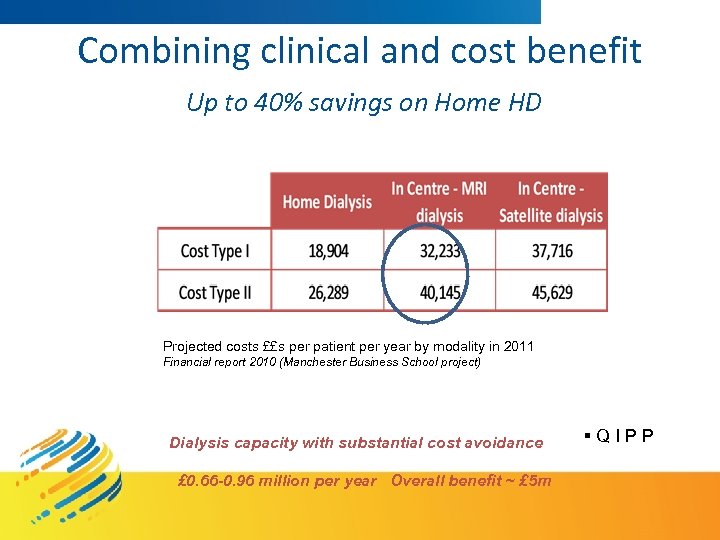 Combining clinical and cost benefit Up to 40% savings on Home HD Projected costs ££s per patient per year by modality in 2011 Financial report 2010 (Manchester Business School project) Dialysis capacity with substantial cost avoidance £ 0. 66 -0. 96 million per year Overall benefit ~ £ 5 m §QIPP
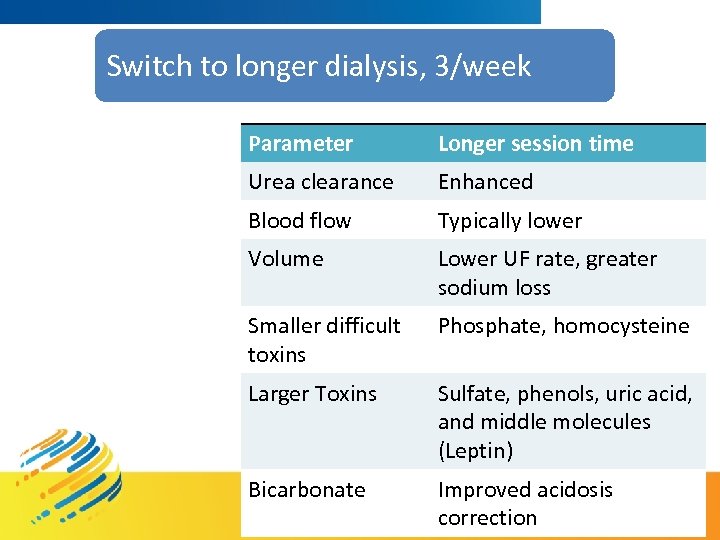 Switch to longer dialysis, 3/week Parameter Longer session time Urea clearance Enhanced Blood flow Typically lower Volume Lower UF rate, greater sodium loss Smaller difficult toxins Phosphate, homocysteine Larger Toxins Sulfate, phenols, uric acid, and middle molecules (Leptin) Bicarbonate Improved acidosis correction
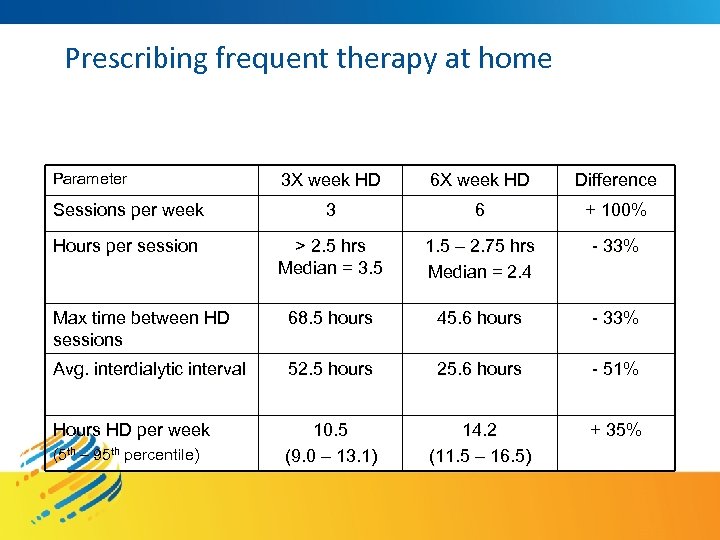 Prescribing frequent therapy at home Parameter 3 X week HD 6 X week HD Difference Sessions per week 3 6 + 100% Hours per session > 2. 5 hrs Median = 3. 5 1. 5 – 2. 75 hrs Median = 2. 4 - 33% Max time between HD sessions 68. 5 hours 45. 6 hours - 33% Avg. interdialytic interval 52. 5 hours 25. 6 hours - 51% Hours HD per week 10. 5 (9. 0 – 13. 1) 14. 2 (11. 5 – 16. 5) + 35% (5 th – 95 th percentile)
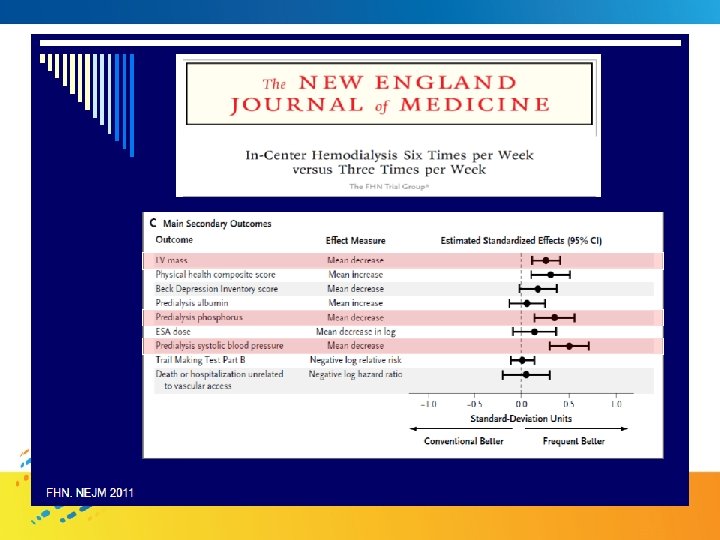
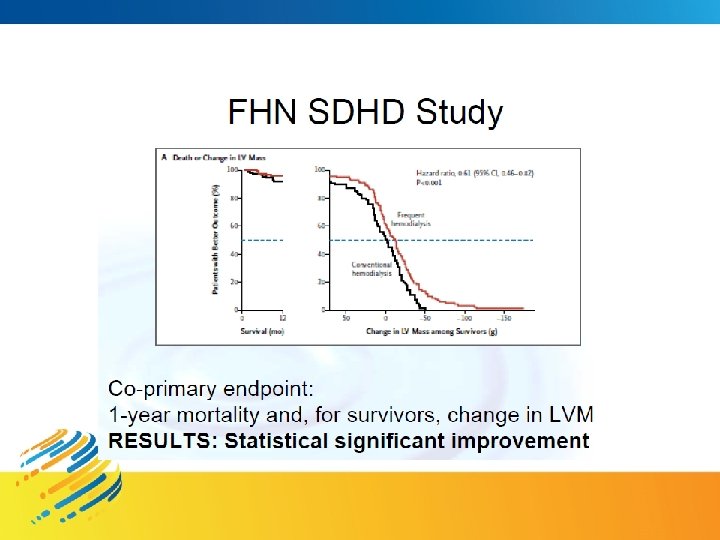
 Three times a week HD Kt/V 1. 65 v 1. 25 No overall outcome benefit
 Summary • Unique stand alone SC units– Prestwich longest serving in modern times with a high patient turnover 152 pts , 15 yrs experience • Favourable outcomes and patient experience • Major support for HHD programmes • Clinical co-morbidities, technical and service delivery challenges in SCHD • Modern SC programme need to integrate well with mainstream HD provision and being fit for purpose
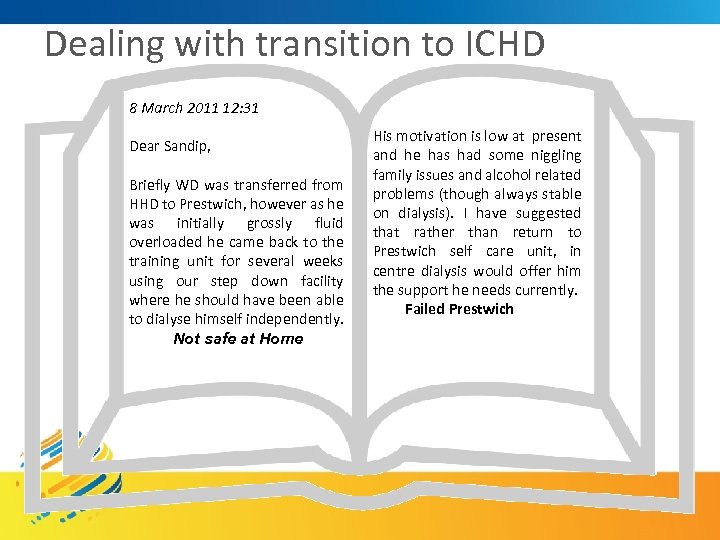 Dealing with transition to ICHD 8 March 2011 12: 31 Dear Sandip, Briefly WD was transferred from HHD to Prestwich, however as he was initially grossly fluid overloaded he came back to the training unit for several weeks using our step down facility where he should have been able to dialyse himself independently. Not safe at Home His motivation is low at present and he has had some niggling family issues and alcohol related problems (though always stable on dialysis). I have suggested that rather than return to Prestwich self care unit, in centre dialysis would offer him the support he needs currently. Failed Prestwich
 Dialysis modality considerations • Tailored for Patient characteristic (Clinical factors) • Provide the highest value – High efficiency therapy • Balancing health gain with minimal disruption to patient lives (Human factors)
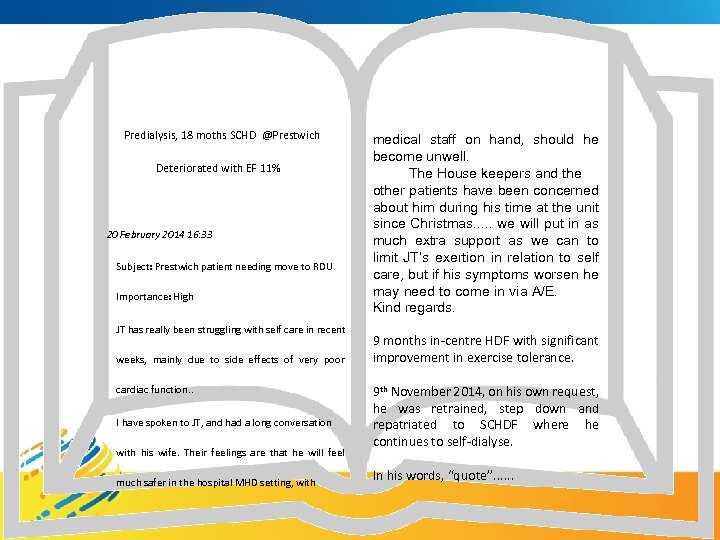 Predialysis, 18 moths SCHD @Prestwich Deteriorated with EF 11% 20 February 2014 16: 33 Subject: Prestwich patient needing move to RDU Importance: High JT has really been struggling with self care in recent weeks, mainly due to side effects of very poor cardiac function. . I have spoken to JT, and had a long conversation with his wife. Their feelings are that he will feel much safer in the hospital MHD setting, with medical staff on hand, should he become unwell. The House keepers and the other patients have been concerned about him during his time at the unit since Christmas. . . we will put in as much extra support as we can to limit JT’s exertion in relation to self care, but if his symptoms worsen he may need to come in via A/E. Kind regards. 9 months in-centre HDF with significant improvement in exercise tolerance. 9 th November 2014, on his own request, he was retrained, step down and repatriated to SCHDF where he continues to self-dialyse. In his words, “quote”. . .