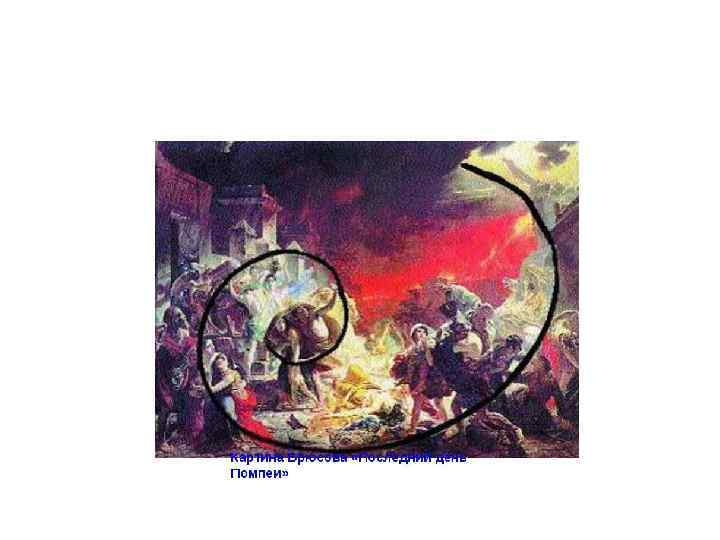
Скачать презентацию History of Arts Introduction https
eng_intro_главная.pptx
- Количество слайдов: 157
 History of Arts Introduction
 • https: //www. youtube. com/watch? v=Zq 76 Pzu Vyiw&list=PLUSJ 1 t. Ipr. Pfp. Ai. Kf 5 UPTsn 27 RWhvfn. MD&index=2
 Homework • контраст • https: //www. youtube. com/watch? v=pr. XIGx. QXc. Y&index=3&list=PLEs. KOPMSMFSBkw 7 i. Vsnn Kst. X 4 KIEFU 6 C 9 • эмфазис • https: //yandex. ru/video/search? text=emphasi s+in+art
 Homework • Баланс https: //www. youtube. com/watch? v=mi. DLjrty Wi. U&list=PLEs. KOPMSMFSBkw 7 i. Vsnn. Kst. X 4 KIE FU 6 C 9&index=1 • Ритм https: //www. youtube. com/watch? v=ybj. Nr. OA r. Vz. A&index=4&list=PLEs. KOPMSMFSBkw 7 i. Vsn n. Kst. X 4 KIEFU 6 C 9
 Homework • Единство и разнообразие • https: //www. youtube. com/watch? v=Rb 8 Dv. RDi. Z 0&index=7&list=PLEs. KOPMSMFSBk w 7 i. Vsnn. Kst. X 4 KIEFU 6 C 9
 • Why we look at art? http: //smarthistory. org/why-look-at-art/
 • • 1. What are visual arts? 2. In your own words, define the word artist. 3. Name one trait all artists have in common. 4. What are your reasons for studying art?
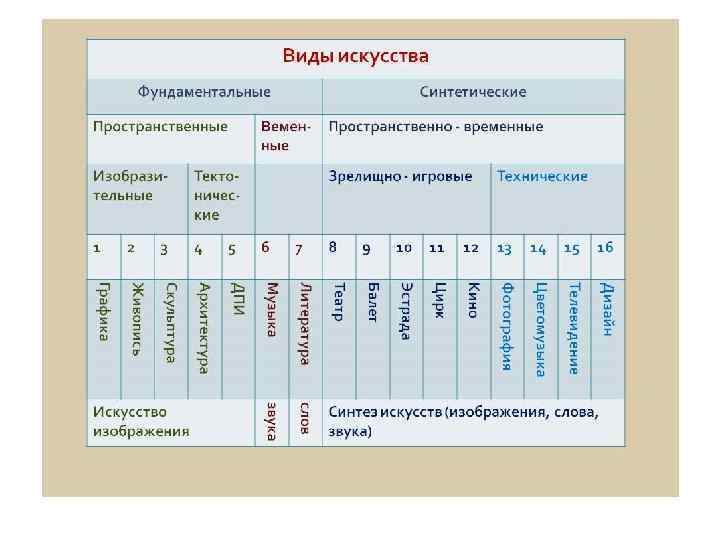
 Arts • Literature • Performing arts • Visual arts
 Visual arts • Fine arts • Applied arts
 Fine arts • • • Painting Graphic arts (drawing + printmaking) Photography Sculpture Architecture
 • Piece of art = work of art
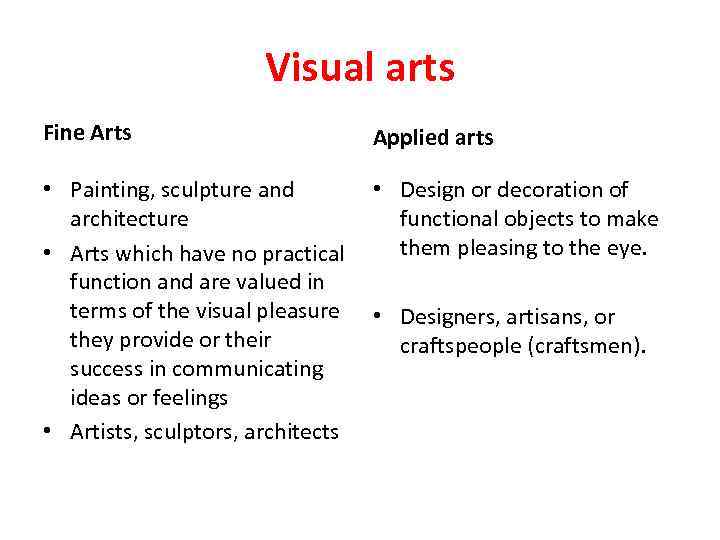 Visual arts Fine Arts Applied arts • Painting, sculpture and • Design or decoration of architecture functional objects to make them pleasing to the eye. • Arts which have no practical function and are valued in terms of the visual pleasure • Designers, artisans, or they provide or their craftspeople (craftsmen). success in communicating ideas or feelings • Artists, sculptors, architects
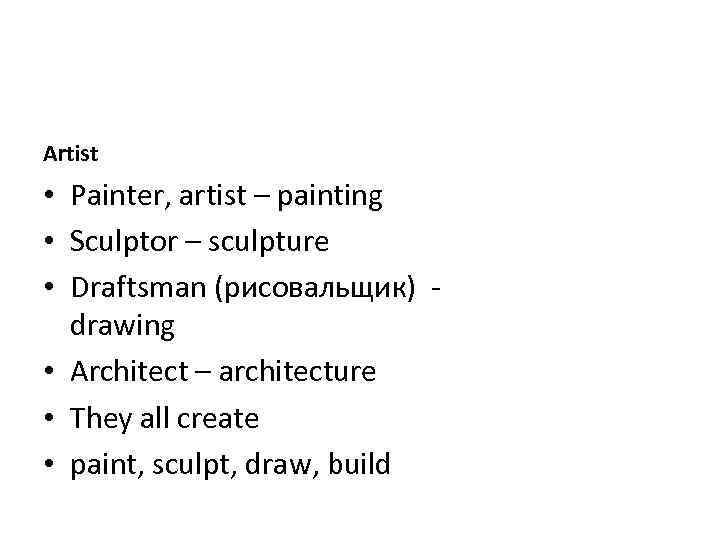 Artist • Painter, artist – painting • Sculptor – sculpture • Draftsman (рисовальщик) - drawing • Architect – architecture • They all create • paint, sculpt, draw, build
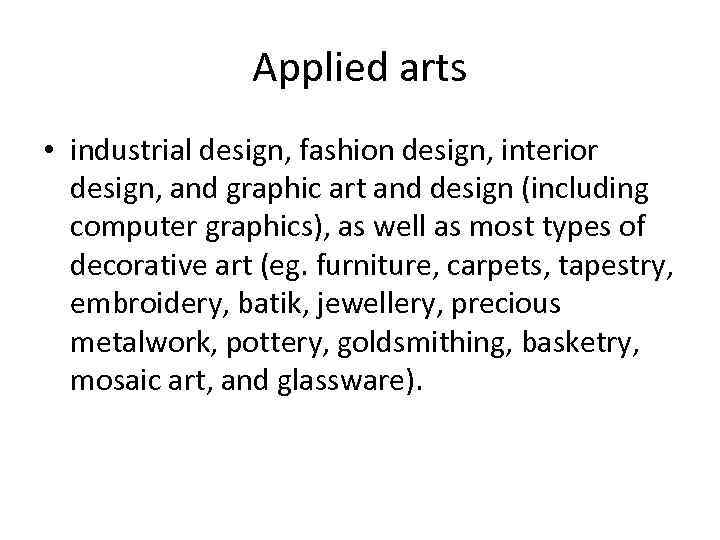 Applied arts • industrial design, fashion design, interior design, and graphic art and design (including computer graphics), as well as most types of decorative art (eg. furniture, carpets, tapestry, embroidery, batik, jewellery, precious metalwork, pottery, goldsmithing, basketry, mosaic art, and glassware).
 Traits/ qualities of art?
 1 • • Art should mirror reality. It must look like something seen in the real world
 2 • Art must be pleasing to the eye, even if it is not realistic
 3 • Art should express the artist’s ideas, beliefs, and feelings so that others can understand them
 Some ideas: • Art should mirror reality. It must look like something seen in the real world • Art must be pleasing to the eye, even if it is not realistic • Art should express the artist’s ideas, beliefs, and feelings so that others can understand them
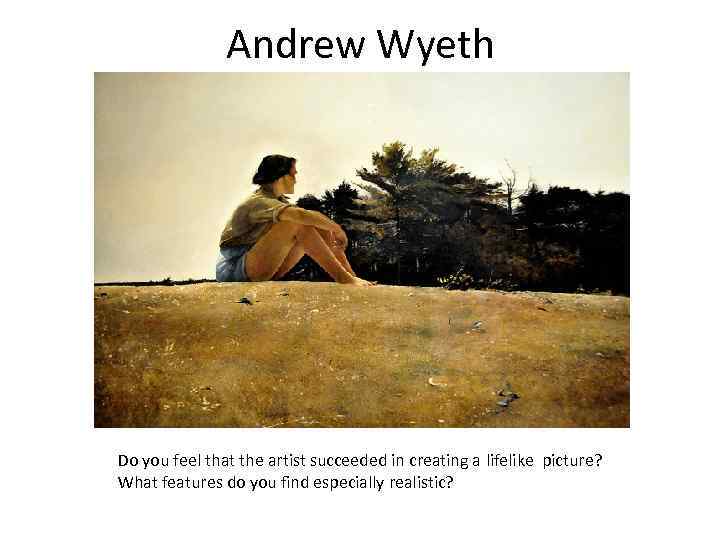 Andrew Wyeth Do you feel that the artist succeeded in creating a lifelike picture? What features do you find especially realistic?
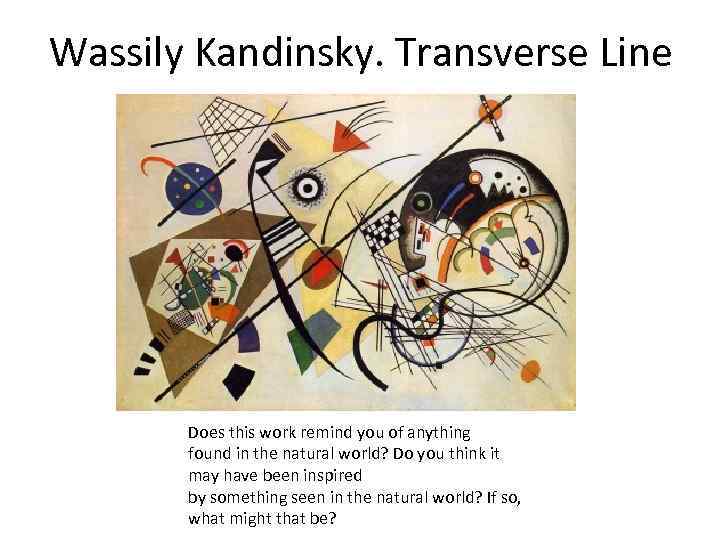 Wassily Kandinsky. Transverse Line Does this work remind you of anything found in the natural world? Do you think it may have been inspired by something seen in the natural world? If so, what might that be?
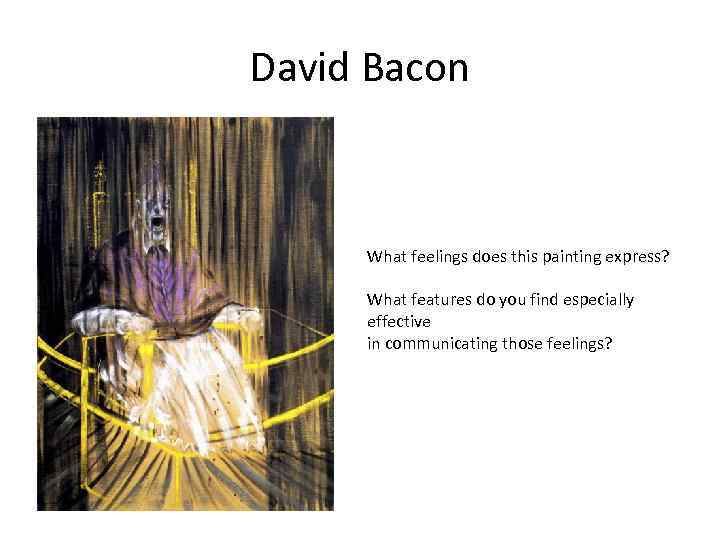 David Bacon What feelings does this painting express? What features do you find especially effective in communicating those feelings?
 • All these qualities are important, although they need not all be evident in the same work. • visual arts are unique expressions of ideas, beliefs, experiences, and feelings presented in well-designed visual forms.
 • https: //www. youtube. com/watch? v=ZUg. BAT 4 nvd. M
 • he pictured a world
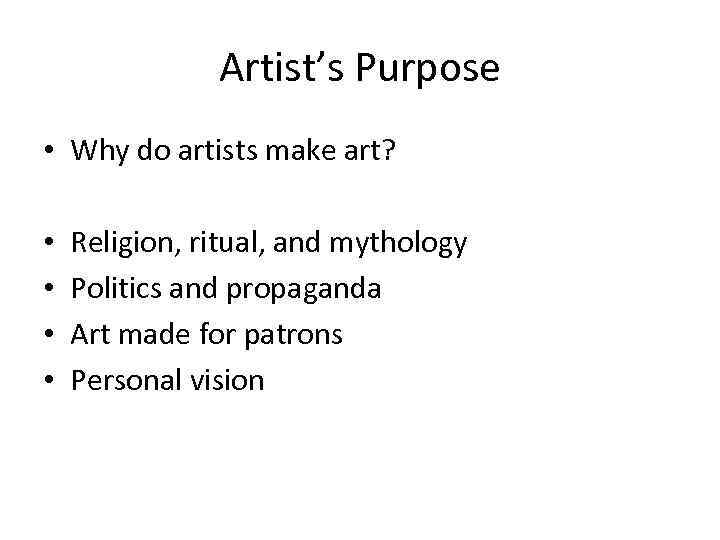 Artist’s Purpose • Why do artists make art? • • Religion, ritual, and mythology Politics and propaganda Art made for patrons Personal vision
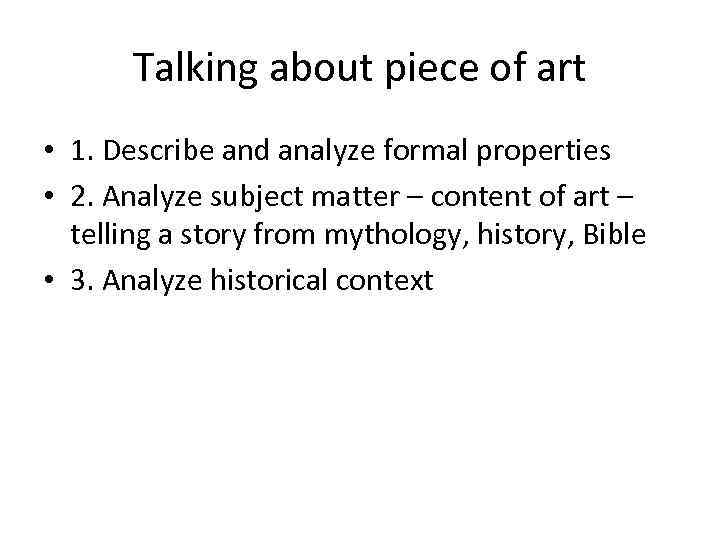 Talking about piece of art • 1. Describe and analyze formal properties • 2. Analyze subject matter – content of art – telling a story from mythology, history, Bible • 3. Analyze historical context
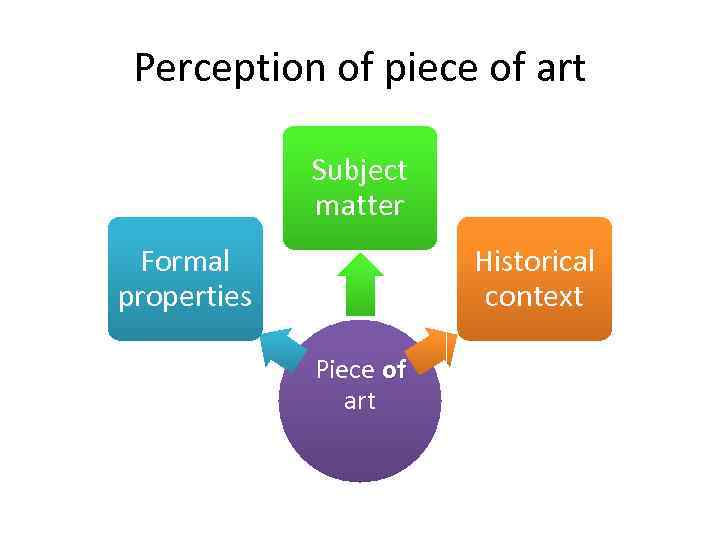 Perception of piece of art Subject matter Formal properties Historical context Piece of of art
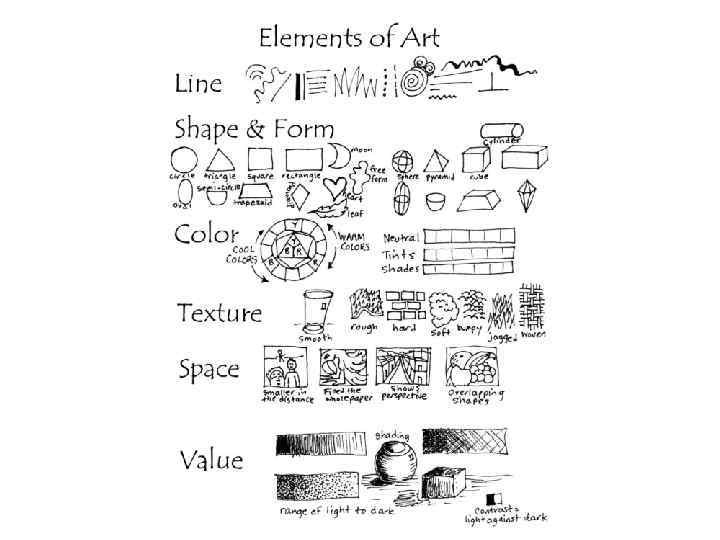
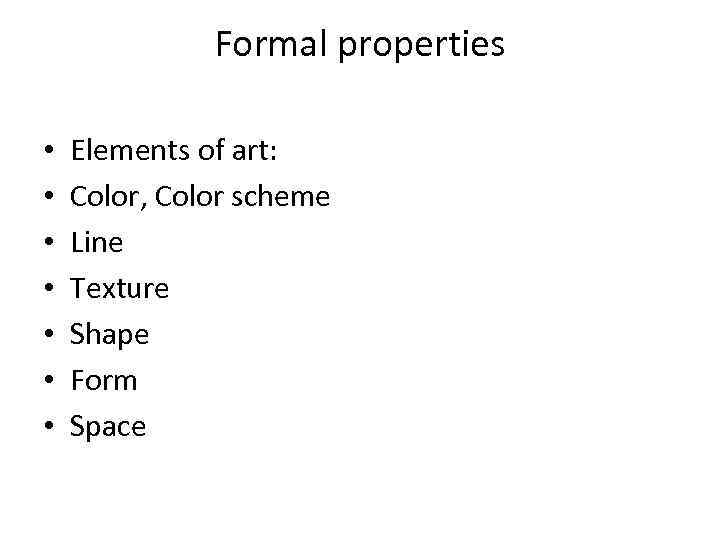 Formal properties • • Elements of art: Color, Color scheme Line Texture Shape Form Space
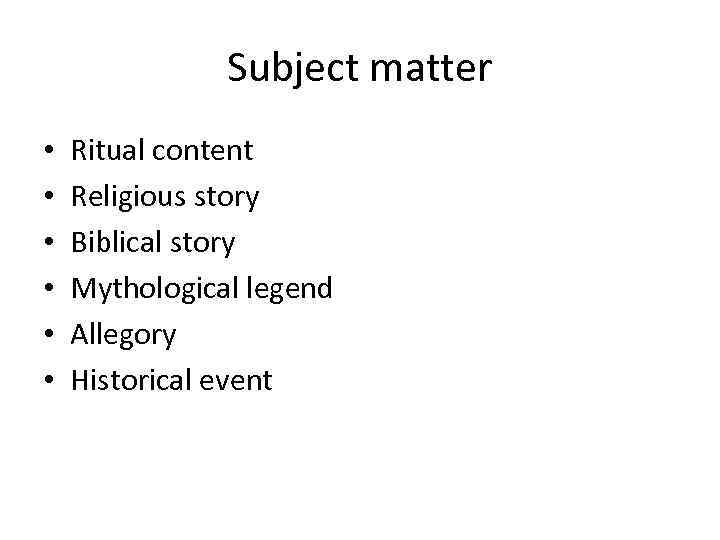 Subject matter • • • Ritual content Religious story Biblical story Mythological legend Allegory Historical event
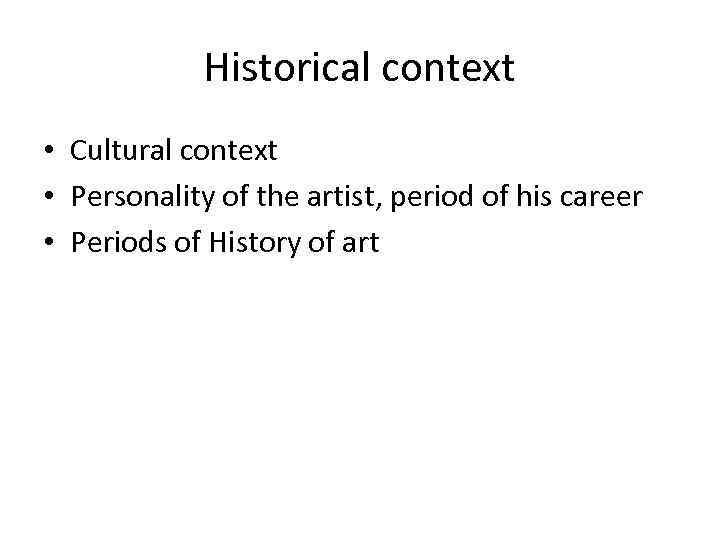 Historical context • Cultural context • Personality of the artist, period of his career • Periods of History of art
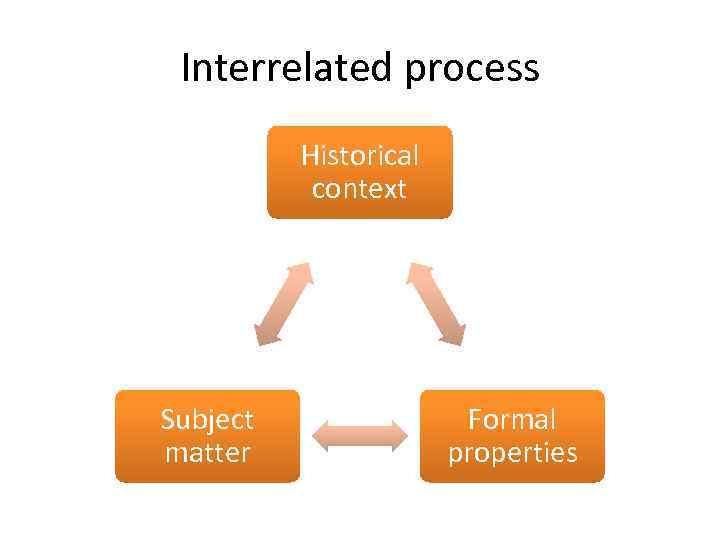 Interrelated process Historical context Subject matter Formal properties
 History of Arts Prehistoric (before c. 3000 B. C. ) Ancient (c. 3000 B. C. to c. 400 A. D. ) Middle Ages (c. 400 A. D. to c. 1400 A. D. ) Renaissance (c. 1400 to 1600) Early Modern (c. 1600 – 1800) Modern (after c. 1800) Contemporary art (since 1990)
 abbreviations • B. C. - “Before Christ, ” • A. D. stands for Latin Anno Domini, which is “In the year of our Lord”. • Before the Common Era (B. C. E. ) and forwards in the Common Era (C. E. ). • a “c. ” or a “ca. ” - abbreviations of the Latin word “circa” which means around, or approximately.
 • • Prehistoric (before c. 3000 B. C. E. ) Ancient (c. 3000 B. C. E. to c. 400 C. E. ) Middle Ages (c. 400 C. E. to c. 1400 C. E. ) Renaissance (c. 1400 to 1600) Early Modern (c. 1600 – 1800) Modern (after c. 1800) Contemporary art
 What we are going to learn? Critically examining a work of art involves similar decision -making and problem-solving activities. These are some of the tasks of the serious viewer: • Identify the subject depicted in the artwork. • Determine the medium and technique used. • Identify the colors, shapes, lines, and textures, and note how they are organized. • Decide whether the work is successful, and be prepared to defend that judgment with good reasons.
 • skills necessary to understand, judge, and support your personal decisions about a variety of visual art forms. You will have opportunities to engage in decision-making and problem-solving activities as you create your art forms. However, in order to do both, you must first learn the vocabulary of art.
 Vocabulary of art
 Media • materials the artist uses to create artworks. • Almost any material can function as an art medium, provided artists are able to mark with it, bend it, or shape it to suit their purposes. • Pencils, charcoal, paint, clay, stone, and metal are all common art media.
 • Medium (sing), media (pl) - материал (используемый в искусстве) - cредство выражения This sculptor's favourite medium is marble
 Art process • Art process is the action involved in making art. • Examples of art processes include drawing, painting, printmaking, modeling, weaving, digitizing, and casting.
 Vocabulary of art
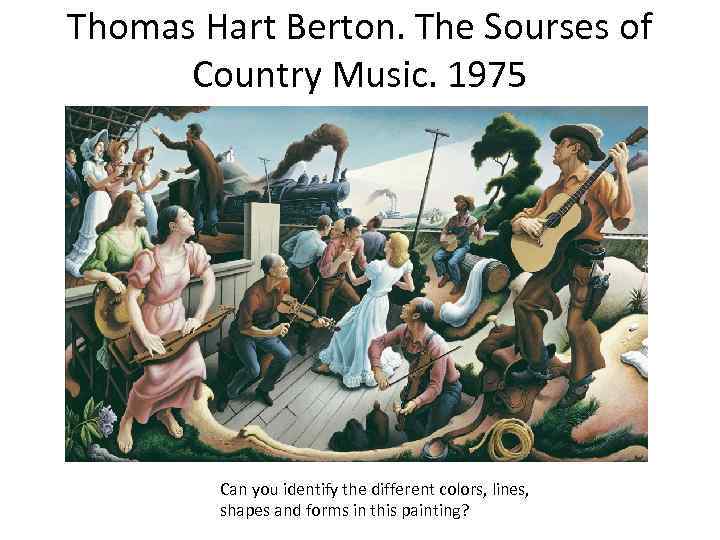 Thomas Hart Berton. The Sourses of Country Music. 1975 Can you identify the different colors, lines, shapes and forms in this painting?
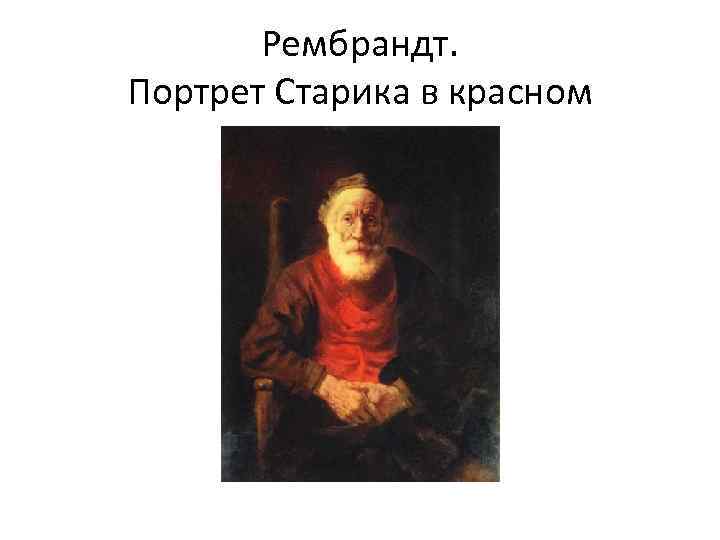 Рембрандт. Портрет Старика в красном
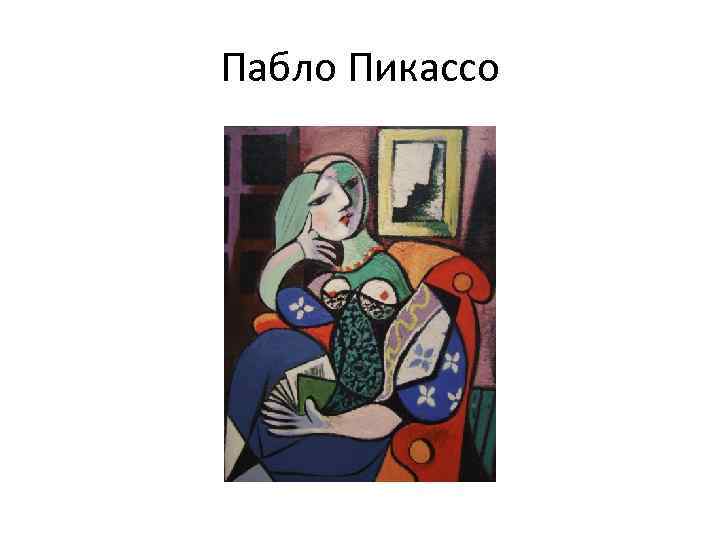 Пабло Пикассо
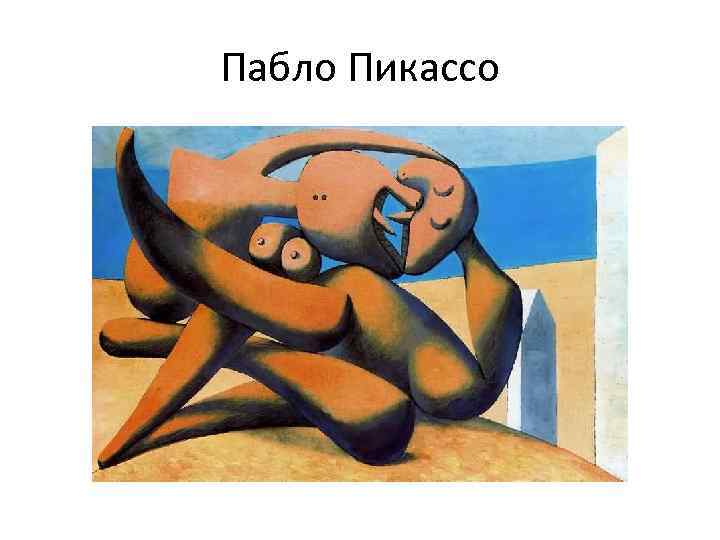 Пабло Пикассо
 Elements of art The basic components of art: • • • Color Line Texture Shape Form Space
 Principles of art Different ways the elements can be used in a work of art: • Balance • Emphasis • Harmony • Variety • Movement • Rhythm • Proportion
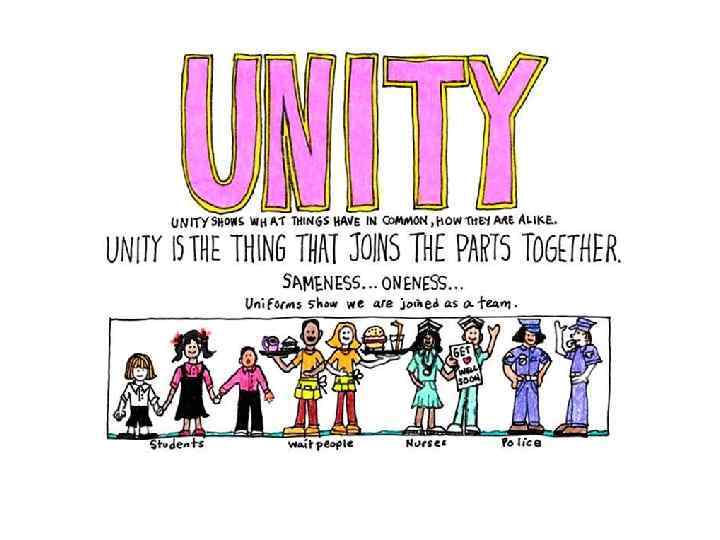
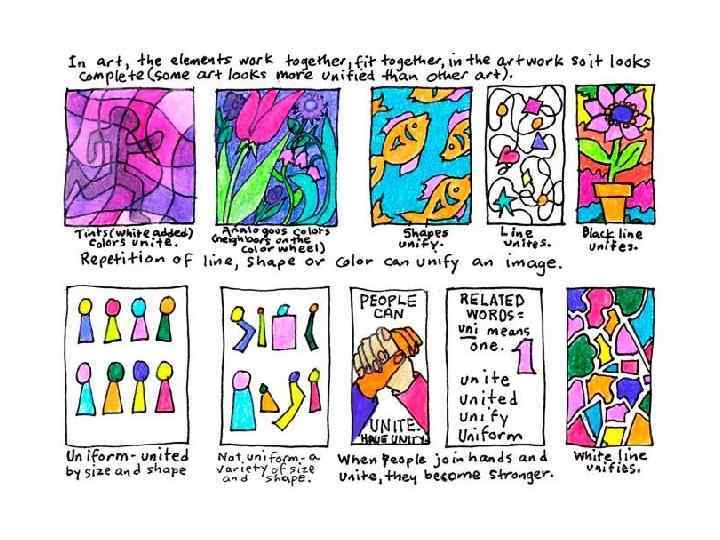
 • Unity – is the look and feel of wholeness or oneness in a work of art
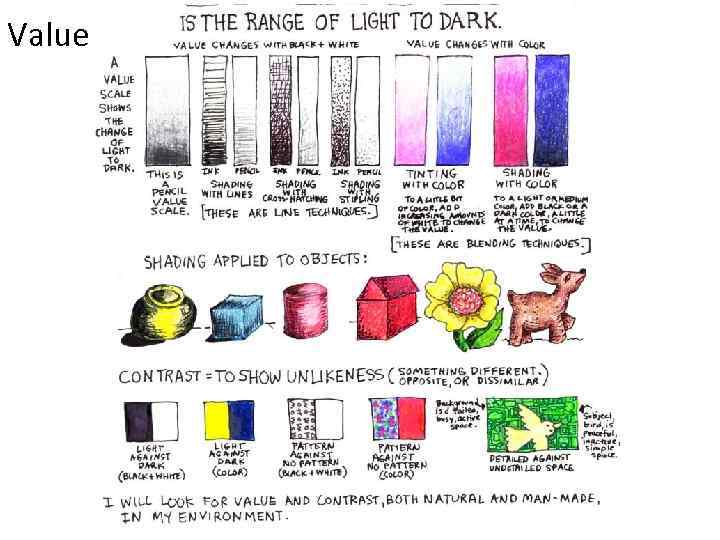
 Color • http: //smarthistory. org/art-terms-in-action-tintshade-and-tone/ • Hue: the color's direction from white, for example in a color wheel or chromaticity diagram. Hue = color • Intensity = saturation is a color’s quality of brightness or dullness. • Value: how light or dark a color is.
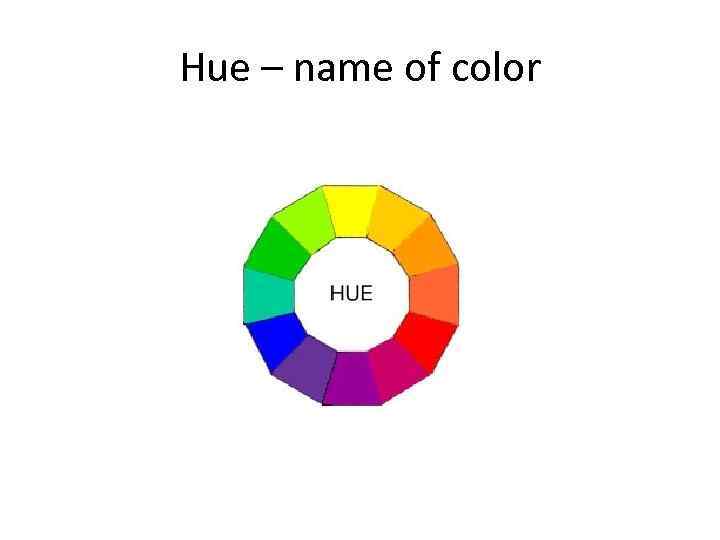 Hue – name of color
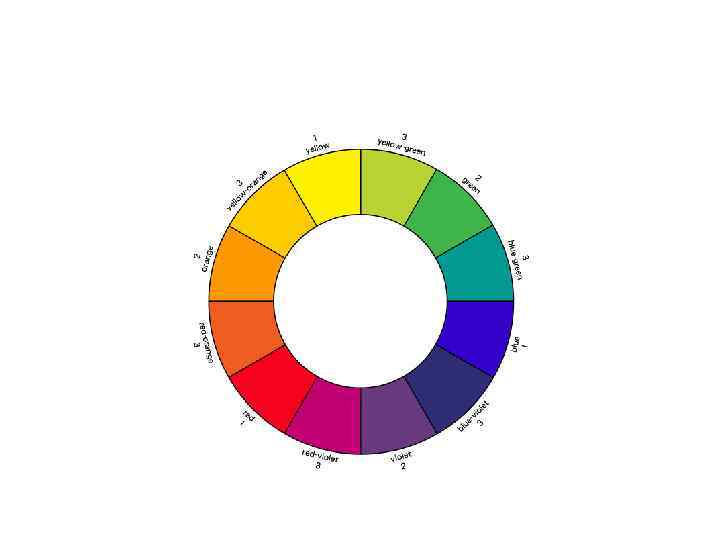
 • Three primary colors: red, yellow, and blue. • The secondary colors, orange, green, and violet • Red-orange and yellow-orange are examples of intermediate colors. • Colors that are opposite each other on the color wheel are called complementary colors.
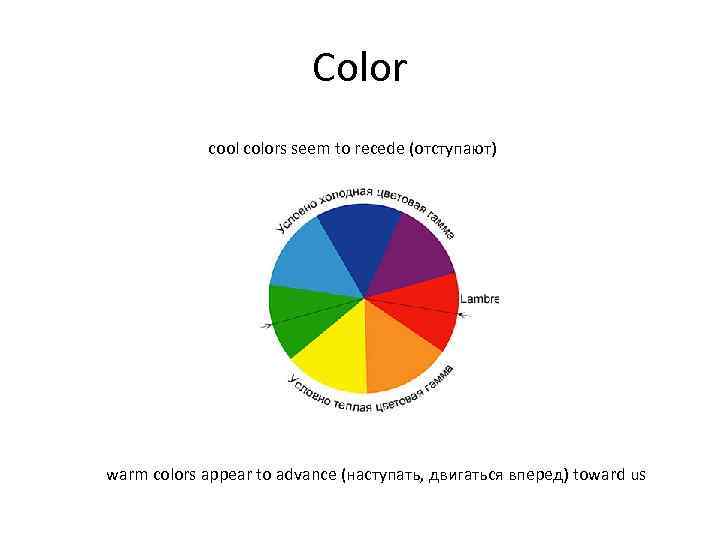 Color cool colors seem to recede (отступают) warm colors appear to advance (наступать, двигаться вперед) toward us
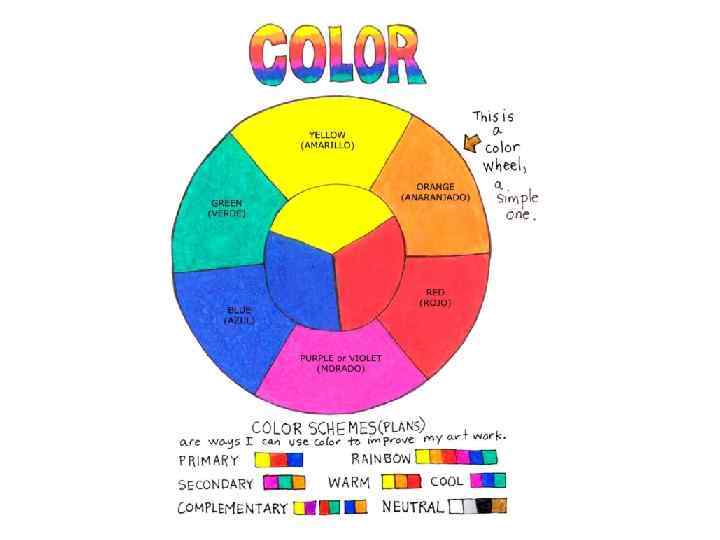
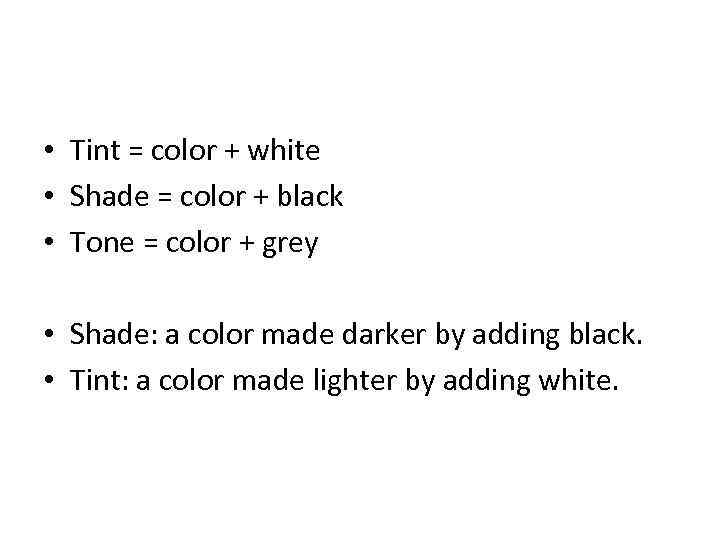 • Tint = color + white • Shade = color + black • Tone = color + grey • Shade: a color made darker by adding black. • Tint: a color made lighter by adding white.
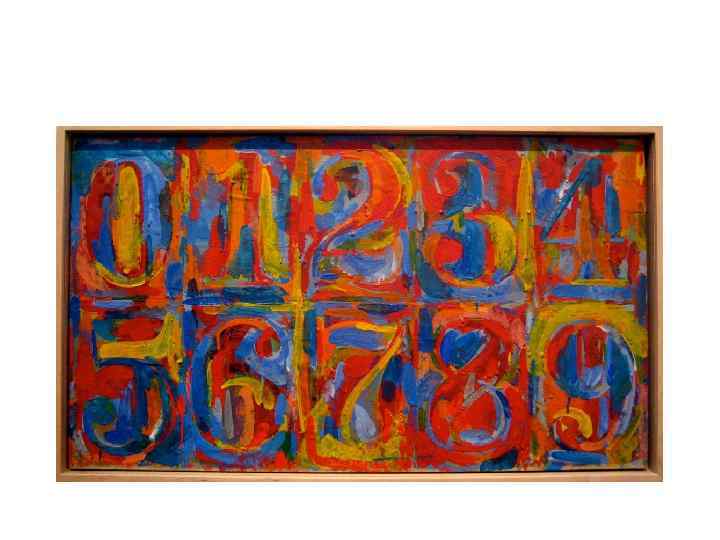
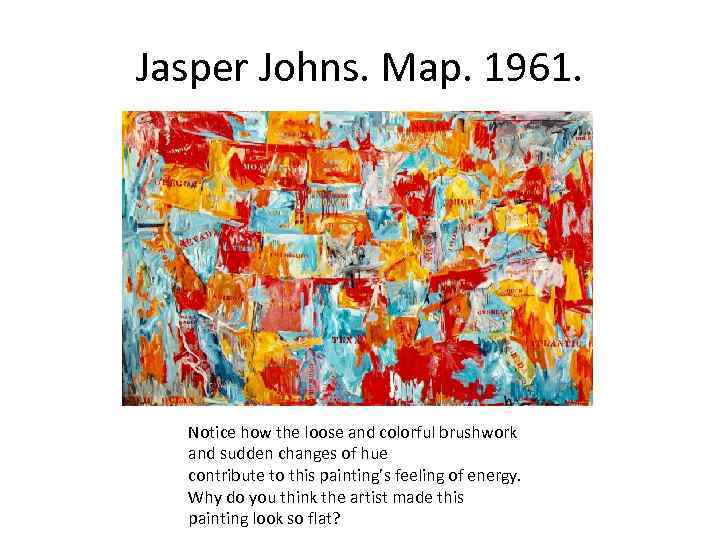 Jasper Johns. Map. 1961. Notice how the loose and colorful brushwork and sudden changes of hue contribute to this painting’s feeling of energy. Why do you think the artist made this painting look so flat?
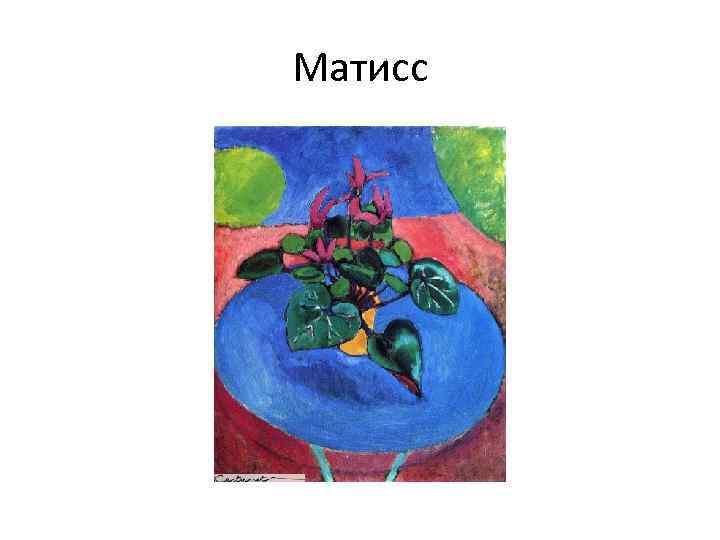 Матисс
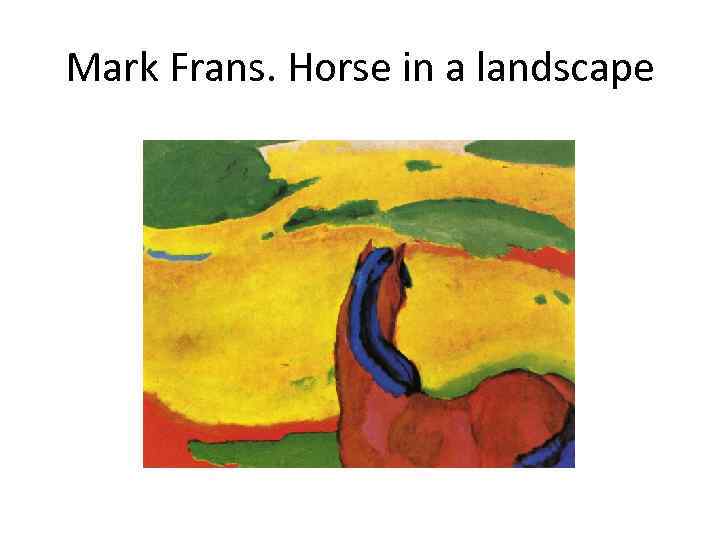 Mark Frans. Horse in a landscape
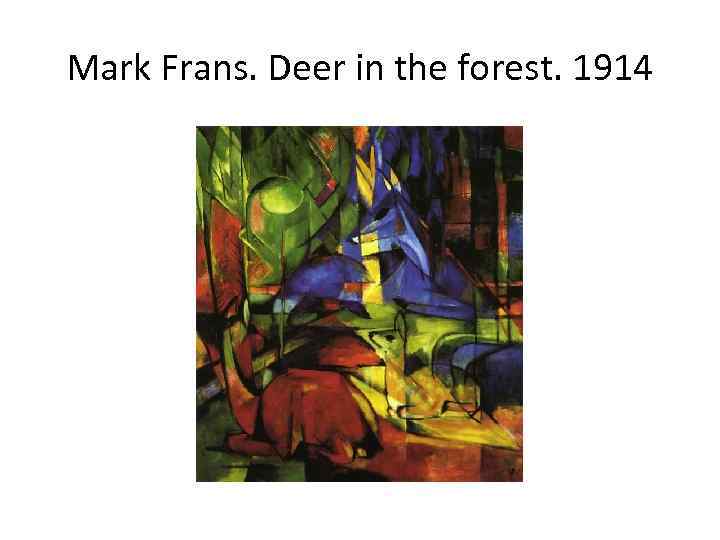 Mark Frans. Deer in the forest. 1914
 Value
Value
 Value
Value
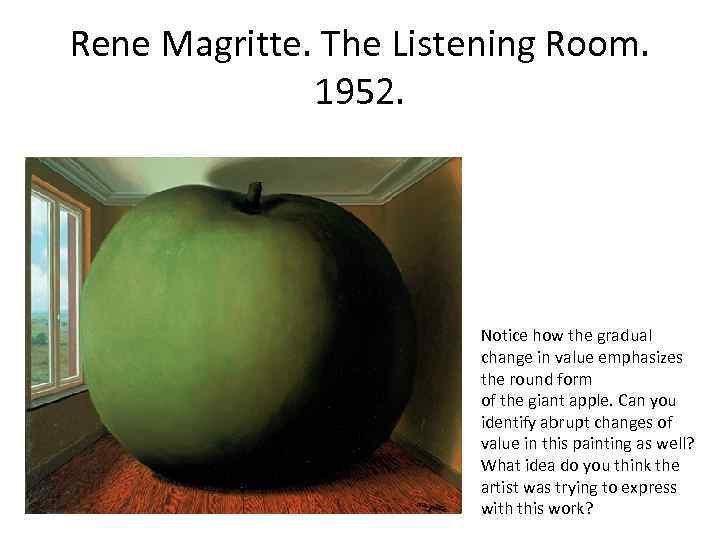 Rene Magritte. The Listening Room. 1952. Notice how the gradual change in value emphasizes the round form of the giant apple. Can you identify abrupt changes of value in this painting as well? What idea do you think the artist was trying to express with this work?
 Line - continuous mark made on some surface by a moving point. Wavy Straight Broken line - прерывистая Strong Expressive Calm Sharp
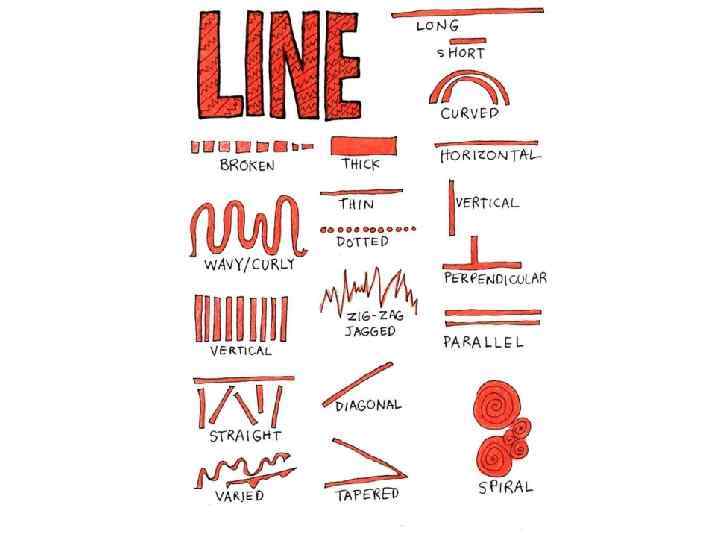
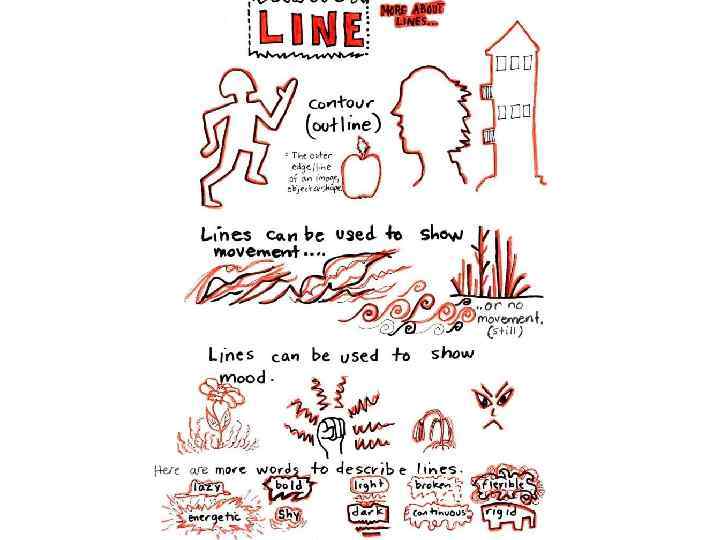
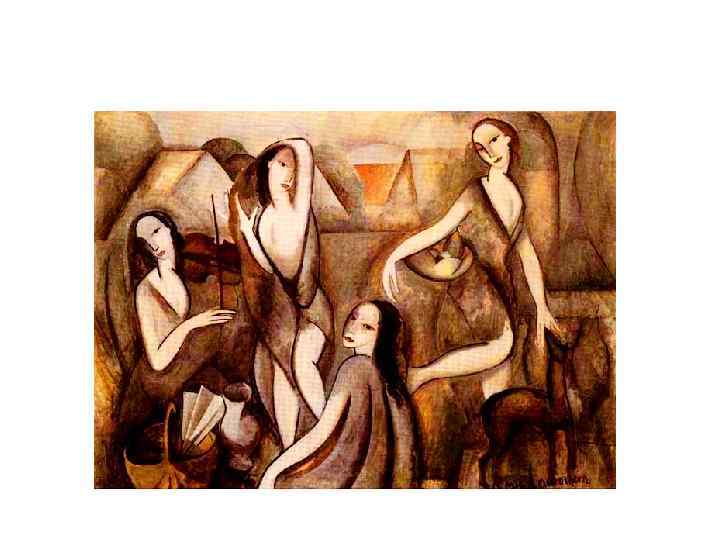
 Emphasizing Line • is used to show the edges, or contours, of an object • Contour line • Some artists place great importance on contours or outlines. Linear manner
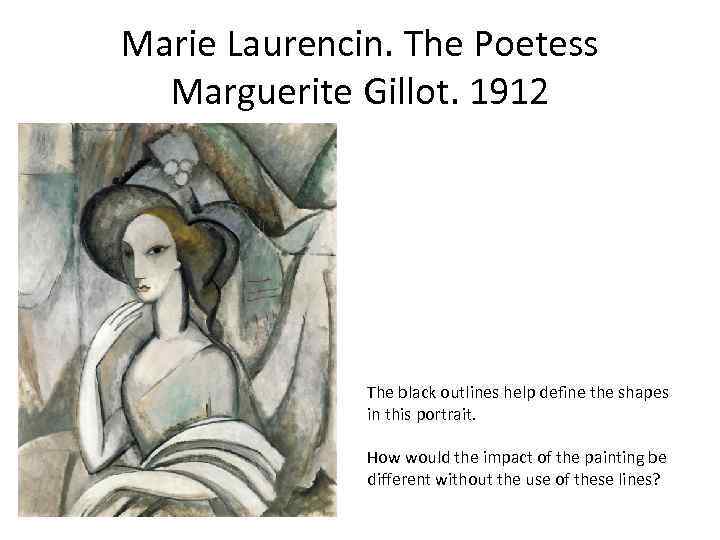 Marie Laurencin. The Poetess Marguerite Gillot. 1912 The black outlines help define the shapes in this portrait. How would the impact of the painting be different without the use of these lines?
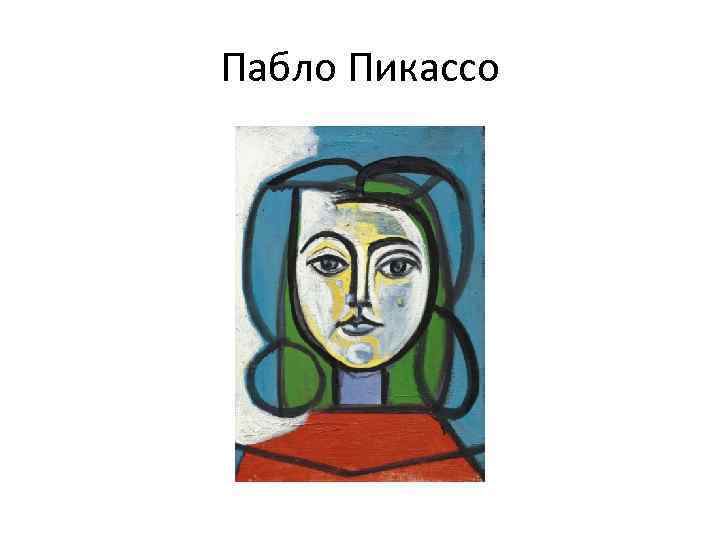 Пабло Пикассо
 • is used to show the edges, or contours, of an object
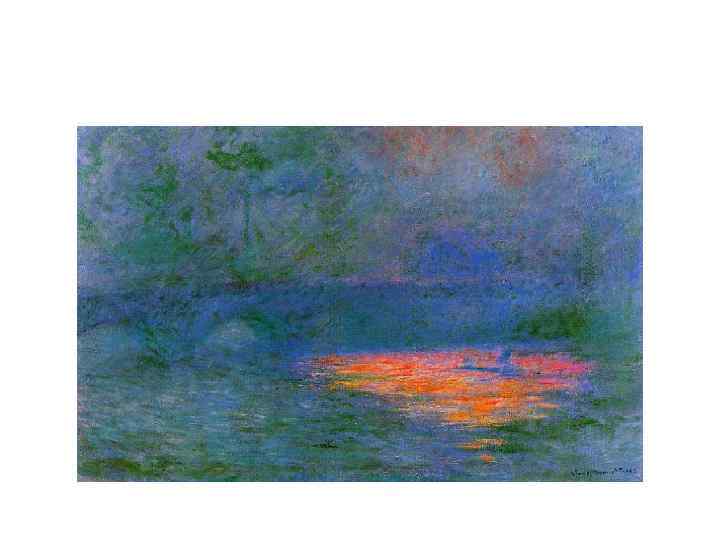
 De-emphasizing Line • Painterly manner
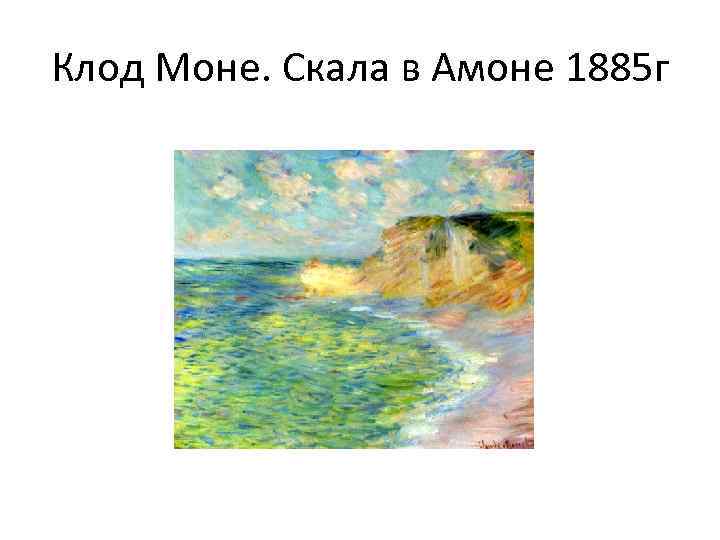 Клод Моне. Скала в Амоне 1885 г
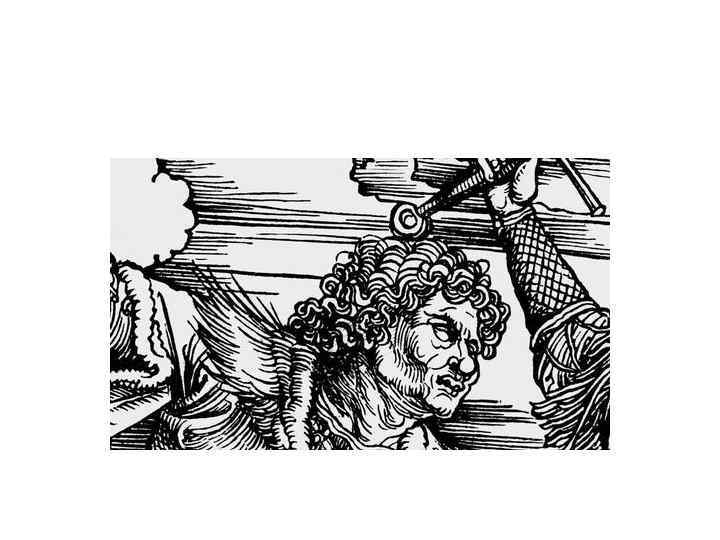
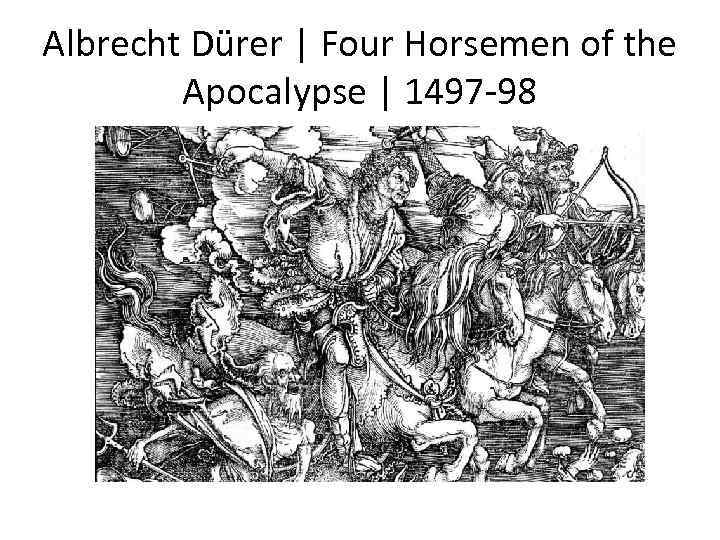 Albrecht Dürer | Four Horsemen of the Apocalypse | 1497 -98
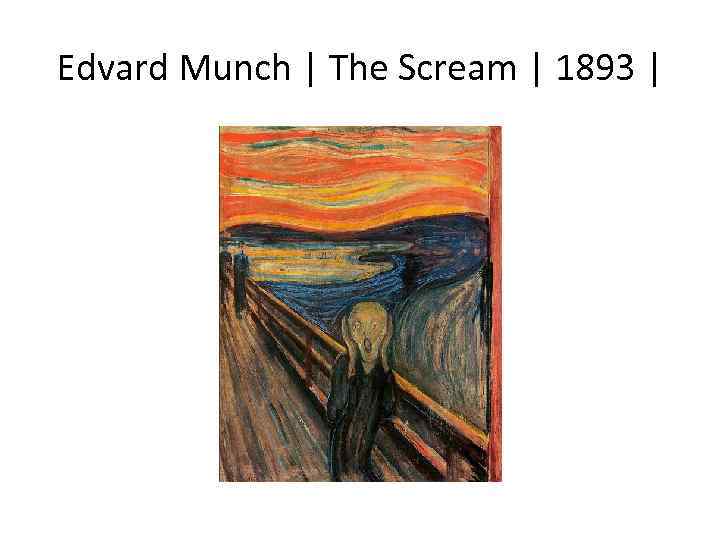 Edvard Munch | The Scream | 1893 |
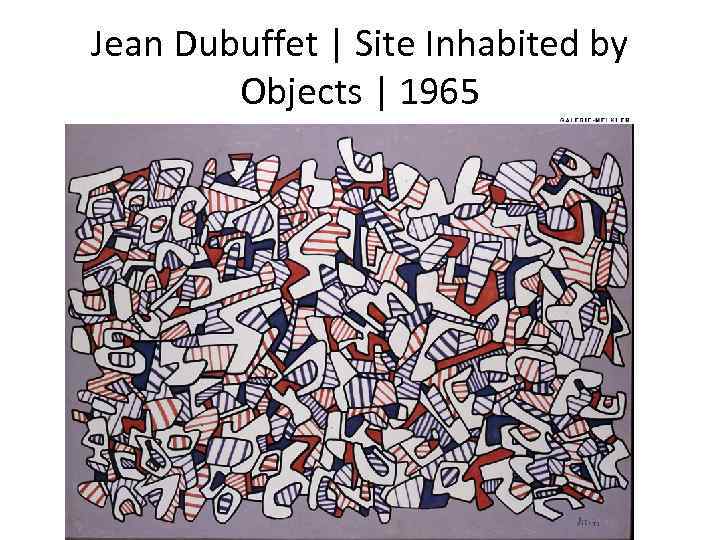 Jean Dubuffet | Site Inhabited by Objects | 1965
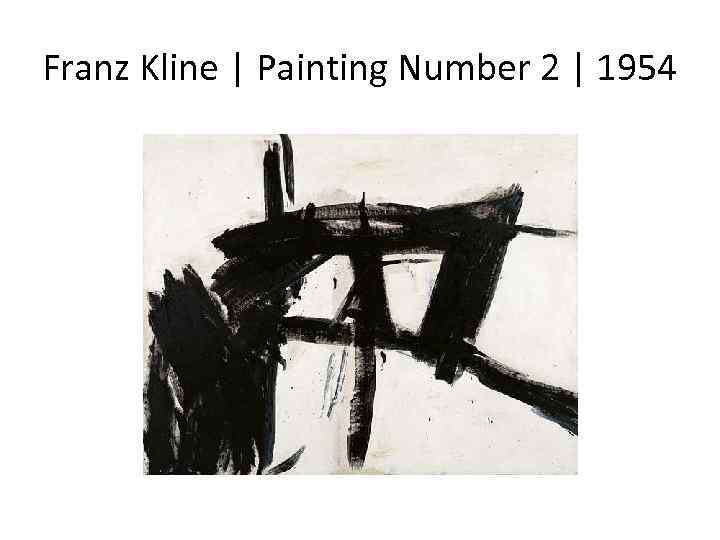 Franz Kline | Painting Number 2 | 1954
 Shapes • • Geometric Biomorphic = organic Free form Natural • Open • Closed
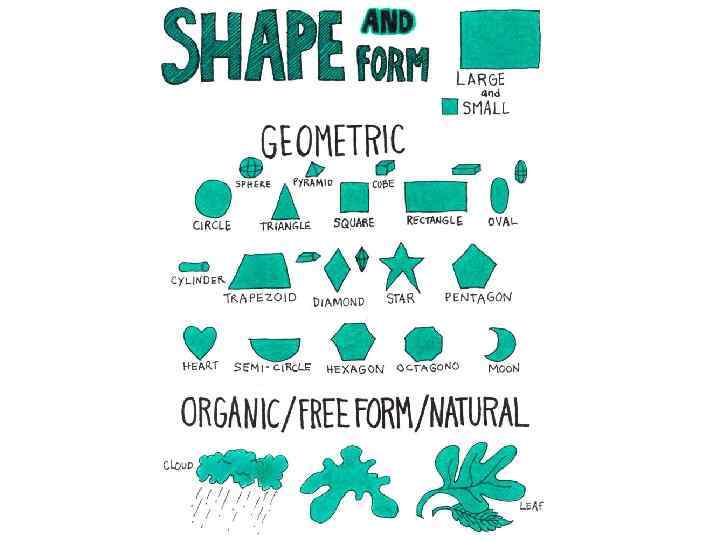
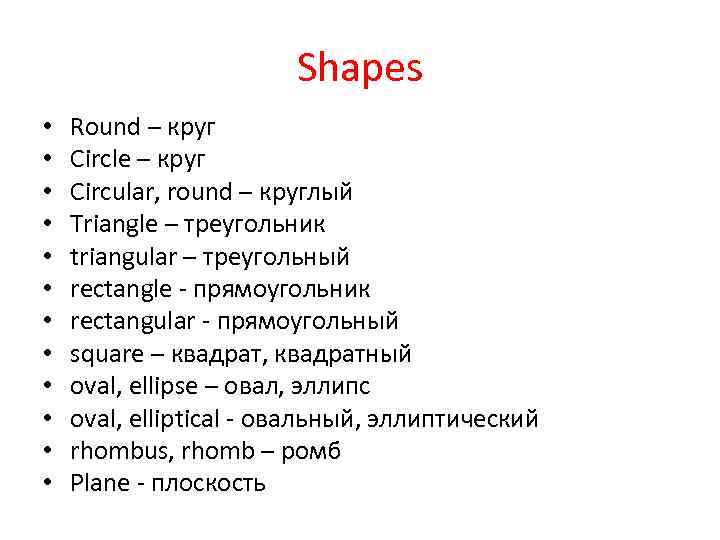 Shapes • • • Round – круг Circle – круг Circular, round – круглый Triangle – треугольник triangular – треугольный rectangle - прямоугольник rectangular - прямоугольный square – квадрат, квадратный oval, ellipse – овал, эллипс oval, elliptical - овальный, эллиптический rhombus, rhomb – ромб Plane - плоскость
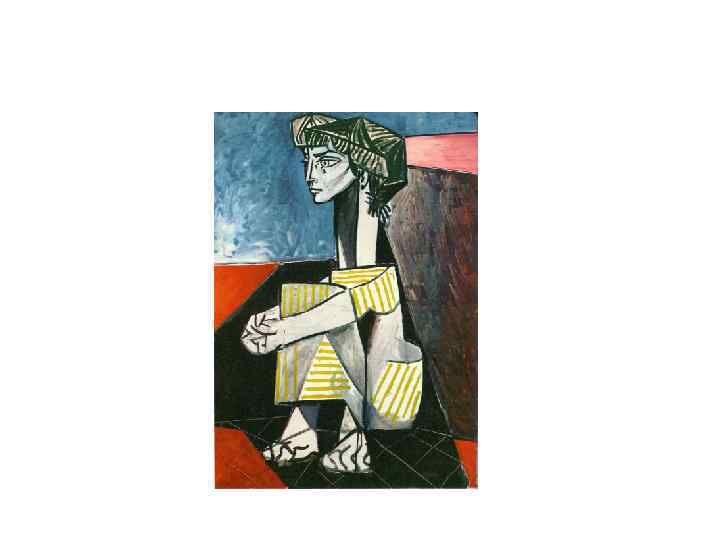
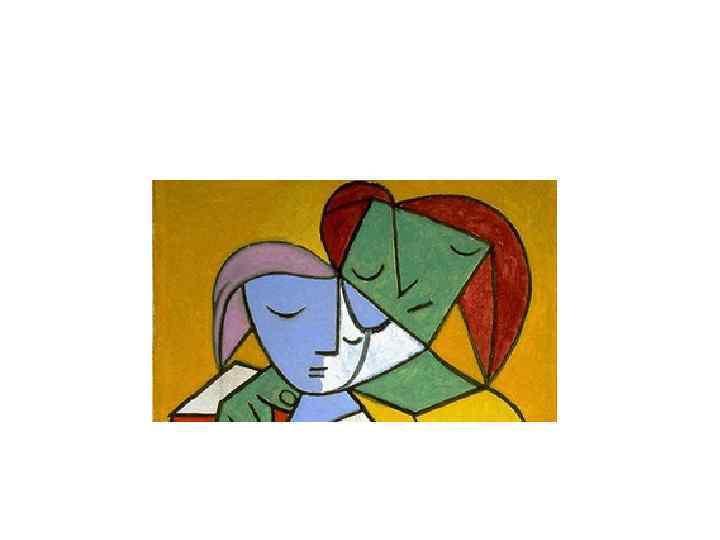
 Forms • • sphere, orb – сфера, шар parallelepiped – параллелепипед pyramid - пирамидка Cube – куб
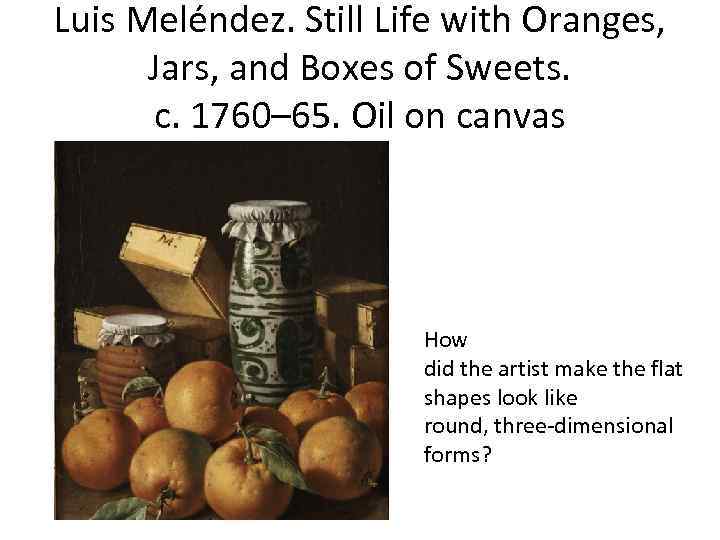 Luis Meléndez. Still Life with Oranges, Jars, and Boxes of Sweets. c. 1760– 65. Oil on canvas How did the artist make the flat shapes look like round, three-dimensional forms?
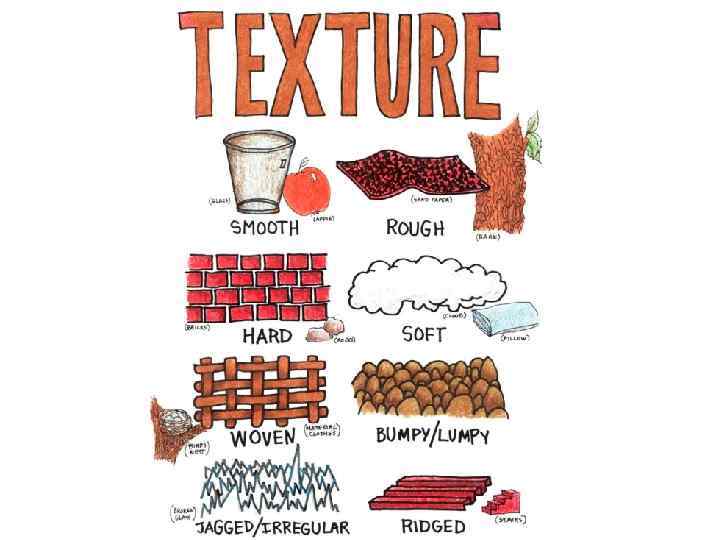
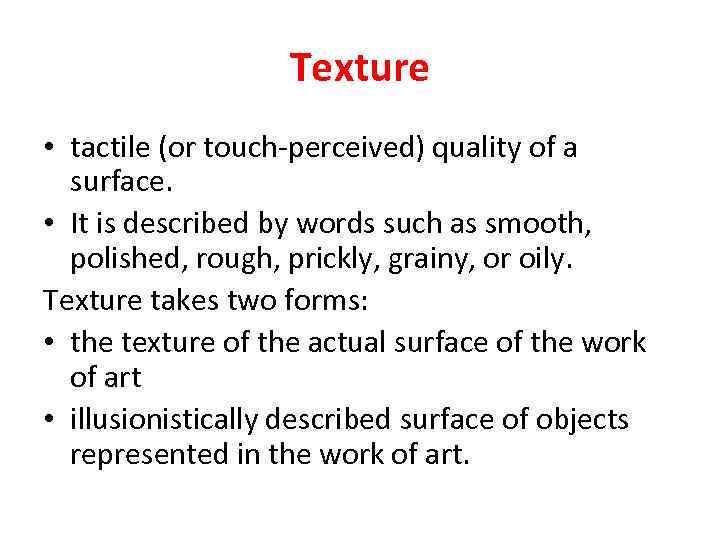 Texture • tactile (or touch-perceived) quality of a surface. • It is described by words such as smooth, polished, rough, prickly, grainy, or oily. Texture takes two forms: • the texture of the actual surface of the work of art • illusionistically described surface of objects represented in the work of art.
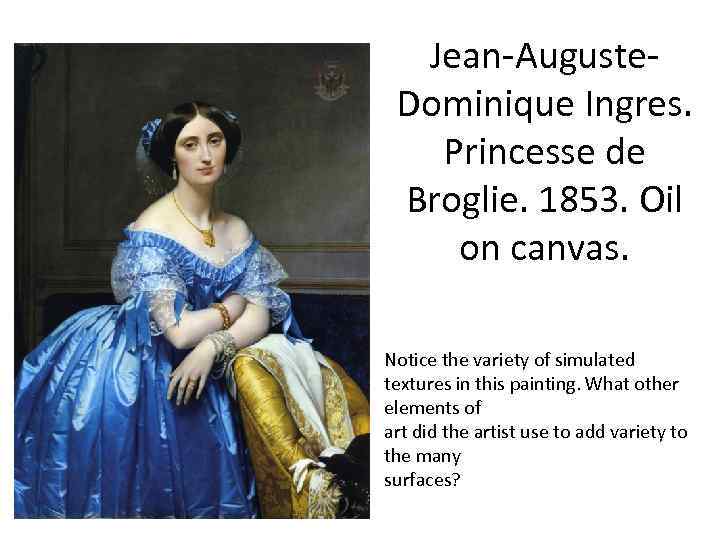 Jean-Auguste. Dominique Ingres. Princesse de Broglie. 1853. Oil on canvas. Notice the variety of simulated textures in this painting. What other elements of art did the artist use to add variety to the many surfaces?
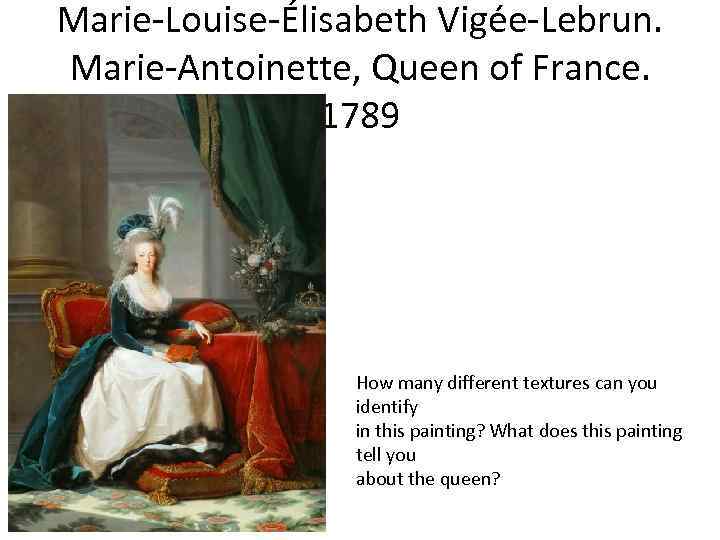 Marie-Louise-Élisabeth Vigée-Lebrun. Marie-Antoinette, Queen of France. 1789 How many different textures can you identify in this painting? What does this painting tell you about the queen?
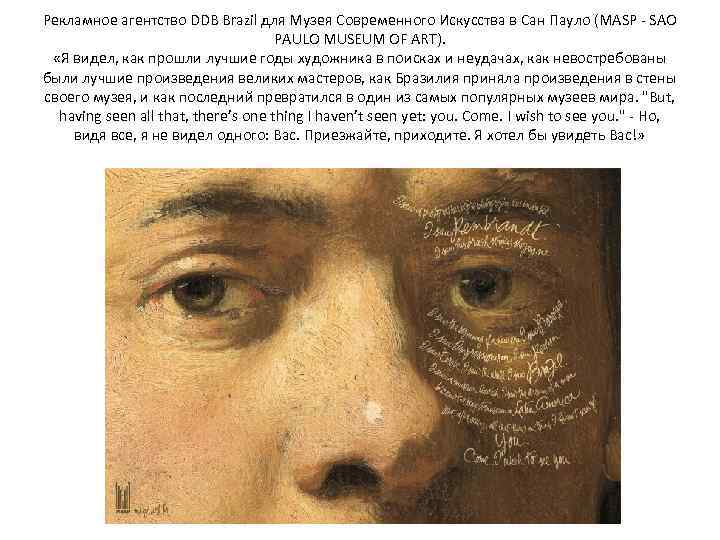 Рекламное агентство DDB Brazil для Музея Современного Искусства в Сан Пауло (MASP - SAO PAULO MUSEUM OF ART). «Я видел, как прошли лучшие годы художника в поисках и неудачах, как невостребованы были лучшие произведения великих мастеров, как Бразилия приняла произведения в стены своего музея, и как последний превратился в один из самых популярных музеев мира. "But, having seen all that, there’s one thing I haven’t seen yet: you. Come. I wish to see you. " - Но, видя все, я не видел одного: Вас. Приезжайте, приходите. Я хотел бы увидеть Вас!»
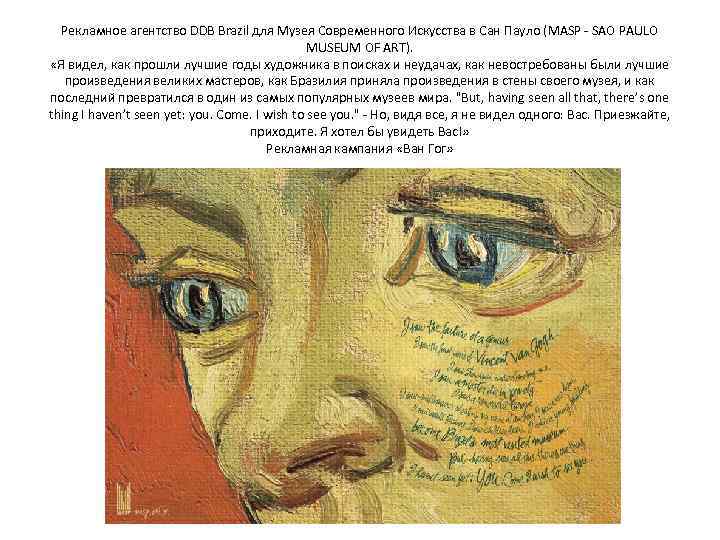 Рекламное агентство DDB Brazil для Музея Современного Искусства в Сан Пауло (MASP - SAO PAULO MUSEUM OF ART). «Я видел, как прошли лучшие годы художника в поисках и неудачах, как невостребованы были лучшие произведения великих мастеров, как Бразилия приняла произведения в стены своего музея, и как последний превратился в один из самых популярных музеев мира. "But, having seen all that, there’s one thing I haven’t seen yet: you. Come. I wish to see you. " - Но, видя все, я не видел одного: Вас. Приезжайте, приходите. Я хотел бы увидеть Вас!» Рекламная кампания «Ван Гог»
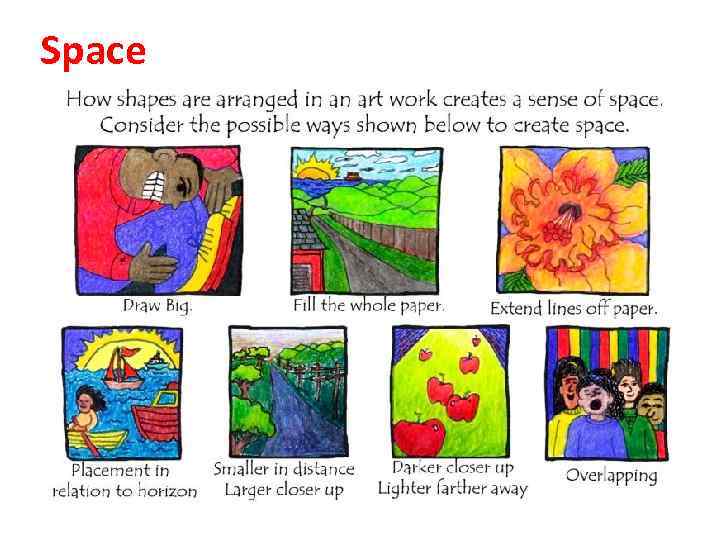
 Space • In sculpture and architecture: it is actual and three dimensional • In painting and drawing: it is fictional, represented illusionistically in two dimensions
 Space
Space
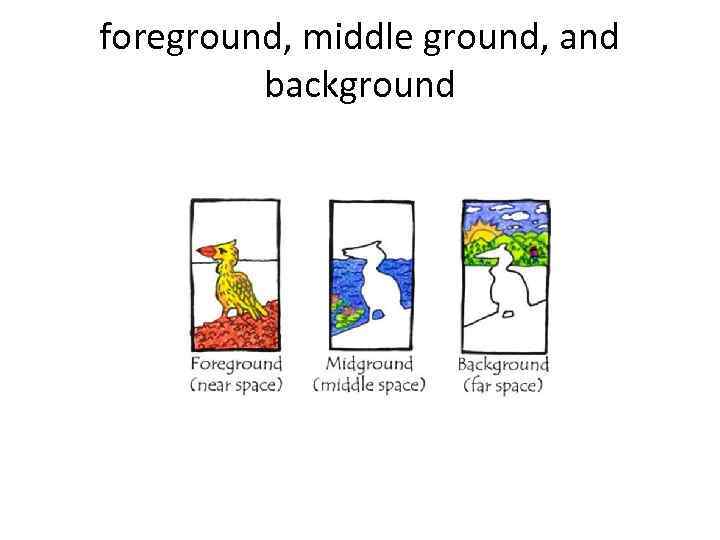 foreground, middle ground, and background
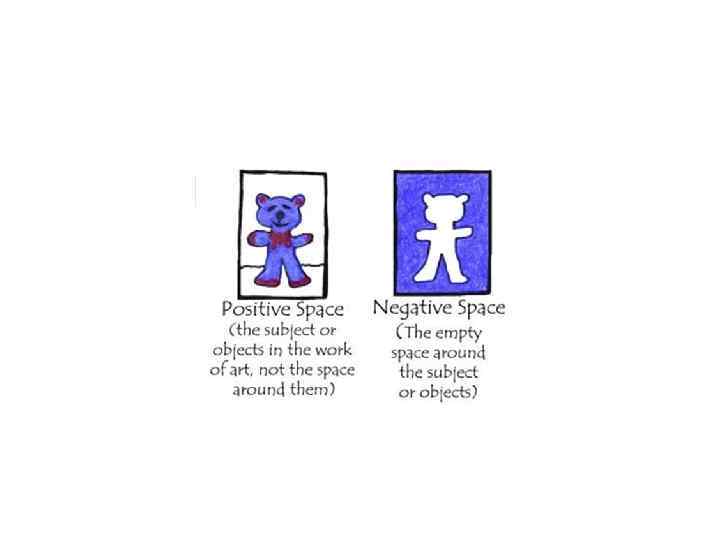
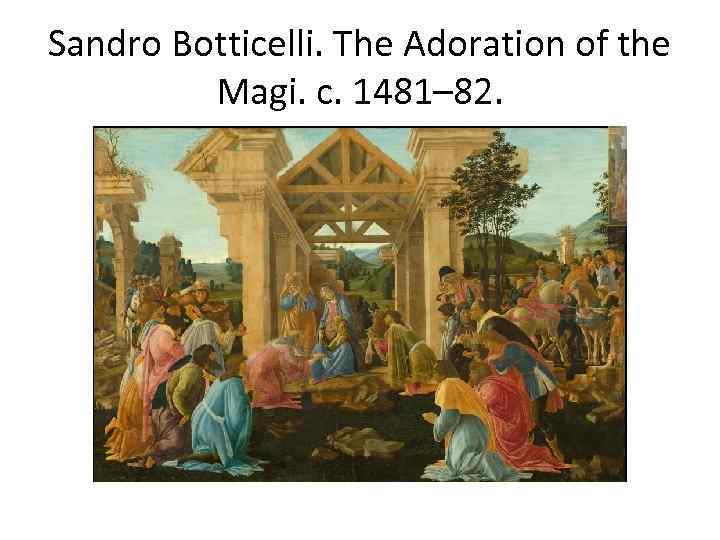 Sandro Botticelli. The Adoration of the Magi. c. 1481– 82.
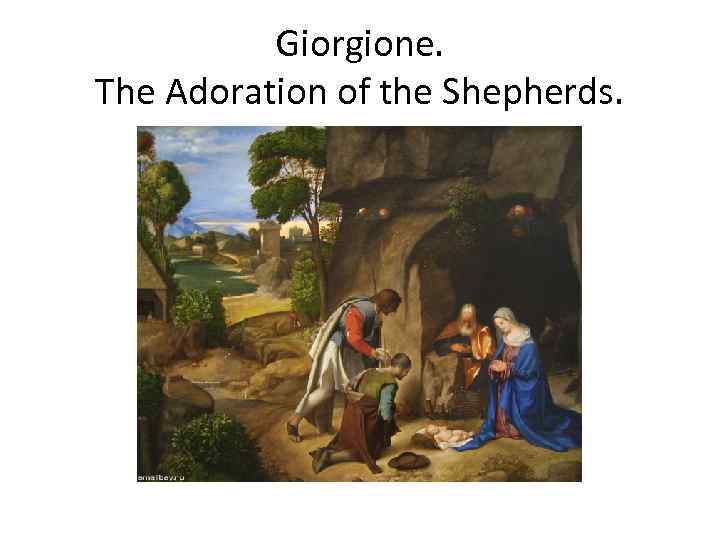 Giorgione. The Adoration of the Shepherds.
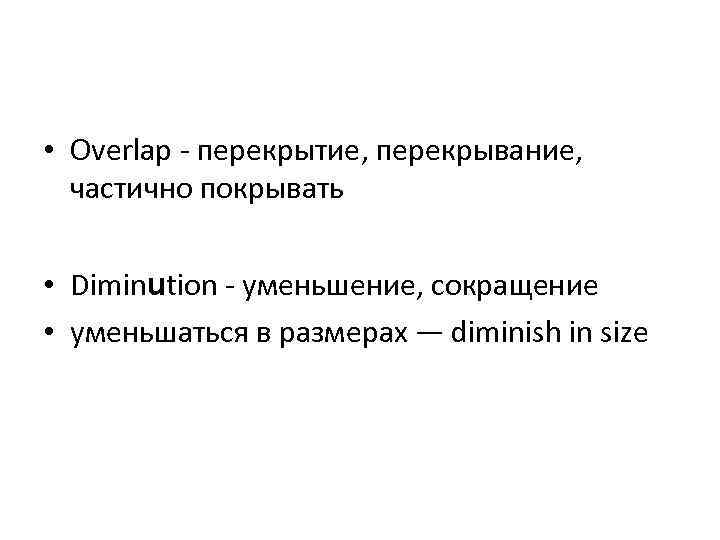 • Overlap - перекрытие, перекрывание, частично покрывать • Diminution - уменьшение, сокращение • уменьшаться в размерах — diminish in size
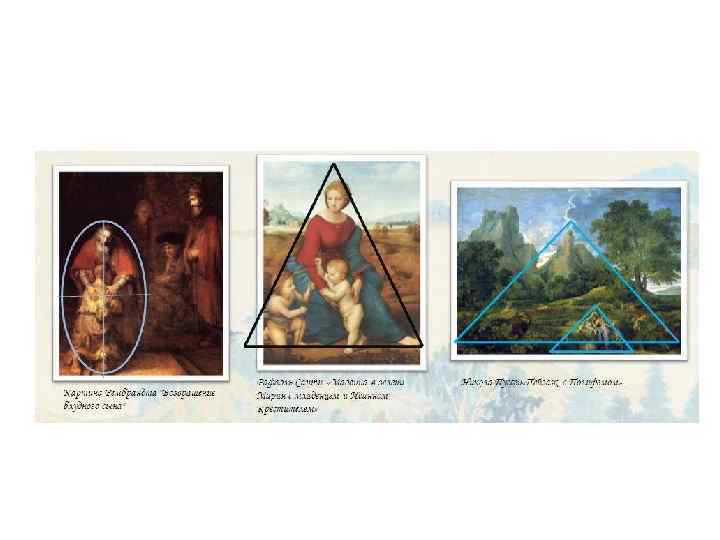
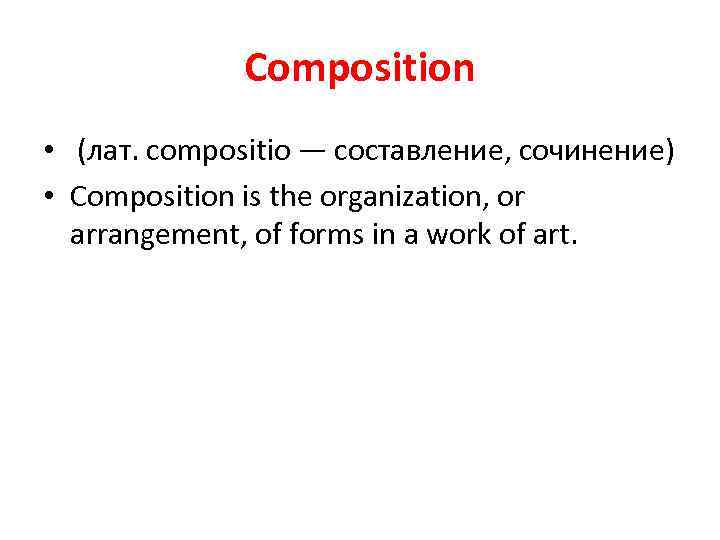 Composition • (лат. compositio — составление, сочинение) • Composition is the organization, or arrangement, of forms in a work of art.
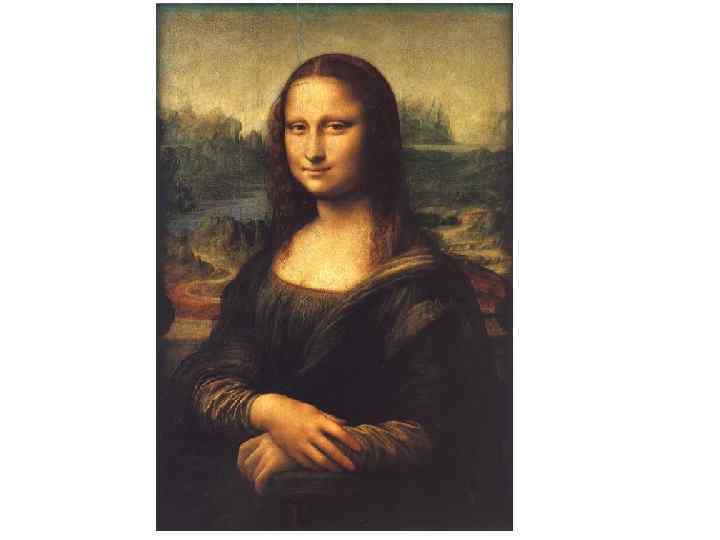
 • Линия горизонта • horizon line • line of horizon
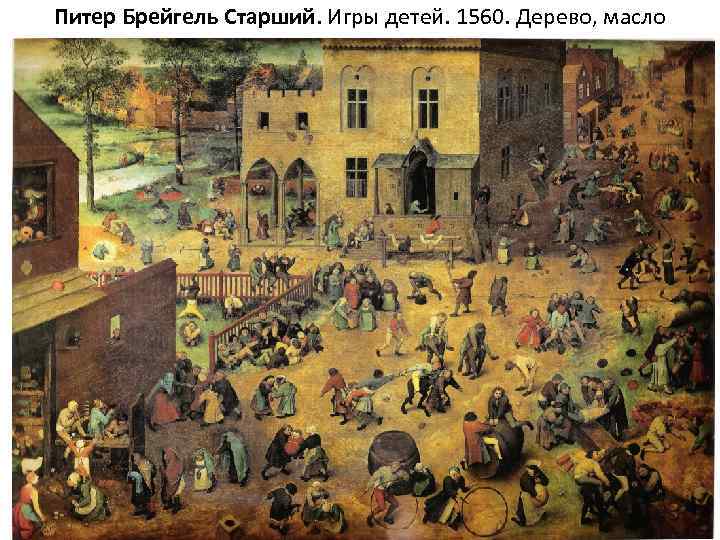 Питер Брейгель Старший. Игры детей. 1560. Дерево, масло
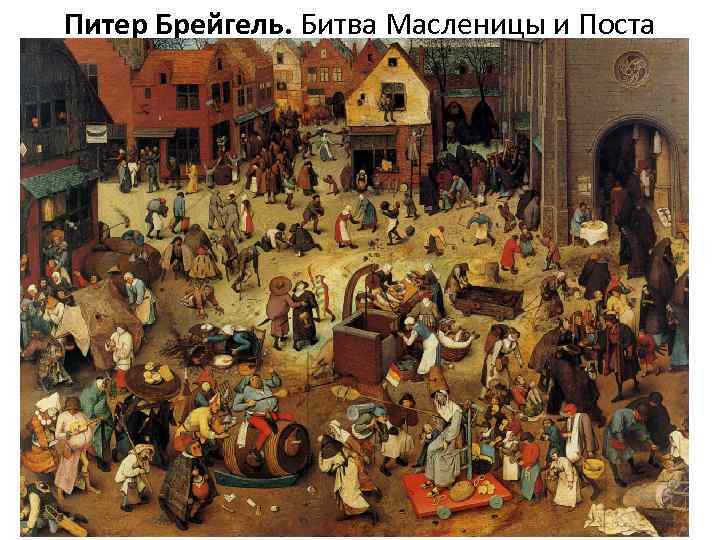 Питер Брейгель. Битва Масленицы и Поста
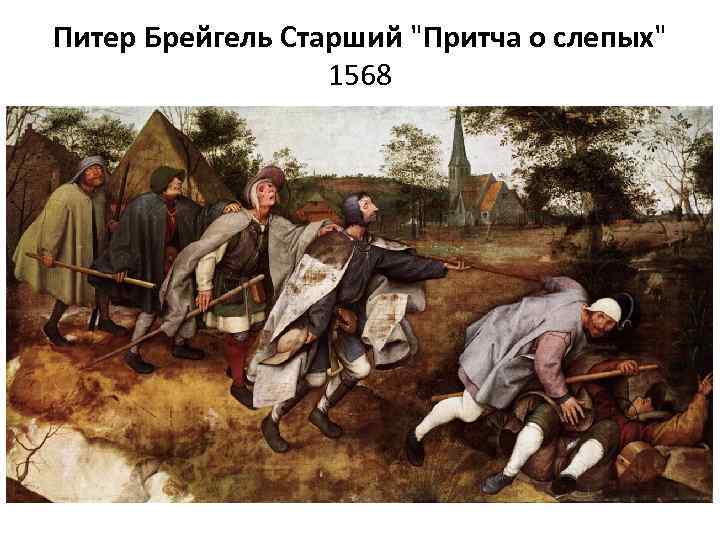 Питер Брейгель Старший "Притча о слепых" 1568
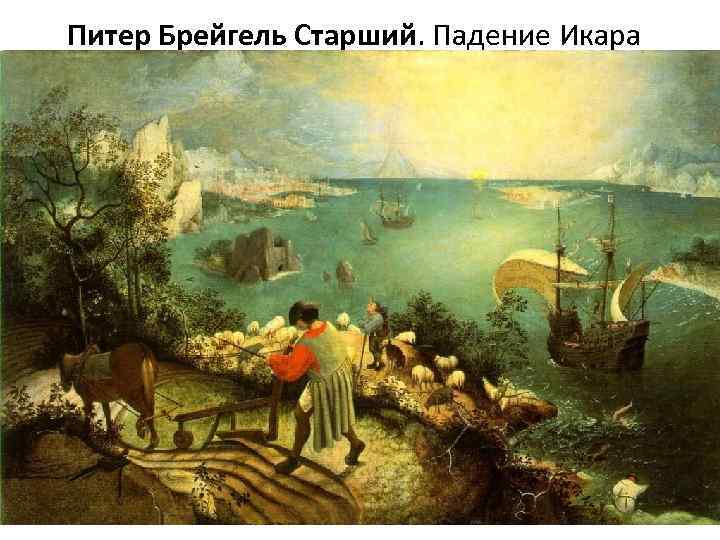 Питер Брейгель Старший. Падение Икара
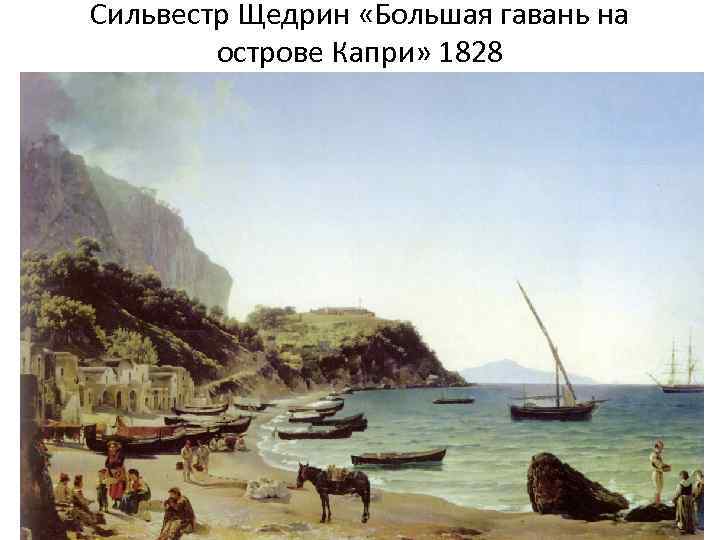 Сильвестр Щедрин «Большая гавань на острове Капри» 1828
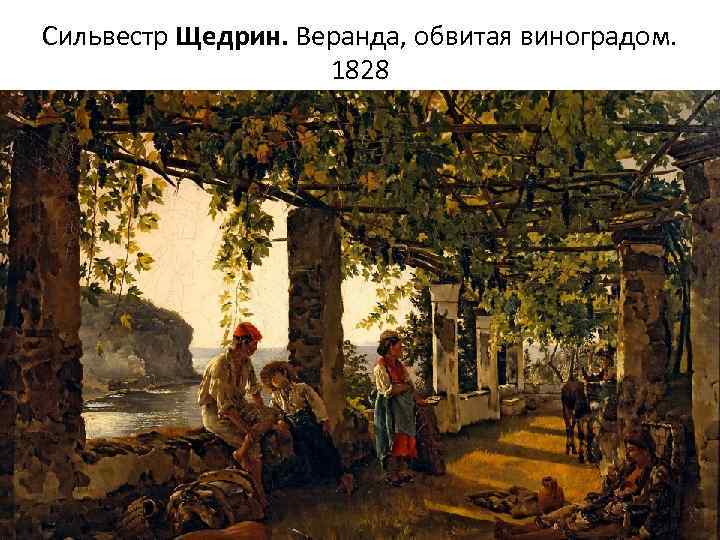 Сильвестр Щедрин. Веранда, обвитая виноградом. 1828
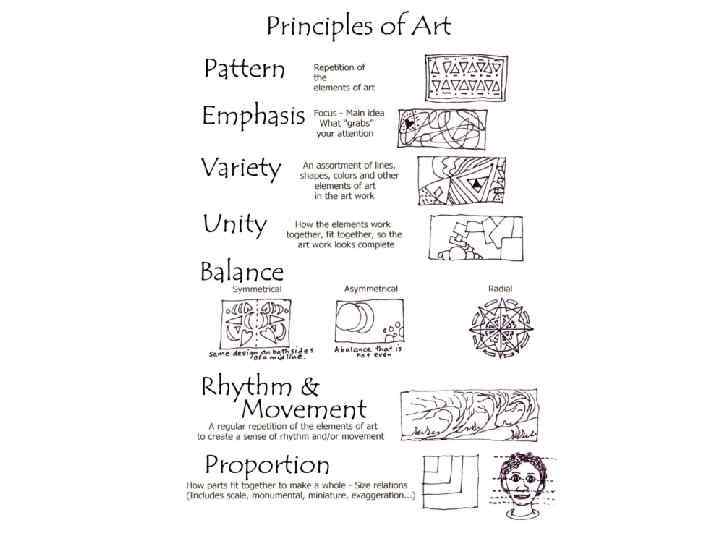
 Principles of art Different ways the elements can be used in a work of art: • Balance • Emphasis • Harmony • Variety • Movement • Rhythm • Proportion
 Balance • Each part of the painting or relief has visual weight. The artist carefully distributes this weight to balance the work of art.
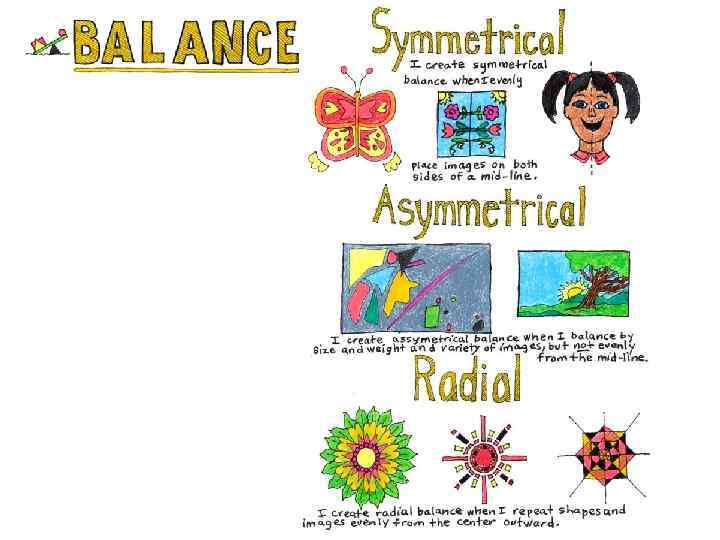
 Balance • https: //www. youtube. com/watch? v=mi. DLjrty Wi. U&list=PLEs. KOPMSMFSBkw 7 i. Vsnn. Kst. X 4 KIE FU 6 C 9
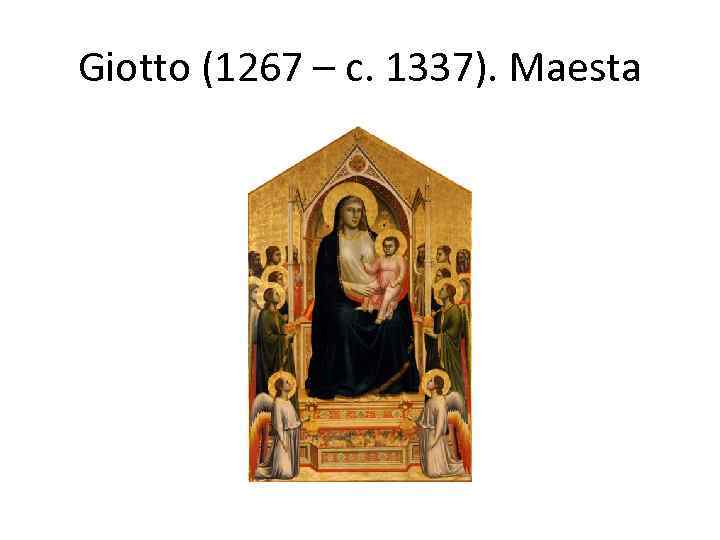 Giotto (1267 – c. 1337). Maesta
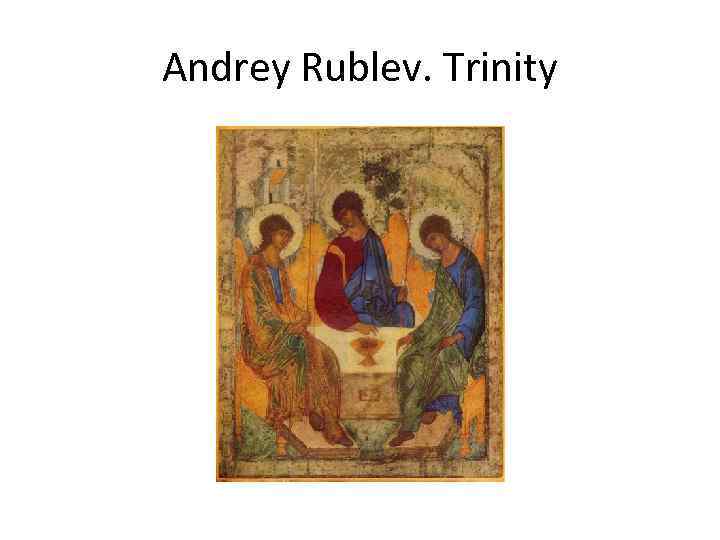 Andrey Rublev. Trinity
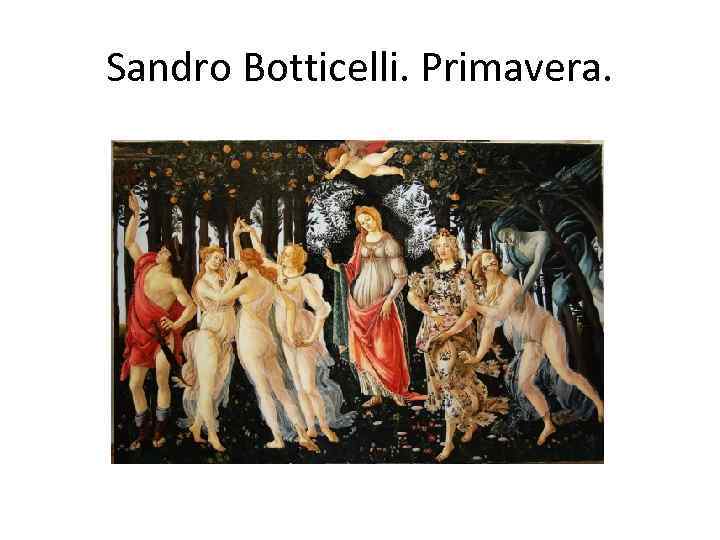 Sandro Botticelli. Primavera.
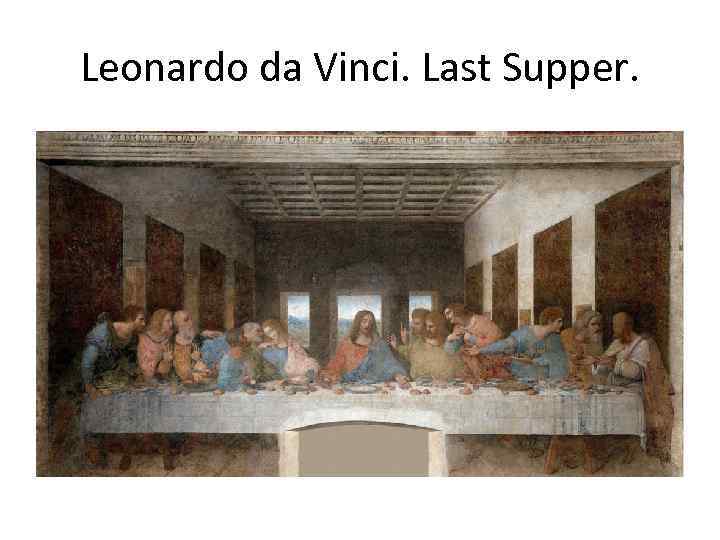 Leonardo da Vinci. Last Supper.
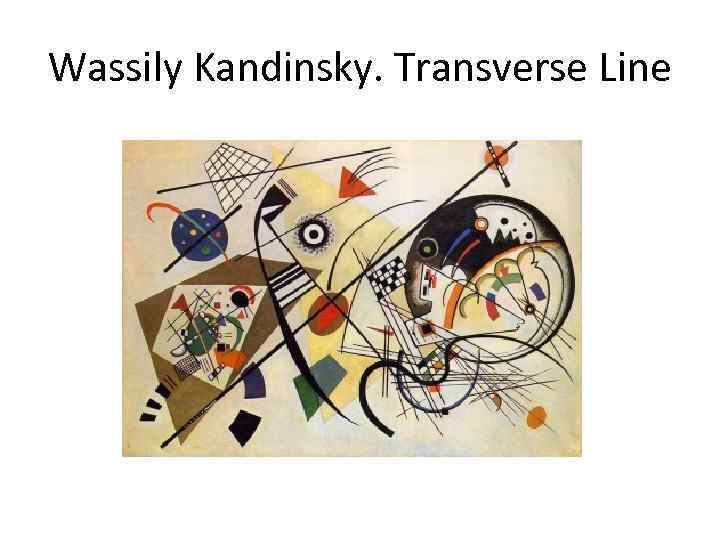 Wassily Kandinsky. Transverse Line
 Contrast • - Roles of contrast: Disrupting and preserving balance Creating interest and excitement Juxtaposing
 Contrast • https: //www. youtube. com/watch? v=pr. XIGx. QXc. Y&list=PLEs. KOPMSMFSBkw 7 i. Vsnn. Kst. X 4 KIEF U 6 C 9&index=3
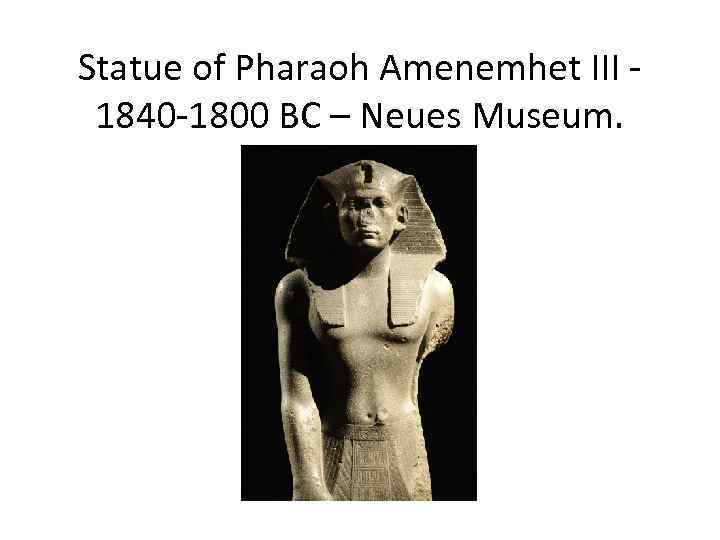 Statue of Pharaoh Amenemhet III - 1840 -1800 BC – Neues Museum.
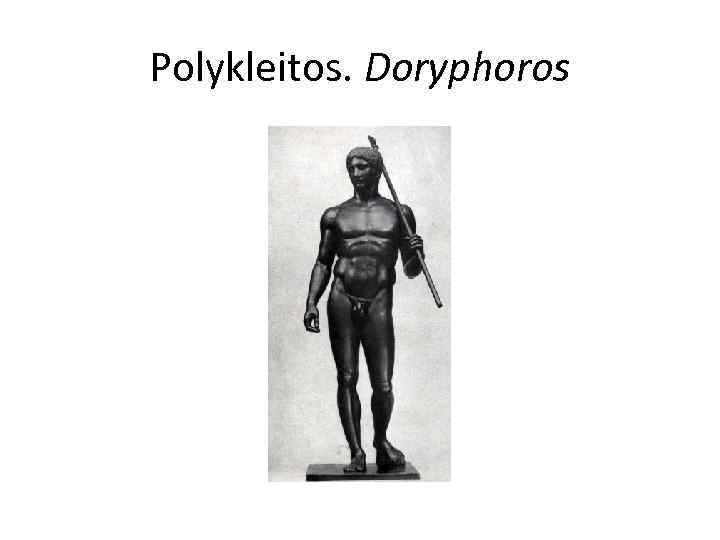 Polykleitos. Doryphoros
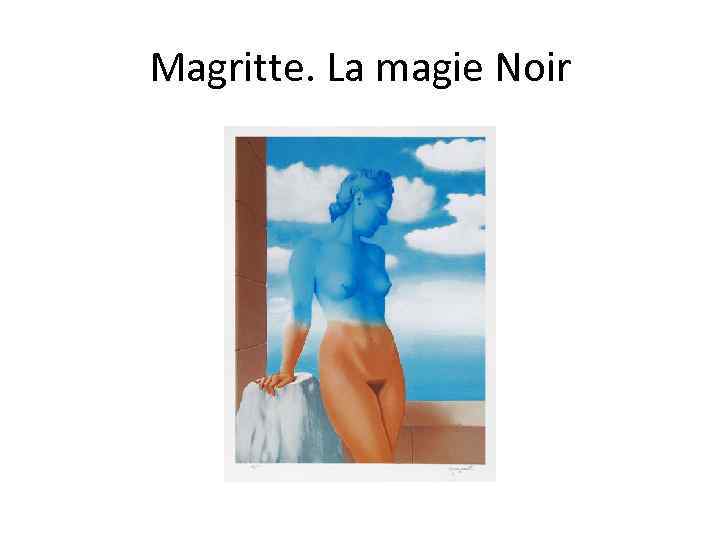 Magritte. La magie Noir
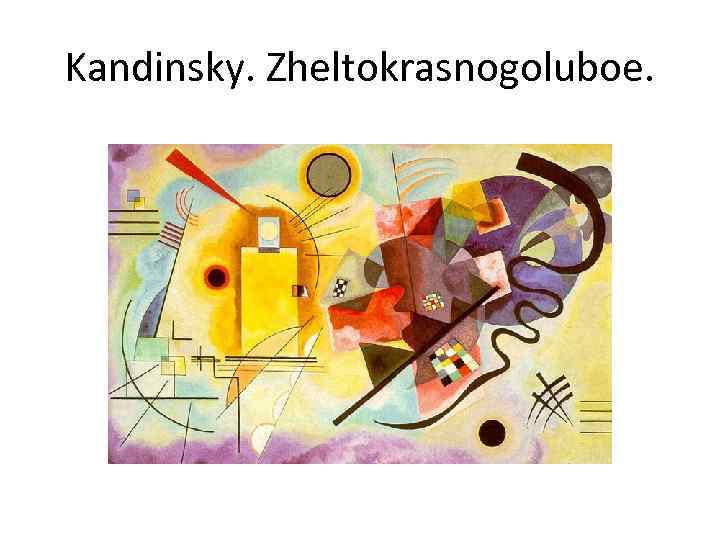 Kandinsky. Zheltokrasnogoluboe.
 Emphasis • Something that stands out from the rest of the artwork. Artist can achieve emphasis with colors, contrast, or placement of a figure.
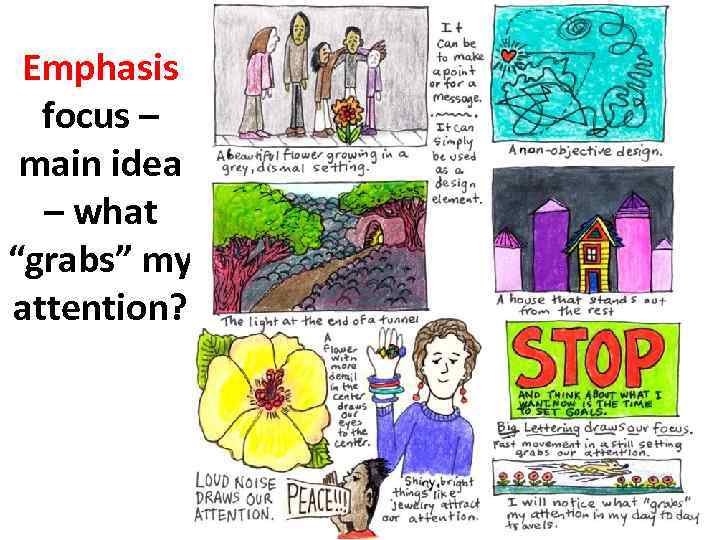 Emphasis focus – main idea – what “grabs” my attention?
 • https: //www. youtube. com/watch? v=tij. TOTO 4 Pk. E&index=5&list=PLEs. KOPMSMFSBkw 7 i. Vsnn Kst. X 4 KIEFU 6 C 9
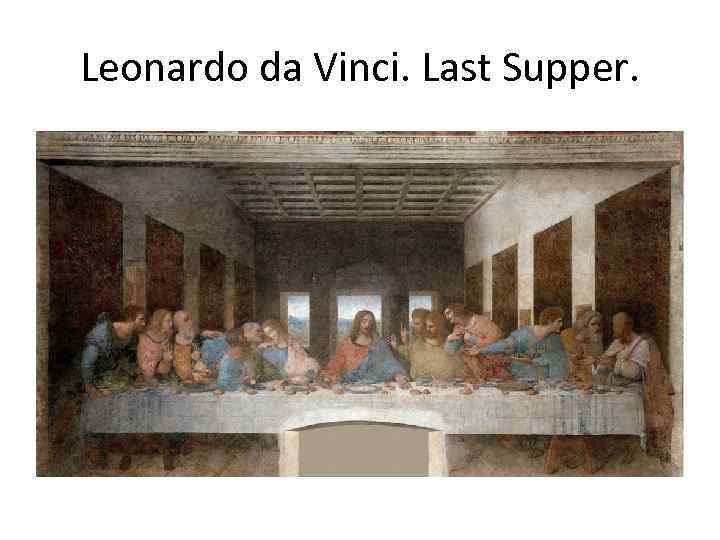 Leonardo da Vinci. Last Supper.
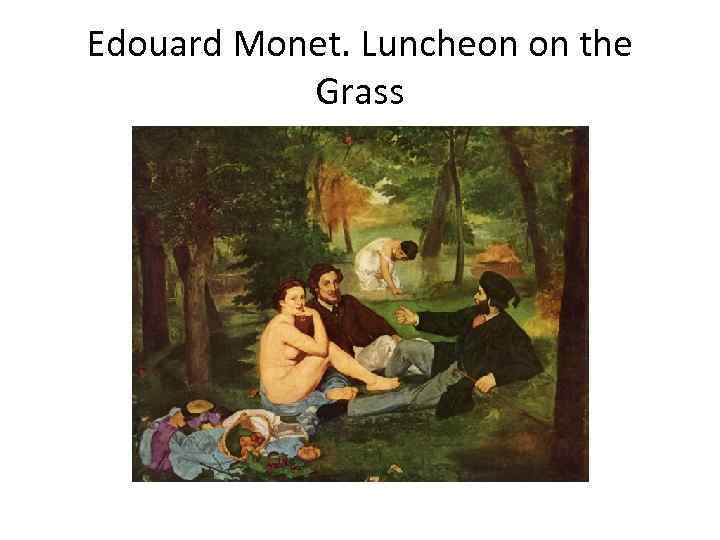 Edouard Monet. Luncheon on the Grass
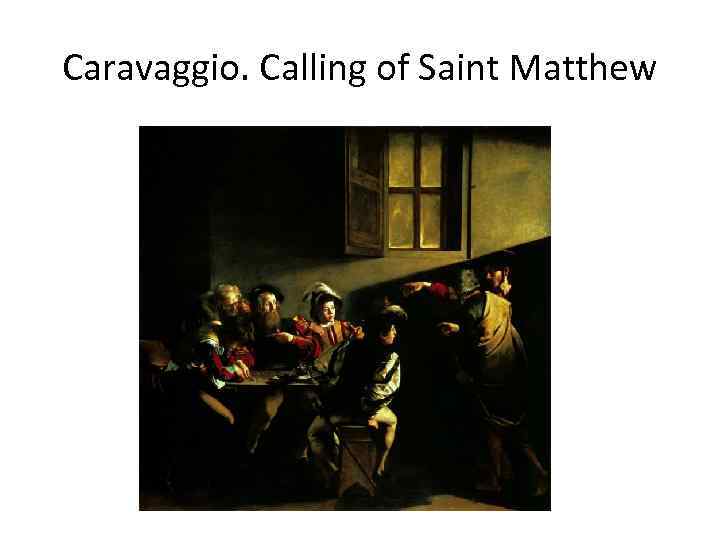 Caravaggio. Calling of Saint Matthew
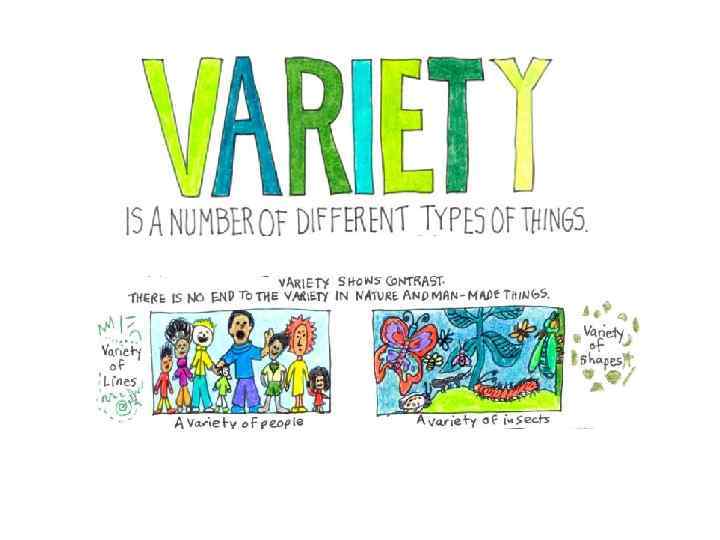
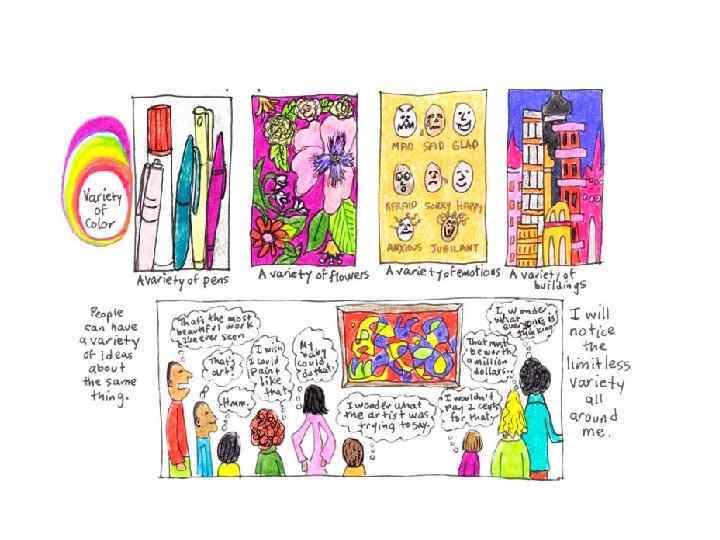
 Unity and variety
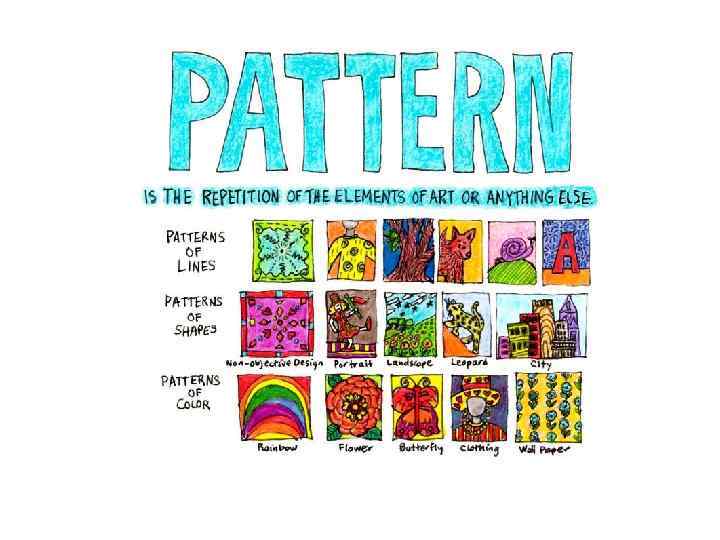
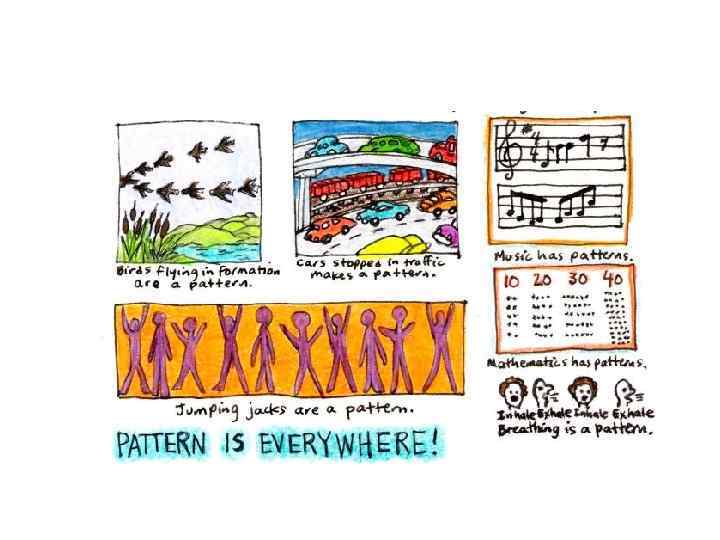
 Repetition • Repetition makes pattern
 Movement and Rhythm
 Rhythm • Visual art also has rhythm, like music. A visual beat makes your eyes dance from hot color to cool color, from light to shadow, from a wide wavy line to a straight one. • Why do we need varied visual rhythms?
 • Without visual rhythms the artwork would be static or monotone.
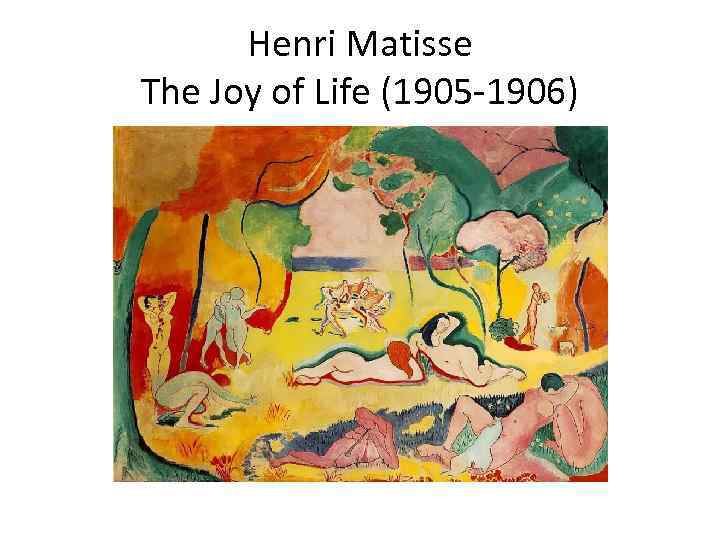 Henri Matisse The Joy of Life (1905 -1906)
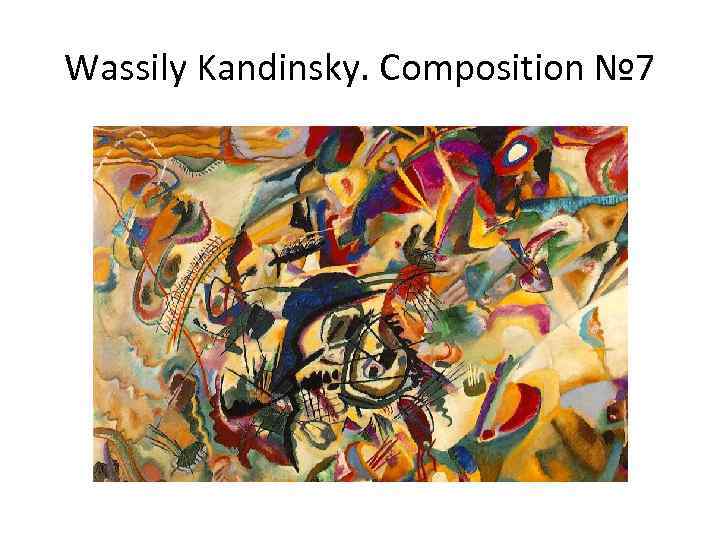 Wassily Kandinsky. Composition № 7
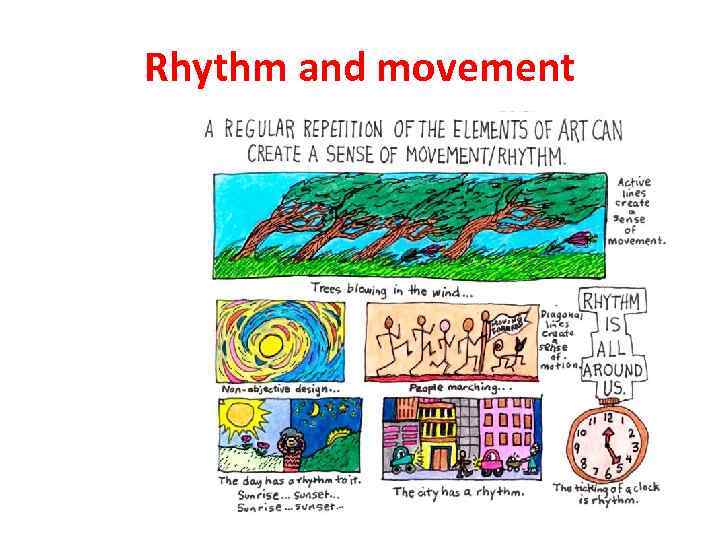 Rhythm and movement
 • https: //www. youtube. com/watch? v=ybj. Nr. OA r. Vz. A&list=PLEs. KOPMSMFSBkw 7 i. Vsnn. Kst. X 4 KIE FU 6 C 9&index=4
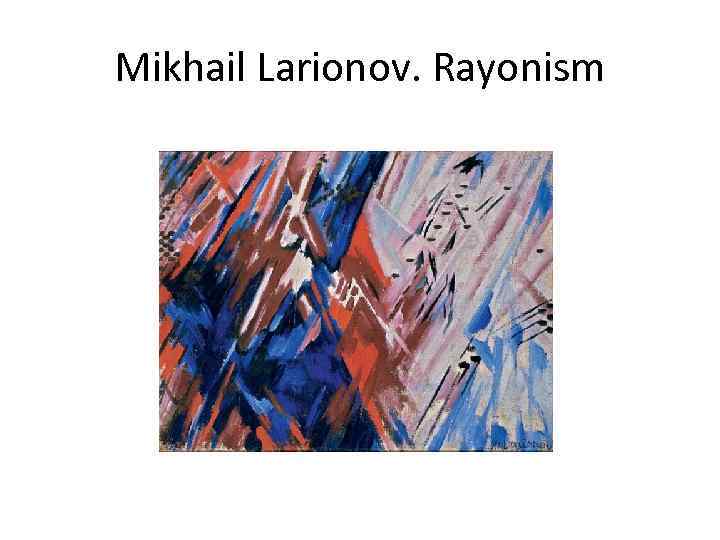 Mikhail Larionov. Rayonism
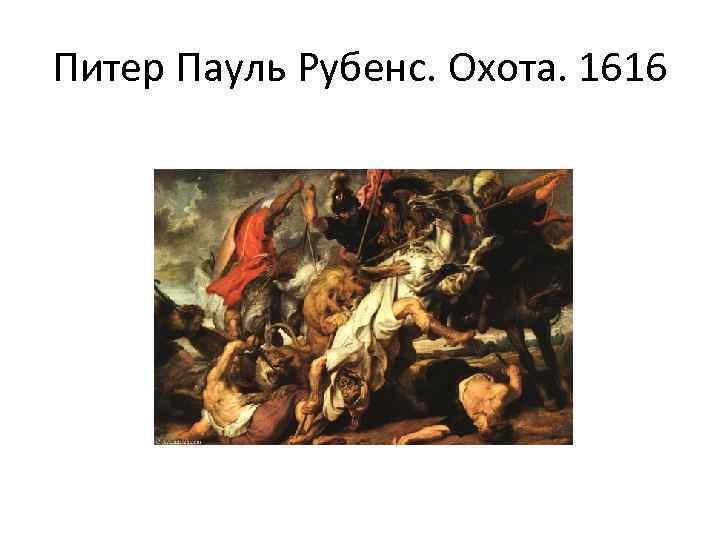 Питер Пауль Рубенс. Охота. 1616
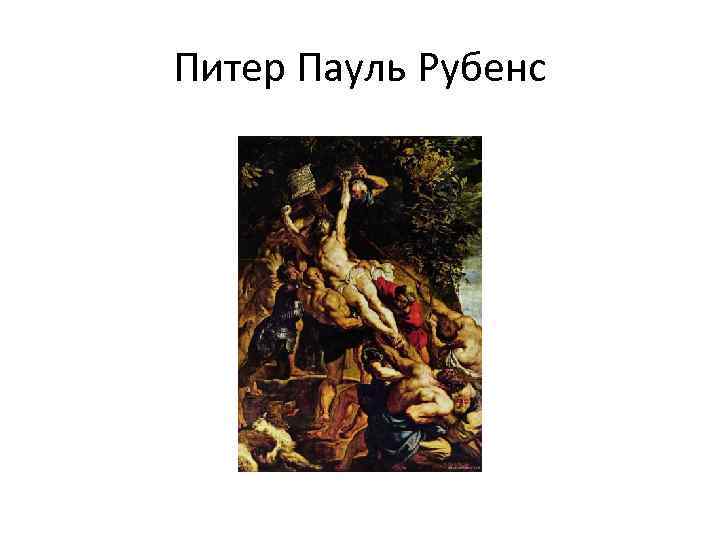 Питер Пауль Рубенс
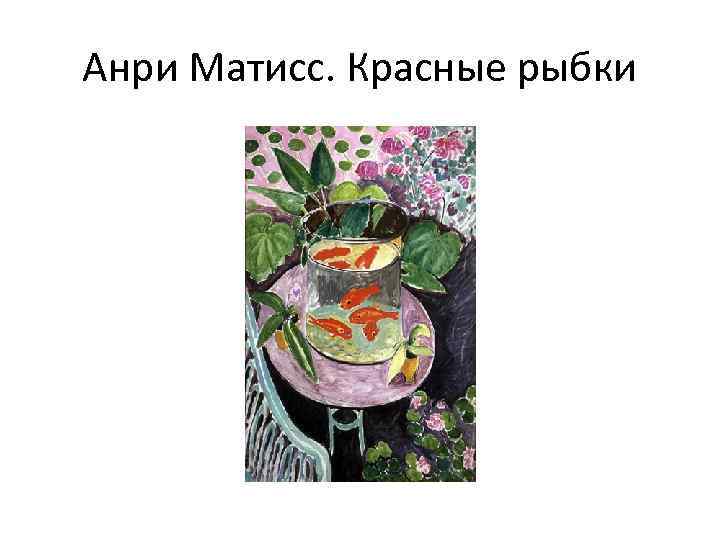 Анри Матисс. Красные рыбки
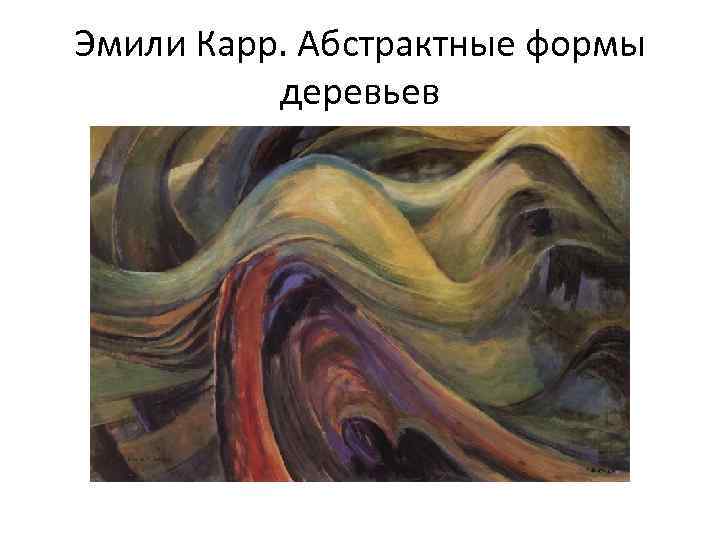 Эмили Карр. Абстрактные формы деревьев